It’s Monday! What Are You Reading? #IMWAYR 12/24/18

Share

IMWAYR 2015 logo

It’s Monday! What Are You Reading? From Picture Books to YA!

It’s Monday! What are you Reading? is a meme started by Sheila at Book Journeys and now hosted by Kathryn at The Book Date. It is a great way to recap what you read and/or reviewed the previous week and to plan out your reading and reviews for the upcoming week. It’s also a great chance to see what others are reading right now…you just might discover the next “must-read” book!

Kellee and Jen, of Teach Mentor Texts, decided to give It’s Monday! What Are You Reading? a kidlit focus. If you read and review books in children’s literature – picture books, chapter books, middle grade novels, young adult novels, anything in the world of kidlit – join us! We love this meme and think you will, too.

We encourage everyone who participates to support the blogging community by visiting at least three of the other book bloggers that link up and leave comments for them.

Bold_line

Bold_line

Link up below and go check out what everyone else is reading. Please support other bloggers by viewing and commenting on at least 3 other blogs. If you tweet about your Monday post, tag the tweet with #IMWAYR!

 Signature andRickiSig

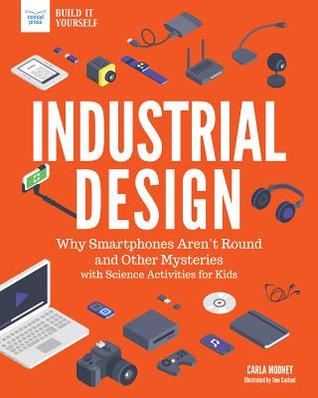
Author Guest Post!: “Shaping the World: Industrial Design” by Carla Mooney, Author of Industrial Design: Why Smartphones Aren’t Round and Other Mysteries

Share

“Shaping the World: Industrial Design”

Why are chairs shaped like…chairs? How do engineers get ideas for improving the design of cars, phones, packaging—everything?

Since the earliest times, people have searched for better solutions to specific problems. They have tried to improve stone tools, cooking pots, weapons, and more. When creating each new item, they have thought hard about it—what problem are they trying to solve, what are they trying to accomplish, how can they make it work better?

Answering these questions, they made a design. Through design, people have created the key inventions of our civilization.

You might not know it, but you, too are a designer. Have you ever rearranged your room or desk to better suit a specific use? Maybe you wrote a quick computer program to make your gaming system work better. By thinking about what needed to be improved and finding a way to improve it, you used design skills.

So what’s industrial design? Industrial design is the process of brainstorming and planning every aspect of a product before it is made in mass production. Most of the things we buy today are made in a factory. Someone, an industrial designer, decided what the product would look like, how it would work, and developed a process for it to be manufactured.

Industrial design includes making decisions about how a product is used by a person, what technologies it uses, the materials it is made from, and how it looks and feels. Industrial design is a problem-solving process.

People have been designing things since the first fire pit! As technology grows increasingly complex, the methods of design have grown more sophisticated, but the beginning spark is the same. Spot a problem? Design a solution!

Try your hand at industrial design with these hands-on projects!

DESIGNER VS CRAFTSMAN

The growth of factories and mass production allowed companies to produce goods that were affordable for many people. At the same time, separating design from manufacturing can cause some problems. In this activity, you will explore some of the differences between craft-based design and mass production.

To begin, you will play the role of a craftsperson. Choose something that you can make, such as a piece of art, a stick picture frame, a simple wooden train and tracks, or a magnetic clip. Gather your supplies and get to work designing and making your item. Think about the following questions.

What design decisions did you make for your item?
When did you make these decisions—before you started working or while you were making the item?
How were the design process and the making of the item connected? How were they separate?

Now, imagine that your item will be mass-produced in a factory. You are still the designer, but will not be making the items. How will you convey your design ideas to the people who will manufacture and assemble the items? How will you ensure that the mass-produced items match your design, regardless of who makes them?

Have several friends or classmates follow your design instructions and make the item without you. After they have finished, compare their items to your handcrafted original.

Are there any differences? If so, what are they?
What difficulties did you and your team encounter while mass-producing the item? Why do you think this occurred?
What problems will it cause if there are differences between a design and the manufactured products? What about between the products themselves?
What could you do as the designer to ensure there are very few differences between the original design and mass-produced items?

Try This!

Think about how ornamentation affects mass-produced industrial design. Ornamentation is everything added to an object for decoration. It could be the type of finish or painting on an object, scrolls in woodwork, or even added jewels or metalworking. What is the effect of ornamentation on an object’s form, function, manufacturing process, and cost?

DESIGN A CHAIR

Design solves a problem and meets a need. When industrial designers create and improve products, they make sure their designs meet the needs of users. In this activity, you’ll design a chair that meets the needs of a specific type of user.

Consider the following chair users.

An 80-year-old man who walks with a cane. He spends most of his day in a chair, watching television. It is difficult for him to get in and out of a chair.
A 15-year-old student who spends eight hours a day at school. He has a large, heavy backpack that he carries from class to class. In every class, he needs a place to work and store his backpack.
A 30-year-old marathon runner who spends much of her time moving. Because she often has sore muscles, she prefers a cushioned, comfortable place to relax and prepare for the next day’s run.

Choose one of the users and make a list of what they need in a chair. How are these needs related to design requirements for a chair?

Choose a variety of materials to work with. Possibilities include black permanent markers, paper, scissors, corrugated cardboard, pipe cleaners, modeling clay, cotton balls, tape, and toothpicks.

Following the design process and considering your design requirements, design the chair.

Draw several sketches of the design. What elements will you use in the design? How do these elements meet design requirements?

Using your materials, make a simple model of your chair.

Evaluate your chair’s design. Does it meet the design requirements? Does it work as intended? Is it aesthetically pleasing?

Test your design by having other people evaluate the chair. What changes or improvements do they recommend?

Retest it with potential users. If needed, redesign your chair based on the testing feedback. After you have the final design, consider the following questions.

What did you change during the design process? What did you learn from your models and prototypes?

What materials did you enjoy working with the most? Which did you enjoy the least? Why?

Try This!

Try building a model of the same chair using different materials. How do different materials affect the design? How does the choice of materials affect how well the chair meets the design requirements?

REDESIGN A KITCHEN UTENSIL

There are a lot of utensils in the kitchen—knives, forks, spoons, whisks, peelers, pizza cutters, ice cream scoopers, spatulas, and more. Can you find any that could be improved by industrial design?

With an adult’s permission, take an inventory of your kitchen utensils. Consider the following questions.

What types of utensils do you have? How many of each kind?
What materials are they made from?
Are they ergonomic?
Are any utensils hard to hold or difficult to use?
Are any broken or rusty?
Can you use them right-handed or left-handed?
Do the handles wobble and make gripping the utensil difficult?
Does the utensil have sharp edgesthat cut into your hand when holding?
Do they look aesthetically pleasing?

Choose a utensil to improve through industrial design. Follow the steps of the design process:

Understand the problem
Define design requirements
Generate ideas
Choose the best solution
Develop the solution
Make a model/build prototype
Test and redesign

Present your new and improved utensil design to family members. What are their reactions?

Try This!

Can you design a product to organize your kitchen utensils?

About the Author: Carla Mooney has written more than 70 books for children and young adults. Her work has appeared in many magazines including HighlightsFaces, and Learning Through History. Carla lives in Pittsburgh, Pennsylvania.
Website: carlamooney.com
Facebook: facebook.com/carlamooneyauthor

Industrial Design: Why Smartphones Aren’t Round and Other Mysteries with Science Activities for Kids
By Carla Mooney
Published August 3rd, 2018 by Nomad Press

About the Book: What is industrial design? Why do microwaves open with a swinging front door? Why aren’t smartphones round?

In Industrial Design: Why Smartphones Aren’t Round and Other Mysteries with Science Activities for Kids, readers ages 10–15 engage in and learn about the engineering design process from its earliest beginnings, when individuals designed and crafted their own tools, to today, when engineers work to find the best design for products that are then manufactured in bulk by automated machines. Engineers consider the user experience of every product they design to ensure that users have the best experience possible. Good design combines the right materials, colors, details, and form to make a person want to buy and use a product. A well-designed product is easy to use and does what it is meant to do!

Thank you Carla for these classroom and independent friendly inquiry activities!

Celebrating 10 Years of the Sisters 8 series by Lauren Baratz-Logsted with Greg Logsted and Jackie Logsted (with a special message from the author!)

Share

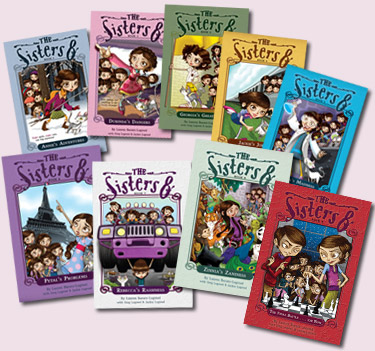
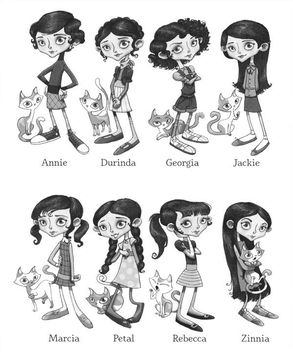
The Sisters 8 Series by Lauren Baratz-Logsted with Greg Logsted and Jackie Logsted

The Sisters 8 #1: Annie’s Adventures The Sisters 8 #2: Durinda’s Dangers
Published December 29th, 2008 by HMH Books for Young Readers

through

The Sisters 8 #9: The Final Battle…For Now
Published August 7th, 2012 by HMH Books for Young Readers

About the Series: The story begins on New Year’s Eve, eight sisters–octuplets–wait for Mommy to come back from the kitchen with eggnog and Daddy to come back from the shed with more wood for the fire.

But they–Mommy and Daddy, that is–don’t. Come back. Ever.

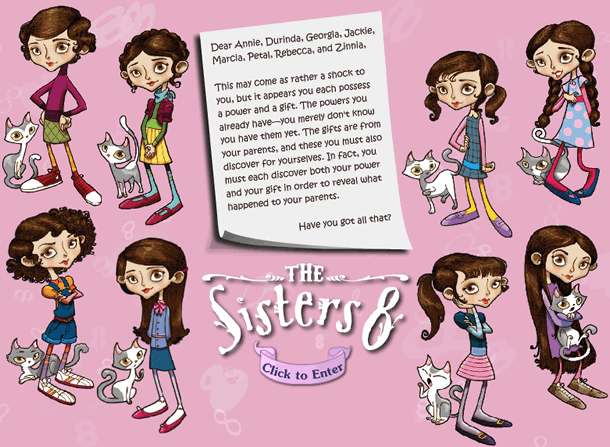
It takes the sisters a few minutes to notice, but when they do it’s just as you would expect. Disbelief! Outrage! Despair! But then a note appears, telling the girls that each one of them has a talent and a gift. They all must find theirs to learn what happened to Mommy and Daddy.

Okay, so that’s how it begins. How does it end? Enter the world of the Sisters Eight to find out…

About Annie’s Adventures (Book #1): A rather large problem has befallen the Huit girls. (Sisters, actually. Octuplets to be exact.) One particular New Year’s Eve, the girls wait for their mommy to bring them hot chocolate and their daddy to return with more wood for the fire. But they don’t. Mommy and Daddy, that is. They’re gone. Poof! Maybe dead—no one knows for sure.

You must see the problem here. Eight little girls on their own, no mommy or daddy to take care of them. This is not a good thing.

So now these little girls, must take care of themselves. Get to school, cook the meals, feed the cats (eight of them, too), and pay the bills. They can’t ask for help, oh no. Any self-respecting adult would surely call in social services, and those well-meaning people would have to split them up. After losing their parents, being split up would be completely unbearable.

At the same time, the question remains:What happened to Mommy and Daddy? The Sisters Eight (as they are called, affectionately and otherwise) are determined to find out. Luckily, they do seem to have someone or something helping them. Notes keep appearing behind a loose brick in the fireplace.

It’s a good old-fashioned mystery with missing (or dead) parents, nosy neighbors, talking refrigerators, foul-smelling fruitcake (is there any other kind?), and even a little magic. Eight little girls, eight cats, and one big mystery—let the fun begin!

Annie’s Adventures, wherein the girls’ parents go missing (or die) and the girls learn each one has a power and gift. Annie, being the oldest, is the first to discover hers.

And expand the Sisters Eight adventures by entering The Sisters Eight Website!

After you enter, you can:

  • Learn about each of the books,
  • Learn about the authors,
  • Read reviews of the books,
  • Meet the Huit sisters,
  • Take a quiz to see which Sisters Eight you are,
  • Printable paper dolls,
  • Make your own beanbags,
  • Decorate a t-shirt,
  • Design flip-flops,
  • Make a friendship bracelet, or
  • Learn about starting a Sisters 8 book club!

About the Author: Lauren Baratz-Logsted is the author of more than a dozen books for adults and young readers, including The Twin’s Daughter, Crazy Beautiful, and the Sisters 8 series, which she cowrites with her husband and daughter.

A personal note from the author on this special anniversary: 

Who could ever have predicted that getting snowbound in Crested Butte, Colorado, back in 2006 would lead 12 years later to a nine-book series that has sold over a quarter of a million copies? But that’s what happened to my family. When a visit with friends that was supposed to last five days turned into 10 following a blizzard that closed Denver Airport, my husband Greg and me and our then-6yo daughter Jackie had to find new ways to entertain ourselves, which in our case meant brainstorming what would become known as The Sisters 8 series, about octuplets whose parents go missing on New Year’s Eve, leaving the girls to solve the mystery of where their parents went while keeping other adults from realizing there are no longer any adults in the house. The first two books were published in December 2008, with seven more books since.

Over the course of my career, I’ve been extraordinarily lucky. While I have neither the money of Rowling nor the critical acclaim of Franzen, I’ve been able to write the books I wanted to write – for adults, teens and children – in a variety of genres, and seen nearly 40 of those books published. If that’s not lucky, I don’t know what is. But nothing in all of it has given me more pleasure than The Sisters 8. I got to create it with my husband and daughter, who is now 18 and off at college. I got to share the early books with Jackie’s classmates as we were writing them. I got to receive thousands of emails from kids – and their parents, grandparents, librarians and teachers – telling me how much the series has meant to them. Most writers I know long for more money or greater fame. Now, I’m not saying I’d say no to either, but when you’ve receive a letter from a ten-year-old saying “After my brother died, The Sisters 8 was the first thing that made me feel cheered again” or from a special needs teacher saying “It was the first book that ___ asked if she could take home to continue reading on her own” or whole families of Canadians saying they bring the books to read aloud to each other on camping trips (Bless you, Canada!) – well, after all of that, you realize that while fame and fortune would be nice, you did your job as a writer.

This marks the 10th anniversary of The Sisters 8. I hope you’ll join me in wishing them many more years to come – cheers! ~Lauren

Celebrate the Sisters 8 ten-year anniversary by picking up a Sisters 8 book and enter into their adventures!

If da Vinci Painted a Dinosaur by Amy & Greg Newbold

Share

If da Vinci Painted a Dinosaur
Author: Amy Newbold
Illustrator: Greg Newbold
Published October 2 2018 by Tilbury House Publishers

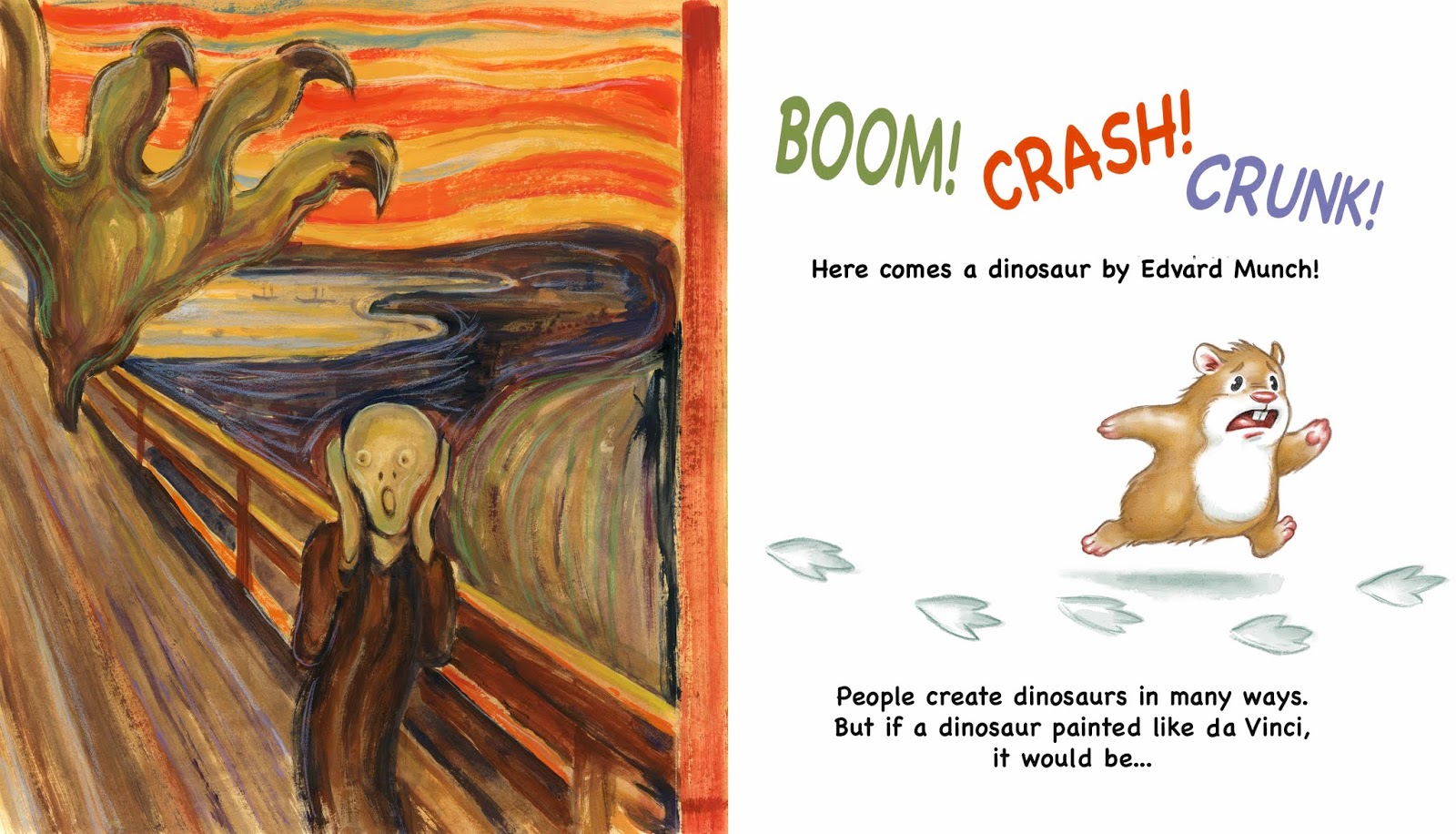
GoodReads Summary: In this sequel to the tour de force children’s art-history picture book If Picasso Painted a Snowman, Amy Newbold conveys nineteen artists’ styles in a few deft words, while Greg Newbold’s chameleon-like artistry shows us Edgar Degas’ dinosaur ballerinas, Cassius Coolidge’s dinosaurs playing Go Fish, Hokusai’s dinosaurs surfing a giant wave, and dinosaurs smelling flowers in Mary Cassatt’s garden; grazing in Grandma Moses’ green valley; peeking around Diego Rivera’s orchids in Frida Kahlo’s portrait; tiptoeing through Baishi’s inky bamboo; and cavorting, stampeding, or hiding in canvases by Henri Matisse, Andy Warhol, Frida Kahlo, Franz Marc, Harrison Begay, Alma Thomas, Aaron Douglas, Mark Rothko, Lois Mailou Jones, Marguerite Zorach, and Edvard Munch. And, of course, striking a Mona Lisa pose for Leonardo da Vinci.

As in If Picasso Painted a Snowman, our guide for this tour is an engaging beret-topped hamster who is joined in the final pages by a tiny dino artist. Thumbnail biographies of the artists identify their iconic works, completing this tour of the creative imagination.

Ricki’s ReviewAfter I read this book, I texted Kellee, “I LOVE THIS BOOK!” We received this a couple of weeks ago, and my son and I have read it several times. I missed If Picasso Painted a Snowman, but I plan to get it for my son for the holidays. I love how much learning is packed in this book. After we turned the pages, my son and I looked up the artists to learn more about the artists, their style, and their famous paintings. For me, this picture book will always rank among my favorites because it offers so much educational potential. This is one that I’d use with high schoolers and college students, as well. If you don’t own this book, I recommend it highly. It’s phenomenal.

Kellee’s Review: If I thought the Newbolds hit the height of fun art picture books with If Picasso Painted a Snowman, but they continued the brilliance with their newest If da Vinci Painted a Dinosaur. What I love about the Newbolds’ books are that they are so beautifully done in both art and informational narrative, and it is done in a way that is entertaining and also teaches about some amazing artists. What surprised me about this newest is that there are even more truly abstract and modern art pieces, more than the first book, and the diversity of the artists represented were expanded to show the talent around the world and in different cultures. I can’t wait to see what they are going to do next!

Teachers’ Tools for Navigation: This would be a great book to use in interdisciplinary ways with an art classroom. Students might research an artist, pick a theme, and create their own “If ______ painted a _______” book. It could be bound and kept in the classroom.

Discussion Questions: 

  • How do the dinosaurs differ across the pages? What do you notice about the different artists’ styles?
  • Which dinosaur was your favorite? Why?
  • After reading the back matter, which artist would you like to learn more about?
  • Compare and contrast “regular” dinosaurs which each dinosaur in the book. What do you notice that is the same and/or different?

Flagged Spread: 

Read This If You Love: Art!; If Picasso Painted a Snowman by Amy & Greg Newbold; Biographies of artists such as The Noisy Paintbox by Barb RosenstockViva Frida by Yuyi Morales, Sandy’s Circus by Tanya Lee Stone, A Splash of Red by Jennifer Fisher Bryant; The Dot by Peter H. ReynoldsLinnea in Monet’s Garden by Christina Björk; Seen Art? by Jon Sciezska; The Day the Crayons Quit by Drew DaywaltPerfect Square by Michael Hall; My Pen by Christopher Myers, Paint Me a Picture by Emily Bannister, Mini Museum Series

Recommended For: 

andSignature

**Thank you to Casey at Media Masters for providing copies for review!**

It’s Monday! What Are You Reading? #IMWAYR 12/17/18

Share

IMWAYR 2015 logo

It’s Monday! What Are You Reading? From Picture Books to YA!

It’s Monday! What are you Reading? is a meme started by Sheila at Book Journeys and now hosted by Kathryn at The Book Date. It is a great way to recap what you read and/or reviewed the previous week and to plan out your reading and reviews for the upcoming week. It’s also a great chance to see what others are reading right now…you just might discover the next “must-read” book!

Kellee and Jen, of Teach Mentor Texts, decided to give It’s Monday! What Are You Reading? a kidlit focus. If you read and review books in children’s literature – picture books, chapter books, middle grade novels, young adult novels, anything in the world of kidlit – join us! We love this meme and think you will, too.

We encourage everyone who participates to support the blogging community by visiting at least three of the other book bloggers that link up and leave comments for them.

Bold_line

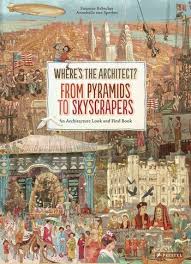
Wednesday: Where’s the Architect: From Pyramids to Skyscrapers (An Architect Look and Find Book) by Susanne Rebschet & Annabelle von Sperber

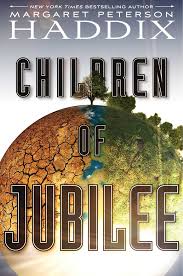
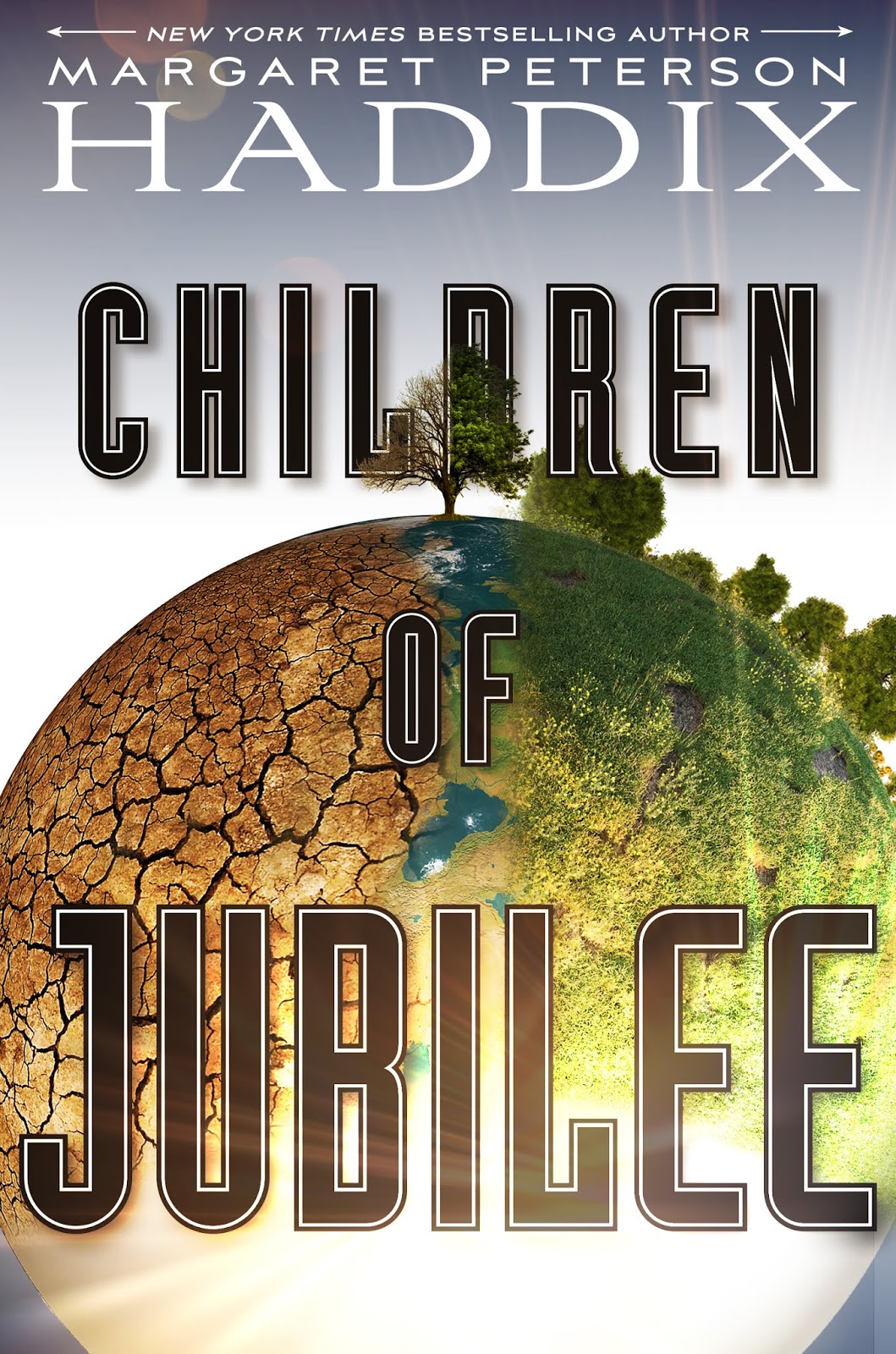
Friday: Blog Tour with Author Guest Post and Giveaway!: Children of Jubilee by Margaret Peterson Haddix
Giveaway open until Thursday!!!

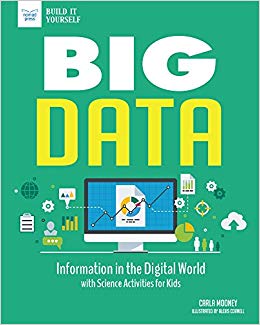
Sunday: Author Guest Post!: “Big Questions, Big World, Big Data!” by Carla Mooney, Author of Big Data: Information in the Digital World

**Click on any picture/link to view the post**

Bold_line

Kellee

  • I now know why this series is so popular with my students! It is like a Rick Riordan book on steroids! Wow!
  • One of Us is Lying kept me up at night trying to figure it out, and it still surprised me!
  • With Trent, I’ve not done a good job keeping track of what we’ve been reading though we did start a new chapter book I shared below.

Ricki

The good news is that I read the final exams for 54 pre-service teachers, and there are some amazing teachers entering the work force! The bad news is that I didn’t read much YAL this week. My younger son is potty training, and we reread approximately 100 picture books this morning. I’m not lying. I’ve read through Olivia at least twelve times today. But I only have two new-to-me books to share:

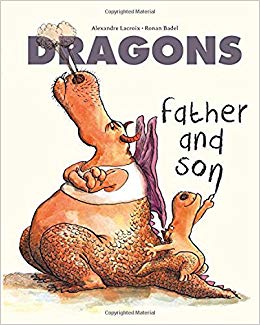
Dragons: Father and Son by Alexandre Lacroix was published last year. It documents an angry father dragon who wants his son to go into the village and burn down a house. The son goes to the village and encounters nice people and doesn’t want to follow his father’s orders. It is a fun book that my kids enjoyed.

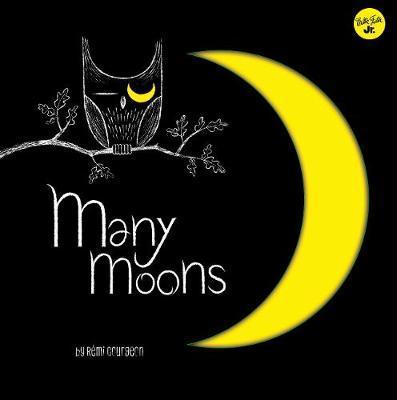
Many Moons by Remi Courgeon was also published last year. It teaches the different phases of the moons through different objects that look similar in shape. I loved the thick, almost board-bookish pages and use of black, white, and yellow only to teach the book. The illustrations are simple and eye-catching.

Bold_line

Kellee

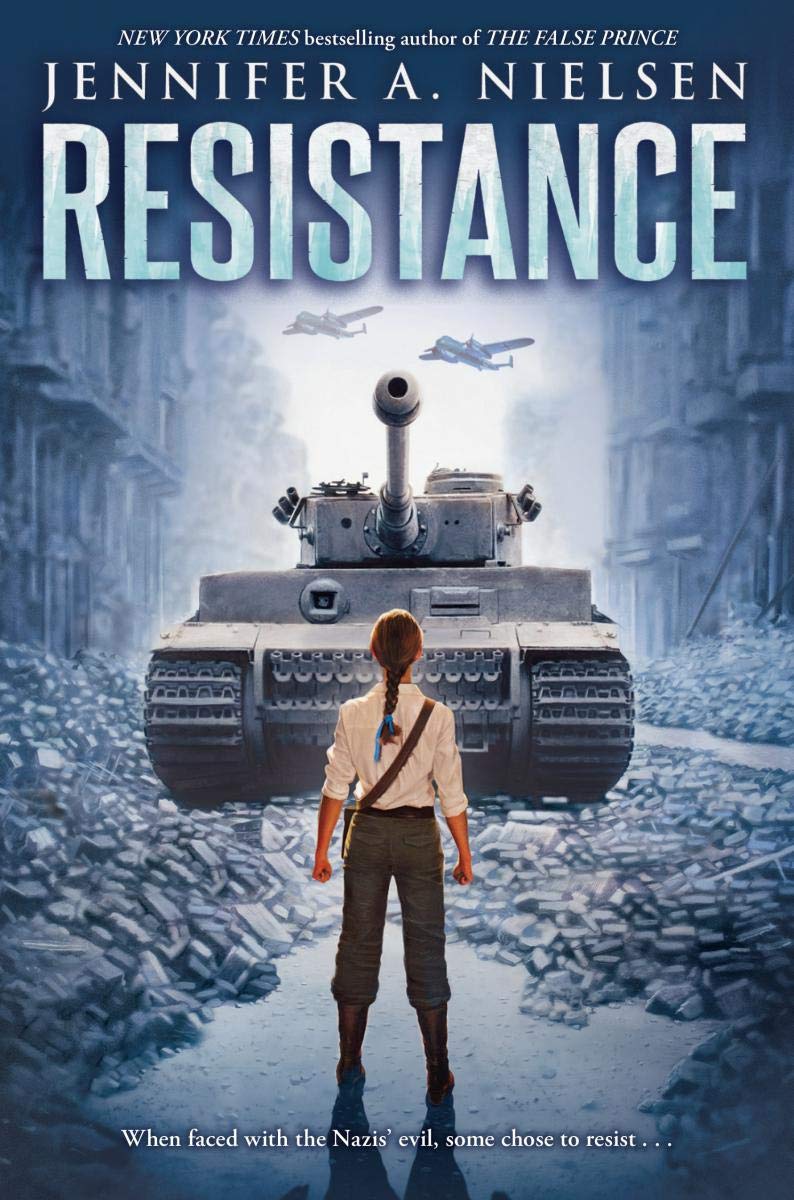
Listening with my ears: Resistance by Jennifer A. Nielsen

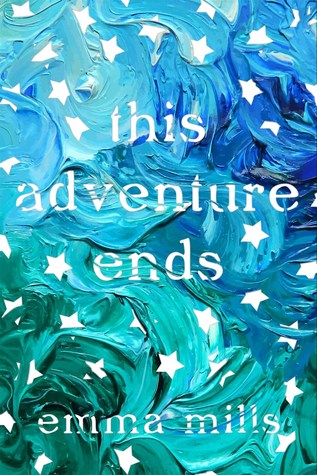
Just started: This Adventure Ends by Emma Mills

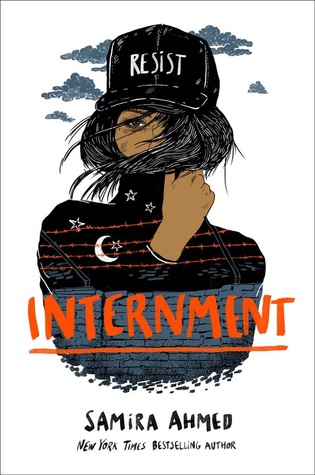
Up Next: Internment by Samira Ahmed

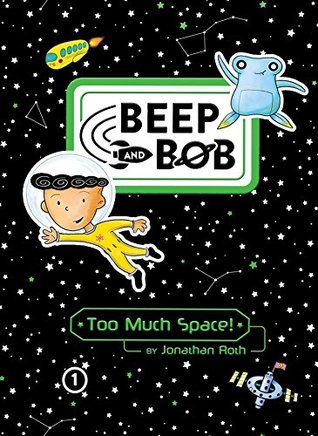
With Trent: Beep and Bob: Too Much Space by Jonathan Roth

Ricki

I am hoping to finish the 10 half-finished YA books on my nightstand now that I am not going to get caught up in rereading three YA books each week for my YAL class. It feels very freeing!

Bold_line

Wednesday: If da Vinci Painted a Dinosaur by Amy Newbold

Friday: Ten Year Anniversary of the Sisters 8 series by Lauren Baratz-Logsted with Greg Logsted and Jackie Loggsted

Sunday: Author Guest Post!: “Shaping the World: Industrial Design” by Carla Mooney, Author of Industrial Design: Why Smartphones Aren’t Round and Other Mysteries

Bold_line

Link up below and go check out what everyone else is reading. Please support other bloggers by viewing and commenting on at least 3 other blogs. If you tweet about your Monday post, tag the tweet with #IMWAYR!

 Signature andRickiSig

Author Guest Post!: “Big Questions, Big World, Big Data!” by Carla Mooney, Author of Big Data: Information in the Digital World

Share

“Big Questions, Big World, Big Data!”

Did you shop online today? Write an essay in Google docs? Send a snapchat to a friend? If so, you’ve been using data!

Data is a collection of small bits of information. It’s what we know and can measure about the world. Data has been around since people could count and write down their observations, which means we’ve been creating and using data for many centuries.

Now, because of computers and the internet, the amount of digital data in the world is vast. There’s so much data, we’ve taken to calling it “big data!” People generate data every day. When we shop, when we listen to music online, when we use fitness trackers, when we text, when we simply visit different websites—all of these actions generate data about who we are and what we like.

But…why? Great question. Many organizations and businesses use data in innovative ways to help create new products and processes that improve the quality of life for people around the world. Others have used data for financial gain. Data can be used for many different purposes.

But there are problems. How do we store all of that data? How do we access it when we need it? How do we know what is good, trustworthy data and what is bad data? And what about keeping things private? Not everyone wants the world to know where they shop or what they eat or how much money they have in the bank. How do we make sure that our data isn’t being accessed when we don’t want it to be, or used in ways that are harmful?

These are critical questions that lots of different people are working on finding the answers to. The first, very important step is to understand what exactly data is, how it works, how we collect, store, and access it, and how we can protect it.

Try these hands-on projects to start thinking about data!

WHERE’S THE DATA?

Data can be found everywhere in the world. You generate data about yourself everyday—at home, at school, at work, and with your friends. In this activity, you will collect data about yourself and others. Then you’ll use the data you have collected to create meaningful information.

To start, find a partner—a classmate, friend, or family member—who is willing to participate in the activity with you. Together with your partner, brainstorm sources of data about each of you. Here are some ideas for data sources.

What data can you discover about a person from their cell phone?

What data can you discover about a person from their computer history?

What data can you discover about a person from their schedule and activities?

What can you discover from social media sites?

Now that you’ve identified several sources of data, you and your partner should select three sources from which to collect data about the other person. Decide how you are going to record or log this data—by hand, in a spreadsheet, or in a Word document. Collect and record your data.

Once you have three data sets about your subject, what can you do with the raw data? Is it meaningful in its raw format? Why or why not?

How can you organize the data so that it is more useful? What information can you learn from the data you have collected? For example, can you use the data to discover your partner’s favorite hobbies, websites, or television shows? What does this tell you about your partner? Is this information accurate?

Consider This!

As more devices collect data about your activities online and offline, what issues do you think this could cause? Who sees and owns this data? What should they be allowed to do with the data? What restrictions should be put in place?

EXPLORE WEATHER DATA

What’s the weather like where you live? Weather is one type of data in the world around you. It can be measured and described in many ways, including temperature, rainfall, wind speed, and humidity levels. Every measurement is a piece of data that can be used in a variety of ways.

To start, you’ll need to select two cities along with your own city. You will be collecting weather data for all three cities during a two-week period.

Every day for two weeks, use the internet and local weather sources to collect weather data. Consider collecting the following types of data.

Temperature, both high and low

Wind speed

Wind direction

Air pressure

Sky conditions– sunny, cloudy, partly cloudy

Precipitation–type and amount

Humidity

Meteorologists and other scientists use graphs and charts to look for trends in data. Create graphs for each category of weather data to compare and contrast the data from the three cities.

Now that you have organized your weather data, you can analyze it for useful information about the weather in the three cities. Use the graphs and charts to think about the following questions.

How would you describe the temperature changes in each city?

What was the highest and lowest temperature in each city and when did it occur?

What was the average temperature in each city?

Which city had the most sunny days, cloudy days, and rainy days?

Is there a relationship between sky conditions and temperature?

Is there a relationship between wind direction and temperature?

Which day had the most precipitation? Which had the least?

What was the total precipitation for the two-week period in each city?

How did air pressure change in each city? Did you spot any trends?

Is there a relationship between air pressure and the sky conditions of the next day?

Data can help us better understand the world around us. How are you able to use the data you collected to better understand the weather in your city and the other cities you tracked? What can you do with this information?

Try This!

How can you use your weather data to predict future weather? Based on the graphs and data analysis that you completed in this activity, what information have you learned that could help you predict weather in your city?

LEARNING ABOUT COMPUTER HISTORY

Many people, discoveries, and milestones were part of the history of the computer. From counting on an abacus to designing the first computer game, many people had a role in creating the technology behind today’s computers. In this activity, you’ll have the chance to learn a little more about a person or discovery you find especially interesting.

To start, think about an area of computer and data history that you want to learn more about.

You can pick a topic from this list, browse through the Computer History Museum’s website for ideas, or choose one of your own.

Abacus

Charles Babbage and Ada Lovelace

Hollerith’s punched cards

Grace Hopper

Colossus computer

The six ENIAC programmers

First IBM personal computer

Apple Macintosh

Microsoft Windows

Google search engine

Using the internet and your library, research your chosen topic. Why is your topic important? What problem did it solve? How did it contribute to computer history?

Create a short video or PowerPoint presentation to share what you learned.

Consider This!

What is the connection between the topic you chose and how we collect, store, and use data today? How did this discovery or person in computer history impact the world of data today?

About the Author: Carla Mooney has written more than 70 books for children and young adults. Her work has appeared in many magazines including HighlightsFaces, and Learning Through History. Carla lives in Pittsburgh, Pennsylvania.
Website: carlamooney.com
Facebook: facebook.com/carlamooneyauthor
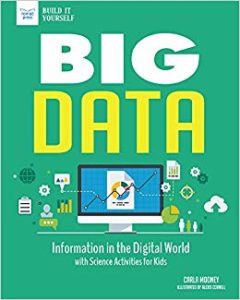
Big Data: Information in the Digital World with Science Activities for Kids
Published August 3rd, 2018 by Nomad Press

About the Book: Have you watched videos online today? Did you post photographs on social media? Did you upload your English essay to Google docs? All of these are questions about data!

In Big Data: Information in the Digital World with Science Activities for Kids, readers ages 10 to 15 explore the definition of data and learn how essential it is to our everyday lives. They learn about the history of data, the transition from paper to computers, and the role that search engines such as Google play in handling data. By making connections between the relationships among data, computers, and people, middle school kids also acquire the tools they need to become better digital citizens!

Thank you to Carla and Nomad Press for this great post with perfect activities for any STEM/PLTW/ICT, etc. classroom! 

Blog Tour with Author Guest Post and Giveaway!: Children of Jubilee by Margaret Peterson Haddix

Share
Welcome to the Children of Jubilee Blog Tour!


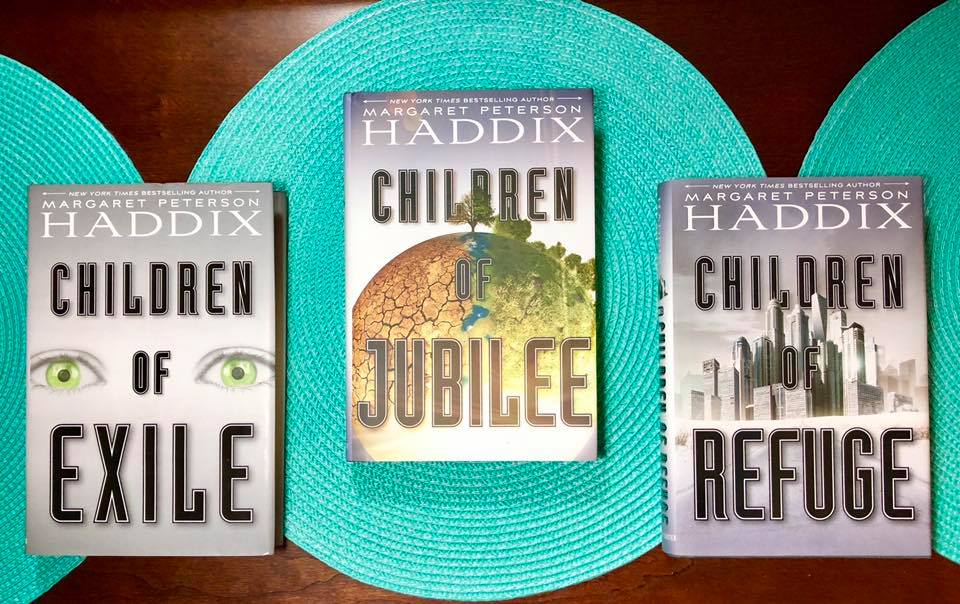
To celebrate the release of The Children of Jubilee (Children of Exile #3), blogs across the web are featuring exclusive content from author Margaret Peterson Haddix and 10 chances to win the complete trilogy!

“Series Goodbye”
by Margaret Peterson Haddix

When I finished writing my very first series, The Shadow Children, I thought I had discovered the perfect way to explain how it felt to say good-bye to Luke and the other characters I’d watched grow and change over the course of seven books:“It’s like sending kids off to college,” I told anyone who asked. “You know they’re grown up and ready to leave home—they’re ready to say goodbye–but you still miss them.”My actual children were barely out of elementary school at the time, so I was describing an experience I hadn’t had in real life yet—I was only projecting.

Then my real kids grew up and left for college, and I realized I had totally underplayed what a heart-wrenching experience that would be. So at least with finishing a series, I have the comfort of knowing that I’ve already gone through worse heartache, and survived.

But there are similarities: To do our job as parents, my husband and I had to let our kids grow up and become independent and make their own choices. To do my job as a writer, I have to let my characters make their own mistakes and grow and learn and then bring their stories to a close.

And I do miss my characters after I’ve finished writing their stories. This is true with any character I’ve created, but the missing is particularly intense with series characters I’ve spent years imagining and thinking about and living with.

My real kids, of course, have continued to have new experiences and adventures, and they’ve continued to grow and change since the day my husband and I dropped each of them off at their college freshman dorms. (And, happily, they also call and text and come home to visit. And they welcome us when we go to visit them.) It would seem that my fictional characters would stay more fixed in time; once I turn in the last draft of the last book of a series, theoretically my characters have become who they are, and they’re never going to change again.

But fictional characters don’t just belong to an author at a fixed point in time, as she’s writing. They also belong to readers—and to the writer’s continued imagination.

One of the joys of being a writer is hearing from readers who whole-heartedly embrace the characters I love (or love to hate) as friends or enemies, as riddles to be figured out or rivals to be outsmarted. This can be a mixed blessing, because sometimes readers’ strong opinions are nothing like my own, and there are times when I want to huddle protectively over my characters and maybe even cup my hands over their ears so they don’t have to hear harsh criticism.

Other times, readers have amazing insights that make me see my own characters in a new light. Even very young readers have made me understand aspects of my characters’ personalities that I hadn’t noticed. Readers tell me, “I know just how Luke felt when…” or “I can relate to Katherine because…” or “I’m like Ella because…” And sometimes their epiphanies become mine as well.

I was already an adult and at least theoretically all grown up by the time I started writing series books. But even so, life and new experiences continue to change me both as a person and as a writer, so I also change my perspective sometimes on characters I wrote about in the past. Sometimes I want to go back and apologize to the characters in my early books: “Sorry—I wrote your story as well as I was able to back then; I really do wish I could have done it better!” And sometimes my own life experiences make me see how brave my characters were; how glibly I forced them to grow up and take responsibility. Sometimes I want to apologize for that, too.

With the publication this winter of Children of Jubilee—the third and final book in the Children of Exile series—I’m saying goodbye to yet another set of beloved characters: Rosi and Bobo, Edwy and Kiandra and Enu… I’m sure they will be fine, out in the world (or in their case, out in the universe) on their own.

I will miss them. But I won’t stop thinking about them. And I look forward to hearing from readers who are thinking about them, too.

*****
Blog Tour Schedule:
December 3rd — Beach Bound Books
December 4th — Ms. Yingling Reads
December 5thChristy’s Cozy Corners
December 6thCrossroad Reviews
December 7th — A Dream Within A Dream
December 10th — Book Briefs
December 11th — Chat with Vera
December 12th — Bookhounds
December 13th — Java John Z’s
December 14th — Unleashing Readers


Follow Margaret: Website | Twitter | Facebook | Instagram

Kiandra has to use her wits and tech-savvy ways to help rescue Edwy, Enu, and the others from the clutches of the Enforcers in the thrilling final novel of the Children of Exile series from New York Times bestselling author, Margaret Peterson Haddix.

Since the Enforcers raided Refuge City, Rosi, Edwy, and the others are captured and forced to work as slave labor on an alien planet, digging up strange pearls. Weak and hungry, none of them are certain they will make it out of this alive.

But Edwy’s tech-savvy sister, Kiandra, has always been the one with all the answers, and so they turn to her. But Kiandra realizes that she can’t find her way out of this one on her own, and they all might need to rely on young Cana and her alien friend if they are going to survive.


About the Author: Margaret Peterson Haddix is the author of many critically and popularly acclaimed YA and middle grade novels, including the Children of Exile series, The Missing series, the Under Their Skin series, and the Shadow Children series. A graduate of Miami University (of Ohio), she worked for several years as a reporter for The Indianapolis News. She also taught at the Danville (Illinois) Area Community College. She lives with her family in Columbus, Ohio. Visit her at HaddixBooks.com.


GIVEAWAY

  • One (1) winner will receive the complete Children of Exile trilogy: Children of Exile, Children of Refuge, and Children of Jubilee
  • US/Canada only

a Rafflecopter giveaway