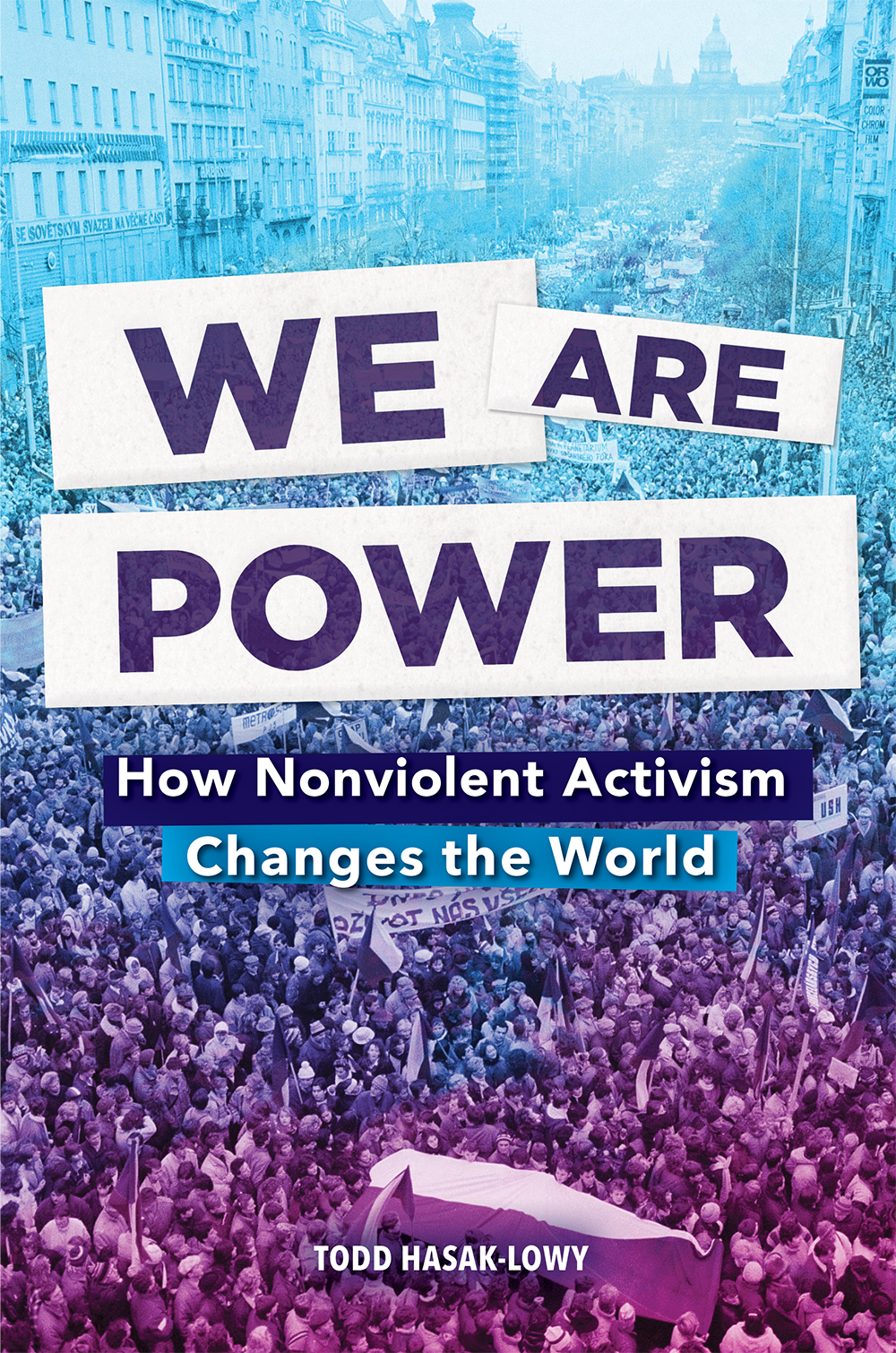
Author Guest Post: “Studying the Past, Writing the Future: Some Thoughts on the Study of History” by Todd Hasak-Lowy, Author of We Are Power: How Nonviolent Activism Changes the World

Share

“Studying the Past, Writing the Future: Some Thoughts on the Study of History” 

Before I even finished co-writing Roses and Radicals: The Epic Story of How American Women Won the Right to Vote (Viking, 2018), I knew I wanted to write another book like it.  By “like it” mean:

A book of history for younger readers.

  • A book that tells the story of incredible, genuinely heroic, and underappreciated people.
  • A book that, despite its younger audience, still captures the nuance, complexity, and, above all, rich profundity of some important chapter from the past.

It took me many months, many long walks, and many conversations with many people before I stumbled upon the subject of nonviolence.  As had been the case with suffrage a few years before, I knew next to nothing about this topic, but as I began reading my way into it, I could tell that it would make for a great book.

There was a more specific link connecting the two projects as well: Alice Paul, who led the American women’s suffrage movement during the final decade of its long struggle.  I had grown utterly fascinated with the intense, truly radical, and somewhat mysterious Paul while working on Roses and Radicals.  As I began reading about nonviolence I came to understand that she herself was a nonviolent activist, even though only a tiny fraction of the scholarship about Paul views her work in this context.  So the writing of my book, We Are Power: How Nonviolent Activism Changes the World, would begin by retelling her story, yet again, but this time in order to establish her rightful place alongside Gandhi, MLK, and Cesar Chavez.

But as I did this, I learned that We Are Power would be crucially different than Roses and Radicals.  For one thing, it would tell more stories—and would thus require considerably more research.  More important, however, these stories would be tied together not by a common set of characters, a single movement, or a shared setting, but by the strategy of nonviolent activism itself.

In this regard, We Are Power is not only a book of history, but a book of political theory, or, more precisely, a book about a half-dozen instances of this political theory being put into dramatic, inspiring practice.  The book, as narrative, would be propelled by characters and conflicts, but the spine holding it all together would be the theory itself: the way nonviolence rethinks the very nature of political power and social change.

Unfortunately, I found this theoretical material, all on its own, dense, abstract, and, when read separately from the history, extremely dry and perhaps even boring.  I knew that the parts of my book dedicated directly to this theory would have to be brief or I’d lose my readers.  And yet, these parts, I learned as I wrote my various chapters, were in a sense the very point of the book.  As they were interwoven into the various narratives I was constructing, they often found their place in and around the climaxes to each story.

The historical events were, I realized, the occasion to present the timeless truths at the center of nonviolent activism.  This would explain why the title to my book of history—We Are Power: How Nonviolent Activism Changes the World—contains not one but two present tense verbs.  It also explains why the book is able to pivot, in its conclusion, from past movements to a present struggle—the fight against climate change—that is very much ongoing.

Ultimately, We Are Power isn’t a book of history, or only a book of history.  It’s a book about power and the way those who don’t appear to have power can claim it, in order to change the world in which they live.  The truth about power at the center of this book is timeless.

I don’t have a lesson, per se, to offer teachers here, but instead a rather large bit of advice I encourage teachers to keep in mind when working on history with their students: studying the past is worthwhile not because there’s value in knowing, all by itself, what happened in earlier times, but because understanding history helps us see our present more clearly.  This great, meta-historical truth needn’t receive a lot of attention in lessons, but it should be there, I believe, as an often-silent motivation for the entire enterprise.

Our responsibility to study the past is inseparable from our responsibility to apply what we learn to our actions in the present.  When we teach young people history, we’re giving them a crucial tool in becoming informed citizens capable of transforming our present into a better future, and I can think of no lesson more important than that.
Published April 7th, 2020 by Abrams Books for Young Readers

About the Book: Author Todd Hasak-Lowy’s We Are Power is a stirring introduction to nonviolent activism, from American women’s suffrage to civil rights to the global climate change movement.

What is nonviolent resistance? How does it work? In an age when armies are stronger than ever before, when guns seem to be everywhere, how can people confront their adversaries without resorting to violence themselves? Featuring leaders Gandhi, Alice Paul, Martin Luther King Jr., Cesar Chavez, Václav Havel, and Greta Thunberg, We Are Power brings to life the incredible movements that use nonviolent activism to change the world.

By answering the question “Why nonviolence?” and challenging the notion of who makes history and how, author Todd Hasak-Lowy shows the ways key movements have succeeded again and again in all sorts of places, using a variety of methods and against overwhelming odds. Breaking down nonviolent resistance into digestible lessons for next generation of activists, this book is an inspiring call to action, a reminder that true power ultimately rests in our hands.

We Are Power also includes an overview of other movements from the last one hundred years, a bibliography, and an index.

★ “Hasak-Lowy’s writing gives life to both the people and issues involved, taking time to explain historical backgrounds and the ways the lessons from one movement affected future ones.” — Booklist, STARRED REVIEW

★ “Highly recommended for its outstanding treatment of the history of social justice. A good resource for student activists.” — School Library Journal, STARRED REVIEW

★ “There has never been a time when a book is more relevant than this one.” — School Library Connection, STARRED REVIEW

“A striking and very timely conclusion highlights teenage Greta Thunberg’s bold challenge to fight global climate change.” — Publishers Weekly

“This excellent, timely overview will open eyes and deserves a wide readership.”— Kirkus
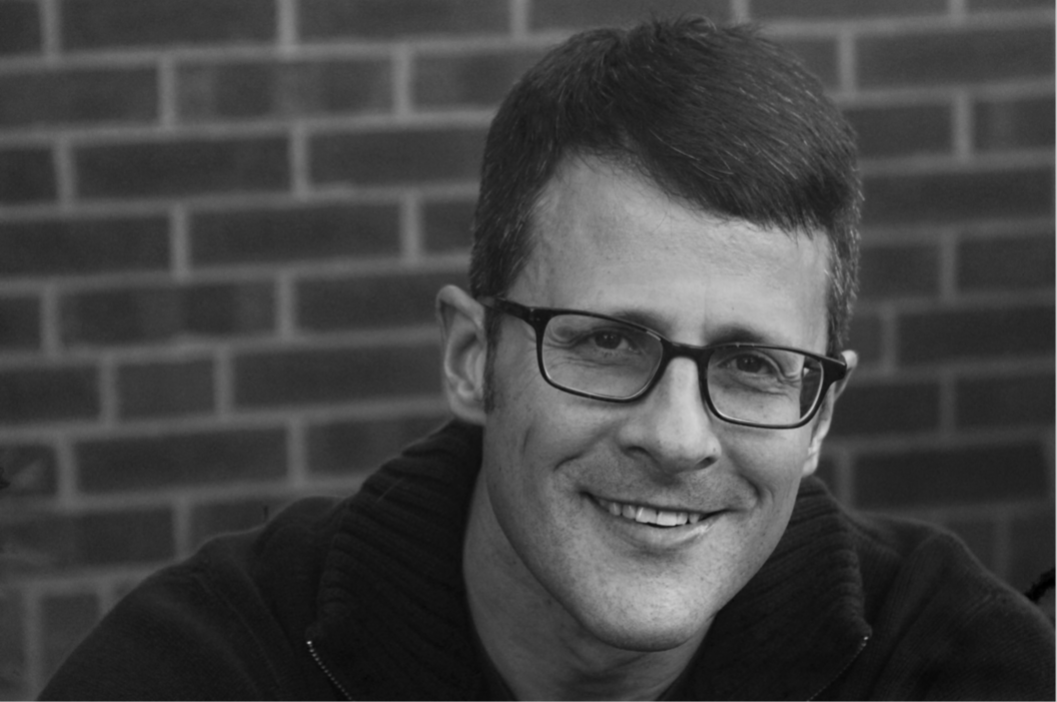
About the Author: Todd Hasak-Lowy is the author of several books for young readers, including the novels 33 Minutes and Me Being Me Is Exactly as Insane as You Being You. He is a professor in the department of liberal arts at the School of the Art Institute of Chicago and has a PhD from University of California, Berkeley. He lives in Evanston, Illinois, with his wife and two daughters. Visit his website at toddhasaklowy.com.

https://www.toddhasaklowy.com/
https://twitter.com/nonviolence11
https://www.instagram.com/wearepower_book/
https://www.facebook.com/todd.hasaklowy.1
https://www.abramsbooks.com/product/we-are-power_9781419741111/

Thank you, Todd, for this look at how history helps write the future: good and bad!

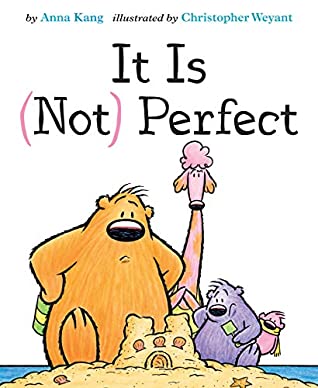
It Is (Not) Perfect by Anna Kang, Illustrated by Christopher Weyant

Share

It Is (Not) Perfect
Author: Anna Kang
Illustrator: Christopher Weyant
Expected publication: May 12th, 2020

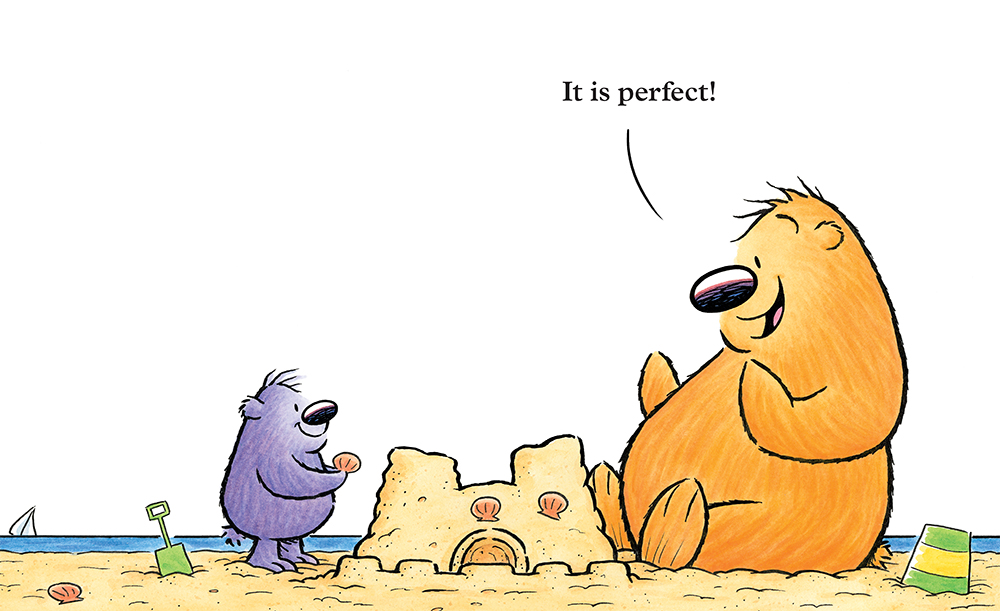
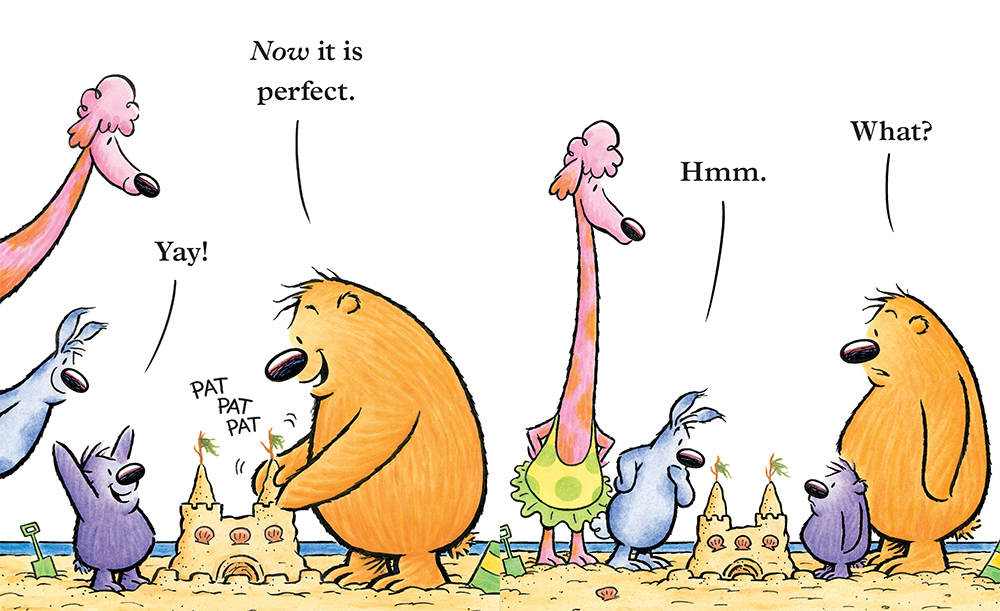
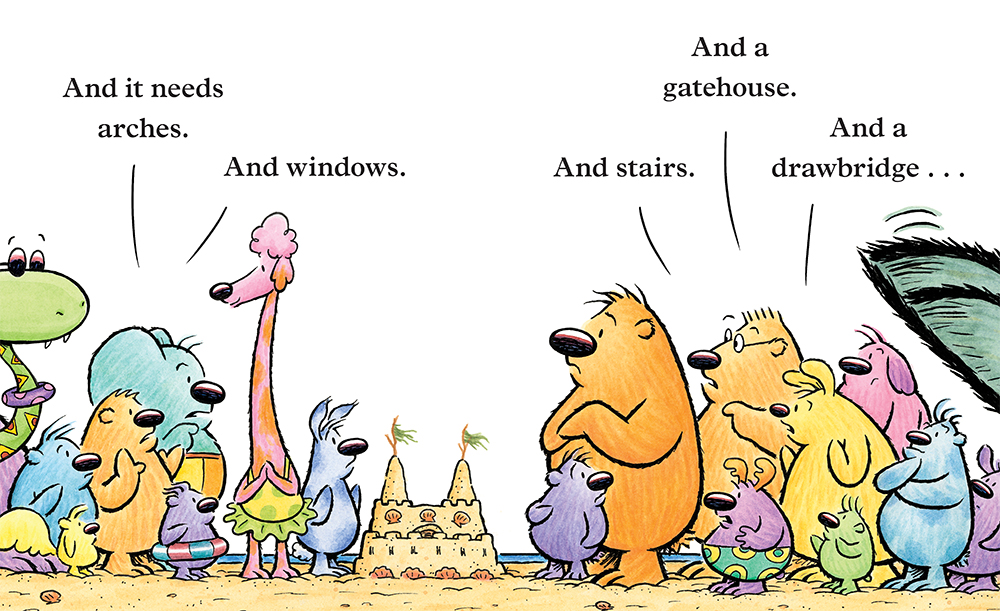
Summary: Two fuzzy creatures are happily putting the finishing touches on their sandcastle when each of them thinks of something that would make it even better. As they work furiously to incorporate each new change, their tiny sandcastle becomes an over-the-top palace…but is it really perfect?

This latest book in the beloved series featuring the pals from Theodor Seuss Geisel Award winner You Are (Not) Small reminds us that perfection is in the eye—and heart—of the beholder.

Praise:

“Colorful cartoon illustrations add a lightheartedness to what could be a stressful real-life situation for kids. Another life lesson neatly packaged in child centric humor.” —Kirkus Reviews

“This award-winning duo have created a lovely tribute to the old adage that perfect is the enemy of good. Recommended for purchase for all collections.” —School Library Journal

About the Creators: Anna Kang and Christopher Weyant are the creators of Theodor Seuss Geisel Award winner You Are (Not) Small as well as series titles That’s (Not) Mine, I Am (Not) Scared, and We Are (Not) Friends. They also wrote and illustrated Eraser, Can I Tell You a Secret?, and Will You Help Me Fall Asleep? Christopher’s work can also be seen in The New Yorker, and his cartoons are syndicated worldwide. This husband-and-wife team lives in New Jersey with their two daughters and their rescue dog. Visit them at www.annakang.com and www.christopherweyant.com.

Twitter: @annakang27 @chrisweyant05
Instagram: annakangbookschristopherweyant
Facebook: Anna Kang – Author; Christopher Weyant

Review: This series is one of my favorites. Although the simplicity of the texts makes the books seem straightforward, they are actually multi-tiered and can be used for so many different ages to discuss illustrations as part of the narrative, moral issues, friendship, perspective, and much more. All while following the stories for two super cute monster friends!

Discussion Questions: 

  • What ended up actually being perfect?
  • What did trying to please all cause?
  • Who gets to decide what is perfect?
  • Does everything you do need to be perfect?
  • How did trying to make it perfect ruin the fun?

Flagged Passages: 

Read This If You Love: Not series by Kang and Weyant including You Are (Not) SmallThat’s (Not) MineI Am (Not) Scared, and We Are (Not) Friends; How to Code a Sandcastle by Josh Funk, Dexter series by Lindsay Ward including Don’t Forget Dexter and It’s Show and Tell, Dexter

Recommended For: 

classroomlibrarybuttonsmall

Giveaway!:

a Rafflecopter giveaway

Signature

**Thank you to Blue Slip Media for providing a copy for review and giveaway!**

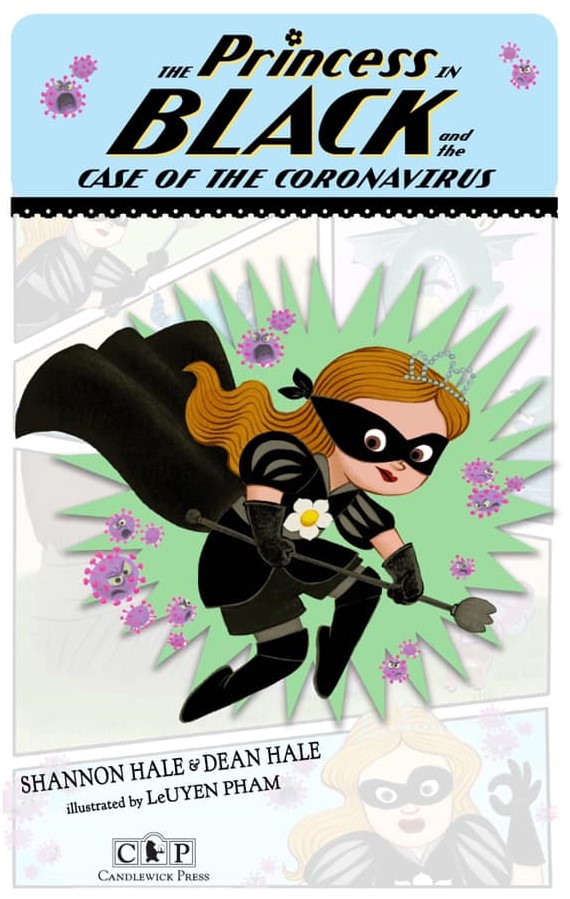
The Princess in Black and the Case of the Coronavirus by Shannon Hale & Dean Hale, Illustrated by LeUyen Pham

Share

The Princess in Black and the Case of the Coronavirus
Authors: Shannon Hale & Dean Hale
Illustrator: LeUyen Pham

Summary: The creators of the New York Times-bestselling series The Princess in Black – Shannon Hale, Dean Hale, and LeUyen Pham – have created an incredibly child-friendly coronavirus public service announcement, called The Princess in Black and the Case of the Coronavirus.

From Shannon Hale: LeUyen, Dean and I are all parents self-isolating at home with our children. The anxiety and distancing is hard enough on our older kids, but we know that younger kids might be having an even harder time. We hoped that it’d help if a familiar book friend like the Princess in Black talked them through it. Even the Princess in Black is staying home! Even Princess Sneezewort had to cancel playdates! LeUyen had the idea of creating a short comic to download and share widely so caregivers could have an extra tool for talking to kids. Our goal is both to help kids understand what’s going on and to help them feel less alone.

Available for all at: https://www.princessinblack.com/download/pib-coronavirus.pdf

Thoughts: This pandemic is a time that is very confusing for kids, and I am so excited that this story exists for my son and other kids!

Signature

**Thank you to Candlewick Press for sharing this story with us!**

It’s Monday! What Are You Reading? #IMWAYR 5/4/20

Share

It’s Monday! What Are You Reading?
Sharing Picture Books, Early Readers, Middle Grade Books, and Young Adult Books for All Ages!

It’s Monday! What Are You Reading? is a weekly blog hop co-hosted by Unleashing Readers and Teach Mentor Texts which focuses on sharing books marketed for children and young adults. It offers opportunities to share and recommend books with each other.

The original IMWAYR, with an adult literature focus, was started by Sheila at Book Journeys and is now hosted by Kathryn at The Book Date.

We encourage you to write your own post sharing what you’re reading, link up below, leave a comment, and support other IMWAYR bloggers by visiting and commenting on at least three of the other linked blogs.

Happy reading!

Bold_line

Updated Often: The Big List of Online Learning Resources for COVID-19 and Quarantine

Tuesday: Virtual Book Clubs with our Kids During Quarantine

Thursday: Abby in Oz and the Whatever After Series by Sarah Mlynowski

Sunday: Author Guest Post: “What Kids Can Do to Help the Environment and Why Does It Matter?” by Tracy Richardson, Author of The Field and Catalyst

**Click on any picture/link to view the post**

Bold_line

Kellee

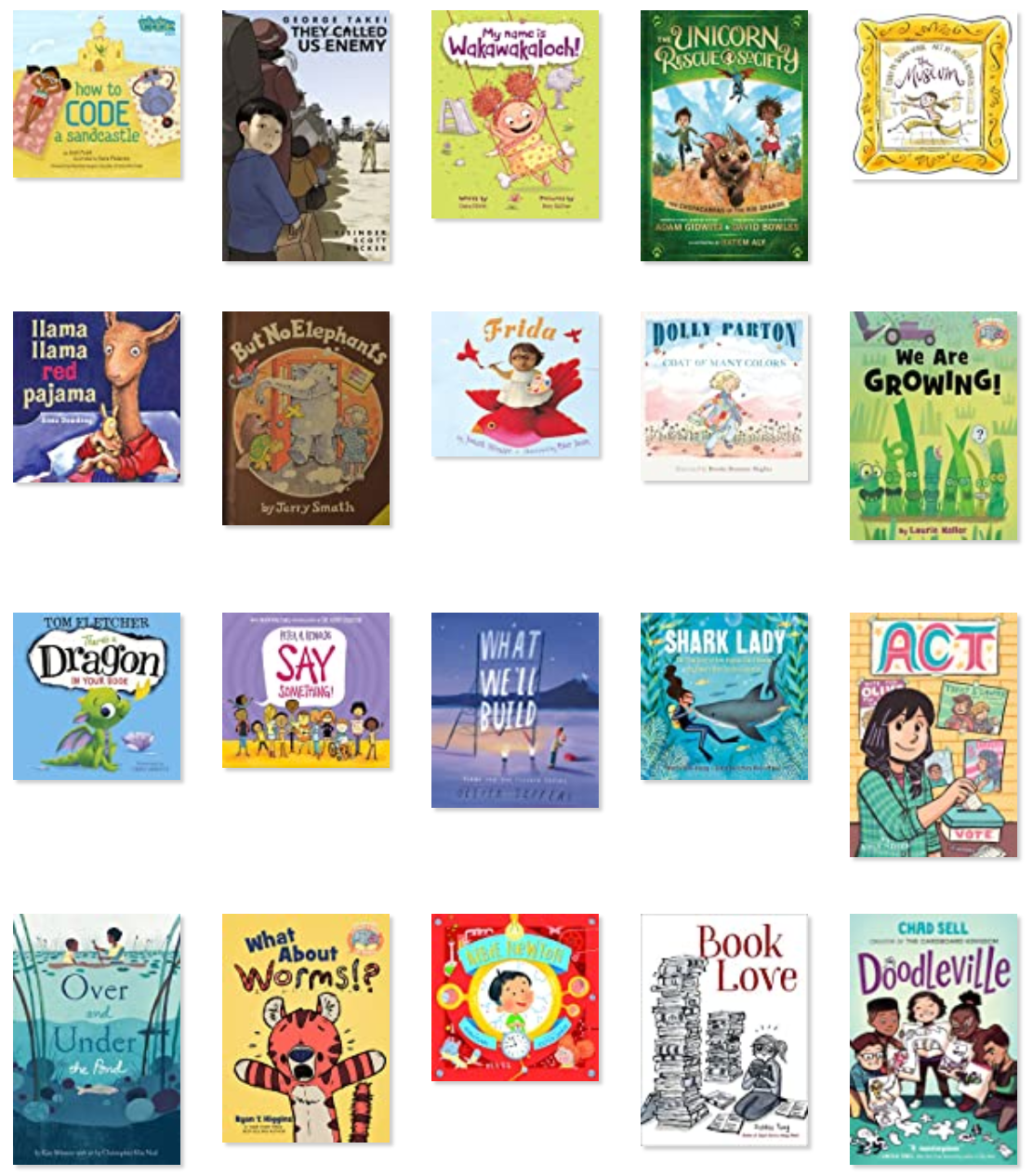
  • Doodleville by Chad Sell: What a fascinating graphic novel about come to life drawings which symbolize much more than they seem.
  • Book Love by Debbie Tung: I think Debbie Tung wrote this book for me. She is in my head! Funny is the “she gets me” kind of way.
  • What About Worms by Ryan T. Higgins: I cannot wait to see the finished book. The e-galley, I’m sure, doesn’t do it justice, but I know Trent is going to LOVE it.
  • Act by Kayla Miller: I cannot believe I haven’t read any of these titles yet–what a fun cast of characters! A great representation of middle school with a great story!
  • What We’ll Build by Oliver Jeffers: Oliver Jeffers is brilliant, and this book he wrote about his daughter fills my heart, and I cannot wait to see the finished book (he read it live on Instagram).
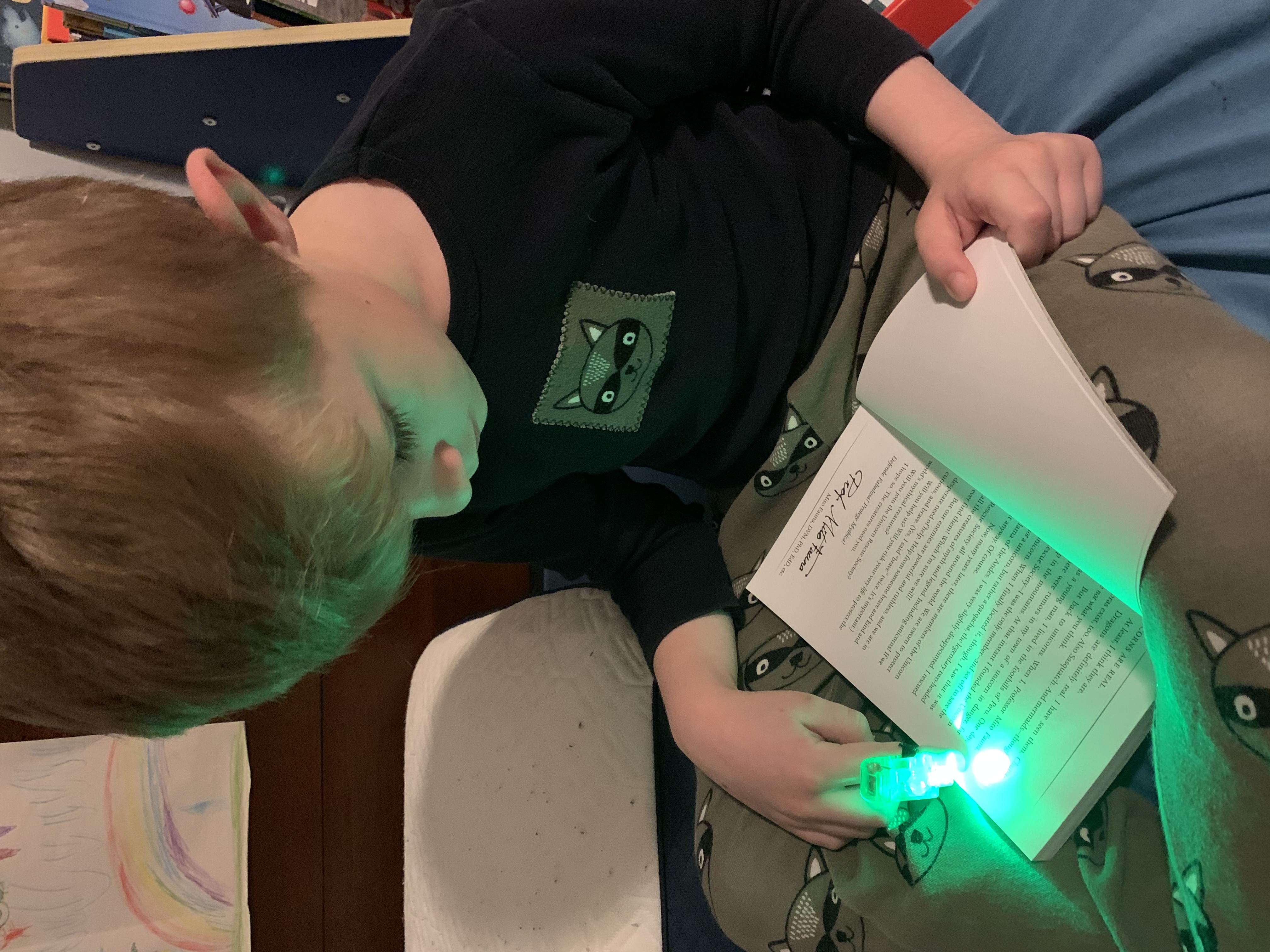
  • Unicorn Rescue Society: The Chupacabras of the Rio Grande by Adam Gidwitz and David Bowles: I just love this series. Period. Fun adventures, a diverse cast of characters and setting, mythology, and humor. Perfect.
  • They Called Us Enemy by George Takei: I am so glad that George Takei wrote this memoir. It is something that should not be forgotten in our history, specifically as it is being repeated  now. We cannot forget the story and people behind laws.
  • With Trent: Almost all of what we are reading is through authors’ virtual read alouds. It is such an amazing oppurtunity, I just don’t want Trent to miss out. This week, we went to virtual story times with: Josh Funk, Kate Messner, Peter Reynolds, Dolly Parton, Michelle Obama, and Mac Barnett.
    • He also had two great books focused on two amazing women read by his teachers this week: Shark Lady and Frida. 

To learn more about any of these books, check out my 2020 Goodreads Challenge page  or my read bookshelf on Goodreads.

Ricki

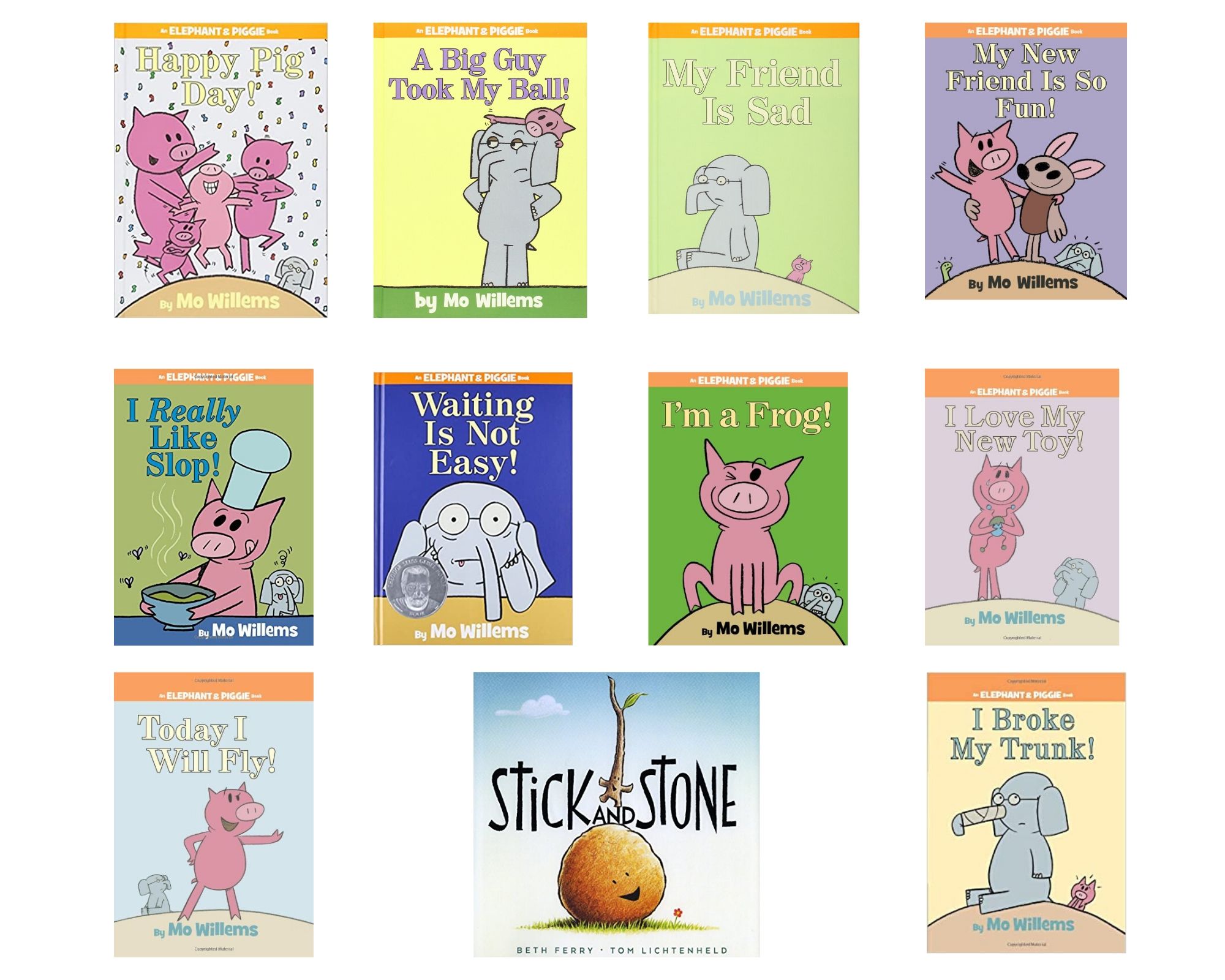
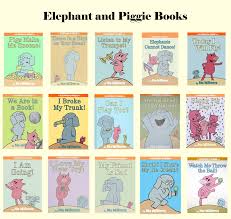
We read a lot of Elephant and Piggie (series by Mo Willems) this week. My 6-year-old has a lot of fun reading one part of the Elephant and Piggie books, so we went to town on the books. A neighbor lent us some of the books from her collection. We allowed them to sit for two days before we touched them, and then we read book after book (about three each night). He also read Stick and Stone by Beth Ferry to me (which I was able to access digitally). It was a great reading week, and we had a lot of fun with these books.

Bold_line

Kellee

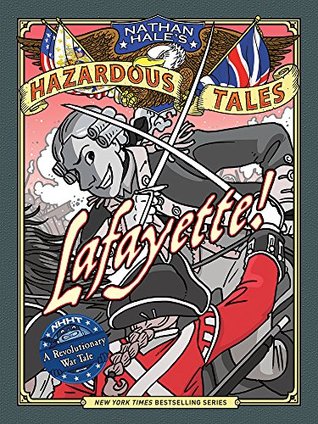
  • Reading: Lafayette by Nathan Hale
    • Nathan Hale is our author who is going to come to our school next year!
  • Listening: I haven’t decided what I want to listen to next as I wait for the 5th Unicorn Rescue Society book to be out in 8 days.
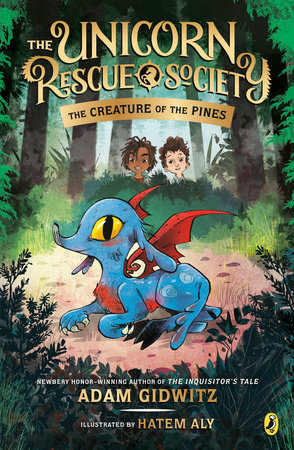
  • Listening with Trent: Unicorn Rescue Society: The Creature of the Pines by Adam Gidwitz (for book club)
  • Trent reading with Henry: Elephant and Piggie books during partner reading for their weekly book club

Ricki

I am on the quest for more books that feel comfortable and challenging for my son. He loves the Elephant and Piggie books. If anyone has any recommendations, I’d love to hear them!

Bold_line


Tuesday: The Princess in Black and the Case of the Coronavirus by Shannon Hale & Dean Hale, Illustrated by LeUyen Pham

Thursday: Review and Giveaway!: It Is (Not) Perfect by Anna Kang, Illustrated by Christopher Weyant

Sunday: Author Guest Post: “Studying the Past, Writing the Future: Some Thoughts on the Study of History” by Todd Hasak-Lowy, Author of We Are Power: How Nonviolent Activism Changes the World

Bold_line

Link up below and go check out what everyone else is reading. Please support other bloggers by viewing and commenting on at least 3 other blogs. If you tweet about your Monday post, tag the tweet with #IMWAYR!

 Signature andRickiSig

Author Guest Post: “What Kids Can Do to Help the Environment and Why Does It Matter?” by Tracy Richardson, Author of The Field and Catalyst

Share

“What Kids Can Do to Help the Environment and Why Does It Matter?”

I’m a science geek. I know it’s not everyone’s cup of tea, but it’s mine. I loved high school biology and have a Bachelor of Science degree in Biology. I think Bill Nye the Science Guy is cool – I mean who doesn’t? And now I follow Neal DeGrasse Tyson, who’s kind-of like everyone’s friendly astrophysicist, if that’s even a thing!

As part of my science geekiness I’m fascinated by the natural world around us. To me, there’s a magic and beauty to the world that science helps explain. My science background helps me to see how we’re all connected by an elegant design. This has led to my passion for the environment and it’s why I include environmental themes in my young adult novels.

Scientists have been warning us about the dangers of climate change for years. Science is a discipline. Researchers test their hypotheses again and again and revise their conclusions. It’s not an opinion. It’s based on the facts as we currently know them. To say that climate change isn’t real is to deny these facts.

There are so many people who are raising the alarm and young people are especially engaged. It’s their future we’re talking about. The future of the Earth that we live on. There is no second planet.

So, what exactly is Climate Change? What is causing it? Here’s the dictionary definition:

“a change in global or regional climate patterns, in particular a change apparent from the mid to late 20th century onwards and attributed largely to the increased levels of atmospheric carbon dioxide produced by the use of fossil fuels.”

Climate change refers to dramatic changes in global climate conditions, including weather phenomena, temperature, and sea levels. It’s caused by an over-abundance of greenhouse gases, mostly from fossil fuel emissions around the world.

It’s the carbon dioxide HUMANS are putting into the atmosphere by burning fossil fuels. What are fossil fuels? They are the non-renewable energy sources we take from the Earth. Coal, oil and natural gas.

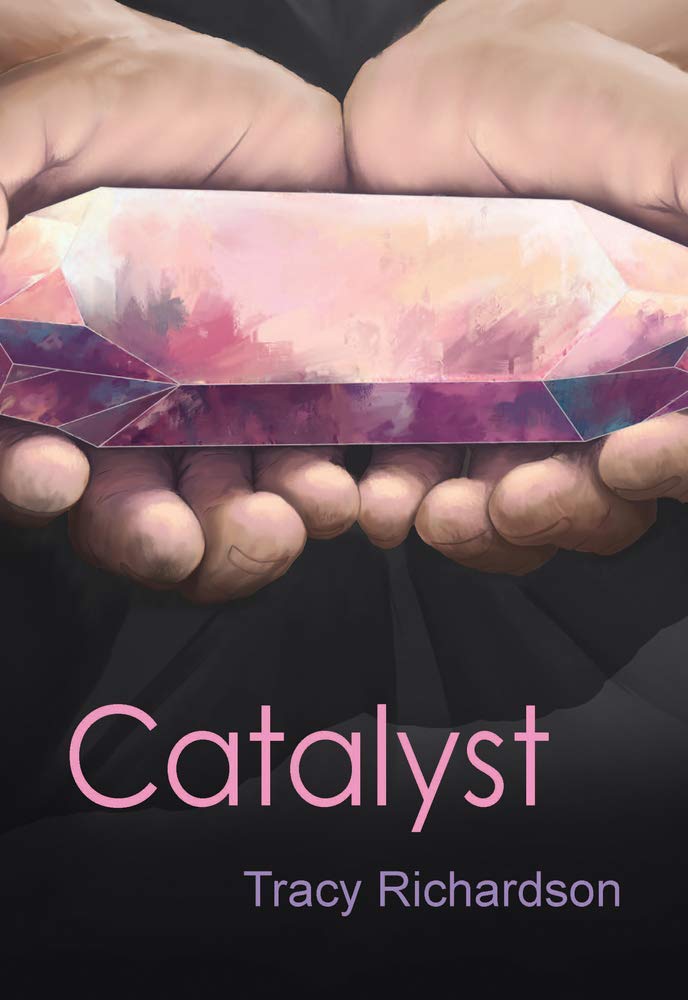
Burning fossil fuel produces carbon dioxide which warms the planet. Accessing these fossil fuels also harms the planet. Fracking for natural gas, which is the environmental theme in my novel, Catalyst, pumps harmful chemicals into the Earth to extract the natural gas which poisons aquifers and has been proven to cause increased seismic activity – earthquakes – in fracked areas.

Climate change adversely impacts the delicate balance of Earth’s ecosystems. Global warming has been linked to dying coral reefs, dangerous new weather patterns such as stronger and more frequent hurricanes, droughts and fires, and the extinction of plant and animal species. Teens have probably seen pictures of emaciated polar bears in the Artic. Loss of the ice covering means they can’t swim far distances to hunt for seals. There is no where for them to get out of the water to rest and wait for seals. Polar Bears are one of many animals that are endangered.

The biggest impact that humans will see might be the rising ocean levels that are already threatening costal cities. Venice is under water for many more days than at any time in the past. Miami is already taking action to address rising sea levels by raising its roads and installing pumps to deal with increased flooding.

So, what can teens do to stop Climate Change? Reducing our Carbon Footprint is one thing we can do. What is a Carbon Footprint? Here’s the dictionary definition:

“the amount of carbon dioxide and other carbon compounds emitted due to the consumption of fossil fuels by a particular person, group, etc.”

So, what does that mean exactly? It essentially refers to our personal contribution to the carbon emissions that cause Climate Change. Here are some ways that each of us can have an impact:

  1. Plant Trees – Trees consume carbon dioxide and emit oxygen
  2. Change your mode of transportation – Bike to school or a friend’s house, carpool, take the bus or the train instead of driving or flying. Teen Climate Activist Greta Thunberg has chosen not to fly to reduce her carbon footprint.
  3. Eat a plant-based diet or have one ‘vegetarian day’ a week.
  4. Reduce household water waste – install efficient shower heads and toilets. Turn off the faucet when doing dishes or brushing your teeth.
  5. Upcycle and repurpose clothing and household items instead of buying new or discarding them.
  6. Reduce the amount of plastic packaging in the products you buy.
  7. Use cloth re-usable shopping bags.
  8. Eat locally produced food to reduce the ‘Food Miles’ it takes for your food to travel to you.
  9. Encourage your parents to tell their legislators to act on Climate Change legislation.
  10. Join environmental groups like the Sierra Club, the Natural Resources Defense Council or the World Wildlife Fund.
  11. Join the environmental club at your school or start one!

I’m sure you can tell I’m a bit passionate about this! I do feel like the tide is turning toward action on addressing environmental issues. We have so little time, but if we all do our part, we can have an impact.

Discussion Questions:

  1. What are natural resources? Can you name two or three examples?
  2. What’s a non-renewable energy source? What is a renewable one?
  3. What is a “Carbon Footprint”?
  4. What is Climate Change?
  5. What do you already know about Climate Change? How is it impacting the planet?
  6. What small steps can you and your siblings or classmates take today to help the environment?

Expected Publication: June 2nd, 2020 by Brown Books Publishing Group

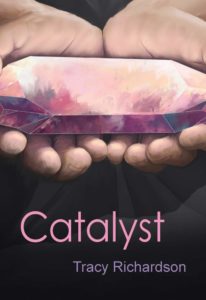
About the Book: Marcie is spending her summer working on the archeological dig that her mother runs: Angel Mounds, a site of an ancient indigenous civilization. Soon after she arrives, she meet some intriguing individuals, and becomes wrapped up in a supernaturally-charged mission to save the planet from the destruction man has brought upon itself.

Marcie Horton has a sixth sense. Not in the “I see dead people” way, but . . . well, maybe a little. She feels a sort of knowing about certain things that can’t be explained-an intuition that goes beyond the normal. Then there was that one summer four years ago, when she connected with a long-departed spirit . . . But nothing that incredible has happened to Marcie since.

This summer, Marcie is spending time working at Angel Mounds, the archeological dig her mother heads, along with her brother, Eric, and his girlfriend, Renee. The dig is the site of an ancient indigenous civilization, and things immediately shift into the paranormal when Marcie and her teammates meet Lorraine and Zeke. The two mysterious dig assistants reveal their abilities to access the Universal Energy Field with their minds-something Marcie knows only vaguely that her brother has also had experience with. Marcie learns how our planet will disintegrate if action is not taken, and she and her team must decide if they are brave enough to help Lorraine and Zeke in their plan to save Mother Earth, her resources, and her history. It looks like the summer just got a lot more interesting.

About the Author: TRACY RICHARDSON wasn’t always a writer, but she was always a reader. Her favorite book growing up was A Wrinkle in Time by Madeleine L’Engle. In a weird way that book has even shaped her life through odd synchronicities. She has a degree in biology like Mrs. Murry, and, without realizing it, she named her children Alex and Katie after Meg’s parents. Tracy uses her science background in her writing through her emphasis on environmental issues, metaphysics, and science fiction. Tracy’s upcoming novel, “Catalyst” (Brown Books Publishing, June 2, 2020) is the second installment in the Catalysts series. To learn more about Tracy’s life and work, visit:

Thank you, Tracy, for tying science and your books together–bringing science knowledge to your readers!

Abby in Oz and the Whatever After Series by Sarah Mlynowski

Share

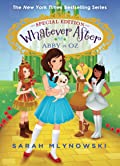
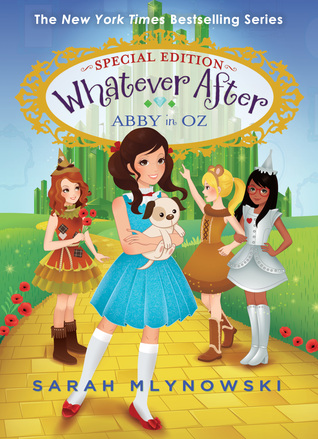
Abby in Oz
Whatever After #13.5 (Special Edition #2)
Author: Sarah Mlynowski
Published April 7th, 2020 by Scholastic
(Series debuted May 1st, 2012)

Series Summary: Siblings Abby and Jonah have a magic mirror that leads them into different fairy tales, from Snow White to Rapunzel to the Little Mermaid. In each fairy tale, Abby and Jonah accidentally mess up the story — and hilarity and hijinks ensue!

Abby in Oz Summary: In this second Special Edition of the New York Times bestselling Whatever After series, Abby and her friends enter the magical Land of Oz . . . with hilarious and empowering results!

Follow the yellow brick road . . . I’m with my best friends Robin and Frankie (and my sometimes friend, Penny) when a TORNADO scoops us up and whisks us away. As soon as we land, I can tell we’re not in Smithville anymore — we’ve been transported into The Wonderful Wizard of Oz!

We’re excited to meet Dorothy and Toto . . . but the story isn’t going as planned. The Wicked Witch of the East locks us in her dungeon, so we have no way of getting the magic slippers that will take Dorothy home. Plus, the Emerald City is under attack, and the Wizard himself may be in danger!

Now we have to:
– Befriend the Lion, the Tin Man, and the Scarecrow
– Flee the flying monkeys
– Learn to steer a hot-air balloon
– Find the courage, heart, and smarts to save the day

. . . or we’ll never escape — and everyone knows there’s no place like home!

Praise for Abby in Oz:

“Hilarious…with unexpected plot twists and plenty of girl power.” –Booklist

“My daughter loved the young, sassy girl on the cover and I loved the premise of the book…The best part is that they mess up the story and the lead female character has to learn how to stand on her own. The feminist in me adored it, and the mother in me loved how my daughter would long to cuddle in close as we read together.” –The Washington Post

“An uproariously funny read.” –Kirkus Reviews

About the Author: Sarah Mlynowski is the New York Times bestselling author of the Whatever After series, the Magic in Manhattan series, Gimme a Call, and a bunch of other books for tweens and teens, including the Upside-Down Magic series, which she is cowriting with Lauren Myracle and Emily Jenkins. Originally from Montreal, Sarah now lives in the kingdom of Manhattan with her very own prince charming and their fairy-tale-loving daughters.

Review of Abby of OzI am a huge fan of this series. I already love fairy tale retellings, but this is such a unique way of telling them, and I love how each are different and do not follow a predictable pattern. 

This newest installment is a special edition of the series and is a bit different. While Abby and Jonah normally go through a magic mirror, the special editions find Abby and her friends entering books because an evil fairy is trying to trap Abby in the story. The addition of Abby’s friends’ personalities definitely makes for an interesting story and more conflict throughout the book.

Lastly, I could not review any book in this series without celebrating the audiobooks–they are phenomenal!

Teachers’ Tools for Navigation (series): Immediately, when reading this series, I thought of a creative writing activity for students to take part in and would be a great introduction to the series: Have students take parts of fairy tales that they feel are wrong, unjust, dated, they didn’t like, or even something that would be fun to change; come up with a plan on how they would fix it if they were in the fairy tale; and have them rewrite the fairy tale.

Then, I would read parts of some of the books out loud where Abby does just that: she changes fairy tales for the better! (Even if it is a bit of a mess along the way…)

Discussion Questions (series): 

  • What did Abby change in the fairy tale/story? Do you think this is a good change or not? Explain.
  • What did Abby do to make the change happen?
  • Do you think it is okay ethically for Abby/Jonah/Abby’s friends to change things in the story?
  • Do you think Abby would be as successful as she is without the help of Jonah/her friends?
  • Why do you think the magic mirror allows Abby and Jonah to go through the mirror?
  • What fairy tale would you want to go into if you were being transported into one? What would you want to change? Make sure stays the same?

Flagged Passages: Visit the Scholastic website for the series to view the series trailer. I also highly recommend listening to an audiobook sample!

Read This If You Love: Fairy Tale Retellings

Recommended For: 

classroomlibrarybuttonsmall

Signature

Virtual Book Clubs with our Kids During Quarantine

Share

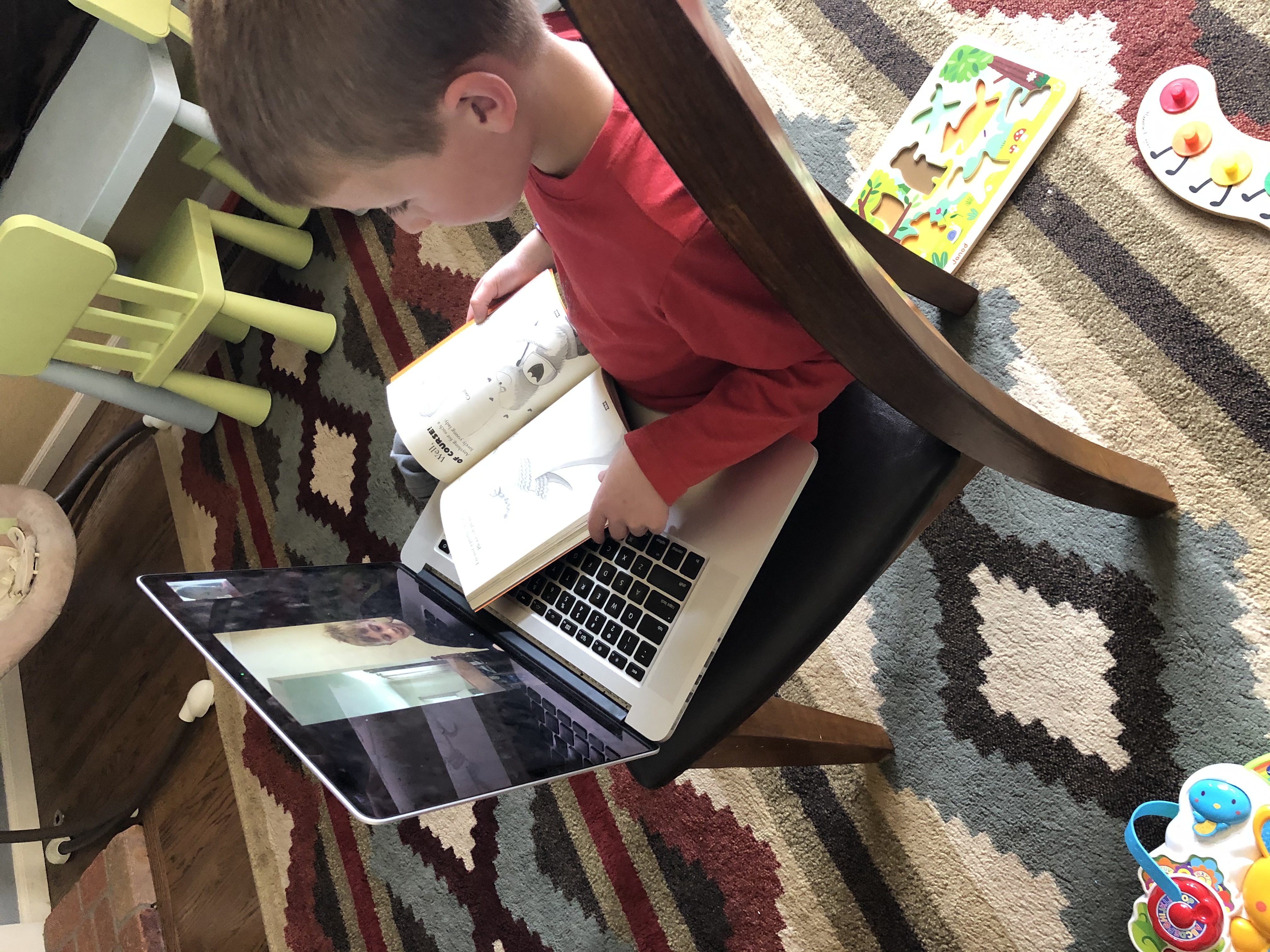
When quarantining became a reality for many of us in March, we were both looking for activities that would help keep our kids busy but also interacting with other kids. Ricki then came up with the idea of doing virtual book clubs, and Kellee was all in!

Trent & Henry’s Two Book Clubs

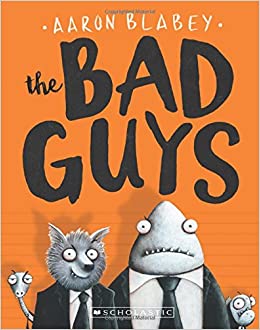
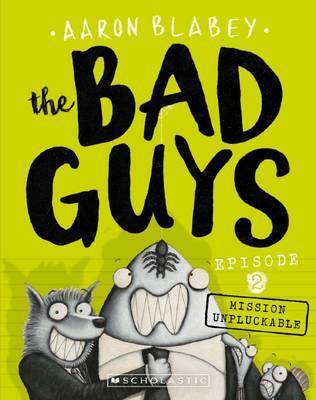
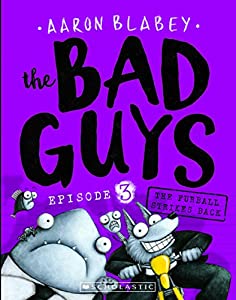
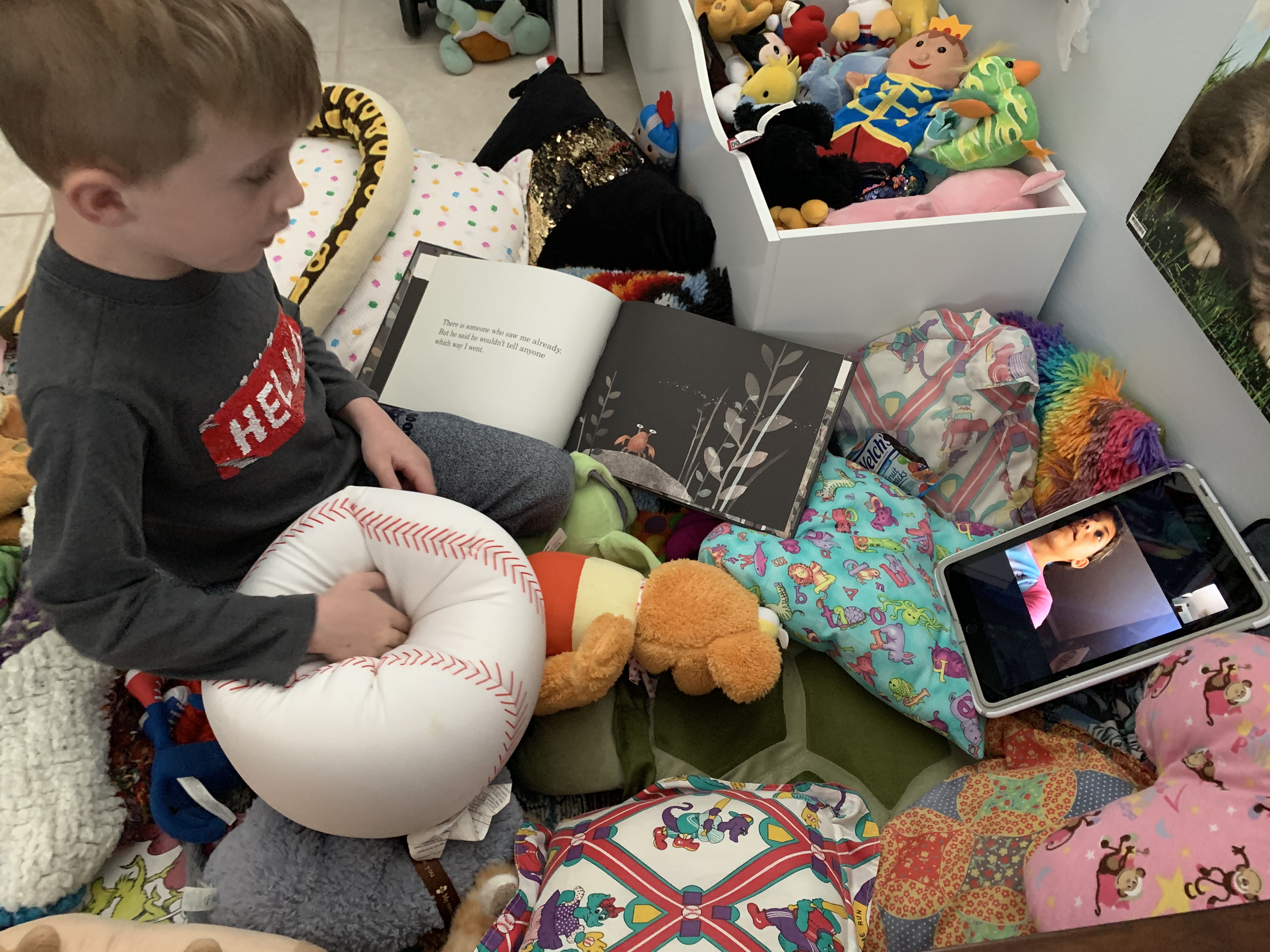
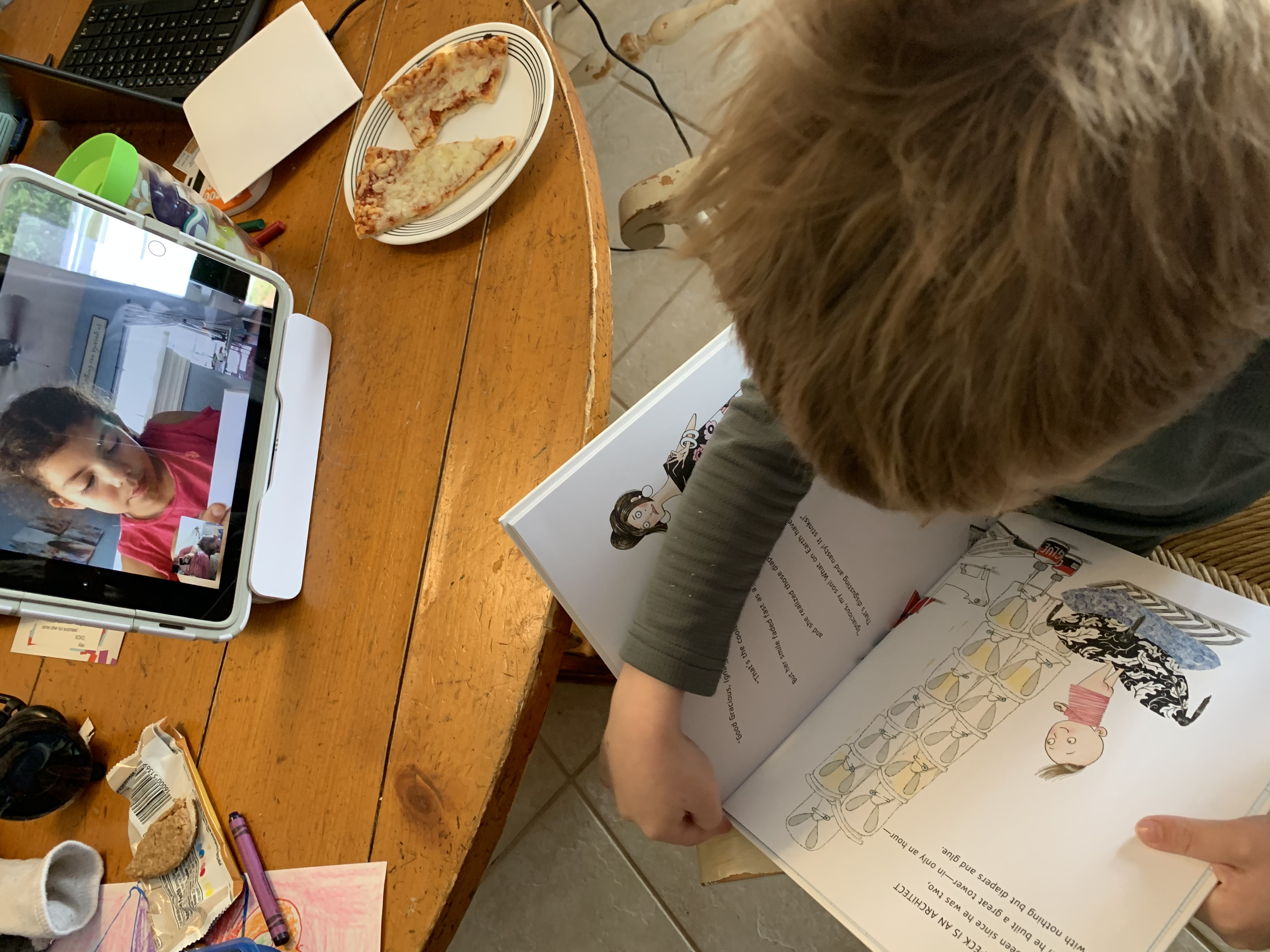
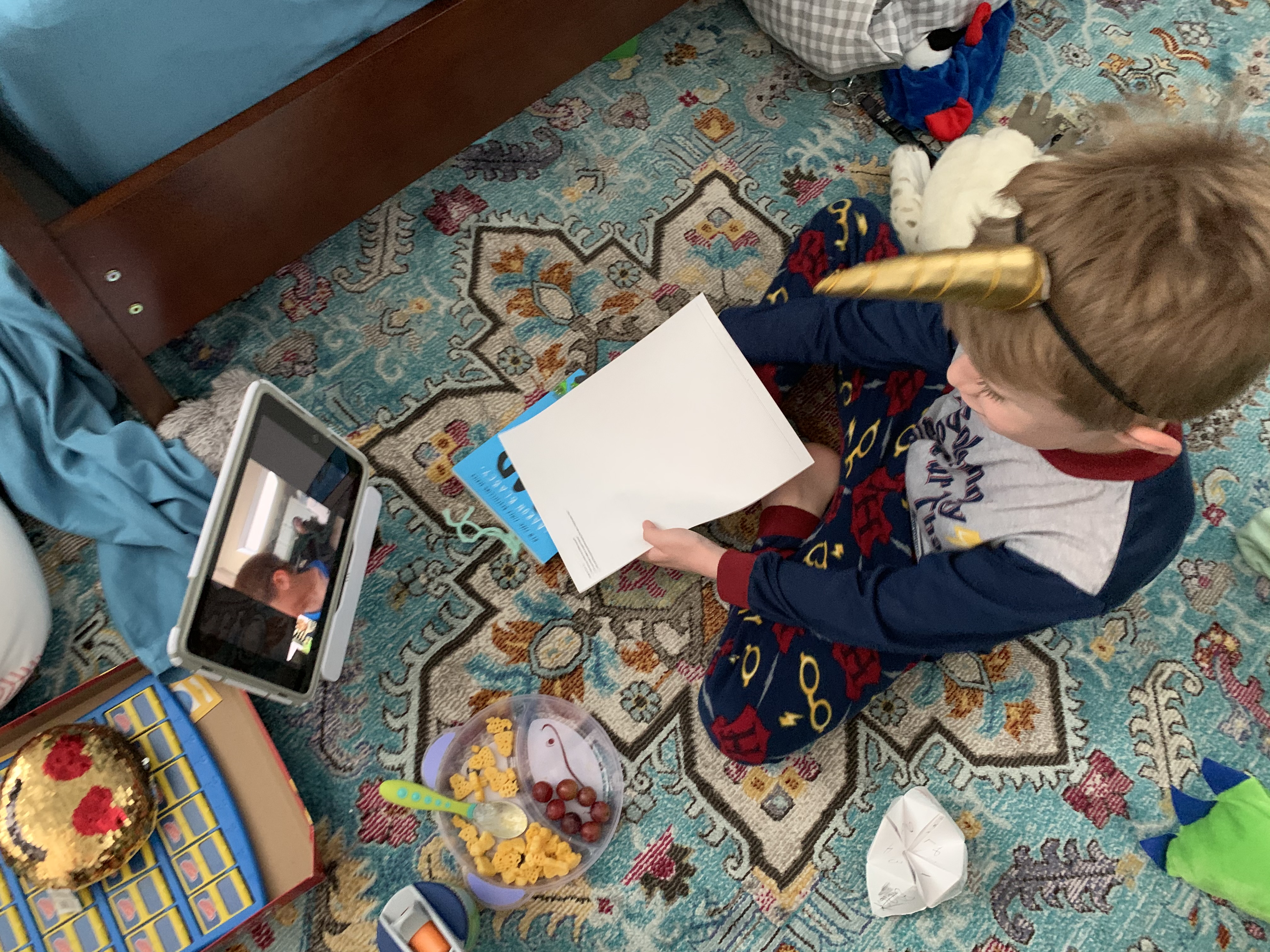
  • Trent and Henry, Ricki’s oldest, both were really interested in reading the Bad Guys books, so we started a chat with just the two of them. This is the first virtual book club that both kids had been in and was a great way to help them understand how to discuss books with a peer. So far they have read four of the Bad Guy books and have had a blast discussing everything from illustrations, to motive, and predictions.
  • As of this week, we are going to pause on the Bad Guys books and are moving ahead with some partner reading with some of the boys’ favorite picture books!

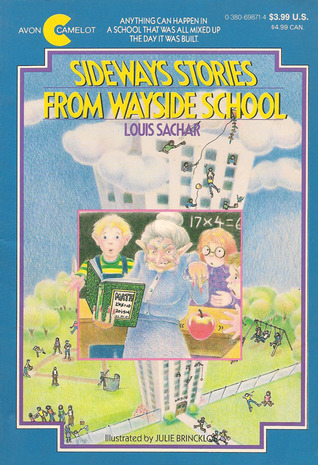
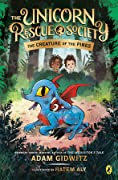
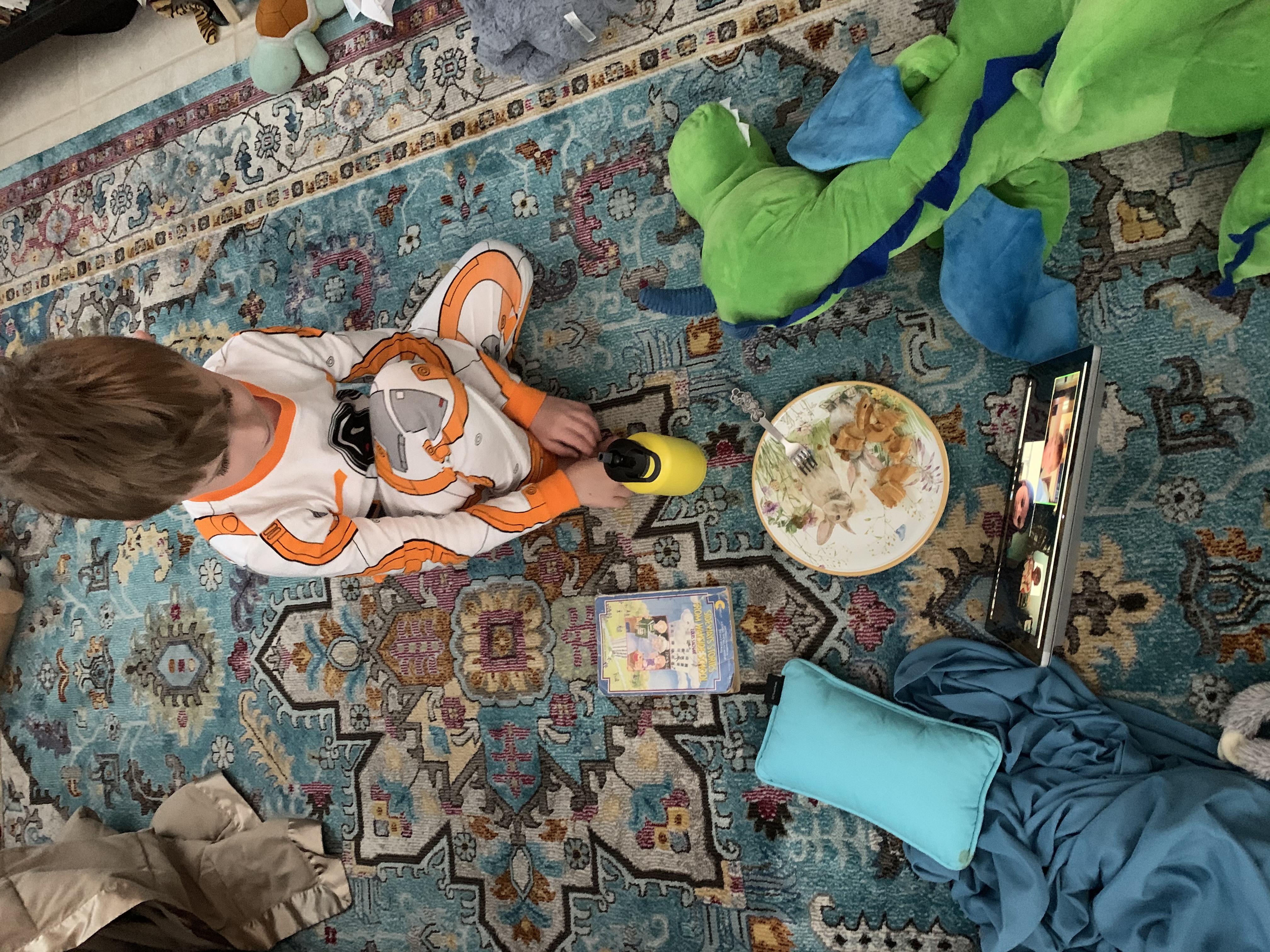
  • Ricki put out a call on Facebook for anyone interested in doing a Kindergarten-ish book club, and many jumped in! The kids range from age 4 to 9, and we find the mixed age group is really working! The club voted on the first book to read, and we started with Sideways Story from Wayside School by Louis Sachar and then we moved to Unicorn Rescue Society: The Creature of the Pines by Adam Gidwitz.


Trent’s Other Book Club


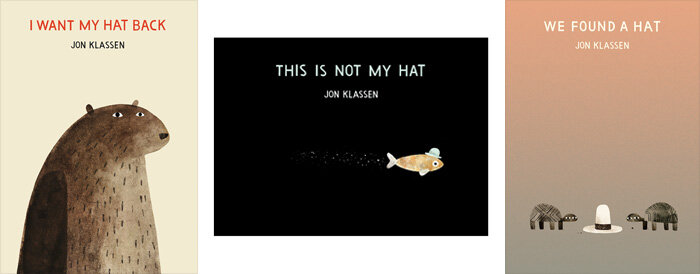
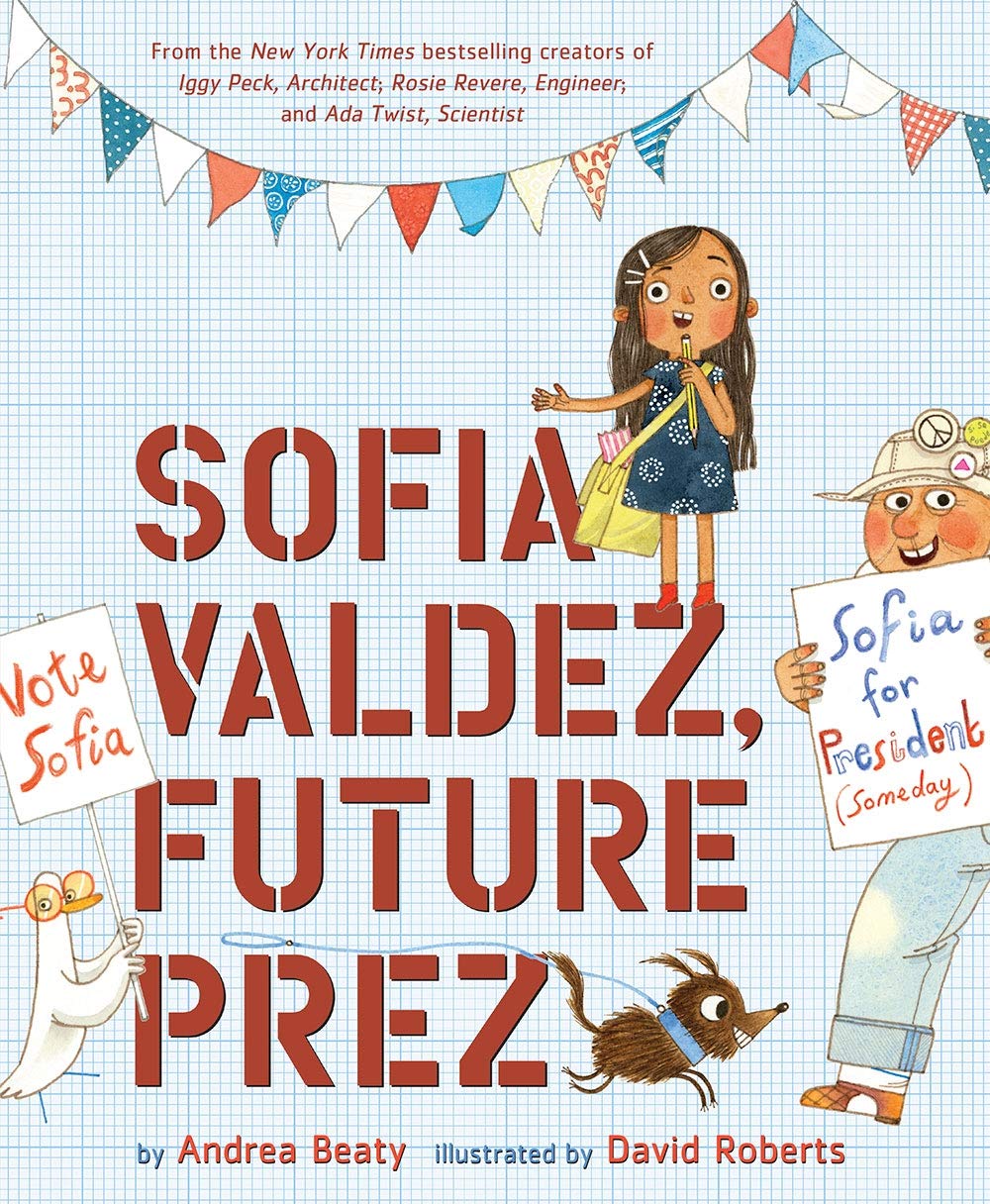
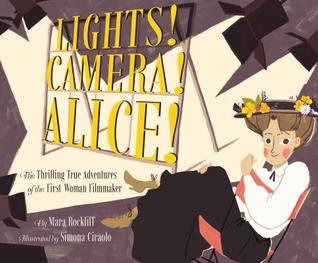
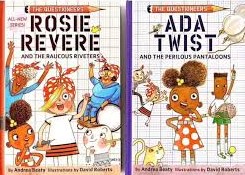
  • Trent also is part of a book club with one of Kellee’s colleague’s daughters. With this book club, Trent and Gabby started with picture books (The Hat Trilogy by Jon Klassen, The Questioneers by Andrea Beaty & David Roberts, and Lights! Camera! Alice! by Mara Rockliff). Next up are the Questioneers chapter books.

Ben’s Book Club

  • Ricki’s three-year-old Ben is also in a book club using Juana Medina’s Juana & Lucas. Admittedly, this book club has been trickier because the kids are ages 3 to 4. They have had great questions like, “Do you like to chew gum, too?” and are connecting with the book, but their attention span usually lasts between 5 to 10 minutes. They are also incredibly shy and have difficulty volunteering questions. Either way, it is still great to see the kids connect with each other.

The Clubs

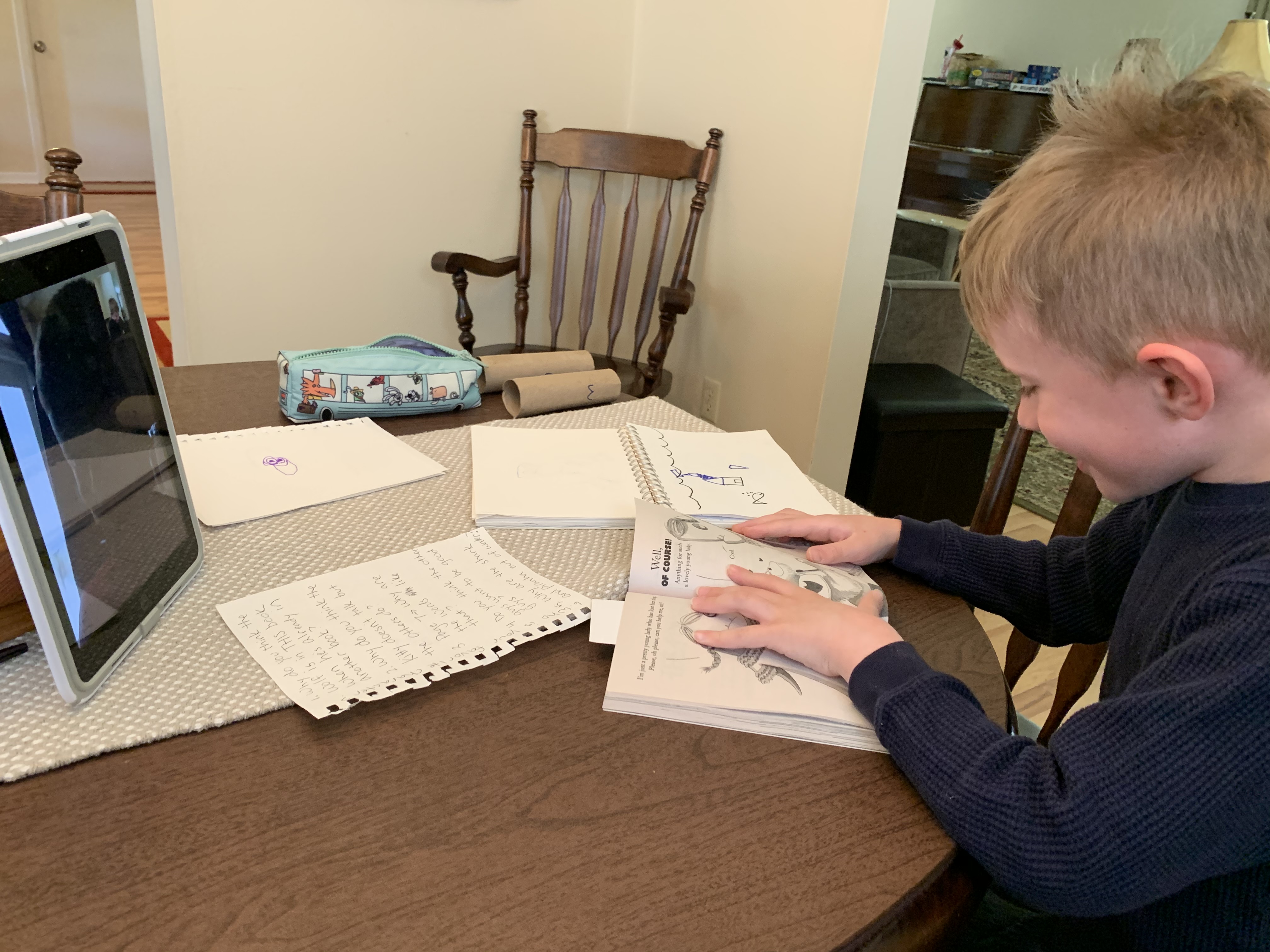
For the larger club, Ricki sets up a Zoom meeting and leads the meeting. She ensures everyone gets to ask their questions and that everyone’s voice is heard.

The questions that kids come up with, even at age 6, are intuitive and deep!

  • Examples:
    • Bad Guys #1: Why do you think the kitty doesn’t talk but the other animals do?
    • Bad Guys #1: Why do you think those words on page 7 look like that?
    • Bad Guys #2: Do you think they would have made it without Legs helpiing them?
    • Bad Guys #3: Why did they think the ninja was a boy (she is a girl!)?
    • Wayside: Do you think it’s fair that Todd always gets in trouble?
    • Wayside: Joy’s name sounds like she should be good, but she keeps calling people dumb and stupid which isn’t good. Do you like her?
    • Unicorn: Why do you think Professor Fauna is hunting the unicorns?
    • Unicorn: Do you think the animal got tangled in the ribbon because it was a trap, or do you think it was something else?
    • Unicorn: Do you think Professor knows about the animal Elliot and Uchenna found? Do you think they will see it again?

With Trent’s book club with Kellee’s colleague, she used the teaching guides to drive the conversation (Hat Trilogy, Questioneers, Lights! Camera! Alice!), and she found that teaching guides are perfect for this as well. And their insight was wonderful!

With the smaller clubs, we use FaceTime. We’re still there while they are chatting, but it is easier for the two to chat back and forth.

Usually the club meeting lasts 20-30 minutes which is about how long they can stay on topic and discuss a book, but we think that is pretty great for kindergarten-ish kids.

We always end with “friend questions.” Kids are invited to ask their (new) friends questions about their lives. They tend to ask each other about their favorites (foods, colors, movies, books, sports teams, universities).

The book clubs have been such a highlight for our kids. They look forward to it each week! They love sharing the reading experience with others, specifically now when interaction with other kids is so limited.

An unexpected highlight: they’ve made some good friends. Henry and Trent have never chatted for more than a minute or two and last saw each other when they were babies, so it has been wonderful to see them bond these last few weeks!

We highly recommend virtual book clubs! Let us know if your kids have taken part in any virtual clubs!

Signatureand