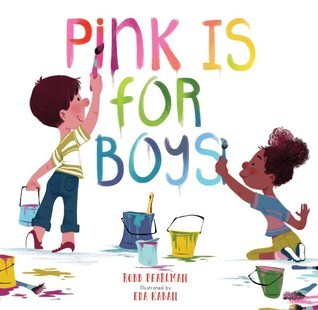
Pink is for Boys by Robb Pearlman

Share

Pink Is for Boys
Author: Robb Pearlman
Illustrator: Eda Kaban
Published: June 5, 2018 by Running Press

Goodreads Summary: An empowering and educational picture book that proves colors are for everyone, regardless of gender.

Pink is for boys . . . and girls . . . and everyone! This timely and beautiful picture book rethinks and reframes the stereotypical blue/pink gender binary and empowers kids-and their grown-ups-to express themselves in every color of the rainbow. Featuring a diverse group of relatable characters, Pink Is for Boys invites and encourages girls and boys to enjoy what they love to do, whether it’s racing cars and playing baseball, or loving unicorns and dressing up. Vibrant illustrations help children learn and identify the myriad colors that surround them every day, from the orange of a popsicle, to the green of a grassy field, all the way up to the wonder of a multicolored rainbow.

Parents and kids will delight in Robb Pearlman’s sweet, simple script, as well as its powerful message: life is not color-coded.

Ricki’s Review: I have two sons. I very much appreciate all of the wonderful girl-empowering books that have been published recently. I am constantly shooting up my fist and shouting “Hooray!” when these books are published. But as a mom, I appreciate even more the opportunities to tell my son, “Yes, it’s okay that your favorite color is ‘rainbow,'” “No, boys are not necessarily better at fixing things” (I’ll secretly admit that this one is actually true in our house—my husband is an engineer), or “Yes, it’s okay if your favorite Disney song is ‘Let It Go,’ even when you are the only boy in your class who thinks this.” (I should backtrack here and say that Moana is far better than Frozen.)

I have one more anecdote. The day after I read this book to my son, I went to a birthday party with my sons. My 19-month-old crashed into a boy who was about 2 and half. My kid, who is oddly resilient, popped right up, but the other boy cried. His dad said, “You need to man up. Boys don’t cry.” This kind of stuff has to end. It’s only with the publication of books like these that we will be able to defy these gender norms that drive me bonkers. Pink is for boys.

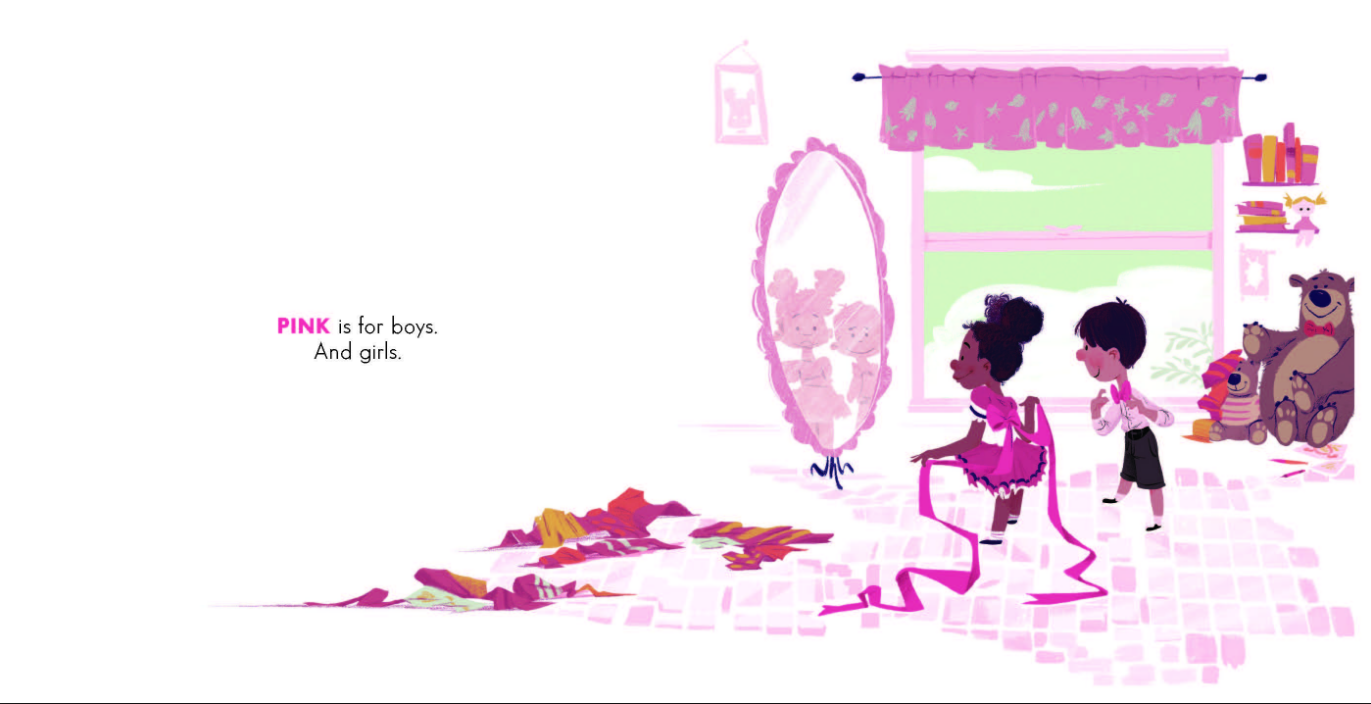
The basic (but well-conceived) drawings of this book make it shine. The point is clear—and younger readers will easily make sense of it. The characters are drawn as simple sketches and are understated. This makes the message all the more powerful. 

Kellee’s Review: My son loves all the colors. Except, according to him, pink and purple. Where did this come from?! In my house, all colors are wonderful colors and girls and boys can like and do whatever they want, but he must have been told by someone ‘out there’ that pink and purple are girl colors, and Trent, wanting to be accepted, now felt he couldn’t like these colors. I try to counteract this notion in my house, but it is ‘out there’ that minds need to shift or I am fighting a battle so much bigger than I may be able to handle. When will we [general societal we] stop saying “You throw like a girl” as an insult or “Man up” as a way to tell kids to not cry?! I can teach my son to be a feminist, but until things like those stated above change, society will always be pushing against what I am teaching him at home. 
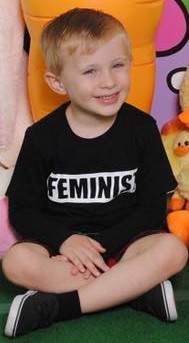
Within the text, in addition to promoting the brilliance and beauty of all colors, I also truly appreciated how the characters were diverse in all aspects of the word and that the author purposefully rotated between girls and boys & boys and girls to show that neither deserves to go first.

Teachers’ Tools for Navigation: This book makes us itch to teach young kids. We would ask students to create their own versions (or posters) of this book. For example, they might create books called Crying is For Boys or Dirt is for Girls. As a secondary teacher, this book would be a great discussion starter about gender prejudice and assumptions in society.

Discussion Questions: How does the illustrator use simplistic drawings to better convey the meaning of the text?; How does the author convey the message implicitly and explicitly?

Flagged Passage:
Read This If You Loved: Julián Is a Mermaid by Jessica Love, Red: A Crayon’s Story by Michael Hall, The Boy In the Dress by Michael Walliams, The Sissy Duckling by Harvey Fierstein

Recommended For: 

readaloudbuttonsmall classroomlibrarybuttonsmall

RickiSigand Kellee Signature

**Thank you to Casey at Media Masters for providing copies for review!**
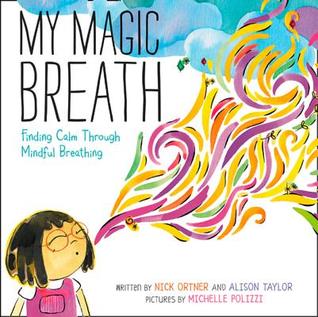
My Magic Breath: Finding Calm Through Mindful Breathing by Nick Ortner and Alison Taylor

Share

My Magic Breath: Finding Calm Through Mindful Breathing
Author: Nick Ortner and Alison Taylor
Illustrator: Michelle Polizzi
Published May 15th, 2018 by HarperCollins

Summary: Do YOU have the magic breath?

Let’s see…Take a deeeeeep breath in…and BLOW it out…

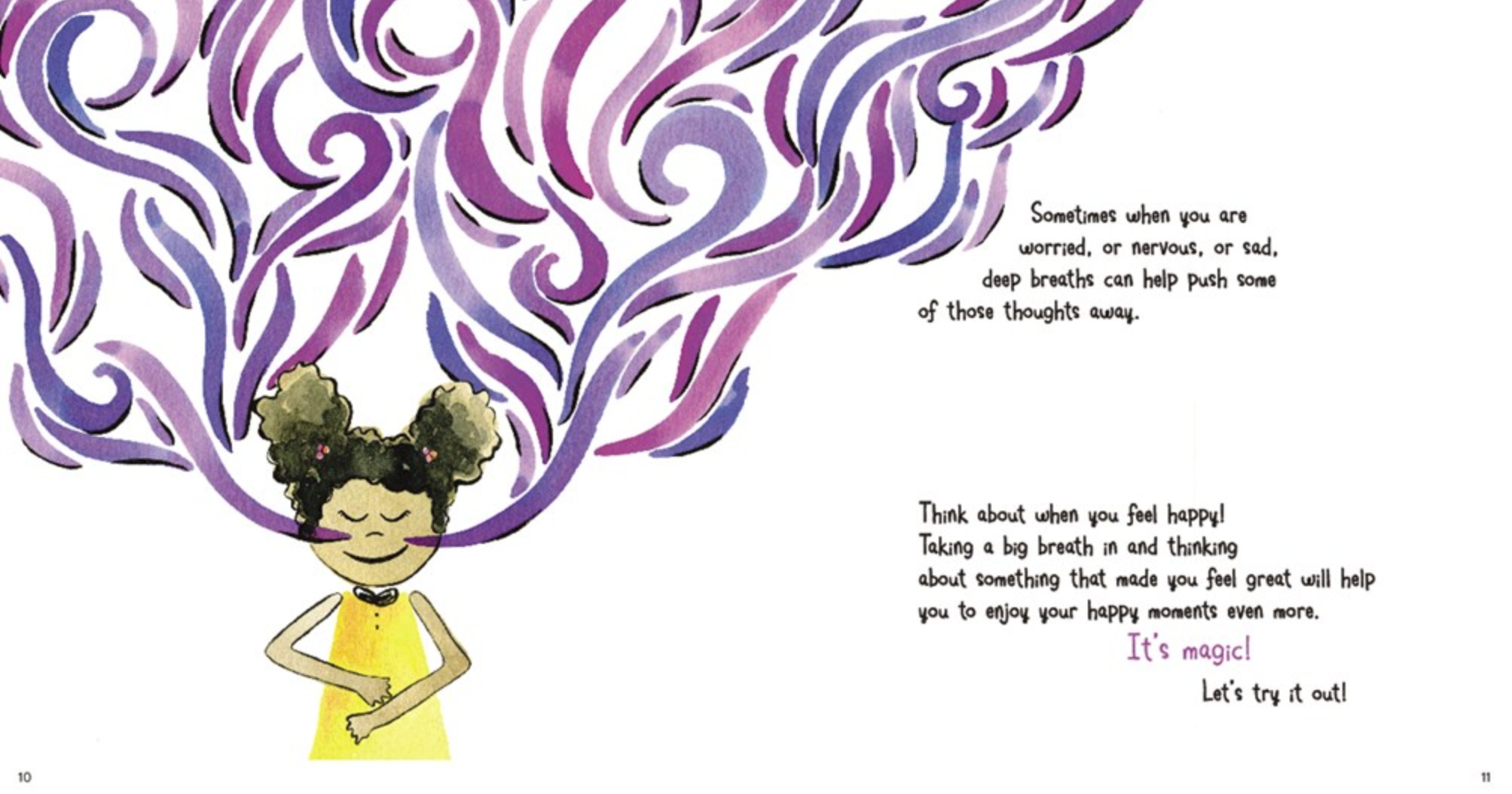
…and like magic, you can feel better just by breathing! Sometimes it’s hard to feel happy. But with this interactive picture book, children breathe along as they learn how to make angry or sad thoughts disappear.

In a world that is sometimes too busy, with too many things going on, My Magic Breath will help steer children into a serene space of mindfulness, self-awareness, and balance.

About the Authors and Illustrator: 

Nick Ortner is CEO of the Tapping Solution, LLC, a company with a mission to promote the natural healing method known as Emotional Freedom Techniques or “tapping” (a combination of Chinese healing practices). This is his second children’s book; his first was The Big Book of Hugs. He is also the New York Times bestselling author of The Tapping Solution, The Tapping Solution for Pain Relief, and the upcoming book The Tapping Solution for Manifesting Your Best Self. Nick lives in Newtown, CT, with his wife and daughter, June. You can find Nick at facebook.com/nortner.

Alison Taylor is an elementary school teacher and coauthor of The Big Book of Hugs. She writes to inspire young people, especially her beloved June and Harris, to find what makes them happy. She lives in Connecticut with her husband.

Michelle Polizzi is an illustrator and designer living and working in California. This is her second book working alongside Nick Ortner and Alison Taylor. She lives in the East Bay with her sons, Rowan and River, her husband, Nick, and their beloved Frenchie, Oscar, where they spend their days creating and inspiring one another. You can see more of her work at designbylovelyday.com.

ReviewDeep breathing is a tool that I have taught my son to use to deal with frustration, anger, or sadness. This lesson was even more supported when Daniel Tiger taught him to, “When you feel so mad you want to roar, take a deep breath and count to four.” We use this mantra often to help him refocus when his brain is getting fogged by an emotion. Additionally, some of Trent’s favorite books are interactive picture books like Press Here! or Don’t Touch This BookMy Magic Breath combines these connections in Trent’s life into one! It not only promotes meaningful breathing in a fun way, it turns it interactive through the illustrations and second person narrative. This is going to be a book that is easily going to jump into our picture book regulars, and I cannot wait to be able to be able to tell Trent to “Think about what happened. Now keep it in your mind! Close your eyes and take a deep breath in. Now blow out your breath…”

Teachers’ Tools for Navigation: Anxiety is something that many teachers now find themselves talking to their students about because so much pressure and stress are on kids these days either socially, academically, or at home. My Magic Breath will be a perfect book to introduce at the beginning of the year then use throughout the year to help students understand and deal with their emotions.

Discussion Questions: 

  • When do you feel the most anxious? Angry? Scared? Sad? Try using mindful breathing during these times.
  • How do you picture your magic breath would look when you blow out during these times? What about a happy time?

Flagged Passages: 

Read This If You Love: Good Morning Yoga by Mariam GatesThe Moment Is Your Life by Mariam GatesMoon by Alison OliverMy Friend is Sad by Mo Willems, The Color Monster by Anna LlenasGrumpy Bird by Jeremy Tankard

Recommended For: 

classroomlibrarybuttonsmall 

Signature

Kellee’s 7th Grade Lunch Book Club 2017-18

Share

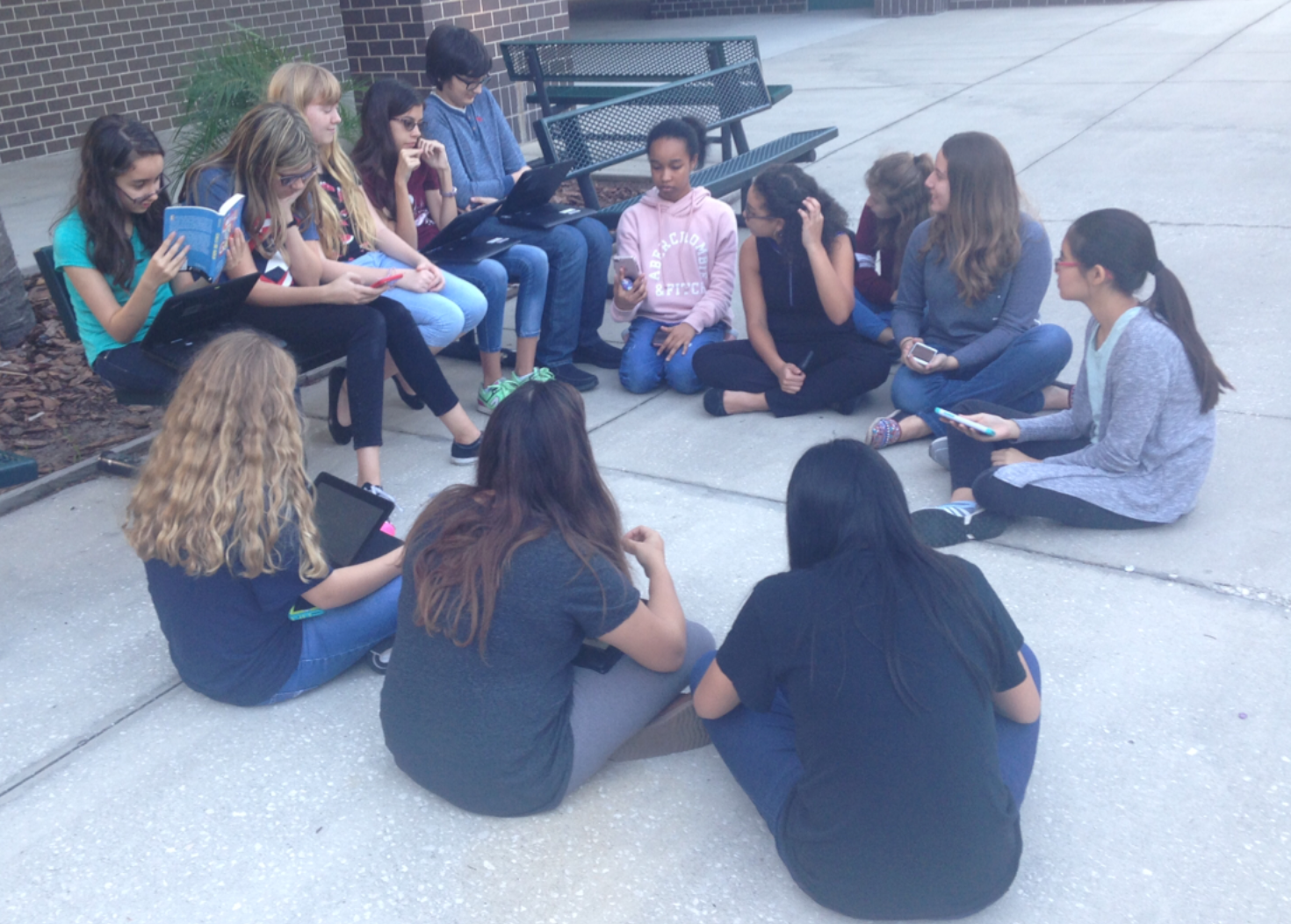
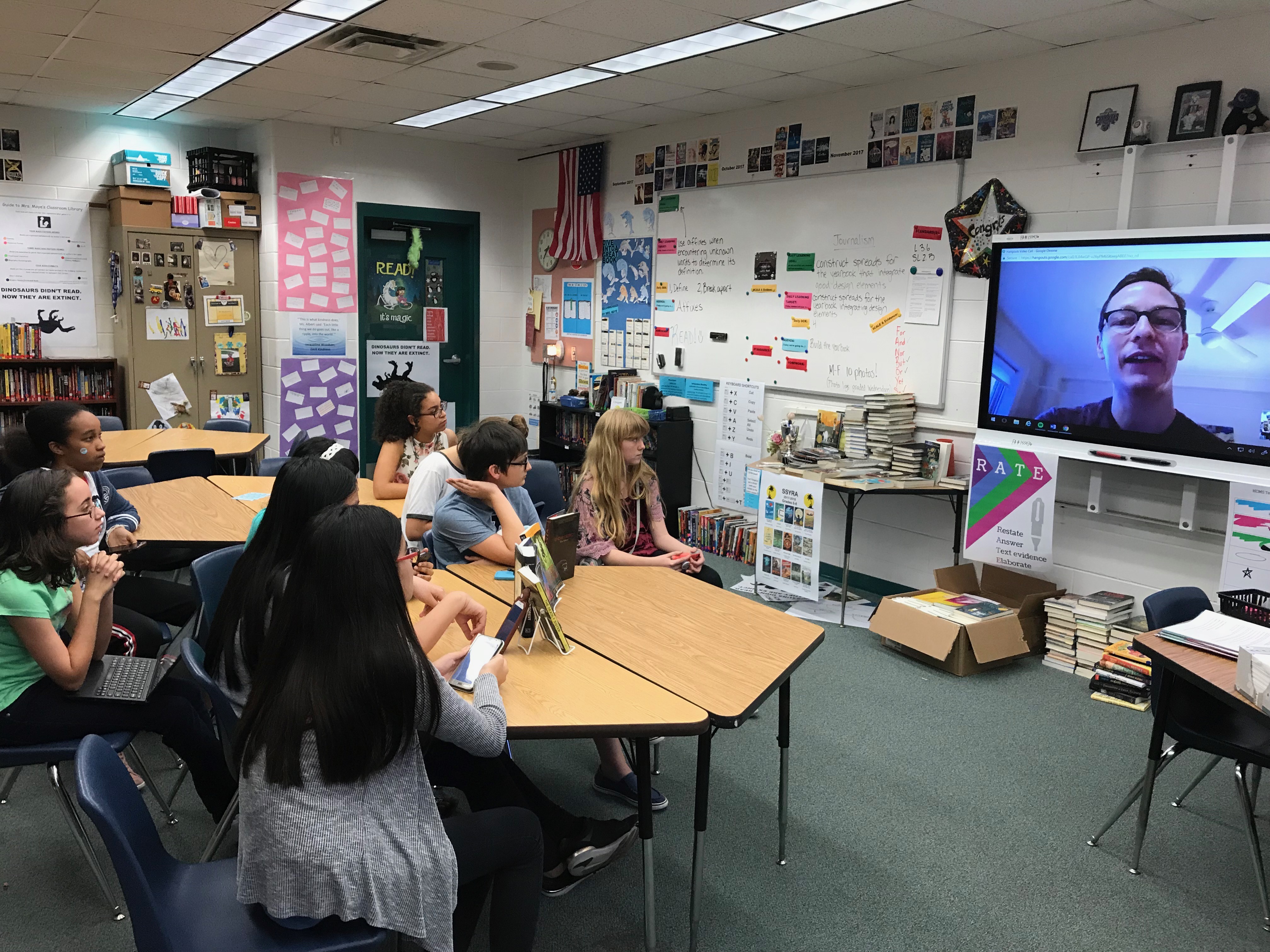
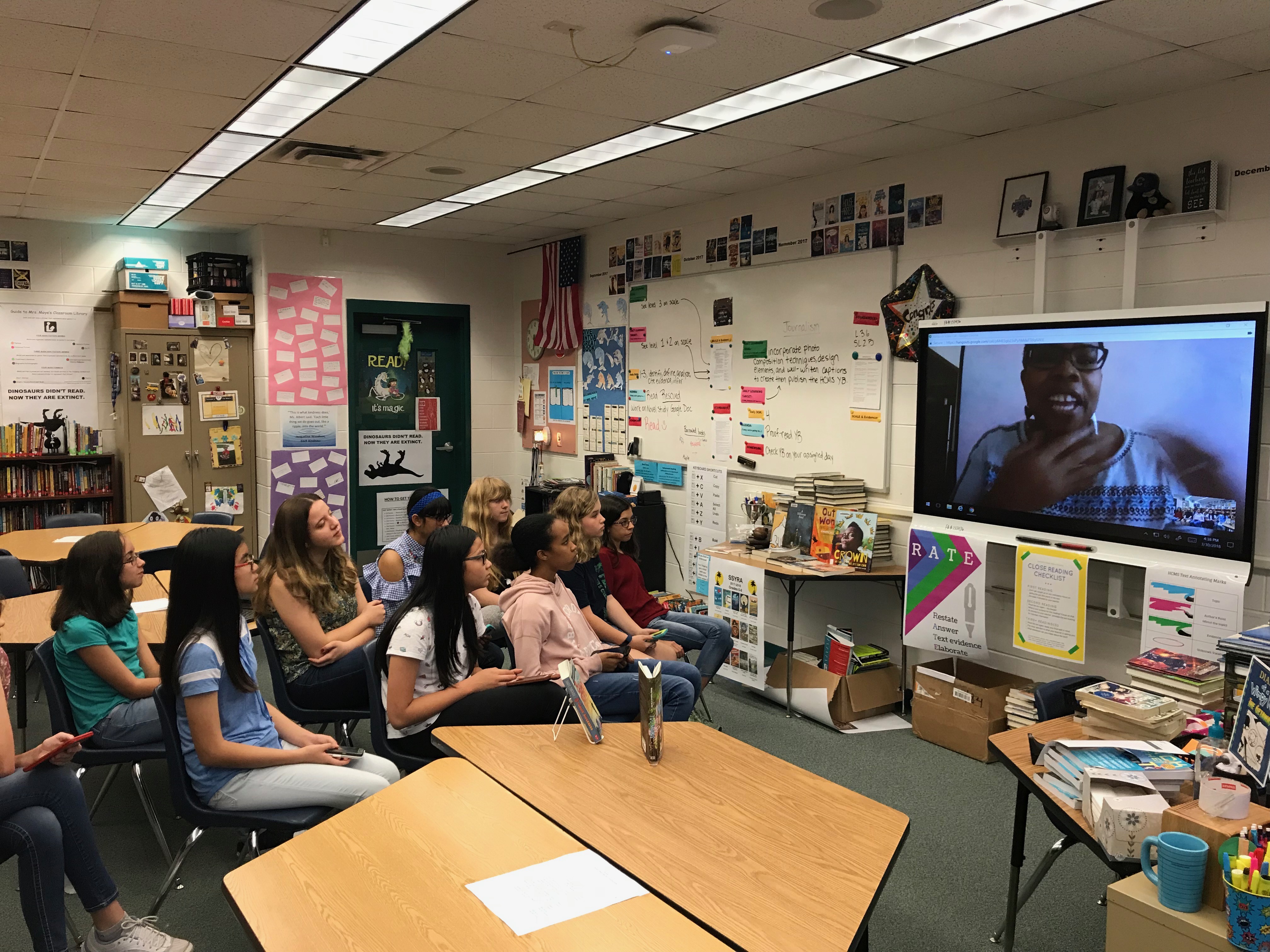
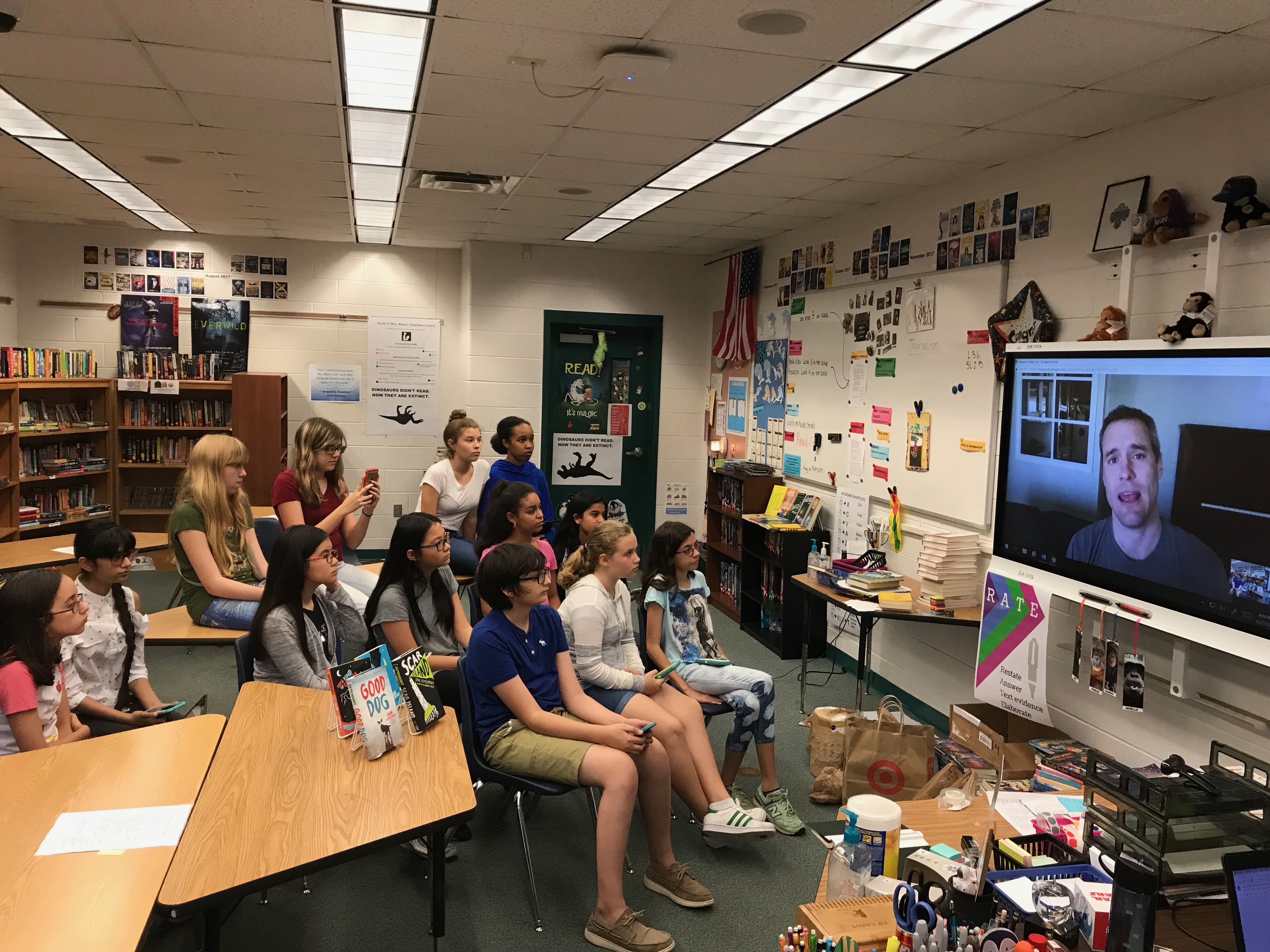
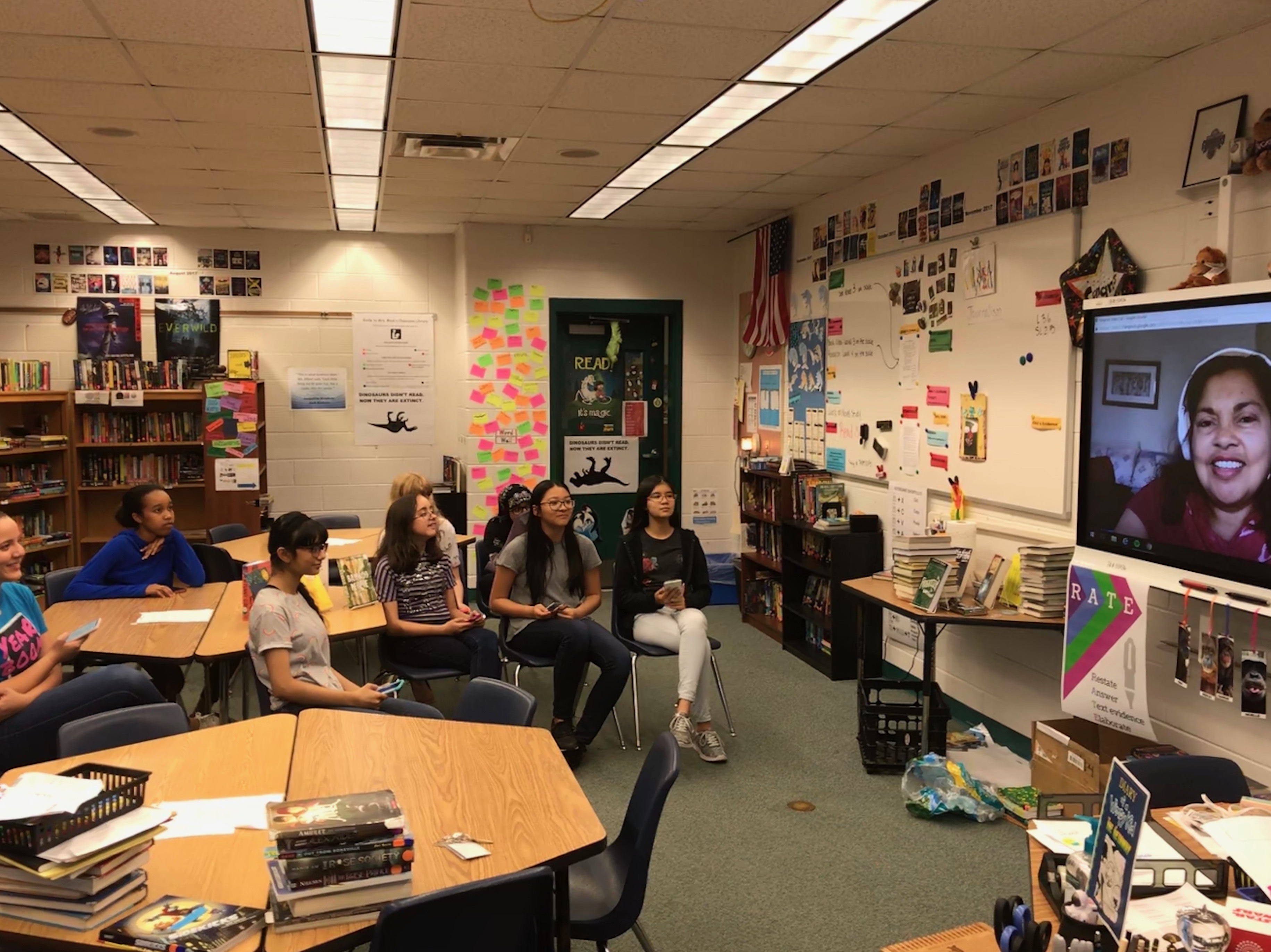
Two years ago, towards the end of the year, I walked into our library, and I noticed a smattering of kids sitting around the library. They were doing homework, reading, eating, sitting silently, etc. I started talking to them, and they shared how they felt the lunchroom just wasn’t the place for them: it was too loud, too full of drama, or too cliquey. It was then that I asked them if they would be interested in a lunch book club–they all answered with a resounding YES!

This year was my 2nd year with my book club, and I am so glad that I can give kids a friendly place to eat lunch, but equally important, I am so happy that I can give them some amazing reading opportunities as well! Last year, we split our book club into Mock Newbery, Author Skypes, and Harry Potter clubs. This year, the students really wanted to have more opinions in what they read, so they voted to only do author virtual visits this year.

Funding: Book Grant

Our Orange County Foundation Grants has a grant that is given each year to middle school book clubs, and I was lucky enough to receive it! This grant funds my book club completely (books for the entire year and food for an end-of-year party), and I cannot thank the Foundation enough for having this grant that is funded by the License 4 Learning and the School District Education Foundation Matching Grant Program.

Choosing Authors and Books

I want students to not find the book club to be a burden to their free choice of reading that we give at my school, so I do not give much guidance in their choices. We met for the first time in late September after I was told that I had received the grant. To start, we visit Kate Messner’s amazing list of authors who are gracious enough to virtually visit with students who have read their books for free. From this list, I had the students pick their top 6 authors (one for November, January, February, March, April, and May). We were so lucky that all 6 of the authors we contacted were able to visit with us, and we were able to find Fridays that worked for them and us!

My students purposefully picked their authors. They said they wanted a mix of authors they knew and didn’t know, and a mix of authors of different backgrounds and ethnicity. After researching the list and looking up authors, they chose:

  • Michele Weber Hurwitz
  • Laurel Snyder
  • Eliot Schrefer
  • Olugbemisola Rhuday-Perkovich
  • Dan Gemeinhart
  • Mitali Perkins

After we chose our authors and they had confirmed their availability, the group members were able to look at all of the author’s books and pick at least one title they wanted to read. They like doing it this way instead of the whole club reading the same book because it allows more freedom of choice. Once students chose their titles, I ordered them through the grant.

Set Up

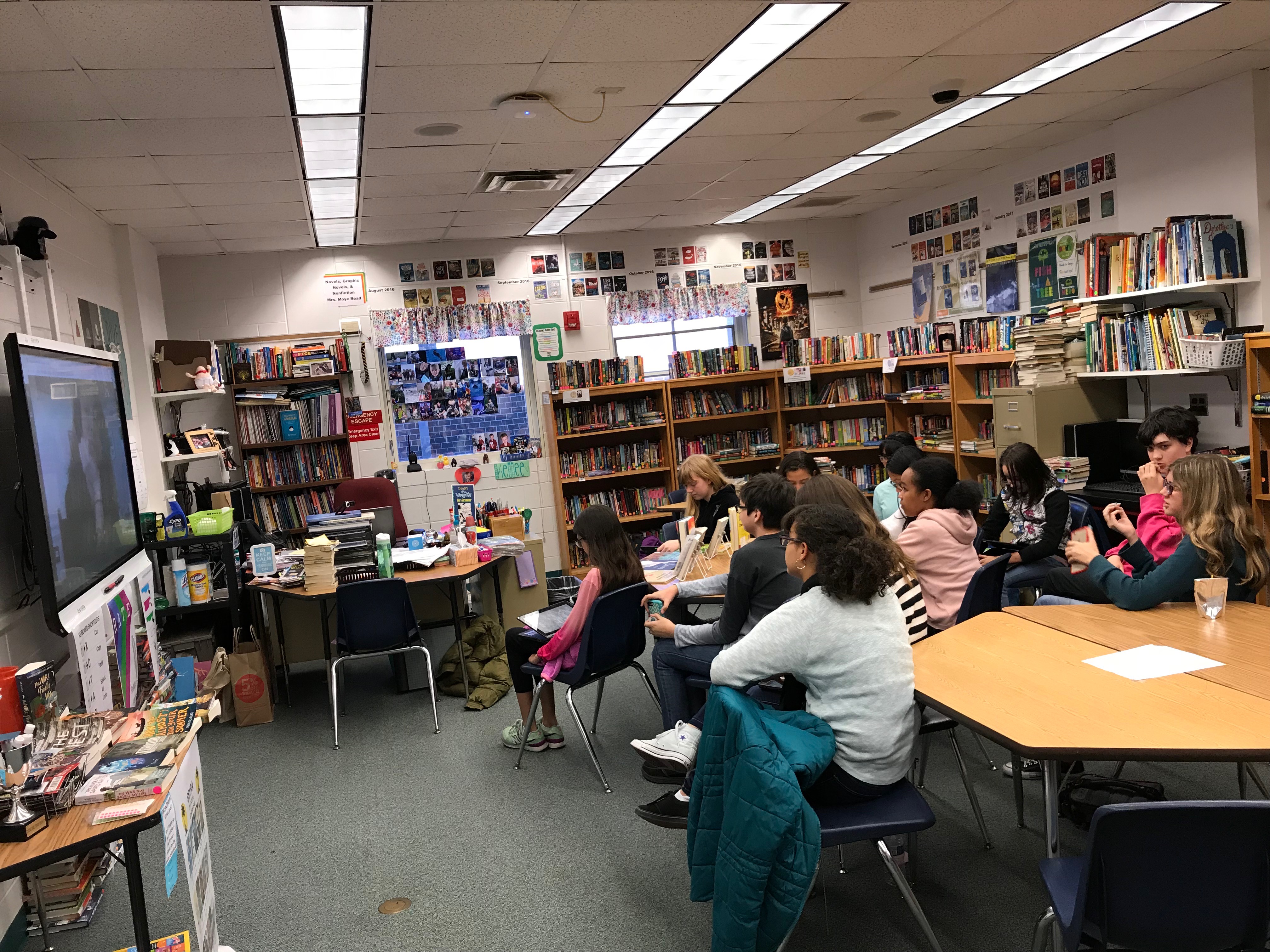
The book club originally was going to meet only Tuesday and Thursday, but after a bit they all wanted to start meeting every day, and I was so happy to do so (though it was not required). The book club is quite informal for 2 weeks out of the month: we just hang out together and eat. Then about 2 weeks before the author virtual visit, we spend our Tuesdays and Thursdays lunch periods chatting about the books, usually separated into smaller groups by what book they read. During their book meetings, they would also come up with questions for the author. We also use our online component (Canvas) to do online discussions. This allows students to put their thoughts down on a discussion board while they were thinking about it. Then they can use this if they need help during their book meetings. Finally, the last meetings before the virtual visit we get our questions in order and assign who is going to ask them, making sure that everyone has something to ask.

Virtual Visits

Each visit was as wonderful as the last! I always wish I had recorded them because I am terrible about taking notes when listening since the authors are so brilliant and funny and awesome!

I cannot thank these authors enough for their generous donation of their time! My students love this experience, and I am so lucky to be able to give this once-in-a-lifetime book club experience!

It’s Monday! What Are You Reading? #IMWAYR 5/28/18

Share

IMWAYR 2015 logo

It’s Monday! What Are You Reading? From Picture Books to YA!

It’s Monday! What are you Reading? is a meme started by Sheila at Book Journeys and now hosted by Kathryn at The Book Date. It is a great way to recap what you read and/or reviewed the previous week and to plan out your reading and reviews for the upcoming week. It’s also a great chance to see what others are reading right now…you just might discover the next “must-read” book!

Kellee and Jen, of Teach Mentor Texts, decided to give It’s Monday! What Are You Reading? a kidlit focus. If you read and review books in children’s literature – picture books, chapter books, middle grade novels, young adult novels, anything in the world of kidlit – join us! We love this meme and think you will, too.

We encourage everyone who participates to support the blogging community by visiting at least three of the other book bloggers that link up and leave comments for them.

Bold_line

Last Week’s Posts


Tuesday: Things I Wish I’d Known as a Beginning Teacher

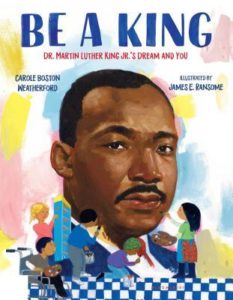
Wednesday: Be a King by Carole Boston Weatherford

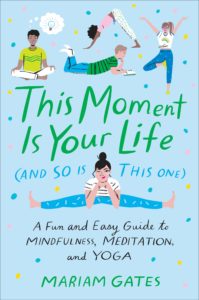
Thursday: Blog Tour with Review!: This Moment is Your Life (and so is this one) by Mariam Gates

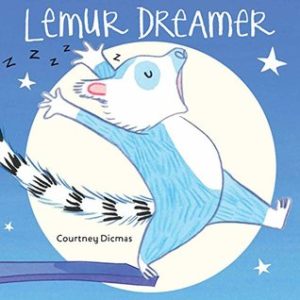
Friday: Lemur Dreamer by Courtney Dicmas

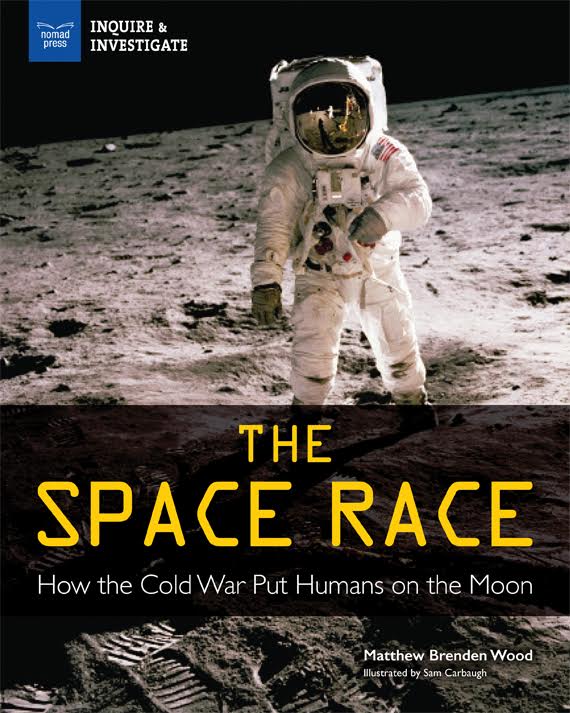
Sunday: Author Guest Post with Teaching Tools! by Matthew Brenden Wood, Author of The Space Race: How the Cold War Put Humans on the Moon

**Click on any picture/link to view the post**

Bold_line

 Last Week’s Journeys

Happy Memorial Day, friends! Both of us are spending our long weekend with our families and didn’t have a chance to write a book update. We hope you had a nice long weekend as well, and we’ll see you next week! 🙂

Upcoming Week’s Posts

Tuesday: Teaching Tuesday: Kellee’s Lunch Book Club

Wednesday: My Magic Breath: Finding Calm Through Mindful Breathing by Nick Ortner and Allison Taylor

Thursday: Pink is for Boys by Robb Pearlman

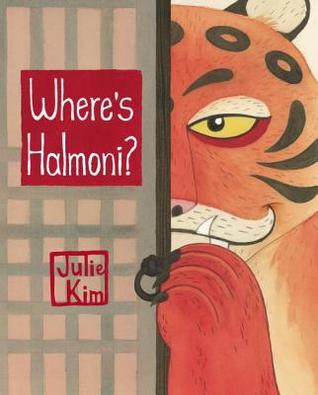
Friday: Where’s Halmoni? by Julie Kim

Sunday: Author Guest Post with Teaching Tools!: “Talking to Kids about World War II” by Diane C. Taylor, Author of World War II: From the Rise of the Nazi Party to the Dropping of the Atomic Bomb

Bold_line

 So, what are you reading?

Link up below and go check out what everyone else is reading. Please support other bloggers by viewing and commenting on at least 3 other blogs. If you tweet about your Monday post, tag the tweet with #IMWAYR!

 Signature andRickiSig

Author Guest Post with Teaching Tools!: “Take a Trip to the Moon” by Matthew Brenden Wood, Author of The Space Race: How the Cold War Put Humans on the Moon

Share

The Space Race: How the Cold War Put Humans on the Moon
From the Nomad Press Inquire and Investigate Series
Author: Matthew Brenden Wood
Illustrated by: Sam Carbaugh

Summary: What do you see when you look up at the night sky? The potential for amazing discoveries and scientific advancement? During the 1950s and 60s, some people also saw a place that needed to be claimed.

In The Space Race: How the Cold War Put Humans on the Moon, middle school students will explore the bitter rivalry between the United States and the Soviet Union that served as fuel for the fire that catapulted rockets into the great unknown of the next frontier-space. While Neil Armstrong will always be remembered as the first person to set foot on the moon, the people and events behind this accomplishment populate a fascinating tale of politics, science, technology, and teamwork that resulted in what might be the greatest accomplishment of the twentieth century.

About the Author: Matthew Brenden Wood is a math and science teacher with a passion for STEAM education. He is also an avid amateur astronomer and astrophotographer. Wood holds a bachelor’s degree in astronomy from the University of Massachusetts at Amherst and lives in Phoenix, Arizona.

Author Guest Post: 

“Take a Trip to the Moon!”

What pops into your head when you think about the Space Race? Most people probably think of Neil Armstrong’s famous line, “That’s one small step…” Or perhaps they think of the sound of Sputnik’s beep as it circled the globe. But that’s only a part of the amazing story of a race that started more than two decades before Neil and Buzz left their bootprints in the lunar dust, even before President Kennedy declared that the United States would send people to the moon and return them safely to Earth.

The path to the moon started at the end of World War II, as the United States and Soviet Union eyed each other warily across what became known as the Iron Curtain. New and fearsome weapons such as the atomic bomb and the Inter-Continental Ballistic Missile were front-page news as both nations looked to outdo the other.

The West viewed the Soviets as a backwards nation, lagging far behind in technology, education, and industry. However, everything changed with the launch of Sputnik on October 4, 1957. People around the world marveled at the feat, and a new fear of communism swept across America. How had the Soviets beaten the Americans into space? What would they do next? How would the United States respond?

The launch of the world’s first artificial satellite was the firing of the starting gun in the race to the moon—it was also a new, dangerous development in the early days of the Cold War. Not only did the Soviets have a rocket that might carry a person into space, but that same rocket could carry an atomic bomb to any place on Earth. Suddenly, the United States was behind, and needed to catch up—fast. The race was on.

I wrote The Space Race: How the Cold War Put Humans on the Moon to take kids on the journey through the Space Race and the backdrop of the Cold War. For kids interested in history, it’s a look at how the relationship between the United States and Soviet Union shaped the world we live in today, from North Korea and Cuba to Russia and China. For those interested in space, it’s a window into the early days of space exploration and the incredible accomplishments on the way to the moon.

Teachers’ Tools for Navigation: Here are some activities to get your kids thinking about the space race!

FIRST-PERSON ACCOUNT

The Cold War and Space Race were very important events in history. People around the world lived through the struggle between the United States and the Soviet Union, and millions tuned in to witness humanity’s first steps on a different world. Do you know someone who lived through these events?

  • Interview a family member or friend who experienced the Cold War and Space Race up close.

Questions to consider include the following:

  • How was life during the Cold War different from today?
    • Did it affect their everyday life?
    • Were they ever afraid during the Cold War? Why or why not?
    • Did they watch the moon landing? How did they and their friends and family react?
    • How did it feel to watch such an important moment in human history? Did they know how special it was at the time?

To investigate more, present their story however you think best represents their experience. You could write an essay, create a presentation, film a documentary—it’s up to you!

SPLAT!

Protecting an astronaut from the dangers of space travel is a difficult task. The early spacecraft used by both space programs were small, cramped capsules designed with only one thing in mind—bringing the passenger back safely to Earth. Can you do the same? Here’s your challenge: design a “space capsule” to protect a raw egg from the forces of gravity!

  • Assemble the materials you have on hand. What can you use that could protect an egg?
    • Design your space capsule. How will you use your materials? What is the best way to protect your “eggstronaut”?
    • Assemble your craft and test it (you can try using a hard-boiled egg first) by dropping it from shoulder height. Make any changes needed.
    • Try dropping your capsule with its passenger from differing heights. How does your design hold up? What is the biggest drop your eggstronaut can survive?

To investigate more, challenge others to a contest. Compare your strategies and designs. What materials and ideas work best?

Find more resources in the free classroom teaching guide!

Thank you so much, Matthew & Nomad Press!

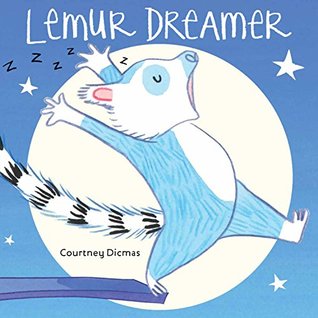
Lemur Dreamer by Courtney Dicmas

Share

Lemur Dreamer
Author and Illustrator: Courtney Dicmas
Published February 1st, 2015 by Kane Miller

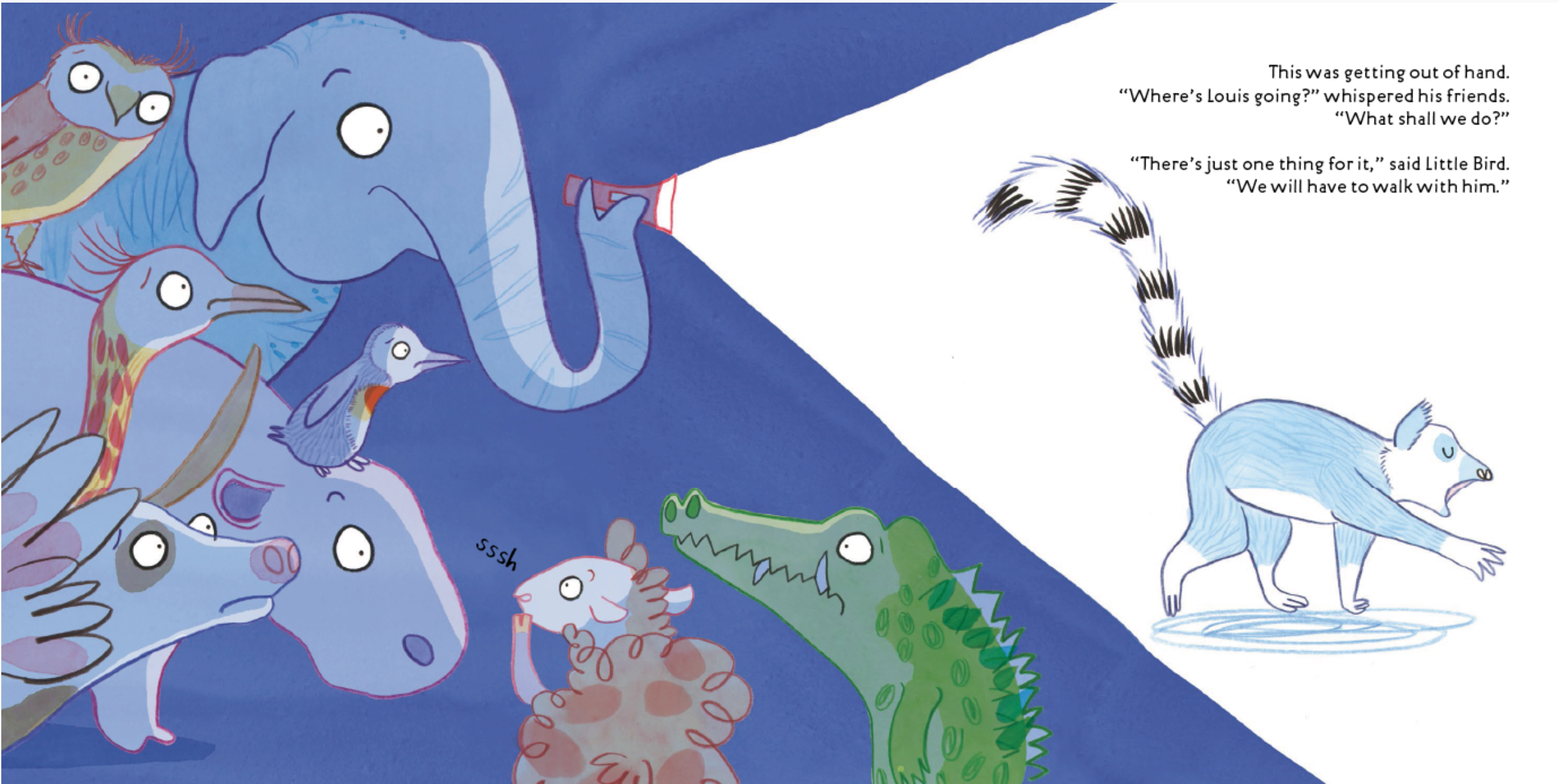
Summary: All the residents of 32 Pebbly Lane lead mostly unextraordinary lives…Except for Louis the Lemur. He’s a sleepwalker! After his night-time antics cause mischief, his friends decide to follow him one night, with hilarious consequences. This is the crazy, colorful, wonderful new title from the artist of Harold Finds a Voice, nominated for the 2014 Waterstones Prize.

ReviewLouis the Lemur has the best friends! When they notice that poor Louis’s sleepwalking is getting worse, they know that they have to help him be safe, so they stay with Louis as he walks to keep him safe–what a great ode to friendship. I loved Dicmas’s expressive illustrations and how each of the secondary animals were not forgotten in the detailing. These characters combined with the funny sequential plot makes for a fantastic read aloud.

Now, I do think that sleepwalking is being used as entertainment in the story which can be a bit problematic if dealing with kids who do sleepwalk; however, I think it used in a thoughtful way because Louis is never demonized for his sleepwalking. Instead, the book is entertaining while also starting a conversation about something that kids often deal with and never find in conversations. It would also be good to read with siblings dealing with others sleepwalking.

Teachers’ Tools for Navigation: In addition to discussion sleepwalking and on a less serious note, Louis’s story has great cause and effect as well as problem and solution moments. I also loved hearing about what Louis was dreaming about then going back and looking at his sleepwalking path and matching the actual to the dream.

Discussion Questions:

  • What do you think Louis is dreaming about as he is sleepwalking? Did his actual dream match your prediction? How does is dream match the actuality while he was sleepwalking?
  • Find events in the book that were caused by another and complete a cause and effect map.
  • What traits do Louis’s neighbors have that show that they are good friends?

Flagged Passages: 

Read This If You Love: Leaping Lemmings by John BriggsMoon by Alison OliverPandamonia by Chris OwensInky’s Great Escape by Casey Lyall

Recommended For: 

classroomlibrarybuttonsmall 

Signature

**Thank you to Lynn at Kane Miller for providing a copy for review!**
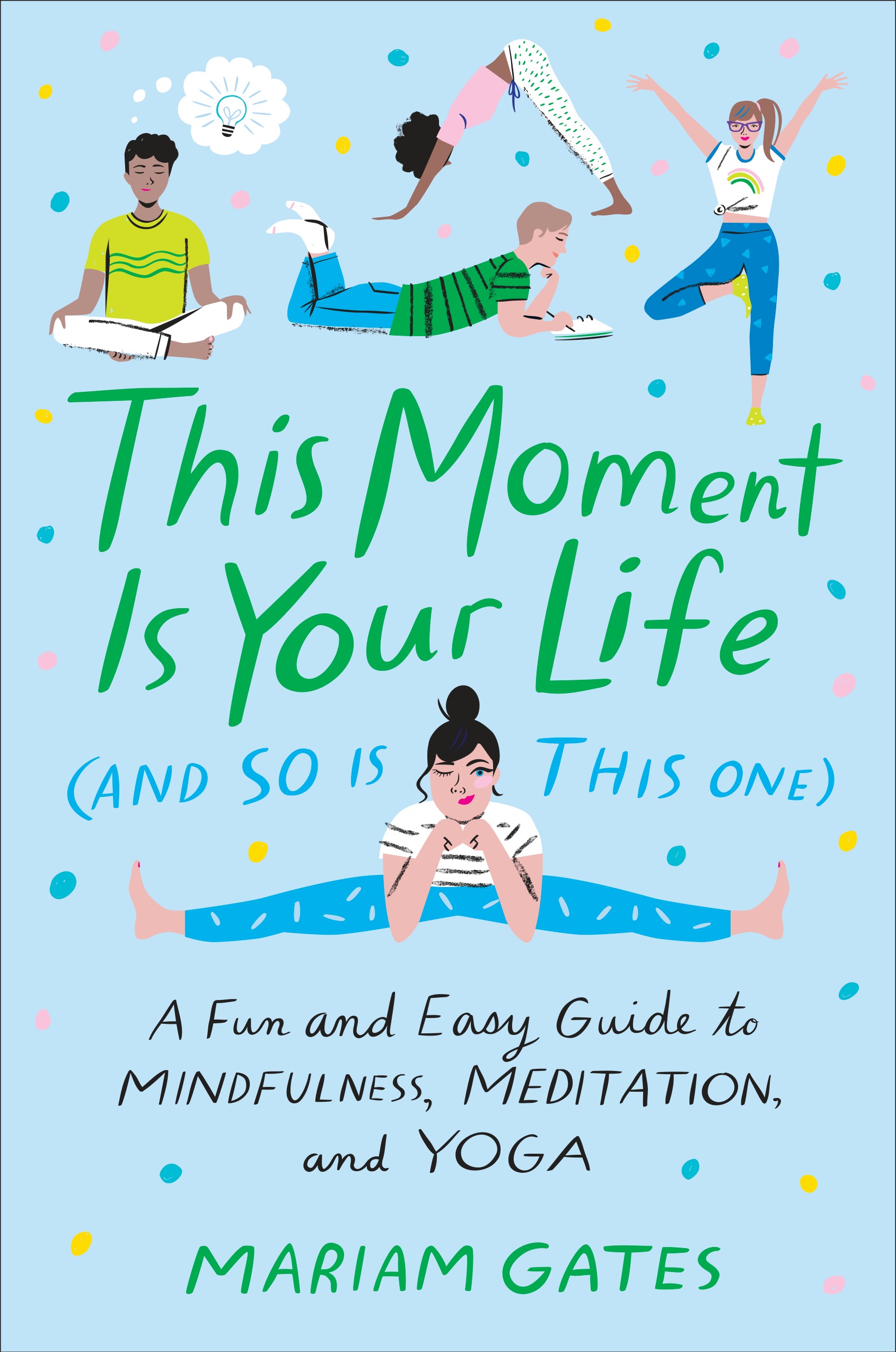
Blog Tour with Review!: The Moment is Your Life (And So Is This One) by Mariam Gates

Share

The Moment is Your Life (And So Is This One)
Author: Mariam Gates; Illustrator: Libby VanderPloeg
Published May 22, 2018 by Dial

Book Summary: Don’t just do something, be here.

The key to happiness is being able to find comfort in this moment, here and now. When you are completely present and not distracted by regrets, worries, and plans, even for a little while, you begin to feel more confident and can deal more easily with everything you experience. This is mindfulness: paying attention to this very moment, on purpose and without judgment–simply being present with curiosity.

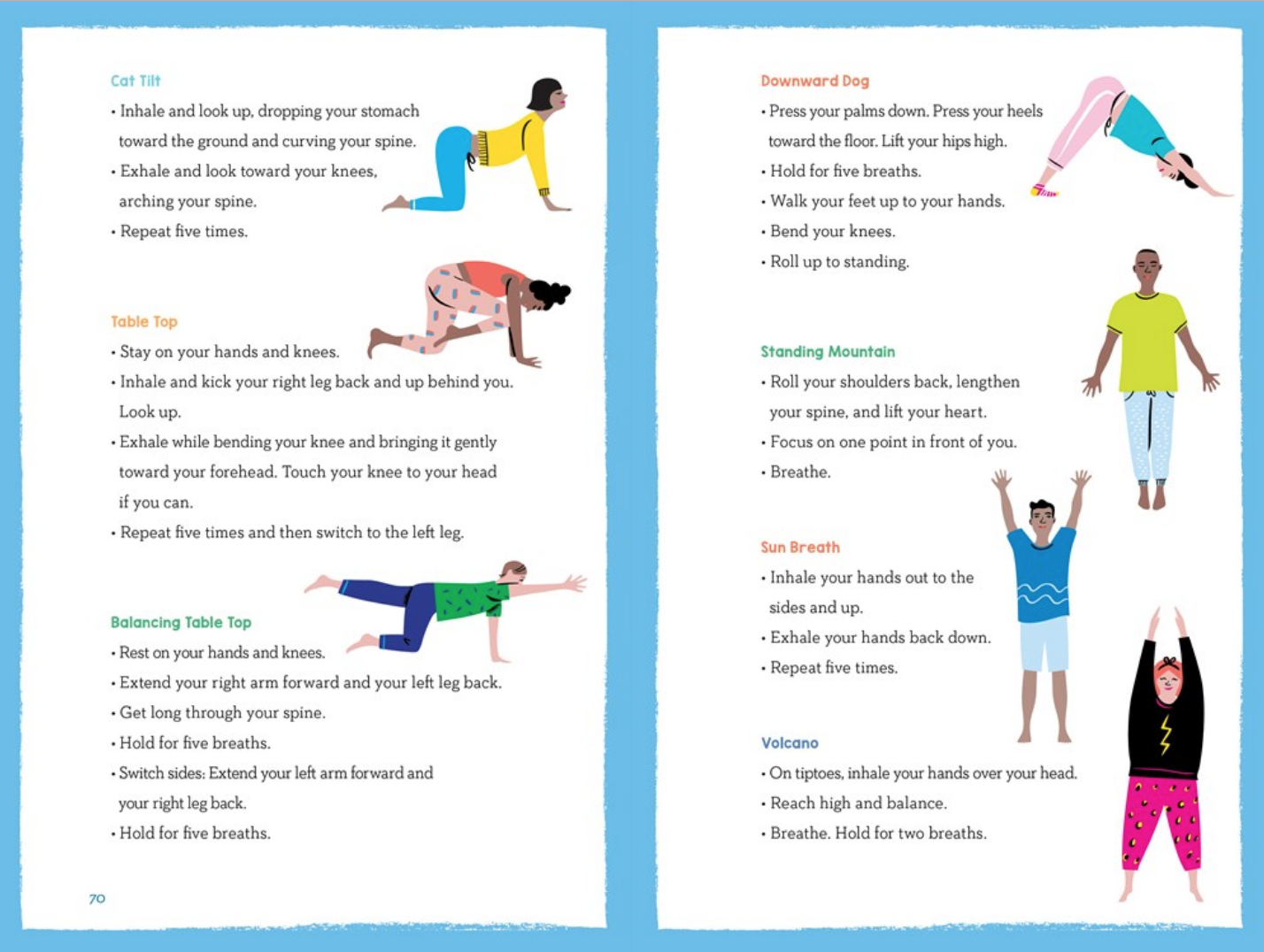
This engaging guide, packed with simple exercises and endearing full-color artwork, provides a handy starting point for bringing mindfulness into your daily life. Chapters on meditation, yoga, and mindful breathing explain the benefits of these practices, and you are free to pick and choose what to try. There are quick exercises throughout, and a more extensive tool kit at the end of each chapter. The final chapter offers satisfying five-day challenges that map out ways to pull all of the book’s mindfulness techniques together in your day-to-day life.

With the appeal of a workbook or guided journal, and full of examples relevant to tweens and teens today, this book will be your trusted companion as you begin the valuable, stress-relieving work of being still with skill.

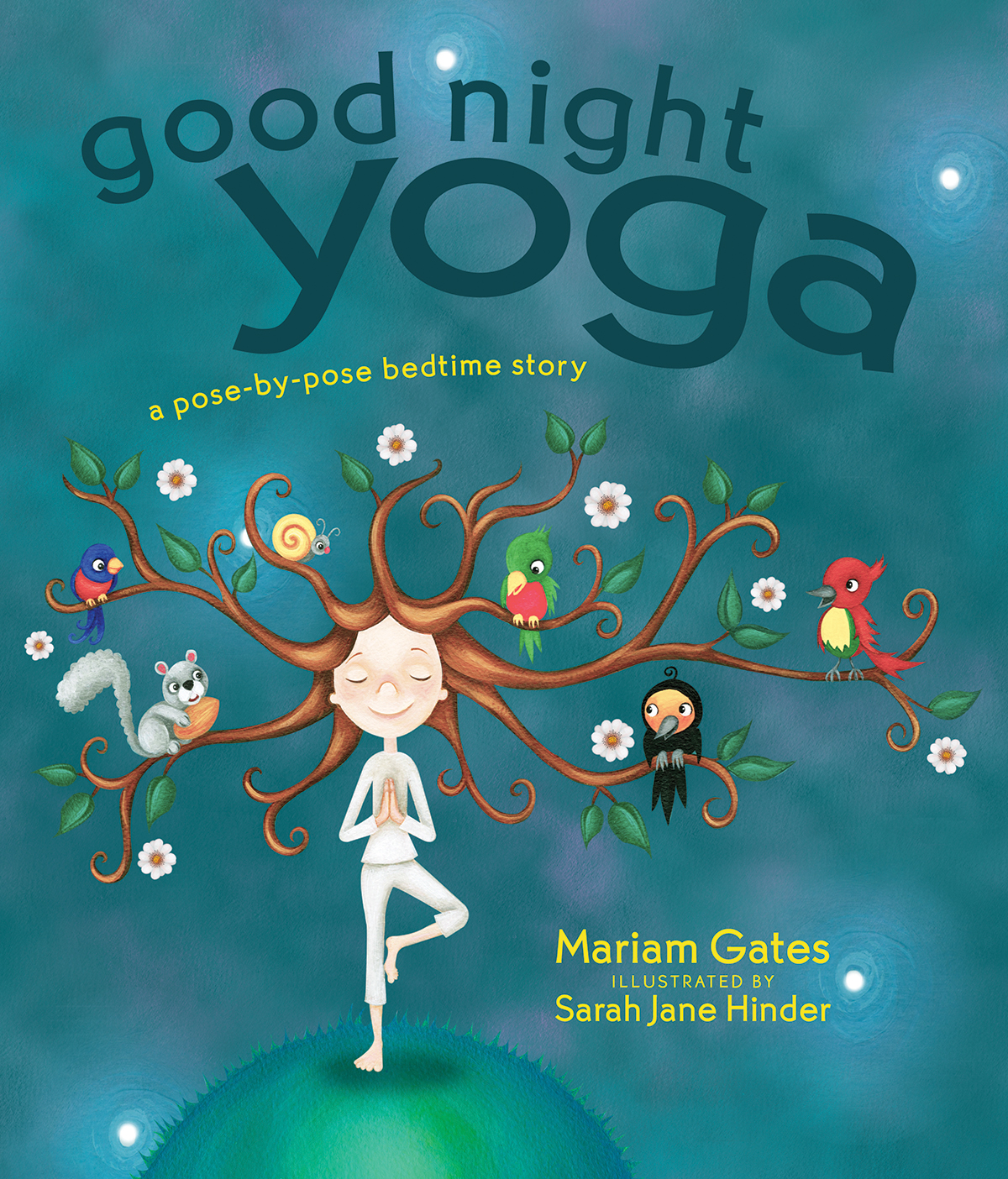
About the Author: Mariam Gates has a master’s degree in education from Harvard University and has been teaching children for more than twenty years. The founder of Kid Power Yoga, she now devotes herself to training children and adults in yoga and mindfulness. She is the author of the picture books Meditate with MeGood Night Yoga, and Good Morning Yoga. She lives with her husband, Rolf Gates, and their two children in Santa Cruz, California.

Mariam Gates

About the Author: Libby VanderPloeg is an illustrator and designer living in Greenpoint, Brooklyn. She grew up in Grand Haven, Michigan, on the edge of the Great Lakes, and since then, she has lived in Grand Rapids, Chicago, New York, and Stockholm. She’s created book covers and editorial illustrations for the New York Times, the Wall Street Journal, and Design*Sponge, among others, and as well as a line of cards and prints that she sells via her Etsy shop and in stores.

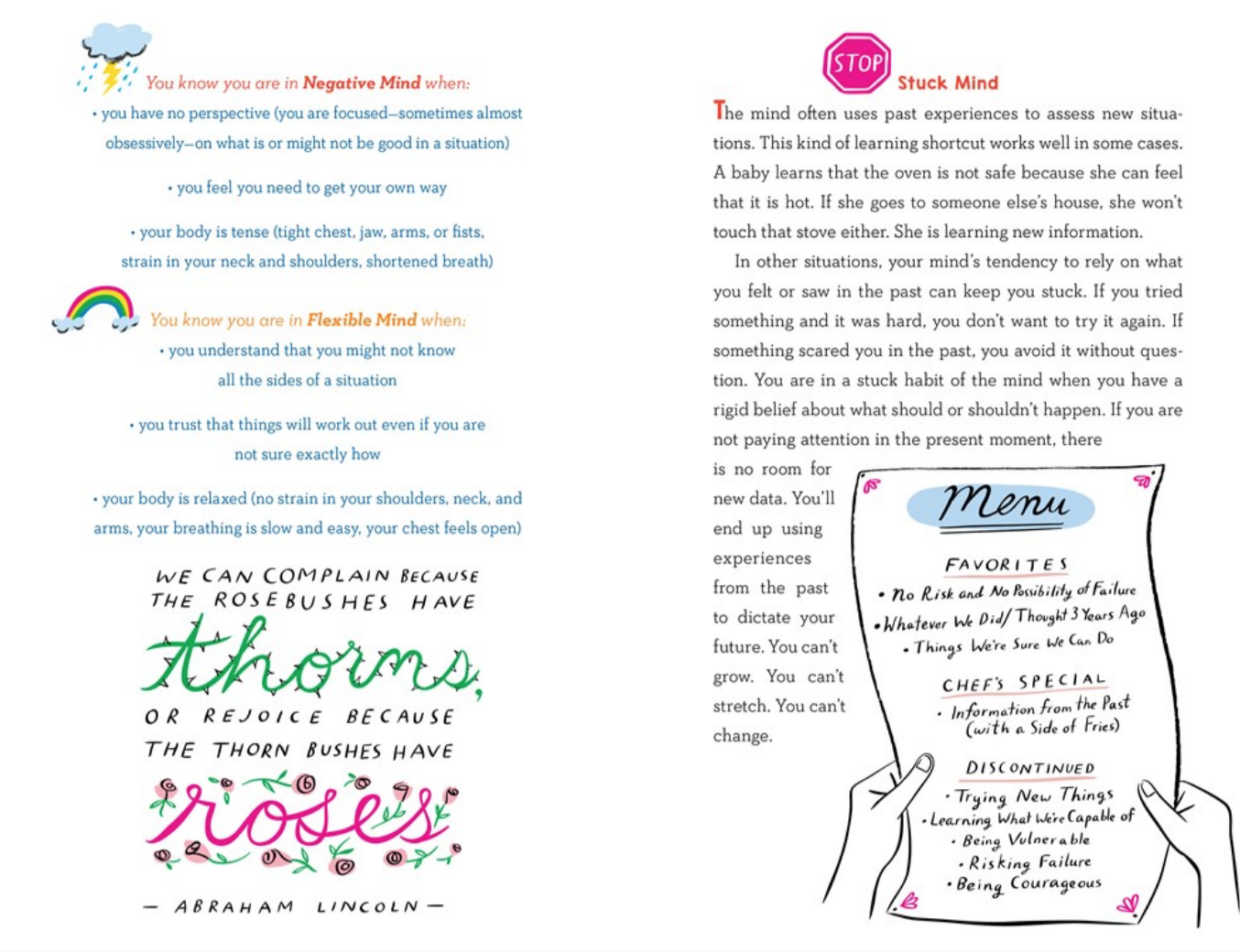
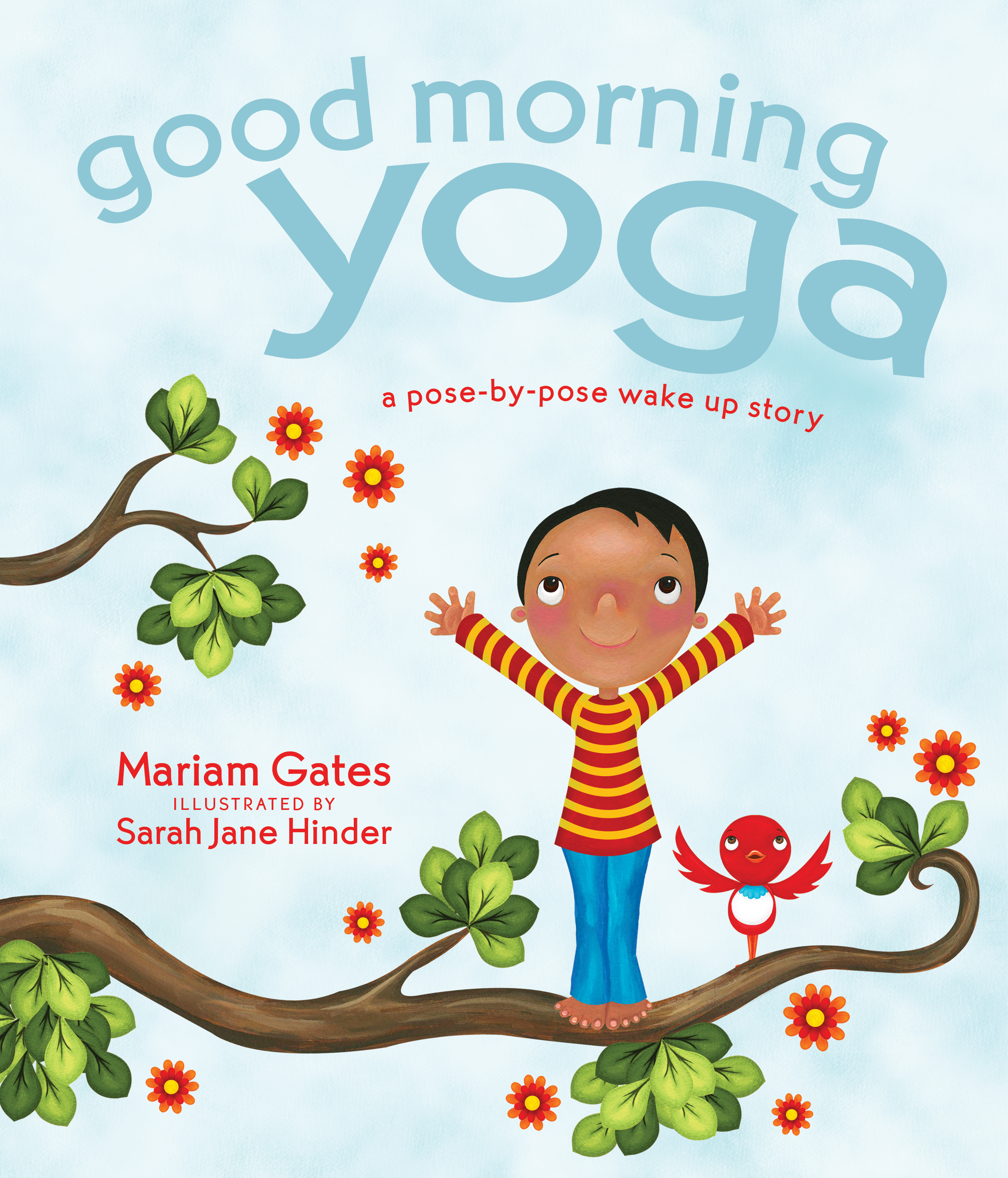
Review: I wish I’d had this book as a pre-teen/early adolescent. It would have truly helped me as I struggled with a lot of emotions that made me frustrated, unsure, and overwhelmed. This is a book that has a very expansive age range. I’d give it to a reader between the ages of 8 and 14, but it can be read and appreciated by people of all ages. After I was done reading it, I gifted it to a preservice teacher student who is very passionate about infusing mindfulness in the classroom. We spent a lot of time talking about how she might infuse this book into her student teaching with targeted read alouds. I loved Gates’ picture books (see Good Morning Yoga), and this book was no different. It’s thoughtfully crafted and incredibly relevant to young people. I particularly appreciated the action steps within the text. This provided me with concrete steps for infusing mindfulness into my life.

Teachers’ Tools for Navigation: As a classroom teacher, I would use this book as an initiation each day. It’s always very difficult to get students into the learning mindset. They come in with baggage and also with a lot of energy (positive and negative). This book serves as a reset and allows students to be mindful of their bodies and minds. It also allows students to destress to prepare for the classroom learning.

Discussion Questions: How do the author and illustrator work together to effectively present the material?; What is the author’s purpose? How does she effectively convey this purpose?; Which sections felt most relevant to your life?; What are the key takeaways that emerged from this book? How will you employ the strategies in this book directly into your life?

Flagged Pages:


Read This If You Loved: 

Good Night Yoga (2)

Recommended For: 

readaloudbuttonsmall classroomlibrarybuttonsmall


Follow All the Stops on the Tour: 

WEEK ONE

May 15 – Little Flower Yoga – Review

May 16 – Crossroad Reviews – Review

May 17 – Alissa Yoga – Review

May 18 – Whitney Davis Yoga – Review

WEEK TWO

May 21 – Prose and Khan – Review + Favorite Yoga Poses with Pictures

May 22 –  Librariel Book Reviews – Favorite Yoga Poses + Review

May 23 – Foodie Bibliophile in Wanderlust – Review

May 24 – Unleashing Readers – Review

RickiSig

**Thank you to Friya at Penguin for sending this book for review!**