Nina: Jazz Legend and Civil-Rights Activist Nina Simone by Alice Brière-Haquet

Share

nfpb2017

Nonfiction Wednesday

Nonfiction Picture Book Wednesday is hosted by Kid Lit Frenzy and was started to help promote the reading of nonfiction texts. Most Wednesdays, we will be participating and will review a nonfiction text (though it may not always be a picture book).
Be sure to visit Kid Lit Frenzy and see what other nonfiction books are shared this week!

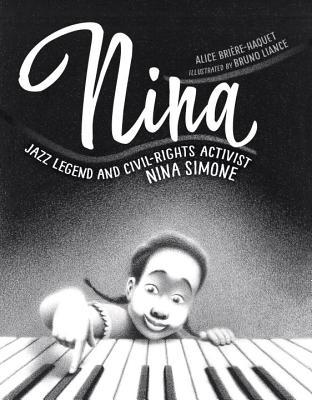
Nina: Jazz Legend and Civil-Rights Activist Nina Simone
Author: Alice Brière-Haquet
Illustrator: Bruno Liance
Published December 5th, 2017 by Charlesbridge Publishing

Summary: “To be young, gifted, and black.”

A stunning picture-book biography of the High Priestess of Soul and one of the greatest voices of the 20th century.

With evocative black-and-white illustrations and moving prose, readers are introduced to Nina Simone, jazz-music legend and civil-rights activist. Shared as a lullaby to her daughter, a soulful song recounts Simone’s career, the trials she faced as an African American woman, and the stand she took during the Civil Rights Movement. This poignant picture book offers a melodic tale that is both a historic account of an iconic figure and an extraordinary look at how far we’ve come and how far we still need to go for social justice and equality. A timeless and timely message aptly appropriate for today’s social and political climates.

ReviewAlthough Nina is just a taste into who Nina Simone was as it only introduces her talent as a pianist and shares her beliefs in regards to civil rights. Set up as a lullaby that Nina is singing to her child, the story recounts her love of music and learning about the racism within our nation as well as a story where she stood up to inequality at one of her piano concerts. The lyrics and illustrations are dreamy and perfectly fit the purpose of the story: to introduce and intrigue the reader when it comes to Nina Simone.

Teachers’ Tools for Navigation: I do wish that there had been back matter that went more in depth into Simone’s contribution to jazz and civil rights; however, without them existing, this nonfiction picture book allows for a perfect change for inquiry. Now that students have been introduced to Nina, have stations/centers focusing on different parts of her life, jazz, or the Civil Rights Movement.

Discussion Questions: 

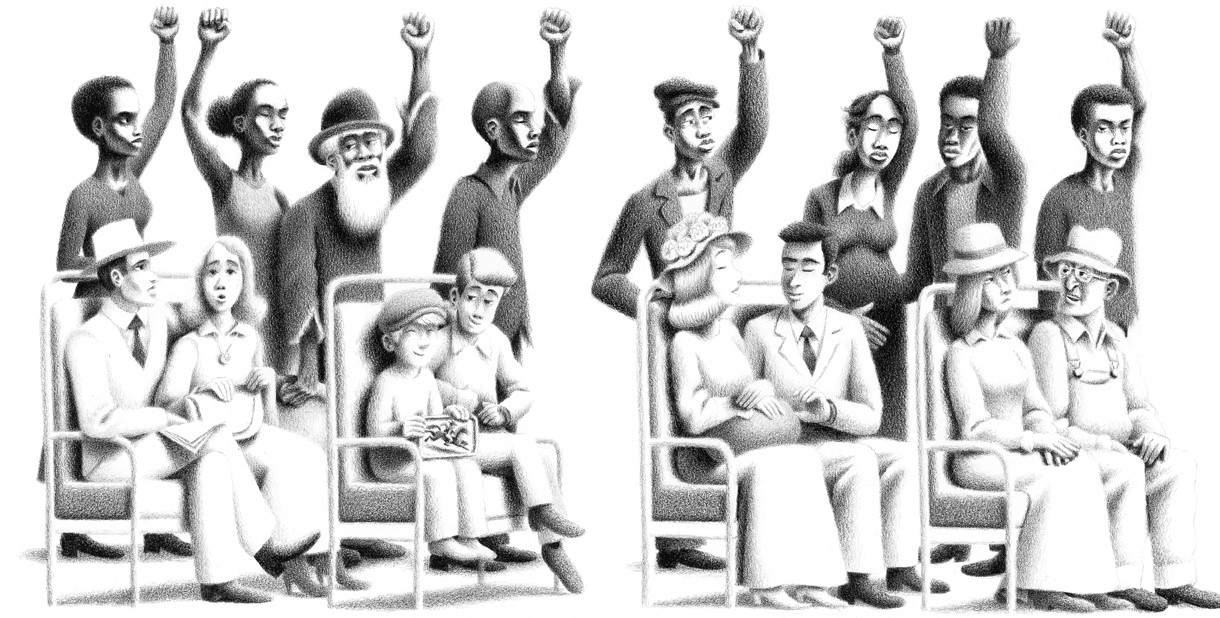
  • How does the illustration on the bus use the idea of the piano to symbolize the relationship between White and Black citizens in the early 1900s?
  • What techniques do the author and illustrator use to make the book seem lullaby-eque?
  • How did the imagery of the single black chair symbolize the racism that occurred at Simone’s concert?
  • How does the author tie in Martin Luther King, Jr. and the Civil Rights Movement?

Flagged Passages: 

“‘The white keys are whole notes and the black keys are flats, or half notes,’ my teacher explained.

I asked why.

‘Because that’s just the way it is.’

Yes, that’s the way it was. White was whole. Black was half. It was that way everywhere and for everyone.

I could have held it against people. Or worse, I couldn’t believed I was worth less than other people.

Black people were nothing but half notes on a huge ivory keyboard.

But no. I did not agree with this.

The notes had to mingle and dance together in the air so these lies would disappear.”

Read This If You Love: Andrea Davis Pinkney picture book biographies, Jazz, Learning about the Civil Rights Movement

Recommended For: 

classroomlibrarybuttonsmall closereadinganalysisbuttonsmall  

Signature

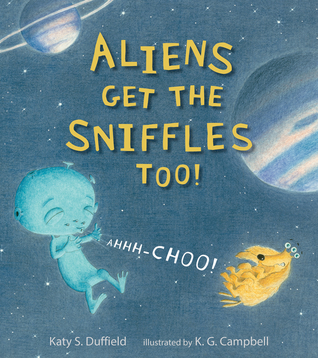
Aliens Get the Sniffles Too! Ahhh-Choo! by Katy S. Duffield

Share

Aliens Get the Sniffles Too
Author: Katy S. Duffield
Illustrator: K. G. Campbell
Published November 7, 2017 by Candlewick

Summary: Ahhh-flying-saucer-shooting-star-CHOO! Laughter is the best medicine when you’re a little alien feeling under the weather.

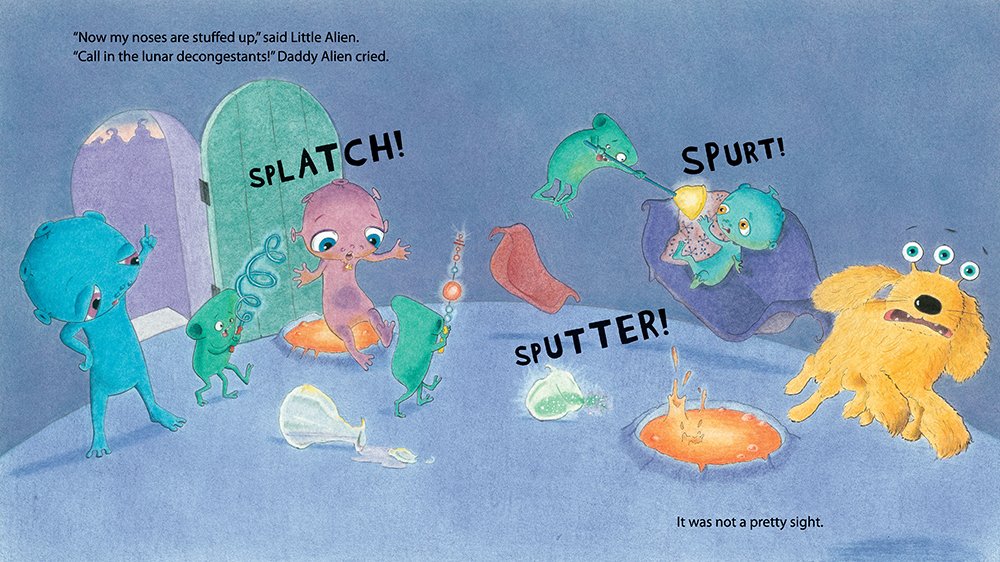
Little Alien is sick. And sick is extra-terrestrial bad when you have two scratchy throats, five ears that hurt, and three runny noses. Splatch! Sputter! Spurt! Luckily Mama and Daddy Alien have an arsenal of lunar decongestants and meteor showers on hand to make him feel a little better (not to mention a Milky Way milkshake to help the medicine go down). Even so, the family’s alien pooch, Mars Rover, can’t stand to see his little buddy feeling out of sorts. Can a loyal pup’s funny tricks finally coax a smile?

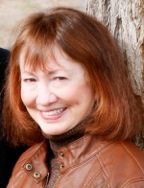
About the Author and Illustrator: Katy Duffield is the award-winning author of more than twenty-five books for children. She lives in Florida with her husband. To learn more, and to download classroom resources, visit katyduffield.com. Twitter: @KatyDuffield

Check out Katy on Pinterest!
 
K. G. Campbell is the illustrator of Flora & Ulysses by Kate DiCamillo and the author-illustrator of Lester’s Dreadful Sweaters. He was born in Kenya, raised in Scotland, and now lives in southern California.

Ricki’s Review: This book has been a blessing in my house. Both of my kids have had colds for the past several weeks. It seems they catch cold after cold! We’ve been reading this book quite often and making connections with Little Alien. As a parent, I particularly appreciate that the end of the book allows me space to talk about how Little Alien got Mars Rover sick. Every time we read the book, we point to the part where Little Alien spreads his germs to Mars Rover. Then, we make the cause-effect relationship about what happens when we spread our germs. I know that teachers in elementary school will love this connect. We spend a lot of time talking with kids of all ages about spreading germs!

On a literary note, the author has some great plays on words. I chuckle every time that I read the book. Kids who are obsessed with space will adore this book and all of its space references.

Kellee’s Review: Whenever Trent is sick, he is so miserable, so Little Alien’s story of trying everything to feel better is going to be the perfect companion to my sweet boy when he is feeling under the weather. Just like Mars Rover will do anything to help make Little Alien feel better, I will as well, and Aliens Get the Sniffles, Too! will be a perfect part of our feel better routine.

I loved the use of onomatopeoias in the book and mixed with the detailed, colorful, full page illustrations really brings Little Alien’s story to life.

Teachers’ Tools for Navigation: Teacher might group students in pairs and assign them a spread. Students might hunt for the references to space on the pages and look up to learn more about those aspects of space. For example, for the spread below, students might look up the word “lunar” and share it with the whole group. Then, the teacher might reread the entire text again and pause to allow students to share the word play of their assigned spread as they read the book aloud together.

Discussion Questions: How does Mars Rover feel when Little Alien gets sick? Have you ever felt that way when a friend or family member got sick?; How does Mars Rover get sick? Can you point to the specific page?; Which new words did you learn while reading this book? How are they connected to the story? How does the author create a theme around the concept of space?

Flagged Passages: 

Read This If You Loved: Your Alien by Tammi Sauer,  Faraway Friends by Russ CoxBoy + Bot by Ame DyckmanLife on Mars by Jon Agee

Giveaway:  TWO giveaway opportunities!!

  1. One grand-prize winner will receive a out-of-this-world alien backpack with a signed copy of Aliens Get the Sniffles Too! along with tissue packs, toy mini aliens, and space pencils.
  2. Ten lucky runners-up will receive a copy of Aliens Get the Sniffles Too!
To enter, click here.

Recommended For:

  readaloudbuttonsmall classroomlibrarybuttonsmall

andKellee Signature

**Thank you to Barbara from Blue Slip Media for providing copies for review!**

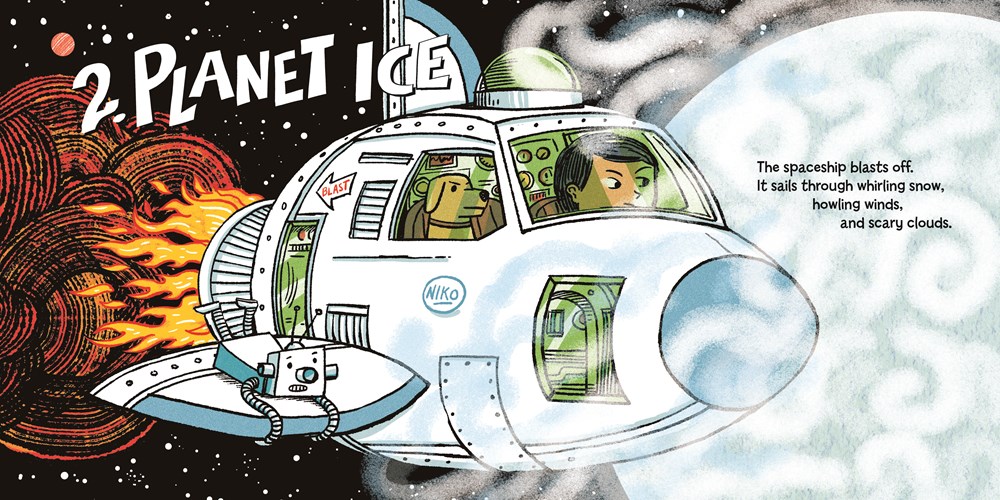
Author Guest Post and Giveaway!: “The Power of Imaginative Play” by Dian Curtis Regan, Author of the Space Boy series

Share

“The Power of Imaginative Play”

“Imagination is more important than knowledge.”  ~ Albert Einstein

I grew up without digital devices.

I was the child with my nose in a book, or out in the yard slaying dragons, reigning over my kingdom, or teaching school—if I could round up a “student” or two.

Here is how I entered an imaginary world from my backyard: when the wind gusted against bed sheets on the clothesline, I knew if I ran beneath them at the proper moment, I’d find myself in another land. And that was before I’d read about the wardrobe leading to Narnia.

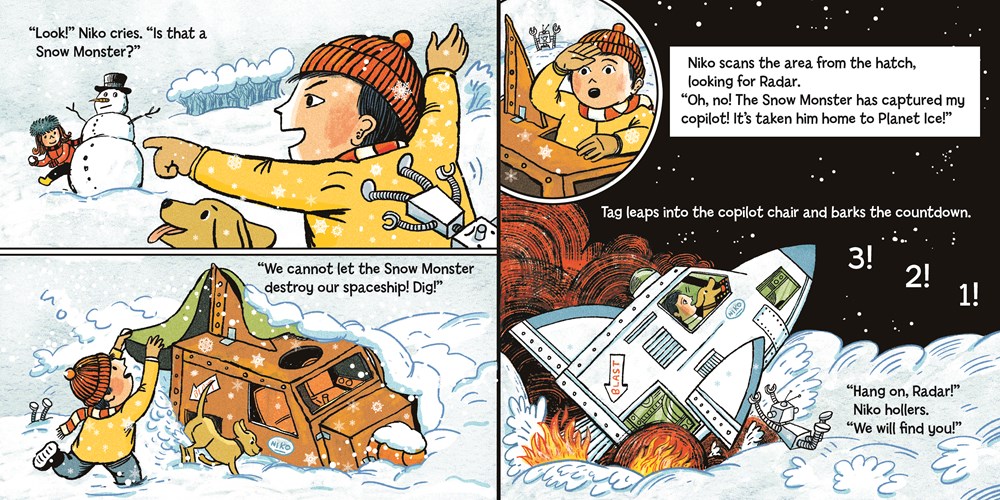
In my Space Boy books, if Niko, in his imagination, has fashioned a spaceship out of a cardboard box, then of course the ship is going to blast off into outer space.

And of course excitement and danger will follow. Luckily, Niko can rely on his loyal crew: Tag, his dog, and Radar, his copilot.

Robert Neubecker’s illustrations depict Radar as a toy robot who morphs into a full-sized partner, overcoming the bad guys with Niko and Tag. Plus, Radar smartly knows how to navigate a spaceship. Makes perfect sense in Niko’s pretend world.

Today, children are entertained too often by their devices, with fewer opportunities to get lost in their imaginations. As a former elementary teacher, I know that pretend play is essential to cognitive and social development, as well as creativity. One of the best exercises in imagination is reading–or being read to. A story’s ups and downs are vividly played out in a young reader’s mind.

In backyard role-playing games, children can try on various roles: a fighter pilot, a parent, a puppy. All they need is a cardboard box, maybe a stuffed toy, and perhaps even a sibling. Then off goes their imagination.

Illustrator friend Doug Cushman shared this with me: During school programs, I’d ask a child to scribble something on my drawing pad in front of the class. Then I’d turn the scribble into a character and create a fun background.

The class would brainstorm a story to go with the images. Their collective imaginations were incredible. The exercise showed that ideas can come from anywhere, even a mere scribble.”

One of the nicest bits of feedback I’ve received about the Space Boy books is from a mom who told me that her kids don’t just read Niko’s stories—they act them out. Bingo—pretend play! Which is exactly what Space Boy is doing in his story within a story.

Here’s to limiting device time for our children, and sending them outside to create their own adventures in imaginary worlds, on other planets like Niko–or at least to lose themselves in a good book.

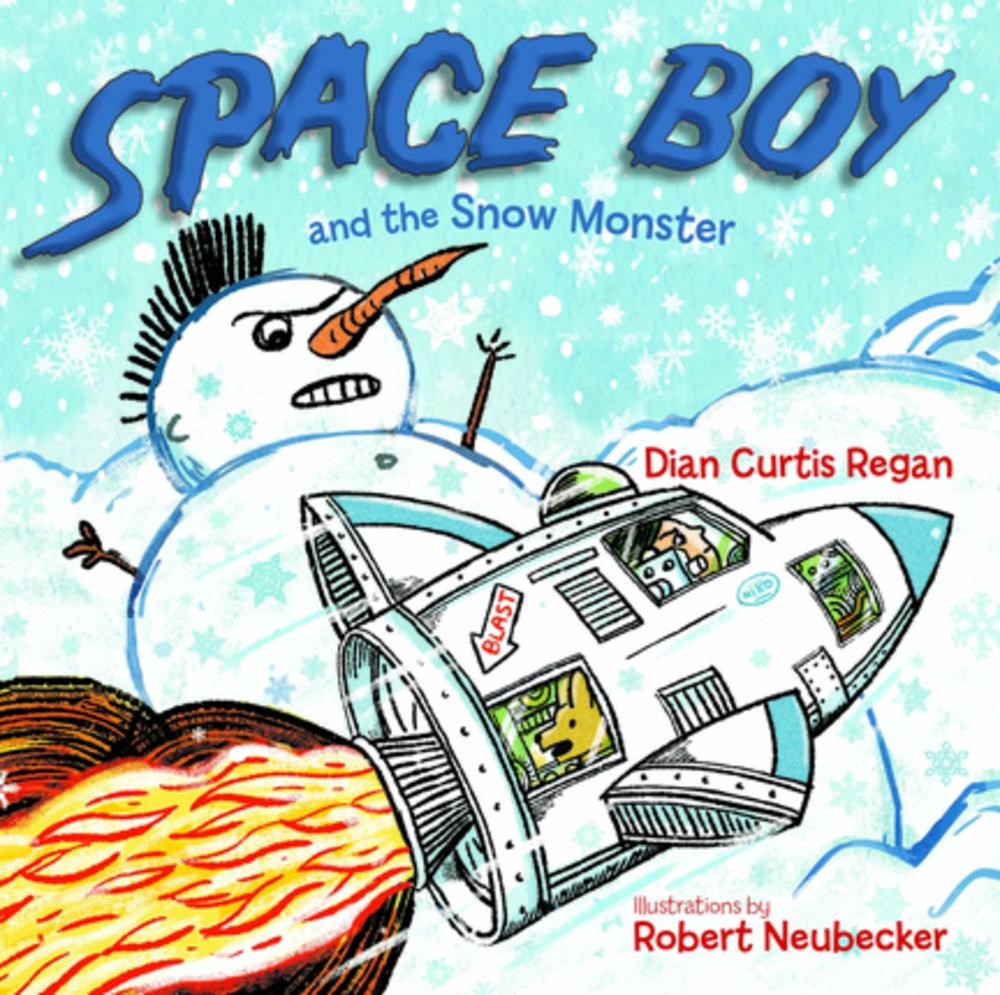
About the Author: Dian Curtis Regan is the author of more than 60 books for young readers, ranging from picture books to YA novels.  Her books have received many honors, including Best Books for Young Adults, Children’s Choice Awards, Junior Library Guild selections, Los Angeles Times Recommended Book, and New York Public Library’s Best Books.  Space Boy and the Space Pirate was a 2017 finalist for the Colorado Book Award, and the winner of a 2017 Crystal Kite Award from the Society of Children’s Book Writers & Illustrators. Space Boy and the Snow Monster is brand new this fall. Dian lives in Colorado Springs, Colorado.  To learn more, and to download a curriculum guide, visit diancurtisregan.com and spaceboybooks.com.

About the Illustrator: Robert Neubecker is the award-winning author-illustrator of Wow! City!, Wow! America!, and Wow! School!, and the illustrator of The Problem with Not Being Scared of Monsters and its companion The Problem with Not Being Scared of Kids. He lives in Park City, Utah. Visit neubecker.com.

About the Book: Niko and his crew are digging their spaceship out of a snowdrift when Radar, Niko’s robot copilot, disappears. Oh, no! Was he captured by a Snow Monster? They blast off on a rescue mission to Planet Ice, only to find the Snow Monster building an army of scary snowmen. Then they get tricked by a Killer Bunny! Can Niko rescue Radar, flee the Snowmen Army, outwit the Killer Bunny, and fly his crew back to Planet Home in time for hot cocoa?

Click here to read our review of the first Space Boy book, Space Boy and his Sister Dog.

GIVEAWAY!!

Get ready to blast off–one lucky winner will receive SPACE BOY AND THE SNOW MONSTER (U.S. addresses).

 a Rafflecopter giveaway

Thank you Dian for helping us continue to promote imagination!
Thank you also to Barbara at Blue Slip Media for today’s post and giveaway!

 and

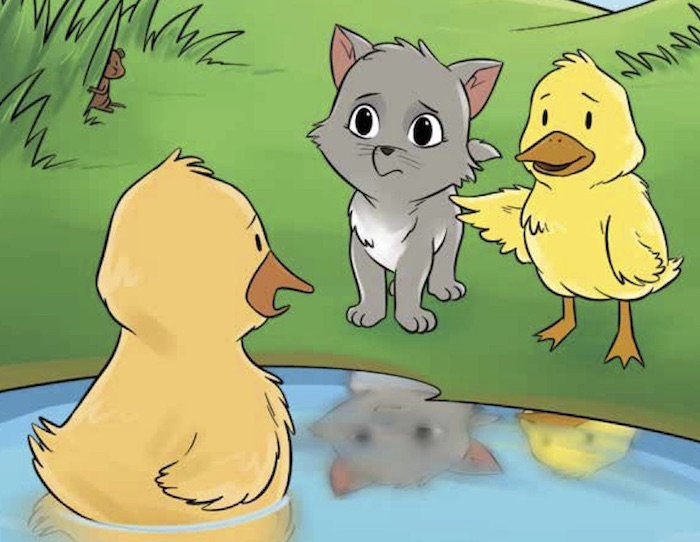
Quack and Daisy & Quack and Daisy: Beyond the Meadow by Aileen Stewart

Share


Quack and Daisy Quack and Daisy: Beyond the Meadow
Author and Illustrator: Aileen Stewart
Published September, 2015 & April, 2016 by Tate Publishing, Children’s Division

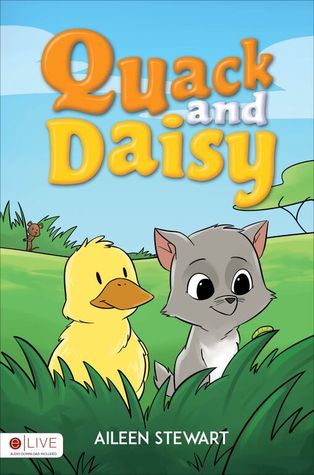
Quack and Daisy Summary: Quack the Duckling and Daisy the Kitten meet for the first time in the meadow and instantly become the best of friends.

Can two such unlikely friends stay friends when everyone else tells them it’s impossible? Will Daisy’s failure to swim and Quack’s inability to catch a mouse cause them to give up on each other? Or will their friendship survive? Find out in this fun new adventure!

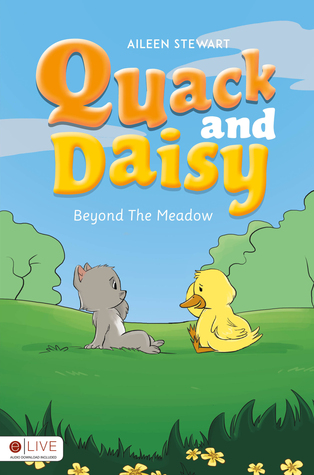
Quack and Daisy: Beyond the Meadow Summary: Quack the duckling and Daisy the kitten are best friends who spend most days playing in the meadow. One day, Quack decides to tell Daisy a secret. She tells her of Mama Duck’s ominous warnings to not go beyond the meadow. Will the two friends heed Mama’s words about the dangers beyond the meadow, or will their curiosity get the better of them?

Review: Quack and Daisy’s story looks at friendship as something that completes you and makes you happy instead of something that others mandate and define. I think this is such an important lesson for young readers because too often they have to be friends with who their parents or siblings or other friends say they should be friends with. But Quack and Daisy ignore all that and find happiness with each other. Their story isn’t just one big lesson though–it is a story of a friendship and an adventure that two friends have. I also really love Aileen Stewart’s illustrations. They are so colorful and friendly and really brings the story to life.

Teachers’ Tools for Navigation: Quack and Daisy are a great opportunity to discuss comparing and contrasting. Daisy and Quck are so different on the surface, but if you look deep down, they are both adventurous, curious, and kind. If you check out the activity guide on the author’s website (http://aileenw4bobbyg.tripod.com/webonmediacontents/Workbook.pdf) it contains and similarities/differences activity. The guide also includes an activity about the meadow and a maze.

Something I think is really special is that each of these books comes with a complimentary audiobook. This is a wonderful resource for teachers to use with students in a reading station or as a whole class read.

Discussion Questions: 

  • How are Quack and Daisy similar? Different?
  • Everyone said the two friends shouldn’t be friends–do you agree or disagree? Explain.
  • Why did Quack’s and Daisy’s parents not want them to go beyond the meadow?
  • Quack and Daisy feel like they can only be their true selves and friends in the meadow–is this how is should be? Explain.
  • How did Daisy use problem solving to save Quack?

Flagged Passages: 

“The two friends headed through the meadow. As they reached the edge of the pond, Quack’s bother, Puddles, swam up. He looked at Daisy and frowned. ‘Who’s that?’

‘This is my friend Daisy. She lives in the red barn on the hill.’

Puddles continued to frown. ‘You can’t be friends with her. She’s not a duck. I bet she can’t even swim.'”

Read This If You Love: Little Elliott by Mike Curato, Hattie and Hudson by Chris Van Dusen, The Monster Next Door by David Soman, and other stories with unlikely friends

Recommended For: 

Signature

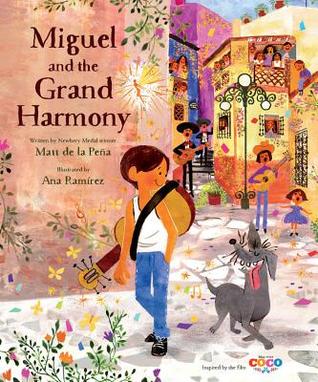
Miguel and the Grand Harmony by Matt de la Peña

Share

Miguel and the Grand Harmony
Author: Matt de la Peña
Illustrator: Ana Ramírez
Published: October 10, 2017 by Disney

Summary: This jacketed picture book pairs Newbery Winner Matt de la Peña and Pixar artist Ana Ramírez with the highly anticipated Pixar Studios film, Coco. Featuring a beautiful original story based on the characters of the film, as well as vibrant stylized artwork, this title is sure to appeal to readers of all ages.

Disney*Pixar’s Coco is the celebration of a lifetime, where the discovery of a generations-old mystery leads to a most extraordinary and surprising family reunion. Directed by Lee Unkrich (Toy Story 3) and produced by Darla K. Anderson (Toy Story 3), Disney*Pixar’s Coco opens in U.S. theaters November 22, 2017.

Review: Matt de la Peña. Let me count the ways I love this man. He writes stories that come alive and dance off of the pages. This story is no different. This story beautifully depicts the power of music. It reminds readers to pause and listen to the music around them. This would be a beautiful book to pair with Last Stop on Market Street. Both books remind children to slow down and look at their surroundings. We can find beauty all around us.

Teacher’s Tool For Navigation: This text reads like an extended poem. I would use this book at any age level to teach students about poetry. High schoolers would find beauty in its complexity, and younger readers might use the book as a mentor text to form their own poetry.

Discussion Questions: How does the author use words with intention?; What do you notice about the ways in which the phrases work together on each page?; How does Miguel grow?; Where do you see music in your everyday life?

We Flagged:

Read This If You Loved:  Last Stop on Market Street by Matt de la Peña, Each Kindness by Jacqueline Woodson, A Bus Called Heaven by Bob Graham

Recommended For: 

readaloudbuttonsmall classroomlibrarybuttonsmall 

RickiSig

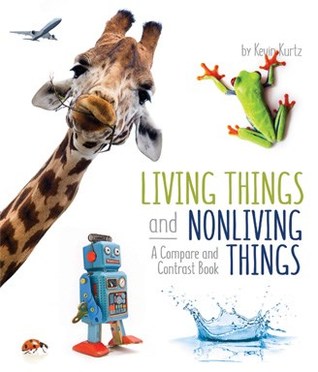
Living Things and Nonliving Things: A Compare and Contrast Book by Kevin Kurtz

Share

nfpb2017

Nonfiction Wednesday

Nonfiction Picture Book Wednesday is hosted by Kid Lit Frenzy and was started to help promote the reading of nonfiction texts. Most Wednesdays, we will be participating and will review a nonfiction text (though it may not always be a picture book).
Be sure to visit Kid Lit Frenzy and see what other nonfiction books are shared this week!

Living Things and Nonliving Things: A Compare and Contrast Books
Author: Kevin Kurtz
Published September 10th, 2017 by Arbordale Publishing

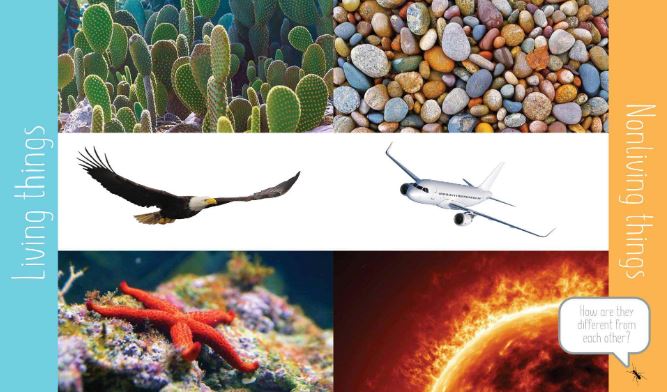
Summary: Using a wide variety of stunning photographs, author Kevin Kurtz poses thought-provoking questions to help readers determine if things are living or nonliving. For example, if most (but not all) living things can move, can any nonliving things move? As part of the Compare and Contrast series, this is a unique look at determining whether something is living or nonliving.

Author Information: Award-winning author Kevin Kurtz holds degrees in English literature and elementary education and started his career by working at a marine biology lab. Since then, he has combined all of these experiences by working as an environmental educator and curriculum writer for organizations such as the South Carolina Aquarium, the Science Factory Children’s Museum, and the Center for Birds of Prey. Kevin has authored A Day in the DeepA Day on the Mountain, and A Day in the Salt Marsh for Arbordale. Kevin also wrote Uncovering Earth’s Secrets after spending eight weeks as the Educator at Sea aboard the marine geology research vessel JOIDES Resolution. Visit Kevin’s website for more information.

ReviewLiving Things and Nonliving Things is a great introduction to what makes something living. Kevin Kurtz uses bright photographs to illustrate his different points that will start great scientific conversations about different things in our world and what makes them living or nonliving. This text is going to be wonderful in classrooms within early STEAM lessons.

Teachers’ Tools for Navigation: Kurtz includes backmatter with permission to photocopy for class use which includes a glossary, discussion questions, an activity, and a “Living or Nonliving Checklist” all which are great resources for classrooms.

Arbordale Publishing also includes a 30-page cross curricular teaching activity guide available for the book:

Additionally, there is an interactive ebook available that reads aloud in English or Spanish and includes word highlighting and interaction with the animals.

Discussion Questions: 

  • What characteristics do living things have?
  • What are the differences between a living and nonliving thing?
  • What are some examples of nonliving things that include characteristics that living things have?

Flagged Passages: 

Read This If You Love: Science, Animals

Recommended For: 

classroomlibrarybuttonsmall closereadinganalysisbuttonsmall

Signature

**Thank you to Heather at Arbordale Publishing for providing a copy for consideration!**

Author Guest Post and Giveaway!: “I Have a Confession” by Laura Gehl, Author of Peep and Egg

Share

“I Have a Confession” 

I have a confession to make. I’m a skimmer. When I read a book, my eyes fly over the page. People watching me don’t think I am actually reading, because I turn the pages so quickly. I’ve read this way since I was a kid. When I am reading a particularly beautiful book, I do force myself to slow down. But most of the time, I skim.

As a skimmer, my brain focuses on just the very most important words on any page. It turns out this is good practice for writing picture books. Because every single word in a picture book should be the most important word on the page.

When I am writing a picture book, I try to…

  • Make sure every word is necessary.
  • Make sure every word is the best possible word.
  • Make sure I am not wasting words describing anything that is best shown in art.

Copy-editing page then a final interior spread:

This means I spend lots of time reading my words out loud, rearranging them, changing them, cutting them, and reading out loud again. So I am definitely not the kind of writer who can work in a coffee shop. I can’t even work on the same floor of the house as my husband! But if I do my job right, I can create a book filled with heart and humor that has only the best, most essential words…a book that nobody like me will even be tempted to skim!

About the Author: Laura Gehl is the author of popular picture books books, including the Peep and Egg series and One Big Pair of Underwear, illustrated by Tom Lichtenheld. Laura has four children, who always love getting dirty and sometimes love taking baths. She and her family live in Chevy Chase, Maryland. Visit Laura online at lauragehl.com and www.facebook.com/authorLauraGehl

About the Illustrator: Joyce Wan is the author and illustrator of many popular board books, including You Are My Cupcake, We Belong Together, and The Whale in my Swimming Pool. She is also the illustrator of Sue Lowell Gallion’s Pug Meets Pig. Joyce lives in Ridgewood, New Jersey. For more info, visit wanart.com

Check out the adorable Peep and Egg coloring sheets and more at http://www.lauragehl.com/free-activity-sheets/

GIVEAWAY!
TWO giveaway opportunities!!

  1. One grand-prize winner will receive a signed copy of Peep and Egg: I’m Not Taking a Bath, Peep and Egg stickers, and a complete bath time fun collection that includes a giant hooded frog towel, duck water spray bath toy, rubber duckies, natural bubble bath, and a colorful assortment of made-in-USA fizzy bath balls.
  2. Ten lucky winners runners-up will receive a copy of Peep and Egg: I’m Not Taking a Bath.
Enter here!

Thank you Laura for everything! And also to Barbara at Blue Slip Media for setting this post up!

 and