Penguin and Tiny Shrimp Don’t Do Bedtime! by Cate Berry

Share

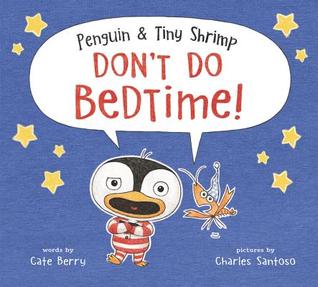
Penguin and Tiny Shrimp Don’t Do Bedtime
Author: Cate Berry; Illustrator: Charles Santoso
Published May 8, 2018 by Balzer + Bray

Goodreads Summary: Penguin and Tiny Shrimp will charm, amuse, but never put you to sleep in this meta bedtime tale in the vein of Goodnight Already.

Penguin and Tiny Shrimp DO NOT have a bedtime story to share with you.

There are no soft beds or cozy covers here. There are fireworks! And shark-infested waters!!

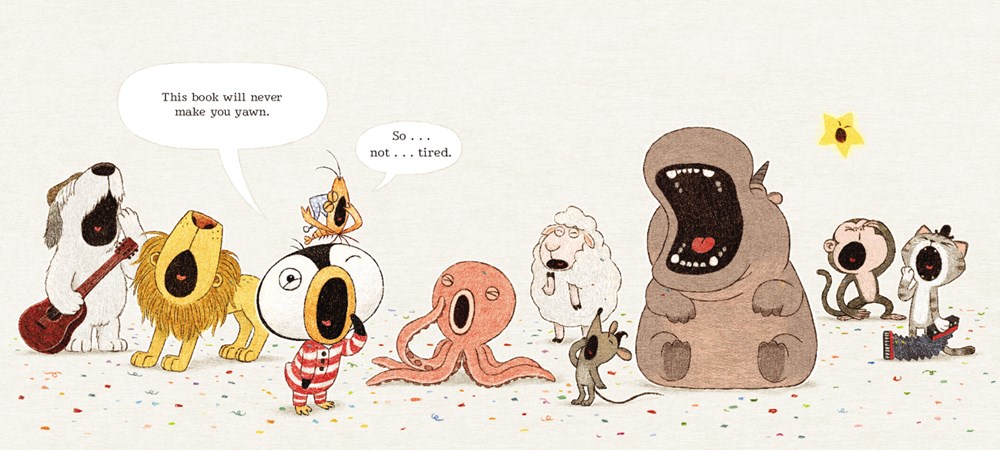
This book will never make you sleepy. Not at all. Not even a little. . .

Ricki’s Review: Whenever my son pulls this book from the shelf, I get a happy feeling inside of me. There are some books that are really fun to read, and this is one of them. It’s the perfect bedtime book. It makes us laugh, and it makes us y-a-w-n. I love the silly characters and smile every time that I read it. 

Most apparent to me is that the author and illustrator know kids. The middle of the book features a lot of wild activities that really resonate with my son. Then we get to the silly pages where the characters resist their tiredness… is this sounding familiar, parents and guardians? I absolutely adore this book and recommend it highly. If bedtime is an issue in your house, this book might help.

Kellee’s Review: This book is definitely a laugh-out-loud book! Penguin and Tiny Shrimp have such unique and perfect voices that kids, and parents alike, will find so entertaining. The illustrations are perfect companions to the narrative also; they are silly, colorful, and full of personality!

Also, Penguin and Tiny Shrimp are the embodiment of my son right now. He doesn’t do bedtime and would rather be doing all of the things that Penguin and Tiny Shrimp take part in: swinging in the jungle, flying in hot air balloons, riding on a boat, signing songs, and even jokes! But then in the end, Penguin and Tiny Shrimp are too tired to go on (and their yawns are actually contagious!), and I love using their story to talk to Trent about bedtime.

Teachers’ Tools for Navigation: This book would serve as a great mentor text for kids to write their own bedtime stories. The animals are very inspirational. Teachers might start by asking students to pick two animals that are very different (like Penguin and Tiny Shrimp) and to write their own story of the two characters’ adventures.

Discussion Questions: What do Penguin and Tiny Shrimp do to try to resist bedtime?; Which animals are your favorite? How are the animals similar and different? What does this say about bedtime?; Do you resist bedtime? Why?

We Flagged: 

Read This If You Loved: Twenty Yawns by Jane Smiley; Goodnight Moon by Margaret Wise BrownGoodnight Songs by Margaret Wise Brown

Recommended For: 

readaloudbuttonsmall classroomlibrarybuttonsmall

RickiSigand Kellee Signature

**Thank you to Keely Platte for sending us this book! We loved it.**

Whose Boat? by Toni Buzzeo

Share

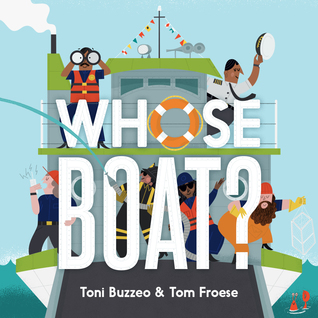
Whose Boat?
Author: Toni Buzzeo
Illustrator: Tom Froese
Published May 22nd, 2018 by Abrams Appleseed

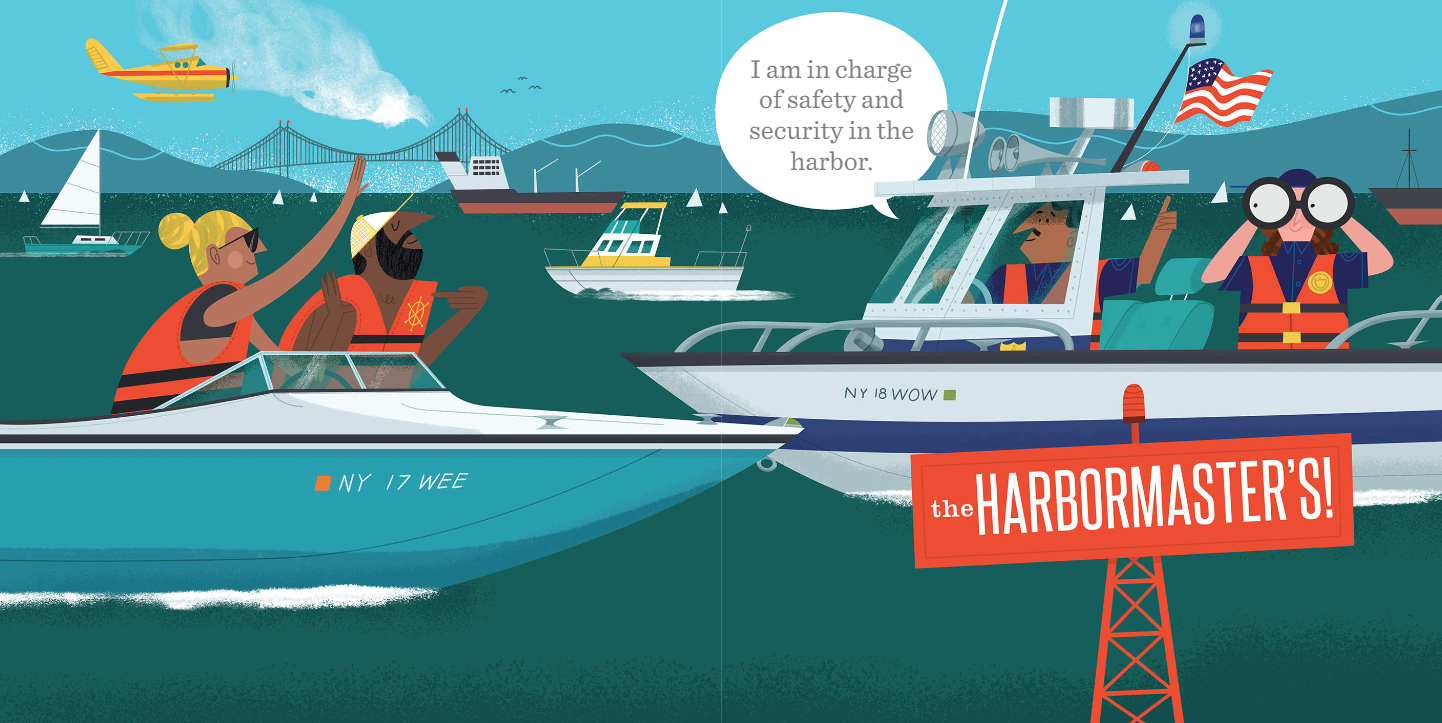
Summary: Smoke billows up.
Cool water flows.
Whose boat is that?
Do you know?

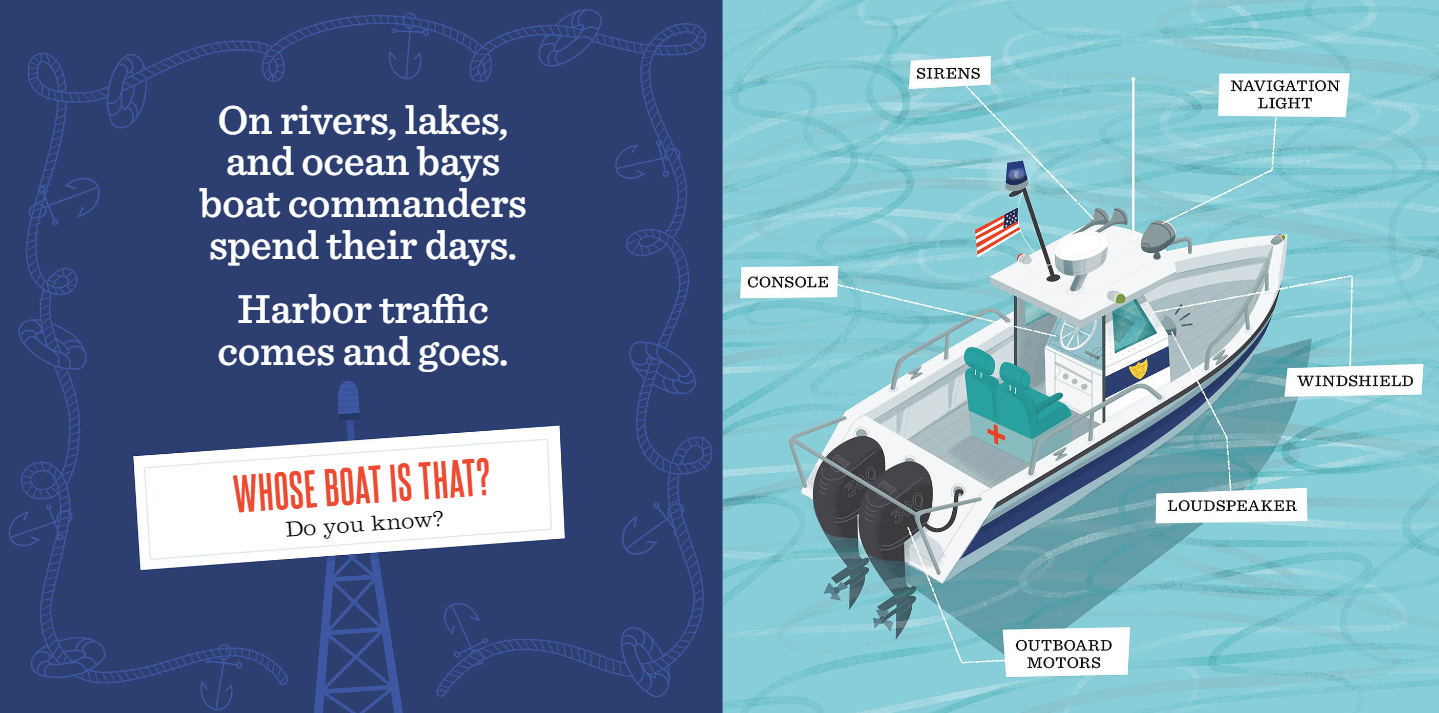
This nonfiction ode to boats features six kinds of workers and their boats—a patrol boat, a tugboat, a car ferry, a lobster boat, a lifeboat, and a fireboat—with important parts properly labeled. The answer to each inquiring refrain lies under a gatefold, engaging the reader in an informative guessing game. With lyrical (and factual!) text by New York Times–bestselling author Toni Buzzeo, and the stylized art of Tom Froese, this sturdy board book is perfect for curious and playful young readers.

About the Author and Illustrator: 

Toni Buzzeo’s first two books in the series, Whose Tools? and Whose Truck?, have sold more than fifty thousand copies. Toni is the author of the 2013 Caldecott Honor Book and New York Times bestseller One Cool Friend, as well as many other books for children. A former elementary school librarian and secondary teacher, she now presents at schools, national and international library and reading conferences, and in district and regional staff development trainings. Buzzeo lives with her husband in Arlington, Massachusetts.

Tom Froese is a commercial artist. His work can be seen in retail stores and publications including MonocleHarvard Business Review, and Wired UK. He lives in Canada.

Kellee’s ReviewThis book quickly became a favorite in our household. Trent was so excited about learning about the boats, and the little bit of a twist at the end makes it so that Trent loves to reveal this surprise and he gets excited every time. I do really like how the book doesn’t only introduce the boats but also shares the who the boat is owned/driven by. The lyrical poems for each boat are also really nicely written and fun to read aloud. 

Trent’s Review:I like how the pages open up. And I like reading it to mom, dad, and my two kitty cats. My favorite boat is the car ferry. Sometime I want to park my car in the car ferry then I’ll go up and up to the top. It is fun how the boats were the kids’ in the pool.  I like this page and this page (he then went through every page).

Teachers’ Tools for Navigation: This would be a great book to discuss careers on the water. Also, the text would be a great introduction to possessive apostrophes since it focuses on the owners of the boats. Students could also write their own poems about a vehicle or boat or building or whatever they want to have their peers guess the owner of what they are writing about.

Discussion Questions: 

  • Which boat helps maintain order in the harbor? Whose boat is it?
  • Which boat moves cars across the bay? Whose boat is it?
  • Which boat helps with fires and accidents? Whose boat is it?
  • Which boat moves larger boats? Whose boat is it?
  • Which boat captures fish and other animals for food? Whose boat is it?
  • What is the twist at the end of the book?
  • What are the differences between the boats? Similarities?
  • What boat vocabulary was new to you?

Flagged Passages: 

Read This If You Love: Jonathan and the Big Blue Boat by Philip C. Stead, Just a Tugboat by Mercer Mayer, Books about vehicles

Recommended For: 

classroomlibrarybuttonsmall 

Signature

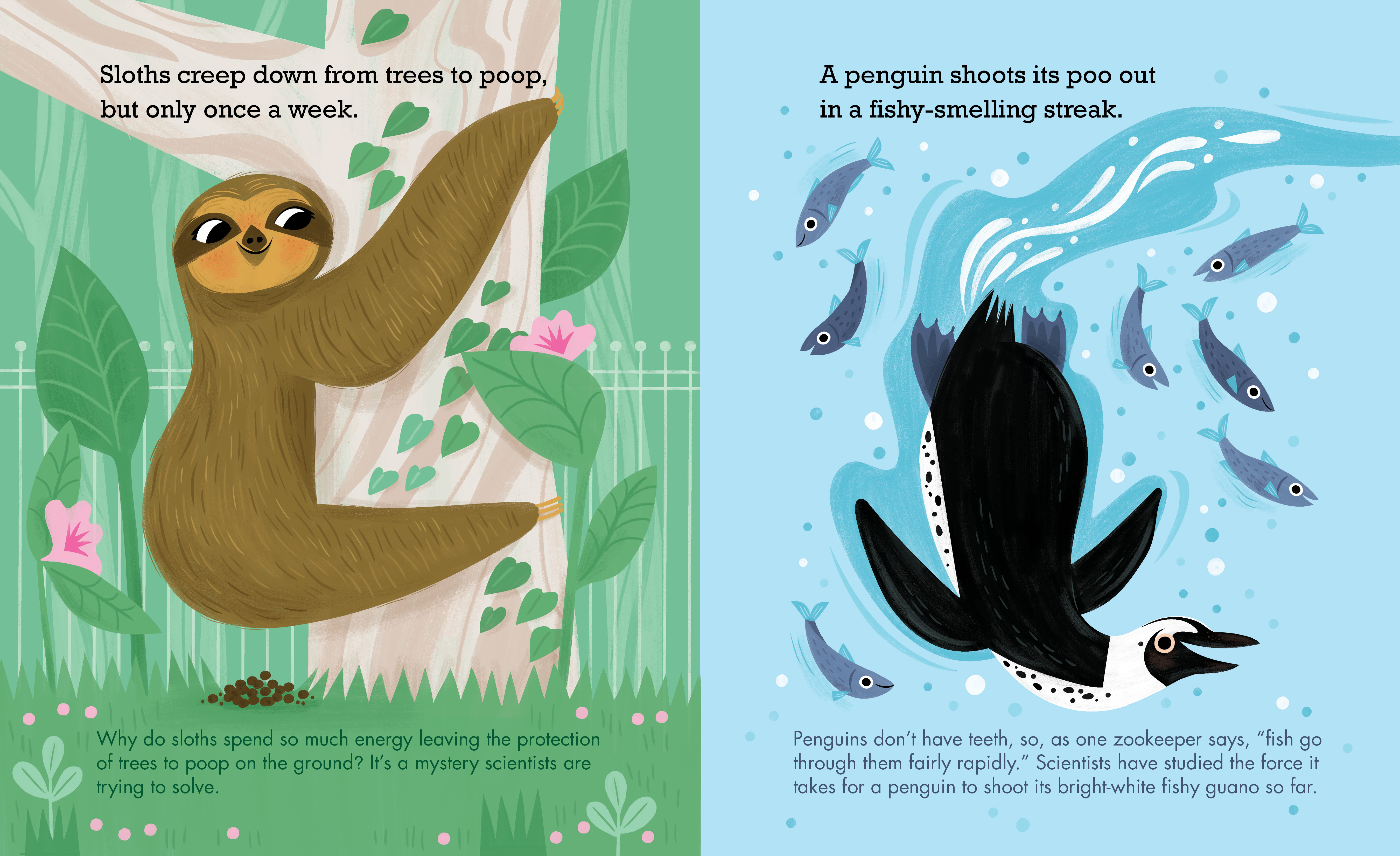
Review and Giveaway!: What Do They Do With All That Poo? by Jane Kurtz

Share

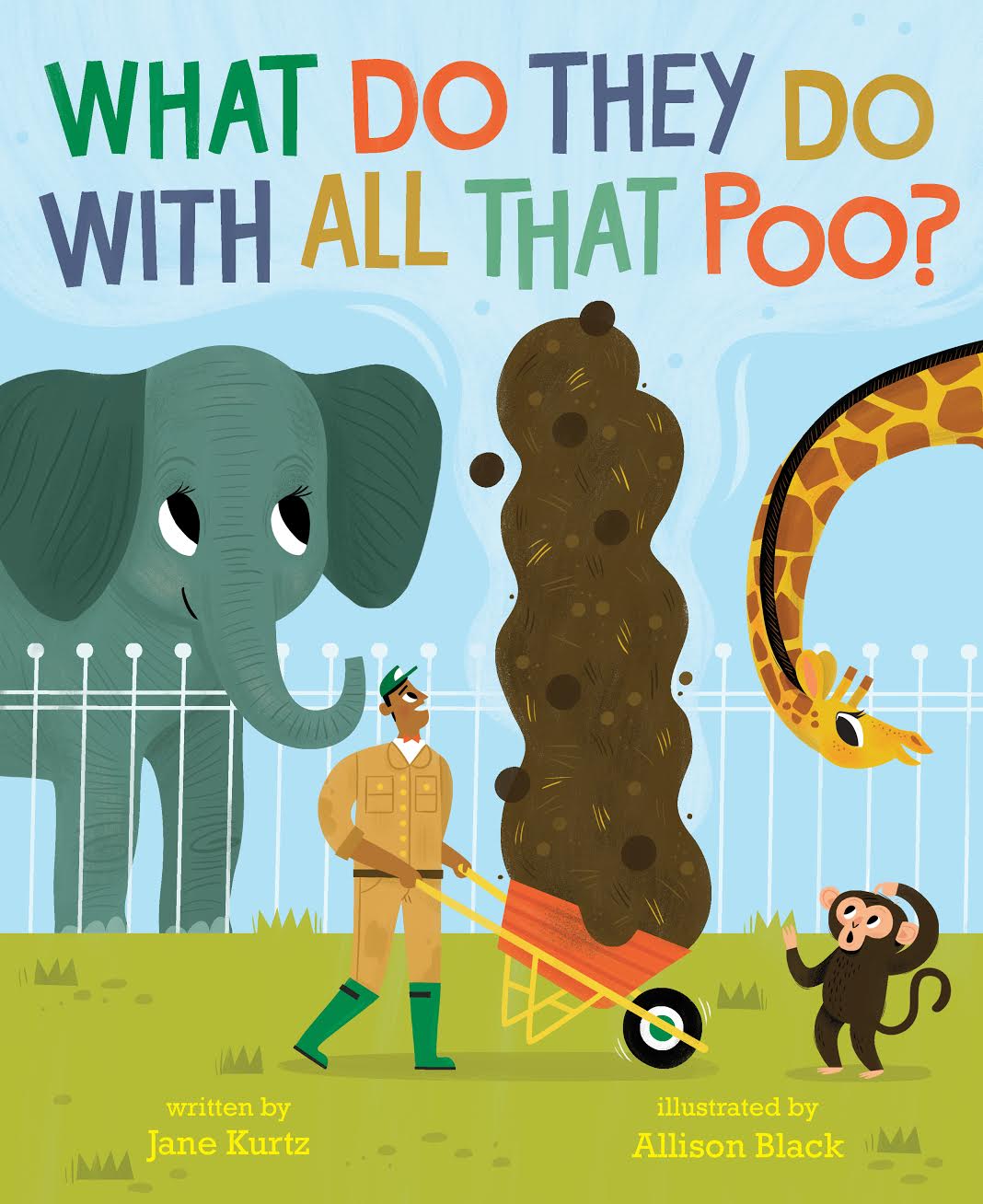
What Do They Do With All That Poo?
Author: Jane Kurtz; Illustrator: Allison Black
Published: June 19, 2018 by Beach Lane Books

Goodreads Summary: Find out what happens to all of the poo at the zoo in this funny and factual picture book!

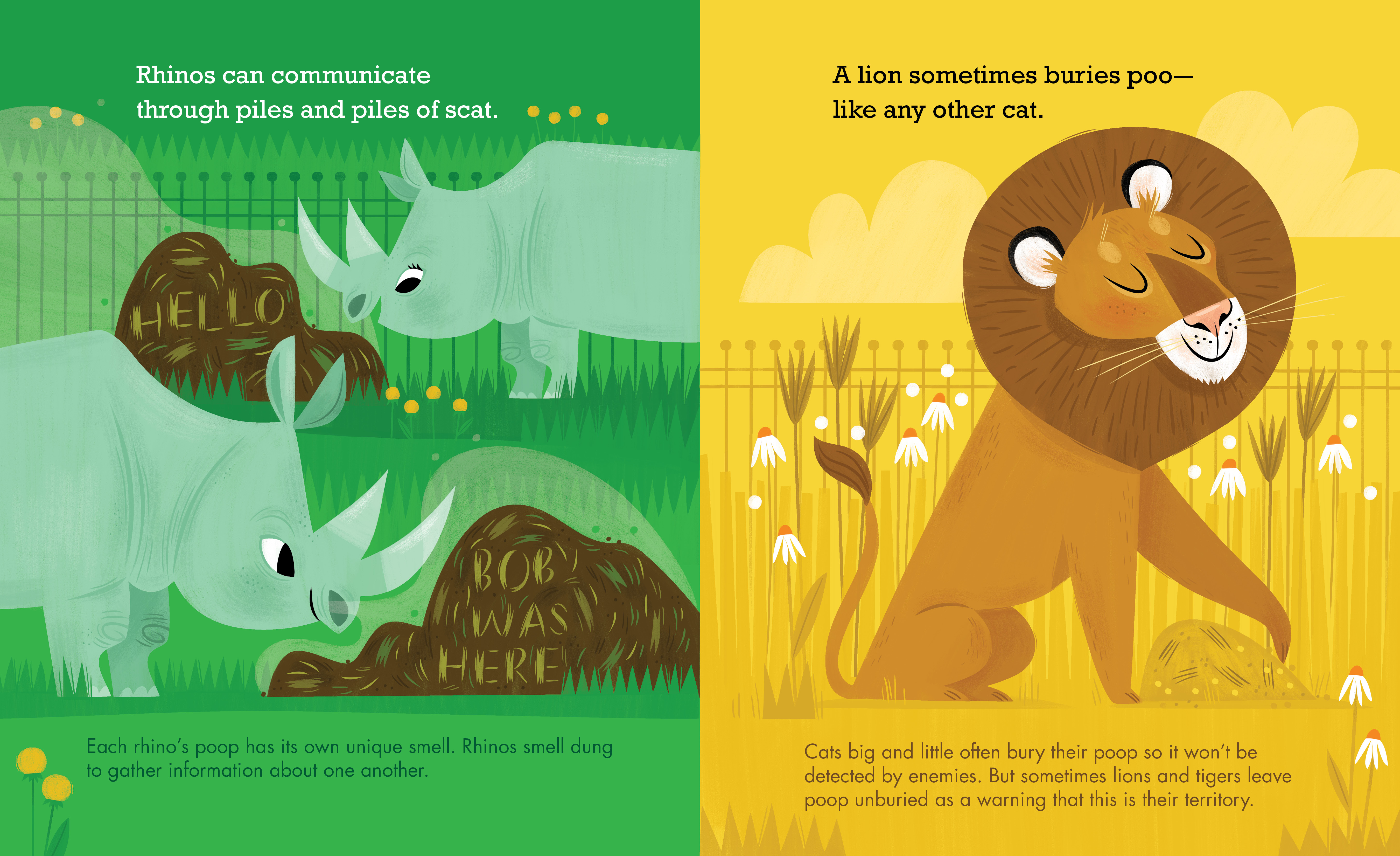
There are so many different kinds of animals at the zoo, and they each make lots and lots (and sometimes LOTS!) of poo. So what do zoos do with all of that poo? This zany, fact-filled romp explores zoo poo, from cube-shaped wombat poo to white hyena scat, and all of the places it ends up, including in science labs and elephant-poo paper—even backyard gardens!

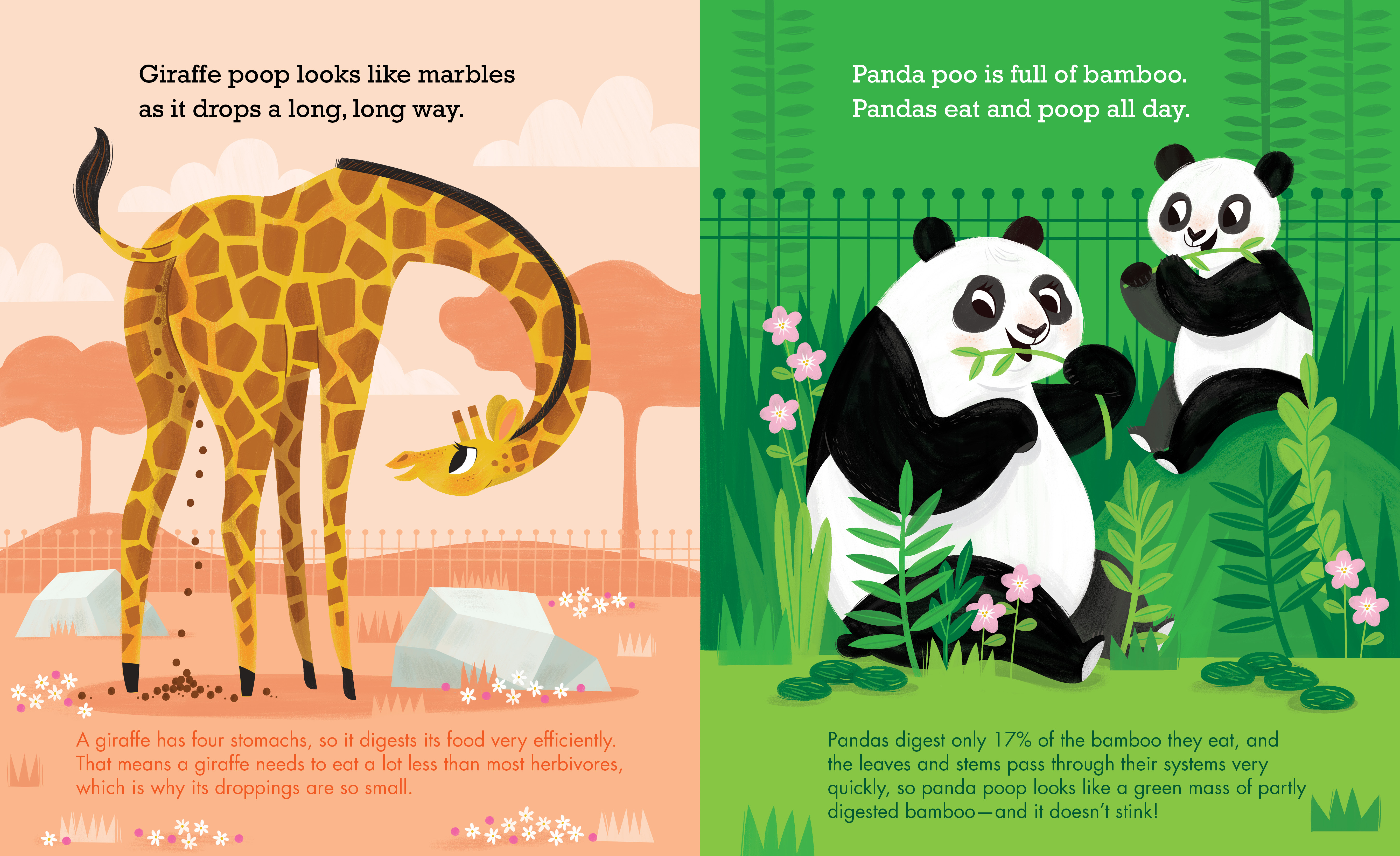
Ricki’s Review: It brings me great joy to review this book. Really. This book is on our nightly reading list, and my son laughs and laughs as we look at all of the different types of poo. I’ll admit that I don’t like poop jokes and don’t find poop to be very funny. But this book is really funny and wildly entertaining. My son’s preschool teacher has recycled panda poo paper, and he learned from this book that this recycling process is made possible by a panda’s diet (see the first spread featured below). He was thrilled to share this scientific tidbit during his morning meeting. This book spurs curiosity. My son asks a lot of questions wen we read it, and we do a lot of comparing and contrasting across pages. I’ll admit that we’ve had great fun selecting which poo is the most interesting to us. I loved that one of the animals (no spoilers here) has cube-shaped poo! This book is sure to be a favorite in classrooms. Get ready to learn science in an entertaining way!

Teachers’ Tools for Navigation: Mary Cowhey’s Black Ants and Buddhists is one of the most beloved elementary school professional development texts. In the book, Cowhey describes a moment in her teaching career when a student wondered aloud about where the poo goes after he flushes the toilet. Cowhey set up an exploratory learning unit based on this question. What Do They Do with All That Poo? follows this spirit (with a focus on zoos and animals).

Teachers might ask students to go home and return to class with an inquiry question about the world. Then, they might (as a whole class, in groups, individually) explore their question(s) and design a picture book or picture books to reflect their new learning.

Discussion Questions: 

  • What did you learn? What do they do with all that poo?
  • Which animal poo was the most interesting to you?
  • Select one animal. What is one interesting fact about the animal’s poo (beyond the shape)?
  • Which animals weren’t featured in the book? What is their poo like?

Flagged Passages: 

Read This If You Loved: Caring for Your Lion by Tammi Sauer; Strange, Unusual, Gross, and Cool Animals by Charles Ghigna; Pink is for Blobfish by Jess Keating; Animal Planet & National Geographic nonfiction such as Real or Fake?Ocean AnimalsAwesome 8Animal Atlas, or the Animal Bites series    

Recommended For: 

readaloudbuttonsmall classroomlibrarybuttonsmall

Giveaway!:

a Rafflecopter giveaway

About the Author: Jane Kurtz was born in Portland, Oregon (where she now lives), but when she was two years old, her parents decided to move to Ethiopia, where she spent most of her childhood. Jane speaks about being an author at schools and conferences—in all but eleven of the United States, so far, and such places as Uganda, Nigeria, Kenya, France, Germany, Romania, Russia, Oman, England, Indonesia, Cambodia, the Philippines, and Japan. She helped start Ethiopia Reads (EthiopiaReads.org), a nonprofit that is planting libraries for children and printing some of the first easy-reader books in local languages in Ethiopia. She is the author of many books for children, including Water Hole Waiting and River Friendly River Wild, winner of the SCBWI Golden Kite award for picture book text. To learn more, visit her website: janekurtz.com.

Twitter: @janekurtz

RickiSig

**Thank you to Barbara at Blue Slip Media for providing a copy for review!**

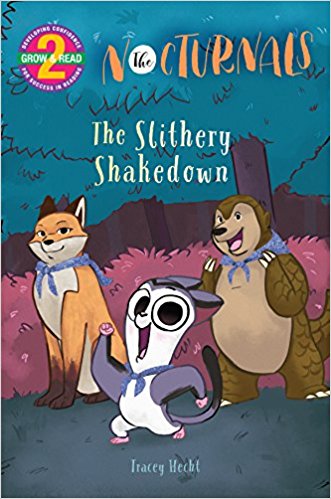
Nocturnals: The Slithery Shakedown by Tracey Hecht

Share

Nocturnals: The Slithery Shakedown
Author and Illustrator: Tracey Hecht
Published: April 10, 2018 by Fabled Films Press

Goodreads Summary: Discover the friendship and humor of the Nocturnals Brigade! In The Slithery Shakedown, three unlikely friends—Tobin, a sweet pangolin, Bismark a loud-mouthed sugar glider and Dawn, a serious fox—stand up to a big bully snake. In the process, they find themselves some spec-tac-u-lar snakeskin capes!

Includes Bonus Animal Glossary!

About the Author: Tracey Hecht is a writer and entrepreneur who has written, directed, and produced for film. The American Booksellers Association chose her first book in The Nocturnal series, The Mysterious Abductions, as a Kids’ Indie Next List pick. Last year, in partnership with the New York Public Library, she created a Noctural Read Aloud Writing Program for middle graders that has expanded worldwide. She splits her time between Oquossoc, Maine and New York City.  Check out our Q&A with her here!

Ricki’s Review: I don’t tend to gravitate to early readers because they can be awfully boring. This book breaks the mold. It’s fun and engaging, and my son loves reading it. I frequently catch him looking through the pages and staring at the pictures.  He didn’t know what nocturnal animals were before he read this book, and now, any time we see an animal, he asks if it is nocturnal. The conflict in this book is wonderfully portrayed, and it teaches about the power of friendship and bravery. I recommend this book for folks seeking engaging early readers that will capture children’s attention. It’s wonderfully done.

Kellee’s Review: What a fun book to read! It not only will be great for Trent when he is a beginning reader to practice his reading, it is overall a fun story that is a fantastic read aloud. It looks at the idea of bravery and fear as well as friendship while also introducing scientific ideas like nocturnal animals and carnivore animals. 

Teachers’ Tools for Navigation:  The Summer Reading Kit is available on the publisher’s website. This book begs readers to research nocturnal animals, and it provides a lot of opportunity for classroom use.

Additionally, the author uses a ton of alliteration which makes it super fun to read out loud but also gives a chance to introduce this literary device.

Discussion Questions: 

  • Which animal is most afraid? How does friendship influence this character’s bravery?
  • How does the snake react to the friends? What does this tell you?
  • What other nocturnal animals do you know?
  • What do you think the setting of the book is based on the animals?
  • How does the author use alliteration throughout the book?
  • What words did you not know in the story? Using context what do you think they mean?

Flagged Passages: 

“Chapter 3

‘Did sss-someone sss-say breakfassst?’ the snake said.

Bismark spun around.

Behind hijm was a long, blue, shimmery snake.

The snake slid from the grass.

The snake raised its head.

The snake flicked its flickery tongue.

‘Bismark, look out!’ Dawn cried.” (p. 24-25)

Read This If You Loved: Night Animals by Gianna MarinoBaby Animals at Night by Kingfisher Publications, National Geographic Early Readers

Recommended For: 

readaloudbuttonsmall classroomlibrarybuttonsmall

RickiSigand Kellee Signature

**Thank you to Stacey and Nicole at Fabled Films for providing copies for review!**

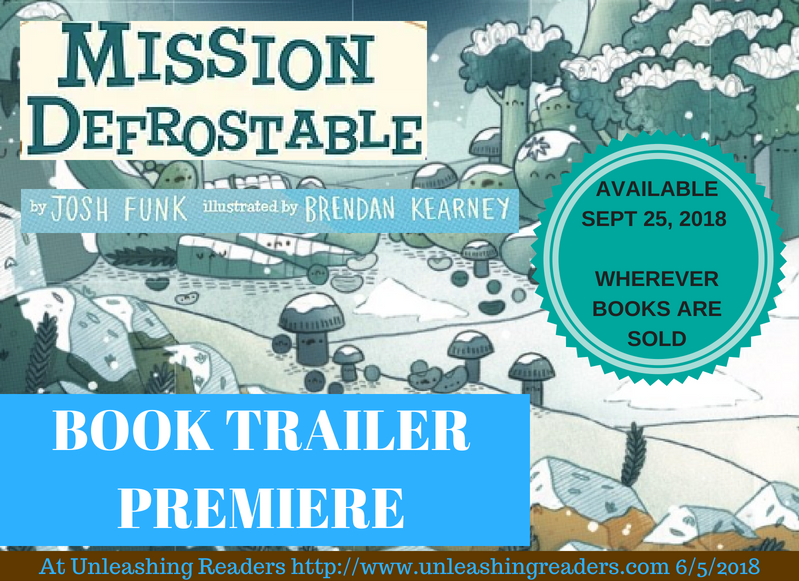
Mission Defrostable by Josh Funk BOOK TRAILER PREMIERE!!! (with Prediction Activity)

Share

We are honored to premiere the book trailer of one of our favorite authors, Josh Funk. Josh has made a huge mark in the field of children’s literature, and we are thrilled to share the book trailer for his third book in the Lady Pancake and Sir French Toast series (below).

Not only is Josh a favorite of parents and teachers, he is a favorite of kids! Our sons are so, so excited for the new book in the series. As teacher moms, we thought it would be fun to build their anticipation and help them learn about making predictions. We invite you to have this same fun with your own children or students!

We asked Trent to review Lady Pancake and Sir French Toast (Book #1).

Warning: Trent’s review has a bit of a spoiler in it!!!

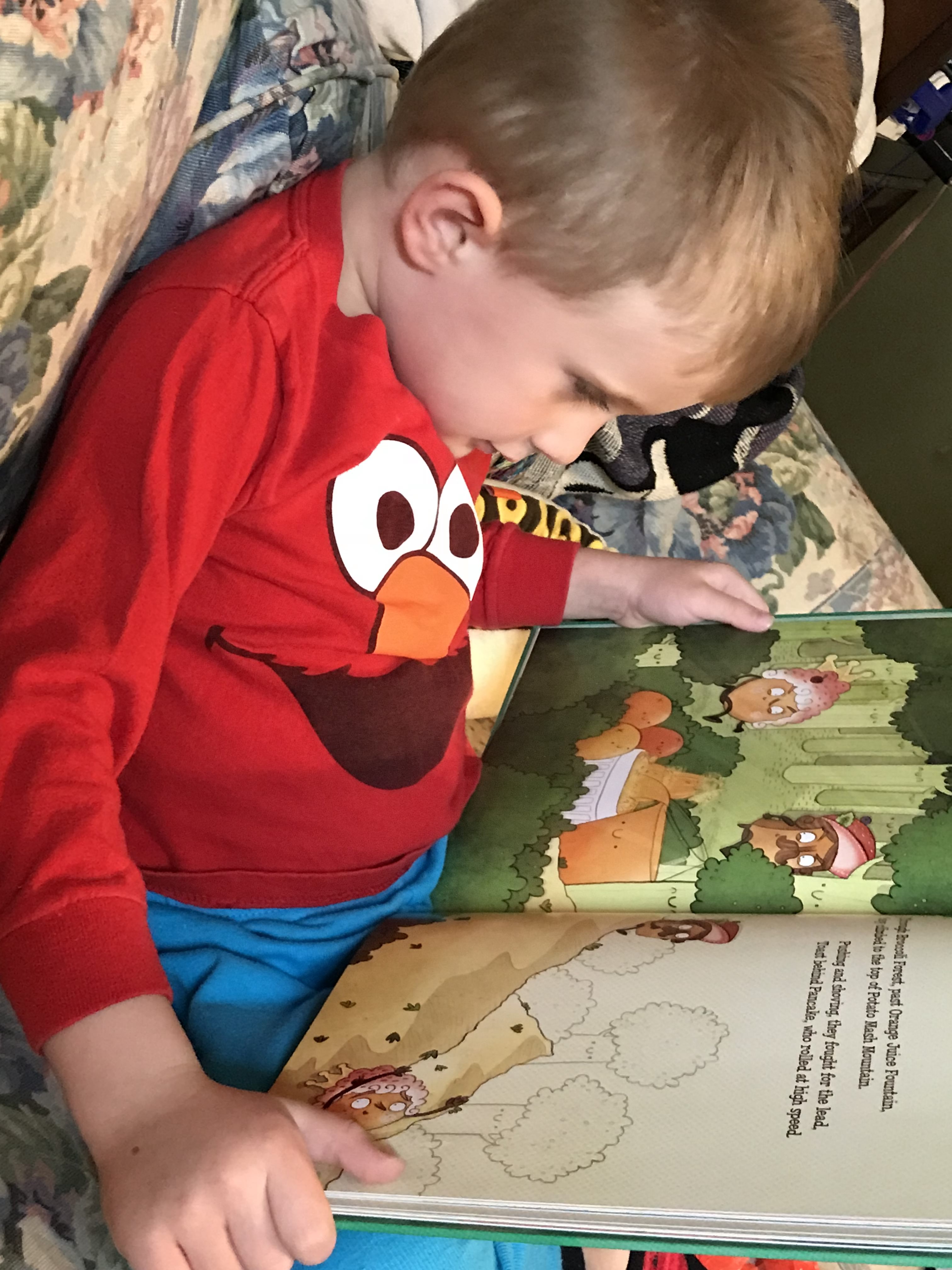
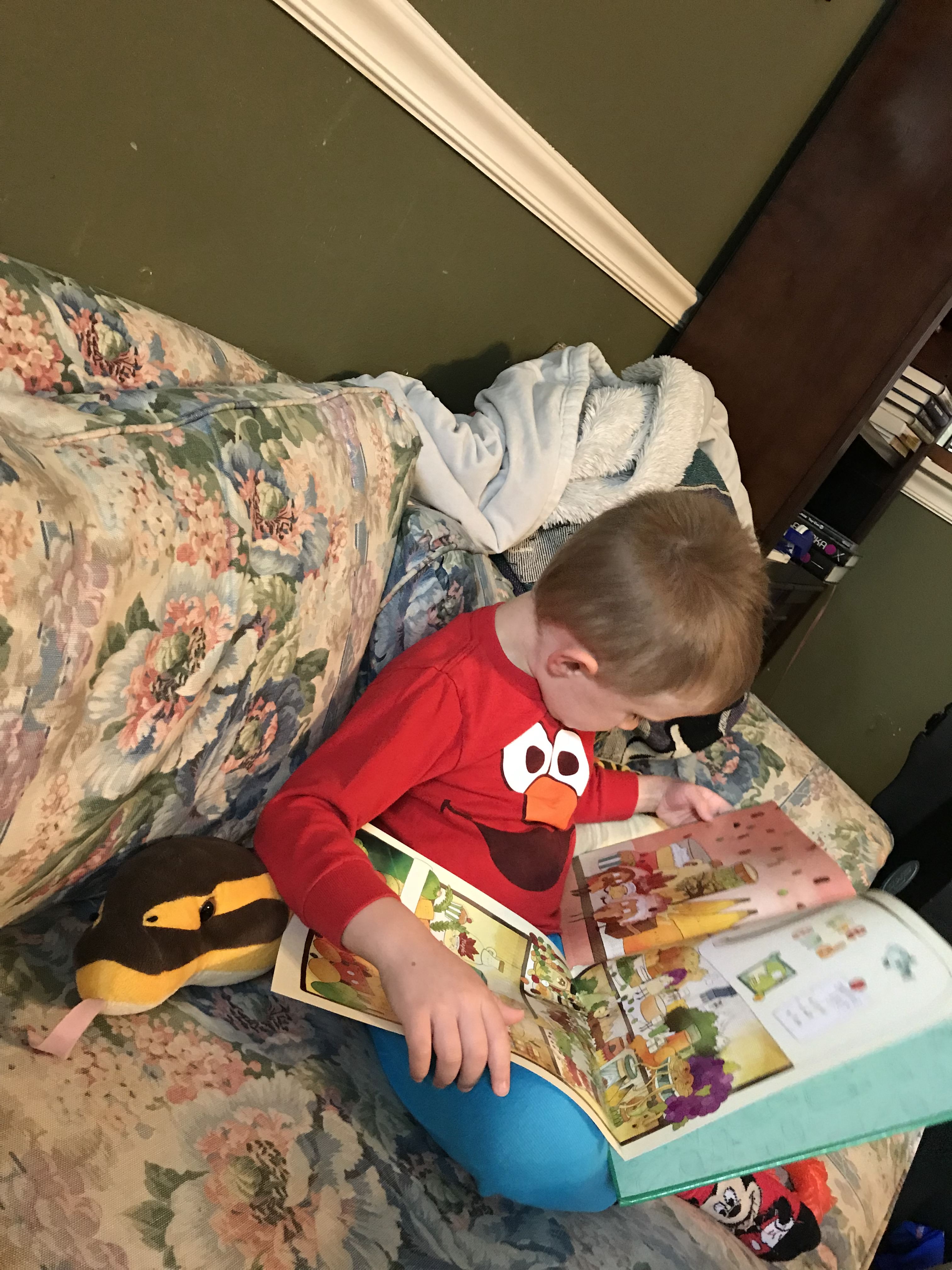
  • Trent’s Review: Lady Pancake and Sir French Toast were fighting. They both wanted syrup. The adventure through the refrigerator was silly. I liked the broccoli forest and jumping over the strawberry. But the awful waffle is the bad guy. Baron von Waffle makes me grumpy because I wouldn’t like if someone ate all of my food. I do like that they [Lady Pancake and Sir French Toast] didn’t fight eventually. And the rhymes were silly willy!

  • Kellee’s and Ricki’s Review with teachers’ tools, discussion questions, etc. can be found here.

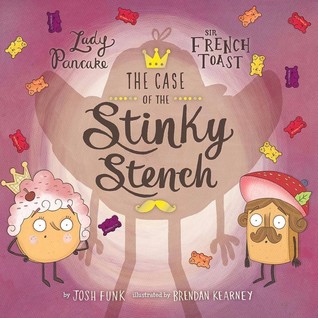
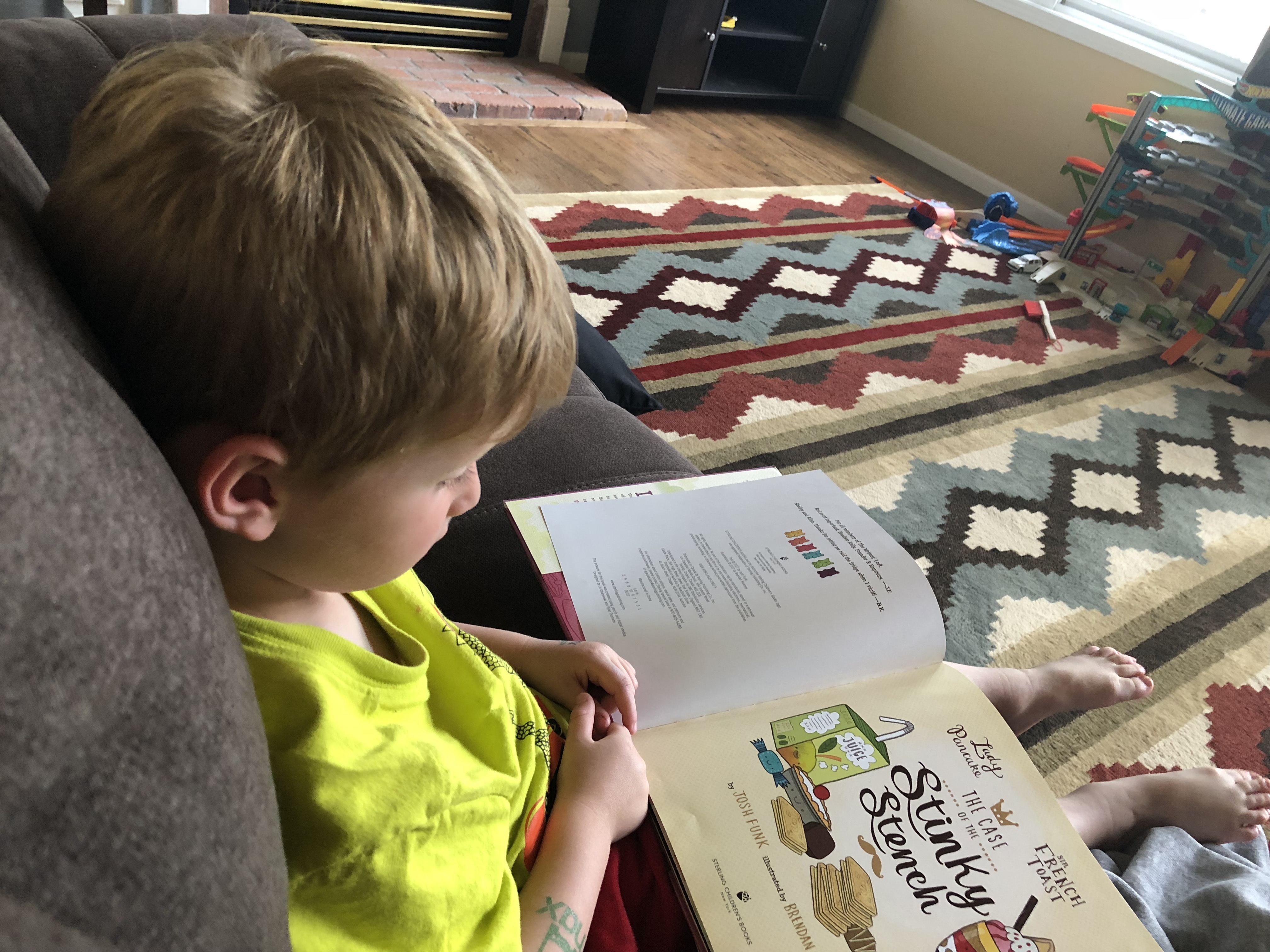
We asked Henry to review The Case of the Stinky Stench (Book #2).

Warning: Henry’s review has a bit of a spoiler in it!!!

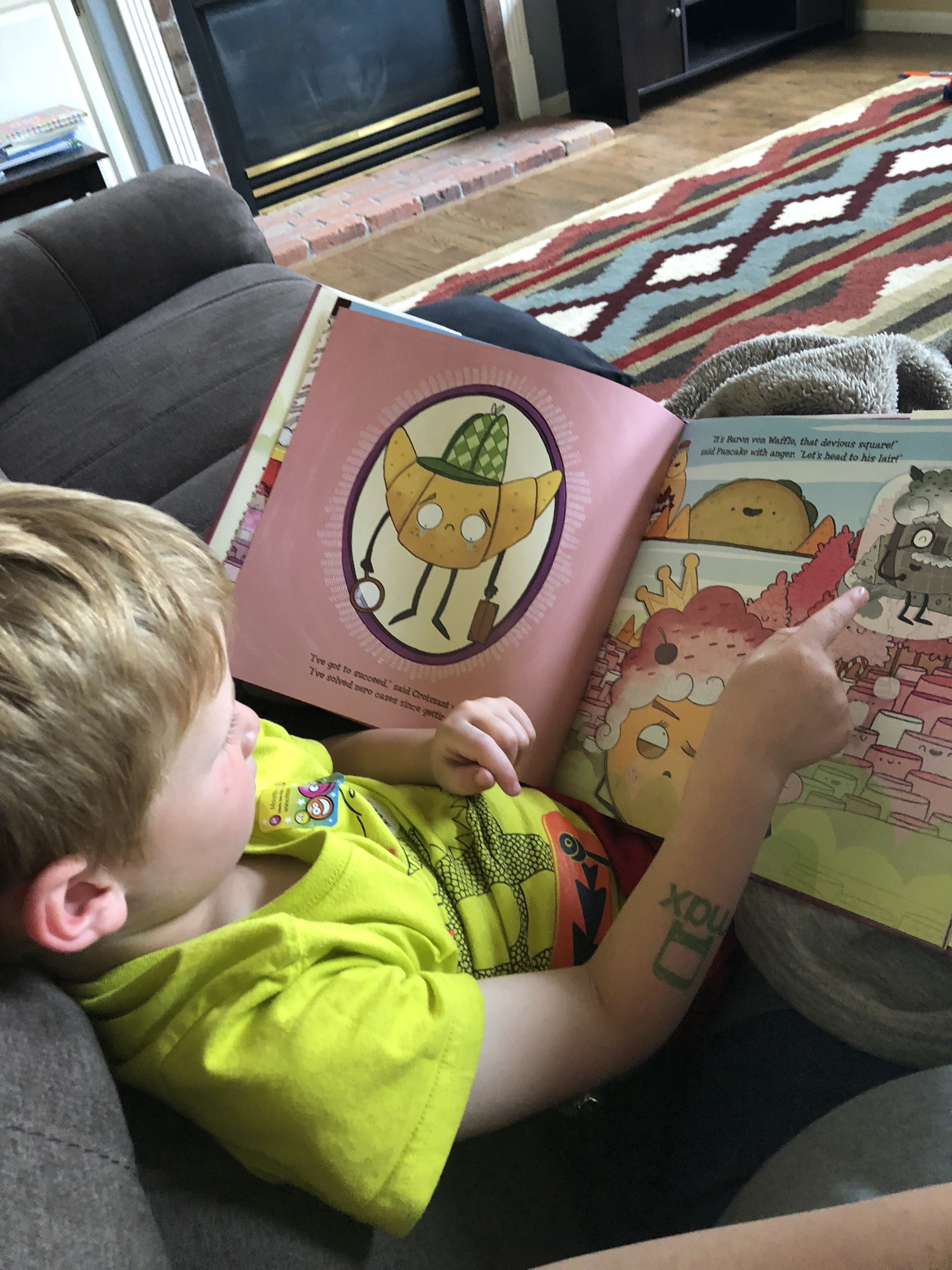
  • Henry’s Review: I think that there were things in the book that were stinky! At the beginning of the book I thought Croissant was making the smell. The fruitcake was stinky and rotten and sad. I think Baron von Waffle got him that way. I like when the fruit cake stands next to cheese. “Type that, Mommy. It’s important.” The book is very good. I like Lady Pancake and Sir French Toast. I really like the gummy bears on the cover because I am really hungry for one right now. The story is so good. I would give it to a friend to read, but I want to keep it for myself. It’s my book that I like to read a lot.

  • Ricki’s and Kellee’s Review with teachers’ tools, discussion questions, etc. can be found here.

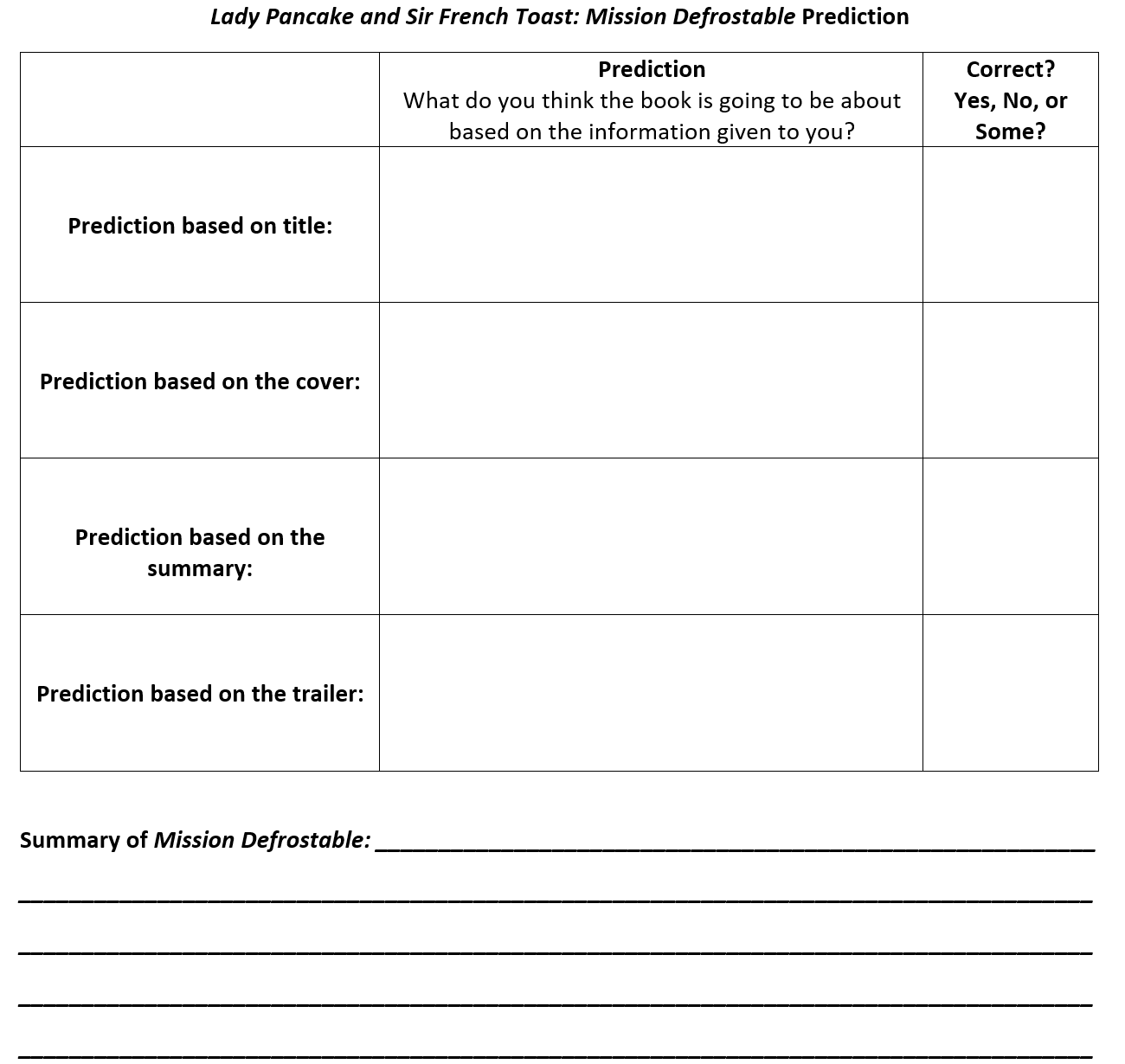
Then to get the boys excited about the next book, we decided to have them take part in a prediction activity!
Here is a graphic organizer for the activity: 

First, we told them what the new Lady Pancake and Sir French Toast title was: 

Mission Defrostable

  • Trent’s prediction: Sir French Toast is going to get frosting. But I don’t know who is the bad guy.
  • Henry’s prediction: I think Sir French Toast is going to get defrostable. I don’t know what will happen with Lady Pancake. Can I see the cover now?

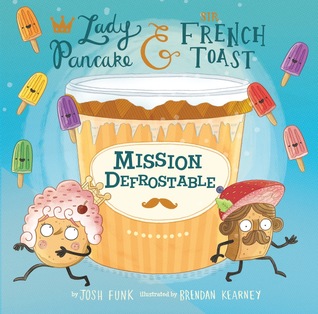
Next, we showed them the cover of Mission Defrostable and asked them if they wanted to change their prediction: 

  • Henry’s prediction: Somebody is going to drop into the big container! Lady Pancake and Sir French Toast are going to…maybe they will eat some of the ice cream. I hope they don’t get hurt. I want to have this book. Can we get it, Mom?
  • Trent’s prediction: Lady Pancake and Sir French Toast are running from the bad guy. I don’t think the popsicles are the bad guys because they are dancing with their friend, ice cream. Maybe the waffle is the bad guy again.

Then, we read them the summary of Mission Defrostable and asked them to prediction what else they think would happen in the book: 

Our favorite breakfast food friends are back and all bready for their next adventure! Can they save the fridge before all the food is iced? It’s mission . . . defrostable.

“And now with the two of you out of the fold,
I’ve got my revenge and I’m serving it cold!”

Brrr! There’s a frost in the fridge—and it’s hardened Pudding Pond and frozen Yogurt Falls. Agent Asparagus is on the case, and she begs Lady Pancake and Sir French Toast to join her superspy team. But when the enemy snatches Asparagus, Pancake and French Toast have only one dough man to turn to for help: the evil Baron von Waffle! Will he help them save the fridge . . . or are they doomed to become frozen food?

  • Trent’s prediction: Yes. They’re frozen food. Because the refrigerator is really cold, and waffle won’t help because he is a bad guy. The popsicles are dancing because it is cold.
  • Henry’s prediction: They are going to be frozen food! I think Agent Asparagus is going to become a bad guy and get Lady Pancake and Sir French Toast and catch them and shoot a web over them with sticky slime to get them caught!

Finally, we showed them this WORLD PREMIERED book trailer and asked them what they thought now:

  • Henry’s prediction: I think the popsicles on the cover are going to come into the book more and Lady Pancake and Sir French Toast are going to lick them and get their tongues stuck. Baron von Waffle…I don’t know what is going to happen to him. But I think it is bad. I don’t know any guesses about what might happen to him though. We will see in the book when we get it. It’s going to be fun to get to read it. After this one, is there going to be another one coming out? I think there should be, and it should be called Mission Accomplished.
  • Trent’s prediction: Baron von Waffle is going to ruin the world because his friends, the popsicles, want the refrigerator cold. The bananas look bad also. Maybe the big bad person are in the castle! Maybe the popsicles aren’t dancing, they are laughing and that is why Lady Pancake and Sir French Toast are running because the popsicles are bad. I’m excited to see about the popsicles–I want the book!

The boys’ summary (the last part of the prediction activity) and review will be shared when we review the final title!

We are so excited to be able to premiere this book trailer with the world!
Thank you, Josh, for the incredible work that you do. You are a gift to the literary world.
And we cannot wait to share our (and the boys’) thoughts about the newest title!

and 

Where’s Halmoni? by Julie Kim

Share

Where’s Halmoni?
Author: Julie Kim
Published October 3rd, 2017 by Little Bigfoot

Summary: Where’s Halmoni? is a picture book in a graphic novel style, which follows the story of a young Korean girl and boy whose search for their missing grandmother leads them into a world inspired by Korean folklore, filled with mischievous goblins (dokkebi), a greedy tiger, a clever rabbit, and a wily fox.
Two young children pay a visit to Halmoni (grandmother in Korean), only to discover she’s not home. As they search for her, noticing animal tracks covering the floor, they discover a pair of traditional Korean doors, slightly ajar, new to their grandmother’s home. Their curiosity gets the best of them, and the adventure begins when they crawl through and discover an unfamiliar, fantastical world. As they continue to search for their grandmother and solve the mystery of the tracks, they go deeper into the world of Korean folklore and experience their cultural heritage in unexpected ways, meeting a number of Korean-speaking characters along the way.

Translations to Korean text in the story and more about the folktale-inspired characters are included at the end.

About the Author: Julie Kim is an author and illustrator living in Seattle, WA. She has published with Cricket Magazine, Scholastic, and Mondo. Where’s Halmoni? is her authorial debut.

Praise: “Julie Kim has created a visually stunning world that effortlessly infuses Korean text (Hangul) in rich, expressive art.”Cybils Awards, winner

“For its jaw-dropping art, encouraging bilingual attitude, and conscientious portrayal of Korean culture, Where’s Halmoni? is a perfect choice.” —School Library Journal, starred

“A sophisticated mélange of urban households, traditional Asian landscapes, vibrant color schemes, cultural details, subtle visual jokes, [and] pitch-perfect dialogue… This book is an excellent choice for either the picture-book or graphic-novel collection.” —Booklist, starred

“Kim’s bright, expressive illustrations are a delight…an accessible, diverse title for a broad readership.” —Kirkus Reviews, starred

“The sibling banter is believable and delightful, [and] Kim’s panel sequences teem with energy.” —Publishers Weekly, starred

ReviewThis book is a piece of art. The way that Kim combined traditional Korean folklore characters, including giving an explanation about each of them in the back; realistic sibling relationships; an adventure with beautiful settings; and her amazing artwork lent to the creation of a very special book. There is so much to unpack including homage to traditional Asian art styles, inferring opportunities, introduction to Korean folktales, and inclusion of Korean language. This book will be perfect as a read aloud with discussions, lit circles looking at folktales, or as an independent book for your adventure or graphic novel fans.

Teachers’ Tools for Navigation: Where’s Halmoni? and its back matter are a perfect addition to a folklore unit including a discussion on how authors fracture/retell/modernize folktales in all cultures.

And P.S. a whole discussion/lesson could be done around the end pages!

Discussion Questions: 

  • How did Kim intertwine traditional Korean folktale characters into her story?
  • What do the end sheets tell you that the rest of the story did not?
  • What clues were there at the beginning of the book that ultimately they would encounter a tiger and a fox?
  • How could you infer that Halmoni was their grandmother?
  • Before reading the translations of the Korean in the back of the book, use the context clues and try to guess what the characters are saying.
  • Would you consider this book a picture book or a graphic novel? Why?

Flagged Passages: 

Read This If You Love: Retellings and new takes on folktales

Recommended For: 

classroomlibrarybuttonsmall  

Signature

**Thank you to little bigfoot for providing a copy for review!**

Pink is for Boys by Robb Pearlman

Share

Pink Is for Boys
Author: Robb Pearlman
Illustrator: Eda Kaban
Published: June 5, 2018 by Running Press

Goodreads Summary: An empowering and educational picture book that proves colors are for everyone, regardless of gender.

Pink is for boys . . . and girls . . . and everyone! This timely and beautiful picture book rethinks and reframes the stereotypical blue/pink gender binary and empowers kids-and their grown-ups-to express themselves in every color of the rainbow. Featuring a diverse group of relatable characters, Pink Is for Boys invites and encourages girls and boys to enjoy what they love to do, whether it’s racing cars and playing baseball, or loving unicorns and dressing up. Vibrant illustrations help children learn and identify the myriad colors that surround them every day, from the orange of a popsicle, to the green of a grassy field, all the way up to the wonder of a multicolored rainbow.

Parents and kids will delight in Robb Pearlman’s sweet, simple script, as well as its powerful message: life is not color-coded.

Ricki’s Review: I have two sons. I very much appreciate all of the wonderful girl-empowering books that have been published recently. I am constantly shooting up my fist and shouting “Hooray!” when these books are published. But as a mom, I appreciate even more the opportunities to tell my son, “Yes, it’s okay that your favorite color is ‘rainbow,'” “No, boys are not necessarily better at fixing things” (I’ll secretly admit that this one is actually true in our house—my husband is an engineer), or “Yes, it’s okay if your favorite Disney song is ‘Let It Go,’ even when you are the only boy in your class who thinks this.” (I should backtrack here and say that Moana is far better than Frozen.)

I have one more anecdote. The day after I read this book to my son, I went to a birthday party with my sons. My 19-month-old crashed into a boy who was about 2 and half. My kid, who is oddly resilient, popped right up, but the other boy cried. His dad said, “You need to man up. Boys don’t cry.” This kind of stuff has to end. It’s only with the publication of books like these that we will be able to defy these gender norms that drive me bonkers. Pink is for boys.

The basic (but well-conceived) drawings of this book make it shine. The point is clear—and younger readers will easily make sense of it. The characters are drawn as simple sketches and are understated. This makes the message all the more powerful. 

Kellee’s Review: My son loves all the colors. Except, according to him, pink and purple. Where did this come from?! In my house, all colors are wonderful colors and girls and boys can like and do whatever they want, but he must have been told by someone ‘out there’ that pink and purple are girl colors, and Trent, wanting to be accepted, now felt he couldn’t like these colors. I try to counteract this notion in my house, but it is ‘out there’ that minds need to shift or I am fighting a battle so much bigger than I may be able to handle. When will we [general societal we] stop saying “You throw like a girl” as an insult or “Man up” as a way to tell kids to not cry?! I can teach my son to be a feminist, but until things like those stated above change, society will always be pushing against what I am teaching him at home. 

Within the text, in addition to promoting the brilliance and beauty of all colors, I also truly appreciated how the characters were diverse in all aspects of the word and that the author purposefully rotated between girls and boys & boys and girls to show that neither deserves to go first.

Teachers’ Tools for Navigation: This book makes us itch to teach young kids. We would ask students to create their own versions (or posters) of this book. For example, they might create books called Crying is For Boys or Dirt is for Girls. As a secondary teacher, this book would be a great discussion starter about gender prejudice and assumptions in society.

Discussion Questions: How does the illustrator use simplistic drawings to better convey the meaning of the text?; How does the author convey the message implicitly and explicitly?

Flagged Passage:

Read This If You Loved: Julián Is a Mermaid by Jessica Love, Red: A Crayon’s Story by Michael Hall, The Boy In the Dress by Michael Walliams, The Sissy Duckling by Harvey Fierstein

Recommended For: 

readaloudbuttonsmall classroomlibrarybuttonsmall

RickiSigand Kellee Signature

**Thank you to Casey at Media Masters for providing copies for review!**