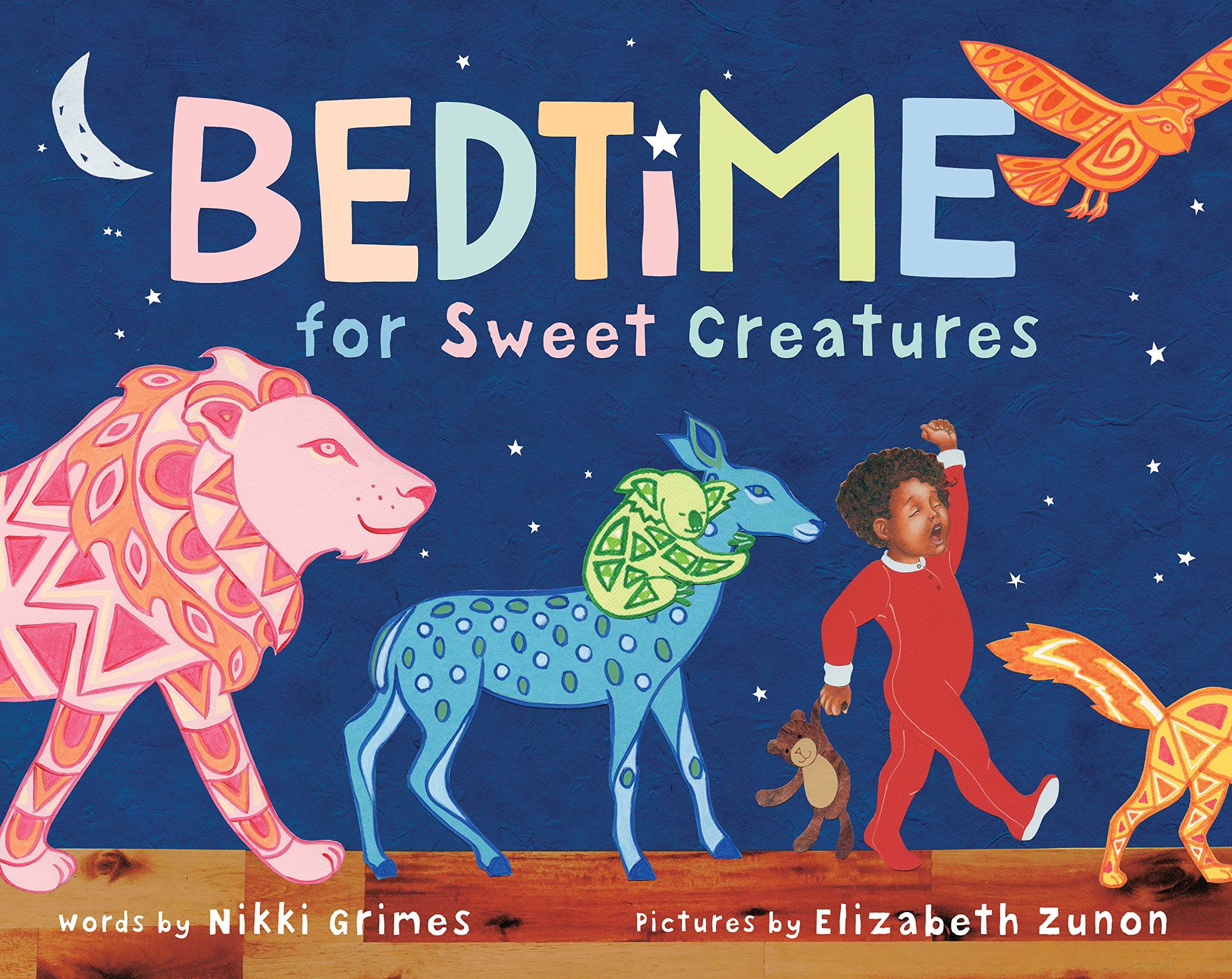
Bedtime for Sweet Creatures by Nikki Grimes

Share

Bedtime for Sweet Creatures
Author: Nikki Grimes; Illustrator: Elizabeth Zunon
Published January 1, 2020 by Sourcebooks Jabberwocky

Goodreads Summary: It’s bedtime. But Mommy’s little one is not sleepy.

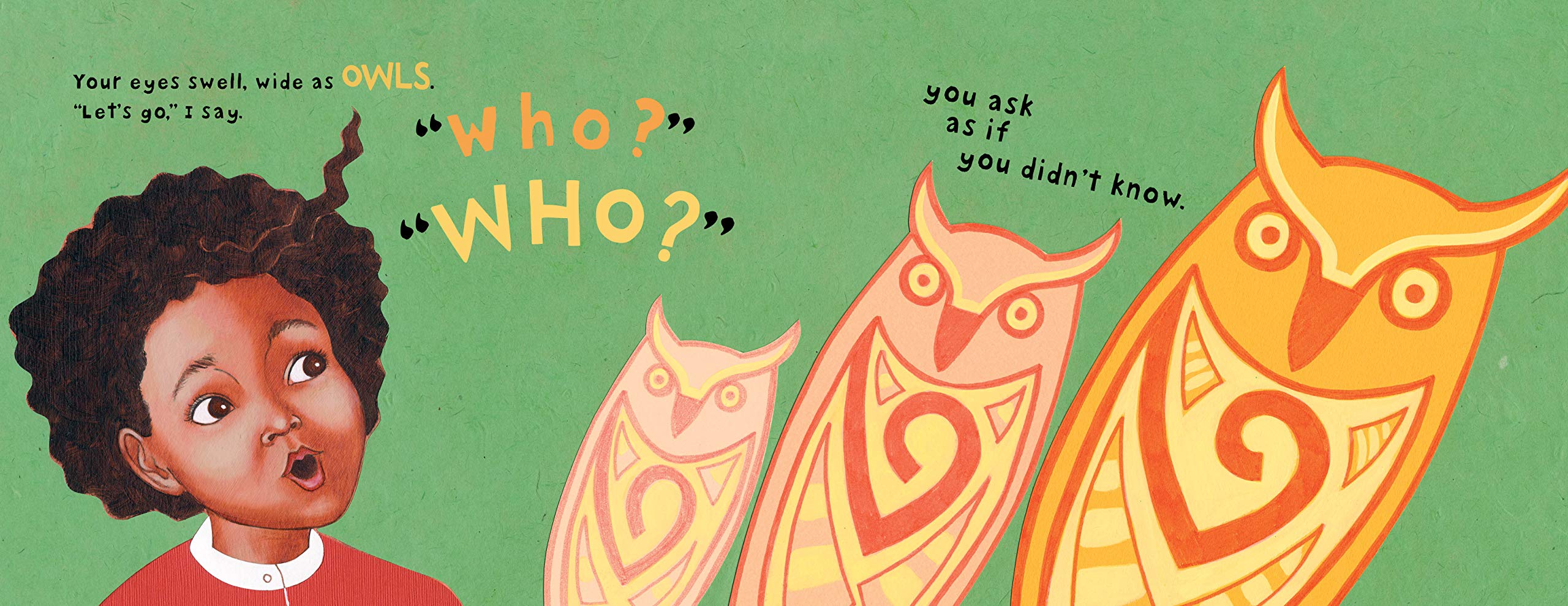
He growls like a bear, he questions like an owl, he tosses his mane like a lion. He hunts for water like a sly wolf, and hides like a snake.

Mommy needs to wrangle her sweet creature in bed so that the whole family can sleep. From tigers to squirrels to snakes, the little boy dodges around his bedtime, until he is tired enough to finally sleep. His imaginative animal friends weave their way through the illustrations, eventually joining him in curling up for the night.

My Review: The rhythm of this book is palpable. As a mother of three children six and under, I identified whole-heartedly with the mother of this book. She just wants her child to go to bed. As the child attempts sleep, he morphs into different animals (a lion, a tiger, an owl!). The book displays bedtime in ways that parents will identify with. Teachers will love using this book to teach metaphor and sound in story. 

My three-year-old’s review: “I like the squirrel and the koala a lot! I liked all of the aminals. [sic]”

My six-year-old’s review: “I like how his mom and his dad are trying to get him to sleep at night. I like how it is night-time in the book and the colors of the book make it feel like it is night-time.”

Teachers’ Tools for Navigation: The ways in which Grimes uses sound and metaphor is very intriguing and quite teachable. I spent a significant amount of time thinking about the almost-anthropomorphism of the text. The animals are given human characteristics of the child. But the child is actually given animal characteristics. This is zoomorphism, right? I would love to have this kind of study and debate with students. So cool!

Discussion Questions: What animals does the child act like? How does the author choose qualities of the child to connect them with animals?; Choose another animal not within the book. How might the child act like this animal at bedtime, too?

We Flagged: 

Read This If You Loved: Penguin and Tiny Shrimp Don’t Do Bedtime by Cate Berry; Twenty Yawns by Jane Smiley; Goodnight Moon by Margaret Wise BrownGoodnight Songs by Margaret Wise Brown

Recommended For: 

readaloudbuttonsmall classroomlibrarybuttonsmall

RickiSigand Kellee Signature

Review and Giveaway!: Snail & Worm All Day: Three Stories About Two Friends by Tina Kügler

Share

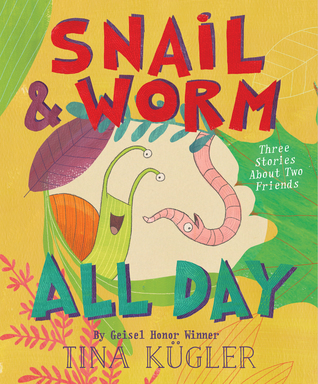
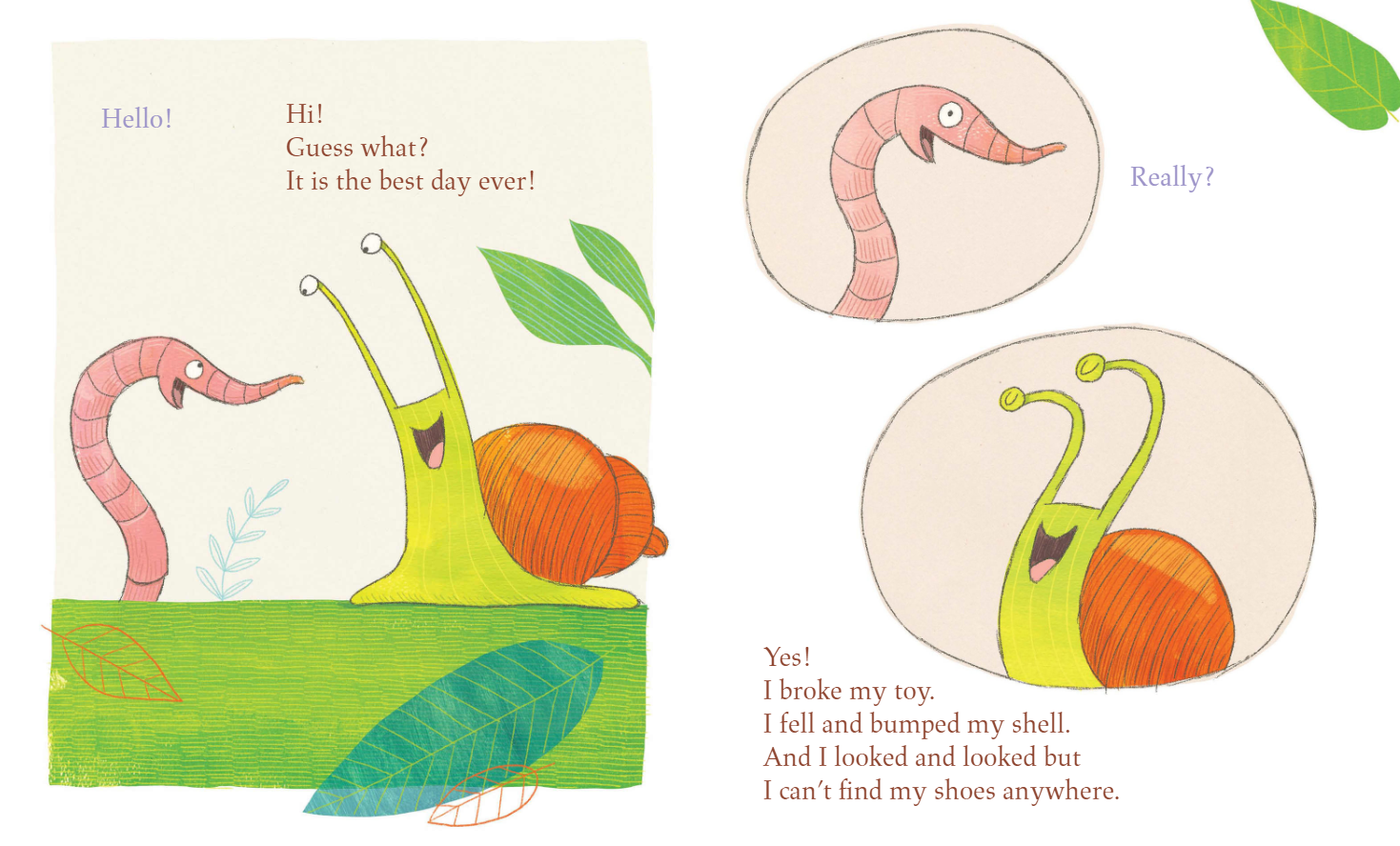
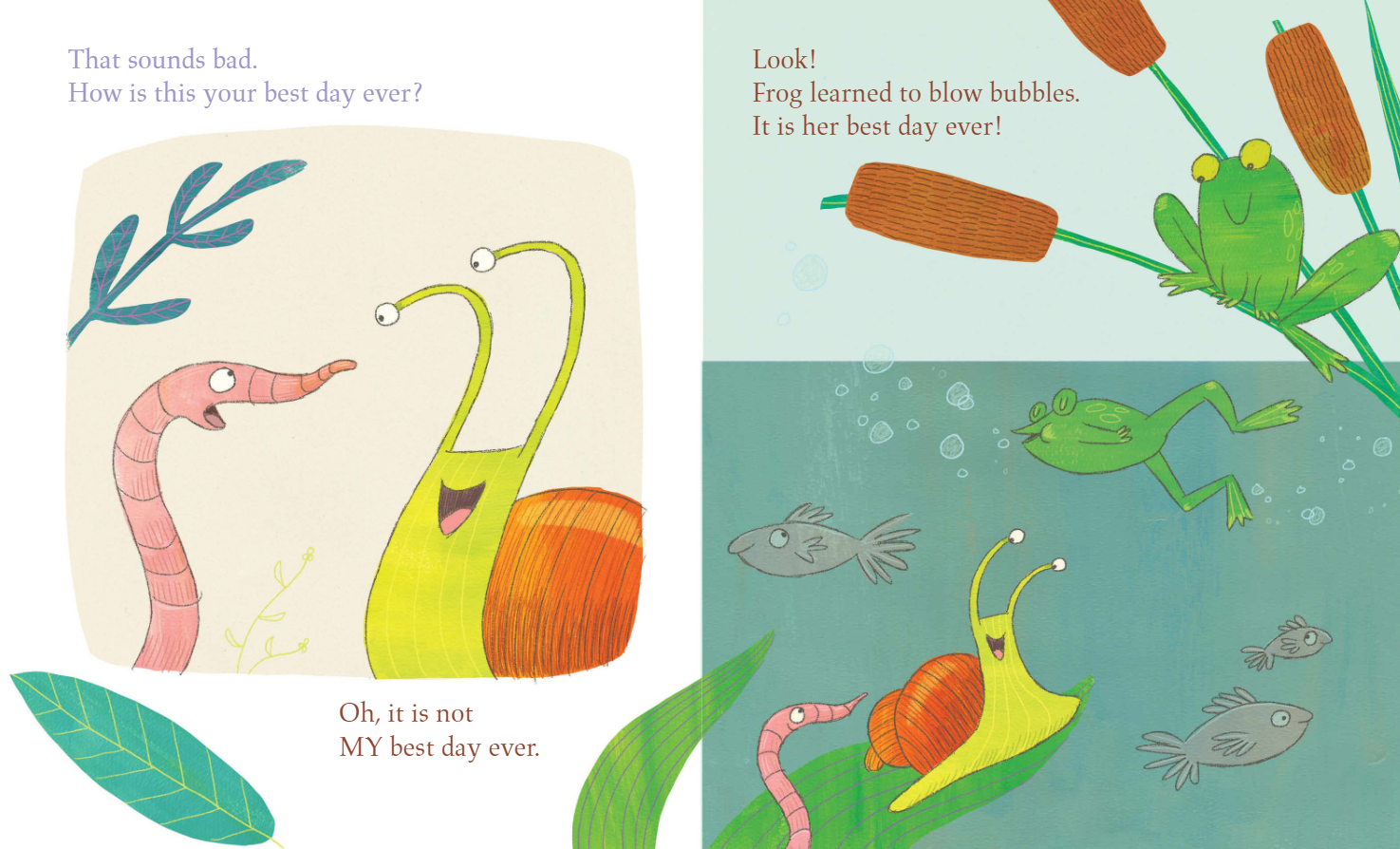
Snail & Worm All Day
Author and Illustrator: Tina Kügler
Published September 24th, 2019 by HMH Books for Young Readers

Summary: Snail and Worm go on three silly adventures in this early reader chock full of heartfelt humor and irresistible illustrations. By Geisel Honor winner Tina Kügler.

Snail and Worm are back at it and sure to have readers giggling from dawn ’til dusk (wait—do snails and worms sleep?) in Snail and Worm All Day, complete with heartfelt humor and Tina Kügler’s irresistible illustrations.

Brimming with laugh-out-loud jokes, these three new stories are sweet celebrations of cooperation and discovery.

About the Author: Author-illustrator Tina Kügler lives in the Los Angeles area with her artist husband and three sons. When she is not making picture books, she can be found trying to befriend snails and worms in her backyard.www.tinakugler.squarespace.com Twitter: @tinatheatre Instagram: @kuglertina

Praise: ★ “All day, every day, is a good time for reading about Snail and Worm….Run (faster than Snail ever could) to get a copy of this winning early reader.”—Kirkus, STARRED review

“[N]ew readers should feel supported in their efforts while being continually entertained.”—The Horn Book

Kügler’s clever, off-kilter stories are enhanced by colorful, expressive cartoon illustrations that give strong textual support….This latest Snail and Worm book is a strong addition to all early reader collections and a surefire hit with children and their adults.”—Booklist

“The friendly and cheerful cartoon illustrations effectively enhance the story’s sweet humor.”—School Library Journal

Review: As Trent has entered this world of early chapter and transitional books, I have been so lucky to learn about some amazing books out there, and I was so happy to get introduced to Snail and Worm with this book, and we cannot wait to read the rest of the series.

Teachers’ Tools for Navigation: Each of the three stories has a different chance to dig deep during a read aloud. The first story looks at how one bad thing doesn’t need to affect the entire day, the second story looks at habitats and contradictions, and the final story looks at creating a narrative.

Discussion Questions: 

  • When you are having a bad day, what can you think about to make you feel better?
  • What is a time that you thought something was different than what it was?
  • What are the similarities and differences between Snail and Worm? Why do you think they are friends?
  • How was snail a contradiction in the second story?
  • Who is your best friend?
  • Which of the three stories was your favorite? Why?
  • What is a lesson that you learned from the book?
  • How would the stories change if they were only from Snail’s point of view? Worm’s?

Flagged Passages: 

Read This If You Love: Elephant & Piggie, Frog & Toad, Fox & Chick, and other fun duos

Recommended For: 

classroomlibrarybuttonsmall

Giveaway: 

a Rafflecopter giveaway

Signature

**Thank you to Jessica at HMH for providing a copy for review and giveaway!**

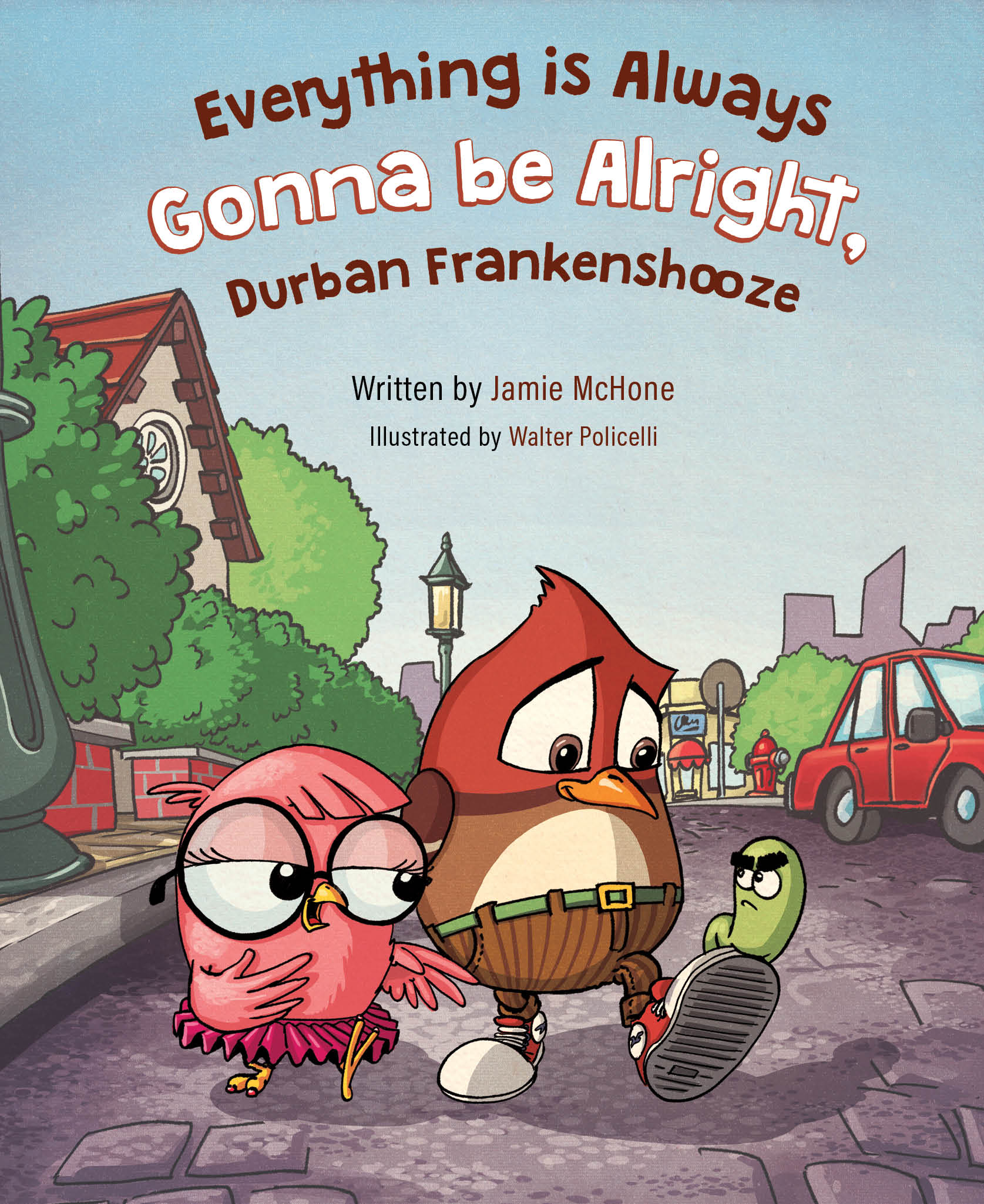
Author Guest Post: “Little Readers Produce Big Readers” by Jamie McHone, Author of Everything is Always Gonna Be Alright, Durban Frankenshooze

Share

“Little Readers Produce Big Readers”

Little readers produce big readers. We need both. My favorite thing to do as a child was to curl up with a good book. I still recall my favorites. I still remember the characters I loved. I am an avid reader today, and I believe it is because I had the opportunity and the freedom to immerse my imagination into the world of words. Little thinkers produce big thinkers. We need both. I believe what the little mind absorbs sets them up for what the big mind can absorb and that they are capable of absorbing much. I believe curiosity is the key to critical thinking, which is why I tried to leave plenty of room for inquisitions in the book. Little critical thinkers produce big critical thinkers. We need both. My intent in throwing a big word at a little reader was to make them stop and question what it means, thereby building a larger vocabulary and a desire to build upon it. And let us just face it, in today’s atmosphere, there are many pertinent issues to be faced head-on and discussed among parents and children. Some issues in the book are a bit ‘in your face,’ and others are more subdued. Again, hopefully, to persuade conversations to generate and build on. It has been my experience that children have a tremendous sense of humor and can appreciate the sometimes randomness of the book. That was my intent, anyway. Hope you enjoy!   — Jamie

About the Book: Durban is a Durban bird with giant sneakers and wings so small he can’t fly. He’s tired of being made fun of by all the other flying birds, so he sets off on a journey to find out who he really is. Along the way, he meets Maudry, a smart and sassy female bird, and Wainwright, a grumpy worm with a short temper. Together, the unusual trio goes through thick and thin to discover what it really means to be yourself.

About the Author: Jamie McHone is from southwest Virginia and currently resides in Blacksburg, Virginia with her husband and Rottweilers. This is her first children’s book.

Thank you so much for this guest post–we agree! Early childhood literacy is such a key to lifelong success!

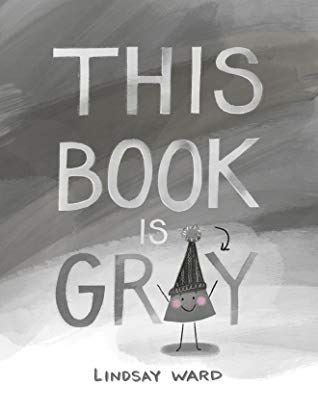
This Book is Gray by Lindsay Ward

Share

The Day the Crayons Quit
Author and Illustrator: Lindsay Ward
Published: December 1, 2019 by Two Lions

Goodreads Summary:Gray just wants to be included. But the other colors are always leaving him out. So he decides to create his own project: an all-gray book. Once upon a time, there lived a wolf, a kitten, and a hippo…

Gray just knows it’s going to be perfect. But as he adds page after page, the Primary and Secondary colors show up…and they aren’t quite so complimentary.

A book within a book, this colorful tale explores the ideas of fitting in, appreciating others, and looking at things from another perspective and also uses personality and wit to introduce basic color concepts.

Ricki’s Review: I adored this book. I love stories about the underdog, and gray is definitely an underdog color! Fans who love The Day the Crayons Quit will absolutely love this story. It is very funny and a fantastic read aloud. There are many themes for discussion within the book. Kids might consider whose stories are missing as they think about gray’s emotions. They might also think about the other colors and how they are rude to gray and what this might feel like. The characterization of all of the colors offers much for discussion, too. Teachers and parents will love to read this aloud to children.

Kellee’s Review: As a daughter of an art teacher and art museum director, art education has always been important to me. I think the lack of art classes in elementary and secondary school as well as the push away from imagination in schools is a detriment to our children, so books like this give me so much hope! This book celebrates color education, creative writing, word play, and mood. It even pulls in social emotional learning with a focus on friendship and cooperation. Lindsay Ward did such a fantastic job with all of the elements of the story, and I cannot wait to share this book far and wide. It will be a fantastic read aloud in classrooms when discussing primary/secondary colors, story telling and mood, or even just to talk about how to work together. I cannot tell you enough how much you, your teacher friends, your parent friends, and all the kids you know need this book 🙂

Teacher’s Tools for Navigation: The possibilities of this text are very exciting. Teachers might have students choose a story of a lesser known or lesser considered character and have students develop their own fiction! They can share these stories and have a discussion about the people and things we don’t often consider.

Discussion Questions: How does gray feel? How do the other crayons make him feel?; How might you apply gray’s experiences to your own life?; How does the author make the book funny? How does this add to your experience as a reader?

We Flagged: “They never let me color! Just one tiny bit of GRAY? Is that so much to ask?”

You can also look inside the book HERE.

Read This If You Loved: The Day the Crayons Quit by Drew Daywalt, Red: A Crayon’s Story by Michael Hall, Who Stole Mona Lisa? by Ruthie Knapp, The Dot and Sky Color by Peter H. Reynolds, Chalk by Bill Thomson, Art & Max by David Weisner, Not a… series by Antoinette Portis, Art by Patrick McDonnell, Perfect Square by Michael Hall, Cloudette by Tom Lichtenheld

Recommended For: 

readaloudbuttonsmall classroomlibrarybuttonsmall 

andSignature

**Thank you to Blue Slip Media for providing copies for review!!**

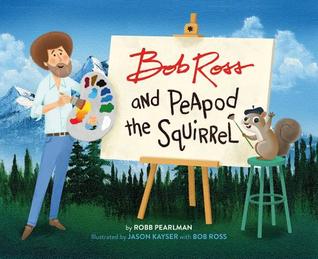
Bob Ross and Peapod the Squirrel by Robb Pearlman

Share

Bob Ross and Peapod the Squirrel
Author: Robb Pearlman
Illustrator: Bob Ross with Jason Kayser
Published October 8th, 2019 by Running Press Kids

Summary: Bob Ross paints a stunning home for his squirrel friend, Peapod, in this delightful nod to a painter icon.

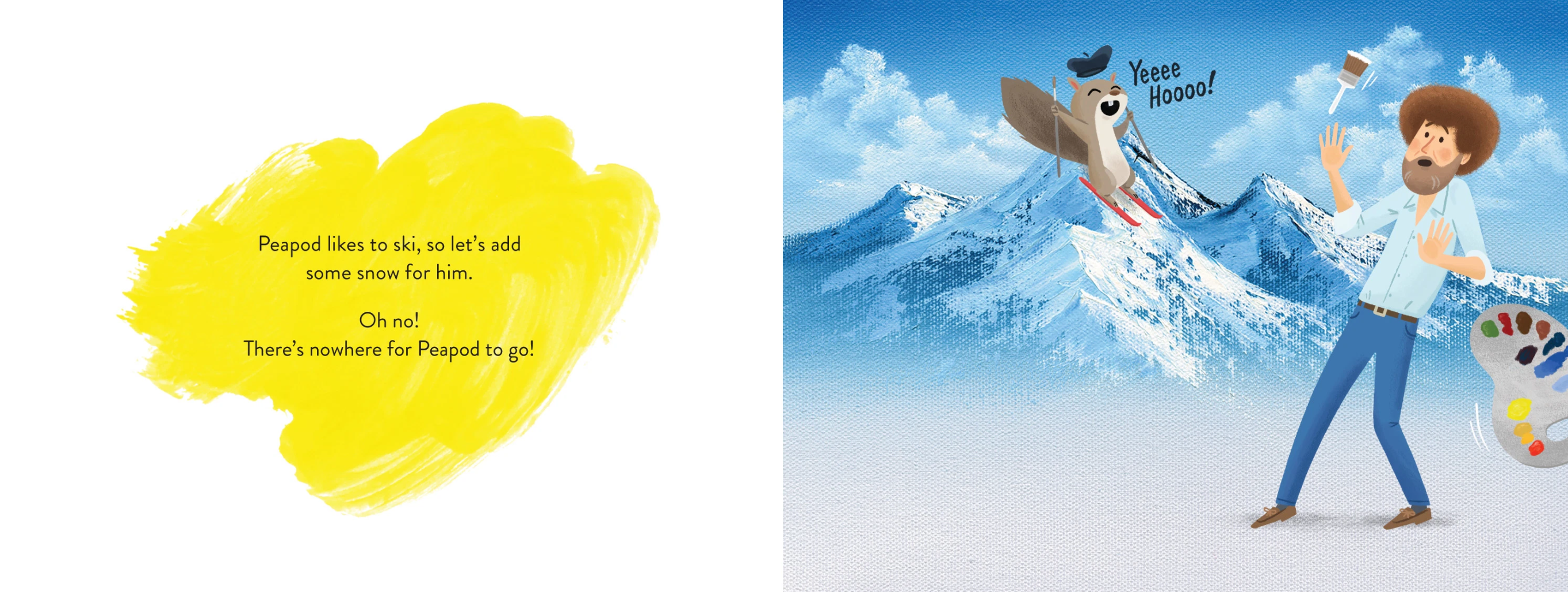
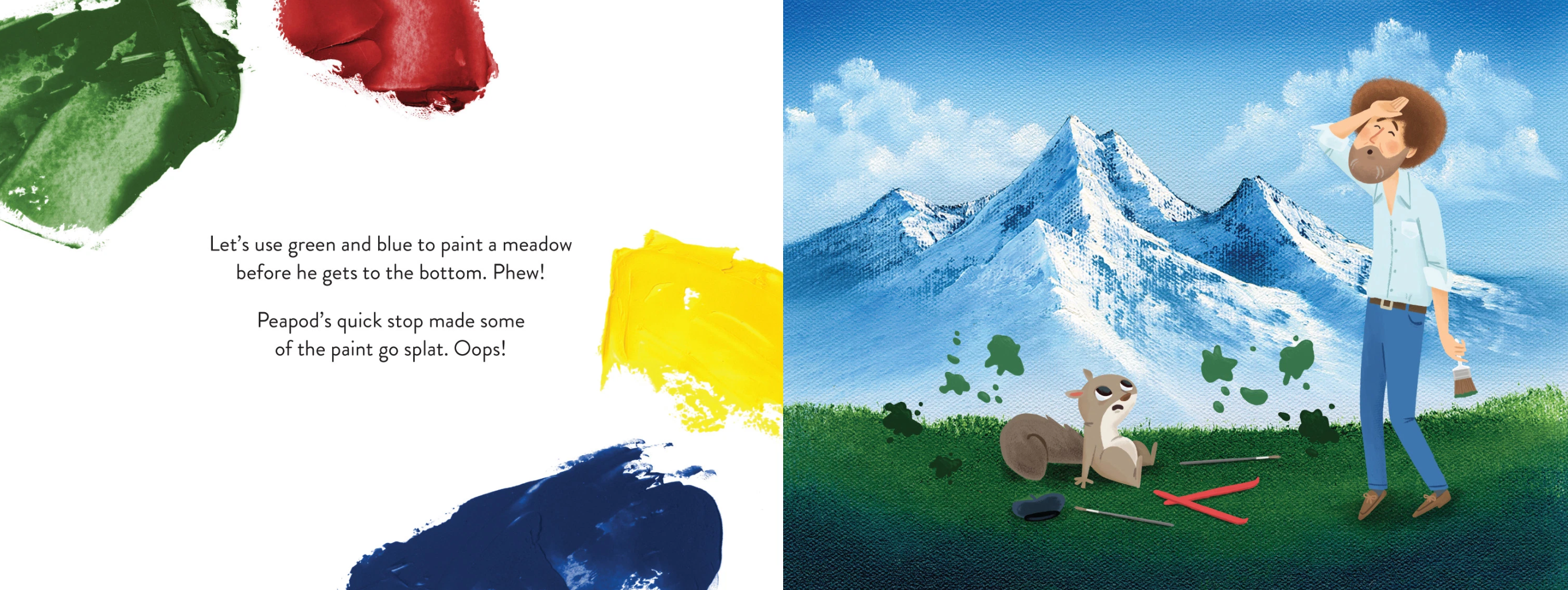
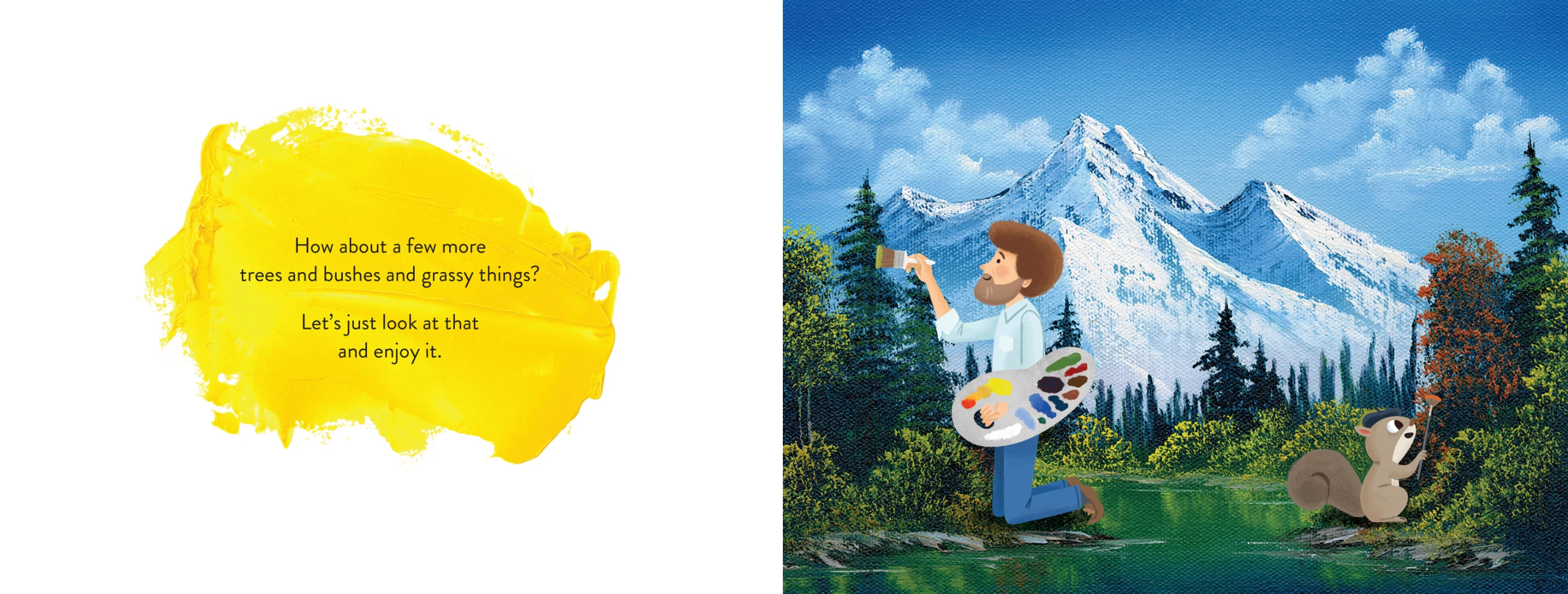
This is the sweet story of a painter (Bob Ross) who helps his squirrel friend, Peapod, find the perfect home to live in. Bob paints an actual Ross painting, “Meadow Lake,” in this charming tale about helping friends and embracing the serenity of life. Bob, along with Peapod, go through the various steps and processes to painting, including praising those “happy little accidents” that happen along the way.

About the Creators: Robb Pearlman is the author of many books, including Groundhog’s Day Off, Raggedy Ann and Andy: Leaf Dance, and Passover is Here! Today, his favorite color is blue, but it may be purple tomorrow! He grew up in New York City and now lives in a white and green house in New Jersey with his husband and Oscar, the butterscotch-colored best puppy in the world.

Bob Ross — artist, painting instructor, and television personality — has for decades charmed and inspired the world with his matchless look, signature style, and words of wisdom and encouragement.

Review: This picture book definitely captures the whimsy and gentleness of Bob Ross. Anyone who has ever watched his show knows that Bob just loves creating things and making something beautiful. He always continues even through (happy little) mistakes and other obstacles, and his work is always something that takes the viewers’ breath away. I think it was very smart of the publishers to use an actual Bob Ross painting in the text because it is like the cherry on top. That, with the addition of his fun pet Peapod, really brings Bob’s personality to the book.

Teachers’ Tools for Navigation: This text would be a wonderful book to use to compare a written work with a televised work. Students could look at what ways the book captures Bob Ross’s personality, style, speech, etc.

Additionally, the book ends with instructions on paint and supplies for readers to recreate the painting made in the book.

Discussion Questions: 

  • What Bob Ross phrases did the author include?
  • How did the inclusion of Peapod change what the story would have been without him?
  • What type of person do you think Bob Ross is based on how he instructs?
  • What do you think Bob Ross would tell you about accidents or mistakes?
  • How did Bob Ross create the image with only white, brown, green, blue, yellow, and crimson?
  • What words would you use to describe Peapod’s personality? Bob Ross’s?

Flagged Passages: 

But don’t worry–Bob Ross always embraces happy little accidents! And it turns out beautifully:

Read This If You Love: Bob Ross, Art, The Masterpiece by Jay Miletsky, Henri’s Scissors by Jeanette Winter, Paint Me a Picture by Emily Bannister

Recommended For: 

classroomlibrarybuttonsmall 

Signature

**Thank you to the publisher for providing a copy for review**

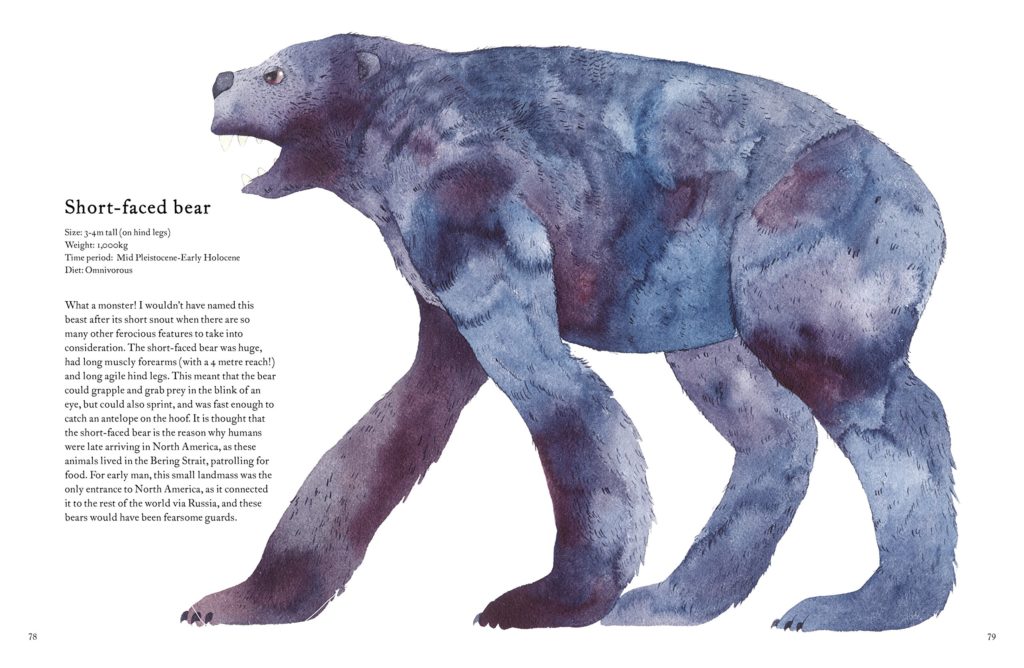
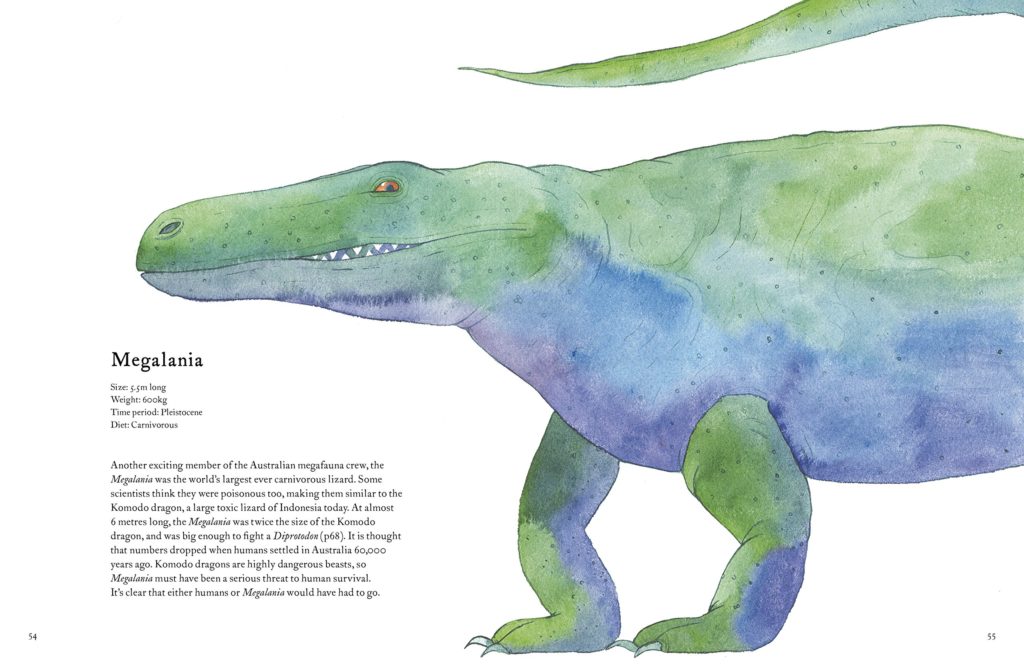
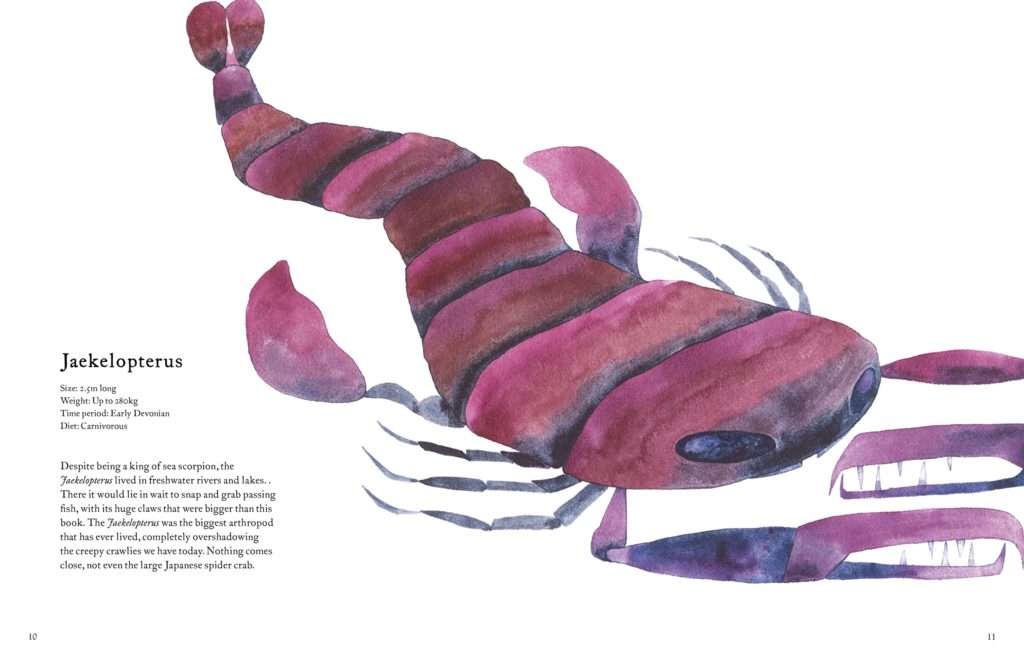
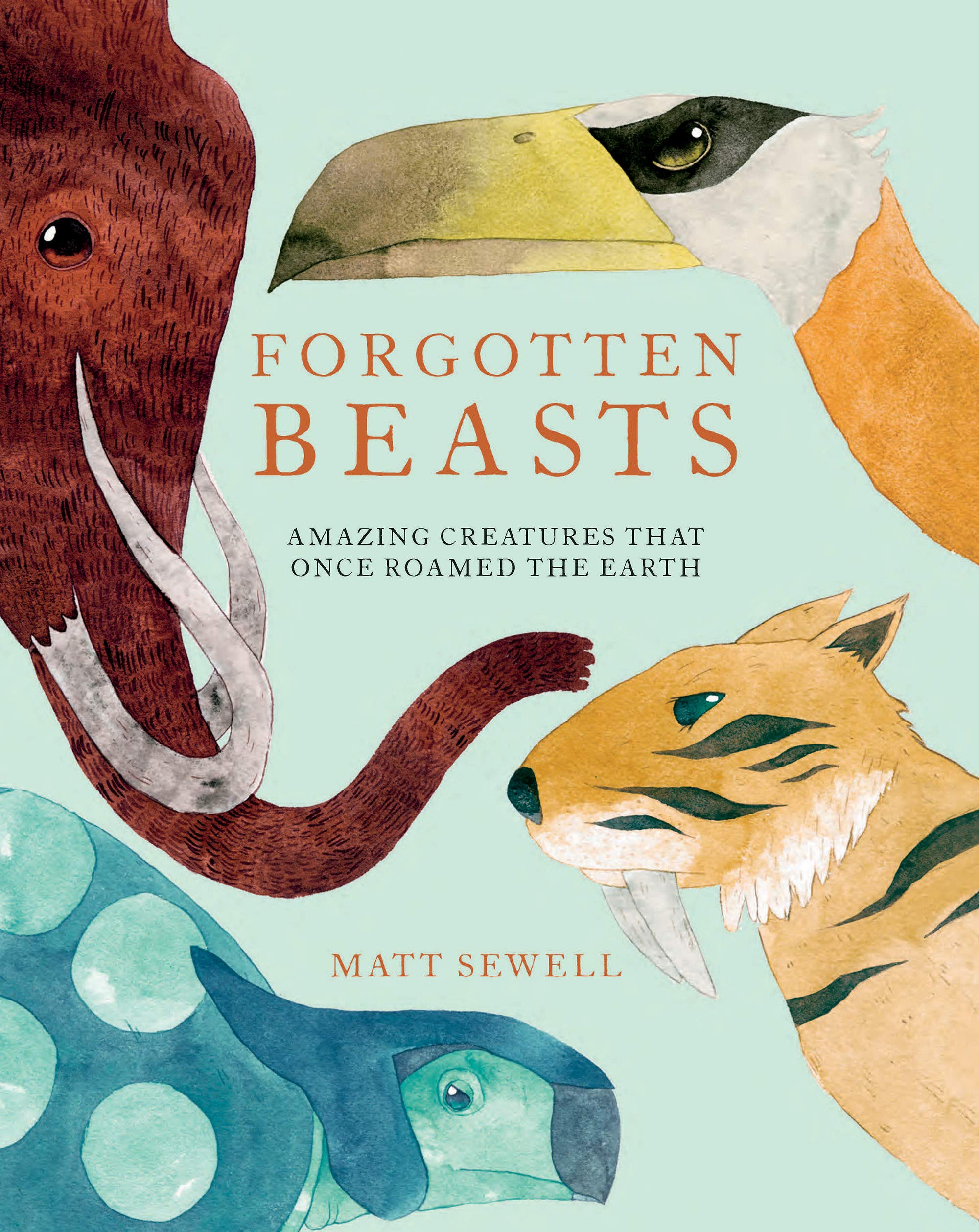
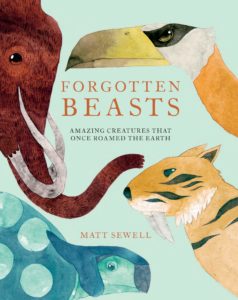
Forgotten Beasts: Amazing Creatures That Once Roamed the Earth by Matt Sewell

Share

Forgotten Beasts: Amazing Creatures That Once Roamed the Earth
Author: Matt Sewell
Published October 4th, 2019 by Pavilion Books

Summary: A witty, colorful celebration of the amazing lost creatures of this planet; with a strong message of protection and conservation.

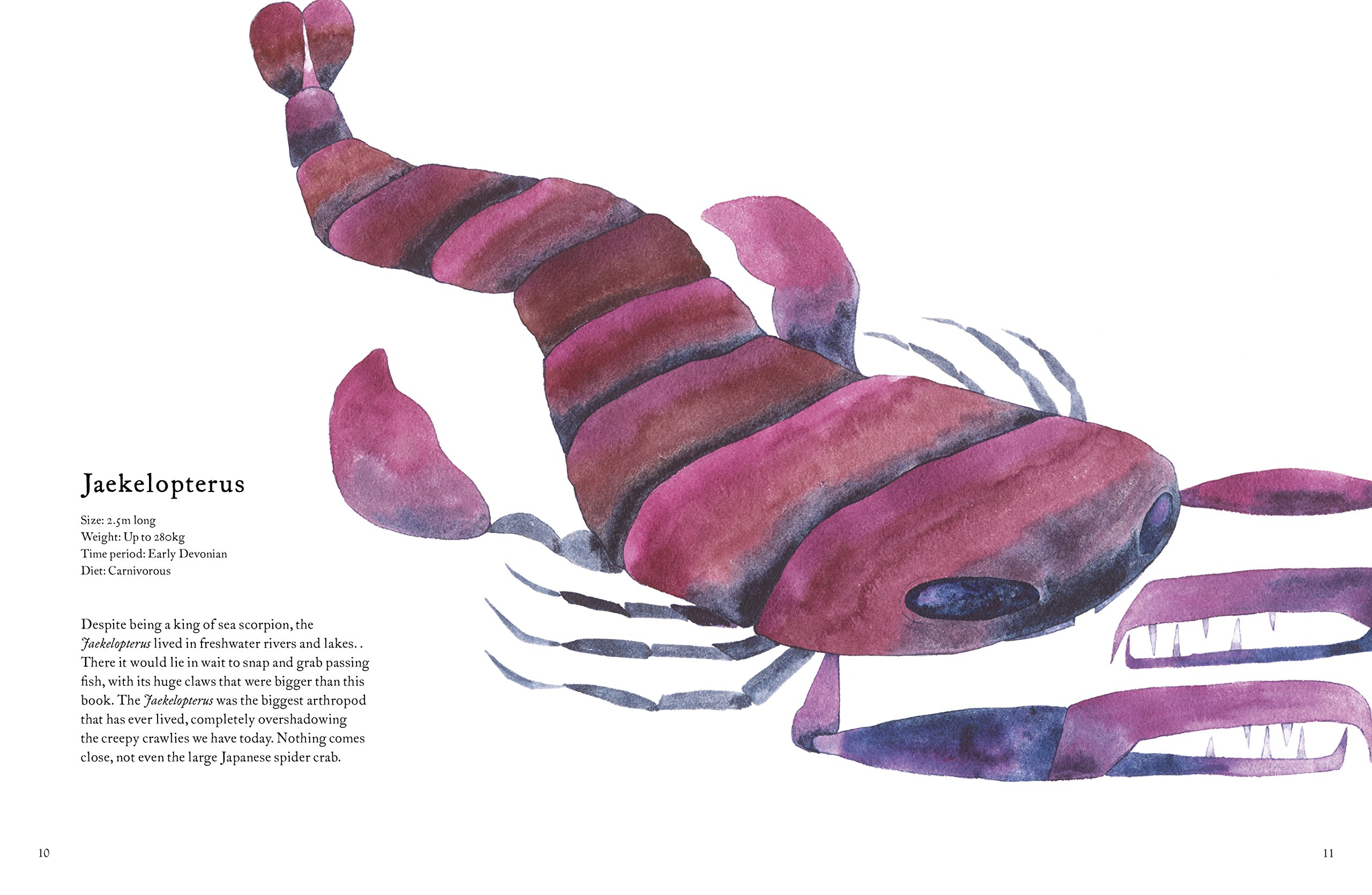
Matt Sewell’s follow-up to the mega-hit The Colorful World of Dinosaurs is a beautifully-illustrated large format look at the amazing beasts that time forgot – from the relatively well known, such as the sabre-toothed tiger and woolly mammoth, to the obscure monsters that walked the earth millions of years ago – many now forgotten. These beasts are arranged chronologically–from the strange invertebrate Opabinia that lived over 500 million years ago, to the Thylacine, or Tasmanian Tiger, that became extinct in 1936. New findings are being made every year, and research is showing us exactly how these beasts looked and how they lived.

Creatures illustrated and described include:

Sabre tooth tigers and woolly mammoths
Glyptodon – an armadillo as big as a VW Beetle car
Megalodon – a monster 60 foot (18m) shark
Water King penguin – a red and grey penguin the size of a man
Ornimegalonyx – a huge Cuban flightless owl, the largest owl that ever existed, at over 3 feet (1m) tall
Deinotherium – a strange-looking and huge, elephant-like creature with tusks positioned on its lower jaw and curved, facing downwards
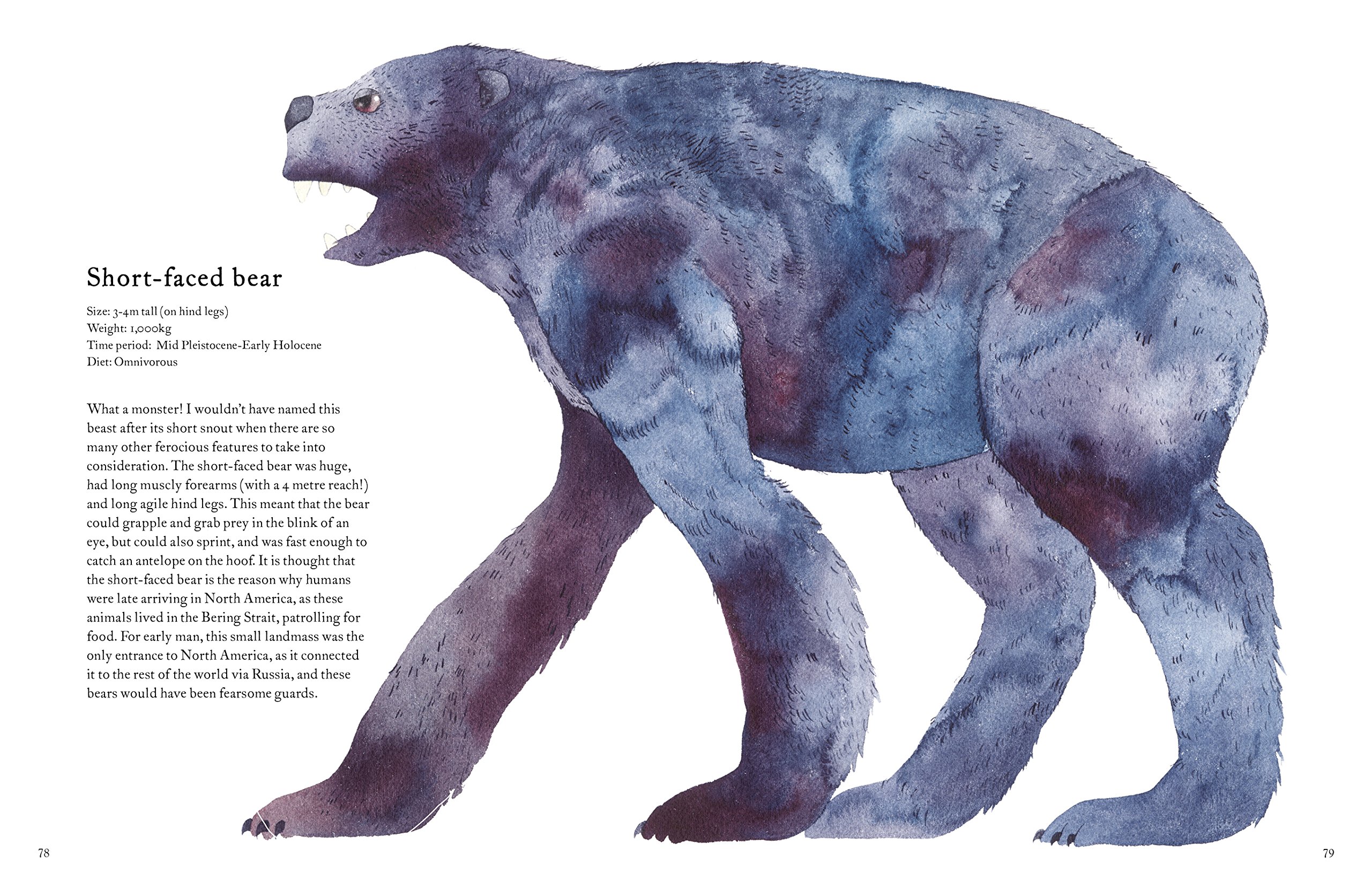
Short-nosed bear – a massive fearsome bear that kept North America human free
Megatherium – the giant sloth, as large as a modern elephant

Less celebrated than the dinosaurs, the range of beasts is equally impressive, every one a scary, amazing creature that actually stalked the planet. Like the dinosaurs, these beasts are awe-inspiring in their variety, with amazing details not seen on animals today and in a wide variety of furs, feathers and colors, making for a stunning collection of illustrations.

About the Creator: Matt Sewell, who has been described as “the Banksy of the bird world,” is an avid ornithologist and artist. He is the author of OwlsOur Garden BirdsOur Woodland BirdsOur Songbirds, and Penguins and Other Seabirds and has illustrated for the Guardian and Big Issue among many other publications. His art has been exhibited in London, Manchester, New York, Tokyo, and Paris.

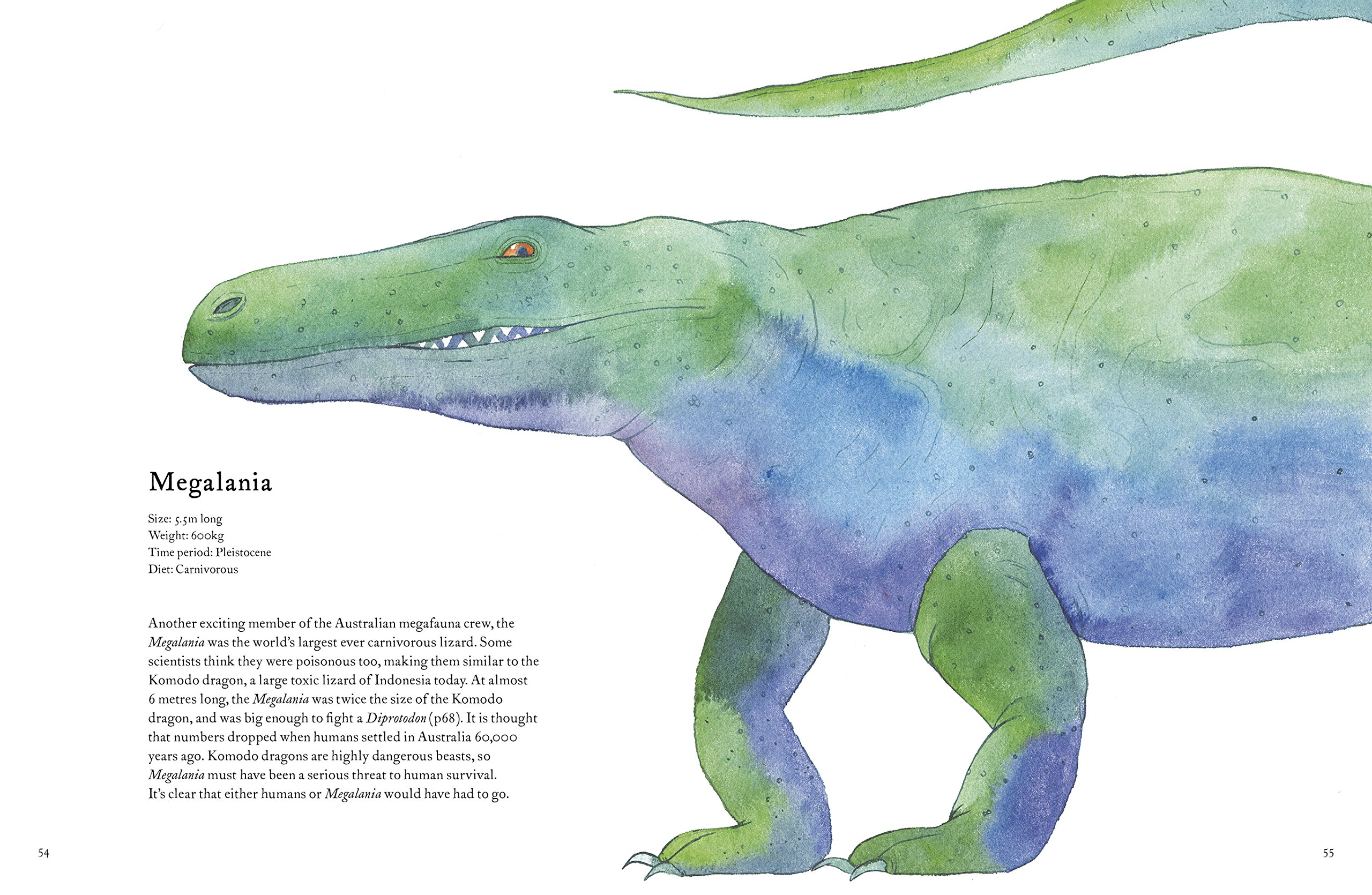
Review: What a fascinating introduction to species of animals that used to walk on our Earth. As a reader, mom, and teacher I immediately enjoyed this book. Each spread includes a synthesized blurb about the animal and a large, colorful illustration that definitely catches the eye. While the book is science-driven, it is written in a way that many different levels of scientific understanding would find it interesting. I also really liked the choice of animals that were included because it wasn’t only animals that people know about already.

Teachers’ Tools for Navigation: I want to know more, and Trent wanted to know more, so I think when kids read this, they would want to know more also. So let’s jump off on this curiosity and dive into inquiry!

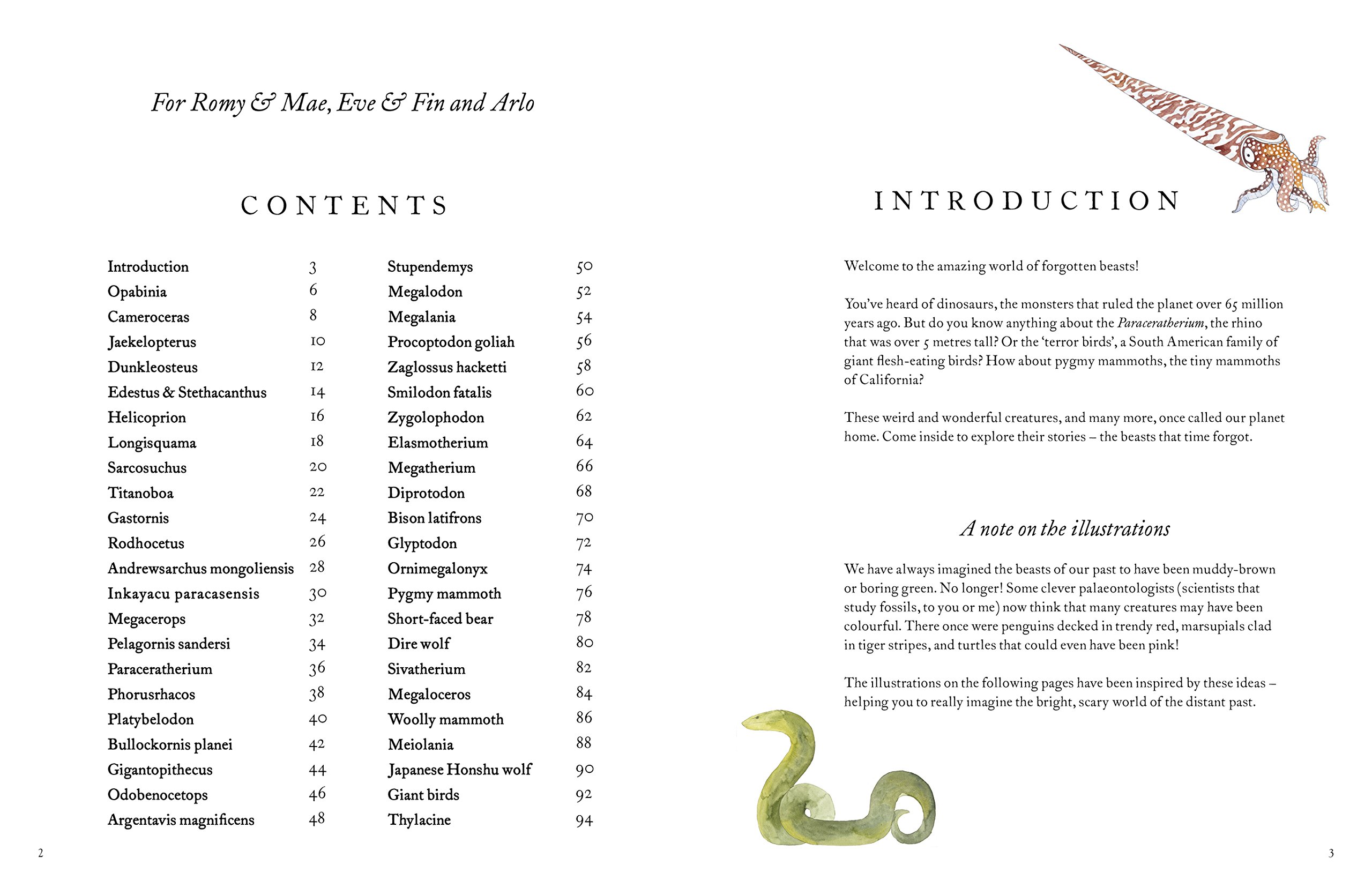
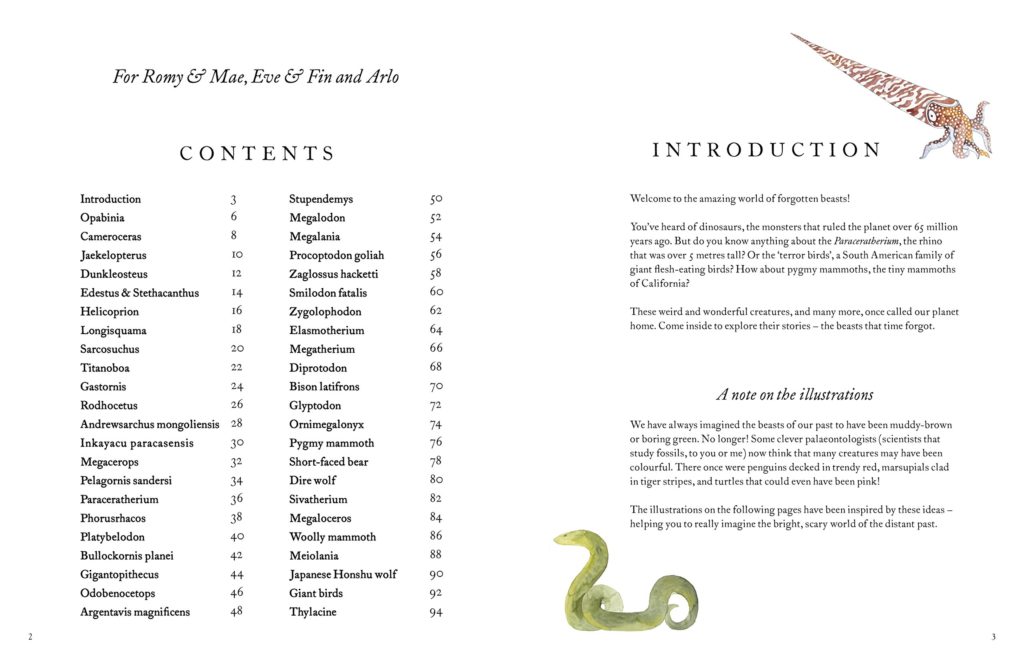
First, the book starts with a timeline and each animal says what time period they are from, but it does not show the timeline. I would love to take the timeline and place each animal on it.

Also, with the foundational knowledge shared in the book, students can jump into a full on inquiry project about animals of their choice looking at when they lived, what they’re related to in modern time, how they became extinct, etc. Then students can make a presentation for a gallery walk.

Discussion Questions: 

  • When did _______ live?
  • How many years ago was that?
  • What is _______ related to [modern animals]?
  • Why did ______ go extinct?
  • What other animals lived during the same time?

Flagged Passages: 
Read This If You Love: History, Dinosaurs, Animals

Recommended For: 

classroomlibrarybuttonsmall 

Stop by Kid Lit Frenzy for more Nonfiction Picture Book love!
Signature

**Thank you to Media Master Publicity for providing a copy for review!**

Monument Maker: Daniel Chester French and the Lincoln Memorial by Linda Booth Sweeney

Share

Monument Maker: Daniel Chester French and the Lincoln Memorial
Author: Linda Booth Sweeney
Illustrator: Shawn Fields
Published September 3rd, 2019 by Tilbury House Publishers

Summary: This is the story of how a farmboy became America’s foremost sculptor. After failing at academics, Dan was working the family farm when he idly carved a turnip into a frog and discovered what he was meant to do. Sweeney’s swift prose and Fields’s evocative illustrations capture the single-minded determination with which Dan taught himself to sculpt and launched his career with the famous Minuteman Statue in his hometown of Concord, Massachusetts.

This is also the story of the Lincoln Memorial, French’s culminating masterpiece. Thanks to this lovingly created tribute to the towering leader of Dan’s youth, Abraham Lincoln lives on as the man of marble, his craggy face and careworn gaze reminding millions of seekers what America can be. Dan’s statue is no lifeless figure, but a powerful, vital touchstone of a nation’s ideals. Now Dan French has his tribute too, in this exquisite biography that brings history to life for young readers.

Praise: 

“The environment that nurtured Daniel Chester French is given loving treatment by Sweeney and Fields. . .  As Sweeney traces French’s way in the world, French goes on to create numerous statues of Civil War heroes, including the epic sculpture of Abraham Lincoln enshrined in his memorial. A timeline and author’s note fill in various gaps in the text, and Fields’ drawings are both powerful and graceful, just as French would have wanted, depicting a largely white cast but including some figures of color, including one of the two modern children who observe the story. . . Both bracing and winning, a fine tribute to the sculptor and his world. (Picture book biography. 8-12) ” – Kirkus Reviews

*Junior Library Guild Gold Standard

Note from the Creators:

When Abraham Lincoln was shot in 1865, fifteen-year-old Dan French had no way to know that one day his tribute to the great president would transform a Washington, DC marsh into a national gathering place. He only knew that he liked making things with his hands.

As a boy, Dan plowed the straightest lines on his family’s farm, but as a teen, he failed (quite spectacularly) out of MIT.  And yet, almost 50 years after Lincoln’s assassination, Daniel Chester French drew on his memories of Lincoln and his artistic talent to create a lovingly sculpted touchstone for a nation’s ideals, reminding millions of seekers what America strives for and still can be.

This is the story of how one young boy became very, very good at what he loves, and for that talent to inspire people across a country and around the world.

We hope this book both delights and unites!

About the Author: Linda Booth Sweeney is an accomplished writer and an educator specializing in the exploration of living systems. www.lindaboothsweeney.com

About the Illustrator: Shawn Fields studied art at the School of Visual Arts, the Arts Student’s League, and the New York Academy of Art. His work has been exhibited at ArtBasel Miami, Forbes Gallery NYC, Arcadia NYC, and is collected worldwide.

Review: If you have ever been to the Lincoln Memorial, you know that a very talented artist sculpted the statue you find within. Monument Maker tells us how a young farm boy takes something he is good at and makes it not only his job but his passion. And I think that is what I loved the most–it showed that there is so much more to life than what others want you to be good at and what society expects you to do well at. We all have talents and passions, look at what Daniel Chester French did with his!

Sweeney and Fields did a fantastic job telling his story while also tying in the theme mentioned above, celebrating history, and setting goals for the future. Overall, a truly deep and well done middle grade picture book!

Teachers’ Tools for Navigation: With ties to art and history as well as social-emotional learning, Monument Maker can find its home in may different classrooms.

Discussion Questions: 

  • What did Dan’s family do to help support him in his endeavors?
  • What are the different steps in creating a large monument like the Lincoln Memorial?
  • How did Daniel Chester French become one of the best in his field?
  • What is something you love that you want to do when you grow up? How can you become an expert?
  • Why was it important for Daniel to learn how to draw even though he wanted to be a sculptor?
  • What does Daniel Chester French failing out of some classes yet becoming a master sculpture tell you?
  • How does the author tie together Lincoln, French’s sculpture, other history, and the future?

Flagged Passages: 

“History shapes our lives. And what we do with our lives can shape history. That’s how it was with Daniel Chester French.”

“Soon afterward, Dan’s father returned from Boston carrying a cardboard box. In it was ten pounds of cold, wet clay for a family sculpting night.

One by one the family gave up, but not Dan. He kept at it until the shape of a dog’s head appeared in his hands. From then on, Dan worked on the farm during the day and sculpted birds and animals at night.”

Read This If You Love: Art, Abraham Lincoln, Architecture, Sculpture

Recommended For: 

classroomlibrarybuttonsmall 

Don’t miss out on other nonfiction picture books! Check out Kid Lit Frenzy’s Nonfiction Picture Book Challenge: 

Signature