The ABCs of Black History by Rio Cortez, Illustrated by Lauren Semmer

Share

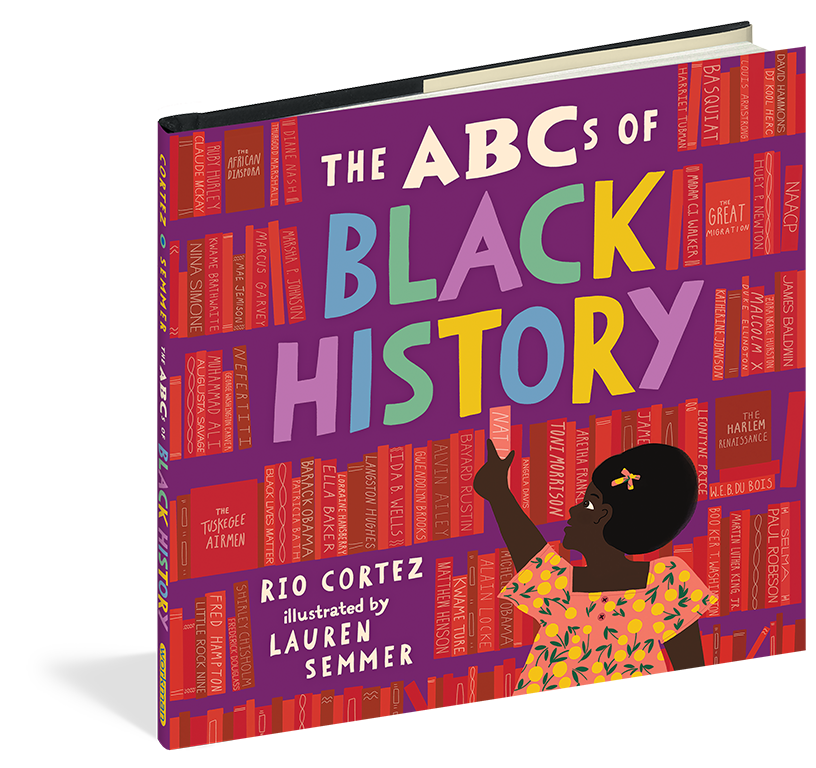
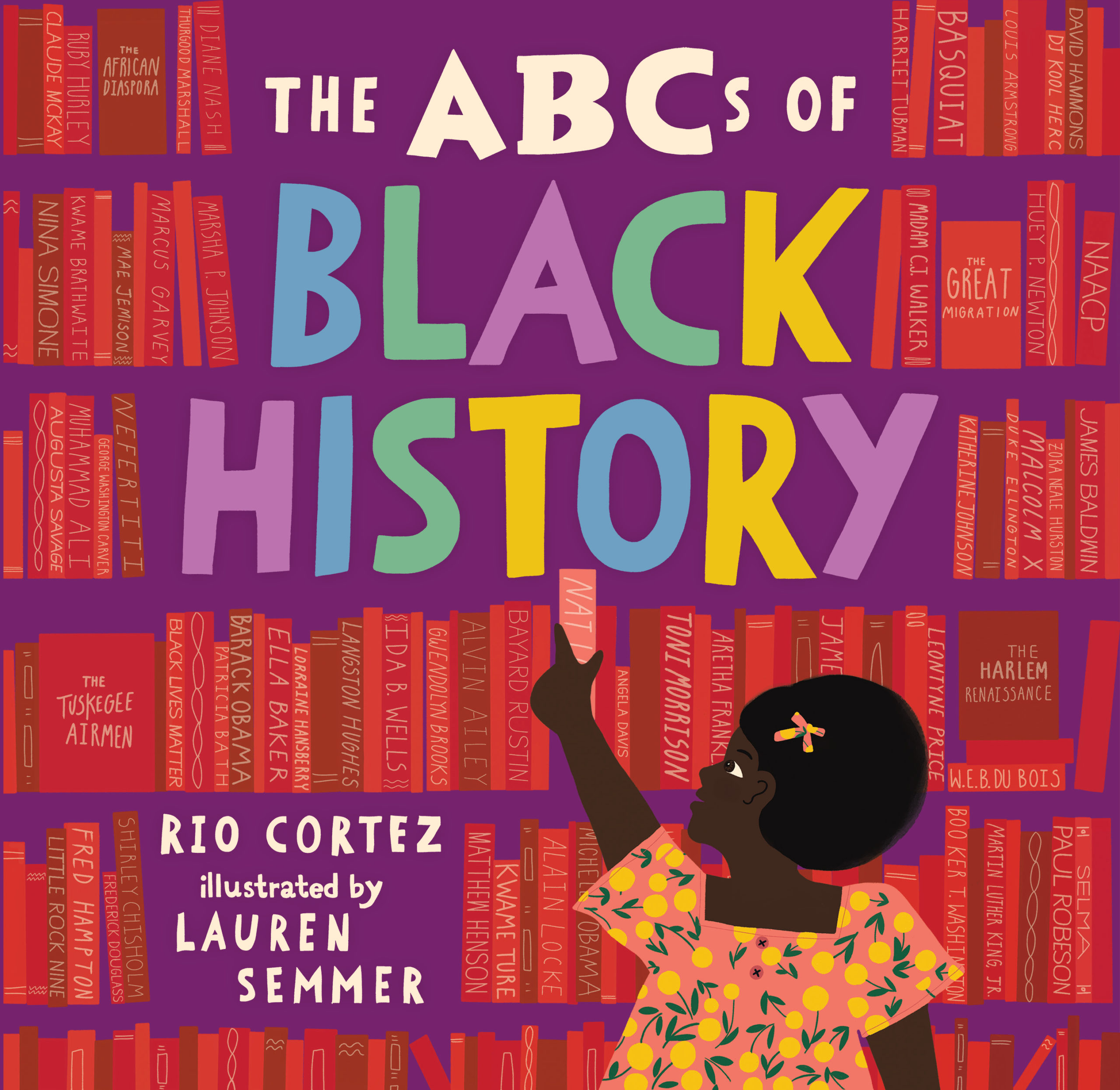
The ABCs of Black History
Author: Rio Cortez
Illustrator: Lauren Semmer
Published: December 8, 2020 by Workman Publishing Company

Summary: While many alphabet books have tackled a range of social justice topics from consent to feminism, there remains an urgent need to explore through a thoughtful lens how Black history has shaped American culture. The ABCs of Black History is a beautiful representation of the ideas and personalities that embody a wide range of Black people, experiences, and ideas in lively verse matched with vivid imagery.

Written by Pushcart-nominated-poet, Rio Cortez and illustrated by newcomer Lauren Semmer, The ABCs of Black History uses the alphabet as a frame to introduce Black history. Beginning with Anthem—an introduction to James Weldon Johnson’s Lift Ev’ry Voice and Sing—and ending with Zenith, a tribute to the mountaintop Dr. King spoke about before his death, readers will travel across continents and centuries, navigate triumph and heartbreak, and celebrate creativity and joy.

The poetic text introduces big ideas to engage curious minds. Every letter has a rhyming verse, and every spread is a visual feast. F explores the concepts of farming and food. G is for Go! and the Great Migration from the rural South to the urban North. Then the reader lands in Harlem, New York, where they meet Zora Neale Hurston and Langston Hughes. Contemporary moments are included too. M is for march and message, which explores the culmination of movements that have changed the course of history, from the Selma to Montgomery March in 1965 to the Black Lives Matter movement today. And Q is for queens, acquainting readers with powerful women like Leontyne Price, Queen Nandi, Toni Morrison, Michelle Obama, and many more.

The book also includes robust back matter that offers more information on the events, places, and people mentioned in the poem, from Fannie Lou Hamer to DJ Kool Herc, the Little Rock Nine to Sam Cooke.

A necessary addition to every child’s bookshelf, The ABCs of Black History is an exuberant celebration of history, culture, race, and justice.

Ricki’s Review: Oh my. This is a powerful book. Every single page is beautifully constructed. I simply cannot imagine how long it took to create this book. It is 64 pages of masterful writing and eye-catching illustrations. To call this an alphabet book would be to undermine everything that it is. Each spread features a different letter with numerous words connected to Black history and written in poetic form. Nine pages of back matter offer further information of all of the people, places, and terms used throughout the book. Thus, a child will hear the lilt of a poetic description in a read aloud, and the back matter offers more learning. I describe a child here, but as an adult, I was absolutely captivated by this text. This book is one to read and love and it is one to gift. Also, in case you missed it, look at the cover! I loved this book and give it my highest recommendation.

Teachers’ Tools for Navigation: Teachers might ask each child to select a letter in the book. They can learn more about the people, places, and terms used and share with peers more information about Black history. Then, they might create their own alphabet books about a topic they are interested in researching.

Discussion Questions: 

  • Which letter spread did you like the most? What did you learn?
  • How does the author incorporate information in a poetic and engaging way?
  • How do the illustrations elevate your understanding of the text?

Flagged Passage: 

E is for explore—to study a place: like Matthew Henson, the Artctic; Mae Jemison, space.

E is for education, for expanding the mind, like Ruby Bridges, Linda Brown, the Little Rock Nine—The first Black children in all-white schools, they opened the doors and challenged the rules.

Flagged Spread:
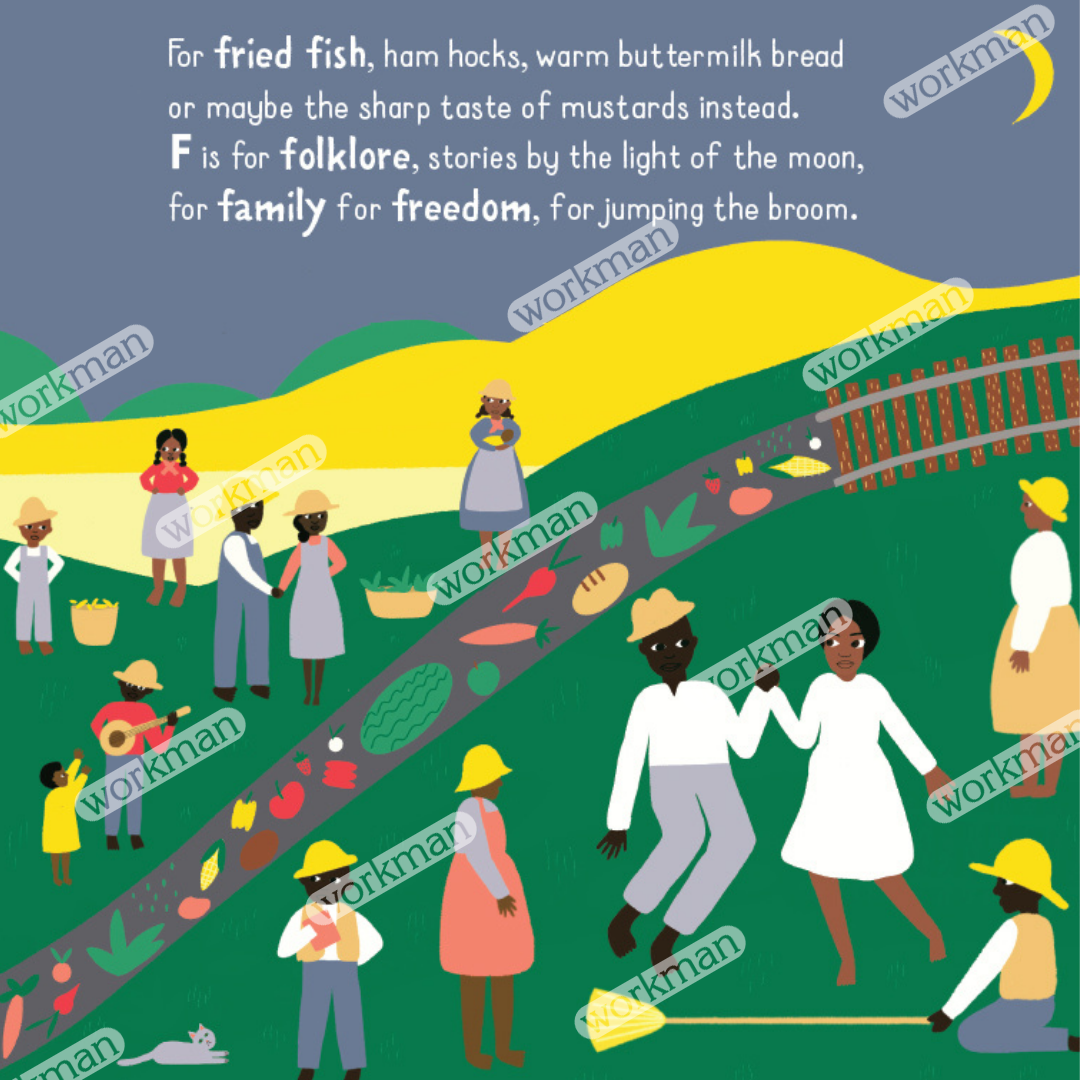
Excerpted from THE ABCs of BLACK HISTORY by Rio Cortez (Workman Publishing). Copyright © 2020. Illustrations by Lauren Semmer

Read This If You Love: Nonfiction picture books, Black history books, alphabet books, Hidden Figures by Margot Lee Shetterly, Frederick Douglass: The Lion Who Wrote History by Walter Dean Myers, Duke Ellington: The Piano Prince and His Orchestra by Andrea Davis Pinkney, We March by Shane W. Evans, Harlem’s Little Blackbird: The Story of Florence Mills by Renee Watson, Freedom in Congo Square by Carole Boston Weatherford

Recommended For: 
  classroomlibrarybuttonsmall

Nonfiction History Books for Kids: The Extraordinary Lives Series by Kane Miller Books

Share

I am thrilled to introduce a new series that I am hosting, which explores nonfiction history books for kids. This is all we read in our house, and I’ve learned so much, so I am jazzed to dive deeply into some of the texts on the blog.

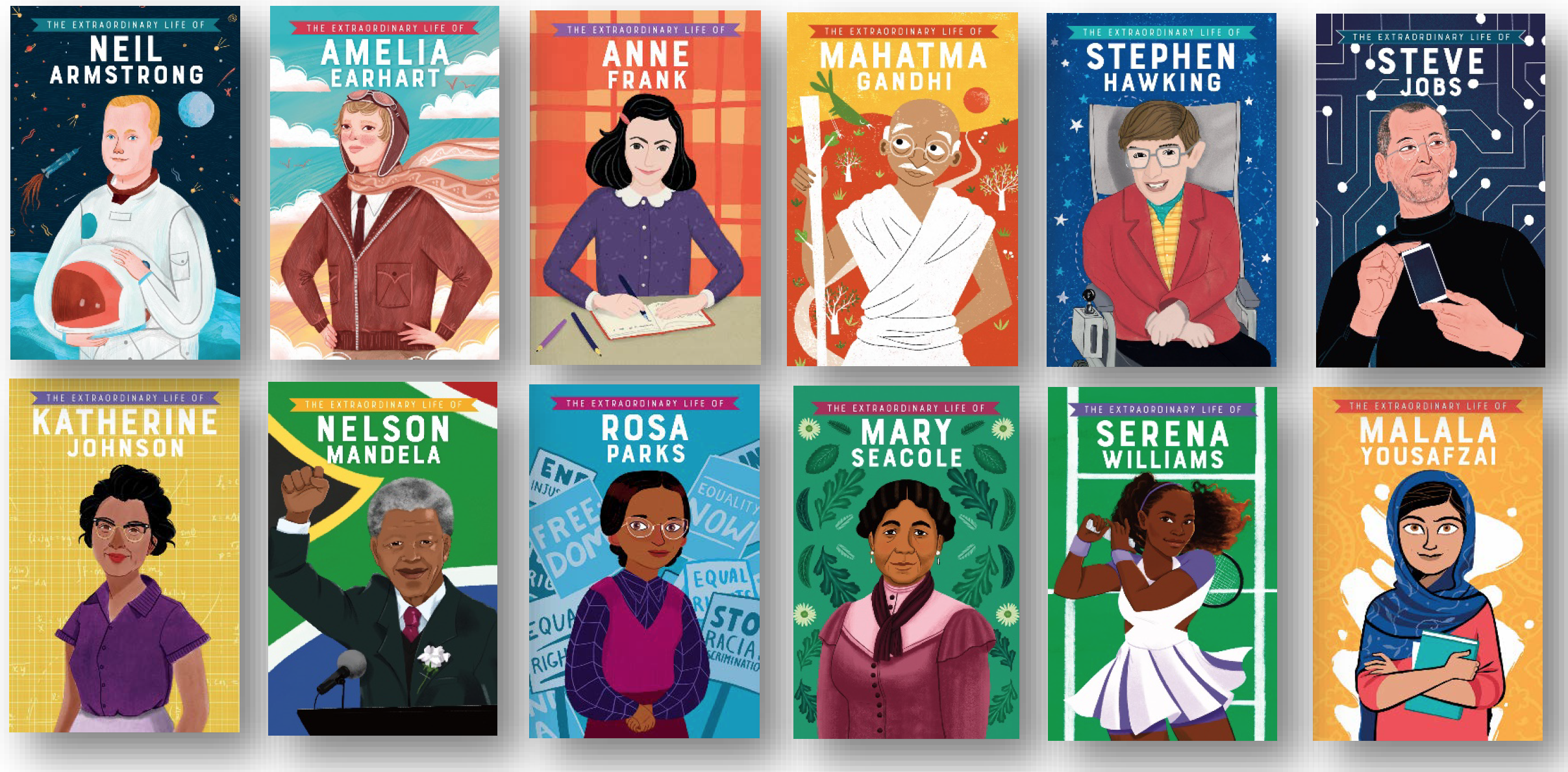
I want to start off by sharing a phenomenal series by Kane Miller: The Extraordinary Life of… series. You’ll want to get your hands on these.

Summary: A bold new series for young readers focusing on the lives of inspirational historical and modern figures.

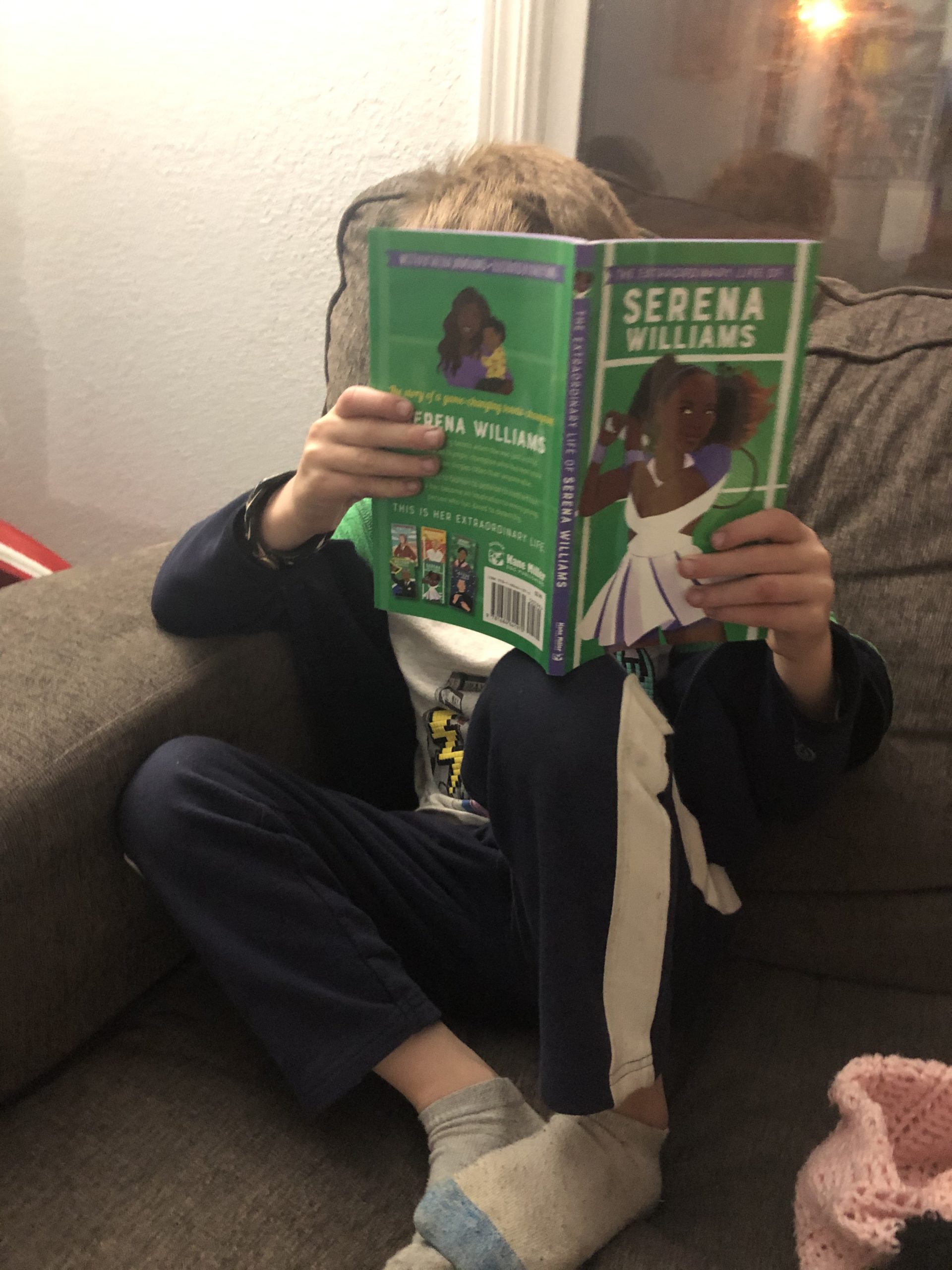
Review: We have fallen in love with the Extraordinary Lives series. My first grader can’t get enough nonfiction. He could spend a full 12-hour day looking through the nonfiction section of the library. He devoured information about the election, reads history books that are above his age range, and just asks for more, more, more. When I learned about the Extraordinary Lives series, I knew it would be a good fit. What I didn’t realize was that my preschooler and I would get just as much joy from the series as my first grader.

Here’s one picture I caught of my son reading them:

Here’s a closer look at the books:

PDF Loading...

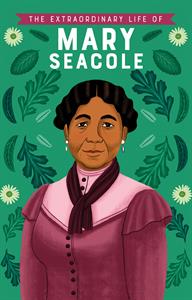
Teachers’ Tools for Navigation: These books would be wonderful for use in book groups. I would be thrilled if my kids were in a classroom in which the teacher allowed them to choose the text of a person they were interested in studying. For instance, I LOVED learning about Mary Seacole. That particular book really captured me (although they were all fascinating to read). My sons each had their own favorites, and I imagine this would be the case in a classroom. Students might then present to their peers to teach about the person they chose. Choice is so important in the classroom, and this series offers such wonderful opportunities for learning.

Discussion Questions: 

  • Which book did you choose and why?
  • What did you learn?
  • How did the author create engaging content to help you learn more about the person?

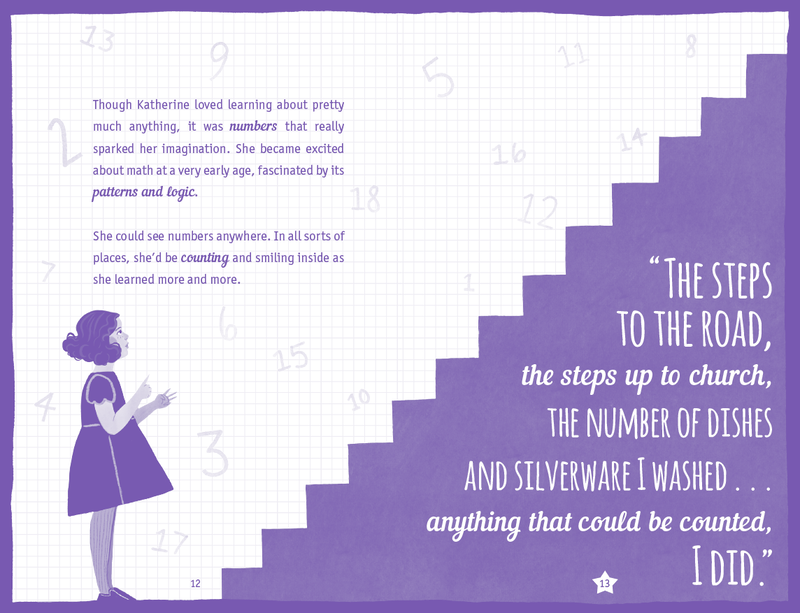
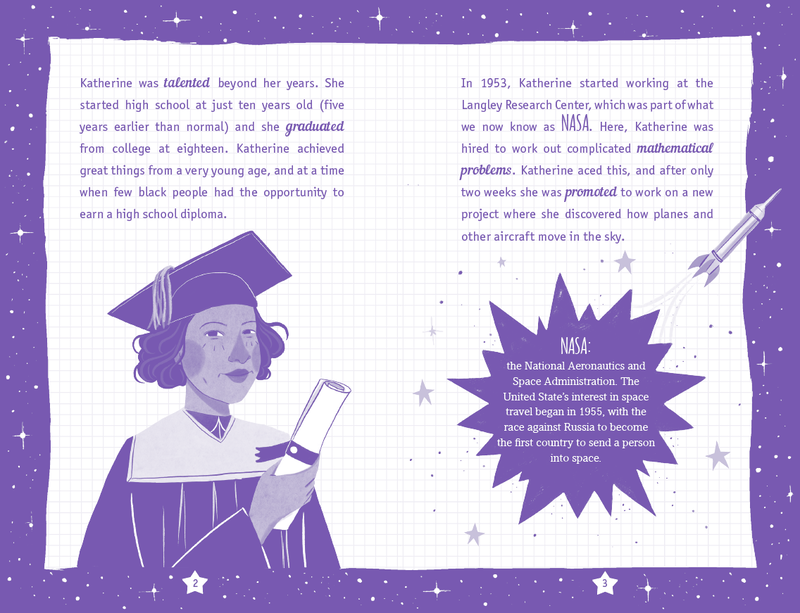
Flagged Passage from the Katherine Johnson Text: 

Read This If You Love: Nonfiction books, history books, biographies, Hidden Figures by Margot Lee Shetterly, Schomburg: The Man Who Built the Library by Carole Boston Weatherford, Radiant Child: The Story of Young Artist Jean-Michel Basquiat by Javaka Steptoe, Duke Ellington: The Piano Prince and His Orchestra by Andrea Davis Pinkney, We March by Shane W. Evans, Harlem’s Little Blackbird: The Story of Florence Mills by Renee Watson, Freedom in Congo Square by Carole Boston Weatherford

Recommended For: 
  classroomlibrarybuttonsmall

Sofia’s Kids’ Corner: The Crayon Man: The True Story of the Invention of Crayola Crayons by Natascha Biebow, Illustrated by Steven Salerno

Share

Sofia is an 9-year-old brilliant reader who aspires to be a book reviewer. On select Saturdays, Sofia shares her favorite books with kids! She is one of the most well-read elementary schoolers that we know, so she is highly qualified for this role!


Dear readers,

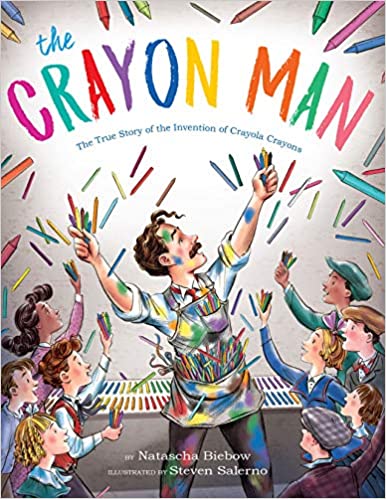
I have just come across this amazing book in the library and it is called The Crayon Man: the True Story of the Invention of Crayola Crayons by Natascha Biebow! I read it the first time to my four-year-old sister, and we love it! I bet you would love it too. This book is recommended for ages 6-9 on Amazon but I think it is great for any age.

Edwin was an inventor in the late 1800’s. He loved colors and was the actual inventor of the Crayola crayon! This book talks about how he worked on his invention to make it perfect. His wife encouraged him and actually came up with the name! He had made gray, white and really black crayons but his wife and family kept telling him what he could do to make them better and one major idea was to make them in different colors. At the end the book even shows how Crayola Crayons are made today and lists different steps with photographs!

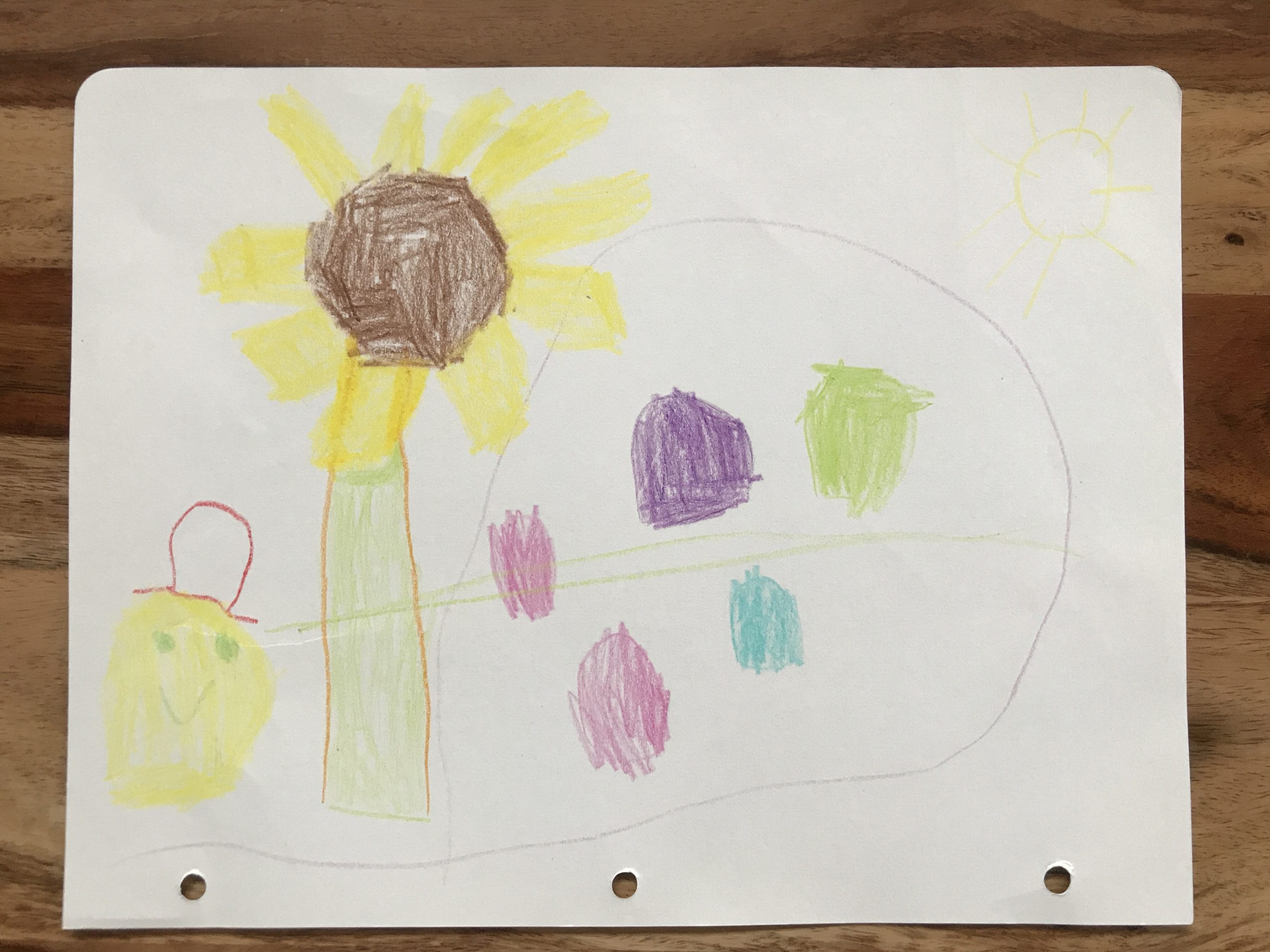
I love this book because of its beautiful illustrations. They bring amazing colors into the picture and really make me feel like I am there. Another reason I love this book is because it makes great read-alouds!!! When I read this to my preschool sister who is four she said “This book is amazing!” Another great thing about this book is that it is good for questions. For example, you can ask your students or children to name the colors in the Crayola crayon package or you can just enjoy reading it through and ask a question like “Who was your favorite character and why?” or something like “How do you think Edwin felt when he ran home to his wife with his new invention?”. One last reason why I love this book is you can make tons of crafts out of it! For example, I told my sister to draw a few things out of the book using crayons. Here is the final product!

**Thanks so much to Sofia for this awesome post! Victoria, your drawing ROCKS! We loved having you this week, too!**


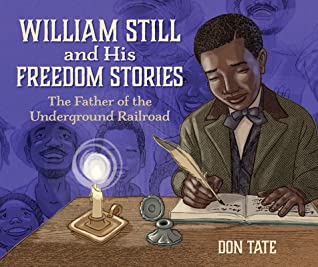
William Still and His Freedom Stories: The Father of the Underground Railroad by Don Tate

Share

William Still and His Freedom Stories: The Father of the Underground Railroad
Author & Illustrator: Don Tate
Publication Date: November 1, 2020 by Peachtree Publishing Company

Summary: You might be familiar with Harriet Tubman and other key leaders of the Underground Railroad, but do you know about the Father of the Underground Railroad?

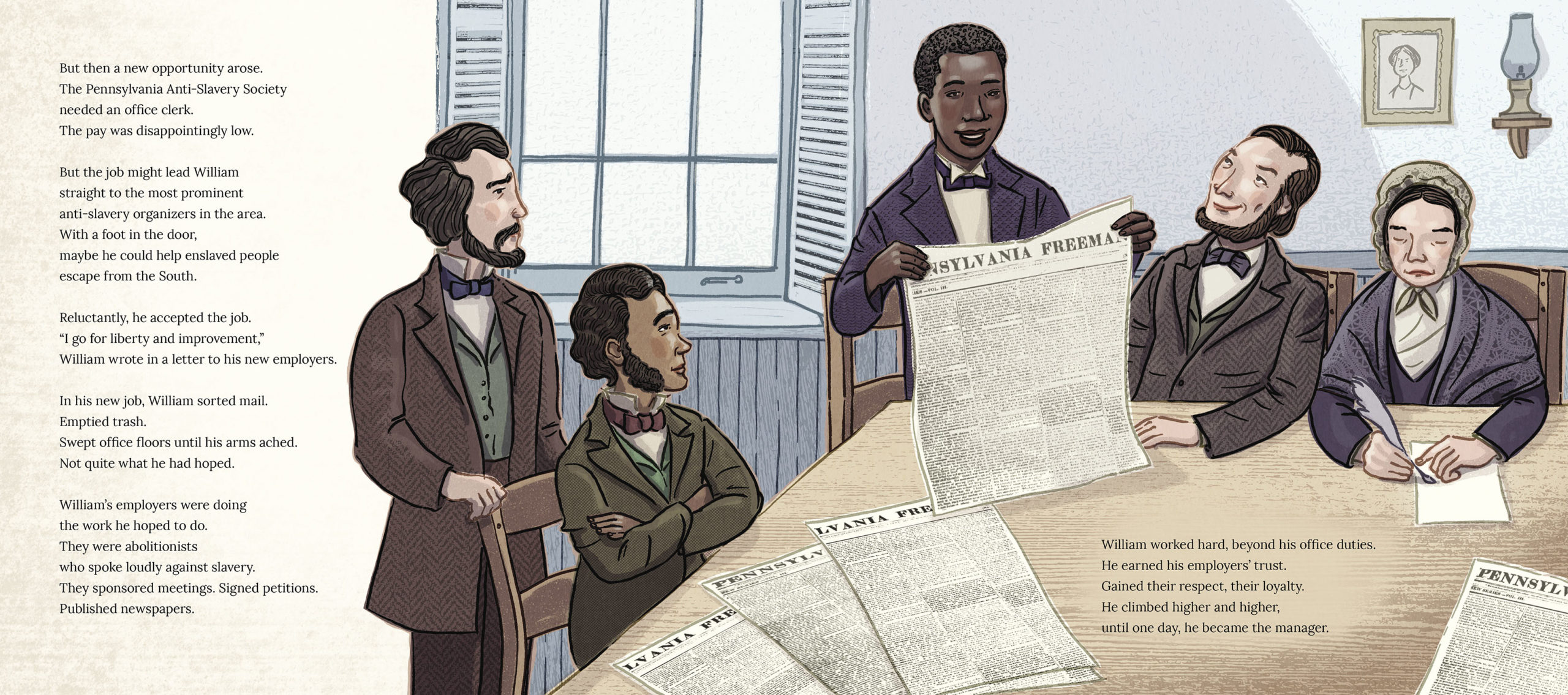
William Still’s parents escaped slavery but had to leave two of their children behind, a tragedy that haunted the family. As a young man, William went to work for the Pennsylvania Anti-Slavery Society, where he raised money, planned rescues, and helped freedom seekers who had traveled north. And then one day, a strangely familiar man came into William’s office, searching for information about his long-lost family. Could it be?

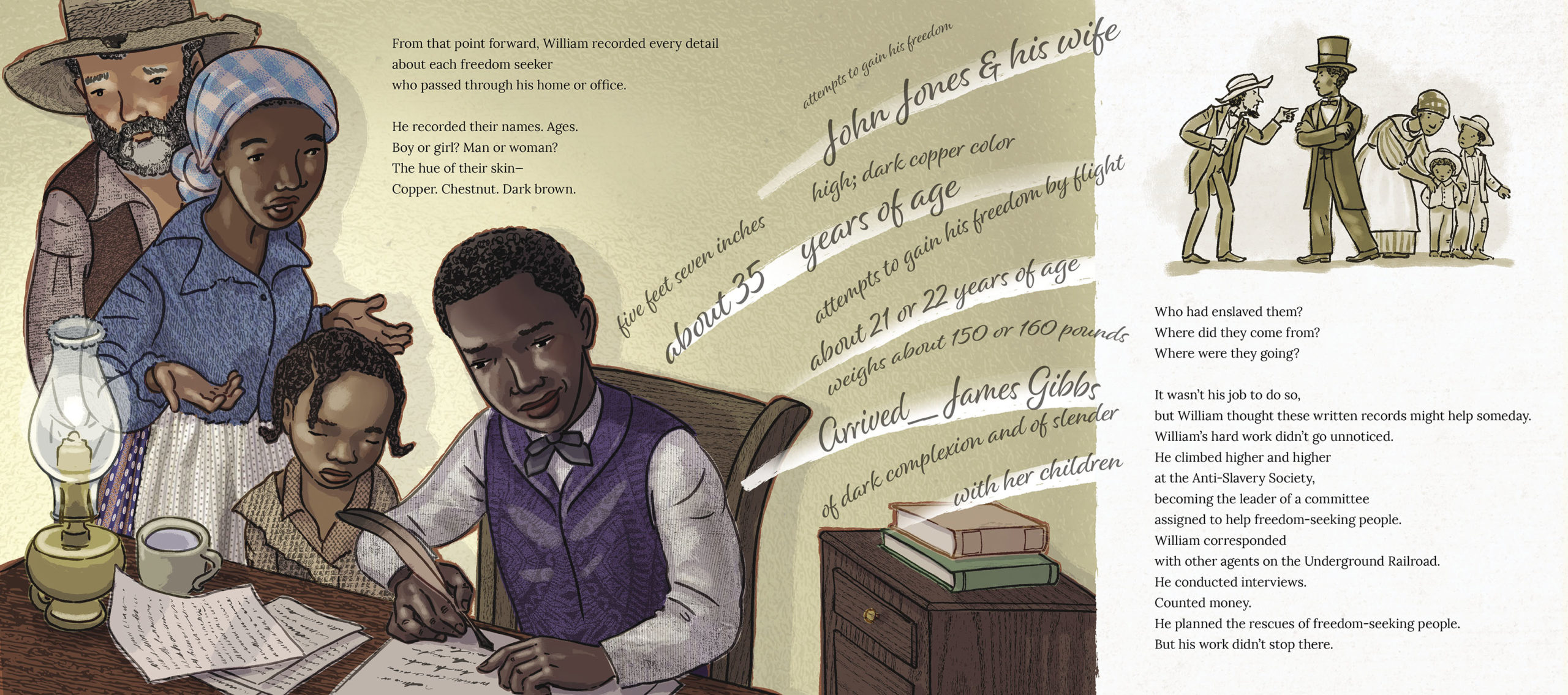
Motivated by his own family’s experience, William began collecting the stories of thousands of other freedom seekers. As a result, he was able to reunite other families and build a remarkable source of information, including encounters with Harriet Tubman, Henry Box Brown, and William and Ellen Craft.

Don Tate brings to life the incredible, stranger-than-fiction true story of William Still’s life and work as a record keeper of enslaved people who had fled to freedom. Tate’s powerful words and artwork are sure to inspire readers in this first-ever picture book biography of the Father of the Underground Railroad.

About the Author: DON TATE is the award-winning illustrator of numerous books for children, including Carter Reads the Newspaper, and is the author and illustrator of Poet: The Remarkable Story of George Moses Horton for  which he won the Ezra Jack Keats New Writer Award. He is also the co-contributor to the Brown Bookshelf, a blog designed to raise awareness of African Americans writing for young readers. He lives in Austin, Texas. Visit his website at www.dontate.com.

Review: I think history education is one of the ways I was let down as a kid, so I adore when I learn about a piece of history or a historical figure that we should all know about but has been left out of “chosen” history.

William Still was a huge part of abolitionism, the Underground Railroad, and the history of freed enslaved Americans. Based on Don Tate’s story, I learned that his transcription of the oral history of freedom seekers is how we know about many of the stories that are shared including Harriet Tubman’s and Henry Brown’s.

Don Tate’s book beautifully illustrates through his artwork and words the power of William Still and his impact on our history. We are lucky to have this book out in the world!

Teachers’ Tools for Navigation: 

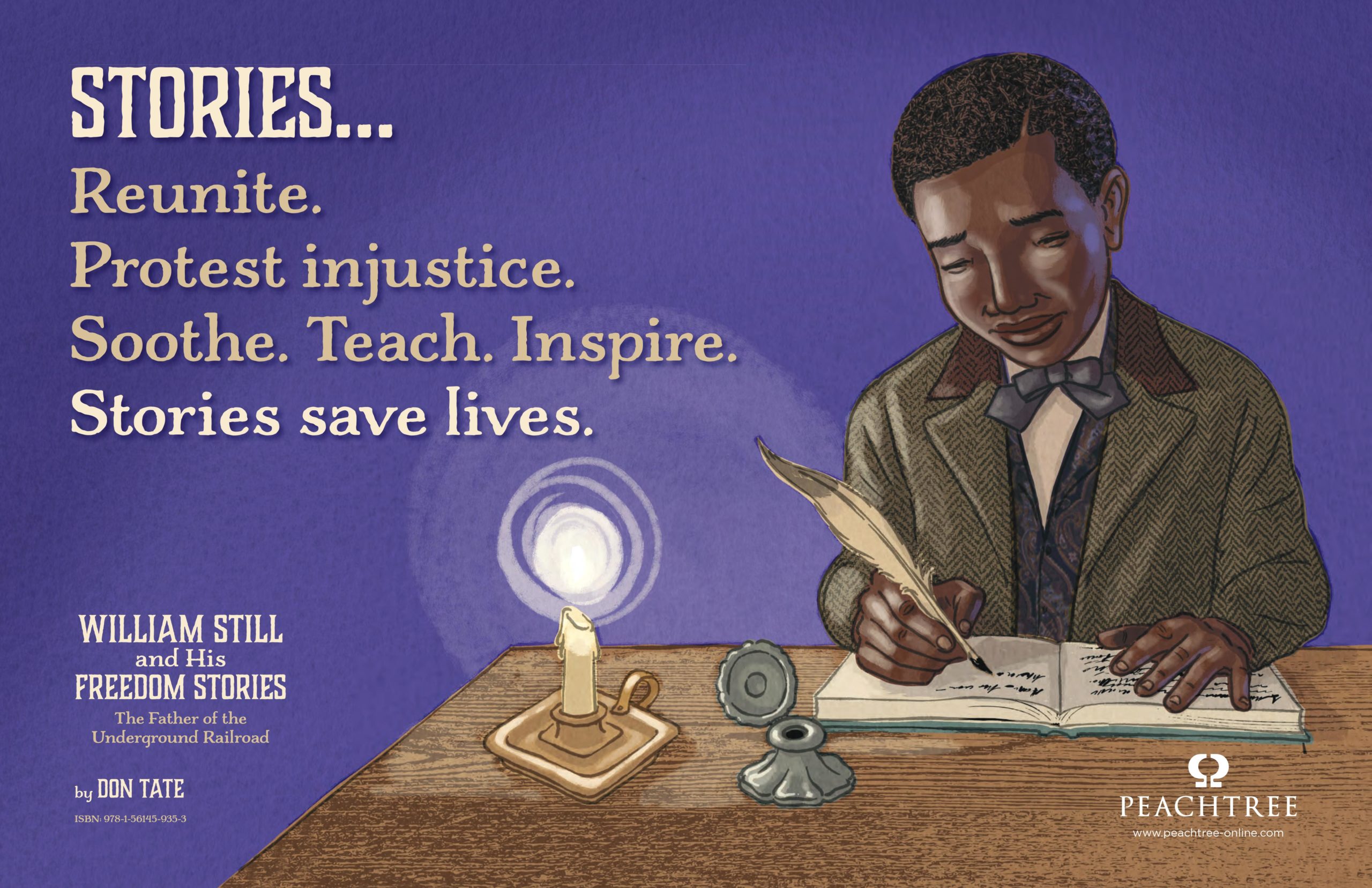
Peachtree Publishing has provided a downloadable poster which I love!

https://peachtree-online.com/wp-content/uploads/2020/03/William-Still-and-His-Freedom-Stories_poster.pdf

Flagged Passages: 

Read an excerpt of the book here: https://peachtree-online.com/wp-content/uploads/2020/05/WilliamStillandHisFreedomStoriesExcerpt.pdf 

Read This If You Love: History, specifically the Civil War, Emancipation, Underground Railroad; Don Tate’s books

Recommended For: 
classroomlibrarybuttonsmall 

Signature

**Thank you to Elyse at Peachtree for providing a copy for review!**

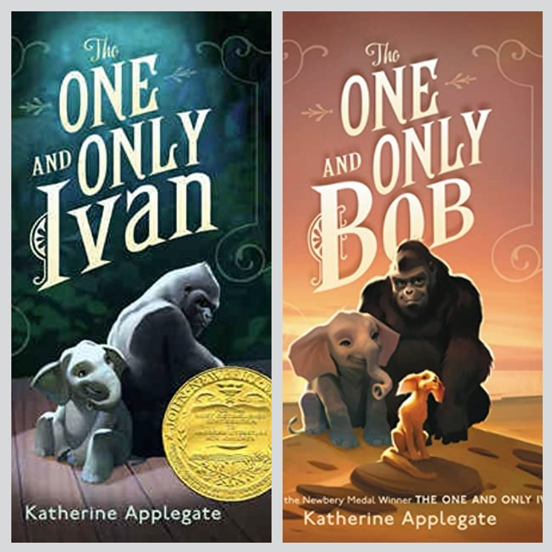
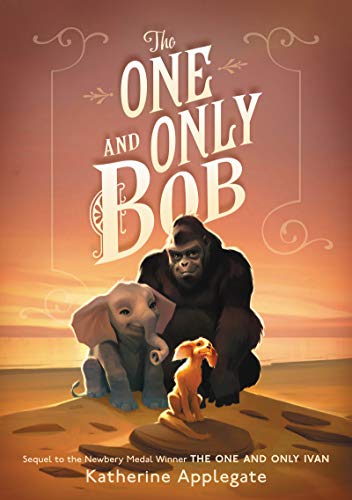
Sofia’s Kids’ Corner: The One and Only Ivan and The One and Only Bob by Katherine Applegate

Share

Sofia is an 8-year-old brilliant reader who aspires to be a book reviewer. On select Saturdays, Sofia will share her favorite books with kids! She is one of the most well-read elementary schoolers that we know, so she is highly qualified for this role!

Dear readers,

If you are looking for two books about kindness and bravery then these books would be those books. Drumroll please… The One and Only Ivan and the sequel The One and Only Bob by Kathrine Applegate!!! These books are totally recommended for read aloud! If you want any of these books for read aloud I would say they are appropriate for second grade and above. These books are recommended for ages 8-12 if you read them yourself.

The One and Only Ivan

Ivan is a big and kind gorilla. He lives at a mall owned by a person called Mack. Mack makes shows to attract more people to his mall and Ivan and some of his friends are in it. Ivan makes some friends at the mall like an old circus elephant named Stella, Julia who is Mack’s daughter and later on a young elephant named Ruby who was taken away from her family when she was very young. They are trapped in big cages made of glass so the people can see the animals when they walk past the cages. Mack is very harsh when the animals don’t follow his directions and sometimes he even takes out a whip! Will Ivan and his friends be able to escape Mack’s mall without being harmed?

The One and Only Bob

Bob is a dog. He got taken away from his mom when he was little. He got dropped off in the road and became a street dog searching through garbage cans for as much food as he could find.  When Bob meets Ivan in the first book they become best buddies and they also become friends with Ruby, the elephant that lives at the mall with Ivan. As you will know if you have read The One and Only Ivan Bob eventually goes to stay with Julia, Mack’s daughter. Bob visits his friends every day. But one time there is a big storm and Julia loses Bob in the middle of a monstrous flood! Will he make it out alive?

I love both of these books because they really make me feel like I am actually there and witnessing the event, like all good books do. I also love these books because they are a bit silly because the stories are told from an animal’s point of view. The animals say a lot of weird things about us because they don’t really understand our ways. For example, the book says “I have learned to understand human words over the years, but understanding human speech is not the same as understanding humans. Humans speak too much. They chatter like chimps, crowding the world with their noise even when they have nothing to say.” I am sure any reader would have fun with this so ENJOY!!!

If you loved these books then you might want to read Crenshaw By Katharine Applegate. Crenshaw is a cat. I have not read it yet but it sounds very interesting!

**Thank you, Sofia, for your continued brilliance. You inspire us!**


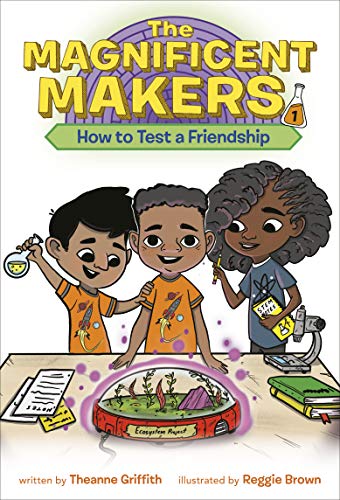
Magnificent Makers: How to Test a Friendship by Theanne Griffith, Illustrated by Reggie Brown

Share

Magnificent Makers: How to Test a Friendship
Author: Theanne Griffith
Illustrator: Reggie Brown
Published May 19, 2020 by Random House Children’s Books

Summary: BOOM! SNAP! WHIZ! ZAP! The Magnificent Makers series is filled with science, adventure, and characters that readers will love!

A modern-day Magic School Bus for chapter book readers!

Violet and Pablo are best friends who love science! So when they discover a riddle that opens a magic portal in the Science Space at school, they can’t wait to check it out! Along with their new classmate, Deepak, the friends discover a magical makerspace called the Maker Maze. It’s a laboratory full of robots, 3D printers, an antigravity chamber, and more. Doors line the walls of the makerspace, with a new science adventure waiting behind each one.

Ricki’s Review: I think I’ve recommended this book to about fifteen people since we’ve read it. I really admire the way in which Griffith incorporates science in such a fun way. The book almost feels interactive. I am going to admit that I, an adult, learned some cool science information as we read this one. We read this book with our virtual book club of kids, and they all loved it. It was very easy to host discussions, and the kids were very animated as they talked about the sections that they loved most. This is a great early chapter book series that is going to be well-loved by teachers. The interdisciplinary nature of the text makes it very easy to teach. We will definitely be getting the next book in the series.

Kellee’s Review: As a mom of 1st grader who loves to read, we are always looking for new early chapter books that will grab his attention and this book is everything we could want. First, it is relatable. The dynamics between the three characters are accurate and just on point. It also deals with real feelings like jealousy and competitiveness. Second, it is about science! Trent is definitely a science loving kid, and adding some science into his books makes him love them more. Third, it is a reflection of the real world (even though they travel to another dimension) because there are a diversity of kids and adults both in looks and behavior. We have already gone to buy the next three in the series, and we cannot wait to see what adventure happens next!

Teachers’ Tools for Navigation: This book offers many questions that can lead to inquiry and many topics that can be explored further by kids. Teachers might ask students to select a topic in science and write a fictional story about it. This would require some research and thinking about how information is presented in fiction.

Discussion Questions: 

  • What was your favorite aspect of science that you learned from the book?
  • What emotions did the characters experience in the book? Have you been in situations where you’ve felt these emotions?
  • What could you research from this book to learn more (e.g. robots, 3D printers, an antigravity chamber, the ecosystem)?

Flagged Passage: “Producers, consumers, decomposers, oh my! All are necessary for an ecosystem to survive. Most animals are __________. Living things, beware! If ____________ disappeared, we wouldn’t have fresh air. And without ______________, nature’s garbage would be everywhere! Solve this riddle to enter the maker maze” (p. 11).

Read This If You Love: Science books, early chapter books, interdisciplinary learning

Recommended For: 
classroomlibrarybuttonsmall

and Signature

Our World: A First Book of Geography by Sue Lowell Gallion

Share

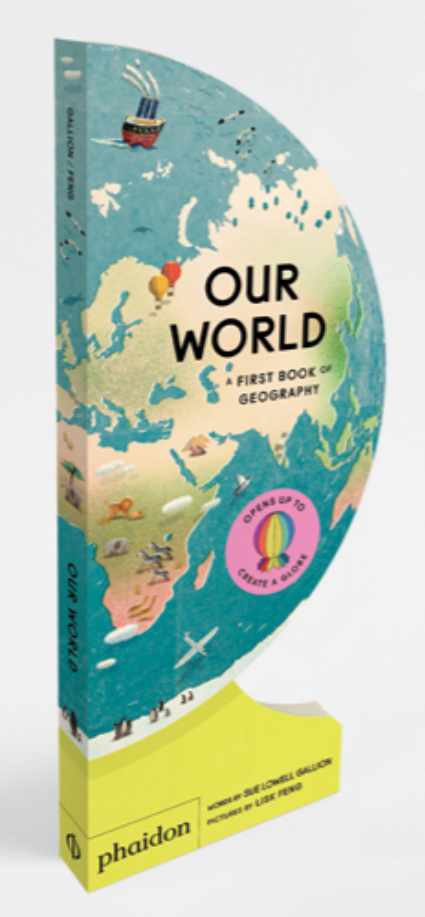
Our World: A First Book of Geography
Author: Sue Lowell Gallion; Illustrator: Lisk Feng
Published: July 15, 2020 by Phaidon Press

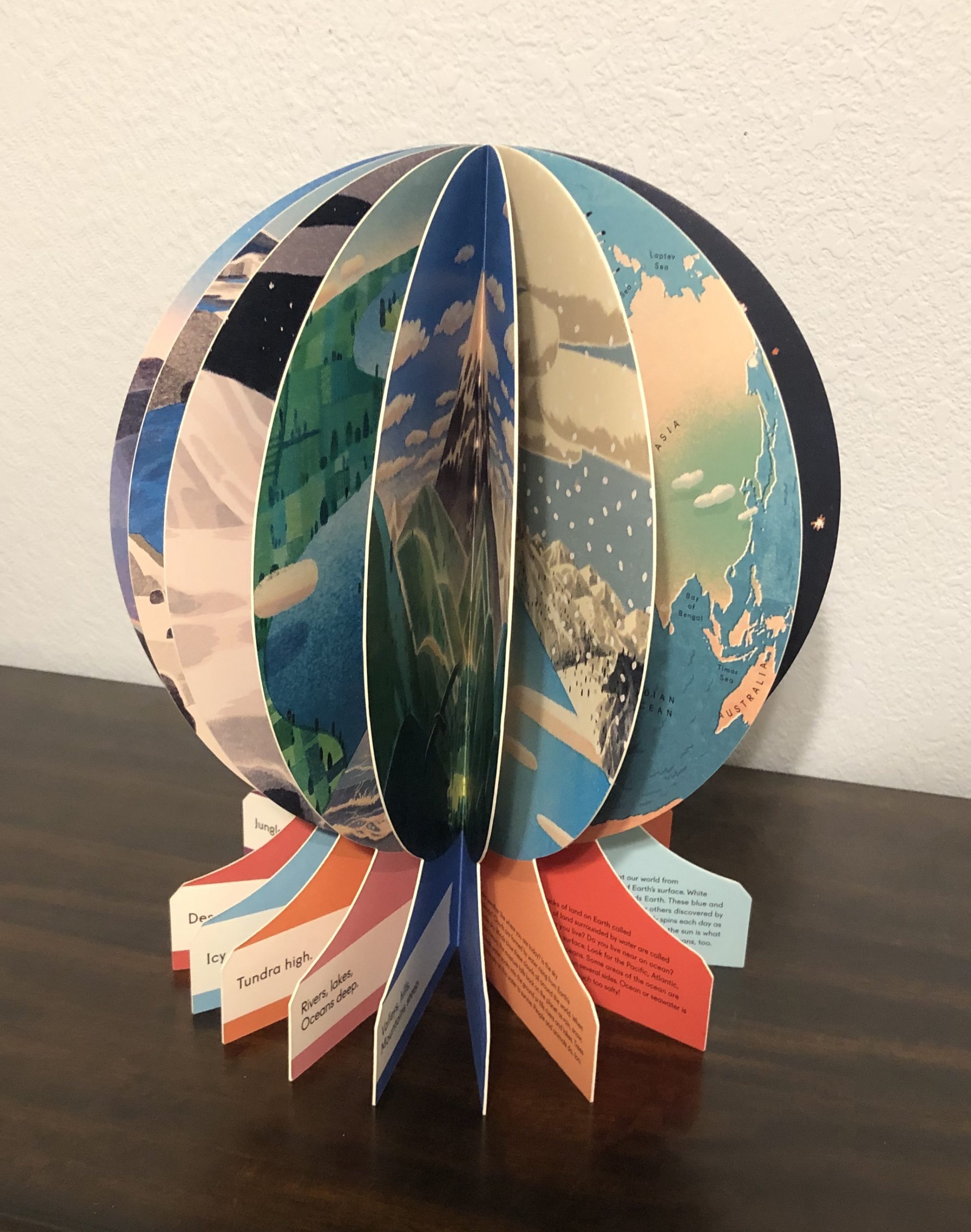
Summary: A read-aloud introduction to geography for young children that, when opened and folded back, creates a freestanding globe

Children are invited to identify and experience the Earth’s amazing geography through rhyming verse and lush illustrations: from rivers, lakes, and oceans deep, to valleys, hills, and mountains steep. Secondary text offers more detailed, curriculum-focused facts and encourages readers to consider their own living environments, making the reading experience personal yet set within a global backdrop. This informative homage to Earth is sure to inspire readers to learn more about their planet – and to engage with the world around them.

ReviewOh, how I love this book! It is very cleverly designed. My sons have decided that they will alternate having it in their rooms each week, so it was a hit in my household. The book opens to form a globe! The information within the book is educational for both kids and adults. For instance, I learned about the different temperatures of deserts. Very cool! The book is marketed to ages 2-5, but my almost 7-year-old found it fascinating and learned new information (as did I!). I think other elementary schoolers would also really enjoy this book.

Each page features a theme of information and artworking, like a living environment or the rivers, lakes, and oceans. It’s packed with interesting facts on the thick, sturdy board book pages. This book would make a great gift to a teacher or child. I recommend it highly!

Teachers’ Tools for Navigation: Teachers could pair this book with a unit on geography. Students might each take a different page and research further the topic of the page. Alternatively, kids might design their own three-dimensional books using this one as their mentor text. For instance, they might design a book based on a planet or some other theme. I am hoping for more books in this style!

Discussion Questions: Which was your favorite page? Why? What did you learn on the page? What other information could you research about the topic?; How do the pages work together to teach us about our world?

We Flagged: 

Read This If You Love: Any nonfiction books about the geography and our world; interactive books

Recommended For: 
classroomlibrarybuttonsmall

**Thank you to Wendy Kitts and Frannie Gordon for introducing me to this book and providing a copy for review!**