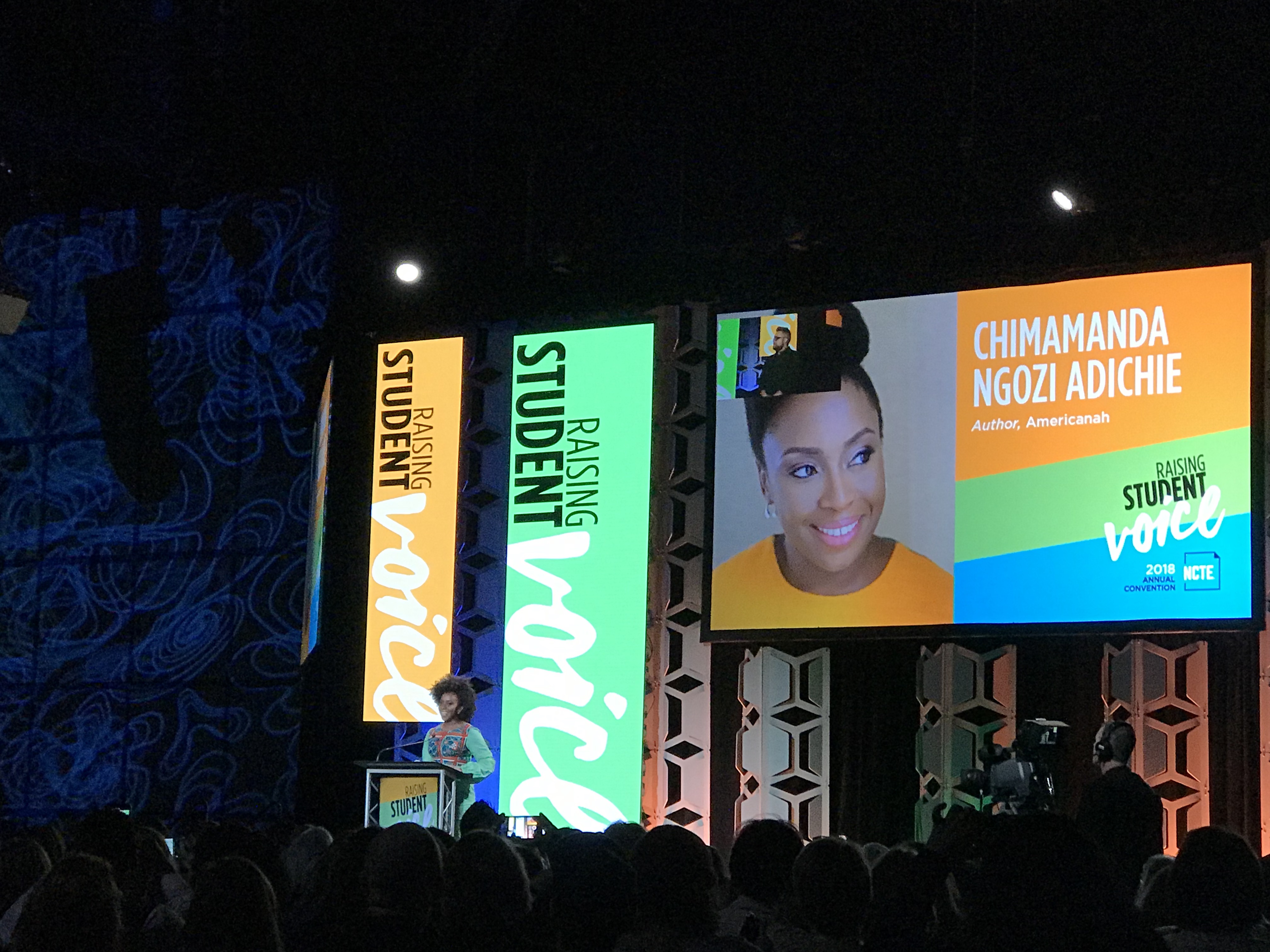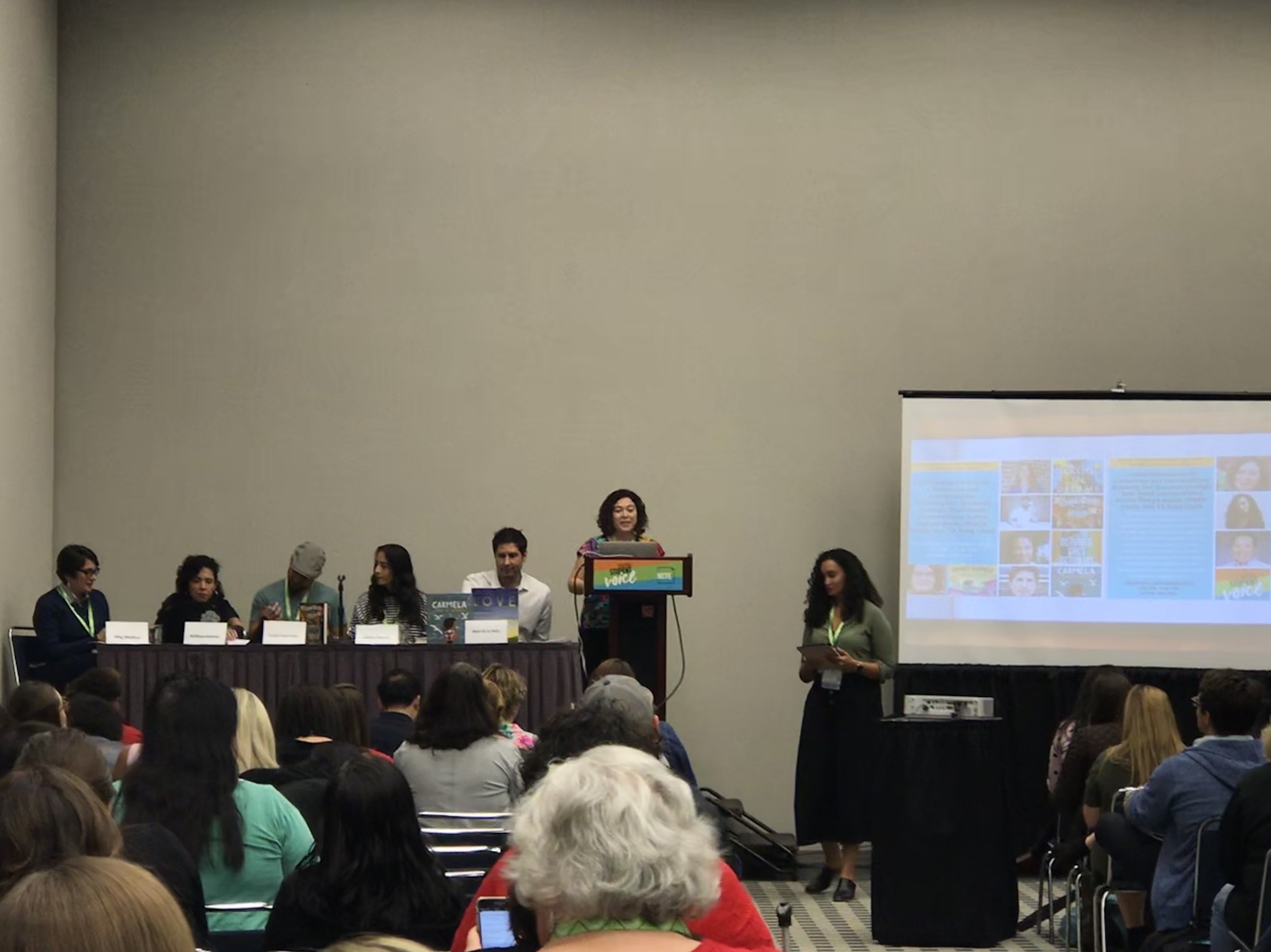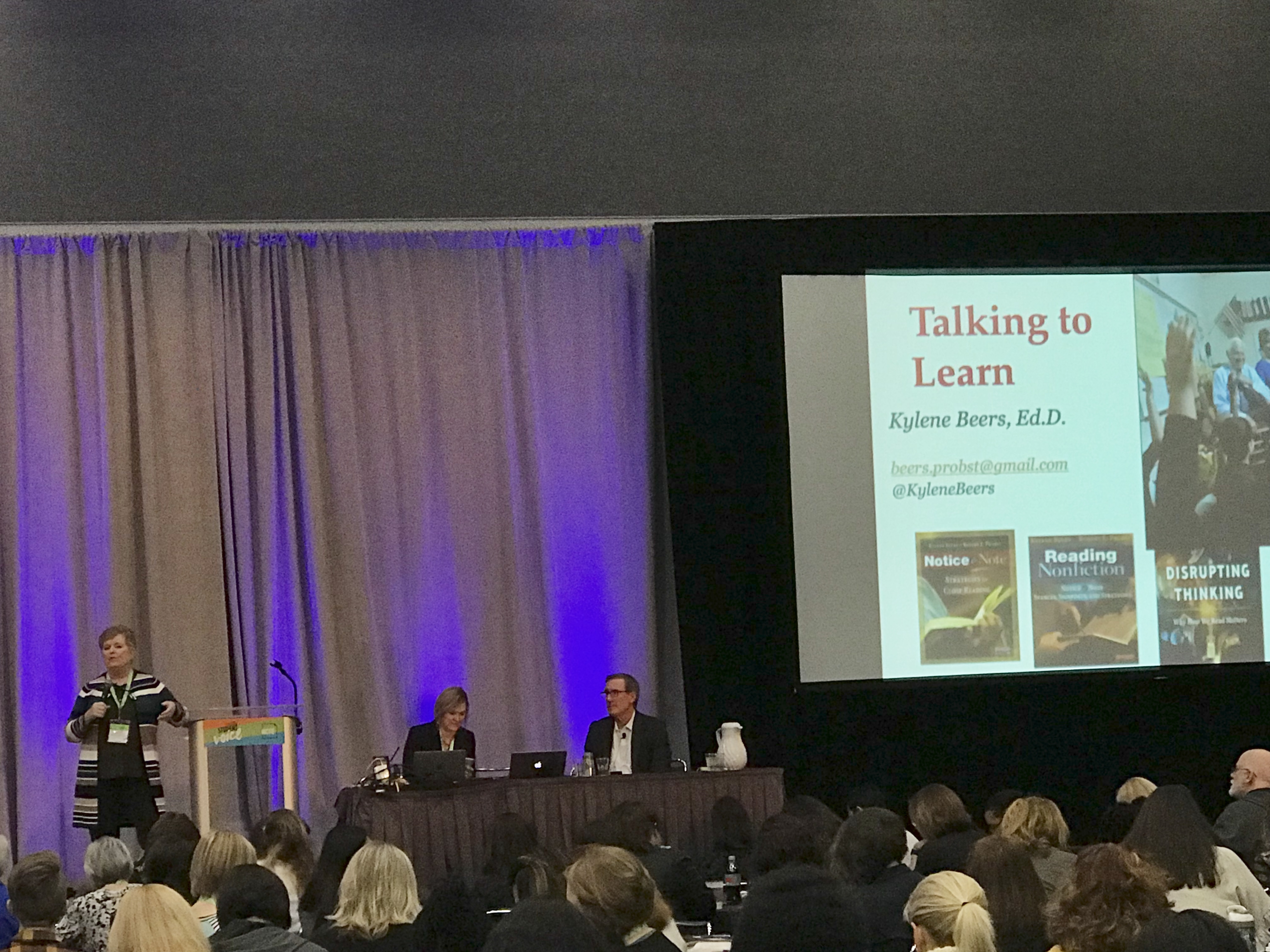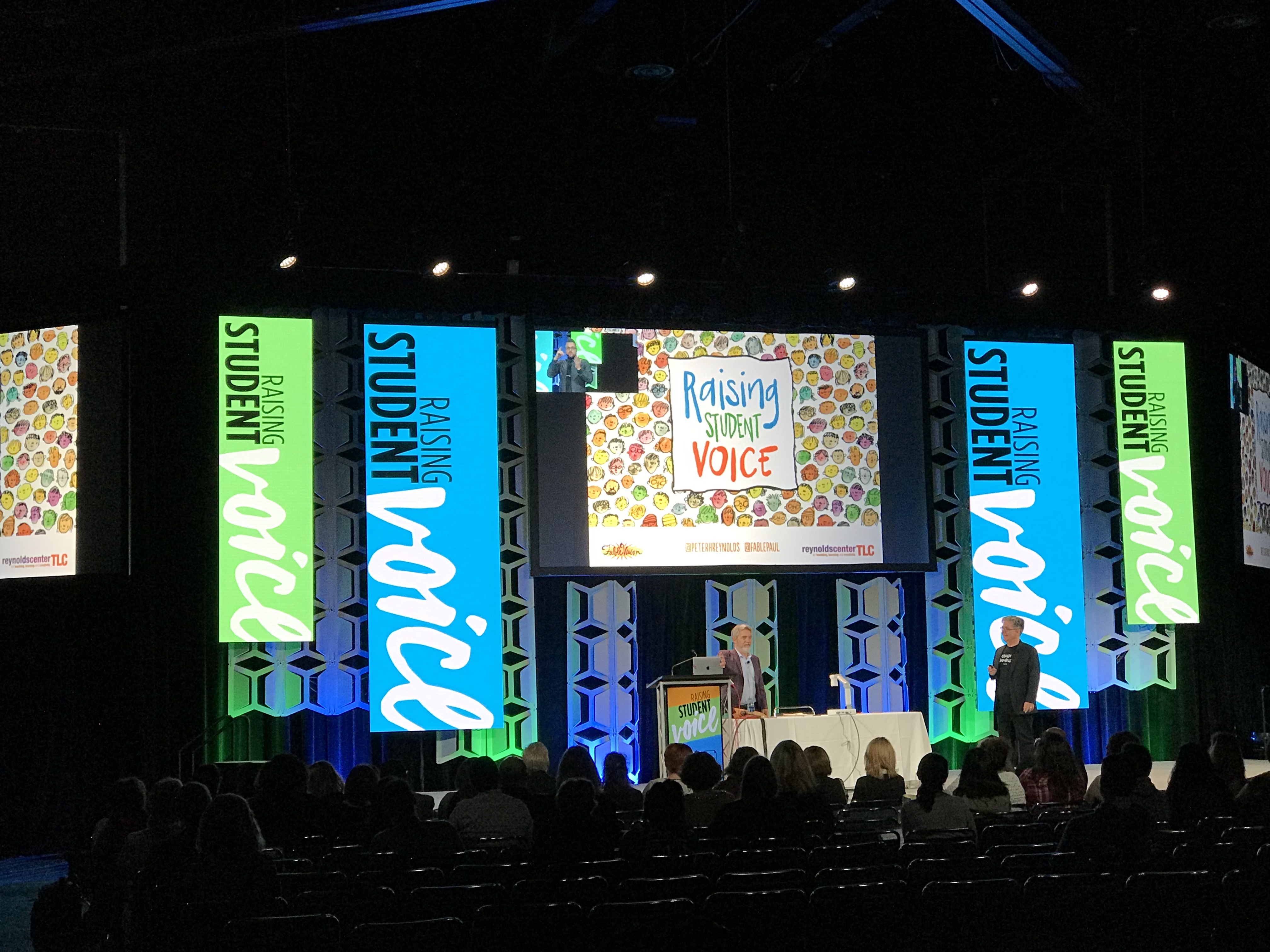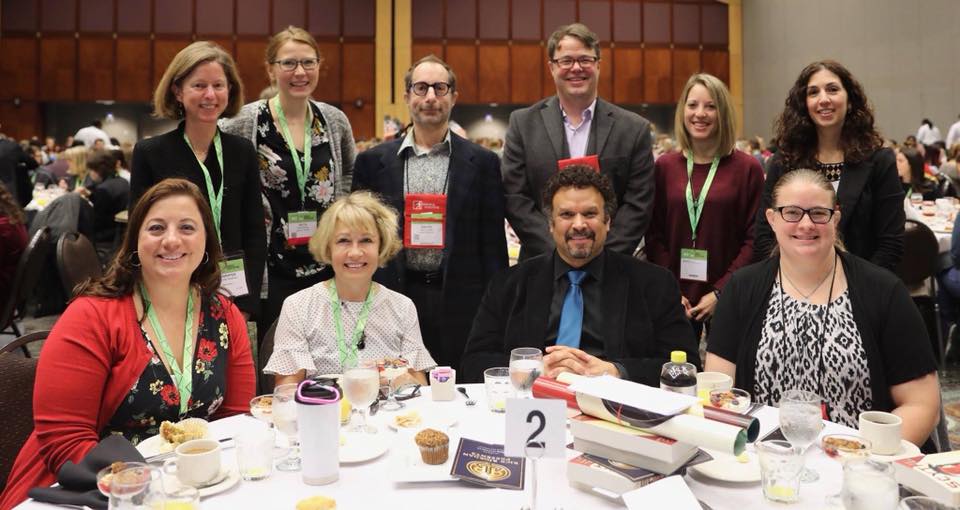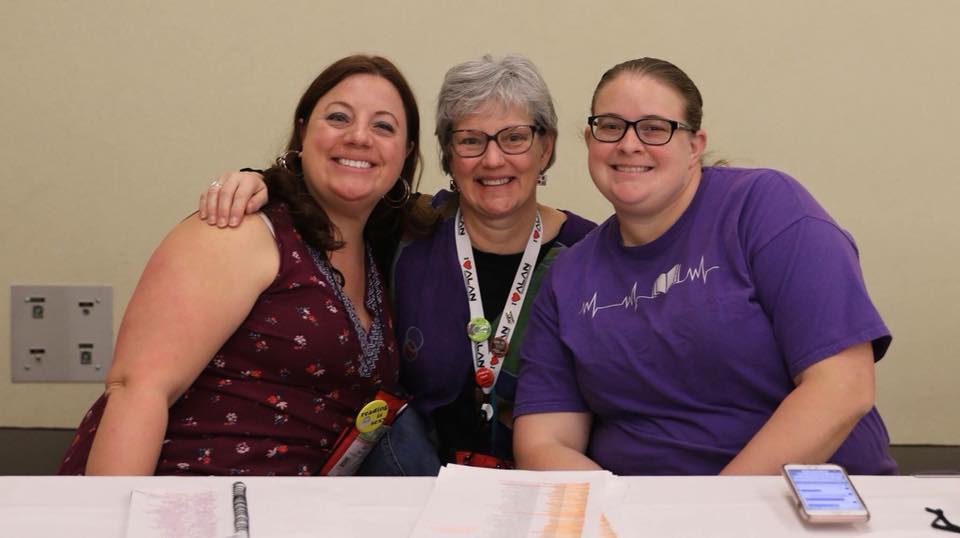
Countdown to NCTE/ALAN: Nine Presentations We Are Involved In at #NCTE18

Share

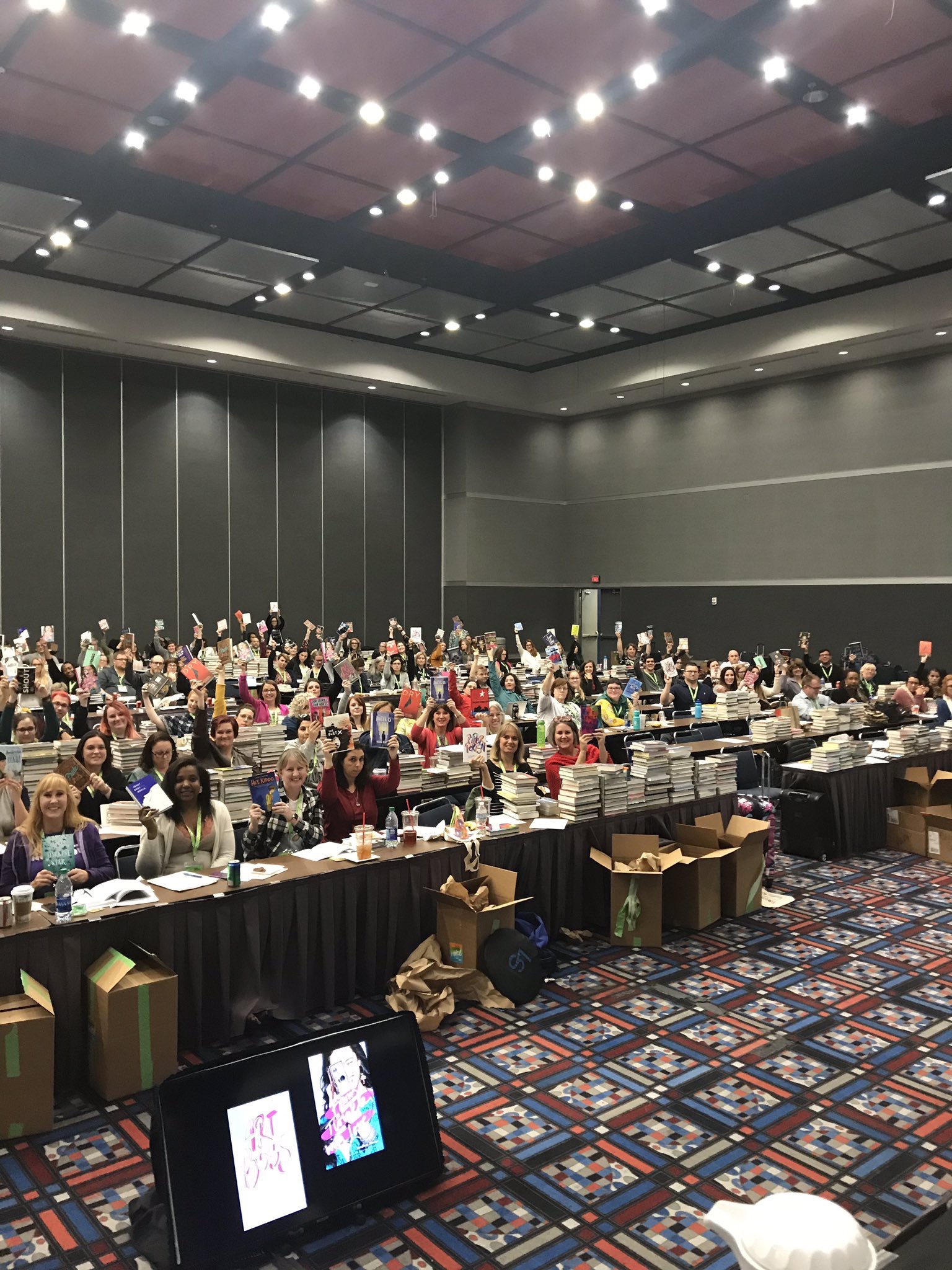
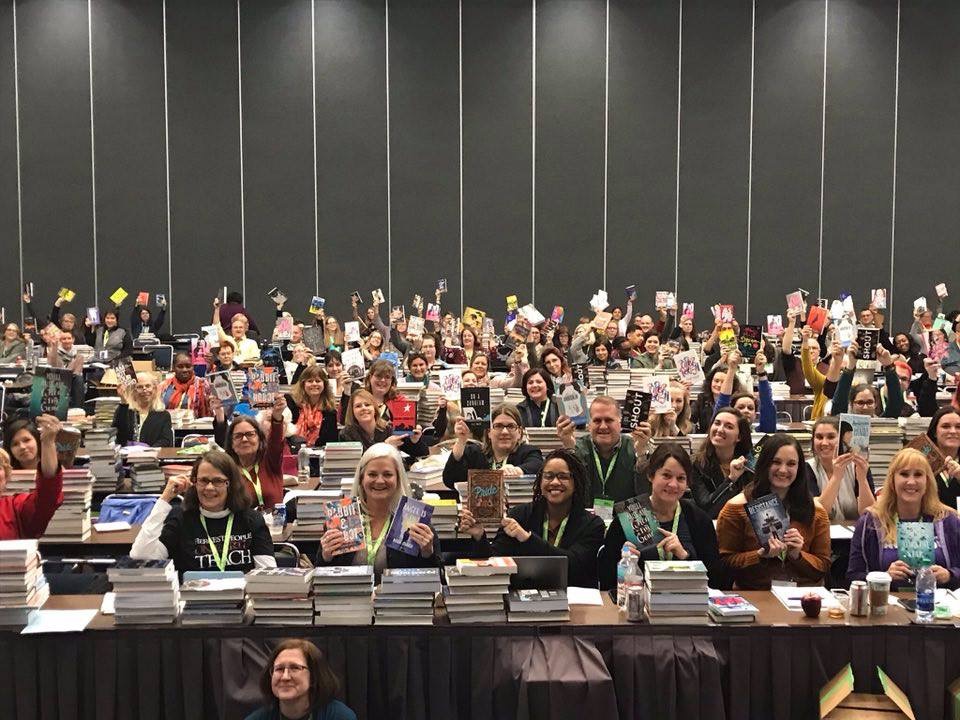
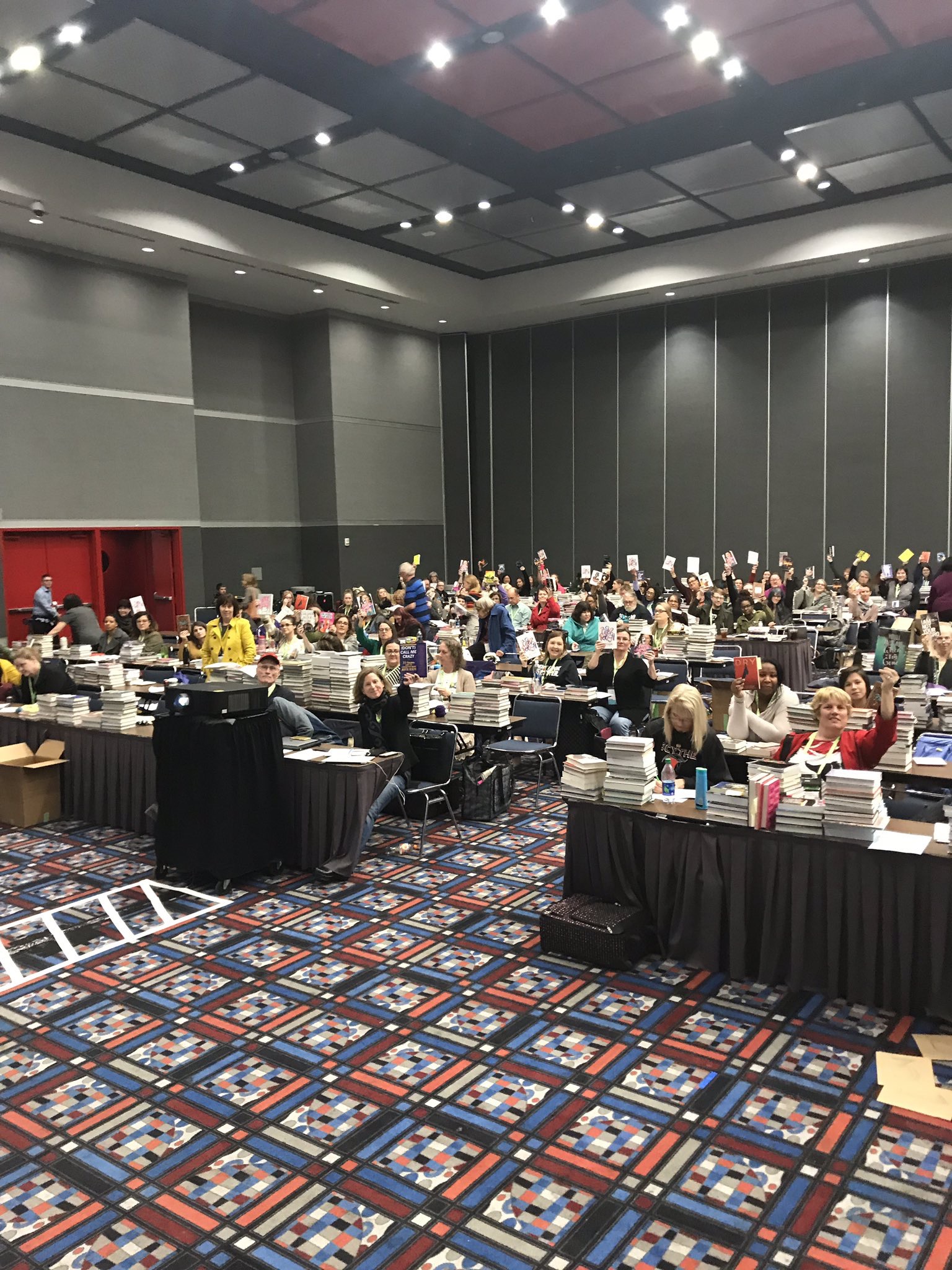
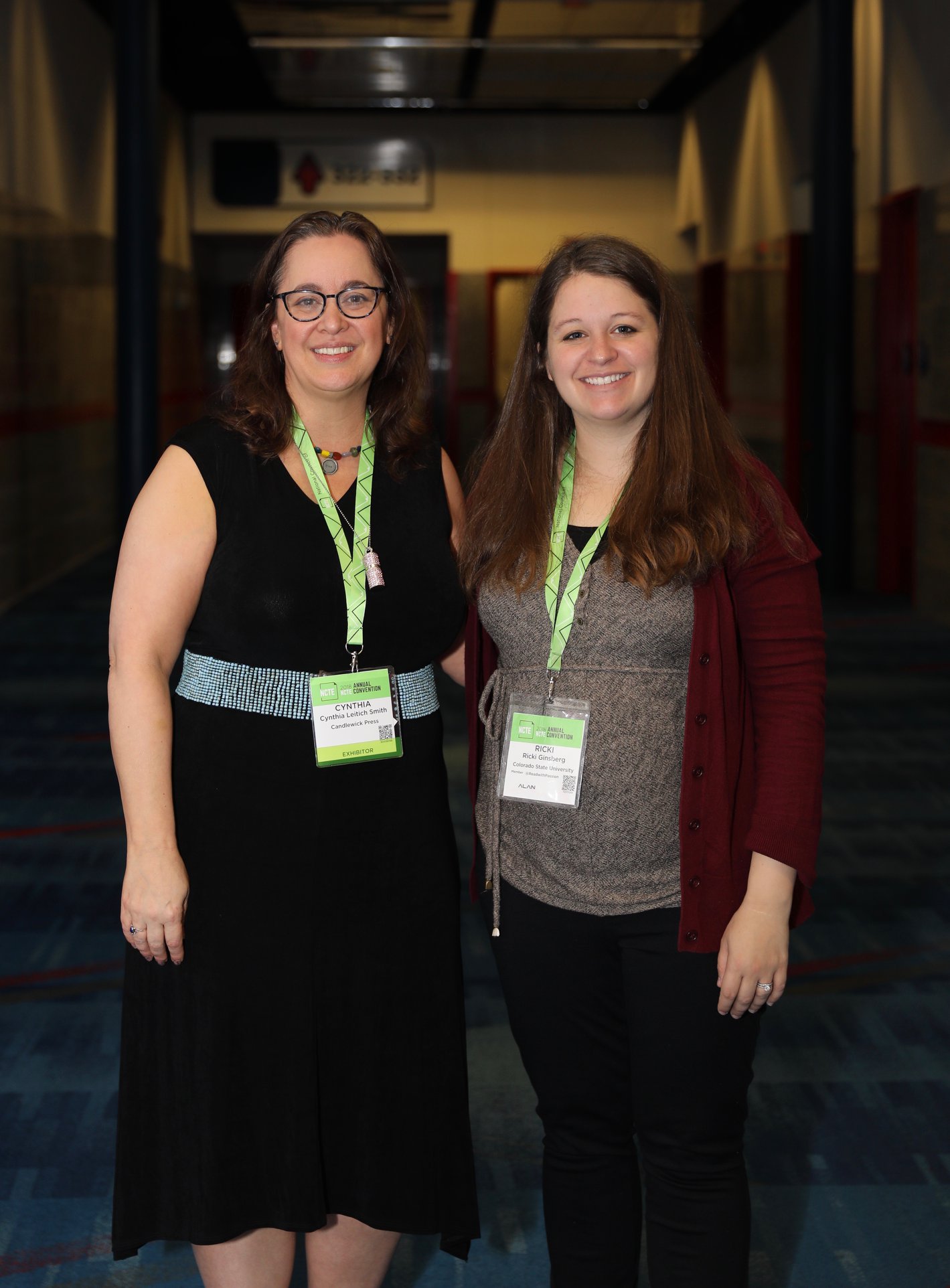
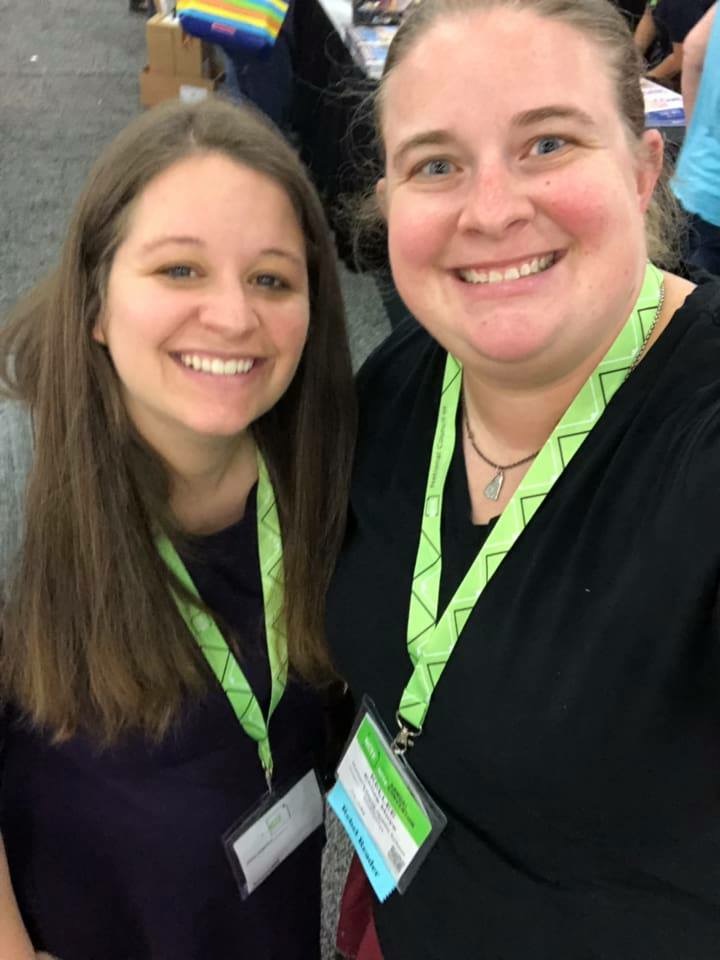
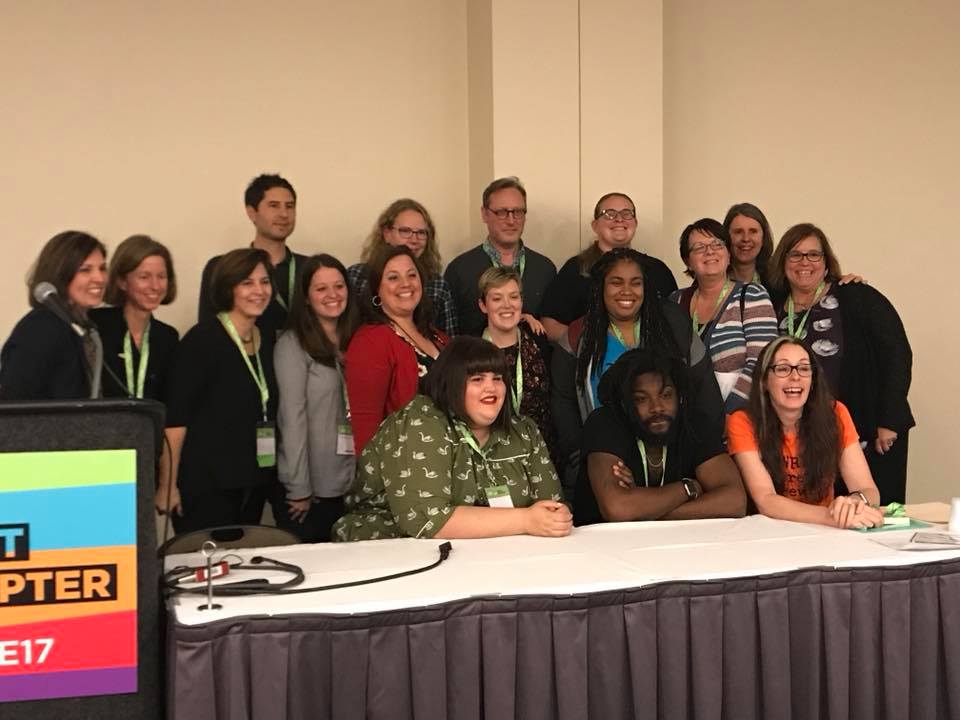
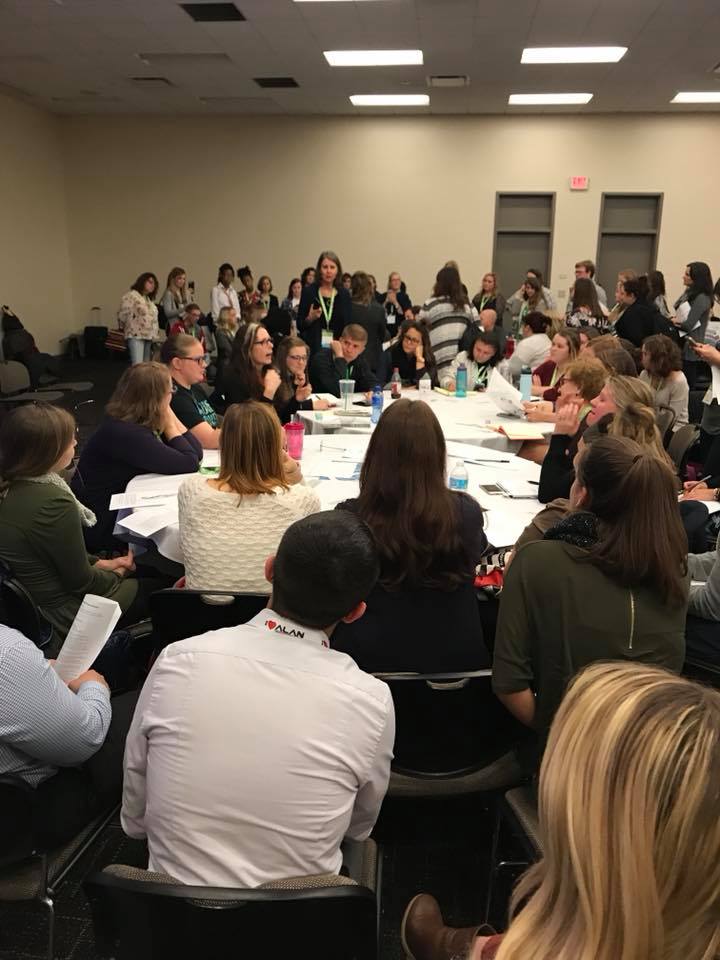
In honor of our favorite conferences—the NCTE (National Council of Teachers of English) Annual Convention followed by the ALAN (Assembly on Literature of Adolescents of NCTE) Workshop, we are doing a countdown over the next two weeks. Each day, we will feature a list that reflects the number of days left until the conference! We can’t wait to see many of you there! If you can’t be there, make sure to follow #ncte18 and #alan18 on Twitter and other social media to participate in this amazing PD from your home.


C.34 Honoring Student Passions: Using Genius Hour to (Re)Find Voice and Address Equity

Raising student voices requires time, space, and place for individualized, passion-based learning. Through interactive learning activities participants can use in their own classrooms, presenters will define Genius Hour and show how it can be implemented to facilitate equitable learning environments. They will share authentic student work from conception to completion.

Ricki is Presenting with Dr. Pamela Coke

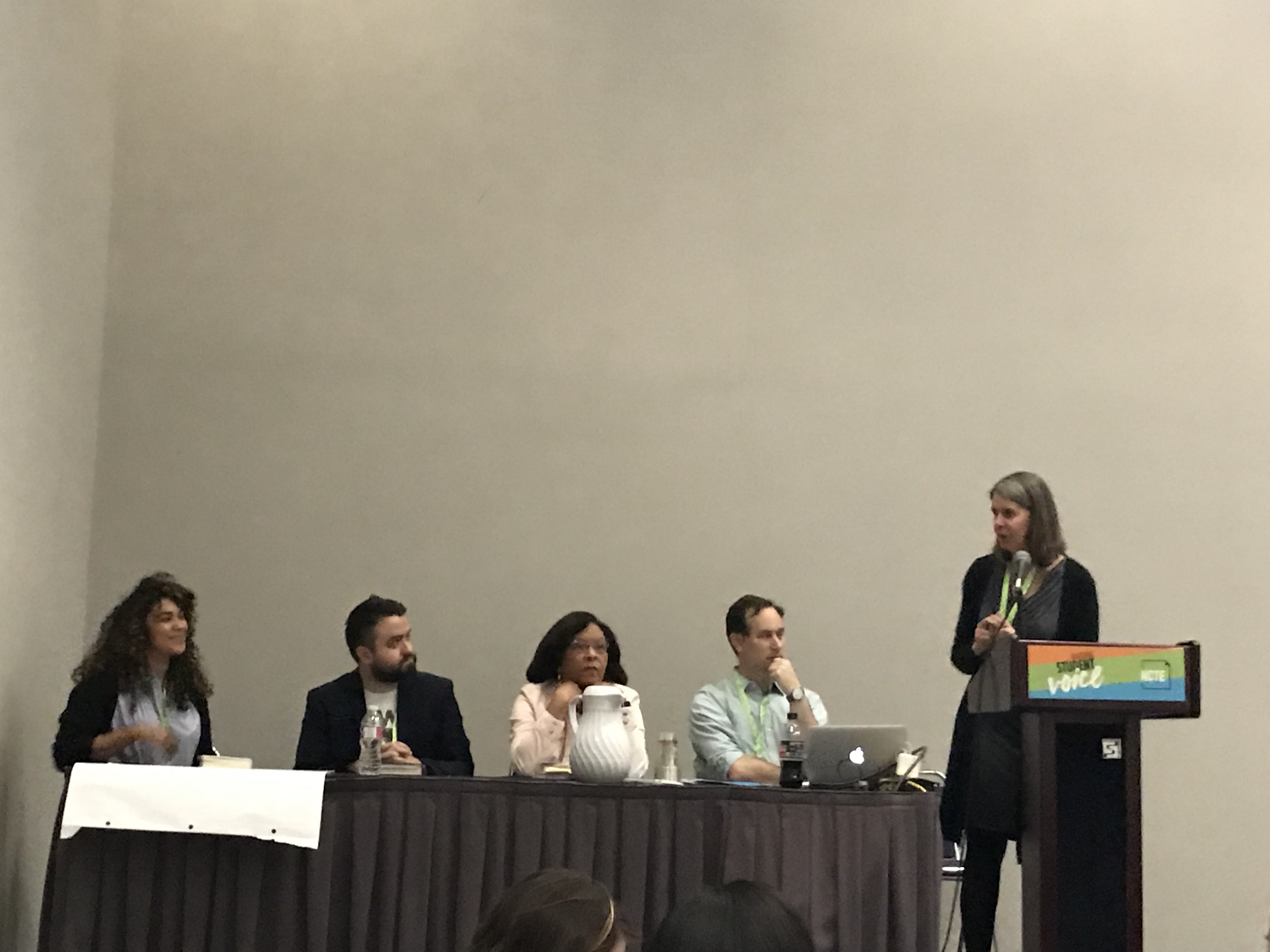
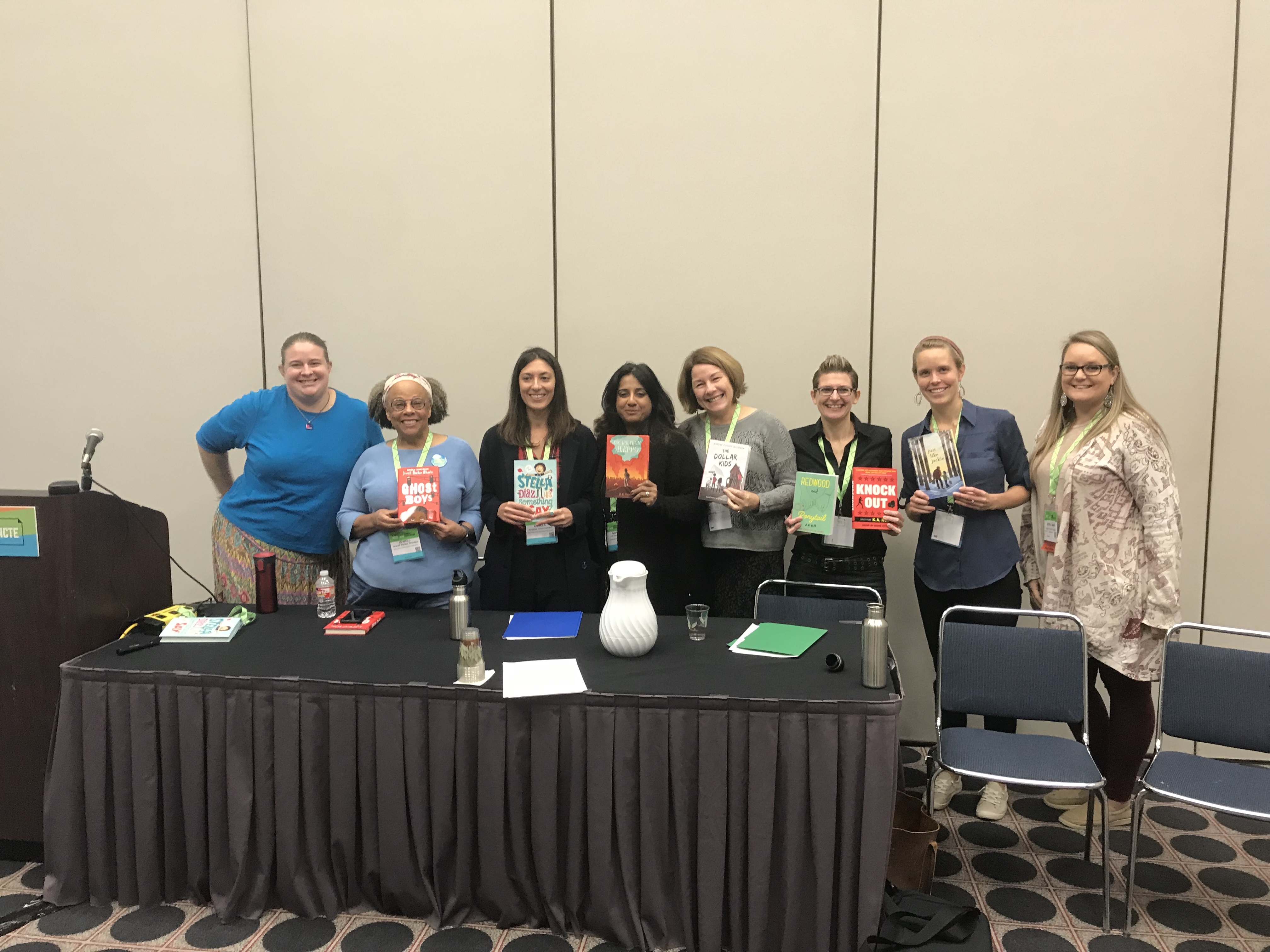
E.18 Using Diverse Literature to Build Awareness and Empathy in Middle Schoolers

To help build awareness and empathy in middle schoolers, we must expose our readers to a wide range of diverse literature. Two middle school educators and six authors will discuss how diverse literature can help build empathy, tolerance, awareness, and an understanding of social justice.

Chair: Kellee Moye

Authors: Angela Dominguez, K.A. Holt, Jennifer Richard Jacobson, Jewell Parker Rhodes, N.H. Senzai, & Lindsey Stoddard

Respondent: Jennie Smith

F.07 Raising Student Voices by Using YA Literature to Encourage Acting Up and Speaking Out

Young adult literature changes us; it touches us and heals us. This Assembly on Literature for Adolescents of NCTE (ALAN)-sponsored session will offer roundtables, led by leaders of ALAN and YAL authors, that focus on the merits of YAL, YAL as mirrors and windows, and YAL’s call to action.

Kellee’s Roundtable: YAL and the Canon, will look at using young adult literature in place of or in addition to the canon, and will include an exploration of the idea of text sets, companion texts, or replacement texts.

Ricki’s Roundtable: YAL as Mirrors, will focus on diversity in young adult literature and the need for students to see themselves in the books in their schools and libraries and shows all students that they have a voice.

Other roundtable leaders: Beth Scanlon, Lisa Schreff, Lois Stover, Mark Letcher, Daria Plumb, Wendy Glenn

G.04 Teaching for Equity and Justice with Young Adult Literature

In this conversation session, award-winning author Laurie Halse Anderson discusses the ability of young adult literature to address social justice and equity with adolescents. Afterward, attendees rotate through three 15-min. roundtables of their choice to discuss a rich diversity of texts, issues of social justice, and teaching methods.

Ricki’s Roundtable with Wendy J. Glenn as respondent, Piecing Me Together: Race, Class, Power, and Privilege

Chair: Victor Malo-Juvera

Other Roundtable Leaders: Many teacher educators from ELATE

H.02 Meet the NCTE Editors

Participants will have the opportunity to meet journal editors, explore the publishing possibilities available with the NCTE journals program and with assembly journals, and discuss specific article prospects with the editors. Submission guidelines will be available for all NCTE journals.

Chair: Kurt Austin

This year, this session conflicts with the ALAN Breakfast, which Ricki is helping with. Because this is her last term as an editor for The ALAN Review, it doesn’t make sense for her to attend. That said, attend this session and look to get your ideas published! All of the NCTE journals will be there!

During H.02: ALAN Breakfast

ALAN Breakfast with A.S. King! We are so looking forward to this event! We include it on this list because we will be helping to set it up. It begins at 7am, and we look forward to seeing you there!

I.36 YA Lit IS Complex! Authors and Teachers Explore the Complexity of Writing Young Adult Literature

This session brings together YA authors and classroom teachers to explore text complexity through the lens of writing craft. Keynote speeches and roundtable discussions will explore how complexity can be found and made in YA lit when we weave authors’ accounts of writing process with close analysis of texts themselves.

Kellee’s Roundtable with David Levithan, focusing on his Every Day series

Ricki’s Roundtable with Ibi Zoboi, focusing on Pride

Chairs: Jennifer Buehler, Cathy Fleischer

Other roundtable leaders: Sarah Andrew-Vaughan, Wendy Glenn, Meredith Novak, Daria Plumb, Beth Scanlon, Beth Shaum

Other authors: Elizabeth Acevedo, David Arnold, Sharon Draper, Emily X.R. Pan, Randy Ribay, Andrew Smith

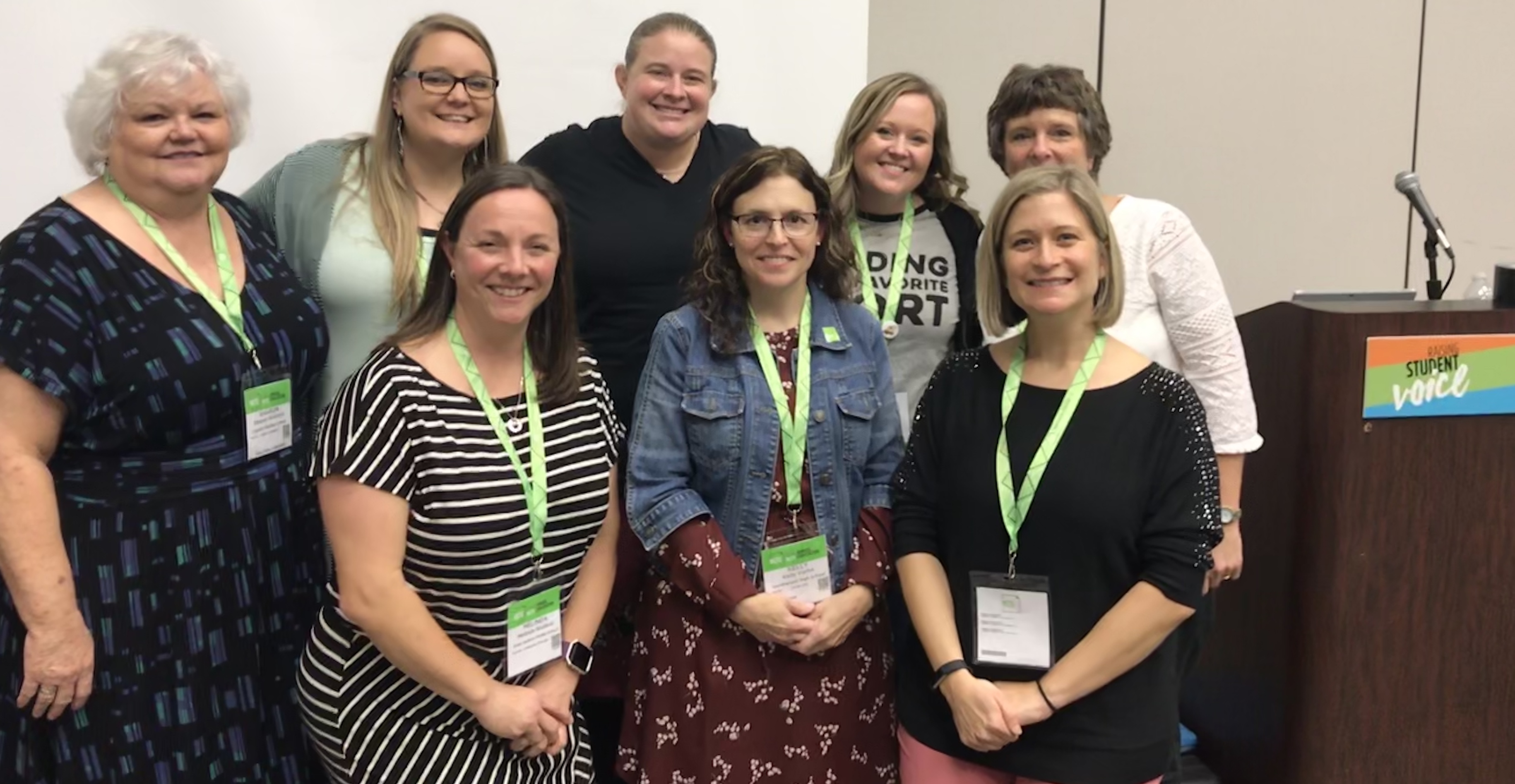
J. 13 In-Class Book Clubs: Fostering Collaboration, Critical Thinking, and Choice

Student-centered book clubs allow students the freedom to discuss titles they choose, thus creating positive reading experiences while utilizing two best practices: student collaboration and independent reading. Attendees will circulate through roundtables led by educators who have implemented in-class book clubs and will share book ideas, strategies, and student responses.

Kellee’s Roundtable: “Metacognition in Middle Schoolers”

Other roundtable leaders: Leigh Anne Eck, Sarah Krajewski, Amber Kuehler, Jennie Smith, Kelly Vorhis, Melinda Wallace, Sherry Williford

M.02 The Future is Now: Exploring 21st Century Teaching Ideas with the Next Generation of English Teachers

In this wide-ranging session sponsored by the ELATE Graduate Strand (ELATE-GS), undergraduate and master’s level pre-service and novice English teachers from across the nation will lead roundtables exploring 21st-century teaching ideas and research-driven pedagogical practices. Please join us to support this next generation of English teachers and NCTE members. *Student presenters are determined after the program deadline. Attendees will receive a separate program with the names of roundtable leaders and their presentation titles upon entering the session.

Ricki is Sponsoring three Master’s students to present at this session

Chair: Alan Brown

Other Roundtable Leaders: Many graduate students and teacher educators from ELATE

NCTE here we come! Hope if you are there that you will stop by!

 and

In-Class Book Club Book Choices for Kellee’s Middle School Students

Share

We are starting In-Class Book Clubs in my Advanced Reading class this week, so students were able to browse 50 or so books that I have class sets of and choose the one that they are interested in being in a book clubs about. Here are the titles they chose this year:

6th Grade Class

8th Grade Class

7th Grade Class

I’m excited for the discussions these books will bring!
I’ll share after how I changed In-Class Book Clubs since last year and how it went!

Teaching Tuesday: Close Reading Lesson with Tacky the Penguin, an Aesop Fable, a TED Talk, and Sit-Ins

Share

Just so we all have the same definition of close reading, I wanted to share how I define it:
The process of close reading is reading a short, worthy text more than once to get deeper into its meaning.
(See “A Secret About Close Reading” for more information.)

Here is a fun close reading activity I did with my reading classes a couple of weeks ago.

Standards for this lesson: RL.1 & RI.1 (Inference & text evidence), RL.2 (Theme), RI.2 (Central Idea), RL.3 (Narrative elements interact)

Tacky the Penguin by Helen Lester is a much more complex text than it first seems, so I really wanted to take this fun text and push my students’ thinking to realize that Tacky teaches us more than they first thought.

First read: For the first read of Tacky the Penguin, I just had my students enjoy the story. I love watching kids see this book for the first time because he is such a ridiculous yet awesome penguin.

Second read: When we read the story again, this time I chunked the text and had them take notes about a different characters’ emotions for each section. They then went on our Canvas discussion board and made an inference about how the character was feeling based on their notes and included evidence.
“The other penguins are much more accepting of Tacky at the end. In the text it shows that all the penguins hugged Tacky since his oddness had scared the hunters away and saved them. This action showed that even though they might disagree on how to do things they were still thankful of him.” -EX, 8th grade

“I think that the other penguins, Goodly, Lovely, Angel, Neatly and Perfect are happy that Tacky is around. In the story it is showing all the penguins celebrating that the hunters were gone. Usually when you are celebrating it is because someone has accomplished something and you feel happy for them. So, you can conclude that the other penguins are happy that Tacky is around because he got rid of the hunters and without Tacky they might’ve died.” -JK, 6th grade
For the final section of the text, I asked them to think about the theme of the story, and they answered their inferred theme with evidence on the discussion board.

“I think the theme of Tacky the penguin is that differences can be good. I think that because at first the other penguins didn’t like Tacky because he was very different in the way he acted. They thought he was annoying and didn’t really include him in their group. At the end, they appreciate him because he saved them from the hunters, so his differences were good.” -AN, 8th grade

“The theme is to treat everyone fairly. Because in the beginning the other penguins treated Tacky badly, by excluding him, being annoyed at his greets, singing, and diving. But when Tacky acted like a hero they all appreciated him like they should of in the beginning.” -AK, 8th grade

“I think the theme of TACKY THE PENGUIN is to always be yourself. In the beginning of the story, the other penguins didn’t seem to really like Tacky because he did things so differently from them. However, as the middle towards end of the story, Tacky uses that to his advantage to scare away the hunters. So really, because Tacky was himself, he saved the day!” -DV, 7th grade

As we know, there are many themes that can be taken from a story, and most of the themes I received were spot on and focused primarily on how Tacky may seem odd but that doesn’t mean being different is bad. But there was one theme that I didn’t have any students pick up on, and I felt it was a big one. So, for the third read, I added in another text.

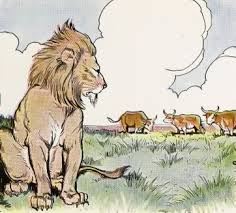
Third read: For the third read, I had my students read an Aesop Fable to connect with Tacky. “The Lion and the Three Bullocks” has the theme “In Unity is Strength” because the bulls survive the predator because they work together. The students did a wonderful job realizing that this theme connected to Tacky because it was only when all the of the penguins worked together that they were able to ward off the hunters.

“The theme “Unity is Strength” works for both books because together they defeated the enemy(ies). In Tacky the Penguin it says, “ Tacky began to sing, and from behind the block of ice came the voices of his companions, all singing as loudly and dreadfully as they could.” This shows that together the penguins can work together to be strong. The next page says “The hunters could not stand the horrible singing” This evidence illustrates that together as a team they can do anything. In Aesop For Children (Three Bullocks and a Lion), it says that a hungry lion is looking for his next meal. He was only sitting and watching because all of them were together so he would lose. In a little bit the bullocks separated and it was the lion’s time to strike (He ate them). This shows that when you are together you can be even stronger then when you were alone.” -EN, 7th grade

At this point, I was so proud of the connections my students were making, but it was still on a level where they were not connecting it to life–they saw it as a penguin and bullocks lesson mostly. This meant that I added in another text that I had them close read:

Scila Elworthy’s TED Talk is titled “Fighting with Nonviolence” and shares how fighting violence with violence is not successful while using nonviolence has been successful. I love TED Talks because you have the video and the transcript! What a great text for the classroom! (And thank you Jennifer Shettel for pointing me in this direction!)

First read: We watched the first 5 minutes and 11 seconds of the TED talk, and I gave each student a Post-It note. I asked them to write down words that stuck out to them. We then shared the words and defined any words they didn’t know.

Second read: For their second read of the text, they went to the transcript and were to focus on the central idea of this section of the text. Each person wrote down their own central idea.

Then I did a variety on one of the discussion ideas that Ricki shared in her Engaging Classroom Discussion Techniques post. Kind of like in Facts of Five, I had students then go into groups of three and come up with a consensus of a central idea together. They then wrote these on sentences strips to display in the room. We also discussed each one and talked about the supporting evidence for each central idea. I called it “Most Important Point.”

“As a group for the “most important point activity” we came up with the point that “solving a problem with violence only ever causes more violence”. Toward the end of the ted talk the speaker gives an example of when her ‘heroine’ was faced with guns during a protest and solved it by walking up to them and getting them to put their guns down. Had she not solved that problem this way it can be assumed that the soldiers would have shot them. By solving a situation with non violence she avoided the problem all together. We concluded from this, and the other points she made in ted talk including Nelson Mandela and her own personal anecdote about non violence, that that was the central point.” -KA, 8th grade

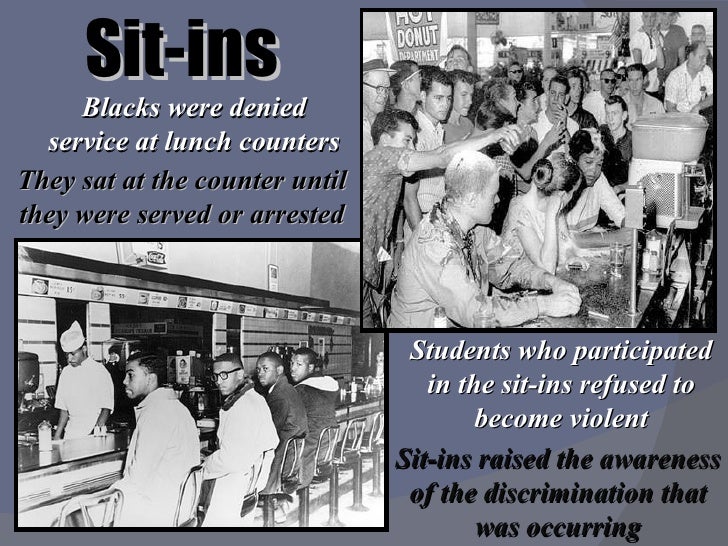
Third read: For the culminating task for all of these texts, I added in one more text to truly make all of this connect to reality. I knew I wanted to pick an image from the Civil Rights Movement because it is a true example of this idea at work. I introduced my students to sit-ins.

I then asked, “Why did we watch this TED Talk and why did I share the Sit-In images after reading Tacky the Penguin and the Aesop Fable? How do they all connect? Write a short paragraph explaining the connection, and remember to Restate, Answer, have Text evidence, and Explain/elaborate.”

All of these connect because they all show them going against things together. In “Tacky the Penguin” all of the penguins started singing in the end together, driving them away. If it was only Tacky singing, the hunters might not have gone away if the other penguins had not shown up.  In “Three Bullocks and a Lion”, the lion would not attack them when they were together because he knew he was no match for all three of them combined. In the Sit- In photo, there are four people sitting at a counter, and in the other photo, it shows them getting drinks poured on them from other people in the restaurant. If there was only one person sitting at the counter, the point would not have been proven as well as it would if there were four. All of them show that when they are together, they are stronger.” -MA, 7th grade

The Ted Talk, Sit-in images, Tacky the Penguin, and Aesop Fable connect because they show how if we stick together and try to solve conflict in nonviolent ways, we will not have to resolve problems with more fighting.  The Ted Talk says that bullies use violence to intimidate, terrorize, and undermine, but “only very rarely in few cases does it work to use more violence.” This just makes people more and more violent. An example is when the “Students who participated in sit-ins refused to become violent” even when people were not treating them fair by not serving them or even pouring a drink on them. Tacky the Penguin helped save all the penguins from being taken away by hunters because he had the attitude that people should be friendly and kind to each other and because he acted like this, it scared the hunters and they ran away. In the Aesop Fable, the bulls were able to keep the lion from eating them by staying close and being strong together. When they began to argue and separated from each other, they were not strong enough alone to keep from being attacked. “It was now an easy matter for the lion to attack them one at a time, and this he proceeded to do with the greatest satisfaction and relish.” This shows that we need each other to be strong and reach our goals and when we begin to fight, we lose our strength against enemies. We can control all of this, like she says, “It’s my response, my attitude, to oppression that I’ve got control over, and that I can do something about.” -DA, 6th grade

I was so impressed with my students’ deep thinking, connections, inferences, and elaboration! And overall they truly loved the activity, and I think that it truly shows that a text to analyze can be more than the canon!


Teaching Tuesday: Vocabulary Instruction Using Word Parts in Kellee’s Middle School Classroom

Share

One of the goals in my advanced reading classroom is to help my students become close readers of the world, including when it comes to vocabulary. Through my own time in the classroom and my early teaching years, I learned very quickly that teaching vocabulary out of context does not work. There is only memorization, no retention. Teaching vocabulary in context can work, but only if the word is revisited often which doesn’t always happen with new vocabulary words. It wasn’t until I decided to start teaching word parts that I felt that my vocabulary instruction was something that was long-lasting.

I begin each year with a word part unit. Students really buy in because we have a great conversation about the inconsistencies of vocabulary education in their (and my) past. I then show them what word parts are, the different types of affixes, and how they can give the reader a clue to the meaning of a word.


The first step is to build up knowledge of some regularly used word parts. I’ve been building up our word part list over years now. Since I have some of the same students every year, I don’t want to start over for them, so I just keep adding, and you would be surprised how quickly students grab onto these word parts. This year, we started with 77. In my classes that had students who already knew them, I paired them up with new students and gave them a section of the 77 to go over with the new student. In my new 6th grade class, I gave each group a section and they used their brains and resources (the internet) to learn. During this initial introduction, I do have them go over the definition, but more importantly, they were to find words that are in their vocabulary that would help them remember what the word part meant. Then I grouped together different groups that reviewed different sections and teach what they learned to each other.


I also use Quizlet as a way for students to learn the word parts. Quizlet is a great website for flashcards and also has this super fun collaborative game called Quizlet Live where students, in groups of 3-4, get definitions and have to match them to words and each member of the group has different words to choose from. Here is a link to my Quizlet profile if you want to check out our word parts!

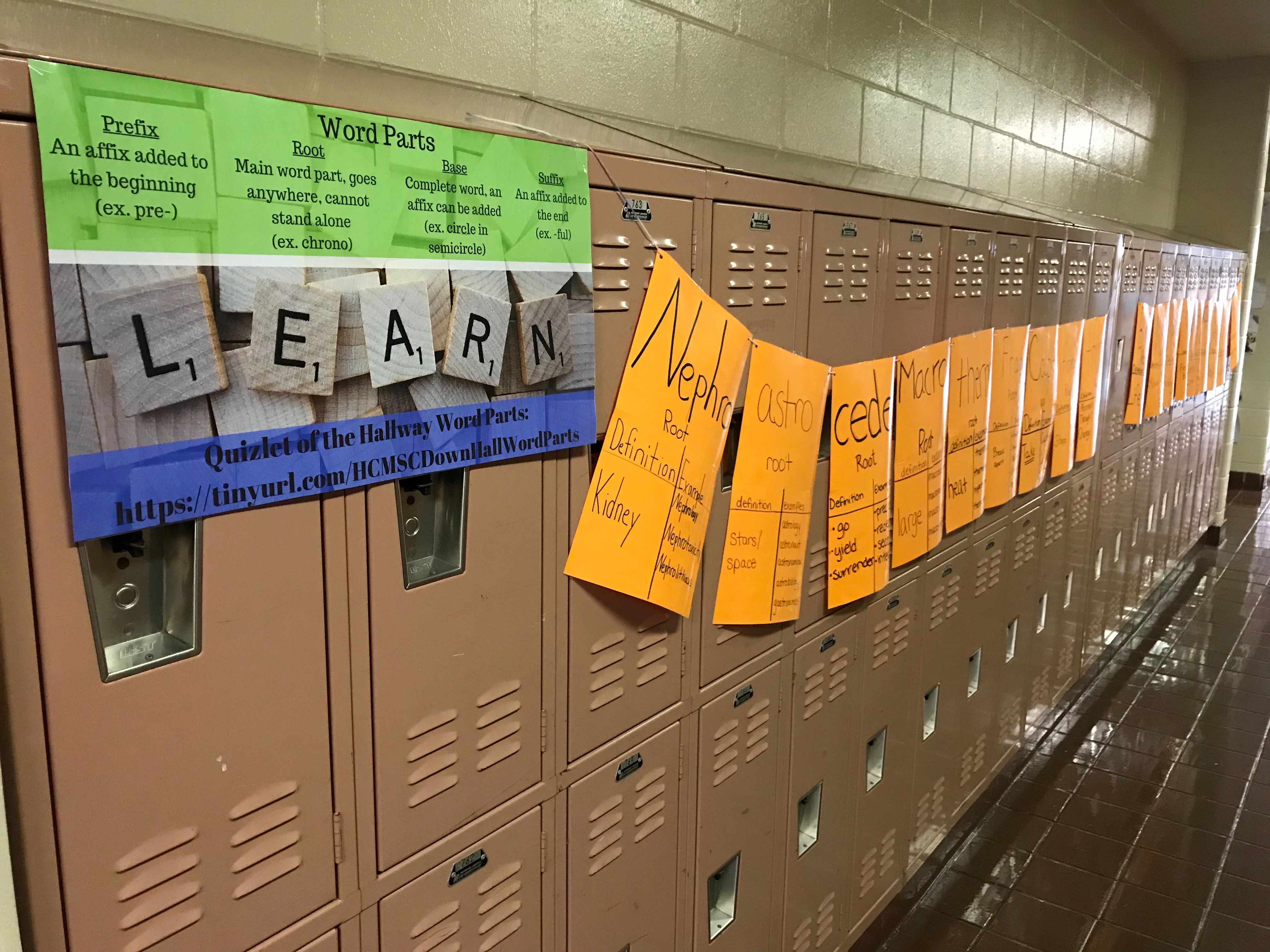
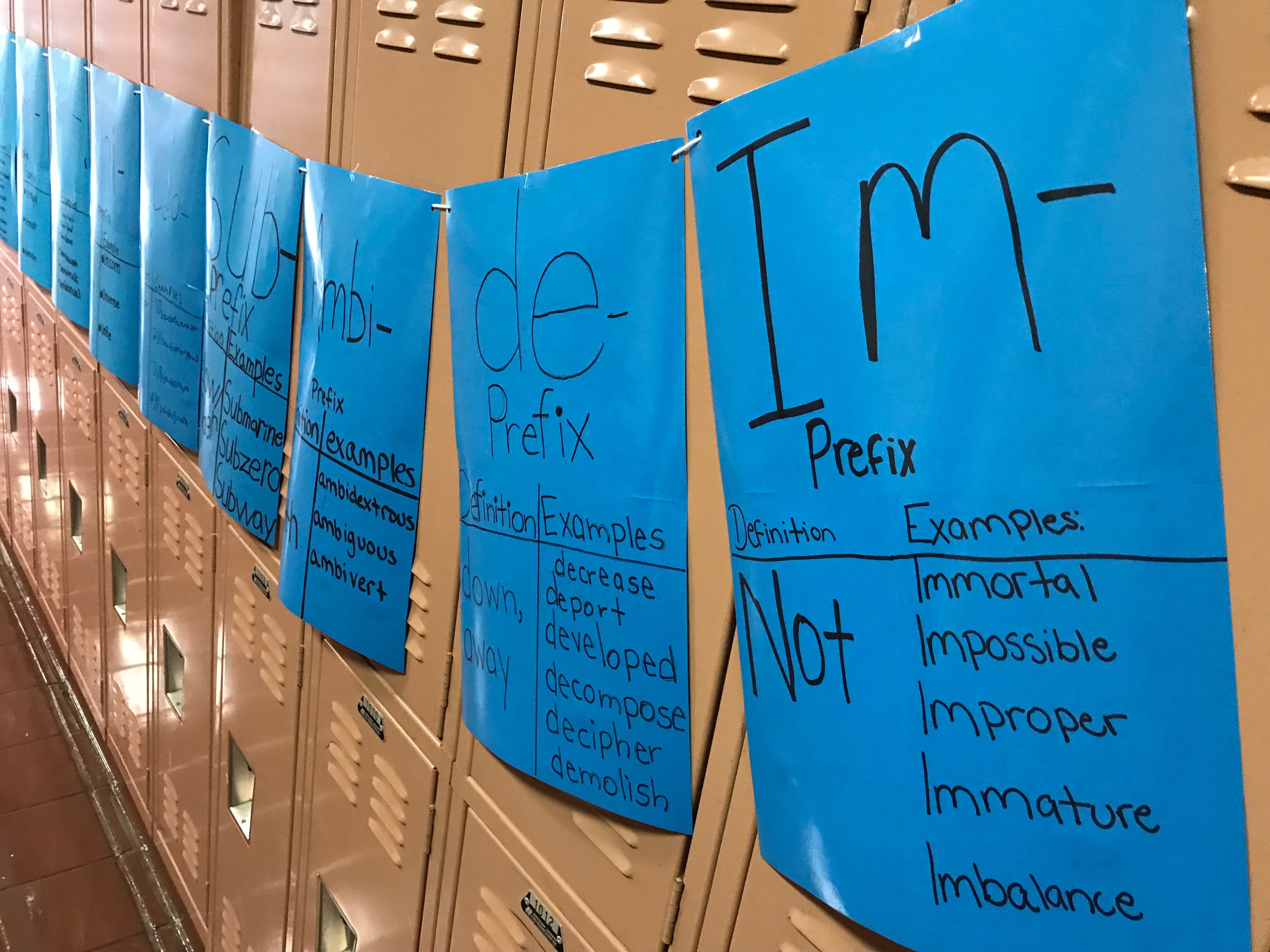
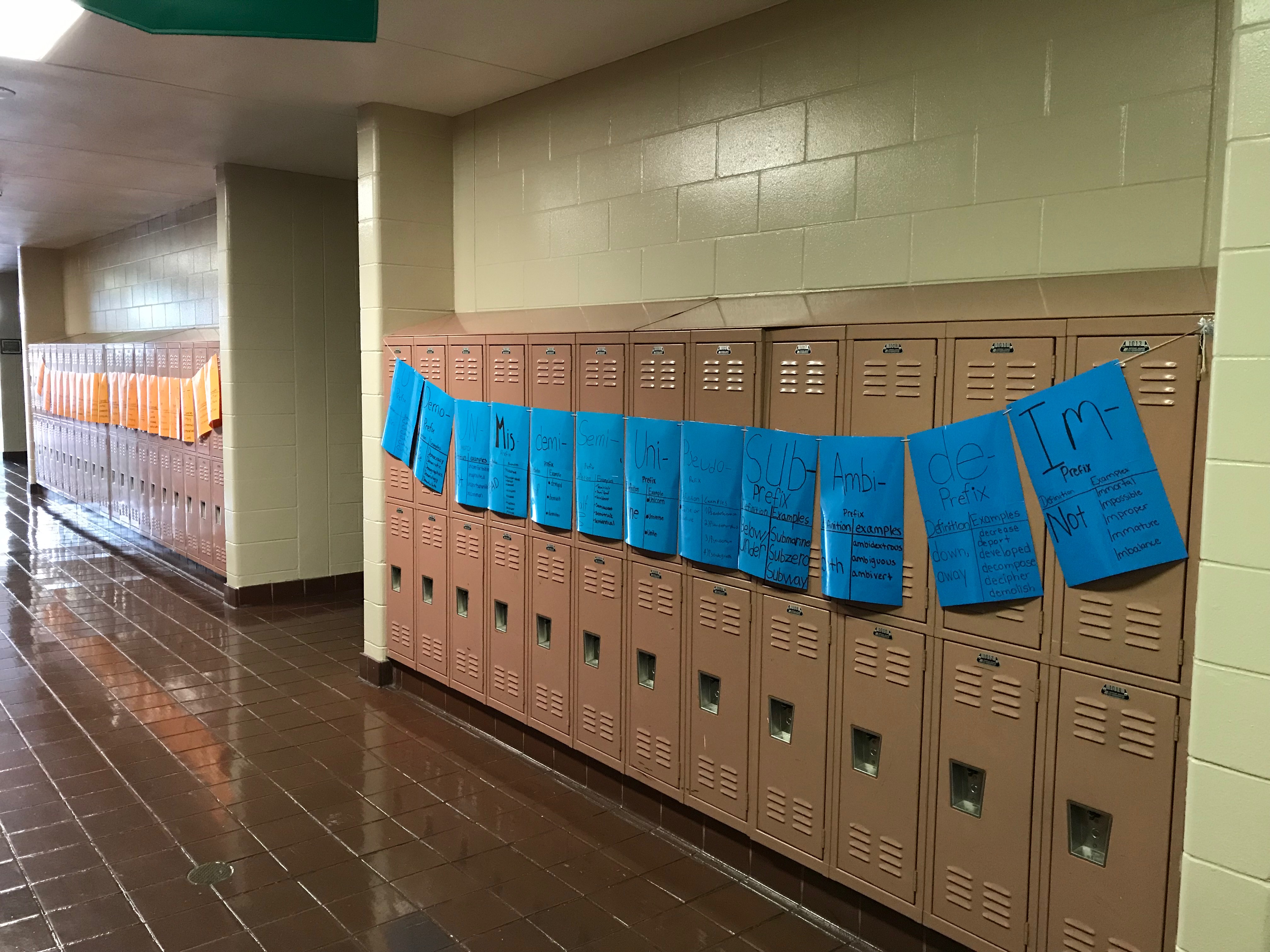
This year, one of the initiatives at our school is academic vocabulary and interactive word walls, but as you see above, I do not have a lot of wall space in my room because of the book shelves, so with the help of an awesome science teacher in my hallway, we came up with the idea of making a word hallway instead of wall. Each student was given 2 word parts to make a mini-poster about with the type of word part, definition, and examples. During this activity, so that everyone was able to complete two, 19 new word parts were added. We then laminated the mini-posters and strung them into banners then hung them on the lockers that aren’t used in our hallway.

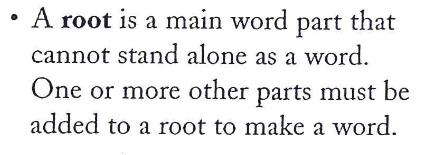
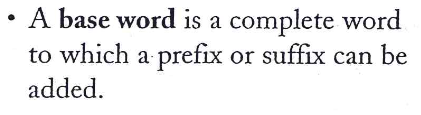
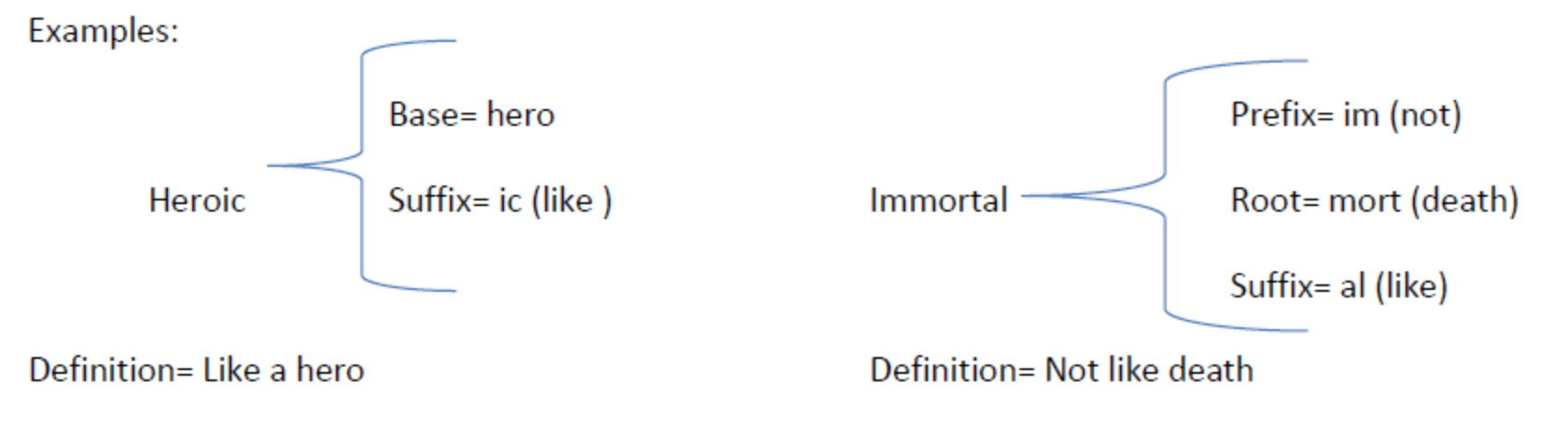
Now that they have a basic knowledge of types of word parts and different common word parts, we start breaking apart words using brace maps into word parts knowledge to define the words. I start with words that they already know, like subway and unbelievable, to show how word parts work. We then start breaking apart words they may not know, like intangible and junction, to show how it can help them when encountering unknown vocabulary.

Now, when the unit ends, our time with word parts don’t stop. First, we have word part flashcards at the door almost every day. I also revisit the unit throughout the year and point out whenever a word part comes across in our lessons. We’ll also do a mini-unit in January also where we’ll add more word parts.

This unit is one of the most mentioned units when I ask students the most useful things they learned in my class AND also their favorite unit. Here are some responses when I asked students how the word part lessons helped them:

  • I can define most words without having to look in the dictionary! My vocab has expanded a lot!
  • They help me because now that I’m in high school, I can understand new words faster.
  • When there are words I do not know, I use my knowledge of word parts to break it apart and find the definition.
  • The words parts help us by giving clues on what a word means in a book or article that we are reading.
  • The word part lessons from Advanced Reading have helped me SO MUCH in my high school English. We constantly have new vocabulary and knowing affixes has really helped me figure out their definitions.

I say that that, along with the success I see in vocabulary acquisition after learning about word parts, shows the success of this take on vocabulary instruction.

Complexity in The Impossible Knife of Memory by Laurie Halse Anderson

Share

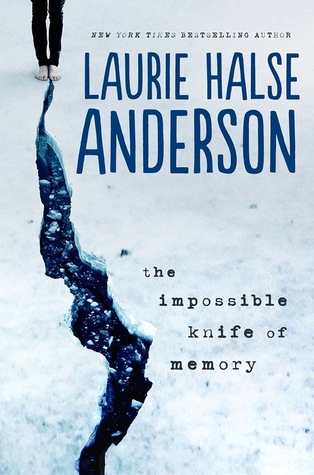
The Impossible Knife of Memory
Author: Laurie Halse Anderson
Published January 7th, 2014

ALAN Walden Award Finalist 2015
National Book Award Longlist 2014
School Library Journal Best Young Adult Book of 2014

Summary: For the past five years, Hayley Kincain and her father, Andy, have been on the road, never staying long in one place as he struggles to escape the demons that have tortured him since his return from Iraq. Now they are back in the town where he grew up so Hayley can attend school. Perhaps, for the first time, Hayley can have a normal life, put aside her own painful memories, even have a relationship with Finn, the hot guy who obviously likes her but is hiding secrets of his own.

Will being back home help Andy’s PTSD, or will his terrible memories drag him to the edge of hell, and drugs push him over? The Impossible Knife of Memory is Laurie Halse Anderson at her finest: compelling, surprising, and impossible to put down.


Complexity in Young Adult Literature

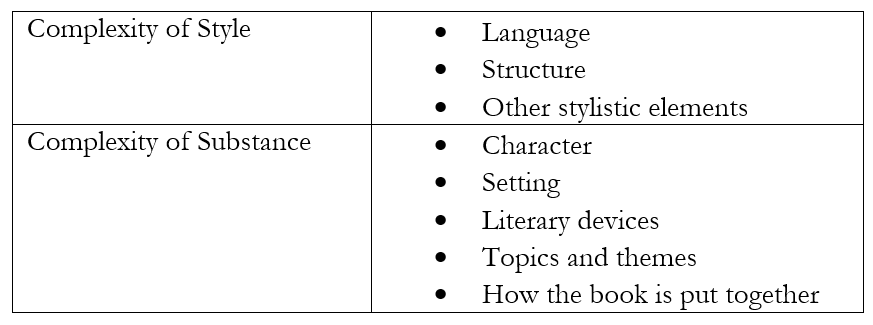
In Teaching Reading with YA Literature: Complex Text, Complex Lives by Jennifer Buehler, Chapter 2 looks at Young Adult Literature and Text Complexity and gives 8 different elements to think about to help analyze the complexity of a text:

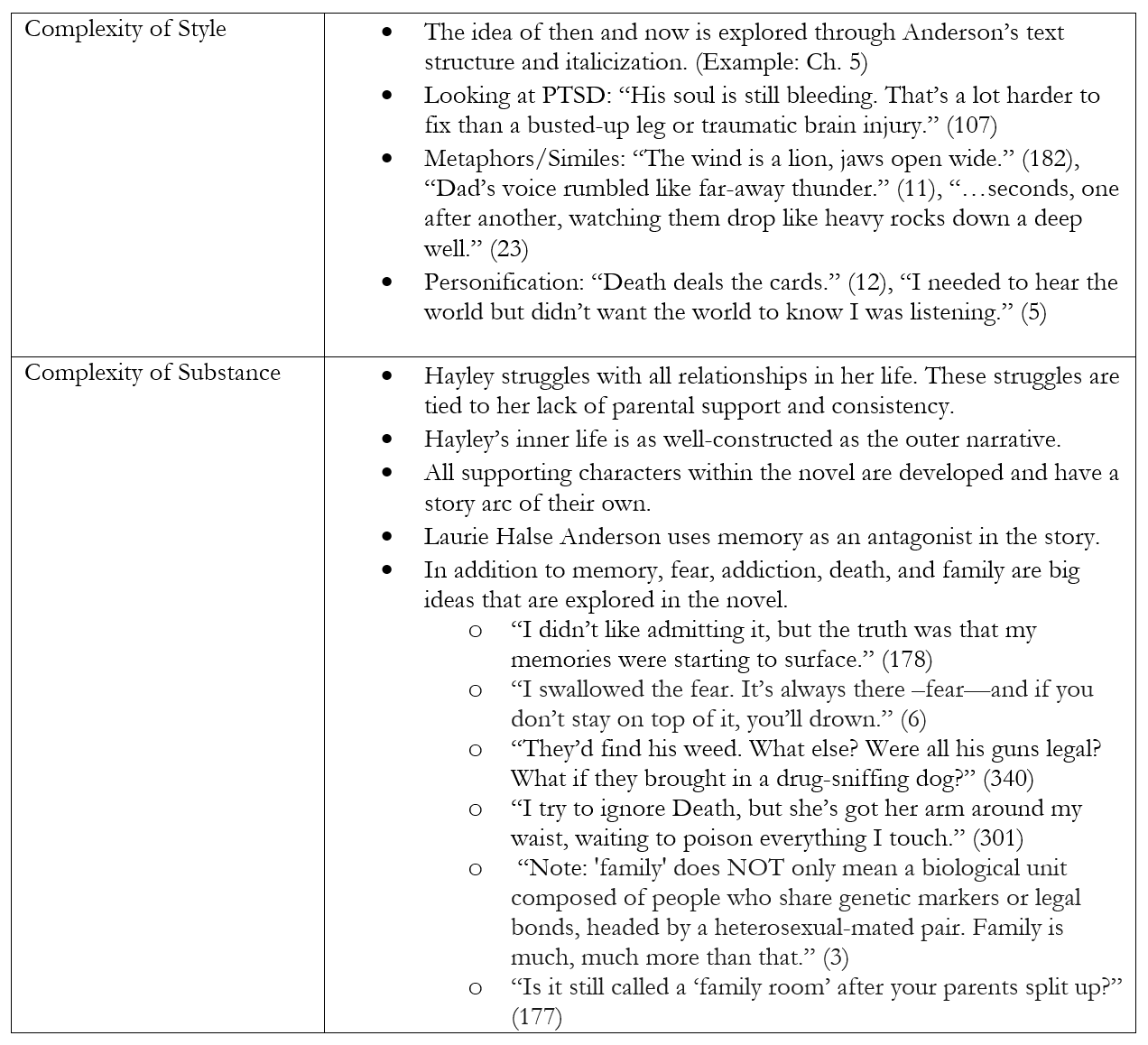
Examples of complexity in The Impossible Knife of Memory by Laurie Halse Anderson

Other questions that could be asked while reading to find complexity in YAL
(Examples from Teacher Reading with YA Literature, Buehler 36-37)

  • Language: Are the sentences artfully constructed? Are the words carefully chosen? Does the author incorporate figurative language or poetic expression? Can we hear voice in the writing?
  • Structure: How is it built in terms of form and structure? How do other elements such as titles and subtitles, vignettes and interludes, shifts between past and present, or multiple points of view work together to service the whole?
  • Other Stylistic Elements: Are there other distinct elements in the text?
  • Character: What is there to explore in terms of the character’s thoughts and feelings; conflicts and contradictions; struggles, growth, and change?
  • Setting: How does the author bring us into the world of the story? What details help us to see, hear, and imagine this place?
  • Literary Devices: How does the author use literary or cultural allusions, intertextual references, dialogue, internal monologue, metaphor and symbolism, magical realism, or repetition to build meaning?
  • Topics and themes: What questions does the book ask? What ideas does it explore? What is at stake for teen readers in this book?
  • How the book is put together: How effective is the interplay between plot layers and thematic layers?

Discussion Questions/Writing Prompts for The Impossible Knife of Memory

Complexity can also be increased by the characteristics of the reader (such as motivation, knowledge, and experiences) and task variables (such as purpose and the complexity generated by the task assigned and the questions posed). Here are some examples of discussion questions or writing prompts that could be used in classrooms or with independent readers who are reading The Impossible Knife of Memory.

  • Hayley classifies all people into two categories: freaks & zombies. What does Hayley’s idea of the world show us about her outlook on life?
  • How does Laurie Halse Anderson use the idea of THEN and NOW throughout the novel to build on the theme that memories are a very complex part of life?
  • Drowning is a motif throughout the novel.
  • How does Laurie Halse Anderson show the reader that Hayley’s father is suffering and found addiction without using those words?
  • How did the inclusion of Hayley’s romantic relationship with Finn help move along the story and Hayley’s transformation? Do you feel that Hayley’s story arc would have been the same without Finn in the story?
  • How was the setting an integral part of the story? How did Hayley returning to her deceased grandmother’s home propel the story?
  • .Trish is one of the most complex characters in the book because there are many different Trishes shared with us throughout the story: Trish then, Trish now in reality, and Trish now in Hayley’s mind. How did Laurie Halse Anderson develop each of these different characters to show the reader a full picture of Trish?

This complexity information and activities can be found as a PDF on Laurie Halse Anderson’s website or my SlideShare.

To learn more about complexity in young adult literature, please read Teaching Reading with YA Literature: Complex Text, Complex Lives by Jennifer Buehler!

Teaching Tuesday: Using Dialogue Journals with High Schoolers

Share

When I was my Methods of Teaching English course as an undergraduate many moons ago (with my smart, thoughtful mentor Wendy Glenn), she used dialogue journals with us. I absolutely loved the idea and used it with my own students when I became a teacher. Since my graduation, I’ve seen dialogue journals used in a variety of different ways. Many teachers have students write to each other. I like this, but there is something particularly special about getting to know your students through their dialogue journals and having a conversation with them.

I follow the way that I was taught to use dialogue journals. I begin with a prompt and staple it to the first page. The student writes a response to the prompt or writes about anything of interest. I then write back (a minimum of a paragraph but usually longer). The student then responds to me and writes back to me. Throughout, I introduce new prompts, or the students can continue our conversations.

How do I evaluate them?

I choose to evaluate dialogue journals based on completeness. I ask students to write a lengthy note to me, and as long as they do this, they receive an A. For me, dialogue journals are not about the grade. They are about a) me getting to know my students, b) me showing my students that I am interested in their lives and passions, c) me learning about my students’ interests to cater the curriculum to their needs, and d) me learning about their strengths and needs with respect to writing.

How do I purchase that many journals?

I invite students to get their own journal. They enjoy picking them out. But I always buy a few dozen cheap journals before the school year starts (during the crazy sales) to support students who prefer to use mine. To prevent a divide between the haves and the have-nots, I typically say, “If you don’t feel like going out and getting one, you can have one of mine.” Some teachers request department money be allocated for this.

How do I grade 100 dialogue journals in a semester?

Easy. I stagger when the students turn them in. I take home five to seven journals a night, and I read students’ journals every two weeks or so. If I am having a light grading time period, I take more of them home. I know that this is the scariest part for teachers, but I have always found it to be manageable. I have learned so much about my students’ lives in these journals, and they have been an invaluable part of my teaching.

What ideas do you have for using dialogue journals with students? What recommendations do you have for teachers? I’d love to hear your thoughts and suggestions! 

Teaching Tuesday: Books for Ricki’s Fall 2018 Adolescents’ Literature Course

Share

Selecting books for my Adolescents’ Literature course is always a struggle. There are so many good books out there, and a week after I submit my book order, I always wonder if I should have used X book or highlighted the amazing work of X author. I will admit that some of my favorite authors aren’t even on the list. I try to mix it up each semester. I believe that I am only keeping four (of almost forty) books from last semester. This allows me to spread the author love and placate my guilt for not being able to include X work or X author. I am really excited to hear what the students think about the books this semester! Sharing this list brings some anxiety for me. I really struggle to build a list that is diverse, but I recognize that I am missing major topics and texts. This feels inevitable, but it doesn’t make it feel right.

For some of the weekly topics, only one book is listed. This means the entire class is reading the book. For other topics, three books are listed. This means that the class is divided in thirds. Each third reads a different book, and then we look across the texts to talk about the topic. I recognize that categorizing books has its problems, but we unpack this and discuss how it also helps us talk about many aspects of adolescence in a focused way. Many of the texts on this list could fit under several topics.

Identity (and Complications with Studying Identity)

If I Ever Get Out of Here by Eric Gansworth

Nontraditional Forms of YAL

American Born Chinese by Gene Luen Yang

Family and Friendship

Piecing Me Together by Renée Watson

Drums, Girls, and Dangerous Pie by Jordan Sonnenblick

They Both Die at the End by Adam Silvera

Sexuality

Aristotle and Dante Discover the Secrets of the Universe by Benjamin Alire Sáenz.

Gender

If I Was Your Girl by Meredith Russo

When the Moon Was Ours by Anna-Marie McLemore

The 57 Bus by Dashka Slater

Time and Place

Between Shades of Gray by Ruta Sepetys

Grief

Goodbye Days by Jeff Zentner

We Are Okay by Nina LaCour

The Astonishing Color of After by Emily X. R. Pan

Nonfiction

Americanized: Rebel Without a Green Card by Sara Saedi

Vincent and Theo by Deborah Heiligman

Mary’s Monster by Lita Judge

Mental Health

Anger is a Gift by Mark Oshiro

Highly Illogical Behavior by John Corey Whaley

Little & Lion by Brandy Colbert

Considerations of Class

The Smell of Other People’s Houses by Bonnie-Sue Hitchcock

The Serpent King by Jeff Zentner

Me and Marvin Gardens by A.S. King

Refugees and Immigration

Refugee by Alan Gratz

American Street by Ibi Zoboi

A Land of Permanent Goodbyes by Atia Abawi

Disability and the Body (Literature Circles)

Wintergirls by Laurie Halse Anderson

Out of My Mind by Sharon Draper

Girls Like Us by Gail Giles

Fish in a Tree by Lynda Mullaly Hunt

Wonder by R. J. Palacio

Not If I See You First by Eric Lindstrom

Challenger Deep by Neal Shusterman

Marcelo in the Real World by Francisco X. Stork

The Politics of Adolescence

All American Boys by Jason Reynolds and Brendan Kiely

Tyler Johnson Was Here by Jay Coles

The Hate U Give by Angie Thomas

What books do/would you include on a course list?