Sofia’s YA Book Nook: Thin Air by Kellie M. Parker

Share

Sofia is a 13-year-old brilliant reader who aspires to be a book reviewer. Since she was 8 years old, on select Saturdays, Sofia shares her favorite books with other young people her age! She is one of the most well-read youth that we know, so she is highly qualified for this role!


Dear readers,
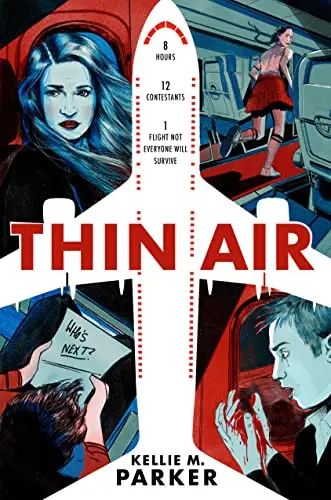
Hello and welcome to a deadly competition on a plane, Thin Air by Kellie M. Parker! This captivating thriller will keep you on the edge of your seat the entire time you are reading! Just make sure you don’t read this while on a plane because like I mentioned earlier, the killer could be anywhere on the plane! I am currently enjoying thrillers quite a bit, and this is probably one of my favorites so far!

Goodreads Summary

Eight hours. Twelve contestants. A flight none of them might survive. A flight to Paris full of teenagers seeking opportunity turns deadly in this suspenseful, locked-door YA thriller. Perfect for fans of Diana Urban, Karen McManus, and Jessica Goodman. Seventeen-year-old boarding school student Emily Walters is selected for an opportunity of a lifetime—she’ll compete abroad for a cash prize that will cover not only tuition to the college of her choice, but will lift her mother and her out of poverty. But almost from the moment she and 11 other contestants board a private jet to Europe, Emily realizes somebody is willing to do anything to win. Between keeping an eye on her best friend’s flirty boyfriend and hiding her own dark secrets, she’s not sure how she’ll survive the contest, much less the flight. Especially when people start dying… As loyalties shift and secrets are revealed, Emily must figure out who to trust, and who’s trying to kill them all, before she becomes the next victim.

My Thoughts
There are many reasons why I enjoyed this book including just being into thrillers right now and the plot. I liked how each of the characters had their own complex backstory and even though it might be hard to follow at the beginning, each person ends up having a “defining trait” which makes them easier to tell apart. Another reason I really enjoyed this book was because there weren’t a lot of gory details. I like it when I can know when a person is dead and maybe how they died but I don’t like when they talk about tons of little details about the death. Overall, I think this is definitely an underrated YA thriller that more people should check out!

For the age rating, Amazon rates it for ages 12-17 and I agree even though I think most adults would like this too. Some trigger warnings for this book are that a couple of people die via murder and that there is blood.

**Thanks so much, Sofia!**

My Towering Tree by Janna Matthies, Illustrated by Ashley Wolff

Share

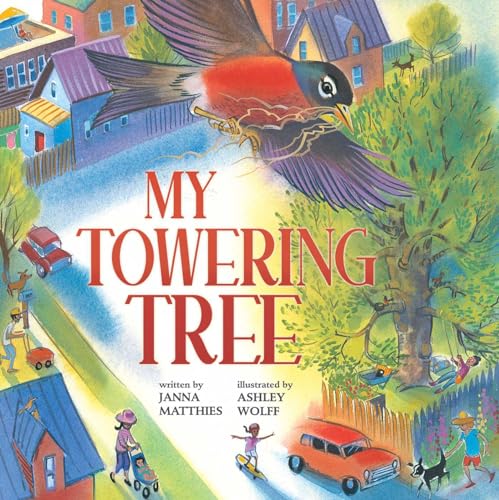
My Towering Tree
Author: Janna Matthies
Illustrator: Ashley Wolff
Published August 27th, 2024 by Beach Lane Books

Summary: Discover all the joyful moments and adventures waiting right outside your door in this mindful rhyming picture book celebration of backyard nature.

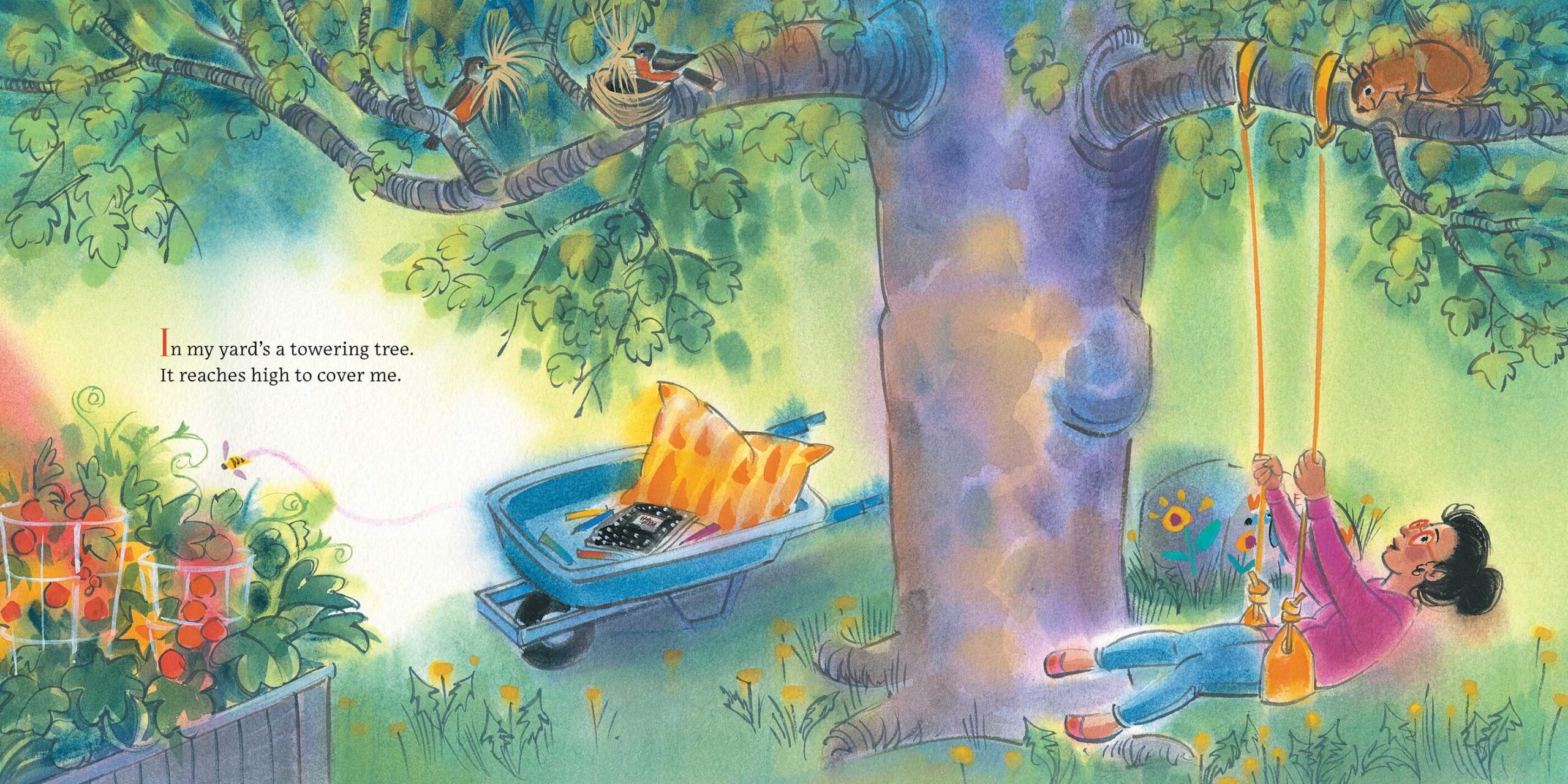
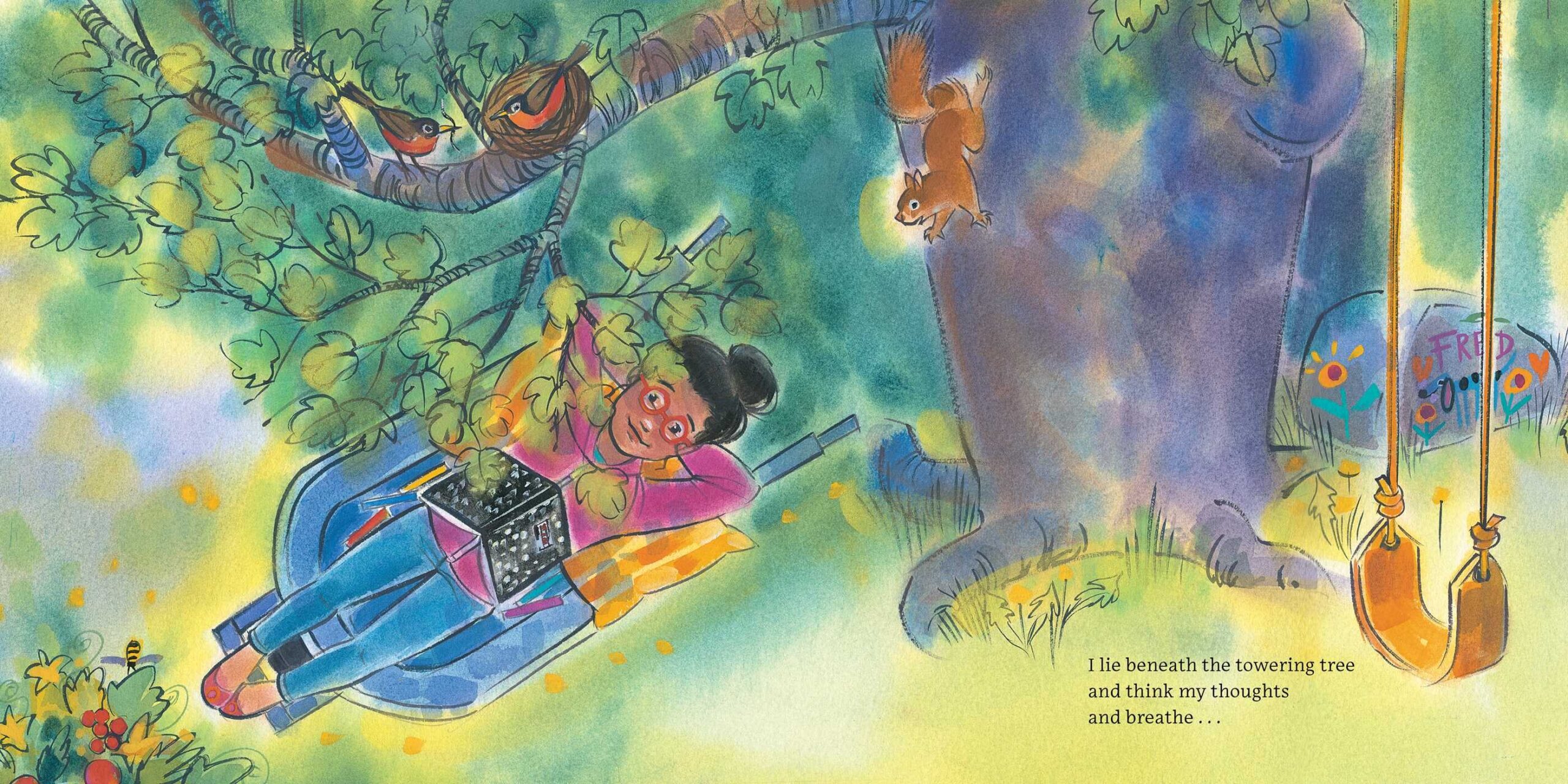
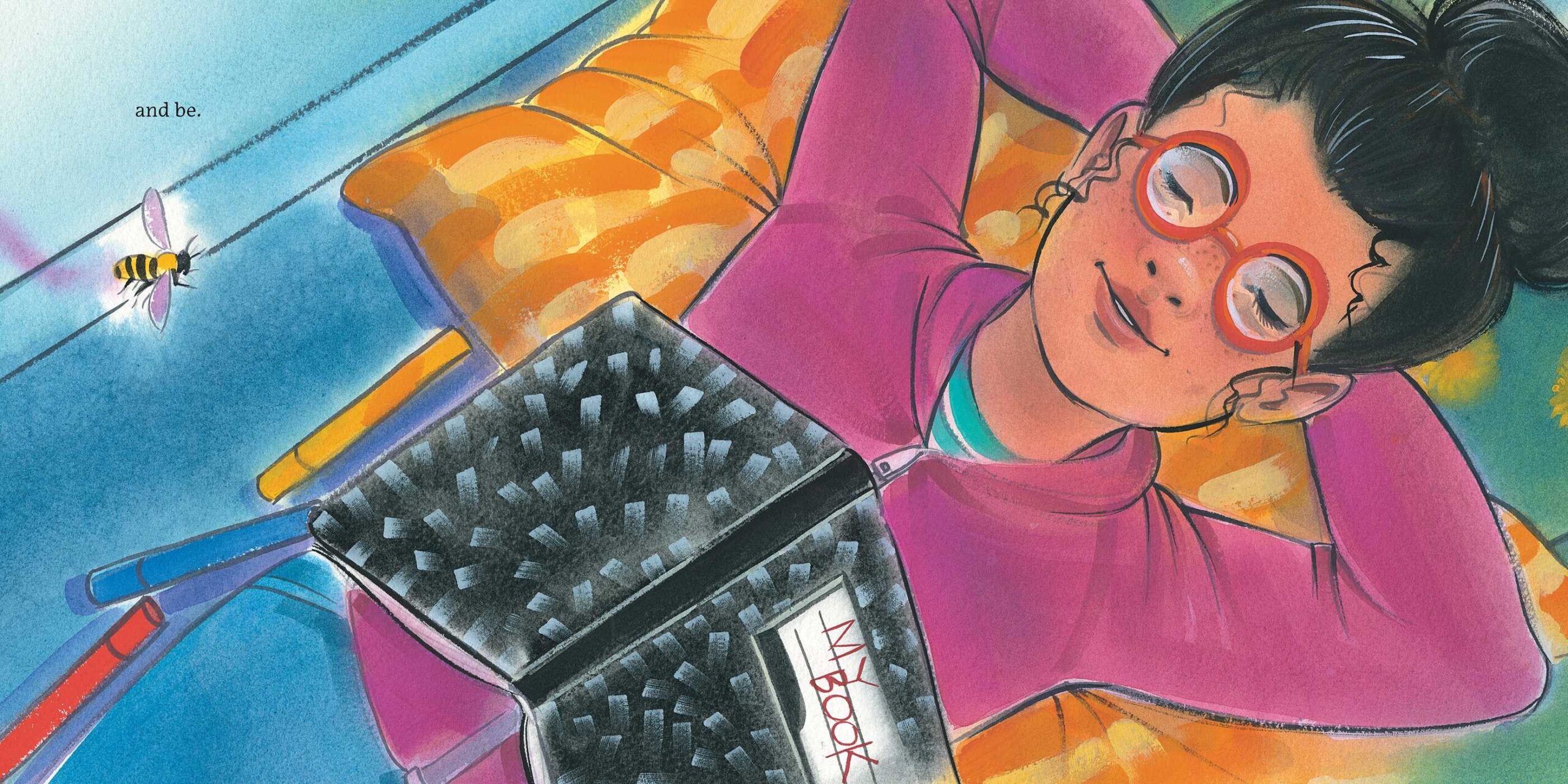
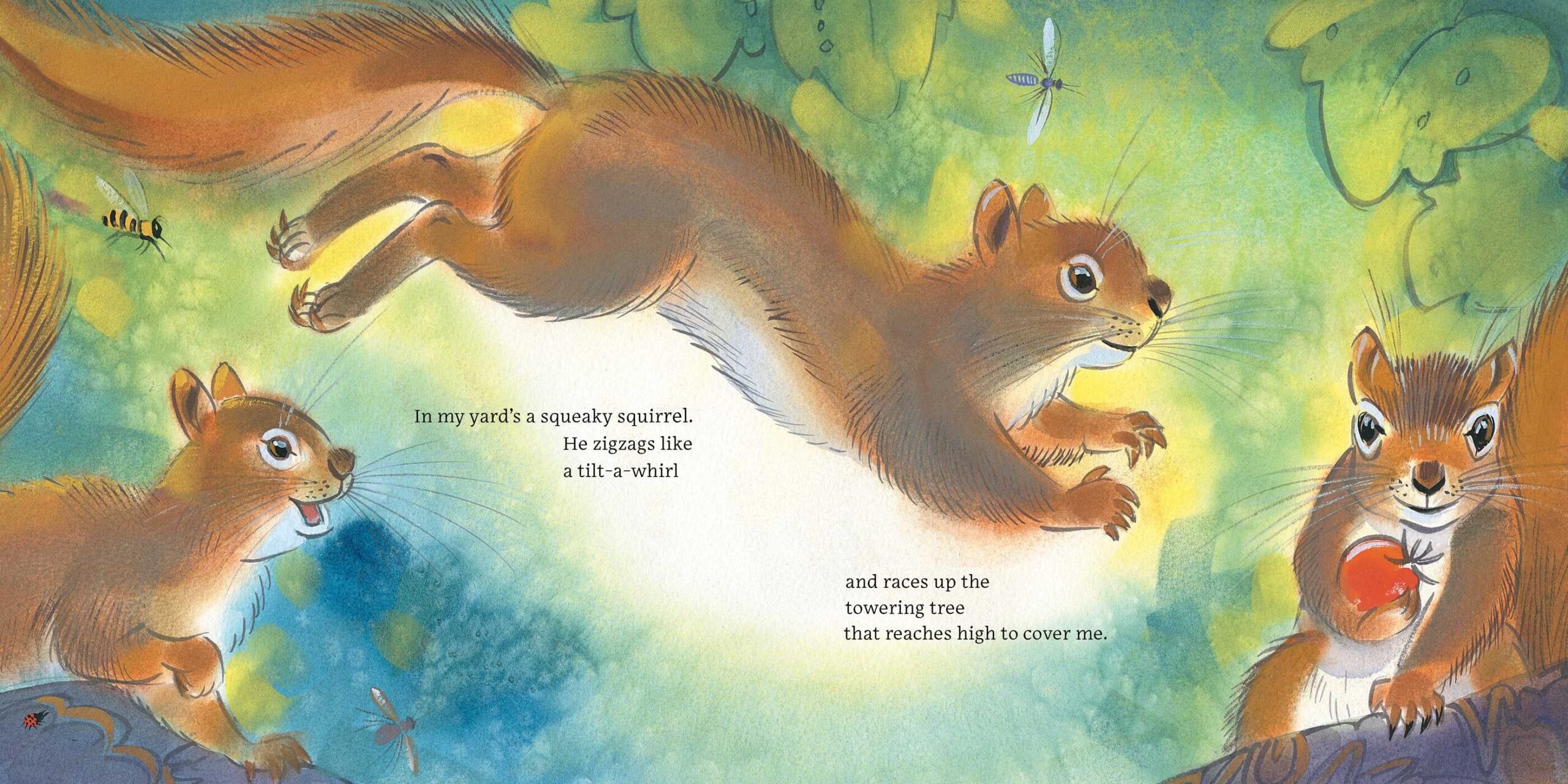
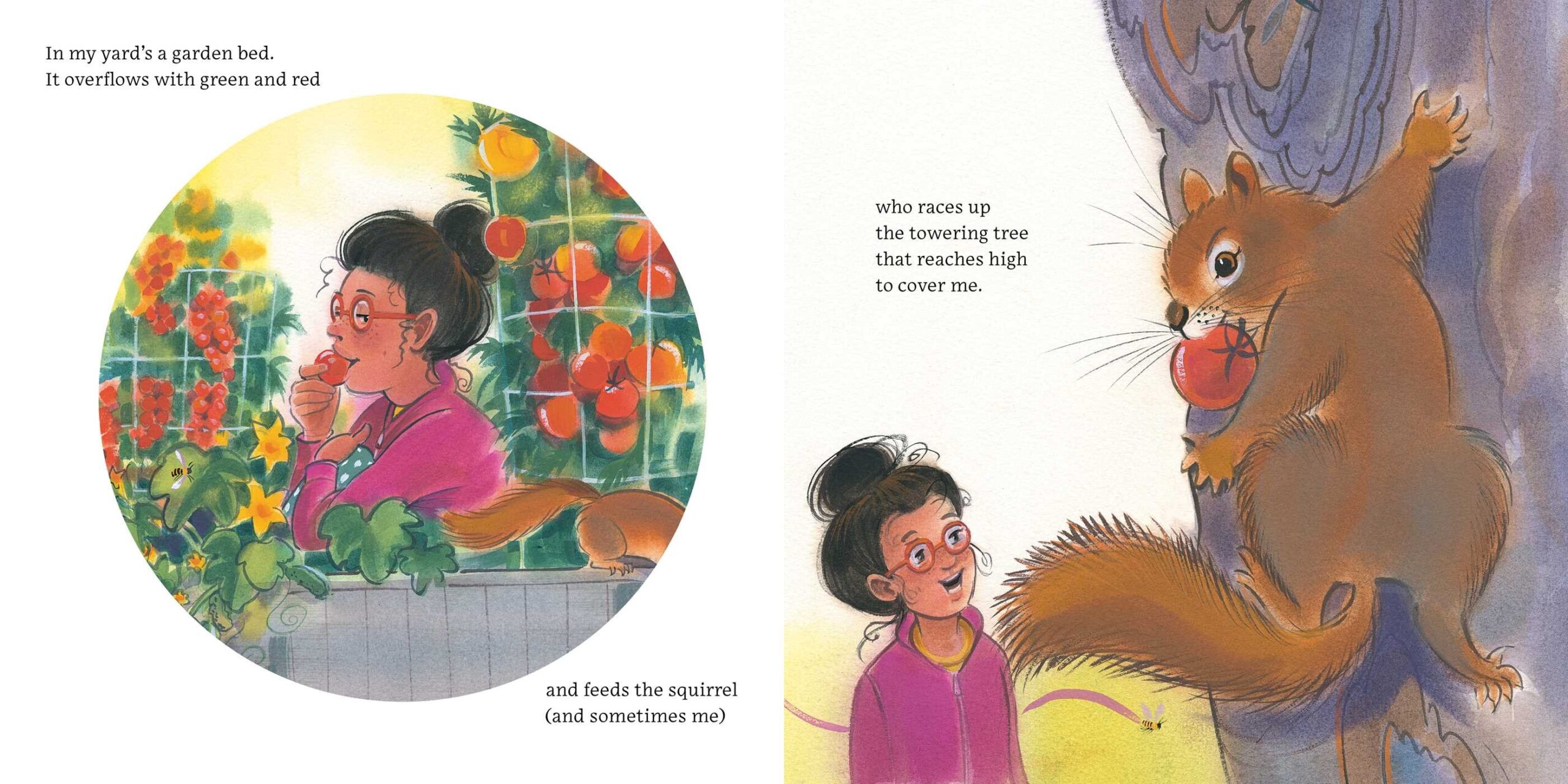
In my yard’s a towering tree. It reaches high to cover me. I lie beneath the towering tree and think my thoughts, and breathe, and be. There is much to do and so much to see beneath the branches of a towering tree! Step inside a leafy backyard world where squirrels are zipping, bees are buzzing, the sun is shining, and a curious, creative child is noticing and absorbing it all. This tribute to the wonderful worlds that exist in a backyard invites readers to stop, take a breath, and appreciate the natural world around them.

“This book is sure to delight . . . beautifully written rhymes blend perfectly; the pacing is ideal for reading aloud. A strong addition to the shelves and an accessible title to add to nature lessons or even story hours about mindfulness, with its emphasis on simplicity and an appreciation of nature.” – School Library Journal

“A gentle appreciation of the nature around us, from the ground to the sky.” – Kirkus Reviews

About the Creators: 

Janna Matthies is a picture book author and early elementary music teacher in Indianapolis. Her books include Here We Come!God’s Always Loving YouTwo Is Enough, which made the 2016 Bank Street list and New York Times Book ReviewThe Goodbye Cancer GardenPeter, the Knight with Asthma; and Monster Trucks. Janna is a longtime volunteer with the Indiana SCBWI and provides editorial services to the Indianapolis Symphony Orchestra for picture books supporting their Teddy Bear Concert Series. When she’s not writing or making music, Janna can be found digging in the garden, swimming laps, walking Juneau the howling Husky, or keeping up with her husband and three mostly-grown kids.

Ashley Wolff lives in Vermont and is the author and illustrator of more than sixty books for children, including the modern classic Miss Bindergarten series by Joseph Slate, and her own celebrated Only the Cat Saw; Where, Oh Where, Is Baby Bear?; Baby Bear Counts One; and Baby Bear Sees Blue. Visit her at AshleyWolff.com.

Review: In a world where everyone, even kids, are usually GO GO GO, it is important to remind how important stopping, relaxing, focusing on nature, breathing, and appreciating. Matthies’s lyrical, meditative words mixed with Wolff’s full page, colorful, and captivating illustrations lend to readers wanting to find the beauty in the world around them.

Tools for Navigation: Towering Tree is reminiscent of “The House that Jack Built,” so it would be a great way to talk about variations/retellings and allusions of nursery rhymes. It also has a great rhyming pattern that can be analyzed also.

The book also lends to taking kids outside then having them draw and journal about what they see in their backyard or a park.

Discussion Questions: 

  • How is The Towering Tree like “The House that Jack Built”?
  • What type of rhyming pattern does this story have?
  • What do you see in your background/in a park when you sit under a tree?
  • Why is it important to remember the beauty of nature?
  • Why is it important to slow down sometimes, instead of go go going?
  • If you had a garden, what would you put in it?
  • What do you think the author’s purpose was for this book?
  • How does the backyard in the book compare/contrast to your backyard?
  • What word play can you find in the book? Figurative language?
  • What descriptive language did the author use that helped describe the scene?
  • How do the illustrations add to the story?

Flagged Spreads: 

Read This If You Love: Nature, Rhyming picture books

Recommended For: 

classroomlibrarybuttonsmall 

Signature

**Thank you to the author for providing a copy for review!**

It’s Monday! What Are You Reading? #IMWAYR 9/9/24

Share

It’s Monday! What Are You Reading?
For readers of all ages

It’s Monday! What Are You Reading? is a weekly blog hop we host which focuses on sharing what we’re reading. This Kid Lit version of IMWAYR focuses primarily on books marketed for kids and teens, but books for readers of all ages are shared. We love this community and how it offers opportunities to share and recommend books with each other.

The original IMWAYR, with an adult literature focus, was started by Sheila at Book Journeys and is now hosted by Kathryn at The Book Date. The Kid Lit IMWAYR was co-created by Kellee & Jen at Teach Mentor Texts.

We encourage you to write your own post sharing what you’re reading, link up below, leave a comment, and support other IMWAYR bloggers by visiting and commenting on at least three of the other linked blogs.

Happy reading!

Bold_line

Tuesday: Bear’s Big Idea by Sandra Nickel, Illustrated by Il Sung Na

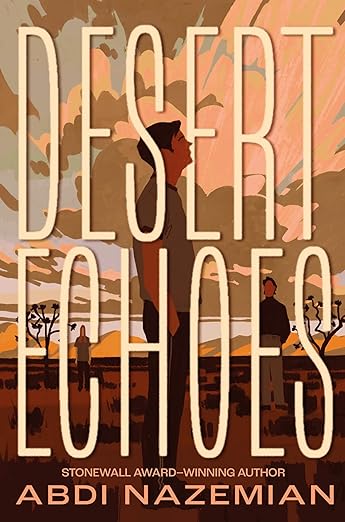
Sunday: Author Guest Post: “Living the Questions” by Abdi Nazemian, Author of Desert Echoes

**Click on any picture/link to view the post**

Bold_line

Kellee

Picture Books

  • Bookie & Cookie by Blanca Gómez: What a creative idea for a story! I loved that there are two friends who live on different pages of the book and travel between the two sides. I don’t know if there are any other picture books like this, but I think it is so clever. And the message of the book is so important. It is going to be the perfect read aloud.
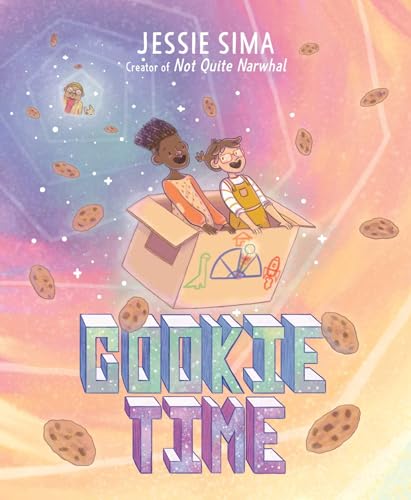
  • Cookie Time by Jessie Sima: Jessie Sima does it again! Her books are always so much fun and more than meets the eye. This one is the same–it is a mix of sentimental family moments and time travel! It is sweet and silly. Another unexpected picture book that leads to a wonderful reading experience.
  • Clack, Clack! SMACK!: A Cherokee Stickball Story by Traci Sorell, Illustrated by Joseph Erb: The onomatopoeias and action within this book keep the reader wanting to continue to see how everything pans out, and Vann is a character who you can’t help but root for. I also loved the information about stickball and the Tsalagi language that is found in the back matter.
  • The Goblin Twins and The Goblin Twins: Too Hard to Scare by Frances Cha, Illustrated by Jaime Kim: These are perfect addition to Halloween read aloud time! The books aren’t too scary, but have a spooky feel, and they both have a great message that make them more than the normal Halloween book. And that they are based in Korean myths that is new to me was so fascinating, so is an opportunity to share about Dokkaebi. (Also, like often with duo characters, there is the opportunity for compare & contrast!)

Middle Grade

  • Whatever After: Liar Liar by Sarah Mylnowski: This is the 16th book in this series, and I have loved them all. It is always fun to see how the author is going to twist a classic tale, this time Pinocchio.

Young Adult


  • This Ravenous Fate by Hayley Dennings: If you like vampire, time period, romance novels with a touch of old timer gangster feels, you are going to love this book!
  • How to Lose a Best Friend by Jordan K. Casomar: This book made me feel SO MANY EMOTIONS. I got SO mad, you should have heard me venting to my library clerk. You know a book is good when you are gossiping about it like it is real life. It truly kept me reading–I had to know what was going to happen (and if it was going to make me more angry!).
  • Unbecoming by Seema Yasmin: This was a dystopian book about the lack of access to abortion that switched to a contemporary book when Roe vs. Wade is overturned. The story is so real and scary with characters who readers will adore.

And you can always learn more about any of the books I’ve been reading by checking out my read bookshelf on Goodreads.

Ricki

This is my week off–I’ll see you in two weeks!

Bold_line

Kellee

Bold_line


Tuesday: My Towering Tree by Janna Matthies, Illustrated by Ashley Wolff

Thursday: Sofia’s YA Book Nook: Into Thin Air by Kellie M. Parker

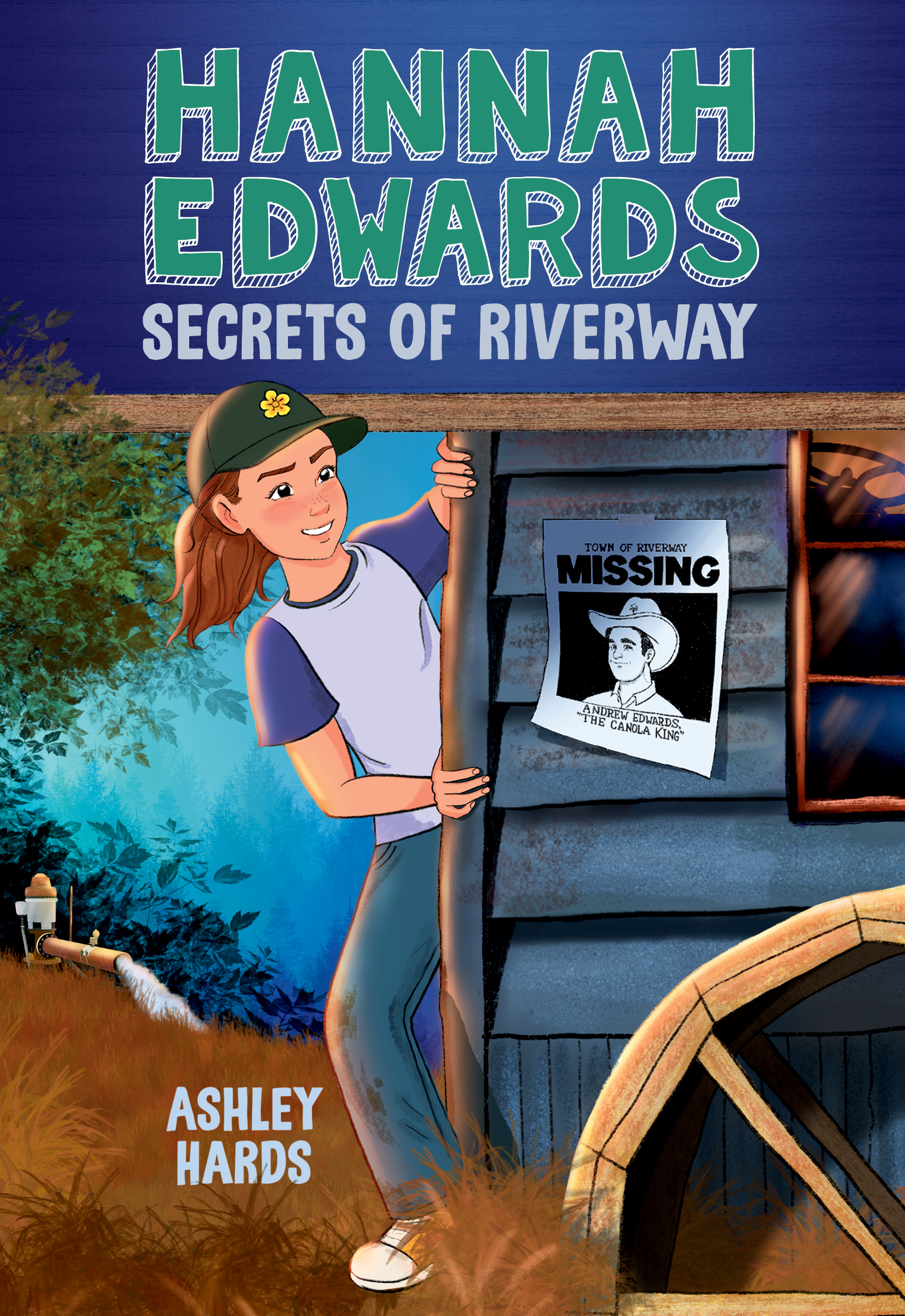
Sunday: Author Guest Post: “Challenging the Myths and Misrepresentations of ADHD in Children’s Books” by Ashley Hards, Authors of Hannah Edwards: Secrets of Riverway

Bold_line

Link up below and go check out what everyone else is reading. Please support other bloggers by viewing and commenting on at least 3 other blogs. If you tweet about your Monday post, tag the tweet with #IMWAYR!

 Signature andRickiSig

Author Guest Post: “Living the Questions” by Abdi Nazemian, Author of Desert Echoes

Share

“Living the Questions”

When my children were first learning to talk, their favorite word was “Why?” No matter what answer I gave to their initial question, they would follow it up with a “Why?” and then another “Why?” until I finally explained that I didn’t have all the answers to the mysteries of the world. I’m sure I was the same as a toddler. As I grew into my teenage years, I wanted deeper answers to all the “whys” of the world. Part of this is, I believe, because so much of my history was hidden from me, and also inaccessible to me in those pre-internet times. My parents and their generation of Iranians shielded us from the difficult stories of the Iranian Revolution and its aftermath to spare us the trauma and give us a fresh start. Queer history was also inaccessible to me in a homophobic analog world. As I grew older and discovered the history that preceded me, I did feel more grounded, more prepared to blaze my own path on a foundation that had been laid for me.

And yet, as one question got answered, life always seemed to bring a new question.

When people find out that I don’t plot out my books, they often ask me how I start a novel with no roadmap or outline. The answer is that I always try to begin with a question that I’m grappling with. In Like a Love Story, about three teenagers coming of age during the worst years of the AIDS crisis in New York, I was trying to make sense of how to live and love boldly and freely in a time of fear, shame and repression. In my novel The Chandler Legacies, about a group of writing students who recognize and combat the culture of abuse at their boarding school, I was addressing how to reconcile my gratitude for and anger at the boarding school that both supported and hurt me and my closest friends.

With each novel, I try to answer the question at hand. But the beauty of fiction, and of all the arts, is that there are no answers, only more questions. In many ways, a novel is one long question. One of my favorite quotes of all time is from the writer Rainer Maria Rilke, who in Letters to a Young Poet, said: “Be patient toward all that is unsolved in your heart and try to love the questions themselves, like locked rooms and like books that are now written in a very foreign tongue. Do not now seek the answers, which cannot be given you because you would not be able to live them. And the point is, to live everything. Live the questions now. Perhaps you will then gradually, without noticing it, live along some distant day into the answer.”

To me, this is a quote to live by, a quote to write on the first page of your journal, a quote to revisit constantly.

My new novel Desert Echoes came to me during my first trip to Joshua Tree, the stunning, eerie, mysterious desert a few hours away from Los Angeles. I visited the desert alone on a scorchingly hot summer day, so hot that practically no one else was there. Our children had just gone away to sleepaway camp for the first time, and I felt lonely. (Side note for tweens and teens who are pulling away from their parents as they should, have empathy for your parents who miss your constant company and your chorus of questions). In the desert, in my loneliness, I began to truly process the grief I felt after the death of my first boyfriend almost a decade earlier. He, like the character of Ash in the book, was a magnetic, mysterious, talented individual who lived life boldly. He inspired me to be an artist through his belief in me and his commitment to his own artistry. He is the reason I came out to my family. He was also an addict who expertly hid his addiction and his demons from me. Meeting him changed my life and losing him did too. The novel Desert Echoes grapples with questions of how to heal from loss.

But I hope it doesn’t answer any of those questions with certainty, because these are questions that must be answered by each person for themselves. My hope is that young readers who read this book come away from it asking more questions, and “loving the questions themselves.” That is what the book is ultimately about for me.

What does it mean to love the questions and to “live the questions now?”

We live in a very different time than the one I grew up in. Many answers are readily available to us. If you want a quick mathematical calculation, you can input the numbers into your device. If you and your friends are arguing about what year a movie came out or who invented something, you can instantly get the answer from a search engine. If you can’t figure out the lyrics to a song, they live online, along with facts, dates, data and so much more.

These are not the questions Rilke was talking about, and not the ones art and humans struggle with. In our accelerating world of answers, I fear we’re losing the art of living the questions. So here are some small suggestions for you to try:

  1. Give others the gift of your curiosity. When discussing thorny, emotional subject matters with friends, classmates, family either in person or online, challenge yourself to ask questions of anyone you disagree with. A question is an act of generosity. It tells others you’re not judging them, and instead offering them your curiosity and attention. Only by asking questions of each other is their hope for common ground and healing.
  2. Give yourself the same gift. Rilke also said: “There is only one single way. Go into yourself.” For me, this means meditation and journaling. It means going into the desert alone and seeing what echoes come back in the stillness. We can’t all go to the desert, but nature is all around us. Try meditating or simply being still in a park or on grass or just staring at the sky and clouds. Remind yourself you’re living under the same sky, same sun, same moon that your ancestors lived under, that people all over the world live under, and that subsequent generations will live under. See what questions echo back to you.
  3. Pinpoint which questions you love to live in. This will be different for everyone, as it should be. I’ve realized that I love the process of writing even more than I love the outcome. Anything you devote your life to should feel like this, from relationships to career. If you love living in scientific questions, pursue that. If you love living in questions of art-making, pursue that. Life is all process, so we must love that process.

Publishing September 10th, 2024

About the Book: Desert Echoes tells the story of high-school junior Kamran, who hasn’t been the same since his boyfriend Ash disappeared in the desert. Kam is supported by his best friend Bodie and by his mother. When a school trip takes Kam and Bodie back to Joshua Tree, Kam seeks answers to the questions that have haunted him since Ash’s disappearance two years earlier.

The book jumps in time from present to past and back again, so readers slowly discover more about Kam and Ash’s relationship, and about the strained marriage of Kam’s parents. In the desert, Kam finally finds the answers he needs about Ash’s disappearance. In doing so, Kam discovers his own capacity for hope, love, and perseverance, and grows massively in his understanding— and forgiving—of nuanced, complicated human relationships. 

About the Author: Abdi Nazemian is the author of Only This Beautiful Moment—winner of the 2024 Stonewall Award and 2024 Lambda Literary Award—and Like a Love Story, a Stonewall Honor Book and one of Time Magazine’s Best YA Books Of All Time. He is also the author of the young adult novels Desert Echoes, The Chandler Legacies, and The Authentics. His novel The Walk-In Closet won the Lambda Literary Award for LGBT Debut Fiction. His screenwriting credits include the films The Artist’s WifeThe Quiet, and Menendez: Blood Brothers and the television series Ordinary Joe and The Village. He has been an executive producer and associate producer on numerous films, including Call Me by Your NameLittle Woods, and The House of Tomorrow. He lives in Los Angeles with his husband, their two children, and their dog, Disco. Find him online at abdinazemian.com.

Thank you, Abdi, for this emotional post looking at the questions the grief brings!

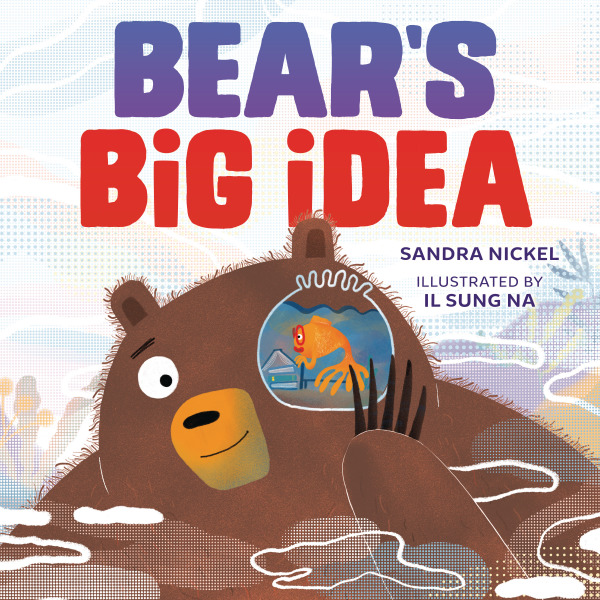
Bear’s Big Idea by Sandra Nickel, Illustrated by Il Sung Na

Share

Bear’s Big Idea
Author: Sandra Nickel
Illustrator: Il Sung Na
Published September 10th, 2024 by Carolrhoda Books

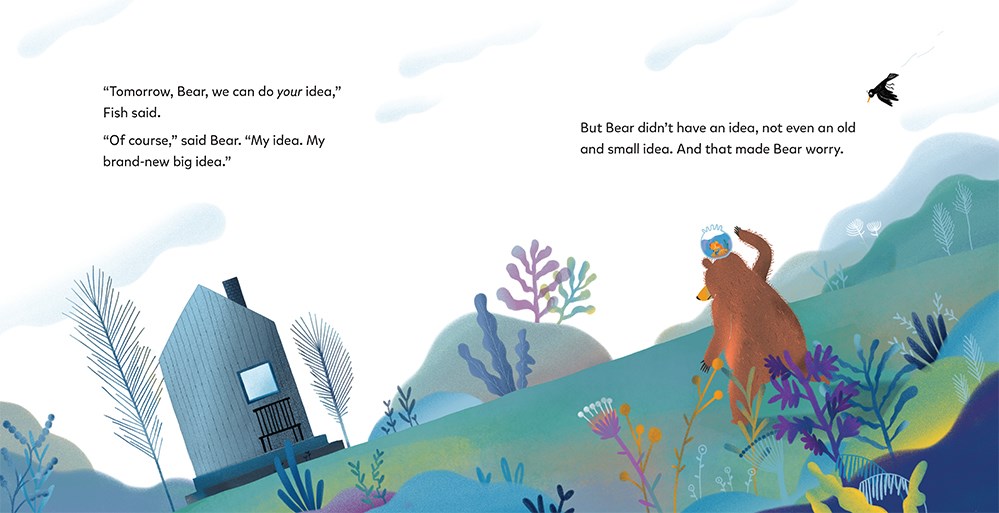
Summary: Fish always has great ideas for what to do! When it’s Bear’s turn to think of something, she promises she’ll have a brand-new BIG idea. But where do ideas come from?

The creators of Big Bear and Little Fish reunite for this sweet story of friendship, ingenuity, and a surprisingly epic adventure!

“A winning tale of friendship and creativity unleashed.”  —Kirkus Reviews

About the Creators:

Sandra Nickel is the author of picture book biographies about the inventor of nachos (Nacho’s Nachos), the discoverer of dark matter (The Stuff Between the Stars), and the first woman meteorologist (Breaking Through the Clouds). She is the winner of a Christopher Award,  the winner of the Society of Children’s Book Writers & Illustrators Crystal Kite Award, a finalist for the Golden Kite Award for Nonfiction for Younger Readers, a Junior Library Guild Gold Selection honoree, and a Charlotte Huck Award Recommended author. Sandra has an MFA in writing for children and young adults and has presented workshops on writing for children and young adults throughout Europe and the United States. When at home in Switzerland, Sandra loves summer sledding, sploshing in puddles, and listening for ideas in the wind. To learn more about Sandra, and to download free curriculum materials and activity sheets, visit https://sandranickel.com/.

Il Sung Na was born in Seoul, South Korea. He writes and illustrates picture books, including A Book of Sleep and The Dreamer, and he also illustrates the work of other authors, such as My Tree by Hope Lim and Beautiful Noise by Lisa Rogers. Currently based in Kansas City, Il Sung spends his time teaching illustration courses and working on new books. Instagram: @ilsungna

Instagram
Sandra Nickel: @sandranickelbooks
Il Sung Na: @ilsungna
Carolrhoda/Lerner: @lernerbooks

Facebook
Sandra Nickel: @sandranickelauthor
Carolrhoda/Lerner: Lerner Books

Twitter/X
Sandra Nickel: @senickel
Carolrhoda/Lerner: @LernerBooks

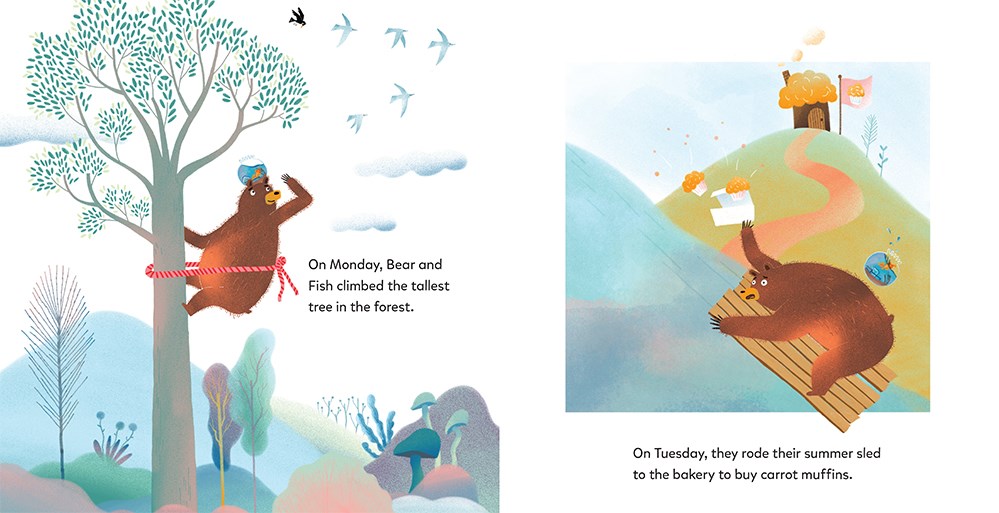
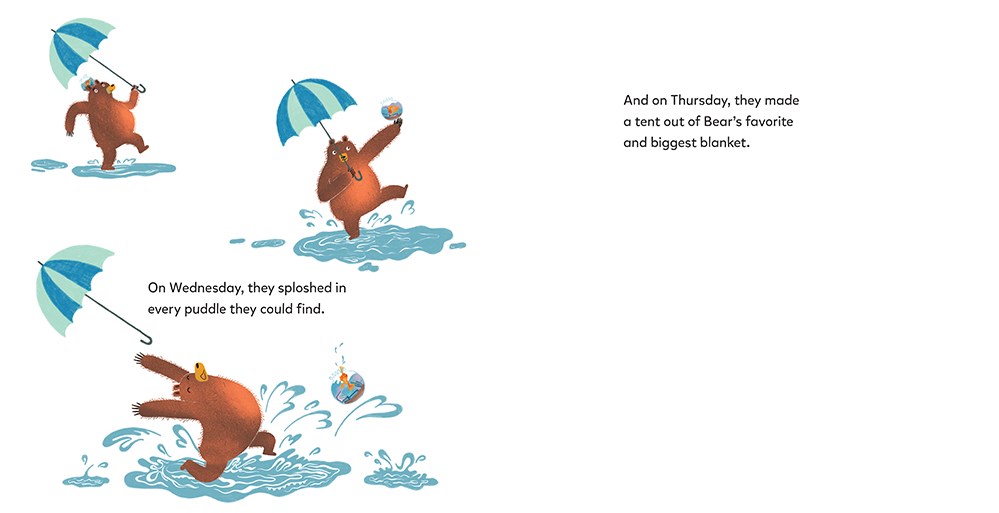
Review: Bear and Fish are a great addition to duos in picture books, which is my favorite trope because with the dichotomy, readers are more likely to connect with either, feel accepted, and learn the lesson shared within the book. In this one, Fish is full of ideas, but when it is Bear’s turn anxiety about letting down Fish overwhelms her. But Bear, with patience and support and time to think, gets there and the day ends up being such a success.

Na’s illustrations are a great support for Nickel’s tale of supporting friends and finding creativity because they colorfully bring it all to life.

Trailer:

Author’s Appearance on KitLitTV: 

Discussion Questions: 

  • What is your favorite way to brainstorm?
  • Bear struggles to get to sleep because she is struggling with coming up with an idea. What are some strategies to help relax your brain and body and help you sleep?
  • How does Fish support Bear well?
  • How are Bear and Fish similar? Different?
  • Why does Bear feel so much pressure?
  • Is taking old ideas and twisting & changing them make it a new idea?

Flagged Spreads: 

Read This If You Love: Picture books with friend duos, Picture books that promote brainstorming & creativity

Recommended For: 

classroomlibrarybuttonsmall

Signature

**Thank you to Blue Slip Media for providing a copy for review!**

It’s Monday! What Are You Reading? #IMWAYR 9/2/24

Share

It’s Monday! What Are You Reading?
For readers of all ages

It’s Monday! What Are You Reading? is a weekly blog hop we host which focuses on sharing what we’re reading. This Kid Lit version of IMWAYR focuses primarily on books marketed for kids and teens, but books for readers of all ages are shared. We love this community and how it offers opportunities to share and recommend books with each other.

The original IMWAYR, with an adult literature focus, was started by Sheila at Book Journeys and is now hosted by Kathryn at The Book Date. The Kid Lit IMWAYR was co-created by Kellee & Jen at Teach Mentor Texts.

We encourage you to write your own post sharing what you’re reading, link up below, leave a comment, and support other IMWAYR bloggers by visiting and commenting on at least three of the other linked blogs.

Happy reading!

Bold_line

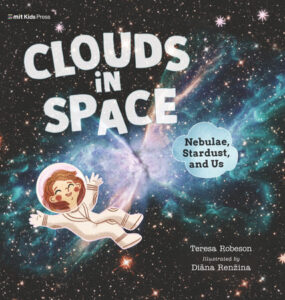
Tuesday: Clouds in Space: Nebulae, Stardust, and Us by Teresa Robeson, Illustrated by Diāna Renžina

Sunday: Author’s Guest Post: “Why I Write About Messy Teens–And Why We Should Honor the Mess Inside All of Us” by Jen Ferguson, Author of A Constellation of Minor Bears

**Click on any picture/link to view the post**

Bold_line

Kellee

It’s my week off! You can always learn more about any of the books I’ve been reading by checking out my read bookshelf on Goodreads.

Ricki

I am spending time with family this Labor Day weekend. I’ll return in two weeks!

Bold_line

Tuesday: Bear’s Big Idea by Sandra Nickel, Illustrated by Il Sung Na

Sunday: Author Guest Post: “Living the Questions” by Abdi Nazemian, Author of Desert Echoes

Bold_line

Link up below and go check out what everyone else is reading. Please support other bloggers by viewing and commenting on at least 3 other blogs. If you tweet about your Monday post, tag the tweet with #IMWAYR!

 Signature andRickiSig

Author Guest Post: “Why I Write About Messy Teens—And Why We Should Honor the Mess Inside of Us All” by Jen Ferguson, Author of A Constellation of Minor Bears

Share

“Why I Write About Messy Teens—And Why We Should Honor the Mess Inside of Us All”

One of the lies we tell each other is that the point of living is we’re supposed to get it all together. First off, I don’t know exactly what it is, and I worry it is maybe, act in a manner benefitting the patriarchy or the government, or even like what many older cis, het white people want everyone else to act like: speak English (but the right English), get a job (but the right job), work hard (but the right kind of hard), and don’t question why the work you do never results in exactly what you were told it would—in fact, stop asking questions entirely. I worry together means that an individual does this alone. I worry that all is never achievable, but it’s the thing we’re faced with, the thing we’ll fail at again and again, and worse yet, believe that we’ve failed, believe that we haven’t worked hard enough, haven’t done this simple thing everyone else seems to be doing.

And I worry that when we tell ourselves these lies as teachers, in our home life, our community life, and our school life, that we’re doing the work of socializing teens toward something we all know, in our hearts, doesn’t work well, and isn’t designed to work well for the large majority of us.

I am a teacher too.

I fight against telling my students this get it all together narrative, this hard-work-is-rewarded narrative, this we-live-in-a-meritocracy narrative every day.

After all, we know life is easier for everyone involved if young people would, for example, learn to submit their work on time.

But submitting things on time won’t save them, not really.

#

So, with this lie—get it all together—in mind, I write about messy teens. Teens who get to remain messy. Whose identities are hybrid, this-plus-this-plus-this, or whose identities are flexible the way gender identity is for many young people, or, for example, whose identities are radically changing the way a person’s perception of self needs to change after a 30-foot uncontrolled fall to the ground results in a traumatic brain injury. I write about teens who learn to love their mess. Teens who grow with their mess or into their mess, instead of getting it all together in the way that (Western ideas about) character development, as well as other power structures, might tell us we ought do see done in a novel.

My characters don’t always have the words or the skills to handle the world around them. But that is not their fault.

The world, it can be what’s wrong, what needs to change, too.

#

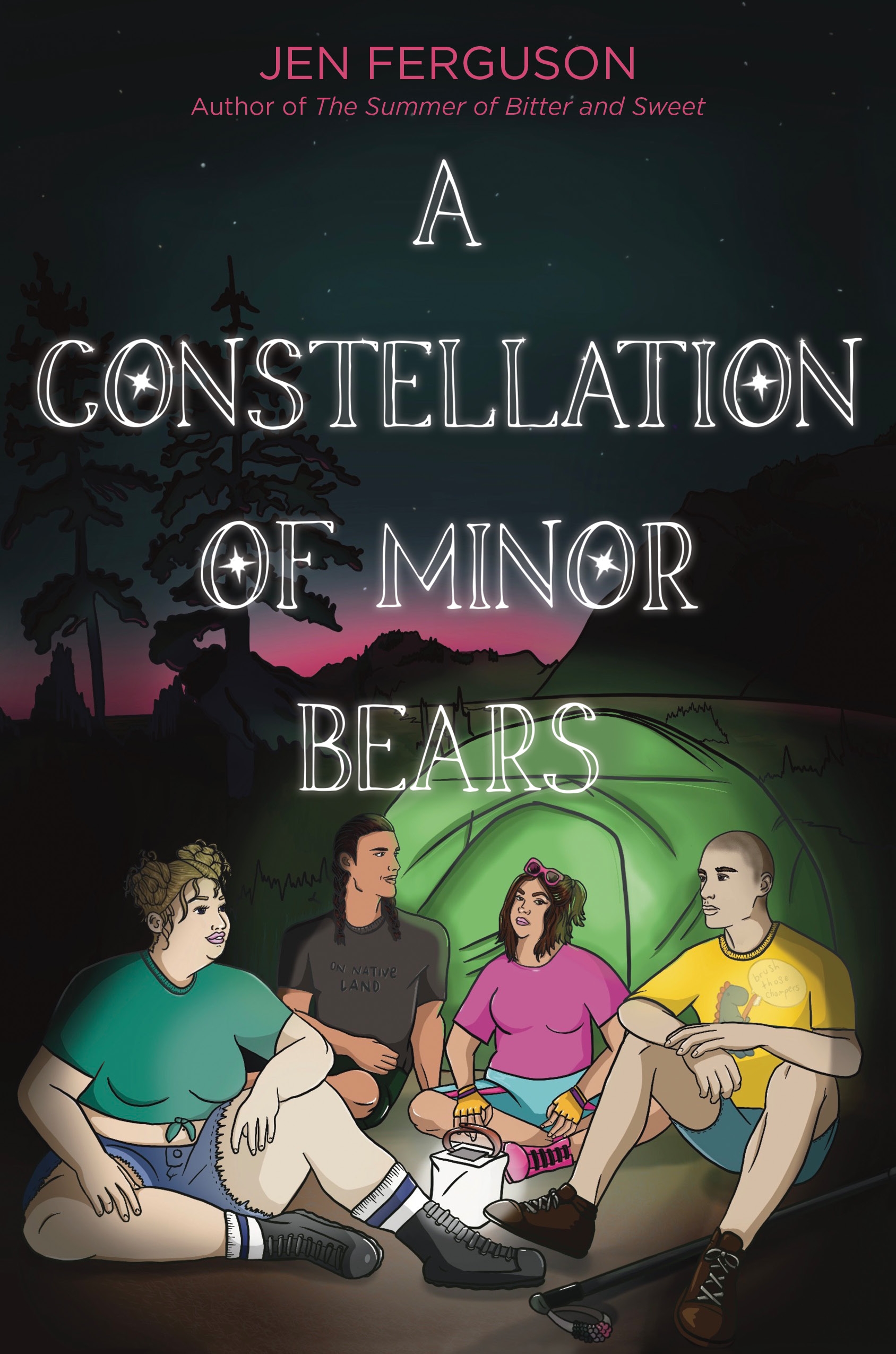
Let’s turn to my new book filled with messy teens, A Constellation of Minor Bears, out from HarperCollins’ Heartdrum imprint.

Meet Molly Norris-Norquay, an overachieving fat, maybe queer, Métis and white seventeen-year-old high school graduate, who is walking away from her life as fast as her feet can carry her 60-liter hiking pack and all the things she’ll need to successfully complete the Pacific Crest Trail.

At her high school graduation, the afternoon before her flight to San Diego, California, she says: “The anger inside me pulses like it has its own veins and arteries. The noise, the pressure, is overwhelming. A breeze brushes tulle against my heated skin. I want to crush something or run a 5K race or sit down in the grass and have a big cry, a full-fledged temper tantrum, and I have no idea which.”

I could tell you about Molly’s white brother Hank and his messiness, how he’s recovering from a sports-related traumatic brain injury, or about Hank and Molly’s best friend Tray and how he might look like he’s under control, behaving, following the rules, but he’s awfully messy too. And I could tell you about Brynn, another fat hiker, how she’s on the trail for the right reasons but walking away from her life at the same time.

Instead, I want to stay with Molly’s anger.

In A Constellation of Minor Bears, Molly gets to be angry, gets to be frustrated with her brother, her best friend, her parents, with other hikers, and the world at large, gets to be wrong and double-down, and she also gets to be right and wrong at the very same time. Molly is doing an incredible thing—walking 2,650 miles, from the US/Mexico border to the US/Canada border through mountain ranges in California, Oregon and Washington.

But she’s also barely managing it most days.

And if she’s learning anything, together, means relying on her community, her friends no matter the mess between them.

On the trail, all, means getting up and doing this hard thing over again. But sometimes all means taking a zero day—a day where a hiker walks exactly zero miles. Sometimes all means you leave the trail entirely, without finishing. Sometimes all means you find another trail.

#

I want to return to the idea that the characters I write about aren’t always able to handle the world around them, and the idea that supposes this is not their fault. Instead, it’s systems, power structures, the world around them that needs to change.

This is a critical perspective for activists who fight for a world where BIPOC and queer and trans people’s lives are full and rich and unencumbered by systems of power that tell us we are less, that tell us we don’t fit, that legislate against us, that encourage violence in word and action against us.

This perspective is foundational for fat and disability activism too. Bodies change throughout our lives. Bodies are messy in so many delightful ways. If living is anything, it’s the embodied experience of constant change, of becoming, of re-becoming.

I want to allow those of us who live in these messy, imperfect, most excellent bodies to not to have to tame ourselves, or shape ourselves to fit the world, but for the world to open up to all of us, to recognize living is not about containing our messiness, but existing in relationship with our mess and the world and all the other living and not-living things around us.

When messy teens grow up to be adults who get it all together we lose part of what makes us human.

Long live messy teens.

Long live the messy adults we become.

#

I’ll leave you with a short writing challenge for your students to play with in order to embrace mess.

  • Create a messy character. What makes them messy? How is their messy different from everyone else’s? Spend a few minutes here. Orchestrate a mess.
  • Now, get your character into trouble. What is the perfect trouble for their mess? Not to “fix” them, but to challenge your character.
  • They don’t need to get rid of their mess by the end of the story. See what parts of their mess they want to keep, what parts help them against their trouble, what parts of their mess should be celebrated.
  • Okay, now for the hard part: take a risk or two! Your risk should be something you consider risky. For example, if you always write in the first person (“I”) maybe you could try writing in the 2nd person (“You”). Your risk can be a content one too: what’s the story you’ve told yourself you aren’t brave enough to tell? What happens if you tell a story with a character you’re familiar with but you set it on a space station orbiting Mars or in a wheat field full of strange bugs or somewhere else that challenges your storytelling brain?
  • But really, your job here, today is to have some fun! Play, embrace the mess inside us and around us.

<3 Jen

Published September 24th, 2024 by Heartdrum

About the Book: Award-winning author Jen Ferguson has written a powerful story about teens grappling with balancing resentment with enduring friendship—and how to move forward with a life that’s not what they’d imagined.          

Before that awful Saturday, Molly used to be inseparable from her brother, Hank, and his best friend, Tray. The indoor climbing accident that left Hank with a traumatic brain injury filled Molly with anger.

While she knows the accident wasn’t Tray’s fault, she will never forgive him for being there and failing to stop the damage. But she can’t forgive herself for not being there either.

Determined to go on the trio’s postgraduation hike of the Pacific Crest Trail, even without Hank, Molly packs her bag. But when her parents put Tray in charge of looking out for her, she is stuck backpacking with the person who incites her easy anger.

Despite all her planning, the trail she’ll walk has a few more twists and turns ahead. . . .

Discover the evocative storytelling and emotion from the author of The Summer of Bitter and Sweet, which was the winner of the Governor General’s Award, a Stonewall Award honor book, and a Morris Award finalist, as well as Those Pink Mountain Nights, a Kirkus Best Book of the Year!
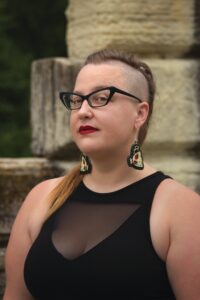
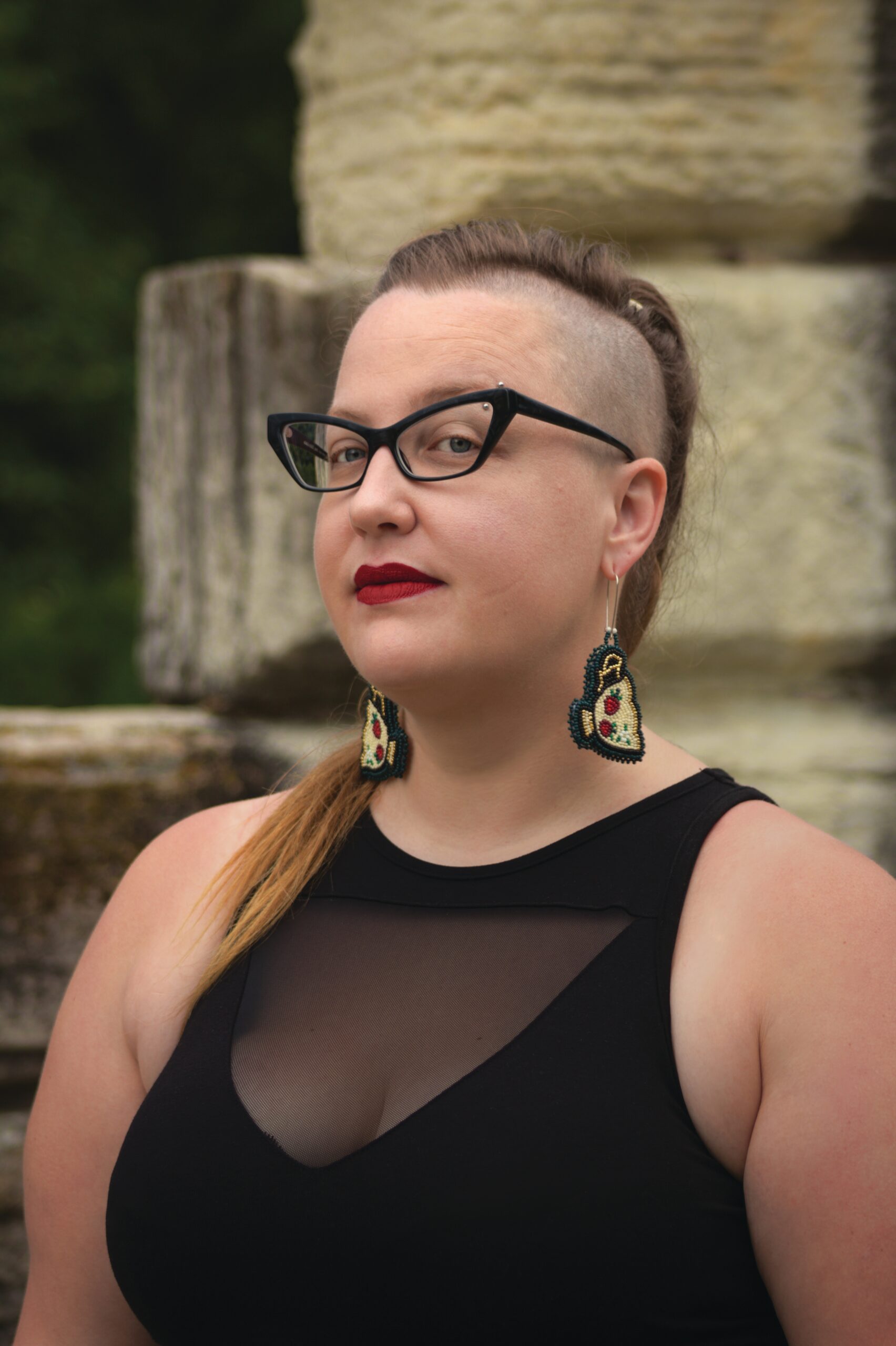
About the Author: Jen Ferguson is Michif/Métis and white, an activist, an intersectional feminist, an auntie, and an accomplice armed with a PhD in English and creative writing. Visit her online at jenfergusonwrites.com.

Thank you, Jen, for celebrating the messiness!