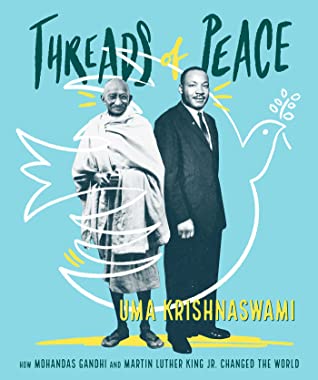
Threads of Peace: How Mohandas Gandhi and Martin Luther King Jr. Changed the World by Uma Krishnaswami

Share

Threads of Peace: How Mohandas Gandhi and Martin Luther King Jr. Changed the World 
Author: Uma Krishnaswami
Published August 17th, 2021 

Summary: Mahatma Gandhi and Reverend Martin Luther King Jr. both shook, and changed, the world, in their quest for peace among all people, but what threads connected these great activists together in their shared goal of social revolution?

A lawyer and activist, tiny of stature with giant ideas, in British-ruled India at the beginning of the 20th century.

A minister from Georgia with a thunderous voice and hopes for peace at the height of the civil rights movement in America.

Born more than a half-century apart, with seemingly little in common except one shared wish, both would go on to be icons of peaceful resistance and human decency. Both preached love for all human beings, regardless of race or religion. Both believed that freedom and justice were won by not one, but many. Both met their ends in the most unpeaceful of ways—assassination.

But what led them down the path of peace? How did their experiences parallel…and diverge? Threads of Peace keenly examines and celebrates these extraordinary activists’ lives, the threads that connect them, and the threads of peace they laid throughout the world, for us to pick up, and weave together.

Praise: “The book’s attractive design, lucid text, and carefully chosen details combine to create an inviting and original treatment of its subjects. History has been carefully intertwined with the present in this engaging and reflective book.” —Kirkus Reviews (starred)

About the Author: Uma Krishnaswami is the author of several books for children including Book Uncle and Me (International Literacy Association Social Justice Literature Award, USBBY Outstanding International Book) and Step Up to the Plate, Maria Singh (Asian Pacific American Librarians Award, FOCAL Award). She was born in New Delhi, India, and now lives in British Columbia, Canada. To learn more, visit her website: umakrishnaswami.org.

Review: First, happy book birthday!!!!!! 🎉 

In the Author’s Note, Krishnaswami notes, “Then, in 2008, I read The End of Empires: African Americans and India by historian and African American studies professor Gerald Horne. It was an eye-opener. I was born in India and I’d lived in the United States for nearly thirty years, but in neither country had I ever learned this history.” As I’ve noted over and over again when I review nonfiction or historical fiction, it is only through brilliant books that I have learned true history as my history classes were so US-centered that we hardly learn anything other than basic history about the world and it is so white-washed that even when slavery or Civil Rights is covered, it very much focuses on the successes. It is because of this that I am so thankful that books like this exist and allow me to share the erased history with students. Because even with Martin Luther King Jr., who all are familiar with, there is so much of him and his journey and point of view that are erased in history books. 

Everything I learned about India’s history was from some books before I read this: The Night Diary by Veera Hiranandani, I am Gandhi (both picture book & graphic novel) by Brad Meltzer, and A Taste of Freedom: Gandhi and the Great Salt March by Elizabeth Cody Kimmel. That was all of my prior knowledge, so I was taken aback by the breadth of India’s history that I was ignorant about. Krishnaswami did a brilliant job telling about Gandhi’s personal life while also teaching about Indian history. In the second half of the book, we switch to Martin Luther King Jr.’s life and the racial injustices happening in the United States. Again, the book focuses not only on King’s personal life but the history of the US at the time as well. I learned so much in this book. It made me think, reflect, get angry, cry, and have purpose for continuing with a focus on anti-racism. 

Uma Krishnaswami does a beautiful job using the imagery of threads figuratively throughout this book to tie Gandhi and King through their views on peace and nonviolence as well as Gandhi and King to the histories they helped shape. 

Teachers’ Tools for Navigation & Discussion Questions: There is so much to discuss in this book! I could see parts of it being used to supplement curriculum, I could see it being used AS the curriculum, I could see it being used as a resource for research, I could see it being an independent reading book for an interested student…. It has endless potential. 

  • Why would the author choose thread to be the figurative imagery in the book? 
  • Although Gandhi and King both were focused on equality and nonviolence, they differed in many ways also–how so? 
  • In both cases, Gandhi and King continued their work despite potentially putting their family in danger. Why would they do this? 
  • How was India’s reach for freedom similar to the Civil Rights Movement in the United States? 
  • Both Gandhi and King had assassination attempts multiple times in their life. They both did not want their attackers charged–why not? What does this tell you about them? 
  • In the end they were both assassinated, how did hatred, fear, and ignorance lead to both of their deaths? 
  • Both had such strong women as wives. How did both women help support their husband’s mission? 
  • Do you believe that Martin Luther King Jr. would have the same beliefs without Gandhi pathing the way? 

Flagged Passages: “Chapter 25: Spinning New Threads of Peace”

To spin thread on a spilling wheel like the one Gandhi designed when he was in jail, you bein with a roll of fluffy, carded cotton. In the Hindi language, this is called pooni. You attach the pooni to a length of thread looped around a small metal spindle. You hold the fluffy cotton loosely in one hand and draw it slowly, outward and upward, to arm’s length. With your other hand, you turn a flat wheel. A few turns clockwise, then a quarter turn counterclockwise, over and over, until the rhythm takes hold of you and you no longer have to link about it. 

It takes patience. It takes time. Each had has to learn to do its work without getting distracted. 

At first, the cotton drifts apart. The yarn is not twisted enough. This it’s twisted too tightly. It breaks. The spindle falls off its course. The cord that drives the spinning wheel slips from its grove. But slowly, slowly, if you keep at it, the thousands of fibers contained within a single handful of cotton begin to twist around one another, becoming one, united and strong enough to endure. The cotton springs to life, and a thread begins to form! Only inches of it, but it is real cotton thread. 

The threads of peace movements are like that. They continue to spin outward over and over, long after they have been created. 

In April 1968, after Dr. King’s assassination, the Chicago Sun-Times published this cartoon: 
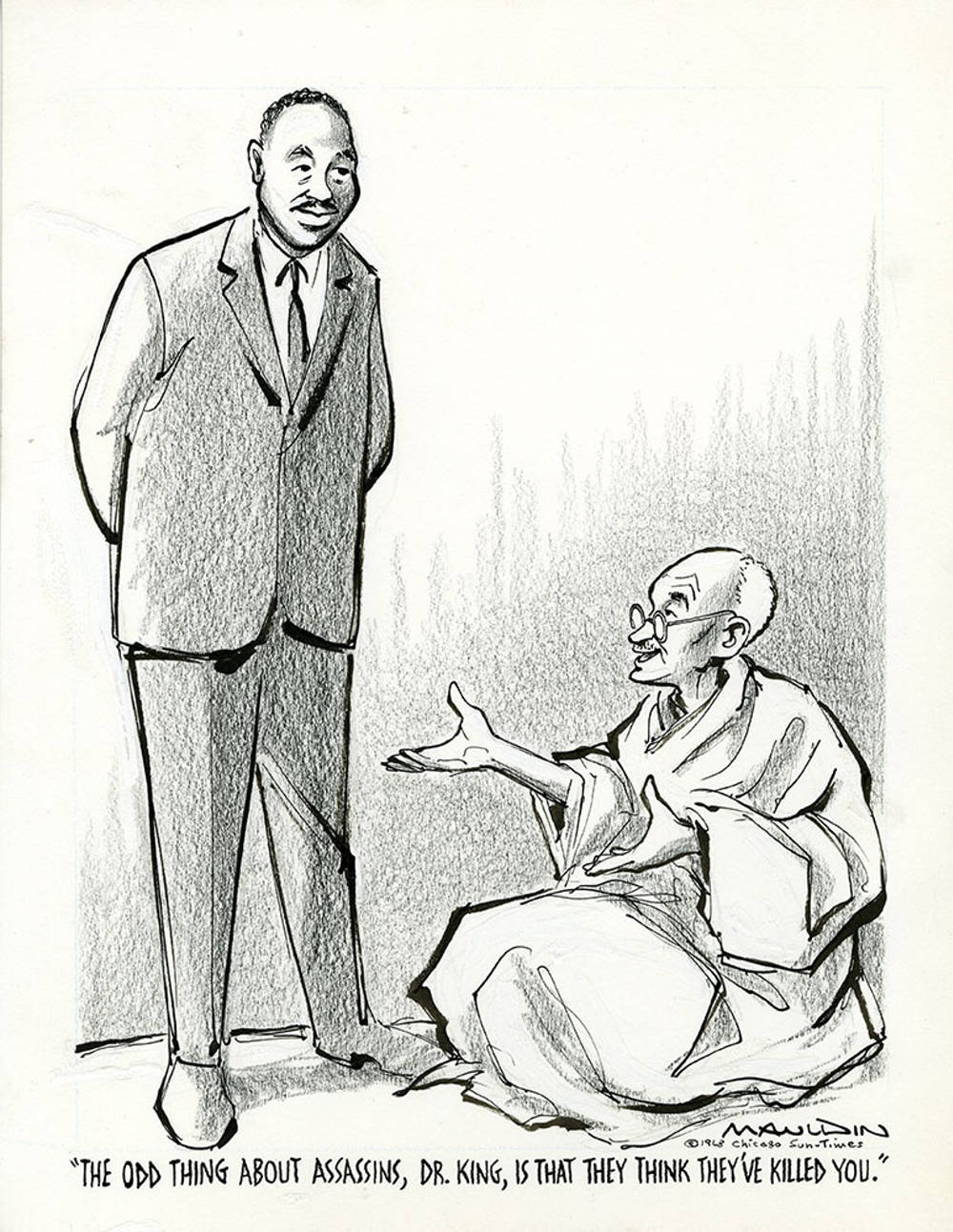
Look at Gandhi, seated on the floor, his hand outstretched, making his point to an attentive Dr. King. You’d think they were old friends. There they are in this alternate reality, perhaps even in the artist’s imagined heaven, reminding us that the voices of peacemakers can resonate long after they are gone. 

Although they never met, Gandhi and King were kindred spirits. Gandhi was aware of racial injustice in the United States and hoped that Black American would create their own nonviolent movement. 

Martin Luther King Jr. read books by and about Gandhi. He knew people who had met Gandhi. Gandhi’s teaching supported King’s own beliefs that grew out of the love of family, of community, of Jesus. King integrated Gandhian methods and principles into the work of his life, much as he did with the Christian gospel.”

Read This If You Love: I am Gandhi (both picture book & graphic novel) by Brad Meltzer; A Taste of Freedom: Gandhi and the Great Salt March by Elizabeth Cody Kimmel; Chasing Lincoln’s Killer by James L. Swanson; Martin’s Big Words: The Life of Dr. Martin Luther King Jr. by Doreen Rappaport; Be a King: Dr. Martin Luther King Jr.’s Dream and You by Carole Boston Weatherford; Memphis, Martin, and the Mountaintop: The Sanitation Strike of 1968 by Alice Faye Duncan; March trilogy by John Lewis with Andrew Aydin; A Good Kind of Trouble by Lisa Ramée; The Night Diary by Veera Hiranandani

Recommended For: 

classroomlibrarybuttonsmall 

Signature

**Thank you to Barbara at Blue Slip Media for providing a copy for review!**
 

It’s Monday! What Are You Reading? #IMWAYR 8/16/21

Share

It’s Monday! What Are You Reading?
Sharing Picture Books, Early Readers, Middle Grade Books, and Young Adult Books for All Ages!

It’s Monday! What Are You Reading? is a weekly blog hop co-hosted by Unleashing Readers and Teach Mentor Texts which focuses on sharing books marketed for children and young adults. It offers opportunities to share and recommend books with each other.

The original IMWAYR, with an adult literature focus, was started by Sheila at Book Journeys and is now hosted by Kathryn at The Book Date.

We encourage you to write your own post sharing what you’re reading, link up below, leave a comment, and support other IMWAYR bloggers by visiting and commenting on at least three of the other linked blogs.

Happy reading!

Bold_line

Tuesday: August 10 for 10: Kellee’s Favorite Fairy Tale or Nursery Rhyme Inspired Picture Books

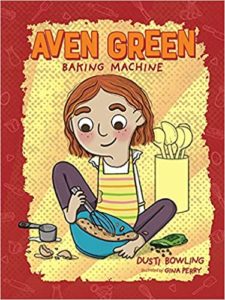
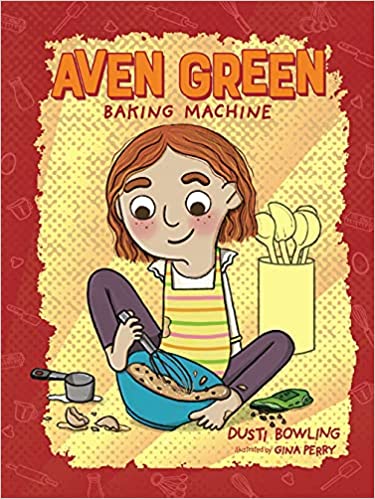
Sunday: “The Case for Graphic Novels and Chapter Books” by Dusti Bowling, author of Aven Green, Baking Machine

**Click on any picture/link to view the post**
Bold_line

Kellee

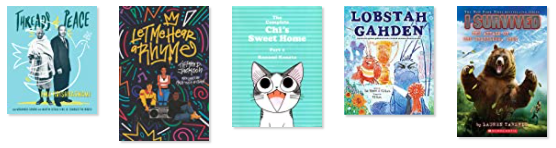
  • I look forward to reviewing Threads of Peace for you this week!
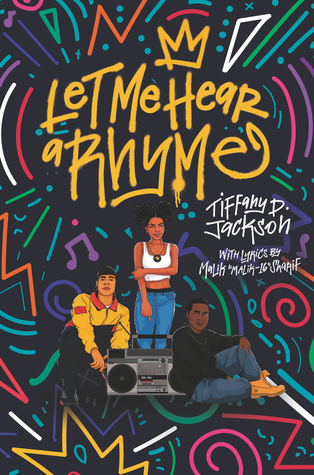
  • I was trying to decide what audiobook to listen to next, and Let Me Hear a Rhyme by Tiffany D. Jackson was one that was recommended over and over. And man, they were right! This book is made to be listened to. Hearing the rhymes and rapping just took the book to the next level, which you know is already amazing because it is Tiffany D. Jackson.
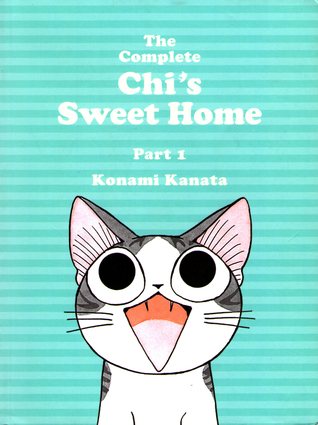
  • Chi’s Sweet Home by Kanata Konami is an all ages manga that is just so funny and sweet. I mean, who doesn’t love the antics of a kitten and a family who love him?!?!
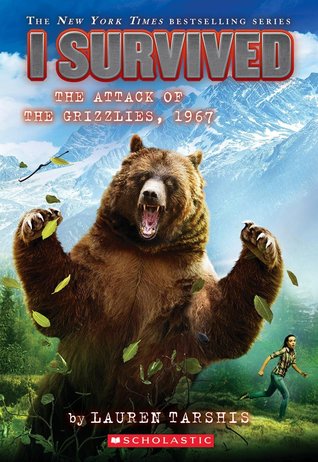
  • Trent and I finished listening to I Survived the Attack of the Grizzlies, 1967 by Lauren Tarshis and yet again I learned about a new time in history thanks to this series. Tarshis is so good at what she does, and I look forward to listening to more with Trent!
  • Lobstah Gahden by Alli Brydon and Regina is NOT a Little Dinosaur by Andrea Zuill were our picture book reads of the week (with school starting, we make it through family reading time but I’ve just been too tired some nights to do bedtime reading too! ☹). Trent has had Jim and me read Lobstah Gahden because he things it is so funny–that’s a big compliment from him! And Regina made both of us laugh out loud thanks to her antics.

To learn more about any of these books, check out my 2021 Goodreads Challenge page  or my read bookshelf on Goodreads.

Ricki

By the time you read this, I will have just pulled back into my home after a month on the road, seeing family and relatives. I’ll be preparing my kids for their first day back to school, so I will catch up with you next week!

Bold_line

Kellee

Reading: Tristan Strong Punches a Hole in the Sky by Kwame Mbalia

Reading for Review: Stowaway by John David Anderson

Reading during family reading time: Not sure! I’ll see what Trent picks from my pile.

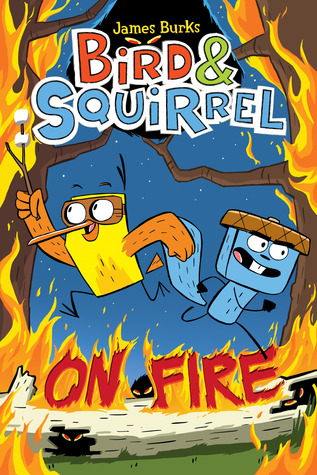
Trent reading during family reading time: Bird and Squirrel: All or Nothing by James Burks

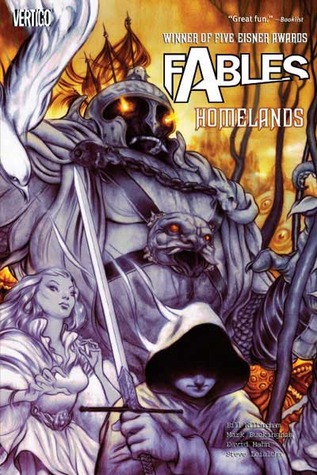
Jim reading during family reading time: Fables, Vol. 6: Homelands by Bill Willingham

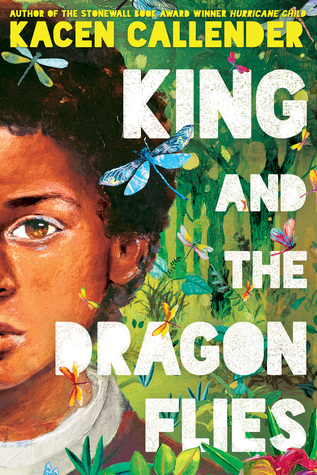
Listening: King and the Dragonflies by Kacen Callender

Trent and I listening to: Unfortunately, now that summer is over, we just aren’t driving as many places for long periods of time… I’ll let you know when we start listening to something again!

Bold_line

Tuesday: Threads of Peace: How Mohandas Gandhi and Martin Luther King Jr. Changed the World by Uma Krishnaswami

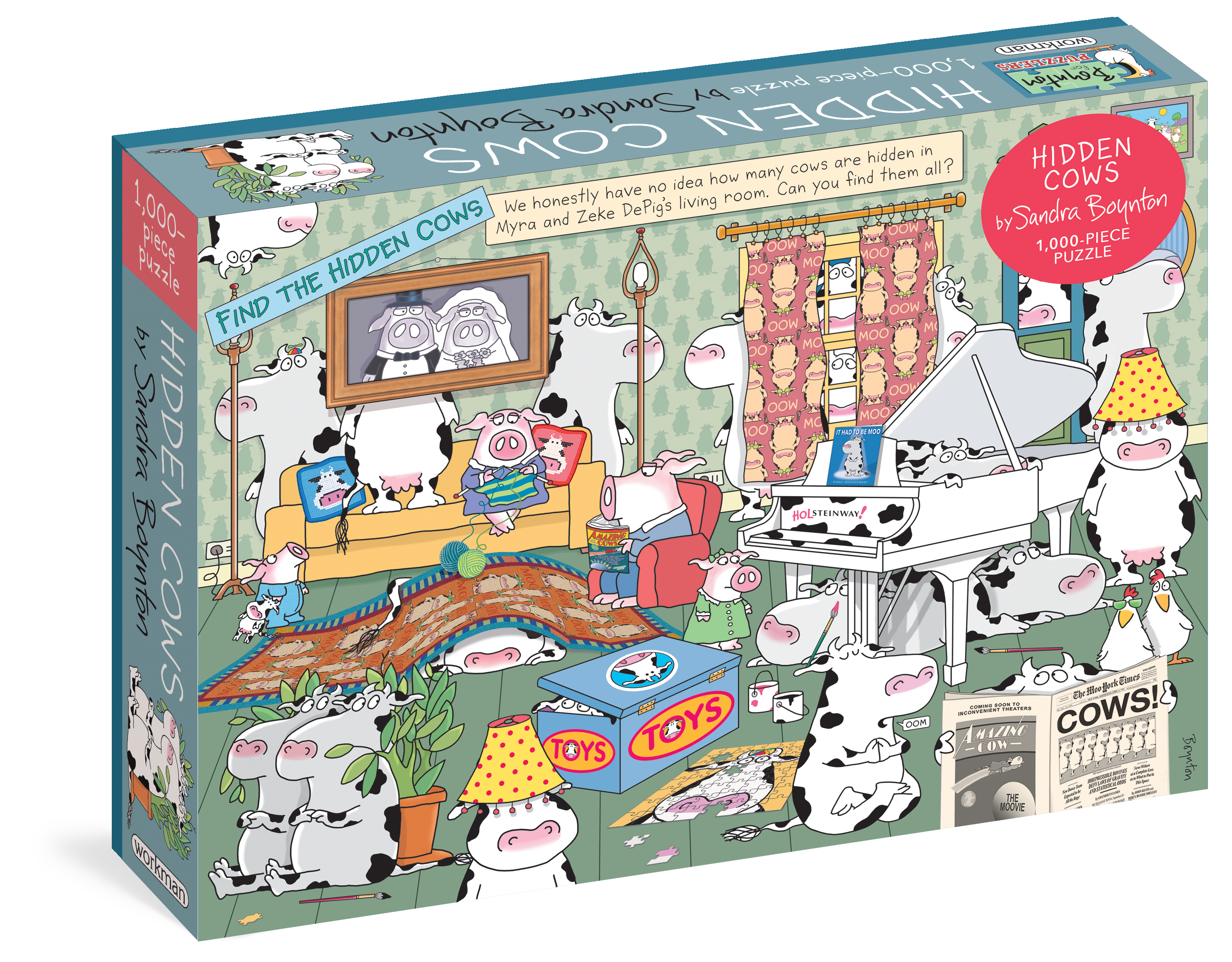
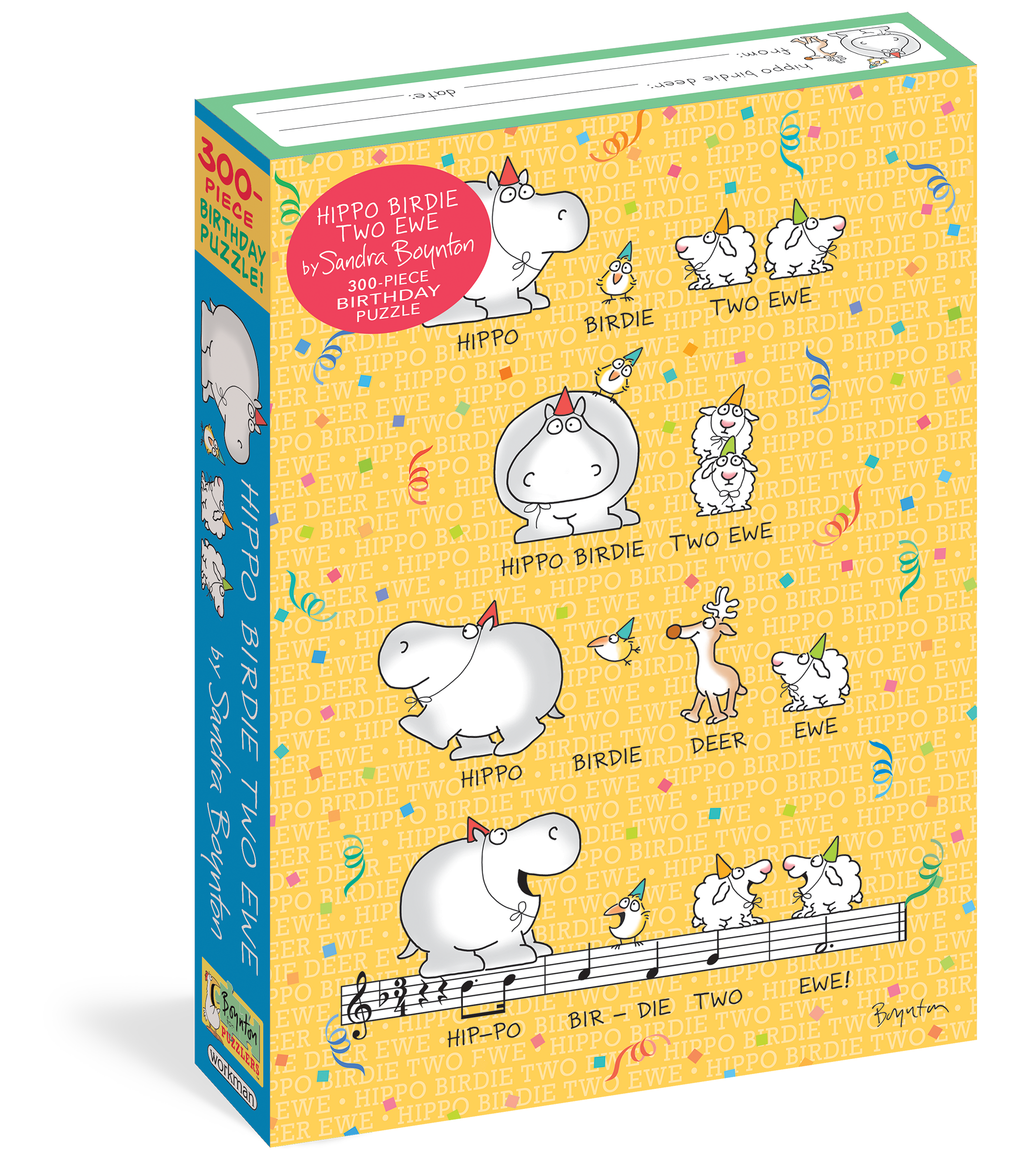
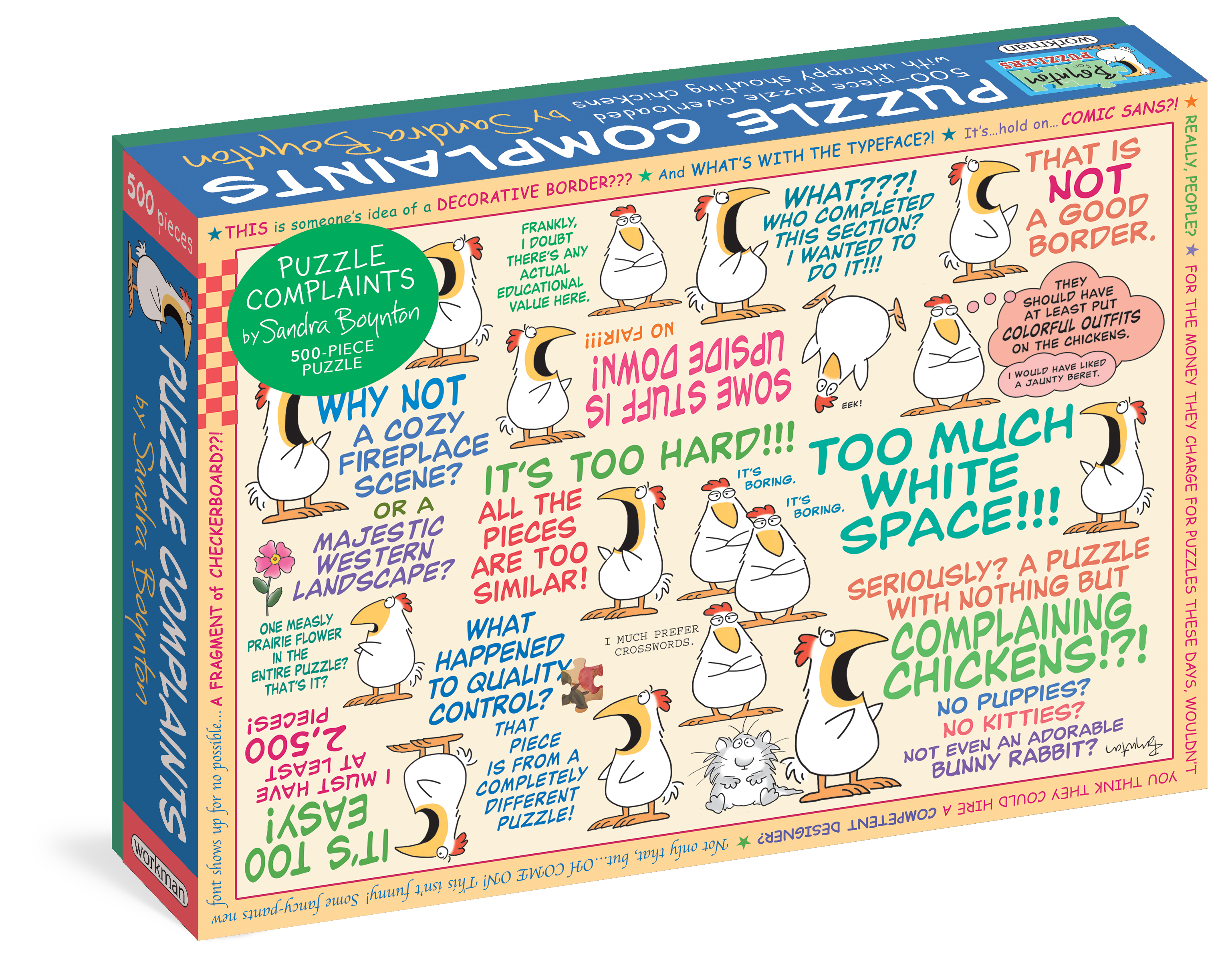
Saturday: Puzzles from Sandra Boynton

Bold_line

Link up below and go check out what everyone else is reading. Please support other bloggers by viewing and commenting on at least 3 other blogs. If you tweet about your Monday post, tag the tweet with #IMWAYR!

 Signature andRickiSig

Author Guest Post: “The Case for Graphic Novels and Chapter Books” by Dusti Bowling, Author of Aven Green Baking Machine

Share

“The Case for Graphic Novels and Chapter Books”

I have always been a huge reader. At some point during third grade, I discovered my love of stories and have never looked back. Third grade through sixth grade was such a formative time for me as I developed this lifelong love of reading, and some of the books I enjoyed the most were comic books or shorter stories with illustrations. I gobbled up as many Archie comics as I could, read all of The Far Side by Gary Larson, and shuddered in fear at the creepy illustrations in Scary Stories to Tell in the Dark. I honestly couldn’t tell you if I’d be the reader and writer I am today without books like these, and now that my own children are of reading ages, I’ve actively encouraged them to read anything and everything they enjoy. Yes, that has meant a lot of graphic novels and illustrated books. It has also meant them reading the same books over and over and over again, just as I did when I was a kid.

The first thing my ten year old fell in love with was Diary of a Wimpy Kid. She was five when she picked up the first book, and I still remember her coming to me every minute or so to ask me to explain a word. Then she’d read the story again and come to me maybe every couple of minutes. Then she’d read it again. And again. After she’d read that first book probably about a dozen times, she no longer had to ask me to explain any of the words. It was through this rereading of the same book that she developed great reading fluency, confidence, and comprehension skills, and I’m very grateful to Jeff Kinney for teaching her how to read. Would she have naturally gone through this same process on her own with a book without pictures? Without the silly jokes and goofy humor that kept her so engaged? I doubt it.

Being homeschoolers, we’ve spent a lot of time at the library, and my ten year old has always gravitated toward the graphic novel section. We would frequently come home with stacks of graphic novels nearly as tall as she was, and she would read every single one of them. I would make a lot of recommendations, try to introduce her to other styles of books, play longer audiobooks for her, and suggest we try reading new books together, but all she wanted were graphic novels all the time, so I didn’t push it. She loved to read, and I never wanted to interfere with that in any way. After all, her love of reading has always been the end goal.

Then something interesting began happening after a few years of nonstop graphic novels—she decided on her own to try a great big book without illustrations called Wings of Fire, which she found in a little free library at a park. Did she get through it and enjoy it? Let’s just say she’s eagerly anticipating book fifteen right now. Would she have gotten to the point in her love of reading that she’d be willing to read fourteen lengthy books if I hadn’t always allowed her to read and reread the graphic novels she adores so much? Again, I doubt it.

Now that my six year old is reading, she loves my Aven Green chapter books. She brings the books to me over and over for help with the words and to show me the illustrations so we can laugh together (she seems to think I’ve never seen them before). She also loves Junie B. Jones, Puppy Place, Wedgie and Gizmo, and many other chapter books with illustrations. I know one day soon, she’ll probably also fall in love with graphic novels. She’ll probably want to read the same books over and over again (actually she already does that). And then, eventually, she’ll probably also be ready to pick up longer books. When that happens, I’ll be ready for it every step of the way.

Expected publication: August 17th, 2021 by Sterling Children’s Books

About the Book: Aven Green Baking Machine is the sequel to Aven Green Sleuthing Machine which Kellee reviewed in April.

Aven is an expert baker of cakes and cookies. She’s been baking with her mom for a really long time. Since she was born without arms, Aven cracks eggs and measures sugar and flour with her feet. Now, she has her eye on the prize: a beautiful blue ribbon for baking at the county fair. So she teams up with her friends Kayla, Emily, and Sujata. But It turns out they all have very different tastes and a lot of opinions about baking. Talk about a recipe for disaster!

About the Author: Dusti Bowling grew up in Scottsdale, Arizona, where, as her family will tell you, she always had her nose in a book. She released her first middle grade novel in 2017 and hasn’t stopped writing since.

Dusti’s books have won the Reading the West Award, the Sakura Medal, a Golden Kite Honor, the William Allen White Children’s Book Award, and have been nominated for a Cybil and over thirty state awards. Her books are Junior Library Guild Gold Standard Selections and have been named best books of the year by the Chicago Public Library, Kirkus, Bank Street College of Education, A Mighty Girl, Shelf Awareness, and many more. Dusti currently lives in New River, Arizona with her husband, three daughters, a dozen tarantulas, a gopher snake named Burrito, a king snake name Death Noodle, and a cockatiel named Gandalf the Grey.

Thank you, Dusti, for this post that we definitely agree with! Like you said, “ove of reading has always been the end goal!”

August 10 for 10: Kellee’s Favorite Fairy Tale or Nursery Rhyme Inspired Picture Books

Share

Happy August 10th! That means it is time to share some favorite picture books!

This year, I want to share some favorite fairy tale or nursery rhyme inspired picture books.
(As with most lists, I may have cheated a bit to include more than 10 books, but they all are worth being on the list!)

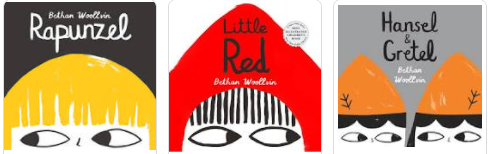
Bethan Woollvin’s Fairy Tale books

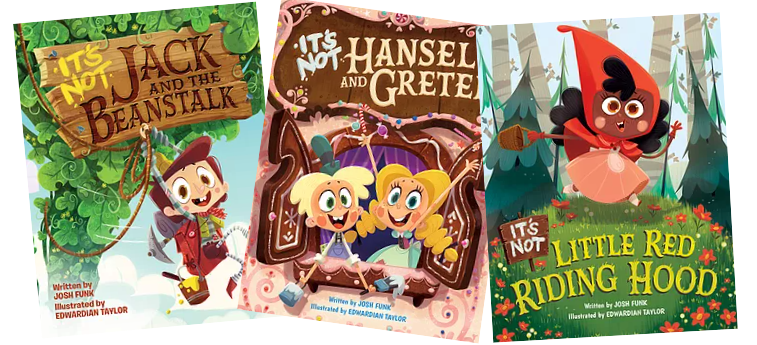
Josh Funk & Edwardian Taylor’s It’s Not a Fairy Tale books

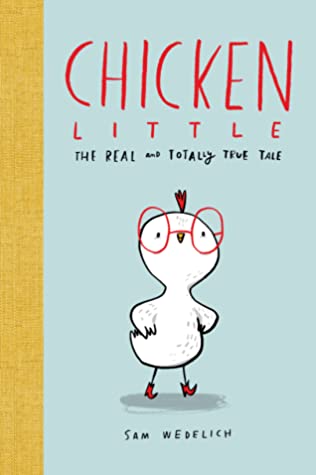
Chicken Little: The Real and Totally True Tale by Sam Wedelich

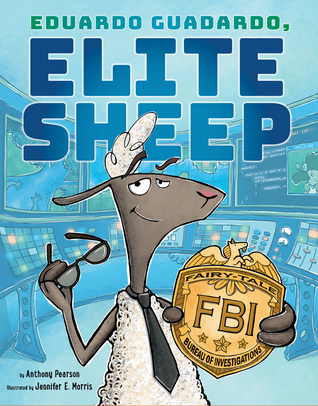
Eduardo Guadardo, elite Sheep by Anthony Pearson, Illustrated by Jennifer E. Morris

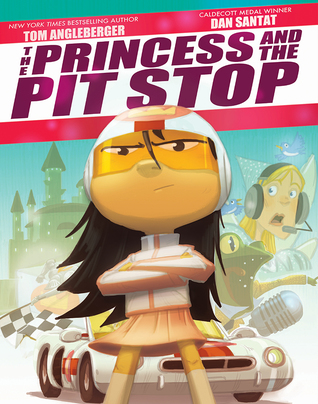
Princess and the Pit Stop by Tom Angleberger, Illustrated by Dan Santat

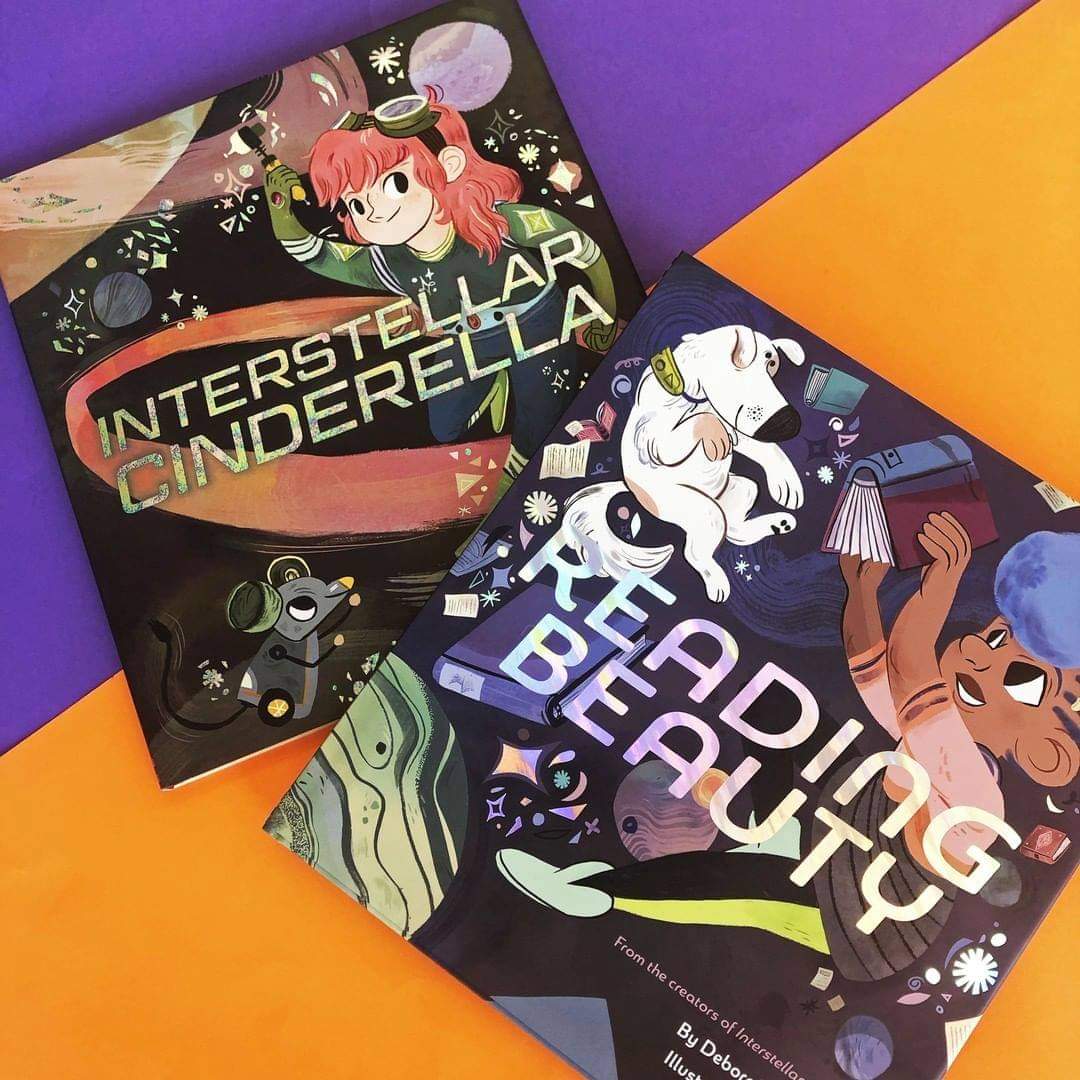
Deborah Underwood’s Interstellar Cinderella and Reading Beauty

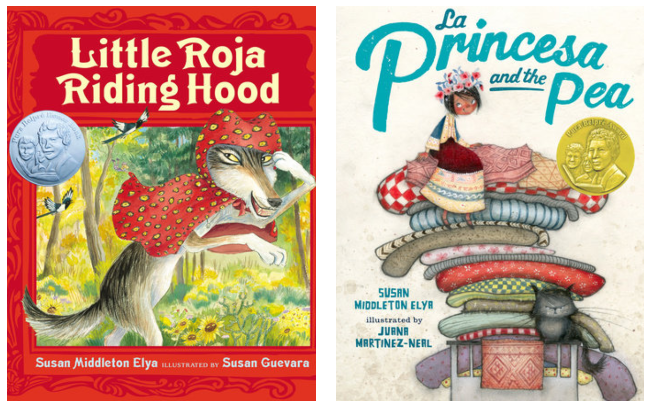
Susan Middleton Elya’s Little Roja Riding Hood (illustrated by Susan Guevara) and La Princesa and the Pea (illustrated by Juana Martinez-Neal)

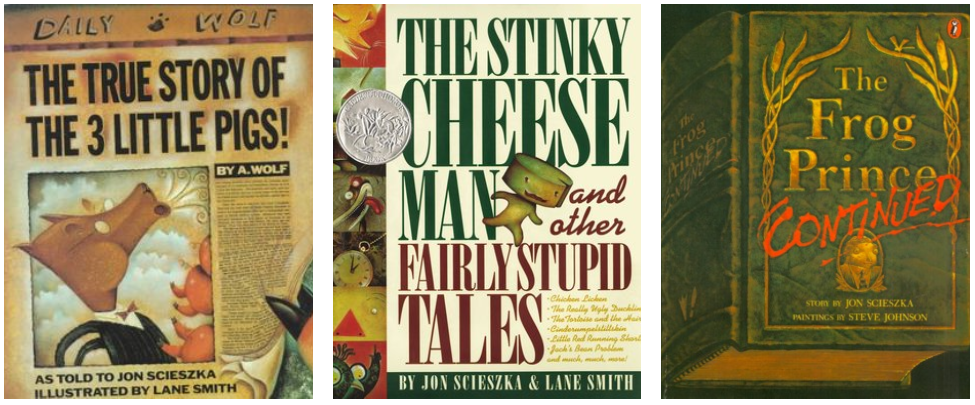
Jon Sciezska’s The True Story of the Three Little Pigs (illustrated by Lane Smith); The Stinky Cheese Man and Other Fairly Stupid Tales (illustrated by Lane Smith); and The Frog Prince, Continued (illustrated by Steve Johnson)

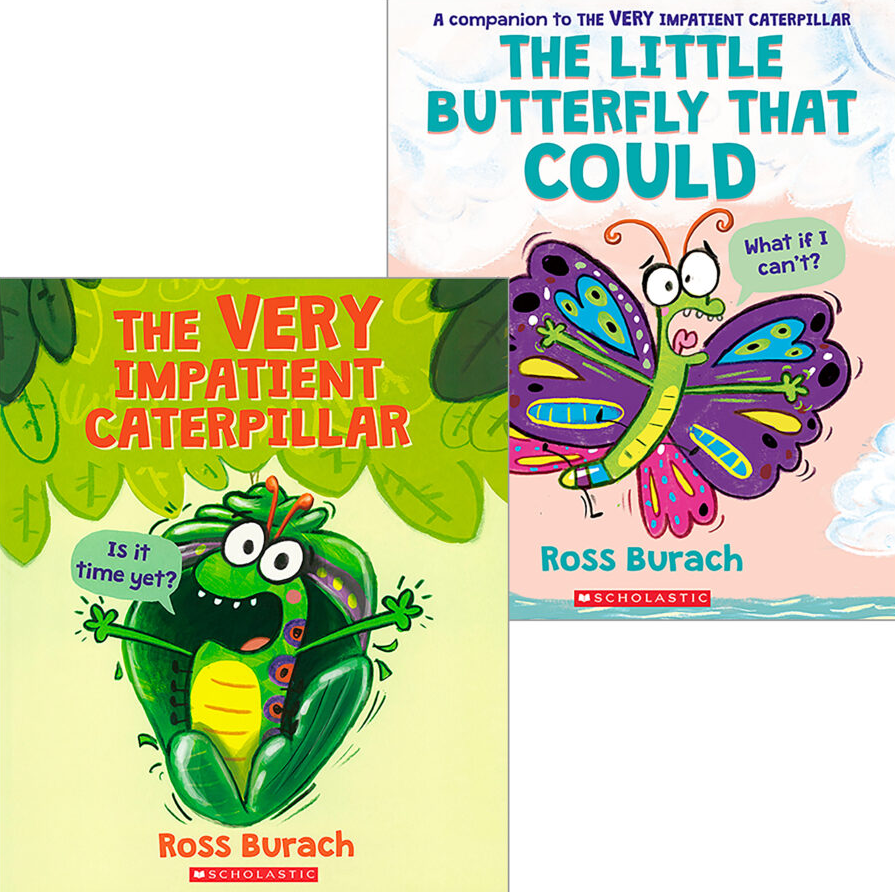
The Very Impatient Caterpillar and The Little Butterfly that Could by Ross Burach

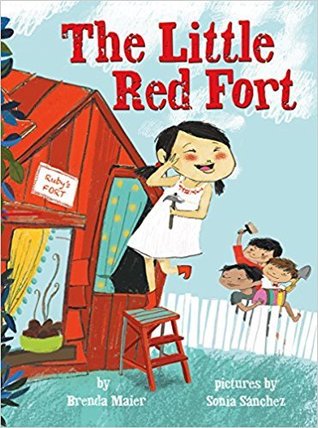
The Little Red Fort by Brenda Maier, Illustrated by Sonia Sanchez

Happy reading!!!!

Signature

It’s Monday! What Are You Reading? #IMWAYR 8/9/21

Share

It’s Monday! What Are You Reading?
Sharing Picture Books, Early Readers, Middle Grade Books, and Young Adult Books for All Ages!

It’s Monday! What Are You Reading? is a weekly blog hop co-hosted by Unleashing Readers and Teach Mentor Texts which focuses on sharing books marketed for children and young adults. It offers opportunities to share and recommend books with each other.

The original IMWAYR, with an adult literature focus, was started by Sheila at Book Journeys and is now hosted by Kathryn at The Book Date.

We encourage you to write your own post sharing what you’re reading, link up below, leave a comment, and support other IMWAYR bloggers by visiting and commenting on at least three of the other linked blogs.

Happy reading!

Bold_line

Tuesday: Juan Hormiga by Gustavo Roldán, Translated by Robert Croll

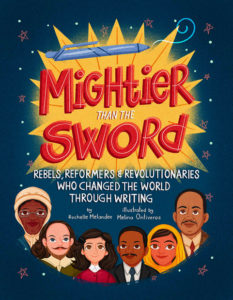
Sunday: Author Guest Post: “Using Anthologies to Teach Writing” by Rochelle Melander, Author of Mightier than the Sword: Rebels, Reformers, and Revolutionaries Who Changed the World Through Writing

**Click on any picture/link to view the post**
Bold_line

Kellee

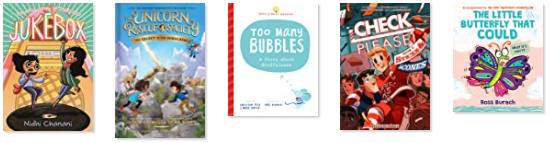
  • Jukebox by Nidhi Chanani: Sofia’s Kids’ Corner review of Jukebox sent me on a mission to read the book. I loved the sci-fi aspect of the story a lot, but add in family communication, sexual identity, music, history, and representation = a wonderful book for so many! AND the playlist is on Spotify!
  • Unicorn Rescue Society: Secret of the Himalayas by Adam Gidwitz & Hena Khan: I love what the Unicorn Rescue Society has become! Adam Gidwitz is finding amazing co-authors to help tell mythical stories from all over the world. This one was especially magical as we visited the Himalayas with the hopes of finally finding a unicorn. Like the rest of the series, I listened to it, and the audiobooks never disappoint.
  • Check, Please!, Book 2: Sticks and Stones by Ngozi Ukazu: Book two of this series picks up right where book 1 left off, so I can’t tell you too much without spoiling the first book, but how can I not love a book about baking, love, and hockey?!?!
  • Read with Trent:
    • Except Antarctica by Todd Sturgell: I am a sucker for this type of humor where the characters and the narrator interact. And on top of that, it is informative about animals?! Win!
    • We Want a Dog by Lo Cole: I was a big fan of these illustrations! It reminded me of Harry the Dirty Dog in style a bit. The story though is not what you expect and the twist at the end made Trent and I laugh out loud.
    • Beaver and Otter Get Along…Sort of: A Story of Grit and Patience Between Neighbors by Sneed Collard III, Illustrations by Meg Sodano: As a huge animal fan, Trent really liked this one and learning about the ecosystems that beavers make and how otters are disgruntledly part of it. I know it says that the book is about grit and patience BETWEEN neighbors, but it is really about beavers putting up with otters’ shenanigans.
    • Too Crowded by Lena Podesta: Although all books with fish in a fish bowl makes me sad, I did like this journey and the message of finding a friend makes a situation better.
    • The Little Butterfly That Could by Ross Burach: Burach’s sequel to the impatient caterpillar is funny in the same way, and it is set up for a 3rd book–here’s hoping!
    • Too Many Bubbles: A Story about Mindfulness by Christine Peck, Illustrated by Mags Deroma: A good introduction about mindfulness. Will be best with young kids as a scaffold to more detailed picture books about meditation and mindfulness. The illustrations were a favorite!

To learn more about any of these books, check out my 2021 Goodreads Challenge page  or my read bookshelf on Goodreads.

Ricki

These two picture books are due out in September and October, and I can’t wait to see them on bookstore shelves.

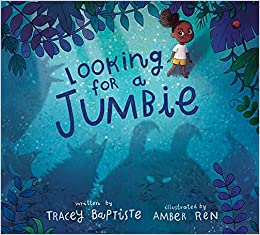
In Looking for a Jumbie, written by Tracey Baptiste and illustrated by Amber Ren, Naya decides she is going to go out in the night to find a jumbie—something creepy that Mama says only exists in stories. The book is magical and delightful. It’s one I could read again and again.

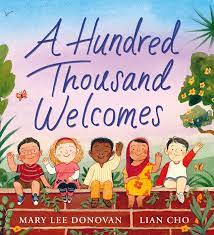
In A Hundred Thousand Welcomes by Mary Lee Donovan and illustrated by Lian Cho, readers are introduced to the word “Welcome” in 14 different languages, with beautiful illustrations of different cultural settings. New connections, new friendships—the book celebrates language and cultural difference.

Bold_line

Kellee

Reading: Tristan Strong Punches a Hole in the Sky by Kwame Mbalia]

Also reading: Threads of Peace: How Mohandas Gandhi and Martin Luther King, Jr. Changed the World by Uma Krishnaswami

Reading during family reading time: The Complete Chi’s Sweet Home, Part 1 by Kanata Konami, Translated by Ed Chavez

Trent reading during family reading time: The Bird & Squirrel series (he is on book 4 of the series)

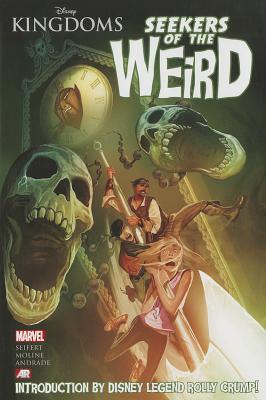
Jim is reading during family reading time: Disney Kingdom’s Seekers of the Weird by Brandon Seifert, Illustrated by Karl Moline & Filipe Andrade

Listening: Let Me Hear a Rhyme by Tiffany D. Jackson, Lyrics by Malik “Malik-16” Sharif

Trent and I listening to: I Survived the Attack of the Grizzlies, 1967 by Lauren Tarshis

Ricki

My tenure file is due this week, so I will do my very best to read during breaks in the action!

Bold_line

Tuesday: August 10 for 10: Kellee’s Favorite Fairy Tale or Nursery Rhyme Inspired Picture Books

Sunday: “The Case for Graphic Novels and Chapter Books” by Dusti Bowling, author of Aven Green, Baking Machine

Bold_line

Link up below and go check out what everyone else is reading. Please support other bloggers by viewing and commenting on at least 3 other blogs. If you tweet about your Monday post, tag the tweet with #IMWAYR!

 Signature andRickiSig

Author Guest Post: “Using Anthologies to Teach Writing” by Rochelle Melander, Author of Mightier than the Sword: Rebels, Reformers, and Revolutionaries Who Changed the World Through Writing

Share

“Using Anthologies to Teach Writing”

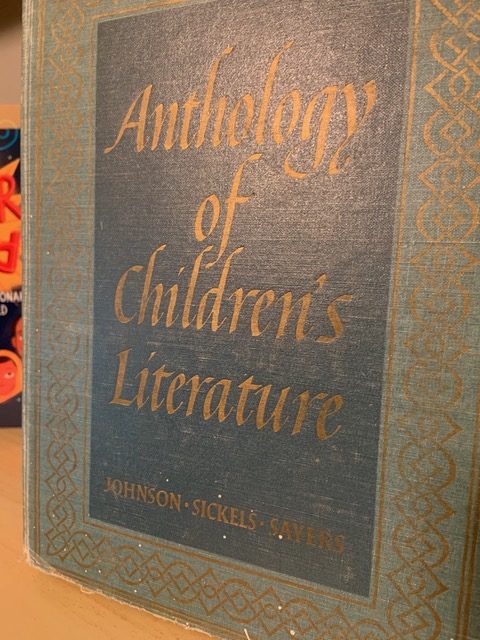
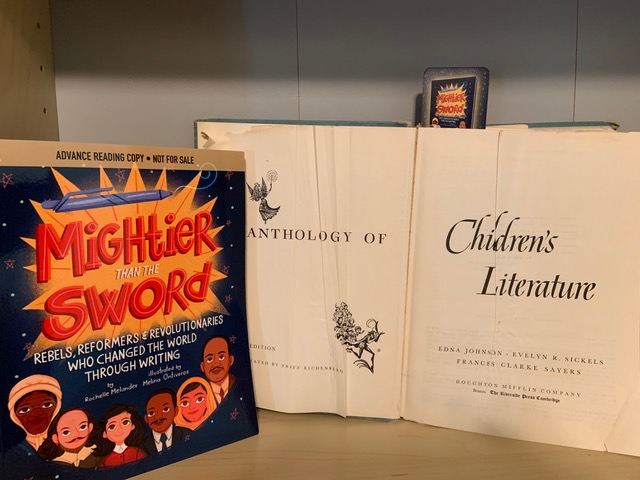
When I was growing up, our family had an Anthology of Children’s Literature. (No doubt one of my mom’s college textbooks!) Even though we regularly checked out books from the library, I spent a lot of time browsing through that book. I loved that I could find stories from all over the world. In that volume, I discovered new tongue twisters, Lewis Carroll’s “Jabberwocky,” and James Weldon Johnson’s “The Creation.”

Today, biographical anthologies have become popular in the children’s literature market. You can find anthologies on a wide range of topics like sports, science, technology, math, and more. They provide young people with an easy way to access stories about people who overcame obstacles to achieve success.

Because anthologies collect the stories of people around a theme, they offer many ways for readers to engage with the stories. Readers can take a treasure hunt through the essays in search for someone that interests them. Students might seek someone who:

+Champions a cause that matters to them.

+Overcame difficulties in school.

+Plays their favorite sport.

+Works in a career that interests them.

+Did something brave.

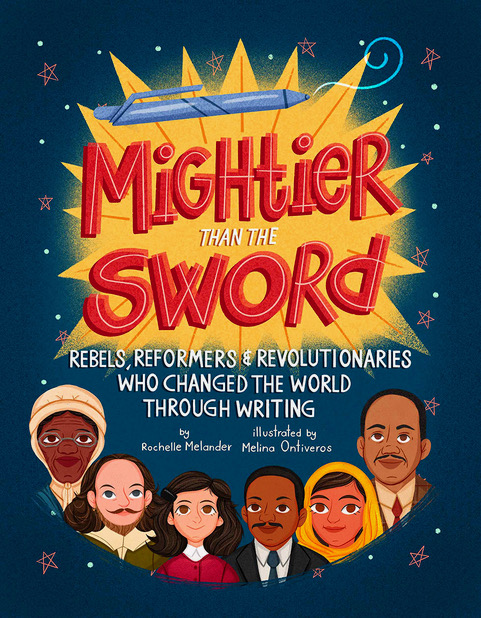
But how do you get young people to engage with these stories? When I wrote Mightier Than the Sword, an anthology of stories about people who used their words to change the world, I chose people from many disciplines because I wanted young people to see that many people write, not just storytellers. I added interactive writing exercises so that young people could write to change their own worlds.

I’ve been an artist educator since 2001, teaching in classrooms, libraries, and museums. I often use mentor texts and anthologies to engage young people in learning history and inspire their writing. Here are three writing exercises—and an art exercise—I use with historical texts:

Writing Exercise #1: Social Media Profile

Sei Shonagon (965-1010) captured court life in her writing, a genre known as zuihitsu that combined lists, advice on conversation and letter writing, observations about events, and suggestions on how priests should preach and dress. Had Sei Shonagon lived today, she might have developed a social sharing site like Instagram or Twitter.

Try this: Invite students to create a social media profile and several posts for the person they’ve chosen. This will especially fun when working with historical people. Maybe George Orwell would write a status update like: “Big brother? This whole platform is sus.”

Note: You can use any social media site that your students can relate to. There are several kid-friendly social media sites that might work, like GromSocial and PopJam.

Writing Exercise #2: Protest Song

The Afghan rapper and activist Sonita Alizadeh was angry about her parents’ plan to sell her into marriage, partly to help raise money to purchase a bride for her brother. To protest this, she wrote and performed the song “Brides for Sale” and posted it on YouTube. Alizadeh’s song saved her from an arranged marriage and paved the way for her to go to school.

Try this: Invite students to write a protest song for a cause that they care about.

Writing Exercise #3: Letter Campaign

Young Sophie Cruz wrote a letter to the Pope, asking him to fight for the rights of immigrants in the United States. Martin Luther King, Jr. wrote “Letter from a Birmingham Jail” to protest the advice to “wait” for justice. His letter became a sermon and then was published in newspapers and magazines across the country.

Try this. Ask students to write a letter to encourage change. Perhaps several students will want to create a letter-writing campaign to challenge an organization, government agency, or a government official.

Bonus Exercise: Protest Art!

To protest the lack of women’s works of art at the Metropolitan Museum of Art in New York City, the Guerilla Girls plastered posters on New York City buses asking: “Does a woman have to be naked to get into the Met. Museum?” The poster featured a reproduction of the nude in Jean-Auguste-Dominique Ingres’ La Grande Odalisque, with her face hidden by the group’s signature gorilla mask. The poster educated readers on the statistics: “Less than 5 percent of the artists in the Modern Art Sections are women, but 85 percent of the nudes are female.”

Try this: Invite students to create an art poster or social media meme to support their favorite cause.

Choosing Anthologies

The library is full of many kinds of anthologies on a wide range of topics like sports, science, technology, math, and more. Check out a big stack and let your students browse. The more they read, the better chance they will have of finding a role model who matters to them.

Published July 27th, 2021 by Beaming Books

About the Book: Mightier Than the Sword: Rebels, Reformers, and Revolutionaries Who Changed the World through Writing is a middle grade social justice book that tells the stories of historical and contemporary writers, activists, scientists, and leaders who used writing to make a difference in their lives and the world. The stories are accompanied by writing and creative exercises to help readers discover how they can use writing to explore ideas and ask for change. Sidebars explore types of writing, fun facts, and further resources.

Download the free activity pack: https://ms.beamingbooks.com/downloads/Activity_Packet_MightierThanTheSword.pdf

About the Author: Rochelle Melander wrote her first book at seven and has published 11 books for adults. Mightier Than the Sword: Rebels, Reformers, and Revolutionaries Who Changed the World through Writing is her debut book for children. She’s a professional certified coach, an artist educator and the founder of Dream Keepers, a writing workshop for young people. She lives in Milwaukee, Wisconsin with her husband, children, and two dogs. Visit her online at writenowcoach.com or rochellemelander.com

Thank you, Rochelle, for your book and for this incredible post with such useful classroom ideas! 

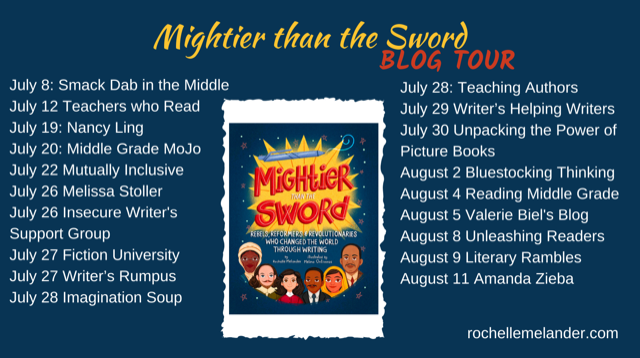
Don’t miss out on other stops on the Mightier than the Sword Blog Tour!

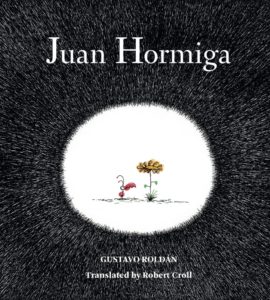
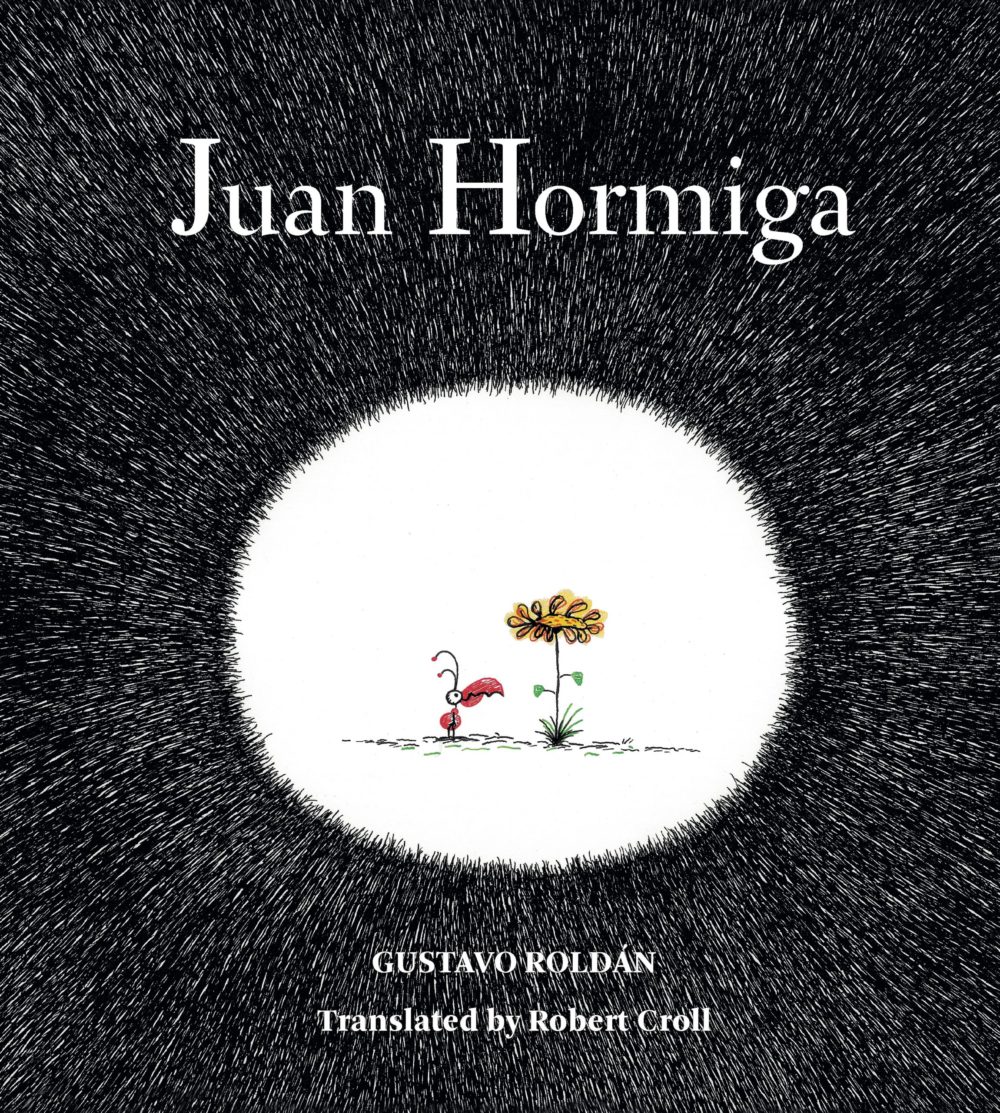
Juan Hormiga by Gustavo Roldán, Translated by Robert Croll

Share

Juan Hormiga
Author & Illustrator: Gustavo Roldán
Translator: Robert Croll
Published Originally in 2013, Translated and Published May 4th, 2021 by Elsewhere Editions

Summary: Juan Hormiga, the greatest storyteller of his entire anthill, loves to recount his fearless grandfather’s adventures. When Juan and his fellow ants gather around for story time, he hypnotizes all with tales of his grandfather’s many exploits – including his escape from an eagle’s talons and the time he leapt from a tree with just a leaf for a parachute. When he’s through telling these tales, Juan loves to cozy up for a nice long nap. He’s such a serious napper that he takes up to ten siestas every day! Though well loved by his ant friends, Juan decides telling tales and sleeping aren’t quite enough for him – it’s time to set off on his own adventure. With whimsical, irresistible illustrations, Juan Hormiga affirms the joys of sharing stories, and of creating your own out in the world.

About the Author: Gustavo Roldán was born in Argentina in 1965. His illustrations are widely published, and he has been exhibiting his work since 1985. His books have been published in numerous countries including Mexico, Belgium, Spain, the Netherlands, Brazil, South Korea, and Switzerland and have earned him recognition from A.L.I.J.A., the Prix Octogone, and inclusion in the White Ravens catalogue created by the Jugendbibliothek. His other books include El señor G and Historias de conejo y elefante, both published internationally. He currently lives in Barcelona, where he is a contributor to several publishing houses.

About the Translator: Robert Croll is a writer, translator, musician, and visual artist from Asheville, North Carolina. He first came to translation during his undergraduate studies at Amherst College, where he focused on Julio Cortázar’s short fiction. His translations include The Diaries of Emilio Renzi by Ricardo Piglia, published by Restless Books.

Review: From the first couple of pages when Juan Hormiga napped his way around the spread and showed his curiosity, I fell in love with this little ant. He may not fit what we normally think of when we think of ants, but he is an example of the importance of different types of people in a community: every time Juan Hormiga speaks to tell a story, all of the other ants stop and listen because that is the power of a good story. This message is also one that made my heart happy as I read it.

I also loved that there was no shunning or pushes to be different involved in the story. The ants loved Juan Hormiga for who he was and utilized him for his strengths.

Author Rivka Galchen called Juan Hormiga “magnificent and silly and tender all at once–a perfect book,” and I can attest that all is there: magnificent in the message and stories, silliness in the illustrations and conversation, and tender in the love for each other.

Teachers’ Tools for Navigation: Students will love hearing this book read out loud, and it will lend itself nicely to a creative writing activity where students can create their own adventures for Juan Hormiga’s grandfather–what other adventures did he go on?

Discussion Questions: 

  • How is Juan Hormiga different from his fellow ants?
  • Why is Juan Hormiga so important to his colony even though he doesn’t do the same labor the other ants do?
  • The author shared that this book was inspired by nights when his family camped in the mountains and his mother told them stories. How do you see this inspiration in the story?
  • What do you think the author is trying to portray about the power of storytelling?
  • How do you think the ants feel when they find Juan in the willow tree?

Flagged Passages: 


Read This If You Love: Little Fox by Edward van de Vendel, Lucy by Randy Cecil, Normal Norman by Tara Lazar

Recommended For: 

classroomlibrarybuttonsmall

Signature

**Thank you to Elsewhere Editions for providing a copy for review!**