Blog Tour, Review, Giveaway, and Author & Illustrator Interview!: My Dog is the Best by Laurie Ann Thompson, Illustrated by Paul Schmid

Share

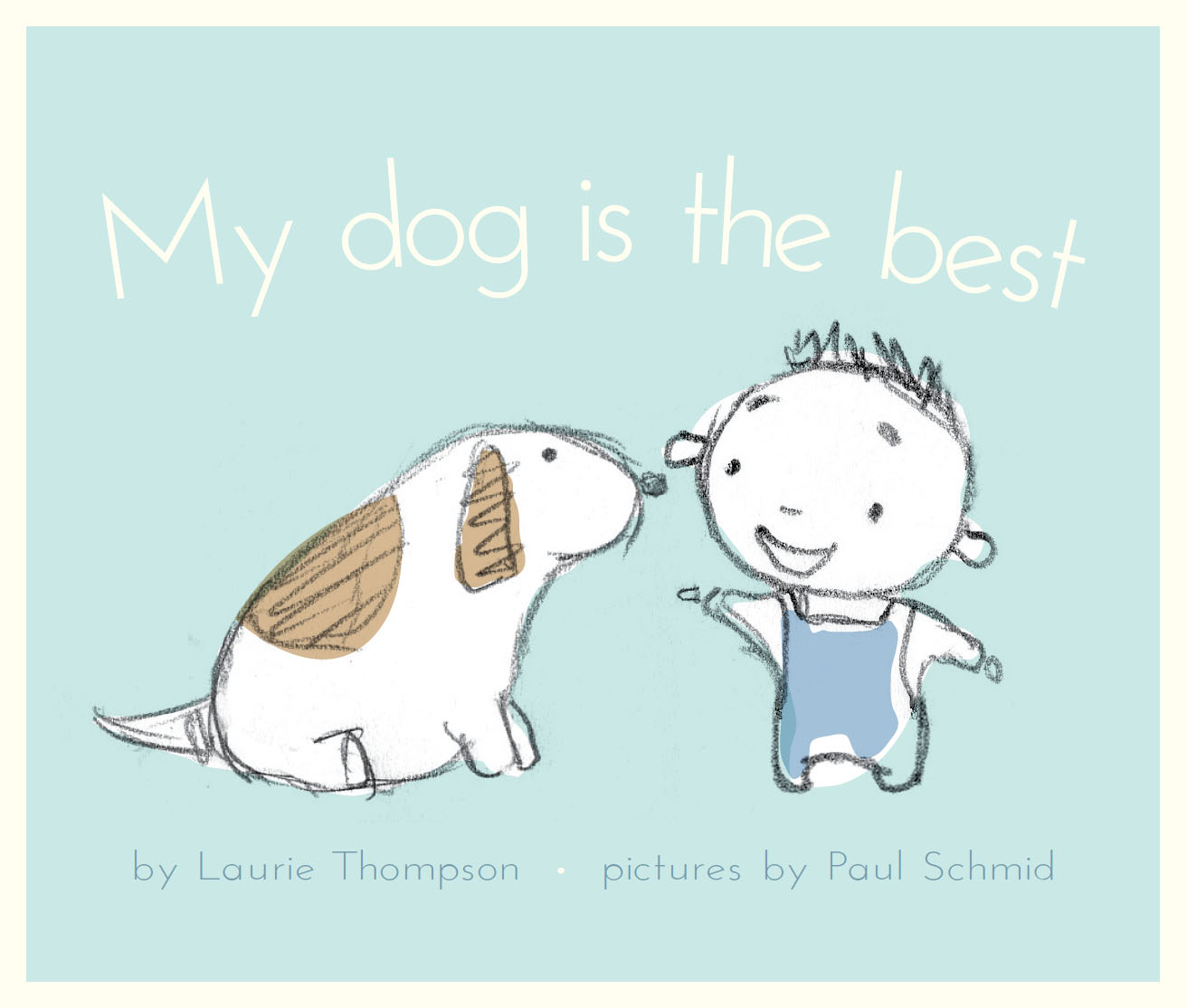
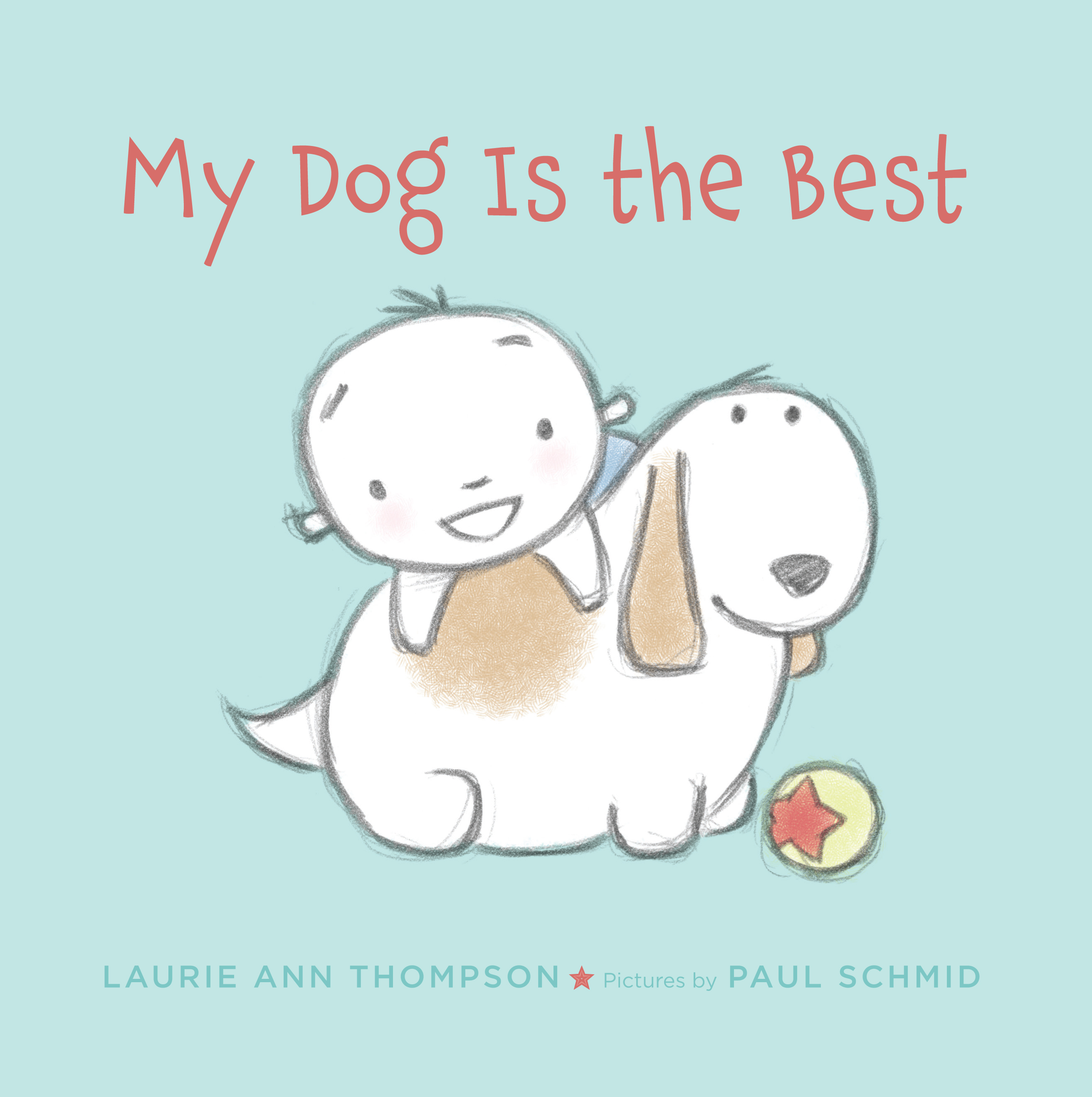
MY DOG IS THE BEST-cover

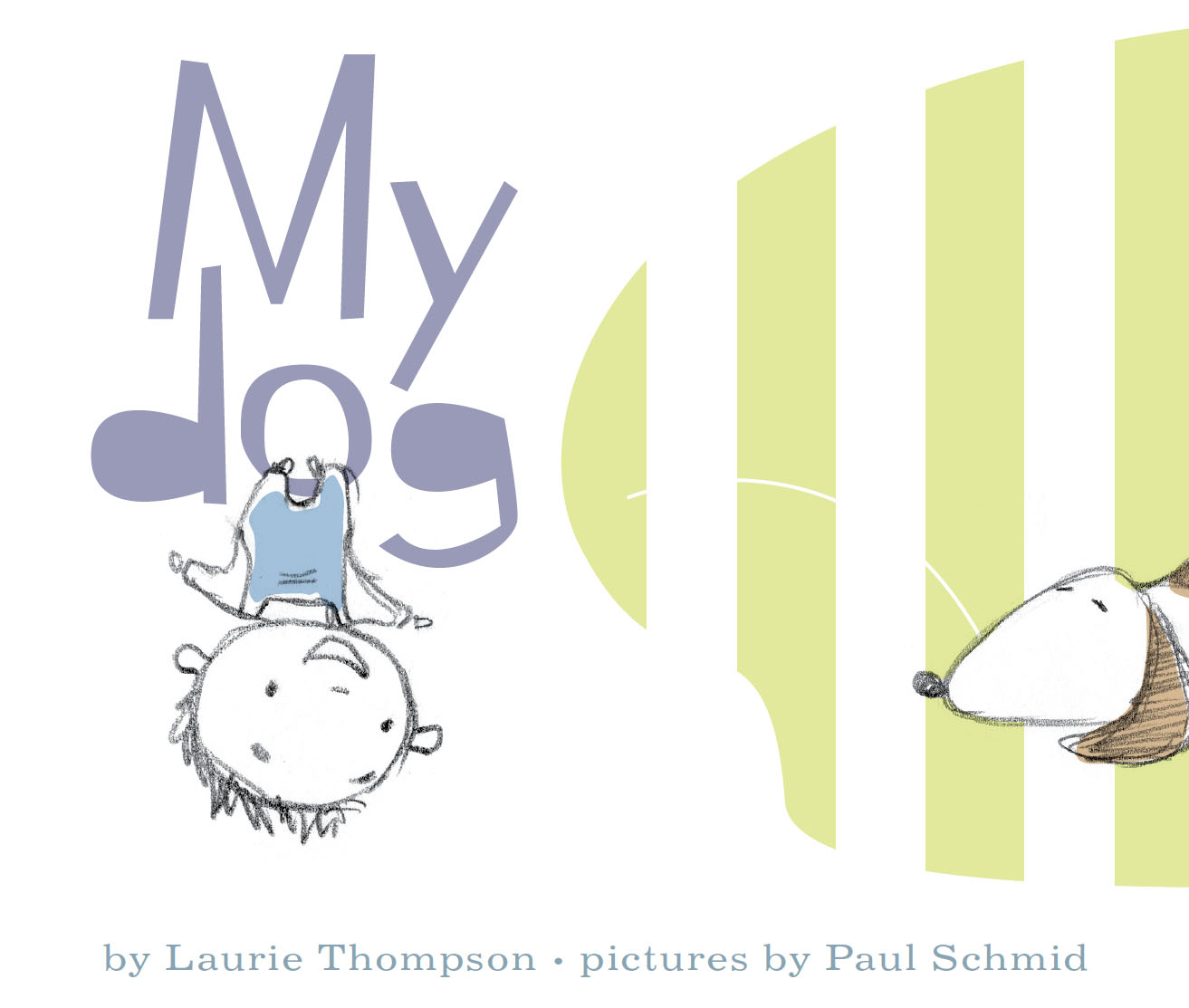
My Dog is the Best
Author: Laurie Ann Thompson
Illustrator: Paul Schmid
Published: June 9, 2015 by Farrar, Straus, and Giroux

Goodreads Summary: What do you get when you combine one energetic, enthusiastic little boy with his sleepy but tolerant dog? Unconditional love. Using simple words and spare illustrations, My Dog Is the Best celebrates the special bond that exists between a young child and a beloved family pet. It’s the heartwarming story of two best friends. . . told by a boy with a very active imagination.

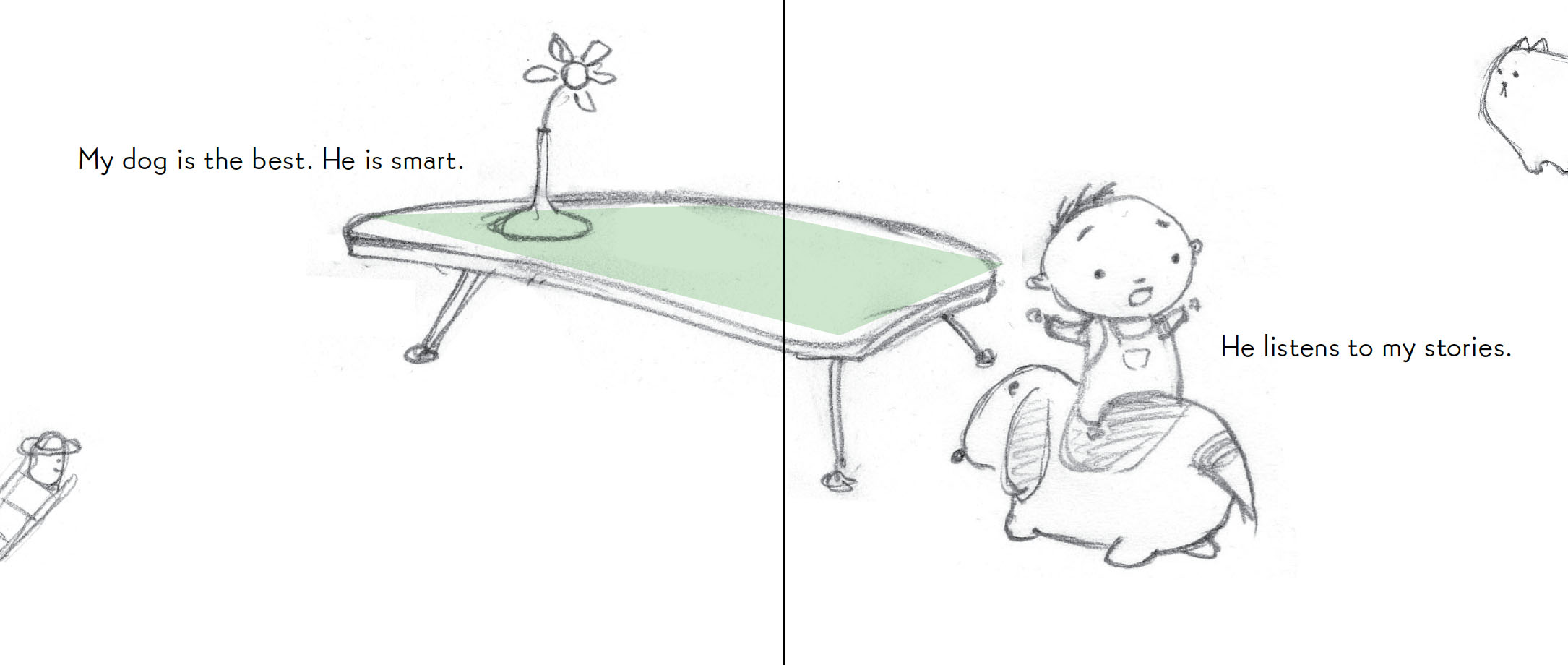
Ricki’s Review and Teachers’ Tools for Navigation: This charming tale will surely win the hearts of many children. It made me feel a bit guilty that I don’t have a dog for my son! I can imagine teachers reading this story aloud to captivated audiences. Teachers might ask students to compare this story with others in their classrooms. The way the illustrator and text focuses on the two subjects makes their friendship shine. You can find an example of the text’s playfulness in the flagged page below. It made me smile! After reading this story, I would encourage my students to write their own stories about friendships that they have.

Kellee’s Review and Teachers’ Tools for Navigation: This book makes me want a dog (and like Ricki said, I feel a bit guilty for not having a dog for Trent!). I loved this sweet story of a sleepy dog and a rambunctious child who is going to have fun with his dog no matter what the dog thinks about it. The play between the words and illustrations is what really made this book special and made the quiet humor really ring through. I also think that kids are really going to like the end of the book. Like Ricki, I think that this text could be a great mentor text for writing about times of imagination and friendship. What other ways could the boy have played with the dog? How do you play with your pet/toy? I also think that it is a great story to use to talk about humor and irony. Why was the ending funny?

Discussion Questions: What kinds of games do you play with your best friend/pet/toy?; Do you have a pet? How is your relationship with your pet similar or dissimilar with this story?; In what ways is it obvious that the author and illustrator worked together to create this book? How do the drawings enhance the story?; Why is the ending ironic?

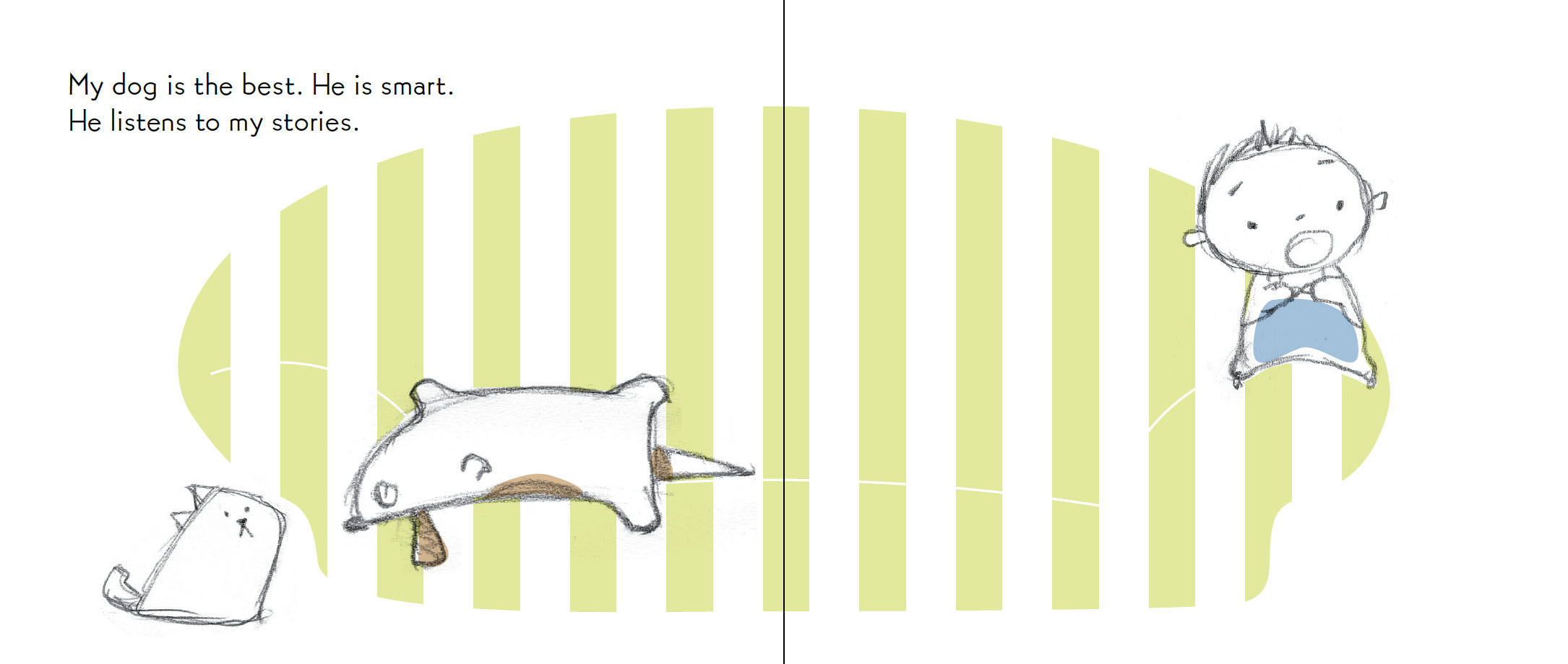
We Flagged:
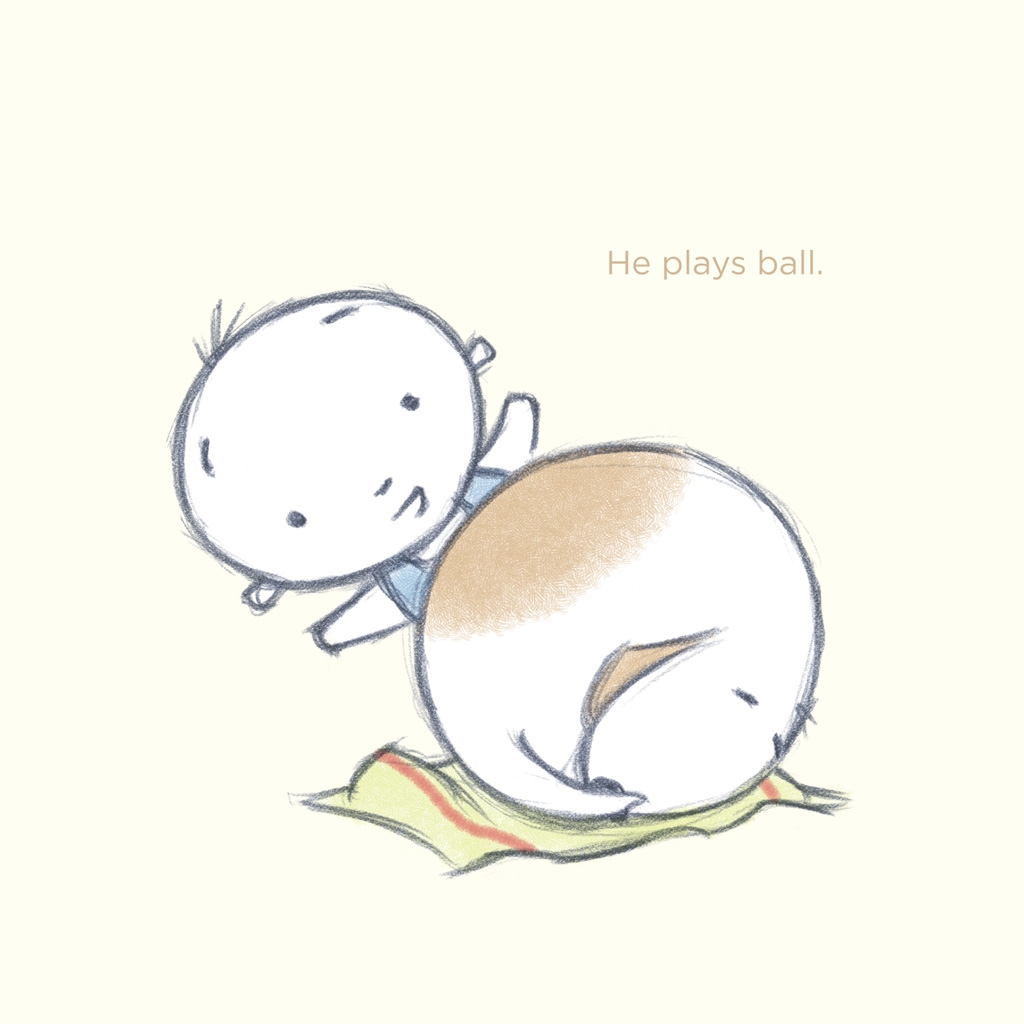
My Dog is the Best spread
Image from: http://us.macmillan.com/books/9780374300517

Read This if You Loved: Look! by Jeff Mack; The Poky Little Puppy by Janette Sebring Lowrey; May the Best Dog Win by Kelly Hashway; Bark, George by Jules Feiffer; Emmanuel’s Dream by Laurie Ann Thompson

Recommended For: 

readaloudbuttonsmall classroomlibrarybuttonsmall

Interview with the Laurie Ann Thompson and Paul Schmid!

Questions to Laurie:

05_lauriethompson_PhotoByMaryBalmaceda-500x750

  1. What inspired you to write this book?

I first wrote the text as an assignment for a course I was taking, Anastasia Suen’s Easy Reader/Chapter Book Workshop. I’ve always loved dogs, and it’s a great word for beginning readers, so I started there. I noticed that most of the time when I said, “Good dog!” to my poor old dog, Sara, she was either curling up and getting ready to go to sleep or already sleeping. She would give me this confused look that said, “What? I’m not doing anything!” She’d been a hyperactive, crazy dog in her younger years, so it was a huge relief when she finally started slowing down a little. I appreciated the humor in those interactions. At the same time, I had an awfully busy little boy at home, so both the tension between their very different energy levels and their special “best friends” relationship were natural ingredients for the story.


  1. Did you have a specific dog when you were growing up that you were thinking of as you wrote this book? 

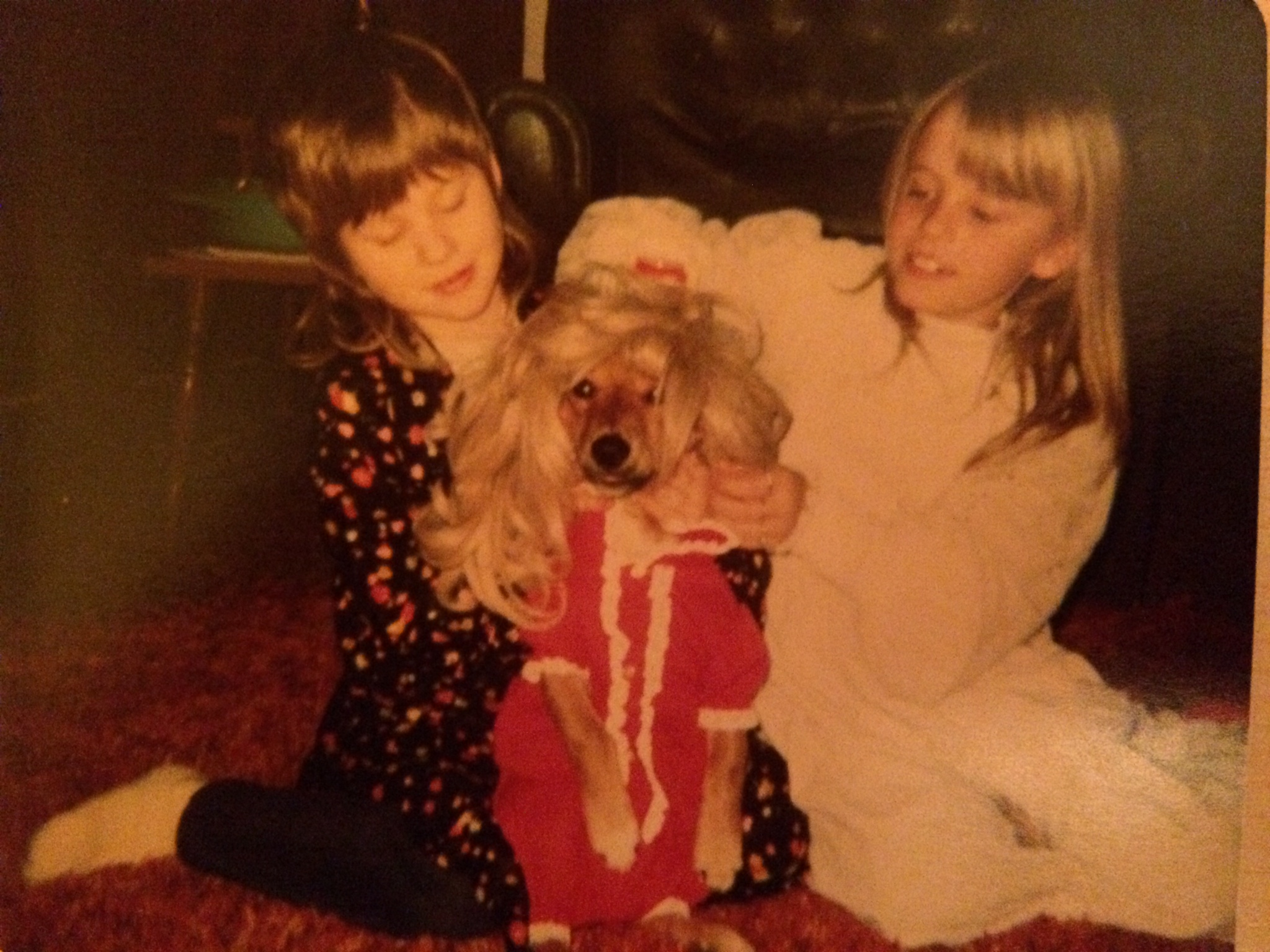
It’s really a collection of all of them. My dogs were my best friends, and they put up with so much of my probably unwanted attention. I had one special dog named Sammy that I used to dress up in doll clothes, push in a baby swing, and take for rides in my bicycle basket. (He loved those last two activities, but I’m pretty sure he merely tolerated the first!) He was the best. When I was bit older, my dog Ripper used to wait at the end of our driveway—every single day—for the school bus to bring me home. He listened to all of my tales of teenage angst and always let me dry my tears on his fur. He was devoted and dependable. He was the best. Then, as an adult, there was Sara. She was the best, too. I think whatever dog we make room for in our lives becomes “the best,” just by virtue of us loving them.
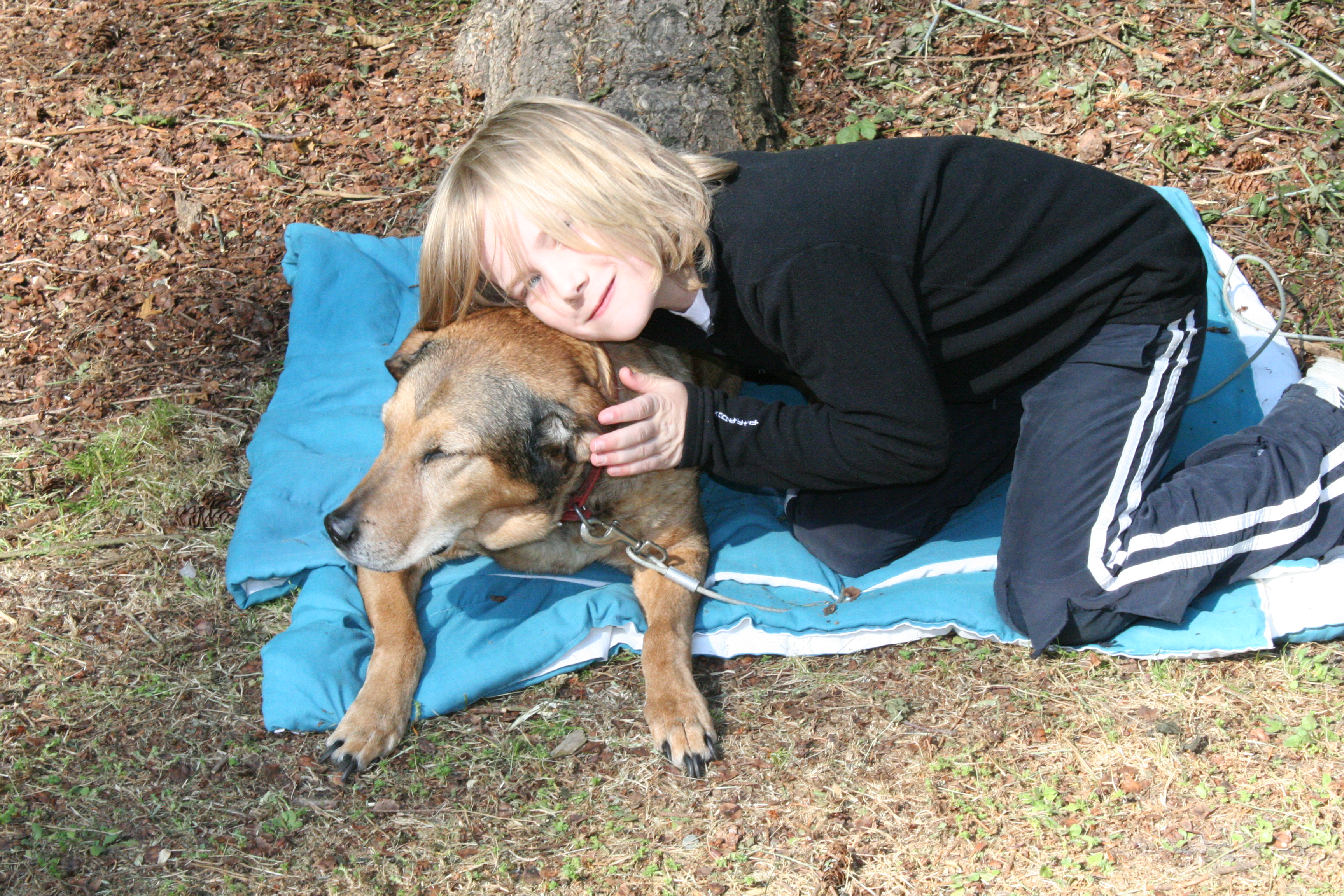

dressing up Sammy1999-03 36_34 Laurie and Ripper2011-07-02 083038 Connor and Sara

  1. You write both YA and children’s books. How is your writing process different for each?

It’s very different! For my YA books, I’m a rather obsessive planner. I research and outline, then research some more and revise the outline and so on, for a long time, before I’m finally ready to start writing. For my picture books, I like to just play. I just start writing and see what happens. As a result, I typically spend less time revising the YA books than the picture books, even though the picture books are much, much shorter! It usually takes a lot of revision to make a picture book work just right.


  1. What was it like to work with an illustrator? 

With my YA books, like Be a Changemaker, there is no illustrator, so the final product is the result of the collaboration between my editors and me—and we’re all primarily word people. As a picture book author, though, it’s always exciting to see what another person with a very different way of working and of seeing the world will bring to my original vision. Authors don’t usually get much say in the illustrations (and rightly so, as I surely am no art expert!). With my second book (and first picture book), Emmanuel’s Dream, I had never met the illustrator, Sean Qualls, and I didn’t see any of his stunning artwork until it was almost all finished. I was on pins and needles, but what a pleasant surprise! For My Dog Is the Best the experience was a bit unusual but every bit as special. It just happened that Paul Schmid and I live not far apart and had known each other for years. When he took on the manuscript, I was ecstatic! We kept in touch throughout the process, and I even got to spend a day collaborating with him in his studio—one of my all-time favorite writing days ever! We both ended up influencing both the art and the text, and we ended up with something we’re both really proud of.


Questions to Paul:

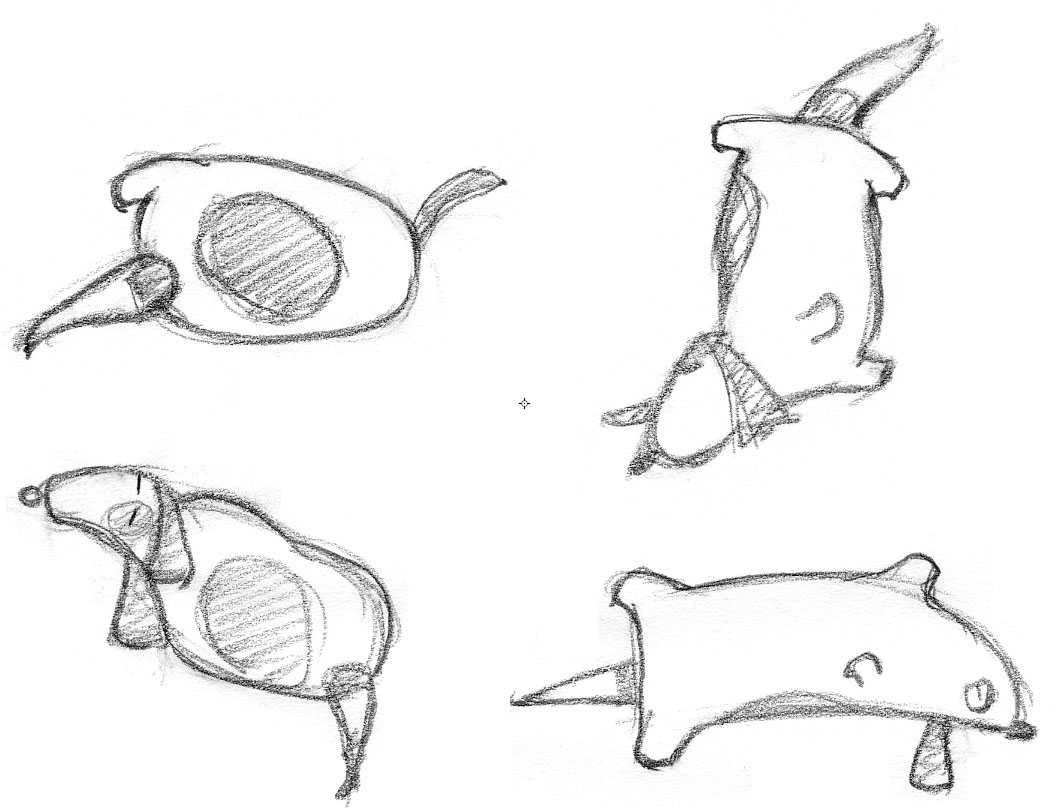
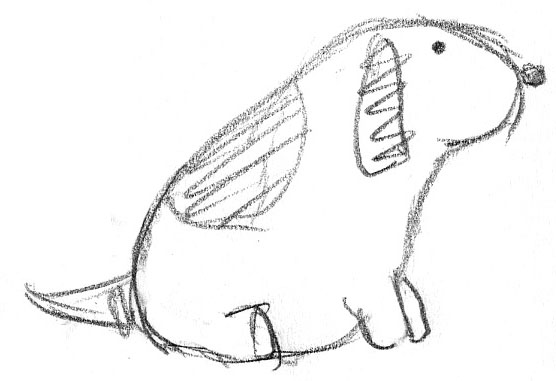
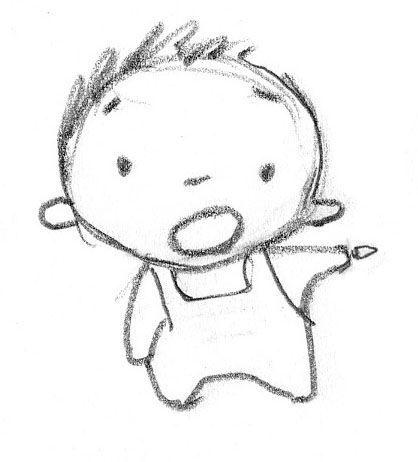
  1. How did you decide what the characters would look like?

Initially, I form a clear picture of the characters personalities. Are they active? Sedentary? Outgoing or shy? The design of a character should provide solid clues to who they are. Our dog in the book just wants to nap, and I imagined an old, tolerant, comfortable Basset Hound of established habits. The boy is much more active, but young and naive. He is also sweet and loving, as the book is itself. So I felt the boy needed a kind, gullible, gentle look that was at the same time visually sympathetic to his dog, in order to form an emotional connection between the two for the reader. As a result, they both ended up round and gentle looking.


  1. What does the artistic process look like?

Many many sketches. Then many more. Then a few more. Eventually I have to start the final art. I don’t think I ever really feel like I’m done improving things, but a deadline shows up and helps me stop.

Early sketch of the dog
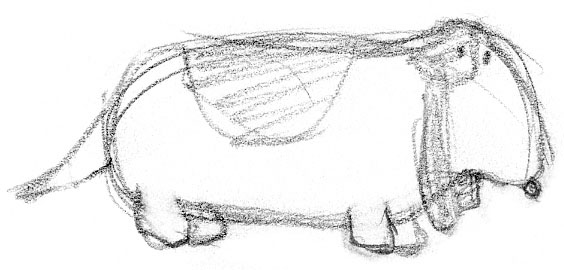
early dog

Dog Poses

dog poses

Dog sketch and boy sketch

dog sketch boy sketch

Early design

early design

Early cover design

early cover

Another early cover design

cover

Second stage spread

2nd stage spread

GIVEAWAY!

a Rafflecopter giveaway

Follow My Dog is the Best on Tour!:

6/6/2015     Booking Mama     http://www.bookingmama.net

6/8/2015     Jean Reidy     http://jeanreidy.com

6/9/2015     Watch. Connect. Read.     http://mrschureads.blogspot.com

6/10/2015    5 Minutes for Books     http://books.5minutesformom.com

6/11/2015     KidLit Frenzy     http://www.kidlitfrenzy.com

6/12/2015     Unleashing Readers     https://www.unleashingreaders.com

6/16/2015     Anastasia Suen: Booktalk     http://www.anastasiasuen.com

6/19/2015     Kirby’s Lane     http://kirbyslane.com

7/1/2015        Library Lions     http://LibraryLionsRoar.blogspot.com

Thank you to Laurie and Paul for taking part in the interview and for having us as part of the blog tour!

RickiSigandSignature

Faraway Friends by Russ Cox

Share

faraway friends

Faraway Friends
Author and Illustrator: Russ Cox
Published May 5th, 2015 by Sky Pony Press

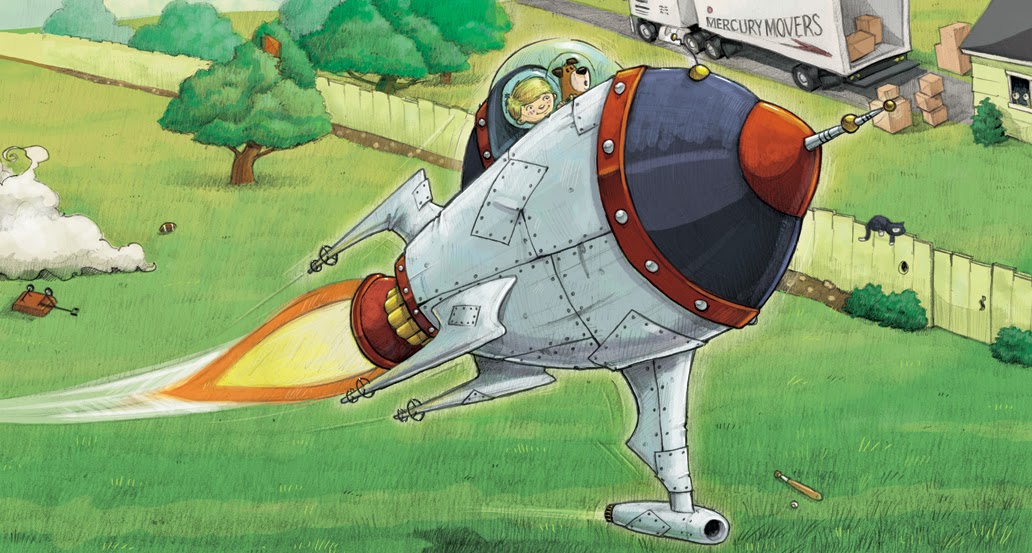
Goodreads Summary: This is the story of the adventure of a little boy named Sheldon and his dog, Jet. When Sheldon’s best friend moves away, Sheldon spies the word “Jupiter” painted on the side of the moving truck. Sheldon feels sad at first, but realizes that this is a sign—what he needs is a rocket ship! So Sheldon and Jet do some sketching and some scrounging, and, with a wagon full of equipment and supplies, the two future astronauts head to the backyard. With a glop and a wham, piece by piece the ship begins to take form, and soon it’s Commander Sheldon A. Flyer and Space Cadet Jet ready for takeoff! The duo jets around satellites, zooms by planets, speeds through space storms, and zips past other flying saucers . . . untilplop, they’ve arrived, somewhere with a green, alien life-form and a furry black blob.

This book encourages children to channel loneliness and boredom with creativity and imagination, and ultimately it is a story of new friendship. Featuring vibrant illustrations by debut author and illustrator Russ Cox, this action-packed story is sure to appeal to young readers in search of something that is out of this world!

My Review: I loved this story! It promotes imagination, has science elements, and is about the tough subject of friends moving away. When Sheldon’s best friend moves away, he believes he has moved to Jupiter so the only solution is to build a spaceship for himself and his dog, Jet, to go to Jupiter to see his friend. I adored that Sheldon went through a planning and sketching phase before building and “blasting off” with Jet. They then fly through outer space until a ship malfunction and a visiting alien change their plans. Children will love the colorful illustrations, fun adventure, and comic relief of Jet all while exploring themes of friendship, loss, and imagination. 

P.S. The cover glows in the dark!!!!

Teachers’ Tools for Navigation: Like I shared above, there are some deep themes that can be addressed while/after reading this book. I also think it will promote a want to build a space ship, and it would be great to have students plan and build a spaceship (maybe not life size, but for an egg or pipe cleaner person?). The book also has onomatopoeias throughout which always makes me happy as they may be my favorite type of figurative language, and there is also great vocabulary words throughout to learn about.

Discussion Questions: Before reading, look at the cover and predict what you think the book is about. After reading, look back at the cover. What did you predict correctly and incorrectly based on the cover?; Has a friend of yours ever moved away? How did it make you feel? What did you do to help deal with the loss?; If you could build a spaceship and visit anywhere, where would you go?; When Sheldon and Jet blasted off into space, did you catch the clue for the ending in the background?

We Flagged:

faraway-friends-sample 2
(c) Russ Cox 2014

“BLAST OFF! In a spectacular plume of smoke Sheldon and Jet roared into space.”

Read This If You Loved: The Most Magnificent Thing by Ashley Spires, Journey by Aaron Becker

Recommended For:

classroomlibrarybuttonsmall closereadinganalysisbuttonsmall readaloudbuttonsmall

  Signature

**Thank you to Sara at Skyhorse Publishing for providing a copy for review!**

The Alphabet of Bugs: An ABC Book by Valerie Gates

Share

NFPB2015

Nonfiction Picture Book Wednesday

Nonfiction Picture Book Wednesday is hosted by Kid Lit Frenzy and was started to help promote the reading of nonfiction texts. Most Wednesdays, we will be participating and will review a nonfiction text (though it may not always be a picture book).
Be sure to visit Kid Lit Frenzy and see what other nonfiction books are shared this week!

alphabet of bugs

The Alphabet of Bugs: An ABC Book
Author: Valerie Gates
Photographer: Ann Cutting
Published June 2nd, 2015 by Sky Pony Press

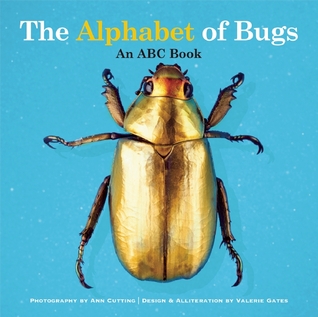
Goodreads Summary: Do you know what a Chrysina resplendens or a Papilionidae butterfly looks like? Travel through the alphabet with The Alphabet of Bugs to learn about the many beautiful and unusually named bugs found in nature—and brush up on those ABCs as well! Valerie Gates’s charming alliterative style paired with Ann Cutting’s stunning photographs of all types of bugs is sure to delight curious children and adults alike.

With silly alliterative sentences and vivid photographs, The Alphabet of Bugs will capture the attention of young kids and teach them about the many beautiful and unusually named bugs found in nature as they learn their ABCs. Ultimately, the book will encourage young kids to go outside and explore nature as they try to find the bugs pictured in the book.

Children who already know their basic bugs will broaden their horizons, and parents who are tired of simple butterflies and beetles will find this book worth rereading. Spectacular photographs of insects of all kinds will inspire children to learn more about the different creatures found in the natural world. And while children learn about bugs, they are also learning the alphabet through silly sentences.

Kellee’s Review and Teachers’ Tools for Navigation: ABC books can get repetitive, so it is so nice to find one that is different and unique. The Alphabet of Bugs not only introduces the reader to 26 different insects, the bugs are accompanied by close-up, detailed photos and alphabetic sentences with intense vocabulary. I could see this book being used as a daily read aloud with each day having a different letter which would lead into a study of the insect and the vocabulary introduced.

Ricki’s Review and Teachers’ Tools for Navigation: I loved the photography of this book. Admittedly, I don’t like bugs very much, but I know many kids who do! I feel fortunate to have this book because I suspect my son will love it when he is a bit older. Each photograph is juxtaposed with a bright background color that reflects the letter. This would be a great mentor text to teach alliteration. Readers at any level would find it to be interesting. I would challenge younger students to create their own alphabet book about a topic of interest.

Discussion Questions: What other bugs can you think of that start with this letter?; After doing some research, what else have you learned about this bug?; How does the use of photography and alliteration enhance this text?

We Flagged: 

ulysses butterfly

Read This If You Love: Nonfiction books about insects; Alphabet books

Recommended For: 

classroomlibrarybuttonsmall readaloudbuttonsmall

Signatureand RickiSig

**Thank you to Sara at Skyhorse Publishing for providing copies for review!**

By Mouse & Frog by Deborah Freedman

Share

bymouseandfrog

By Mouse & Frog
Author and Illustrator: Deborah Freedman

Published April 14th, 2015 by Viking Books for Young Readers

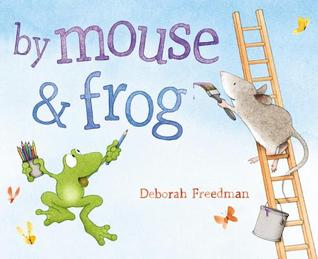
Goodreads Summary: Fastidious Mouse has one idea about how to tell a story. Free-spirited Frog has another. What happens when Frog crashes into Mouse’s story with some wild ideas? Chaos!…followed by the discovery that working together means being willing to compromise—and that listening to one another can lead to the most beautiful stories of all.

Kellee’s Review and Teachers’ Tools for Navigation: I love this book. There is so much wonderful in these pages. First, the book is just so funny! Mouse and Frog are so different and the back and forth is laugh-out-loud comedic. Second, the story really makes you look at personality types and think about how to work together. Frog and Mouse’s story would be a wonderful one to read and then talk about norms when working in groups on projects/assignments. Third, the book also looks at story writing and narrative elements. What is needed in a good story? Do all stories have to have the same things? All in all, this book is fun to read and will be a good jumping off point for all sorts of discussions. I think this book is going to find some major love in homes, schools, and libraries alike.

Ricki’s Review and Teachers’ Tools for Navigation: This magical story is about two friends who co-write a book together. It would be a great book to teach kids about the importance of listening and valuing others’ opinions. I would use this in the classroom at times when there is a lot of conflict. Very few students benefit from a pamphlet about conflict resolution. Instead, I would read this book aloud to students, and we could talk about the value of listening to and understanding each other. Overall, this is a great book to get students’ creative juices flowing. The whimsical creativeness of this title reminds me a bit of The Dot by Peter Reynolds, another picture book favorite.

Discussion Questions: What is needed in a good story? Do all stories have to have to have the same things?; Why didn’t Mouse and Frog get along at first? How did they compromise at the end?

We Flagged:

mouse-frog-flap

Read This If You Loved: Look! by Jeff Mack, The Story of Fish and Snail by Deborah Freedman, Little Red Writing by Joan HolubThe Dot by Peter Reynolds

Recommended For:

readaloudbuttonsmall closereadinganalysisbuttonsmall classroomlibrarybuttonsmall

Signature andRickiSig 

**Thank you to Penguin Young Readers for providing a copy for review!**

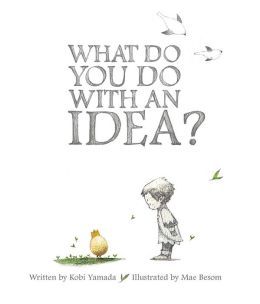
What Do You Do with an Idea? by Kobi Yamada

Share

idea

What Do You Do with an Idea?
Author: Kobi Yamada; Illustrator: Mae Besom
Published: February 1, 2014 by Compendium Inc.

Summary: This is the story of one brilliant idea and the child who helps to bring it into the world. As the child’s confidence grows, so does the idea itself. And then, one day, something amazing happens. This is a story for anyone, at any age, who’s ever had an idea that seemed a little too big, too odd, too difficult. It’s a story to inspire you to welcome that idea, to give it some space to grow, and to see what happens next. Because your idea isn’t going anywhere. In fact, it’s just getting started.

Review: I read this book slowly and purposefully. By page two, I realized I had come upon something very special, and I wanted to savor the moment—because while we can enjoy books over and over again, we can never read a book for the first time twice. When I think of this book, I will remember reading it quietly aloud (cross-legged on the floor of the bookstore) as my son played with trains beside me. What Do You Do with an Idea? illustrates the complexity of ideas, which are inherently imbued with feelings of self-doubt. The child in this book learns to treasure his idea and comes to realize the beauty of its potential. After I read this book, I immediately mailed a copy to my younger sister (who works at Google) because her mind brims with ideas. This book is inspirational for people of all ages. I hope you find it to be inspirational, too.  

Check out Kellee’s review of this text.

Teacher’s Tools for Navigation: The author and illustrator combine efforts to illustrate an abstract idea as a physical thing. Readers might consider how they do this with words and illustrations. Then, they could try to illustrated a different abstract idea in a story of their own.

Discussion Questions: Why might the illustrator have chosen to characterize the idea as an egg with a crown?; How is color intentionally used to tell the story?; Why might the author have chosen to use a first person point-of-view? How might the story have been different otherwise?; What is the author’s purpose?; Why/How might this book resonate with readers of all ages?

We Flagged: 

What Do You Do with an Idea 2

Image from: www.amazon.com

Read This If You Loved: The Most Magnificent Thing by Ashley Spires; The Dot by Peter H. Reynolds, The Noisy Paint Box by Barb Rosenstock, Lost and Found by Oliver Jeffers, Journey by Aaron Becker

Recommended For:

  readaloudbuttonsmall closereadinganalysisbuttonsmall classroomlibrarybuttonsmall

RickiSig

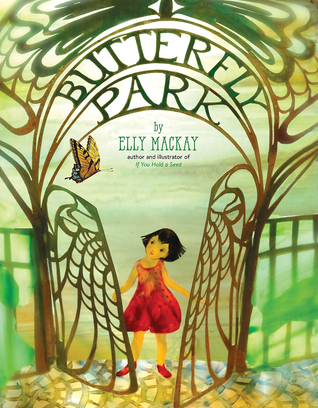
Follow the #ButterflyTrail Blog Tour and Review!: Butterfly Park by Elly MacKay

Share

Butterfly Park

Butterfly Park
Author and Illustrator: Elly MacKay
Published May 5th, 2015 by Running Press Kids

Goodreads Summary: When a little girl moves to a new town, she finds a place called Butterfly Park. But when she opens the gate, there are no butterflies. Determined to lure the butterflies in, the girl inspires her entire town to help her. And with their combined efforts, soon the butterflies—and the girl—feel right at home.

Elly MacKay’s luminous paper-cut illustrations and enchanting story encourage community, friendship, and wonderment in the beauty of everyday life.

Kellee’s Review: What a wonderful book about community and perseverance! MacKay’s beautiful paper-cut illustrations push this book to a whole new level. I am in awe of her work! It is amazing that each of the intricate pieces of her illustrations are cut out and designed. In addition to the illustrations, I really liked this story of a community gathering together to rebuild a butterfly park. I think the book highlights beauty in nature as well as working together to reach a goal. This is a wonderful book to read aloud and wonder at with children.

Ricki’s Review: Let me count the ways I love this book. Illustrators are getting more and more creative with their craft. Drawings and paintings are old news it seems. I absolutely adored the paper cut outs, which inspired me to hop onto the internet to look at other creative forms of artwork. I kept thinking about how neat it would be for students to create a class book similar to this one! We describe further ideas for classroom implementation of this book in the next section, but I can’t help but to express how inspiring this story is. My husband kept looking over as I said, “Ooooo.” This would be a great resource for creative writing classes because teaches students to break the mold with the presentation of their prose.

Teachers’ Tools for Navigation: This book would be a wonderful introduction to tone and theme. There are a few different themes that could be discussed as well as the drastic tone change of our narrator from her move to the end of the book.

Additionally, on the reverse side of the book jacket, there is a poster of butterflies and flowers.  It charges the reader to “Plant Your Own Butterfly Garden” which would be a wonderful project for a class. The flowers included are labeled and specifically shown because they are ones butterflies love. You could even go as far as to research the different flowers to determine why butterflies like them the best.

I also think this book could be an amazing mentor text for an art project on paper-cut illustrations. Students could make their own illustrated books using the paper-cut technique.

Discussion Questions: Why do you think the whole neighborhood helped the girl?; Could the young girl have finished the butterfly park without help?; Why was the butterfly park so important to the girl?

We Flagged: 

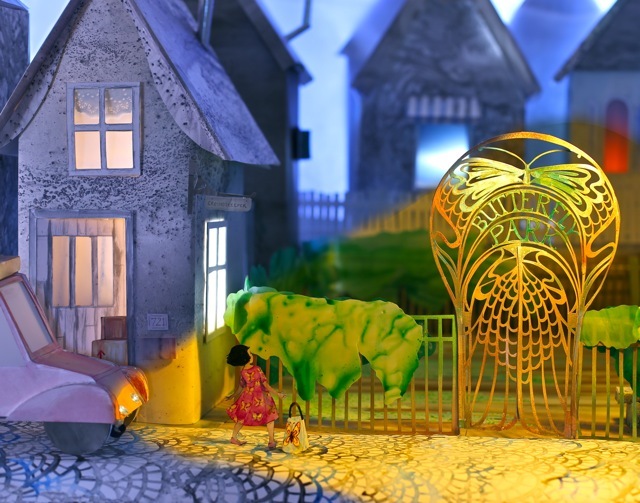
butterflyparkimage

“And then there was her house, plain and gray like all the others.
But next to it was a gate unlike any other. The girl repeated the letters. Suddenly, she felt very lucky!”

Read This If You Loved: Weeds Find a Way by Cindy Jenson-Elliott, Up in the Garden and Down in the Dirt by Kate Messner, The Sky Painter by Margarita Engle, In the Garden by Elizabeth Spurr

Recommended For: 

classroomlibrarybuttonsmall readaloudbuttonsmall

Read other reviews of Butterfly Park by following the Butterfly Trail!
Stops on the #butterflytrail can found at http://www.runningpress.com/butterflypark.

Signature andRickiSig

**Thank you to Valerie at Running Press Kids for providing copies for review!**

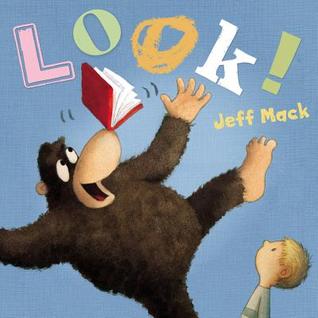
Look! by Jeff Mack

Share

look!

Look!
Author and Illustrator: Jeff Mack
Published April 7th, 2015 by Philomel Books

Goodreads Summary: This hilarious tale of a friendship that develops over a love of books is the perfect picture book for fans of It’s a Book and Officer Buckle and Gloria!

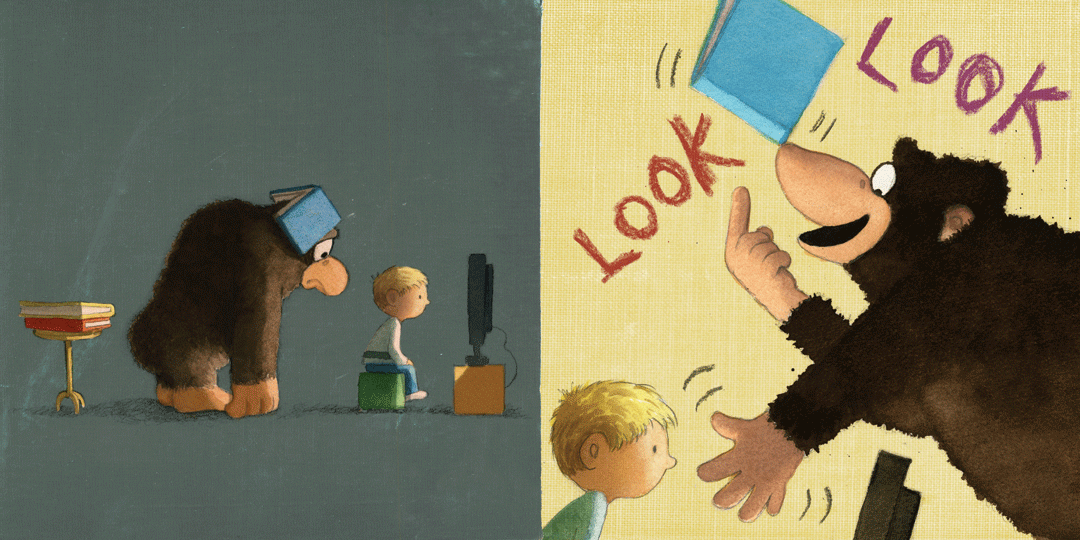
Everyone needs a little attention from time to time. Just ask our gorilla who will stop at nothing to be noticed by the boy with his eyes glued to the TV set. But for the gorilla, it’s going to take more than a quiet nudge to steal away the boy’s attention. When his usual antics fail to catch the boy’s eye—LOOK OUT! The gorilla has some other tricks up his sleeve.

Using only two words—LOOK and OUT—Jeff Mack relates an adorably hilarious story about an attention-loving gorilla, a television-loving boy, and a friendship that develops over books. Simple in construct yet richly creative, this interactive and colorful tale will leave children laughing and loving books for years to come.

Ricki’s Review: Ah! It only uses two words! This creative story about a friendship between a gorilla and a boy captured my heart. It teaches kids the importance of avoiding the TV and picking up a book instead. I am an unapologetic book pusher, so I always appreciate books that promote reading. Readers are forced to use their imaginations to follow the storyline, and the illustrations and characters’ personalities will make them giggle. This playful tale is sure to capture readers’ hearts.

Kellee’s Review: I love how this book teaches a lesson about the importance of getting away from electronics without seeming preaching. The gorilla is entertaining, and it’d be fun to predict what he is going to do next to try to get the boy’s attention. I also think the book will make kids get mad at the boy then will need help realizing that they may be doing the same thing on a daily basis. The use of only two words is also going to be a big conversation starter as well. Look! would also be a good first book to introduce the idea of theme. What is this book trying to teach the reader?  And like Ricki, I am big fan of books that promote reading, and this one is a great addition to those out there!

Teachers’ Tools for Navigation: We are suckers for books that feature only a few words. One great, fun way to improve speaking skills is to give students only the words of the book to start (the book should remain hidden). Students pair up or work in small groups to speak the words in expressive way to tell a story. They perform a skit for the class, and then the class discusses the various ways that words can be interpreted. Then, the teacher reads the book for the first time to the students. Ricki used to do this in her class each year to introduce speaking skills. She stole the idea from her methods class with Wendy Glenn. 🙂

Discussion Questions: How do the illustrations help you understand the book? What do the characters teach you?; Why might the author have chosen to feature only two words in the book? Did you think it was effective?; What is the theme of Look!?

We Flagged: 

Look

Image from www.jeffmack.com.

Read This If You Loved: Yo! Yes? by Chris Raschka, Moo by David LaRochelle, Ball by Mary Sullivan, It’s a Book by Lane Smith, Officer Buckle and Gloria by Peggy Rathmann, Smick by Doreen Cronin, Miss Books Loves Books! by Barbara Bottner

Recommended For: 

readaloudbuttonsmall classroomlibrarybuttonsmall

RickiSig andSignature

**Thank you to Penguin Young Readers for providing a copy for review!**