Flight of the Honey Bee by Raymond Huber

Share

NFPB2015

Nonfiction Picture Book Wednesday

Nonfiction Picture Book Wednesday is hosted by Kid Lit Frenzy and was started to help promote the reading of nonfiction texts. Most Wednesdays, we will be participating and will review a nonfiction text (though it may not always be a picture book).
Be sure to visit Kid Lit Frenzy and see what other nonfiction books are shared this week!
flight of the honey

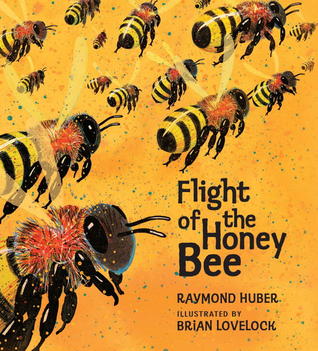
Flight of the Honey Bee
Author: Raymond Huber
Illustrator: Brian Lovelock
Published September 10th, 2013 by Candlewick Press

Goodreads Summary: Follow the flight of a honey bee as she searches for nectar to sustain her hive and, along the way, pollinates flowers to produce seeds and fruits.

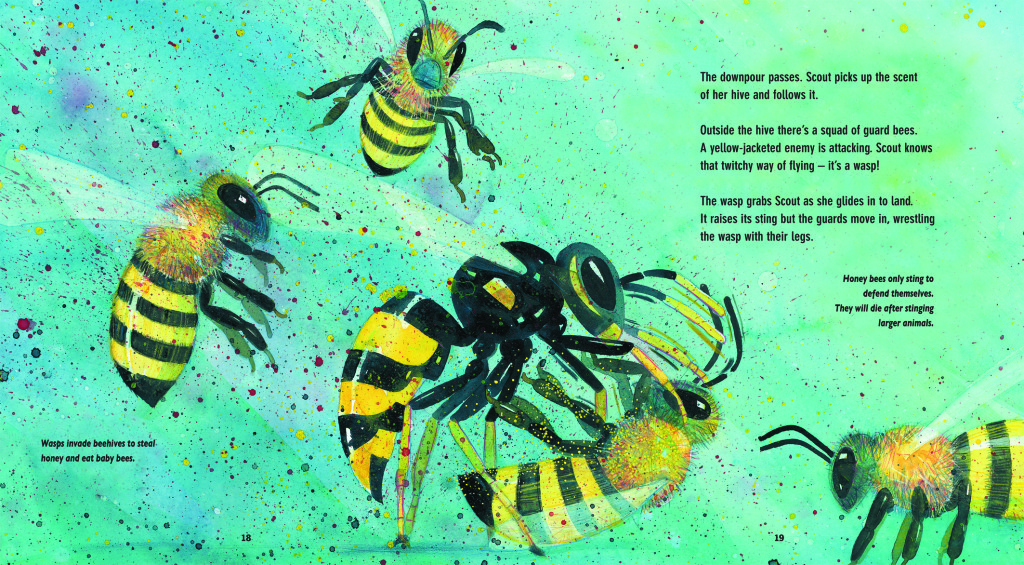
A tiny honey bee emerges from the hive for the first time. Using sunlight, landmarks, and scents to remember the path, she goes in search of pollen and nectar to share with the thousands of other bees in her hive. She uses her powerful sense of smell to locate the flowers that sustain her, avoids birds that might eat her, and returns home to share her finds with her many sisters. Nature lovers and scientists-to-be are invited to explore the fascinating life of a honey bee.

Kellee’s Review and Teachers’ Tools for NavigationI love books that mix narrative and information nonfiction within one book. This text introduces Scout as she exits the hive and goes about her bee-siness (hehe!). This part of the story is told as a story. Then on each page, there is information about bees in general to help the reader understand Scout’s journey. This unique text structure mixed with the realistic yet artistic illustrations really makes Flight compelling to read. In addition to learning about bees and the vocabulary included in the book, this book could be a great addition to a lit circle inquiry group about insects or as a mentor text to create student narrative and informational mixed writing about a animal after researching. 

Ricki’s Review and Teachers’ Tools for Navigation: I read this book aloud to my son while he was eating breakfast, and he was captivated by the illustrations and story. I immediately texted Kellee and told her we had to schedule a day to review it! I had a lot of fun following Scout on her adventure, and I know kids will become so engaged in this story that they will forget they are learning. I thought I knew a lot about bees, but I was surprised by how much information is packed into this text. Readers will cheer for Scout as she encounters obstacles. I try to integrate nonfiction into every unit, and this would be a great book to show students just how accessible nonfiction can be. Then, they could pick a creature or object in nature, conduct research, and write their own narrative nonfiction texts.

Discussion Questions: How do bees help the environment and humans?; How can we help save the bees?; What are the different types of bees? Why are they all important?

Flight of the Honey Bee Teacher Guide from Candlewick

We Flagged: 

flight of the honey page
(c) 2013 Raymond Huber http://www.raymondhuber.co.nz/

Read This If You Loved: Lifetime by Lola M. Schaefer, Winter Bees & Other Poems of the Cold by Joyce SidmanThe Alphabet of Bugs by Valerie Gates

Recommended For: 

classroomlibrarybuttonsmall readaloudbuttonsmall closereadinganalysisbuttonsmall

Signatureand RickiSig

**Thank you to Candlewick for providing copies of the text for review!!**

The Alphabet of Bugs: An ABC Book by Valerie Gates

Share

NFPB2015

Nonfiction Picture Book Wednesday

Nonfiction Picture Book Wednesday is hosted by Kid Lit Frenzy and was started to help promote the reading of nonfiction texts. Most Wednesdays, we will be participating and will review a nonfiction text (though it may not always be a picture book).
Be sure to visit Kid Lit Frenzy and see what other nonfiction books are shared this week!

alphabet of bugs

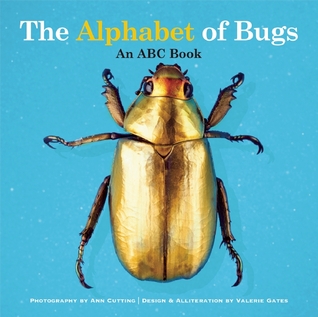
The Alphabet of Bugs: An ABC Book
Author: Valerie Gates
Photographer: Ann Cutting
Published June 2nd, 2015 by Sky Pony Press

Goodreads Summary: Do you know what a Chrysina resplendens or a Papilionidae butterfly looks like? Travel through the alphabet with The Alphabet of Bugs to learn about the many beautiful and unusually named bugs found in nature—and brush up on those ABCs as well! Valerie Gates’s charming alliterative style paired with Ann Cutting’s stunning photographs of all types of bugs is sure to delight curious children and adults alike.

With silly alliterative sentences and vivid photographs, The Alphabet of Bugs will capture the attention of young kids and teach them about the many beautiful and unusually named bugs found in nature as they learn their ABCs. Ultimately, the book will encourage young kids to go outside and explore nature as they try to find the bugs pictured in the book.

Children who already know their basic bugs will broaden their horizons, and parents who are tired of simple butterflies and beetles will find this book worth rereading. Spectacular photographs of insects of all kinds will inspire children to learn more about the different creatures found in the natural world. And while children learn about bugs, they are also learning the alphabet through silly sentences.

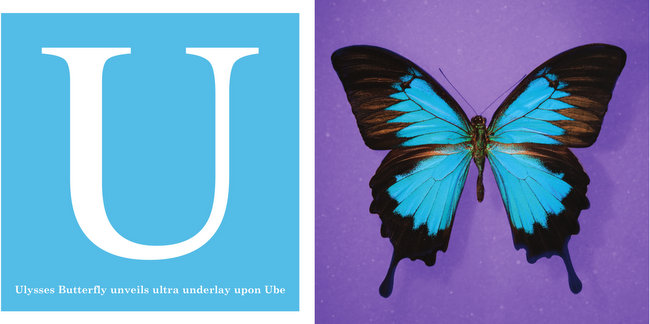
Kellee’s Review and Teachers’ Tools for Navigation: ABC books can get repetitive, so it is so nice to find one that is different and unique. The Alphabet of Bugs not only introduces the reader to 26 different insects, the bugs are accompanied by close-up, detailed photos and alphabetic sentences with intense vocabulary. I could see this book being used as a daily read aloud with each day having a different letter which would lead into a study of the insect and the vocabulary introduced.

Ricki’s Review and Teachers’ Tools for Navigation: I loved the photography of this book. Admittedly, I don’t like bugs very much, but I know many kids who do! I feel fortunate to have this book because I suspect my son will love it when he is a bit older. Each photograph is juxtaposed with a bright background color that reflects the letter. This would be a great mentor text to teach alliteration. Readers at any level would find it to be interesting. I would challenge younger students to create their own alphabet book about a topic of interest.

Discussion Questions: What other bugs can you think of that start with this letter?; After doing some research, what else have you learned about this bug?; How does the use of photography and alliteration enhance this text?

We Flagged: 

ulysses butterfly

Read This If You Love: Nonfiction books about insects; Alphabet books

Recommended For: 

classroomlibrarybuttonsmall readaloudbuttonsmall

Signatureand RickiSig

**Thank you to Sara at Skyhorse Publishing for providing copies for review!**
Photos Framed: A Fresh Look at the World’s Most Memorable Photographs by Ruth Thomson

Share

NFPB2015

Nonfiction Picture Book Wednesday

Nonfiction Picture Book Wednesday is hosted by Kid Lit Frenzy and was started to help promote the reading of nonfiction texts. Most Wednesdays, we will be participating and will review a nonfiction text (though it may not always be a picture book).
Be sure to visit Kid Lit Frenzy and see what other nonfiction books are shared this week!

photosframed

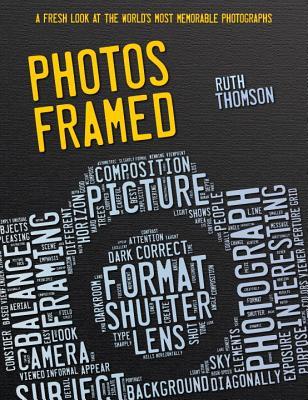
Photos Framed: A Fresh Look at the World’s Most Memorable Photographs
Author: Ruth Thomson
Photographers: Various
Published August 5th, 2014 by Candlewick Press

Goodreads Summary: Portrait. Nature. Art. Documentary. A look at some of the world’s most iconic photographs invites viewers to focus on the medium’s place in art and history.

Photographs can be beautiful or harrowing, honest or manipulative, dramatic or comforting. Photos Framed explores twenty-seven of the most important and vivid photos taken over the medium’s history, from a formal portrait of Louis Daguerre taken in 1844 to a candid shot of a Cuban girl and her doll in 2011. Readers are invited to use their powers of observation to zoom in on photographic elements, blow up details of the subject matter, think about the big picture, and pan out on the photographer. Photos Framed will open viewers’ eyes to the art of photography and its power to tell a story.

Kellee’s Review and Teachers’ Tools for Navigation: This book is phenomenal. It takes art and history and combines them into an epic look at the history of photography and the world. I am definitely going to use this book in my classroom next year. Each photograph includes information about the photo, information about the photographer, three photo thoughts questions, a “blow up” section that looks at a certain part of the photograph, a “zoom in” which looks at elements of the photograph, and a quote from the photographer. This information is fascinating, but it is just an introduction to the time period of the photo, what makes the photo a true piece of art and who the photographer is. I would love to see students delve deeper into each of these photos using this book as an amazing jumping off point. The book also gives a nice lesson at the beginning about the different types of photographs. I can definitely see myself using that in my journalism class when we look at photography. 

Ricki’s Review and Teachers’ Tools for Navigation: Kellee’s review is spot-on. This book forces readers to zoom in on elements of photography and then zoom out on each photograph to provide context and history. I spent a long time on each page and appreciated the way the author took in the beauty and complexity of each photograph. Teachers often do a lot of close reading in the classroom. I’d love to use this text used as a parallel for close reading. The teacher and students would spend time zooming in and zooming out on the photograph. Then, we could look at a class text and do the same with the words on the page. It teaches students how important it is to look carefully at the minutia of the world but also consider the bigger picture. This book inspired me to want to pair up with the school’s photography teacher to analyze the text in an interdisciplinary way. Perhaps, photography students would be inspired by the book and students could select a photograph for a creative writing assignment. 

Discussion Questions: Each photograph has discussion questions that help the reader analyze the photograph.

We Flagged: 

New York Construction Workers Lunching on a Crossbeam

The photograph: …Ebbets’s breathtaking photograph celebrates these tough men, taking their lunch break on a crossbeam on the unfinished sixty-ninth floor of the RCA Building, part of Rockefeller Center…

The photographer: Ebbets was a fearless photographer who even risked taking aerial shots lying on the tail of a plane…

Photo thoughts: Where do you think the photographer was positioned to take this shot?…” (p. 38-39)

Read This If You Loved: Humans of New York by Brandon Stanton, Miss Peregrine’s Home for Peculiar Children by Ransom Riggs, Books about Photography

Recommended For: 

classroomlibrarybuttonsmall closereadinganalysisbuttonsmall

Signature and RickiSig

Seeds of Freedom: The Peaceful Integration of Huntsville, Alabama by Hester Bass

Share

NFPB2015

Nonfiction Picture Book Wednesday

Nonfiction Picture Book Wednesday is hosted by Kid Lit Frenzy and was started to help promote the reading of nonfiction texts. Most Wednesdays, we will be participating and will review a nonfiction text (though it may not always be a picture book).
Be sure to visit Kid Lit Frenzy and see what other nonfiction books are shared this week!

seeds of freedom

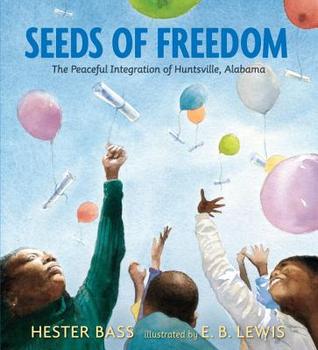
Seeds of Freedom: The Peaceful Integration of Huntsville, Alabama
Author: Hester Bass
Illustrator: E.B. Lewis
Published January 27th, 2015 by Candlewick Press

Goodreads Summary: Explore a little-known story of the Civil Rights movement, in which black and white citizens in one Alabama city worked together nonviolently to end segregation.

Mention the Civil Rights era in Alabama, and most people recall images of terrible violence. But something different was happening in Huntsville. For the citizens of that city, creativity, courage, and cooperation were the keys to working together to integrate their city and schools in peace. In an engaging celebration of this lesser-known chapter in American and African-American history, author Hester Bass and illustrator E. B. Lewis show children how racial discrimination, bullying, and unfairness can be faced successfully with perseverance and ingenuity.

Kellee’s Review:  I loved learning about Huntsville! It is amazing that in the middle of the violence and ignorance that ran rampant during the Civil Rights Movement, there was a Southern town that was peaceful and worked together to integrate. The story is so inspiring and gives me faith in humanity! I love how Bass ties together history and the movement throughout the nation to what was going on in Huntsville. It really shows the comparison between the rest of the nation and Huntsville. The illustrations are also extremely beautiful. I fell in love with his art in Each Kindness, and I am so happy to experience it again. 

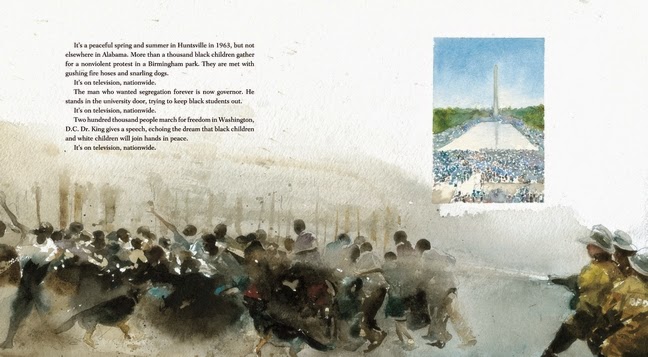
Ricki’s Review: The metaphor of the seeds of freedom dances across the pages of this book. E. B. Lewis’ illustrations are masterful. I spent a long time on each spread, soaking in the way the artwork connected with the words. This is a book about civil rights, and it is also a book about the goodness of people and the quiet persistence of the people of Huntsville, Alabama as they saw injustice, and they pressed on to fight against it. Students will learn a bit about history, but they will learn a lot about themselves. I plan to use this book in my methods classes to show how history can come alive in picture books. This book shines brightly. 

Teachers’ Tools for Navigation: This book is a wonderful introduction to the civil rights movement. It gives a peaceful account and also shares information about the dark times. We think it would be fascinating to take the events mentioned in Seeds of Freedom and put them on a timeline, so students can visually see when each event was happening. It was also be interesting to compare and contrast Birmingham and Huntsville during this time period. Additionally, Seeds would be a perfect companion to Lions of Little Rock. Teachers might consider using this book in a text set to give students a rich understanding of the civil rights movement, or they might create a text set around themes such as persistence or protest in history. 

Discussion Questions: How was Huntsville’s civil rights movement different than other cities around the nation?; How did the author use a seed as a metaphor for the civil rights movement?; What is reverse integration?; Who are some of the main people who helped integration within the United States?

We Flagged: 

seedsspread

Read This If You Loved: Lions of Little Rock by Kristin Levine, Separate is Never Equal by Duncan TonatiuhSit In by Andrea Davis Pinkney; The Other Side by Jacqueline Woodson, Freedom Summer by Deborah Wiles

Recommended For: 

classroomlibrarybuttonsmall readaloudbuttonsmall

Signatureand RickiSig

Winter Bees & Other Poems of the Cold by Joyce Sidman and Rick Allen

Share

NFPB2015

Nonfiction Picture Book Wednesday

Nonfiction Picture Book Wednesday is hosted by Kid Lit Frenzy and was started to help promote the reading of nonfiction texts. Most Wednesdays, we will be participating and will review a nonfiction text (though it may not always be a picture book).
Be sure to visit Kid Lit Frenzy and see what other nonfiction books are shared this week!

winter bees

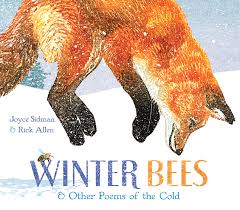
Winter Bees & Other Poems of the Cold
Author: Joyce Sidman
Illustrator: Rick Allen
Published November 4th, 2014 by HMH Books for Young Readers

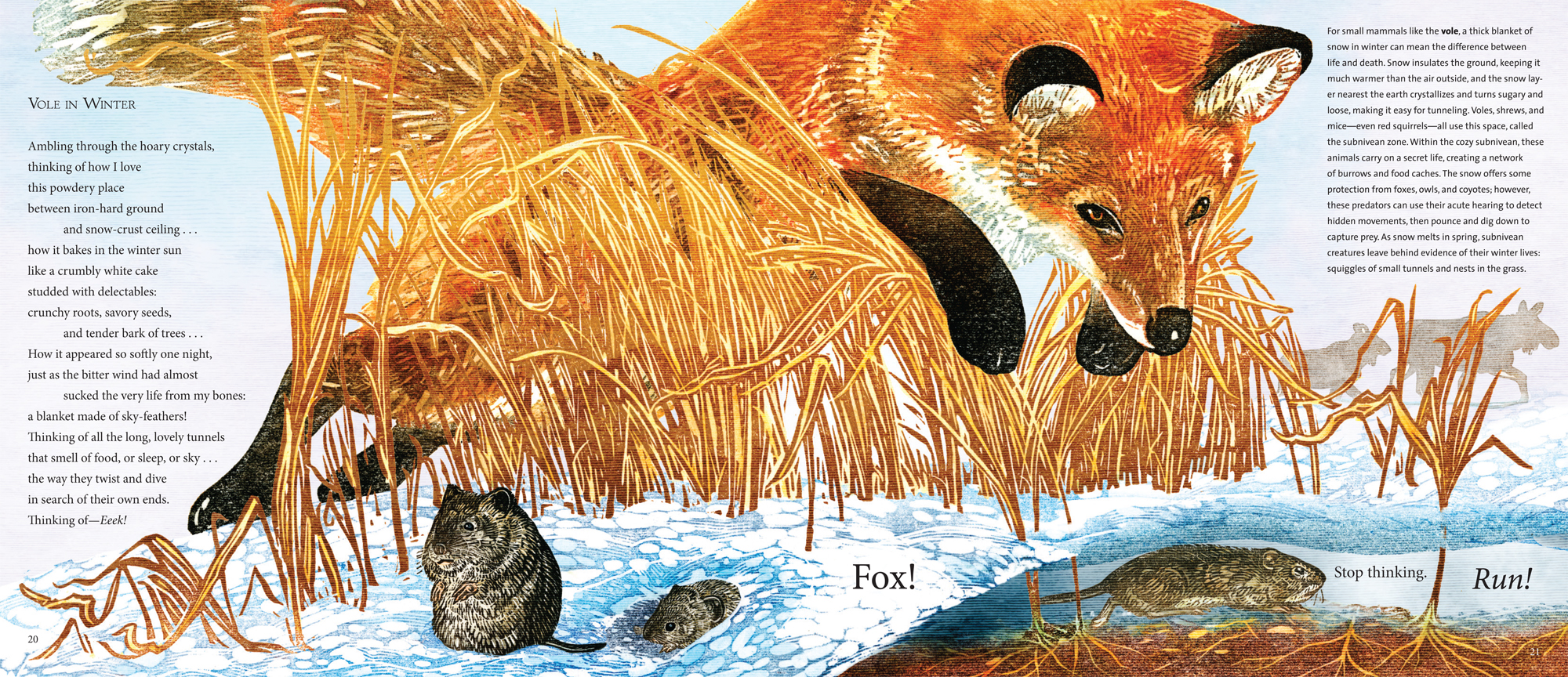
Goodreads Summary: In this outstanding picture book collection of poems by Newbery Honor-winning poet, Joyce Sidman (Song of the Water Boatman, Dark Emperor and Other Poems of the Night), discover how animals stay alive in the wintertime and learn about their secret lives happening under the snow. Paired with stunning linoleum print illustrations by Rick Allen, that celebrate nature’s beauty and power.

My Review: Alyson and Carrie both nominated this book for our Mock Sibert Award, so I knew it was a book I had to read. After requesting that my library purchase it, I was so happy to finally receive the book. This book is beautiful. Each aspect of the book can stand alone: the poetry is full of imagery and figurative language, the informational aspects are interesting and fact-based, and the illustrations are exceptional and bring the animals to life.

Teachers’ Tools for Navigation: First, this book can be used as a mentor text for poetry. Many different types of poetry are represented and each poem is different. Second, I think this book can be a great jumping off point for an inquiry-based project where students research an animal, write a poem about it, and also write an informational piece of text to accompany the poem. This book is also a great companion to Kate Messner’s Over and Under Snow and other animal survival books which would cause for a great unit as well.

Discussion Questions: Which of the winter animals has the best plan for survival?; What fact in Winter Bees surprised you the most about how an animal survives during the winter?

We Flagged: 

vole

Read This If You Loved: Firefly July by Paul Janeczko, Feathers by Melissa Stewart, Born in the Wild by Lita Judge, Forest Has a Song by Amy Ludwig VanDerwater, Over and Under Snow by Kate Messner

Recommended For: 

classroomlibrarybuttonsmall readaloudbuttonsmall

litcirclesbuttonsmall closereadinganalysisbuttonsmall

Signature

Meet Bacteria by Rebecca Bielawski

Share

NFPB2015

Nonfiction Picture Book Wednesday

Nonfiction Picture Book Wednesday is hosted by Kid Lit Frenzy and was started to help promote the reading of nonfiction texts. Most Wednesdays, we will be participating and will review a nonfiction text (though it may not always be a picture book).
Be sure to visit Kid Lit Frenzy and see what other nonfiction books are shared this week!

Meet bacteria

Mummy Nature Book 1: Meet Bacteria!
Author and Illustrator: Rebecca Bielawski
Published October 8, 2014 by Rebecca Bielawski

Goodreads Summary: Peak through the microscope and down into a fantastic world of teeny tiny shapes, amazing colours and little friends who want to say – Hello. Who are these bacteria? Where do they live and what do they do all day? Meet Bacteria! is for little kids brimming with curiosity. It gives them their first basic notions of bacteria; a very interesting topic for children, seldom dealt within children’s books at this level.

Each book in the series is one mini nature lesson wrapped up in colour and rhyme. These books are intended for very young children including toddlers and will give them just a glimpse into some of the wonders of the natural world. Illustrated for maximum vibrancy and visual impact, using rhyme to engage young minds and encourage participation. Read the rhymes to your children and soon they will be reading them to you!

What We Can Learn:
The idea of the microscope
Why we should wash our hands

Concepts:
Basic bacteria shapes
Some bacteria habitats

New Words:
Bacteria, Microscope, Rod, Chain, Bunch, Multiply

Kellee’s Review and Teachers’ Tools for Navigation: This book is a great introduction to scientific exploration and then to bacteria itself. I love that the protagonist is a young girl who is exploring the world around her. I think students will see themselves in her, and that along with the interesting, rhyming information about the different types of bacteria will really persuade kids to want to explore.

I do think that this is just an introduction though. Each bacteria is briefly mentioned along with a fun illustration. I would love to see this book be a jumping off point to an inquiry unit about bacteria.

Discussion Questions: Why does bacteria have a bad reputation? Which bacteria cause this? Which bacteria are actually good?; How can you prevent the bad bacteria from making us sick?; Bacteria make some foods. How does this work?

We Flagged: 

bacteria1 bacteria2 bacteria3

Images from https://www.pinterest.com/booksbeck/childrens-picture-books/
© Rebecca Bielawski

Recommended For: 

closereadinganalysisbuttonsmall readaloudbuttonsmall

Signature

**Thank you to Rebecca Bielawski for providing a copy for review!**

2015 Mock Sibert: Considered Nonfiction Picture Book Titles

Share

NFPB2015

Nonfiction Picture Book Wednesday is hosted by Kid Lit Frenzy and was started to help promote the reading of nonfiction texts. Most Wednesdays, we will be participating and will review a nonfiction text (though it may not always be a picture book).
Be sure to visit Kid Lit Frenzy and see what other nonfiction books are shared this week!

Mock Sibert Button2015

First, I want to share my excitement for The Right Word, our Mock Sibert winner, becoming the actual Sibert winner! So ecstatic that we got it right! Also, Neighborhood Sharks was honored which makes me super happy because it might have been my favorite.

Part of hosting the Mock Sibert is reading as many nonfiction books (we focus on nonfiction picture books and children’s books) as possible. Today I wanted to share with you some of the amazing titles that we considered for the Mock Sibert, but that I hadn’t been able to post about yet. They may not have been in my top 5, but were definitely some of the best nonfiction titles I read in 2014.

boyandajaguar

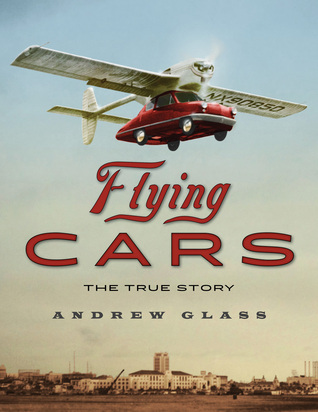
A Boy and a Jaguar by Alan Rabinowitz
Published May 6th, 2014 by Houghton Mifflin Harcourt

I loved loved loved this book. The messages about animals and human are the same: all living things should be respected. I am so glad that the Schneider committee recognized the power of this book.

starstuff

Star Stuff: Carl Sagan and the Mysteries of the Cosmos
Published October 14th, 2014 by Roaring Brook Press

Carl Sagan is such an inspirational person, and this book is the perfect introduction to him. I really loved how this author tied Dr. Sagan’s childhood of curiosity and exploration to his success as a scientist. He is such an inspiring man and his story shows how anyone can build a repertoire of knowledge and grow up to make a difference.

borninthewild

Born in the Wild: Baby Mammals and Their Parents by Lita Judge
Published October 21st, 2014 by Roaring Brook Press

A beautifully illustrated picture book that focuses on what each baby needs to thrive.

chasingcheetahs

Chasing Cheetahs: The Race to Save Africa’s Fastest Cats by Sy Mongomery
Published April 1st, 2014 by HMH Books for Young Readers

beetlebusters

Beetle Busters: A Rogue Insect and the People Who Track It by Loree Griffin Burns
Published October 7th, 2014 by HMH Books for Young Readers

These were my first two “Scientists in the Field” books I’ve read after years of people suggesting them to me. I now know why everyone likes this series. They are interesting, have phenomenal illustrations, and makes the stories they are sharing accessible to their readers.

caseofthevanishing

The Case of the Vanishing Little Brown Bats: A Scientific Mystery by Sandra Markle
Published September 1st, 2014 by Millbrook Press

This book takes the reader through the scientific inquiry process while the scientists work to figure out the mystery of the bats. Quite an adventure!!

whenlunchfights

When Lunch Fights Back: Wickedly Clever Animal Defenses by Rebecca Johnson
Published September 1st, 2014 by Millbrook Press

This book talks about some truly strange, fascinating, and cool animal defenses on the planet. The illustrations are amazing, and this book is going to definitely be a kid magnet.

noisy gravity emerson

We also considered The Noisy Paintbox, Gravity, and A Home for Mr. Emerson, but I have already reviewed them. Click on the book covers to read my review of these titles.

Also, check out my Mock Sibert partners’ lists of favorite 2014 nonfiction books (Alyson Part 1 Part 2 | Carrie) to see other titles that are must reads!

What were your favorite NF books from 2014?

Signature