Student Voices: The Impact of School Libraries from Juliet D., 7th grade, and Leticia R. & Lauren Q., 8th grade

Share

The Impact of School Libraries
“Libraries” by Juliet D., 7th grade

Libraries are important. In a library, there is more than just books there is knowledge. With shelves organized in a section of books, genders, and eras the library is a symphony of intelligence and Imagination. It’s a place where stories come alive where history unfolds and secrets and where the pursuit of knowledge knows no bounds.

With its resources, the library remains an indispensable cornerstone of any community life and empowers the minds of each visit. Beyond its walls of books lies a lot of resources, accessible to all regardless of background or means. It fosters a love for learning, providing a sanctuary for the curious to explore diverse perspectives and ideas.

In an information age, the library remains a trusted guide, offering curated collections and expert guidance. It levels the playing field, bridging gaps in access to information and technology. Moreover, it cultivates a sense of belonging, serving as a hub for gatherings, discussions, and cultural exchanges. The library is not just a repository of books, but a vital hub of intellectual, social, and personal growth, shaping generations and fostering a brighter, more informed future for all.

To me, school libraries are important cause I need books to know a lot of things. When I was younger, at my elementary school I loved the library. There was no public library to me so used the school library. Every Monday we would go to the library and check out books. It doesn’t matter what my teacher said I would check out 3 books. I couldn’t read but my mom read them to me. She would reread many of them because they were my favorite books. As I got older, I learned how to read. I would always ask my teacher if I could go to the library. As you can see, Now that I have experienced school libraries I say that they are amazing. They have books for your grade level, they are colorful, and some of them have activities. I just really love school libraries.

Resources: School Libraries | Student Success


“The Impact of Being a Student Literacy Leader” by Leticia R., 7th grade

*Note: Leticia is my first student who was a literacy leader for all three years of middle school!

The bell rang, signaling the start of my first day in middle school, a mix of nerves and anticipation. Questions flooded my mind: Would I fit in? Could I keep up with the workload? However, as the days passed, those worries gradually faded away. I found my place, and it was in the library. Despite being the youngest, the only 6th grader, I soon discovered a sense of belonging and started bonding with my peers. The Student Literacy Leader program is a program that provides experience and showed me a good path to follow.  

The Student Literacy Leader program is for 7th and 8th graders who want to take charge and make a difference in their school. We work on projects, plan for when authors visit, and come up with ideas to make the library better for everyone. Being a literacy leader means being brave and taking charge, showing everyone what your school is all about.

Being a literacy leader has been a transformative journey for me. Initially hesitant to dive into books, Ms. Moye showed me that reading is open to more than lengthy chapter books. It can be diverse and enjoyable, a source of both entertainment and relaxation. For many years I only read graphic novels, mainly because I was scared of the “what ifs.” In my last months of middle school I decided to dive into pros books, at first I was scared but then I started seeing that all I had to do was try and put my best effort forward.  Through my role as a literacy leader, I’ve understood the proper depth and breadth of reading.

The library became my sanctuary, where I expanded my literary horizons, found peace, and made connections. In my 3 years at the library I have made friendship that I never thought I would need in life, some friendships from my very first year until my last year, and all of them I kept in touch. Connecting through not just books but classes, projects, and personal experience is the best feeling ever! It’s remarkable how literature has the power to unite people and make friendships.

A lot of people ask, “Why did you choose this class?” Being A literacy leader means everything to me! It’s given me opportunities that I would never be able have. I got to meet award winning authors, create special connections and learn about the literary. Being a SLL helps me to stay on track with my grades and make sure that I am always representing my school in the best way possible. I wouldn’t change this experience that I received for anything! 

And all of this would not be possible without Ms. Moye allowing us to have this elective. By allowing students to make decisions about the library teaches them responsibility and demonstrates how much we care about and love our school. I believe that if this program were to continue in high school, it would provide a safe space for students to connect with each other.

In my final year, I’m determined to spread my love for reading to others. Being a literacy leader means more than just promoting literacy; it’s about inspiring a passion for reading and helping others find joy in books. I’m grateful for this experience, and I’m sure anyone who joins this program next year will have an incredible time too.


“Author Visits” by Lauren Q., 7th grade

Author visits are something that I am very lucky to have experienced every year since I started middle school. They are very fun to have, and it is also very interesting to hear our authors tell their stories. At HCMS we help the kids get excited about the author visits. Our literacy leaders make posters to put around the school, and kids in art make drawings that we hang up around the library. And during our author visits our students can interact and ask questions. But the author visits can teach us valuable lessons once we really sit and reflect on it. They teach us to never give up even when things are rough. Also never give up on something you are passionate about because it can lead to something wonderful. 

This year we welcomed Newbery Medal winner Jerry Craft to our school. His visit was very fun but also very inspiring. He was telling us about how it was a hard journey to get to where he is now, but after all of that he didn’t give up he kept trying to pursue his dream. And all of that hard work paid off because now he is a Newbery Medal winner. Last year we had Christina Diaz Gonzalez who won the Edgar Award come to our school . She talked about being from a Hispanic background while being in the U.S. She talked about her experiences in some of her books. She is very inspirational because no matter how you grew up, different backgrounds, if you work hard enough you can achieve anything. This is why I am so thankful for the author visits because they teach us so many valuable lessons that we take and can use on a daily basis.


Thank you so much to my student voices today and their look at how the literacy program at our school, and libraries in general, affect them!

It’s Monday! What Are You Reading? #IMWAYR 7/29/24
Share

It’s Monday! What Are You Reading?
For readers of all ages

It’s Monday! What Are You Reading? is a weekly blog hop we host which focuses on sharing what we’re reading. This Kid Lit version of IMWAYR focuses primarily on books marketed for kids and teens, but books for readers of all ages are shared. We love this community and how it offers opportunities to share and recommend books with each other.

The original IMWAYR, with an adult literature focus, was started by Sheila at Book Journeys and is now hosted by Kathryn at The Book Date. The Kid Lit IMWAYR was co-created by Kellee & Jen at Teach Mentor Texts.

We encourage you to write your own post sharing what you’re reading, link up below, leave a comment, and support other IMWAYR bloggers by visiting and commenting on at least three of the other linked blogs.

Happy reading!

Bold_line


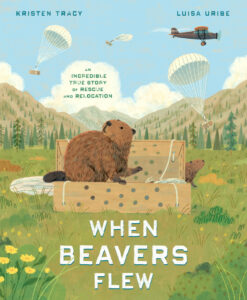
Tuesday: When Beavers Flew: An Incredible True Story of Rescue and Relocation by Kristen Tracy, Illustrated by Luisa Uribe

Friday: Student Voices: Book Editorials from Cooper T. & Trinity P., 8th grade, and Talia N., 7th grade

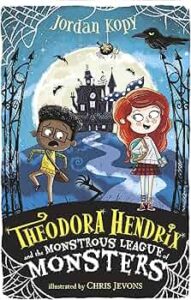
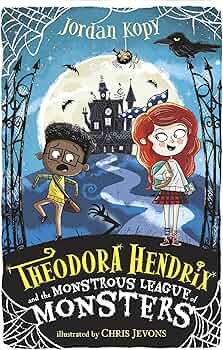
Sunday: Author Guest Post: “On Writing the Unexpected Narrator” by Jordan Kopy, Author of Theodora Hendrix and the Monstrous League of Monsters

**Click on any picture/link to view the post**

Bold_line

Kellee

Hi 🙂 This is my 2nd IMWAYR this month that I’m taking off as my summer vacation comes to a close (I go back to work 8/1–can you believe it?!?!?!), but you can always learn more about any of the books I’ve been reading by checking out my read bookshelf on Goodreads.

Ricki

It is my week off of IMWAYR–see you next week!

Bold_line

Friday: Student Voices: The Impact of School Libraries from Juliet D., 7th grade, and Leticia R. & Lauren Q., 8th grade

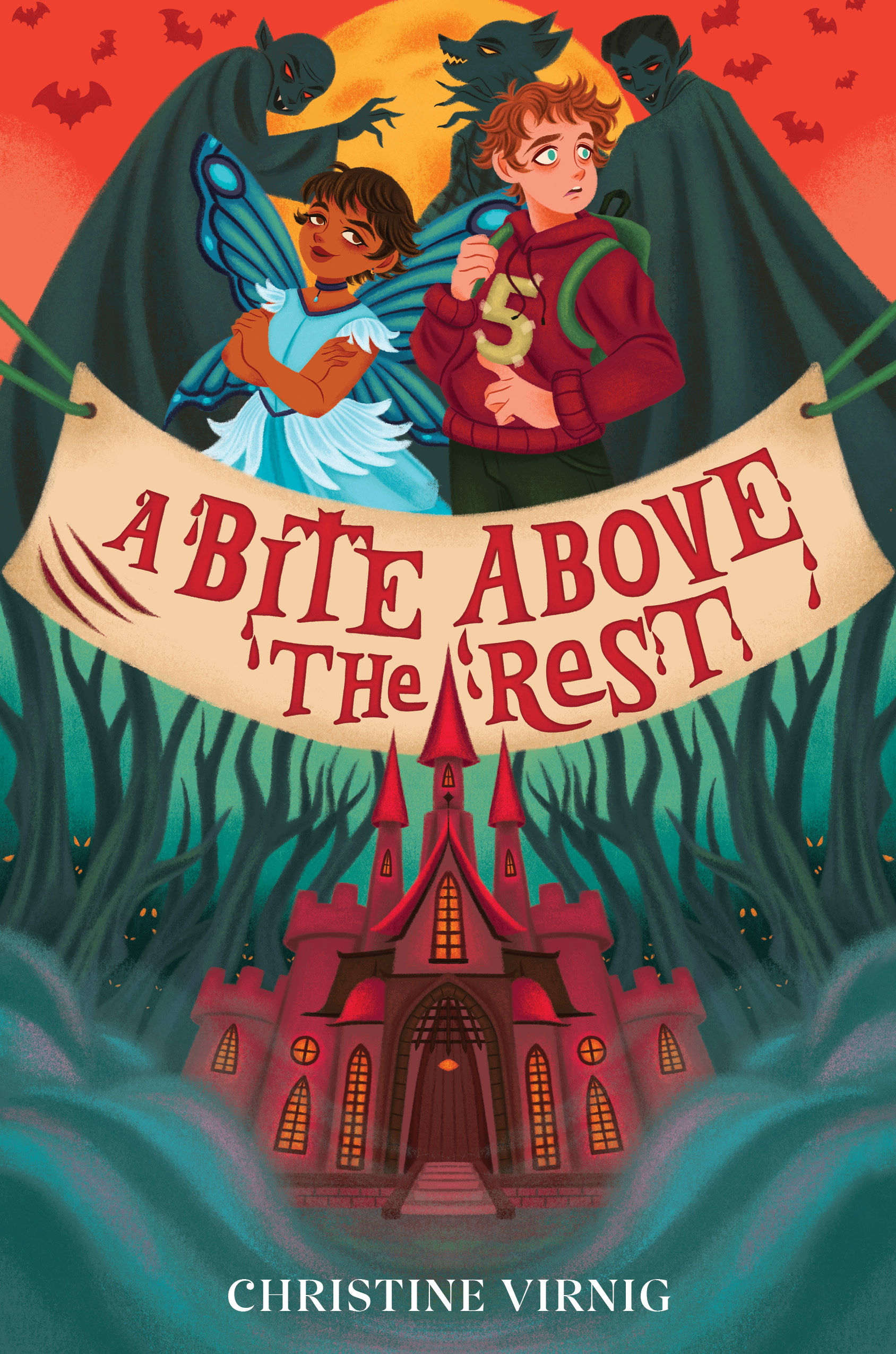
Sunday: “Tackling the Blank Page with the WHY Method” by Christine Virnig, Author of A Bite Above the Rest

Bold_line

Link up below and go check out what everyone else is reading. Please support other bloggers by viewing and commenting on at least 3 other blogs. If you tweet about your Monday post, tag the tweet with #IMWAYR!

 Signature andRickiSig

Author Guest Post: “On Writing the Unexpected Narrator” by Jordan Kopy, Author of Theodora Hendrix and the Monstrous League of Monsters

Share

“On Writing the Unexpected Narrator”

My debut middle grade novel, Theodora Hendrix and the Monstrous League of Monsters, follows the adventures of one Theodora Hendrix, who isn’t your average ten-year-old: her best friend is a talking, top-hat-wearing tarantula named Sherman. She reads torat cards (think tarot cards, but magical). Oh, and she lives in a haunted mansion full of monsters, breaking Headquarters’ Number One Rule: Keep Monsters Hidden from Humans.  When a series of anonymous letters threatens to reveal her secret, Theodora must follow a series of clues to track down the source. If she fails, Theodora will be sent to live with humans (the horror, the horror!) and her family will end up in the Deepest, Darkest Prisons of Transylvania. Forever.

Like many authors, I’m often asked where I got the idea for this book. The story goes like this: my mom and I were watching one of our favorite movies, “My Cousin Vinny”.  Fred Gwynne, who played the judge, also played Herman Munster on “The Munsters”, a black and white television show from the 1960s. That fact must have been in my head – probably because my mom mentioned it a dozen-odd times – when I went to sleep, because I woke up the next morning with the idea for a story about a ten-year-old girl being raised by a bumbling family of monster superheroes. I jumped out of bed and grabbed my laptop; two hours later, I had written the book’s opening chapters. Over the next few days, I outlined the plot – at least, I knew where the story started and how it ended, sketched out my ensemble cast of characters, and sorted out the book’s main themes. But what I hadn’t sorted out was my narrator.

Choosing the narrator is one of the most critical decisions an author makes when crafting their story, as this is the vehicle by which your tale is relayed to your reader. There’s much to consider:

For starters, who is the narrator – who’s telling us this story? It can be anyone, really – the main character, a third party, an animal sidekick…When thinking through the various options, considering point of view can be super helpful: most novels typically employ first or third person point of view. In first person, the narrator is directly involved in the story, sharing the events that occurred according to their own recollection or experience, using “I” or “we” to describe the action. A well-known example of this is the Percy Jackson and the Olympians series by Rick Riordan. In third person, the narrator isn’t directly involved in the story, using “he”, “she”, or “they” to describe the action. Third person is often (but not always!) omniscient, meaning that the narrator is all-knowing. A (very!) well-known example of this is the Harry Potter series by J.K. Rowling. Along with point of view, the narrator’s perspective – i.e., their individual perceptions of and interactions with the world at large – should also be considered: a narrator whose perception differs from that of the main character will provide a different experience than one in which a similar worldview is shared. Together, point of view and perception can help to define the best narrator for a given tale; the former tells us the “what”, the latter the “how”.

I had no clear sense of my narrator when I first started writing Theodora Hendrix and the Monstrous League of Monsters. So, I started thinking about perspective and point of view – and kept waffling between the two. I liked the intimacy of first person as it allows readers to experience events with the main character – a technique which is particularly successful with young readers who can, perhaps, more easily envision themselves in that character’s shoes. In contrast, I liked the omniscience of third person as allows the narrator to hint at things yet to come which the main character couldn’t possibly know; this works especially well in novels in which there’s some degree of mystery, which I knew my story would have. In the end, I decided to take a (perhaps not so small) risk and combine the two. The result is a rather unexpected narrator:

In the prologue and the epilogue, my narrator’s point of view is first person. He often breaks the fourth wall, speaking directly to the reader. He’s also mysterious: he declines to introduce himself at the beginning of the tale, stating that his identity is for him to know and “for you to find out”; it is only on the very last page that he finally reveals himself. In contrast, the main body of the novel is largely relayed in deep third person, where the narrator closely mimics Theodora’s perspective. To bridge the gap between the two, he occasionally interrupts the story, breaking the fourth wall to share his own thoughts and insights directly with the reader.

To make this process a little less painful going forward, I’ve made myself a “narrator checklist” which I peruse whenever I begin a new manuscript. Some of the questions I consider are:

  1. Who is telling this story? Is it one person or multiple people?
  2. Why are they telling it and not someone else?
  3. Where do they stand in relation to the story – are they directly involved in the action or observing it from the outside?
  4. What information do readers need to follow the plot, and who can best convey this to them?
  5. Comparatively, what information should be withheld or obscured or obscured from readers, allowing for potential misdirection?

Sometimes, choosing a narrator is a matter of trial and error. If the plotting is tight, the characters well-developed, and the pacing appropriate, it may be worth taking another look at your narrator. Changing the point of view and perspective can feel more than a little overwhelming, but it’s worth it in the end: the right narrator can make all the difference.

Published July 16th, 2024 by Simon & Schuster Books for Young Readers

About the Book: If you think monsters don’t exist, just ask Theodora Hendrix. The start of a brilliantly funny new series, perfect for fans of Amelia Fang.
The first rule of the Monstrous League of Monsters is: Keep monsters hidden from humans. But when zombie George and his cat companion Bandit find an abandoned baby, they can’t leave her to be eaten by hobgoblins. So they spirit her home where she quickly becomes part of the family. Fast-forward ten years, and young Theodora doesn’t seem too scarred by her monstrous upbringing. But now a series of anonymous letters suggest that someone is about to reveal their secret. If Theodora doesn’t act fast, she may lose her family for ever…

“Readers will be irresistibly drawn into the captivating world of Kopy‘s monster-filled middle-grade novel, where the promise of tantalizing secrets sets the stage for adventure. …a delightful blend of whimsy and mystery … lively characters and light mystery, the narrator imparts a particularly mischievous charm, with cheeky asides…With playful, comical illustrations reminiscent of the Addams Family that vividly bring the scenes and characters to life, this delightful, cheeky romp is ideal for those who relish eerie tales with a humorous twist.” – Booklist

About the Author: Jordan Kopy is a born and raised New Yorker who now lives in London with her husband and poorly behaved (but lovable) cat. A financial services professional by day (no idea how that happened), Jordan spends her nights with ghouls, witches, and the occasional evil hag. She’s also the author of Theodora Hendrix and the Curious Case of the Cursed Beetle and Theodora Hendrix and the Snare of the Shadowmongers.

Thank you, Jordan, for this post looking at the process of choosing a narrator!

Student Voices: Book Editorials from Cooper T. & Trinity P., 8th grade, and Talia N., 7th grade

Share

Book Editorials

“What’s the Difference Between Single Books and Series?” by Cooper T., 8th grade

Character Development

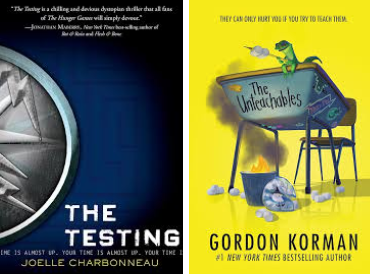
From personal experience, I have enjoyed reading series over single books because of the connection you make with the characters. Getting to know the characters personally throughout 3+ books helps me to get engaged with the plot and series in and of itself. Many series authors also like to introduce twists in the characters as the books go on. While some readers may enjoy the less in-depth connection that single books bring, I appreciate books that allow me to connect with the characters, even if it means being more upset when the series ends. For example, most Gordan Korman books are standalone, so I read them if I need a quick read and not something to delve deep into, but I enjoy them less than series like The Testing trilogy by Joelle Charbonneau where new information about each character is revealed in ever book.

But that’s just the beginning. It’s pretty obvious that series will have better character development than single books because there’s more time to develop the characters. Going back to the example of The Testing compared to a Gordan Korman book like The Unteachables, we can look at the character development from just those two books (the first book in The Testing series has that same name). For those of you who haven’t read these books, here’s a quick summary because I’m going to try to use these as examples whenever possible (may contain spoilers):

The Testing by Joelle Charbonneau: When Graduation Day rolls around for Malencia Vale, she finally gets the chance to be part of The Testing, where the brightest kids from each of the post-apocalyptic United States colonies are chosen to become the nation’s future leaders. The only problem is that no one from Cia’s colony, Five Lakes, has been chosen in over a decade, and on Graduation Day, no one is chosen. But life will always find a way, and the day after a Tosu City official from the capital of the nation comes to pick up Cia and 3 others to be transported to The Testing. As Cia tries to get through the Testing, she begins to discover the dark secrets it holds.

The Unteachables by Gordan Korman: When Kiana moves to Greenwich, Connecticut, her temporary home while her mother is filming a movie, her time in the city starts about as bad as can be. She has to stay with her stepmom, who forgets to enroll her in the school she’s supposed to attend. She ends up with another kid’s schedule though and decides to follow that instead. But that schedule has just one class that spans all day in one room. Turns out, that room belongs to the so-called Unteachables, now taught by the most burnt-out teacher in the whole town, Mr. Kermit. The Unteachables never knew there could be a teacher who cared less about learning than them, and Mr. Kermit never thought he would want to teach again, not since the cheating scandal that turned his career upside down. But they learn to accept each other and as Mr. Kermit works to bring education to kids that teachers never gave a chance, they work to give Mr. Kermit his career back.

Back to the point, we don’t get a lot of information on the characters other than Cia in The Testing and we get just enough information on all the characters in The Unteachables (there are around 5 main characters, if I remember correctly). However “just enough information” on the characters in The Unteachables is still a lot of information, which makes it feel more complete than The Testing even if not having information on a lot of the other characters matches the plot of The Testing

In the end, the character development can be better in single books because they’re more rushed to get information on the characters, whereas series have more time.

Plot and Storytelling

I decided to group these two because they’re very similar and the plot can come down to personal preference. I have enjoyed single books more here in the past because the plot is more rushed and suspenseful than series, where the plot can be slow to develop because they have multiple books to cover.

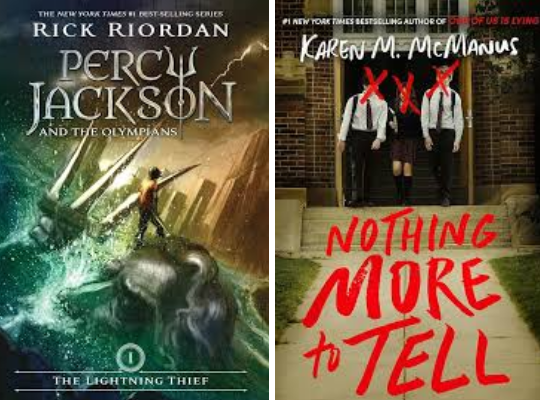
The books that will be used for this section are Percy Jackson by Rick Riordan for the series and Nothing More to Tell by Karen M. McManus. Here are the summaries:

Percy Jackson by Rick Riordan: Percy has always been the misfit. His dad left before he was born, he’s dyslexic and his only friend is the weird kid on crutches, Grover. Every teacher seems to have something against him, especially Ms. Dodd, the algebra teacher. When they go to the museum to study Greek mythology, Ms. Dodds takes it to a new level. After it’s all finished, Percy learns that his father is one of the Greek gods, and he is forced to leave his home and everything he’s ever known to go to Camp Half-Blood, where demigods can hone their skills and survive against creatures whose job is to destroy them, like Ms. Dodds. On his way, Percy, his mom, and Grover get attacked by a minotaur, who takes Percy’s mom to the Underworld. After a couple of months at Camp Half-Blood and learning the identity of his father, Percy is assigned to go on a quest to retrieve his mother. He only has so much time to retrieve his mother and more importantly, Zeus’ stolen master bolt.

Nothing More to Tell by Karen M. McManus: Tripp, Shane, and Charlotte were the only ones who were around when Mr. Larkin was murdered. Shane’s fingerprints were on the weapon and Mr. Larkin’s class trip money was in Charlotte’s locker. Tripp got their stories straight. After his murder, Brynn had moved away, but now she’s back, is interning with a true crime show, and is determined to solve the case. As soon as she gets back, she brings it up to her boss who immediately agrees to cover the story. Brynn is told to stay out of it, but she wants to find things out for herself. But the more she finds out about the case, she’ll find things that probably were better left undiscovered.

So, back to the point, which of these was better, and what makes it better? Both of these books were amazing, and I enjoyed reading both of them, but the plot of Percy Jackson was on another level. The events that occur in the book are so realistic but improbable that it makes for such a great story. It’s entertaining and there’s never a dull moment in the book. The author’s knowledge of Greek mythology and his way of explaining the myths makes the book so immersive and easy to understand. Nothing More to Tell was incredible as well, but the plot was very quick to develop and might’ve been better if there had been more explanation of some of the events.

The storytelling of Nothing More to Tell was great, and the amount of twists in the story made it very intriguing, especially with the very little information that is known about the case. However, the immersion in Percy Jackson is incredible, and the way the author blends the real world into Greek mythology feels so real. After reading the first book in that series, I was so excited for what was coming next, and the books never disappointed. I think series take this category simply because they can often be more creative because they have to span their ideas over multiple books.

In conclusion, a series is better in this category because the story keeps evolving throughout the books and since the first book is the introduction, it can be very intriguing. Single books do normally have good plots, but the fact that there is less time to develop the plot can lead to a decrease in quality.

Conclusion

In the end, it all comes down to preference. I tried to make this as unbiased as I could, but as I enjoy books like The Testing more than books like The Unteachables, there’s bound to be some bias. But when it comes down to comparing books, there always will be. These comparisons may not be the most accurate because every book is different and I haven’t read every book and every series but I hope the basis of this was valuable. Happy reading!


“Why Fiction is so Popular” by Trinity P., 8th grade

Fiction is very popular, and due to its abundance, everyone knows about it and seems to love it. But what is it about those books that makes it so loveable? 

Fiction is an imaginary story that contains characters or events that are usually not in the real world. 

One of the reasons why fiction is so popular is that it can have many topics like sci-fi, fantasy, romance, and mystery, and it can even be based on events in history like Refugee by Alan Gratz, because of the different options the readers would have a wider variety of books they can enjoy. 

With fiction, anything you think of can become a book. It allows authors and creators to have fun imaginations and express what they enjoy to others. 

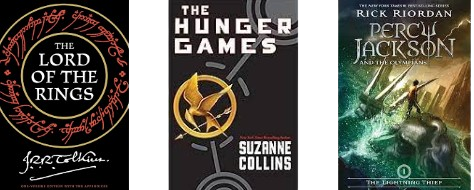
From a young age, kids would usually start to read using fiction because it is easier to understand than books about history. Many movies are from fiction books like The Lord of the Rings, and The Hunger Games. Percy Jackson and the Olympians by Rick Riordan is very popular because it takes Greek mythology and adds it to the real world and because we can’t see it in the natural world it is still fun to learn about it.

Fiction also has more representation because most of those books may not be centered around our world where some concepts or opinions are not respected, shone, or agreed with. Still, the story doesn’t take place in our world, it may be a totally different universe where some of those concepts are normal or don’t have an effect on the point of the book, so the reader can understand and know more about those opinions and apply them to the real world. 

We are naturally curious so fiction can give us more to explore in a different way than in the natural world, we have to think and come up with what characters look like, act, sound like, or the setting whereas in the real world, you can look up images and pictures which limit your imagination. Fiction can also distract people from the real world, which can be stressful and overwhelming, allowing us to take a break and travel into an imaginary world that can relieve the pressure of society. It can also bring back childhood memories and enjoyments that have been discarded over the years.

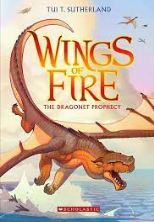
Fiction has had a big influence on me. Before, I rarely read or held a book in my hand but when I was introduced to the book Wings Of Fire, it showed me what book I liked or would enjoy which is fiction, then I explored other books and now I actually enjoy reading.


**SPOILERS FOR ORPHAN ISLAND BY LAUREL SNYDER AHEAD!!!**

“Rewriting Orphan Island‘s Ending” by Talia N., 7th grade

The original ending of Chapter 25, A Direction:

“Jinny sat up all night, in the darkness. Staring at the boy in the bed. Watching for any sign of change, anything but stillness. Loo made no sound at all,” (Loo got bit by a snake) “Every few minutes, Jinny forced herself to lean over, touch his lips, make sure there was still a faint stream of breath passing between them. The longer she sat, the more certain she became that this was the end, the very worst thing. Guilt and fear rasped inside her. Not even Ess’s whistling snore could comfort her now. Jinny had broken a rule, the rule” (The rule is that when the time comes you MUST go in the boat, but no one knows where that boat goes) “and nothing had been the same since. She had ruined the world. Unfortunately, that didn’t mean she could fix it. The mist would knit itself back together, or it wouldn’t. The wind would return to the cliffs. The snakes would settle. Or they might not. But she couldn’t change those things. They were too big for her, beyond her. She couldn’t undo them, or even understand them. She could only hope.”

“Then she stepped over Ess, leaned down, and scooped up Loo. Without word, without hesitation, Jinny turned, crossed the small room, and kicked the door open with a barefoot and strength she had no idea she possessed.”

“Then Jinny heard a shout. Many shouts. People were pointing up into the sky; and when she looked up. She saw it herself. Something was falling, like sand. Sand from the sky. Only the sand was white and soft, and it fell slowly—landed cold on her shoulders”

Jinny and Loo both leave on the boat and leave the other behind on the island with the sky falling.

What I want to rewrite is instead of Just Loo and Jinny leaving, I want them all to leave the island, not knowing what’s on the other side, I want them to pack some light supplies first. I also, this will happen before Loo gets the snake bite, Ben will be the first to come up with the idea. Jinny at first, doesn’t like this idea. She thinks that the boat will sink before they even get to the other side, but after some persuading from Ess and the others, she finally agrees, packs her belongings, and with the others gets on the boat one by one. At first, the boat looks like it’s about to sink, but lifted by the waves, it moves gently off the shore, into the water, and towards the sunset.


Thank you so much to my student voices today and their opinions on aspects of books!

When Beavers Flew: An Incredible True Story of Rescue and Relocation by Kristen Tracy, Illustrated by Luisa Uribe

Share

When Beavers Flew: An Incredible True Story of Rescue and Relocation
Author: Kristen Tracy
Illustrator: Luisa Uribe
Published July 23rd, 2024 by Random House Studio

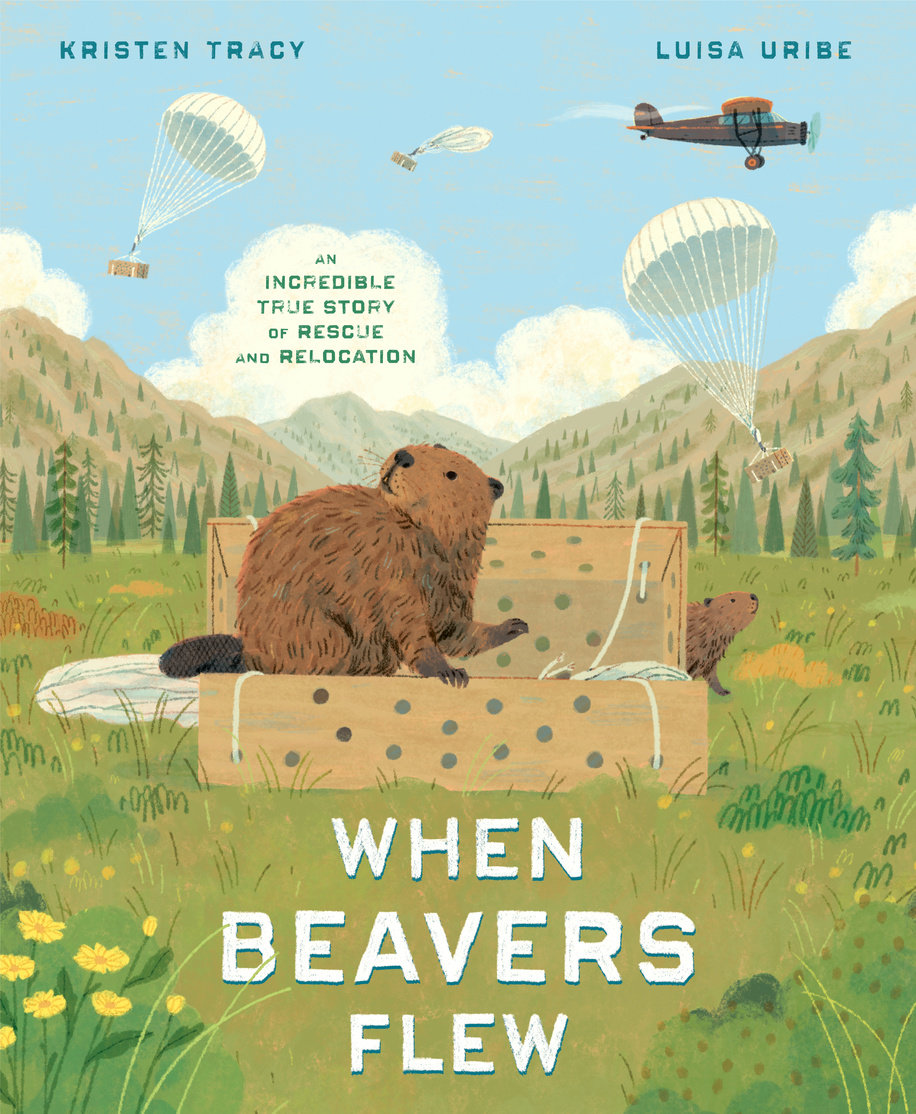
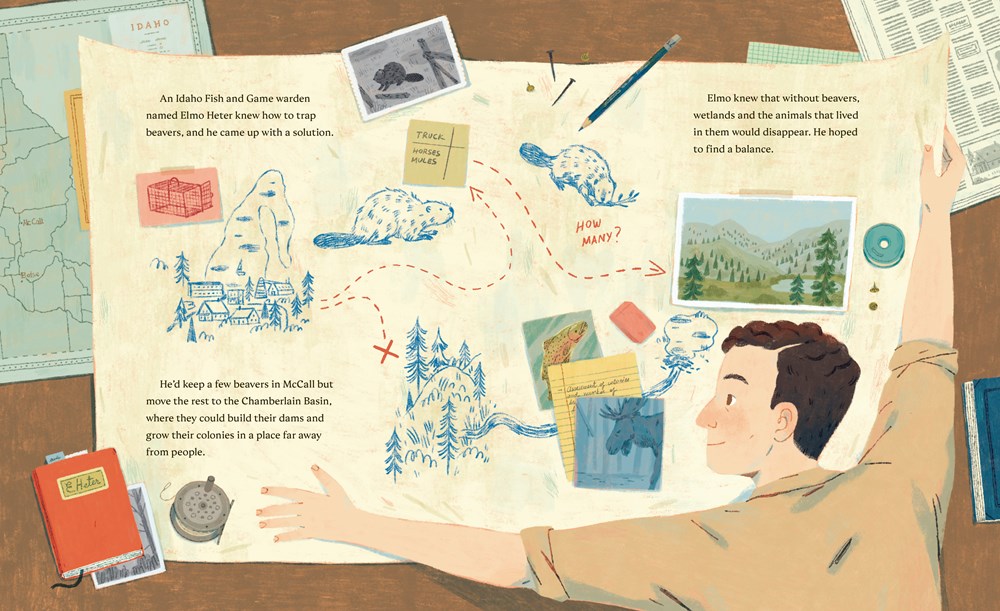
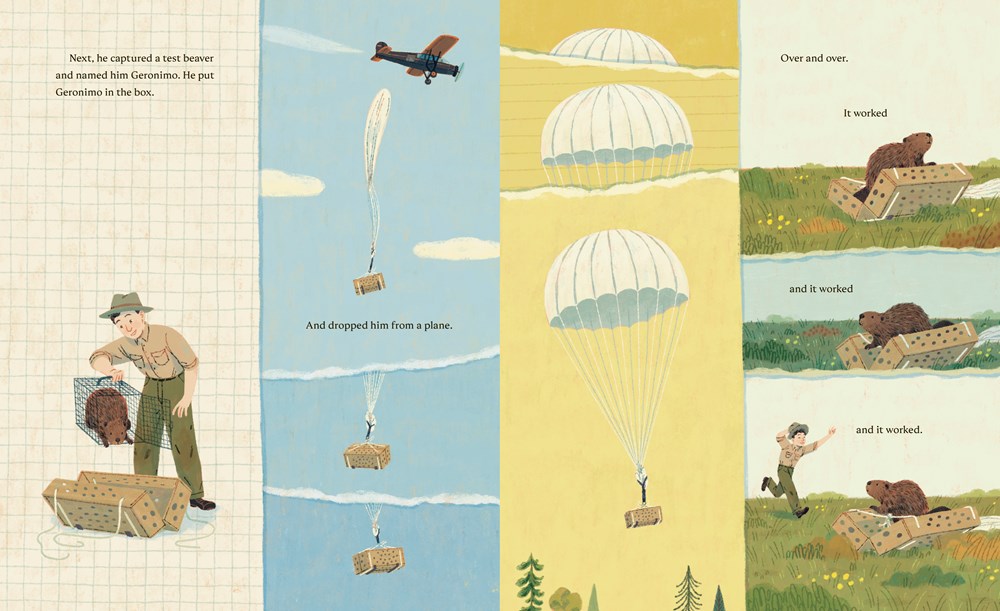
Summary: This fascinating picture book tells the unique, quirky, and true story of how one man in Idaho saved 76 beavers from destroying a town by parachuting them into uninhabited wetlands.

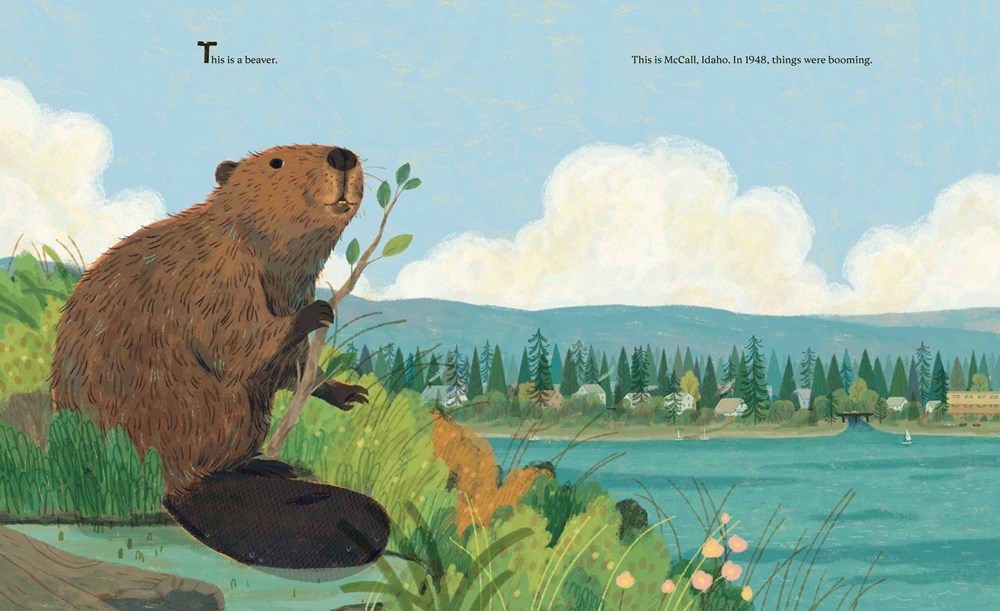
In 1948, the town of McCall, Idaho was growing rapidly. World War II was over, and the little town tucked away in the mountains began to boom. There was only one problem. As the town expanded, they found beavers everywhere. A beaver here, a beaver there, and it didn’t take long to realize that humans and beavers weren’t great cohabitators. But one clever and resourceful Fish and Game Warden named Elmo Heter had an idea.

Heter knew that the beavers were integral to the wetlands, so keeping the well-being of the beavers in mind he set out to find a way to relocate them. After a few failed attempts, he finally landed on a wild idea… parachutes. Using a surplus of parachutes left over from WWII and creating a special box with air holes designed to pop open when it hit the ground, Heter devised a way to parachute the beavers into Idaho’s backcountry, an area that beavers hadn’t inhabited in decades.

Kirsten Tracy’s fascinating and playful nonfiction text pairs beautifully with Luisa Uribe’s detailed illustrations to bring this compelling true story to life.

“A celebration of an early environmental success.”—Kirkus Reviews

About the Creators: 

Kristen Tracy grew up in a tiny town in Idaho near Yellowstone Park surrounded by untamed and fascinating animals. She is a poet and YA author and has recently started writing picture books. Her debut picture book A Cub Story was published in 2021. Kristen Tracy young adult novels include Lost ItCamille McPhee Fell Under the BusHung Up, and Project Unpopular. She won the Emily Dickinson First Book Award from the Poetry Foundation for her collection Half-Hazard. To learn more, visit kristentracy.com.

Luisa Uribe is the illustrator of Areli is a Dreamer, which was named a best book of the year from Kirkus, NYPL and Booklist, and My Brother is Away that received three starred reviews and was a Charlotte Huck honor book and a Charlotte Zolotow honor book. She lives in Bogotá, Colombia, with her partner and two cats.

Instagram:
Kristen Tracy: N/A
Luisa Uribe: @lupencita
Random House Children’s Books: @randomhousekids
Blue Slip Media: @blue_slip_media

Facebook:
Kristen Tracy: N/A
Luisa Uribe: N/A
Random House Children’s Books: Random House Children’s Books
Blue Slip Media: @blue-slip-media

Twitter:
Kristen Tracy: @kristen_tracy
Luisa Uribe: @lupencita
Random House Children’s Books: @randomhousekids
Blue Slip Media: @blueslipper & @barbfisch

Review: This is such a fascinating story. Too often, animals “in the way” of humans are killed or relocated with no thought, so I was so happy to read this story about Elmo Heter and all the thoughtfulness he put into the beavers in Idaho and the success of his endeavor. I think this story allows for the reader to see that there can be successes in these incidences; however, it also shows how humans impact is negative on animals/the environment. It is going to be a great conversation book and a new aspect of history to most.

The full page illustrations are the cherry on the sundae of this book for me. Uribe’s additions bring the story to life and shows the reader important aspects that would be missed without their inclusion. I, personally, really liked that additions of the aspects of the scientific method that are shared in the illustrations. It makes it clear that Heter had a hypothesis, asked questions, did research, until he figured out a conclusion to be successful. 

Tools for Navigation: This book will be a perfect read aloud to cross disciplines when discussion ecology and the environment or animals/humans impact.

Discussion Questions: 

  • How did humans cause the situation that they and the beavers were in?
  • How does human expansion affect the animals and environment?
  • Why did the location where the beavers were relocated to work? What could have caused a relocation like this not to work?
  • How did relocating 75 beavers help with the success of the relocation?
  • How to beavers help out ecology and the environment?
  • We don’t learn much about Elmo Heter as a person but we see his actions. What do these actions tell you about him?
  • What type of questions did Heter ask when he was determining how to relocate the beavers?
  • How did Heter use the scientific method when planning his rescue and relocation?
  • How did the illustrator utilize illustrations to add to the narrative?

Flagged Spreads: 

Read This If You Love: Beavers, the Environment, Ecology, National Parks

Recommended For: 

classroomlibrarybuttonsmall 

Signature

**Thank you to Barbara at Blue Slip Media for providing a copy for review!**

It’s Monday! What Are You Reading? #IMWAYR 7/22/24

Share

It’s Monday! What Are You Reading?
For readers of all ages

It’s Monday! What Are You Reading? is a weekly blog hop we host which focuses on sharing what we’re reading. This Kid Lit version of IMWAYR focuses primarily on books marketed for kids and teens, but books for readers of all ages are shared. We love this community and how it offers opportunities to share and recommend books with each other.

The original IMWAYR, with an adult literature focus, was started by Sheila at Book Journeys and is now hosted by Kathryn at The Book Date. The Kid Lit IMWAYR was co-created by Kellee & Jen at Teach Mentor Texts.

We encourage you to write your own post sharing what you’re reading, link up below, leave a comment, and support other IMWAYR bloggers by visiting and commenting on at least three of the other linked blogs.

Happy reading!

Bold_line


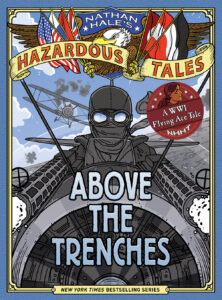
Tuesday: Cross-Curricular Discussion Guide for Above the Trenches by Nathan Hale

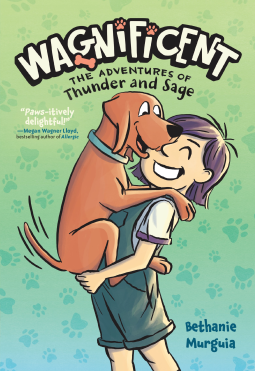
Thursday: Wagnificent by Bethanie Murguia

Friday: Student Voices: Opinion Editorials from Connor A., 7th grade, and Aditi S. & Leticia Z., 8th grade

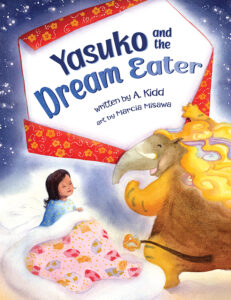
Sunday: Author Guest Post & Giveaway!: “Crafting Multi-dimensional Characters” by A. Kidd, Author of Yasuko and the Dream Eater

**Click on any picture/link to view the post**

Bold_line

Kellee

Today is my day off from IMWAYR, but you can learn more about any of the books I’ve been reading by checking out my read bookshelf on Goodreads.

Ricki

I am mildly embarrassed to share that I have fallen into a deep dark pit of romances, but I really enjoyed Abby Jimenez’s The Friend Zone. Sarah J. Maas’ A Court of Frost and Starlight was my least favorite of the four that I’ve read thus far, but I am reading the fifth, and it is off with a bang. I’ve been hooked back in.


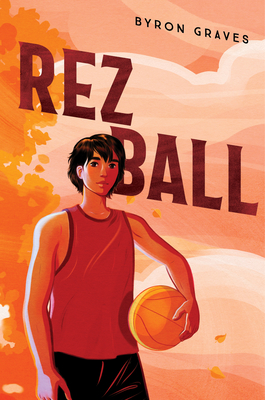
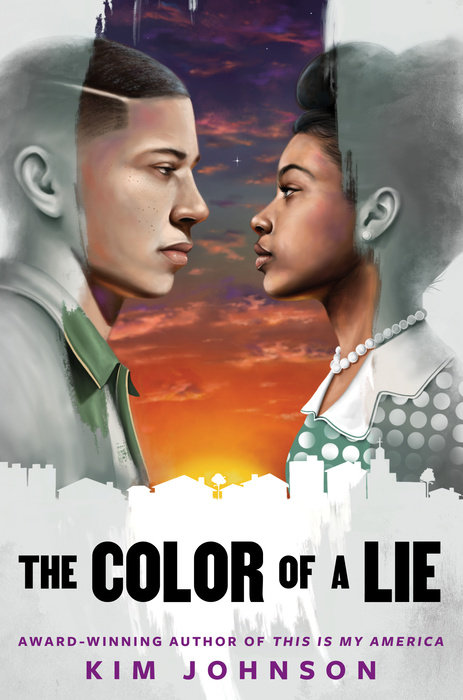
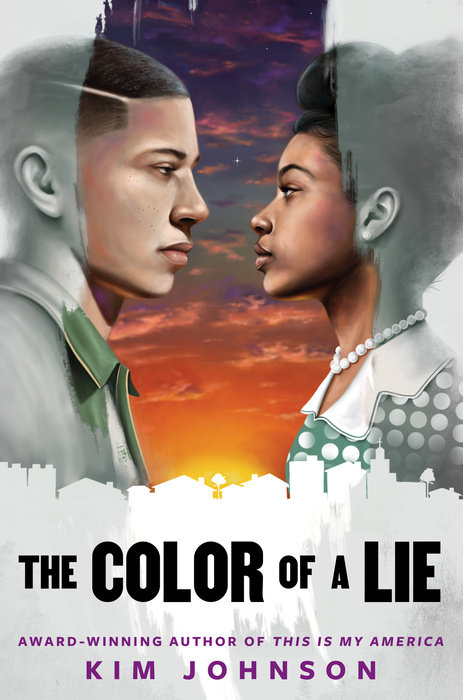
The young adult books that I read were wonderful. Byron Graves’ Rez Ball is a well-written, powerful story of one boy’s grief over the death of his brother. He attempts to follow in his brother’s basketball footsteps. Sports lovers will really enjoy this book, but it’s accessible to all readers. There’s a perfect balance of basketball and character/plot. Kim Johnson’s The Color of a Lie is a historical fiction and an absolutely phenomenal read. I won’t spoil anything, but I am going to review this book in the next couple of weeks. I loved it.

Bold_line

Ricki

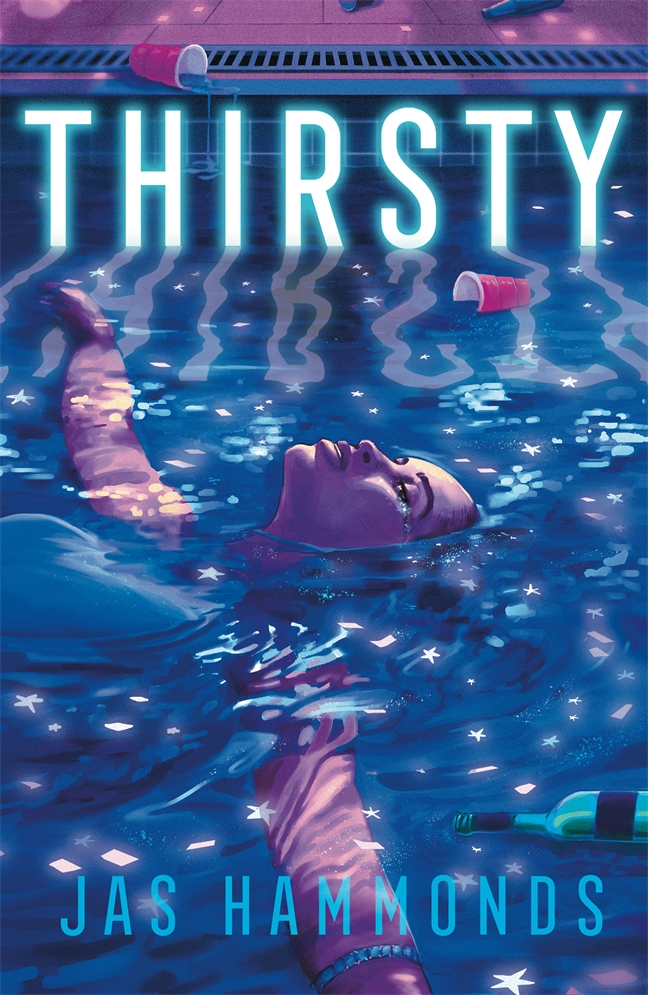
I am currently reading Thirsty by Jas Hammonds. I’m halfway through the book and really enjoying it.

Bold_line


Tuesday: When Beavers Flew: An Incredible True Story of Rescue and Relocation by Kristen Tracy, Illustrated by Luisa Uribe

Friday: Student Voices: Book Editorials from Cooper T. & Trinity P., 8th grade, and Talia N., 7th grade

Sunday: Author Guest Post: “On Writing the Unexpected Narrator” by Jordan Kopy, Author of Theodora Hendrix and the Monstrous League of Monsters

Bold_line

Link up below and go check out what everyone else is reading. Please support other bloggers by viewing and commenting on at least 3 other blogs. If you tweet about your Monday post, tag the tweet with #IMWAYR!

 Signature andRickiSig

Author Guest Post & Giveaway!: “Crafting Multi-dimensional Characters” by A. Kidd, Author of Yasuko and the Dream Eater

Share

“Crafting Multi-dimensional Characters”

When I visit schools, part of my presentation includes a character sketch activity with students. Not only is it fun and interactive, but building a character forms the basis on which the rest of your story revolves around. Even with an intriguing plot, you still need a dynamic character to follow. Someone you can relate to and root for. We all know the cliches: the princess, the knight, the dragon. But sometimes it’s good to mix it up a little. The princess knight or, better yet, the princess dragon is far more interesting.

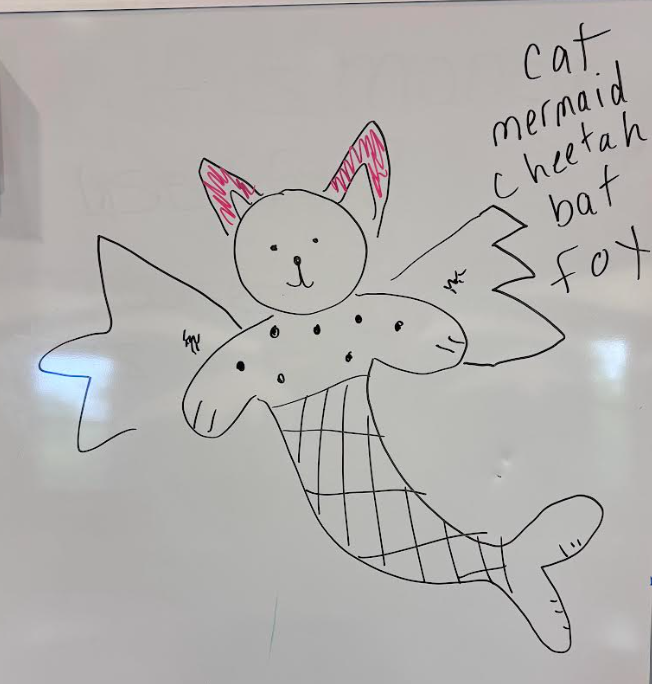
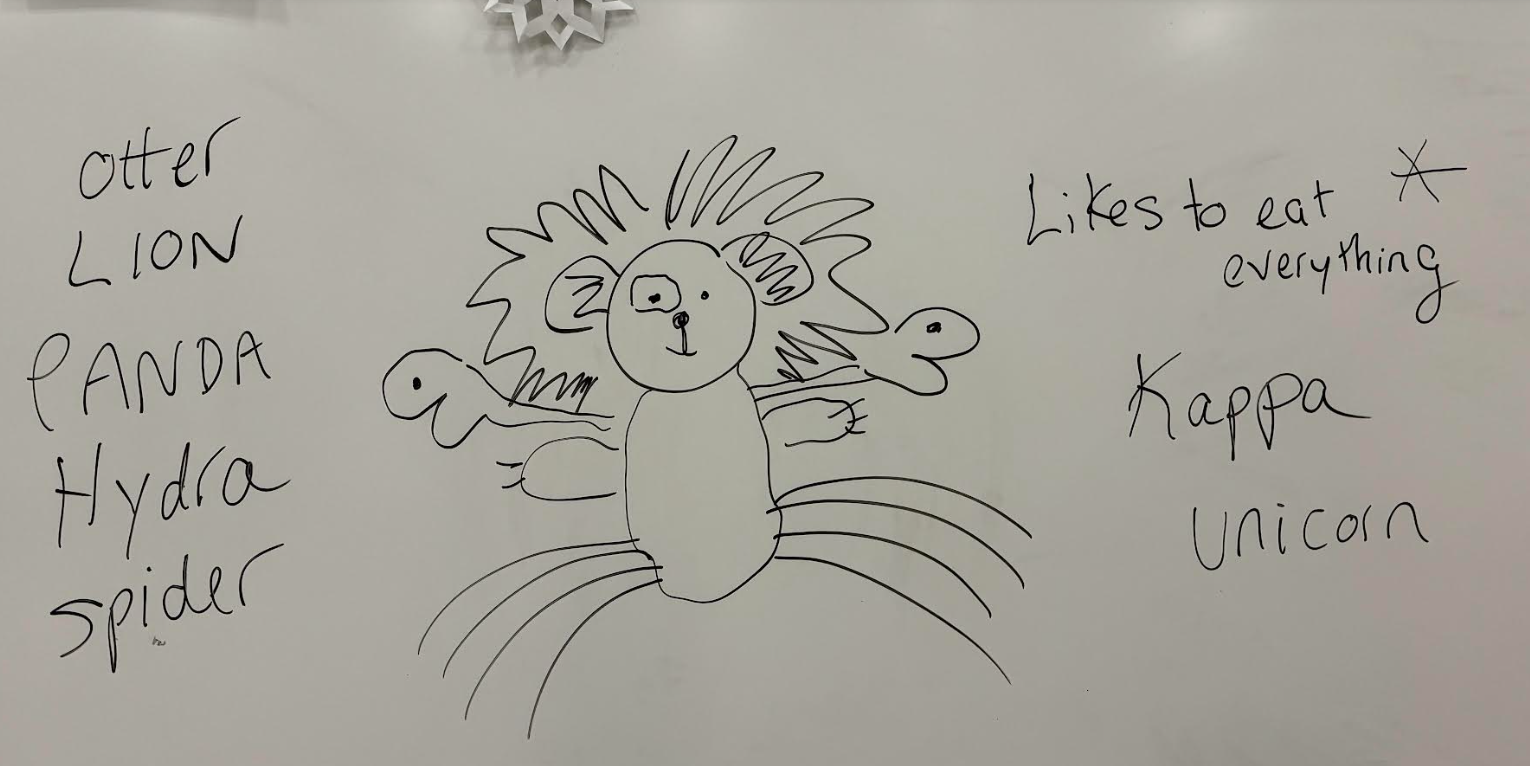
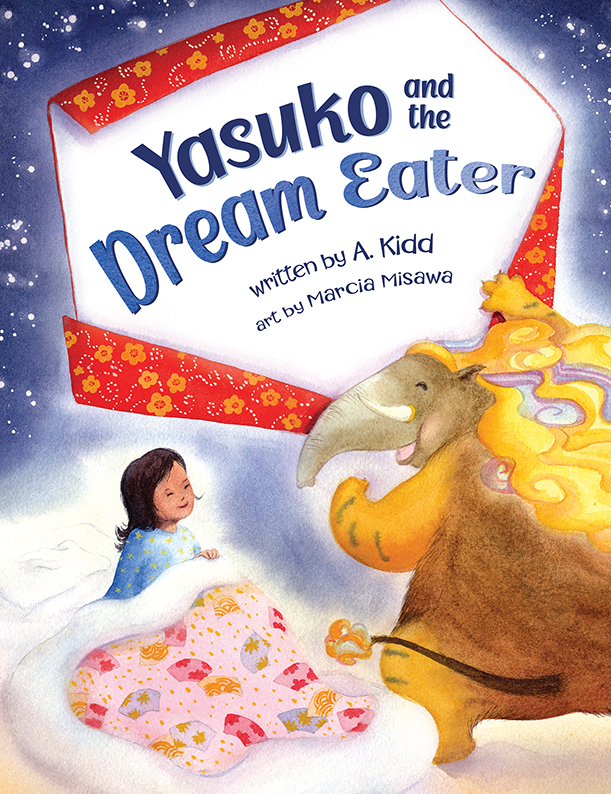
This concept works well with my new picture book, Yasuko and the Dream Eater, which is inspired by a Japanese legend about the dream eater, who eats bad dreams when called 3 times. What makes this character so unusual is that traditionally it is made up of five different animals. It has the head and trunk of an elephant, the eyes and ears of a rhino, the tail of an ox, the arms and legs of a tiger, and the belly of a bear. It also has a curly mane that looks like a lion, although it isn’t part lion. Some kids think it is part unicorn, because the mane has blue and pink colors shimmering within it.

We talk about culture and diversity, and how having multiple backgrounds makes you unique. Just like my main character, Yasuko, is both Japanese and American, the dream eater is made up of many different animals.  And just like a character can be a cat or a dog or a mouse, it could also be made up of all these animals, which would be unique indeed! In the story, Yasuko feels different when visiting her grandmother in Japan. Making the origami crane is not the same as making paper airplanes at home in America. She also misses her goodnight hug from her parents. In Japan, family members often pat children on the head to show affection rather than offer a hug at bedtime. By the end, Yasuko learns that she can connect to her grandmother in other ways, and that clasping hands together can also feel like a tiny hug. So with our own stories, we can seek to not only show how our characters are unique but why that makes them special.

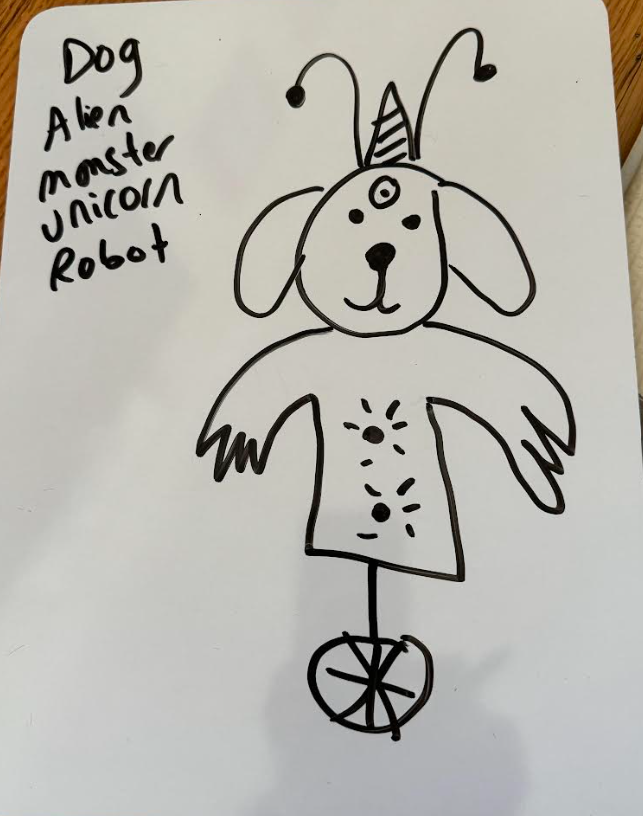
Try this with your students: Using a large pad of paper or wipe board, ask your students to name 5 creatures (including animals, mythical beings, robots, aliens, etc.) List those on the board, then talk about at least one defining trait for each. Then it is your turn (or perhaps another student can volunteer) to make up a new animal or creature based on all 5 listed. This is where it gets interesting! But kids love to see the results. They can also each draw one on their own. Or for younger children, you can provide puzzle piece cutouts of different animals, split in 3 pieces. Children can take turns making new, mixed up animals, by rearranging the animal parts.

Take it one step further: You can also talk about the basic elements of story. Students often ask me where to start when writing. All they really need to know is who their character is, what they want, and what gets in the way. You can often accomplish this by establishing what your character’s interests are as well as what scares them. One group of students said their character, who looked like a dust bunny, liked to play with Barbies but was afraid of cheese. Now this may sound silly, but the basis of many great stories starts with asking the question, What if? What if the dust bunny wanted to play with her Barbies, but a hunk of sharp cheddar cheese left by a mouse was guarding the dolls. How can she surpass the obstacle to get what she wants?

Creating dynamic characters goes beyond physical traits. They can have brown hair and blue eyes or blue hair and brown eyes, but we also need to know their personality. That is where learning their likes and dislikes comes in, as well as how they behave and why. It’s especially important to move beyond the cliché. You can have a main character who wants to be in the talent show, but the villain or antagonist is a bully preventing them from joining. What if you turned it around and made the main character the bully instead? Or try giving your character two opposing qualities that they are battling with throughout the book. We can go back to the princess knight who wants to fight dragons but also wear fancy dresses. Maybe she isn’t allowed to go to the ball unless she puts down her sword and forgoes her helmet. Or the dragon princess who isn’t accepted because she’s green and has scales and doesn’t fit the stereotypical look of what a princess should be. This would form an internal struggle as well as an external struggle. Just like Yasuko in my book, how can your characters learn to accept both parts of themselves?

I think the key is to teach kids that we’re all basically complex characters in our own lives. And none of us wants to be judged, liked, or disliked based on just one trait. So if we create more interesting and complex characters in our stories, we’ll be representing a more diverse and realistic picture of the world. The more intriguing and unique our characters are, the more fascinating their stories will be, and the more likely readers will want to turn pages to find out what happens to them. Especially because the stories we read can help us learn something about our own lives and how to move about and thrive in a complex world.

GIVEAWAY!

A. Kidd author would be delighted to give away one copy of her new book, Yasuko and the Dream Eater. To participate, simply leave a comment on this blog post and a contact email. One lucky winner will be chosen at random. You must reside in the US.

Published April 11th, 2023 by Quiet Storm Publishing

About the Book: Yasuko has the same bad dream every night while visiting her grandmother in Japan, so her grandmother suggests she call the dream eater for help. When the dream eater is still hungry after devouring Yasuko’s nightmare, Yasuko must stop it from gobbling up her good dream too.

Inspired by a Japanese legend, Yasuko and the Dream Eater will help kids dealing with nightmares as well as celebrate what it means to be part of a bicultural family. The book is fully illustrated and includes an author’s note, cultural note, and instructions for making origami.

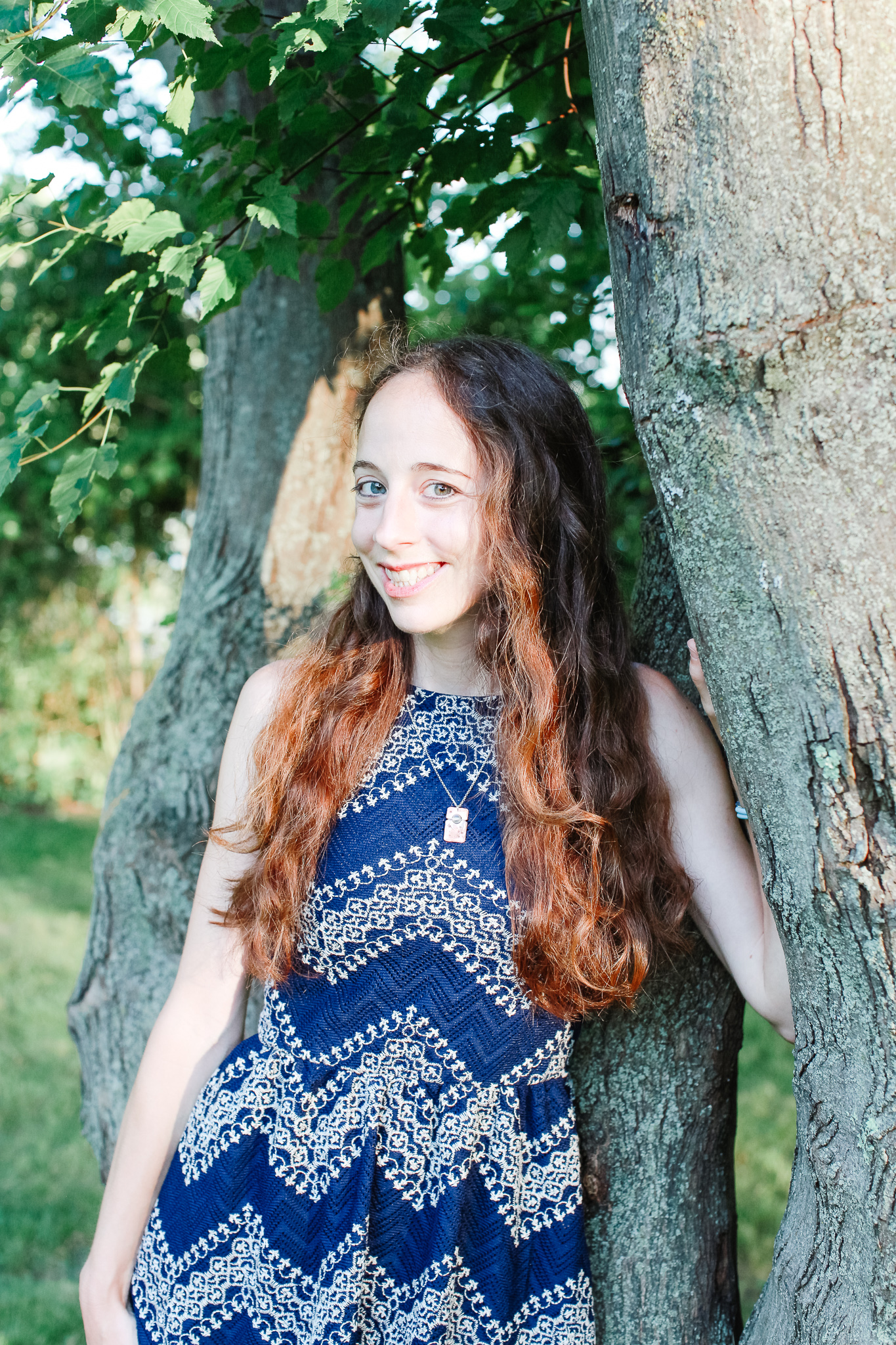
About the Author: A. Kidd lives in the US but has travelled to Japan many times to visit family and for sightseeing. Japan feels like her second home. Although she dreams often, she hasn’t needed to call the baku yet. She is also the author of the middle grade fantasy, The Healing Star.

A. Kidd is available for author visits! For more information, please email her at a.kiddwrites@gmail.com or visit her website at www.akiddwrites.com. She loves to inspire young writers. Her motto is, if A. Kidd can do it, so can they!

Thank you for this fun activity, examples, and the GIVEAWAY!