Text Sets for Teachers: Prejudice: Is It Something We Can Control?

Share

Text Set Button

Prejudice: Is It Something We Can Control?
Text Set for Frankenstein by Mary Shelley and Pride and Prejudice by Jane Austen
created by Brenna Conrad

I will be working with an 11A class studying British Literature. In class, we will be reading Frankenstein and Pride and Prejudice. At first, I had a lot of difficulty finding a theme that would be applicable not only to both texts but also to two sets of students who get to choose which book they want to read. I chose to focus my unit on the concept of prejudice and if it is something that we can control. In Frankenstein, prejudice is visible when everyone rejects the monster based on its appearance. In Pride and Prejudice, it is inherent in how the classes are divided and how characters treat one another. I chose this overarching theme because I think that this idea of prejudice is a very prominent issue in today’s society and should be considered and discussed in an educational setting. I want students to be able to not only get a more complex and complete understanding of what prejudice is and how it is prevalent in society but also to understand that there are many subtle ways it is incorporated into the media and texts. This is important for students to be aware of, especially as technology and media is becoming increasingly more influential as time progresses.

With this goal in mind, I constructed my text set with illustrating prejudices not only in as many forms of media as possible but in as many different time periods as possible. I want students to place these books among many other works that display the dangers and horrors of prejudice. Though I tried to incorporate multiple sources from different time periods to plot prejudice through time, I narrowed my focus to current media that my students have witnessed in their lifetime, allowing them to personally connect with these sources. Prejudice is one of the most prevalent issues in today’s society, and I think creating an awareness about how prejudice is incorporated into our society in multiple forms of media is very important for learners.

Anchor Texts (although other texts may be used!):
Frankenstein by Mary Shelley
Frankenstein
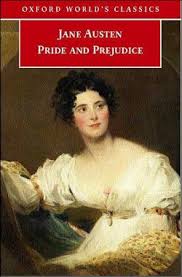
Pride and Prejudice by Jane Austen
Pride and Prejudice

Children’s Books
The Sneeches by Dr. Seuss (Also available on YouTube)
sneetches

Young Adult Texts
This Dark Endeavor by Kenneth Oppel (YA pairing to Frankenstein)
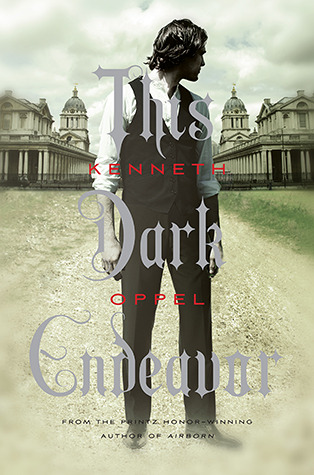
this dark endeavor
Prom and Prejudice by Elizabeth Eulberg (YA pairing to Pride and Prejudice)
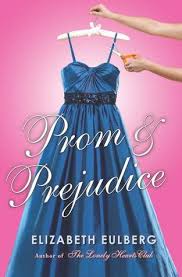
prom and prejudice

Films
Mary Shelley’s Frankenstein (with Kenneth Branagh and Robert Di Niro)
Pride & Prejudice (with Kiera Knightly)
Pride and Prejudice (with Colin Firth)
Cinderella

Plays
The Laramie Project by Moisés Kaufman
Othello by William Shakespeare

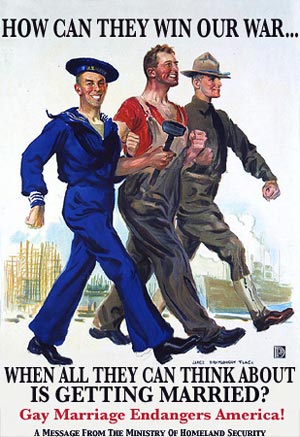
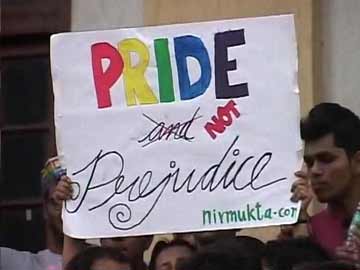
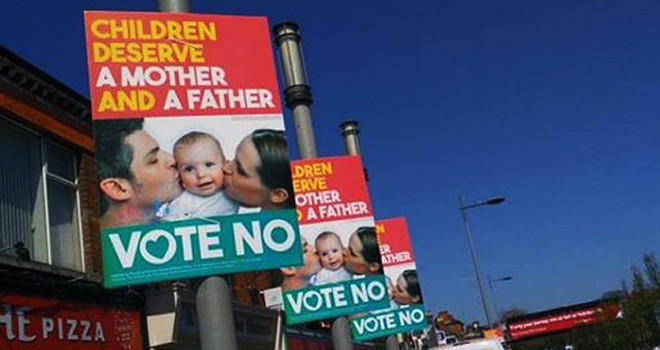
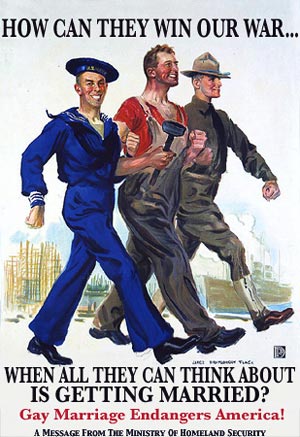
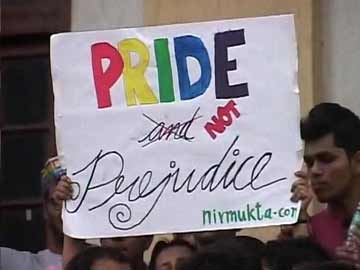
Images Used as Propaganda for Protest Movements
Gay Rights:
3.25.2015Prior to WWIJune 2015 Gay Rights MovementJune 2015 Anti-Gay Rights Movement

3.25.2015 Prior to WWI June 2015 Gay Rights June 2015 Anti-Gay Rights

Women’s Suffrage:
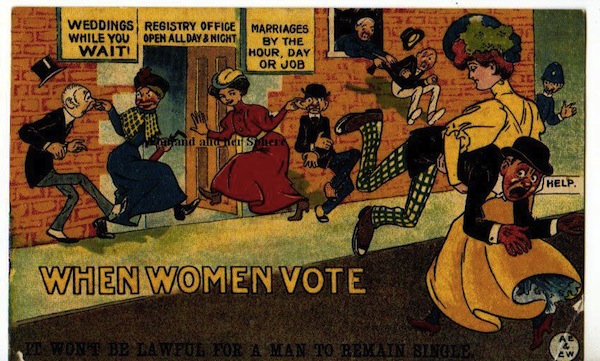
Anti-SuffragePro-Suffrage2013

 SuffragePro-Suffrage2013

Civil Rights:
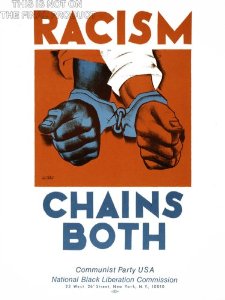
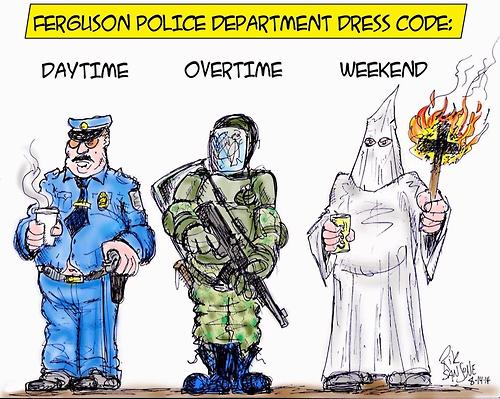
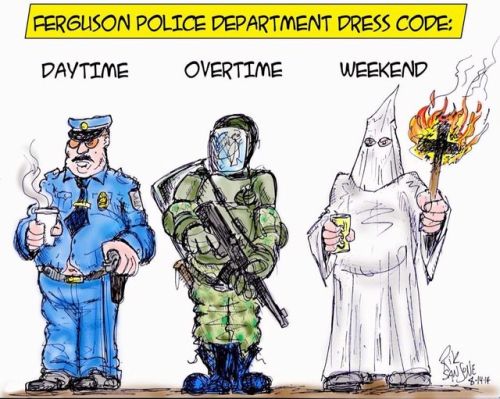
1960sAnti-Civil RightsBlack Lives Matter MovementBlack Lives Matter MovementCounter to Black Lives Matter Movement
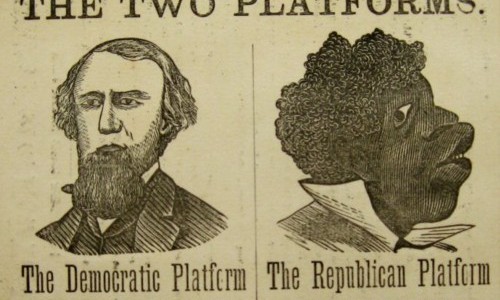
1960s Anti-Civil Rights Black Lives Matter1 black lives matter white lives matter

News Articles
Transgender Student Seeks Acceptance as She Runs for Homecoming Queen
BBC News: The Girl Who Was Shot for Going to School
Girls who Code aim to Make Waves in a Man’s World
Seeking Self-Esteem Through Surgery

Poems
“I, Too” by Langston Hughes
“Caged Bird” by Maya Angelou
“Beautiful City” by Alfred Tennyson
“Discrimination” by Kenneth Rexroth
“Breaking Prejudice” by Daniel Tabone

Songs
“Teenage Frankenstein” by Alice Cooper
“Same Love” by Macklemore
“Blackbird” by The Beatles
“Chains” by Usher

Charts
Gap in Yearly Earnings
Race of Prisoners

Essays
Gilbert and Gubar: “The Madwoman in the Attic: The Woman Writer and the Nineteenth-Century Literary Imagination”

TV Shows/YouTube Clips
Family Guy: African American Prejudice
Family Guy: Asian Prejudice
Family Guy: Mexican Prejudice
Family GuyItalian Prejudice
Family Guy: Muslim Prejudice
Family GuyChristian Prejudice
Social Mobility with Legos

Guiding Questions

  • What is prejudice?
  • How is prejudice seen in today’s society? Has this changed in comparison to the past?
  • How does society portray prejudice? How do we speak back to prejudice?
  • Are there prejudices that we are unaware of, but still possess? How do we know? What can we do about it?
  • Do people live in fear of prejudice? What do they do to avoid it?
  • Are prejudice and racism the same thing?
  • What different types of prejudice are there? Do some levels of prejudice feel stronger or more impactful than others? How might ranking levels of prejudice be problematic?
  • Can we eradicate prejudice or is it a reality of human nature?

Writing Prompts

  • How many different forms of prejudice are there? Are they all prejudice?
  • Make a list of things you’ve seen in the media that promote a prejudice society. Consider media such as television commercials, shows, movies, songs, magazines, or even comics. Pick 5 media that you believe are the most detrimental and briefly explain why.
  • After reading Frankenstein or Pride and Prejudice, has your concept of prejudice changed?
  • Choose a group that has been historically marginalized—either one that we talked about in class or a different group—and examine how the prejudice against this group has shifted across years.
  • Do you believe that it is human nature to be prejudice or that it is something society has taught. Write an argument for the side that you believe in. Be sure to include example from class and at least two credible outside sources.
  • In a journal entry, discuss prejudice in our society. Consider: Do people use prejudice in a way to benefit themselves? How do we as a society associate prejudice and humor? Is that ok? Are we making progress away from prejudice? Why or why not?

A special thanks to Brenna for this phenomenal text set! We think this text set would be useful for many anchor texts! What do you think?

RickiSigandKellee Signature

Text Sets for Teachers: What is a Hero?: Exploring the Concept of a Hero

Share

Text Set Button

What is a Hero?: Exploring the Concept of a Hero
Text Set for The Odyseey by Homer
created by Lara Hawley

The theme of What is a Hero? can be explored from many different viewpoints. Students might look at how society portrays a hero and what expectations we, as members of this society, have. This can cause individuals to examine the ethnicity, gender, and culture of modern day heroes. Forcing them to decide whether or not society’s idea of a hero aligns with their own personal definitions of a hero. The question of What is a Hero?, allows students to make associations to their own lives. They can describe people they know and defend whether or not they fit these conceptions of heroes. It prompts the students to question their original impressions of a hero.

The unit and theme will be investigated through the lens of the novel The Odyssey. This text is complex and often difficult for young students to engage in. It incorporates challenging language, but my hope is that through this theme, students will become more interested in the characters and the storyline. The additional video clips, charts, and other resources will help the class make sense of the book.

As I was generating my Text Set, I tried to include resources that would spark interesting conversations in the classroom. For example, I included the “Pep Talk from Kid President” to force my students to look at themselves as heroes. I also incorporated the “7 Types of Heroes” so the students could broaden their idea of what a hero is and compare different types of heroes. I hope that students will rethink the characters of the Odyssey during this unit and decide whether or not they should be considered heroes.

Anchor Texts (although other texts may be used!):
The Odyssey by Homer
odyssey

Graphic Novel
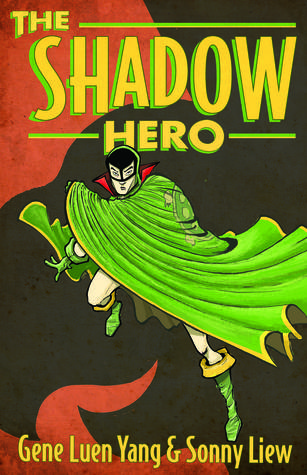
shadow hero
The Shadow Hero by Gene Luen Yang and Sonny Liew

Books (Excerpts)
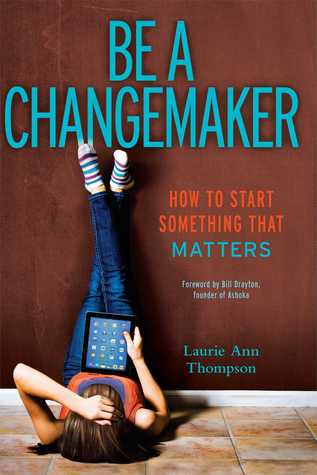
Be a Changemaker by Laurie Ann Thompson
Be a Changemaker

Videos
“What is a Hero?”
Freedom Writers Clip (Everyone is a Hero)
“For the Heroes: A Pep Talk from Kid President”
Les Miserables Clip (Selfless/Forgiveness)
Caitlyn Jenner Speech

Movies
Star Wars
The Dark Knight Rises

Images
we can do it
 superman
helping wheelchair
homeless

Poems
“The Charge of the Light Brigade” by Alfred Lord Tennyson
“A Hero” by Robert William

Short Stories”
“Thank You Ma’am” by Langston Hughes
“Initiation” by Sylvia Plath
“Cranes” by Hwang Sunwon

Songs
“Kill Your Heroes” by AWOLNATION
“We Could Be Heroes” by Alesso

PowerPoint (Teacher Created/Shared)
“Superhero PowerPoint”

Internet Sources
The Hero’s Journey
Five Qualities of Incredibly Heroic Leaders
7 Types of Heroes
Anti-Hero
Dictionary Definition
Hero Quotes

News Articles
What is a Hero?
CNN Heroes

Guiding Questions

  • What is a hero?
  • What makes someone a hero?
  • Do you have to be perfect to be a hero or can heroes make mistakes?
  • Can you be a hero because of one heroic act?
  • Are there different types of heroes?
  • Is heroism an innate or learned quality?

Writing Prompts

  • How are you a hero?
  • Who is your hero and why?
  • Make a list of top ten qualities of a hero–from most important (1) to least important (10).
  • Which of the characters in the Odyssey is the most heroic?

A special thanks to Lara for this phenomenal text set! We think this text set would be useful for many anchor texts! What do you think?

RickiSigandKellee Signature

Text Sets for Teachers: Growing Pains: Looking at the Subject of Coming of Age

Share

Text Set Button

Growing Pains: Looking at the Subject of Coming of Age
Text Set for The Curious Incident of the Dog in the Night-Time by Mark Haddon
created by Andrew Johnson

We must all grow up order to fully enter the world as an adult. In some cultures, growing up is a rite of passage. In others, it is a series of events—a gradual process. Everyone grows up in different ways and is influenced by the different circumstances and environments. There is no one singular point in people’s lives when they can decidedly say that they came of age. It simply just happens. It comes to pass through the experiences that change who they are and what they value as individuals. Growing up not only changes how we think about others, but it also changes how we think about our own identities and places in society.

With that said, this text set is immensely important for exposing students to how others manage to grow up and progress through their lives. Students in middle and high school want nothing more than to be older. They want to be grown, even though a part of them also wants to secretly stay young forever. They may have been told at some point in their lives by a parent, teacher, or other adult to “grow up,” but do they really know what this means? How do they know? This text set will take a multicultural, multi-faceted view on the process of growing up in a world that can be strange, harsh, and also very, very enjoyable.

Anchor Text (although other texts may be used!):
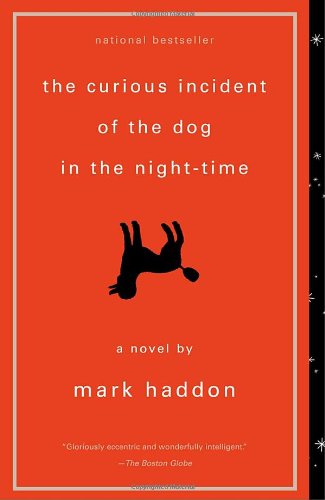
The Curious Incident of the Dog in the Night-Time by Mark Haddon
curious incident of the dog in the night-time

Graphic Novel
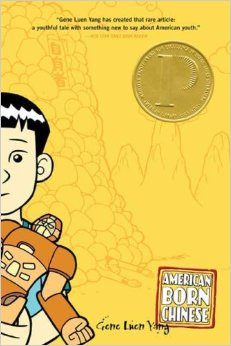
American Born Chinese by Gene Luen Yang
american born chinese

Other Texts
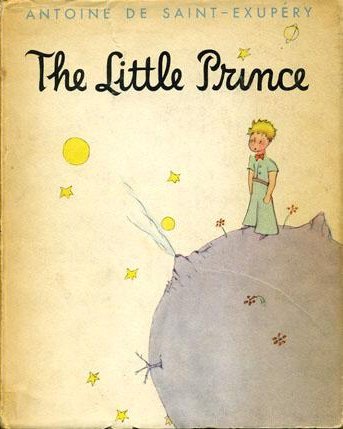
The Little Prince by Antoine de Saint-Exupery
Little prince

The Perks of Being a Wallflower (excerpts) by Stephen Chbosky
perks of being a wallflower

The House on Mango Street by Sandra Cisneros
house on mango street

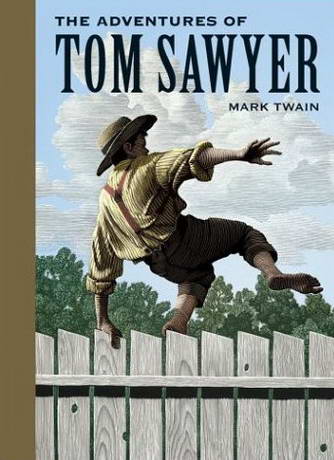
The Adventures of Tom Sawyer (excerpts) by Mark Twain
tom sawyer

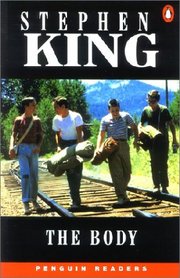
The Body by Stephen King (novella)
the body

Poems/Songs
“If” by Rudyard Kipling
“Lightspeed” by Grieves
“In My Life” by The Beatles
“Nothing Gold Can Stay” by Robert Frost

Short Stories
“Lost in the Funhouse” by John Barth (excerpt)
“Harrison Bergeron” by Kurt Vonnegut

Essay
“Manhood for Amateurs” by Michael Chabon

Movies
Wizard of Oz (part of a prior unit)
Mean Girls
Rain Man (clips/part of introduction to ASD)
Stand By Me (adaptation of Stephen King’s The Body)

TV Shows
Boy Meets World (any and all applicable clips)
Girl Meets World (any and all applicable clips)

Articles/Internet Sources
The Teenage Brain by National Geographic
Should Growing Up in Compton be Considered a Disability VICE
Kids are Growing up Way Too Fast – Manhattan Institute
The Definition of Disability by Deborah Kaplan
Talking About Disability – A Guide to Using Appropriate Language
13 Amazing Coming of Age Traditions from Around the World

Websites
Centers for Disease Control and Prevention (in order to understand the anchor text better)
Autism Speaks (in order to understand the anchor text better)
Simply Psychology (Erikson’s stages of psychosocial development)

Guiding Questions

  • What does being a child mean? What does being an adult mean?
  • Why can the path between childhood and adulthood be confusing or challenging?
  • Do we ever stop “growing up”?
  • Does our environment affect how we “grow up”?
  • Is “growing up” always a good thing? What makes it desirable?
  • Who or what pressures us to “grow up”? Who or what pressures us to stay young?
  • Is maturity synonymous with age?

Writing Topics

  • Describe someone who you consider to be “grown up” or “mature”? List their attributes.
  • Which stage(s) of identity development would you consider yourself to be in?
  • Design one scenario/question to determine if someone is mature or not. What would you look for in the answer?
  • After reading The Curious Incident of the Dog in the Night Time, Do you think that Christopher has “grown up”? What do you think he has learned?
  • Compare and contrast Christopher’s journey and possible “coming of age” with another character of your choosing (or maybe even you!).
  • What are we supposed to learn about ourselves after you’ve grown up? What do you hope to learn about yourself after you’ve grown up?

A special thanks to Andrew for this relevant, engaging text set! We think it would fit in with a variety of age levels and class texts. What do you think?

RickiSigandKellee Signature

Text Sets for Teachers: 7 Days of Teachable Ideas!

Share

Text Set Button

Over the course of the next seven days (excluding Saturday and Monday), we will be shaking things up at Unleashing Readers. We are excited to feature seven incredible text sets created by seven phenomenal pre-service teachers. These teachers are remarkably creative and clever, and their text sets were chosen to be featured on our site because we thought their ideas would be useful to you.

Each day we will feature a different theme with a different anchor text. We are hoping that you can either use their ideas or adjust the text set to fit your needs. The themes of these text sets apply to a wide variety of texts that teachers use each day in their classrooms. Additionally, the anchor texts are popular. We believe that an important part of teaching is sharing with others. We hope you enjoy their hard work!

The Text Sets

Wednesday, December 16
Growing Pains: Looking at the Subject of Coming of Age by Andrew Johnson
The Curious Incident of the Dog in the Night-Time by Mark Haddon (Anchor Text)

Thursday, December 17
What is a Hero?: Exploring the Concept of the Hero by Lara Hawley
The Odyssey by Homer (Anchor Text)

Friday, December 18
Prejudice: Is It Something We Can Control? by Brenna Conrad
Frankenstein by Mary Shelley and Pride and Prejudice by Jane Austen (Anchor Text)

Sunday, December 20
The Power of Words: Witnessing the Impact of Words by Kelly Markle
The Book Thief by Markus Zusak (Anchor Text)

Tuesday, December 22
Finding the Line: Defining What is “Good” by Alexandria Bottelsen
The Kite Runner by Khaled Hosseini (Anchor Text)

Wednesday, December 23
Good vs. Evil: Exploring Morality Through the Holocaust by Kellie-Anne Crane
Night by Elie Wiesel (Anchor Text)

Thursday, December 24
Gender’s Lens: Society’s Views and Expressions of Gender by Jack Dunn
Everyday by David Levithan (Anchor Text)

RickiSigandKellee Signature

It’s Monday! What Are You Reading? #IMWAYR 12/14/15

Share

IMWAYR 2015 logo

It’s Monday! What Are You Reading? From Picture Books to YA!

It’s Monday! What are you Reading? is a meme started by Sheila at Book Journeys and now hosted by Kathryn at The Book Date. It is a great way to recap what you read and/or reviewed the previous week and to plan out your reading and reviews for the upcoming week. It’s also a great chance to see what others are reading right now…you just might discover the next “must-read” book!

Kellee and Jen, of Teach Mentor Texts, decided to give It’s Monday! What Are You Reading? a kidlit focus. If you read and review books in children’s literature – picture books, chapter books, middle grade novels, young adult novels, anything in the world of kidlit – join us! We love this meme and think you will, too.

We encourage everyone who participates to support the blogging community by visiting at least three of the other book bloggers that link up and leave comments for them.

Last Week’s Posts

top ten tuesday x-default Ricki and Henry 1-2 years carnival of cats dala horse

Tuesday: Ten New-To-Me Authors I Read For The First Time In 2015

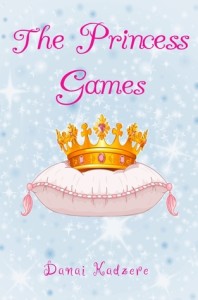
Wednesday: The Princess Games by Danai Kadzere

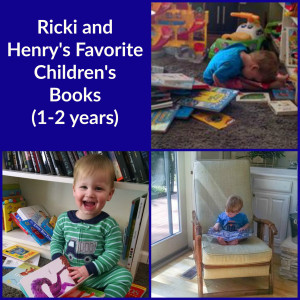
Thursday: Ricki and Henry’s Favorite Children’s Books (1-2 years)

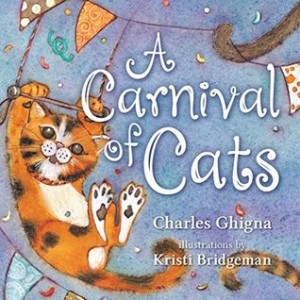
Friday: A Carnival of Cats by Charles Ghign

 Last Week’s Journeys

Kellee: This week I finished two very different books! First, I finished How It Went Down by Kekla Magoon which was such a tough yet important and well done read. I think this is one of those books that everyone needs to read. I cannot wait to book talk it to my 8th grade class because I think that many of them will want to read Tariq’s story. Also, being so close to where the Trayvon Martin murder happened makes the story even more relevant. Then, a complete switch in type of novel, I read Timmy Failure: Mistakes Were Made by Stephan Pastis based on the recommendation of Josh Funk. Man! Timmy Failure is such a silly book! I can see why my 7th grade student loves them so much, and now that I’ve read it, I cannot wait to share it because I think my Diary of a Wimpy Kid gang will really love Timmy.

Ricki: I read and absolutely loved Not If I See You First by Eric Lindstrom. The story is about a girl who is blind and a runner. How do you run if you are blind? I feel like I learned so much for this book about the physical and mental strength of this young girl. Frankly, I can’t quite find the words to express how much it taught me about life. The narrator is feisty, and I appreciated her candor about her disability. I highly recommend it. 

This Week’s Expeditions

Kellee:  I’d planned on reading an Andrew Smith novel this week, but I got sick and needed something a bit lighter, so I started Camp Utopia and the Forgiveness Diet by Jenny Ruden, and it is seems like it is going to be a fun YA novel. I then plan on reading Alistair Grim’s Odditorium by Gregory Funaro then The Honest Truth by Dan Gemeinhart with Michele Knott.

Ricki: I have two hours left of The Martian by Andy Weir. I will definitely finish it this week. I am also about halfway through Simon vs. the Homo Sapiens Agenda by Becky Albertalli, and I am really enjoying it.

Upcoming Week’s Posts

Text Set Button

Tuesday: Introduction to Text Sets for Teachers Series

Wednesday: Text Sets for Teachers: Growing Pains: Looking at the Subject of Coming of Age

Thursday: Text Sets for Teachers: What is a Hero?: Exploring the Concept of a Hero

Friday: Text Sets for Teachers: Prejudice: Is It Something We Can Control?

Sunday: Text Sets for Teachers: The Power of Words: Witnessing the Impact of Words

 So, what are you reading?

Link up below and go check out what everyone else is reading. Please support other bloggers by viewing and commenting on at least 3 other blogs. If you tweet about your Monday post, tag the tweet with #IMWAYR!

 Signature andRickiSig

Author Guest Post!: “Where Are You From? Honing Research And Evaluation Skills With A Family Tree Project” by Lissa Johnston, Author of The Dala Horse

Share

“Where Are You From? Honing Research And Evaluation Skills With A Family Tree Project”

by Lissa Johnston

It’s human nature to be curious about each other. In our caveman days, the ability to detect whether someone was similar to you or very different from you (friend or foe?) was an important survival skill. These survival instincts remain with us today, but we go about evaluating ourselves a little differently. We still observe and make judgments about our fellow humans based on previous experience. As mankind has evolved, we have added the wonderful gift of language – now we can also ask questions! Among adults we see this in the tried-and-true conversation starter,‘what do you do’? With kids, that question doesn’t work as well because most of them ‘do’ the same thing – they’re students. More (and better!) questions are required. A similar question that works well in this process of discovery is not, ‘what do you do?’, but rather: ‘where are you from?’

You may think this is a simplistic question, yielding little in the way of learning opportunities. Everyone knows where they are from, you might be thinking. What’s so special about that? I would argue this one simple question can be more enlightening than it seems, for at least two reasons. One: not everyone, especially not children, are aware of where they are ‘from’. Secondly, when I ask ‘where are you from?’, I hope to encourage you to dig into your family tree and tell me where you are really FROM.

The cool thing about this seemingly nosy inquiry is that it works equally well when turned upon one’s self. One of the main sources of inspiration for my latest book, The Dala Horse, was discovering one branch of my family tree was Norwegian. As a Native Texan growing up in a big city, it was something of a surprise to discover I had Scandinavian roots. The closest I had ever come to anything Norwegian was when the Cowboys played the Vikings, and that wasn’t very often.

Occasionally my younger school-age cousins will reach out to me with questions about our family tree for a class project. I am so thrilled that family tree projects are becoming commonplace in the classroom. It’s the perfect learning opportunity. It combines history, math, sociology, geography, and the golden ingredient: it’s all about the student!

The beauty of a family tree project is that it easily incorporated Into your existing reading plan. There’s no need to add or adjust the reading schedule unless you just want to. Once you start looking at your current assigned reading projects through family tree glasses, opportunities for tying into a family tree project abound. The connection is pretty obvious with social studies, history, or historical fiction books. But if you dig a little deeper, it can also be made with more mainstream books. Most have characters with a variety of ethnic backgrounds. If not, they may take place in locales that vary from yours. Either is a great jumping off point with this simple and adaptable question: ‘[character] in [book] is from [location]. Where are you from?’ And if your current assigned reading is somewhat homogenous, ask the students to write their own version of the story, putting it in a different locale or time period that has some connection to their own family tree.

Some additional ideas for incorporating a family tree project into your lesson plans:

  • Have students work up a family tree project going as far back as they can. It’s okay if it’s only two or three generations. Question marks in the family tree are okay. That happens to professional genealogists all the time!
  • Pre-select a 20 year time period (1900-1920; 1960-1980). Have the students create a fictional biography about one of the family members who was born within that time period. Extra credit if the story correlates with the age that person would have been within that era. For example, if teacher has selected the era 1940-1960, and Uncle Kenneth was born in 1941, his bio should focus on what he would have been doing from age 0-19. Hint: best to keep this within the last 100 years to make family tree research a little easier.
  • Create some tickets, each with different eras written on them. Number of tickets should equal or exceed number of students in class. For example if you have 30 students, create 35 or so tickets. Divide total number of tickets into 3-4 different eras. Write the eras on the tickets and have students draw out of a jar for what era they will be writing about, again featuring a member of their family tree who lived within that era. This helps spread the research around so that everyone is not looking for the same handful of books on a narrow slice of shelving in your library. You can have them work together in groups, or as individuals. The groups can be organized so that each group is working on the same era so that you have a horizontal storyline. Or, group composition can be completely random so that you might end up with a more vertical storyline for the project within that group: one from 1920-1940; 1940-1960; 1960-1980; and so forth.
  • Students select a person from their family tree. Match something about this person with a similar topic from your school library and write a review of this book. Be sure to include the connection with your family/why you chose it. For example, perhaps Granny Louise grew up on a dairy farm. Select a book about farms, or cows, or the state or city where she lived.
  • Occasionally some students will have some difficulty tracing their family tree back very far. To avoid this issue, make the entire project about fictional or non-fictional characters that THEY get to choose. Create an imaginary family tree for that person going back three generations (self, parents, grandparents). Although the characters will be fictional, their significant life events (birth, marriage, school, death), geography, occupation, etc. must line up more or less correctly with the fictional character. So for example a fictional family tree based on Abraham Lincoln would have a very different set of facts than, say, a fictional family tree of LeBron James.
  • I did mention math, up there, didn’t I? So I better include a few math suggestions. Compile a list of the various ethnic identities in your class based on what the students have uncovered going back to their grandparents’ generation. Which group is the largest? Smallest? How would you calculate these two numbers into percentages? Extra points for determining how your class’s stats line up with similar statistics locally and/or nationwide. Extra points for discovering what other parts of the country have similar groups. In other words, if the smallest percentage represented in your class is of Italian ancestry, where are the largest concentrations of Italian immigrants in the US?
  • Place all ethnic groups represented by your students in a jar. Draw three. Have students research whether there are any businesses such as shops or restaurants in your area that share a common heritage with these three.
  • Reverse that project. Have the class compile a list of several shops and restaurants in your town. Have them research the ethnic groups they represent.
  • Family tree programs and software are very popular now. If your students are old enough, you may lead them in researching family tree records online. In order to avoid any privacy concerns you can easily keep it very general and just look at for example census records for your town going back however far. A fun activity with census records is looking at people’s professions. If accessing these programs is not possible, allow family interviews instead.
  • One of the activities I suggest in the book is a good example of demonstrating how cultural traditions persist through time. Cultural traditions of Norwegians in Texas might seem an obscure subset, until you start brainstorming how many of our traditions we follow and enjoy share today had their roots in other ethnic groups. Challenge students to list the various ethnicities represented in the classroom. Pair these with traditions familiar to many. For example, St. Patrick’s Day is an Irish tradition. Mardi Gras = French. Kwanzaa = African American. I mentioned the Minnesota Vikings earlier. Sports teams often have ethnic cultural connections and are very familiar with many students.
  • Popular songs, artists, even instruments are a great resource for cultural variety. What are the origins of the guitar? Drums? What type of music is traditional in Poland, or India?
  • I’ve saved my favorite activity for last. After completing their family tree research, each student must find something in their research that connects them with at least one other student. For example, perhaps student 1 had a grandfather who was in the Navy during World War II, and student 2 had an ancestor who emigrated to the United States after World War II. Be lenient with the connections. This is a great activity for class-wide brainstorming. A spider diagram on a white board or any display that could be left up for a few days would be ideal for this. The project is complete when each student’s name is represented and linked to someone else’s in the spider diagram.

My wish for students is that they experience the eye-opening discovery that even though some of us may look very much alike on the outside, we may be very different on the inside. And of course, the opposite is true! Sometimes the people who look the most different from us on the outside are the ones with whom we find we have the most in common. There may not be many of you reading this now who have Norwegian ancestors who settled in Texas, like I do. But I bet there are plenty of you whose ancestors came here from somewhere else – also like me!


About The Dala Horse

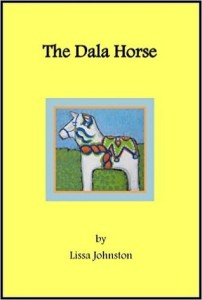
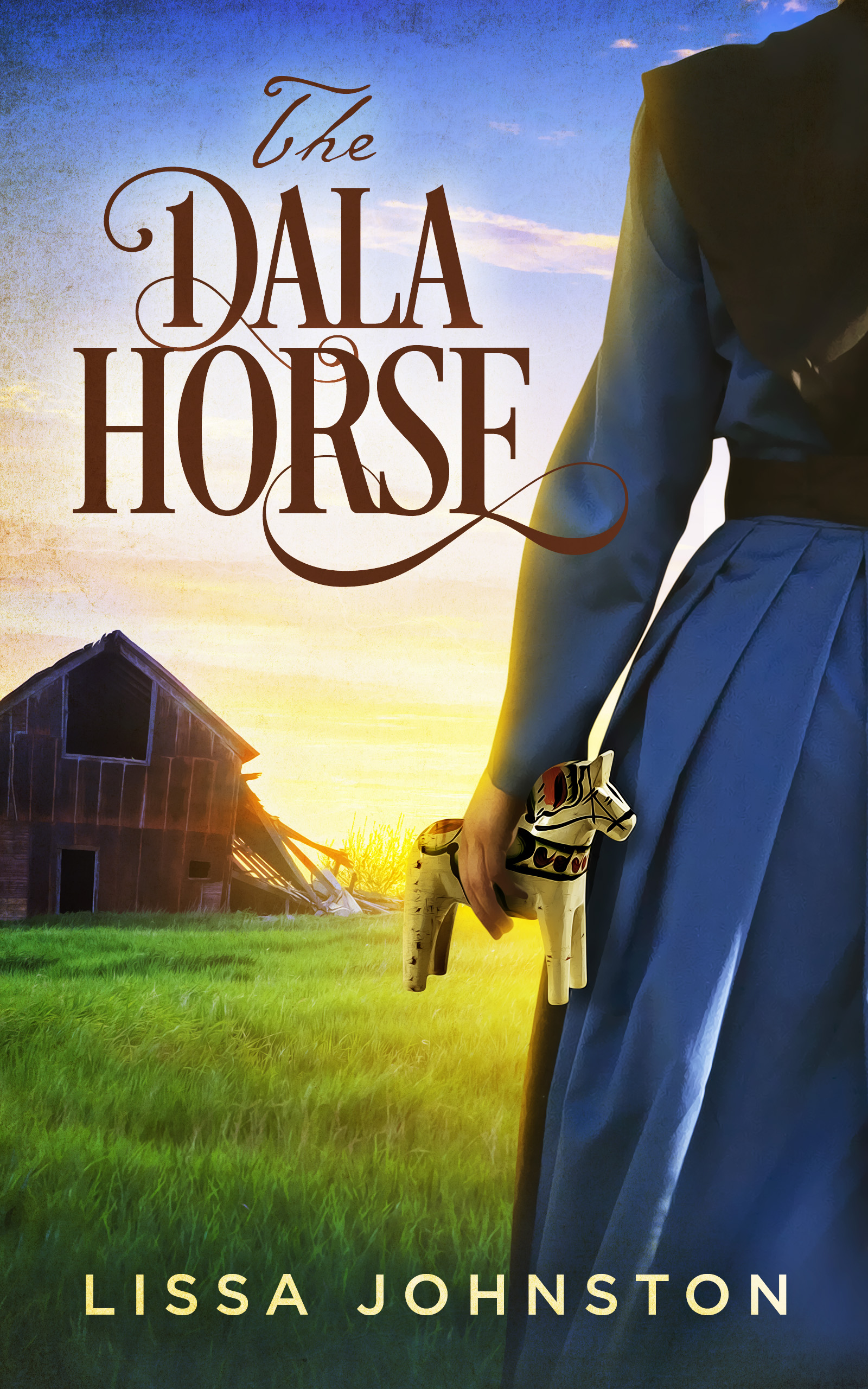
10-year-old Kaya Olson lives in a small Norwegian immigrant settlement in
post-Civil War Texas. When her mother is killed in a stage coach robbery,
Kaya feels responsible. Can she uncover the secrets her family is keeping
to solve the mystery surrounding her mother’s death?

Thank you to Lissa for these great research and evaluation skills!
RickiSigandKellee Signature


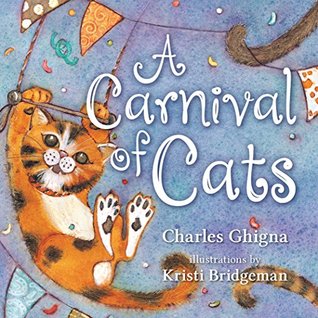
A Carnival of Cats by Charles Ghigna

Share

carnival of cats

A Carnival of Cats
Author: Charles Ghigna
Illustrator: Kristi Bridgeman
Published September 1st, 2015 by Orca Book Publishers

Summary: There’s a purrrfect little carnival coming to town, filled with adorable cats of all different kinds! In this hint-and-reveal board book, babies, toddlers and cat-lovers alike will enjoy discovering (and guessing) what breed of cat is hiding on the next page. With playful rhyming text from award-winning author Charles Ghigna, aka Father Goose(R), and beautiful illustrations by celebrated artist Kristi Bridgeman, this exuberant board book will have everyone guessing what cat is that!

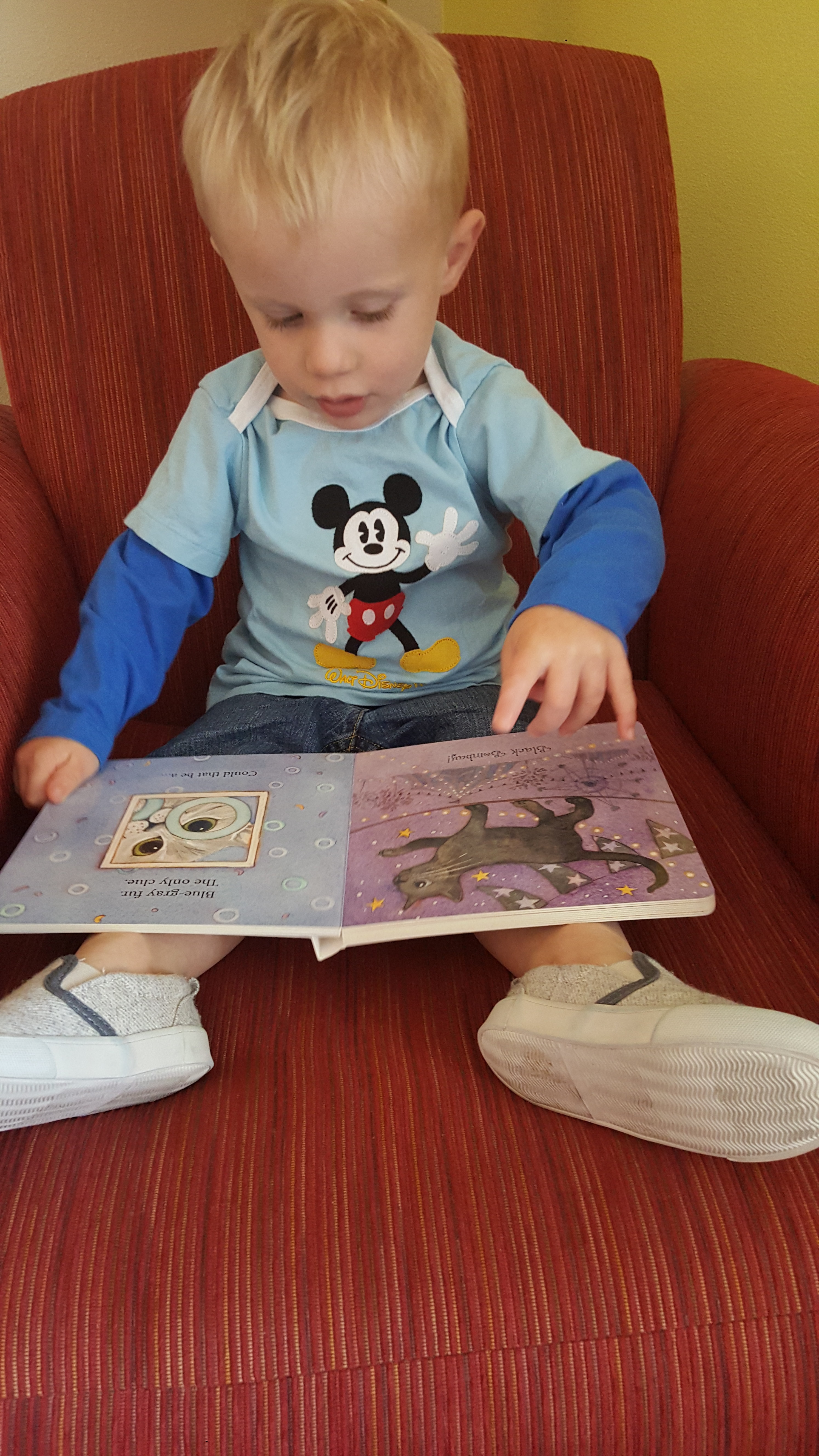
Kellee’s Review: Trent really loves animals, but he especially loves kitties since we have two of them, so when I heard about this book, I knew it would be one that Trent would really enjoy. And I was right!

20151127_101857

We had a great time looking at all the different types of cats, learning their names, and discussing the traits of each type of cat. Trent was also very enthusiastic about the balloons in the carnival. The book also rhymes, so there is a great rhythm while reading which adds to the musicality of being at a carnival of cats.

Ricki’s Review: Ever since we received this book, Henry has wanted to read it every night. My son is a cat guy. When I asked him which relative he wanted to come to his birthday party the most, he said, “Kitty.” You can only imagine his excitement when he received this book. Each page features different appearances, names, and behaviors of cats. I was surprised at how much I learned! We’ve been practicing the different types of cats, so he will be better able to identify his feline friends. I’d highly recommend this board book. It is quite fun to read, and every night, I look forward to reading it.

Teachers’ Tools for Navigation: This book will be a wonderful read aloud in an early childhood classroom. There are opportunities for comparing and contrasting, rhyming, and cross-curricular elements by talking about different breeds of cats.

Discussion Questions: What are the differences between the different types of cats? Which cat has _____/is _____?

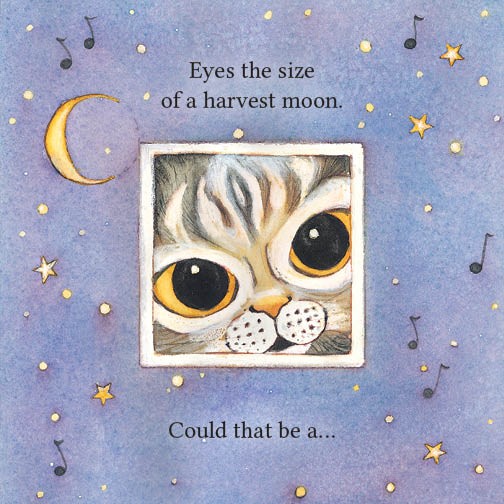
We Flagged: 

carnival of cats pic 1 carnival of cats pic 2

Read This If You Love: Cats

Recommended For: 

readaloudbuttonsmall

Kellee Signature andRickiSig

**Thank you to Katie at Orca for providing copies for review!!**