Ricki’s Reflection: Drawbacks of Homeschooling for My Child

Share

I don’t believe in homeschooling for my children. That’s not to say that I don’t believe it is appropriate for other people’s children, but it isn’t right for mine. Does my child advance academically when I have one-on-one time? Yes! Homeschooling has been beneficial in several ways. I’m finally teaching my son to slow down and take care in his writing. I am able to give him individualized attention. Yet there is some things that are missing for me, and I feel a great sense of loss that he is going to be missing three months of his kindergarten year in a public school. I’ll admit that I am mourning this loss for him.

Shared Experience with Same-Age Peers

I am not a person who believes in worksheets. I constantly think about how we can learn from nature and the world without traditional assignments. And we do these lessons together. Yet in the early primary years, I see the value of some worksheet-like/activity book assignments. Students are able to practice writing and learn skills that help them with more advanced work. I am able to pull out a journal and ask my son to write because I know that he has the basic concepts of writing down. We are completing the worksheets that his (amazing) teacher has provided, and they are helping him. But there is something lost in the experience when it is just him and me (and his brothers). He isn’t able to sit beside his peers who he has grown to love and watch them complete the work, too. Instead, he sits at our kitchen table and dutifully completes the work next to me. Yet he lacks the life that he has that I’ve seen when I volunteer in the classroom. He isn’t beside his friends—in it together.

Group Work

I can put my son with his brother and ask them to complete a group mission/project, yet it is his brother. There is a certain dynamic between brothers that is not the same as putting my son with a peer he doesn’t know well. He isn’t able to negotiate group roles in the same way that he would with a peer of the same age and who is less familiar. He isn’t about to talk to someone at his age and ability level who can work towards a solution. Instead, my choices are: a) allow him to work independently with minimal assistance to build up his ability/confidence (this is not group work, though), b) work with him and try to be similar to a peer (disingenuous, and he knows it), c) allow him to work with his brother (different age and dynamic as a peer). We’ve been participating in a virtual book club which captures this need in some ways, but there is something that is lost that just can’t quite be replicated in the homeschooling experience.

Varied Work and Varied Passions

There are things that I value in education. For instance, I love to have students make predictions when they read. I feel that this builds their capacity to engage in creative writing of their own. Another first grade teacher might have students make predictions but might value a different skill that is entirely different. In another example, I’ve worked hard with my son to learn place value and addition. His kindergarten teacher has been teaching the kids to count by 2s, 5s, 7s, etc. This is such a great skill that will help them with multiplication, yet I never thought too hard about how often I should be doing it with him until he came home with a lot of work that engaged in this concept. I love the fact that my son will have dozens of different teachers who all value different things. Instead of him learning what I, his mom (who happens to be an educator) value, he will get a smattering of values. He might learn from a teacher’s love of art history or engage in a critical reading of body image or learn to create advertisements or learn euphemisms. And as long as the teacher brings passion and energy to the teaching of the material (as teachers do), I am thrilled that he will learn from so many others and not just me.

The Magic of a Classroom

I’ve visited over a hundred different classrooms as a teacher educator. Every classroom has been different, and they’ve all had a touch of magic specific to that teacher. The ways in which kids move around a room independently of their parents and develop an identity outside of their families—that just can’t be matched in another setting. I can bring my son to his sports activities, art class, etc. and drop him off and can operate in that space for an hour or so. Yet there is nothing like a sustained space in which my son can grow in ways independent of me. The buzz of a school just invigorates me, and I hope that it will do the same for my child.

Mom as Teacher

I cannot count how many times that a parent told me, as the English teacher, “My son would never have done that for me.” I feel that there is value to having a sustained figure who is not me who teaches my son. I can do everything in my power to support him in that work at home, yet I have to be honest with myself that my child will learn best from others.

Social Interactions

I don’t care how many dozens of activities that my son did before he entered kindergarten. There was nothing quite the same as the lessons he’s learned socially in this first year of elementary school. He’s learned what it means not to be picked for something. He’s learned what it means to have friends choose others for partners. He’s learned the excitement of being chosen by a child to eat lunch with their parents. He’s learned to negotiate relationships with children who are mean or cruel. Without school and being around the same kids in a classroom for long periods of time, I don’t know if he would gain this. He has neighbors that he plays with daily, yet something is different in the 8-hour day of school.

Do I think homeschooling is bad for all kids? Absolutely not. I know some parents who homeschool will read this post and disagree with me, and that is okay! That is why we all can choose to educate our children. There is value in homeschooling—I can individualize instruction and we can move through work at his speed. I am a person who has a lot of opinions as a teacher educator, and I certainly have ideas of how I’d like my son to learn and be taught (and I am aware that he will not always have a teacher who matches those ideals). Yet the benefits of homeschooling simply don’t outweigh the loss that I feel my son experiences when he is not in a public school classroom.

It’s Monday! What Are You Reading? #IMWAYR 4/13/20

Share

It’s Monday! What Are You Reading?
Sharing Picture Books, Early Readers, Middle Grade Books, and Young Adult Books for All Ages!

It’s Monday! What Are You Reading? is a weekly blog hop co-hosted by Unleashing Readers and Teach Mentor Texts which focuses on sharing books marketed for children and young adults. It offers opportunities to share and recommend books with each other.

The original IMWAYR, with an adult literature focus, was started by Sheila at Book Journeys and is now hosted by Kathryn at The Book Date.

We encourage you to write your own post sharing what you’re reading, link up below, leave a comment, and support other IMWAYR bloggers by visiting and commenting on at least three of the other linked blogs.

Happy reading!

Bold_line


Updated Often: The Big List of Online Learning Resources for COVID-19 and Quarantine

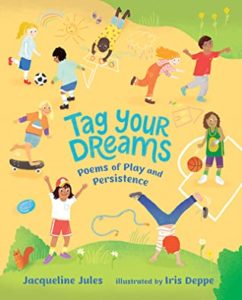
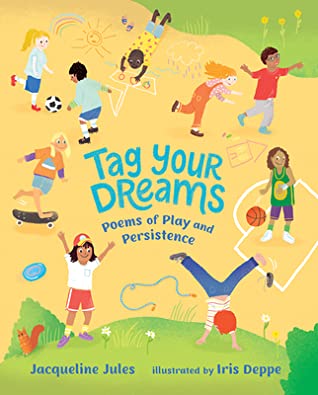
Tuesday: Tag Your Dreams: Poems of Play and Persistence by Jacqueline Jules, Illustrated by Iris Deppe

Thursday: It’s Okay To….

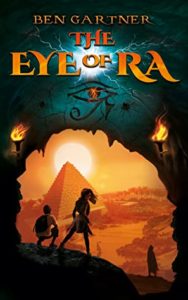
Sunday: Author Guest Post: “Handling Conflict in Middle Grade Novels” by Ben Gartner, Author of The Eye of Ra

**Click on any picture/link to view the post**

Bold_line

Kellee

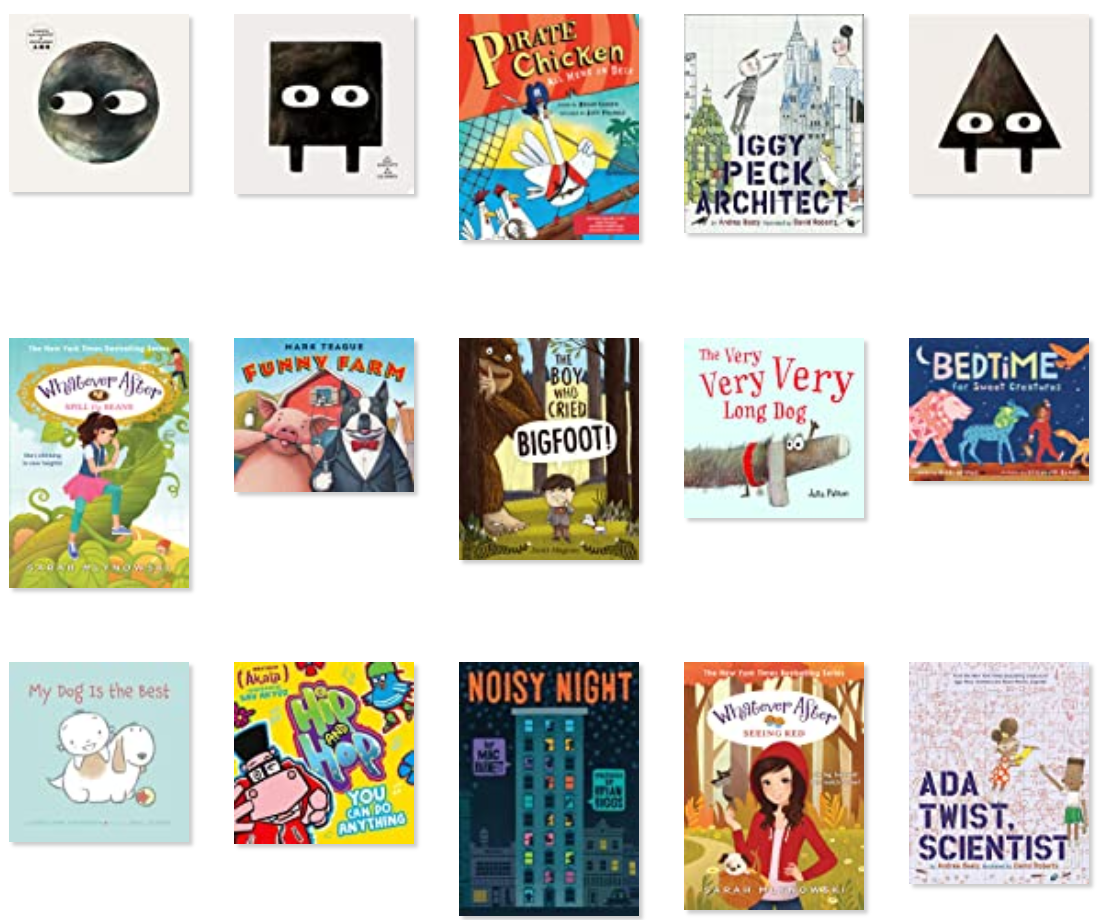
  • Whatever After series: The newest book in the series came out last Tuesday, so I had to catch up! I love this series–it is so much fun, smart the way the fairy tales are twisted, and just a lovely read.
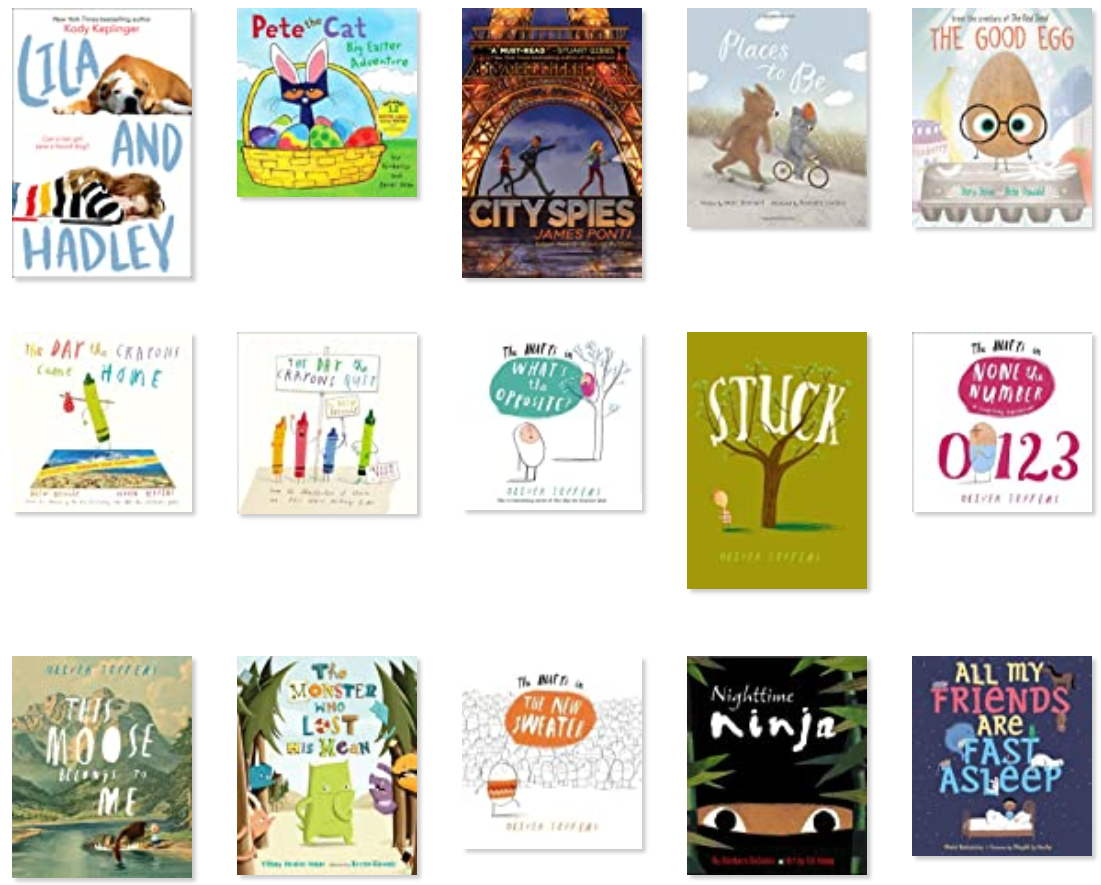
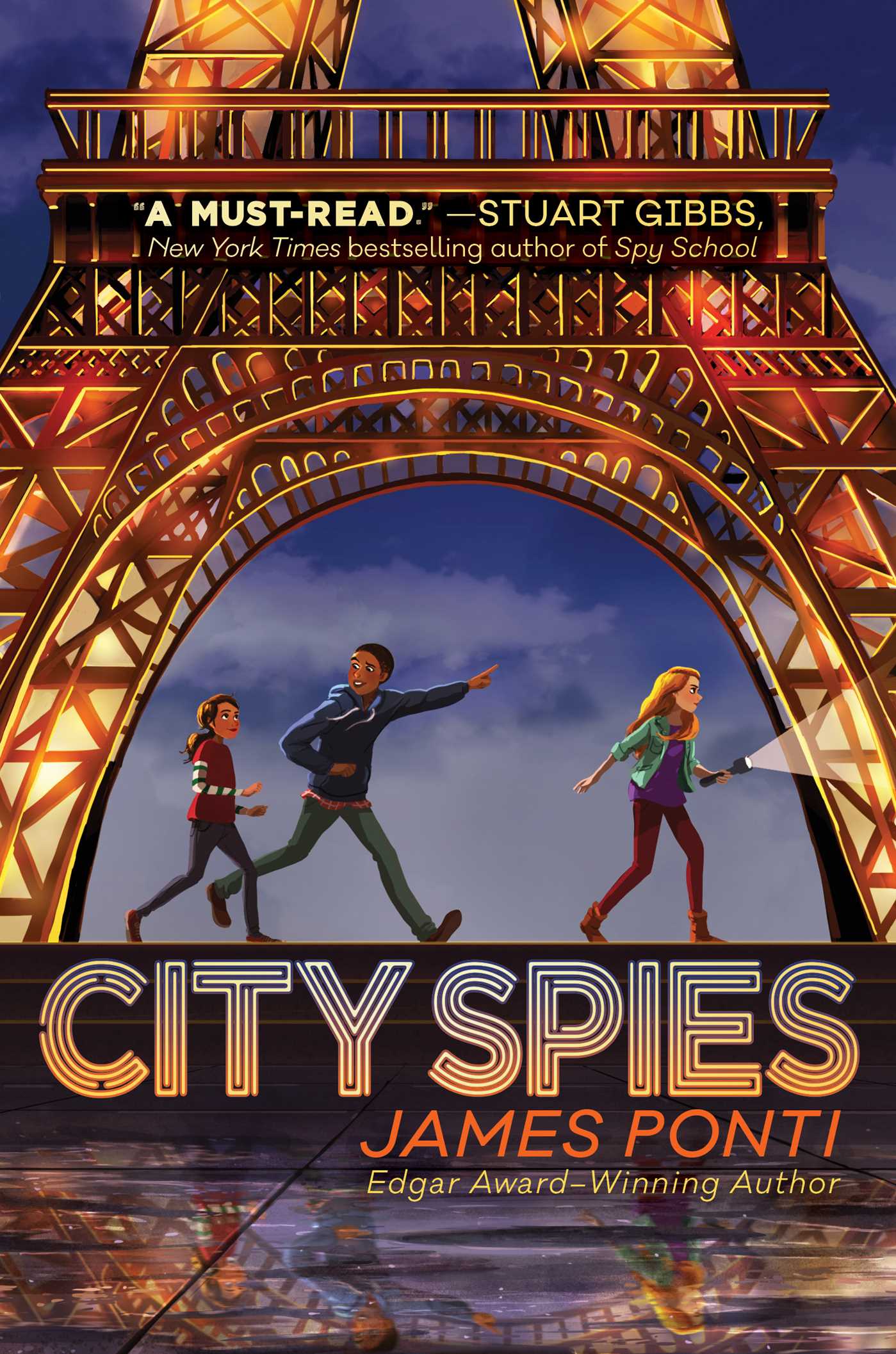
  • City Spies by James Ponti: As a huge fan of middle grade spy books, this is one I am going to definitely add to my recommendation list for those who love Alex Rider and other adventure books like that. Ponti did a great job developing an amazing team of teens that you connect to and root for!
  • Lila and Hadley by Kody Keplinger: “Hadley is angry about a lot of things: Her mom going to jail. Having to move to another state to live with her older sister, Beth, even though they haven’t spoken in five years. Leaving her friends and her school behind. And going blind. But then Hadley meets Lila.”
  • With Trent:
    • We’re reading the Questioneers books by Andrea Beaty for one of our virtual book clubs with a colleagues daughter. The books have so much to talk about!
    • Mac Barnett is a constant right now because of Mac’s Book Club Show Book Club. Trent will not allow us to miss one.
    • We sadly had gotten behind on Oliver Jeffers’s read alouds, so we did some binge watching/reading!
    • We are also going through our picture books to read some Trent never has before. We read quite a few fun ones this week. Trent’s favorites were:
      • The Monster Who Lost His Mean by Tiffany Strelitz Haber
      • Pirate Chicken: All Hens on Deck by Brian Yanish
      • Funny Farm by Mark Teague
      • My Dog is the Best by Laurie Ann Thompson

To learn more about any of these books, check out my 2020 Goodreads Challenge page  or my read bookshelf on Goodreads.

Ricki

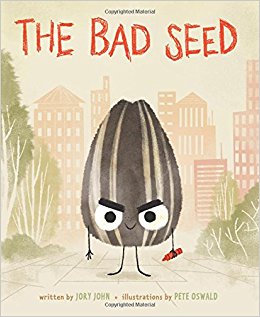
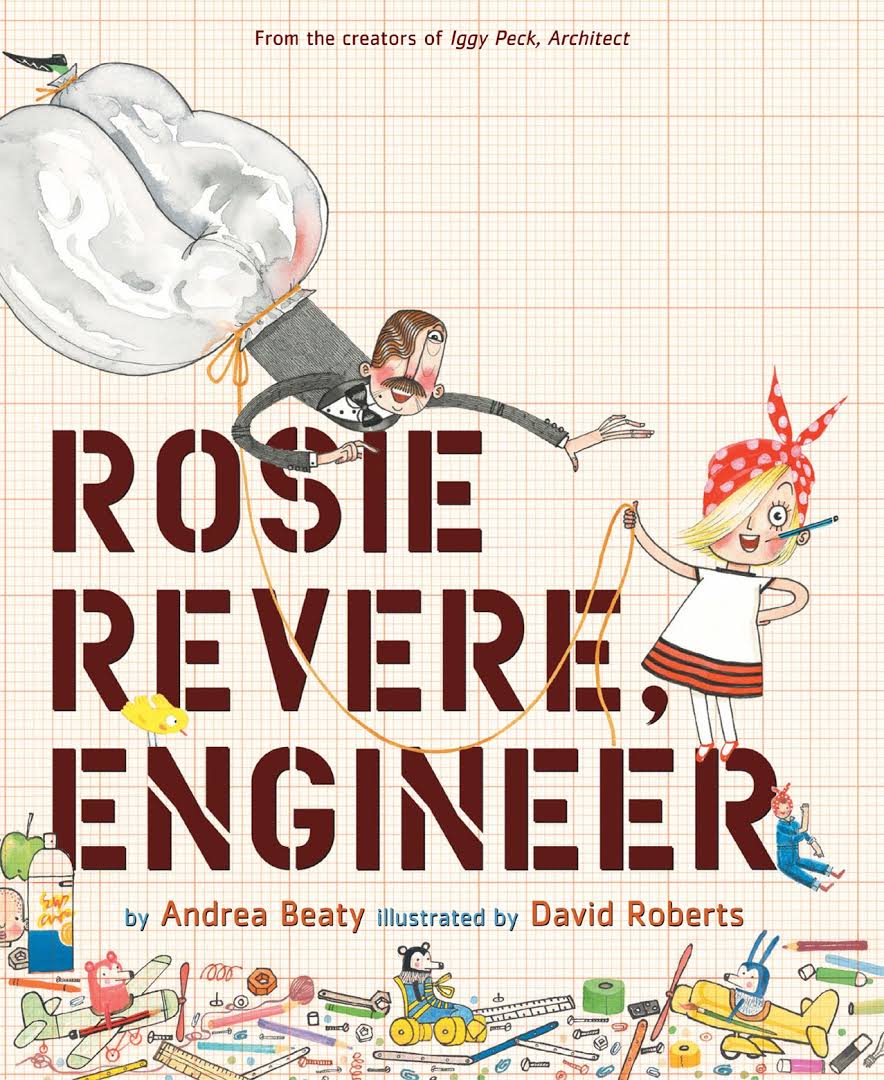
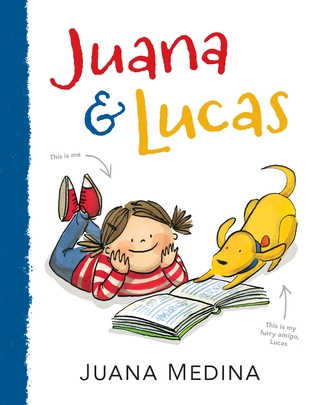
This week, I read a lot of phonics worksheets that my oldest son received as homework from school, but I don’t think those count? He also did a dozen worksheets each for The Bad Seed and Rosie Revere, Engineer. I love both of these books, so I enjoyed reliving them. He also finished Sideways Stories at Wayside School by Louis Sachar for his virtual book club. My middle son and I continue to read Juana & Lucas for his virtual book club (not finished with it yet). And my youngest son is really excited about closing any book we open, so he listens but tries to close the book every time I open the pages.

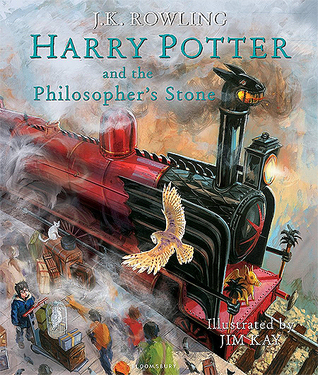
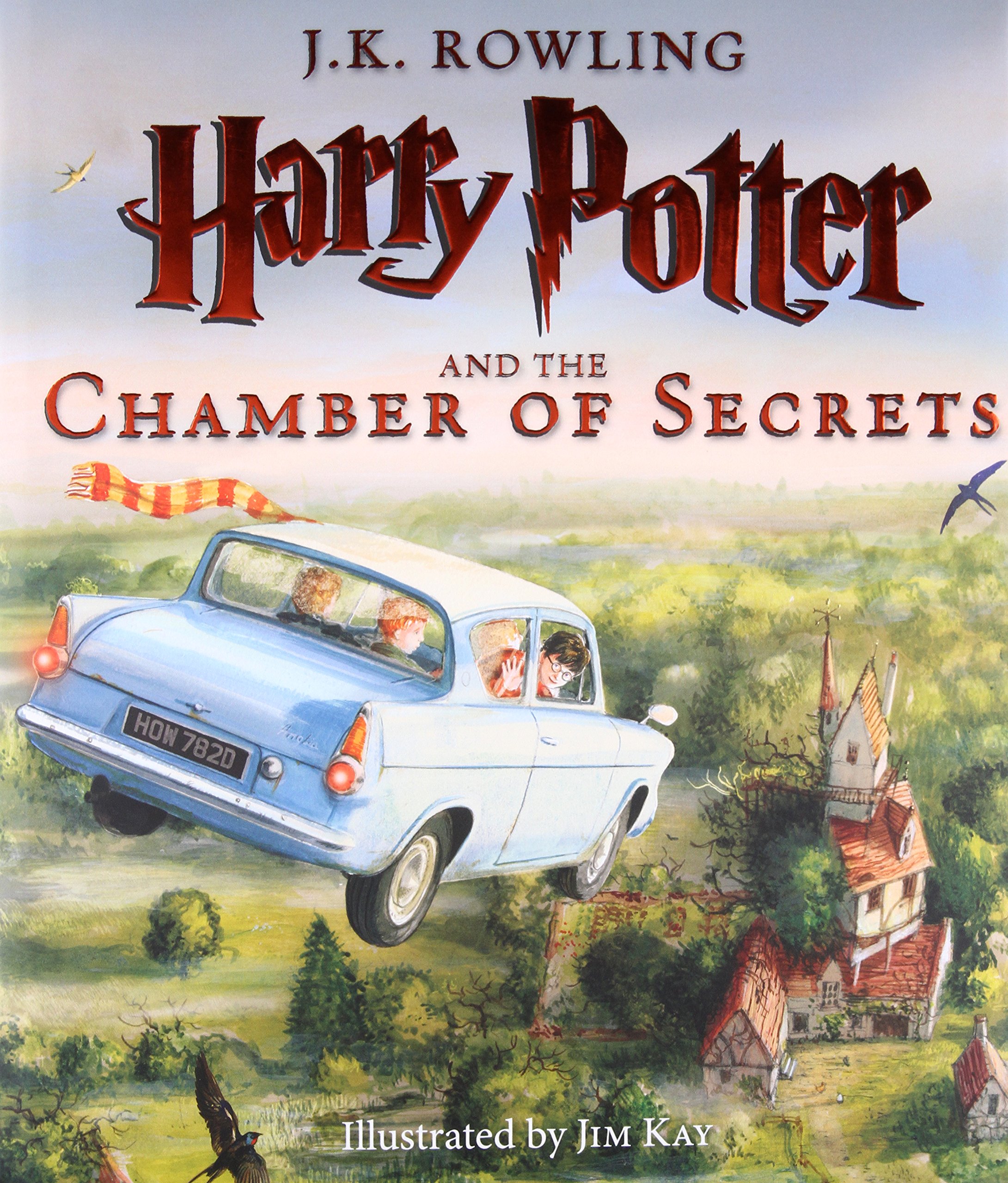
We officially closed the cover of the first illustrated Harry Potter book yesterday. I didn’t enjoy the series when I read it myself a decade ago, but I can officially say that I loved reading it with my kids.

As for me? I am kind of disappointed to say that I have not read any young adult books this week for myself. I have been really focused on working on my book for NCTE, so I’ve been doing a lot of writing. I miss reading a lot, but with the stay-at-home stuff, I don’t have many work hours, so I am compacting my 5-day work week into nights and weekends.

But tomorrow, I am going to try to teach my oldest son how to do stop animation. We are going to write a story together and put it into stop animation. I am hoping it goes well. Fingers crossed!

Bold_line

Kellee

  • Reading: What Stars Are Made Of by Sarah Allen
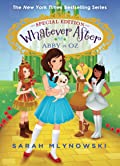
  • Listening: Abby in Oz by Sarah Mlynowski
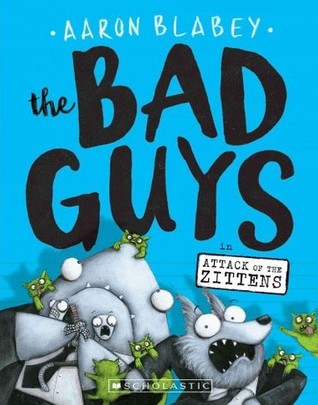
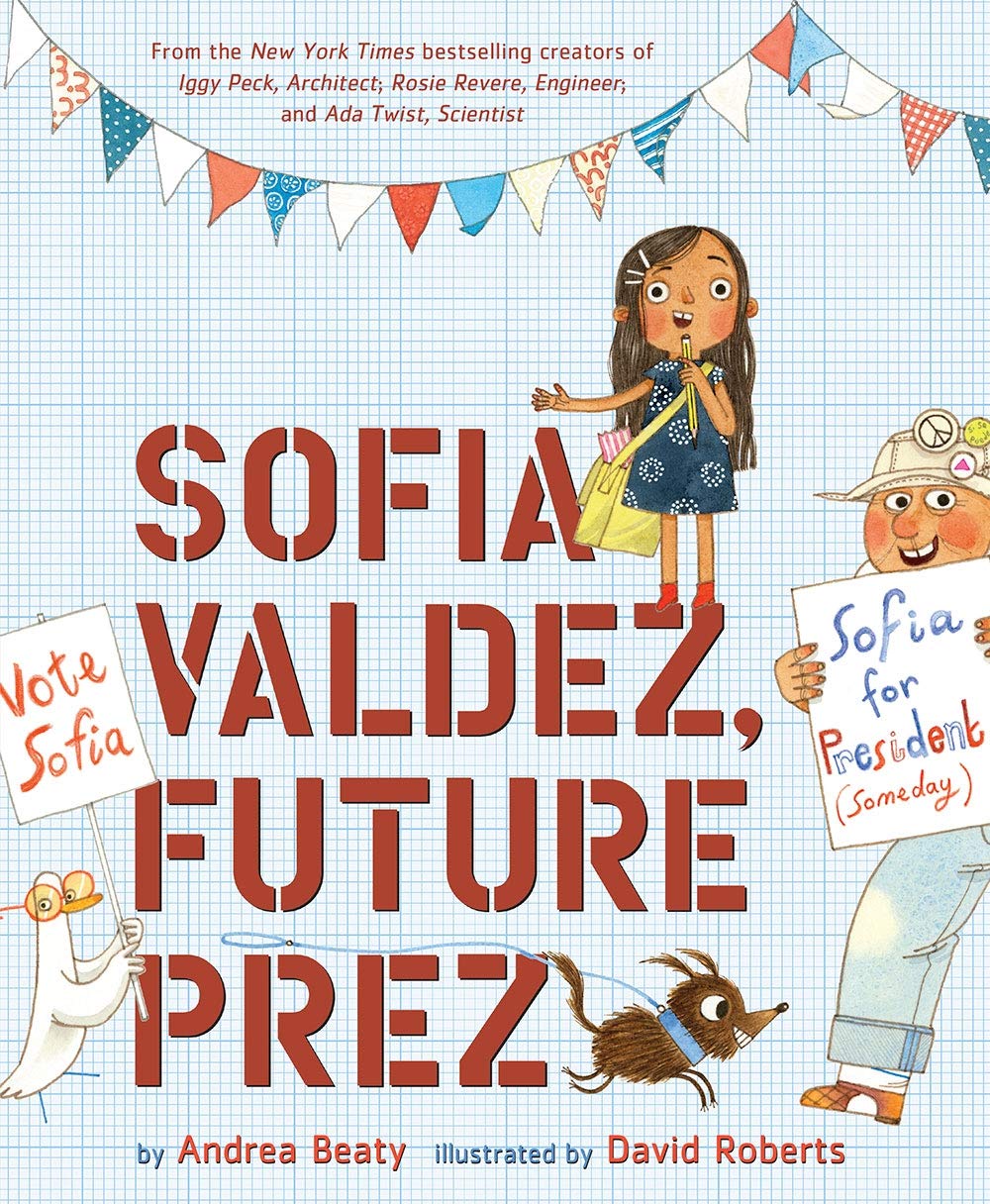
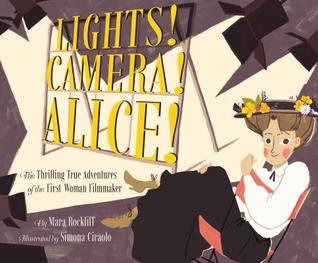
  • Reading with Trent: The Bad Guys: Attack of the Zittens by Aaron Blabey (Chapters 1-3 this week for virtual book club); Sofia Valdez, Future Prez by Andrea Beaty; & Lights! Camera! Alice! by Mara Rockliff
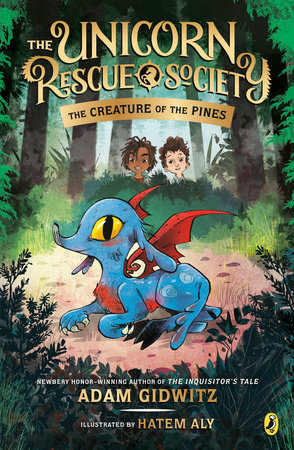
  • Listening with Trent: Unicorn Rescue Society: The Creature in the Pines by Adam Gidwitz (Chapters 1-4 this week for virtual book club)

Ricki

Henry and Trent are in two virtual book clubs together, so we will also be reading part of The Bad Guys: Attack of the Zittens by Aaron Blabey and Unicorn Rescue Society: The Creature in the Pines by Adam Gidwitz (see the photos Kellee posted above).

My middle son and I are still reading Juana & Lucas for his virtual book club. It’s fantastic.

My kids and I will also be starting Harry Potter and the Chamber of Secrets. Yahoo!

I am hoping I’ll be able to read something for myself, too. Stay well, everyone. <3

Bold_line

Tuesday: Ricki’s Reflection: Drawbacks of Homeschooling for My Child

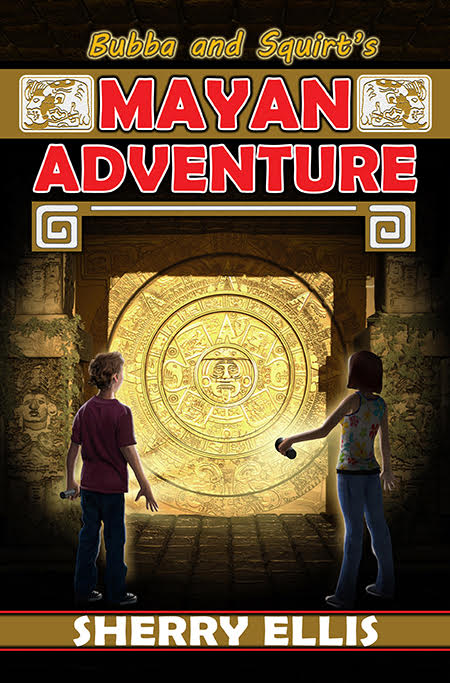
Sunday: Author Guest Post: “Ways to get Middle-Grade Students Excited About Reading” by Sherry Ellis, Author of Bubba and Squirt’s Mayan Adventure

Bold_line

Link up below and go check out what everyone else is reading. Please support other bloggers by viewing and commenting on at least 3 other blogs. If you tweet about your Monday post, tag the tweet with #IMWAYR!

 Signature andRickiSig

Author Guest Post: “Handling Conflict in Middle Grade Novels” by Ben Gartner, Author of The Eye of Ra

Share

“Handling Conflict in Middle Grade Novels”

On a school visit I did for The Eye of Ra (my middle grade time travel adventure novel), part of the reading included an argument between the two sibling main characters. In that reading, there was also reference to a first kiss (that elicited giggles) and the reveal of the tomb robber’s identity (that elicited gasps). Afterward, the students all wrote down on index cards something they enjoyed about the book and something they wondered about. Their feedback was awesome, but one of the cards stuck out to me in a unique way. A child had written that she really liked the scene where the two siblings have a fight. Of all the cards, and of all the important events that happened in that particular chunk of the book, this card made me contemplate where that child might have been in her mind’s eye in that moment during the reading. Had she had a fight with her brother that morning? Or her best friend? For whatever reason, that particular tiff struck a chord for that kid.

I love that index card and have it in my office because it reminds me that the emotional impact of our stories, the bond that can be established with a young reader (or any reader!), is such an important responsibility. How we handle and portray conflict must be realistic, but the most effective tension is nuanced. I try to avoid the over-the-top name-calling or blatant meanness for the sake of meanness. I give my kids the benefit of the doubt. Kids are smart; readers are smart.

Similarly, I recently received a comment from a reviewer who said he loved that The Eye of Ra “doesn’t have any objectionable content” (among other nicer things, ha!). And while I definitely appreciate and agree with this sentiment, it got me thinking about what that actually means. Objectionable content. There is danger, there is conflict, there is tension and frustration, but I try to handle those situations in a way that gets to the heart of the emotional matter without settling for “easy” triggering content such as bad words or name-calling. I mean, the world is full of conflict, there’s no denying that. And I’m not proposing we hide difficult topics from our children.

Let me give an example: I don’t claim to be a perfect parent or human, but in our house words like “stupid” and “shut up” are not a part of our typical vernacular. They’re disrespectful and they reflect more poorly on the person who mutters them than the person at whom they’re directed as an insult (again, I’m not innocent and careful to throw rocks in my glass house). Both of those words appear in The Eye of Ra, only a couple times, but they’re presented in a way that, at least for my family, is realistic in the context of the scene and the hot emotions, not just randomly for the sake of eliciting a response from the reader. They’re not flippantly lobbed around as casual words used every day and instead are treated as the stop words they are. Here are a couple of excerpts to demonstrate the point:

How could he have been so—so—stupid! Yes, he used that word.

And another:

“Shut up, Sarah!” As soon as he said it, he knew it was bad.

The latter demonstrates John showing empathy toward his sister. Upper elementary is when children first start to really develop a sense of empathy. This goes hand-in-hand with when they start to develop better skills at conflict resolution. Conflict happens. Kids fight. People fight. When we do, we might say things we don’t mean and we can become less mature and less respectful than we normally conduct ourselves. We need not hide that reality from children. Humans make mistakes. But those mistakes should be seen as opportunities for learning. And presenting conflict in a middle grade novel is a beautiful opportunity to showcase empathy and model effective conflict resolution techniques. Of course, I try to do so in a subtle way so the readers don’t feel they’re getting a lecture. I wrap it up in a “show not tell” approach where the character’s actions demonstrate the important human qualities of empathy and our ability to resolve conflicts.

In my book, John and Sarah argue and they do fight. They’re frustrated at their situation and they blow up and take it out on each other and say things they don’t mean. But it’s more of a reveal about their own emotional states than it is them trying to do harm to the other. When these characters lash out, there’s something going on under the surface that they don’t yet know how to express that is boiling over, and that drives the plot forward. Without declaring it loudly, our MG readers are capable of understanding that, along with tough topics like fighting and abstract concepts like empathy. And some exciting action and adventure certainly helps in getting the reader to step into the skin of, and empathize with, the characters!

If you wish to learn more about me, visit me here:

https://bengartner.com/
https://twitter.com/BGartnerWriting
https://facebook.com/BenGartnerAuthor/
https://instagram.com/bgartnerwriting/

Published February 1st, 2020 by Crescent Vista Press

About the Book: Exploring a mysterious cave in the mountains behind their house, John and his sister Sarah are shocked to discover they’ve time traveled to ancient Egypt!

Now they must work together to find a way back home from an ancient civilization of golden desert sand and a towering new pyramid, without parents to save them. The adventures abound—cobras, scorpions, a tomb robber, and more! The two kids have to trust each other, make friends who can help, and survive the challenges thrown at them . . . or be stuck in ancient Egypt forever.

For readers graduating from the Magic Treehouse series and ready for intense action, dive into this middle grade novel rich with meticulous historical detail.

Thank you, Ben! This book will be an awesome ladder between Magic Treehouse and Percy Jackson!

It’s Okay To…

Share

Exit the Editor

We are in a global pandemic—more people are dying daily than on 9/11. This means, we are teaching, and kids are learning, in a time of crisis.

We’ve been observing my fellow educators (teachers and parents alike) during this pandemic, and we have noticed that so many feel the pressure to continue as normal as much as possible; however, as more areas are deemed uninhabitable and unsafe, more adults lose jobs, and more kids are questioning their needs related to Maslow’s Hierarchy, we call for us to stop what our normal was because our normal is misguided for this situation. (We won’t even get started on the misguided aspects of our “normal” education system in general right now…)

To all educator adults (teachers, administrators, librarians, and parents/guardians):

It’s okay to…

  • not get to every assignment you had planned for the school year.
  • not follow the scope and sequence you originally had planned.
  • just have well-being conversations with kids instead of talking about content.
  • accept late work.
  • pause that absent policy you valued.
  • give less work.
  • listen to excuses right now—they’re probably reasons.
  • let students guide instruction.
  • allow students a chance to just chat with each other.
  • have kids’ screen time be at an all time high.
  • focus less on standards (we have grave concerns with how standards are implemented in schools anyways!).
  • give choice in learning.
  • not master online teaching (because this is not online teaching at its best).
  • seek other’s advice and use their ideas (with their permission).
  • focus on depth and spend the next several months working on one intensive project (that uses the outdoors, if possible).
  • be forgiving of ourselves and each other in general.
  • be honest with our students/kids about our own fears (at an age-appropriate level).
  • show mistakes and learning curves.
  • have some fun with your kids because they may be drowning in fear and anxiety.
  • not get this right; no one will get this perfectly right.
  • take a break if you or your family needs the break. 
  • cry.
  • teach with empathy and grace. https://medium.com/@gross_75366/crisis-teaching-with-empathy-and-grace-891850a635a8 
  • [Insert what we are missing in the comments. We know we are missing a lot here.]

Actually, all of this is more than just okay,

Be patient with the kids in your lives and, more importantly, be patient with yourselves. 

and

Review and Giveaway!: Tag Your Dreams: Poems of Play and Persistence by Jacqueline Jules, Illustrated by Iris Deppe

Share

Tag Your Dreams: Poems of Play and Persistence
Author: Jacqueline Jules
Illustrator: Iris Deppe
Published April 1st, 2020 by Albert Whitman & Company

Summary: Whether just trying out for the team or reaching for the Olympics, there’s something for every reader in this playful poetry collection! From baseball, basketball, and football to double-dutch, mini-golf, and turning a cartwheel, these poems look at facing fears, dreaming big, and never giving up. This well-rounded collection explores sports and play across all abilities and backgrounds.

About the Author: Jacqueline Jules has been writing poems since middle school. Her poetry has been published in over a hundred publications. She is also the author of more than forty books for young readers, including the Zapato Power series, the Sofia Martinez series, and Duck for Turkey Day. She lives in northern Virginia and enjoys giving poetry workshops to students, teachers, and anyone else who loves poetry as much as she does. To learn more, and to download free classroom materials, visit her online at jacquelinejules.com.

Praise: 

“Jules presents a plethora of possibilities as the theme of children at play provides the structure for a collection of poems that encourage and applaud. . . . Fun and games, with something deeper to think about.” —Kirkus

“If you are looking for lighthearted, joyous, and youthful poems about childhood, this is the perfect selection for your bookshelves.” —Booklist

Review: Happy National Poetry Month! To celebrate, I knew I had to highlight this wonderful poetry book for two reasons:

1) It combines playing and poetry which will help with the engagement of reading poetry. It also teaches great lessons.

2) During this time of sheltering in place, play and persistence are both things we definitely need to encourage!

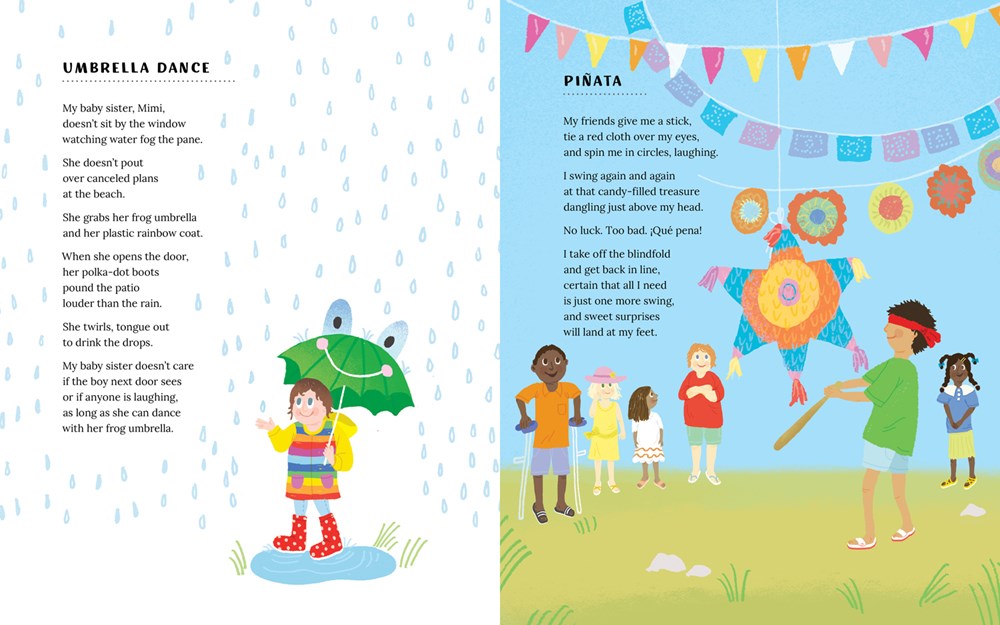
Jacqueline Jules does such a fantastic job with adapting each poem to the activity she is writing about and the fun illustrations by Iris Deppe bring the play to life. This is a poem book I recommend specifically now but also for all classrooms to use and have to explore this playful poetry.

Teachers’ Tools for Navigation: While Jules’s book represents many playground and outdoor activities, it doesn’t include everything. Have students write their own poems of play about the activity they love to do the most. To challenge them, ask them to put a conflict in the poem that must be overcome, so the poem includes a lesson of persistence.

Discussion Questions: 

  • Pick one of the activities written about that you have never done (that is reasonable to do). Do it then write a journal reflecting what it was like–maybe even try writing a poem about it!
  • Find examples of figurative language, such as imagery or personification, in one of Jules’s poems.
  • Which poem’s activity did you connect with the most?
  • Which poem’s lesson did you connect with the most?

Flagged Passages: 

Read This If You Love: Poetry, Sports

Recommended For: 


Giveaway!: 

a Rafflecopter giveaway

Signature

**Thank you to Blue Slip Media for providing copies for review and giveaway!**

It’s Monday! What Are You Reading? #IMWAYR 4/6/20

Share

It’s Monday! What Are You Reading?
Sharing Picture Books, Early Readers, Middle Grade Books, and Young Adult Books for All Ages!

It’s Monday! What Are You Reading? is a weekly blog hop co-hosted by Unleashing Readers and Teach Mentor Texts which focuses on sharing books marketed for children and young adults. It offers opportunities to recommend books to each other.

The original IMWAYR, with an adult literature focus, was started by Sheila at Book Journeys and is now hosted by Kathryn at The Book Date.

We encourage you to write your own post sharing what you’re reading, link up below, leave a comment, and support other IMWAYR bloggers by visiting and commenting on at least three of the other linked blogs.

Happy reading!

*Please note the new IMWAYR button! 🙂 Feel free to continue using the other one or change to this one.*

Bold_line

Updated Often: The Big List of Online Learning Resources for COVID-19 and Quarantine

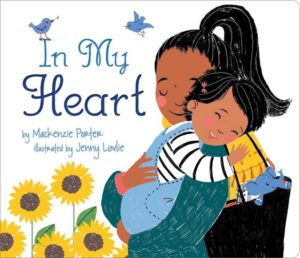
Tuesday: In My Heart by Mackenzie Porter, Illustrated by Jenny Løvlie

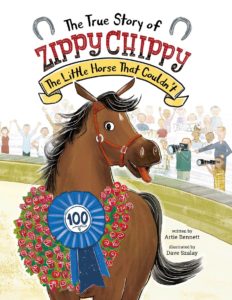
Sunday: Author Guest Post: “A Man of My Word: How Wondrous Words and Wordplay Make Children’s Books Shine” by Artie Bennett, Author of The True Story of Zippy Chippy: The Little Horse That Couldn’t

**Click on any picture/link to view the post**

Bold_line

Kellee

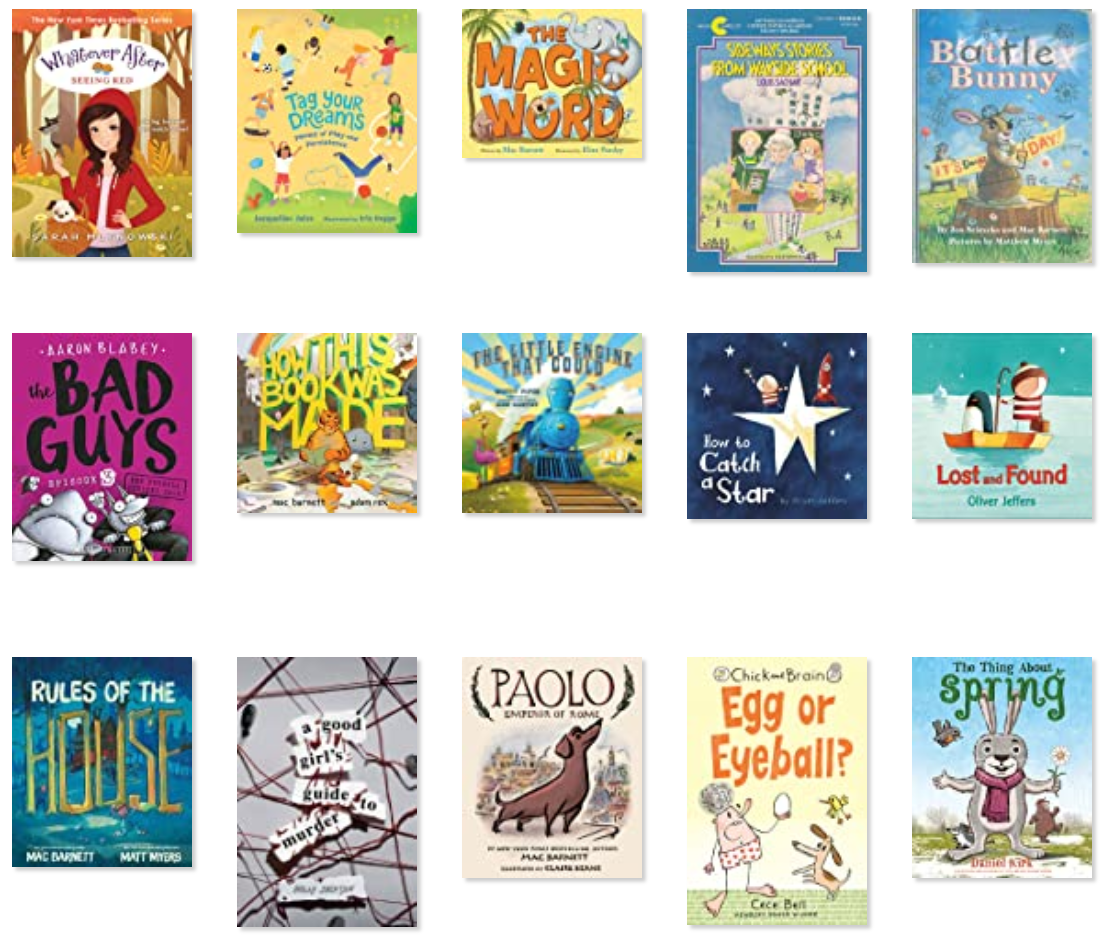
  • Seeing Red by Sarah Mlynowski: The Whatever After series is such comfort read for me. I love fairy tale retellings and the twist Mlynowski puts on them makes for so much fun.
  • The Good Girl’s Guide to Murder by Holly Jackson: Karen McManus and Serial fans, take note! You will want to read this true crime-like novel!
  • With Trent:
    • More Mac Barnett and Oliver Jeffers! Trent CANNOT get enough of the two of them! We have THE BOY Anthology, and he has been taking it with him just to read out of it. And Mac Barnett is just so darn engaging. I am so thankful that they, and other authors, have stepped up to help us engage our kids during this global crisis.
    • The second Chick or Brain book by Cece Bell just came out, and it is just as ridiculous as the first and with some new characters!
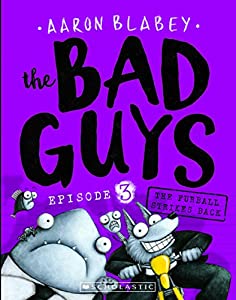
    • For two of our book clubs, we finished Sideways Stories from Wayside School by Louis Sachar and Bad Guys: Furball Strikes Back. Honest moment: Sideways just did not hold up for me; it was one of my favorite books as a kid, but I just didn’t love it as an adult. Trent loved it though, so the engagement lives on. The Bad Guys series is just phenomenally clever and funny–we’re eating up that series!

To learn more about any of these books, check out my 2020 Goodreads Challenge page  or my read bookshelf on Goodreads.

Ricki

The boys loved reading The Bad Guys, Episode 3: The Furball Strikes Back. The books are great because they are very engaging with a lot of pictures. The boys love how they border on inappropriate, so they are engaged from the moment I start reading.

Bold_line

Kellee

  • Reading: City Spies by James Poni
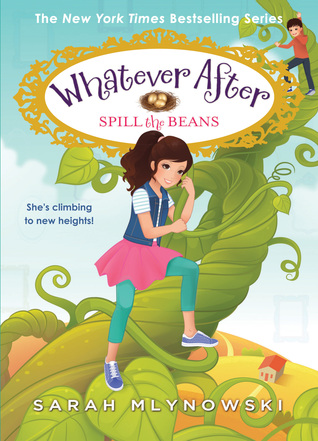
  • Listening: Whatever After: Spill the Beans by Sarah Mlynowski
  • Reading with Trent: Books for our 3 different virtual book clubs

Ricki

I’ve been working late nights writing a book. I am excited to finish a couple of longer books with the boys. I am reading a young adult book that is popular but just isn’t grabbing me—I think because it is too depressing in a time period that is awfully depressing. It is slowing me down, and I am wanting to give myself permission to put it down. Is this happening to anyone else?

Bold_line

Tuesday: Review and Giveaway!: Tag Your Dreams: Poems of Play and Persistence by Jacqueline Jules, Illustrated by Iris Deppe

Thursday: It’s Okay To….

Sunday: Author Guest Post: “Handling Conflict in Middle Grade Novels” by Ben Gartner, Author of The Eye of Ra

Bold_line

Link up below and go check out what everyone else is reading. Please support other bloggers by viewing and commenting on at least 3 other blogs. If you tweet about your Monday post, tag the tweet with #IMWAYR!

 Signature andRickiSig

Author Guest Post: “A Man of My Word: How Wondrous Words and Wordplay Make Children’s Books Shine” by Artie Bennett, Author of The True Story of Zippy Chippy: The Little Horse That Couldn’t

Share

“A Man of My Word: How Wondrous Words and Wordplay Make Children’s Books Shine”

With the world turned topsy-turvy, the healing and comforting power of humor will help see us through. I hope that this guest post will provide a small measure of mirth and merriment, true tonic for these times.

As a lad, I developed a fascination with words—the bigger, the better. I began to collect them—and my collection, though not tangible like my shoeboxes full of baseball cards or my plastic dinosaur figurines—was just as highly prized. By the way, there is even a big word for big words. The word is “sesquipedalian,” and it literally means “one and a half feet long.” These are big words, after all.

My first big word was “antidisestablishmentarianism.” I took a special satisfaction in being able to spell this one at so tender an age. I could even define it. It meant “the movement against the people against the church.” While I never had occasion to use this gem in a sentence, I can recall spelling it aloud for my aunts and uncles. I would swell with pride as I nailed all twenty-eight letters. Everyone thought I was a genius. A boy wonder! But I knew better.

My next big find was one that most of you probably know: “supercalifragilisticexpialidocious”—even though the sound of it is something quite atrocious. If you say it loud enough, you’ll always sound precocious. Supercalifragilisticexpialidocious. It is, of course, from Mary Poppins and it means “absolutely fantastic.” I loved saying this word. When I hit a three-sewer home run at stickball, it was supercalifragilisticexpialidocious. Yes, I loved saying this word . . . until I found out that it was made up for the show. It didn’t really exist. So that’s why I couldn’t find it in any dictionaries, try as I might! Why did the songwriters have to make up a word? Wasn’t this cheating? I mean, couldn’t they have written a song about, say, antidisestablishmentarianism? I can hear it: “Antidisestablishmentarianism—even though the sound of it renews our humanism.” Hmm.

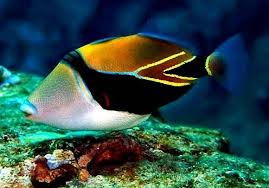
My next marvel was the improbable “humuhumunukunukuapua’a,” a name that is bigger than the critter itself. It’s a very colorful triggerfish, found along the coral reefs of Hawaii. Now, because the Hawaiian alphabet has only twelve letters, the words sometimes get a mite repetitive. But this one was truly absurd. I encountered it while watching an episode of my favorite boyhood show—The Little Rascals. Our Gang competes in a radio audition against several performers, including a crooner singing “I Want to Go Back to My Little Grass Shack,” complete with pint-size hula girls. The song featured the lyric “where the humuhumunukunukuapua’a go swimming by.” Imagine my breathless excitement when I actually found this word in an unabridged dictionary, though it took several attempts to locate it.

Then I made the acquaintance of a forty-five-letter monster, “pneumonoultramicroscopicsilicovolcanoconiosis,” a lung disease caused by the inhalation of very fine silica particles. Now that’s a mouthful—I mean, a lungful. Can you imagine a doctor diagnosing it? The patient would surely die of terror before the doctor completed the diagnosis.

My next beaut was “floccinaucinihilipilification,” which means “estimating something as worthless.” It was the longest word in the Oxford English Dictionary until “pneumonoultramicroscopicsilicovolcanoconiosis” eclipsed it in the second edition. The first recorded use of this word was in 1741 in the sentence “I loved him for nothing so much as his floccinaucinihilipilification of money.” Indeed! And this corker of a word made it into the Congressional Record in 1999, when Senator Jesse Helms proclaimed his floccinaucinihilipilification of the Comprehensive Nuclear Test-Ban Treaty.

My love affair with words deepened dramatically when I stumbled upon a complete, ten-volume set of the Oxford Universal English Dictionary on Historical Principles in the incinerator room of my grandmother’s apartment building in Brooklyn. Someone had discarded this precious trove. Imagine that! My Old World grandmother couldn’t quite understand why I refused to give her one measly volume, sharing the bounty. After all, I had ten! It was divided into A–Bro, Bro–Dec, Dec–Fit . . . and, of course, it was inseparable—and so was I, with it. How I treasured my dictionary! I took to reading it nightly, and I proudly, perhaps insufferably, flaunted the new additions to my vocabulary.

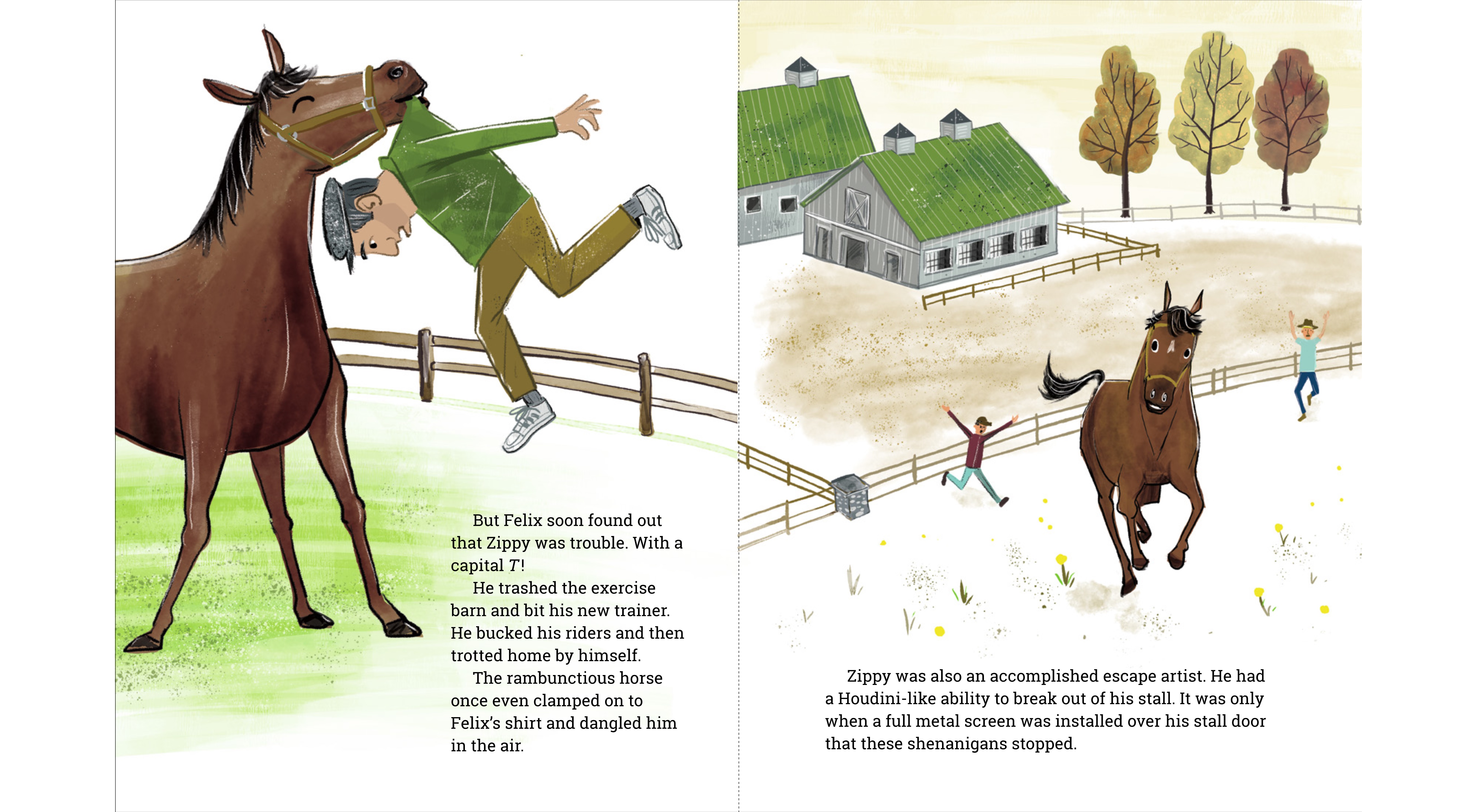
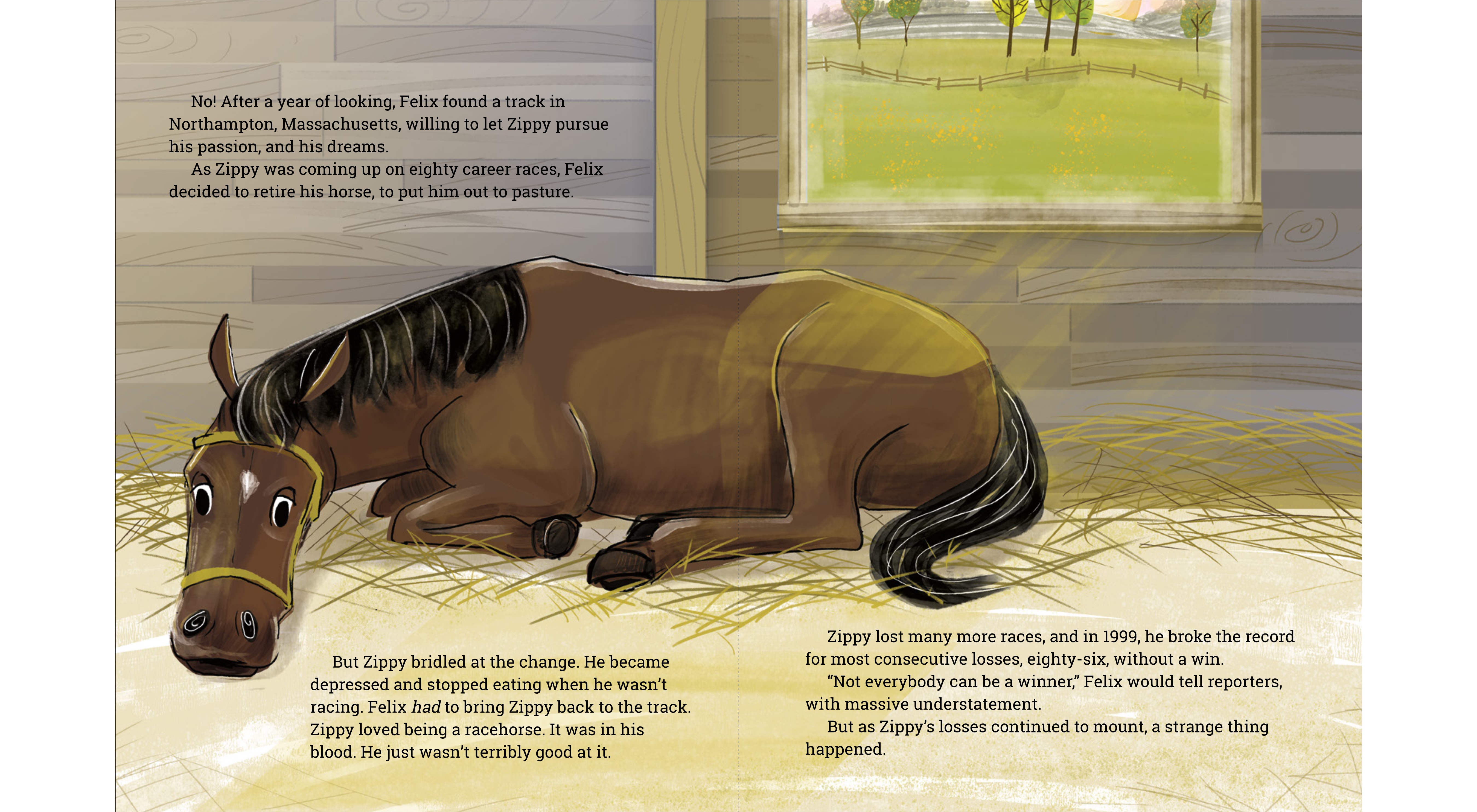
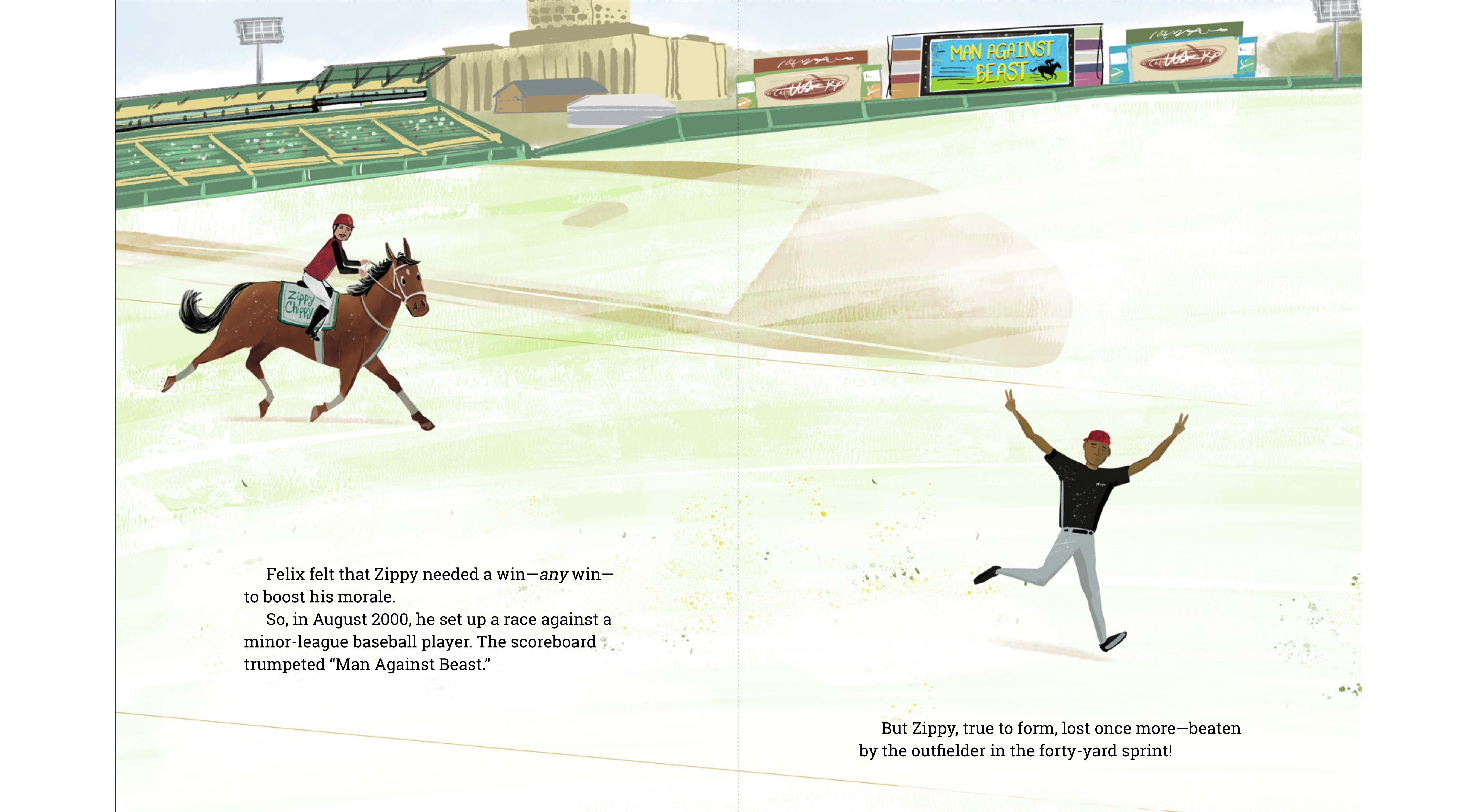
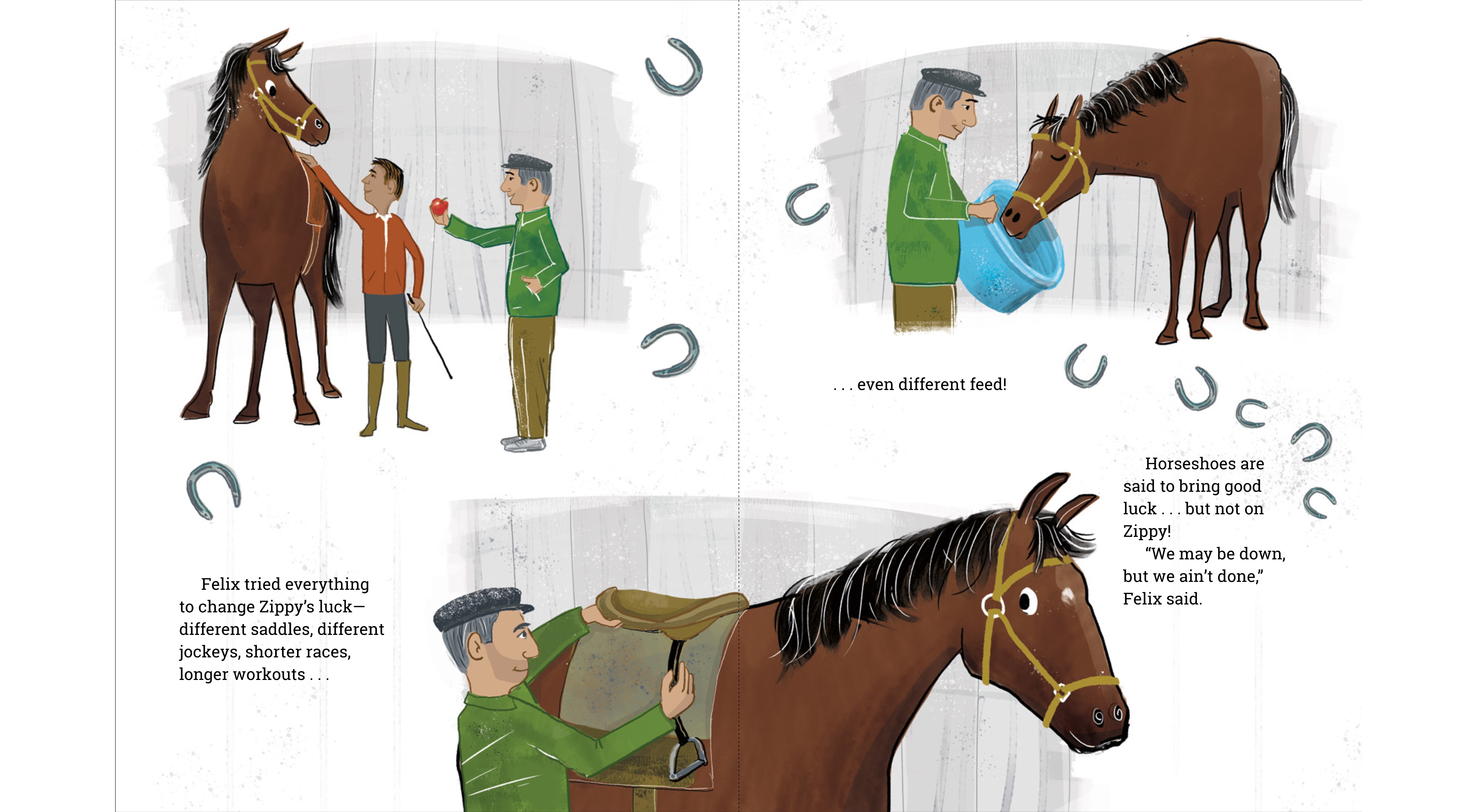
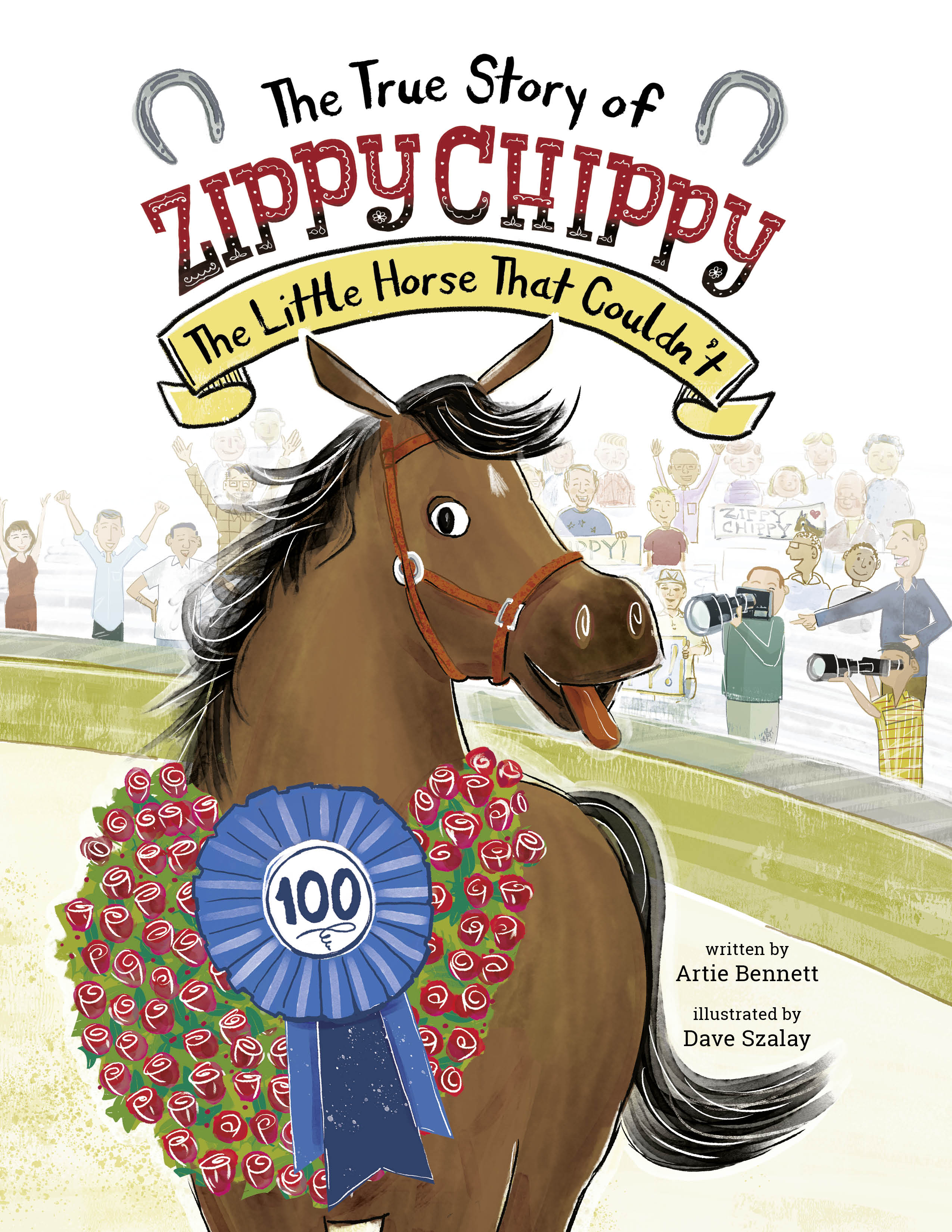
So it was only natural that I would pour my lifelong love of words and wordplay into my children’s books. I’ve made a point of introducing unfamiliar, though kid-friendly, words to young readers while also giving them a spoonful of wordplay. My brand-new children’s book, The True Story of Zippy Chippy: The Little Horse That Couldn’t, a heart-tugging, inspiring picture-book biography of a fabled racehorse, lovingly illustrated by Dave Szalay, enjoys a rich and rewarding vocabulary, with a large dollop of wordplay. Among the marvelous words you’ll find are “wafting,” “hapless,” “rambunctious,” “shenanigans,” “emblazoned,” “nuzzled,” “ballyhooed,” “heyday,” “vanquishing,” “zaniest,” and more, colorful words not often found in a picture book. These are words that are fun to say and they enrich the story of the beloved horse who ran 100 races and lost every one. And delicious, understated wordplay abounds. “Zippy bridled at the change,” “his losses continued to mount,” “to add a little horsepower,” “a running joke” are but a few examples.

Here are a few pages:

The inimitable Dr. Seuss coined scores of fantastic words, from “bar-ba-loots” to “zummers.” He, of course, gave us the term “grinch” and is credited with the first use of the word “nerd,” a creature from If I Ran the Zoo. His antic use of language makes his books so unforgettable. They resonate with parent and child alike, generation after generation. And they unleash readers.

I’m a great exponent of stretching youngsters’ vocabularies. They can puzzle out unfamiliar words within the story’s context. And if they’re flummoxed, they can always turn to a dictionary for assistance. My hope is that they will make these words their own as they develop a deep appreciation for language’s playful possibilities. The more words we know, the better we can communicate, the sharper our thinking will be, and the more equipped we’ll be for life’s challenges.

I regularly hear from educators and librarians about how my books never tarry on the shelves and how they show students how much fun a book can be. A great deal of this has to do with their exuberant use of language. Also, I’ve been blessed to have such talented illustrators with complementary senses of humor.

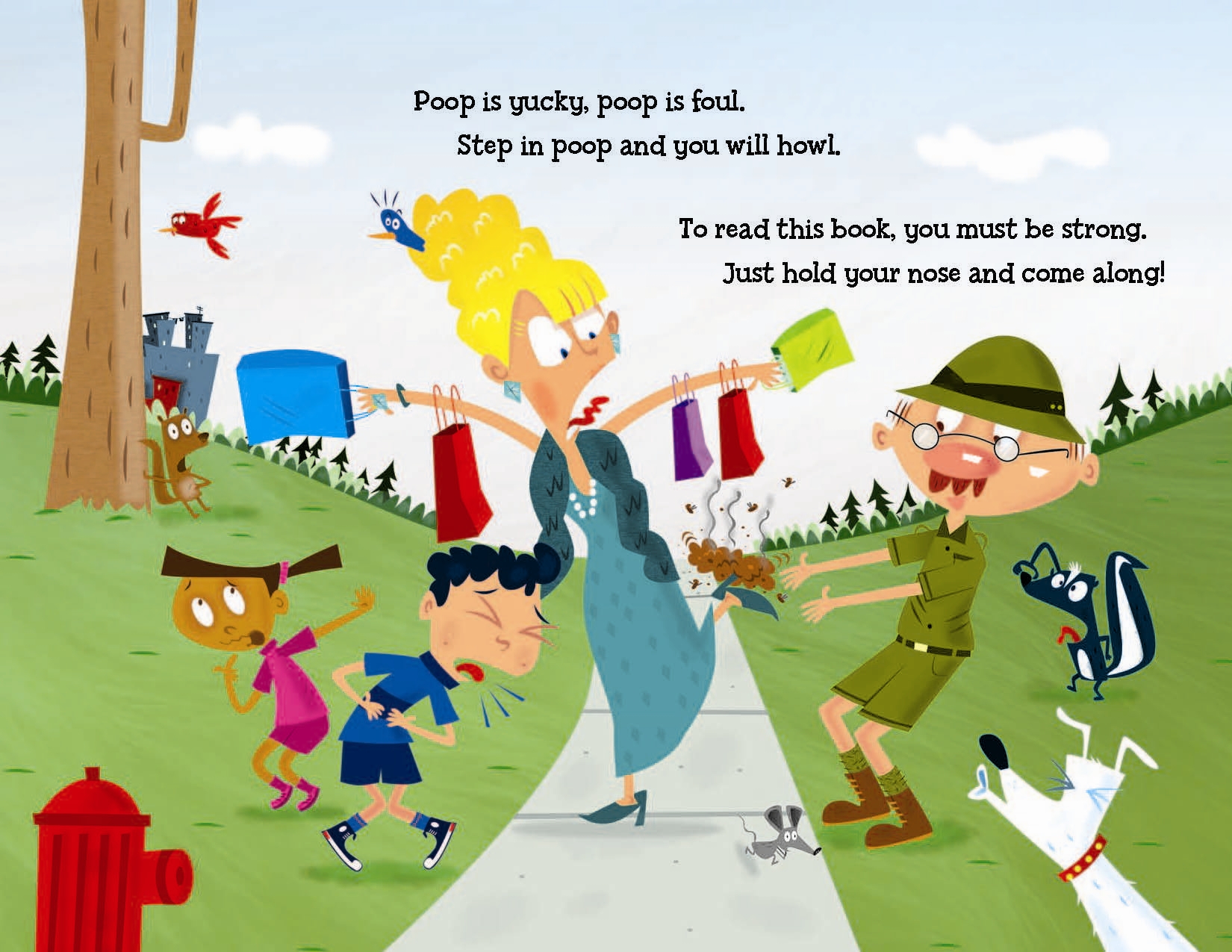
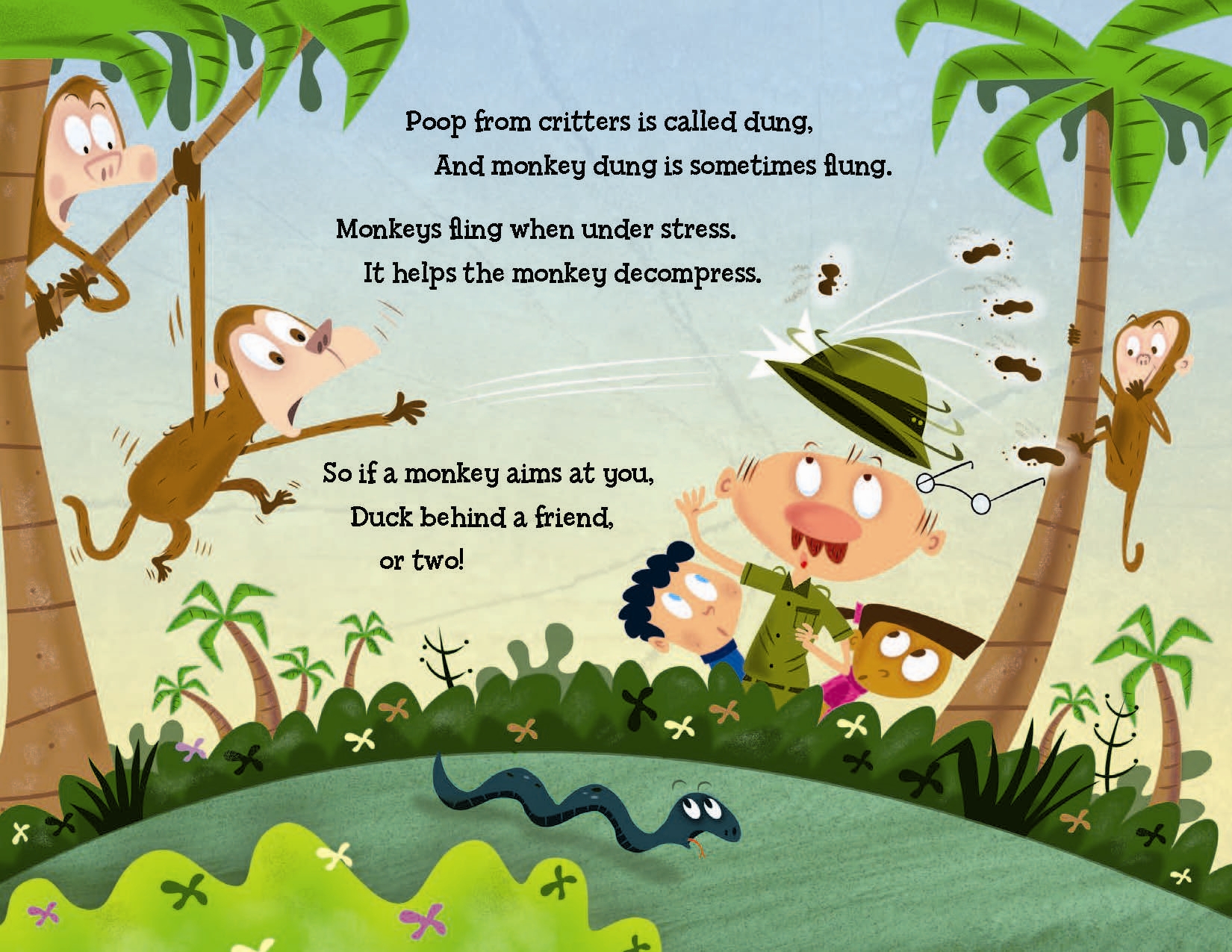
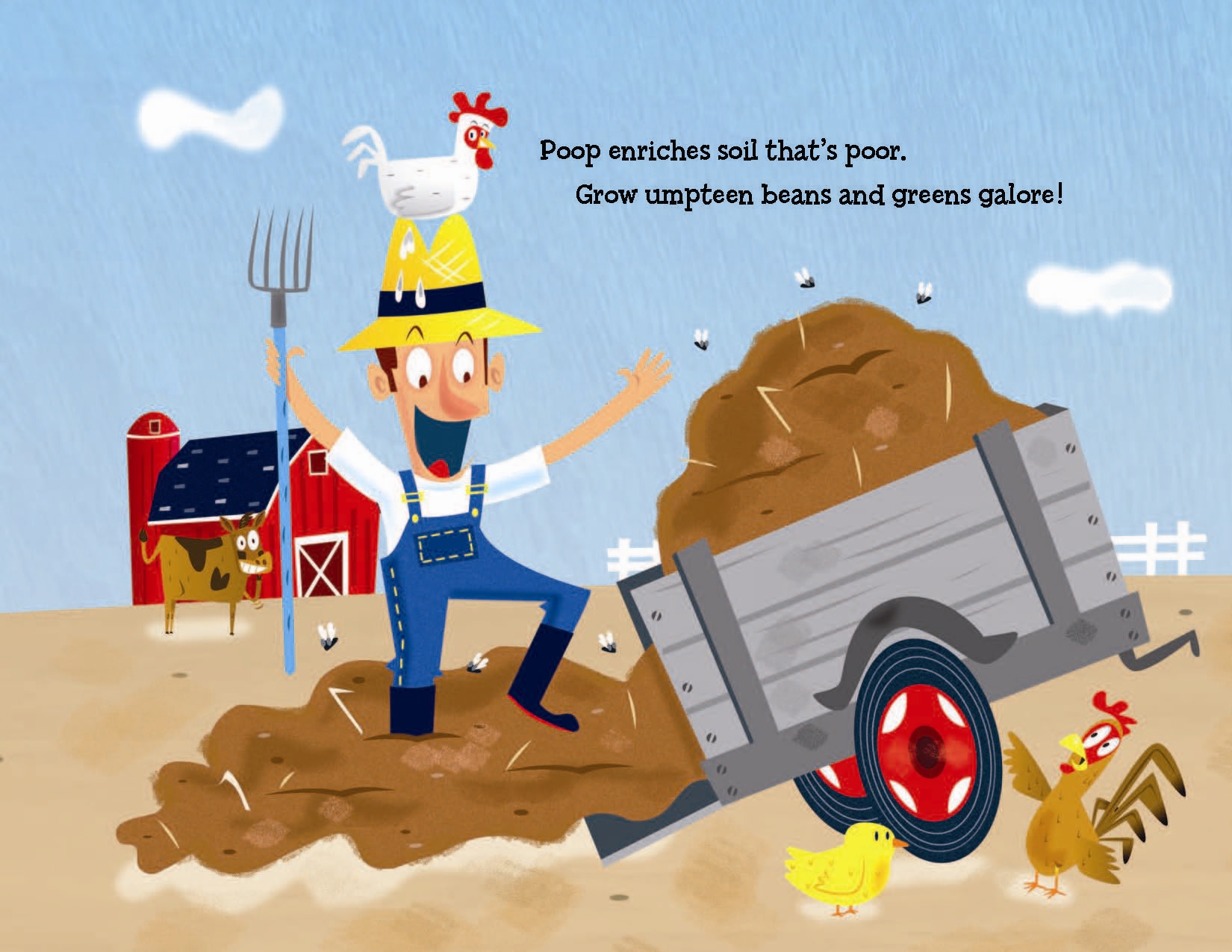
My “number two” picture book, Poopendous!, one of my five picture books in verse, has a portmanteau-word title that’s immensely fun to say. It’s a book that revels in humor and wordplay and is filled with joyful facts. I love asking students at my school appearances if the word “poopendous” can be found in the dictionary. And if not, how could I possibly use it for my title. Their responses never fail to delight me. The introductory couplet sets the stage for the inspired wackiness to come:

I’m Professor Pip Poopdeck. Welcome aboard!
We’re exploring a substance that most have ignored.
An icky-poo subject folks don’t care to visit.
Quite putrid and shocking and horrid . . . or is it?

Here are a few images from this fun book:

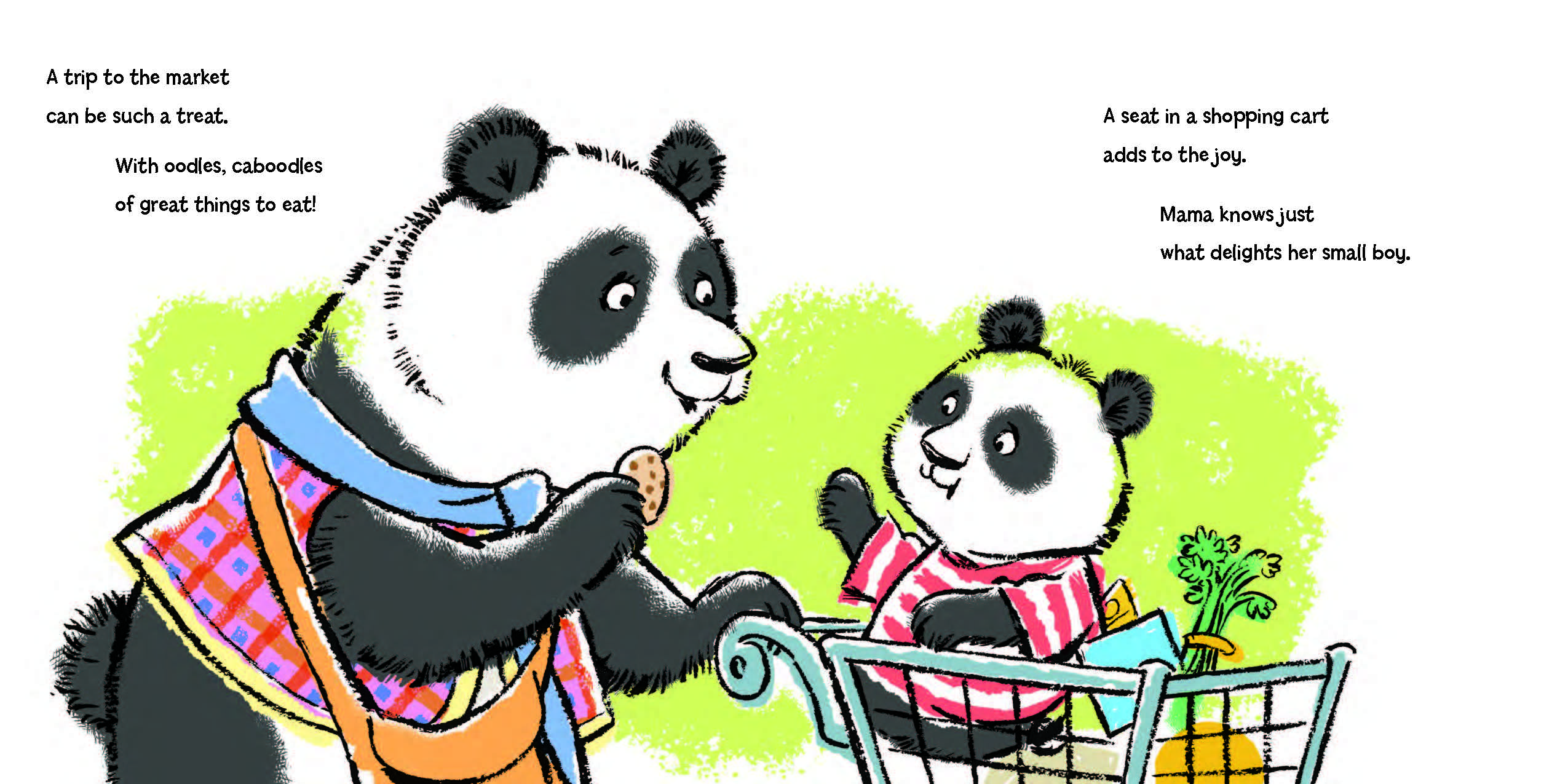
In Peter Panda Melts Down!, my first storybook, we meet a tantrum-tossing cub whose mama is struggling to avoid the mother of all meltdowns herself. I experimented with the use of a refrain, and surprise variations along the way. The refrain has an interactive element that pulls youngsters into the story. And it has some delightful, fanciful words as well. Here are a couple images:

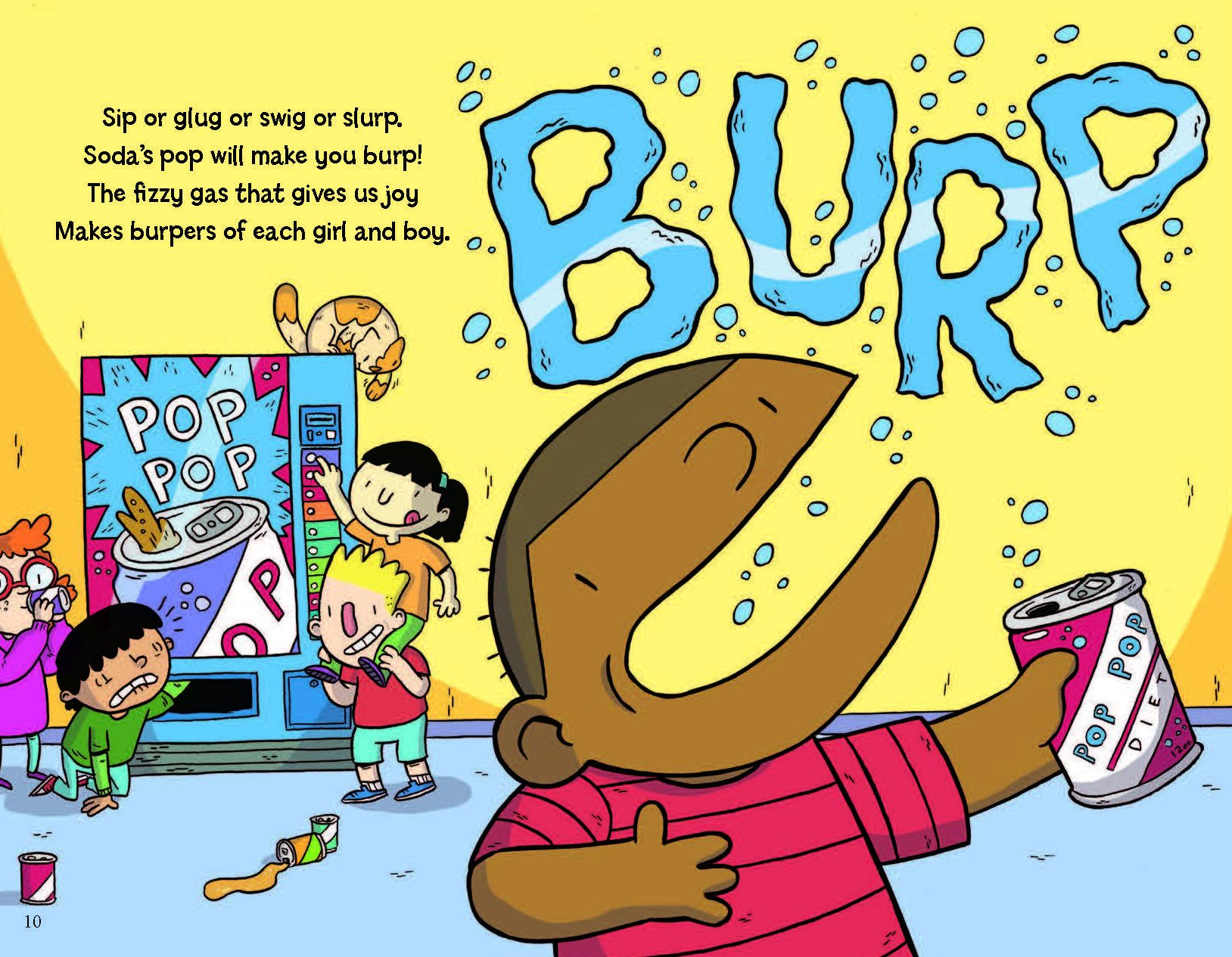
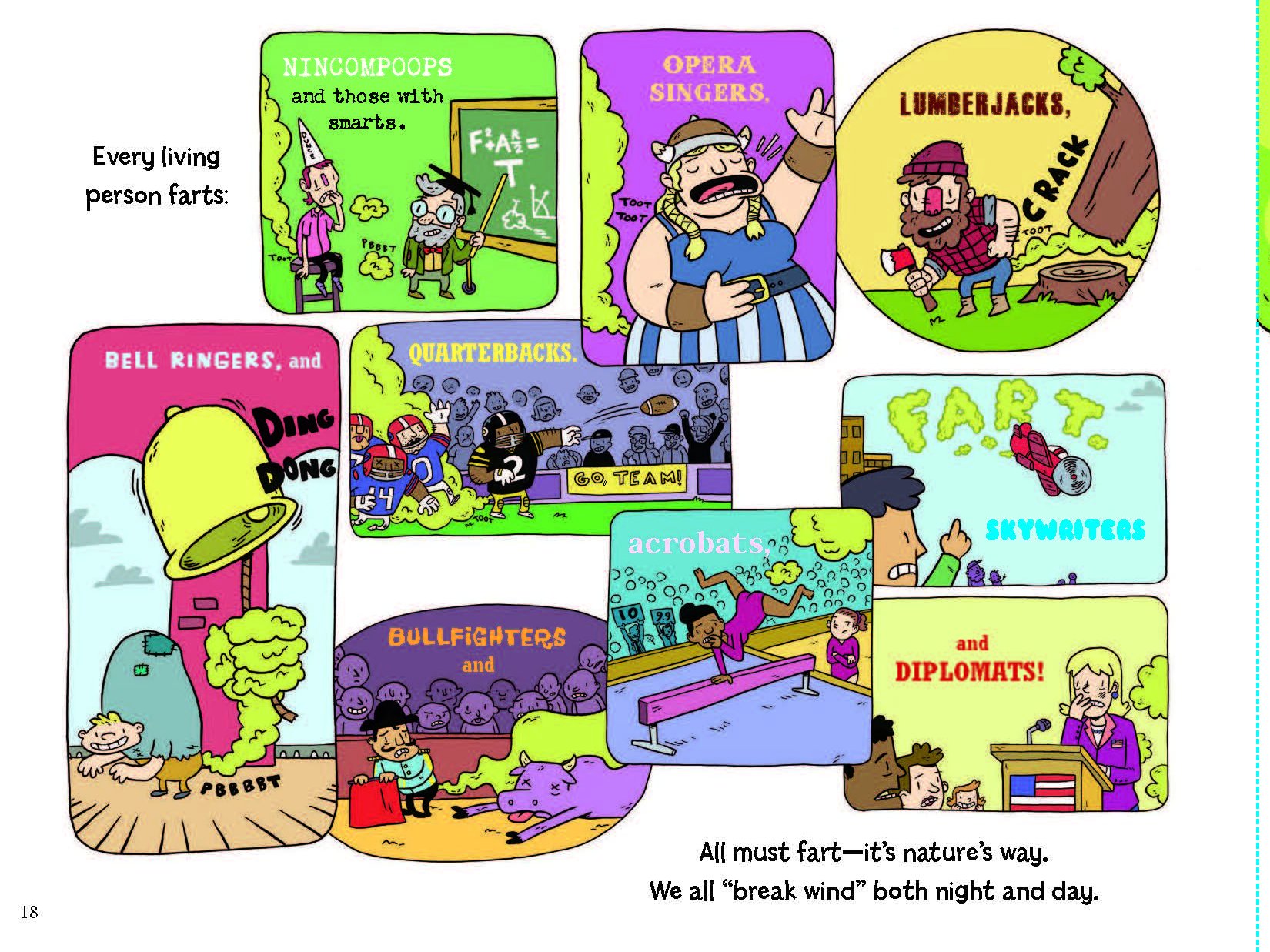
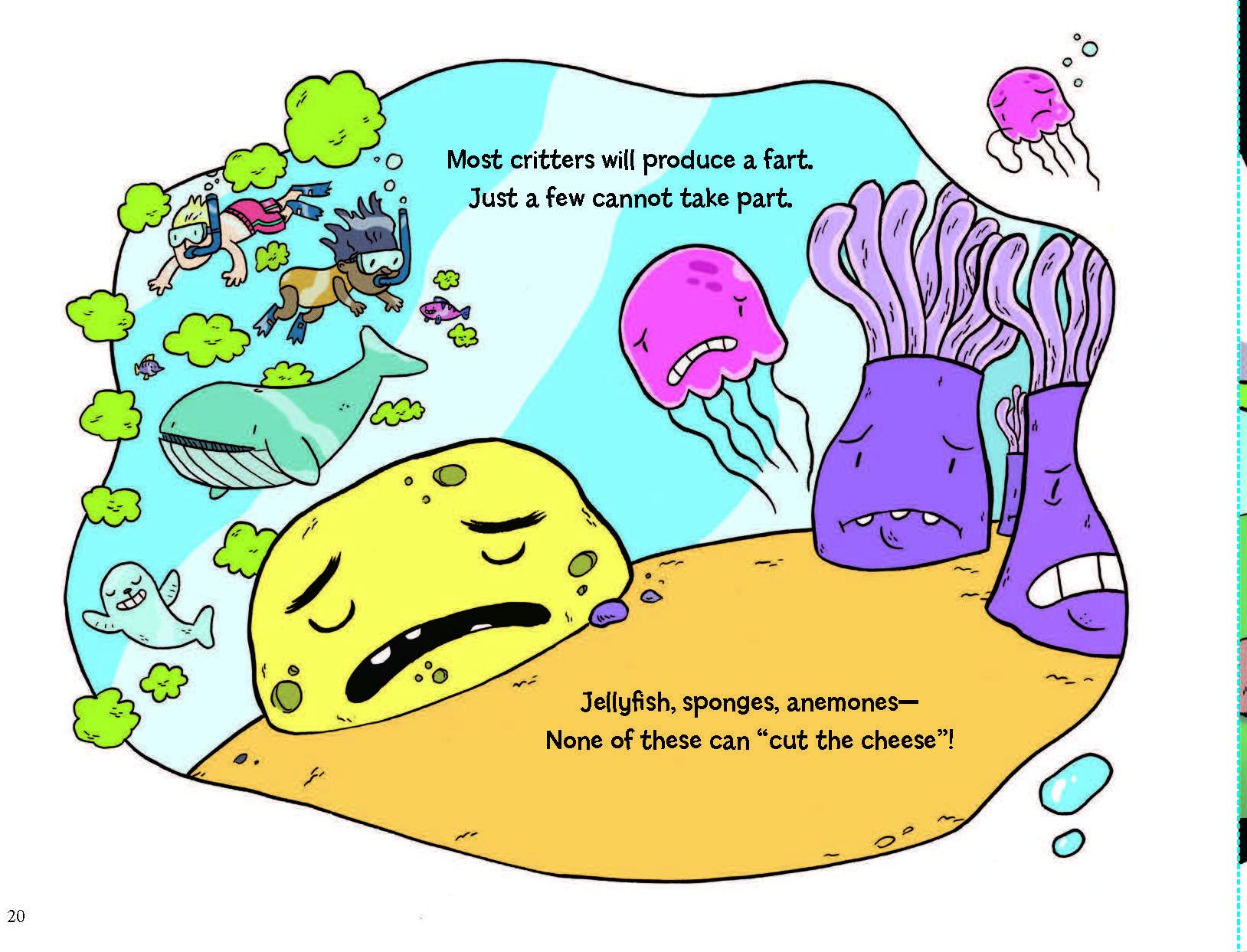
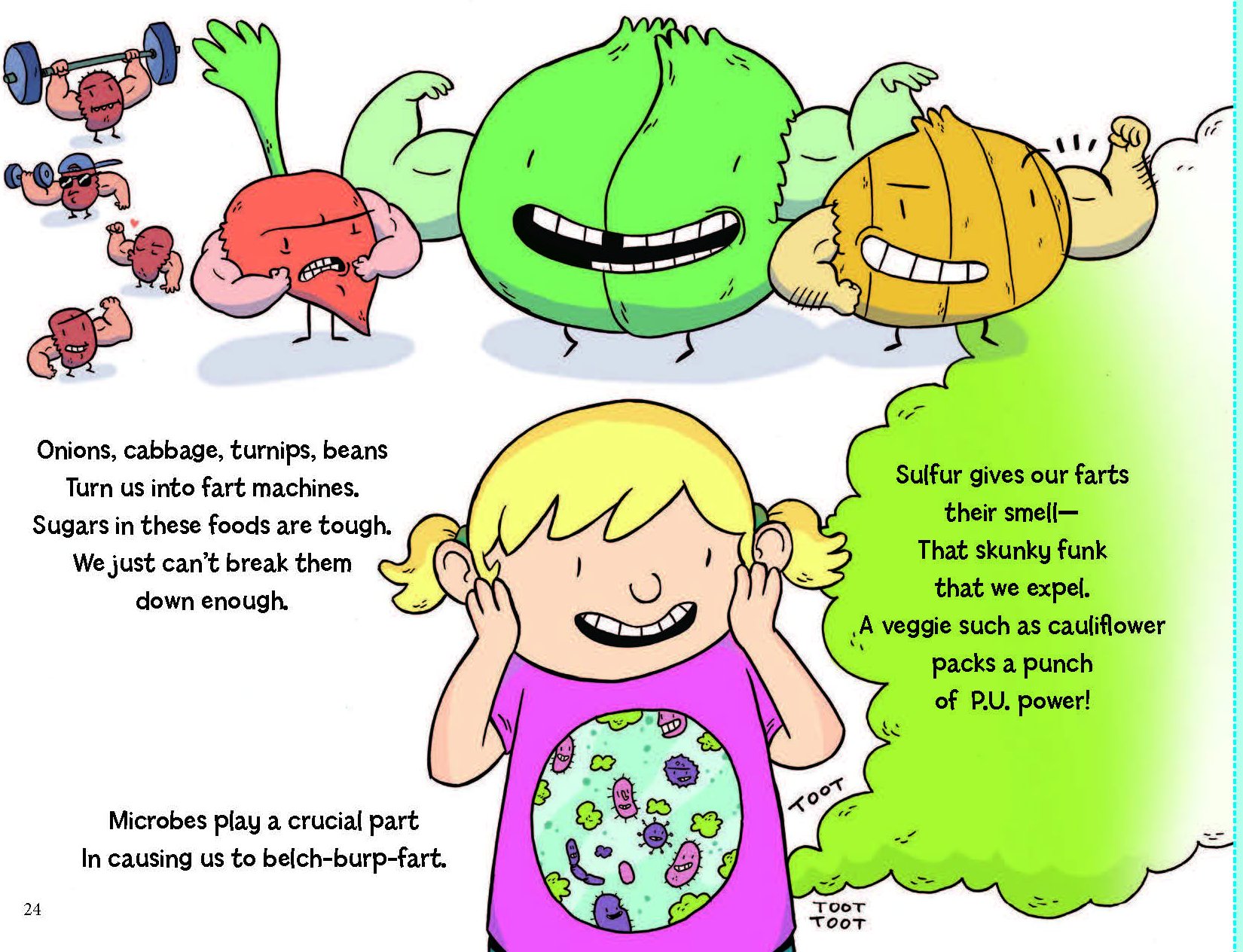
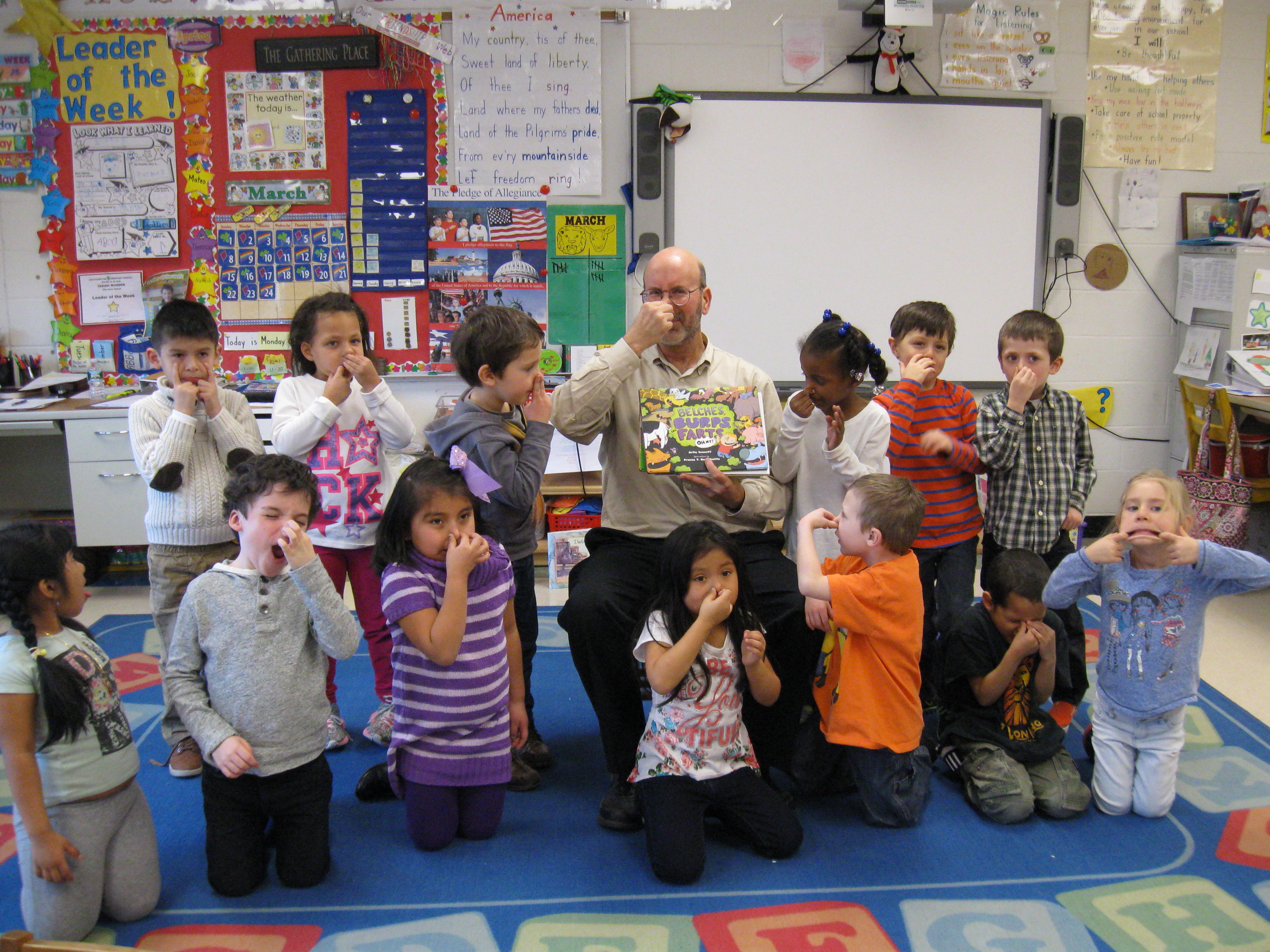
Belches, Burps, and Farts—Oh My!, whose title pays homage to a hilarious song from The Wizard of Oz, has more than its share of verbal merriment, as well as a panoply of incredible facts, all in a verse format. What sound do overly gassy cows make when they explode? Why, “cow-boom!” of course. And I was thrilled to work the word “nincompoops” into a couplet. One of my choicest nuggets can be found in this verse:

Can you belch your ABCs?
Demonstrate your ex-burp-tise!

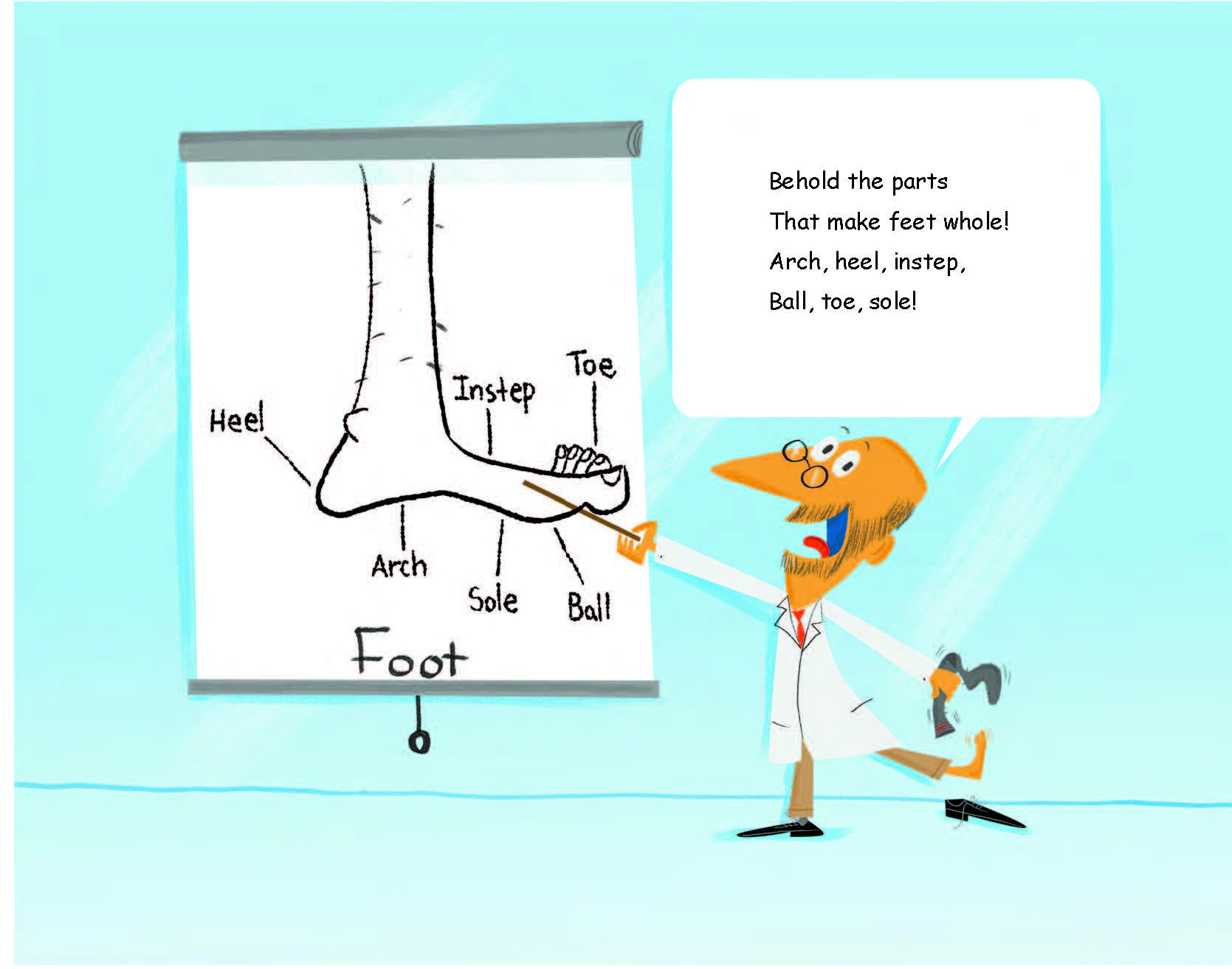
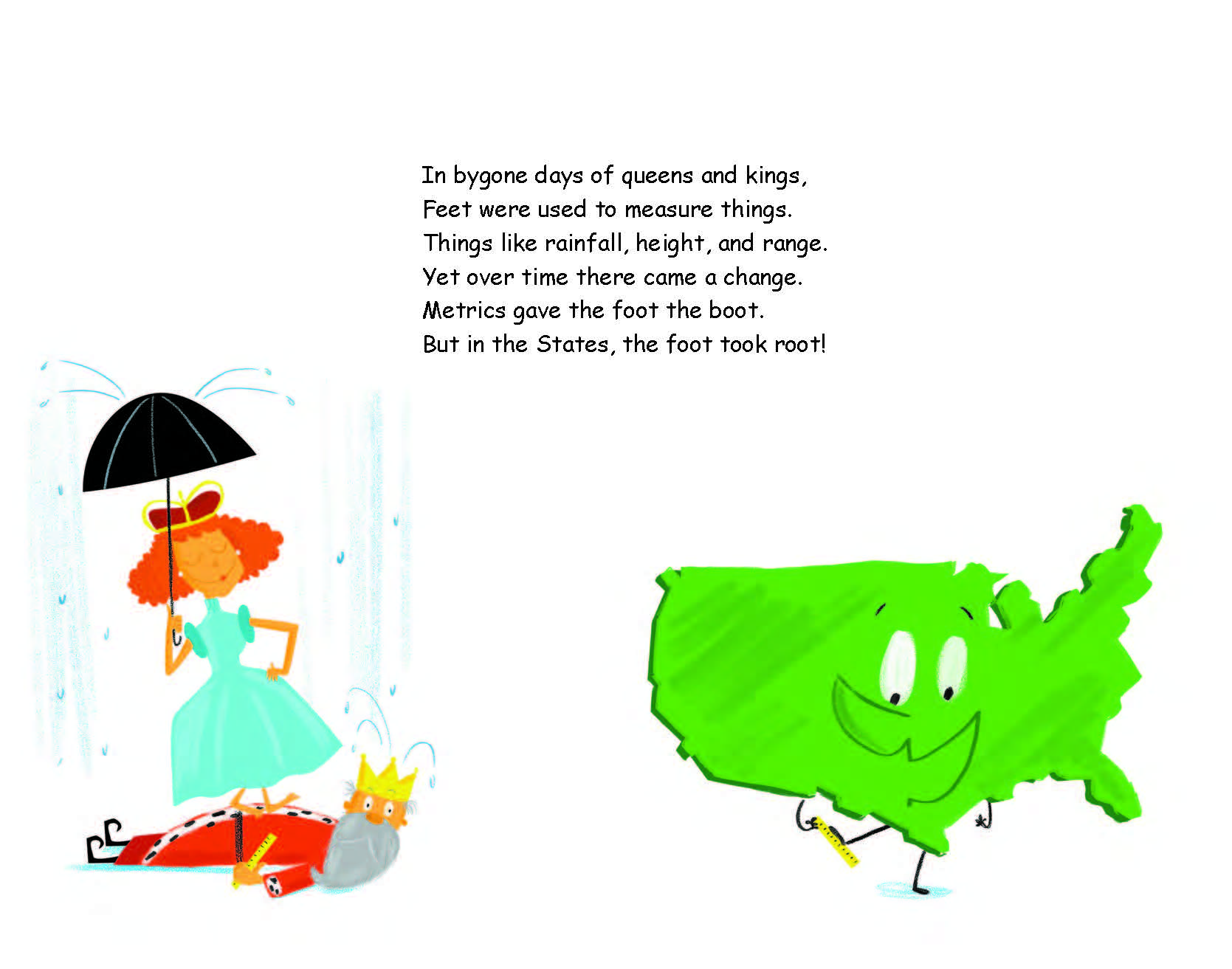
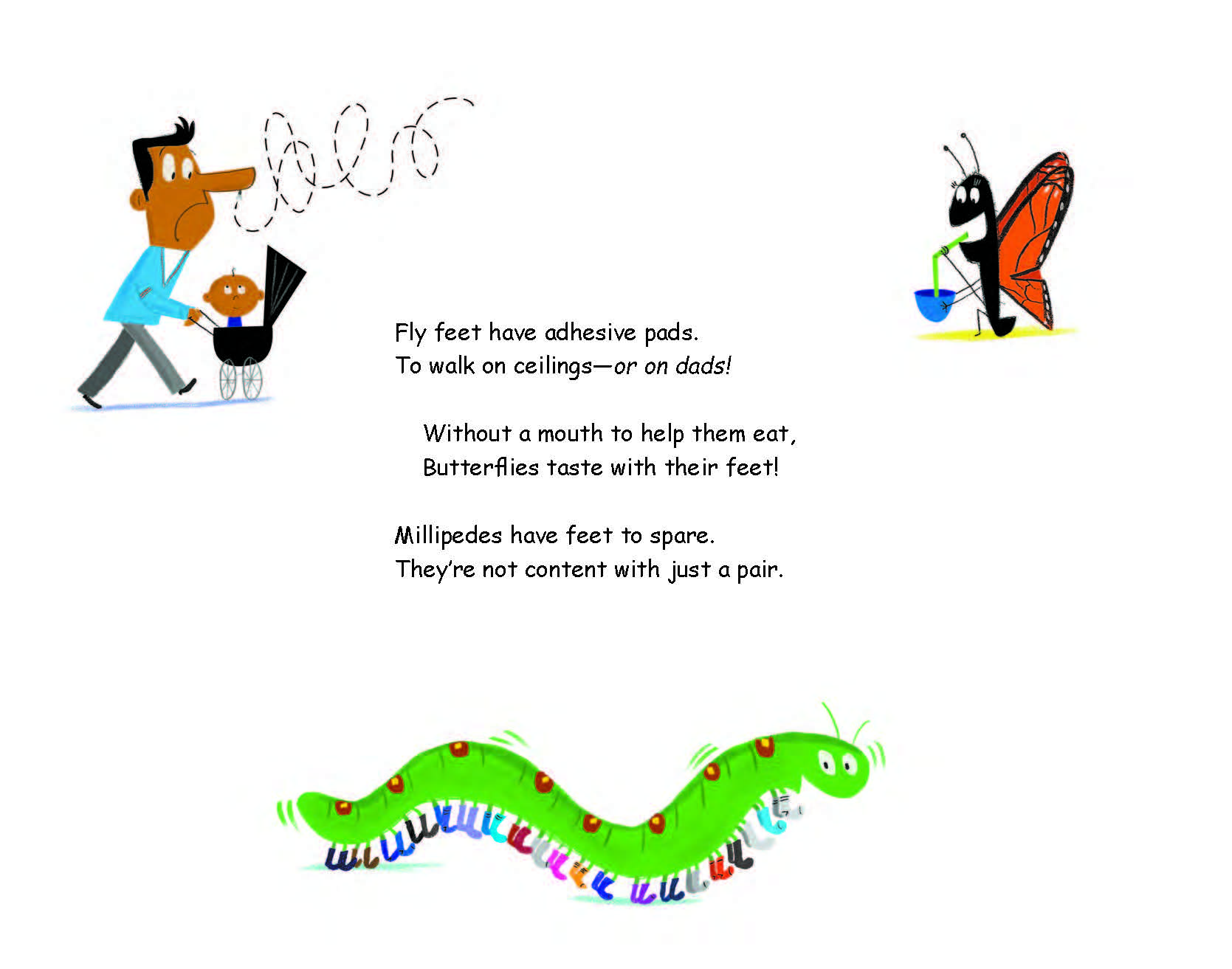
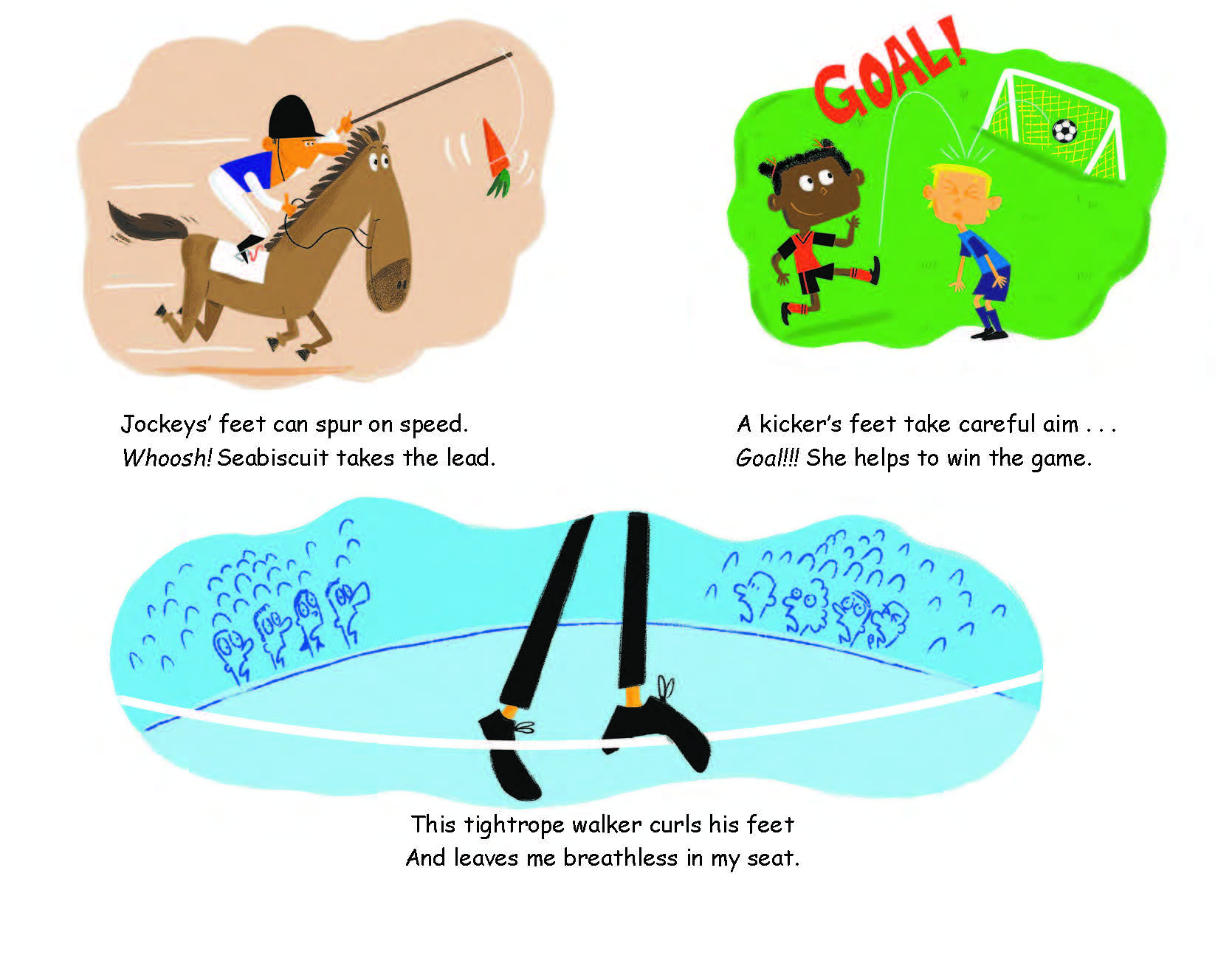
A very recent picture book, What’s Afoot! Your Complete, Offbeat Guide to Feet, published by a spanking-new startup publisher, boasts a punny title and a footload of humor. And like Belches, it features a two-page fact spread filled with amazing information. It begins with this amusing, pun-packed passage:

Dip your toes in.
Let’s explore
the world of feet.
Yes, FEET galore!
Your knowledge soon will be complete
when you . . .
get in step with all these feet!

Here is a sampling:

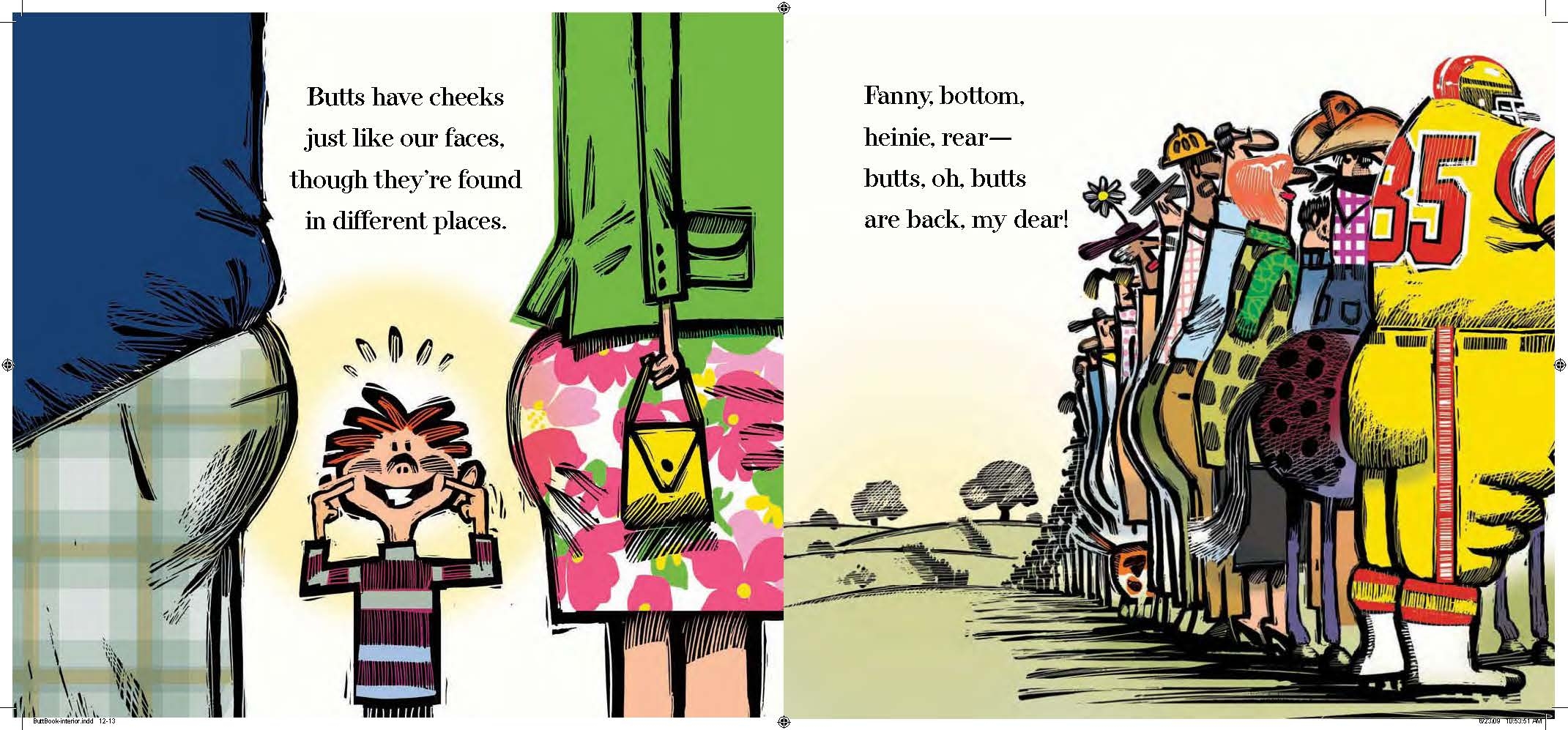
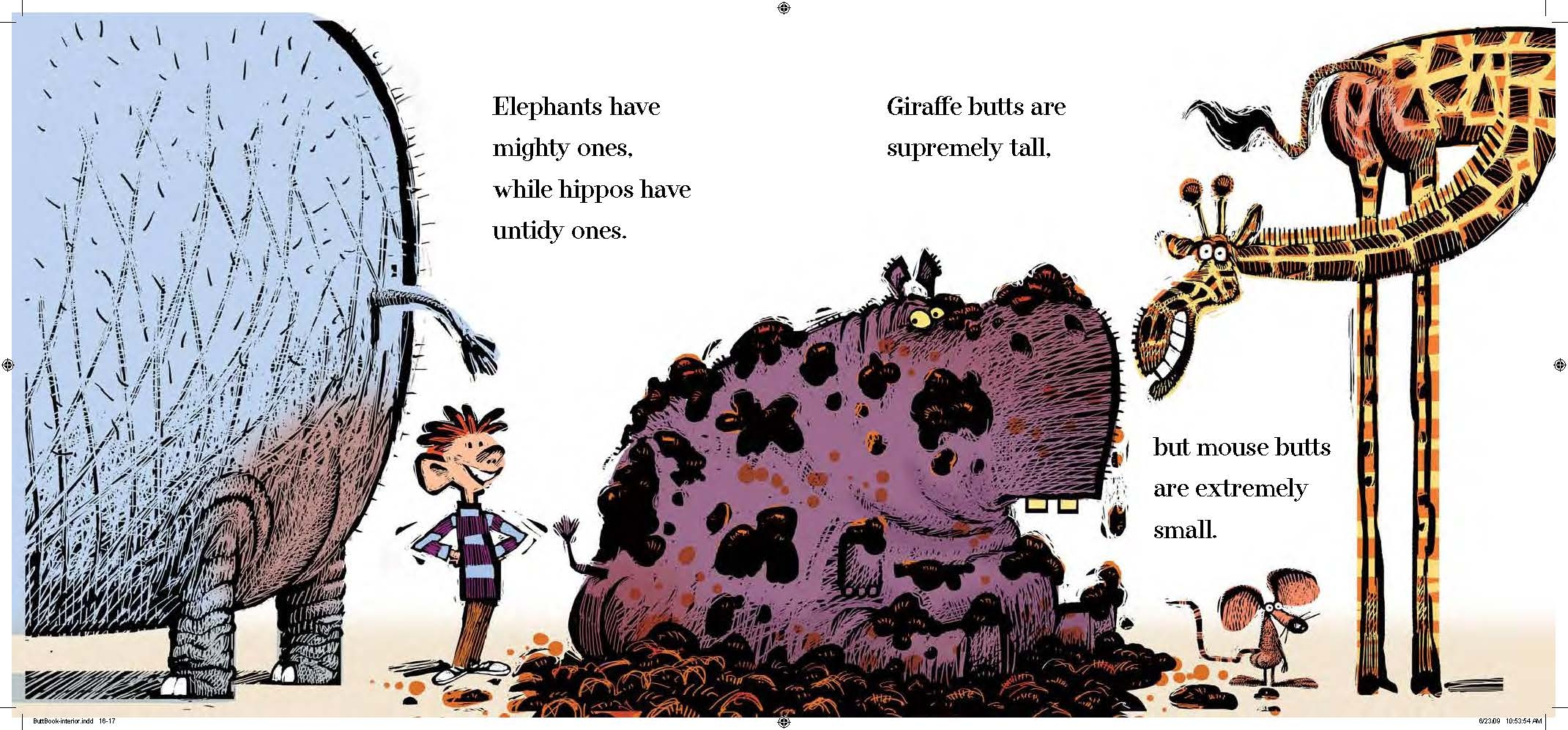
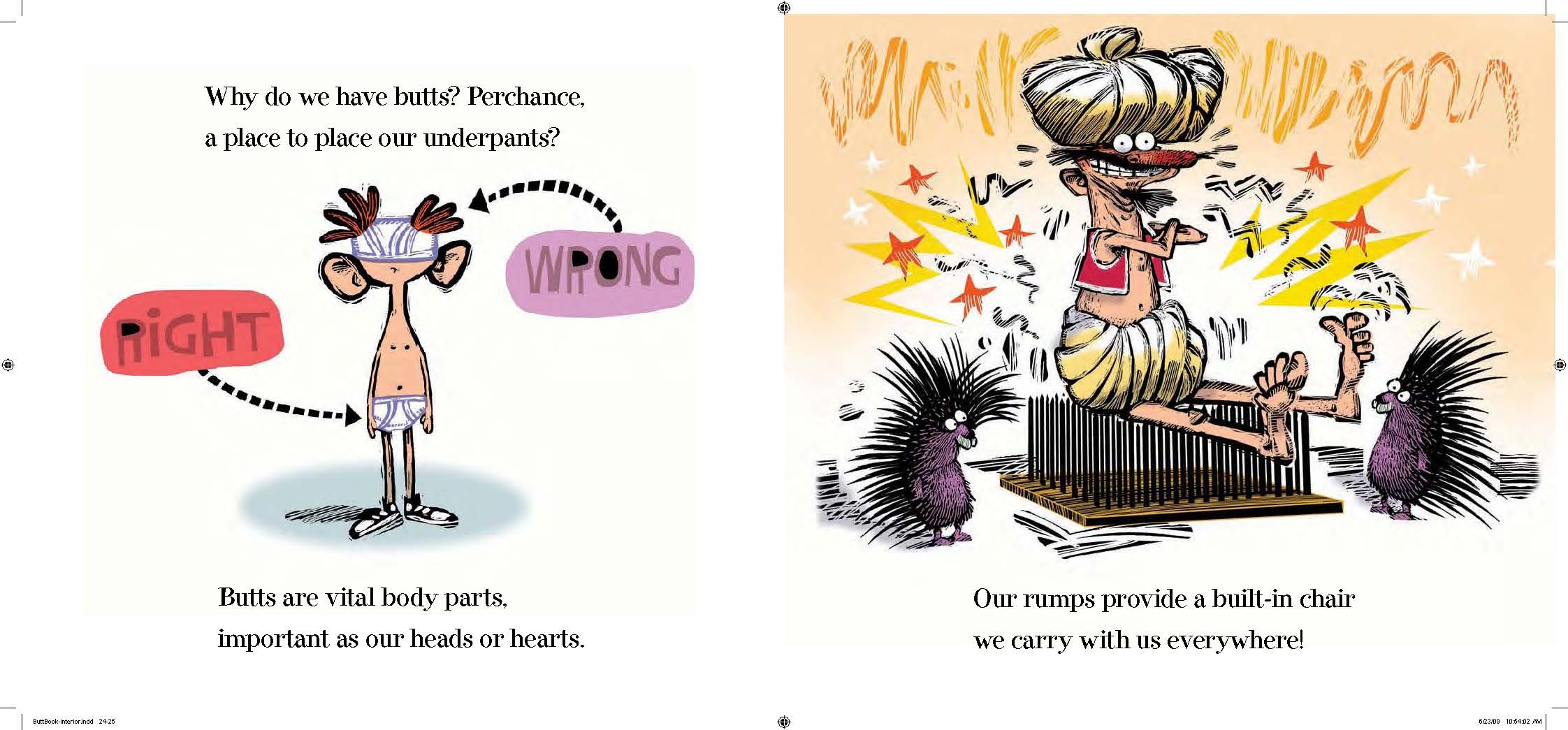
What I like to refer to as my first “mature” work, The Butt Book, which was modeled after Dr. Seuss’s The Foot Book, The Eye Book, and The Tooth Book, is a tongue-in-cheeks tribute to the posterior. It also has challenging words like “juts,” “zeal,” and the Shakespearean “perchance,” all, though, easily understood in context. Since we don’t have that many j and z words, I’m happy to introduce one of each, little words yet big ones. I recall tussling with my editor over including some possibly unfamiliar words. I dug in my heels and she eventually softened. While The Butt Book is teeming with humor, I’m most proud of the stirring finale, which culminates in this fun farewell flurry:

So respect your butt and listen, folks.
It must not be the butt of jokes.
Bottoms up! Hip, hip, hooray!
Our useful butts are here to stay.
Don’t undercut your butt, my friend.
Your butt will thank you in  . . . The End.

Here a few select spreads:

Thank you, Unleashing Readers, for the opportunity to share a word or two about me and my books! It’s been quite supercalifragilisticexpialidocious!

Illustrated by Dave Szalay
Published February 25th, 2020 by NorthSouth Books

About the Book: A true story about the famed racehorse who lost every race but won everyone’s heart.

The bell rings and they’re off! Zippy the racehorse—descended from legends—is destined for glory, but when the other horses bolt from the gate . . . Zippy stands still. When people try to pet him . . . he bites their hats and escapes from his stall. What’s an owner to do? Keep on trying! After all, Zippy has become part of Felix’s family—and a close friend of his little daughter. And after 100 straight losses, Zippy shows everyone that—win, lose, or draw—it takes guts to compete and that you can lose and lose and still be a winner. 


About the Author: Artie Bennett is an executive copy editor by day and a writer by night. He is the author of an inspiring picture-book biography of a hapless, though beloved, horse: The True Story of Zippy Chippy: The Little Horse That Couldn’t. He is also the author of a quintet of hilarious rhyming picture books: The Butt Book, his first “mature” work and winner of the Reuben Award; Poopendous!, his “number two” picture book; Peter Panda Melts Down!, an adorable departure from derrières and doo; the explosively funny Belches, Burps, and Farts—Oh My!; and his latest, What’s Afoot! Your Complete, Offbeat Guide to Feet, which is guaranteed to knock your socks off. And if that’s not enough, he’s the author of two riotous joke and riddle books: The Universe’s Greatest Dinosaur Jokes and Pre-Hysteric Puns and The Universe’s Greatest School Jokes and Rip-Roaring Riddles.

He and his wife, Leah, live deep in the bowels of Brooklyn, New York, where he spends his time moving his car to satisfy the rigorous demands of alternate-side-of-the-street parking and shaking his fist at his neighbors. The Show Me Librarian says: “Bennett’s use of rhyme is excellent; his stanzas flow and exude joviality in a manner that few writers since Dr. Seuss have truly mastered. Simply put, these books are a joy.” The Huffington Post says: “It appears there is no topic Mr. Bennett can’t make funny and educational.” Visit ArtieBennett.com . . . before someone else does!

Thank you, Artie, for sharing all of this fun word play!