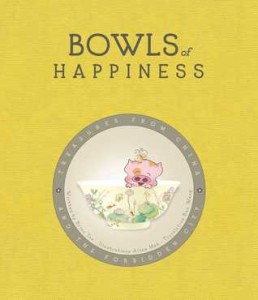
Bowls of Happiness: Treasures from China and the Forbidden City by Brian Tse

Share

Bowls of Happiness

Bowls of Happiness
Author: Brian Tse, Illustrator: Alice Mak, Translator: Ben Wang, Editor: Nancy S. Steinhardt
Published: November 17, 2015 by China Institute in America

GoodReads Summary: Piggy’s mom loves her so much that she has decided to make a special porcelain bowl just for her. As mom makes the bowl, Piggy enters the world being painted on its outside. There she meets and learns about the animals used on these Chinese artworks and the messages of happiness and good-fortune that they convey.

Created by internationally renowned children’s book artists Brian Tse and Alice Mak, this book teaches children about Chinese artwork and culture and their universal spirit of generosity, love, and respect for nature. The lovable illustrations are coupled with photographs of porcelain art found in the Palace Museum’s collection. Children will learn about how bowls are made and be able to draw their own Bowl of Happiness after they have finished reading the story.

My Review: It was a lot of fun reading this book. It begins with an imaginative story reflecting the designs on a Chinese bowl. Then, in the second part, the book shifts to informational nonfiction. The author shares a variety of different bowls and their meaning. In the last portion, the readers are given instructions on how to create their own bowls. This book taught me a lot about these bowls of happiness, and I wanted to make my own bowl! Readers will enjoy learning about these bowls and will be intrigued to learn and research more.

Teacher’s Tools for Navigation: I would love to teach a book like this one. I’d have students begin by researching even more about these bowls, their symbolic meaning. Then, I might have the students create drafts of their own bowls. The book provides a wealth of information about the symbols and colors of bowls, and students could select their own designs and symbols. While their bowls would not be authentic and teachers would have to be careful to explain appropriation, it would teach the students to enjoy and appreciate another culture and reinforce their knowledge about the bowls.

Discussion Questions: What symbols do you find most interesting? If you could have any of the bowls in the book, which would you pick, and why?; What symbols are used in your culture? How might they compare to the symbols on these bowls?; Why do you think the author divided the book into such different sections?

We Flagged: “These two bowls were not used for eating. Chinese emperors used them for important rituals that paid respect to Heaven and Earth.”

Read This If You Love: Books about culture, history, art, or museums

Recommended For:

  classroomlibrarybuttonsmall

RickiSig

From Kellee’s (Huge) Library Pile Part Eight: 2015 Nonfiction Titles | Tricky Vic by Greg Pizzoli, Trombone Shorty by Troy Andrews, & Drowned City by Don Brown

Share

NFPB2016

Nonfiction Wednesday

Nonfiction Picture Book Wednesday is hosted by Kid Lit Frenzy and was started to help promote the reading of nonfiction texts. Most Wednesdays, we will be participating and will review a nonfiction text (though it may not always be a picture book).
Be sure to visit Kid Lit Frenzy and see what other nonfiction books are shared this week!

From My (Huge) Library Pile

Because of It’s Monday! What Are You Reading? posts, I find myself often with huge piles of picture books from the library that were highly recommended by fellow bloggers. I celebrate many of the nonfiction pictures books on Wednesdays, but I want to share some of the fiction picture books I have enjoyed. So, I decided to start series here on UR where I can pass on the love for these books sporadically as I read them. Here is a list of some great pictures books that I’ve read recently from my huge library pile (part 8!).

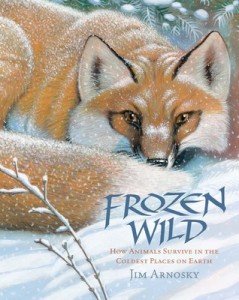
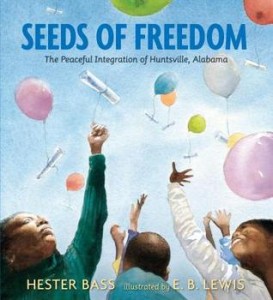
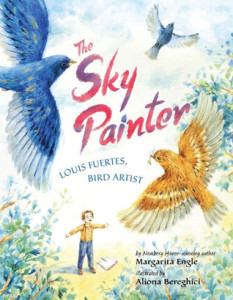
I have read and reviewed about some amazing nonfiction titles throughout 2015: Women Who Broke the Rules (series) by Kathleen Krull, Frozen Wild by Jim Arnosky, Fab Four by Susanna Reich, I Am Lucille Ball by Brad Meltzer, Jump Back, Paul by Sally Derby, Honor Girl by Maggie Thrash, The Underground Abductor by Nathan Hale, Seeds of Freedom by Hester Bass, The Sky Painter by Margarita Engle, The Red Bicycle by Jude Isabella, and I am Jackie Robinson by Brad Meltzer.

However, at the end of the year when blogs such as Kid Lit Frenzy and There’s a Book for That shared their favorite nonfiction texts from 2015,  I realized there were some amazing books I had not read yet, but I made sure to fix that!

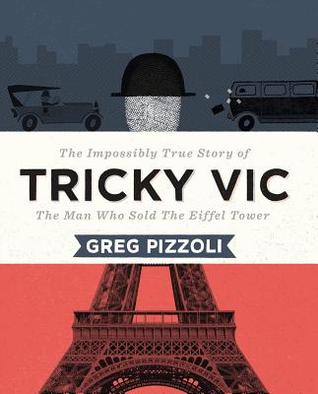
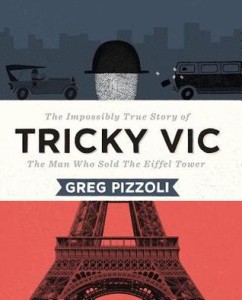
tricky vic

Tricky Vic: The Impossible Story of the Man Who Sold the Eiffel Tower
Author and Illustrator: Greg Pizzoli
Published March 10th, 2015 by Viking Books for Young Readers

This is one of the most fascinating, page-turning, funny, exciting nonfiction picture books I’ve ever read! Pizzoli does a wonderful job of bringing Tricky Vic’s story to life. Learning about all of his cons from conning Al Capone (and living!) to making people believe he was Count Victor Lustig to selling the Eiffel Tower, you just want to keep turning the pages to see what else he gets away with! I also loved the artwork. It is a simplistic almost political cartoon style, but Tricky Vic’s face is always just a finger print because who is he, really?!

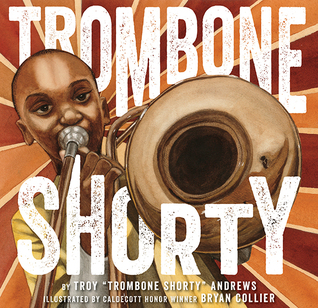
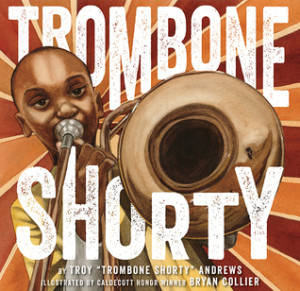
trombone shorty

Trombone Shorty
Author: Troy Andrews
Illustrator: Bryan Collier
Published April 14th, 2015 by Harry N. Abrams

I love stories that celebrate music, diversity, and passion, and this book does all of that. Troy’s story of learning how to play a trombone at age four, playing with Bo Diddley at the New Orleans Jazz & Heritage Festival at age 4, leading his own band by age 6, finding a deep love in music, and becoming a successful musician is inspiring. I love his stories of forming a band with his friends–nothing could stop them, even the lack of instruments! It is also so amazing that  The illustrations are beautiful as well. They are collage and watercolor and truly bring the story to life. I love how Collier brought the music to life by visualizing it in his illustrations.

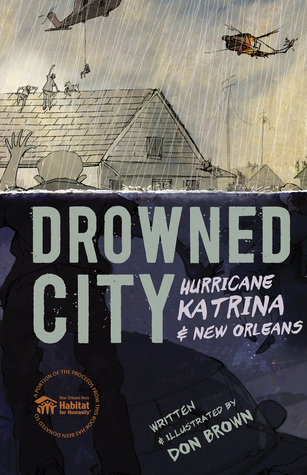
drowned

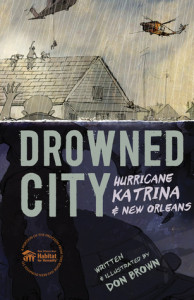
Drowned City: Hurricane Katrina and New Orleans
Author and Illustrator: Don Brown
Published August 4th, 2015 by HMH Books for Young Readers

I am a big fan of both of the books I’ve read by Don Brown because he does an amazing job at telling truth in an interesting way but without bringing any bias into it. He includes all of the truth with illustrations that make history come to life. Drowned City transports you back to the terror that was felt after Hurricane Katrina, but also shares information that wasn’t common knowledge because the media didn’t include it. This is a must read.

Check back next Wednesday for some more 2015 nonfiction titles!

Kellee Signature

Want to see Part One? You can view it HERE.
Want to see Part Two? You can view it HERE.
Want to see Part Three? You can view it HERE.
Want to see Part Four? You can view it HERE.
Want to see Part Five: We Need Diverse Books (NF)? You can view it HERE.
Want to see Part Six: We Need Diverse Books (F)? You can view it HERE.
Want to see Part Seven? You can view it HERE.

Favorite Books Kellee Read in 2015

Share

2015to16

Happy New Year!

My reading resolution for 2015 was to get some of my reading mojo back since last year, because of being pregnant and Trent’s birth, I read much less than I wanted to (about 100 non-picture books), and I think I met my resolution! This year I read a total of 290 books (127 of which were non-picture books).

73 novels
11 early chapter books
20 graphic novels
131 fiction picture books
1 adult novel
7 nonfiction graphic novels
32 nonfiction picture books
12 nonfiction books
2 poetry collections
1 complete professional text
100s of rereads of picture books with Trent (I’ll share Trent’s favorite reads of his 2nd year closer to his birthday)

Today I want to share with you my favorite reads of 2015
**Click on any cover to view my review or its Goodreads page**

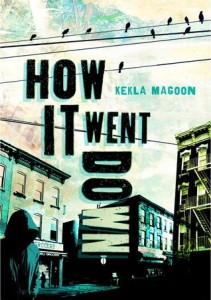
10 Favorite Young Adult Novels

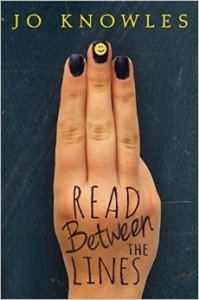
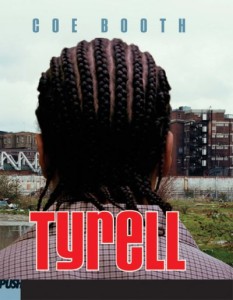
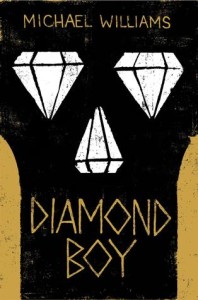
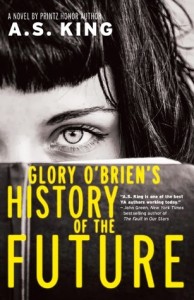
how it went down readbetween tyrell diamond boy Glory O'Brien I'll Give You the Sun all the bright places never fall down gabit the edge

20 Favorite Middle Grade Novels

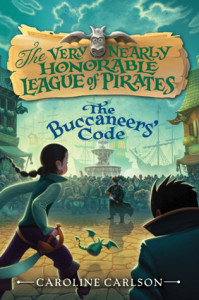
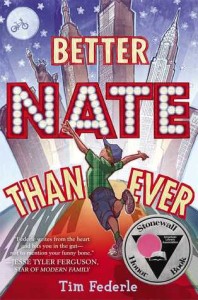
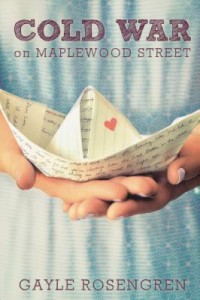
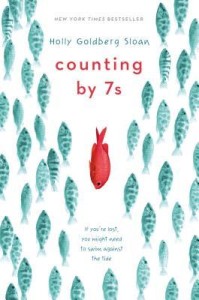
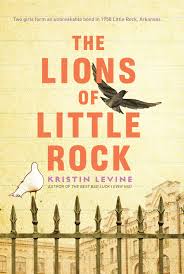
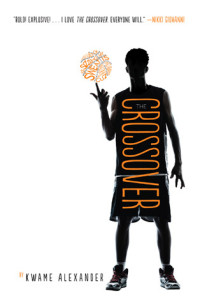
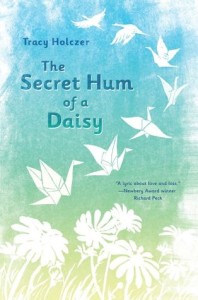
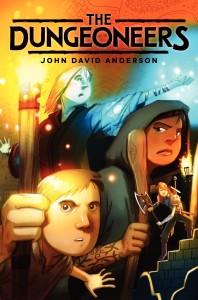
revolution hook's revenge crenshaw Ghostlight tiara on the terrace pickle Handful of Stars circus mirandus verynearly1 verynearly2 very nearly honorable league 3 betternate cold war maplewood counting by 7s the lions of little rock the crossover secret hum of daisy
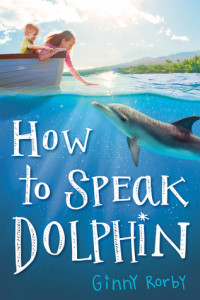
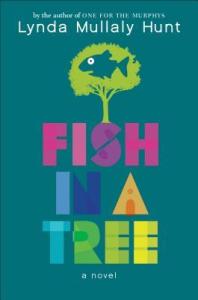
dungeoneers -c howtospeakdolphin fish

3 Favorite Early Chapter Books

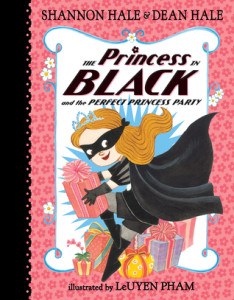
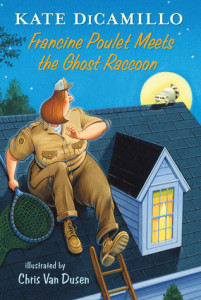
princess in black 2 francine poulet Mercy Watson

17 Favorite Fiction Picture Books

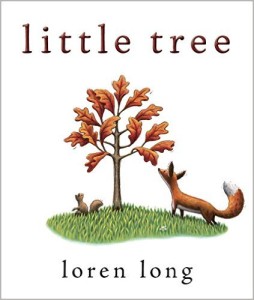
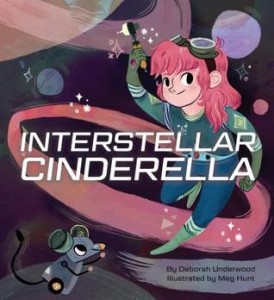
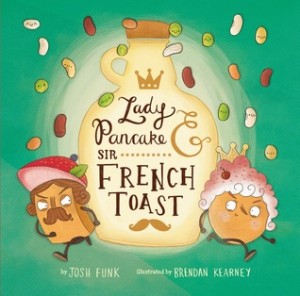
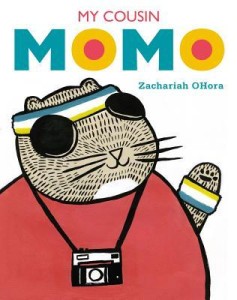
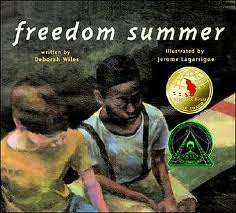
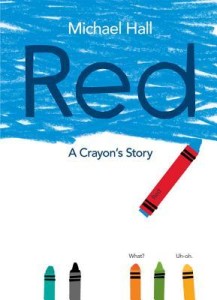
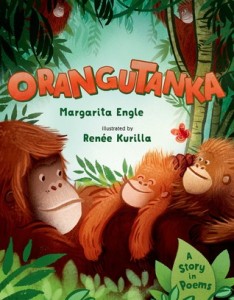
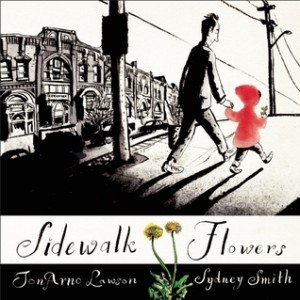
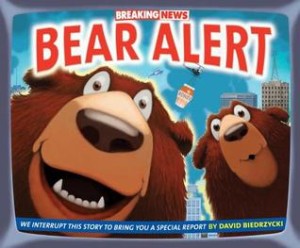
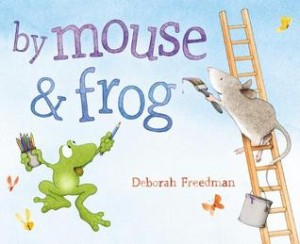
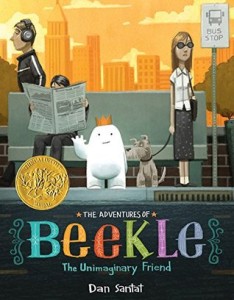
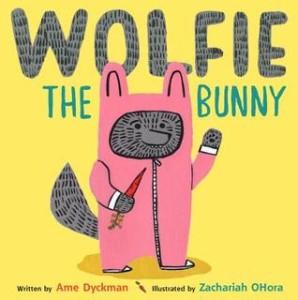
whisper float color monster little tree interstellar cinderella lady pancake and Sir Momo freedom summer red a crayon's story Orangutanka Sidewalk Flowers bear alert bymouseandfrog beekle wolfie
ballet cat last stop on market street

10 Favorite Graphic Novels

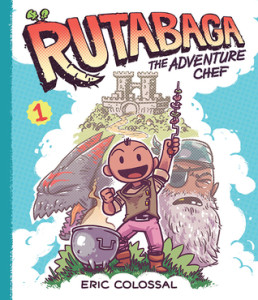
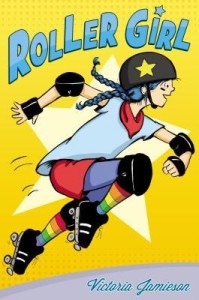
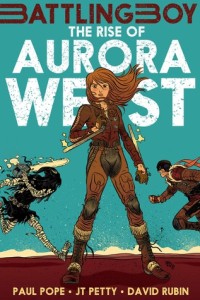
nimona lumberjanes awkward baba yaga phoebe little robot hidden rutabaga Roller Girl aurora

17 Favorite Nonfiction Books

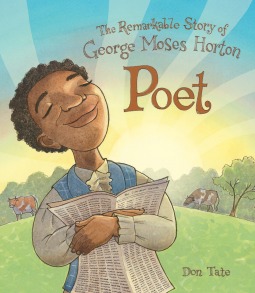
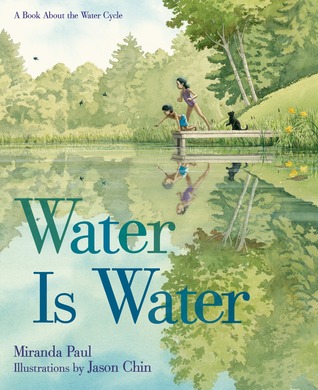
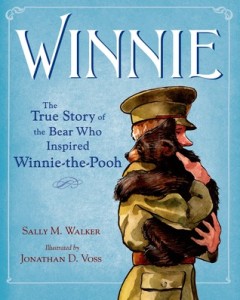
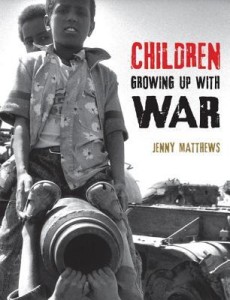
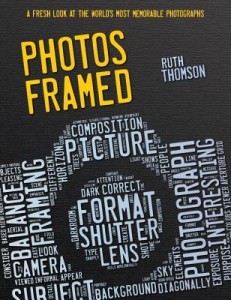
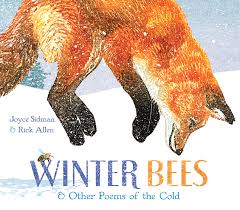
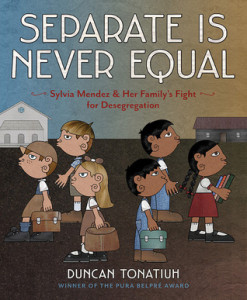
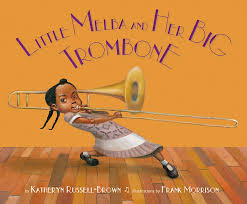
drowned undergroundabductor sunny side up apollo horton poet water is water winnie trombone shorty tricky vic Frozen Wild children growing photosframed seeds of freedom winter bees SeparateisNever littlemelba sky painter

What were you favorite books read in 2015? Share your favorite titles or a link to your list below.

Happy 2016 to all!

Kellee Signature

Check out my favorite reads from the last two years: 2014 & 2013

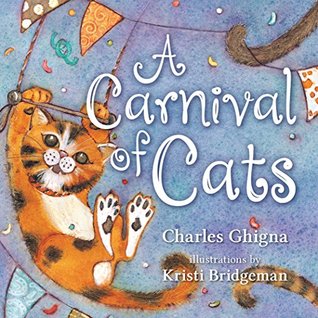
A Carnival of Cats by Charles Ghigna

Share

carnival of cats

A Carnival of Cats
Author: Charles Ghigna
Illustrator: Kristi Bridgeman
Published September 1st, 2015 by Orca Book Publishers

Summary: There’s a purrrfect little carnival coming to town, filled with adorable cats of all different kinds! In this hint-and-reveal board book, babies, toddlers and cat-lovers alike will enjoy discovering (and guessing) what breed of cat is hiding on the next page. With playful rhyming text from award-winning author Charles Ghigna, aka Father Goose(R), and beautiful illustrations by celebrated artist Kristi Bridgeman, this exuberant board book will have everyone guessing what cat is that!

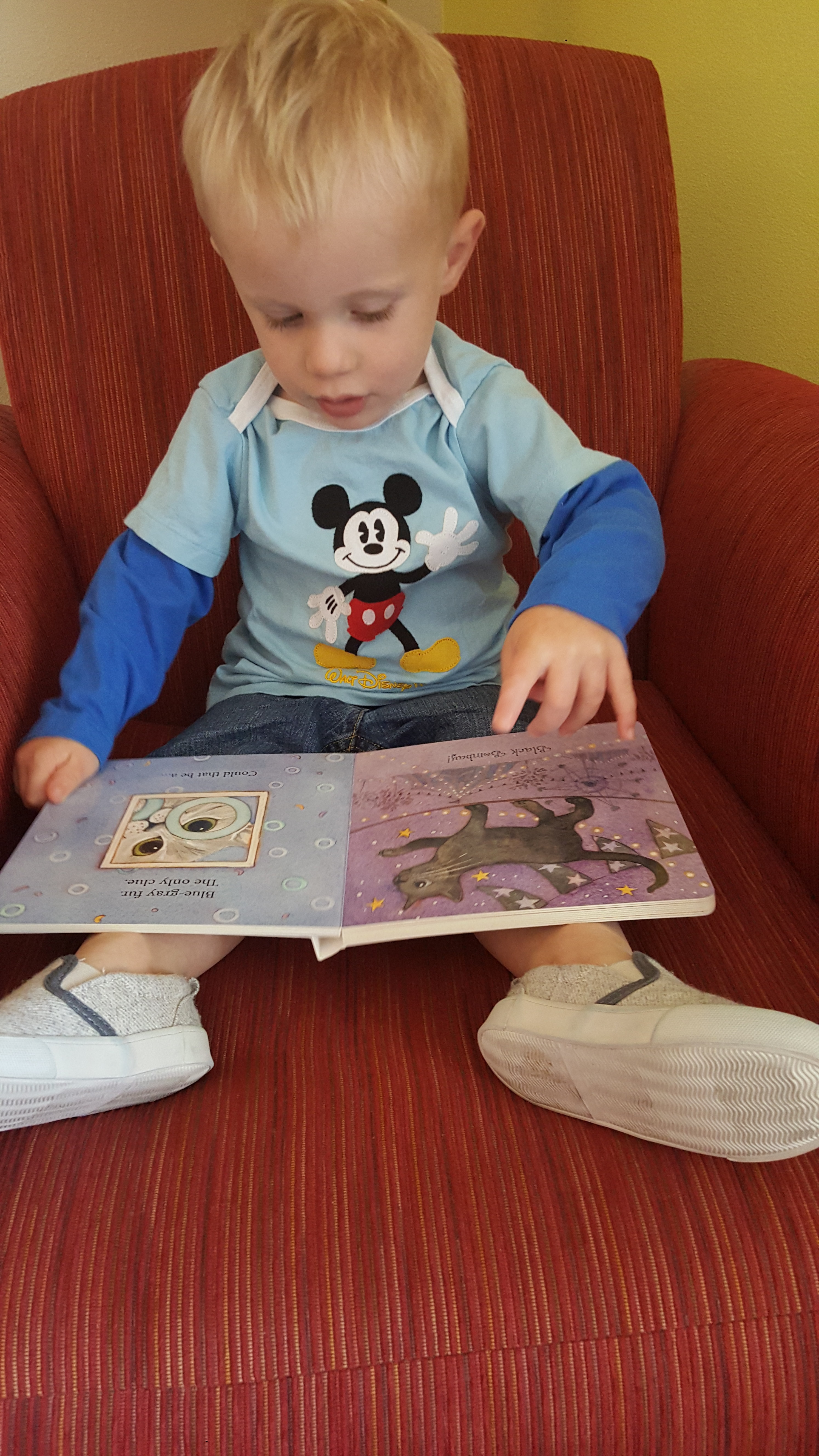
Kellee’s Review: Trent really loves animals, but he especially loves kitties since we have two of them, so when I heard about this book, I knew it would be one that Trent would really enjoy. And I was right!

20151127_101857

We had a great time looking at all the different types of cats, learning their names, and discussing the traits of each type of cat. Trent was also very enthusiastic about the balloons in the carnival. The book also rhymes, so there is a great rhythm while reading which adds to the musicality of being at a carnival of cats.

Ricki’s Review: Ever since we received this book, Henry has wanted to read it every night. My son is a cat guy. When I asked him which relative he wanted to come to his birthday party the most, he said, “Kitty.” You can only imagine his excitement when he received this book. Each page features different appearances, names, and behaviors of cats. I was surprised at how much I learned! We’ve been practicing the different types of cats, so he will be better able to identify his feline friends. I’d highly recommend this board book. It is quite fun to read, and every night, I look forward to reading it.

Teachers’ Tools for Navigation: This book will be a wonderful read aloud in an early childhood classroom. There are opportunities for comparing and contrasting, rhyming, and cross-curricular elements by talking about different breeds of cats.

Discussion Questions: What are the differences between the different types of cats? Which cat has _____/is _____?

We Flagged: 

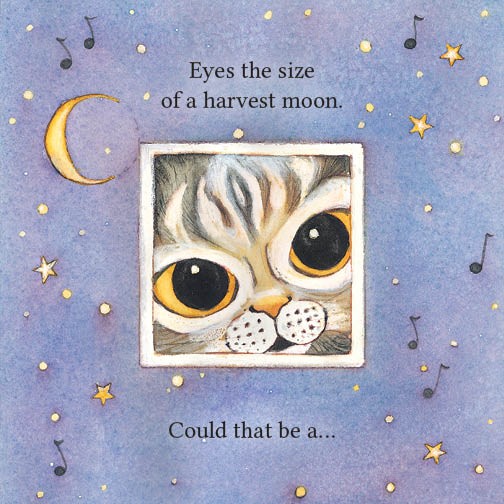
carnival of cats pic 1 carnival of cats pic 2

Read This If You Love: Cats

Recommended For: 

readaloudbuttonsmall

Kellee Signature andRickiSig

**Thank you to Katie at Orca for providing copies for review!!**
Ricki and Henry’s Favorite Children’s Books (1-2 Years)

Share

Ricki and Henry 1-2 years

I make an attempt to pick out the top ten picture books that Henry and I read together. These posts feature his (my husbands, and my) favorite picture books that we’ve read. This is incredibly difficult because we read so many fantastic books. But I understand, as a mom with a limited budget, that other parents may appreciate a list. We usually plow through library books and buy our favorites. Each of the books listed below is worthy of purchasing! With the holidays near, I recommend each of these. I am excluding my favorite books from our first top ten list (birth to six months) and our second top ten list (six to twelve months). As I described in the first post, Henry, his dad, and I read books together every night, and we are excited to share these great books with all of you! They are listed in alphabetical order.

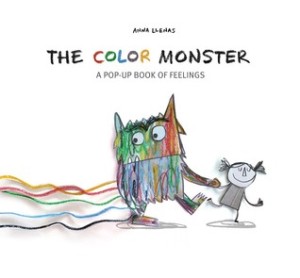
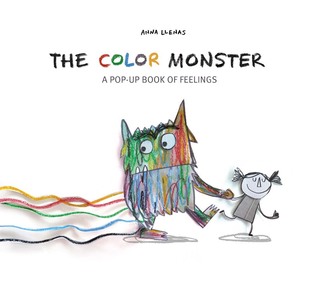
1. The Color Monster: A Pop-Up Book of Feelings by Anna Llenas

Monster Color Monster

This beautiful pop-up book is fascinating. I’ve always found pop-up books to be entertaining, but this one takes pop-up books to a completely different level.

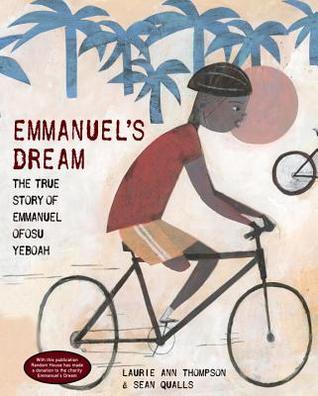
2. Emmanuel’s Dream: The True Story of Emmanual Ofosu Yeboah by Laurie Ann Thompson

emmanuel

This is an inspirational nonfiction picture book. I loved learning about Emmanuel Ofosu Yeboah and loved the themes.

3. Lady Pancake & Sir French Toast by Josh Funk

lady pancake and Sir

This book is not only fun, but it is funny! My son and I really enjoy reading this one together, and I love that it gives me opportunities to promote foods. This helps me combat the picky eating—an excellent bonus to a well-written text.

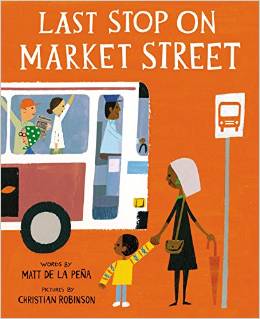
4. Last Stop on Market Street by Matt de la Peña

last stop on market street

I love everything written by Matt de la Peña, and this book is no exception. Henry pulls this book off of the bookshelf every day, and it makes my heart happy. This one is a crowd favorite in our household.

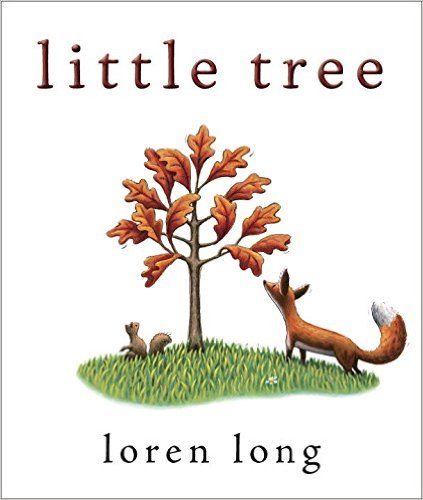
5. Little Tree by Loren Long

little tree

This quiet book holds a special place in my heart. The drawings and text are simple, yet the story fills the room.

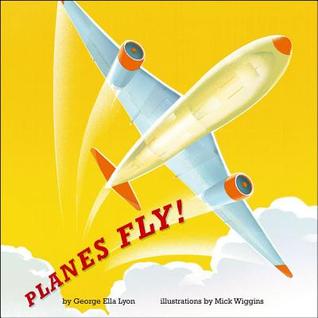
6. Planes Fly by George Ella Lyon

planes fly

My son would be very upset if I didn’t include this book on the list. We read it every night, and he is obsessed with the planes.

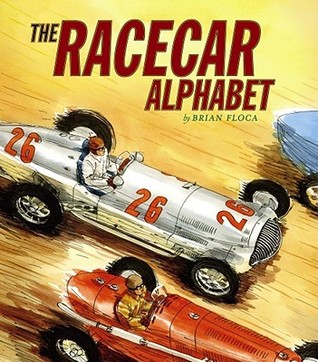
7. The Racecar Alphabet by Brian Floca

Racecar Alphabet

We tell Henry he can read two books each night (otherwise, it turns into twelve–and don’t worry, he gets about thirty books during the day). Sometimes, he requests this one twice. He loves it, and so do my husband and I, so it is a win-win.

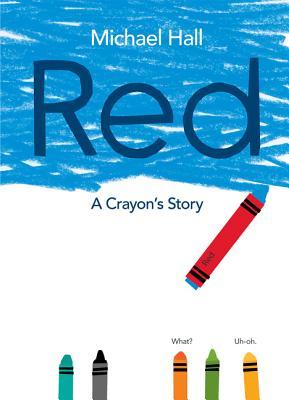
8. Red: A Crayon’s Story by Michael Hall

red a crayon's story

I read this book in the bookstore. Everyone was raving about it, and I wanted to see what it was all about. I had to buy it. It is that good. Not only does it allow me to practice colors with Henry, but we talk about empathy and feeling confident in who we are—regardless of societal expectations. Of course, we talk about this in age appropriate terms. 🙂

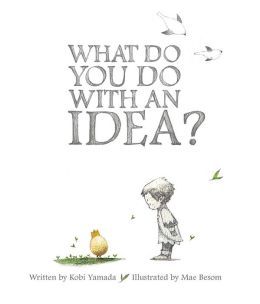
9. What Do You Do With an Idea? by Kobi Yamada

idea

After I read this book, not only did I buy it, but I bought it for my sister. I absolutely love the way this book inspires me to be creative. It is a great book to teach symbolism.

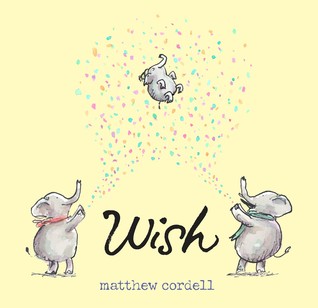
10. Wish by Matthew Cordell

wish

This is a book written for parents (and obviously, it is very kid-friendly, too!). It made me cry. These two elephants wish and wish for a baby.

What are your favorite children’s books? Henry and I would love to reserve them from the library! Please share!

RickiSig

Author Guest Post!: “Nurturing Nature in the Classroom” by Rebecca Bielawski, Author of the Mummy Nature series

Share

“Nurturing Nature in the Classroom” 

If you are having trouble getting your class out and into nature, there are a hundred ways you can get nature into your class.  If  you want your kids to run wild with nature-based crafts and projects, but your imagination feels as dried up as an autumn leaf, don’t despair – On the wonderful world wide web you can discover all the inspiration you need.  I especially recommend Pinterest boards and Google+ communities to look for specific ideas suited to your group’s age and other circumstances.

Here are a few tips for adapting nature projects and nature crafts that you might find, to your own classroom or home school environment.

Adapt ideas to your local area  e.g., seeds to germinate that are readily and cheaply available, plants that are easy to sprout and suited to the climate and of course child friendly. Your local garden centre can help out. Local plant species will always be more relevant to the kids. (Planting sunflowers was my favourite as a kid.)

Adapt ideas to your available resources  Most projects will not represent an elevated cost.  Here you can use recycled materials such as plastic bottles and yoghurt pots,  eg. hand trowels can be made from plastic milk or juice bottles with handles. You can also reinforce the Reuse, Reduce Recycle mantra. If you have more of a budget you could, for example, buy plants for the classroom that represent your nature goals.

Don’t forget about your human resources  Think about, how many people you have available to help out. Don’t be afraid to ask parents, grannies etc. for help. Get to know a bit about them, what sector do  they work in, do they have any interesting hobbies or contacts? Find out who has the wildest back yard and if they need it to be explored.  They will be able to help in a million ways with their expertise or simply their time and enthusiasm.

Plan an excursion  Think about what nature opportunities are offered by the surrounding countryside. Go with someone who has knowledge of the local plant life, to enrich the visit and be aware of dangerous or poisonous plants.

It’s great if you can go out to a local forest or mountain or other wild habitat but if that presents too much of a logistical or safety problem, even a local park or a corner of the playground can be ideal to focus on one point of interest, for tiny discoveries inside the grounds of the school.  Take them to see the weeds growing out of the cracks in the pavement. They can track how fast they grow, pull them out to observe the roots or discuss flowering or seed dispersal.  There is a lot to be learnt from the bugs under the rocks too, eg. observational drawings, questions: Why do they live there? What are they doing? Identify and compare species… Finding moss and lichen and other treasures is another option.

Plan ahead and imagine what restriction or problems you might encounter during the activity, especially if you are the only adult involved.

Here are a few juicy nature ideas to get you started:

Flower spotting
Flower pressing
Flower arrangements
Vaseline saucers – you put a thin layer of vaseline on a small plate and make circular patterns with different petal and small leaves
Finding animal tracks, burrows, nests
Collecting seed pods, cones, feathers, sticks, bark, leaves to make their own nests, collages, miniature habitats
Worm collecting for a class compost bin where the kids can throw their biodegradable rubbish from their snacks
Have a “dirty day.” In rural schools, everyday is pretty much a dirty day, but urban schools might find the concept more of a novelty and very liberating –  Kids come with old clothes and can play in the dirt, make mud pies and are allowed to get as dirty as they want

Remember, the opportunities to bring our little ones closer to their natural surrounding can be found in every corner.  Happy worm hunting!

About the Author: Rebecca Bielawski is the author of the educational series of children’s books MUMMY NATURE, designed for home and classroom use for under 6yrs.  With a background in biology, nutrition, art and graphic design.  She grew up in rural New Zealand, and now lives in the south of Spain where she is involved  in a community project teaching English to Spanish children through stories, games, arts and crafts. http://www.booksbeck.com/

author photo

About the Series: Each book in the series is one mini nature lesson wrapped up in colour and rhyme. These books are intended for very young children including toddlers and will give them just a glimpse into some of the wonders of the natural world. Illustrated for maximum vibrancy and visual impact, using rhyme to engage young minds and encourage participation. Read the rhymes to your children and soon they will be reading them to you!

The narrator is a small child and keen observer who tells us in short rhyming phrases everything she thinks we should know, and all about the magical things she sees around her. Sometimes she is camouflaged in the long grass and other times she has to climb a tree to get a better look.cover

Review of Meet Bacteria (Mummy Nature Book 1) here at Unleashing Readers: This book is a great introduction to scientific exploration and then to bacteria itself. I love that the protagonist is a young girl who is exploring the world around her. I think students will see themselves in her, and that along with the interesting, rhyming information about the different types of bacteria will really persuade kids to want to explore.

I do think that this is just an introduction though. Each bacteria is briefly mentioned along with a fun illustration. I would love to see this book be a jumping off point to an inquiry unit about bacteria.

Thank you Rebecca for tips on how to connect our kids/students with nature from such a young age!

Kellee Signature andRickiSig


Where’s Will?: Find Shakespeare Hidden in His Plays by Tilly (Illustrator) and Anna Claybourne

Share

Where's Will?

Where’s Will?: Find Shakespeare Hidden in His Plays
Illustrator: Tilly; Author: Anna Claybourne
Published September 1, 2015 by Kane Miller Books

Goodreads Summary: Spot Will Shakespeare and a selection of colourful characters from ten of his best-loved plays! Can you pick out Puck in the midsummer night? Will you spy Cecilia hidden in the Forest of Arden? And can you see Shakespeare making a cameo in every scene?

First, get to know each play by reading a snappy synopsis of the plot and meeting the main characters. Next, hunt for the characters, who are hidden in the detailed and beautifully illustrated pictures of the plays’ settings.

My Review: This book was a lot of fun for me to read! Readers of all ages would enjoy it. My son (age two) enjoyed pointing to all of the animals and people in the book. An elementary schooler or middle schooler would enjoy finding Will, the characters, and the pig in all of the pictures. A high schooler or adult will appreciate the brief (about 300 words) synopses of each play and illustrations (along with finding Will, of course). Each play features a two-page spread similar to a graphic novel, where the play is depicted in illustrations and words. At the top of each spread are cameos of the main characters of the play. Then, the reader can turn the page and search for the characters, Will, and the pig in a very detailed illustration (see below). 

Teachers’ Tools for NavigationI haven’t read the full version of each play featured in the book, but I am quite inspired to read them now! High school teachers would love this book. It shows the complexity and greatness of Shakespeare’s work. After reading one of Shakespeare’s plays, a teacher could show the students the synopsis and the spread. This provides a picture of the time period and also allows for conversations about why the author may have made decisions to include/exclude specific plot details. If my tenth graders had all read Romeo & Juliet the previous year, it would be neat to show them that play. Then, when we read another Shakespeare play, I could ask them to illustrate their own scenes. This would be an intense final project, and I would give the option for students to use video games as a platform for this kind of world-building.

Discussion Questions: How do the illustrations of the plays differ? Why might the illustrator have chosen to depict the play with these colors/moods?; What tough decisions might the author have faced when choosing the plot details to include in the 300-word synopses?; How do these illustrations/synopses give us fuller depictions of the plays?

We Flagged: 

where's will

Read This If You Loved: Plays by William Shakespeare; Where’s Waldo? books

Recommended For: 

 classroomlibrarybuttonsmall

 RickiSig

**Thank you to Lynn for providing a copy for review!**