Author Guest Post!: “Teaching Kids Hope” by Carla Mooney, Author of Terrorism: Violence, Intimidation, and Solutions for Peace

Share


Terrorism: Violence, Intimidation, and Solutions for Peace
Author: Carla Mooney
Expected Publication November 15th, 2017 by Nomad Press

Summary: Why did terrorists attack the World Trade Center on September 11, 2001? The answer to that question is ancient, complicated, and crucial to a perceptive understanding of the global community we live in today. In Terrorism: Violence, Intimidation, and Solutions for Peace, readers ages 12 to 15 explore the history, causes, psychology, and potential solutions to the problem of terrorism in an objective way that promotes comprehension and empowerment.

  • Investigating previous events in the world’s history can help students understand the causes and effects of current events.
  • Activities encourage the development of important skills, including comparing and contrasting, looking for detailed evidence, making deductions, and applying critical analysis to a wide variety of media.

Teacher’s Tools for Navigation and Discussion Questions: 

“Teaching Kids Hope” by Carla Mooney

There’s a lot of bad news out there. There’s a lot of good news, too! But unless kids are living in a soundproof room with no cell service or internet access, they’re going to hear at least some of the depressing, no matter how much the adults in their lives try to protect them.

Some of this bad news concerns terrorism. While terrorism has been around since ancient times, the struggle between different ideologies has become far more visible in recent years because of the ease and speed of communication. We all know about attacks happening all around the world, almost as soon as they happen. Kids included.

When the bombing at the Ariana Grande concert in Manchester, England, happened last spring, the audience was full of young teens, fans of the singer, and it was teenagers who were watching events unfold via texts and posts from other kids around the world. Just about every elementary school has a ceremony of some kind on September 11—children who weren’t even alive when the Twin Towers fell spend time recognizing the victims and honoring their memories.

Terrorism is all around us, even when we live in what we consider safe societies that have not yet been touched directly.

How do we—as educators, parents, and mentors—support children as they grow up in a world where terrorism is a regular occurrence? How do we teach them to think critically and creatively about potential solutions? How do we create that balance between knowing the issues and not letting that knowledge cause fear and anxiety, when the reality is the vast majority of citizens will not experience a terrorist attack in their lifetime? How do we get kids to see themselves as part of the solution and empower them to make wise choices, learn about the issues, and work to find solutions?

This might sound like a tall order for kids, but maybe they are the generation that will solve the problems of terrorism.

I wrote my book Terrorism: Violence, Intimidation, and Solutions for Peace specifically with the intent of providing kids with not just the history of terrorism (which is an important part of recognizing its role in today’s world), but also as a jumping off point to start thinking about how to curb terrorism.

Here are three activities I came up with to help kids understand that while terrorism is a very real part of life, it’s not a problem that can’t be solved. I hope you find them useful, and remember, never give up hope.

ASSASSINATIONS—AN ACT OF TERROR?

Throughout history, assassination is one tactic used by terror groups to achieve certain goals. However, not every assassination is an act of terror. When should murders of political figures be considered acts of terror or when are they simply horrible crimes? What separates terrorism from criminal activity?

  • Choose a political leader who was assassinated or who survived an assassination attempt. Some leaders to consider researching include:
    • Abraham Lincoln
    • William McKinley
    • Czar Alexander II of Russia
    • Indira Gandhi
    • Benazir Bhutto
  • Research the assassination attempt on your chosen Consider the following questions.
    • Who was the leader? Where were they from? What country did they lead?
    • What political or social views did the leader have that were controversial?
    • Who was the perpetrator?
    • What was the perpetrator’s objective? Did they succeed?
    • Did their actions affect history in the short-term? In the long-term?
    • Was the assassination attempt an act of terror? Explain your point of view.

THE PROCESS OF RADICALIZATION

The process of radicalization is different for every individual. While the path each person takes toward adopting extremist views is different, are there some similarities? By studying the radicalization of several different individuals, you can look for common themes in their stories.

PREVENTING TERROR ATTACKS

While successful terror attacks make headlines around the world, there are dozens of plots that have been thwarted by counterterrorism efforts. You can read about some of these plots here.

  • Select three or four thwarted terror plots to research. Find and read newspaper or magazine articles about the foiled attacks.
  • Create a chart to categorize the plots.
    • What types of attacks were planned?
    • What methods did terrorists use?
    • Who was involved?
    • What targets did they choose?
    • What was the objective?
    • How was the plot stopped?
    • What counterterrorism methods were used?
    • What was the outcome?
  • Does the number of thwarted terror plots make you feel more or less secure? Explain.

About the Author: Carla Mooney is the author of many books for young readers including Globalization: Why We Care About Faraway Events, The Holocaust: Racism and Genocide in World War II, Forensics: Uncover the Science and Technology of Crime Scene Investigation, The Industrial Revolution: Investigate How Science and Technology Changed the World and Explore Rivers and Ponds! With 25 Projects from Nomad Press. Her work has appeared in many magazines including Highlights, Faces, and Learning Through History. Carla lives in Pittsburgh, Pennsylvania.

Thank you to Carla for her important post with so many useful tools and to Andi from Nomad Press for introducing us to this book!

and 

Blog Tour with Book Trailer, 30 Day #ProtectOurWorld Challenge, and Review!: Zoo Scientists to the Rescue by Patricia Newman, Photographs by Annie Crawley

Share

nfpb2017

Nonfiction Wednesday

Nonfiction Picture Book Wednesday is hosted by Kid Lit Frenzy and was started to help promote the reading of nonfiction texts. Most Wednesdays, we will be participating and will review a nonfiction text (though it may not always be a picture book).
Be sure to visit Kid Lit Frenzy and see what other nonfiction books are shared this week!

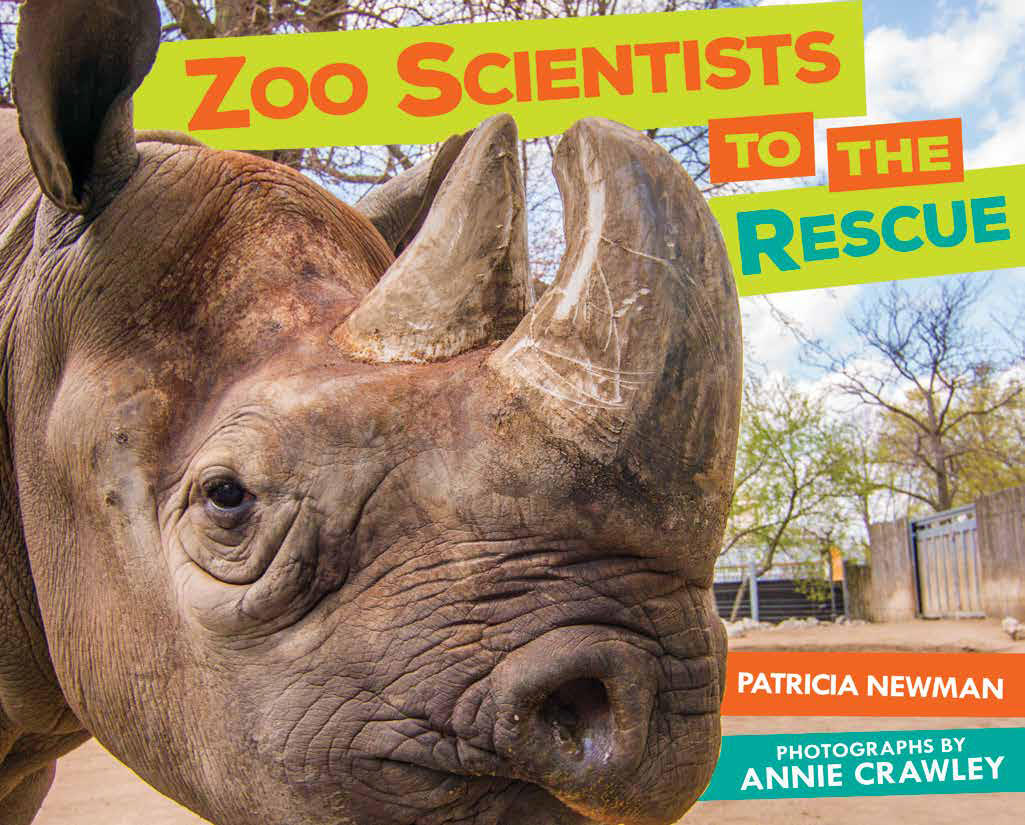
Zoo Scientists to the Rescue
Author: Patricia Newman
Photographer: Annie Crawley
Published October 1st, 2017 by Millbrook Press

Summary: Zoos take care of animals and welcome visitors of all ages, but that’s not all zoos do. Author Patricia Newman and photographer Annie Crawley bring readers behind the scenes at three zoos to meet scientists working to save endangered animals.

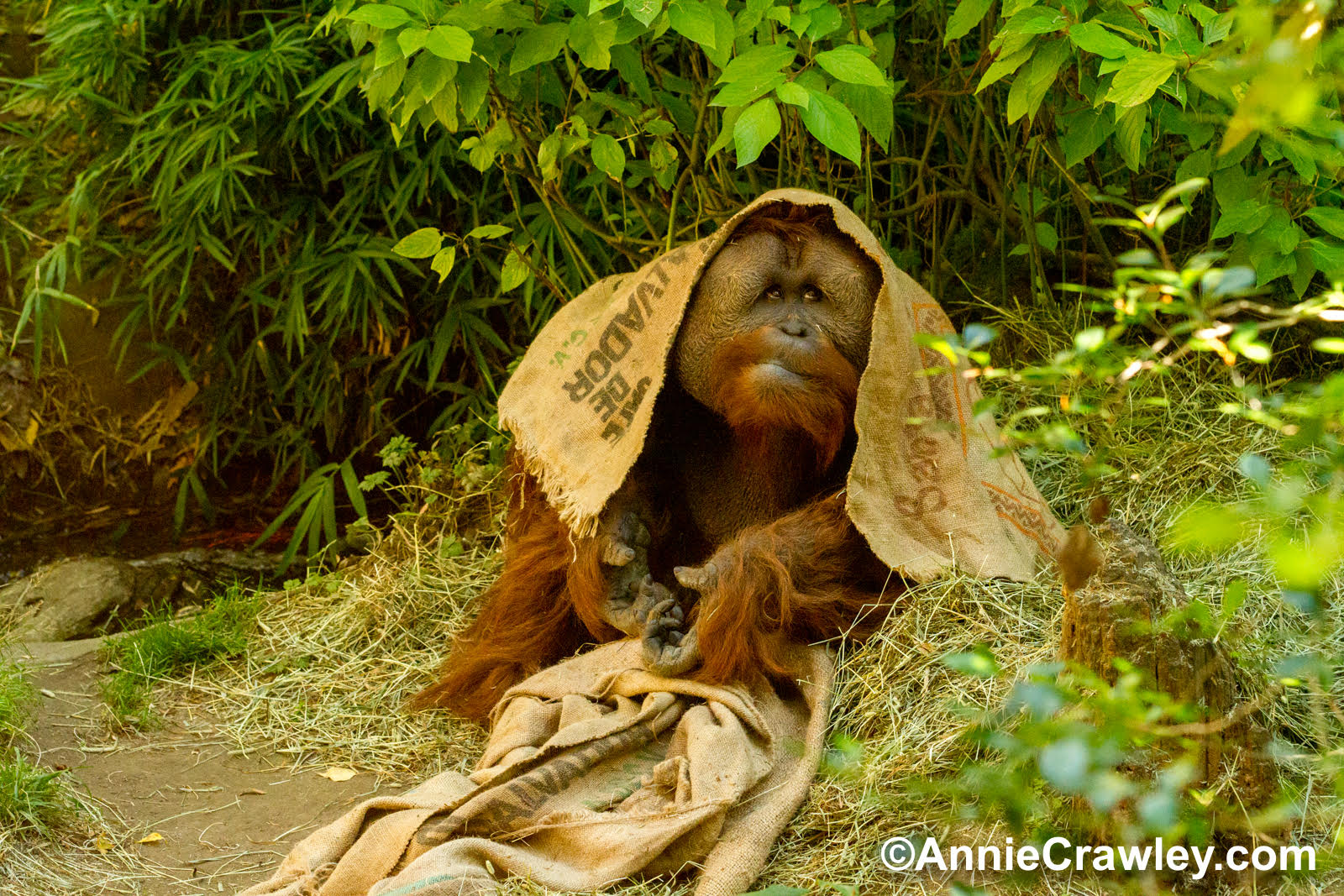
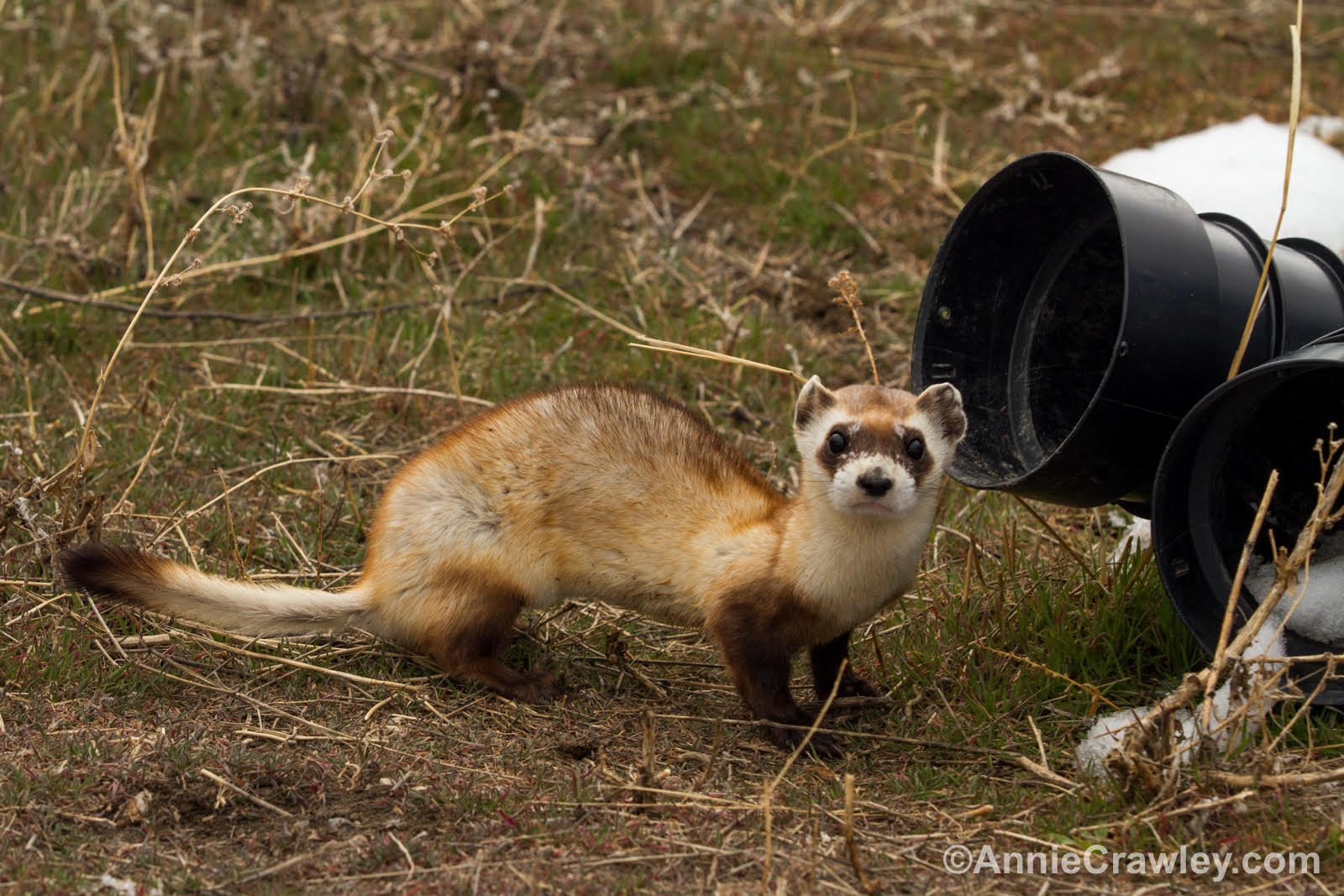
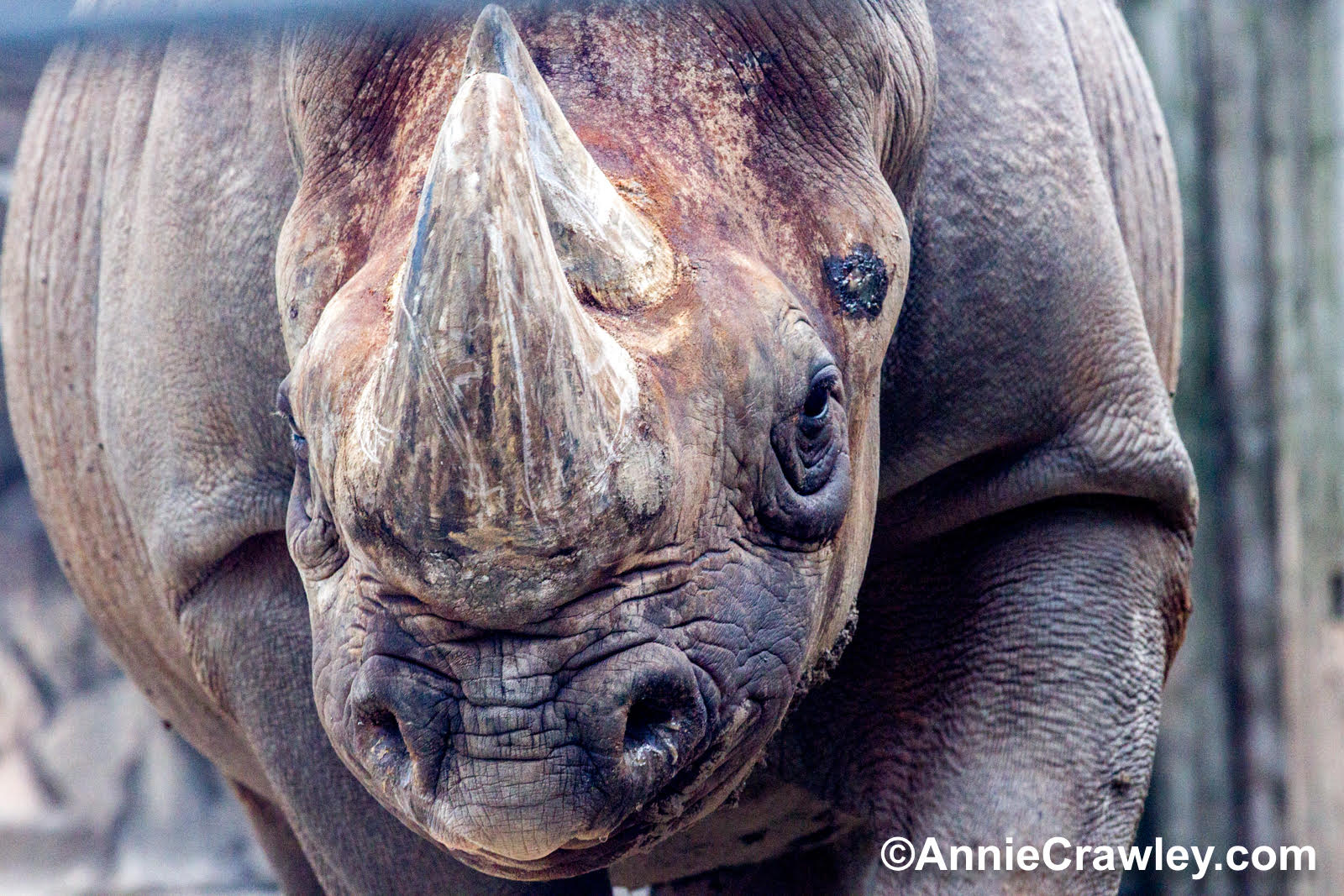
Meredith Bastian’s experiences studying wild orangutans help educate both zoo visitors and the zoo workers who care for captive orangutans. Jeff Baughman breeds black-footed ferrets and reintroduces them into the wild. And Rachel Santymire examines poop from black rhinoceroses at the zoo and in their natural habitat to benefit all black rhinos. Find out how zoo scientists are helping us learn more about these remarkable, at-risk species before it’s too late!

Visit the authors at http://www.patriciamnewman.com and https://www.anniecrawley.com/

ReviewPatricia Newman’s work always blows me away and Annie Crawley’s photos in Plastics, Ahoy! were breathtaking, so I was so happy to see that they had a new book coming out. In Zoo Scientists, a text is just as brilliantly done as Newman’s other works, she once again focuses on a topic that needs a spotlight. This time, we see how zoos are working towards saving endangered animals. Zoos are such important places when they are done correctly, so I loved this focus on three specific stories about how zoos are helping rhinos, orangutans, and black-footed ferrets. Each section tells us about a scientist at a different zoo, how they came to be where they are today, and how they help the species they work with. I loved the inclusion of each scientist’s story paying special attention to how they each became an expert. This makes Zoo Scientists perfect for looking at not only looking at endangered animals and zoos but how to reach your potential in a career making this book a must-get for classrooms that study any of these things.

Teachers’ Tools for Navigation: Teaching guides for all of Patricia’s books including the Zoo Scientist one coming soon can be found at http://www.patriciamnewman.com/teacher-guides/.

Rhino bookmarks!: http://www.patriciamnewman.com/wp-content/uploads/2017/07/Bookmark.pdf

Pinterest board with activities and articles to supplement the reading of Zoo Scientists to the Rescuehttps://www.pinterest.com/newmanbooks/zoo-scientists-to-the-rescue/

Consider an Author for Earth Day visit! Consider an Authors for Earth Day visit in conjunction with Zoo Scientists to the Rescue. Students research a list of five conservation nominees selected by Patricia Newman and then vote for their favorite. Newman writes a check to the winning organization. The mission? To empower young readers to shape the world around them!

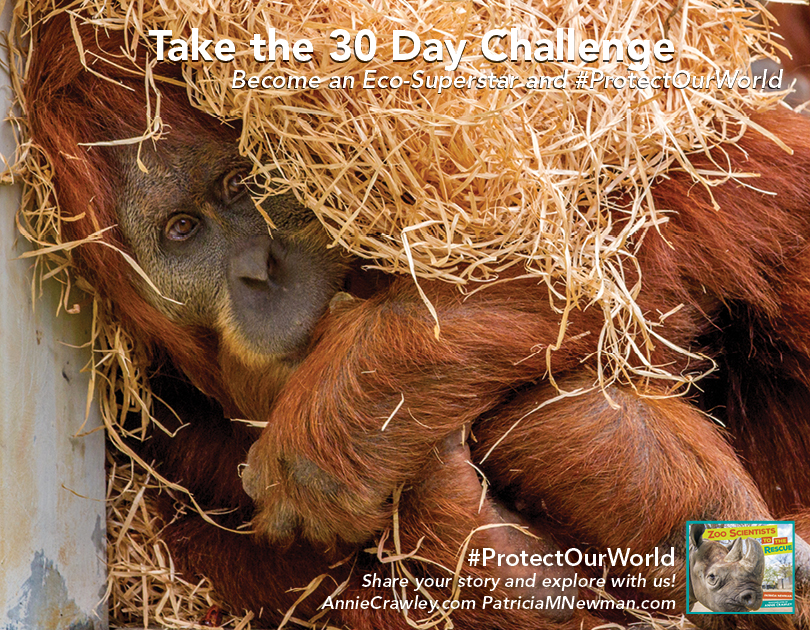
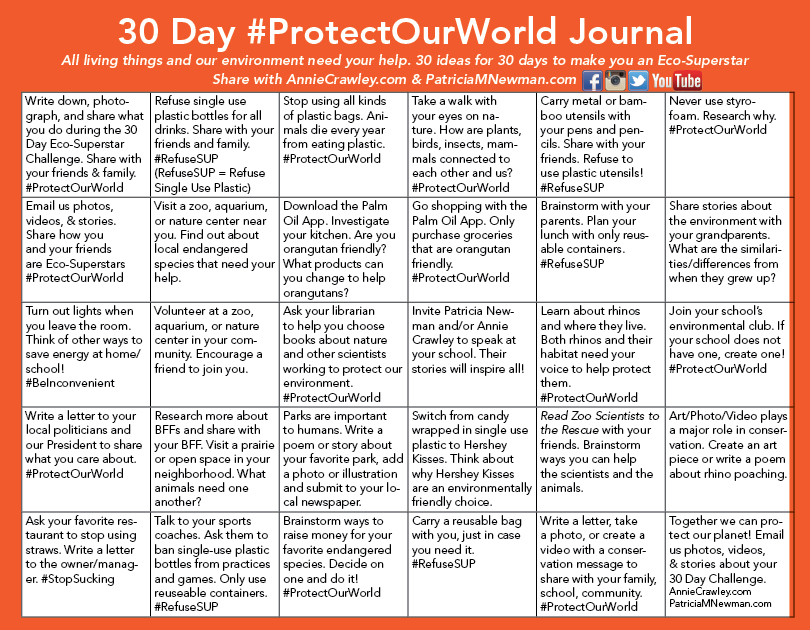
Participate in the 30 Day #ProtectOurWorld Challenge! Here is the Orangutan example. Visit http://www.patriciamnewman.com/books/zoo-scientists-rescue/ to see the rhino and black-footed ferret posters.

Discussion Questions: Use any or all of these discussion questions to extend the learning with Zoo Scientists to the Rescue:

  • What steps did each scientist take to become an expert in their field?
  • Why are orangutans’ habitat being destroyed?
  • Why is the poaching of rhinos for their horns such a devastating action?
  • How did the expansion of our nation effect the black-footed ferret?
  • How did humans play a role in each of these animals’ endangered status?
  • What can you do to help these animals?
  • Visit some of the resources about other conservation stories in the end of the book and share what you learn.
  • What words did you learn from the book? (Check out the glossary!)

Flagged Passages: 

“A sign outside the orangutan enclosure at the National Zoo explains that the apes red coloring mimics shadows in the forest’s canopy. As little as 30 feet above the forest floor, orangutans essentially disappear, which is surprising given their bulk. Fully grown wild wild male orangutans can weigh up to 220 pounds and wild females can weight up to 120 pounds. Zoo orangutans tend to be between 50 to 100 pounds heavier because of their nutritious diet.”

“About 15 years ago, black-footed ferrets roamed the Great Plains from Canada to Mexico. The Lakota call them pispiza itopta sapa (black-faced prairie dog) and believe they are sacred. But in the late 1800s, settlers moving westward and travelers from across the Pacific Ocean unknowingly put the ferrets in danger.”

“Unfortunately, rhinos are no match for armed poachers, hunters who kill wild animals illegally for profit. Approximately 5,050 black rhinos remain in the world due to poaching and habitat loss. They are labeled critically endangered–one step from extinct in the wild, and only two steps from fully extinct. Lincoln Park Zoo hopes to play a role in saving them.”

Book Trailer: 

Read This If You Love: Zoos, Animals, Learning about scientists, Science, Conservation efforts, Earth Day

Recommended For: 

classroomlibrarybuttonsmall closereadinganalysisbuttonsmall 

Make sure to visit the other stops on the Blog Tour!

Signature

**Thank you to Patricia Newman for asking me to be part of the blog tour!**

New Nonfiction Texts and Nonfiction & Fiction Chapter Books from Animal Planet

Share

nfpb2017

Nonfiction Wednesday

Nonfiction Picture Book Wednesday is hosted by Kid Lit Frenzy and was started to help promote the reading of nonfiction texts. Most Wednesdays, we will be participating and will review a nonfiction text (though it may not always be a picture book).
Be sure to visit Kid Lit Frenzy and see what other nonfiction books are shared this week!

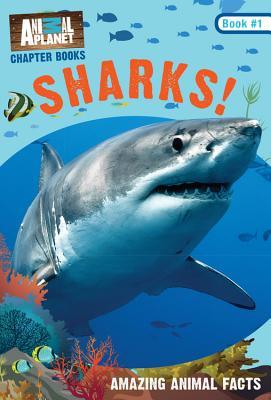
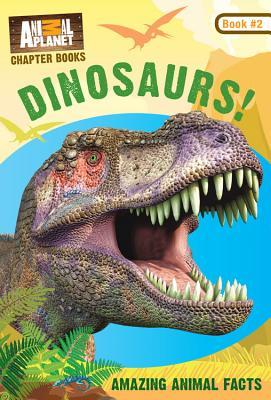
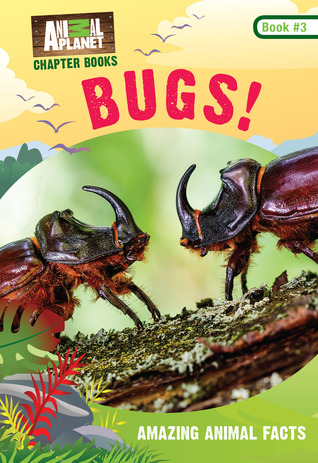
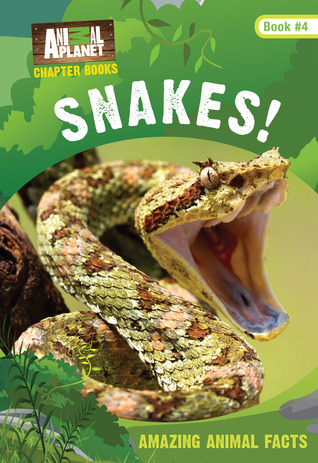
If you haven’t noticed, nonfiction texts have really been stepping up their game recently! Some of my favorites from from Animal Planet and Time, Inc., so I wanted to share some new series that are coming from them. 

Animal Planet Chapter Books

Book #1: Sharks
Book #2: Dinosaurs
Book #3: Bugs
Book #4: Snakes

Summary: Engaging narrative nonfiction is paired with tried-and-true kid-friendly subjects in a popular chapter book series from Animal Planet and Time Inc. Books. All books in the series feature plentiful full-color photographs, illustrations, and a kid-friendly design. Sidebars such as “Meet the Scientists,” “In Your News Feed,” and “Fact File” pages highlight interesting aspects of each creature profiled and keep readers up to date on the most current research. Packed with information for thrill seekers and animal lovers alike, these are the perfect books for new readers who are ready to take a deeper dive into their favorite subject.

A companion fiction series, Animal Planet Adventures, is also available.

Animal Planet Adventures

Book #1: Dolphin Rescue by Catherine Nichols
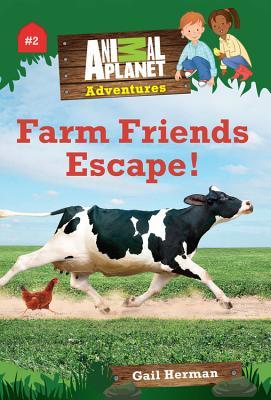
Book #2: Farm Friends Escape! by Gail Herman

Summary: Animal Planet Adventure chapter books present fiction and nonfiction within a familiar narrative format to bring the best of the animal world to young readers. Perfect for reluctant, challenged, and newly fluent readers, the new series combines fun animal mysteries with cool nonfiction sidebars that relate directly to the stories. Each book contains 100 full-color illustrations and photographs.

Animal Planet Adventures Curriculum Guide

Animal Planet Animal Bites

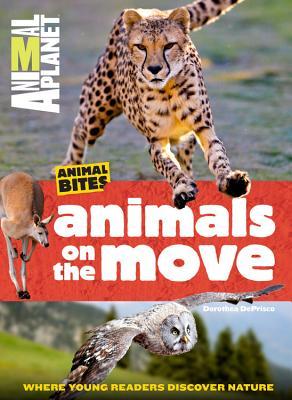
Animals on the Move
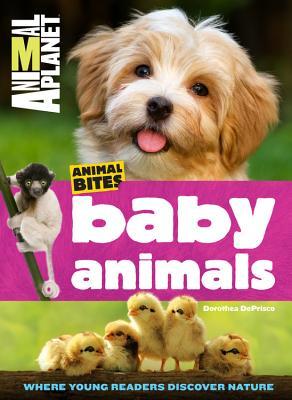
Baby Animals
*Newest titles!*

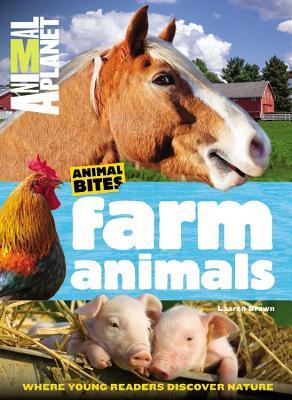
Farm Animals
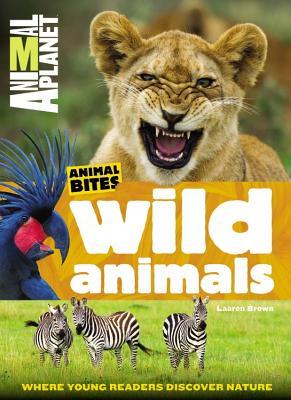
Wild Animals
*Reviewed October 5th, 2016*

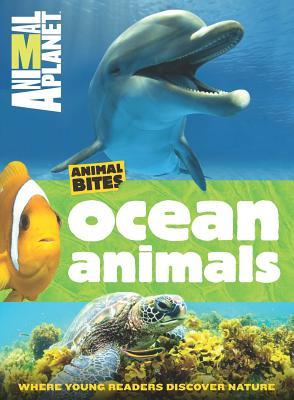
Ocean Animals
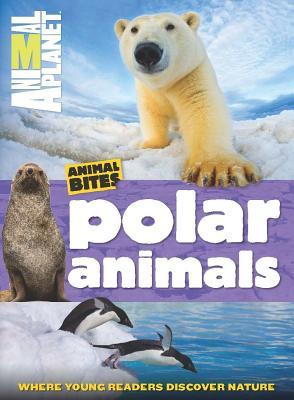
Polar Animals
*Reviewed April 27th, 2016*

Summary: The Animal Bites series provides emerging readers with the perfect bite-sized guide to the animal world. Each book contains more than 200 striking photographs, easy-to-understand graphics, and maps. Fun “Just Like Me” call-outs show the ways in which animals are similar to young readers–sharks rely on their senses of sight and scent to learn about their world, for example, just like kids do. “Info bits” boxes highlight quick facts about a species’ home, size, and classification. Each book contains a glossary, a page of resource where kids can go to learn more about animals, and a great list of activities to try, from making a bird feeder to moving like a baby rabbit or tern chick.

A portion of proceeds from the sale of books in the Animal Bites series benefits the principal partners of Reach Out. Act. Respond. (R.O.A.R.), Animals Planet’s initiative dedicated to improving the lives of animals in our communities and in the wild.

All Recommended For:

  litcirclesbuttonsmall classroomlibrarybuttonsmall

Busy Builders: Construction Site by Katherine Sully

Share

Busy Builders Construction Site
Author: Katherine Sully
Illustrator: Carles Ballesteros
Published December 20, 2016 by Silver Dolphin

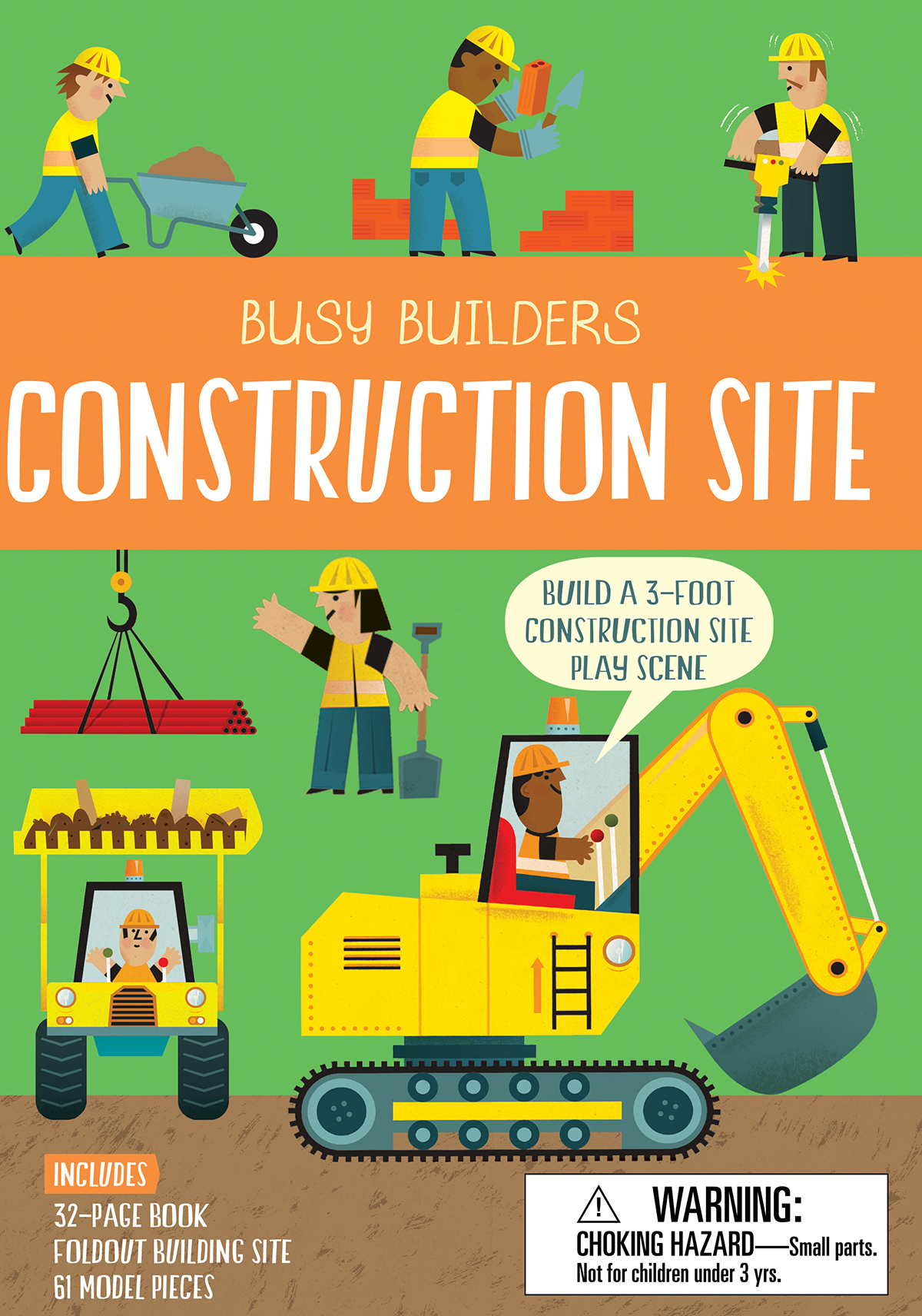
Summary: Dig in and get ready to work in Busy Builders: Construction Site. This three-dimensional interactive kit will bring young children to a busy building site, where they will meet the construction crew at work on a new school. The fact book introduces kids to the people and machines at a construction site, using colorful illustrations and simple text. Plus, the box folds out to form a school under construction, complete with model pieces for the building, vehicles, and construction workers.

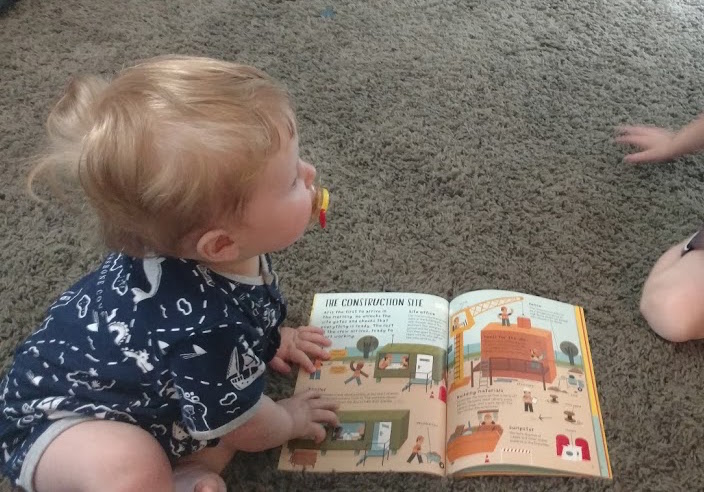
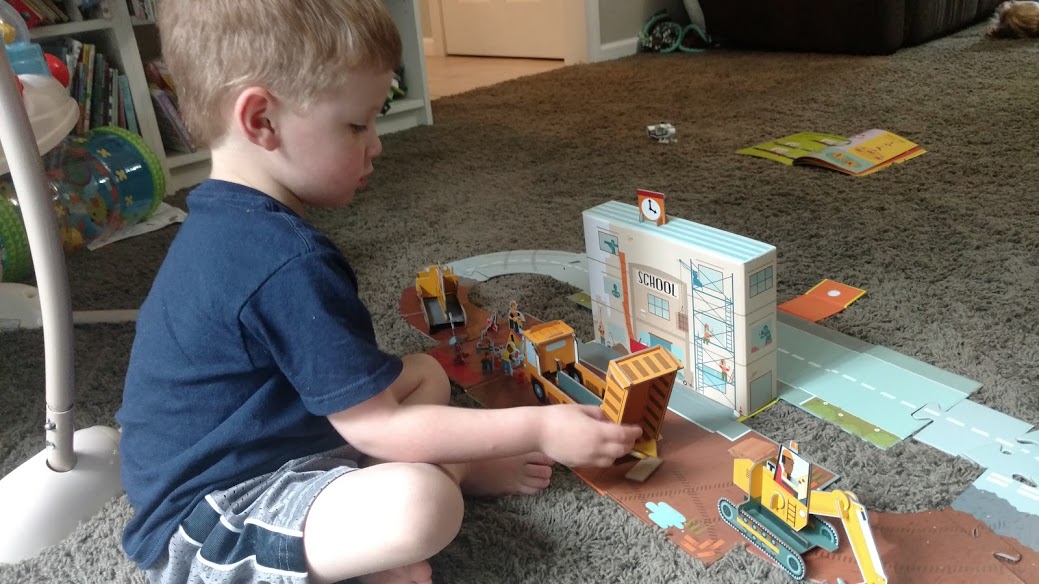
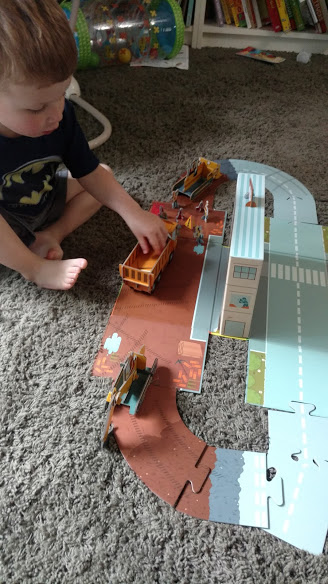
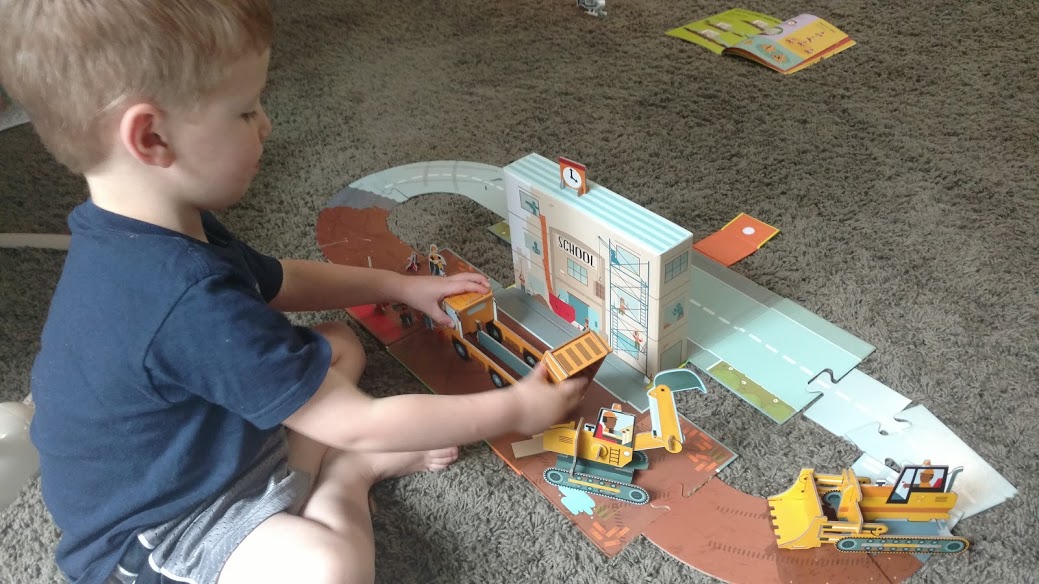
Review and Teachers’ Tools for Navigation: This book/kit was such a joy. I saved it for a gathering of kids at a lake house. Six kids (a 9 mo, 2 yo, 2.5 yo, 3.5 yo, 5 yo, and 7 yo) worked together to read the book and build the construction site. The two oldest kids were the best at putting the pieces together, and the parents helped. The directions were very easy to follow, and the construction vehicles swivel and move!

I didn’t remember to take pictures of the group effort in action, but I did take a few pictures of my two sons reading the book and playing with the kit the next day (see below). It was so fun to read about all of the construction workers and to have the figures in hand to place them on the construction site. This book would make a wonderful gift and would be great for a learning station in a class. My son is 3.5 years old, and I built most of the vehicles, but he helped with the smaller figures. Early elementary school students would be able to build this kit together with assistance, and the picture book is clear and easy to follow. For a learning stations, the kit can easily be disassembled between groups, or each group of students can build a different vehicle.

We are very excited to assemble the airport and fire station kits next!

Discussion Questions: Where do all of the crew members work? How do they work together to build the school?; How do you think the author and illustrator worked together to craft this book?

Fun Moments: 

An Hour Later (No Lie):

Read This If You Love: Building Models, Vehicles, Interactive Play, Engaging Reading Activities

Recommended For:

  classroomlibrarybuttonsmall

Can an Aardvark Bark? by Melissa Stewart

Share

nfpb2017

Nonfiction Wednesday

Nonfiction Picture Book Wednesday is hosted by Kid Lit Frenzy and was started to help promote the reading of nonfiction texts. Most Wednesdays, we will be participating and will review a nonfiction text (though it may not always be a picture book).
Be sure to visit Kid Lit Frenzy and see what other nonfiction books are shared this week!

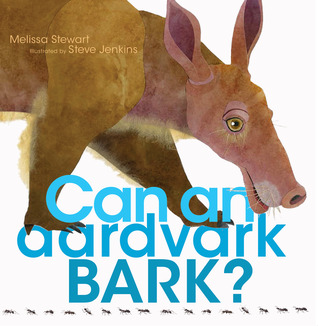
Can an Aardvark Bark?
Author: Melissa Stewart
Illustrator: Steve Jenkins
Published June 13th, 2017 by Beach Lane Books

Summary: From award-winning author Melissa Stewart and Caldecott honoree Steve Jenkins comes a noisy nonfiction exploration of the many sounds animals make.

Can an aardvark bark? No, but it can grunt. Lots of other animals grunt too…

Barks, grunts, squeals—animals make all kinds of sounds to communicate and express themselves. With a growling salamander and a whining porcupine, bellowing giraffes and laughing gorillas, this boisterous book is chock-full of fun and interesting facts and is sure to be a favorite of even the youngest animal enthusiasts.

Review: This book came at a perfect time for my family! Trent had a doctor appointment last week and he was in the jungle room. While in the room, he started saying the noises for each animal and asking me what the ones he didn’t know make. I promptly found an app for that, and we’ve been exploring the app ever since listening to the sounds of all sorts of animals from chimpanzees to ibex to anteaters that live in the jungle to the farm to the mountains. And then we received Can an Aardvark Bark? in the mail, and it was such a happy coincidence! The book is a perfect addition to my new animal sound obsessed kid.

But in addition to my personal story of why we’re excited about this book the text is also filled with animal facts, fun to read, and illustrated by one of my favorite illustrators, Steve Jenkins.

Teachers’ Tools for Navigation: In an elementary classroom, Melissa Stewart’s work  is such a wonderful way to bring science into reading time and reading into science time. This one is no exception. The book includes a wide variety of animals and interesting information about each one. It also has a fun rhythmic and rhyming text that lends itself to read alouds. The book could also be a jumping off point for an animal inquiry project focused around either an animal in the book or a new animal.

Discussion Questions: What are different ways animals communicate?; What animal makes a sound that surprised you?; How did the author structure the book?; What are some animals not in the book? What sound do they make? Where would they fit in in the text structure? Or would they be in their own category?; What can animal sounds tell you about the animal?

Book Trailer: 

Read This If You Love: Nonfiction picture books about animals, Melissa Stewart’s work or Steve Jenkins’s work

Recommended For: 

classroomlibrarybuttonsmall closereadinganalysisbuttonsmall 

Signature

Blog Tour with Review and Giveaway!: Two Truths and a Lie: It’s Alive! by Ammi-Joan Paquette and Laurie Ann Thompson

Share

nfpb2017

Nonfiction Wednesday

Nonfiction Picture Book Wednesday is hosted by Kid Lit Frenzy and was started to help promote the reading of nonfiction texts. Most Wednesdays, we will be participating and will review a nonfiction text (though it may not always be a picture book).
Be sure to visit Kid Lit Frenzy and see what other nonfiction books are shared this week!

Two Truths and a Lie: It’s Alive!
Author: Ammi-Joan Paquette & Laurie Ann Thompson
Published June 27th, 2017 by Walden Pond Press

Summary: Two Truths and a Lie is the first book in a fascinating new series that presents some of the most crazy-but-true stories about the living world as well as a handful of stories that are too crazy to be true—and asks readers to separate facts from the fakes!

Did you know that there is a fungus that can control the mind of an ant and make it do its bidding? Would you believe there is such a thing as a corpse flower—a ten-foot-tall plant with a blossom that smells like a zombie? How about a species of octopus that doesn’t live in water but rather lurks in trees in the Pacific Northwest?

Every story in this book is strange and astounding. But not all of them are real. Just like the old game in this book’s title, two out of every three stories are completely true and one is an outright lie. Can you guess which? It’s not going to be easy. Some false stories are based on truth, and some of the true stories are just plain unbelievable. And they’re all accompanied by dozens of photos, maps, and illustrations. Amaze yourself and trick your friends as you sort out the fakes from the facts!

Acclaimed authors Ammi-Joan Paquette and Laurie Ann Thompson have teamed up to create a series of sneaky stories about the natural world designed to amaze, disgust, and occasionally bamboozle you.

About the Authors:


Ammi-Joan Paquette has traveled to twenty-four countries, has the ability to wake herself up at a given time without an alarm clock, and once climbed Mt. Everest. (Not all of these are true!) Joan is the author of the novels Rules for Ghosting, Paradox, and Nowhere Girl, as well as the picture books Petey and Pru and the Hullabaloo, Ghost in the House, The Tiptoe Guide to Tracking Mermaids, and The Tiptoes Guide to Tracking Fairies. She lives outside Boston, Massachusetts, where she balances her own writing and her day job as a literary agent. You can visit her online at www.ajpaquette.com.

Laurie Ann Thompson has ridden a pig, gotten stuck in an elevator overnight, and jumped out of a perfectly good airplane. (One of these facts is not true; can you guess which?) She is the author of Be a Changemaker: How to Start Something That Matters, My Dog Is the Best, and Emmanuel’s Dream, a picture book biography about Emmanuel Ofosu Yeboah, which was the recipient of the Schneider Family Book Award and was named an ALA Notable Book, a CCBC Choice, and a Bank Street College Best Book of the Year, among dozens of other accolades. She lives outside Seattle with her family. You can visit her online at www.lauriethompson.com.

Review: Walden Pond, as far as I know, hasn’t published a nonfiction text other than the Guys Read: True Stories, and I can definitely see why this is one they chose to add to their publication catalog. One of the greatest educational obstacles right now is that students have access to such a wide variety of information, some that is anything but reliable and valid, so it is up to parents and educators to show how to filter through all of the information and check the validity of what they find. Paquette and Thompson’s Two Truths and a Lie take that to a fun level giving the reader three stories, all the seem as crazy yet possible, but it gives kids the opportunity to use the internet to research each story to determine what is the truth and what is the lie. But the book doesn’t seem like it is for teaching, though it would work perfectly in the classroom, because the stories are just so crazy and fun to read from zombie-making fungi to an unlikely chicken, the stories are just all so unbelievable!

Teachers’ Tools for Navigation: Like I shared above, these stories would be a perfect way to practice digital literacy and learn about reliable and valid sources.

A teaching guide is also available from the publisher here!

Discussion Questions: Which is a lie? Why do you think so? Where could you check to find out? Which of the true stories do you want to learn more about?

Flagged Passages: “Part 1: Preposterous Plans and Fungi–Crazy, Creepy, Cool

Ah, nature. A green meadow. Wind rustling through the leaves.
Mushrooms growing on the side of a fallen log. What could be more peaceful, more predictable, more ordinary?
To that we say: ha! The plants and fungus we spotlight in this section are full of surprises. They completely defy those common stereotypes and misconceptions
Intrigued? We hope so! Because once you’ve read these, going green will never mean quite the same thing…

A. Underground Miracle Root
B. Pandomonium
C. The Secret Lives of Plants.” Chapter 1, Part 1

Read This If You Love: Learning interesting and new facts about nature

Recommended For: 

classroomlibrarybuttonsmall closereadinganalysisbuttonsmall

Follow the Blog Tour!

June 5th   Librarian’s Quest
June 7th   Flowering Minds
Pragmatic Mom
June 11th  Geo Librarian
June 13th Smack Dab in the Middle
June 14th Bluestocking Thinking
June 15th Novel Novice
Library Lions Roar
June 16th Archimedes Notebook
June 18th Nerdy Book Club
June 19th Cracking the Cover
June 20th Writers Rumpus
The Hiding Spot
June 21st  Maria’s Melange
June 23rd Unleashing Readers
June 24th This Kid Reviews Books

Enter the Giveaway!

a Rafflecopter giveaway

Signature

Behind the Legend: The Loch Ness Monster & Big Foot by Erin Peabody

Share

nfpb2017

Nonfiction Wednesday

Nonfiction Picture Book Wednesday is hosted by Kid Lit Frenzy and was started to help promote the reading of nonfiction texts. Most Wednesdays, we will be participating and will review a nonfiction text (though it may not always be a picture book).
Be sure to visit Kid Lit Frenzy and see what other nonfiction books are shared this week!

Behind the Legend Series
The Loch Ness Monster
Big Food
Author: Erin Peabody
Illustrator: Victor Rivas
Published May 2nd, 2017 by little bee books

Series Summary: little bee books is thrilled to announce their brand-new nonfiction middle grade series! Behind the Legend is designed for readers ages 8-10 and asks that to decide what is fact and what is fiction. Each book analyzes legendary creatures throughout history using scientific problem solving. Readers evaluate the evidence of sightings, debunk hoaxes with scientific experiments, and read from sources to decide if the monster is made of myth, legend, or fact. Packed with interesting anecdotes, photos, sidebars, and illustrations, each title is a page-turning adventure that readers won’t want to put down.

Learn all about creatures and monsters throughout history and discover if they’re real or not in this new nonfiction series! Behind the Legend looks at creatures and monsters throughout history and analyzes them through a scientific, mythbusting lens, debating whether or not the sightings and evidence provided are adequate proof of their existence.

More books coming soon! Zombies and Werewolves coming in Summer 2017 and Unicorns and Dragons in Spring 2018.

The Loch Ness Monster Summary: In The Loch Ness Monster, readers learn about all the sightings and proof of it, from the famous photograph to the huge “footprints” found by the Loch. It also discusses other history about the monster, such as how Nessie became a major figure in popular culture, and other mythical beings that came from Scotland. Complete with engaging anecdotes, interesting sidebars, and fantastic illustrations, kids won’t want to put this book down!

Big Foot Summary: In Bigfoot, readers learn about all the sightings and proof of it, from the famous photograph and video to footprints and other evidence. It also discusses additional history about the monster, such as how Bigfoot became a major figure in popular culture, and how other versions of the creature (such as the Yeti) have been seen around the world. Complete with engaging anecdotes, interesting sidebars, and fantastic illustrations, kids won’t want to put this book down!

Review: On one of our recent Top Ten Tuesday posts, I shared that I am always looking for nonfiction books to keep my middle grade students reading nonfiction because it is so hard to talk them into reading it unless it really catches their interest. I think part of the reason is because there aren’t many transitional nonfiction books from picture books and shorter informational nonfiction books to longer works like books by Jim Murphy, Deborah Heiligman, and Candance Fleming (which are phenomenal, but many readers just don’t have the nonfiction stamina). I think the Behind the Legend series fits this need perfectly! They are slightly longer than the traditional children’s nonfiction book and the words outnumber the pictures though there are still many illustrations, big font, lots of white space, and short chapters.

Teachers’ Tools for Navigation: The Behind the Legend series’ texts will be perfect for not only reading aloud and discussing the truly interesting information within the book, I think the texts would be perfect mentor texts for writing an informational nonfiction text of the students’ own. The books do a wonderful job at looking at many different aspects of the legend and remaining unbiased.
Discussion Questions: Based on the information shared in the text, do you believe the legends are fact or fiction? Support your answer with evidence form the text.; How do legends such as the Loch Ness Monster and Bigfoot become such cultural phenomenons?
Flagged Passages: 
Read This If You Love: Who Was? series, Legends

Recommended For: 

classroomlibrarybuttonsmall closereadinganalysisbuttonsmall

Signature

**Thank you little bee books for providing copies for review!**