Blog Tour, Review, Giveaway, and Author Interview: Curiosity House: The Screaming Statue by Lauren Oliver and H. C. Chester

Share

curiosity house

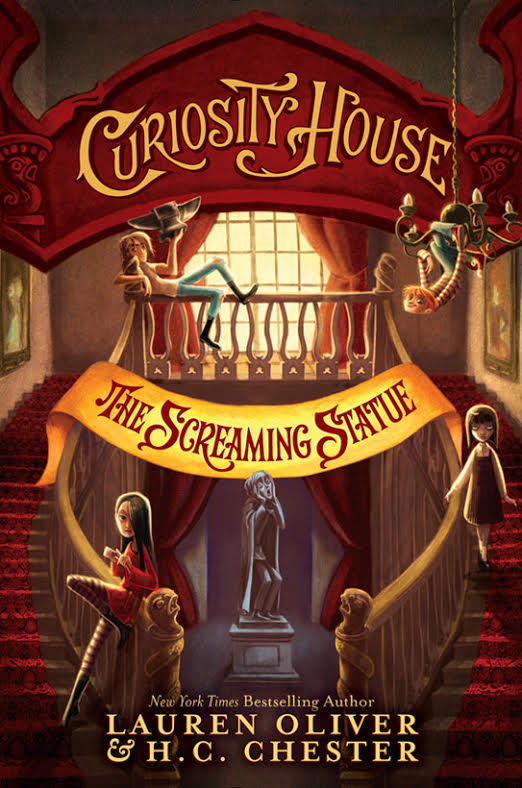
Curiosity House: The Screaming Statue
Authors: Lauren Oliver and H. C. Chester
Anticipated Publication: May 3, 2016! by HarperCollins

Summary: Four orphans with extraordinary abilities and questionable pasts—Pippa, Sam, Thomas, and Max—are happy to be out of harm’s way now that the notorious villain Nicholas Rattigan is halfway across the country in Chicago. But unfortunately their home, Dumfreys’s Dime Museum of Freaks, Oddities, and Wonders, is in danger of closing its doors forever.

But their troubles only get worse. The four friends are shocked when their beloved friend, famous sculptor Siegfried Eckleberger, is murdered. As they investigate, they find clues that his death may be tied to the murder of a rich and powerful New York heiress, as well as to their own pasts.

In this second book in the exceptional Curiosity House series by bestselling author Lauren Oliver and shadowy recluse H. C. Chester, the four extraordinary children must avenge their friend’s death, try to save their home, and unravel the secrets of their past . . . before their past unravels them.

My Review: I actually read the second book in the series before the first, and I had so much fun reading both! The murder mystery kept me guessing throughout the series, and I imagine both middle grade readers and readers of all ages will have great fun with this book! The world of this book feels like it is set about one hundred years ago, so I enjoyed reading sections aloud to my son. We talked with him about “freak shows” and their purpose and existence. He is very young, so the conversation did not get very critical, but I imagine that classroom teachers would have excellent discussions with students about these topics. Each of the characters is very different from the others, which made reading this book so enjoyable. What I enjoyed most about the book (and series) is its accessibility. While the freak show aspect is an element of our past, the book feels like it is set right in this moment, and this is what makes it such an engaging book for readers!

Teachers’ Tools for Navigation: This series is a creative lesson gold mine for teachers. How neat would it be to print pictures from the museum and post them around the room? Students could walk around the room and be inspired to write their own fiction. Then, they might share stories and see how different their perspectives might be. This could lead to conversations about author’s craft and outside inspiration as a writing source.

Learn More about The Curiosity House:
The Book Website, which includes School Resources!:  http://www.thecuriosityhouse.com/
Read More about Authors Lauren Oliver and H. C. Chester: http://www.thecuriosityhouse.com/authors.php
Downloadable Character Buttons!

Discussion Questions: Which character was your favorite? What characteristics made the character most interesting to you? How do others respond to this character?; How do you imagine Lauren and H. C. worked together on this project? (Hint: After guessing, take a peek at the interview questions below.); Why might author collaborations be so valuable?

Flagged Passage: “It was only eleven o’clock in the morning and already topping ninety degrees in New York City. The street outside of Dumfrey’s Dime Museum of Freaks, Oddities, and Wonders was as still as a painting.”

**Please note that this passage is from an advanced reader copy and will potentially change with publication.**

Read This Series If You Loved: Wonder Show by Hannah Barnaby, Miss Peregrine’s Home for Peculiar Children by Ransom Riggs, Circus Mirandus by Cassie Beasley, A Snicker of Magic by Natalie Lloyd, Mechanical Mind of John Coggin by Elinor Teele, Big Fish by Daniel Wallace, Night Circus by Erin Morgenstern, Peter Pan by J.M. Barrie

Recommended For: 

  litcirclesbuttonsmall  classroomlibrarybuttonsmall

a Rafflecopter giveaway

Interview with Lauren Oliver and H.C. Chester!
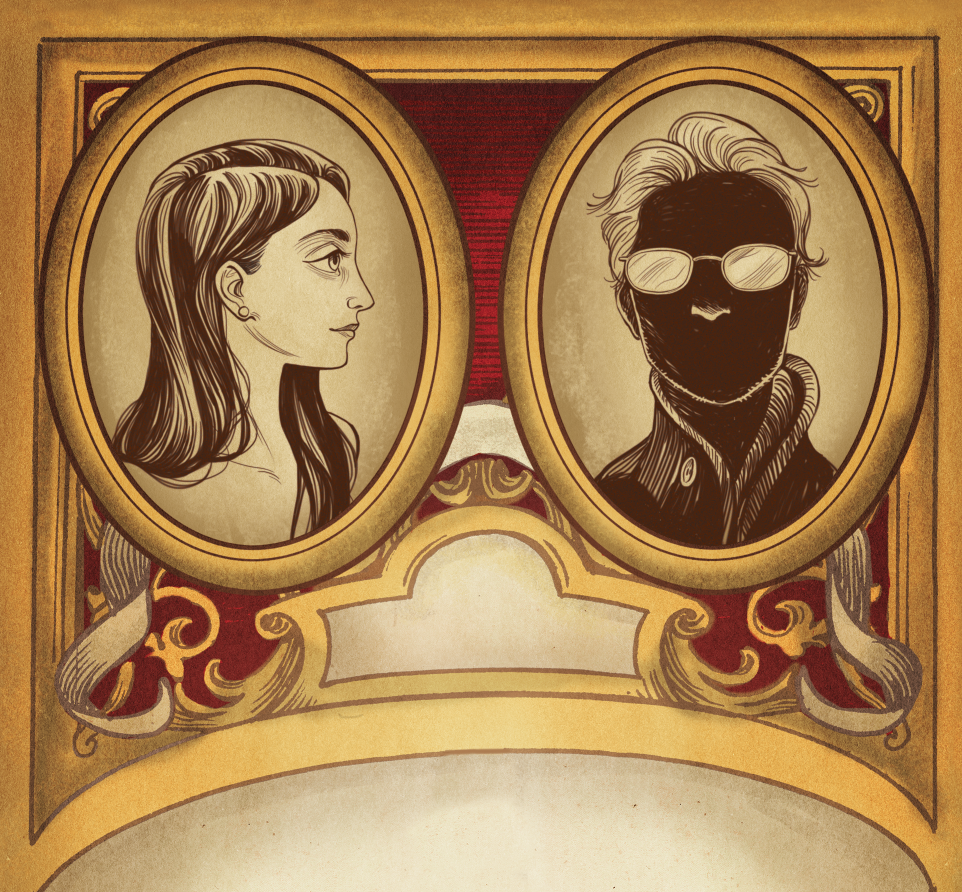
Oliver and Chester

What does your writing process look like? Is it mainly collaborative in nature, or do you work alone?

HCC: My working relationship with Ms. Oliver represents what I regard as the ideal collaborative arrangement.  I permit her access to my unique collection of rare and extraordinary artifacts–as well as giving her the invaluable benefit of my encyclopedic knowledge of all things related to the strange and arcane–and she does all the work.

What have you learned from each other while writing these books?

HCC: I have learned that MS. Oliver possesses what can only be termed bananaphobia.  My discovery of this strange phenomenon occurred when I invited her to join Trudy and myself for lunch during one of her–Ms. Oliver’s–research trips to my private museum and made the error of ending  the meal with what I believed would be a delicious dessert of canned fruit cocktail adorned with hand-cut banana slices.  I will spare you a description of the scene that ensued. Let me only say that Trudy was so traumatized that it took her an unusually long span of nearly fifteen minutes to finish off her dish of fruit cocktail.

Lauren, how has writing this series been different from writing your other texts, which explore a much different genre? Has the intended audience affected your writing process in any way?

LO: I actually have two other middle grade books, Liesl and Po, and The Spindlers, so writing for a younger audience wasn’t unfamiliar to me. I really love it, because it gives me a chance to explore my humorous side. And I love how sheerly inventive and, for lack of a better word, kooky you can be with a younger audience.

H.C., what have you learned from this writing process? Has it affected the ways you look at the museum?

HCC: I have learned that the most satisfactory writing process is one in which someone else does all the work.  As for your second question, my answer is: not really.

Interview with the character, Phoebe the Fat Lady:
Phoebe

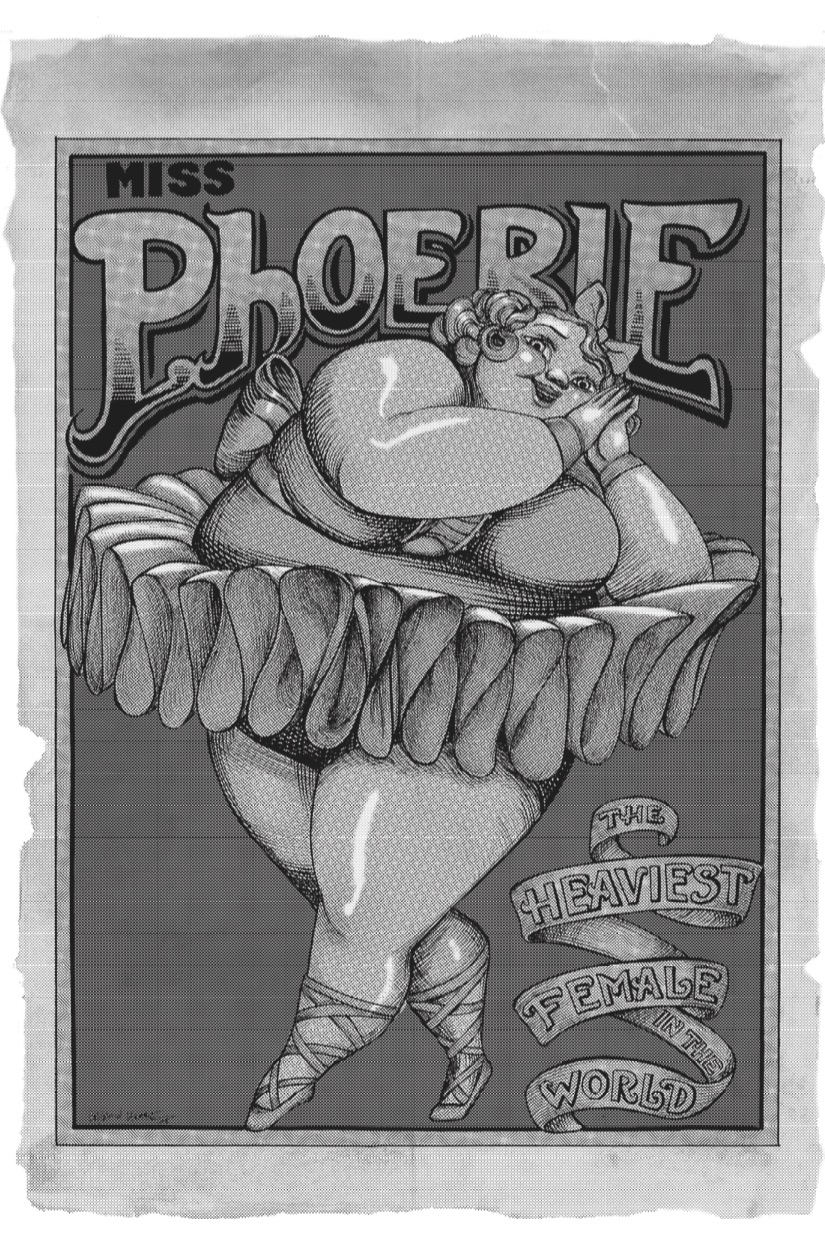
Weighing in at half a ton, Phoebe is tremendously proud of her size and keeps up a rigorous diet regimen that includes toast soaked in bacon fat and whole sticks of butter. The scariest day of her life was when she discovered, that due to the flu, she had lost ten pounds.

Since you’ve left, what adventures have you embarked on? Who do you miss most?

Phoebe: Hugo and I have traveled all over Europe, where we’ve seen things that are truly freakish! Do you know that in France, snails are a delicacy?

Have you maintained the same weight? How has life been for you, in general?

Phoebe: Oh, certainly not! That is one of the strongest misconceptions people have about my weight–that I do not have to work, every day, to maintain my fantastic enormity. But in fact as a child I could barely be considered plump! In order to maintain my beautiful physique, I follow a strict diet of twenty-six meals a day and restrict my exercise to less than one hundred meters.

Will we see you again?

Phoebe: Never say never!

**Thank you to Natasha Ochshorn and Lauren Oliver for providing an advanced copy for review!**

Be sure to visit the other great blogs on this blog tour! Before us was: http://www.literaryhoots.com and coming up next is: http://www.memyshelfandi.com!

 RickiSig

Top Ten Tuesday: Bookworm Delights

Share

top ten tuesday

Top Ten Tuesday is an original feature/weekly meme created at The Broke and the Bookish. The feature was created because The Broke and Bookish are particularly fond of lists (as are we!). Each week a new Top Ten list topic is given and bloggers can participate.

 Today’s Topic: Bookworm Delights

These are some of our favorite book/reading things!

Ricki

1. When someone raves about a book I recommended to him/her

Recommending books is very hard because sometimes books hit people in different ways. I feel a sense of relief when a book affects a person in the way I predict!

2. Finding a hidden gem

I often find myself reading books that other bloggers and friends recommend. Further, I try to stay caught up on my favorite authors. But sometimes, I pull that random book off of my shelf, and it shocks me. I am always excited when that book is an ARC because I am able to talk it up before its publication.

3. When 11pm hits, and my work for the day is done, and I reach my reading reward time

Sometimes, this reading reward time extends well into the morning hours!

4. Meeting authors

When I meet an author, and s/he turns out to be a wonderful human being, it just makes the world feel warmer and brighter. I find that almost all YA authors are incredible human beings.

5. Knocking a book off of my book bucket list

Sometimes I go a long time, promising myself I will get to a certain book. When I finish it (and especially if it is very good), I feel very accomplished. As long as I don’t write this list down, it feels manageable in a lifetime. 😉

Kellee

1. When my prediction is correct (or really wrong)!

I love when my prediction is correct, but I also love when a book tricks me!

2. When I find the book title in the story

I get so excited and usually tab it! I love figuring out how the title is chosen.
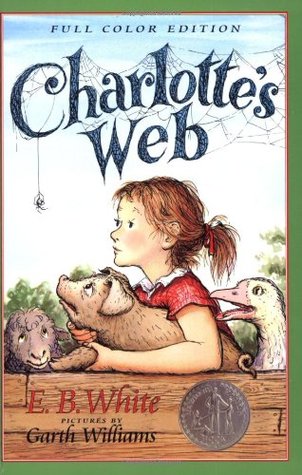
3. Reading alone at a park or in Starbucks or in bed

Even though I am outgoing, I am an introvert, so this is one of my favorite things in the world.

4. Helping kids find books they really love

This is also one of my favorite things in the world. I love helping kids find a book they truly love. It makes me feel like I have changed their life.

5. When a book makes me cry or laugh out loud

There are books that make others cry/laugh out loud that make me sad or I find humorous, but it is only pretty special books that make me cry or laugh out loud.

What delights you the most? 

RickiSig and Signature
Author Guest Post!: “Possible Impossibilities: Magic and the Middle-Grade Reader” by I. J. Brindle, Author of Balthazar Fabuloso in the Lair of Humbugs
Share

Possible Impossibilities: Magic and the Middle-Grade Reader”
When my son, Theo, was about to turn four, I asked him what he wanted for his birthday. His answer was simple, only one thing: Hogwarts Castle. “A mini tree-fort version?” I suggested hopefully. Nope, he wanted the whole thing, old stones, talking portraits, moving staircases, the whole shebang, to be built in our backyard. “Or a Batcave,” he relented, seeing my expression. “If you can’t do Hogwarts, I’ll take a Batcave.”
If little kids have one super power it’s that power to believe random, wacko stuff is totally possible. And why not? Those kind of things are happening all the time in their worlds: steam suddenly whistling out the spout of a kettle, crusty old seeds pushing up pale green sprouts through the dirt, clear light through faceted glass turning into rainbows. I remember clearly when I was four, hammering metal coffee cans and other bits of debris to an old flat piece of plywood to make a boat I would sail across Lake Ontario. My dad, who was sorting the laundry nearby, never told me that was not going to happen. To this day, I think that was one of the best gifts he ever gave me.

Too often, well-meaning adults rush in to help children develop a sense of perspective, an understanding of what is realistic, sealing up the cracks between the world of imagination and the more reliable, tried and true “reality.” The instinct generally comes from a good place. To protect from disappointment. To make sure the child is investing his or her precious hopes and dreams in something that might actually, in a million years, have some chance of ever happening.

“If only he would ask for something we could actually give him,” I remember bemoaning to Theo’s dad after Theo finished showing us the impossibly grandiose Batcave blueprints he had found in the back of one of his Batman books. Then I thought about my boat. About that sense of possibility. I took a deep breath. “This is too big a job for us,” I admitted to Theo. “But how would you do it?” Theo was disappointed in us. But eventually he took a shovel, went out behind the house and started to dig. His friends came over later in the week and they dug as well. And the digging has gone on sporadically from then—for about nine years now. At first it might have been about the bat cave, but as the digging went on it became about something else: about the undefined, mysterious possibilities of the hole itself. Something way better than anything we, his parents, could have cobbled together for him.

By the time kids get to the middle grades, the concept “real” becomes very important. “Is that real gold?” “That is sooooo fake!” At the same time, this age is also the sweet spot for the greatest magical literature ever written: Harry Potter; The Lion, The Witch and the Wardrobe; The Hobbit; The Dark Also Rises. The other day, my ten-year-old, Nicholas (one of the biggest realists I know), told me that all his favorite books have some kind of magic or fantasy in them. Hardly seems a coincidence. As the concepts of reality become more practically defined and potentially limiting, fantasy allows middle-graders to keep the doors and windows open into other possibilities.

Possibilities is the key word. When your nose is stuck between the covers of a great fantasy book, it’s not because you’re so caught up with bunch of stuff that could never happen. It’s because you’ve entered a place where the outrageous and fantastical does happen and you can’t wait to see what’s going to happen next. And sometimes what happens next is someone comes along and lifts one of these possible impossibilities off the page and turns it into a reality. The Internet search engine, for example, appeared in Douglas Adam’s Hitchhiker’s Guide to the Galaxy long before the real version was created. Sci-fi author, Jules Verne, landed the first rocket ship on the moon in remarkably accurate detail in his novel From the Earth to the Moon over a century before the first real lunar landing occurred. Sometimes what looks like wall between fantasy and reality is actually a door.

These doorway-moments, these meeting points of the real and the fantastical, are essential in middle-grade fantasy. Sometimes these doorways are quite literal. Harry Potter’s first arrival at Platform 9 ¾. Lucy walking through the wardrobe into Narnia. Other times the doorways come through characters that are so powerfully human it’s impossible not to relate to them, even if they are a different species from a totally different place and time. For example, Bilbo Baggins, the furry-footed hobbit who longs for adventure but is so attached to domestic comforts he almost abandons his great adventure when he discovers he has left his handkerchiefs at home.

When writing my middle grade novel, Balthazar Fabuloso in the Lair of the Humbugs, the first doorway I discovered was through Balthazar’s family’s stage magic. When picking up a new bit of magic, they start by figuring out how to fake it, palming a coin to make it look like it disappeared, hiding a dove up a sleeve, etc. Only after they’ve mastered the illusion so fully it becomes second nature does the trick part fall away and the magic become real.

Some of my favorite doorway–moments as a writer come when magic doesn’t work out the way anyone planned. Unpaid bills that are folded into magical origami animals and sent flying away but wind up coming home again to demand payment. An invisibility charm that only works for as long as long as you hold your breath. Magic that is great for levitating sofas and turning puffs of smoke into baby turtles, but is totally useless for eliminating dry-rot or paying down credit card bills. In other words, magic that acts like life: messy and unpredictable, but kind of amazing at the same time.

Can magic help Balthazar get his family back after they mysteriously vanish in a sinister stage accident? Possibly, but first Balthazar must find his own magic, a journey which leads him down a rabbit hole of family secrets, unexpected friendships, surprise betrayals, sinister cliques and a few other twists and turns. A journey that is about messing up, figuring stuff out, banging into walls, overcoming limitations, and, ultimately, about making the impossible possible, although not quite in the way anyone had planned.

One of my favorite games to play on hikes and long road trips is the “what if” game. What if this forest was actually our home? What if the raindrops on the windshield all had personalities? What if that red car behind us is an evil road wizard hot on our trail? What if we could open the plane door and walk out onto the clouds? It’s all about finding the doorways, then seeing where they lead, the more unexpected the better. Sometimes they lead to a story or a sketch. Other times to complete absurdity. But they always lead somewhere. Which is why magical literature is so important to middle-graders. Not simply because of the magic itself, but because of the possibilities it opens up, possibilities which can lead anywhere.


Balthazar Fabuloso

Balthazar Fabuloso in the Lair of Humbugs

About the Book: Magic, humor and high adventure are used to reaffirm fundamental family values in this debut novel.|

Balthazar Fabuloso’s lovable and eccentric family performs a magic show. What makes the act so unusual is that all the Fabulosos actually have superhuman powers, except for Balthazar, a practical-minded 11-year-old who simply aspires to be a normal kid. So when everyone but Balthazar disappears mid performance, the only Fabuloso without real magical skills must save the family. Balthazar wonders if the family’s archrivals, the Furious Fistulas, are to blame or if there are other, even darker forces at work. To free his loved ones Balthazar must work with some questionable characters, including a lunatic long-lost uncle, three enigmatic senior citizens and the loathsome Pagan Fistula, whose family also mysteriously goes missing.

At the center of these disappearances is a force so evil that the world’s most preeminent magicians cower before it. What hope could a ragtag crew of misfits have against it?

Link to the Book: http://www.holidayhouse.com/title_display.php?ISBN=9780823435777

I.J. Brindle

About the Author: I. J. Brindle is an author and screenwriter. She has also produced internet games for Disney, written and directed theater in New York and Montreal, clerked in a bookstore, waited tables, and had a bunch of other adventures along the road. She is the mother of two wild monkey children and the companion of a dog named Moose.

Check Out the Other Books on the Tour:

Balthazar_BlogTour02

Thank you to I. J. for this important post. We hope our readers enjoyed her words as much as we did!

Thank you to Brittany at Holiday House for connecting us with I. J.!

RickiSigandKellee Signature

Teeny Tiny Toady by Jill Esbaum

Share

teeny tiny toad

Teeny Tiny Toady
Author: Jill Esbaum
Illustrator: Keika Yamaguchi
Published: March 1, 2016 by Sterling Children’s Books

Goodreads Summary: When a giant hand scoops up her mama and puts her in a pail, a terrified tiny toad named Teeny hops faster than she ever did in her life. “Mama’s stuck inside a bucket! Help me get her out!” she begs her big, clumsy brothers. “Don’t you worry, kid. We’ll save her!” they promise, bumbling and stumbling and jumbling out the door. But as the boys rush headlong to the rescue, pushing their little sister aside, it becomes clear: brawn isn’t always better than brains—and the smallest of the family may just be the smartest one of all.  Written in lilting verse.

Ricki’s Review: I should be honest that frogs and toads are my favorite animal. I love everything about them! Reading this book was such a joy. I loved how the words danced across the page. If you look at the image below, you will see the way the words pop. The toads are personified in a way that makes me smile. They high five, cheer, hold each other up, etc. Teeny may be little, but she is fierce. It takes her some time to realize that she has valuable ideas. I enjoy teaching my son to be critical of gender as we read this book, and I particularly enjoyed the feminist theme.

Kellee’s Review: I should be honest that frogs and toads are one of my least favorite animals. However, that did not keep me from loving this book! Ricki touched on much of what is superb about the book including the onomatopoeias throughout, the way the words hop like toads all over the page, and the joyousness of these toads’ family. I also particularly enjoyed the theme of this book–it definitely shows how you shouldn’t underestimate people especially if you are basing it off of a prejudicial stereotype. It also  I plan on using this for one of my precept/theme activities with my students because I feel there is so much that could be discussed in this teeny, tiny book. 

Teachers’ Tools for Navigation: This story would be great to use in a creative writing class. The author and illustrator cleverly craft the phrasing and presentation of the story, and this will be inspirational for writers and illustrators. Teachers might also use this text to teach personification, onomatopoeias, and effective use of rhyme.

Discussion Questions: When does Teeny realize that her ideas are valuable? How does her size impact how she feels about herself?; Are there other ways that Teeny could have gotten her family out of the bucket? Try to think of as many ways as you can and how they would have impact the telling of the story.

Flagged Passage:

teeny passageSpread from: http://andreacmiller.com/projects/teeny-tiny-toady/

Read This If You Loved: The Frog and Toad series; Stick by Steve Green; Green Wilma by Tedd Arnold

Recommended For: 

readaloudbuttonsmall classroomlibrarybuttonsmall

RickiSigand Kellee Signature

**Thank you to Josh at Sterling Books for providing copies for review!**

Top Ten Tuesday: Books That Make You Want to Make a Difference

Share

top ten tuesday

Top Ten Tuesday is an original feature/weekly meme created at The Broke and the Bookish. The feature was created because The Broke and Bookish are particularly fond of lists (as are we!). Each week a new Top Ten list topic is given and bloggers can participate.

 Today’s Topic: Books That Make You Want to Make a Difference

Ricki

Kellee’s list is awesome! A couple would have made it to my list, too! I am also focusing on books about helping fellow humans.

Be a Changemaker

1. Be a Changemaker: How To Start Something that Matters by Laurie Ann Thompson

This nonfiction book is accessible and a fantastic resource for teens. The book is designed and written well. It made me want to go out and be a changemaker!

From my review: My favorite aspect of this book is the way it is organized. The chapters and headings are very clear, and it moves in a fluent, understandable manner. Thompson provides very informative, necessary lessons about honing and fine-tuning leadership skills. Some of the sections I liked most were the tips about leading meetings (from standard operating procedures to icebreaker activities), the sample business plan with budgetary advice, the ways to make money (with grants and marketing tips), and the speaking skills (particularly the section about elevator pitches). Across the country, more and more states are requiring the development of advisory groups for high school students to learn life skills. This text would be perfect for this setting. I can also see the text working well in a business or entrepreneurship class. The best part about the way this book is set up is the fact that teachers can assign chapters to groups or teach the portions of the text that matter most to their syllabi or curricula.

how it went down

2. How It Went Down by Kekla Magoon

This book hit me in the gut. It made me so angry that I wanted to speak out immediately!

From my review: In light of the recent protests, this is an incredibly insightful book that is very important. The point-of-view shifts every 2-3 pages, which was very thought-provoking. Too often, books depict stereotypical portrayals of members of cultures, and the gamut of characters within this text felt very realistic. For some, this book may be too gritty and too uncomfortable. There is nothing comfortable about discussions regarding inequities and privilege in society. But if you walk down the halls of my high school, there is nothing in the book that is not a concern in schools. This is not a feel-good read, but it made me think. And thinking…is a very good thing.

on the run

3. On the Run by Alice Goffman

Not only did this book make me want to go out and conduct an ethnography, but it made made me livid at the way society promotes inequity.

From my review: Inspired by a college course in her sophomore year, Alice Goffman seeks an ethnographic experience in inner-city Philadelphia. She gets a part-time job tutoring an African American girl, Aisha, and soon befriends the boys of 6th Street (pseudonym). Mike adopts her as a younger sister, and she comes to live with these boys—studying their every move. This quality piece of ethnographic research is a page turner. While it reads a bit more like a book than a scholarly publication, readers can glean her methodological approach through the footnotes. Goffman’s mission is clear. She wants readers to understand the inequities these African American boys of 6th Street face, and she shows how the criminal justice system (both law enforcement and the justice/prison system) are not working. I was ashamed at the actions of the police, specifically, and think this is very educational to readers of all ages, particularly in the wake of the racially based crimes that we consistently see in the news.

wonder

4. Wonder by R.J. Palacio

The first line in my review is that this book made me want to be a better person. I can’t stress this enough. I recommend this book constantly.

From my review: This book made me want to be a better person. It changed the way I look at the world, and it is just as incredible as everyone says it is. A friend urged me to push it to the top of my to-read list and said it was one of those books that everyone should read–regardless of age.

August Pullman was born with severe facial deformities. He says, “I won’t describe what I look like. Whatever you’re thinking, it’s probably worse.” Because he is continually in and out of surgery and recovery, Auggie has always been home-schooled. When his mother suggests he start the fifth grade in a private school, he is against it but decides to give it a try.

Told from multiple perspectives (including his sister who is in high school and other kids in the middle school), this book will capture your attention, page-by-page. I feel compelled to read it aloud to everyone, everywhere.

I urge you to put aside any books on your to-read list and pick this one up. I am convinced it will touch anyone who reads it.

all american boys

5. All American Boys by Jason Reynolds and Brendan Kiely

I tried not to repeat any of the titles from Kellee’s list, but I just couldn’t help myself. I am halfway through the audio of this book, and I have wanted to pull over the car because it makes me so angry. This book absolutely makes me want to make a difference and stand up for what is right.

 Kellee

I decided to focus on books that make me want to help my fellow humans instead of animals; we may have to do another post about animal books that make me want to make a difference.

milkofbirds

1. The Milk of Birds by Sylvia Whitman

This book made me want to help two different types of kids: refugees and students with learning disabilities. I love how the two are intertwined in this story, and K.C. and Nawra’s story will give students a way to help those that struggle in the middle of war.

From my review: Both of these girls are not represented very often in books, and they are both so important to know. Through this book, the reader gets to see the intensity of the situation in Sudan and refugees’ power in overcoming however they can. They also get to see the brilliance of students with learning disabilities. There are so many students in our school just like K.C., and too many of their peers would judge them by their struggles instead of by their heart and soul.

longwalk

2. Long Walk to Water by Linda Sue Park

Like The Milk of Birds, Linda Sue Park’s too true book puts us smack-dab in the middle of Sudan, but also gives the reader a way to help the situation. How can you help? Read A Long Walk to Water.

From my review: Linda Sue Park took a true story of a lost boy’s survival (watch a video about the true story here) after being chased from his village because of war and transformed it into a novel that will leave the reader with a feeling of awe. Awe of the bravery and pure fearlessness of Salva and the other Lost boys of Sudan and awe of the world of riches and blindness we live in while a horrendous war wages on the other side of the world. I love this book because it is very accessible to children, it won’t bog them down with too much history; however, it will definitely make them aware of the situation in Sudan.

fish

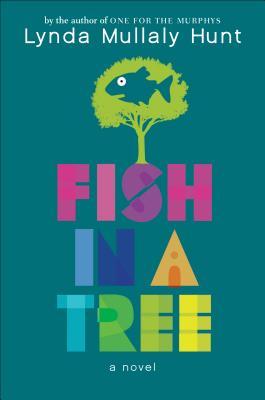
3. Fish in a Tree by Lynda Mullaly Hunt

Reading this book shows why those of who love teaching love it. We can be someone’s Mr. Daniels.

From my review: “Mr. Daniels is the teacher that I hope I am, that I wish I could be, that I want all teachers to be, and that I want to be friends with.”

all american boys

4. All American Boys by Jason Reynolds and Brendan Kiely

I’ve always been vocal about supporting the #BlackLivesMatter movement and discussing social justice with my friends and students. This book pushed me even further. It gave me a “in” to discussing this others. Racism, white privilege, and prejudice need to be talked about; I’m so glad there are texts coming out that give an avenue for this discussion.

children growing

5. Children Growing Up with War by Jenny Matthews

This books will help those resistant to helping refugees realize what we are trying to save our fellow humans from.

From my review: Fortunately, as an American, very few wars touch our lives. Unfortunately, our news doesn’t focus on many of the tumultuous conflicts that are active throughout the world, so we have become detached from reality. Our students are even more detached. That is why this book is important. It puts it all into perspective and really makes me feel and think. We rarely look at the humans that are being affected by the wars, we always focus on getting the bad guy. This book puts faces to the people, specifically the children, being affected every day.

Which books make you want to make a difference? 

RickiSig and Signature

Blog Tour and Review!: Monster Needs to Go to School by Paul Czajak

Share

monster banner

Interactive Monster Needs to go to School Banner

Monster School Cover

Monster Needs to Go to School
Author: Paul Czajak
Illustrator: Wendy Grieb
Anticipated Publication June 28, 2016 by Mighty Media Kids
(Please note the new publication date!)

Goodreads Summary: Monster is dreading his first day of school. But his classroom is full of new friends and so many fun things to learn that Monster forgets his fears in no time…until he catches his friends bullying. What will Monster do?

Another exuberant addition to the award-winning Monster & Me series, addressing back-to-school jitters and the difficulty of dealing with bullies—especially when they’re friends.

Ricki’s Review: The Monster books rank up there as one of my favorite series. I absolutely love reading these books because the monster always make me laugh. My son giggles as we look at the big monster squeezing into a tiny classroom seat. My son is starting preschool in the fall, so it was great to use this book as a teaching tool to discuss his first day of school with him. He became more excited about going to school after reading this book. I also enjoy the lessons that these books teach. Monster sees bullying and isn’t a silent bystander. He speaks out for what he believes is wrong. As a mom, I plan to talk about bullying often. I want my son to stand up for his peers when he sees bullying, and it is great to have this book as a resource to start these conversations.

Kellee’s Review: I love the Monster motto: “Teach kids what matters! After all, they are our future.” This is something I truly believe as well, and I think the Monster books do a great job teaching our children about being a good citizen and human. My first Monster book was Monster Needs Your Vote, and I was really impressed with how Czajak dealt with teaching about politics. Monster Needs to go to School is a bit different because it doesn’t as much teach about a topic but focuses on the importance of education and for kindness. This book will be great to read right before school starts, at the beginning of school, if someone is struggling with school, or when bullying is a problem. I think it would equally work for any of these situations because Monster’s story is fun and one that the reader will connect with. 

Teachers’ Tools for Navigation: This would be an excellent book to start off the school year. I’d read this book on the very first day. It would calm students’ nerves to see a giant monster who is afraid of school. Further, it would jumpstart conversations about bullying to tackle the issue before it might begin.

Discussion Questions: What is monster afraid of? What kinds of things make us afraid? Why is this okay?; What does monster do when he sees bullying? Why is it important to stand up for what is right? What is a bystander? Would you be strong and speak up against bullying?

We Flagged: “When Monster hopped onto the bus, his nerves were at their peak. He crumpled in the nearest seat, afraid to even speak.”

Read This If You Loved: Each Kindness (Kellee’s Review; Ricki’s Review) by Jacqueline Woodson, Unicorn Thinks He’s Pretty Great by Bob Shea, the rest of the books in the Monster & Me series

Recommended For: 

readaloudbuttonsmall classroomlibrarybuttonsmall

RickiSigand Kellee Signature

**Thank you to Carolyn at Mighty Media Press for providing copies for review!**

“Giving Writing a Try” by Andrea Young, Author of Finny and the Boy from Horse Mountain

Share

“Giving Writing a Try”

A teacher once told me I should give writing a try.

Fast-forward 20 years. I was giving a horseback-riding lesson when I overheard someone say that there are not enough good horse books out there for kids these days.

Having always remembered what that teacher said and after teaching kids to ride for almost 30 years, I figured who better than me to give it a try?

Luckily (because it made it easy), I had absolutely no expectations about writing a book when I sat down at my computer and went for it.

What I found out was that I truly loved to write. I would get so lost in the story I’d not realize hours had passed. Many times I only stopped typing because my arms grew too sore. Painful limbs aside, I had found a new passion.

Finny, the heroine in Finny and the Boy from Horse Mountain, finally got the horse she so desperately wanted. The description in the book of the still standing, but near dead, skeleton of a horse was exactly what I found when I was given a free horse at fifteen years old.

I was dropped off at an abandoned ranch to pick up my new horse. The plan was for me to ride it back home. After seeing her, and the state she was in, that certainty wasn’t going to happen. Fearing she wouldn’t survive, but having no other choice. We slowly began the eleven-mile walk home and the journey that would change my life.

That event was a defining moment for me. Not only did the horse survive, she thrived and turned out to be an amazing animal any kid would be blessed to have.

I hoped I could portray in my story how an event like that can bring so much happiness and change a life for the better.

There were two elements in my book that I wanted to stay true to. First, that all the equine information was accurate. I wanted anyone who read the book to also learn from it. That was very important to me because I teach horsemanship and safety around horses. I have read numerous horse books where the information is actually incorrect or misleading.

Second, I wanted to show that the good guys don’t always win just because they’re good and the bad guys didn’t always lose because they’re bad. I wanted to do that because that is how the world works. Another lessons kids should learn.

Finny gets a horse named Sky. Her dream is that someday he’ll become a champion jumping horse. As their story progresses, she has to modify her plans since Sky is proving to be so difficult. I didn’t want this to be a crushing end to a dream, just the beginning of a new one. I wanted my readers, like I do my students, to learn the journey is the joy, not the ribbons from the show arena.

Joe, the male hero in the story, is already years ahead of Finny when it comes to being set as the person he is. His background has been tough, but the sense of self he has gotten from working with horses is enough to get him through the bad times. Finny sees this in him, and admires him for it.

Ultimately, my characters absorb their life lessons from their experiences with horses and each other. All the bad thrown their way, they handle due to the strengths they’ve gained. I hope my real life students can achieve that, too.


Finny cover copy

Finny and the Boy from Horse Mountain

About the Book: Against the backdrop of the high-stakes and intensely competitive equestrian sport of show jumping, Finny, a fifteen-year-old girl in California, adopts an emaciated, untrained horse without her parents’ knowledge. Soon after adopting Sky, Finny meets Joe, a sixteen-year-old, who has run away from his cruel uncle in Montana. His love for horses and desire to be a trainer matches Finny’s dream of competing in the show jumping arena—against rich girls on fancier horses—and together, they train Sky to become a first-rate show jumper.

But the path is fraught with danger. Sky is not like other horses and is so destructive and difficult he gets them kicked out of the barn where Finny has been working and training. Helped by a kind woman who owns a horse rescue, Joe is able to prove both his and Sky’s incredible talents. When Joe is kidnapped by his violent uncle, Finny and Sky are the only ones who can save him. In a breathtaking finale, Sky and Finny must enter the underworld of the rodeo circuit, an after-hours, illegal race, where they will risk their lives to save the boy they love. Young demonstrates a masterful ability to set a breakneck pace and keep it up until the end of the novel. Finny and Joe are enduring characters who are sure to appear in upcoming sequels.

About the Author: Andrea Young is a highly respected riding instructor at Elvenstar in Malibu, one of Southern California’s top hunter-jumper barns. Her innovative work has been featured in Practical Horseman, Hunter/Jumper magazine,Show Circuit Magazine, Chronicle of the Horse, and others. She is currently writing a trilogy featuring Finny and Joe, the boy from Horse Mountain. She lives in Simi Valley, California.

Thank you to Andrea for this honest post. We hope it will inspire readers and writers!

Thank you to Cheryl from Sky Pony Press for connecting us with Andrea!

RickiSigandKellee Signature