Nonfiction Picture Book Wednesday
Nonfiction Picture Book Wednesday is hosted by Kid Lit Frenzy and was started to help promote the reading of nonfiction texts. Most Wednesdays, we will be participating and will review a nonfiction text (though it may not always be a picture book).
Be sure to visit Kid Lit Frenzy and see what other nonfiction books are shared this week!
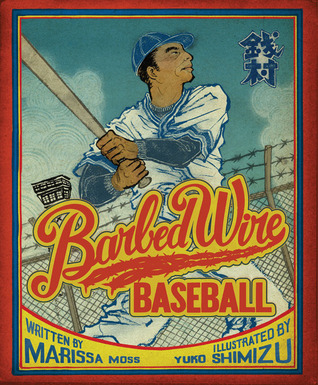
Barbed Wire Baseball
Author: Marissa Moss
Illustrated by: Yuko Shimizu
Published April 9th, 2013 by Harry N. Abrams
Goodreads Summary: As a boy, Kenichi “Zeni” Zenimura dreams of playing professional baseball, but everyone tells him he is too small. Yet he grows up to be a successful player, playing with Babe Ruth and Lou Gehrig! When the Japanese attack Pearl Harbor in 1941, Zeni and his family are sent to one of ten internment camps where more than 110,000 people of Japanese ancestry are imprisoned without trials. Zeni brings the game of baseball to the camp, along with a sense of hope.
This true story, set in a Japanese internment camp during World War II, introduces children to a little-discussed part of American history through Marissa Moss’s rich text and Yuko Shimizu’s beautiful illustrations. The book includes author and illustrator notes, archival photographs, and a bibliography.
Review: World War II is the most infamous war and it is taught to all students at some point in their career. They learn about Pearl Harbor and the Atomic Bomb and the Holocause and Hitler, but way too often what happened here in the US is not discussed. All of the Japanese Americans living on the West Coast of the US (62% were US citizens) were interned because our fear overwhelmed us so much that it was the only solution that seemed plausible. I felt that the fear that was felt after the Pearl Harbor bombings is very similar to what was felt 12 years ago today.
Barbed Wire Baseball does discuss the internment camps, but I think that the theme of this book is not about the camps but about how a love of something can turn a poor situation into something else if you are determined.
The story is just one part of the book. What moves it to a higher level is the author and illustrator. Marissa Moss has someone captured the tone of the story. It begins with hopefulness then to hopelessness and finally back to joyousness. Her ability to manipulate the tone throughout makes the story touch the reader even more. Yuko Shimizu’s illustrations are done with a Japenese calligraphy brush and ink adding to the connection the reader will feel with the story. Just beautiful.
Teacher’s Tools for Navigation: I think this book mostly leads to a discussion about the historical event that is shared in the book. In my classroom, I would share it as a read aloud and then jump into a discussion about Zeni, baseball, the internment camps, and World War II. The bibliography in the back of the book gives great websites to visit to continue the discussion.
Discussion Questions: Zeni doesn’t listen to his parents and went for what he wanted: baseball. He overcame his height and those who didn’t believe in him and was able to work towards his dreams. What is something that you’ve overcome even though others didn’t believe in you?; How can you compare/contrast how US citizens responded to Japanese Americans after Pearl Harbor to how US citizens responded to American Muslims after 9/11?
We Flagged: “Zeni stood staring at the dry earth, which was broken up every now and then by a few scrubby bits of green. In all the brown and gray, with a dull, coppery sky overhead, he felt as if he were shrinking into a tiny hard ball.
There was only one thing that could make the desert camp a home – baseball. Zeni unpacked his favorite photo, the one that showed him in uniform, lined up with baseball legends Babe Ruth and Lou Gehrig towering like redwood trees beside him. He had played with the Yankee stars in an exhibition game back home in Fresno, and he hadn’t felt small at all. He pinned the picture up over his bed. He was going to play baseball again. Here, in the desolate middle of nowhere.” (p. 9-10)
Read This If You Loved: Something to Prove by Robert Skead, Silent Star by Bill Wise, Brothers at Bat by Audrey Vernick, Keeping Score by Linda Sue Park, Nonfiction books about World War II or Japanese Internment Camps
Recommended For:









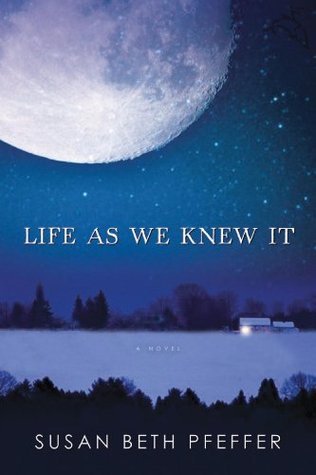 Life as we Knew it: Meteor hits moon and the effects from the disaster
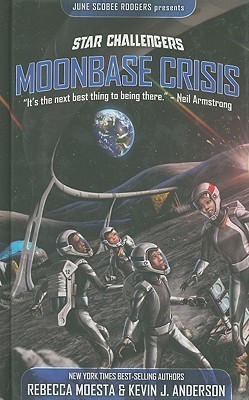 Moonbase Crisis: Space exploration, Space science
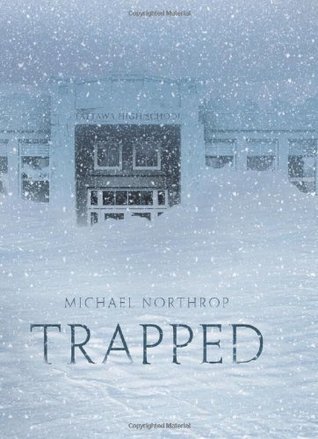 Trapped: Meteorology
 An American Plague: Medical (Virology), Yellow fever epidemic
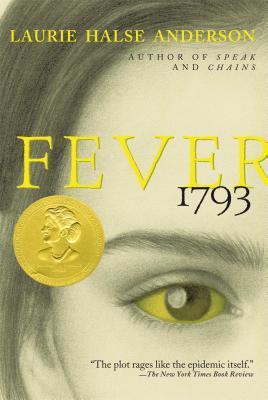 Fever 1793: Fictionalized account of same epidemic
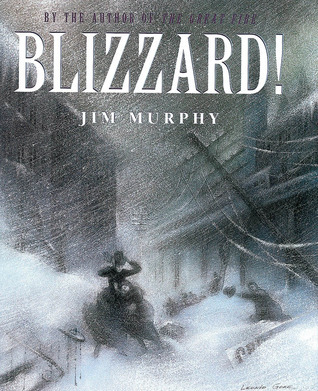 Blizzard!: Meteorology
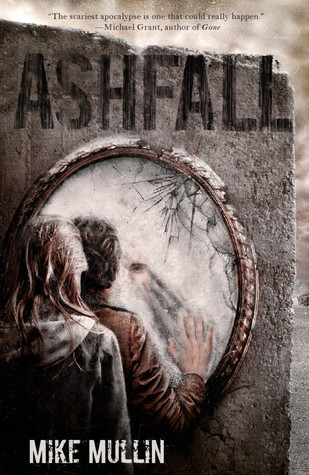 Ashfall: Geology, Yellowstone eruption
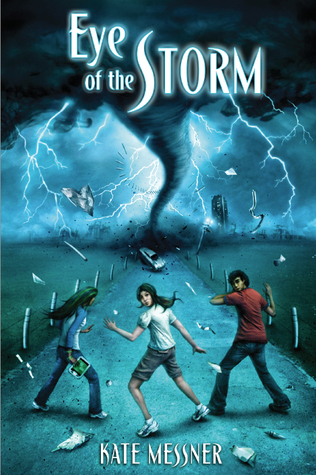 Eye of the Storm: Meteorology
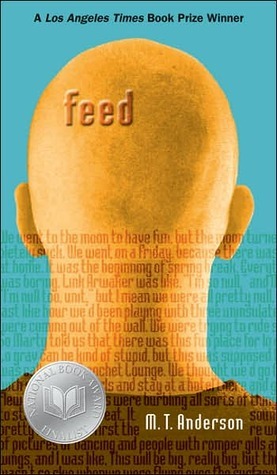 Feed: AI, Technology
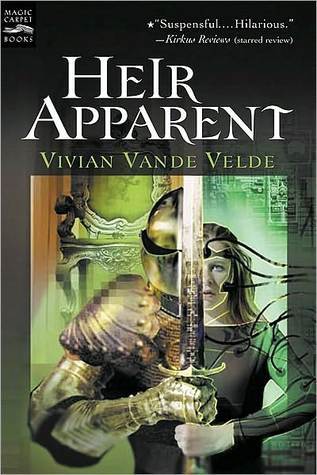 Heir Apparent: Technology, Game simulation
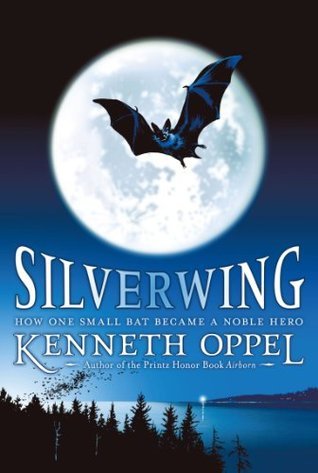 Silverwing: Chiroptologist (Study of bats)
 This Dark Endeavor: Alchemy, Medical
 Uglies: Plastic surgery, Technology, Oil contamination
 Girls Don’t Fly: Ornithology (Study of birds)
 Hurt Go Happy: Animal testing, Chimp acquisition of language (ASL), Deafness
 Airborn: Zoology, Airships
 Okay for Now: NASA Apollo Mission, National Audubon Society
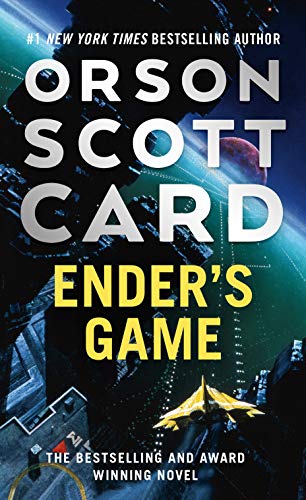 Ender’s Game: Space science (Low gravity, alien technology, space craft/station)
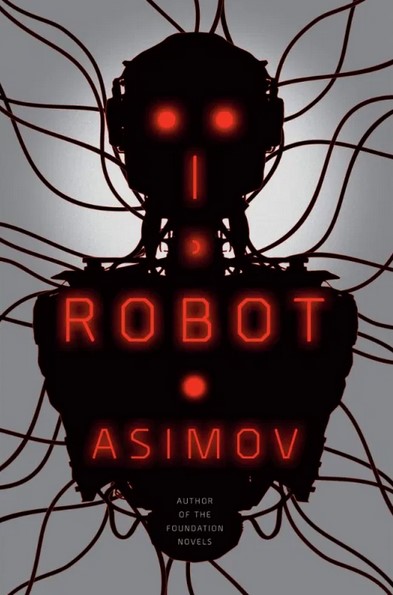 I, Robot: Robotics
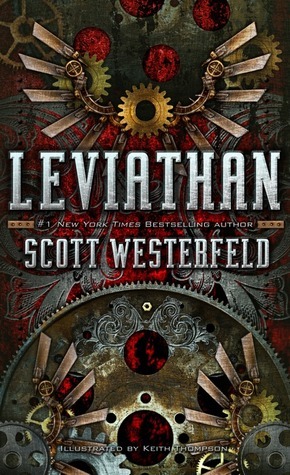 Leviathan: Genetic engineering, Mechanics
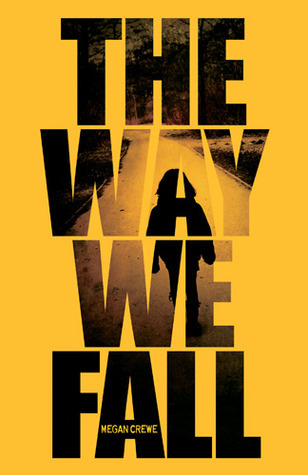 The Way We Fall: Microbiology, Pandemic, Quarantine
 Lost in the River of Grass: Everglades
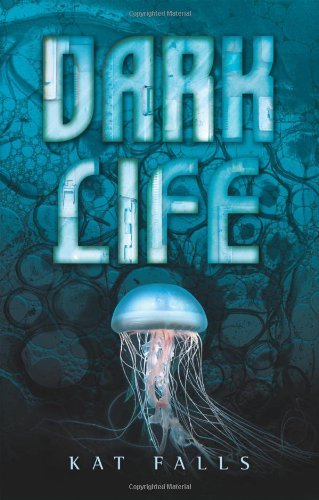 Dark Life: Subsea settlement
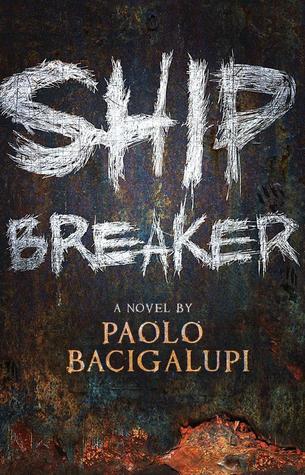 Ship Breaker: Global warming, Oil
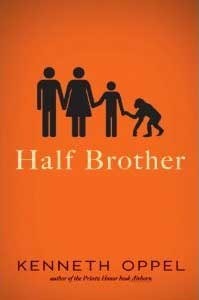 Half Brother: Linguistics, Animal testing, Chimp acquisition of language (ASL)
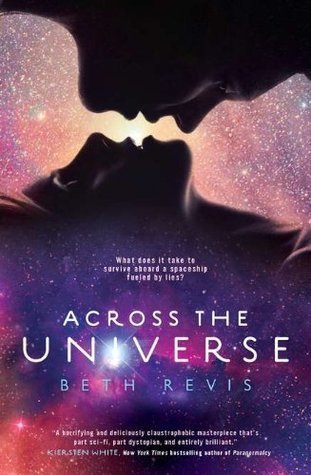 Across the Universe: Space science, Space ship, Computer, Cryonics
 The House of the Scorpion: Cloning
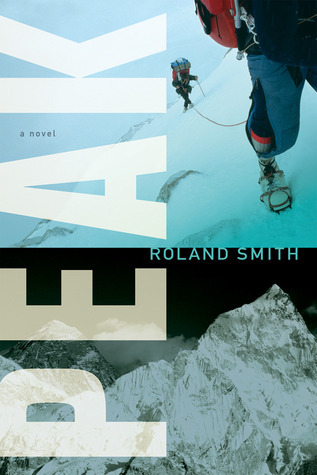 Peak: Teenager climbing Mt. Everest
 Smiles to Go: Quantum physics, Philosophy
 Hoot: (and other Hiaasen middle grade books) Ecology, Zoology
 The Evolution of Calpurnia Tate: Natural History, Evolution
 The Brilliant Fall of Gianna Z: Botany
 Chronal Engine: Dinosaurs
 George’s Secret Key to the Universe: Astronomy
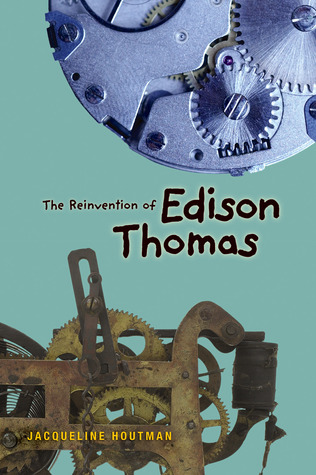 The Reinvention of Edison Thomas: Physics, Mechanics, Inventing
 Samantha Hansen has Rocks in her Head: Geology
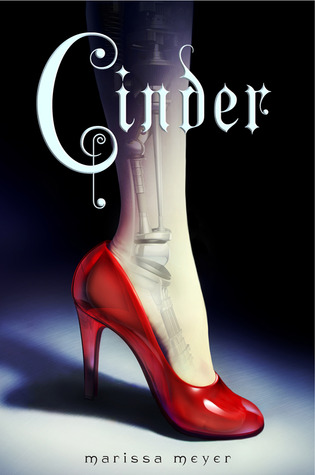 Cinder: Androids, Cyborgs
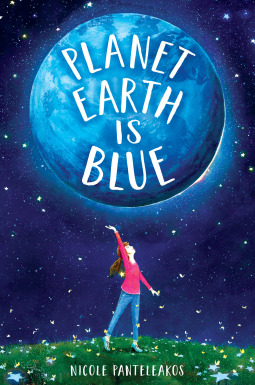
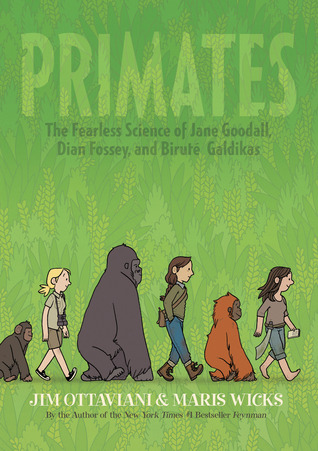
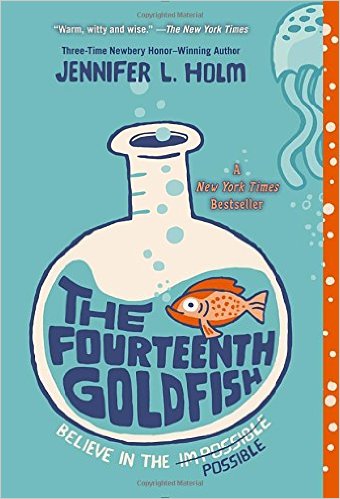
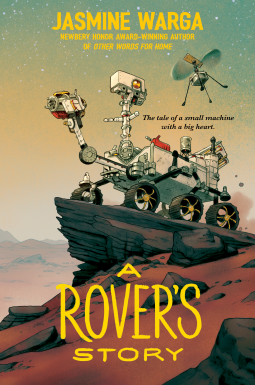 A Rover’s Story: Mars rover
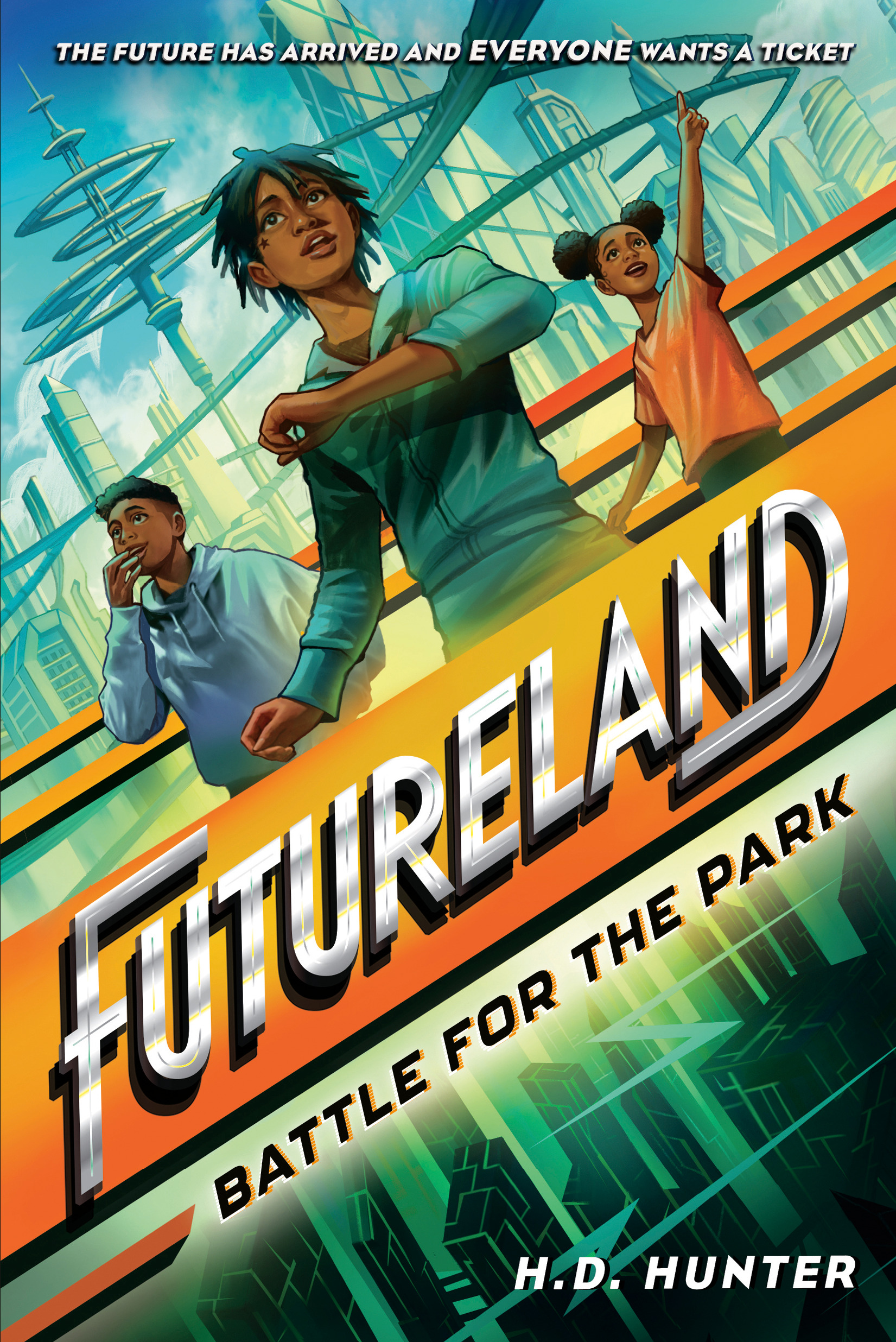 Futureland: AI
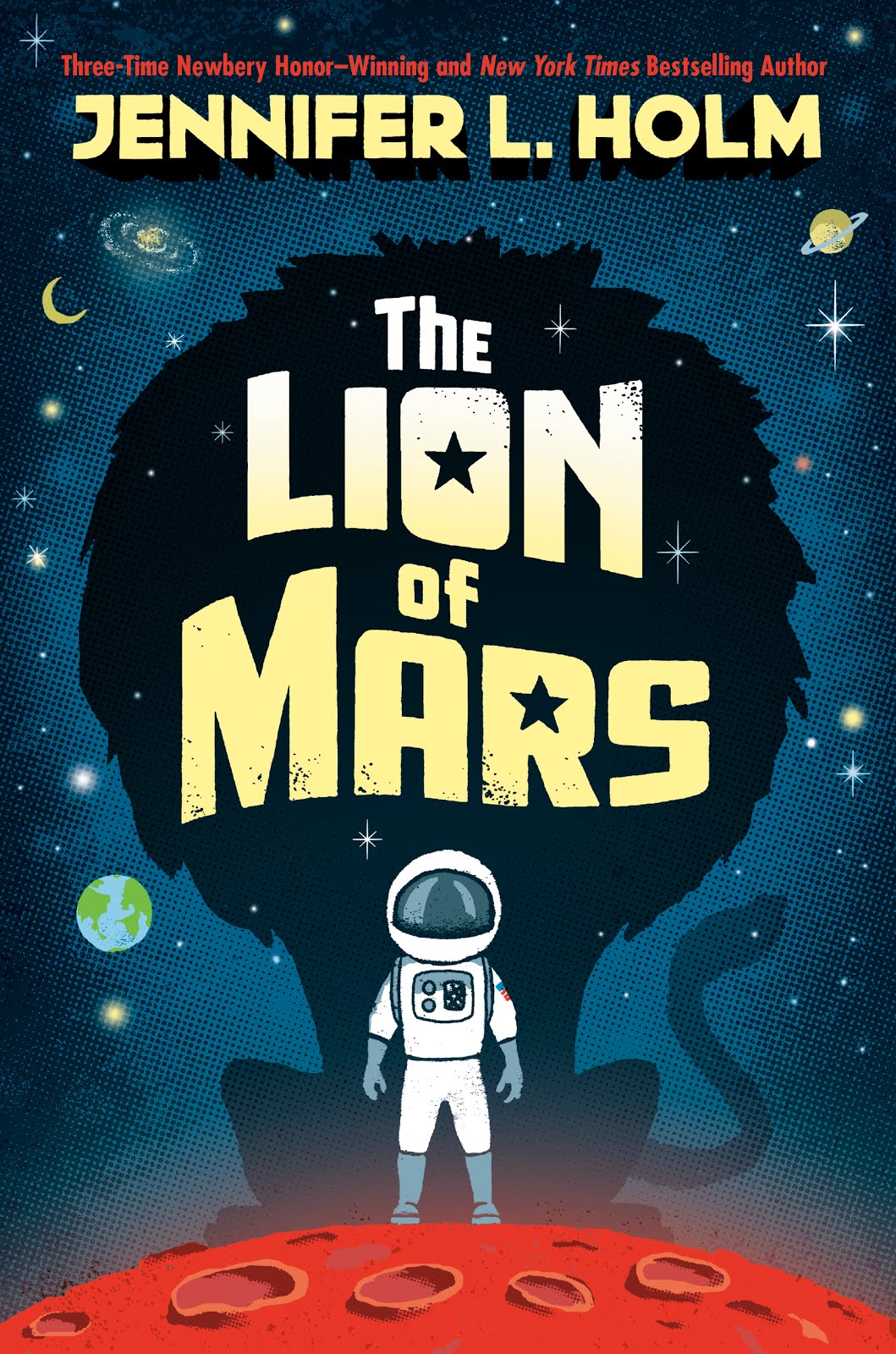 The Lion of Mars: Mars colonization
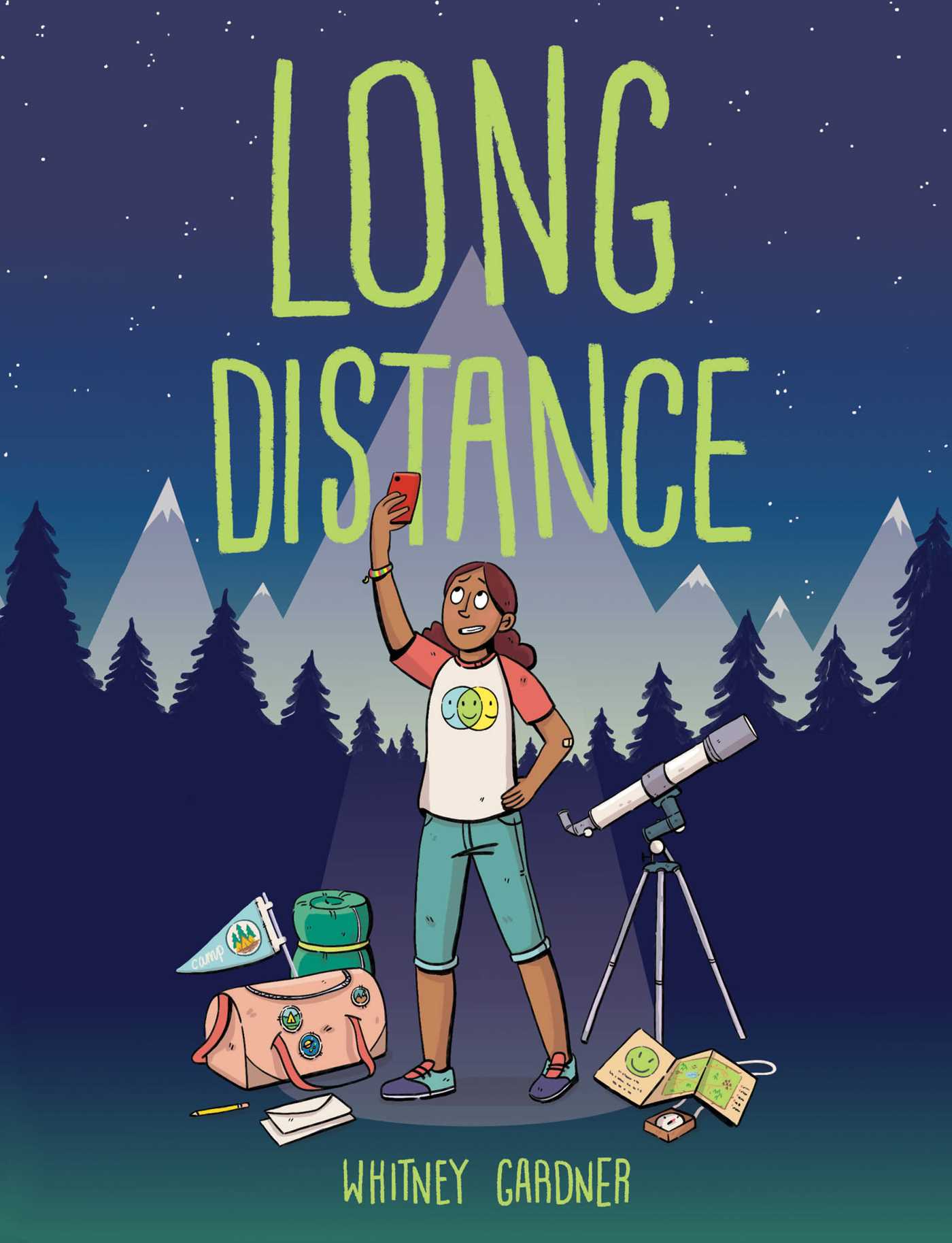 Long Distance: Astronomy
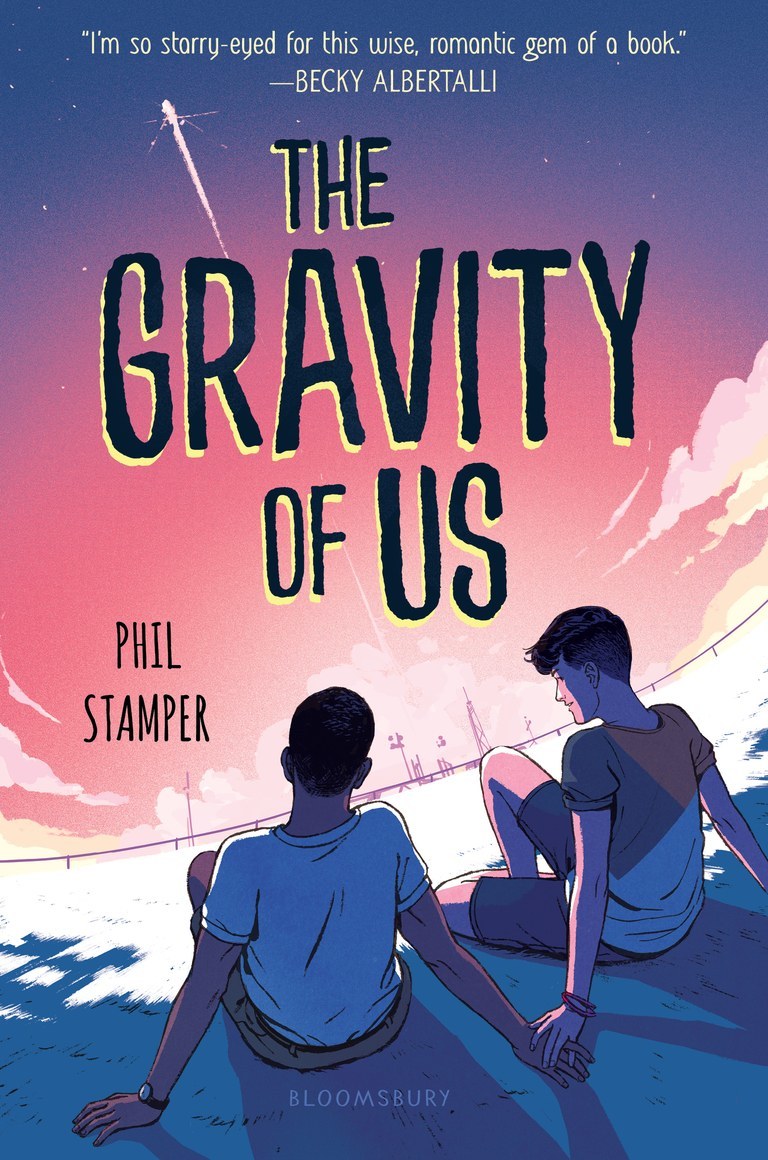 The Gravity of Us: NASA, Space travel
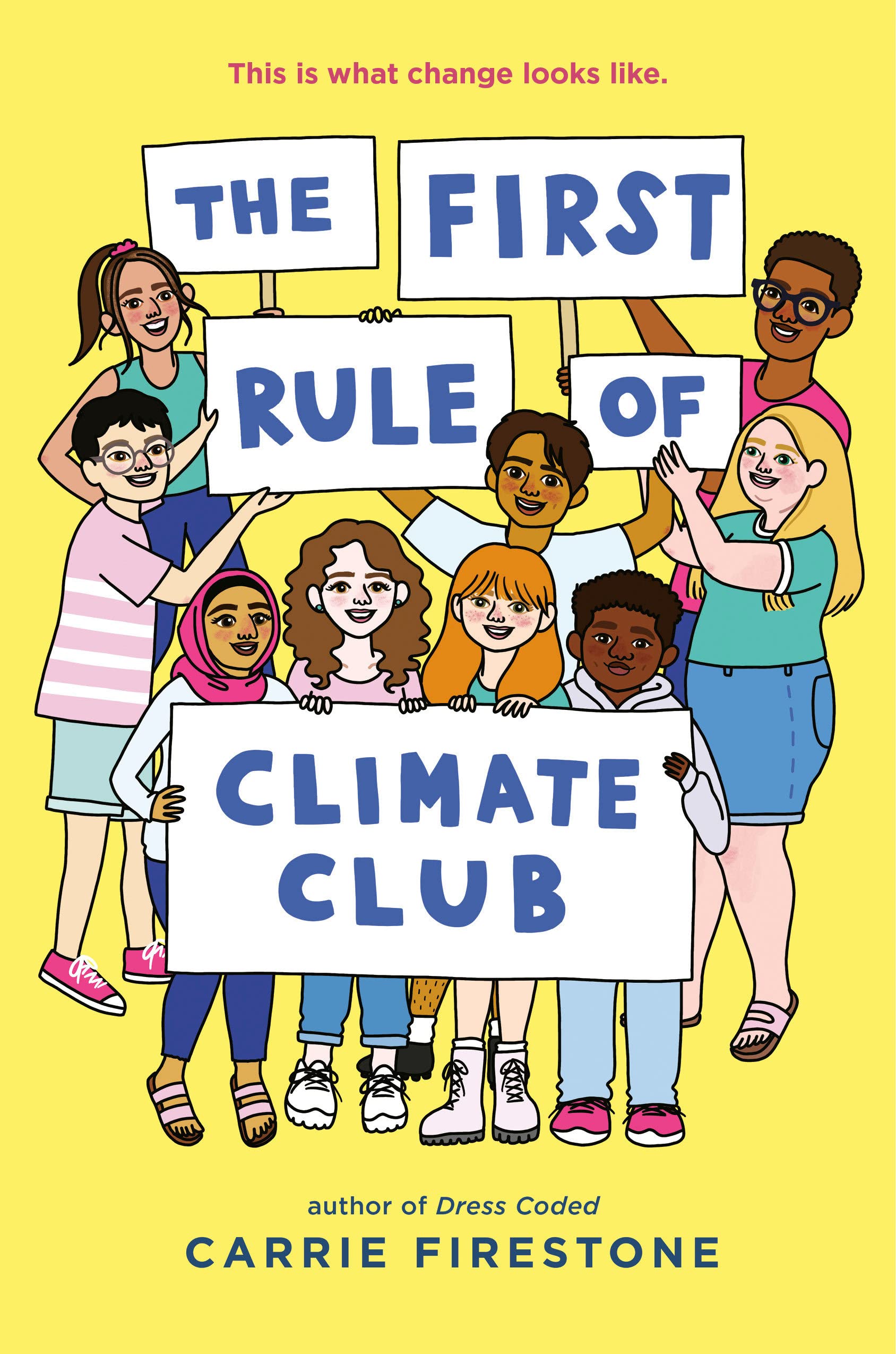 The First Rule of Climate Club: Climate change
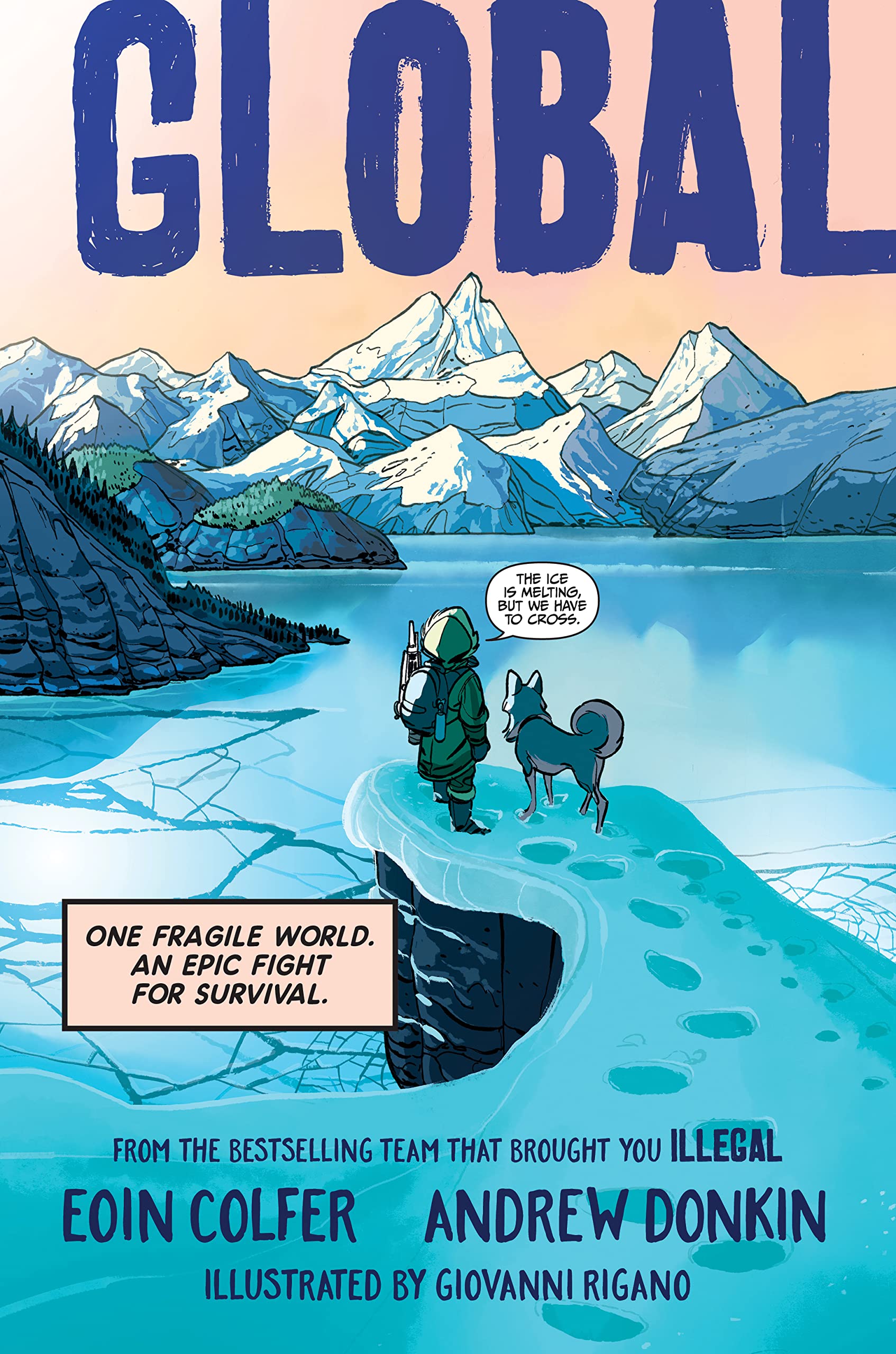 Global: Global warming
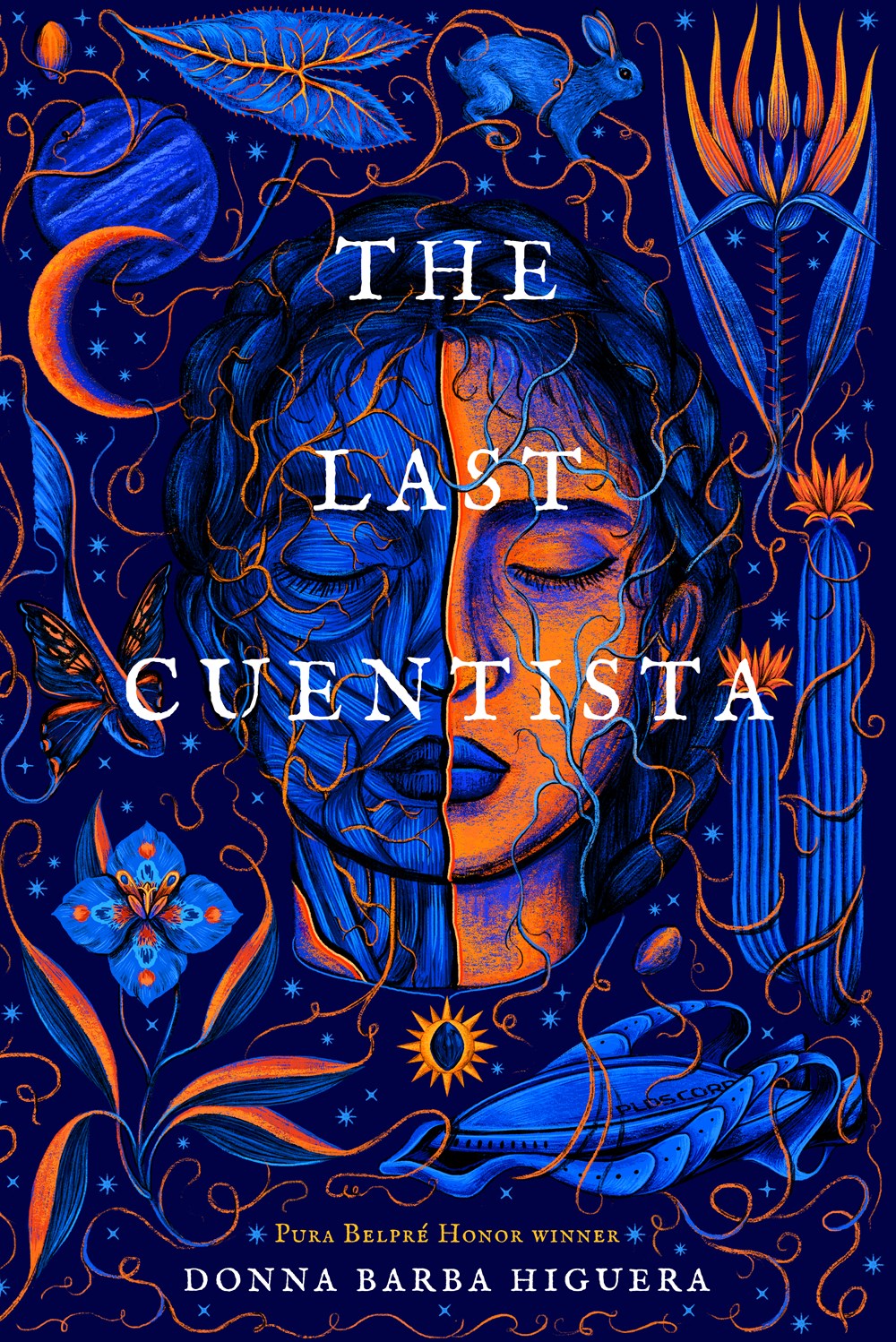 The Last Cuentista: Apocalypse, Space travel, AI
 Saving Sunshine: Sea turtle
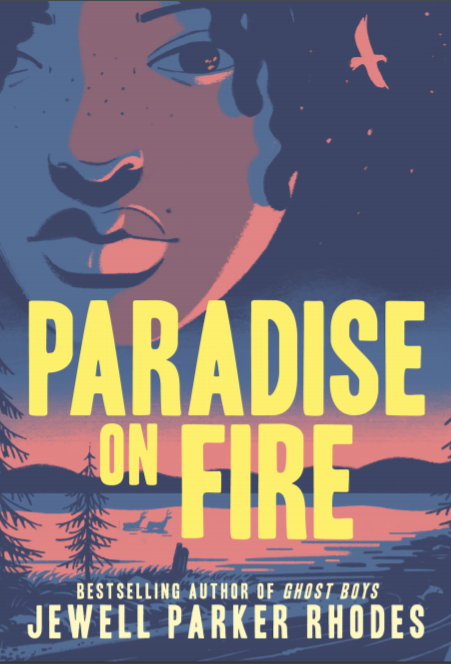 Paradise on Fire: Wildfire
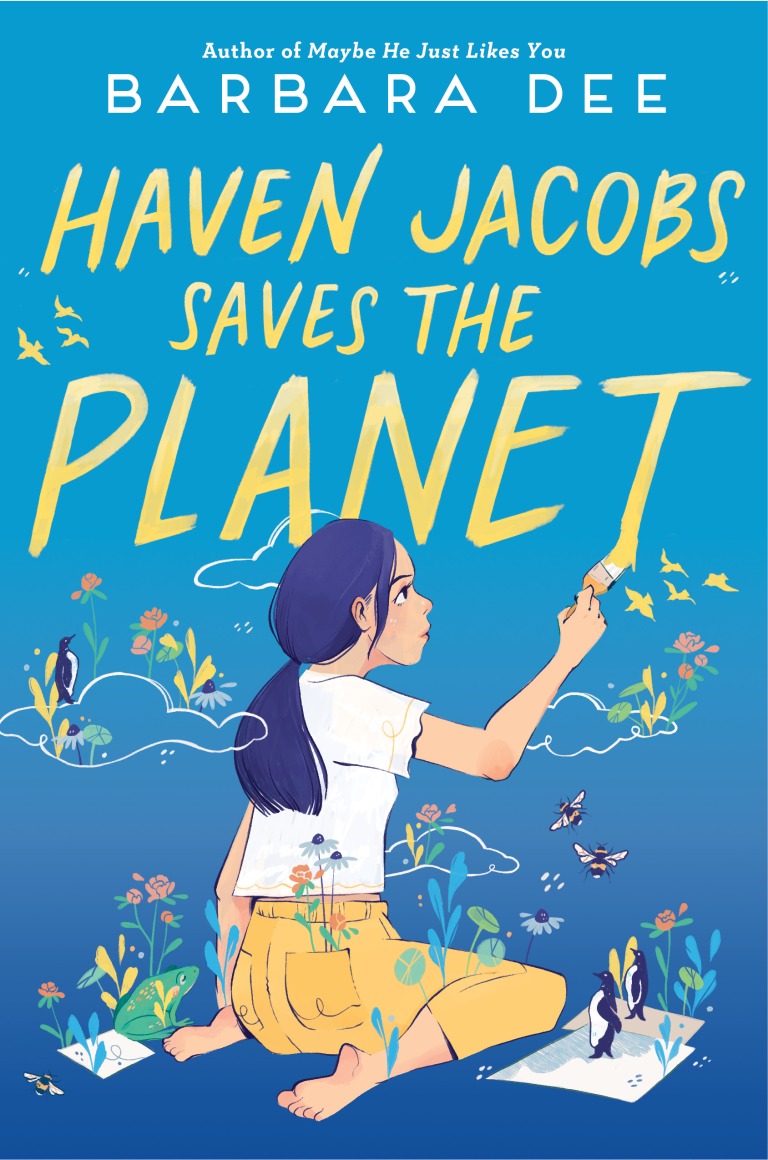 Haven Jacobs Saves the Planet: Climate change
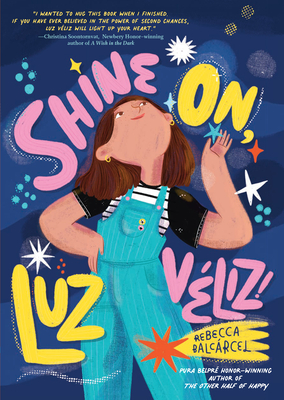 Shine on Luz Véliz: Coding
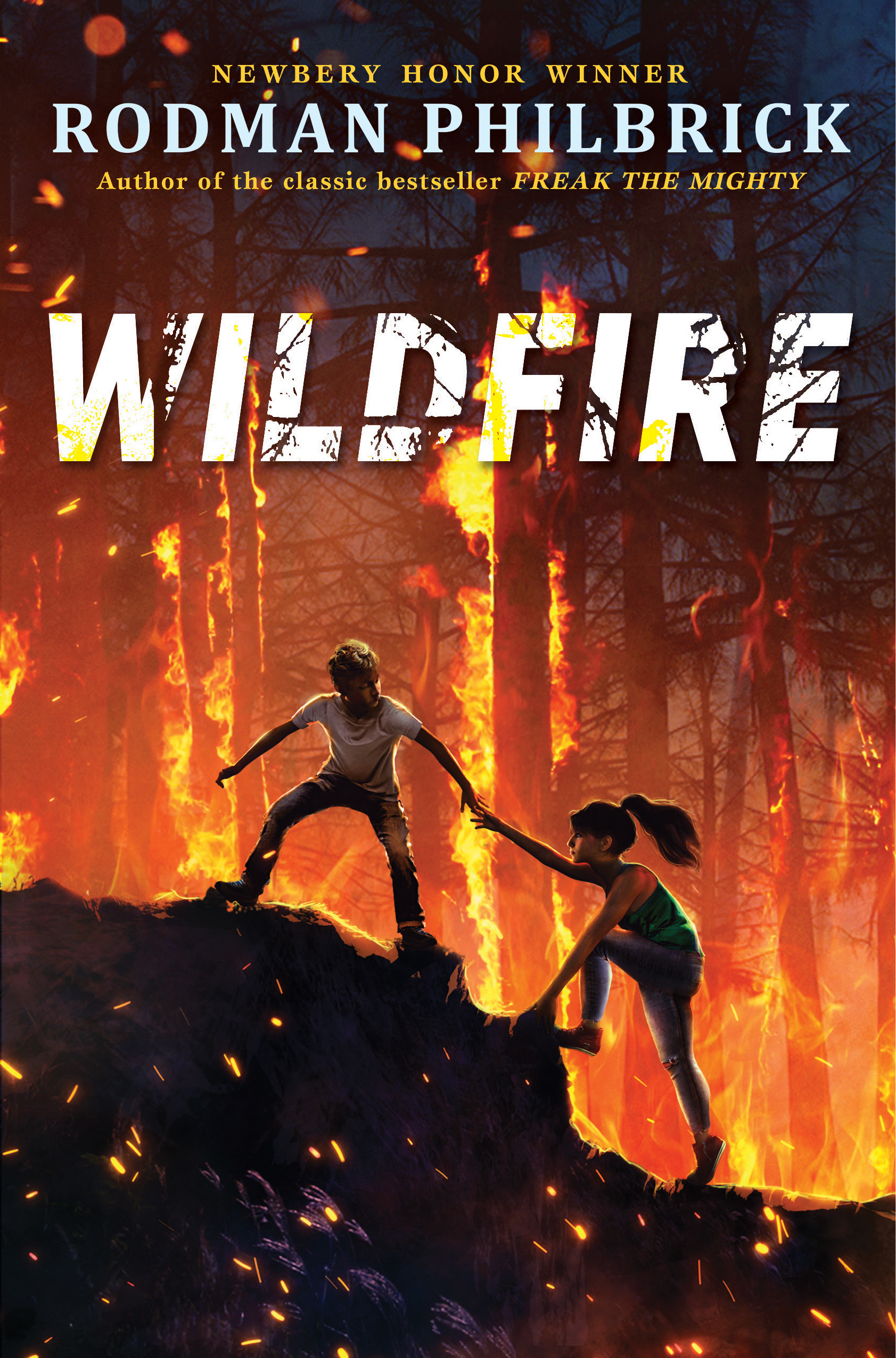 Wildfire: Wildfire
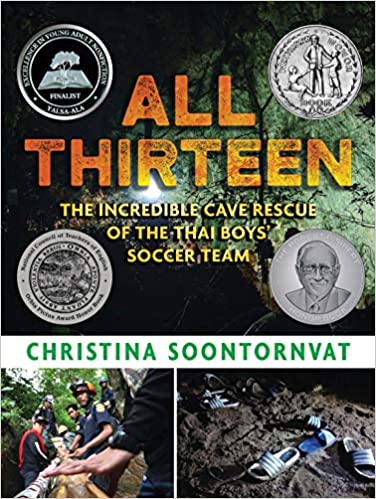 All Thirteen: Cave rescue
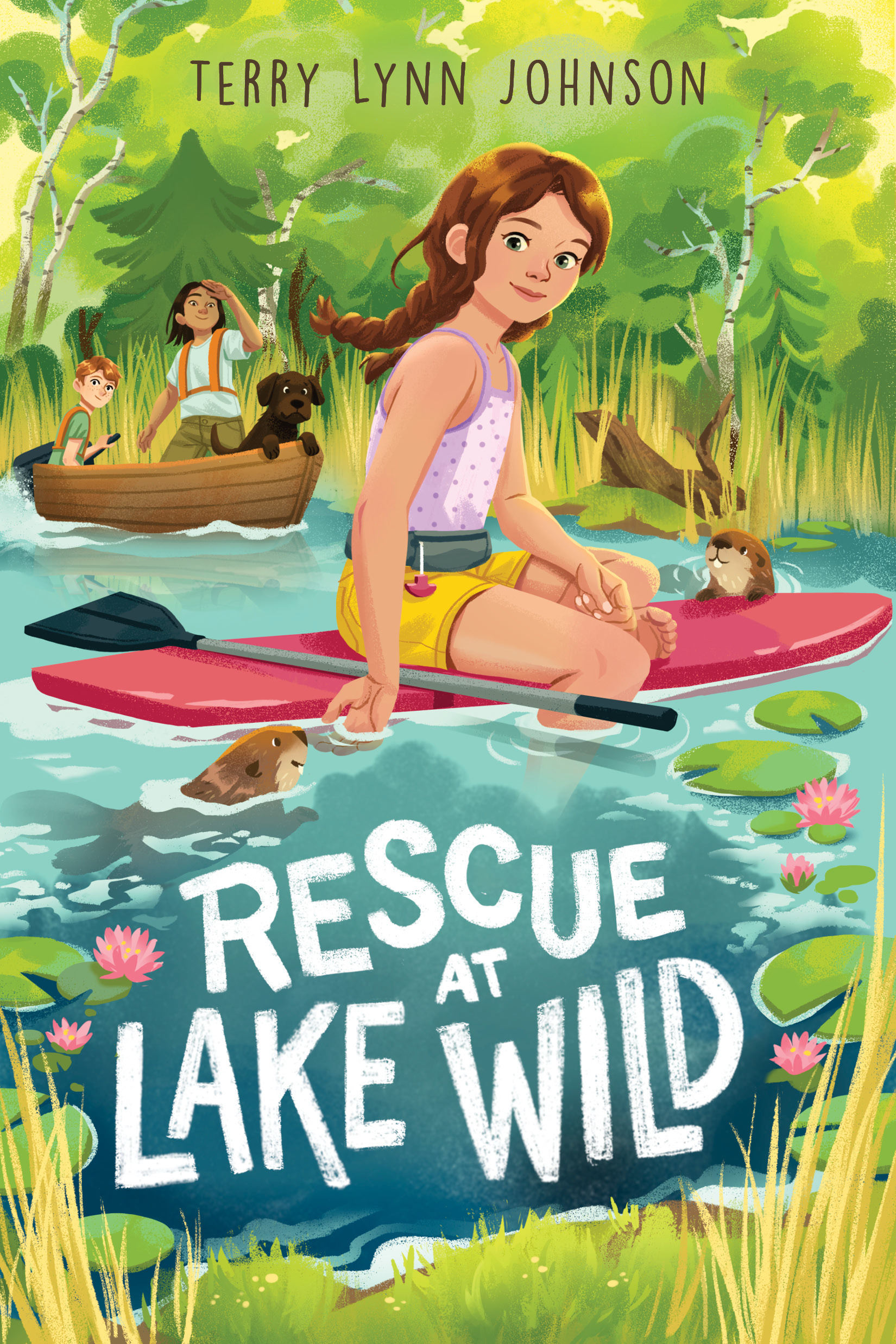 Rescue at Lake Wild: Ecology, Animal impact
 What Stars are Made of: Astronomy
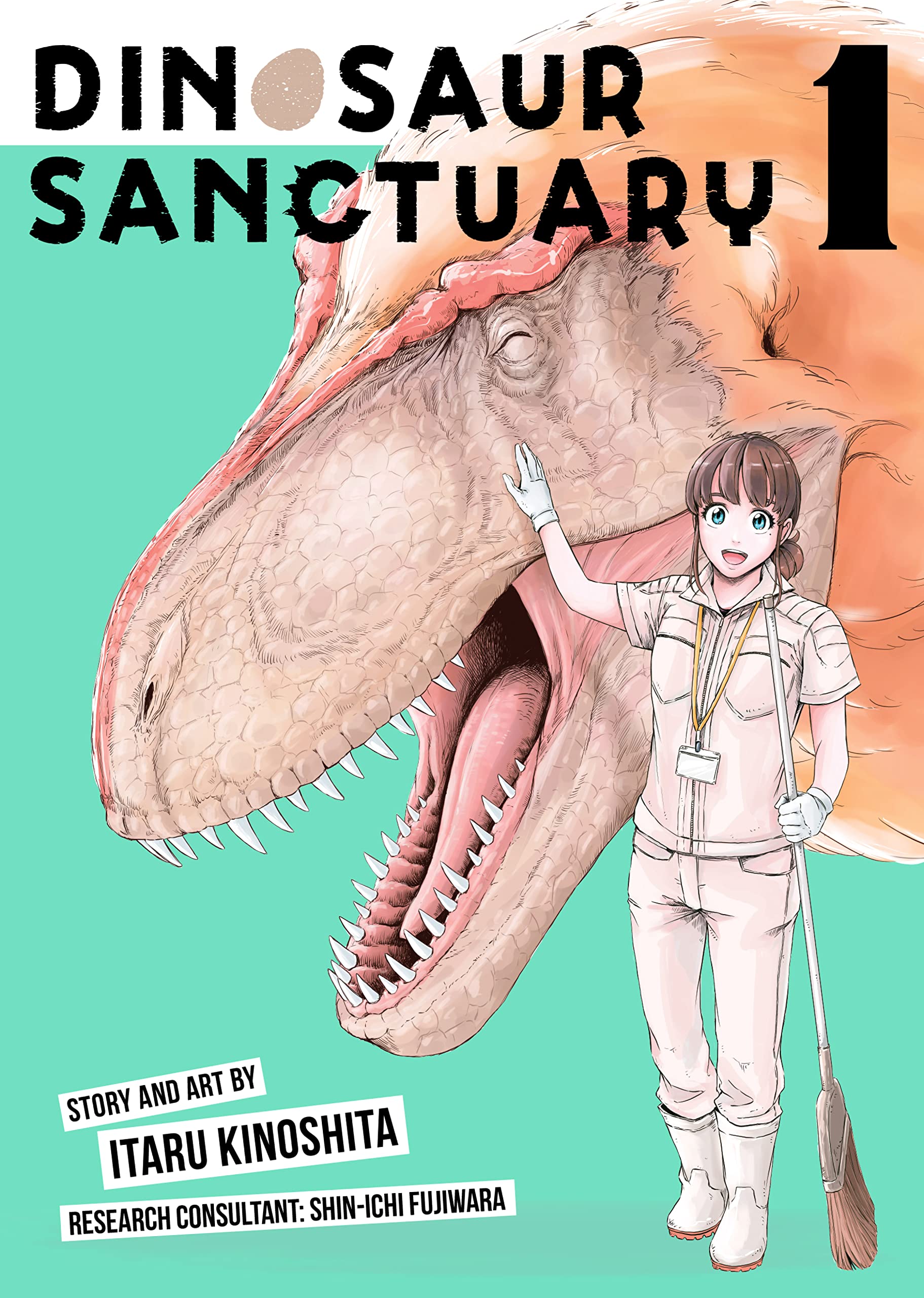 Dinosaur Sanctuary: Paleontology, Genetic mutation