Teaching Thursday: Book in a Bag

Share

Typically, our teaching-related posts fall on Tuesdays, but today I feel inspired, so it’s Teaching Thursday! I can’t say enough good things about my son’s kindergarten teacher. She’s so good at her job that she inspires me regularly. Whenever I volunteer in the class, I am fascinated with the ways in which literacy instruction is similar and different for kindergarten.

One of the things she does is called “book in a bag.” All of the kindergarten team uses this method/idea and maybe this is an idea that is common for this age level, but it makes my son very happy, so I thought I’d blog about it from a parent’s perspective! The children each have a bag that is labeled with their name. They bring home a book to read in the bag. Their job is to reread it as many times as they need until they can master the book. The teacher stressed that this should be fun. If the children get frustrated or aren’t having fun, then the program is not serving its purpose.

This is what I love about my son’s kindergarten teacher. She has them doing data analysis on mittens and gloves and she makes learning fun for my son. He looks forward to going to school every day. For me, this is what I want for him—I want him to love school as much as I do. Also, this is differentiation!

So my son excitedly brings home his book and slowly reveals it from his backpack for the whole family to see his next book before dinner. He taps at the door when I am feeding his baby brother and whispers, “Can I read my book in the bag to my baby brother? He’s the only one who hasn’t heard me read it yet.” And he holds up the book to us as he reads it, so we all can see the pictures. The repetition is helping him, and this is rereading at its best. So before we hop into bed to read, he pulls out his book one last time for the day to practice the words and to proudly show off his reading skills. As a parent, I love how happy this makes my kid, and the ownership feels with his book makes him enjoy reading even more. <3

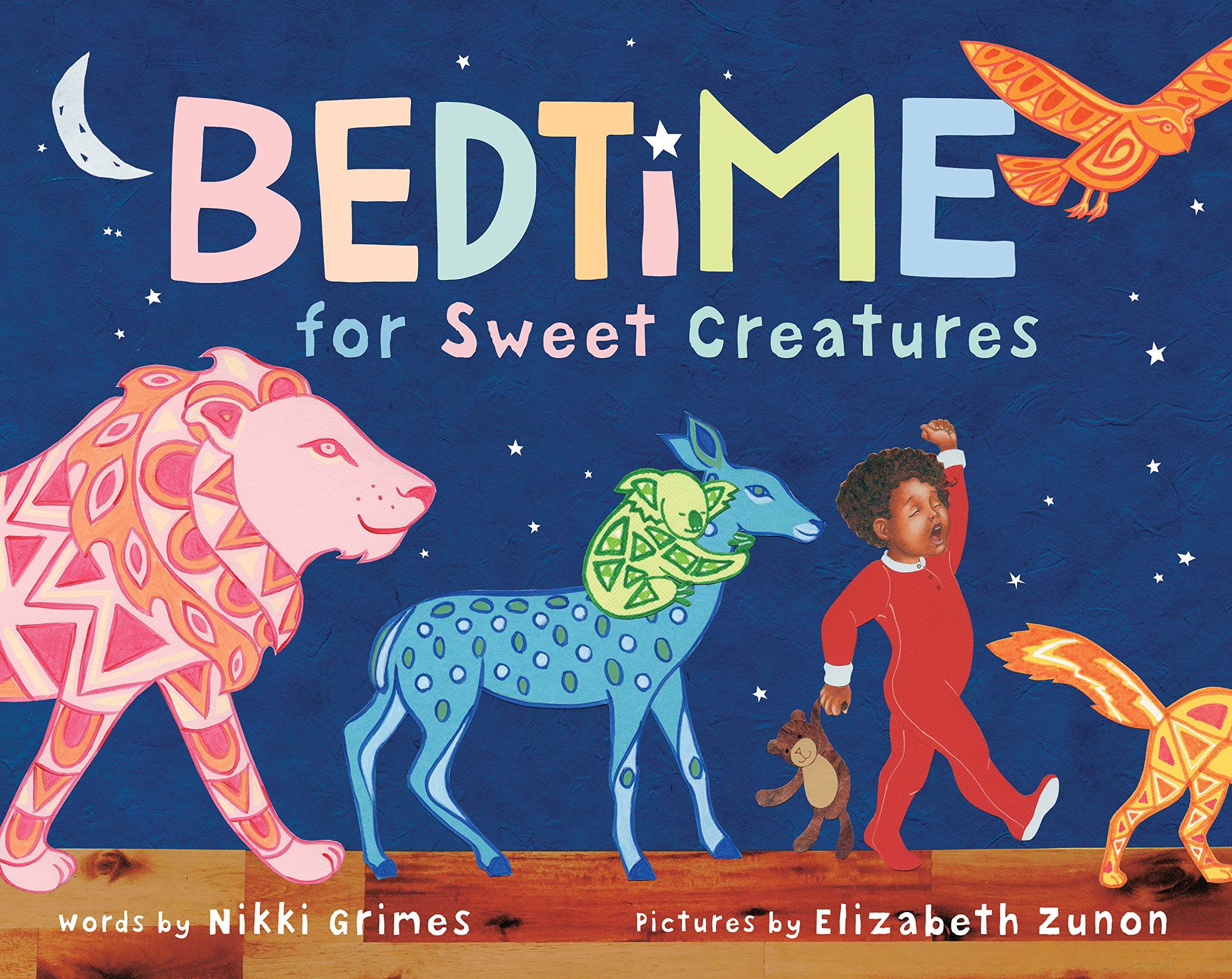
Bedtime for Sweet Creatures by Nikki Grimes

Share

Bedtime for Sweet Creatures
Author: Nikki Grimes; Illustrator: Elizabeth Zunon
Published January 1, 2020 by Sourcebooks Jabberwocky

Goodreads Summary: It’s bedtime. But Mommy’s little one is not sleepy.

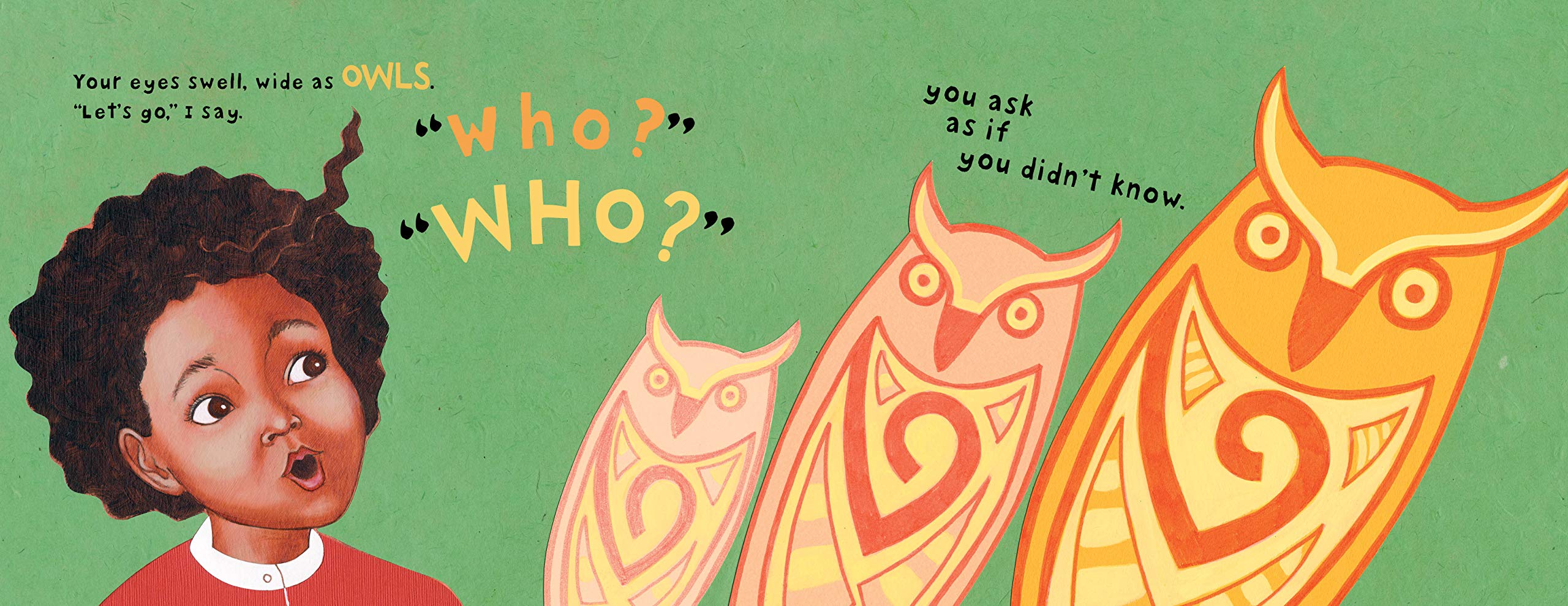
He growls like a bear, he questions like an owl, he tosses his mane like a lion. He hunts for water like a sly wolf, and hides like a snake.

Mommy needs to wrangle her sweet creature in bed so that the whole family can sleep. From tigers to squirrels to snakes, the little boy dodges around his bedtime, until he is tired enough to finally sleep. His imaginative animal friends weave their way through the illustrations, eventually joining him in curling up for the night.

My Review: The rhythm of this book is palpable. As a mother of three children six and under, I identified whole-heartedly with the mother of this book. She just wants her child to go to bed. As the child attempts sleep, he morphs into different animals (a lion, a tiger, an owl!). The book displays bedtime in ways that parents will identify with. Teachers will love using this book to teach metaphor and sound in story. 

My three-year-old’s review: “I like the squirrel and the koala a lot! I liked all of the aminals. [sic]”

My six-year-old’s review: “I like how his mom and his dad are trying to get him to sleep at night. I like how it is night-time in the book and the colors of the book make it feel like it is night-time.”

Teachers’ Tools for Navigation: The ways in which Grimes uses sound and metaphor is very intriguing and quite teachable. I spent a significant amount of time thinking about the almost-anthropomorphism of the text. The animals are given human characteristics of the child. But the child is actually given animal characteristics. This is zoomorphism, right? I would love to have this kind of study and debate with students. So cool!

Discussion Questions: What animals does the child act like? How does the author choose qualities of the child to connect them with animals?; Choose another animal not within the book. How might the child act like this animal at bedtime, too?

We Flagged: 

Read This If You Loved: Penguin and Tiny Shrimp Don’t Do Bedtime by Cate Berry; Twenty Yawns by Jane Smiley; Goodnight Moon by Margaret Wise BrownGoodnight Songs by Margaret Wise Brown

Recommended For: 

readaloudbuttonsmall classroomlibrarybuttonsmall

RickiSigand Kellee Signature

It’s Monday! What Are You Reading? #IMWAYR 1/13/20

Share

IMWAYR 2015 logo

It’s Monday! What Are You Reading? From Picture Books to YA!

It’s Monday! What are you Reading? is a meme started by Sheila at Book Journeys and now hosted by Kathryn at The Book Date. It is a great way to recap what you read and/or reviewed the previous week and to plan out your reading and reviews for the upcoming week. It’s also a great chance to see what others are reading right now…you just might discover the next “must-read” book!

Kellee and Jen, of Teach Mentor Texts, decided to give It’s Monday! What Are You Reading? a kidlit focus. If you read and review books in children’s literature – picture books, chapter books, middle grade novels, young adult novels, anything in the world of kidlit – join us! We love this meme and think you will, too.

We encourage everyone who participates to support the blogging community by visiting at least three of the other book bloggers that link up and leave comments for them.

Bold_line

We were on vacation break last week, so we didn’t post!

Kellee

Sorry for still being away from the blog, but with the ALA Youth Media Awards right around the corner, I am deep in my reading for the Schneider Family Award, so I will be back after the 27th.

Ricki

I adored Bedtime for Sweet Creatures so much that I’ll be posting a longer review this Wednesday! It’s a very charming picture book that has many teachable qualities.

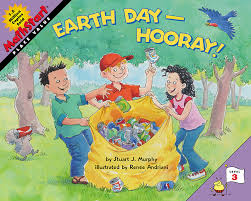
My son really loves these MathStart books. He found them at his school’s library, and he keeps bringing them home. This one, Earth Day—Hooray! by Stuart J. Murphy—teaches the math concept of bundling by tens, hundreds, and thousands through a can collection. The story reads like an extended math problem. It is very exciting for my son to read (he is in kindergarten), and my motto is: “Let them read what they love!”

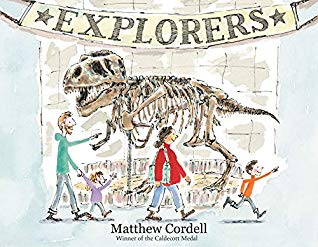
Matthew Cordell’s newest picture book is a hit in my house. Explorers tells the story of a boy who finds a homeless man fashioning origami birds outside of a museum. The origami bird brings together two families in a way that is magical—or is it? This one made me think a lot, and I like books that make me think.

Bold_line

Ricki

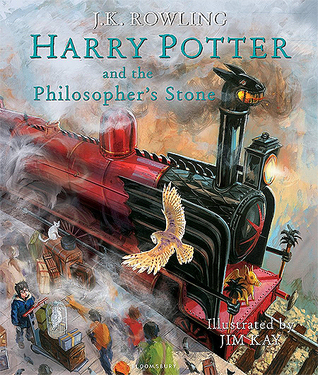
I’ve never been a huge fan of the Harry Potter series, but reading the books to my sons is making me think I might actually like the series. They are so thrilled by the books that it makes them much more magical and special to me. The illustrations in these versions are stunning.

I am also rereading a few books for a teaching chapter proposal this week!

Bold_line

Tuesday: Bedtime for Sweet Creatures by Nikki Grimes

Thursday: Teaching Thursday: Book in a Bag

Bold_line

Link up below and go check out what everyone else is reading. Please support other bloggers by viewing and commenting on at least 3 other blogs. If you tweet about your Monday post, tag the tweet with #IMWAYR!

 Signature andRickiSig

It’s Monday! What Are You Reading? #IMWAYR 1/6/20

Share

IMWAYR 2015 logo

It’s Monday! What Are You Reading? From Picture Books to YA!

It’s Monday! What are you Reading? is a meme started by Sheila at Book Journeys and now hosted by Kathryn at The Book Date. It is a great way to recap what you read and/or reviewed the previous week and to plan out your reading and reviews for the upcoming week. It’s also a great chance to see what others are reading right now…you just might discover the next “must-read” book!

Kellee and Jen, of Teach Mentor Texts, decided to give It’s Monday! What Are You Reading? a kidlit focus. If you read and review books in children’s literature – picture books, chapter books, middle grade novels, young adult novels, anything in the world of kidlit – join us! We love this meme and think you will, too.

We encourage everyone who participates to support the blogging community by visiting at least three of the other book bloggers that link up and leave comments for them.

Bold_line

And we hope that the return back to school goes well for all of those going back this week!

Bold_line

Link up below and go check out what everyone else is reading. Please support other bloggers by viewing and commenting on at least 3 other blogs. If you tweet about your Monday post, tag the tweet with #IMWAYR!

 Signature andRickiSig

It’s Monday! What Are You Reading? #IMWAYR 12/30/19

Share

IMWAYR 2015 logo

It’s Monday! What Are You Reading? From Picture Books to YA!

It’s Monday! What are you Reading? is a meme started by Sheila at Book Journeys and now hosted by Kathryn at The Book Date. It is a great way to recap what you read and/or reviewed the previous week and to plan out your reading and reviews for the upcoming week. It’s also a great chance to see what others are reading right now…you just might discover the next “must-read” book!

Kellee and Jen, of Teach Mentor Texts, decided to give It’s Monday! What Are You Reading? a kidlit focus. If you read and review books in children’s literature – picture books, chapter books, middle grade novels, young adult novels, anything in the world of kidlit – join us! We love this meme and think you will, too.

We encourage everyone who participates to support the blogging community by visiting at least three of the other book bloggers that link up and leave comments for them.

Bold_line

Bold_line

Link up below and go check out what everyone else is reading. Please support other bloggers by viewing and commenting on at least 3 other blogs. If you tweet about your Monday post, tag the tweet with #IMWAYR!

 Signature andRickiSig

It’s Monday! What Are You Reading? #IMWAYR 12/23/19

Share

IMWAYR 2015 logo

It’s Monday! What Are You Reading? From Picture Books to YA!

It’s Monday! What are you Reading? is a meme started by Sheila at Book Journeys and now hosted by Kathryn at The Book Date. It is a great way to recap what you read and/or reviewed the previous week and to plan out your reading and reviews for the upcoming week. It’s also a great chance to see what others are reading right now…you just might discover the next “must-read” book!

Kellee and Jen, of Teach Mentor Texts, decided to give It’s Monday! What Are You Reading? a kidlit focus. If you read and review books in children’s literature – picture books, chapter books, middle grade novels, young adult novels, anything in the world of kidlit – join us! We love this meme and think you will, too.

We encourage everyone who participates to support the blogging community by visiting at least three of the other book bloggers that link up and leave comments for them.

Bold_line


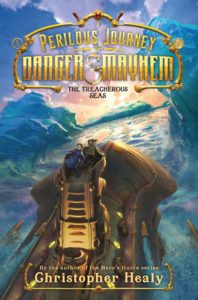
Tuesday: Blog Tour with Educators’ Guide: The Treacherous Sea by Christopher Healy
**Congratulations to John S. the winner of The Treacherous Sea giveaway!**

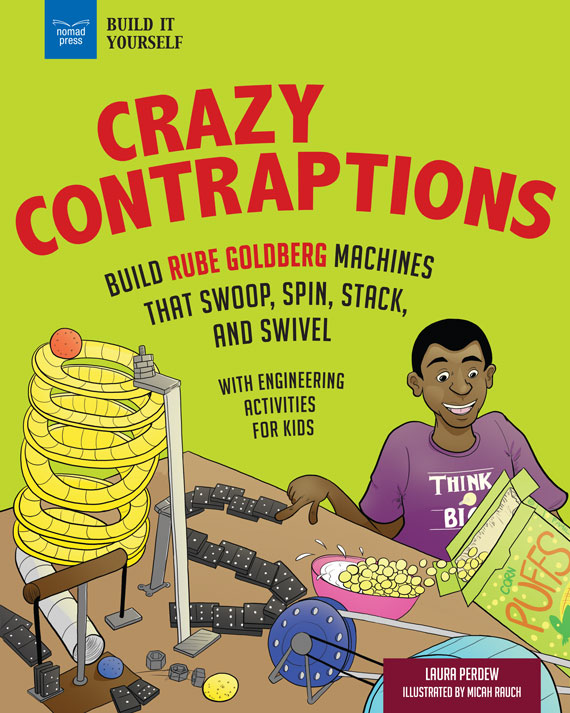
Sunday: Author Guest Post: “Making Crazy Contraptions” by Laura Perdew, Author of Crazy Contraptions: Build Rube Goldberg Machines that Swoop, Spin, Stack, and Swivel with Engineering Activities for Kids

**Click on any picture/link to view the post**

Bold_line

Bold_line

Link up below and go check out what everyone else is reading. Please support other bloggers by viewing and commenting on at least 3 other blogs. If you tweet about your Monday post, tag the tweet with #IMWAYR!

 Signature andRickiSig

Author Guest Post: “Making Crazy Contraptions” by Laura Perdew, Author of Crazy Contraptions: Build Rube Goldberg Machines that Swoop, Spin, Stack, and Swivel with Engineering Activities for Kids

Share

“Crazy Contraptions: Build Rube Goldberg Machines that Swoop, Spin, Stack, and Swivel

Collect your catapults, toy cars, pulleys, ramps, marbles, balls, and dominoes. You’ll probably also want string, tape, hot glue, cardboard, TP rolls, and miscellaneous recycling. Now, what should you do with this odd assortment of materials? Build Rube Goldberg machines, of course!

Rube Goldberg machines are crazy contraptions that perform very simple tasks through an exceedingly complicated and usually humorous chain reaction. The man behind the machines was Rube Goldberg. He was an engineer turned cartoonist in the mid-1900s. He is famous for his cartoons that featured the crazy contraptions he invented (check out the image gallery at https://www.rubegoldberg.com/image-gallery-licensing/). His “inventions” include a self-operating napkin, a painless tooth extractor, and even an elaborate method to keep the baby covered at night. People loved Goldberg’s cartoons and couldn’t wait to see what he would come up with next. Yet even though people loved his inventions and Goldberg was an engineer, he never built a single one of his contraptions.

Instead, the idea to build crazy contraptions was initiated by college students in 1949. Since that time, building contraptions has become wildly popular. Rube Goldberg, Inc. even holds an annual Rube Goldberg Machine Contest which challenges students to create their own crazy contraptions that perform a designated task (https://www.rubegoldberg.com/learn-about-the-contests/). Creating contraptions is also a great hands-on project in the classroom to teach basic physics concepts (energy, force, motion, and work) and to introduce the six simple machines to kids. And it’s FUN!

CRAZY CONTRAPTIONS: Build Rube Goldberg Machines that Swoop, Spin, Stack, and Swivel teaches all of these concepts. It also encourages contraption makers to use the engineering design process – brainstorming, planning, building, testing, evaluating, and redesigning (if necessary). The book starts out with easy challenges using one simple machine. As the book progresses, though, readers are challenged to build increasingly complex contraptions using more and more simple machines. Warning! This book does not include step-by-step instructions to build each contraption. Instead, it presents these challenges in a way that allows readers to use their own creativity and materials they may have on hand. So, go collect that odd assortment of material and start building!

Activity

Introduce students to Rube Goldberg contraptions by watching this music video by OK Go: https://www.youtube.com/watch?v=qybUFnY7Y8w or visiting the Rube Goldberg image gallery.

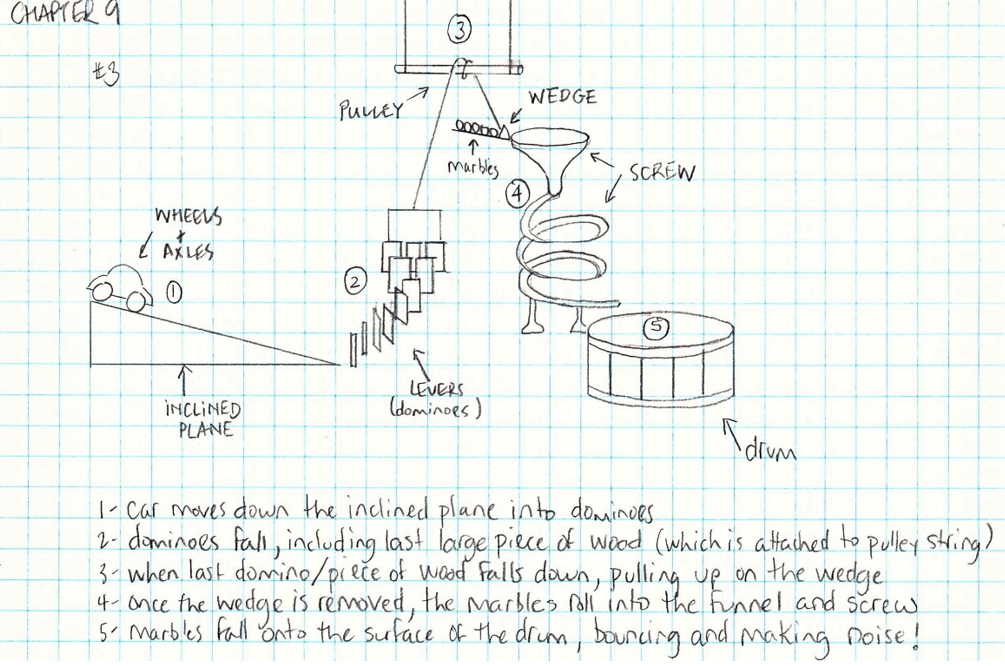
The challenge here is to have students create a crazy contraption that uses all six simple machines to bang on a drum using engineering design process:
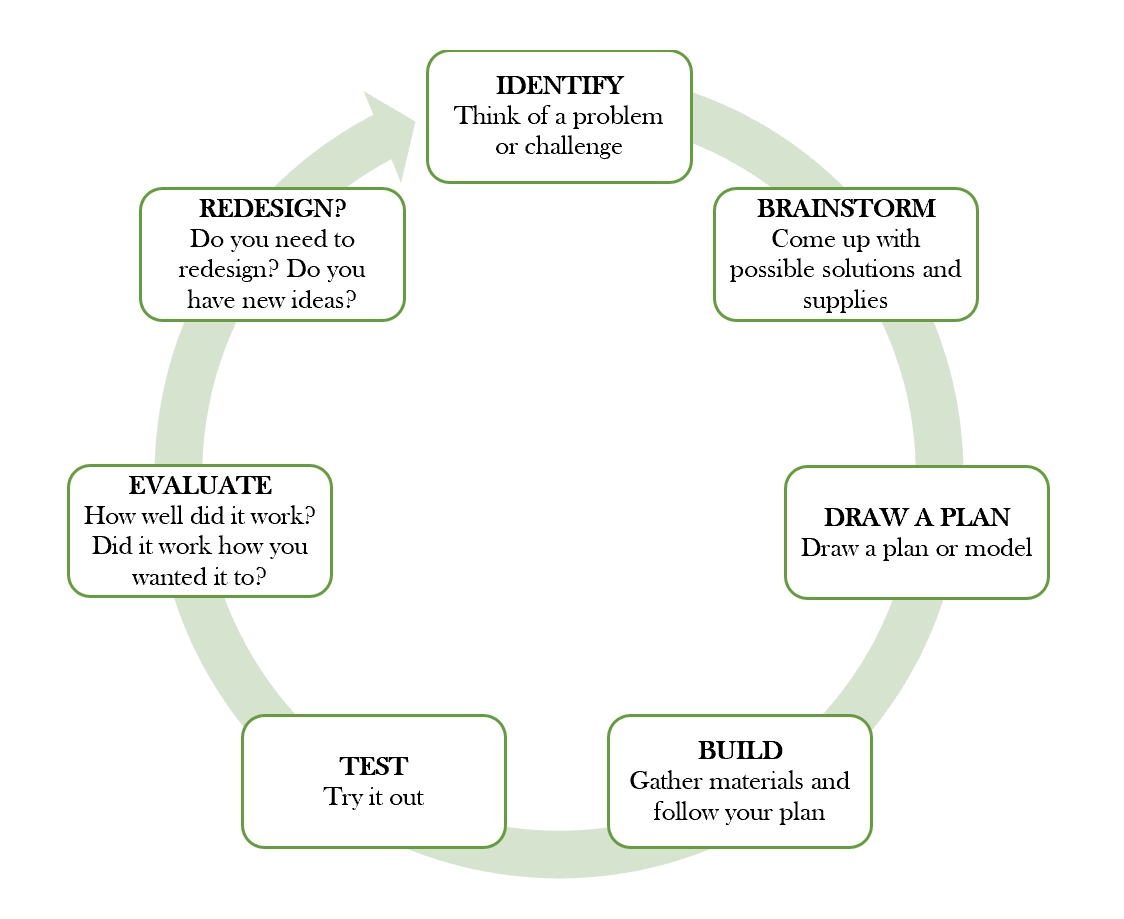
Identify: The challenge, as stated above, is to build a crazy contraption that uses all six simple machines to bang on a drum.

Brainstorm: What materials will students use for each of the six simple machines in the contraption? Here are a few ideas…

Inclined plane – books, toy car tracks, piece of cardboard, piece of paper

Levers – dominoes, catapults, rulers, popsicle sticks, pencils

Wheels and axles – toy cars or trains, a homemade car, screwdriver

Pulleys – a pulley, empty thread or wire spools, pushpins

Wedges – make your own, popsicle sticks, string

Screws – jars and lids, marble runs, funnels, tubing

Don’t forget the drum and whatever will bang on it to make the noise!

Consider how all those parts might work together to create the contraption.

Draw a plan: Break out the graph paper, pencils, and rulers. When I wrote the book, this is what my design looked like:
Build: Put it all together! Hint – do the dominoes last!

Test: After building, adding, tweaking, taping, and creating, start the chain reaction.

Evaluate: More often than not, the first few tests of crazy contraptions fail. But that’s okay! The question to ask is, “Why?” This question and its answer help young engineers create contraptions that DO work.

Redesign: Using what your students know about why the contraption did or did not work, they may want to redesign it. Or, they may want to make it louder. Or add other noisemakers.
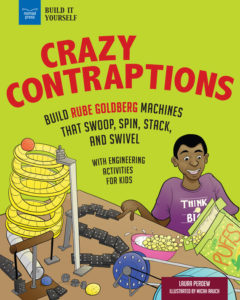
Crazy Contraptions: Build Rube Goldberg Machines That Swoop, Spin, Spack, and Swivel with Engineering Activities for Kids
Author: Laura Perdew
Illustrator: Micah Rauch
Published October 8th, 2019 by Nomad Press

About the Book:An exciting book about the chain reaction world of Rube Goldberg for middle schoolers, including 25 engineering design projects that get middle schoolers applying the laws of physics to their own inventions as they learn the scientific principles behind the actions and reactions they create.

Why use a simple hand motion to wipe your mouth when you can build a machine to do it for you? Toppling dominoes, rolling marbles, racing balloon cars, springing catapults, and whizzing zip-lines are all elements used to build Rube Goldberg machines in Crazy Contraptions: Build Machines that Swoop, Spin, Stack, and Swivel with Engineering Activities for Kids. The book introduces kids ages 9-12 (and beyond!) to the wacky machines designed by Goldberg, which were based on complicated chain reactions used to accomplish very simple, sometimes ridiculous, tasks.

-Through contraptions, the book discusses the basics of physics, including force, motion, and work. Each chapter introduces one of the six simple machines and how they can be used in Rube Goldberg contraptions–inclined planes, levers, wheels and axles, wedges, screws, and pulleys.

– Kids are challenged to design, build, and evaluate dozens of increasingly complex contraptions that do things like unscrew a lid, turn the page of a book, and pop a balloon.

– Projects use materials already in most homes–reimagining and repurposing everyday items, as well as mining the recycling!

– Contraption hints, essential questions, short sidebars, and links to online primary resources help readers learn the basics of force, work, motion, and simple machines, while exploring their creativity as they design and build their own crazy contraptions.

About the Build It Engineering set and Nomad Press

Crazy Contraptionsis part of a set of two Build It Engineering books that explore the engineering technology behind our daily lives. The other titles in this series isBots! Robotic Engineering with Makerspace Activities for Kids.

Nomad Press books in the Build It series integrate content with participation. Combining content with inquiry-based projects stimulates learning and makes it active and alive. Nomad’s unique approach simultaneously grounds kids in factual knowledge while allowing them the space to be curious, creative, and critical thinkers.

About the Author:Laura Perdew is an author, writing consultant, and former middle school teacher. She has written more than 15 books for the education market on a wide range of subjects, including the animal rights movement, the history of the toilet, eating local, and the Great Pacific Garbage Patch. She is a long-time member of the Society of Children’s Book Authors and Illustrators. Laura lives in Boulder, Colorado.

Thank you so much for this guest post–love the STREAM focus!