It’s Monday! What Are You Reading? #IMWAYR 8/12/24

Share

It’s Monday! What Are You Reading?
For readers of all ages

It’s Monday! What Are You Reading? is a weekly blog hop we host which focuses on sharing what we’re reading. This Kid Lit version of IMWAYR focuses primarily on books marketed for kids and teens, but books for readers of all ages are shared. We love this community and how it offers opportunities to share and recommend books with each other.

The original IMWAYR, with an adult literature focus, was started by Sheila at Book Journeys and is now hosted by Kathryn at The Book Date. The Kid Lit IMWAYR was co-created by Kellee & Jen at Teach Mentor Texts.

We encourage you to write your own post sharing what you’re reading, link up below, leave a comment, and support other IMWAYR bloggers by visiting and commenting on at least three of the other linked blogs.

Happy reading!

Bold_line

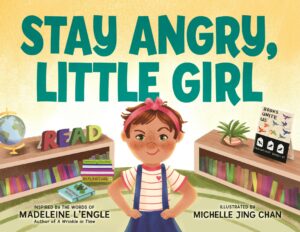
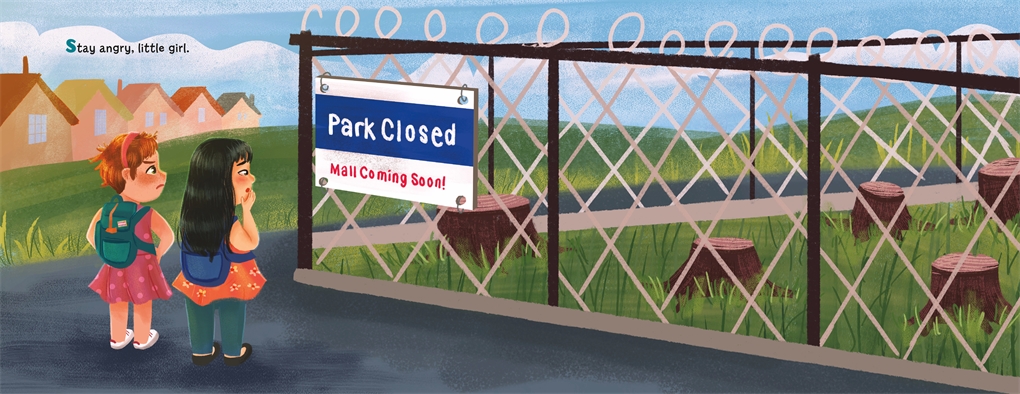
Tuesday: Stay Angry, Little Girl Inspired by Madeleine L’Engle, Illustrated by Michelle Jing Chan

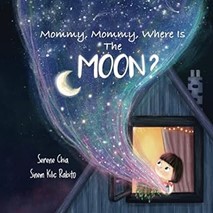
Sunday: Author Guest Post: “Integrating Storytelling with Science Education” by Serene Chia, Author of Mommy, Mommy, Where is the Moon?

**Click on any picture/link to view the post**

Bold_line

Kellee

I cannot believe that it is already back to school time! My students start today 😲
To all educators, I hope your year starts off (and continues to be) wonderful!

Picture Books

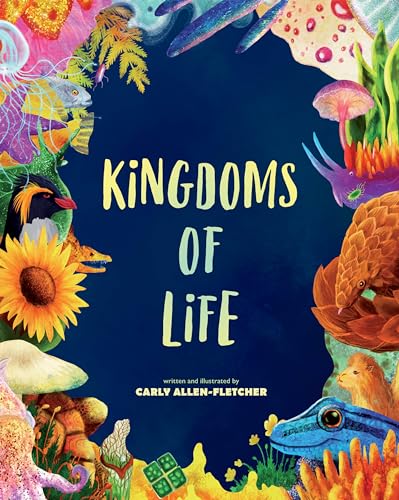
  • Kingdoms of Life by Carly Allen-Fletcher: As soon as I finished this book, I texted my 6th grade life science PLC head because this fits right in with the lesson that I collaborated with them on last year. It does a great job of sharing all of the kingdoms of life, including colorful illustrations and lots of interesting, informative, and fun information!
  • Missy and Mason: Missy Wants a Mammoth by Pam Vaughan: Mason can’t seem to get Missy to understand that she can’t have a mammoth as a pet, and it is hard to squash her excitement, but he knows he has to get Missy to understand. Or does he?! This is such a fun book to talk about pet responsibilities, extinction, and authors inclusion of silliness.

Middle Grade

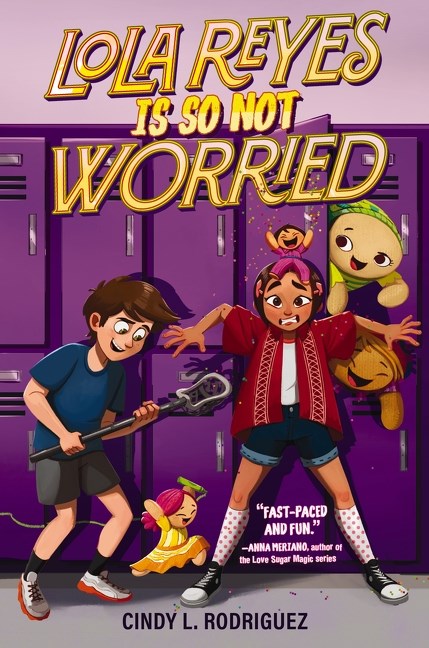
  • Lola Reyes is so not Worried by Cindy L. Rodriguez: I am so lucky to have been able to write the teaching guide for this fun new middle grade magically realistic novel about cursed worry dolls, mental health, and family changes.
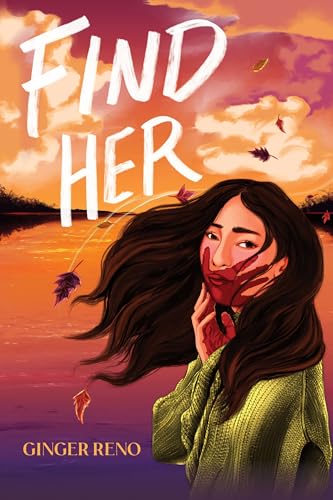
  • Find Her by Ginger Reno: Ginger Reno is coming to the 2024 ALAN Workshop, so I was so excited to read Find Her, and it did not disappoint. It is so multi-faceted. First and foremost it was about Missing and Murdered Indigenous Women and Girls (MMIWG). We learn early on that Wren’s mother has been missing for 5 years with no leads. The author then also intertwines everything else about Wren’s life as she learns to continue to navigate a world where her mom is not there. I loved dynamics of Wren’s family, especially her grandmother Elisi. My other favorite character is Brantley who is the perfect friend for Wren and Wren is the perfect friend for him. And also within the book is a story of bullying, abuse, and animal abuse. It is a huge feat to fit so much into one book, but the author did a fantastic job, and I couldn’t put down the book.
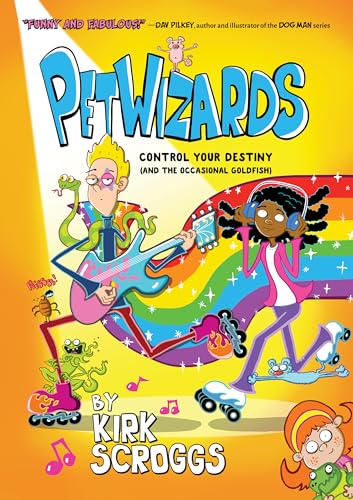
  • PetWizards by Kirk Scroggs: This silly graphic novel is psychedelic in so many ways–colors, characters, plot, silliness. It is all just an all out fun graphic novel filled with everything that middle grade students are going to love.
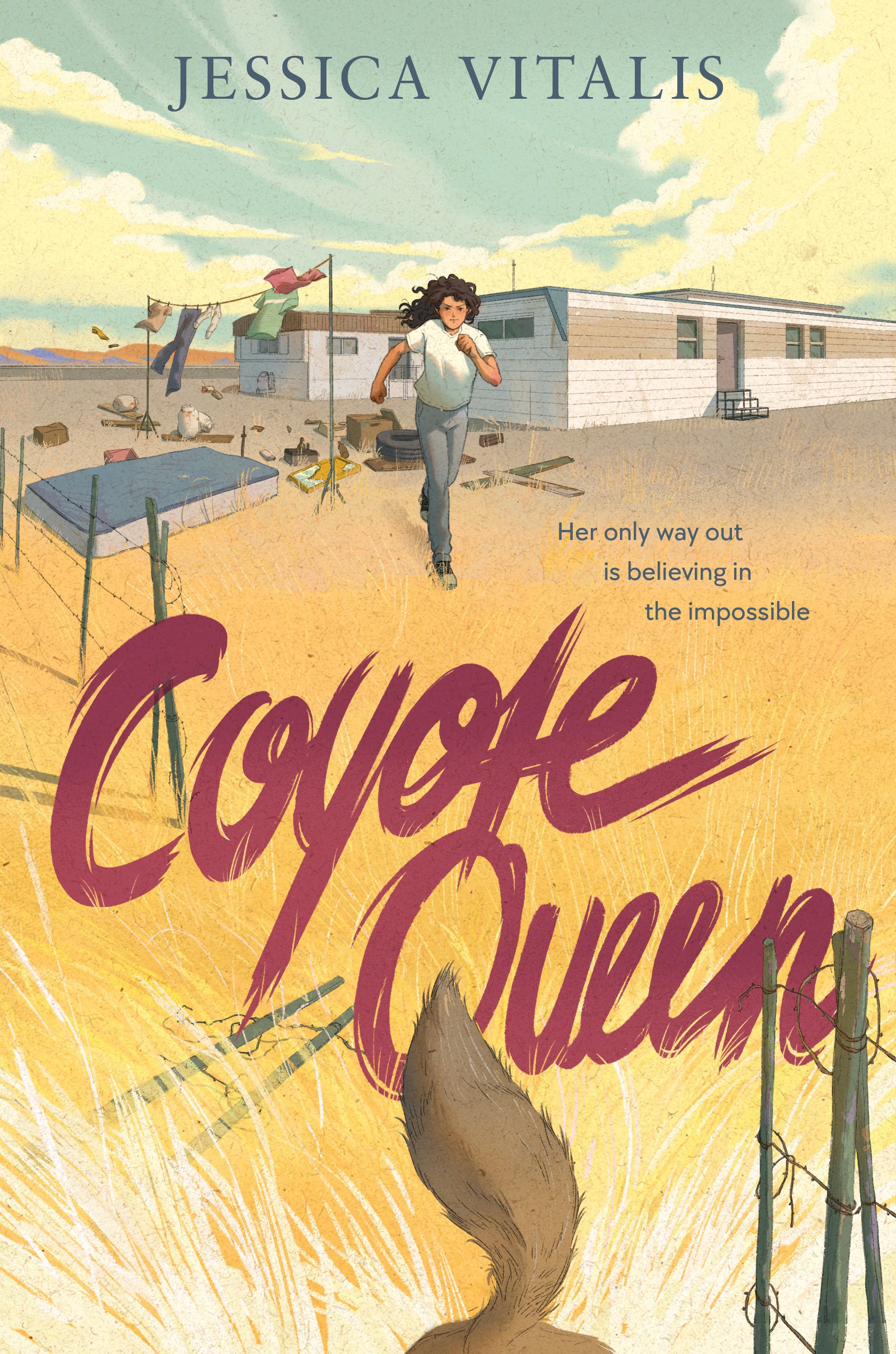
  • Coyote Queen by Jessica Vitalis: After reading Jessica Vitalis’s author guest post, I knew I wanted to read Coyote Queen, and I am so glad I finally did. There are not enough books about children who struggle day to day either when it comes to home security, family stability, food stability, or domestic abuse, like Fud does. But I am so happy that this book, despite everything, has hope, though not too unrealistic.

Young Adult

All of these YA books are by authors that are attending the 2024 ALAN Workshop, and I’m even more excited for them after reading their newest works!

  • Not Like Other Girls by Meredith Adamo: I knew I was going to love Jo after reading the publisher’s pitch about this book, but this book was much more about mental health/trauma and a mystery than I thought it was going to be, and that made the book even better! Although it is a tough read, it is well done and important.
  • The Art Thieves by Andrea L. Rogers: This book blew me away. It is hard to explain the book or summarize it without giving away anything, but I highly recommend it.
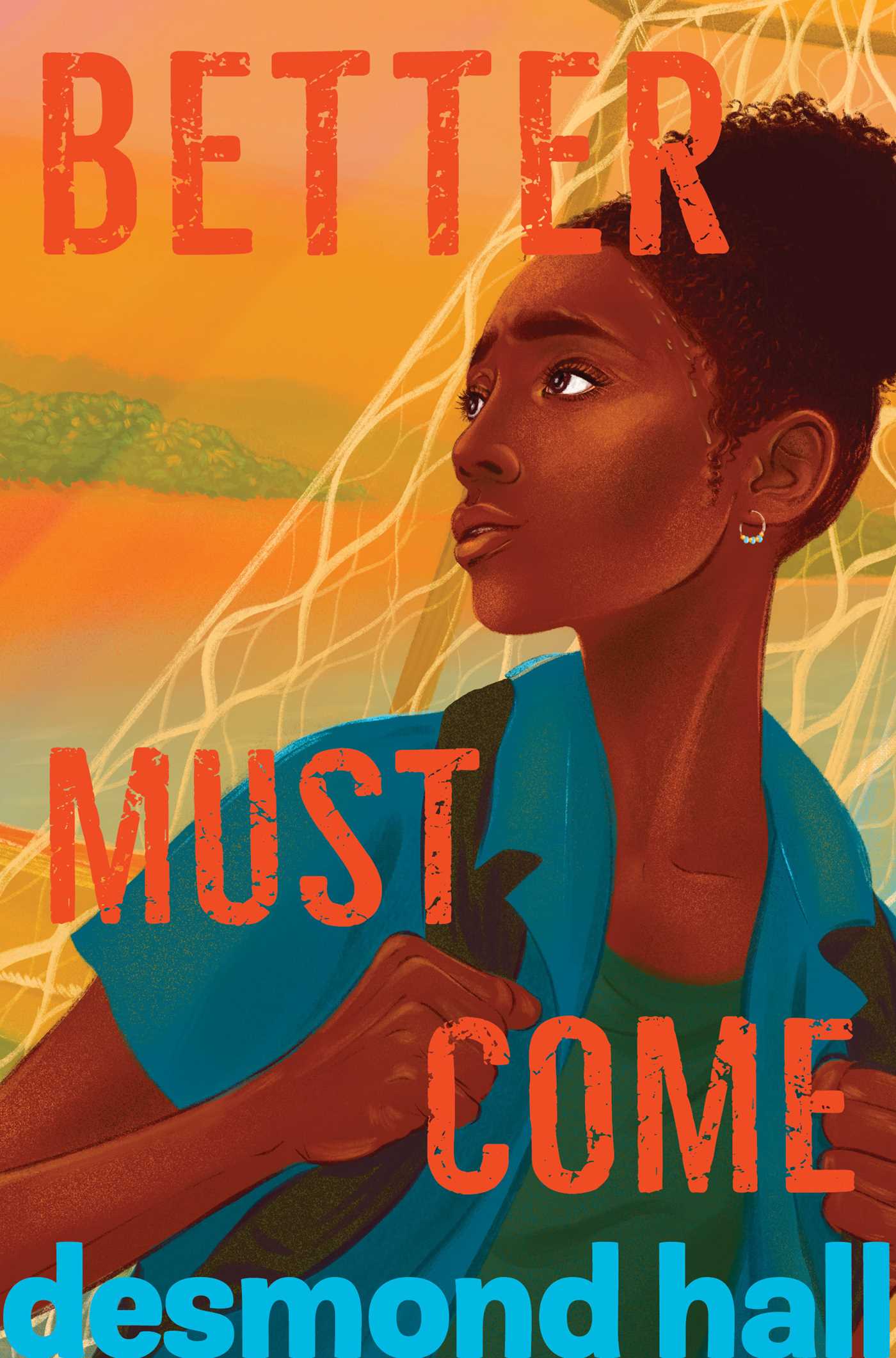
  • Better Must Come by Desmond Hall: Deja and Gabriel’s story ends up being a thriller with Jamaican life as the backdrop. I do not know of another book like this for young adults, and I love that it is written now for the readers who need to see themselves and for others to hear this story. Readers are going to enjoy this intense read!
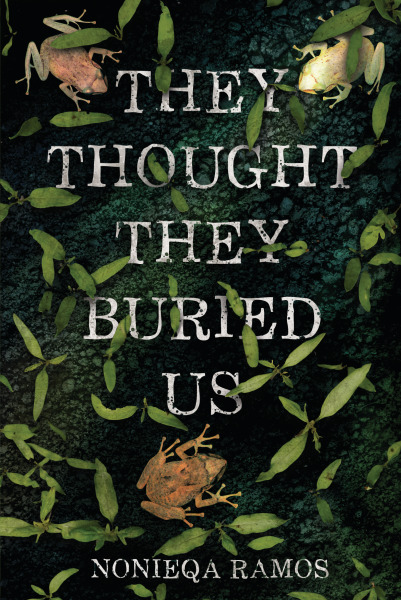
  • They Thought They Buried Us by NoNieqa Ramos: I am a sucker for books at boarding schools, as you know, and here is another one, but it is unlike anything else I’ve ever read. Like The Art Thieves, I can’t tell you very much, but I can share that Yuiza, one of the few students of color at Our Lady of Perpetual Mercy, knows something is wrong, but it is even worse than she can imagine. The story is full of trauma and gaslighting and mystery and questioning and definitely an analogy for our society. (You know this book got me because I kept having to tell my sister about what was happening because it was blowing my mind.)
  • Thirsty by Jas Hammonds: There are not a lot of books that look at unsafe, peer pressured, and excessive drinking that comes often times comes with older teens’ lives, but Hammonds tackles it so well in this book while also looking at the pressure and exclusion that comes with prestigious organizations. I read this book so quickly; I had trouble putting it down!
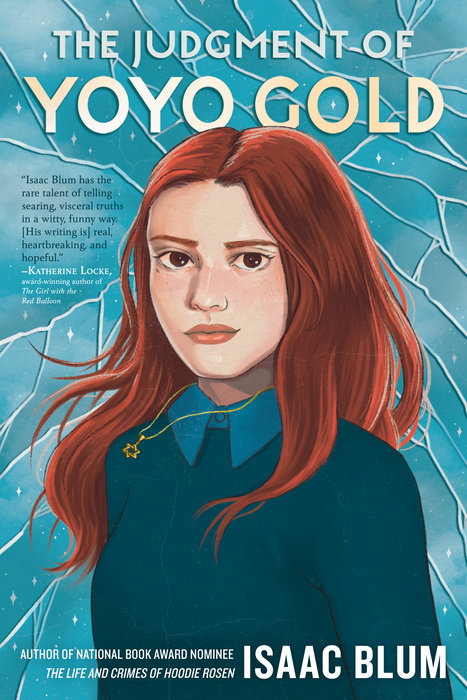
  • The Judgement of Yoyo Gold by Isaac Blum: This book is a roller coaster of emotions. Yoyo is the perfect Jewish daughter for her rabbi father in her Orthodox Jewish community. But her eyes are opened overtime of transgressions and hypocrisies in her community, and it is just time before these small notices begin to change her and make her question herself and her life. I, as an outsider of this community, learned a lot about their religion and traditions while also going along for Yoyo’s journey of self discovery.

You can always learn more about any of the books I’ve been reading by checking out my read bookshelf on Goodreads.

Ricki

This is my week off; see you next week!

Bold_line

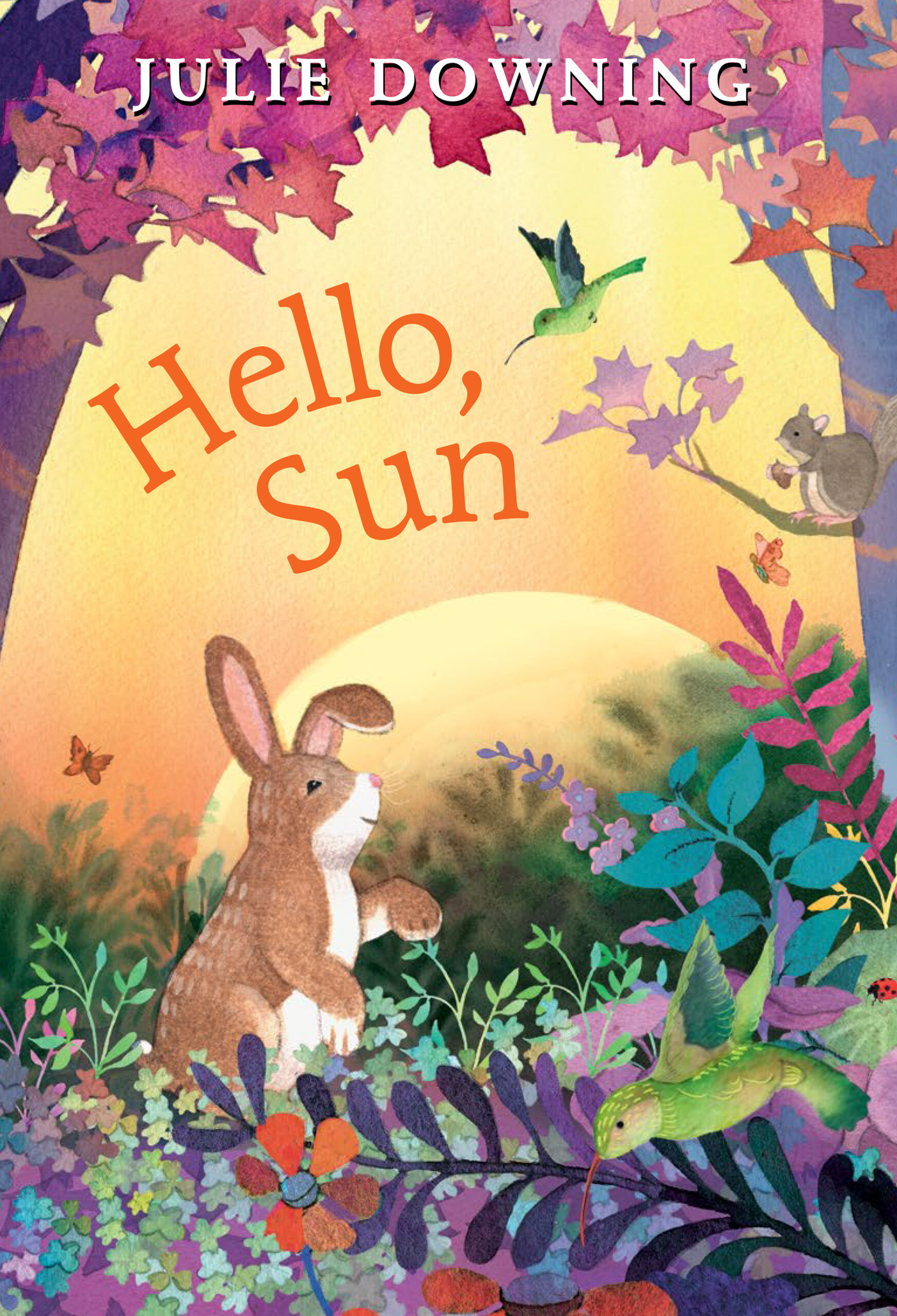
Sunday: Author Guest Post: “A Walk in Nature: Science for the Very Young” by Julie Downing, Author of Hello, Sun

Bold_line

Link up below and go check out what everyone else is reading. Please support other bloggers by viewing and commenting on at least 3 other blogs. If you tweet about your Monday post, tag the tweet with #IMWAYR!

 Signature andRickiSig

Author Guest Post: “Integrating Storytelling with Science Education” by Serene Chia, Author of Mommy, Mommy, Where is the Moon?

Share

“Integrating Storytelling with Science Education”

How do we use children’s picture books to spark our kid’s interest in science? As a children’s author and a fan of kids’ books, I’ve discovered that storytelling can be a magical tool to engage young minds. Combining stories with science is a great way to keep little ones excited about learning.

Here are 3 ways to start their scientific journey through the power of stories and child-led inquiry.

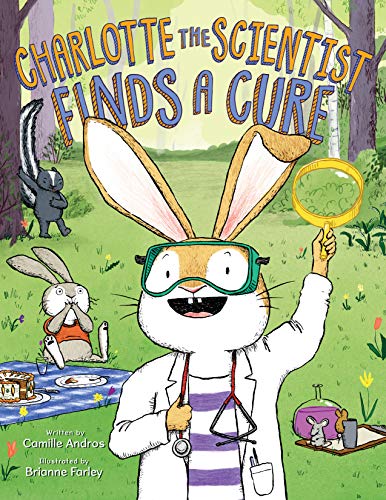
  • Making Science Simple. Science doesn’t have to be complicated. Stories can make tricky ideas easy for kids to understand. In Charlotte the Scientist Finds a Cure, Charlotte’s journey to find out what is making the animals sick captures children’s interest and teaches them about the scientific method to ask questions and form a hypothesis. Charlotte’s determination and problem-solving skills are depicted in a way that children can easily grasp.
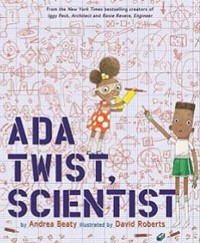
  • Encouraging Curiosity. One of the best ways to teach science is through student-led inquiry. Encourage your students to ask questions and explore answers. In Ada Twist, Scientist, Ada’s relentless curiosity to find out what is causing a smelly smell drives the story, prompting kids to ask their own questions and seek answers. This book is fantastic for teaching children the value of persistence and inquiry in science.

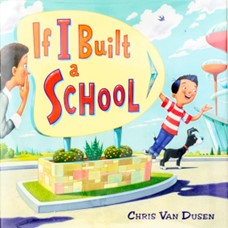
    Similarly, in If I Built a School, Jack’s imaginative ideas about what a school could look like encourage students to think creatively and ask “what if” questions. Jack’s wild ideas, like a library where books come alive, can inspire kids to dream big and explore how their own creative solutions could be realized. These books collectively show that curiosity is the starting point for scientific exploration.

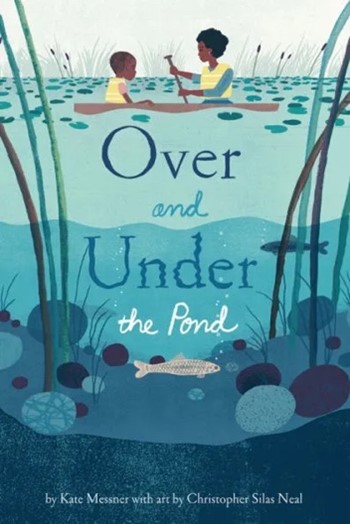
  • Mixing Different Subjects. Stories can seamlessly blend different subjects like science and reading. In Over and Under the Pond, the narrative combines scientific facts with beautiful storytelling, helping kids improve their reading while learning about nature. This multidisciplinary approach makes learning more interesting and helps kids see the connections between different subjects. It encourages them to think critically and creatively, integrating knowledge from various fields.

Recommended Books for Starting Children on Their Scientific Journey

Charlotte the Scientist Finds a Cure by Camille Andros

The story emphasizes the importance of family support in scientific endeavors, with Grandpa Bunny telling Charlotte, “Charlotte, you are going to make a real difference in the world.” My 3-year-old son loved the bunny family and the grandpa who wasn’t well, while my 6-year-old daughter was fascinated by finding out what was making all the animals sick. She learned new words like quarantine and experiment.

Ada Twist, Scientist by Andrea Beaty

This book encourages kids to start asking questions when they encounter problems. Ada’s journey to discover what was causing a stink in her house shows how persistent inquiry can lead to scientific discovery. The story highlights the importance of family support in encouraging curiosity and problem-solving.

Over and Under the Pond by Kate Messner

The book paints a beautiful picture of an afternoon spent exploring the ecosystem of a pond. Living in Singapore, we learned about animals we don’t have here, like the mink, moose, and American goldfinch. The illustrations, such as a view from above the trees looking down at the mother and son rowing their boat, add an immersive visual element that helps kids learn about different species and their habitats.

If I Built a School by Chris Van Dusen

This imaginative book follows a boy named Jack with the wildest imagination as he describes to his teacher, Miss Jane, how he would design a school. His ideas include puppies, a zoo, a robot that makes lunches, and hover desks that glide around. My kids especially loved the part where the library had books that came alive, like Jack and the Beanstalk, with a beanstalk that grew when you opened the book. This story sparks interesting discussions and encourages kids to think creatively about their learning environment.

Conclusion. Storytelling is a powerful tool for teaching science. It makes learning easy, fun, and engaging. You don’t need complicated setups to spark curiosity in your students. Use storytelling to create a rich, engaging learning environment. Books like Charlotte the Scientist Finds a Cure, Ada Twist, Scientist, Over and Under the Pond, and If I Built a School are excellent starting points. By incorporating these stories into your lessons, you can inspire the next generation of scientists and explorers!

Mommy, Mommy, Where is the Moon?
Author: Serene Chia
Illustrator: Sinem Kilic Rabito
Published June 3rd, 2022

About the Book: Few things in life are as precious as the bond shared between a mother and her daughter.

Kaitlyn loves spending her nights lying beside her mother as they search the sky for the Moon. Sometimes they find it. Sometimes they don’t! That doesn’t stop them from laughing and talking about cool moon facts like why it changes shape and hides sometimes. Like Neil Armstrong, Kaitlyn believes she can also fly to the Moon!

Beautifully illustrated and filled with inspiration, Mommy, Mommy, Where is the Moon is a must-read for every child.

Parents and educators, this book is great for:

IMPROVING PARENT-CHILD RELATIONSHIP – Engage your child and improve the parent-child relationship.

INTRODUCING SCIENCE AND STEM CONCEPTS – Introduce your child to science and STEM concepts in a fun and easy-to-understand way.

ENCOURAGING IMAGINATION – Encourages your child to dream big and use their imagination.

For a free lesson plan and activity sheets for preschoolers, visit serenechia.com/moon

About the Author: As a children’s author, Serene Chia has always been passionate about creating stories that educate and inspire young minds. Her book, Mommy, Mommy, Where is the Moon?, was inspired by her daughter’s fascination with the moon. One of their favorite things to do was to spend time looking for the moon every night. Sometimes they found it, other times they didn’t. Along the way, they pick up cool moon facts like why the moon changes shape and sometimes hides.

This book combines the warmth of a mother-daughter bond with bits of science sprinkled within. It also comes with a lesson plan for 6-year-olds, a read-aloud video, and coloring sheets that make it easy to incorporate into your home or classroom lessons. Visit serenechia.com/moon.

Website: serenechia.com
Instagram: instagram.com/serenechiaauthor

Thank you, Serene, for these science-focused activities and books!

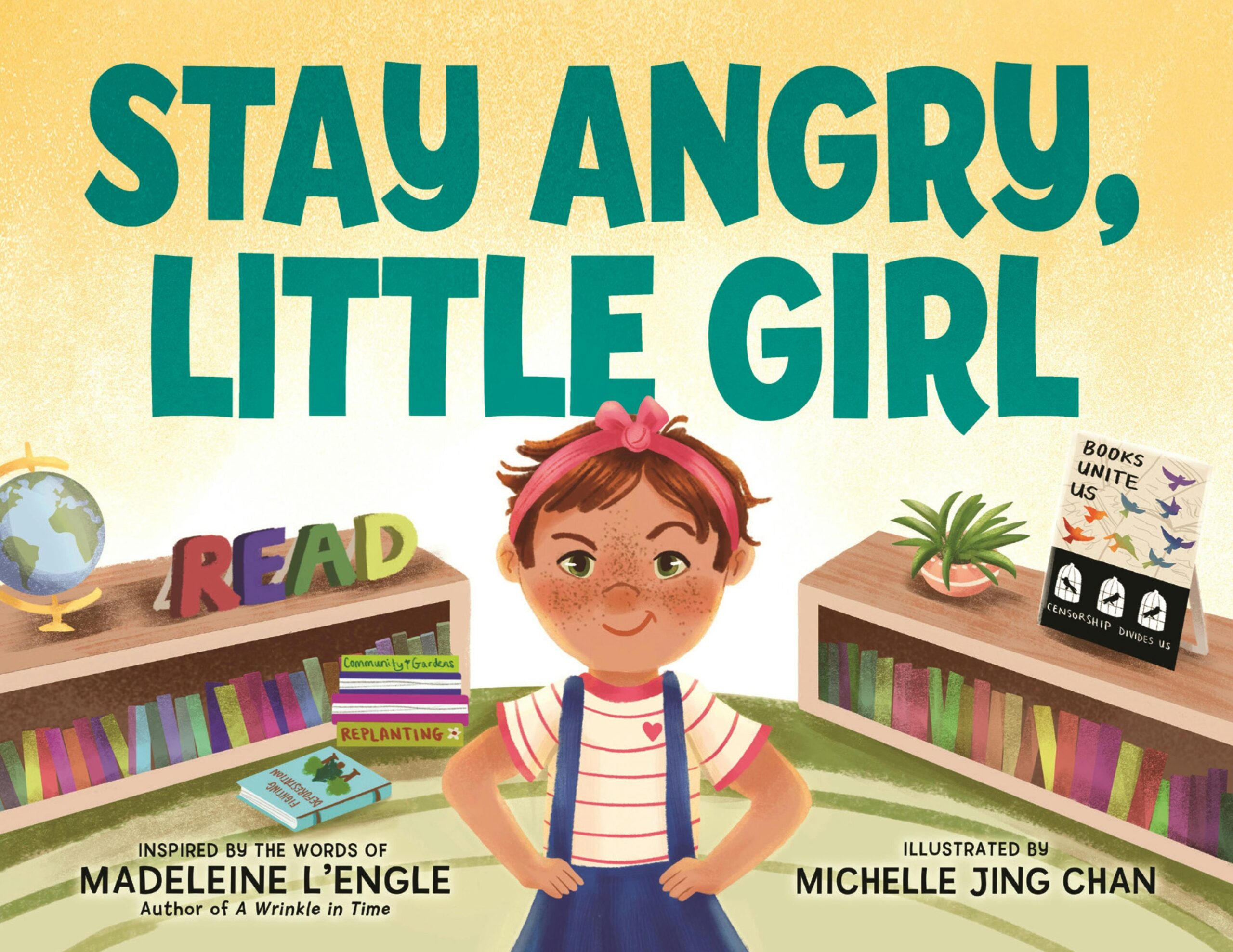
Stay Angry, Little Girl Inspired by Madeleine L’Engle, Illustrated by Michelle Jing Chan

Share

Stay Angry, Little Girl
Inspired by: Madeleine L’Engle
Illustrator: Michelle Jing Chan
Published August 6th, 2024 by Farrar, Straus and Giroux (BYR) / Macmillan

Summary: An empowering message inspired by a beloved quote from Madeleine L’Engle’s enduring classic A Wrinkle in Time.

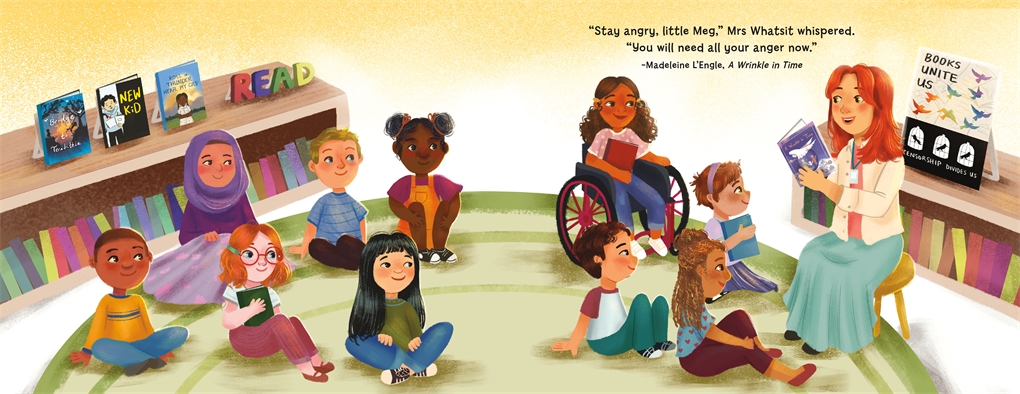
“Stay angry, little Meg,” Mrs. Whatsit whispered. “You will need all your anger now.”

This picture book encourages girls everywhere to proudly share their ideas and emotions, even if those traits will be met with resistance. Because being brave, sensitive, stubborn, curious, loud, kind, and playful helps them build strength and stay true to themselves.

Michelle Jing Chan’s bright artwork welcomes girls of all backgrounds to use these important affirmations.

“[This book] gives girls a full-throated endorsement to be true to themselves… Empowering.” —Kirkus

About the Creator: Michelle Jing Chan is a queer Chinese American illustrator who grew up in Colorado and lives in the Pacific Northwest. Inspired by nature, cultural folklore, and fantasy, Michelle aspires to illustrate diverse, empowering stories her younger self would have loved. When she’s not drawing, she can be found attempting new recipes, reading, or watching spooky TV shows.

Review: This book takes everything that misogynists pin on little girls as negative and shows how they are powerful traits that make us better people. As a woman who was told as a young child that she was too big, physically, emotionally, and vocally, I give this book a standing ovation because there are so many girls who are told not to be angry or kind or curious or loud or stubborn or… or… or… This book truly illustrates that these traits can be the superpower within us to be a better person or to make the world a better place. What makes the book even more powerful is the illustrations because they take very scarce text and show the how and why all while including characters that will connect with every reader.

Tools for Navigation: Read this book aloud and have it lead to amazing conversations to help end misogynistic thoughts!

Also, free coloring sheets can be downloaded here (provided by the illustrator)!

Discussion Questions: 

  • What is a trait that you have been told is negative about you? How is this trait something that makes you a better you?
  • Think of a trait that is often seen as negative. How can this trait be reframed to be positive?
  • What do you think the author’s purpose was in creating this book? The theme of the book?
  • How can someone being told that something about them is “bad” affect them over time?

Flagged Spreads: 

Read This If You Love: Affirmations, Girl Power books, Any reminder to be true to yourself

Recommended For: 

classroomlibrarybuttonsmall

Signature

**Thank you to Nicole Banholzer PR for providing a copy for review!**

It’s Monday! What Are You Reading? #IMWAYR 8/5/24

Share

It’s Monday! What Are You Reading?
For readers of all ages

It’s Monday! What Are You Reading? is a weekly blog hop we host which focuses on sharing what we’re reading. This Kid Lit version of IMWAYR focuses primarily on books marketed for kids and teens, but books for readers of all ages are shared. We love this community and how it offers opportunities to share and recommend books with each other.

The original IMWAYR, with an adult literature focus, was started by Sheila at Book Journeys and is now hosted by Kathryn at The Book Date. The Kid Lit IMWAYR was co-created by Kellee & Jen at Teach Mentor Texts.

We encourage you to write your own post sharing what you’re reading, link up below, leave a comment, and support other IMWAYR bloggers by visiting and commenting on at least three of the other linked blogs.

Happy reading!
Bold_line

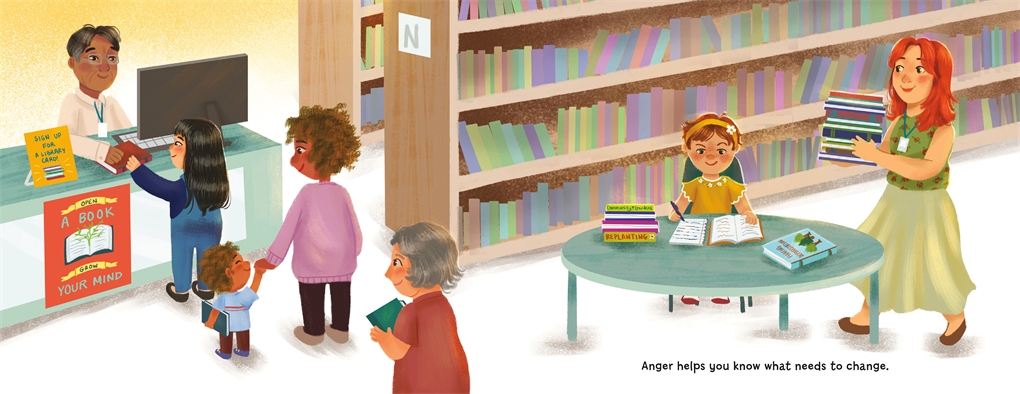
Friday: Student Voices: The Impact of School Libraries from Juliet D., 7th grade, and Leticia R. & Lauren Q., 8th grade

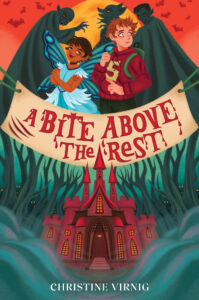
Sunday: “Tackling the Blank Page with the WHY Method” by Christine Virnig, Author of A Bite Above the Rest

**Click on any picture/link to view the post**

Bold_line

Kellee

Today is my day off from IMWAYR, but you can learn more about any of the books I’ve been reading by checking out my read bookshelf on Goodreads.

Ricki

I sadly have to take this IMWAYR off; I’ll update you on my reading in a couple of weeks.

Bold_line

Tuesday: Stay Angry, Little Girl Inspired by Madeleine L’Engle, Illustrated by Michelle Jing Chan

Sunday: Author Guest Post: “Integrating Storytelling with Science Education” by Serene Chia, Author of Mommy, Mommy, Where is the Moon?

Bold_line

Link up below and go check out what everyone else is reading. Please support other bloggers by viewing and commenting on at least 3 other blogs. If you tweet about your Monday post, tag the tweet with #IMWAYR!

 Signature andRickiSig

Author Guest Post: “Tackling the Blank Page with the WHY Method” by Christine Virnig, Author of A Bite Above the Rest

Share

“Tackling the Blank Page with the WHY Method”

I’m extremely lucky to be able to run two writing clubs at the library where I work—one for TEENs and one for 9–12-year-olds. It’s so fun to sit there and soak in the young writers’ enthusiasm, their energy, their creativity. But while some of them are bursting with ideas, others have a hard time getting started. They stare at the blank page in front of them and don’t know where to begin.

I very much commiserate with this can’t-figure-out-how-to-start group. I also have the hardest time coming up with ideas. Nothing ever seems unique enough, interesting enough, engaging enough to bother turning it into a book that anyone but my mom would want to read. So how do I move beyond the blank page to get at least SOMETHING written down? I use what I call the WHY method.

What is this magical WHY method? It’s nothing more than starting with a shred of an idea—such as a character (like a girl with a peanut allergy), a place (like a haunted woods), a villain (like a vomit-breathed math teacher), or a theme (like evolving friendships)—and then asking myself “why, why, why, why” until I finally have enough of an idea to start writing. To walk you through this WHY method, let’s use my debut middle grade novel, A Bite Above the Rest, as an example.

The shred of an idea I started with was a character who just popped into my head one day: a boy who was walking around with a wooden stake in his back pocket because he was terrified he was about to encounter a vampire or witch or werewolf. I named this boy Caleb, I declared him to be eleven years old, and then I started asking why.

Why is Caleb afraid he’ll run into a vampire or werewolf or witch? Does he simply have a vivid imagination, so he sees a bat and thinks VAMPIRE or sees a full moon and thinks WEREWOLF? Or does he live in a world known to contain vampires and witches, and everyone around him is similarly terrified. OR… is he afraid he’ll run into a werewolf or witch because he’s seen them, and yet nobody else is afraid? That last option intrigued me the most… but I still needed to ask more why questions to flesh out the idea.

Why is nobody around him afraid? Are the vampires and werewolves somehow invisible to everyone but my main character? Are the creatures hiding, and my main character is the only who’s ever encountered them?  OR… does everyone around him also see the monsters, but they don’t perceive them as scary? Again, I went with option number 3. And then I asked why yet again.

Why doesn’t anyone else see the vampires or witches as scary? Are most werewolves and vampires friendly, and my character is alone in being afraid of them? Is everybody but Caleb a monster, so of course they aren’t afraid of each other? OR… what if everyone else just thinks the witches and vampires are regular people wearing costumes? Option three was the most compelling to me, but I had to keep going with the whys…

Why do people think the monsters are just regular humans in costumes? Is there a haunted house in town that employs oodles of costumed workers? Does my main character live in an alternative universe where costumes are as ho-hum as jeans and a t-shirt? OR… what if he finds himself in a Halloween tourist town—the Halloween equivalent of the North Pole? It can be a place where Halloween decorations are kept up all year long; where the bakery bursts with mouth-watering, pumpkin-flavored treats; where the library’s mascot can be something ridiculous… like a Book Banshee. How cool would that be?!? I only needed to ask one more why before I was ready to start writing.

Why does my main character come to this town in the first place?  Was he born there? Is he a tourist? Is he visiting his grandma for a week? OR… has he just moved there? As an outsider (and an anxious, fearful one at that), he’ll be more likely to notice things about the town that others overlook. That others take as “normal.”

I went with option three, and BOOM. After asking just five why questions, I had my character, my setting, and the start of an adventure. Did I have it all figured out? Not at all! Why, I still didn’t know if the vampires and werewolves were just costumed humans—and Caleb had it all wrong—or if they were actual monsters (and honestly, I didn’t figure out the answer to this question until I was half way through writing the first draft). But nonetheless, these why questions were enough to get me started. They allowed me to fill up that first blank page with something other than a blinking curser.

So, when you have students who can’t decide what to write—when they’re frustrated and stuck and just want to give up—maybe have them try the WHY method and see if it helps them too. Why does that hedgehog talk? Why do the woods feel spooky? Why did that girl’s best friend just call her a name? Why? Why? Why?

And hopefully, all these why questions will help them fill their blank pages too!

Published August 6th, 2024 by Aladdin

About the Book: A boy moves to a Halloween-themed town only to realize there may be more to the tourist trap than meets the eye in this fast-paced romp of a middle grade novel perfect for fans of The Last Kids on Earth and Escape from Mr. Lemoncello’s Library!

When Caleb’s mom decides they are moving to her childhood home in Wisconsin, Caleb is not thrilled. Moving schools, states, and time zones would be bad enough, but Mom’s hometown is Samhain, a small and ridiculously kitschy place where every day is Halloween.

Caleb is not a fan of Halloween when it only happens once a year, so Halloween-obsessed Samhain is really not the place for him. How is he supposed to cope with kids wearing costumes to school every single day? And how about the fact that the mayor is so committed to the bit that City Hall is only open from sundown to sunup to accommodate his so-called vampirism? Sure enough, Caleb becomes an outcast at school for refusing to play along with the spooky tradition like the other sixth graders. Luckily, he manages to find a friend in fellow misfit Tai, and just in time, because things are getting weird in Samhain…or make that weirder.

But there’s no way the mayor is an actual vampire, and their teacher absolutely cannot really be a werewolf—right? Caleb discovers Samhain is so much stranger than he ever could have imagined. As one of the only people who realizes what’s happening, can he save a town that doesn’t want saving?

About the Author: Christine Virnig (she/her/hers) is a fan of books, candy, spooky stories, poop jokes, and coffee…in no particular order. As a former physician, Christine now spends her days writing books, reading books, and working at a library where she is surrounded by books. Christine lives in southern Wisconsin with her husband, two daughters, a ridiculous number of dust bunnies, and one incredibly lazy cat. You can visit her on the web at ChristineVirnig.com.

Thank you, Christine, for this hint on how to get started when being taunted by that blank page!

Student Voices: The Impact of School Libraries from Juliet D., 7th grade, and Leticia R. & Lauren Q., 8th grade

Share

The Impact of School Libraries

“Libraries” by Juliet D., 7th grade

Libraries are important. In a library, there is more than just books there is knowledge. With shelves organized in a section of books, genders, and eras the library is a symphony of intelligence and Imagination. It’s a place where stories come alive where history unfolds and secrets and where the pursuit of knowledge knows no bounds.

With its resources, the library remains an indispensable cornerstone of any community life and empowers the minds of each visit. Beyond its walls of books lies a lot of resources, accessible to all regardless of background or means. It fosters a love for learning, providing a sanctuary for the curious to explore diverse perspectives and ideas.

In an information age, the library remains a trusted guide, offering curated collections and expert guidance. It levels the playing field, bridging gaps in access to information and technology. Moreover, it cultivates a sense of belonging, serving as a hub for gatherings, discussions, and cultural exchanges. The library is not just a repository of books, but a vital hub of intellectual, social, and personal growth, shaping generations and fostering a brighter, more informed future for all.

To me, school libraries are important cause I need books to know a lot of things. When I was younger, at my elementary school I loved the library. There was no public library to me so used the school library. Every Monday we would go to the library and check out books. It doesn’t matter what my teacher said I would check out 3 books. I couldn’t read but my mom read them to me. She would reread many of them because they were my favorite books. As I got older, I learned how to read. I would always ask my teacher if I could go to the library. As you can see, Now that I have experienced school libraries I say that they are amazing. They have books for your grade level, they are colorful, and some of them have activities. I just really love school libraries.

Resources: School Libraries | Student Success


“The Impact of Being a Student Literacy Leader” by Leticia R., 7th grade

*Note: Leticia is my first student who was a literacy leader for all three years of middle school!

The bell rang, signaling the start of my first day in middle school, a mix of nerves and anticipation. Questions flooded my mind: Would I fit in? Could I keep up with the workload? However, as the days passed, those worries gradually faded away. I found my place, and it was in the library. Despite being the youngest, the only 6th grader, I soon discovered a sense of belonging and started bonding with my peers. The Student Literacy Leader program is a program that provides experience and showed me a good path to follow.  

The Student Literacy Leader program is for 7th and 8th graders who want to take charge and make a difference in their school. We work on projects, plan for when authors visit, and come up with ideas to make the library better for everyone. Being a literacy leader means being brave and taking charge, showing everyone what your school is all about.

Being a literacy leader has been a transformative journey for me. Initially hesitant to dive into books, Ms. Moye showed me that reading is open to more than lengthy chapter books. It can be diverse and enjoyable, a source of both entertainment and relaxation. For many years I only read graphic novels, mainly because I was scared of the “what ifs.” In my last months of middle school I decided to dive into pros books, at first I was scared but then I started seeing that all I had to do was try and put my best effort forward.  Through my role as a literacy leader, I’ve understood the proper depth and breadth of reading.

The library became my sanctuary, where I expanded my literary horizons, found peace, and made connections. In my 3 years at the library I have made friendship that I never thought I would need in life, some friendships from my very first year until my last year, and all of them I kept in touch. Connecting through not just books but classes, projects, and personal experience is the best feeling ever! It’s remarkable how literature has the power to unite people and make friendships.

A lot of people ask, “Why did you choose this class?” Being A literacy leader means everything to me! It’s given me opportunities that I would never be able have. I got to meet award winning authors, create special connections and learn about the literary. Being a SLL helps me to stay on track with my grades and make sure that I am always representing my school in the best way possible. I wouldn’t change this experience that I received for anything! 

And all of this would not be possible without Ms. Moye allowing us to have this elective. By allowing students to make decisions about the library teaches them responsibility and demonstrates how much we care about and love our school. I believe that if this program were to continue in high school, it would provide a safe space for students to connect with each other.

In my final year, I’m determined to spread my love for reading to others. Being a literacy leader means more than just promoting literacy; it’s about inspiring a passion for reading and helping others find joy in books. I’m grateful for this experience, and I’m sure anyone who joins this program next year will have an incredible time too.


“Author Visits” by Lauren Q., 7th grade

Author visits are something that I am very lucky to have experienced every year since I started middle school. They are very fun to have, and it is also very interesting to hear our authors tell their stories. At HCMS we help the kids get excited about the author visits. Our literacy leaders make posters to put around the school, and kids in art make drawings that we hang up around the library. And during our author visits our students can interact and ask questions. But the author visits can teach us valuable lessons once we really sit and reflect on it. They teach us to never give up even when things are rough. Also never give up on something you are passionate about because it can lead to something wonderful. 

This year we welcomed Newbery Medal winner Jerry Craft to our school. His visit was very fun but also very inspiring. He was telling us about how it was a hard journey to get to where he is now, but after all of that he didn’t give up he kept trying to pursue his dream. And all of that hard work paid off because now he is a Newbery Medal winner. Last year we had Christina Diaz Gonzalez who won the Edgar Award come to our school . She talked about being from a Hispanic background while being in the U.S. She talked about her experiences in some of her books. She is very inspirational because no matter how you grew up, different backgrounds, if you work hard enough you can achieve anything. This is why I am so thankful for the author visits because they teach us so many valuable lessons that we take and can use on a daily basis.


Thank you so much to my student voices today and their look at how the literacy program at our school, and libraries in general, affect them!