It’s Monday! What Are You Reading? #IMWAYR 12/28/20

Share

It’s Monday! What Are You Reading?
Sharing Picture Books, Early Readers, Middle Grade Books, and Young Adult Books for All Ages!

It’s Monday! What Are You Reading? is a weekly blog hop co-hosted by Unleashing Readers and Teach Mentor Texts which focuses on sharing books marketed for children and young adults. It offers opportunities to share and recommend books with each other.

The original IMWAYR, with an adult literature focus, was started by Sheila at Book Journeys and is now hosted by Kathryn at The Book Date.

We encourage you to write your own post sharing what you’re reading, link up below, leave a comment, and support other IMWAYR bloggers by visiting and commenting on at least three of the other linked blogs.

Happy reading!

Bold_line

Bold_line

Link up below and go check out what everyone else is reading. Please support other bloggers by viewing and commenting on at least 3 other blogs. If you tweet about your Monday post, tag the tweet with #IMWAYR!

 Signature andRickiSig

It’s Monday! What Are You Reading? #IMWAYR 12/21/20

Share

It’s Monday! What Are You Reading?
Sharing Picture Books, Early Readers, Middle Grade Books, and Young Adult Books for All Ages!

It’s Monday! What Are You Reading? is a weekly blog hop co-hosted by Unleashing Readers and Teach Mentor Texts which focuses on sharing books marketed for children and young adults. It offers opportunities to share and recommend books with each other.

The original IMWAYR, with an adult literature focus, was started by Sheila at Book Journeys and is now hosted by Kathryn at The Book Date.

We encourage you to write your own post sharing what you’re reading, link up below, leave a comment, and support other IMWAYR bloggers by visiting and commenting on at least three of the other linked blogs.

Happy reading!

Bold_line

Tuesday: Books Kellee Learned About at the ALAN workshop is SO EXCITED to Read

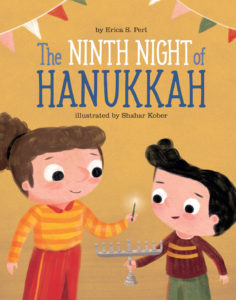
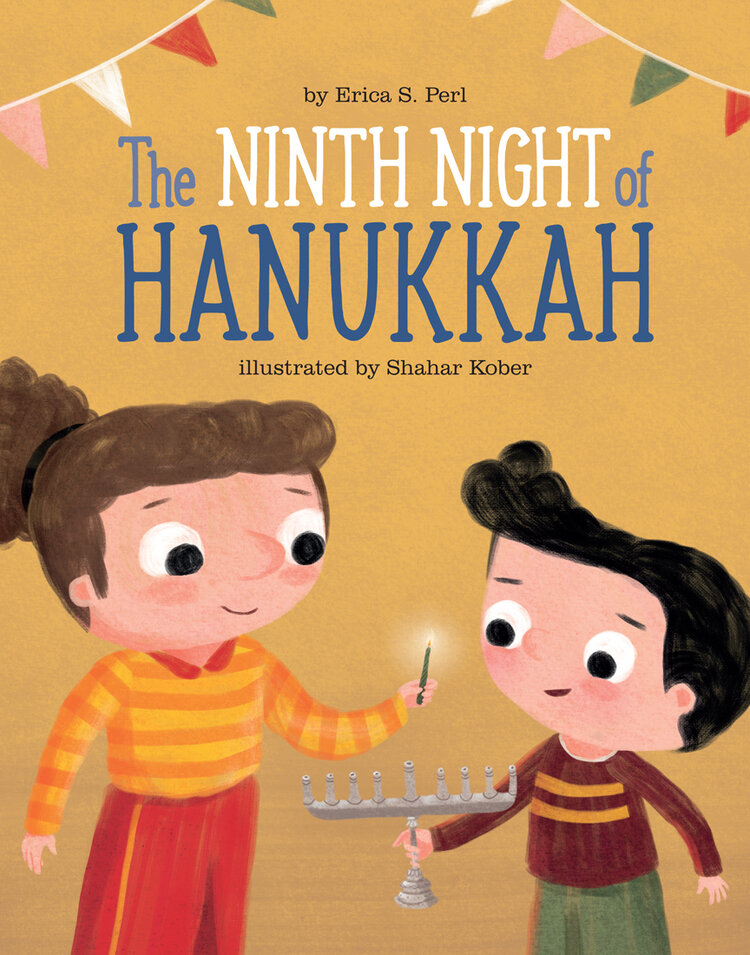
Thursday: Author Guest Post by Erica Perl, Author of The Ninth Night of Hanukkah

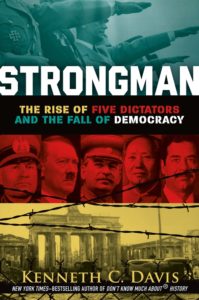
Sunday: Author Guest Post by Kenneth Davis, Author of Strongman: The Rise of Five Dictators and the Fall of Democracy

**Click on any picture/link to view the post**

Bold_line

Bold_line

Link up below and go check out what everyone else is reading. Please support other bloggers by viewing and commenting on at least 3 other blogs. If you tweet about your Monday post, tag the tweet with #IMWAYR!

 Signature andRickiSig

Author Q&A with Kenneth C. Davis, Author of Strongman: The Rise of Five Dictators and the Fall of Democracy

Share

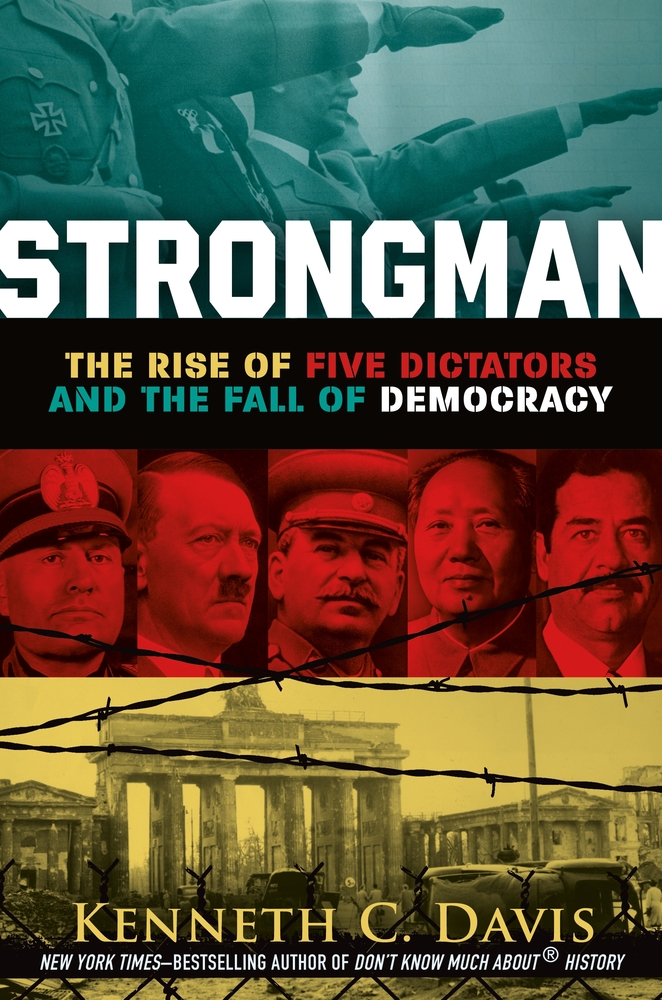
Strongman: The Rise of Five Dictators and the Fall of Democracy
Author: Kenneth C. Davis
Published October 6th, 2020 by Henry Holt and Co.

About the Book: From the bestselling author of the Don’t Know Much About books comes a dramatic account of the origins of democracy, the history of authoritarianism, and the reigns of five of history’s deadliest dictators.

What makes a country fall to a dictator? How do authoritarian leaders—strongmen—capable of killing millions acquire their power? How are they able to defeat the ideal of democracy? And what can we do to make sure it doesn’t happen again?

By profiling five of the most notoriously ruthless dictators in history—Adolf Hitler, Benito Mussolini, Joseph Stalin, Mao Zedong, and Saddam Hussein—Kenneth C. Davis seeks to answer these questions, examining the forces in these strongmen’s personal lives and historical periods that shaped the leaders they’d become. Meticulously researched and complete with photographs, Strongman provides insight into the lives of five leaders who callously transformed the world and serves as an invaluable resource in an era when democracy itself seems in peril.

Q&A

Q1. What led you to choose this topic and this audience (teens) for your new book?

A1.   I have been writing about history for some thirty years and was always fairly optimistic about the future of America. In spite of the flaws I have catalogued in my books, I always believed in the United States as the “last, best hope on earth”—Lincoln’s words—and that its democratic system still moved towards more progress.

But something has changed. And for some time now, I have been concerned that democracy, at home and abroad, was under assault. That is not only sad but dangerous. I felt I had to tell the story of these dictators and how quickly democracy can vanish. It is meant as a warning, a cautionary tale for our time.

On the question of writing for teens, let me first say that I think my books aimed at younger readers are not that different from my earlier work aimed at older adults. In fact, many older readers don’t know these are “Young Adult” books. I try and write for everyone in an accessible style that welcomes the reader, older or younger.

I started writing for younger readers several years ago because I have spoken to so many of them in classrooms over time and came away impressed by their curiosity, engagement, and interest in history. But I wanted to deliver a message to those young people that democracy can’t be taken for granted and that they have a real stake in protecting our rights and freedoms.

Q2.   What is the key takeaway you hope that young people get from reading it?

A2.   There are several key issues at work in this book and, I would say, all of my work. First is that history is not a collection of facts—dates, battles, speeches, laws – but real stories about real people doing real things. When we read about history that way, it becomes far more compelling and connected to our own lives.

Next is that we read and learn from these accounts to understand who we are and how we got here. Part of that idea is the story of how enormous sacrifices have been made in the name of rights and progress—from abolition to suffrage, civil rights, and fair labor laws. That often comes from the bottom up, not the top down, which means people without a vote still had a voice.

It is also a book that asks hard questions about what people are willing to do in following a leader. And that brings me to my earlier point: Democracy is not a spectator sport. We must protect it if we think it is worth keeping.

Q3.   What was the hardest part about writing the book?

A3.   I actually write about that in the closing words of the book. This was, in many ways, an extremely difficult project. I have written about many hard and awful events and periods in the past, including the stories of racial slavery I told in my earlier book, In the Shadow of Liberty.

But describing the levels of cruelty, inhumanity, and indecency are unavoidable in writing the history of the Strongmen –the murderous dictators whose stories I tell. We can’t sugarcoat that history. Or ignore it. That made this project a true test of my fundamental belief in the general goodness of humanity. I had to write about the vast numbers of people who were complicit in the genocidal crimes of a Strongman like Hitler or Stalin.

Q4.   If a teacher asked for recommendations for teaching your book, what would you suggest?

A4.   My writing career has mostly been about asking questions and presenting facts and evidence in real stories. I think that teachers –especially those in Social studies—can follow that general premise with their students. Ask questions and allow students to find answers through accurate, documented evidence.

This approach of getting students to do real research, assess evidence, check sources, and make considered judgments based on facts is the essence of thinking for themselves. It is what today’s education must be about, especially in this era as facts and truth are under such assault.

In a more practical way, this book should fit into a number of curriculum areas – 20th century history; the Holocaust; civics and government; ethics, religion, and basic philosophy; economics; sociology and the behavior of crowds. I have always been a proponent of crossing disciplines.

Q5.   What other resources do you feel would complement STRONGMAN in a curriculum?

A5.   I would start with reputable journalism, including newspapers and websites that accurately document their reporting. We must establish the clear connection between history and the headlines. That will also help develop those “media literacy” skills that all of us –not just students—need to negotiate the world we live in.

Certainly, there are also a great many other books that could be placed beside Strongman –biographies, war narratives, Holocaust and other memoirs from each of these eras. I’ve included many of them in the Bibliography of Strongman.

I think you can include some historical fiction –cautiously reminding students that novels are not always accurate depictions of events. There are also a wealth of documentary films and series, often starting with what is offered from PBS.

Finally, I did not set out to write three books as a “set” – but I think that my earlier books can be read alongside Strongman. I think that In the Shadow of Liberty provides more context for how the history of slavery developed alongside American democracy. More Deadly Than War provides background for the role World War I played in shaping the world that produced the dictators I profiled in Strongman. And that is how we must read history – as a long, complex, series of connected narratives, not a list of events that are unrelated.

About the Author: Kenneth C. Davis is the New York Times–bestselling author of America’s Hidden History and Don’t Know Much About® History, which gave rise to the Don’t Know Much About® series of books for adults and children. He is also the author of the critically acclaimed In the Shadow of Liberty, which was an ALA Notable Book and a finalist for the YALSA Award for Excellence in Nonfiction, as well as More Deadly Than War, which was named a Washington Post Best Children’s Book of the Month. A frequent guest on national television and radio and a Ted-Ed Educator, Davis lives in New York City.

Ken also offers free classroom visits to teachers through his website, which might be of interest to include: https://dontknowmuch.com/for-teachers/

Thank you, Kenneth, for sharing the truth of history with our students!

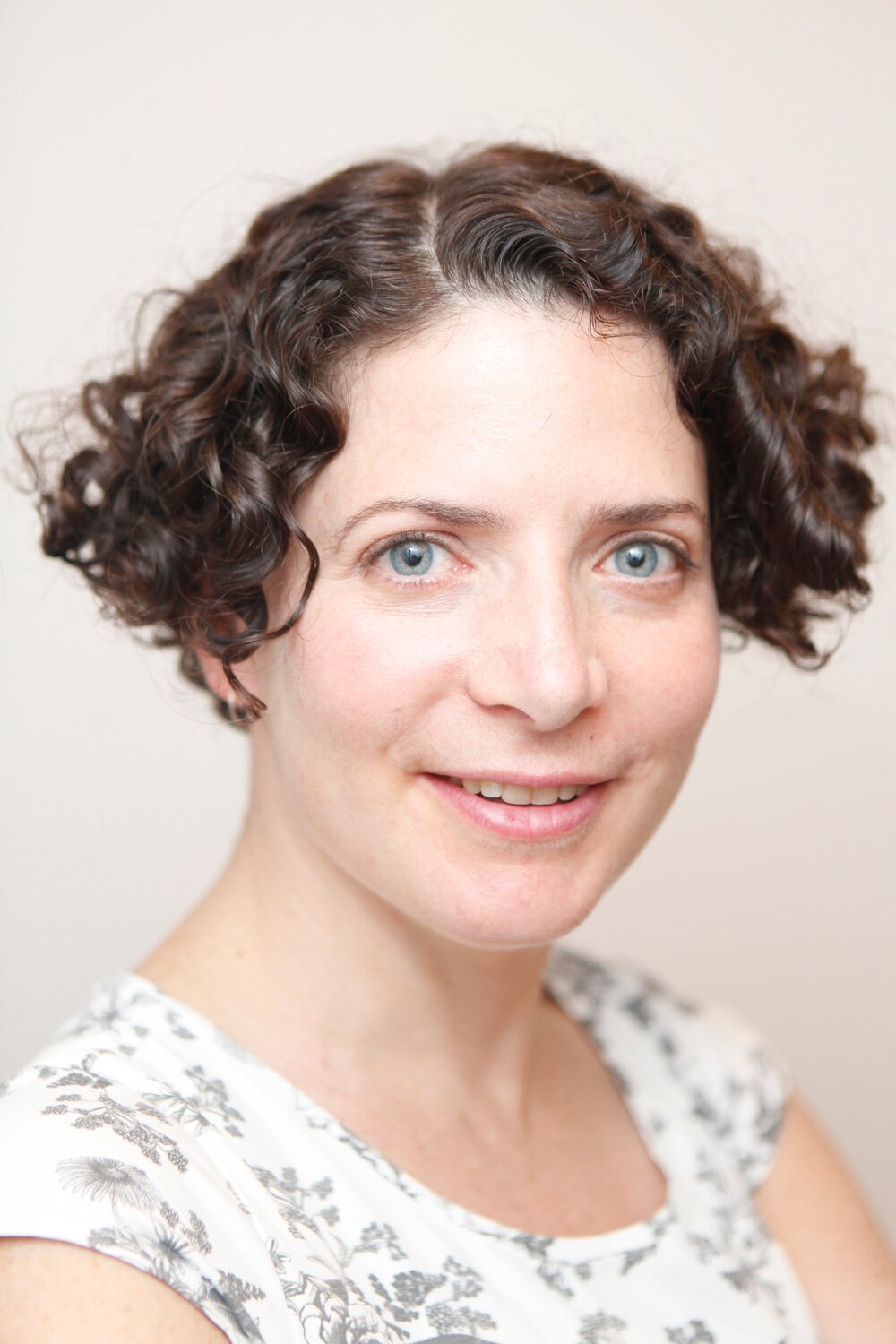
Author Guest Post: “Nine Steps for Writers Dealing with Rejection” by Erica S. Perl, Author of The Ninth Night of Hanukkah

Share

“Nine Steps for Writers Dealing with Rejection”

By Erica S. Perl

“It’s just not what we’re looking for right now…”

“I really wanted to love it, but…”

“I didn’t connect with it…”

I’m not going to sugar coat it. Rejection stinks. Given the choice, I’d pick a root canal any day.

But, like it or not, rejection is part of every writer’s journey. So, I’ve come up with a process to deal with rejection, and I’m happy to share. If you have the skin of a rhinoceros, maybe you’ll never need it. But if you’re human like the rest of us, it just might come in handy someday.

  1. Get mad and stomp around. Seriously! Let the rejection wash over you and feel the white-hot rage and indignation. It’s not a happy feeling, but it is intense and you owe it to yourself to feel it, if only so that you can use that experience for material.
  2. Write down all the angry things you want to say to the editor who rejected your work (on paper, so you don’t accidentally click “send” or “reply all”). Be creative!
  3. Crumple up that paper (feel free to uncrumple it later and save it, so when someone else buys your book and it wins prizes or sells a zillion copies you can frame it and hang it in your office).
  4. Complain to your most sympathetic friend. This can be a friend who is covered in fur or plush. Or a human being, if you want. Just make sure it is someone who will listen and let you rant as long as you need to.
  5. Go for a long run. Or a long walk. Or just go outside. Listen to something distracting, like loud music or soothing music or a podcast that has nothing to do with your book! Truly get your mind off your troubles and perhaps get your adrenaline pumping.
  6. Take a deep breath. Or several deep breaths. Or several days of deep breaths, away from your piece. It’s tempting to go right back in but time away actually helps.
  7. When you’re ready, read the editor’s comments again.
  8. See if you can find anything useful in them, to make your work better. There’s a really difference between “it’s not for me” and “the pacing felt off and the character’s voice seemed too old….” The latter may or may not ring true for you, but it gives you something to look at and consider, should you wish to revise. Also, if you hear the same kind of feedback from more than one editor, it might suggest an area worth addressing.
  9. Start to revise. There are always ways to improve a piece and this is an opportunity to look at your piece with fresh eyes. So, take the time to see if it needs anything else before you send it out again. Hopefully, doing another round of edits will remind you of everything you love about your piece… everything that, hopefully, the next editor will see.

I wish I could tell you that, after a certain number of successful books, you no longer have to deal with rejection. Unfortunately, that’s not true. Rejection and revision paved the path to all of my successful books, including my newest one: The Ninth Night of Hanukkah.

And actually, I’m grateful. Because sometimes rejection has a silver lining: it pushes you to take your books to new heights, and make them better than you ever thought possible. So, please, hang in there. It will make the editorial acceptance you eventually receive taste all the sweeter, I promise!

Published September 15, 2020 from Sterling Children’s Books

About the Book: A heartwarming picture book with a fresh twist on a Hanukkah celebration: celebrating a ninth night with new neighbors and friends!

It’s Hanukkah, and Max and Rachel are excited to light the menorah in their family’s new apartment. But, unfortunately, their Hanukkah box is missing. So now they have no menorah, candles, dreidels, or, well, anything! Luckily, their neighbors are happy to help, offering thoughtful and often humorous stand-in items each night. And then, just as Hanukkah is about to end, Max and Rachel, inspired by the shamash (“helper”) candle, have a brilliant idea: they’re going to celebrate the Ninth Night of Hanukkah as a way to say thanks to everyone who’s helped them!

This book is not only a heartwarming and fun story, it’s also an invitation to join in a beautiful new Hanukkah tradition!

There is a free event kit that can be accessed via this page on Erica Perl’s website, including all sorts of goodies to have your own Shamash Night this season—pennants, thank you cards, a cultural guide, a special blessing, activities, and more!

Erica S. Perl is the author of more than thirty popular and critically-acclaimed books for young readers. Her middle grade novels include All Three Stooges (National Jewish Book Award, Sydney Taylor Honor Book) and When Life Gives You O.J. (Sydney Taylor Notable Book, ALA Notable Book. Her picture books include Chicken Butt!Goatilocks and the Three Bears, and Ferocious Fluffity. She also writes the Truth or Lie!Arnold and LouiseLucky Dogs, and Craftily Ever After (as “Martha Maker) series. And she keeps an Instagram cartoon journal @espcrawl. Visit her at ericaperl.com and follow her online @ericaperl.

Thank you, Erica, for being so open and honest about rejection!

Titles Kellee Learned About at the ALAN Workshop and is SO EXCITED to Read

Share

The 2020 ALAN Workshop was phenomenal this year! The virtual platform allowed for a more intimate and interactive atmosphere which was amazing. One thing didn’t change though: I left with books I HAD to read as soon as possible. Today, I wanted to share the ones I didn’t know about before ALAN but learned about there and am now so excited to read.


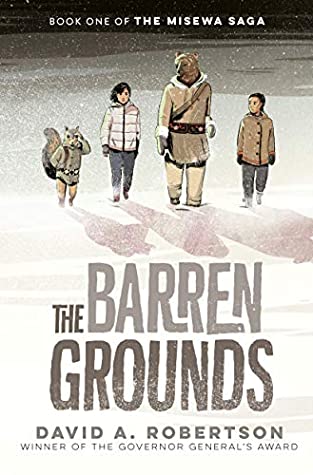
The Barren Grounds
by David A. Robertson

Summary: Morgan and Eli, two Indigenous children forced away from their families and communities, are brought together in a foster home in Winnipeg, Manitoba. They each feel disconnected, from their culture and each other, and struggle to fit in at school and at their new home — until they find a secret place, walled off in an unfinished attic bedroom. A portal opens to another reality, Askí, bringing them onto frozen, barren grounds, where they meet Ochek (Fisher). The only hunter supporting his starving community, Misewa, Ochek welcomes the human children, teaching them traditional ways to survive. But as the need for food becomes desperate, they embark on a dangerous mission. Accompanied by Arik, a sassy Squirrel they catch stealing from the trapline, they try to save Misewa before the icy grip of winter freezes everything — including them.
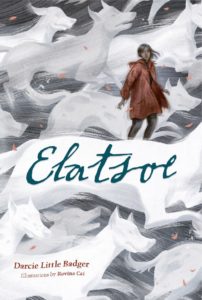

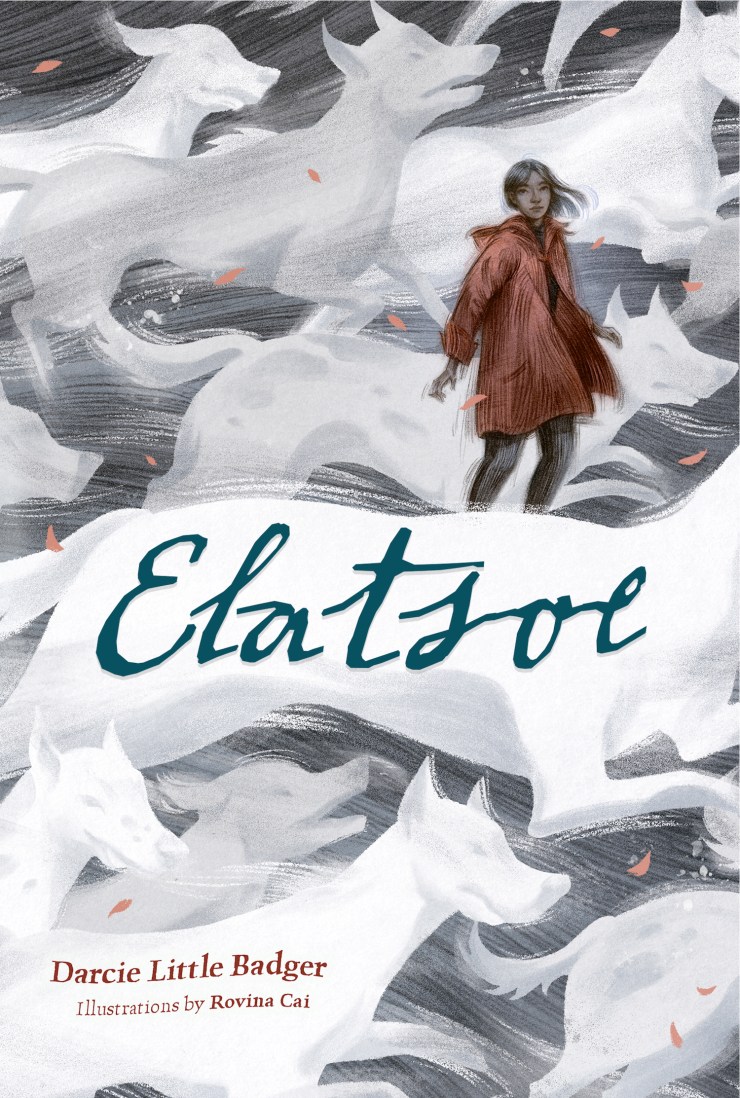
Elatsoe 
by Darcie Little Badger

Summary: Imagine an America very similar to our own. It’s got homework, best friends, and pistachio ice cream.

There are some differences. This America been shaped dramatically by the magic, monsters, knowledge, and legends of its peoples, those Indigenous and those not. Some of these forces are charmingly everyday, like the ability to make an orb of light appear or travel across the world through rings of fungi. But other forces are less charming and should never see the light of day.

Elatsoe lives in this slightly stranger America. She can raise the ghosts of dead animals, a skill passed down through generations of her Lipan Apache family. Her beloved cousin has just been murdered, in a town that wants no prying eyes. But she is going to do more than pry. The picture-perfect facade of Willowbee masks gruesome secrets, and she will rely on her wits, skills, and friends to tear off the mask and protect her family.
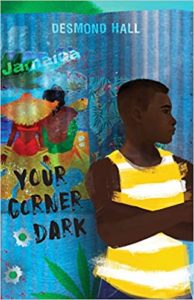

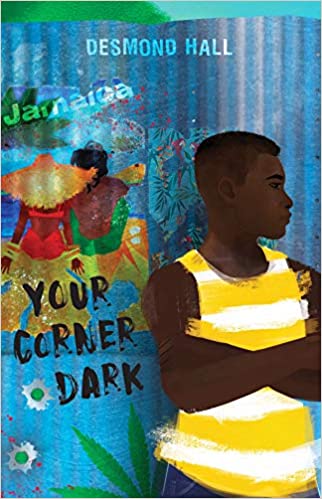
Your Corner Dark
by Desmond Hall

Summary: Things can change in a second:

The second Frankie Green gets that scholarship letter, he has his ticket out of Jamaica.

The second his longtime crush, Leah, asks him on a date, he’s in trouble.

The second his father gets shot, suddenly nothing else matters.

And the second Frankie joins his uncle’s gang in exchange for paying for his father’s medical bills, there’s no going back…or is there?

As Frankie does things he never thought he’d be capable of, he’s forced to confront the truth of the family and future he was born into—and the ones he wants to build for himself.
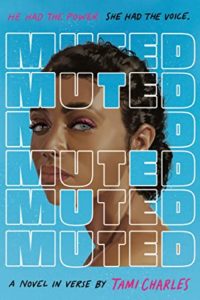

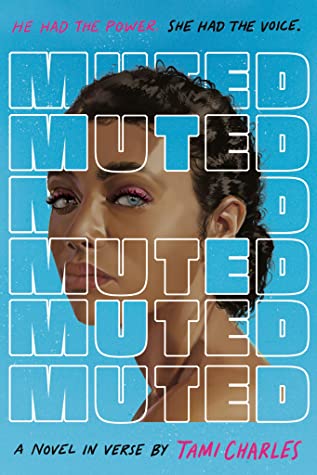
Muted 
by Tami Charles

Summary: For seventeen-year-old Denver, music is everything. Writing, performing, and her ultimate goal: escaping her very small, very white hometown.

So Denver is more than ready on the day she and her best friends Dali and Shak sing their way into the orbit of the biggest R&B star in the world, Sean “Mercury” Ellis. Merc gives them everything: parties, perks, wild nights — plus hours and hours in the recording studio. Even the painful sacrifices and the lies the girls have to tell are all worth it.

Until they’re not.

Denver begins to realize that she’s trapped in Merc’s world, struggling to hold on to her own voice. As the dream turns into a nightmare, she must make a choice: lose her big break, or get broken.

Inspired by true events, Muted is a fearless exploration of the dark side of the music industry, the business of exploitation, how a girl’s dreams can be used against her — and what it takes to fight back.
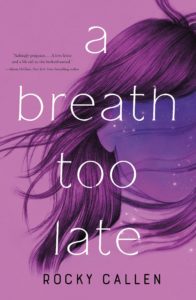

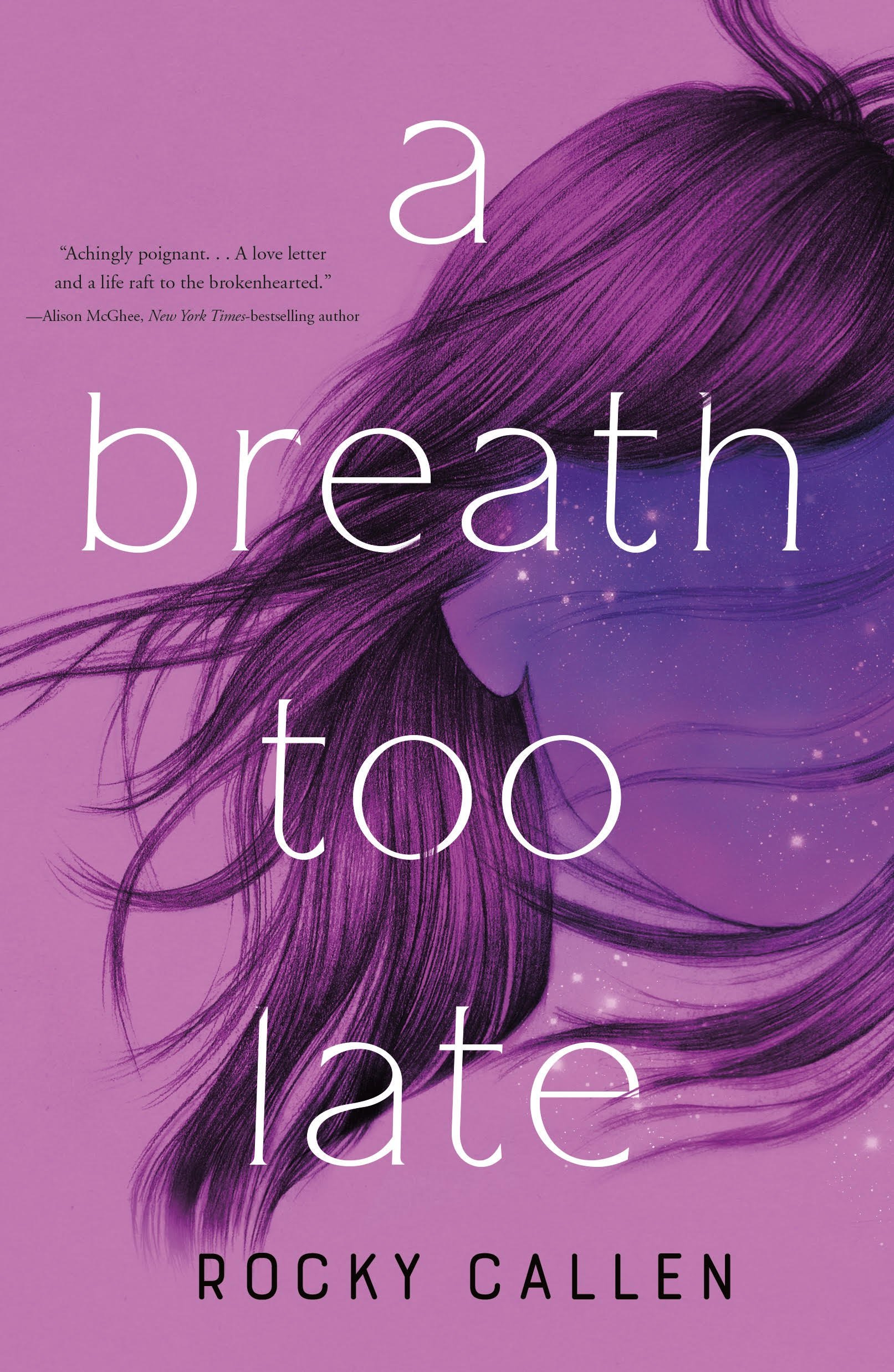
A Breath Too Late
by Rocky Callen

Summary: Seventeen-year-old Ellie had no hope left. Yet the day after she dies by suicide, she finds herself in the midst of an out-of-body experience. She is a spectator, swaying between past and present, retracing the events that unfolded prior to her death.

But there are gaps in her memory, fractured pieces Ellie is desperate to re-assemble. There’s her mother, a songbird who wanted to break free from her oppressive cage. The boy made of brushstrokes and goofy smiles who brought color into a gray world. Her brooding father, with his sad puppy eyes and clenched fists. Told in epistolary-like style, this deeply moving novel sensitively examines the beautiful and terrible moments that make up a life and the possibilities that live in even the darkest of places.
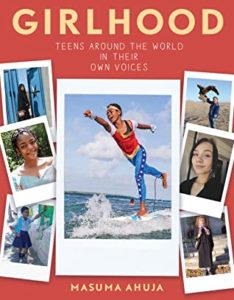

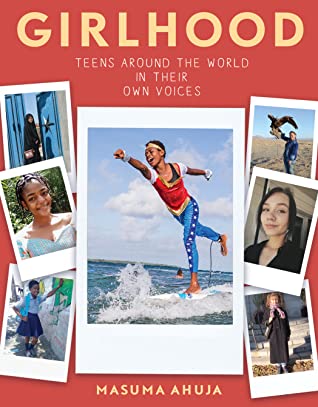
Girlhood: Teens Around the World in Their Own Voices
 by Masuma Ahuja

Summary: What do the lives of teenage girls look like in Cambodia and Kenya, in Mongolia and the Midwest? What do they worry about and dream of? What happens on an ordinary day?

All around the world, girls are going to school, working, creating, living as sisters, daughters, friends. Yet we know so little about their daily lives. We hear about a few exceptional girls who make headlines, and we hear about headline-making struggles and catastrophes. But since the health, education, and success of girls so often determines the future of a community, why don’t we know more about what life is like for the ordinary girls, the ones living outside the headlines? From the Americas to Europe to Africa to Asia to the South Pacific, the thirty-one teens from twenty-nine countries in Girlhood Around the World share their own stories of growing up through diary entries and photographs. They invite us into their day-to-day lives, through their eyes and in their voices, in a full-color, exuberantly designed scrapbook-like volume.
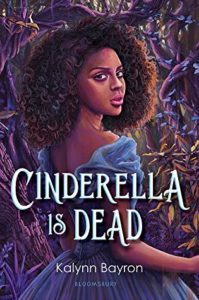

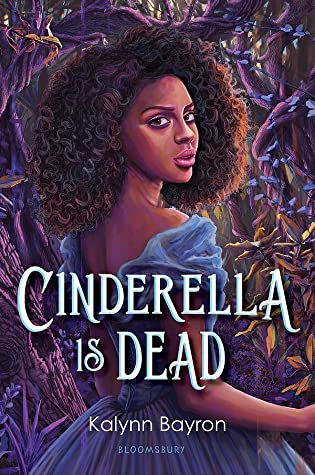
Cinderella is
Dead by Kalynn Bayron

Summary: It’s 200 years after Cinderella found her prince, but the fairy tale is over. Teen girls are now required to appear at the Annual Ball, where the men of the kingdom select wives based on a girl’s display of finery. If a suitable match is not found, the girls not chosen are never heard from again.

Sixteen-year-old Sophia would much rather marry Erin, her childhood best friend, than parade in front of suitors. At the ball, Sophia makes the desperate decision to flee, and finds herself hiding in Cinderella’s mausoleum. There, she meets Constance, the last known descendant of Cinderella and her step sisters. Together they vow to bring down the king once and for all–and in the process, they learn that there’s more to Cinderella’s story than they ever knew . . .

This fresh take on a classic story will make readers question the tales they’ve been told, and root for girls to break down the constructs of the world around them.
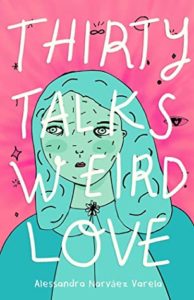

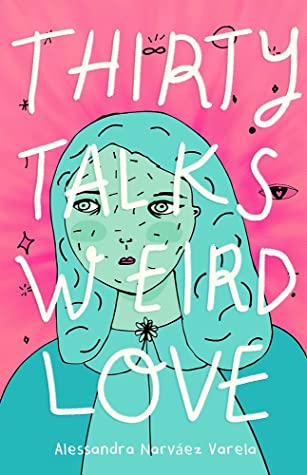
Thirty Talks Weird Love
by Alessandra Narváez Varela

Summary: Out of nowhere, a lady comes up to Anamaría and says she’s her, from the future. But Anamaría’s thirteen, she knows better than to talk to some weirdo stranger. Girls need to be careful, especially in Ciudad Juárez, Mexico—it’s the 90’s and fear is overtaking her beloved city as cases of kidnapped girls and women become alarmingly common. This thirty-year-old “future” lady doesn’t seem to be dangerous but she won’t stop bothering her, switching between cheesy Hallmark advice about being kind to yourself, and some mysterious talk about saving a girl.

Anamaría definitely doesn’t need any saving, she’s doing just fine. She works hard at her strict, grade-obsessed middle school—so hard that she hardly gets any sleep; so hard that the stress makes her snap not just at mean girls but even her own (few) friends; so hard that when she does sleep she dreams about dying—but she just wants to do the best she can so she can grow up to be successful. Maybe Thirty’s right, maybe she’s not supposed to be so exhausted with her life, but how can she ask for help when her city is mourning the much bigger tragedy of its stolen girls?

This thought-provoking, moving verse novel will lead adult and young adult readers alike to vital discussions on important topics—like dealing with depression and how to recognize this in yourself and others—through the accessible voice of a thirteen-year-old girl.
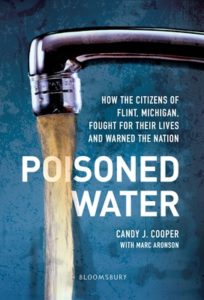

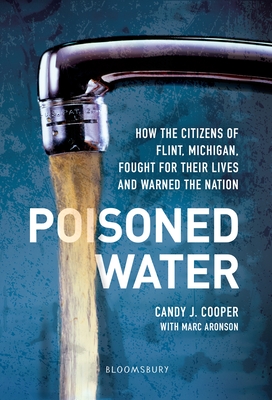
Poisoned Water: How the Citizens of Flint, Michigan, Fought for Their Lives and Warned the Nation
by Candy J. Cooper

Summary: In 2014, Flint, Michigan, was a cash-strapped city that had been built up, then abandoned by General Motors. As part of a plan to save money, government officials decided that Flint would temporarily switch its water supply from Lake Huron to the Flint River. Within months, many residents broke out in rashes. Then it got worse: children stopped growing. Some people were hospitalized with mysterious illnesses; others died. Citizens of Flint protested that the water was dangerous. Despite what seemed so apparent from the murky, foul-smelling liquid pouring from the city’s faucets, officials refused to listen. They treated the people of Flint as the problem, not the water, which was actually poisoning thousands.

Through interviews with residents and intensive research into legal records and news accounts, journalist Candy J. Cooper, assisted by writer-editor Marc Aronson, reveals the true story of Flint. Poisoned Water shows not just how the crisis unfolded in 2014, but also the history of racism and segregation that led up to it, the beliefs and attitudes that fueled it, and how the people of Flint fought–and are still fighting–for clean water and healthy lives.
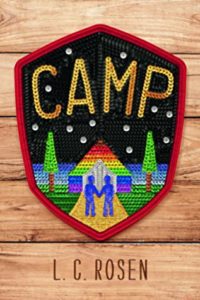

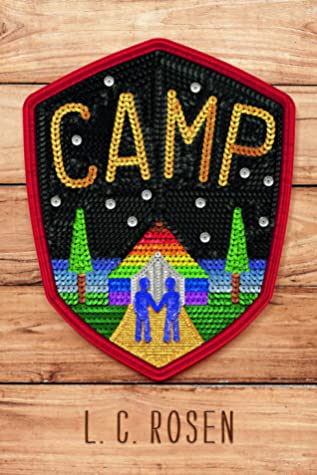
Camp
by L.C. Rosen

Summary: Sixteen-year-old Randy Kapplehoff loves spending the summer at Camp Outland, a camp for queer teens. It’s where he met his best friends. It’s where he takes to the stage in the big musical. And it’s where he fell for Hudson Aaronson-Lim – who’s only into straight-acting guys and barely knows not-at-all-straight-acting Randy even exists.

This year, though, it’s going to be different. Randy has reinvented himself as ‘Del’ – buff, masculine, and on the market. Even if it means giving up show tunes, nail polish, and his unicorn bedsheets, he’s determined to get Hudson to fall for him.

But as he and Hudson grow closer, Randy has to ask himself how much is he willing to change for love. And is it really love anyway, if Hudson doesn’t know who he truly is?

If you attended ALAN, what books did you learn about that you want to read? 

If you were unable to attend ALAN, which of these books are you most excited to read?

Signature

It’s Monday! What Are You Reading? #IMWAYR 12/14/20

Share

It’s Monday! What Are You Reading?
Sharing Picture Books, Early Readers, Middle Grade Books, and Young Adult Books for All Ages!

It’s Monday! What Are You Reading? is a weekly blog hop co-hosted by Unleashing Readers and Teach Mentor Texts which focuses on sharing books marketed for children and young adults. It offers opportunities to share and recommend books with each other.

The original IMWAYR, with an adult literature focus, was started by Sheila at Book Journeys and is now hosted by Kathryn at The Book Date.

We encourage you to write your own post sharing what you’re reading, link up below, leave a comment, and support other IMWAYR bloggers by visiting and commenting on at least three of the other linked blogs.

Happy reading!

Bold_line

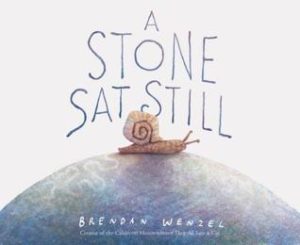
Tuesday: Educators’ Guide for A Stone Sat Still by Brendan Wenzel

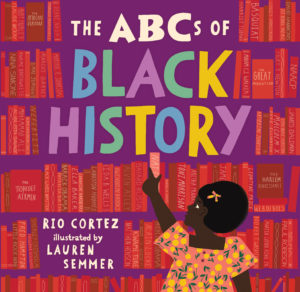
Thursday: The ABCs of Black History by Rio Cortez, Illustrated by Lauren Semmer

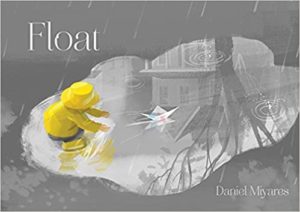
Sunday: Educator Guest Post: “Story Talk: Use Conversation to Fall in Love with a Book–A Reading Resource using Float by Daniel Miyares” by Hillary Wolfe

**Click on any picture/link to view the post**

Bold_line

Kellee

I’m sorry–because of my Schneider reading, I just do not have much to share this week.

I did get some new reading in with Trent this week though!

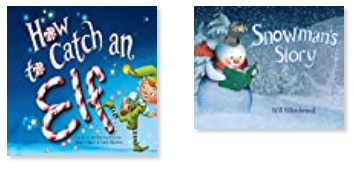
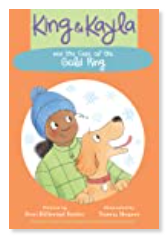
We loved Snowman’s Story, a great wordless picture book for this time of year, and we liked How to Catch an ElfRobots by Melissa Stewart was so informative and sent Trent on a knowledge hunt about robots! And the newest King & Kayla is a great addition to the series.

To learn more about any of these books, check out my 2020 Goodreads Challenge page  or my read bookshelf on Goodreads.

Bold_line

Kellee

Just reading and rereading for the Schneider Family Book Award!

Bold_line

Tuesday: Books Kellee Learned About at the ALAN workshop is SO EXCITED to Read

Thursday: Author Guest Post by Erica Perl, Author of The Ninth Night of Hanukkah

Sunday: Author Guest Post by Kenneth Davis, Author of Strongman: The Rise of Five Dictators and the Fall of Democracy

Bold_line

Link up below and go check out what everyone else is reading. Please support other bloggers by viewing and commenting on at least 3 other blogs. If you tweet about your Monday post, tag the tweet with #IMWAYR!

 Signature andRickiSig

Educator Guest Post: “Story Talk: Use Conversation to Fall in Love with a Book–A Reading Resource using Float by Daniel Miyares” by Hillary Wolfe

Share

“Story Talk: Use Conversation to Fall in Love with a Book–A Reading Resource using Float by Daniel Miyares”

Reading a story with a child is one of the most loving ways to build a relationship. Snuggled up together, you can laugh, feel sad, be curious, and learn something, together. Stories open up worlds and let us see things through the eyes of another. It’s the best way to teach empathy.

The first few times you read a story, just enjoy the experience of saying the words, or looking at the pictures. How is your child responding? Let them just sit with the feelings they have.

But you don’t have to stop there. The real reason to read a story more than once or twice is so you can get to know it better, learn its secrets, discover what it’s trying to tell you. Just like a new friend, the first few times you meet, you just want to have fun. But each time you return to the story, try to learn a little more about it. This is how you fall in love with storytelling, and with reading.

Here’s a secret about authors: They wish they could be in the room with you, talking to you about their story. Since they can’t do that, they leave you clues instead. It’s like a puzzle – can you figure out what the author was thinking about? Why did they use that word, that color, or those images? The author loves it when you take the time to get to know what they are thinking.

Once you feel like you understand howthe author thinks, see if you can determine whythe author thinks that way. What was this story really trying to tell you?

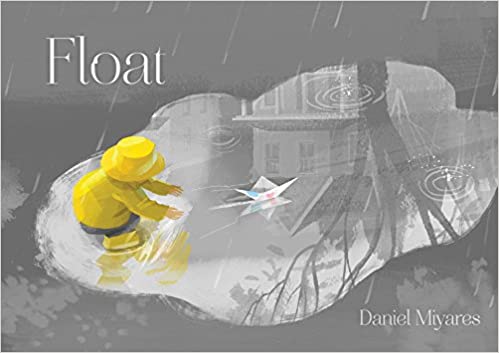
Take a look at the picture book Float by Daniel Miyares. There are no words, but it is most definitely a rich story. The first time you read it, just flip through the pages and ask your child what is happening. What is this story about?

After a few reads, you can stop at a few places on each page and point to something, pose a question, and ponder with your child about the choices that the author or illustrator made. Not only are you getting to know the story better, you are providing your child with a blueprint for how to approach reading. Can they visualize something? Will they make a prediction? Does this story connect with their own life in any way? When children can do these things on their own, they are more likely to stay engaged with reading, and to go beyond the surface to explore deeper understanding.

If you want an example of how this can look, follow the prompts in the figure below. On each page of the story, notice the feature identified under “Stop at…”. Have a conversation about the feature. As you do this, you are modeling great reading strategies, such as Visualizing, Making Predictions, Summarizing, Asking Questions, Inferring, or Making Connections to the text. These conversations are reading skill-builders.

Then, go a little deeper. Ask your child to consider what the author was thinking about, or to try to explain a choice the author made. These questions will help the child understand that behind every story is a human being who just wants a moment of your time to talk to you about something they care about.

In school, teachers will call this “close reading.” Close reading means reading a text more than once, for multiple purposes. First, read to get the gist. What is the story about? Who are the characters? What happens first, in the middle, and at the end?

Next, read for author’s craft. This means paying attention to the word choices the author made, the text structure they chose, the images they used. What was the context for the story? From whose point of view is the story told?

Finally, read to evaluate the ideas from multiple perspectives. What does the story stir up in you? Does it make you want to take an action, or make a change in your own life?

This may sound very dry and academic and like it takes a lot of work. But it doesn’t have to be so formal. It’s a conversation, a way to make friends with a story, and let it into your life. Get to know it, ask it questions, try to understand its point of view. Be a good friend. In return, you may get a companion that will stay with you for a long, long time.

As you read…

Page Suggestions of Places to Pause… Focus on a Reading Strategy… Have a Discussion About…
Inside cover Arrows and dotted lines Visualize: What do the arrows mean? What do the dotted lines mean?

How many sheets of paper will be needed to make this?

Text Structure: What is the author/illustrator showing us?
Title Float Inferring: What did the instructions on the previous page make? (Hint: There’s a clue on the cover)
1-2 Picture: Notice the blue square Inferring: How many people are in the picture? Who do you think they are? Author’s/Illustrator’s Craft: Why is there only a little bit of color on the paper? What does the illustrator want you to notice?
3-4 What the child is wearing; the sky Predicting: What will the weather be like? Author’s/Illustrator’s Craft: Why did the author make the coat and boots the only color in the picture?
5-6 Third panel Questioning: How does the child feel in the first panel? In the second? In the third? Author’s/Illustrator’s Craft: What do the three panels represent?
7-8 Yellow Visualize: Does this look like rainstorms you have seen?

Make Connections: Do you like the rain?

Gist: What is this story about so far?
9-10 Reflections Question: Has the weather changed? Why is the picture of the house and tree upside down? Citing Evidence: How do you know it is still raining?
11-12 Blurred lines, ripples Summarizing: Explain what is happening in this picture. Citing Evidence: How does the author/illustrator show movement?
13-14 Second panel Visualizing: What angle are we seeing the child from? How do you know?

What do the wavy white lines mean?

Gist: What did the rain provide for the boat?
15-16 Child holding his hat; perspective Predicting: Who is faster- the child or the boat?

What will happen to the boat?

Citing Evidence: The child is holding onto the hat. Is it windy or is the child running fast? What are the clues in the picture?
17-18 Child’s pose Summarize: Explain what has happened. Integration of Ideas: How has the child’s feelings about the boat changed so far?
19-20 Top panel Questioning: Did the child see the boat cross the street?
21-22 Child’s pose Predicting: What is about to happen to the boat?
23-24 Child’s face Making Connections: How does it feel to lose something you care about? Author’s/Illustrator’s Craft: The illustrator used the color black and drew a shadow across the boat. Do you think the child will be able to find the boat?
25-26 Water Inferring: Where did the boat go?  
27-28 Third panel Inferring: How does the child feel? Integration of Ideas: The weather has changed again. What is the relationship between the rain and the child’s mood?
29-30 Shadow Visualizing: What time of day is it? Where is the child going?  
31-32 Boat Questioning: Who opened the door? Gist: What do you think the child will tell the adult about what happened?
33-34 First and third panels Making Connections: What do you do when someone you care about is sad? What makes you feel better when you are sad?  
35-36 Pink picture in the paper Predicting: What do you think they will make with the paper? Citing Evidence: Is it morning or night-time? What clues did the illustrator give you?
37-38 Color of the sky; what the child is holding Summarizing: What time of day is it? How do you know?

Predicting: What is going to happen next?

Integration of Ideas: Yellow is a bright color. What does the author/illustrator want us to know about how the child is feeling?
39-40 Child’s pose, clothes Predicting: Was your prediction from the last page correct? Integration of Ideas: What is something you can tell yourself when something makes you sad? What determines if you will be happy or sad?
41-42 Arrows, dotted lines Questioning: Why did this story end this way? Text Structure: How is this page the same as, and different from, the opening page?
Furthering the Conversation
Think about the title. What does the word “float” mean? Explain what it means for a boat or for a plane. How could you use the word “float” to describe an attitude?

Do you have a favorite story that you would like broken down this way? Please send suggestions to Story Talk, a website for engaging in reading conversations. https://hillwolfe.wixsite.com/story-talk, or email me at hw.storytalk@gmail.com.

About Educator Hillary Wolfe: Hillary Wolfe is a Director of Curriculum and Instruction in El Monte, CA, who has worked with students from grades pre-K through 12, and has served as an instructional coach, intervention coordinator, and media specialist. As a classroom teacher, she created a writing curriculum for middle- and high school literacy students reading two or more years below grade level, helping her students achieve substantial gains on state exams. Ms. Wolfe also brings 10 years as a journalist and an education columnist to her understanding of instruction and best practices. She has written books on writing strategies (Capstone 2013/2015), and teachers guides for phonemic awareness activities (Capstone 2017), as well as articles on literacy and intervention in national journals. She has made presentations around literacy for national organizations, and has served as an editor, curriculum writer, and Academic Officer in educational publishing as well as a Coordinator for Academic Interventions for the Orange County Department of Education.

Float
Creator: Daniel Miyares
Published June 9th, 2015 by Simon & Schuster Books for Young Children

About the Book:A boy’s small paper boat and his large imagination fill the pages of this wordless picture book, a modern-day classic from the creator of Pardon Me! that includes endpaper instructions for building a boat of your own.

A little boy takes a boat made of newspaper out for a rainy-day adventure. The boy and his boat dance in the downpour and play in the puddles, but when the boy sends his boat floating down a gutter stream, it quickly gets away from him.

So of course the little boy goes on the hunt for his beloved boat, and when the rain lets up, he finds himself on a new adventure altogether.

This seemingly simply story from Daniel Miyares is enriched with incredible depth and texture that transcend words.

Thank you, Hillary, for this amazing resource!