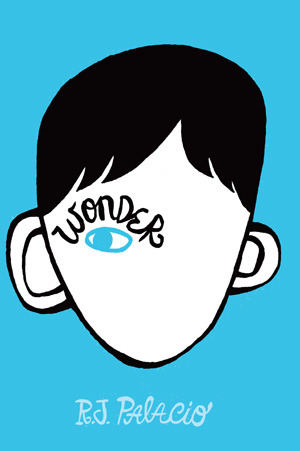
Frederick Douglass: The Lion Who Wrote History by Walter Dean Myers

Share

Frederick Douglass: The Lion Who Wrote History
Author: Walter Dean Myers
Illustrator: Floyd Cooper
Publication Date: January 24, 2017 by HarperCollins

Summary: In this picture book biography, the late New York Times bestselling author Walter Dean Myers and acclaimed artist Floyd Cooper take readers on an inspiring journey through the life of Frederick Douglass.

Frederick Douglass was a self-educated slave in the South who grew up to become an icon. He was a leader of the abolitionist movement, a celebrated writer, an esteemed speaker, and a social reformer, proving that, as he said, “Once you learn to read, you will be forever free.”

The story of one of America’s most revered figures is brought to life by the text of award-winning author Walter Dean Myers and the sweeping, lush illustrations of artist Floyd Cooper.

Review: We bought this book in 2017 when it first came out, and we read it again and again and again. My kids love to listen and learn about one of the most brilliant people to have ever lived. His story is incredibly inspiring. Even as a young boy, Douglass defied the world and never took no as an answer. The details of his story within this book show children (and adults) that they must push for what is right and commit to changing the world for the better. This book belongs in every classroom (and not just relegated to the classroom library). It should be shared collectively and purposefully with kids.

Teachers’ Tools for Navigation: There are endless uses for this book. One suggestion is that it could serve as a read-aloud and close reading at the start of a research or biography unit. Kids might look at the use of pictures and the pacing of the story to write their own nonfiction picture book.

Discussion Questions: 

  • How does Douglass regularly display strength and resolve throughout his life?
  • How is the book paced to reveal key moments of Douglass’ life?
  • What other famous figures related to issues of equity showed this kind of resolve? How do their stories connect to Douglass’ story?

Flagged Passage: 

Read This If You Love: Nonfiction picture books, Hidden Figures by Margot Lee Shetterly, Schomburg: The Man Who Built the Library by Carole Boston Weatherford, Radiant Child: The Story of Young Artist Jean-Michel Basquiat by Javaka Steptoe, Duke Ellington: The Piano Prince and His Orchestra by Andrea Davis Pinkney, We March by Shane W. Evans, Harlem’s Little Blackbird: The Story of Florence Mills by Renee Watson, Freedom in Congo Square by Carole Boston Weatherford

Recommended For: 

  classroomlibrarybuttonsmall

Sofia’s Kids’ Corner: Smile by Raina Telgemeier

Share

We at Unleashing Readers would like to introduce you to Sofia, an 8-year-old brilliant reader who aspires to be a book reviewer. Sofia will be writing a new column called Sofia’s Kids’ Corner. On select Saturdays, Sofia will share her favorite books with kids! She is one of the most well-read elementary schoolers that we know, so she is highly qualified for this role!
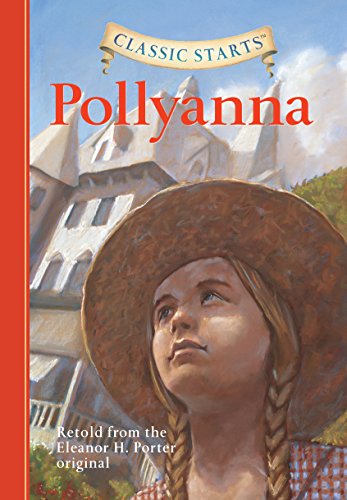
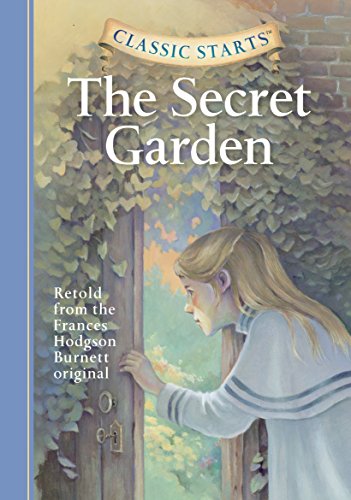
Smile
Author: Raina Telgemeier
Published: February 1, 2010 by Scholastic/Graphix

Dear readers,

Hi, my name is Sofia Martinez. I am 8 years old and love to read. I would like to introduce you to some of my favorite books. Today I will start with one of my favorite graphic novels: Smile by Raina Telgemeier.

If you do not know what a graphic novel is, it is basically a comic but not just superhero stuff. Have a look at the picture down below, a page from Smile.

The story is about Raina dealing with dental drama and other problems like bullies, boys and family. The book starts with Raina falling and knocking out her two front teeth after a girl scout meeting when she was in sixth grade. The reader follows her story all the way up to high school. Before I read this book I did not know there were so many types of dentists: orthodontist, endodontist and periodontist.

Smile can make you laugh or cry. The reason I like this book is because it is the kind of book that you want to read again and again. I feel like I have read Smile a thousand times already. I also like that Raina makes her drawings look realistic. Smile has about 200 pages, but you can read it faster than most books because it is mostly filled with pictures. Don’t get me wrong, there are still a lot of words and action. The author, Raina Telgemeier, says Smile is a graphic memoir (memoir means it is a true story about the author’s life). This book is recommended for ages 8-12. I hope you have as much fun reading it as I did!

If you enjoy Smile you might want to check out the other graphic novels by Raina Telgemeier. For example, Guts, Sisters, Ghosts, and Drama.

**Thank you, Sofia, for your brilliance. You inspire us!**
Book Reader Animal Kingdom from Best Learning

Share

Book Reader Animal Kingdom is an interactive book reader for children to learn about 12 animals through 27 book pages about their appearance, behaviors, habitats and much more! Filled with playful melodies, friendly voices, and interesting sounds of animals and nature! Also comes with Quiz mode for those up for a challenge to keep them enthusiastic and learning at the same time!

  • Family Choice & Tillywig Parents’ Favorite Products Award Winner 2018! An interactive book reader for children to teach 12 animals about their appearance, behaviors, habitats and much more!
  • Simply press the paw down against the page as it reads aloud the contents.
  • Comes with a true and false quiz mode for those up for a challenge to keep them enthusiastic and learning at the same time.
  • Skills learned include animals, memory, dexterity, motor functions, concentration and problem solving.
  • Requires 3 AAA batteries (included); intended for preschoolers and early learners of ages 3 years and up.

Ricki’s Review: About twenty minutes after my 3-year-old started playing with this book, I messaged Kellee because I had to share about it. I wrote, “The Animal Kingdom book is SO COOL. He’s been playing with it for twenty minutes and hasn’t let his older brother have a turn. It would be so good for classrooms, too. It teaches reading comprehension really well!” Within about five minutes, Kellee had ordered one for her son, too. Although I was supposed to be reviewing this book alone, Kellee is joining me because she loved it just as much.

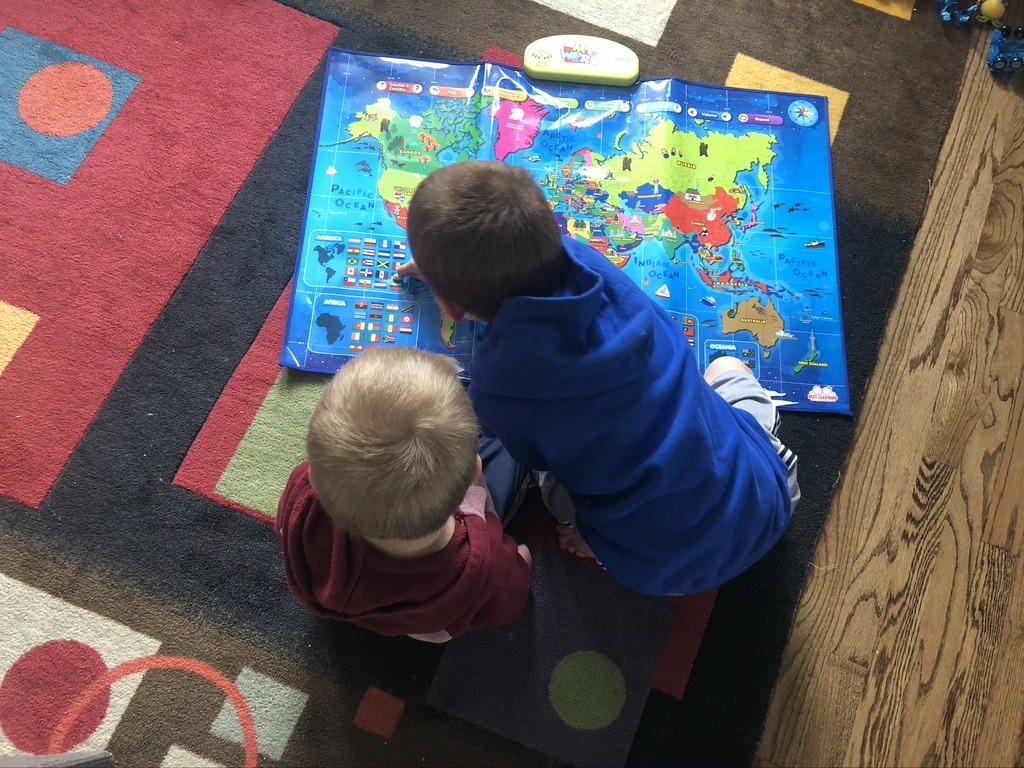
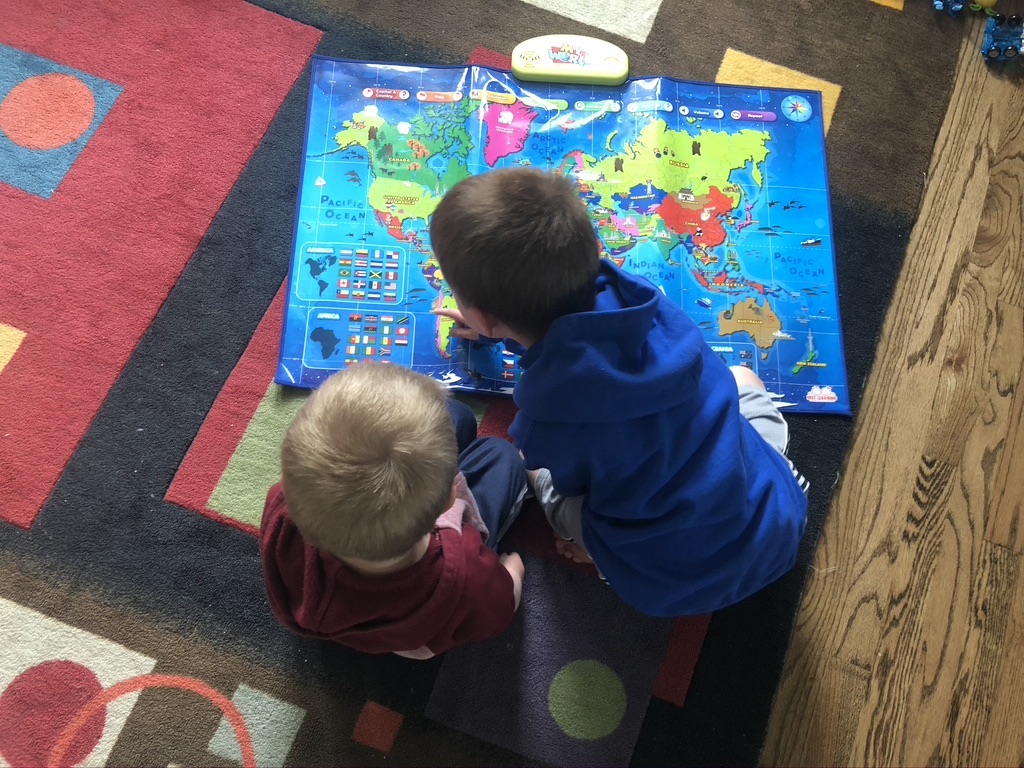
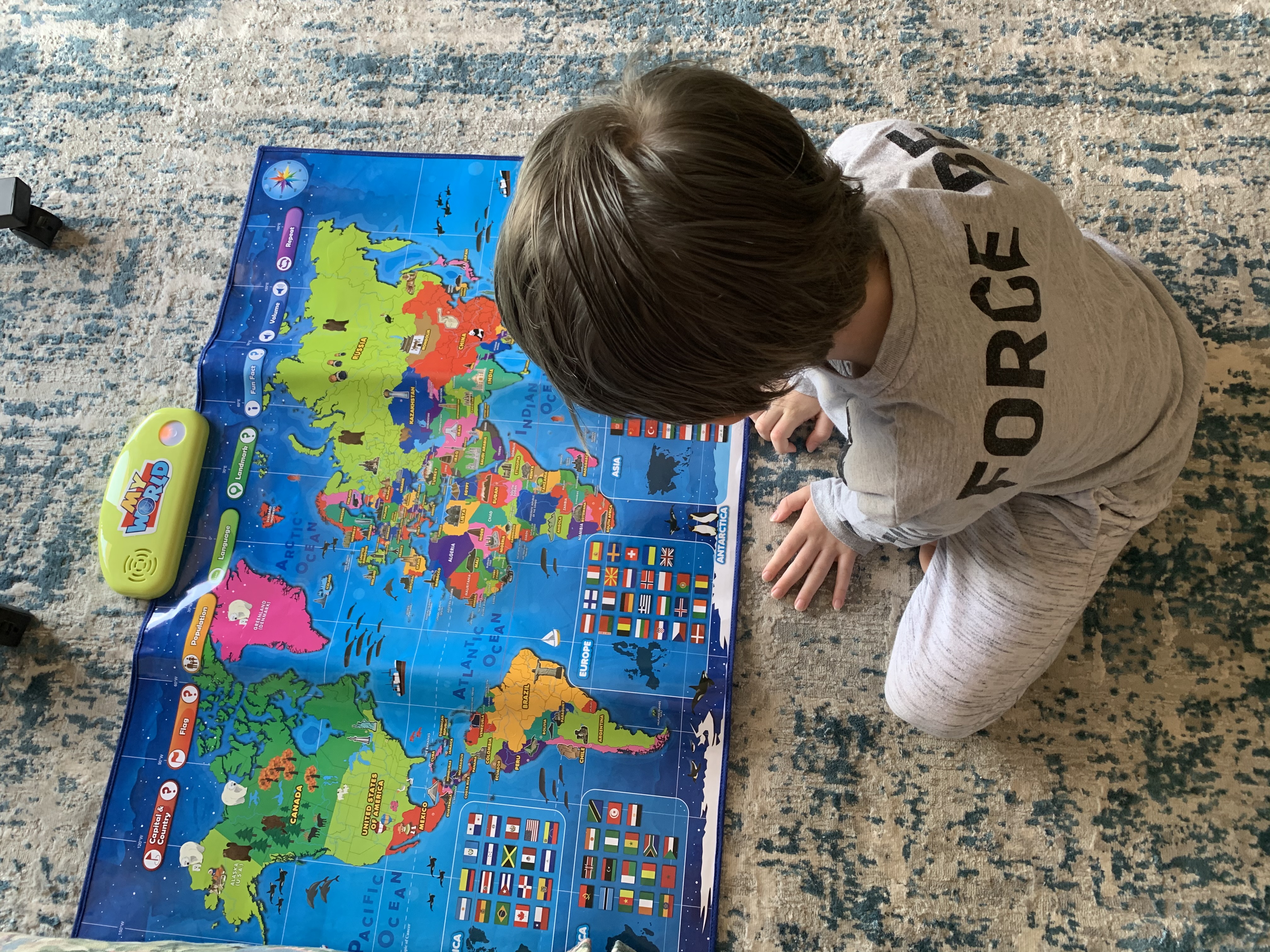
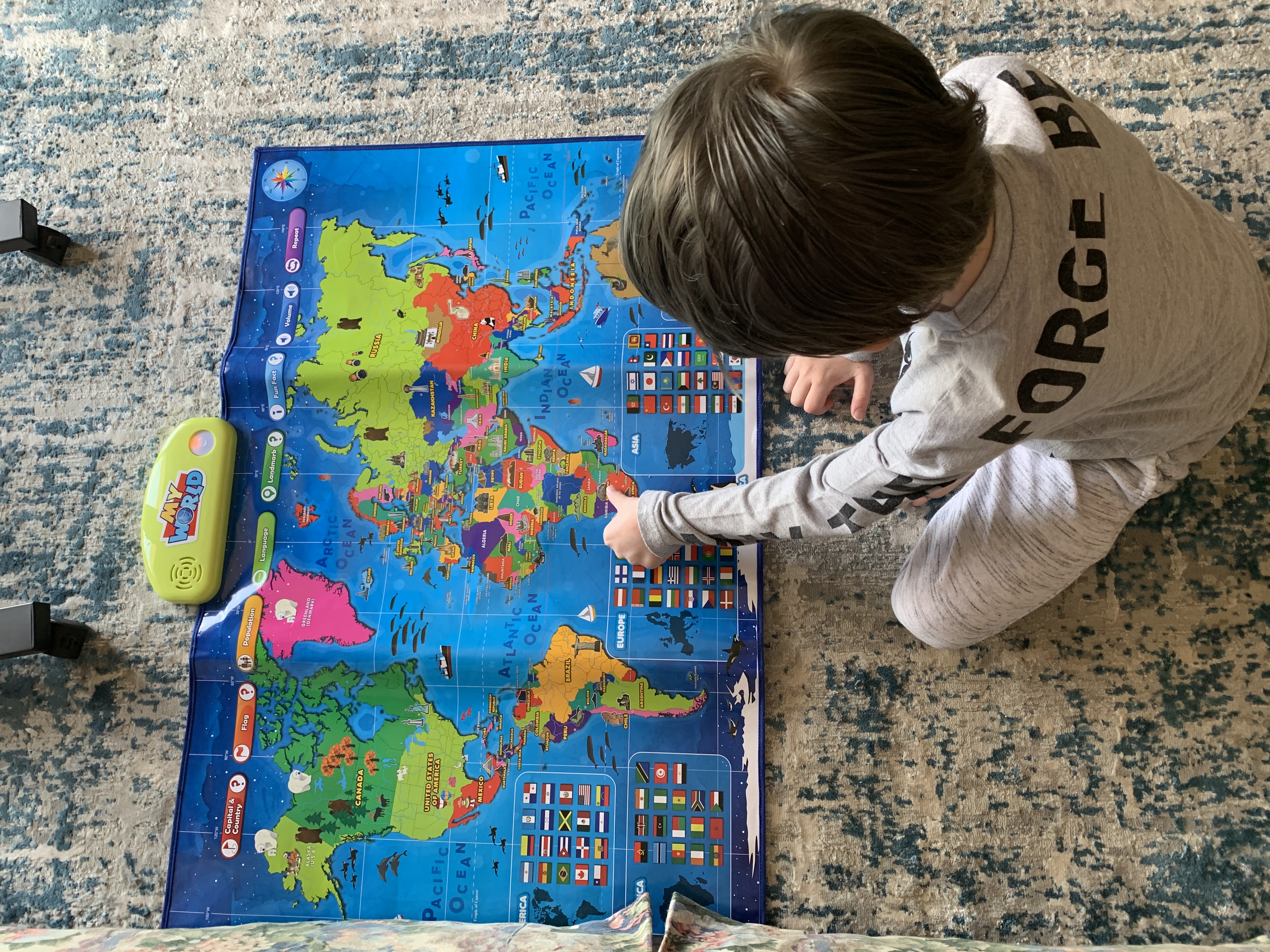
(This is how my 3yo started the book—he immediately placed it on the ground to start reading.)

This is a book (and product) worth sharing about. As you can see in the video above, the pages offer fascinating facts about animals, and the reader is clear and easy to understand. My kids listen intently to the reading, and they are always excited to take the true/false quiz to test their listening skills. Soon, my six-year-old will be able to easily follow along as she reads aloud. My three-year-old typically guesses the answers to the quiz (the concept of true/false is still a bit confusing for him), and my six-year-old is able to practice his listening and reading comprehension skills independently. The both love this product equally, despite their different reading abilities. Even my one-year-old gets a kick out of pushing down the reader to get her talking!

(20 minutes later…)

(I kid you not, 20 minutes after that…)

My three-year-old spent almost an hour with this book and even moved to a comfier spot. It is a favorite in our toy room (they consider it to be a toy!). We’ll be gifting this book to friends. (And I plan to write an email begging Best Learning to produce more of these books.)

Kellee’s Review: Like Ricki said, she shared with me how informative and engaging this book was, so I immediately jumped on and bought one for Trent. Trent adores animals but is more interested in watching documentaries and shows about them than reading about them (he is a fiction loving reader), but this book defies his normal interests, and he loves learning everything he can about each of the animals in the book. He’ll re-listen to pages, redo the quiz, and look back at the images over and over. This book is a hit in our household (it is in the living room because he keeps grabbing it to bring out here as a choice activity), and I, like Ricki, look forward to sharing as a gift and hoping for Best Learning to make more readers like this.

Teachers’ Tools for Navigation: ELA teachers focus on reading, writing, speaking, and listening (among the obvious other things like thinking). This is a beautiful example of a book that teaches listening. It would be a great learning tool to place at an independent or group station for reading comprehension. Alternatively, it could also be used for fast finishers. Even adults will find joy in this book.

Additionally, it would be a great mentor text for early education animal research projects. Students can emulate the format of a spread about an aimal of their choice.

andSignature

**Thank you to Best Learning for providing a copy of Animal Kingdom for review!**

This is My America by Kim Johnson

Share

This is My America
Author: Kim Johnson
Published: February 28, 2017 by Balzer + Bray

GoodReads Summary: Dear Martin meets Just Mercy in this unflinching yet uplifting YA novel that explores the racist injustices in the American justice system.

Every week, seventeen-year-old Tracy Beaumont writes letters to Innocence X, asking the organization to help her father, an innocent Black man on death row. After seven years, Tracy is running out of time—her dad has only 267 days left. Then the unthinkable happens. The police arrive in the night, and Tracy’s older brother, Jamal, goes from being a bright, promising track star to a “thug” on the run, accused of killing a white girl. Determined to save her brother, Tracy investigates what really happened between Jamal and Angela down at the Pike. But will Tracy and her family survive the uncovering of the skeletons of their Texas town’s racist history that still haunt the present?

Fans of Nic Stone and Jason Reynolds won’t want to miss this provocative and gripping debut.

Review: This is a book that will stick with me forever. The characters are powerfully written, and the plot unfolds itself beautifully. It tackles complex themes that offer excellent fodder for classroom discussion. Some of these include implicit and explicit racism, the ripple effects of White supremacy and racism, White privilege, and injustices in the judicial system. I could go on. This book is truly exceptional, and I envision it winning some big awards this year. There is so much to unpack and so much to admire in Johnson’s writing. It’s absolutely brilliant. If you buy no other book this summer, buy this one. It will make you think deeply about equity and justice.

Teachers’ Tools for Navigation: I highlighted so many passages of this book while I was reading it. There are so many sections that would make phenomenal close readings in the classroom. I highly recommend pairing this text with portions or all of Michelle Alexander’s The New Jim Crow: Mass Incarceration in the Age of Colorblindness.

Discussion Questions: What are some of the injustices in this text?; How can we, as a society, work to change these injustices?; How do the injustices have a ripple effect on other characters?; How does Johnson layer the plot to elevate the reading and message of the text?

Flagged Passage: “Corinne never held that memory [of Daddy getting arrested], but I know she feels it in everything we breathe. It’s in the polite nods across the street we have to make, the way our family turns down our music when there are others around. Say yes ma’am and no sir. Leave our jackets and backpacks in the car when we go shopping.

It’s in the way I carry myself that tells our story now. I can’t risk being accused of anything. Because if something goes wrong or missing, I know it’s in the back of someone’s mind that maybe I had something to do with it. And it’s in the way that the voice of the strongest woman I know stumbles when saying, ‘Hello, Officer’ as she walks through the visitation gates to see Daddy.”

Read This If You Loved: Just Mercy by Bryan Stevenson; The Hate U Give by Angie Thomas; All American Boys by Jason Reynolds and Brendan Kiely; by Ilyassah Shabazz and Kekla Magoon; The Rock and the River by Kekla Magoon; How it Went Down by Kekla Magoon; Freedom Summer by Deborah Wiles;

Recommended For:

 litcirclesbuttonsmall closereadinganalysisbuttonsmall classroomlibrarybuttonsmall

RickiSig

Lessons Learned from Teaching My Kindergartener Stop Animation (Ricki)

Share

At 11pm, I had the idea to teach my 6-year-old stop animation. I watched countless YouTube videos and tried to tailor them to his skill level. The next day went fairly well, but I learned some things along the way that I thought I’d share with other caregivers or educators embarking on this adventure.

  1. Create a Model, Show Examples/How-To Videos.

It is exceptionally hard to explain stop animation to a kindergartener. Thus, I showed many, many examples and then showed him my own example. I recommend pre-watching your examples because I found many inappropriate models that I was glad I ruled out in advance. I also found how-to videos that were way too intense for my kid. They would overwhelm him.

The first video I showed him was a LEGO animation (which I learned is called a brickfilm). The video I post below is very easy to follow and shows how it works:

Next, I showed a claymation, which is the clay form of stop animation. I watched many and found this one to be pretty clear:

And finally, I created my own (quick) model using clay. I left the clay model out, so I could explain how I did it. This was the quick model I made:

2. Use the “Stop Motion” App.

I learned (after watching many tutorials) that this app was not only very user-friendly but also very capable of advanced work (which we were not doing. The key to using the app is to avoid having to push the photo button. Every time you take a picture and touch the tablet/phone, it jiggles the camera a tiny bit. For the model above, I stacked five textbooks and hung the camera part of the tablet over the edge of the top book. This allowed me to set the automatic timer on the app and avoid touching the screen. I did everything flat on my table, as you will notice in the model.

Essentially, you set a timer for a certain length of time (I did five seconds for my model, but I set it to 15 seconds for my son.) In that time, you move your design slightly. If you miss the timer and don’t make the move, it is extremely easy to delete any of the frames in between.

My son chose to do a brick film with his legos, so I set up the tablet to lean against a chair leg. I had to remind him not to touch the chair, and I set the automatic timer. After that, he pretty much worked independently for an hour on his film.

3. Other Lessons Learned

There’s something that Stop Animators call “light flicker.” If you are close to a window, the changes in the sun (e.g. it goes behind a cloud) will make the light of your video flicker in each shot. Pros (my son and I not included), recommend doing your stop animation in a room with no sunlight or windows. You use two headlamps—one to put in front of your creation and one to put behind it for shadows. To remove the shine on the lego pieces, I learned that pros cover the front headlamp with parchment paper. This was way above our skill level. The pros also use professional cameras and not tablets/phones.

Stop animation takes time, but it takes far less time with this app. It is instantly rewarding to kids (at least, relatively to taking a lot of solo framed photos). It occupied my son for a good hour, and he got to play with his lego, so it was a fun time for him.

Don’t forget to add music. I got a bit lazy with mine, and I clicked the audio record option (which allows people to record their voices), and I just played a song through my cell phone to get it in the background. You can upload a song if you want better quality than mine.

Those are the basics. Kindergarteners are very capable of beginning stop animation films. My son’s ended up being a tray of his favorite minifigures. They appeared one-by-one, and then they disappeared one-by-one. It was a great first start for him!

Ricki’s Reflection: Drawbacks of Homeschooling for My Child

Share

I don’t believe in homeschooling for my children. That’s not to say that I don’t believe it is appropriate for other people’s children, but it isn’t right for mine. Does my child advance academically when I have one-on-one time? Yes! Homeschooling has been beneficial in several ways. I’m finally teaching my son to slow down and take care in his writing. I am able to give him individualized attention. Yet there is some things that are missing for me, and I feel a great sense of loss that he is going to be missing three months of his kindergarten year in a public school. I’ll admit that I am mourning this loss for him.

Shared Experience with Same-Age Peers

I am not a person who believes in worksheets. I constantly think about how we can learn from nature and the world without traditional assignments. And we do these lessons together. Yet in the early primary years, I see the value of some worksheet-like/activity book assignments. Students are able to practice writing and learn skills that help them with more advanced work. I am able to pull out a journal and ask my son to write because I know that he has the basic concepts of writing down. We are completing the worksheets that his (amazing) teacher has provided, and they are helping him. But there is something lost in the experience when it is just him and me (and his brothers). He isn’t able to sit beside his peers who he has grown to love and watch them complete the work, too. Instead, he sits at our kitchen table and dutifully completes the work next to me. Yet he lacks the life that he has that I’ve seen when I volunteer in the classroom. He isn’t beside his friends—in it together.

Group Work

I can put my son with his brother and ask them to complete a group mission/project, yet it is his brother. There is a certain dynamic between brothers that is not the same as putting my son with a peer he doesn’t know well. He isn’t able to negotiate group roles in the same way that he would with a peer of the same age and who is less familiar. He isn’t about to talk to someone at his age and ability level who can work towards a solution. Instead, my choices are: a) allow him to work independently with minimal assistance to build up his ability/confidence (this is not group work, though), b) work with him and try to be similar to a peer (disingenuous, and he knows it), c) allow him to work with his brother (different age and dynamic as a peer). We’ve been participating in a virtual book club which captures this need in some ways, but there is something that is lost that just can’t quite be replicated in the homeschooling experience.

Varied Work and Varied Passions

There are things that I value in education. For instance, I love to have students make predictions when they read. I feel that this builds their capacity to engage in creative writing of their own. Another first grade teacher might have students make predictions but might value a different skill that is entirely different. In another example, I’ve worked hard with my son to learn place value and addition. His kindergarten teacher has been teaching the kids to count by 2s, 5s, 7s, etc. This is such a great skill that will help them with multiplication, yet I never thought too hard about how often I should be doing it with him until he came home with a lot of work that engaged in this concept. I love the fact that my son will have dozens of different teachers who all value different things. Instead of him learning what I, his mom (who happens to be an educator) value, he will get a smattering of values. He might learn from a teacher’s love of art history or engage in a critical reading of body image or learn to create advertisements or learn euphemisms. And as long as the teacher brings passion and energy to the teaching of the material (as teachers do), I am thrilled that he will learn from so many others and not just me.

The Magic of a Classroom

I’ve visited over a hundred different classrooms as a teacher educator. Every classroom has been different, and they’ve all had a touch of magic specific to that teacher. The ways in which kids move around a room independently of their parents and develop an identity outside of their families—that just can’t be matched in another setting. I can bring my son to his sports activities, art class, etc. and drop him off and can operate in that space for an hour or so. Yet there is nothing like a sustained space in which my son can grow in ways independent of me. The buzz of a school just invigorates me, and I hope that it will do the same for my child.

Mom as Teacher

I cannot count how many times that a parent told me, as the English teacher, “My son would never have done that for me.” I feel that there is value to having a sustained figure who is not me who teaches my son. I can do everything in my power to support him in that work at home, yet I have to be honest with myself that my child will learn best from others.

Social Interactions

I don’t care how many dozens of activities that my son did before he entered kindergarten. There was nothing quite the same as the lessons he’s learned socially in this first year of elementary school. He’s learned what it means not to be picked for something. He’s learned what it means to have friends choose others for partners. He’s learned the excitement of being chosen by a child to eat lunch with their parents. He’s learned to negotiate relationships with children who are mean or cruel. Without school and being around the same kids in a classroom for long periods of time, I don’t know if he would gain this. He has neighbors that he plays with daily, yet something is different in the 8-hour day of school.

Do I think homeschooling is bad for all kids? Absolutely not. I know some parents who homeschool will read this post and disagree with me, and that is okay! That is why we all can choose to educate our children. There is value in homeschooling—I can individualize instruction and we can move through work at his speed. I am a person who has a lot of opinions as a teacher educator, and I certainly have ideas of how I’d like my son to learn and be taught (and I am aware that he will not always have a teacher who matches those ideals). Yet the benefits of homeschooling simply don’t outweigh the loss that I feel my son experiences when he is not in a public school classroom.

In My Heart by Mackenzie Porter, Illustrated by Jenny Løvlie

Share

In My Heart
Author: Mackenzie Porter
Illustrator: Jenny Løvlie
Published March 10, 2020 by Little Simon

Goodreads Summary: A working mother reassures her child that even when they’re apart, they’re always in each other’s hearts. This lovely board book is perfect for moms to share with their little ones.

Though we’re not together
we’re never truly apart,
because you’re always on my mind
and you’re always in my heart.

This is what a mother tells her child as she leaves for work each day. This lovely board book perfectly captures the sentiment that many women feel about being a working mom. The lyrical text takes us through a mother’s day away, showing us that although she’s working hard, her child is always on her mind and always in her heart.

Ricki’s Review: This book really hit me in the gut. I couldn’t read it without crying. I have a lot of mom guilt related to my status as a working mom. I genuinely believe that it is best for my kids, yet I struggle with the emotions that come with this decision. This book was as much for my kids as it was for me. There are many books that address concepts like going to school or learning to meet new people, but this is the first book that I’ve read that addresses the concept of working moms (particularly at this age level). I will cherish this book and read it to my children again and again.

Kellee’s Review: As a working mom, mom guilt is real. It is hard when I cannot come and be a reader in Trent’s class every time or be part of all celebrations in his classroom, but I also love working; however, there are very few books that reinforce the normality of this situation. As Simon & Schuster shares, 70% of moms are working moms, so there are so many of us that need this book to read to our children to explain that work is part of our life but that they get the opportunity to be in an awesome school situation while we are doing a job we love and need. And no matter what we love them! The author and illustrator do a great job of showing that balance. Thank you to them both for bringing this book to life!

Teachers’ Tools for Navigation: Ricki is purchasing an extra copy of this book for her kids’ daycare/preschool. It is a great book for early childhood educators to use. Children might draw pictures of the emotions that they experience before, during, and after reading this book.

Discussion Questions: How do you feel when your parent goes to work? Why? What might you do to cope with these feelings?

We Flagged: 

Read This If You Loved: The Kissing Hand by Audrey Penn; Llama Llama Misses Mama by Anna Dewdney; Stella Luna by Janell Cannon

Recommended For: 

classroomlibrarybuttonsmall

RickiSigand Kellee Signature