Lousiana State University’s Line 4 Line Program: A Barbershop Literacy Program in Baton Rouge

Share

line for line 9

Last year, I started hearing about barbershops that would cut young boys’ hair for free if the child read to them while they got their haircut. When I first heard about the program, it brought tears to my eyes because I felt that it is such an invaluable service.  In February 2011, NEA released “Focus On: Blacks” which states that 42% of Black students attend under-resourced schools and less than 50% of Black male students graduate on time. These statistics show that there is a dire need to help our Black male youth. The barbershop programs are just one way that communities are working on getting books into young Black boys’ hands to increase literacy rates, and thus, increasing success in lives overall.

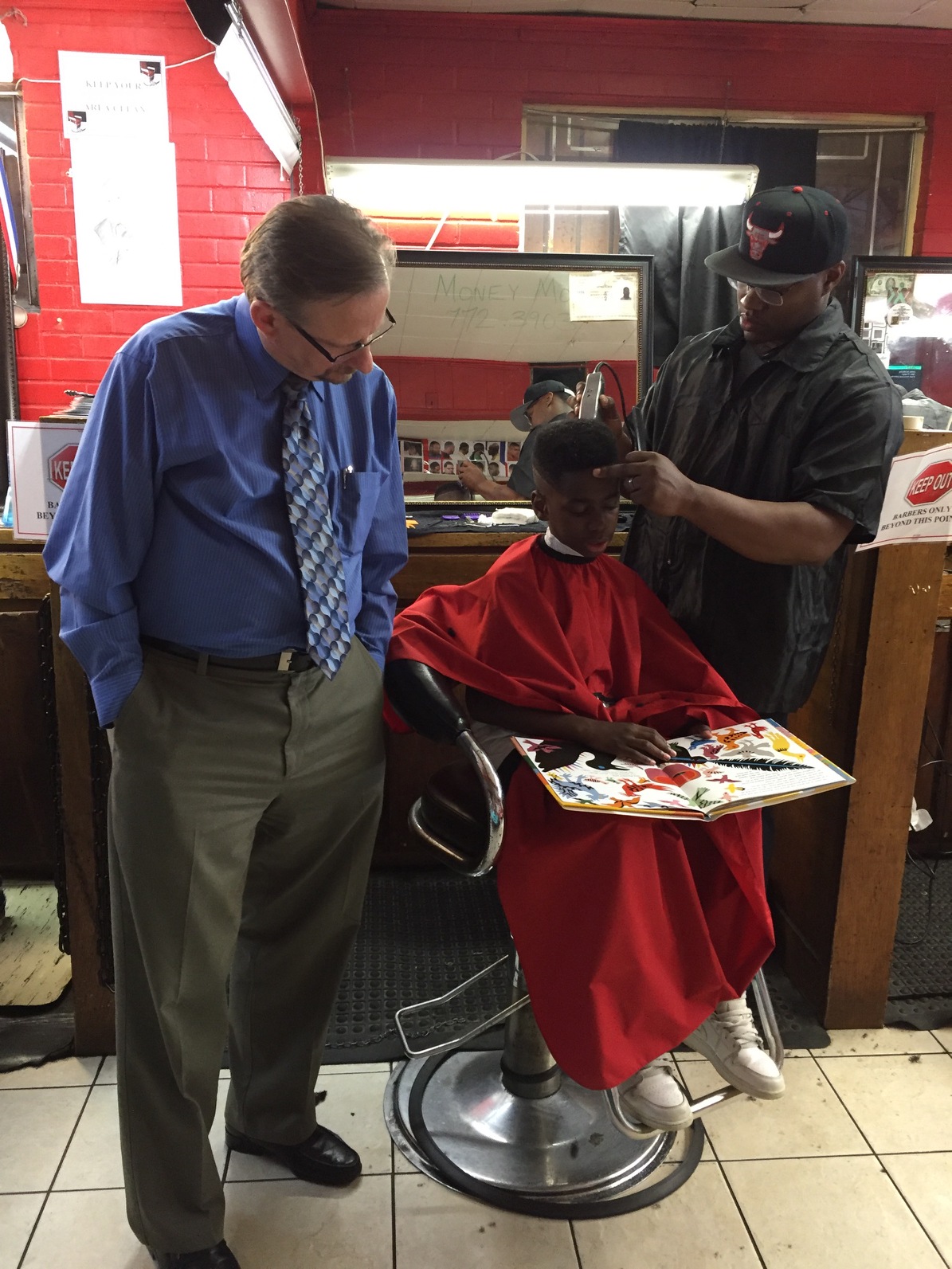
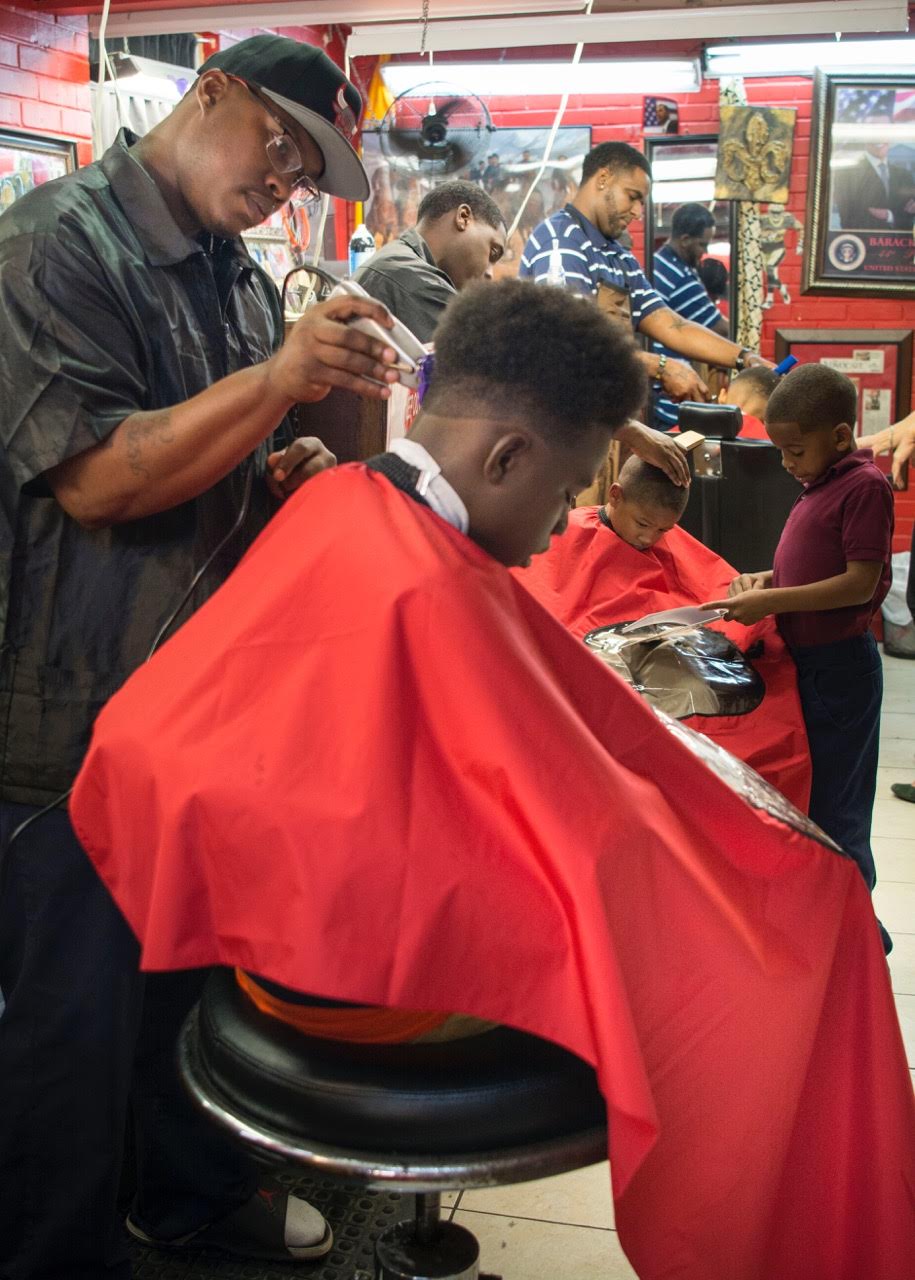
In December, my father started working at the Louisiana State University Museum of Art, and he sent me this photo:
O'Neils_Feb_1_2016

And my heart melted! I knew right away that LSU must have a program like what I had heard about. Then, I read a CNN article on March 3rd highlighting a similar program in New York, and I knew that I had to share what LSU is doing in Baton Rouge.

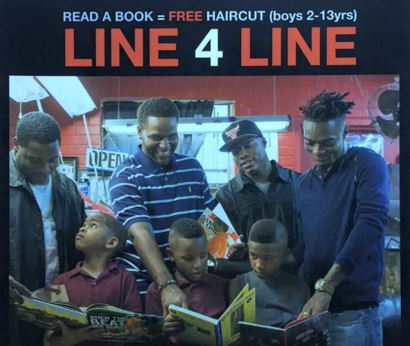
The program in Baton Rouge is called Line 4 Line.  It grew out of LSU’s Neighborhood Arts Project, the outreach program of LSU’s Museum of Art, as well as the Art Works Program, a program which focuses on bringing kids from low-performing schools to the art museum. The LSU program is so much more than just a reading program at a barbershop. They have worked to add books and reading to so many different parts of their community, including reading programs during museum tours and Little Libraries.
line for line 2

Lucy Perera, the Coordinator of School & Community Programs at the LSU Museum of Art, told me exactly when the idea formed and how it grew into what it is today. The rest of this post features her words:

I usually incorporate reading in all our museum programs for kids. One month we were making books as our project, and the students were reading after the art portion of the program. One 1st grader was just so happy to be holding a book! He was trying to sound out the words, and he was slowly getting it, and I was helping him and said to him to keep working on it. I asked him if he had books at home, and the answer was no. I asked if he could take books out from your school library, and he said no he couldn’t because he lostt one, and they won’t let him take anymore out. So I gave him the book to take back on the bus (I ride the buses to and from the program just to get to know kids/teachers/school community better), and at the end of the bus ride his teacher grabbed it from him saying, ‘That’s not your book!’ He looked at me, and I was so shocked by the whole ordeal as well not wanting to step on the teachers toes, I let this happen. Each month thereafter, Richard, the student, would always talk to me about that book and give me updates on his reading—I just felt he WANTED to learn but he had so many obstacles—from teachers, to librarian, to family—and this happened again and again with other kids—I saw them being intrigued by the books we had out for them to look at when at the museum, but their reading levels were low, and they just didn’t have them at home.”

The next part of my story involves Neighborhood Arts Project (NAP), a summer program where we always had a reading station with a carpet and rugs and a teen instructor assigned to help the kids or read to them.  Then last summer, we received a big donation of books which we gave out, and the kids were so excited! They took so many of them! It was such an amazing gift. They mentioned how they would read them to siblings or start a library in their house, and then some of the older boys shared their struggles with reading and how they were now getting in trouble at school. So I decided we needed to get kids books into their houses because while public libraries are great, they are often not accessible. Also, our bookmobile program has switched over to being a digital bus. And the whole issue of getting a library card requires an ID which many of these parents simply don’t have – let alone cars to get them to a library.

So that is where the free Little Libraries came about. I had one of our LSU students (architecture undergrad) who works with me for NAP design a simple structure, and we worked with a few community partners to build them. Then we had kids from our NAP sites paint them — we place one at a NAP site and the other one ended up at the barber shop.
line for line 1

Line 4 Line came about after reading about the Iowa barber who gave haircut for kids in exchange for reading, and I figured it would be perfect for Baton Rouge. It took me a while to find the right barber. I just kept putting the word out to other Black men about the program and finally found O’Neil Curtis at O’Niel’s Barbershop. He is ideal because he is young and gets the importance of reading as well as the importance of being a good role model to young kids who don’t have a positive male figure encouraging them to read at home. So I met with him, and he was excited.. I placed the library  and planted a little garden around it, and we kicked off the program in December. Another local school did a massive book drive which gave us around 4000 books which we have been stocking in libraries and giving out—at a food drive, with a Thanksgiving turkey give away in New Orleans (and for these programs the adults were so happy to get the books for their kids and for themselves).
line for line 8

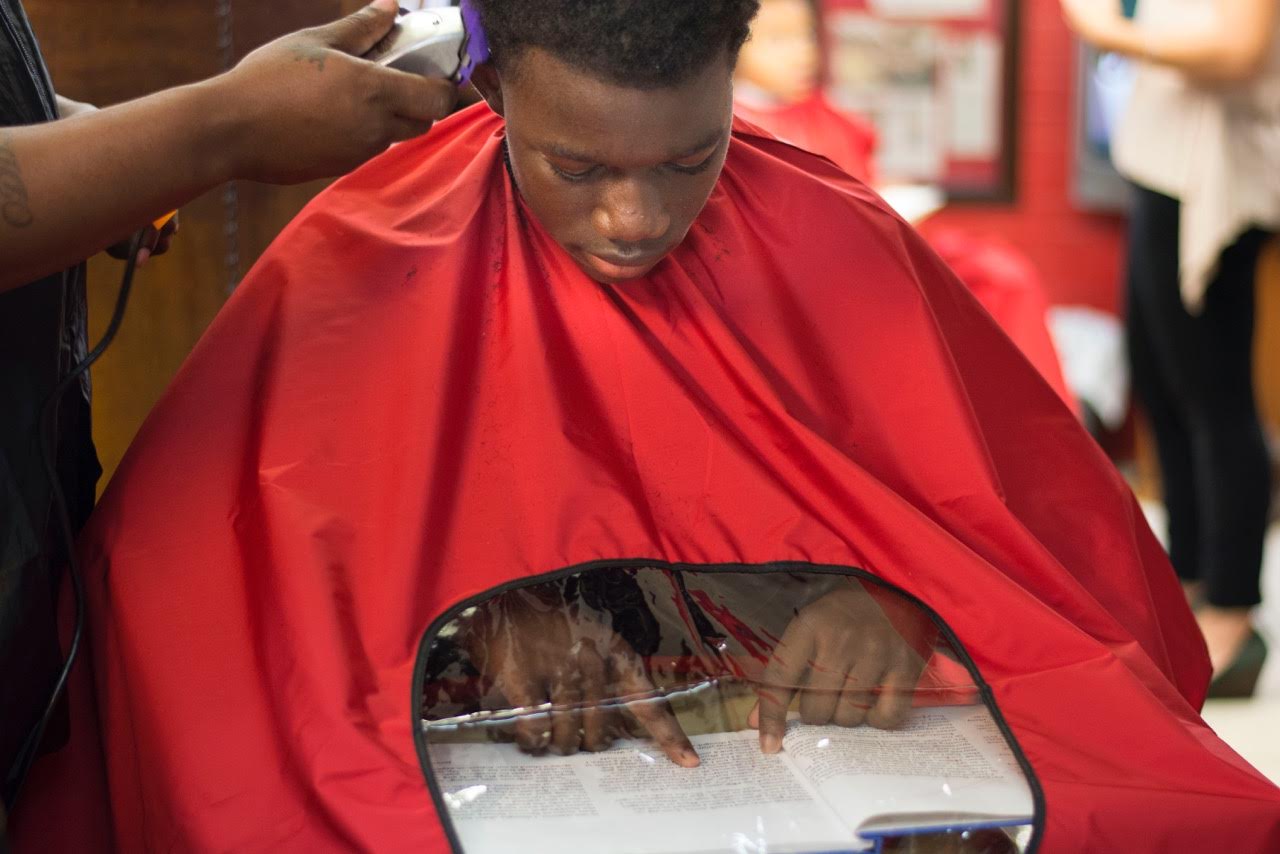
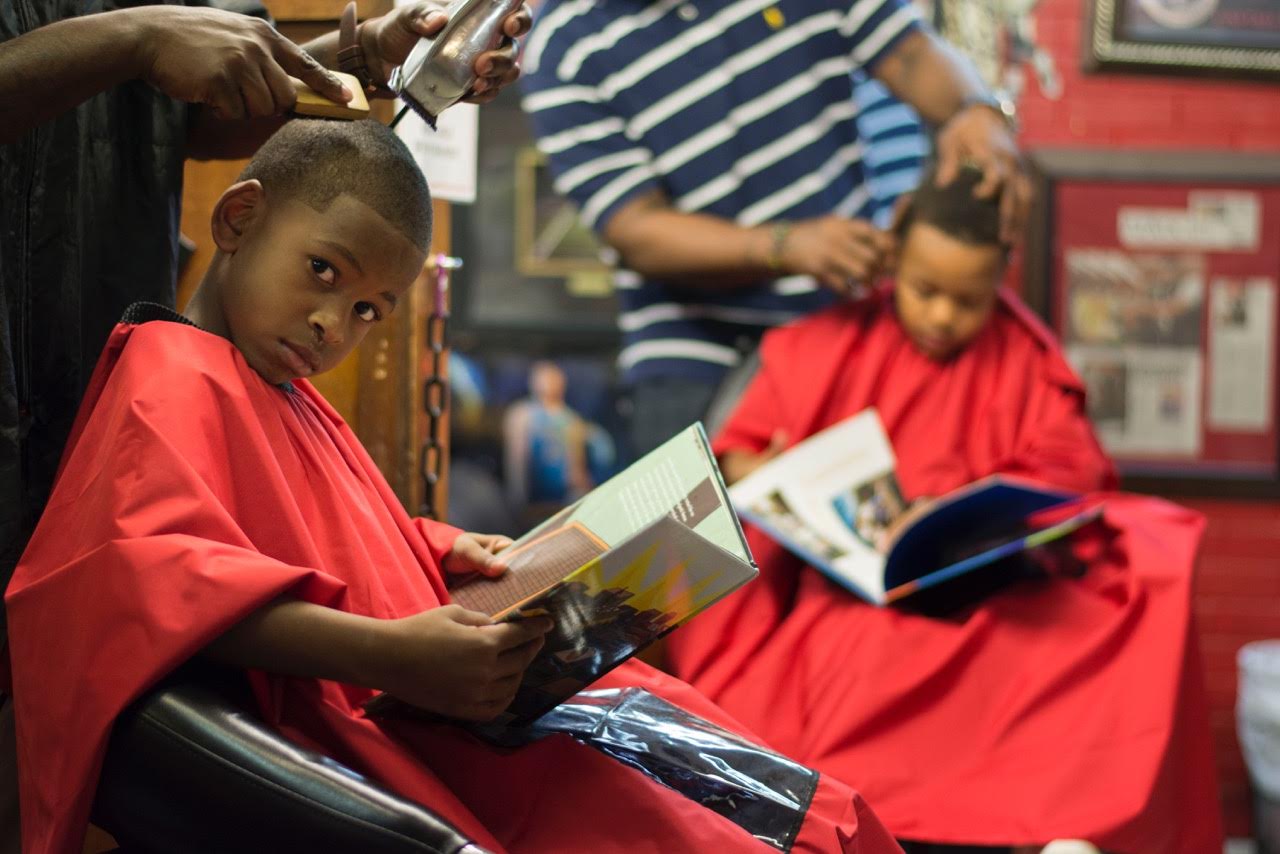
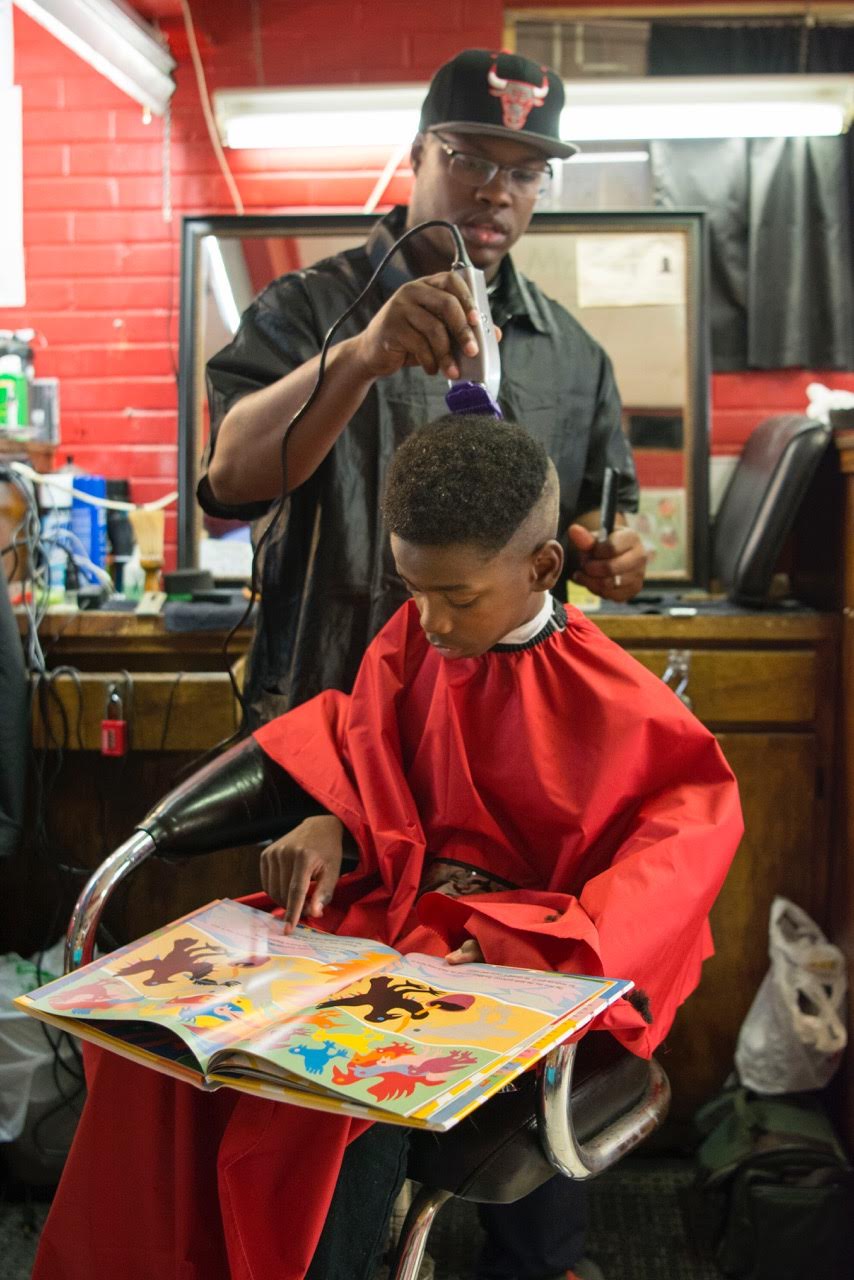
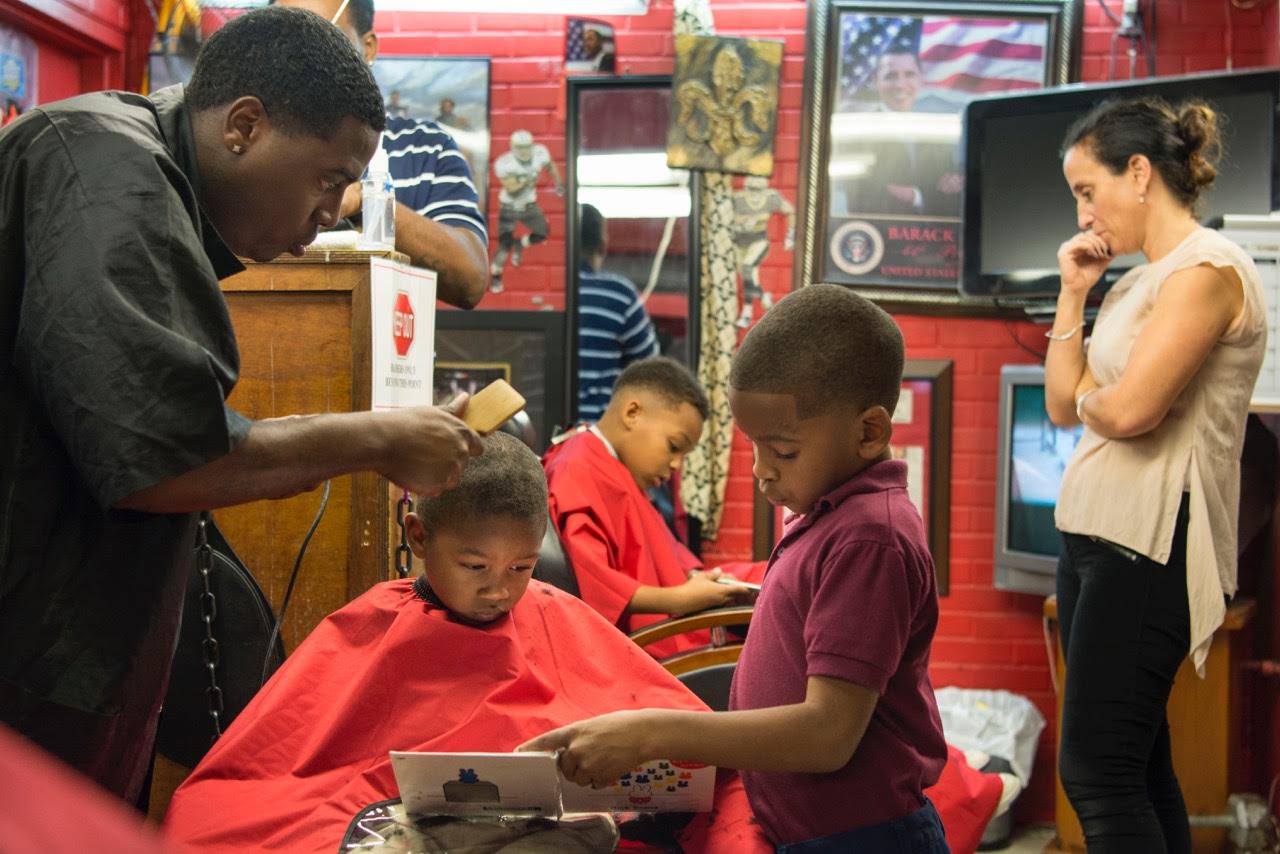
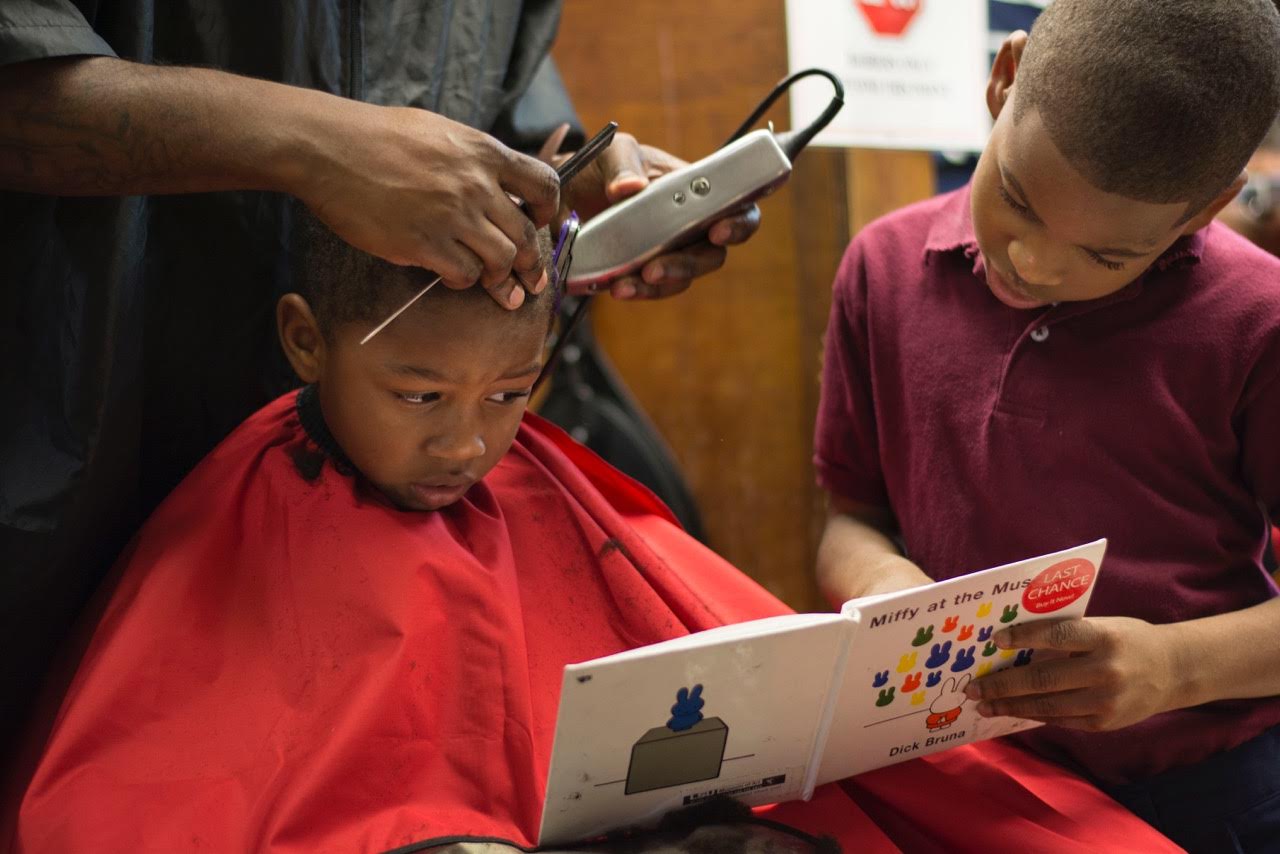
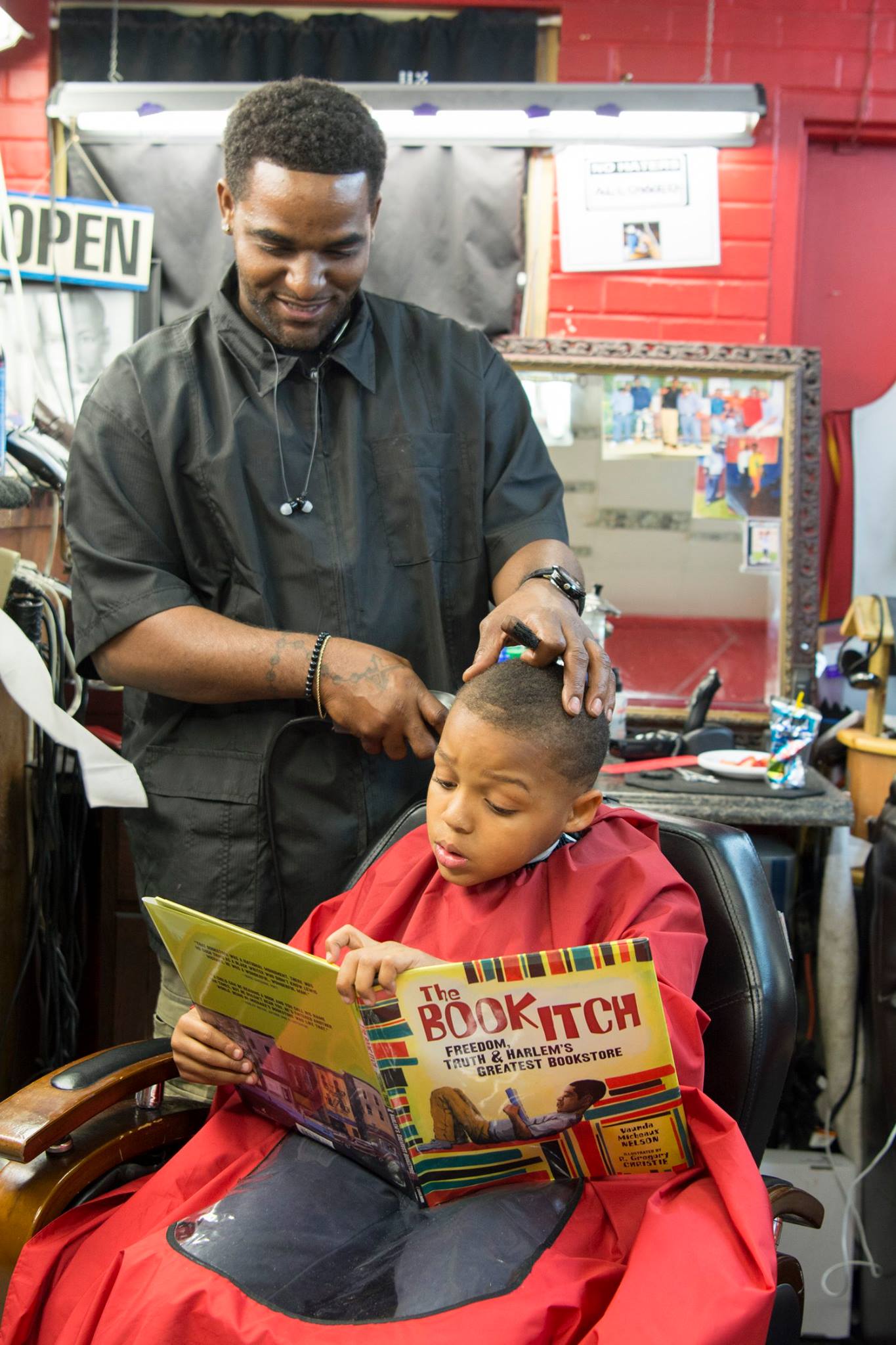
Line 4 Line takes place once a month, and O’Neil and his other barbers come in and volunteer to cut hair of boys ages 2-13 years for a few hours. I have my helpers who work for NAP assist. We set up books in the barber shop — books from my collection which are either art or Black focused, or classics of all different levels —  and kids come in, and I find out their grade, assess their reading level,  and help them pick a book.  They then read the book to me or one of my helpers with the barber assisting and encouraging while getting hair cut.
line for line 6

For very young readers, we have had younger but strong readers do the reading, or I will work one on one to help them decode and sound out words. As the program is still very new I see lots of ways to adapt, and ways to track progress for repeat kids, and I want to set up an in-house library for all ages in the barbershop and maybe a reading list. There is much to be done to expand this program including book groups or short topics discussions and maybe even mentoring/tutoring — right now we also do art projects with the kids who are waiting for haircuts and at the end of the  evening they can go take books home from the Free Little Library.
line for line 3

LINE 4 LINE BACKGROUND

Line 4 Line is a community program of the LSU Museum of Art that works to close the achievement gap and foster positive opportunities for Black youth by providing out-of-school reading, art and mentoring programs.

Line 4 Line strengthens community from within through the creation of impactful opportunities that develop literacy and foster positive expression. The program is designed to be easily expanded and replicated.
10355566_10153995553799508_2310520001602332382_o

PROGRAM

LINE 4 LINE  is a community-based literacy and arts program that uses barbershops as  unconventional learning sites for Black youth. Growing out of the LSU Museum of Art’s Neighborhood Arts Project LINE 4 LINE leverages the cultural and social significance of barbershops  in Black communities to help under-served youth identify positively as readers and learners. LINE 4 LINE also creates a safe and dynamic program space that encourages learning, exploration and mentoring for young adults to make them truly literate citizens. The guiding principal of the LINE 4 LINE program is to connect relatable Black men and women  to Black youth as positive role models and mentors to encourage, foster and support the concept of lifelong learning.

LINE 4 LINE addresses three important needs of Black youth living in Baton Rouge, Louisiana and serves as a program model to expand into other communities.

  1. Provides Black boys  with opportunities to interact with relatable adult males in positive healthy role model relationships through the Barbershop Program which gives regular free haircuts to boys in exchange for reading a book, and makes free take-home books  accessible to the wider community via a Free Little Library. Books used for this monthly program are considered powerful teaching tools and are selected to be culturally relevant, age appropriate, gender responsive. The reading program works with trained teen mentors who along with Barbers engage and assist children in reading, as well as educators who help track progress.
  2. Establishes in the Barbershop  a safe and dynamic creative space for boys to build healthy relationships  around reading and experiencing positive relatable adult role models who support reading. Creates additional educational opportunities by including post-haircut hands on art making via the LSU Museum of Art’s Neighborhood Arts Project.
  3. Gets books into the hands and households of children and parents. Plans to create a barbershop library of books for patrons of  all ages and levels that focuses on and celebrates Black writers, culture, history and experience. This library will include an honor system lending library, as well as  on-site books and take home bibliographies with easy links to where relevant books are available locally at libraries, and/or on-line.
line for line 7

I cannot wait to see how program expands!

Keep up with the Baton Rouge Neighborhood Arts Project and Line 4 Line on Facebook!

Learn more about the LSU Museum of Art on Facebook!

Kellee Signature

**Thank you again to Lucy Perera and Daniel Stetson of the LSU Museum of Art!
All photographs taken by Simone Schmidt.**
National Geographic Kids: Celebrate Easter by Deborah Heiligman

Share

NFPB2016

Nonfiction Wednesday

Nonfiction Picture Book Wednesday is hosted by Kid Lit Frenzy and was started to help promote the reading of nonfiction texts. Most Wednesdays, we will be participating and will review a nonfiction text (though it may not always be a picture book).
Be sure to visit Kid Lit Frenzy and see what other nonfiction books are shared this week!

easter

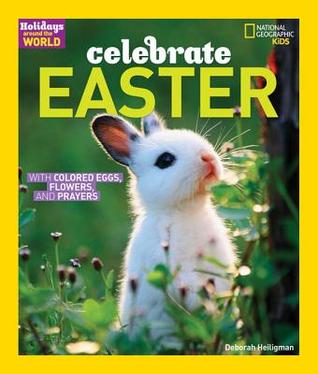
Holidays Around the World: Celebrate Easter with Colored Eggs, Flowers, and Prayer
Author: Deborah Heiligman
Photographs from National Geographic
Published February 9th, 2016 by National Geographic Children’s Books

Goodreads Summary: The joyous celebration of Easter is seen through a global perspective in this National Geographic volume featuring over 25 vibrant photographs. Witness the holiest day on the Christian calendar as it is celebrated throughout the world: from the famous Easter Egg Roll at the White House to the traditional bonfires throughout Europe, to colorful customs, to the universally popular dying of eggshells worldwide.

The first-person narrative leads young readers through the origins and traditions of this springtime festival of rebirth and hope. Reverend George Handzo gives parents and teachers a historical and cultural background in his informative note.

Kellee’s Review: This text is a wonderful informative introduction to Easter. It goes through not only the religious aspects of the holiday but also the traditions and secular parts. Although I think it could have gone into more detail about where the traditions came from (answered the WHY a bit more), it did a very good job of sharing all the different things that go along with Easter. I also loved the diversity within the book. The photos were from all over the world. And I am excited about the series Holidays Around the World because that means there are others within the series that will touch on holidays of other religions. This will help with understanding of holidays and religions that the reader may not be. 

Ricki’s Review: I completely agree with Kellee’s review! This book taught me a lot, and I enjoyed reading it. I would have loved to have read more about the WHY, but I found this to be quite a fun and interesting read, overall. Kids will really enjoy reading it, and it will be a resource for parents. Readers travel to many places in this single text, and it teaches an international appreciation. Like Kellee, I am really excited to see where this series goes, and I plan to read more books that National Geographic publishes! I love learning about international traditions and diverse cultures, so I appreciated all of the information in this book.

Teachers’ Tools for Navigation: I think it would be a powerful activity in a classroom to have many Holidays Around the World books and use them in both social studies, reading, and writing. Students could read about all of the different holidays, and they could then choose one to further research and share. Then there could be a walk-about in the classroom where different groups would have displays highlighting the different holidays.

Discussion Questions: What is the basis of Easter?; If you celebrate Easter, what are some traditions your family has?; What are some traditions around the world?; Why do you think the author chose to write the text in first person?

We Flagged: “Easter mornings brings special treats, too. Could it be the Easter Bunny was here? We get baskets of eggs–colored, decorated, and chocolate! Yummmm. In Germany, it’s the Easter Hare who brings us eggs. Bunnies, chicks, and eggs are symbols of new life.” (p. 16)

Read This If You Loved: Learning about religions, traditions, and holidays; Happy Easter, Mouse! by Laura Joffe Numeroff; Pete the Cat: Big Easter Adventure by Kimberly Dean

Recommended For: 

classroomlibrarybuttonsmall litcirclesbuttonsmall

Happy Easter to all who celebrate!

Signatureand RickiSig

**Thank you to Karen at Media Masters Publicity for providing copies for review!**

It’s Monday! What Are You Reading? #IMWAYR 3/21/16

Share

IMWAYR 2015 logo

It’s Monday! What Are You Reading? From Picture Books to YA!

It’s Monday! What are you Reading? is a meme started by Sheila at Book Journeys and now hosted by Kathryn at The Book Date. It is a great way to recap what you read and/or reviewed the previous week and to plan out your reading and reviews for the upcoming week. It’s also a great chance to see what others are reading right now…you just might discover the next “must-read” book!

Kellee and Jen, of Teach Mentor Texts, decided to give It’s Monday! What Are You Reading? a kidlit focus. If you read and review books in children’s literature – picture books, chapter books, middle grade novels, young adult novels, anything in the world of kidlit – join us! We love this meme and think you will, too.

We encourage everyone who participates to support the blogging community by visiting at least three of the other book bloggers that link up and leave comments for them.

CONGRATULATIONS
DECLAN F.
FOR WINNING A COPY OF THE TYPEWRITER!

AND

CONGRATULATIONS
JOLIE I.
FOR WINNING A COPIES OF GOOD MORNING YOGA AND GOOD NIGHT YOGA!

Last Week’s Posts

top ten tuesday farm animals rascally rabbits

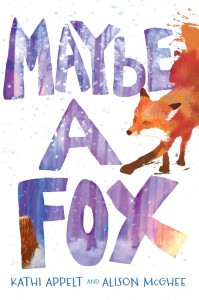
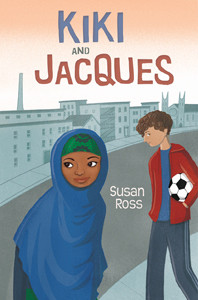
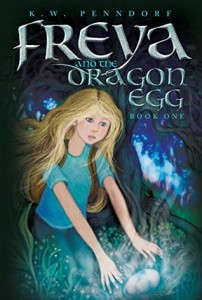
maybe a fox kiki and jacques freya

Tuesday: Ten Books on our Spring To Be Read List

Wednesday: National Geographic Kids: Farm Animals and Rascally Rabbits! 

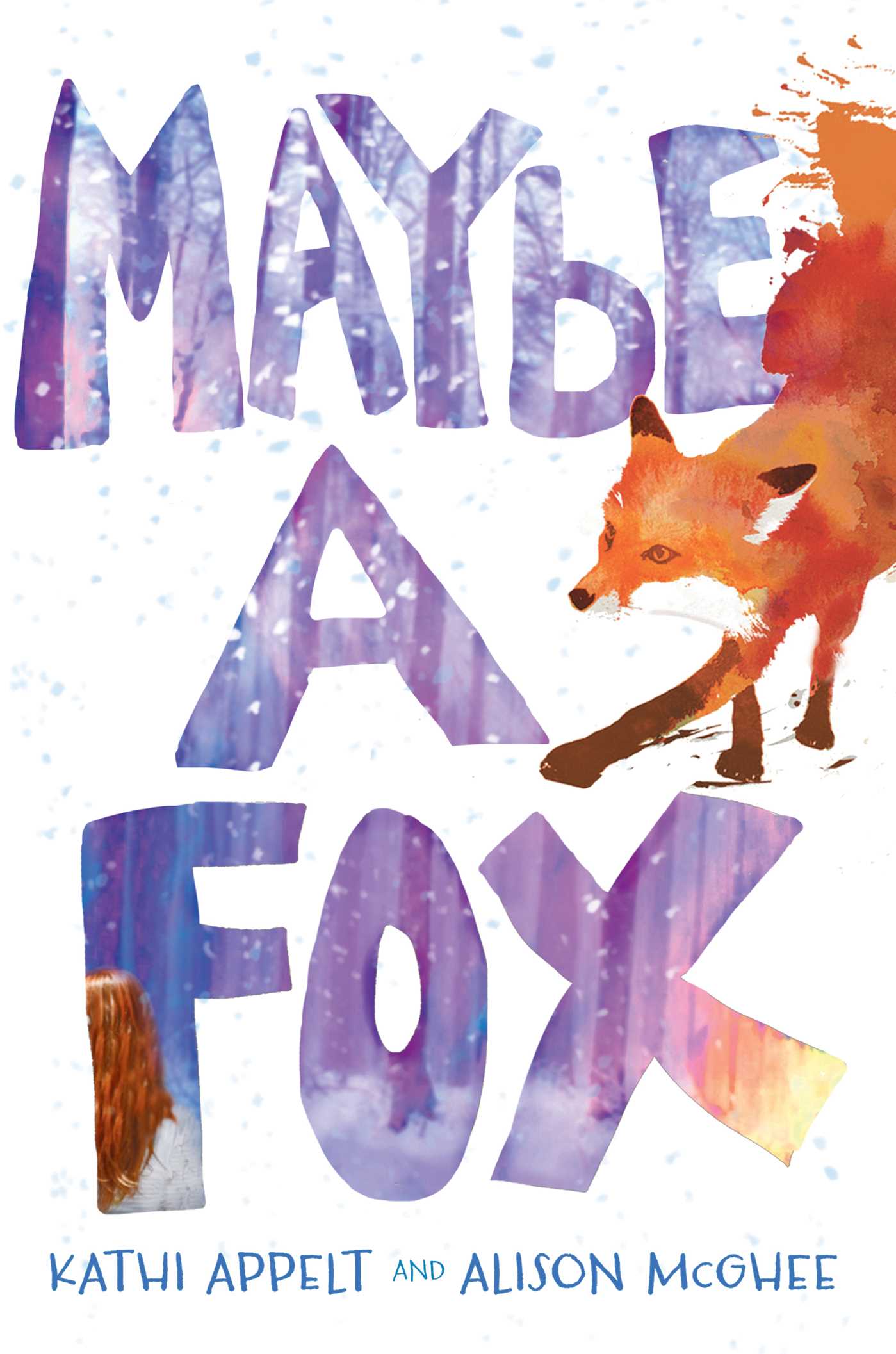
Thursday: Blog Tour, Author Guest Post, Giveaway, and Review!: Maybe a Fox by Kathi Appelt and Alison McGhee
Giveaway open until Wednesday!

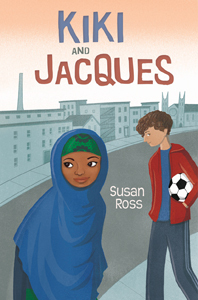
Friday: Kiki and Jacques by Susan Ross

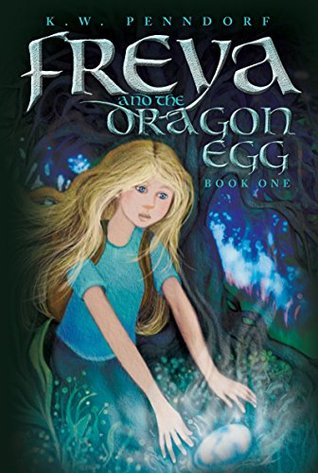
Sunday: “Getting Students to ‘Show, Don’t Tell’ Their Writing” by KW Penndorf, Author of Freya and the Dragon Egg

**Click on any picture/link to view the post**

 Last Week’s Journeys

Kellee: Spring break is here! So far, I haven’t done a ton of reading because Jim and I went on a date weekend at Disney, and I focused on just hanging out with my husband. Earlier in the week, I did finish two books that I loved so much!

First, I read The Tales of Beedle the Bard by J.K. Rowling which really filled a Harry Potter void. Though it wasn’t a Harry Potter story per se, it was just the touch I needed. I also listened to Upside-Down Magic by Sarah Mlynowski, Lauren Myracle, and Emily Jenkins. It was funny and smart and cute and had a great theme–the perfect audiobook for the last week before spring break.

Ricki: As I promised you last week, I didn’t get any reading done this week! I finished my manuscript for the AERA conference, and I am very excited to present it! I also wrote an essay for my Human Rights and Social Justice class (my last class of my doctoral degree!). I’ve been reading some articles about the ways that feminism and social class intersect, but I haven’t read any books this week. Next week, I will read more fun stuff, I promise!

This Week’s Expeditions

Kellee: I am currently almost done with Peter Nimble and his Fantastic Eyes by Jonathan Auxier, and I am enthralled! I cannot wait to finish–I have the second book waiting in the wings. I also have Red Planet by Eddie Pittman to read this week which is a sci-fi adventure graphic novel.

Ricki: I just started Kristen-Paige Madonia’s Invisible Fault Lines, an ARC from S&S, and I love it so far!

Upcoming Week’s Posts

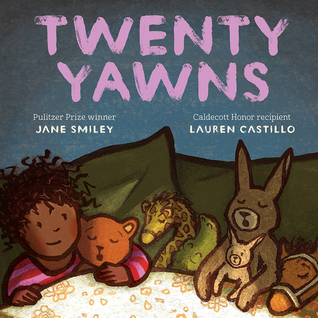
top ten tuesday easter Twenty Yawns

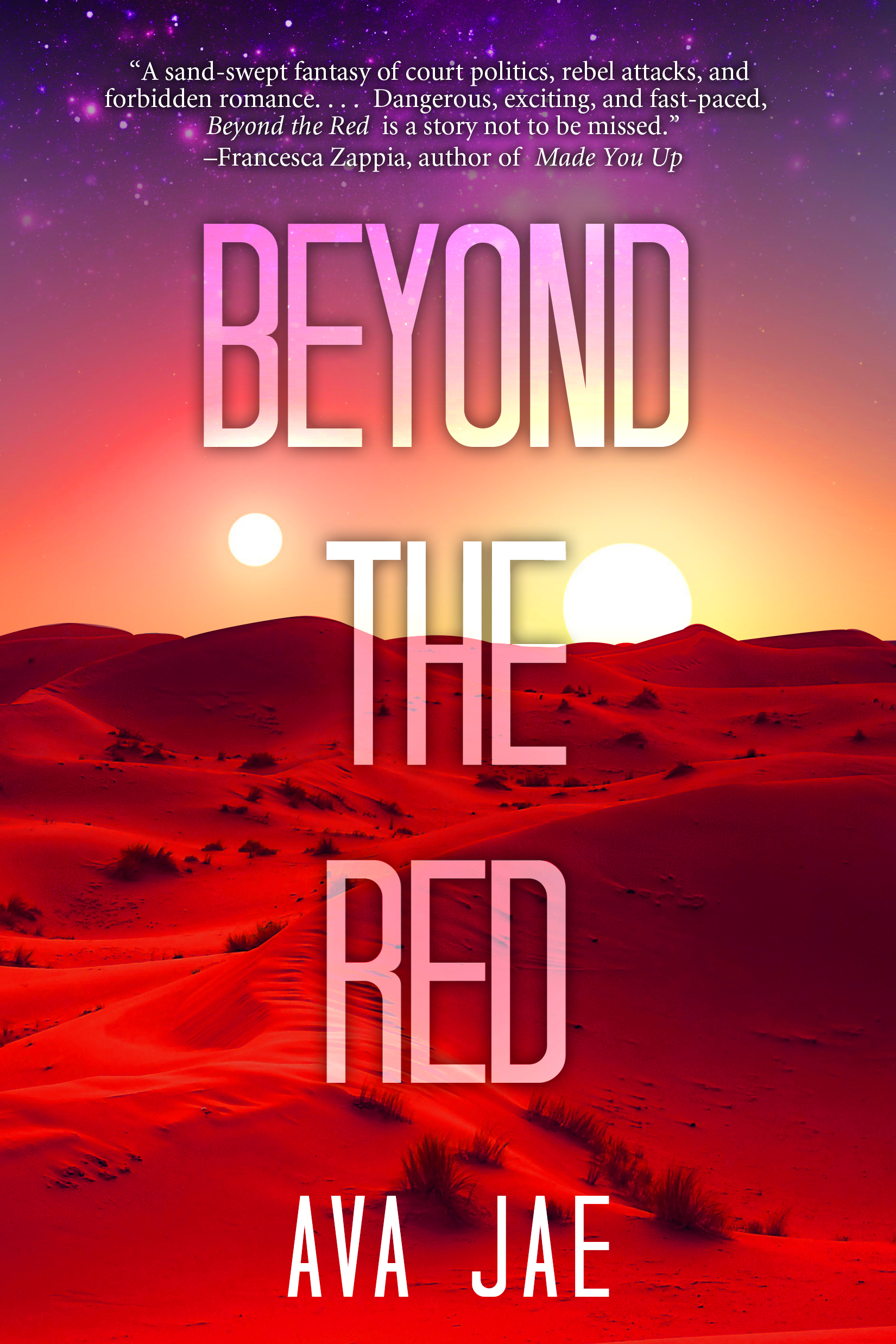
line for line 9 Beyond the Red 9781634506441

Tuesday: Books We Really Love But Don’t Talk About Enough

Wednesday: National Geographic Kids: Celebrate Easter

Thursday: Blog Tour, Review, and Giveaway!: Twenty Yawns by Jane Smiley

Friday: LSU’s Line 4 Line Program

Sunday: Author Guest Post!: “The Star Wars Effect: Bringing Teens to Space” by Ava Jae, Author of Beyond the Red

 So, what are you reading?

Link up below and go check out what everyone else is reading. Please support other bloggers by viewing and commenting on at least 3 other blogs. If you tweet about your Monday post, tag the tweet with #IMWAYR!

 Signature andRickiSig

Kiki and Jacques by Susan Ross

Share

kiki and jacques

Kiki and Jacques
Author: Susan Ross
Published October 15th, 2015 by Holiday House

Goodreads Summary: Preteens prove that cultural differences can be overcome in this middle-grade novel about a native Mainer and a Somali girl who form an unlikely and supportive friendship.

Twelve-year-old Jacques’s mother has passed away, his father is jobless and drinking again and his grandmother’s bridal store is on the verge of going out of business. Plus he’s under pressure from an older boy to join in some illegal activities. At least Jacques can look forward to the soccer season. After all, he’s a shoe-in for captain.

But the arrival of Somali refugees shakes up nearly everything in Jacques’s Maine town, including the soccer team. So Jacques is surprised to find himself becoming friends with Kiki, a cheerful and strong-minded Somali immigrant. Despite their many differences they are able to help one another triumph over problems with friends, family and growing up.

About the Author: Susan Ross lives in Connecticut. She was born and grew up in the Lewiston, Maine, area. Susan was inspired to write this story by incidents in her childhood hometown when refugees from Somalia began to settle there in the early 2000s. Kiki and Jacques is her first novel.

Susan Ross recently was interviewed by HuffPost Live and wrote an article on the HuffPost Blog about Kiki and Jacques and the amazing refugee kids in Lewiston, Maine — and especially, the vital importance of teaching tolerance/ multiculturalism to children!

My Review: Kiki and Jacques is a perfect introduction to refugees for middle grade students. What makes the story work so well is that Jacques is just like so many middle school boys, so reading about Kiki and Mohammad from his point of view makes the story easy to connect with. The reader also gets to learn about the refugees and their lives and situations along with Jacques which makes it so students with no prior knowledge can live Kiki and Jacques story with them.

Teachers’ Tools for Navigation: Kiki and Jacques is a book that many different students are going to love reading for many different reasons. It is a book for sports lovers, realistic fiction fans, and students who want to learn about something and make a difference. It is a great book for classroom libraries.

Additionally, you can view a teaching guide for Kiki and Jacques which has many ideas for classroom uses: Kiki and Jacques Education Guide

Additionally, Mr. Gorman did an amazing activity with this novel using a mood meter. His blog post includes a wonderful writing activity.

Discussion Questions: How does soccer play a role in the story?; What did you learn about refugees in Kiki and Jacques?; What do you think the theme of the book is?; How does Jacques stay positive and “good” through everything that is going on in his life?; How does Jacques help Mohammad and Kiki?

We Flagged: “Frank Boucher broke out from the back and dribbled the ball toward the goal; in a minute he sliced it in. Boucher was tall, and broader than most of the kids. His bleach-blond hair was spiked marine-style, making him look even longer.

‘Holy crap.’ Jacques whistled. ‘That wasn’t bad.’

‘You’ll be captain,’ Sammy said. ‘Don’t worry. Boucher’s got muscle but your footwork’s better. And nobody trusts him.’

‘Wait up–who’s that kid?’Jacques nodded toward the far end of the field. ‘That big dude…is he one of the Somalis?’

A slim black teenager was dribbling toward them. Fast and accurate, the ball skipped effortlessly from side to side. The boy balanced the ball between his shin and knees, spun around and took a wild shot from mid-field. Tim O’Shea knocked his glasses off trying to stop it, but the ball slipped right past him into the goal.” (p. 6-7)

Read This If You Loved: Booked by Kwame Alexander, Soccer Star by Mina Javaherbin, Out of Nowhere by Maria Padian; also middle grade books about refugees including Inside Out & Back Again by Thanhha Lai and A Long Walk to Water by Linda Sue Park

Recommended For: 

readaloudbuttonsmall classroomlibrarybuttonsmall

Q&A with the Author from Holiday House: 

Susan, this is the first novel you’ve written. Please tell us about it.

KIKI AND JACQUES is a story about kids from very different backgrounds growing up in a small Maine town. It’s about finding common ground and friendship in spite of cultural differences and challenges.

You were inspired to write this book when your hometown in Maine began to see an influx of Somali refugees in the early 2000s. Tell us a little bit about that experience and how the addition of Somalis to your home town changed the cultural landscape.

When I was growing up, we lived in the “twin cities” in Maine—the old mill town of Lewiston and its sister city, Auburn. My great-grandparents came from Russia and opened a store. Three generations later, my parents had a bridal shop in downtown Lewiston. The majority of the population was of French Canadian descent, and my parents often sold dresses speaking basic French. When I read a magazine article about the wave of Somali immigration to Lewiston, I thought that a small Maine town experiencing such profound cultural change would be an amazing setting for a middle-grade novel.

What kind of research did you do for this book? In researching, what did you find most interesting or surprising?

As with most things in life, I found the very best place to start my research was at the library. In this case, I went to the library in Lewiston and met with a librarian, who told me something very important: in her experience, teenagers of all cultures were more alike than they were different.

I spoke with a few Somali kids that day, who were at the library using the computers. I saw that they were on Facebook, just like my teenagers at home. Later, I met with other Somali teens and asked them to read chapters of my book. I was greatly inspired by how strong and ambitious these kids were, and I was touched by how glad they were to have an author listen and learn about their lives.

KIKI AND JACQUES focuses on the importance of two kids respecting cultural, religious and racial differences, but still becoming friends. What do you hope young readers learn from this novel?

I hope that I’ve written a story that kids can relate to. Kiki and her brother Mohamed’s lives are very different than Jacques’s in many respects, but they also have a surprising amount in common—soccer, strong loyalty to family, and great loss (Kiki’s dad was killed in the war in Somalia and Jacques’ mom died in a car accident). Each kid is looking for a safe and permanent sense of home and  belonging.

When did you know you wanted to become an author?

I knew I wanted to become an author when I was in the fourth grade and liked to stay inside at recess and write. My first book was called Diablo, and it was about a wild horse with cruel masters. Not so coincidentally, I had just finished reading one of my  favorite books, Black Beauty. I became a lawyer, but after I stopped practicing law and my kids got older, I learned about the Somali immigration to Maine and thought, wow, this would be a wonderful and important topic to write about.

If you could give any advice to young authors, what would it be?

My best advice is simply that writers must write! Start a journal and keep it close, or take notes on your laptop or phone. Find a writing buddy and send ideas back and forth. Get your words down, whenever and however you’re inspired. Even if your writing isn’t close to perfect at first, it will get better, and you will learn and grow in the process—I promise!

Kellee Signature

**Thank you to Susan for providing a copy of the book for review and for sharing the teachers’ guide and Q&A!**

National Geographic Kids: Farm Animals & Rascally Rabbits!

Share

NFPB2016

Nonfiction Wednesday

Nonfiction Picture Book Wednesday is hosted by Kid Lit Frenzy and was started to help promote the reading of nonfiction texts. Most Wednesdays, we will be participating and will review a nonfiction text (though it may not always be a picture book).
Be sure to visit Kid Lit Frenzy and see what other nonfiction books are shared this week!

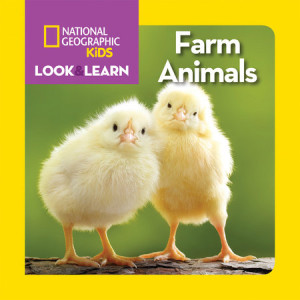
farm animals

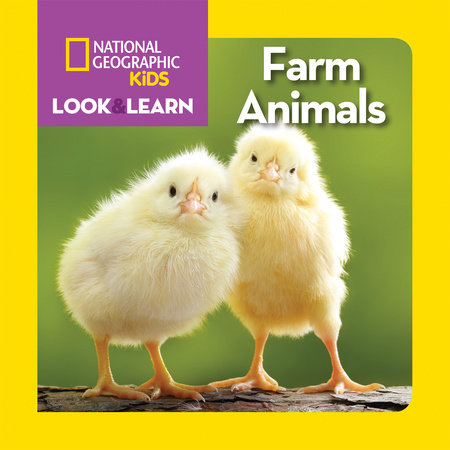
Farm Animals
Author: Catherine D. Hughes
Photographs from National Geographic
Published February 9th, 2016 by National Geographic Children’s Books

Goodreads Summary: Young readers will meet their favorite farm animals and learn more about them through simple, age-appropriate language in this colorful board book.

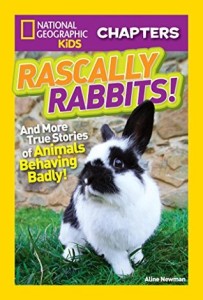
rascally

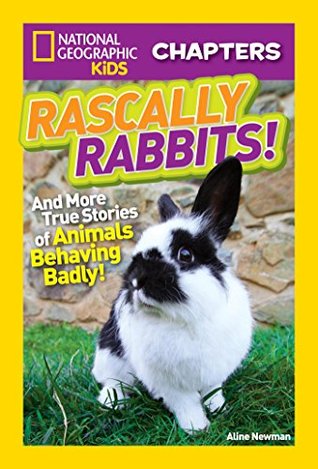
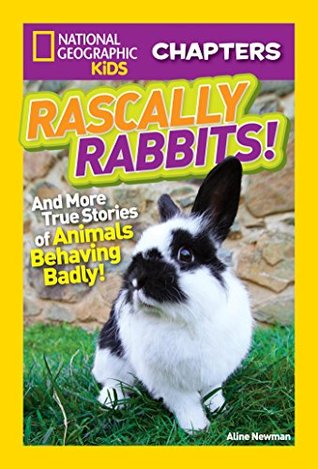
Rascally Rabbits! And More True Stories of Animals Behaving Badly!
Author: Aline Alexander Newman
Photographs from National Geographic
Published February 9th, 2016 by National Geographic Children’s Books

Goodreads Summary: These bunnies may look adorable, but there’s more than meets the eye! In Rascally Rabbits, meet some rabbits that cause nothing but trouble, a rescue pup who will eat ANYTHING, and a sneaky bear with a taste for treats. Readers won’t stop laughing as they read these hilarious–and completely true!–stories. Filled with engaging photos, fast facts, and fascinating sidebars, readers won’t want to put this book down.


Kellee’s Review: What I like so much about National Geographic Kids books are that they really do take nonfiction to the next level. First, they have nonfiction for all ages. The Look & Learn series are for kids ages 1-4 then move to their Readers Series which is an early reader then to Chapters that is primary level. Each level adds more text but continue to include interesting facts and photographs. Once you get up to Chapters, the text even includes sidebars, an index, and a bibliography. 

Farm Animals was a favorite with Trent immediately. One of his stations at school is all about animals and they spend their time there talking about the different animals, what color they are, and what sound they made, so Trent loved telling me all of the animals’ names and the sound they make. I loved that there were animals facts and sidebars in addition to just the animal photographs and sounds.

Rascally Rabbits! is a perfect first chapter book because it is quite funny (these animals do some crazy things), it is educational because it teaches about the animals as well, and it splits up the stories into nice sections.

Ricki’s Review: I completely agree with Kellee. I much prefer narrative nonfiction, so I always hesitate to pick up informational nonfiction. The National Geographic books remind me just how wrong my assumptions are. I am not crazy about leveling, particularly with nonfiction, but I think that some parents really like it. And I think the leveling in these books is far more accurate than in fiction texts. 

I knew Henry would love Farm Animals the second we got it in the mail. Like most kids, he loves animals. He immediately began singing “Old McDonald” as we started reading the book, and he was bouncing up and down as we went through each of the brightly colored pictures.

Rascally Rabbits! is a bit challenging for him, but he loved the pictures. I opted to read selected text to him aloud, and I read the entire book on my own. Kids who are interested in rabbits will absolutely adore these books. I still remember reading dozens of books about poodles when I was younger. Because I was so interested in the content, I didn’t realize how much I was learning! The book is organized very well, and they did a really nice job with this one.

Teachers’ Tools for Navigation: National Geographic Kids’ books should be a go to for a teacher’s informational nonfiction section. Students will love reading and learning from these texts. Farm Animals and other Look & Learn books are perfect for read alouds and helping young children learn about different parts of our world. Rascally Rabbits! and other chapter books can be used for read aloud, independent reading, or even within a lit circle/jigsaw. For example, with Rascally Rabbits! each group could read about each of the different animals who made a mistake then go group with one person from each of the other groups to share what they read.

Discussion Questions: (Farm Animals) What product do each of these animals give to us?; What other farm animals do you know? What sounds do they make?; (Rascally Rabbits!) What are some things that Babbity does to make Flopsy’s life tough?; What makes bears get near humans?; Why was Neil afraid something bad might happen with Moose? Did something bad happen? Was it Neil’s fault?

We Flagged: “Moo! Cows eat grass. A group of cows is called a herd. People drink milk that comes from cows. Guess What? One cow can give enough milk in a day to fill 400 glasses.” (Farm Animals)

“Did You Know? The best way to pet a rabbit is to gently scratch its forehead and between its eyes.” (Rascally Rabbits!, p. 9)

“A young black dog ran without purpose along a forest road in Lewis County, New York, U.S.A. Rain was pouring down and freezing on the ground. Tiny icicle hung from the dog’s ears and chin. He had a wild-eyed look on his face.” (Rascally Rabbits!, p. 71)

Read This If You Loved: Nonfiction animals books

Recommended For: 

classroomlibrarybuttonsmall readaloudbuttonsmall litcirclesbuttonsmall

Signatureand RickiSig

**Thank you Karen from Media Masters Publicity for providing copies for review!**

It’s Monday! What Are You Reading? #IMWAYR 3/14/16

Share

IMWAYR 2015 logo

It’s Monday! What Are You Reading? From Picture Books to YA!

It’s Monday! What are you Reading? is a meme started by Sheila at Book Journeys and now hosted by Kathryn at The Book Date. It is a great way to recap what you read and/or reviewed the previous week and to plan out your reading and reviews for the upcoming week. It’s also a great chance to see what others are reading right now…you just might discover the next “must-read” book!

Kellee and Jen, of Teach Mentor Texts, decided to give It’s Monday! What Are You Reading? a kidlit focus. If you read and review books in children’s literature – picture books, chapter books, middle grade novels, young adult novels, anything in the world of kidlit – join us! We love this meme and think you will, too.

We encourage everyone who participates to support the blogging community by visiting at least three of the other book bloggers that link up and leave comments for them.

Last Week’s Posts

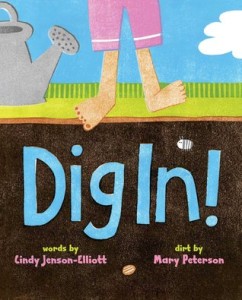
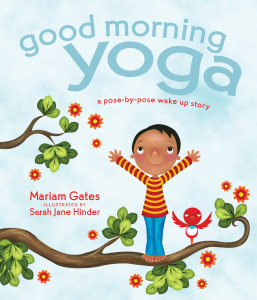
top ten tuesday dig in Good Morning Yoga-UPDATED cover hi-res

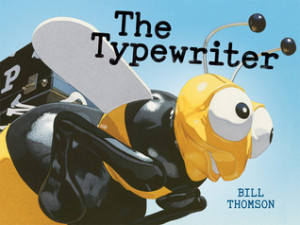
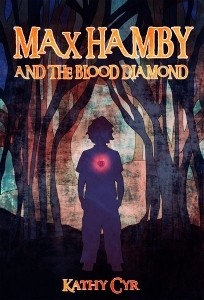
Thomson_TheTypewriter_6603_JK_FL_ v3.indd unleashingreaders - maxhamby

Tuesday: Ten Unfortunate Character Names

Wednesday: Blog Tour, Author Guest Post, and Review!: Dig In by Cindy Jenson-Elliott

Thursday: Blog Tour, Giveaway, and Review!: Good Morning Yoga by Mariam Gates
**Giveaway open until Wednesday!**

Friday: Blog Tour, Giveaway, and Review!: The Typewriter by Bill Thomson
**Giveaway open until Thursday!**

Sunday: Author Q&A with Kathy Cyr, Author of the Max Hamby series

**Click on any picture/link to view the post**

 Last Week’s Journeys

Kellee: This week I finished a #mustreadin2016 book! The Honest Truth by Dan Gemeinhart is such a tough story, but it is really a story about life in the end. It was the teacher book club book for my school, and I really enjoyed talking about it with my fellow teachers. I also cannot wait to review it because it just has so much to talk about.

Trent and I also spent a lot of time with some National Geographic books, some which we’ll be reviewing this week. He really loves animals, so each page we looked at colors and made animal sounds. I really love how National Geographic books are put together. They always have beautiful photos, are informative, but also entertaining.

20160306_185223-1

Last week, I also got to meet Michele Knott!! And at Disney! How much fun! Michele and her family were so nice, and we had a great time watching Fantasmic and the new Star Wars fireworks.

Ricki: I know this isn’t relevant to reading, but I have to share…my son is in a toddler bed right now! I feel like he is becoming such a big boy before my eyes! Henry and I also read some National Geographic books (see the images below). We enjoyed them and loved the pictures and fun facts! I finished listening to Grasshopper Jungle by Andrew Smith. I liked this book and had fun listening to it, but I am a bit of a prude. Anyone who has read this book will understand me when I say that I blushed over a hundred times. It is definitely a book I will recommend, and I had good fun with it. 

I also read a book called On the Line by Jack Dougherty. It details how Hartford, CT went from being the wealthiest city to the fourth poorest per capita in the country. It discusses the impacts to education and dives deeply into the ways that the regional magnet schools are designed. This book is free online, and I found it to be quite intriguing.

I am so jealous that Kellee met our blogger buddy, Michele Knott! Ahh!

This Week’s Expeditions

Kellee: Over the weekend, I started Tale of Beedle the Bard by J.K. Rowling because the two boys in my class who are reading Harry Potter could not believe I hadn’t read it. After, I plan on reading Peter Nimble and His Fantastic Eyes by Jonathan Auxier in preparation for reading its companion. Additionally, I’ve begun listening to audiobooks in the car again, so I began listening to Upside Down Magic by Lauren Myracle, Sarah Mlynowski, and Emily Jenkins. So far it is cute and quite entertaining! 

I’m excited because Friday starts my Spring Break, so I hope to get some good reading in during those 10 days. My plans include what I listed above as well as Classy Crooks ClubThe Slowest Book Ever, Red’s Planet, and Cody and the Mystery of the Universe.

Ricki: I am just finishing up a midterm essay about human rights and social justice education. Then, I need to finish writing a manuscript for the AERA conference. They require presenters to upload a full manuscript for publication a few weeks before we present. I researched the ways a struggling reader experienced power positioning in four course contexts: her traditional English class; her remedial reading course; her Young Adult Literature course (which I taught); and her college English course, two years later. Therefore, I might not be able to read much, so I apologize!

Upcoming Week’s Posts

top ten tuesday farm animals rascally rabbits

maybe a fox kiki and jacques freya

Tuesday: Ten Books on our Spring To Be Read List

Wednesday: National Geographic Kids: Farm Animals and Rascally Rabbits! 

Thursday: Blog Tour, Author Guest Post, Giveaway, and Review!: Maybe a Fox by Kathi Appelt and Alison McGhee

Friday: Kiki and Jacques by Susan Ross

Sunday: “Getting Students to ‘Show, Don’t Tell’ Their Writing” by KW Penndorf, Author of Freya and the Dragon Egg

 So, what are you reading?

Link up below and go check out what everyone else is reading. Please support other bloggers by viewing and commenting on at least 3 other blogs. If you tweet about your Monday post, tag the tweet with #IMWAYR!

 Signature andRickiSig

Author Q&A with Kathy Cyr, Author of the Max Hamby series

Share

unleashingreaders - maxhamby

Max Hamby and the Blood Diamond
Author: Kathy Cyr
Published September 18th, 2014 by Gaslight Press

Summary: The first book in the children’s fantasy series Max Hamby.

It’s the last week of school. With sunny days ahead and no more tests or bullies, life for Max Hamby is about to get a lot better…..until he crashes into an odd exhibit at the local museum.

Strange things begin to happen.

When Max’s mother disappears, he’s left in the care of his eccentric neighbor where lawn gnomes come to life and a bird meows. Mrs. Pitt shows him that magic is real and not all like the fairy tales he once knew.

The discovery leads him to Merrihaven, where even stranger things await, including a dwarf, a troll and a couple of pixies.

He quickly finds himself at the center of a battle between good and evil.

Someone has resurrected the Shadowstone to free the evil imprisoned inside. Max must summon the courage to find seven magical stones to save his mother and stop the evil, before it’s too late.

About the Author: Kathy Cyr writes in an underground cave, but has her eye on a wizard’s castle.

On an average day, she’s usually surrounded by a dwarf with a curious addiction to coffee, a moody dragon and a pink pixie with a large sweet tooth.

When not writing books, she can be found daydreaming about faraway places, enjoying a cup of coffee with the dwarf, sharing a laugh with the moody dragon (when he’s in the mood) and sitting on a rainbow of treats with the pink pixie.

For more info visit http://www.kathycyr.weebly.com

Author Q&A: 

What inspired you to write your first book?

The inspiration for the Max Hamby series came from my love of folklore, fairytales and fantasy. I have a love for all things magical.

Is there a message in your novel that you want readers to grasp?

I wanted to create something that would take my readers on a fantastic journey.  As the series progresses, there are moments where it’s important to believe in yourself and even in the scariest of times, you can find the strength to be brave.

Give us an insight into your main character.

In the beginning of the series, Max is reluctant, shy and tends to keep to himself. In a strange way, he finds comfort in being invisible. It all changes when he’s forced to be the leader in some dangerous situations.

What genre are your books?

Max Hamby is a middle grade series – ages 9-12. Because there’s such a wide array of characters, fantasy and human, the series is for anyone who enjoys a fun read with a lot of twists and turns.

What draws you to this genre?

I’m drawn to the middle grade genre, because it’s a time of wonder and excitement. It’s also a time when anything is possible.

When did you first realize you wanted to be a writer?

I’ve always loved to write, but I didn’t get serious until I was an adult.

How long does it take you to write a book?

It takes me about two to six months to write and edit a book.

Do you write every day?

I usually write seven days a week. There are times when life takes over and I’ll miss a day or two, but it’s not hard to catch up.

Do you aim for a set amount of words/pages per day?

I don’t have a set number of pages or words. I let the story take me where it wants to go. On average, I end up with five to eight pages per day.

Do you write on a typewriter, computer, dictate or longhand?

I have to write longhand. It’s the only way I can connect with the story.

Where do your ideas come from?

Ideas come from anywhere. An idea can spark from a conversation, a news article, or a blog entry. The name, Max Hamby, jumped into my head first and stuck. It took longer for the story to fully form.

Do you work to an outline or do you prefer just see where an idea takes you?

I do outline a little. I make lists of what’s going to happen and work them into the story as I go along.

When did you write your first book?

I started writing Max Hamby and the Blood Diamond in the spring of 2014 and finished mid-summer.

What do you like to do when you’re not writing?

I’m always writing or updating my website and social media. I don’t really have an off button, though I enjoy spending time with my family, reading and occasionally, sculpting.

What book are you reading now?

I am currently reading the Secret Zoo series. It’s a great read with a unique plot.

Who is your favorite author and what is it that really strikes you about their work?

I have a few favorite authors. Their writing styles are exciting. There is so much detail in their work. It’s not hard for me to see the story in my mind and feel what the characters are feeling.

J.K. Rowling. I am and will always be a huge Harry Potter fan.

Jenny Nimmo. The Charlie Bone series is filled with magic and mysterious characters.

Lisa McMann.  The UnWanted series is amazing and keeps me wanting more.

Henry Neff. The Tapestry series is also amazing.

Toby Neighbors. The Five Kingdoms was the first series I purchased from an indie author and was hooked.

What was one of the most things you learned in creating your books?

I learned that is writing is hard, but I love it so much that it doesn’t feel like work.

How many books have you written?

Max Hamby is a seven book series. I’ve written four books and have recently started the fifth.

Do you have any suggestions to help me become a better writer?

Sit down and write. It doesn’t matter what you write, as long as you do it. It’s easy to find an excuse not to, but why wait? Follow your dream. You can make it happen.

Can you share a little of your current work with us?

Sure. Chapter 1 is on my website as a free read.

Thank you to Kathy Cyr for taking part in our interview!

Kellee Signature andRickiSig