Black Lives Matter: Anti-Racist Strategies

Share

Black Americans: We see you, we hear you, we support you, and we condemn the violent acts against Black Americans that happen too frequently in the United States including the murders most recently of Ahmaud Arbery, George Floyd, David McAtee, Tony McDade, and Breonna Taylor. Black. Lives. Matter.

Racism is a long-standing virus in our country. Because of racism, Black people are brutalized, murdered, and unjustly treated. This virus is not new—it is engrained in our history. And what is happening in our country now (and throughout our time as a nation) is motivated by the White systemic racism that permeates structures and motivations of this country.

As Dr. Ibram X. Kendi states in How to Be an Antiracist, “The opposite of racist isn’t ‘not racist.’ It is ‘anti-racist.’ What’s the difference? One endorses either the idea of a racial hierarchy as a racist, or racial equality as an anti-racist. One either believes problems are rooted in groups of people, as a racist, or locates the roots of problems in power and policies, as an anti-racist. One either allows racial inequities to persevere, as a racist, or confronts racial inequities, as an anti-racist. There is no in-between safe space of ‘not racist.'”

So to combat racism, we must be actively anti-racist.

Educate ourselves about the history of racism, race relations, and the act of anti-racism. 

  • Anti-Racism Booklist from @idealbookshelf
  • Anti-Racism Book List from Candace Greene McManus including gateway books and books to dig deeper.
  • Educators: Educate on race in education and in literature.
    • Books to share from The Brown Book Shelf and KidLit Community Rally for Black Lives:
      • We Got This: Equity, Access, and the Quest to Be Who Our Students Need Us to Be by Cornelius Minor
      • Being the Change: Lessons and Strategies to Teach Social Comprehension by Sara K. Ahmed
      • Teacher for Black Lives by Dyan Watson, Jesse Hagopian, and Wayne Au
      • Libraries, Literacy, and African American Youth edited by Dr. Paulette Brown Bracy, Sandra Hughes-Hassell, and Casey H. Rawson
      • The Dark Fantastic: Race and the Imagination from Harry Potter to the Hunger Games by Ebony Elizabeth Thomas

Educate ourselves about what IS racist. 

  • Learn about passive/covert racism as well as active/overt racism and take action on what.
  • Educators: Learn about how schools are racist and how they have the potential to get even worse (from The Progressive). (The links in this article provide further background, as well.)
    • Then, apply what you have learned to your own context. What can you do to make a change? How can you stop being complicit and start being anti-racist?

Make sure we understand our own implicit biases and White privilege. 

It’s time to start doing. Remember: educating ourselves is critical, but it is only the first step. Action must follow.

Share posts from Black activists or organizations that inform about, fight against, and educate on police brutality.

Support works produced by Black artists and creatives. 

Donate, join, support, and participate in organizations (a few are noted below).

Support Black businesses.

Highlight the history and contributions of the Black community. Below, we offer a list of contributions to education and books. 

Call your local and state reps and demand change.

Discuss race, race relations, and anti-racism with students, kids, family, etc. 

Read and share books by BIPOC authors and about BIPOC characters with our students, kids, family, etc. 

  • Book recommendations by Black authors (This is a list of books we have especially loved and recommend. This list is limited. Please be sure to click the links throughout the post for more book recommendations, and keep your finger on the pulse of new releases to constantly learn and grow.)
    • Picture Books
      • Mae Among the Stars by Roda Ahmed, illustrated by Stasia Burrington
      • Out of Wonder: Poems Celebrating Poets by Kwame Alexander
      • The 5 O’Clock Band by Troy Andrews, illustrated by Bryan Collier
      • Trombone Shorty by Troy Andrews, illustrated by Bryan Collier
      • Preaching to the Chickens: The Story of Young John Lewis by Jabari Asim, illustrated by E.B. Lewis
      • Crown: An Ode to the Fresh Cut by Derrick Barnes, illustrated by Gordon C. James
      • The King of Kindergarten by Derrick Barnes, illustrated by Vanessa Brantley-Newton
      • Knock Knock: My Dad’s Dream for Me by Daniel Beaty, illustrated by Bryan Collier
      • The Patchwork Bike by Maxine Beneba, illustrated by Van Thanh Rudd
      • Rocket Says Look Up! by Nathan Bryon, illustrated by Dapo Adeloa
      • Firebird by Misty Copeland, illustrated by Christopher Myers
      • Jabari Jumps by Gaia Cornwall
      • Shortcut by Donald Crews
      • Freight Train by Donald Crews
      • Just Like a Mama by Alice Faye Duncan, illustrated by Charnelle Pinkney Barlow
      • Memphis, Martin, and the Mountaintop: The Sanitation Strike of 1968 by Alice Faye Duncan, illustrated by R. Gregory Christie
      • Bedtime for Sweet Creatures by Nikki Grimes, illustrated by Elizabeth Zunon
      • Going Down Home with Daddy by Kelly Starling Lyons, illustrated by Daniel Minter
      • Hands Up! by Breanna J. McDaniel, illustrated by Shane W. Evans
      • Fresh Princess by Denene Millner, illustrated by Gladys Jose
      • Thank You, Omu! by Oge Mora
      • H.O.R.S.E.: A Game of Basketball and Imagination by Christopher Myers
      • Harlem by Walter Dean Myers, illustrated by Christopher Myers
      • Muhammad Ali: The People’s Champion by Walter Dean Myers, illustrated by Alix Delinois
      • Heart and Soul: The Story of America and African Americans by Kadir Nelson
      • Nelson Mandela by Kadir Nelson
      • My Brother Charlie by Holly Robinson Peete & Ryan Elizabeth Peete, illustrated by Shane W. Evans
      • Boycott Blues: How Rosa Parks Inspired a Nation by Andrea Davis Pinkney, illustrated by Brian Pinkney
      • Duke Ellington: The Piano Prince and his Orchestra by Andrea Davis Pinkey, illustrated by Brian Pinkney
      • Ella Fitzgerald: The Tale of a Vocal Virtuosa by Andrea Davis Pinkney, illustrated by Brian Pinkney
      • Sit-In: How Four Friends Stood Up by Sitting Down by Andrea Davis Pinkney, illustrated by Brian Pinkney
      • Sojourner Truth’s Step-Stomping Stride by Andrea Davis Pinkney, illustrated by Brian Pinkney
      • A Day at the Museum by Christina Platt, illustrated by Sharon Sordo (chapter book)
      • Tar Beach by Faith Ringgold
      • Another by Christian Robinson
      • You Matter by Christian Robinson
      • Little Melba and her Big Trombone by Katheryn Russell-Brown, illustrated by Frank Morrison
      • Hidden Figures: The True Story of Four Black Women and the Space Race by Margot Lee Shetterly, illustrated by Laura Freeman
      • Radiant Child: The Story of Young Artist Jean-Michel Basquiat by Javaka Steptoe
      • Poet: The Remarkable Story of George Moses Horton by Don Tate
      • Be A King: Dr. Martin Luther King Jr.’s Dream and You by Carole Boston Weatherford, illustrated by James E. Ransom
      • Freedom in Congo Square by Carole Boston Weatherford, illustrated by R. Gregory Christie
      • The Day You Begin by Jacqueline Woodson, illustrated by Rafael López
      • Each Kindness by Jacqueline Woodson, illustrated by E.B. Lewis
      • This is the Rope: A Story from the Great Migration by Jacqueline Woodson, illustrated by James E. Ransom
    • Middle Grade
      • Crossover by Kwame Alexander
      • Booked by Kwame Alexander
      • The Usual Suspect by Maurice Broaddus
      • New Kid by Jerry Craft
      • Bud, Not Buddy by Christopher Paul Curtis
      • Elijah of Buxton by Christopher Paul Curtis
      • The Watsons Go to Burmingham – 1963 by Christopher Paul Curtis
      • Out of My Mind by Sharon Draper
      • Stella By Starlight by Sharon Draper
      • The Last-Last-Day of Summer by Lamar Giles
      • Great Greene Heist series by Varian Johnson
      • Robyn Hoodlum series by Kekla Magoon
      • Somewhere in the Darkness by Walter Dean Myers
      • Ghetto Cowboy by G. Neri
      • Yummy: The Last Days of a Southside Shorty by G. Neri
      • Long Way Down by Jason Reynolds
      • Look Both Ways by Jason Reynolds
      • Miles Morales: Spider-Man by Jason Reynolds
      • Track series by Jason Reynolds
      • Ghost Boys by Jewell Parker Rhodes
      • Louisiana Girls Trilogy by Jewell Parker Rhodes
      • Two Naomis by Olugbemisola Rhuday-Perkovich and Audrewy Vernick
      • Clean Getaway by Nic Stone
      • Logan series by Mildred D. Taylor
      • Gaither Sisters series by Rita Williams-Garcia
      • Brown Girl Dreaming by Jacqueline Woodson
      • Locomotion series by Jacqueline Woodson
      • Harbor Me by Jacqueline Woodson
    • Young Adult
      • Clap When You Land by Elizabeth Acevedo
      • The Poet X by Elizabeth Acevedo
      • With Fire on High by Elizabeth Acevedo
      • Swing by Kwame Alexander
      • Solo by Kwame Alexander
      • Kendra by Coe Booth
      • Tyrell series by Coe Booth
      • Fist Stick Knife Gun: A Personal History of Violence, A True Story of Black and White by Geoffrey Canada, illustrated by Jamar Nicholas
      • The Belles series by Dhonielle Clayton
      • Tyler Johnson was Here by Jay Coles
      • Say Her Name by Zetta Elliott
      • Fresh Ink: An Anthology edited by Lamar Giles
      • Bronx Masquerade by Nikki Grimes
      • Allegedly by Tiffany D. Jackson
      • Monday’s Not Coming by Tiffany D. Jackson
      • A Certain October by Angela Johnson
      • First Part Last by Angela Johnson
      • I’m Not Dying With You Tonight by Kimberly Jones and Gilly Segal
      • March series by John Lewis
      • How It Went Down by Kekla Magoon
      • Tyrell by Coe Booth
      • Dope Sick by Walter Dean Myers
      • It Ain’t All for Nonthin’ by Walter Dean Myers
      • Monster by Walter Dean Myers
      • Knockout Games by G. Neri
      • It’s Trevor Noah: Born a Crime by Trevor Noah
      • All American Boys by Jason Reynolds and Brendan Kiely
      • When I Was the Greatest by Jason Reynolds
      • Dear Martin by Nic Stone
      • Odd One Out by Nic Stone
      • The Hate You Give by Angie Thomas
      • On the Come Up by Angie Thomas
      • Jumped by Rita Williams-Garcia
      • Beneath a Meth Moon by Jacqueline Woodson
      • The Sun is Also a Star by Nicola Yoon
      • American Street by Ibi Zoboi

Educate ourselves about the system we are part of.

Talk about anti-racism. Speak up when others are being racist. Educators, teach about being anti-racist. This is your job–in order to support young people. Just so we are clear, this includes teachers in predominantly White classrooms.

Continue to listen to Black voices, do not stop educating yourself, and focus your learning on anti-racist ACTIONS. White Americans, if you feel exhausted, keep in mind that Black Americans don’t have opportunity to shut off the effects of racism. This is a privilege.

Educators, we must frame everything we do to be anti-racist.

What anti-racist work are you doing?

and

**Please note: These links have been widely shared on social media, and we curated them here and added many others to give them a concrete place. This is shared work.**

Camp Candlewick

Share

We’re excited to share Camp Candlewick, a new online reading program! Over the course of twelve weeks, young people of all ages will be encouraged to take part in shared reads, activities, and virtual events with prominent creators.

Via website content (at https://stayhome.candlewick.com/) and email newsletters as well as robust support resources on sites such as Pinterest, “campers” will be alerted to reading suggestions, prompts, and activities for the “cabins” appropriate for their age.

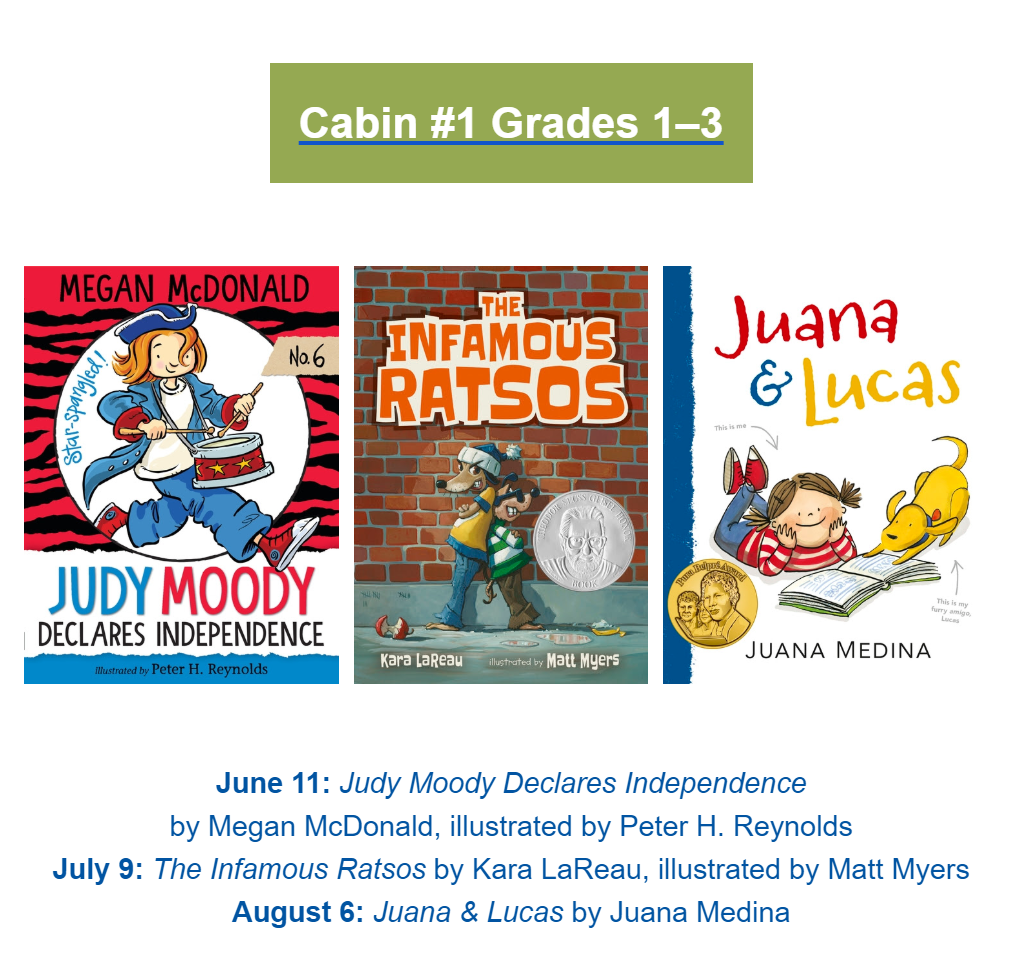
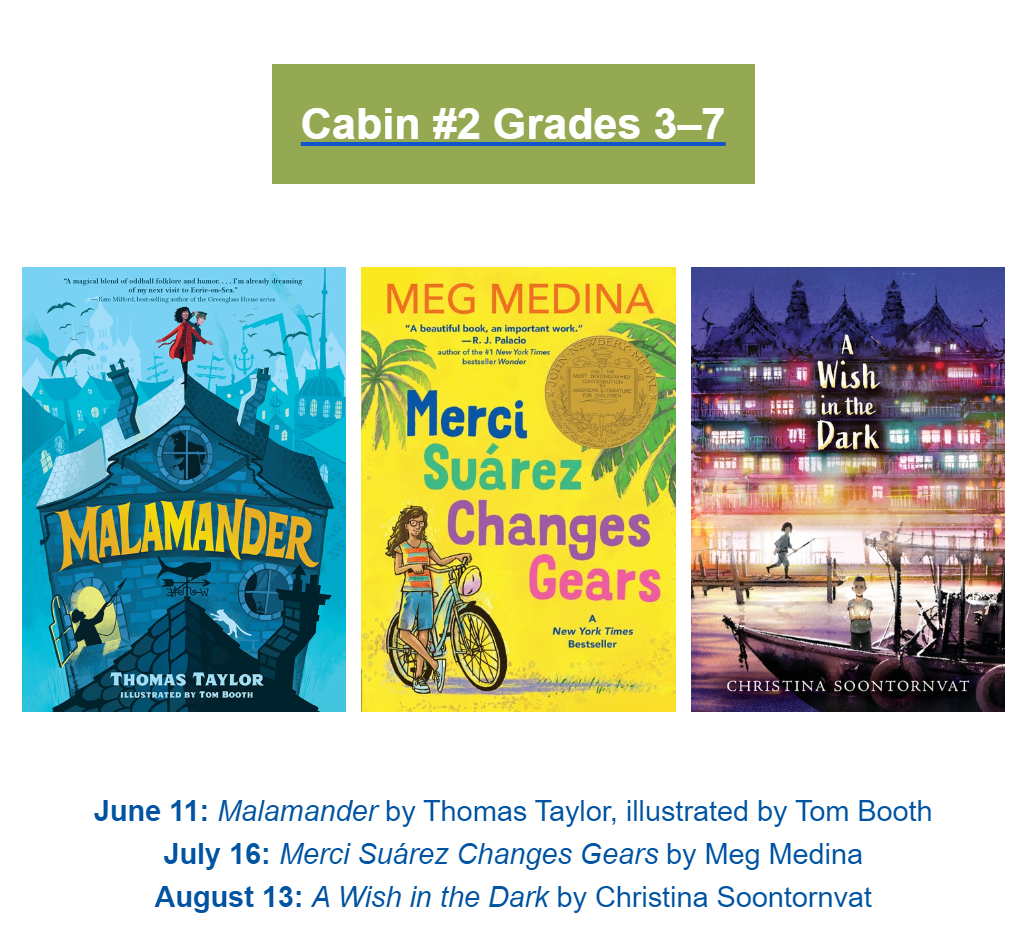
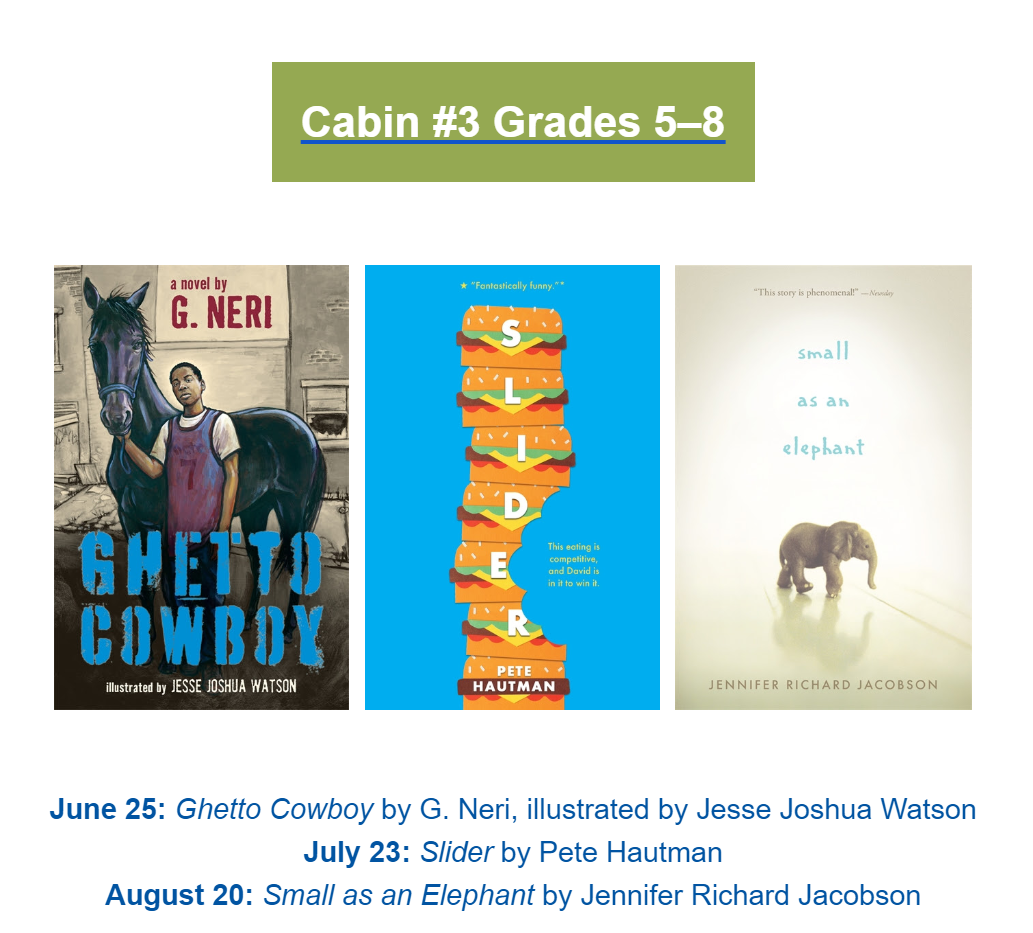
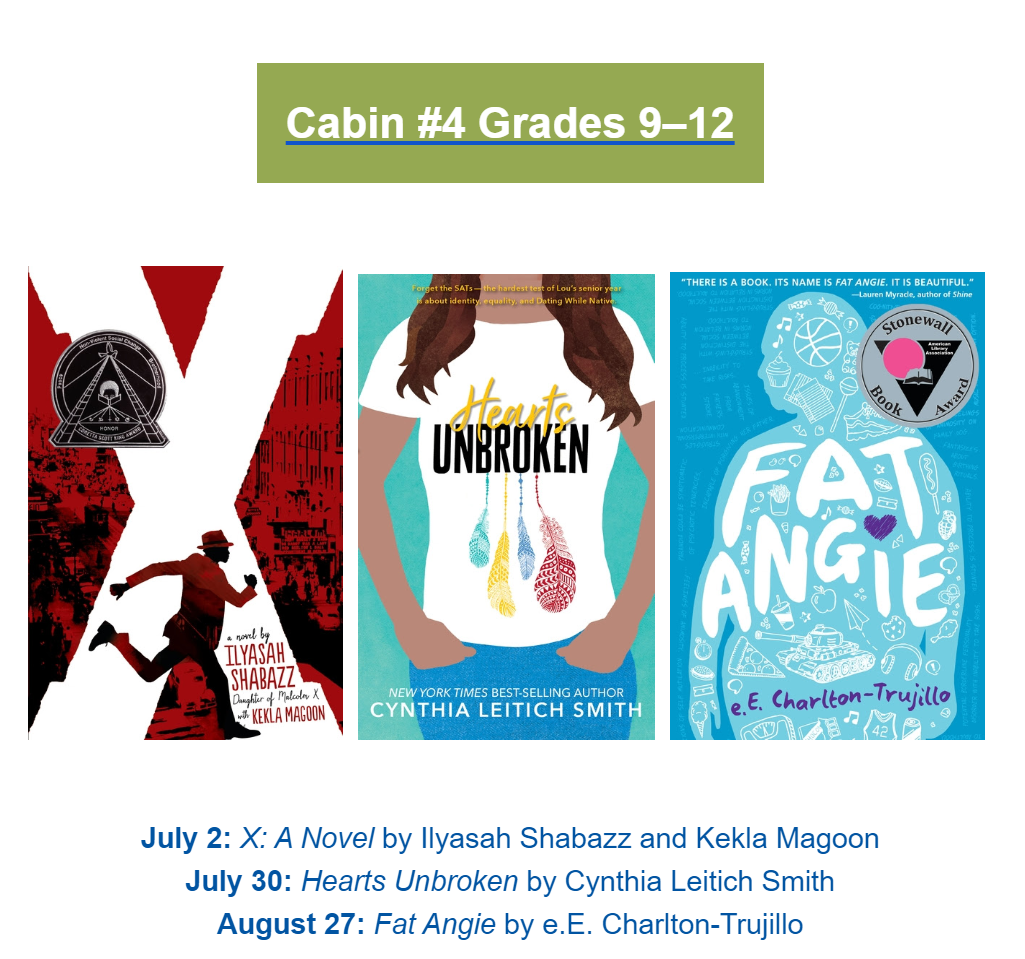
Here are the four cabins! Each are hyperlinked to take you to the cabin’s Pinterest board:

From the press release: The idea for the summer camp grew out of the success of the publisher’s Stay Home with Candlewick Press initiative, which has provided resources and support to families during the transition to remote learning. “We realized that families might feel even more in need of diversion over the summer, when the school year has ended and many camps will be closed,” said Kathleen Rourke, executive director of educational library sales and marketing at Candlewick.

“Preventing the loss of skills is more critical than ever this year,” Rourke said. “We hope that these 12 weeks of activities will provide connection and enrichment when young readers need it most.”

We look forward to our sons taking part in Camp Candlewick as well as sharing the opportunity with our students!

Lessons Learned from Teaching My Kindergartener Stop Animation (Ricki)

Share

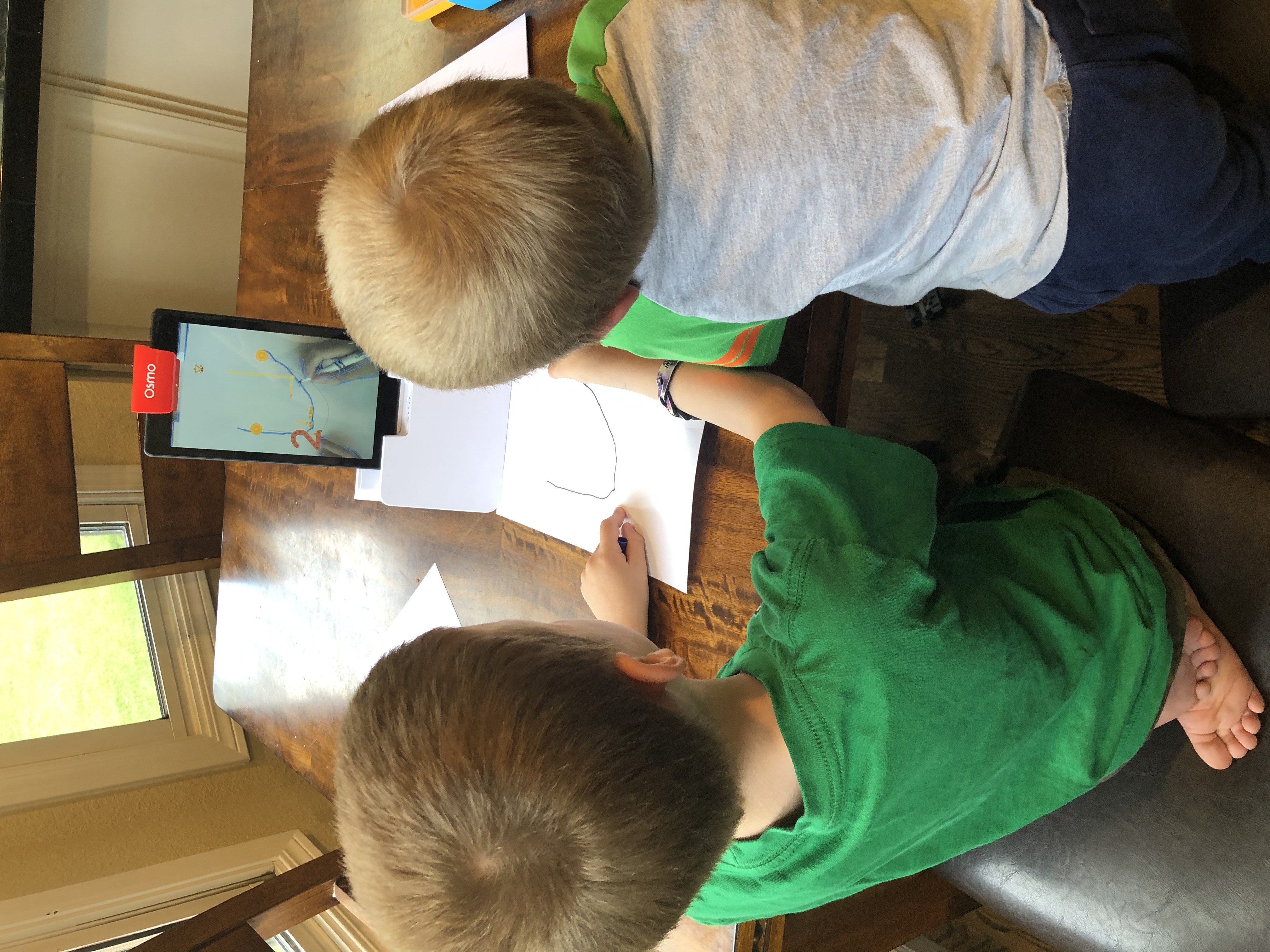
At 11pm, I had the idea to teach my 6-year-old stop animation. I watched countless YouTube videos and tried to tailor them to his skill level. The next day went fairly well, but I learned some things along the way that I thought I’d share with other caregivers or educators embarking on this adventure.

  1. Create a Model, Show Examples/How-To Videos.

It is exceptionally hard to explain stop animation to a kindergartener. Thus, I showed many, many examples and then showed him my own example. I recommend pre-watching your examples because I found many inappropriate models that I was glad I ruled out in advance. I also found how-to videos that were way too intense for my kid. They would overwhelm him.

The first video I showed him was a LEGO animation (which I learned is called a brickfilm). The video I post below is very easy to follow and shows how it works:

Next, I showed a claymation, which is the clay form of stop animation. I watched many and found this one to be pretty clear:

And finally, I created my own (quick) model using clay. I left the clay model out, so I could explain how I did it. This was the quick model I made:

2. Use the “Stop Motion” App.

I learned (after watching many tutorials) that this app was not only very user-friendly but also very capable of advanced work (which we were not doing. The key to using the app is to avoid having to push the photo button. Every time you take a picture and touch the tablet/phone, it jiggles the camera a tiny bit. For the model above, I stacked five textbooks and hung the camera part of the tablet over the edge of the top book. This allowed me to set the automatic timer on the app and avoid touching the screen. I did everything flat on my table, as you will notice in the model.

Essentially, you set a timer for a certain length of time (I did five seconds for my model, but I set it to 15 seconds for my son.) In that time, you move your design slightly. If you miss the timer and don’t make the move, it is extremely easy to delete any of the frames in between.

My son chose to do a brick film with his legos, so I set up the tablet to lean against a chair leg. I had to remind him not to touch the chair, and I set the automatic timer. After that, he pretty much worked independently for an hour on his film.

3. Other Lessons Learned

There’s something that Stop Animators call “light flicker.” If you are close to a window, the changes in the sun (e.g. it goes behind a cloud) will make the light of your video flicker in each shot. Pros (my son and I not included), recommend doing your stop animation in a room with no sunlight or windows. You use two headlamps—one to put in front of your creation and one to put behind it for shadows. To remove the shine on the lego pieces, I learned that pros cover the front headlamp with parchment paper. This was way above our skill level. The pros also use professional cameras and not tablets/phones.

Stop animation takes time, but it takes far less time with this app. It is instantly rewarding to kids (at least, relatively to taking a lot of solo framed photos). It occupied my son for a good hour, and he got to play with his lego, so it was a fun time for him.

Don’t forget to add music. I got a bit lazy with mine, and I clicked the audio record option (which allows people to record their voices), and I just played a song through my cell phone to get it in the background. You can upload a song if you want better quality than mine.

Those are the basics. Kindergarteners are very capable of beginning stop animation films. My son’s ended up being a tray of his favorite minifigures. They appeared one-by-one, and then they disappeared one-by-one. It was a great first start for him!

Blog Tour with Q&A and Readers’ Guide!: One Last Shot by John David Anderson

Share

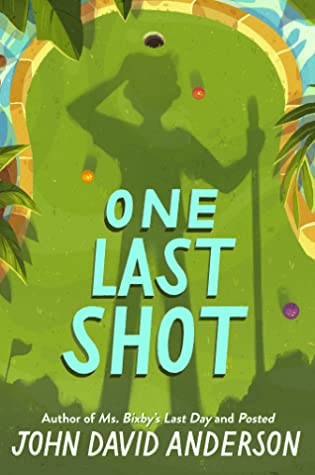
One Last Shot
Author: John David Anderson
Published May 5th, 2020 by Walden Pond Press

Summary: For as long as he can remember, Malcolm has never felt like he was good enough. Not for his parents, who have always seemed at odds with each other, with Malcolm caught in between. And especially not for his dad, whose competitive drive and love for sports Malcolm has never shared.

That is, until Malcolm discovers miniature golf, the one sport he actually enjoys. Maybe it’s the way in which every hole is a puzzle to be solved. Or the whimsy of the windmills and waterfalls that decorate the course. Or maybe it’s the slushies at the snack bar. But whatever the reason, something about mini golf just clicks for Malcolm. And best of all, it’s a sport his dad can’t possibly obsess over.

Or so Malcolm thinks.

Soon he is signed up for lessons and entered in tournaments. And yet, even as he becomes a better golfer and finds unexpected friends at the local course, be wonders if he might not always be a disappointment. But as the final match of the year draws closer, the tension between Malcolm’s parents reaches a breaking point, and it’s up to him to put the puzzle of his family back together again.

About the Author: John David Anderson is the author of some of the most beloved and highly acclaimed books for kids in recent memory, including the New York Times Notable Book Ms. Bixby’s Last Day, Granted, Sidekicked, and The Dungeoneers. A dedicated root beer connoisseur and chocolate fiend, he lives with his wonderful wife and two frawsome kids in Indianapolis, Indiana. He’s never eaten seven scoops of ice cream in a single sitting, but he thinks it sounds like a terrific idea. You can visit him online at www.johndavidanderson.org.

Q&A: Thank you so much to John David Anderson for answering these questions for us!

What was your inspiration for writing this novel?

One Last Shot is somewhat autobiographical in nature. As an adolescent once myself (so many eons ago) I can empathize with Malcolm’s (the protagonist’s) conflicts and concerns: the desire (or is it burden?) to please others, the need to find something you’re good at, anxiety over a potential parent split, the ache for a friend that just gets you—these are all feelings I struggled with as well. So think the emotional core of the book is definitely informed by my childhood.

At the same time, I literally just sat down one day and said, “I’m going to write a sports novel. Hold up…I don’t play sports! But I do play miniature golf. Wouldn’t it be cool if somebody—i.e. me–wrote a book about miniature golf and made it exactly eighteen chapters?” I think a lot of my stories start this way, as artistic challenges or experiments, though the real challenge is turning these exercises into full-fledged narratives.

Why mini golf?

Um…because it’s awesome! Honestly I picked mini-golf because it worked well as a metaphor for the coming-of-age story I was telling. On the one hand it’s so whimsical and random—windmills, barns, pirate ships—but at the same time its so methodical and predictable. It’s basic geometry. For Malcolm that’s appealing because it’s something he can control; it’s a problem with an easily discernable solution—the cup is right there. It’s also individualistic. Nobody is counting on him to catch the fly ball or safely get on base. His successes and failures are entirely his own—though that comes with its own pressures, of course.

Could you tell us some about your writing process?

Anyone who knows me already knows that chocolate is involved. Beyond that, though, it’s 6-8 weeks of pure writing fury followed by 6-8 months of torturous revision. My initial drafts are explorations—my editor says they are me laying out miles and miles of track hoping that it leads somewhere (it doesn’t always)— but the most important thing for me is to maintain momentum so I can push through the difficult middles to get to the rewarding ends. I just have to trust myself that the exhaustive revision process will bang all the pieces firmly into place, fashioning my mess of a first draft into something presentable.

I also have come to realize that the process never really stops. Even if I’m not in front of the laptop, I’m still writing. When I’m working on a novel my brain never fully steps out of that world. So much of the process happens in the ongoing dialogue I have with the characters inside my head (much like the voices Malcolm hears in his).

Of course this particular book afforded me the chance to do some fun hands-on research: I’ve visited my fair share of mini-golf courses in the last couple of years.

What is one thing you hope readers take away from ONE LAST SHOT?

The world is unpredictable. It throws obstacles at you right and left. You don’t get to make the course, you just have to play it.

But you also have more than one shot. Not everything is going to be a hole-in-one. You are going to doink off the rock or stick yourself in the corner or even hit it way too hard, somehow jump the wall and end up in the parking lot. But that’s okay. I want my readers to know its okay. You learn from your mistakes, and you take a better shot next time.

Readers’ Guide:

Blog Tour:

May 4   Nerdy Book Club
May 7   Teachers Who Read
May 8    A Library Mama
Kirsti Call
May 10 Bluestocking Thinking
May 12 Unleashing Readers
Maria’s Mélange
May 14 The Book Monsters

Giveaway!:

a Rafflecopter giveaway

Signature

**Thank you to Walden Pond Press for providing the Q&A and a copy for giveaway!**

Virtual Book Clubs with our Kids During Quarantine

Share

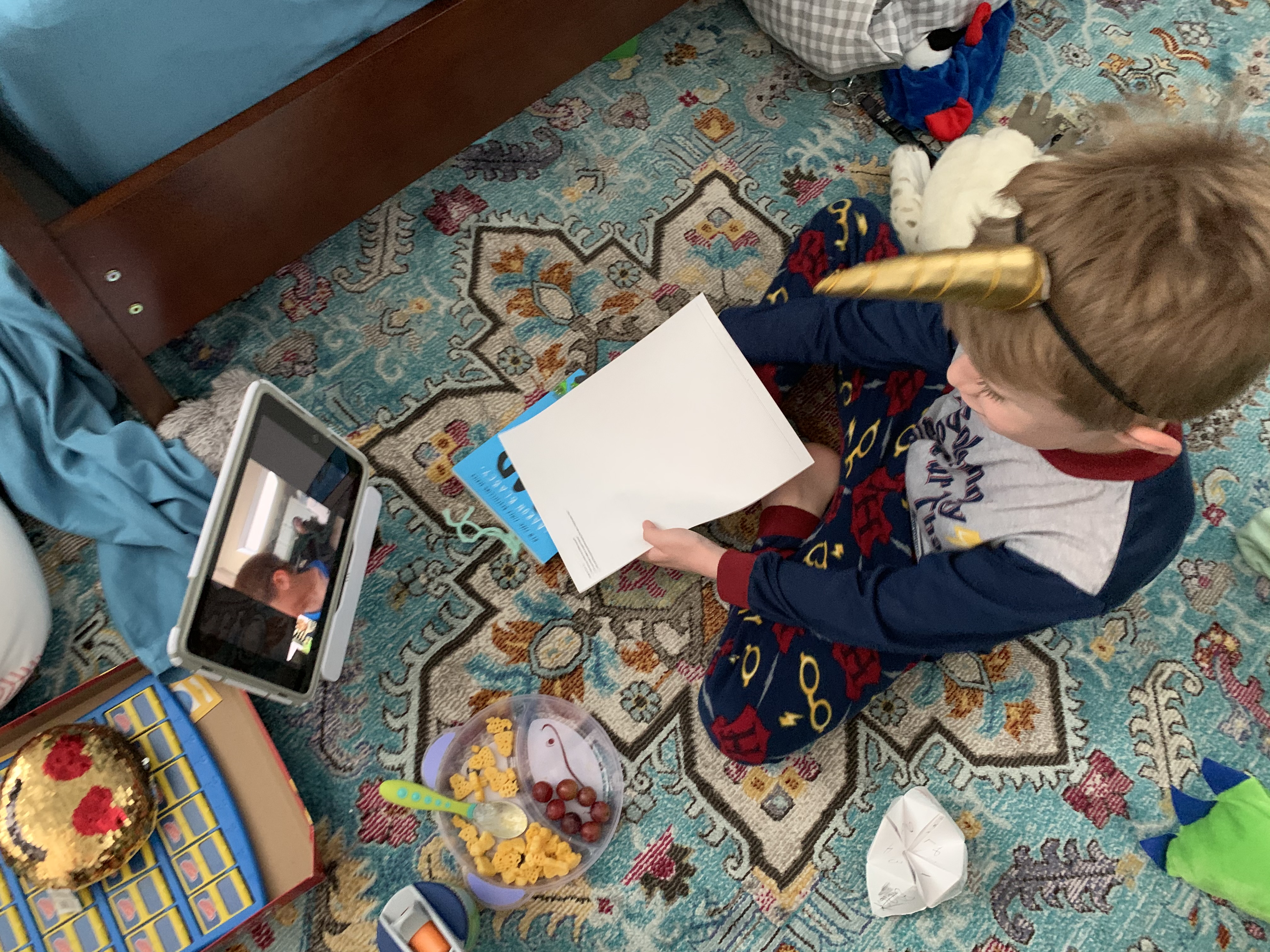
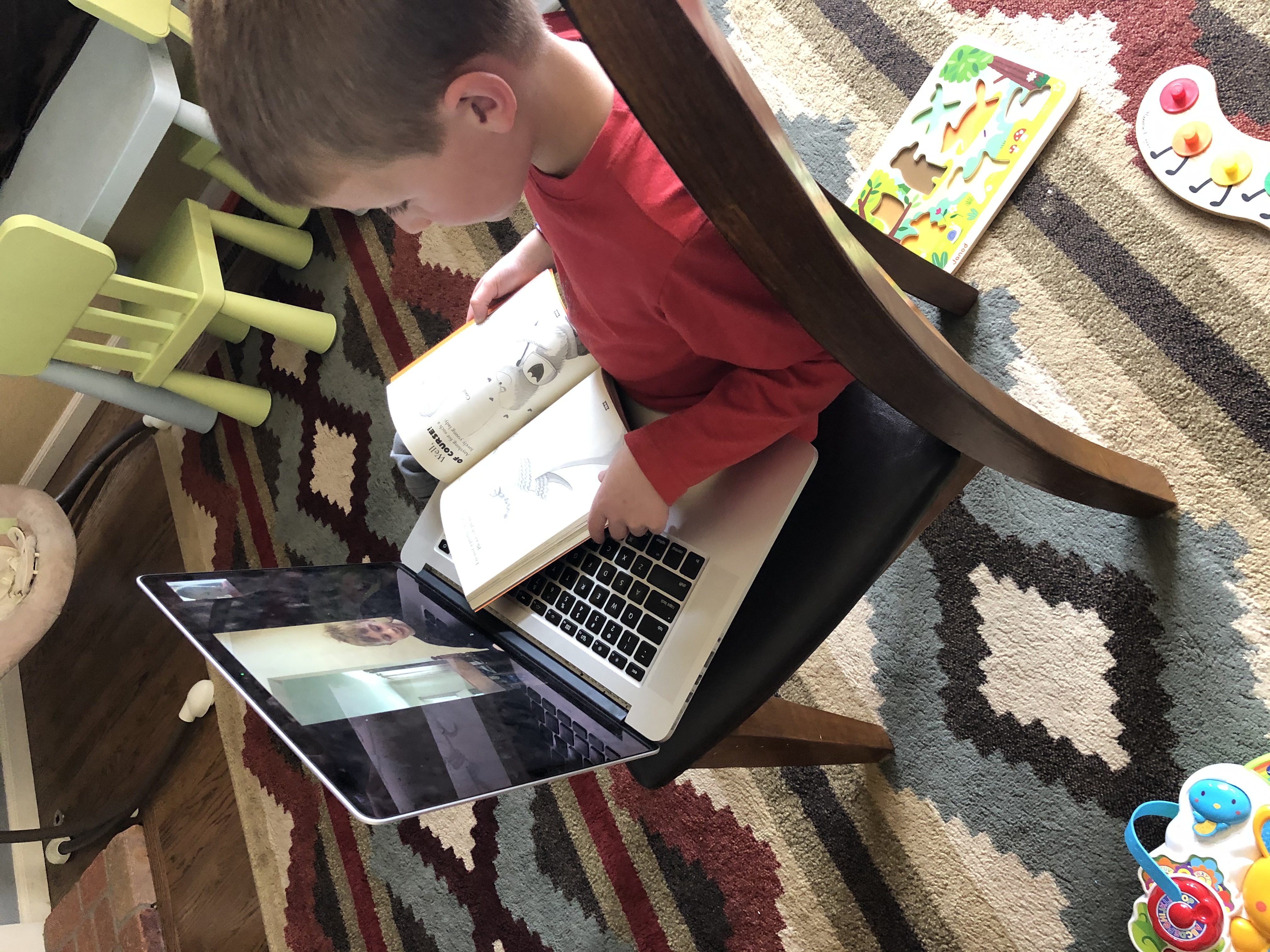
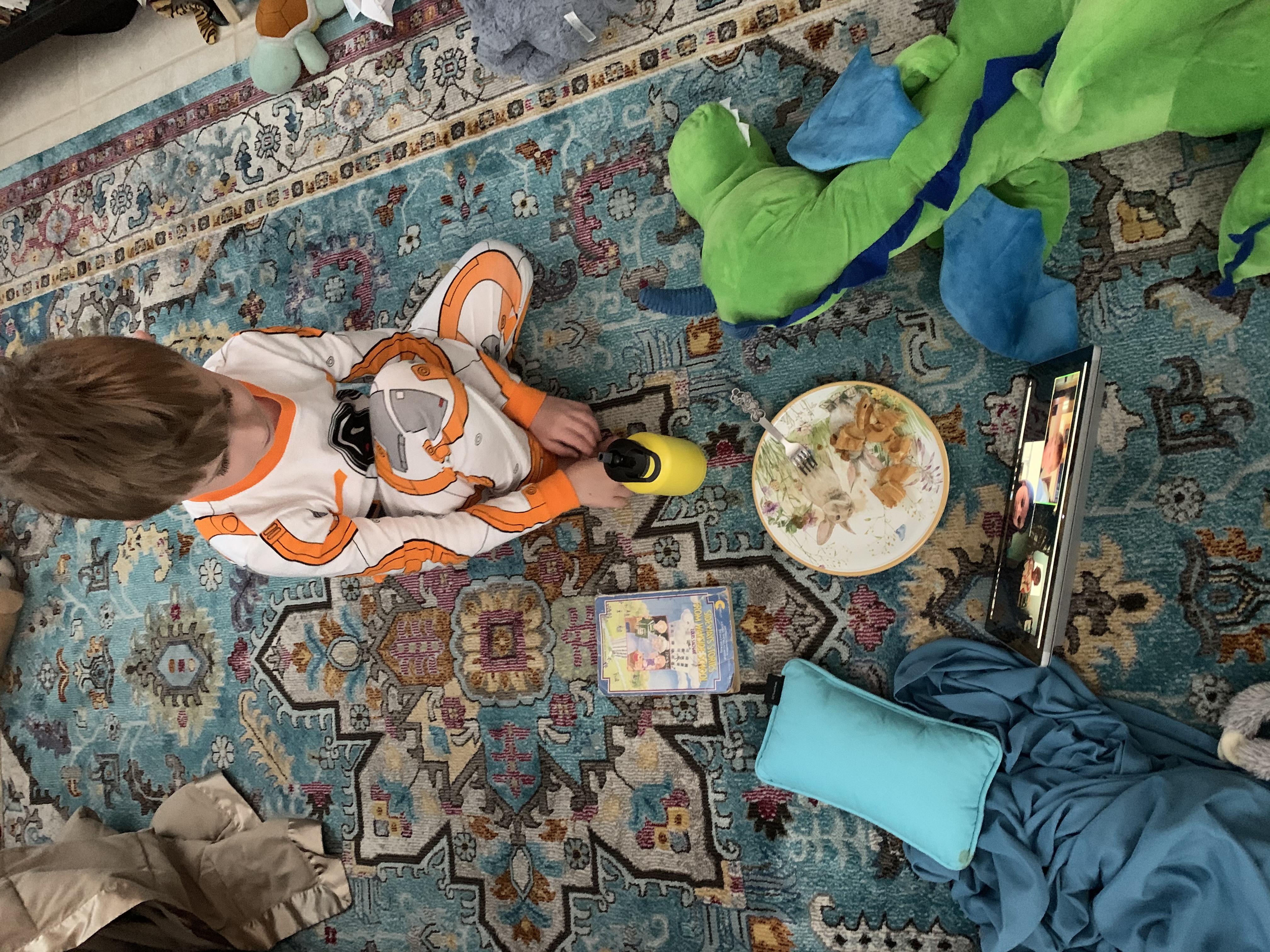
When quarantining became a reality for many of us in March, we were both looking for activities that would help keep our kids busy but also interacting with other kids. Ricki then came up with the idea of doing virtual book clubs, and Kellee was all in!

Trent & Henry’s Two Book Clubs

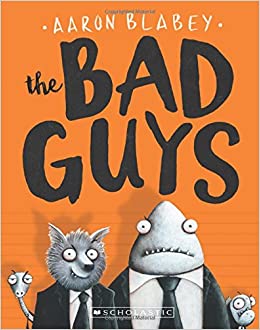
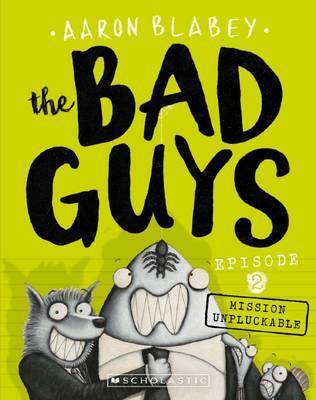
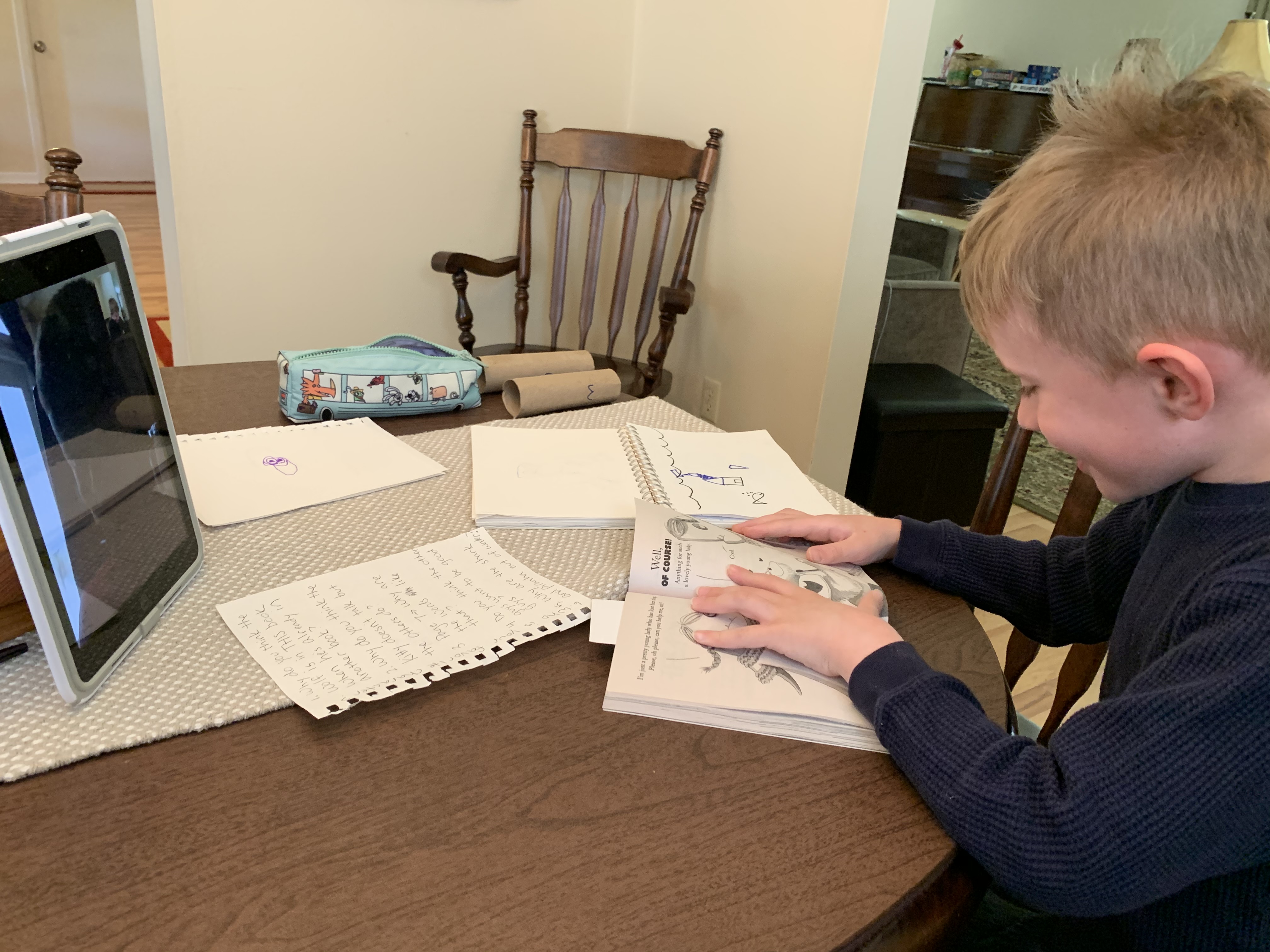
  • Trent and Henry, Ricki’s oldest, both were really interested in reading the Bad Guys books, so we started a chat with just the two of them. This is the first virtual book club that both kids had been in and was a great way to help them understand how to discuss books with a peer. So far they have read four of the Bad Guy books and have had a blast discussing everything from illustrations, to motive, and predictions.
  • As of this week, we are going to pause on the Bad Guys books and are moving ahead with some partner reading with some of the boys’ favorite picture books!

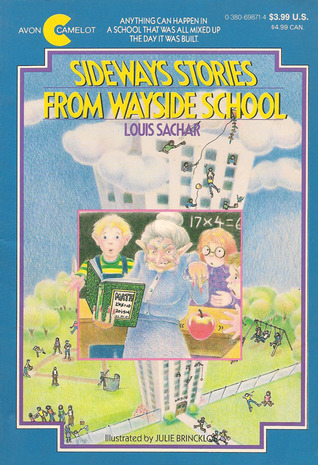
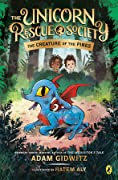
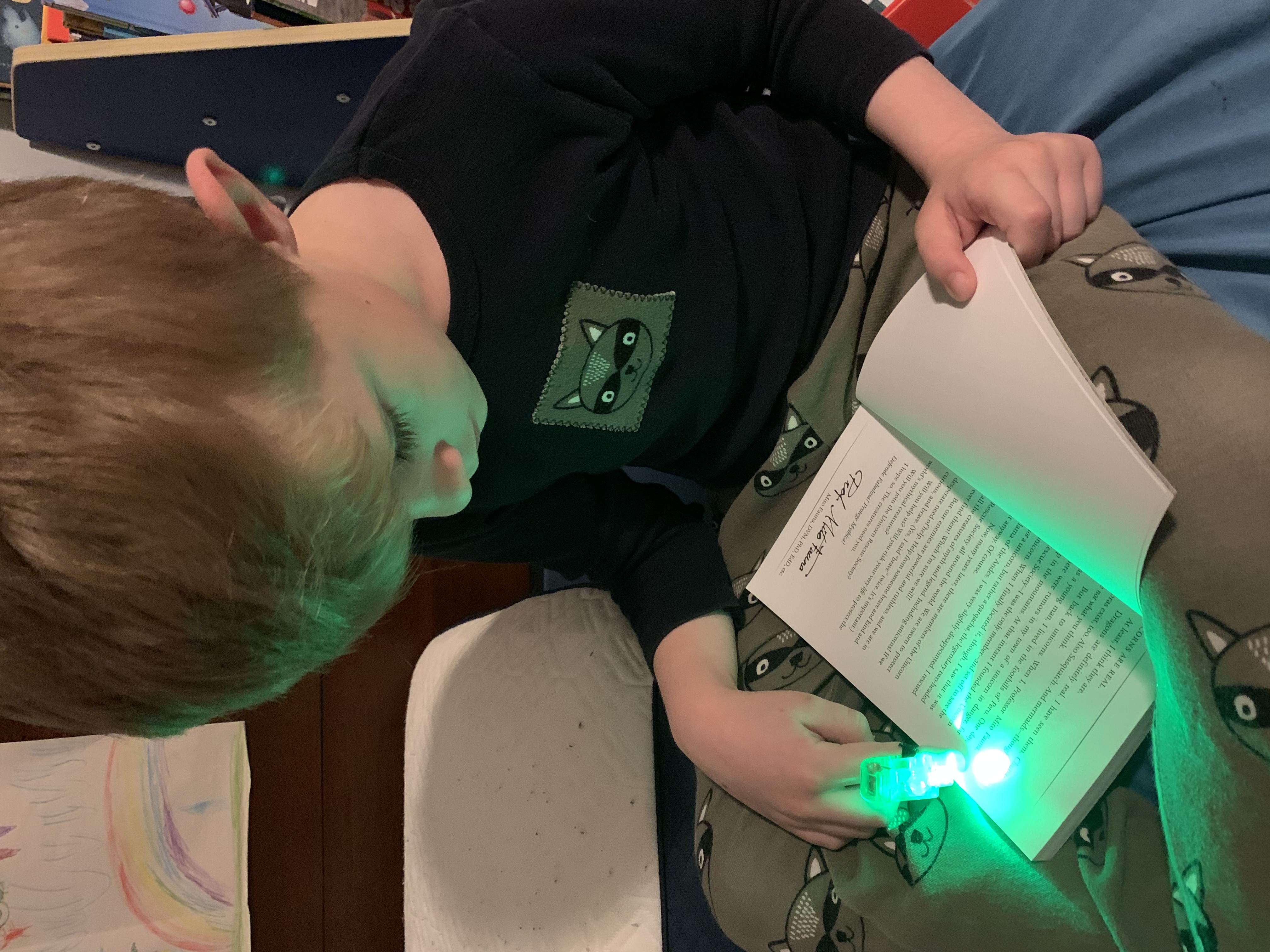
  • Ricki put out a call on Facebook for anyone interested in doing a Kindergarten-ish book club, and many jumped in! The kids range from age 4 to 9, and we find the mixed age group is really working! The club voted on the first book to read, and we started with Sideways Story from Wayside School by Louis Sachar and then we moved to Unicorn Rescue Society: The Creature of the Pines by Adam Gidwitz.


Trent’s Other Book Club


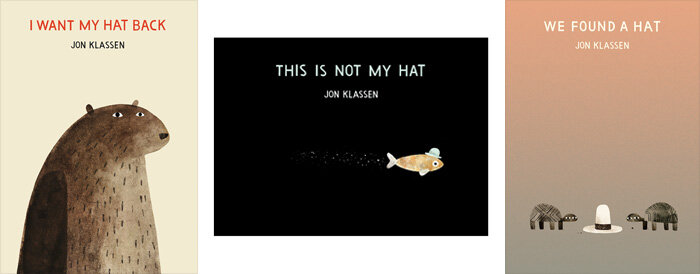
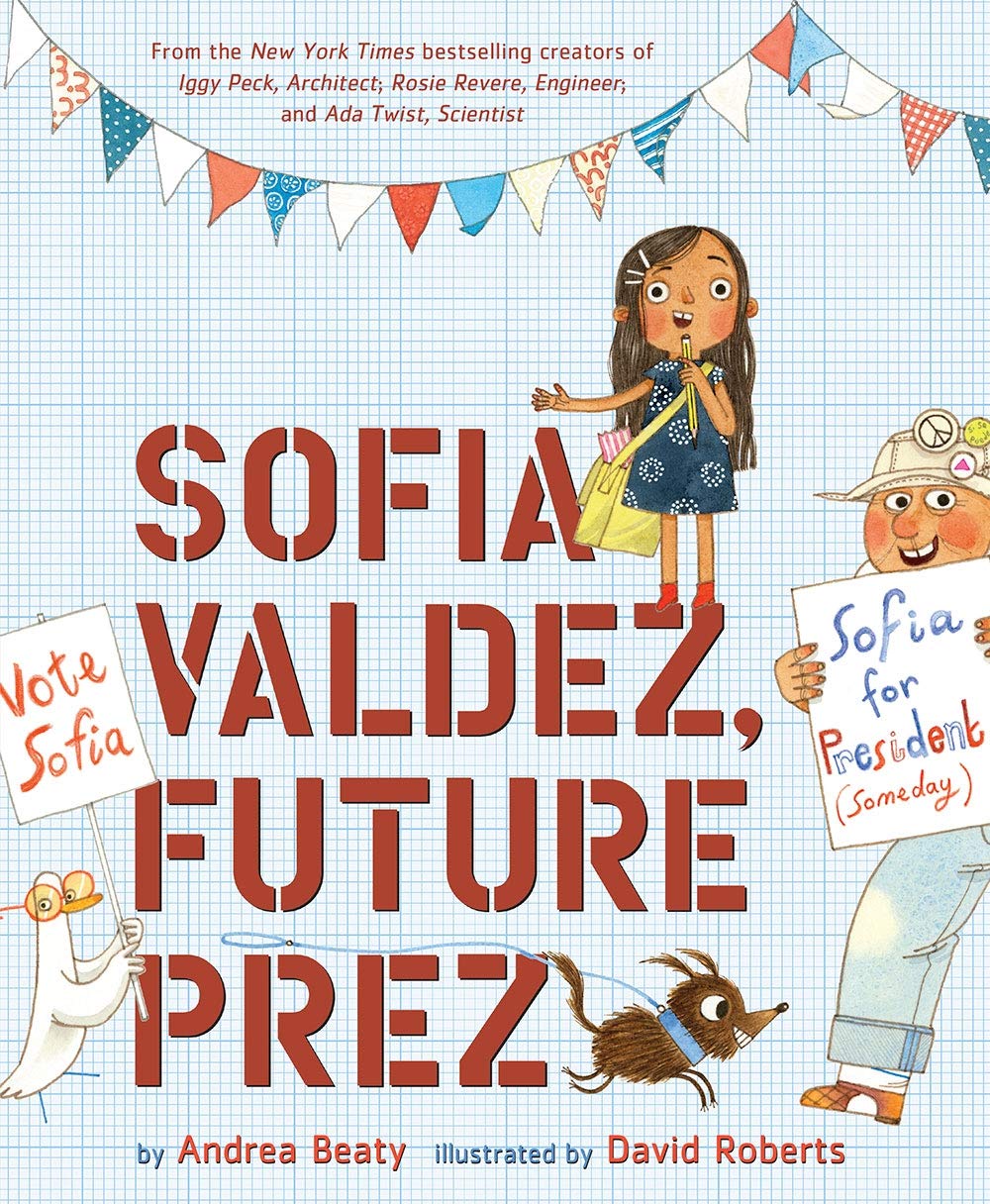
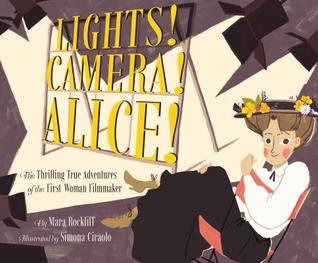
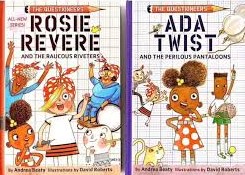
  • Trent also is part of a book club with one of Kellee’s colleague’s daughters. With this book club, Trent and Gabby started with picture books (The Hat Trilogy by Jon Klassen, The Questioneers by Andrea Beaty & David Roberts, and Lights! Camera! Alice! by Mara Rockliff). Next up are the Questioneers chapter books.

Ben’s Book Club

  • Ricki’s three-year-old Ben is also in a book club using Juana Medina’s Juana & Lucas. Admittedly, this book club has been trickier because the kids are ages 3 to 4. They have had great questions like, “Do you like to chew gum, too?” and are connecting with the book, but their attention span usually lasts between 5 to 10 minutes. They are also incredibly shy and have difficulty volunteering questions. Either way, it is still great to see the kids connect with each other.

The Clubs

For the larger club, Ricki sets up a Zoom meeting and leads the meeting. She ensures everyone gets to ask their questions and that everyone’s voice is heard.

The questions that kids come up with, even at age 6, are intuitive and deep!

  • Examples:
    • Bad Guys #1: Why do you think the kitty doesn’t talk but the other animals do?
    • Bad Guys #1: Why do you think those words on page 7 look like that?
    • Bad Guys #2: Do you think they would have made it without Legs helpiing them?
    • Bad Guys #3: Why did they think the ninja was a boy (she is a girl!)?
    • Wayside: Do you think it’s fair that Todd always gets in trouble?
    • Wayside: Joy’s name sounds like she should be good, but she keeps calling people dumb and stupid which isn’t good. Do you like her?
    • Unicorn: Why do you think Professor Fauna is hunting the unicorns?
    • Unicorn: Do you think the animal got tangled in the ribbon because it was a trap, or do you think it was something else?
    • Unicorn: Do you think Professor knows about the animal Elliot and Uchenna found? Do you think they will see it again?

With Trent’s book club with Kellee’s colleague, she used the teaching guides to drive the conversation (Hat Trilogy, Questioneers, Lights! Camera! Alice!), and she found that teaching guides are perfect for this as well. And their insight was wonderful!

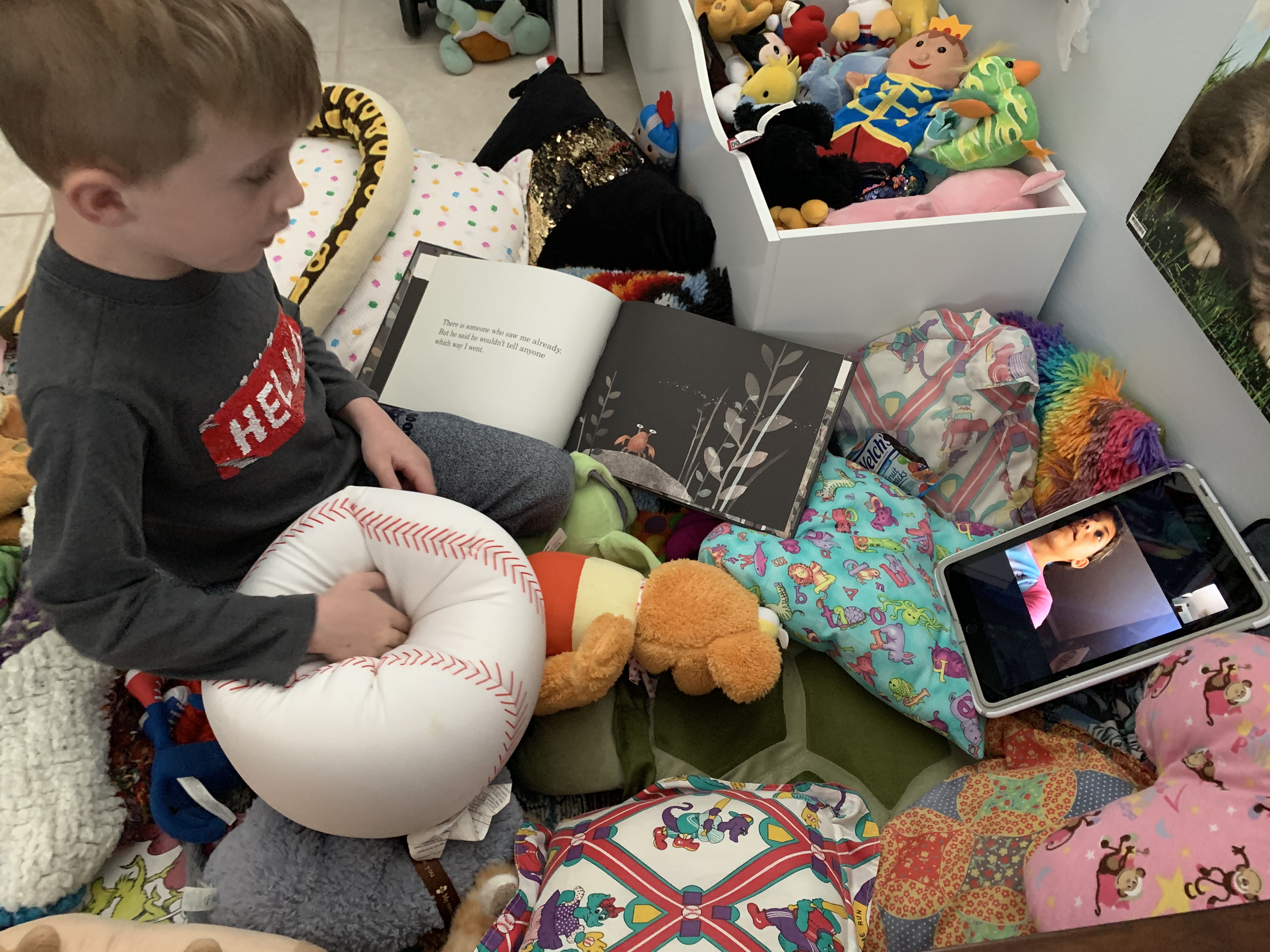
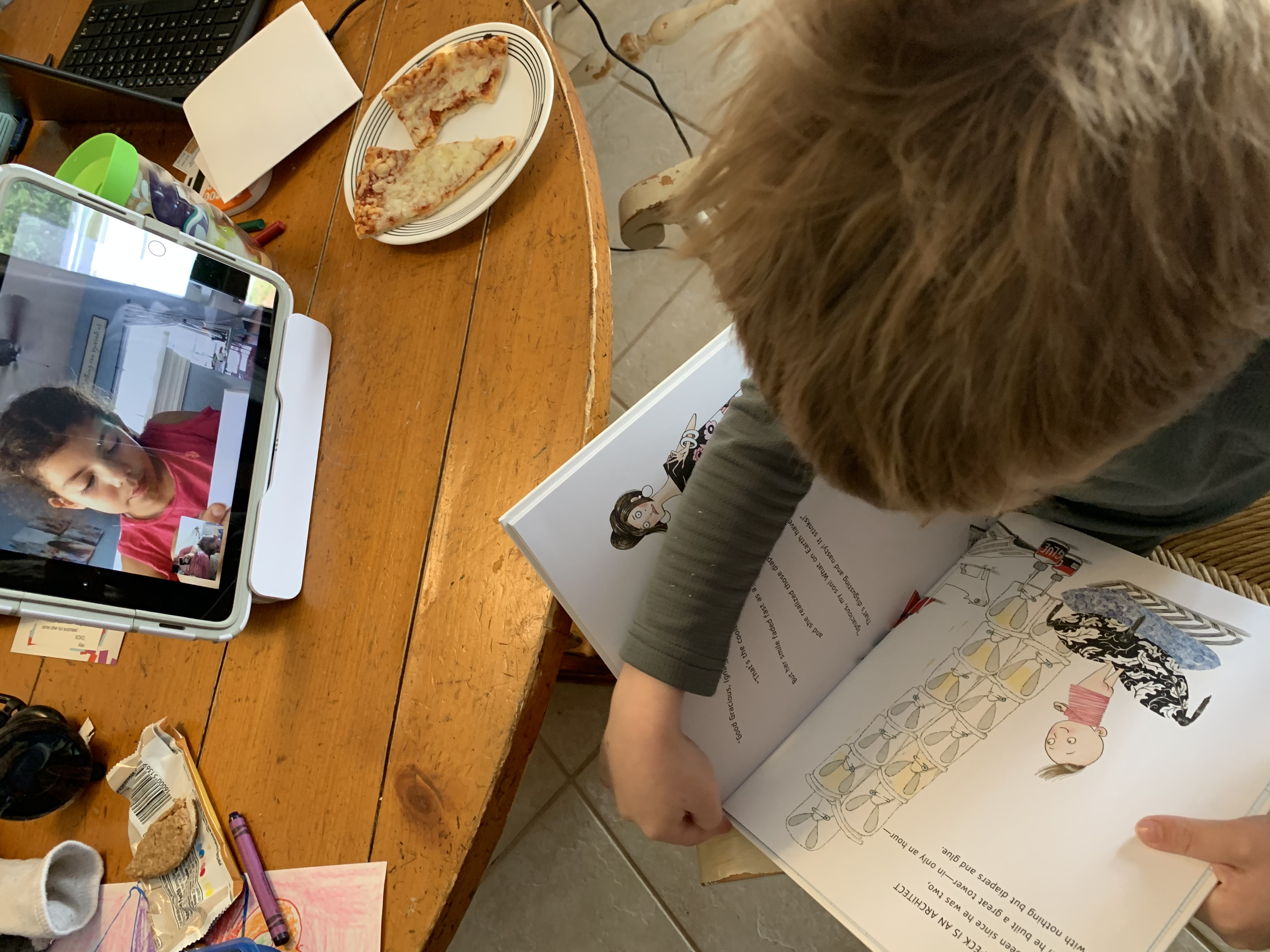
With the smaller clubs, we use FaceTime. We’re still there while they are chatting, but it is easier for the two to chat back and forth.

Usually the club meeting lasts 20-30 minutes which is about how long they can stay on topic and discuss a book, but we think that is pretty great for kindergarten-ish kids.

We always end with “friend questions.” Kids are invited to ask their (new) friends questions about their lives. They tend to ask each other about their favorites (foods, colors, movies, books, sports teams, universities).

The book clubs have been such a highlight for our kids. They look forward to it each week! They love sharing the reading experience with others, specifically now when interaction with other kids is so limited.

An unexpected highlight: they’ve made some good friends. Henry and Trent have never chatted for more than a minute or two and last saw each other when they were babies, so it has been wonderful to see them bond these last few weeks!

We highly recommend virtual book clubs! Let us know if your kids have taken part in any virtual clubs!

Signatureand

Everywhere Book Fest

Share


The Everywhere Book Fest, a virtual children’s lit festival available on May 1 and May 2,  is proud to announce an all-star group of speakers and panelists. Award-winning graphic novelist Gene Yuen Lang joins bestselling author Nic Stone to keynote for the inaugural festival. Other acclaimed speakers include Jacqueline Woodson, Jason Reynolds, Meg Medina, Marie Lu, Cynthia Leitich Smith, Daniel José Older, Raúl the Third, Erin Entrada Kelly, Libba Bray, Linda Sue Park, Gail Carson Levine, Grace Lin, and more.

Streaming technology will make it possible for fans of children’s and young adult literature world-wide to ask questions at a number of live panels, just as they would at a traditional book festival. Live panels include a graphic novel drawing panel and an illustrators’ “doodle duel.” Other panels and speakers will be pre-recorded and available asynchronously. “With over 215 panel submissions, we were overwhelmed by the quality of the proposals,” says Christina Soontornvat, Everywhere Book Fest co-founder. “It made choosing the final line up incredibly difficult, but our panel selection team, led by author Kat Cho, did an incredible job. Our final program is full of panels that are fun, dynamic, important, and engaging.”  

The festival will be free and viewable from the Everywhere Book Fest website and YouTube channel. Follow Everywhere Book Fest on Twitter, Instagram, and Facebook to stay updated on announcements of exciting new panels, speakers, and more. Festival organizers encourage everyone to share using the hashtag #EverywhereBookFest. If you’d like to be an event sponsor or FMI please contact Ellen Oh at EverywhereBookFest@gmail.com.

The Everywhere Book Fest has received robust support from the kidlit publishing community. Monies raised from sponsorship will make the event free to participants; support livestream technology; provide viewers with access to dynamic panels with all-star, diverse speakers; fund ASL interpreters for live panels; and give books to readers in need through the nonprofit organization We Need Diverse Books. 

Publishers who have pledged their support include: Abrams, Candlewick, Chronicle, HarperCollins, Levine Querido, Little Brown, Penguin Random House, and Simon & Schuster. The Society of Children’s Book Writers and Illustrators (SCBWI) and GooglePlay are also funding the effort.

Arthur Levine, Founder, President and Editor-in-Chief of Levine Querido, said, “One of the cornerstones of our publishing philosophy at LQ is that great stories, great art comes from everywhere. It isn’t located in one community, one part of the country, one part of the world. We are so grateful … for the opportunity to let our authors inspire readers, writers, artists, librarians, booksellers, teachers, and kids, wherever they might be right now.”

“[Everywhere Book Fest] is giving children an opportunity to stay personally engaged in reading the books they love,” said SCBWI Executive Director Lin Oliver. “Especially in this time of isolation and fear, the children’s book community once again rises to the occasion, reaching out to our audience to show our most human face.”

About Everywhere Book Fest: Founded by authors Melanie Conklin, Ellen Oh, and Christina Soontornvat, the aim of Everywhere Book Fest is to bring the celebration and joy of the book festival experience directly into the homes of readers everywhere. Everywhere Book Fest will direct online sales to independent bookstores, particularly those hard hit by the event cancellations. The festival has partnered with We Need Diverse Books to distribute books to schools, libraries and community-based literacy programs in need around the country. 

Here is a list of all of the authors who will be presenting virtually at the festival: Abigail Hing Wen, Adam Rex, Aida Salazar, Aiden Thomas, Amerie, Amy Alznauer, Andrew Eliopulos, Anna-Marie McLemore, Anne Bustard, Anne Nesbet, Annette Bay Pimentel, Ashima Shiraishi, Bethany C. Morrow, Brandy Colbert, Carole Lindstrom, Chloe Bristol, Christina Soontornvat, Chirstine Lynn Herman, Claribel A. Ortega, Cynthia Leitich Smith, Daniel José Older, Daniel Miyares, Daniel Nayeri, Danielle Page, Debbi Michiko Florence, Donna Barba Higuera, Ellen Oh, Erin Entrada Kelly, Erin Yun, Ernesto Cisneros, Gabby Rivera, Gail Carson Levine, Gene Luen Yang, Gina Klawitter, Grace Lin, I.W. Gregorio, Isabel Sterlin, Ismée Williams, J. Anderson Coats, Jacqueline Woodson, Janella Angeles, Jason Reynolds, Jennifer Baker, Jennifer Keelan-Chaffins, Jennifer Li Shotz, Jessica Kim, Jewell Parker Rhodes, Juana Martinez-Neal, Kamen Edwards, Karen Strong, Karin Yan Glaser, Karyn Parsons, Kat Cho, Katy Rose Pool, Kayla Miller, Kelly Yang, Kim Hyun Sook, Kwame Mbalia, Liara Tamani, Libba Bray, Linda Sue Park, Lisa Brown, Mae Respicio, Mahogany L. Browne, Marcie Colleen, Marie Lu, Max Brallier, Mayra Cuevas, Meg Medina, Melanie Conklin, Michaela Goada, Mike Jung, Molly Idle, Natalia Sylvester, Nathan Hale, Ngozi Ukazu, Nic Stone, Raúl the Third, Ray Jayawardhana, Remy Lai, Renée Watson, Robin Ha, Roseanne A. Brown, Samira Ahmed, Sarah Allen, Sarah Mlynowski, Sayantani DasGupta, Shannon Wright, Somaiya Daud, Stuart Gibbs, Susan Muaddi Darraj, Swati Teerdhala, Teri Kanefield, Tom Lichtenheld, Tonya Bolden, Vashti Harrison, and Yamile Saied Méndez.

Hope to “see” you there!


Teaching Tuesday: Online Tools Recommended for Digital Teaching

Share

Most school districts have moved completely to digital learning for the remainder of the 2019-2020 school year, so I wanted to share some of mine, and my colleagues’, favorite online tools since we’ve been 1:1 for quite a few years now. 


https://www.gimkit.com/

Gimkit is a gamification system created by a high school student. He loved the games in class but his teachers didn’t use them very often, so he interviewed his teachers to find out what would help them want to use a gaming system in their classrooms, and VOILA! He created Gimkit based on their suggestions. I love Gimkit and so do my students. 


https://www.canva.com/
https://www.canva.com/create/storyboards/

I use Canva in my personal life and in my classroom. Canva allows you to create posters, flyers, infographics, etc. In my classroom, I’ve had students create book recommendation flyers and infographics. A new feature that Canva has that I cannot wait to try out is Story Boards! This tool would allow for a sequenced creation for so many different classes. 


https://edpuzzle.com/
YouTube: What is Edpuzzle?

EDPuzzle allows educators to make interactive videos. The videos can be filmed or an external video can be used. Then throughout the video, you can add check ins, quizzes, etc. for students to complete. Also, you receive a report of who has and has not completed the video and data of how they did on the check ins. 


https://www.screencastify.com/
YouTube: Screencastify Overview

Screencastify allows you to record your screen with audio or video of yourself. 


https://quizizz.com/

Quizizz allows educators to create a quiz or pick from an already created quiz for many different subjects. The quizzes are student-paced yet still a gamification system. 


https://nearpod.com/
YouTube: What is Nearpod?

Nearpod takes a PowerPoint and moves it to the next level! Create or upload a presentation and add many different options such as videos, quizzes, images, drawing boards, web content, activities, etc. 


https://quizlet.com/

Quizlet is a study tool that allows educators and students create study guides and flashcards. With each set, there are study games like matching, tests, and educators can even assign a game called Quizlet Live. 


https://info.flipgrid.com/
YouTube: Getting Started with Flipgrid

Flipgrid is a website where videos are the discussions and assignments. Teachers create grids to allow for video discussions. The grids have topics and students create videos to reply to the topic.


https://www.peardeck.com/googleslides
YouTube: How Pear Deck Works

Pear Deck makes any Google Slide or PowerPoint presentation interactive and allows students to see the presentation on their own device. AND it pairs directly with Google Drive. 


https://www.sutori.com/
YouTube: Sutori in Under a Minute

Sutori has so many uses! Students can create timelines or stories collaboratively or individually, teachers can created to share as a lesson, or teachers can create assignment templates for students to complete. This is the tool that my students used to create their interactive timeline about the fight for equal rights in America. 


https://padlet.com/
YouTube: Introduction to Padlet

Padlet is like an interactive bulletin board! It has multiple ways it can be set up and can include likes or responses if the moderator wants it to. Padlet is what my class used to discuss focus questions when they were reading the same book as another class in a different state

Any other digital tools you find super useful you want to share?
And good luck for the rest of the year! 

Signature