“Games to Battle Writer’s Block” by Madelyn Rosenberg, Author of How to Behave at a Dog Show and Nanny X Returns

Share

“Games to Battle Writer’s Block”

A few years ago, I visited a fifth grade classroom after a long week of state testing. The students were still grumbling, particularly about the writing test, which was new that year in Virginia. They’d spent weeks practicing various writing prompts. But some of them still got stuck.

“Writer’s block,” one of them told me. I’d seen the same expression on my daughter’s face after a recent soccer loss. I hated to think the kids felt like they were losing at writing, too.

But there was good news: If they had writer’s block, that meant they were thinking of themselves as writers. The bad news, of course, is that thinking like a writer didn’t help with the stuck part. I spent part of my time in the classroom talking about the games professional writers sometimes play when they’re stuck, too. It wouldn’t help with that year’s school testing. But maybe it would help loosen the students up when they received classroom writing prompts in the years ahead. I’m listing some of my writing games here, in the hopes they’ll be of help in other classrooms as well.
 
Game 1: Fortunately/Unfortunately
In this game, I start out with a simple prompt, usually based on the classroom teacher: “Mrs. Wohlford walked into the classroom carrying a giant box.”
Then I walk around the room, tapping heads like we’re playing Duck, Duck, Goose.
“Unfortunately,” I say, tapping Head No. 1.
The kid in the Minecraft shirt, picks up the story. “Unfortunately the box was full of snakes.”
I touch another head. “Fortunately.”
“Fortunately the snakes weren’t poisonous,” says a girl with a Katniss braid.
I touch the shoulder of the girl sitting next to her. “Unfortunately…” I begin.
“… one of them was,” she finishes.
By the time we make it around the classroom, poor Mrs. Wohlford has died and been resuscitated about six times. I make sure to end on a “fortunately.”
My son’s friend Patrick, who has played this game with us a few times, says it reminds him of the Direct TV commercials (https://www.youtube.com/watch?v=NZ80SVOHKoo). Except in the Direct TV commercials, they don’t live happily ever after.
 
Game 2: What if?
I ask myself this when I’m not satisfied with a plot point. And then I ask myself again. And again. And again. I ask until I have a situation that will move my story onward and upward.
In the classroom, I give the kids a scenario. “The fifth graders were sitting quietly at their desks, just before lunch. What if?”
Hands pop up like popcorn.
 “What if they heard a rumble and aliens landed on the roof?”
“What if an earthquake split the classroom in two?”
“What if  a dinosaur broke loose from the Smithsonian and grew flesh and stuff and started charging toward the school.”
Admittedly in this game, we are often dealing with an elementary school version of the apocalypse. But there’s plenty of laughter, too.
 
Game 3: Take a walk.
This isn’t a game so much as an activity, but take a walk. When I have true writer’s block, nothing unblocks me more quickly than changing the scenery and going for a walk outside. A walk outside with your students might be a great way to unstick them, too. And it’s also something they can do if they get stuck in their writing at home.
If you’re unable to walk, due to time constraints or weather, try suggesting a change of scenery in the writing prompt itself. Have the students move their character outside, to a park, to the mountains, to the sea.
 
Game 4: Reverse the order.
Stuck on a beginning? Have the students start in the middle or at the end. Sometimes, initial writing directions can be intimidating: Write five paragraphs, use complete sentences, don’t forget your summary sentence, etc. It’s not as daunting if you plunge in, kind of like jumping off the diving board without testing the water.
Once you’re in, you’re in deep.
 
Game 5: Add an elephant.
When students get stuck, have them add an extra ingredient that can change the plot, even if it doesn’t make total sense. There’s a lot that can happen when an elephant lumbers into the cafeteria.
Or better yet, keep a jar full of types of animals, planets, natural disasters, and methods of time travel on your desk. When the kids get stuck, let them pluck something from the jar to add into their story. Bonus activity: Have the kids fill the jar themselves–their own arsenal of writer’s block busters.
 
Game 6: Pass it on.
Remember the Exquisite Corpse game you used to play as a kid? Someone draws the head, then folds the paper and you draw the middle, and then you fold the paper and pass it to a friend for the legs? This works the same way, except with a story.
Students split into groups of three. They can each write a beginning, and then pass the story around so a different student writes the middle and a third student writes the end. They can do it completely blind, to make a nonsense story. Or they can do it reading one line from the section above. Either way, the results are always fun. And that’s exactly how we want students to think of writing.


About the Author: 
Madelyn Rosenberg is the author of eight books for kids of all ages. Her most recent books include Nanny X Returns and How to Behave at a Dog Show. Visit her online at www.madelynrosenberg.com or @madrosenberg.


About the Books:

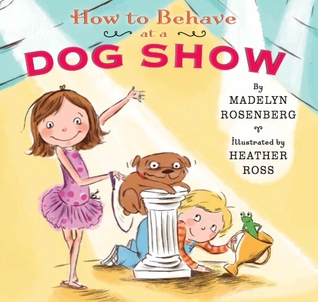
How to Behave at a Dog Show

How to Behave at a Dog Show
In How to Behave at a Dog Show, a picture book written by me and illustrated by Heather Ross, Julia and Charles learn that Rexie is not exactly Best-in-Show material. But he IS best at lots of other things. We’re hoping readers will see what’s best in their own pets, and in themselves. This book can be used in classrooms as a mentor text (How to Behave at a Tea Party is also in the series and kids could easily discuss how to do anything!) I also have a guide for how to host a classroom pet show. I’m attaching the link for that here, along with the link for the book trailer my son made for me. Teacher’s Guide


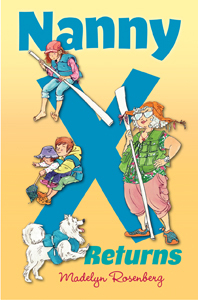
Nanny X Returns

Nanny X Returns
Nanny X Returns is a middle-grade novel. The first book in the series, Nanny X, has found favor among reluctant readers and I’m hoping this book will, too. The first Nanny X is a finalist for the Land of Enchantment Book Award. The follow-up chases Nanny X and her young charges around Washington, D.C., as they attempt to save our national treasures from someone named The Angler, who wants a statue of a fish installed on the White House lawn. I’m enclosing a discussion guide that can be used in classrooms. Teacher’s Guide


Thank you to Madelyn for these fantastic games and activities to battle writer’s block!

RickiSigandKellee Signature

Author Guest Post!: “Why Read (And Write) Fantasy” by Dorothy Winsor, Author of Finders Keepers

Share

“Why Read (And Write) Fantasy”

Not infrequently, I run into adults who are clearly skeptical about fantasy novels. Sometimes they even ask why I write fantasy rather than something “real.” These same adults roll their eyes when their kids read Rick Riordan or J. K. Rowling and say, “Well, at least they’re reading,” as if a fantasy novel is some sort of lesser book that might build a bridge to “real” reading.

In at least one way, I understand that skepticism because I’m an intensely practical person who’s uncomfortable with too much magic. At some point, I reach the end of my willing suspension of disbelief, and that point comes sooner for me that it does for many other people. As a matter of fact, I started reading fantasy only when my son was a young reader who was entranced by it.

I’ve come to see that fantasy is a good way for a middle-grade or tween reader to try out adult responsibilities and see kids take actions with real consequences.

Middle-grade and young adult fantasy allow a writer to put young characters in dangerous situations they wouldn’t face in Ames, Iowa, for instance. If the writer is clever enough, fantasy lets them take a dilemma a young reader might face in our world and show it acted out in a way our world doesn’t allow.

Readers can follow characters is stressful situations because in a quasi-medieval world, young characters aren’t stuck in school all day. Anyone who remembers high school or middle school knows that being locked up there can be pretty maddening. Adults boss you around and you have to do what they say no matter how unreasonable it is. And that doesn’t touch the jungle world of life among your fellow adolescents.

But in a traditional fantasy world, characters take on responsibilities that we reserve for adults. Most notably, they work, meaning they interact with adults and wider events. Their families often depend on the results of their labor to survive. They sometimes have to make decisions that affect another character’s survival or the way a war will turn out. In other words, in such a setting, a writer can up the stakes and strengthen tension.

For example, in Finders Keepers, Cade takes a delivery boy job partly to earn enough to eat and partly to search rich people’s houses for his missing mother. There’s no adult to check his less considered actions because he and his teenaged brother are on their own, a situation unlikely to occur in our world. That lack of guidance lets Cade get into situations that make for a much more entertaining story.

Urban fantasy achieves the same goal by throwing powerful supernatural creatures into our world, so the young character has to engage in a bigger than life struggle.

Given how crappy school can be, readers may be relieved to identify with someone not slumped in a desk. As a writer, I like being able to expose a character to danger and increase what’s at stake if the character screws up.

Additionally, both urban and traditional fantasy situations can be used as metaphors for normal life. For instance, when Cade learns he’s a Finder, he’s horrified because he’s been taught Finders are stone-mad and destructive. Through the story, he learns to accept what he is and be proud of it. Most readers aren’t going to learn they’re from a group their society imprisons, but they are going to find they’re nerds, or fat, or gay, or unacceptable in some other way, and maybe Cade’s situation will speak to them. So the fantasy genre gives me a way to treat a common young person’s need in a more intense, metaphorical way.

Not all genres speak to all readers, but for me, fantasy isn’t “unreal.” Rather it’s a way to get at reality in a more vivid and heartfelt way.

Headhshot

About the Author: Dorothy A. Winsor spent years as a technical communications professor, studying the writing of engineers, before discovering that writing YA and MG fantasy was much more fun. Finders Keepers is Winsor’s first novel, though if you look closely, you can probably find a literal million words of Winsor’s Tolkien fanfiction posted somewhere. Winsor lives in Iowa.

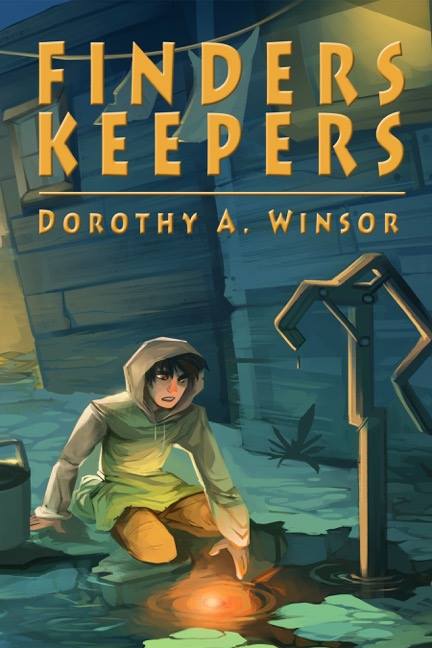
Finders Keepers

140-character story pitch: Boy senses presence of heart stones. Girl recruits him to steal some. World ends at New Year if they fail. Boy also rescues mother. Tricky.

Summary of Finders Keepers: The eight gods that govern the world are tricky and fickle, and even the most innocuous of their blessings comes with consequences. Those who find a blessing are cursed to dance on strings in exchange for good fortune. Which raises the question: is finding one good fortune at all?

Cade lives a simple life with his mother and brother, but when he finds a heart stone, he wonders if he can’t change that. Heart stones are said to bring luck to those who hold them, and Cade’s tiny family could surely do with good fortune.

But heart stones aren’t just tokens of good luck; simply tracking one down is a sign of a special gift. Cade is a Finder, just like his mother before him, but this gift is hardly what is seems; if the larger community finds out about this, Cade’s entire life will change.

And not for the better.

Now he lives outside the law, struggling to find a way to repair the disaster he brought home to him family, all while fending off a new hardship that he never anticipated: an overwhelming desire to have heart stones in his hands.

No matter the cost.

Thank you to Dorothy for her post!

Kellee Signature andRickiSig

Author Guest Post!: “The Power of One” by Mark Bouman, Author of The Tank Man’s Son

Share

“The Power of One”

I remember the times as a child when I simply wanted to disappear from the classroom or wished I had been able to hide under my desk.  The humiliation of having been verbally assaulted the night before by my dad stripped me of any shred of confidence I might have been able to muster that day.  My teacher saw that lack of confidence not only in my eyes and school work, but in how I always seemed to avoid her.  She asked me repeatedly throughout the school year why I had not done my homework and more than once berated me in front of the whole class for being the ONE student who kept “forgetting it at home… again.” Had she asked me if anything was wrong, I would have responded with a shrug and then a simple, “Nothing.”  Attention, any attention from anyone in authority was always bad and I avoided it like the plague.

As a teacher, helping students who have a rough home life can seem more difficult now than ever. Getting involved often opens a can of worms that can lead down a rabbit hole that seems endless. Having said that, there is a wonderful way to breathe life into a student whom you suspect is having a rough time at home: spend time with them.  Coaching, after-school activities and other events give you opportunity to invest in them.  Find out their interests and be intentional.  Invite them to be a part of what you’re doing.

I once had a teacher encourage me to join the debate team that she coached.  Mrs. Turner was the first teacher to say, “I think you’d be good at this.” I never heard those words from a teacher before.  Her confidence in me made me want to do anything to please her. I was so shy and reserved I would never have considered doing something like that, but her persistent encouragement won me over. Her kindness and patience helped me get over my fears and birthed a hope in me that grew with time. She was the one bright light in my dark world. At first, I limped through each practice debate barely able to look up from the podium while speaking. I was surprised to discover many of other kids were as scared as I was.  I felt a camaraderie with the other students as we all struggled to overcome our fears. After each practice debate, the teacher would critique our performance. She wisely started with a whole list of things we did right and then would kindly pick one or two things that we could work on to improve. She had a way of making us feel important that pushed us to try harder.

My home life situation deteriorated more as my father began to get more violent.  His verbal assaults were accompanied by physical abuse, and eventually my mother chose to divorce my father. More than once, the debate coach gave me a ride home after a late night of practice so I didn’t have to walk the five miles back in the dark.  Eventually, I got over the terror of public speaking and our debate team went on to win the Regional tournament in Debate.

After the divorce, we moved to another town. No other teacher had an impact on my life like Mrs. Turner did. I never forgot the look in her eyes when she said, “Mark you can do this.”  She believed in me and was able to see not what was, but what could be.  Many years later, her investment and confidence in me bore fruit.  I became a motivational speaker and have spoken in front of groups of thousands all over the world.

I have taught in the classroom many times, and I occasionally have a student in class who I recognize as having a difficult home life. They are wounded in a way that seems to scream out, “help me,” but their cries for help are not heard in the noisy classroom.  Mrs. Turner was not deafened by the noise. She made it her mission to filter out the noise.  She showed me the power of one.

ABOUT THE TANK MAN’S SON:

Tank Man's Son

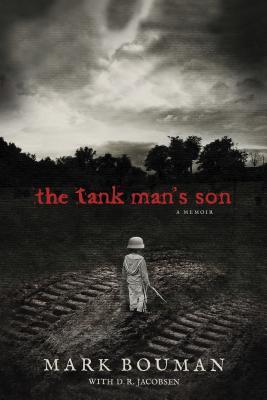
What did it mean to be the Tank Man’s son? To grow up overwhelmed by my father’s presence and personality? It was as if I didn’t exist, as if I was just something else for my father to crush.”

So begins the haunting memoir of Mark Bouman as he recounts the events of his childhood at the hands of his larger-than-life, Neo-Nazi father in brilliant, startling detail. From adventure-filled days complete with real-life war games, artillery fire, and tank races to terror-filled nights marked by vicious tirades, brutal beatings, and psychological torture, Mark paints a chilling portrait of family life that is at once whimsical and horrific—all building to a shocking climax that challenges even the broadest boundaries of love and forgiveness.

An epic tale of redemption and reconciliation, The Tank Man’s Son is a literary tour de force that is sure to become an instant classic.


ABOUT THE AUTHOR:

Mark Bouman

Mark Bouman shares more about his horrific childhood and the power of forgiveness in The Tank Man’s Son. He and his family served as missionaries to Cambodia for more than 20 years. Mark, his wife Joan, and their two sons Andrew and Nik, currently reside in Anchorage, Alaska.

Thank you to Mark for this powerful post about positively impacting students with rough home lives. And thank you to Christy at Tyndale House Publishers for connecting us with Mark!

RickiSigandKellee Signature

Author Guest Post!: “What’s in a Name?” by Royce Leville, Author of The Book of Names

Share

“What’s in a Name?”

A pseudonym is much more than a writer taking a different name, or even a writer hiding behind a different name. It requires a process of creating a whole new writing style.

Like hitting a tennis ball, making a quilt or playing an instrument, writing is a skill.1 As a skill, it can be trained, honed and improved. Talent is useful, but most writers agree that talent only takes you so far, especially when it comes to writing fiction.2

There are many ways to work on the skill of writing and to hone the craft.3 A favorite is the “write as someone else” exercise. In fact, writing as someone else was such a boon, it allowed for the creation of me, Royce Leville.

Okay, before we give birth to a pseudonym,4 let’s take a few steps back. Why write as someone else? Good question. If you’re working towards writing fiction, especially novel-length, then you need to accept that there’s a lot of preparation and work involved before you even get to chapter one. Part of that is writing character descriptions.5 And the character really comes to life when he or she is given a voice; that is, when you attempt to write “in character.”6

Here’s a good sample exercise for writing as someone else:

  • Step 1: Write down some details of a character, including age, gender, profession, nationality, brief back story
  • Step 2: Move on to personal interests (past and present), taste in music, sports, books, etc
  • Step 3: Give the character some applicable (or even contrary) attributes, based on what’s already been listed in steps 1 and 2
  • Step 4: Start to populate the character’s world: car, house, furniture, clothing, accessories. Maybe make a list of the items found in the character’s fridge or wallet
  • Step 5: Now comes the Frankenstein moment. Can you bring the character to life on the page? Write in the first person, trying to use this character’s voice. Start with very simple things, such as making a cup of coffee or getting ready for work. See if you can write “in character”
  • Step 6: Now place the character in situations with other people. Think about dialogue and how this character speaks, and how this character behaves and reacts

Hopefully, through such a process, the character moves from being a blur of features to a sharply drawn and detailed person, one you might find yourself having conversations with inside your head.7

The more work you do in fleshing out the character, the more complex and believable the character becomes. In fact, the character may become so complete, he or she might even become the writer, with a unique style and a specific genre. And you’ve got yourself a pseudonym.8

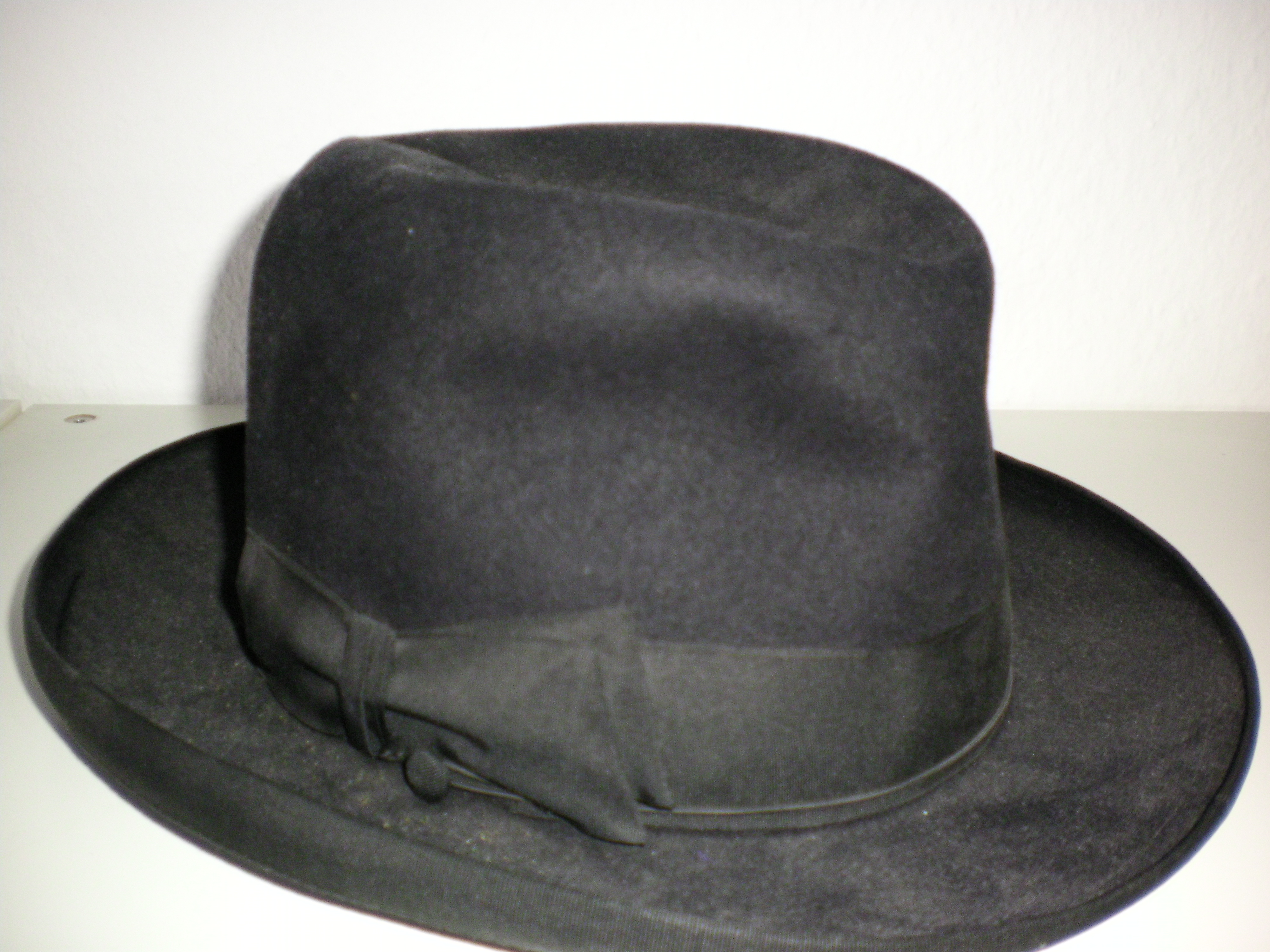
Once there, the trick is how to get in character. Royce Leville has a black hat. With this hat on, Royce is writing.

This Jekyll and Hyde act might sound weird, but it can open some very interesting creative doors.

SANYO DIGITAL CAMERA

Notes:

  1. This is the best thing to understand about writing, as it will help you with all forms of writing, whether it’s a birthday card for grandma, an important report at work, or a speech of some kind. If you work at writing, you can get better at it.
  2. There are plenty of writers out there low on talent who churn out successful books.
  3. Solitary writing endeavors result in little progress. Attend workshops, take creative writing classes, join a writing group. Book clubs are also good. Take the time to master the tenses and understand things like point-of-view, narrator knowledge and character consistency.
  4. Royce has written before about the benefits of writing under a pseudonym: http://chapterbreak.net/2015/01/12/guest-post-seven-reasons-to-write-under-a-pseudonym-by-royce-leville/
  5. Who hasn’t read a book with characters that seemed more like lazy sketches on napkins rather than intricately detailed and artistically drawn portraits? Or where a character said something that the character was completely unlikely to say?
  6. Have no illusions. This is much more difficult than it sounds.
  7. Not necessarily a bad thing.
  8. And you’ve possibly opened up a little can of crazy, because you’ll be writing as a character you’ve created, who then starts writing as characters he or she creates. Neat, huh?

ABOUT THE BOOK OF NAMES:

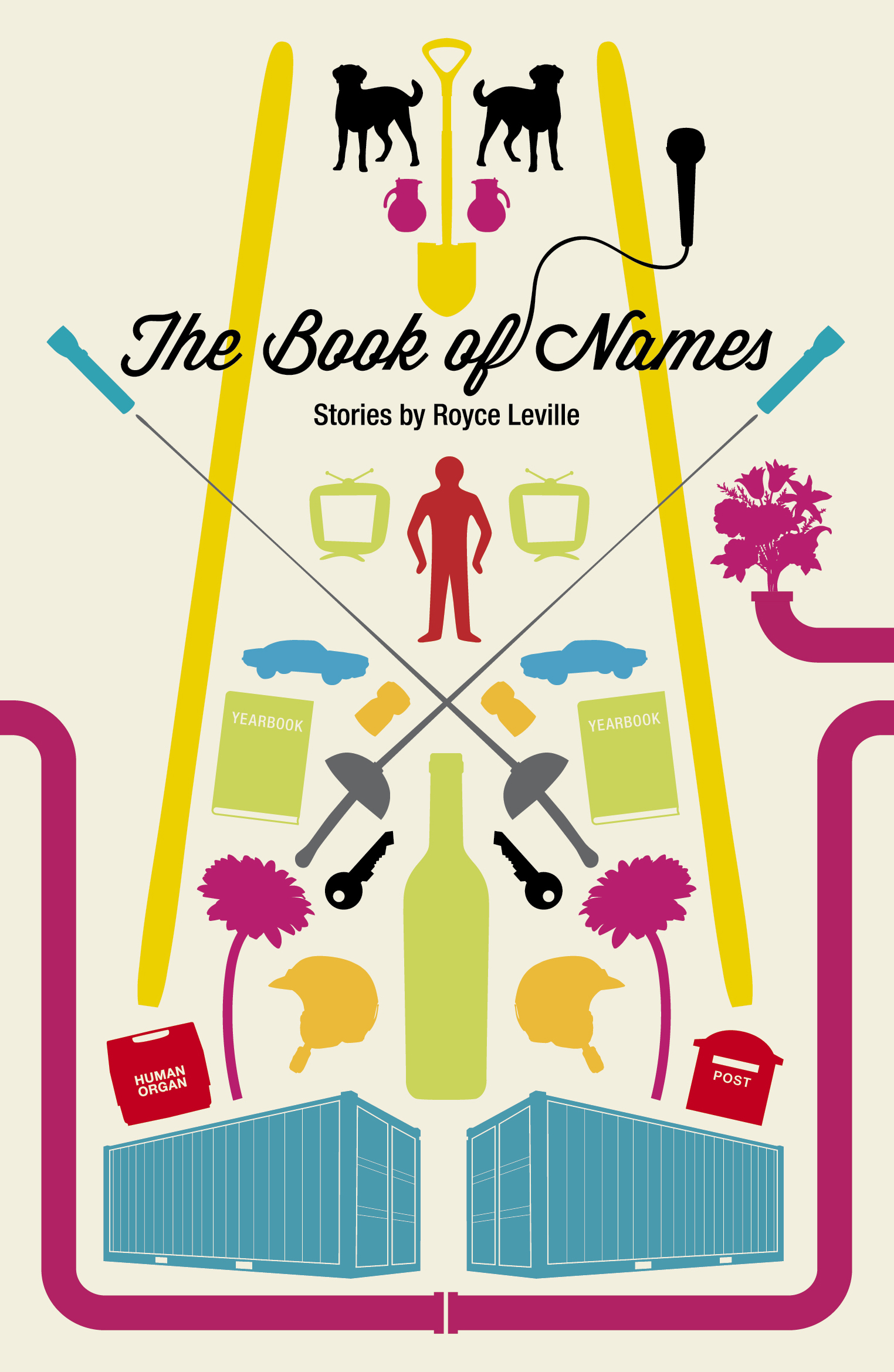
There’s a benevolent locksmith with keys to every lock in town, a serial-killing vet who harvests his victims’ organs, a group of men locked inside a container and stranded at a harbor somewhere, and a performance artist who can open a bottle of champagne in an extraordinary way

Strange situations, unsolvable problems, secret lives, redemption and revenge. At times THE BOOK OF NAMES invokes the spirit of The Twilight Zone, yielding tales of morality, sexuality, and power.

Book of Names


ABOUT THE AUTHOR:

Campbell is a prolific author, journalist and advertising writer who has published three books under his own name and two as Royce Leville.  He has won four independent publishing awards and received three prestigious writing residencies.  Campbell, born in Australia and residing in Germany, took second place in the 2012 Next Generation Indie Book Awards for his first Leville book, A Little Leg Work.  His articles have featured in numerous magazines and newspapers, while his short stories have appeared in Australian Reader, Spotlight Magazine, Italy from a Backpack and the Fellowship of Australian Writers (WA) compilation, Lines in the Sand.

Find more information at: www.rippplemedia.com

Thank you to Royce for this fascinating look at pseudonyms and building characterization within writing!

Kellee Signature andRickiSig

Author Guest Post: “Teaching Kids Empathy through Story” by Natasha Sinel, Author of The Fix

Share

“Teaching Kids Empathy through Story”

“I do not ask the wounded person how he feels, I myself become the wounded person.”

― Walt Whitman, Song of Myself

Recently NPR’s All Things Considered aired a piece about a research study suggesting that school kids who read and identify with Harry Potter display more positive attitudes toward people from disadvantaged groups. The reporter said, “So it turns out Harry Potter may be an effective tool against prejudice…When stories allow us to empathize with people who lead very different lives or come from very different backgrounds, it allows us to get into their shoes in a way that no amount of preaching can accomplish.”

While this doesn’t surprise me, I find it extremely interesting and validating.

I consider myself empathetic to an extreme. To be a writer of fiction, I believe that’s a requirement—we have to get inside our characters’ heads to see who they are, how they live, how they think. If I didn’t have empathy, then all of my characters would be privileged white women in their forties. But that’s not who I write. I write about teenagers—female, male, white, non-white, gay, immigrant, autistic, mentally ill.

In The Fix, some of Macy’s actions could be judged—she’s not particularly nice to her mother, she has a history of sleeping around—but as you get to know her, you learn that there’s a reason for her behaviors that even she doesn’t quite understand, even when the reader already does. Same goes for Sebastian. He’s an addict, he suffers from depression, and he spends several weeks at a psychiatric institute.

For readers who have experienced any of these hardships—depression, addiction, sexual abuse—I hope they’ll see that they’re not alone. I hope a reader who has been abused will see that telling someone can help. But I also hope that readers who haven’t dealt with any of these things will take away an understanding of the difficulties a friend may be going through, and will see how important it is not to trivialize or overlook pain that may be underneath the surface.

This quote I found really struck me, and I think of it now whenever I write: “We could be standing next to someone who is completely broken and we wouldn’t even know it.”

Part of empathy is realizing that people wear cloaks to make the pain and scars inside easier to hide. When we read, we see beneath the cloaks. Maybe that can help us look at our friends, our classmates in a new light. Maybe we can question actions first instead of judging. Maybe we can begin to understand what it feels like to be a survivor of abuse, an addict struggling every day to stay clean, an immigrant who fears deportation, an intersex girl learning about her complex body, a boy with Aspergers who wants close friends but doesn’t always understand the nuances of social interactions, an impoverished girl who doesn’t know where her next meal is coming from.

If the studies are true, and kids can become more empathetic by reading diverse narratives, then we need to keep giving them the stories. I promise to keep writing them, and I hope you’ll keep teaching them.


About the Book:

TheFix-cover-NEW

“Sinel bravely addresses tough topics, demonstrating that the weight of secrets can pull us under––and their release can save us from drowning.” —Holly Schindler, critically acclaimed author of A Blue So Dark and Feral

“Bewitching, beautiful, and brave . . . readers will marvel at Macy’s resilience. Sinel’s writing devastates and uplifts, by turns.” —Carrie Mesrobian, award-winning author of Sex & Violence and Perfectly Good White Boy

“A riveting picture of a teenager haunted by her past and struggling with her present . . . richly drawn, heartbreakingly real, and difficult to put down. The Fix shines.” —I. W. Gregorio, author of None of the Above

“A vivid storyteller, Sinel tackles an emotional topic, portraying the pain and repercussions of Macy’s experience with an honest sensitivity. I was hooked from the opening pages.” —Yvonne Ventresca, award-winning author of Pandemic

“Unflinchingly honest writing.” —Marie Jaskula, author of The Lost Marble Notebook of Forgotten Girl & Random Boy

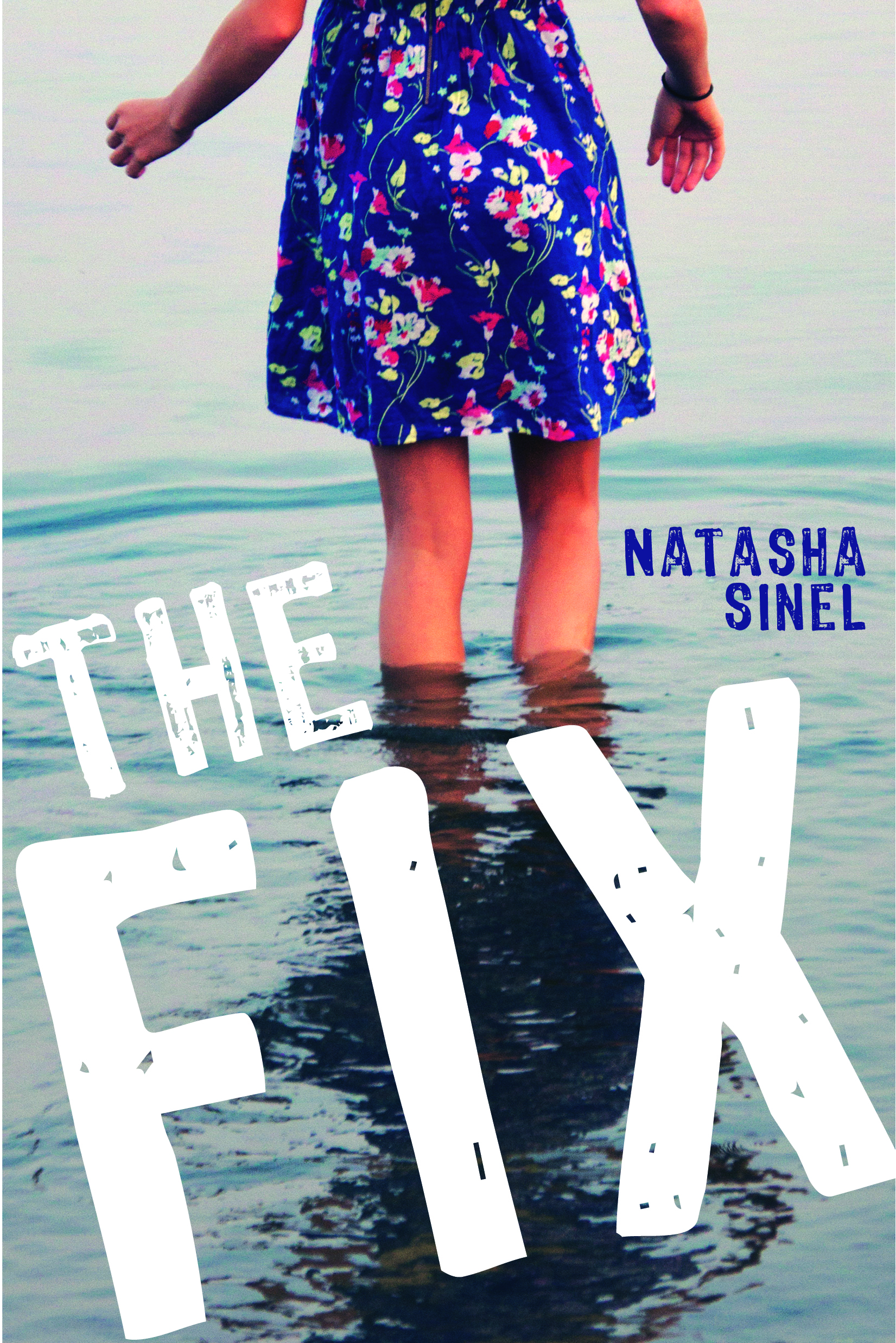
Perfect for fans of Laura Weiss’s award-winning Such a Pretty Girl and Leftovers, as well as Sarah Dessen’s Dreamland, THE FIX (Sky Pony Press; September 1, 2015; ISBN: 978-1-63450-167-5; $16.99; ages 12 & up), by debut author Natasha Sinel, addresses real-life issues of drug addiction and sexual abuse.

While there are many YA novels that focus on sexual abuse, very few explore the complex effects of sibling sexual abuse, which is extremely prevalent (five times the rate of parent-child sexual abuse) and underreported. The Fix, a contemporary story featuring two teenagers from opposite sides of the track, fills a void in young adult fiction.

Meet seventeen-year-old Macy. Rich, popular, and dating the cute boy next door, Macy’s life should be perfect. But she harbors a secret that could ruin her seemingly flawless family. A late night conversation with loner and recovering addict Sebastian at her friend Rebecca’s party throws Macy’s life off balance. The following morning Sebastian doesn’t show up at school, and rumors fly that he’s been hospitalized after attempting suicide. Though their conversation was brief, Macy feels connected to Sebastian and begins to visit him in the hospital. Their blossoming friendship eventually shakes Macy out of her carefully maintained complacency as she realizes that keeping her secret could destroy her.

The Fix not only tells the story of two good-hearted teenagers coming to terms with the cards they were dealt but is also about the fixes we rely on to cope with our most shameful secrets, and the hope and fear that comes with meeting someone who challenges us to come clean. Written with honesty and sensitivity, Sinel’s heartfelt and courageous debut will inspire readers.

About the Author:

2014_Natasha_Sinel_249-hi_res

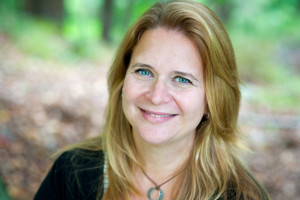
Natasha Sinel is a writer of young adult fiction. She graduated from Yale University with a BA in English and from the University of Michigan’s Ross School of Business with an MBA. Before beginning her career as an author, she was director of business development at Showtime Networks. Born and raised in Washington, DC, she now lives in northern Westchester, New York, with her husband and three sons.

You can visit her website at natashasinel.com.

Thank you to Sara at Sky Pony Press for sharing this great book with us, and thank you, Natasha, for your beautiful words.

RickiSigandSignature

Author Guest Post: “An Element of Fun: A Teacher’s Reflection” by Melissa Polyakov, Author of Mr. Fact and Miss Opinion

Share

“An Element of Fun”

In every job that must be done there is an element of fun. – Mary Poppins

I believe that my experience as a teacher is very much like the students’ experiences. The school year starts with excitement, anticipating what’s new. The work isn’t too much of a bother because we’re fresh and there just seems to be a feeling of, “Well, that’s what we’re back to school to do!” Two months later…

Teacher thoughts: How long is this grading going to take? I’ve only graded 10 papers? It feels like 20! When will the work end? I just want to sip some coffee and read a good book.

Student thoughts: How much more homework are we going to have? Seriously? I just want to go outside.

The school year officially begins and the days start to feel longer. If the routine stays the same, everyone will be worn out by December. After teaching my first year and experiencing the need for change in my daily routine, I learned something very important about myself, and I believe about students as well. Sometimes, you just have to have fun and make work feel like play in order to stay motivated.

In my training for becoming a teacher, one of the main pieces of information we were given about students was that they need to stay motivated. If they are going to keep learning and stay engaged, they need to stay interested in the topic. I know this to be true about myself. I noticed in the slow months of teaching, I had to do things to keep my job fun so that I would stay motivated to continue working hard and being the best teacher I could be. Around Thanksgiving I would buy new pumpkin and fall scents to put in my wax burner. As the room would fill with the smell of a nice, warm, baked pumpkin pie, all of our faces would smile, our shoulders would relax, and questions would arise from around the room saying, “Mmmmm!! What’s that smell?!” Immediately, the feeling of the classroom went from “reading my 2 chapters” to reading a book in a cozy home. The smell would motivate the students to work because the environment had changed to something different. A good different.

At the end of teaching a unit, I could always tell the students seemed to be trudging along, needing a boost in their step. I would also need a little boost in my step after all the work put together to organize and teach the unit. All of us needed some kind of break, while still having class and continuing to learn. This was when I would put the books and pencils away and play Jeopardy. The students loved playing Jeopardy and it was a way for them to review all the information they had been learning over the last month or two.  After playing Jeopardy over a couple days, the students were re-motivated and re-energized to learn and continue working hard. I believe this is because we all are motivated by something we enjoy. For students, playing is something they enjoy. When learning and working feels like play and there is an element of fun, the energy goes up and everyone is motivated to continue working.

This brings me back to the original quote from Mary Poppins which says, “In every job that must be done there is an element of fun.” When we work, we must find the fun. We must find ways to make it engaging and motivating. This was my goal when writing my recent book Mr. Fact and Miss Opinion. I wanted to give parents and teachers the opportunity to teach about fact and opinion through a story and not through a workbook. I wanted to add a fun, playful element to a not-so-interesting topic. Not only does the story teach the difference between fact and opinion in a silly and entertaining way, it also shows how two completely different characters can become the best of friends. It can act as a teaching guide for both parents and teachers while also being a cute, beautifully illustrated story about a goat and a pig who develop a friendship and learn about each other. When a story such as this is used to teach a lesson, students remember it because it was wrapped up in a fun, playful package. Children’s literature plays a vital role in the education of children, and I believe that it can and should be used to educate children on a multiplicity of subjects. That is my goal as an author and teacher. I would love to see more books that teach about specific concepts within a story that is fun and entertaining. If you have a favorite children’s book that taught you or your children or your grandchildren something important, please share it so we can benefit from each other’s wealth of knowledge.

Mr. Fact & Miss Opinion Cover

Mr. Fact and Miss Opinion Summary:

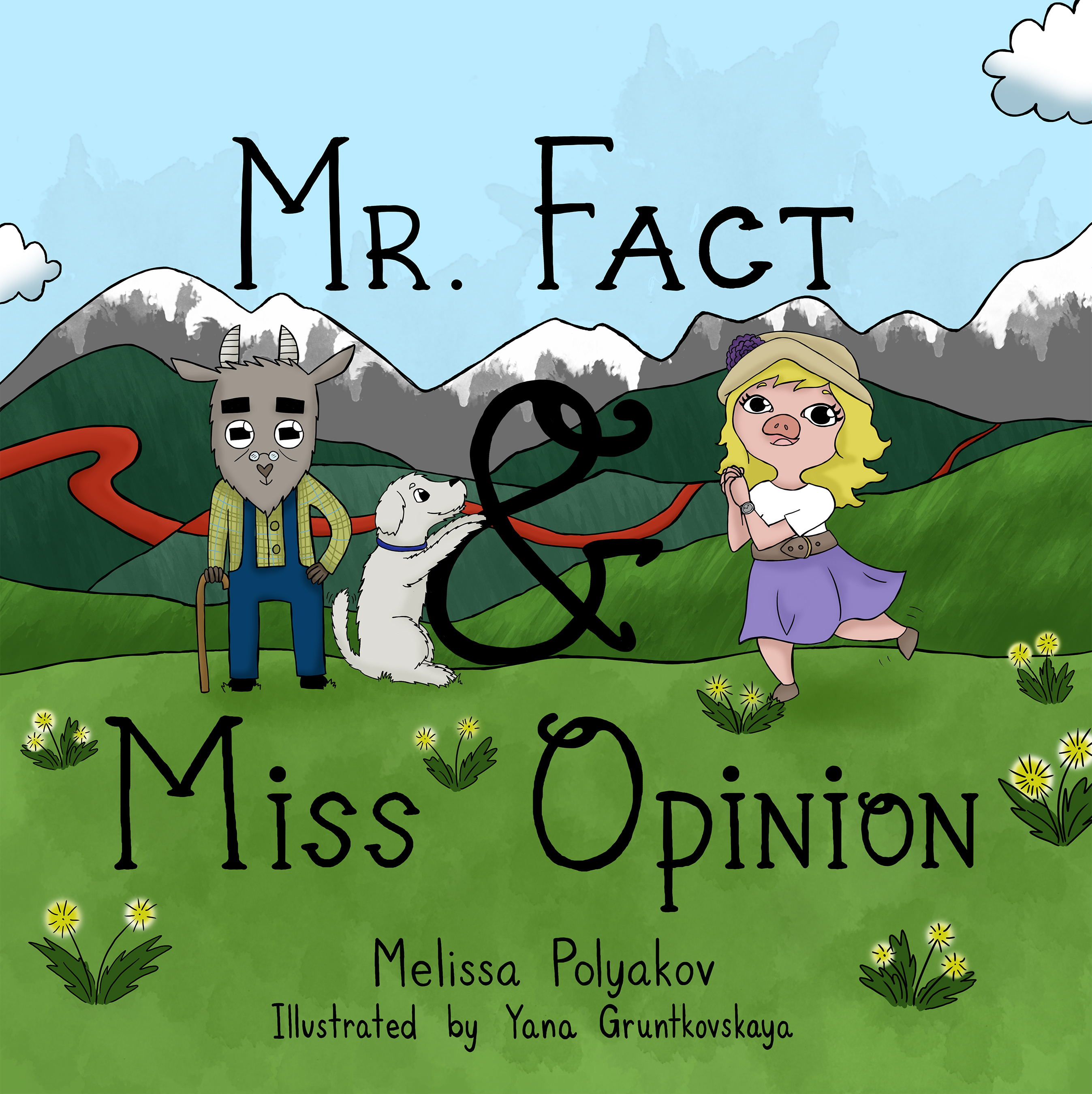
This book is a lively and lyrical story about unlikely neighbors, a goat named Mr. Fact and a pig named Miss Opinion.

Miss Opinion shares a flavorful meal with Mr. Fact, attempting to show him that opinions can add spice to his life. This educational children’s book uses endearing characters to introduce terms such as objective and subjective by personifying fact and opinion.

Melissa Polyakov

About the Author: Melissa has a Bachelor of Science Degree in Elementary Education from Multnomah University in Portland, OR, and is a member of SCBWI. An educator since 2012, she has taught multiple ages and subjects. However, it was working as the school librarian where her love for children’s literature grew. During her free time, Melissa and her husband enjoy playing volleyball and spending time outdoors with their beloved Goldendoodle.

Thank you so much to Melissa for her reflections about finding the fun in teaching!

RickiSig andKellee Signature

Blog Tour with Review, Author’s Guest Post, and Giveaway!: Ghostlight by Sonia Gensler

Share

Ghostlight_banner_final (2)

Ghostlight

Ghostlight
Author: Sonia Gensler
Published August 4th, 2015 by Knopf Books for Young Readers

Goodreads Summary: Things that go bump in the night are just the beginning when a summer film project becomes a real-life ghost story!

Avery is looking forward to another summer at Grandma’s farm, at least until her brother says he’s too old for “Kingdom,” the imaginary world they’d spent years creating. Lucky for her, there’s a new kid staying in the cottage down the road: a city boy with a famous dad, Julian’s more than a little full of himself, but he’s also a storyteller like Avery. So when he announces his plan to film a ghost story, Avery is eager to join in.

Unfortunately, Julian wants to film at Hilliard House, a looming, empty mansion that Grandma has absolutely forbidden her to enter. As terrified as Avery is of Grandma’s wrath, the allure of filmmaking is impossible to resist.

As the kids explore the secrets of Hilliard house, eerie things begin to happen, and the “imaginary” dangers in their movie threaten to become very real. Have Avery and Julian awakened a menacing presence? Can they turn back before they go too far?

My Review: I do not do creepy. No creepy books, movies, haunted houses…nothing. So, a creepy book had to sound really good or be recommended to me by someone I trust for me to read it. This one was both, so I agreed to give it a chance. Although it did scare the kajeebees out of me, I am very glad that I picked it up. First, the ghost story part of the plot is done so well. It isn’t over the top, it seemed real, and it really got me! Second, the book was so much more than a ghost story. It was a look at rural vs. urban, celebrity, the definition of family, mental disorders, filmmaking, and more. Third, the characters seemed real. You have four very different preteens/teens, but they all represent a different type of person. Each has flaws, and each is wonderful

Teachers’ Tools for Navigation: I was fascinated by all of the filmmaking information that Julian shares with Avery. I would love to use this part of the book with students, as well as information from other sources, to help them make a film from a script they wrote. They could also use the information to make a book trailer with good filmmaking technique.

P.S. I book talked Ghostlight on Tuesday to my class, and 90% of them put it on their TBR list. They all want to know what is going on in that house!

Discussion Questions: Would you forgive Julian and Lily after what they did to Avery?; If you were Avery, and you were asked about your father, how would you respond?; What does Avery’s family situation tell us about what family is?; What specifically made the ghost in Ghostlight scary?;

We Flagged: “…Julian paused the video. This time I could see the wispy thing hanging in the air across from Lily. It wasn’t a person, but it was something.” (p. 119)

Book Trailer: 

Read This If You Love: All the Lovely Bad Ones by Mary Downing Hahn, Doll Bones by Holly Black, Liesl & Po by Lauren Oliver, Seer of Shadows by Avi, City of the Dead by Tony Abbott, Skeleton Man by Joseph Bruchac

Sonia Gensler has some more books to share that you may enjoy: Ghostlight, my first middle grade novel, was inspired by classic B&W horror films and the spine-tingling tales of authors like Mary Downing Hahn and Patricia Clapp. To celebrate its release, I thought I’d share other recent middle grade ghost novels that raise the stakes with deft characterization and unique conflicts.

Breathe: A Ghost Story by Cliff McNish (2006): Jack and his mother move into an old farmhouse, but only he can see the resident ghosts. Having once nearly died of asthma, Jack has a special sensitivity to those who have crossed to the other side. In fact, Jack senses several ghostly individuals within the house, but the more he learns, the more vulnerable he becomes to the most powerful of the spectral entities — one who wishes to control all the inhabitants of the house, living or dead. Breathe presents the ghostly characters and their conflicts in an innovative way that will keep readers gripped to the very end.

Seer of Shadows, by Avi (2008): Young Horace apprentices with a society photographer in 19th-century New York City. When Horace finds an eerie image on a developed photograph — the likeness of the subject’s dead daughter — dark things begin to happen. I am fascinated by the notion of Victorian spirit photography, so this story was particularly to my liking! (Another spirit photography novel for readers interested in more mature characters and themes would be Cat Winters’ In the Shadow of Blackbirds.)

The Aviary, by Kathleen O’Dell (2011): Clara lives in the crumbling Glendoveer Mansion, where her mother is housekeeper. Her life is comfortable enough, but she can’t go outside, has no friends, and actively fears the exotic birds kept by old Mrs. Glendoveer. One day, the mynah bird speaks to her, and he seems to be saying a name. Eliot. When Clara investigates, she gradually learns the dark history of the Glendoveer family, and in turn discovers secrets from her own past. While not a traditional ghost story, this Gothic tale is full of mystery and chilling reveals.

Doll Bones, by Holly Black (2013): Zach has decided to put childhood things behind, but when his old friend Poppy tells him she is being haunted by her china doll, he agrees to help her properly bury it. Creepy dolls aside, this book is haunting in its look at childhood play and imagination–particularly what may be lost in the transition from childhood to adolescence.

A Curious Tale of the In-Between, by Lauren DeStefano (2015): Pram, who can see and speak with the dead, wishes more than anything to meet her living father. The mysterious Lady Savant says she can help, but Pram soon learns the lady has a dark agenda of her own. This captivating novel is more mystery than horror, and I was intrigued by how it represented interactions between the living and dead. The novel’s focus on the manipulation of memories reminded me (in a very good way) of the film Inception.

About the Author: Sonia Gensler is also the author of the young adult novels The Dark Between and The Revenant. She grew up in a small Tennessee town and spent her early adulthood collecting impractical degrees from various Midwestern universities. A former high school English teacher, she now writes full-time in Oklahoma. To learn more, and to download a free curriculum guide, visit soniagensler.com or her Twitter: @soniagensler

Sonia Gensler_credit Eden Wilson Photography

Giveaway: 

a Rafflecopter giveaway

Follow the Ghostlight Tour!

Mon, Sept 14
Cracking the Cover
Tues, Sept 15
Ms. Yingling Reads
Wed, Sept 16
Charlotte’s Library
Thurs, Sept 17
The Book Smugglers
Fri, Sept 18
Unleashing Readers
Mon, Sept 21
The Hiding Spot
Tues, Sept 22
Proseandkahn
Wed, Sept 23
Word Spelunking
Thurs, Sept 24
The Book Monsters
Fri, Sept 25
GreenBeanTeenQueen
Mon, Sept 28
The Haunting of Orchid Forsythia
Tues, Sept 29
Kid Lit Frenzy
Wed, Oct 1
Mother Daughter Book Club

Recommended For: 

classroomlibrarybuttonsmall

Kellee Signature

**Thank you to Barbara from Blue Slip Media for providing a copy for review and giveaway as well as a big thank you to Sonia Gensler for her guest post!**