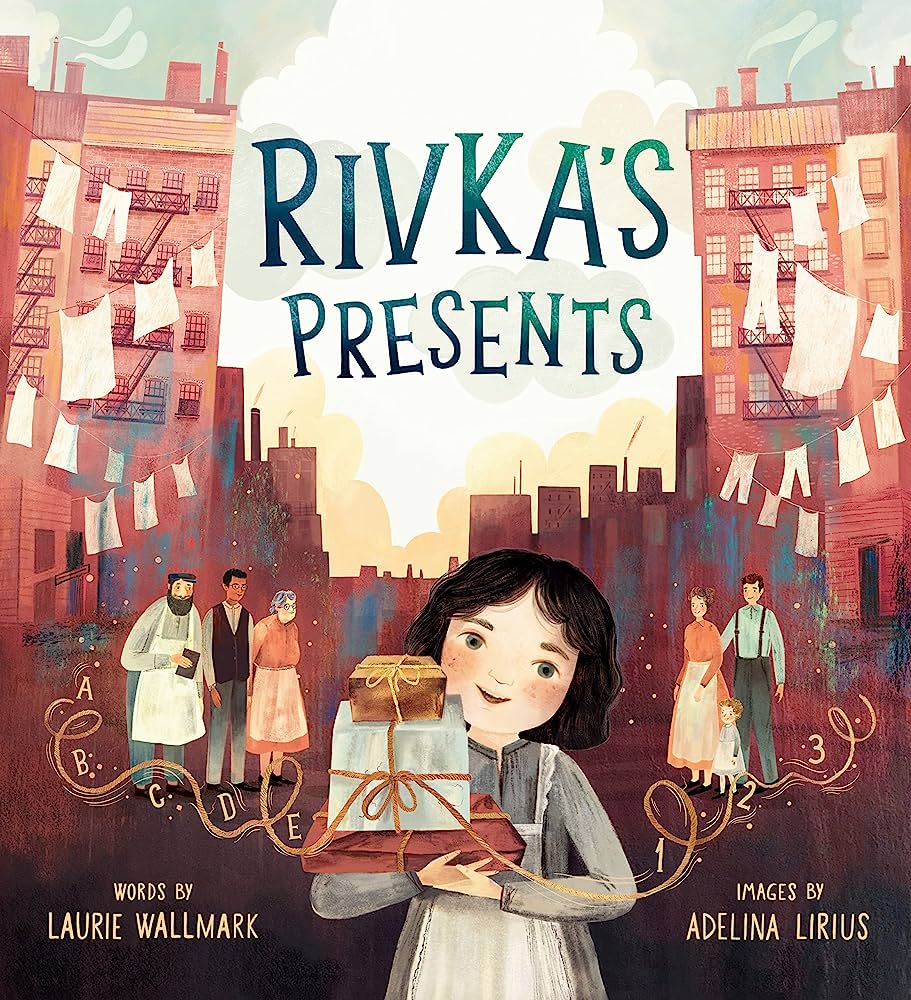
Rivka’s Presents by Laurie Wallmark, Illustrated by Adelina Lirius

Share

Rivka’s Presents
Author: Laurie Wallmark
Illustrator: Adelina Lirius
Published July 11th, 2023 by Random House Studio

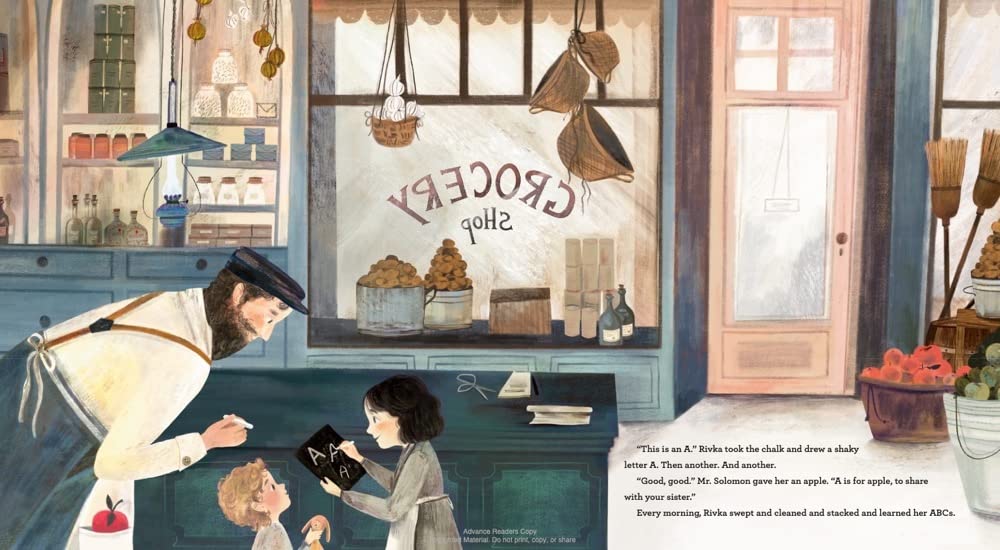
Summary: In this heartwarming story about the importance of community, a little Jewish girl living on the Lower East Side during the flu pandemic of 1918 can’t start school because her father is sick, so she makes a trade with her neighbors: chores for lessons.

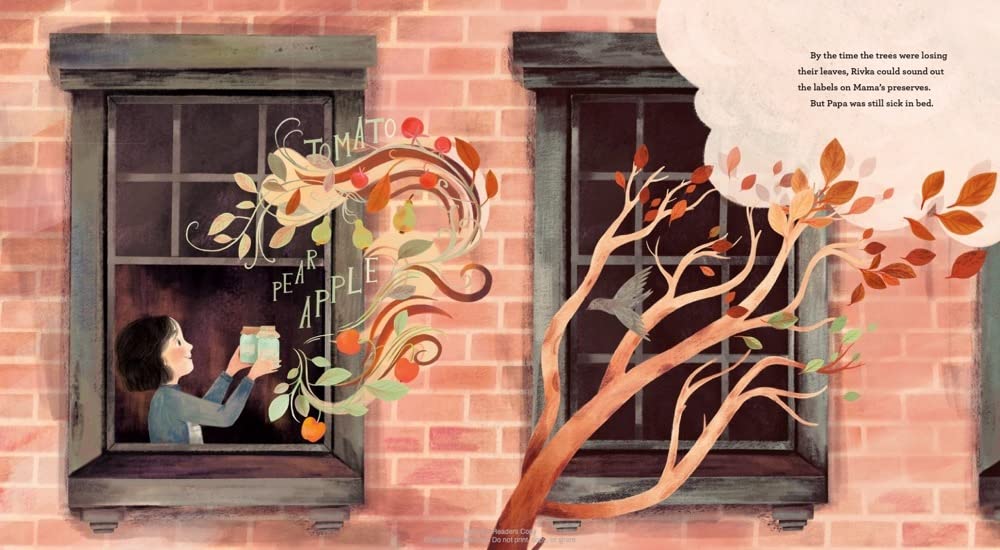
It’s 1918 on the Lower East Side of New York City, and Rivka is excited to start school. But when her papa gets sick with the flu, her mama has to go to work at the shirtwaist factory and Rivka needs to stay home and take care of her little sister. But Rivka figures out a way to learn anyway: she trades chores with the grocer, the tailor, and an elderly neighbor for lessons. As the seasons change, Rivka finds she can count pennies for the iceman and read the labels on jars of preserve. And one day, Papa is no longer sick, and Rivka can finally start school! Full kindness and love for your neighbors, here is a story that introduces life on the Lower East Side for a Jewish family during the flu pandemic of 1918.

Praise: 

★ ”Simply told but unexpectedly moving, the narrative honors generations of immigrant families and communities that have done their best to educate their children despite language barriers and poverty.” —Booklist, starred review

“A unique book that would be a great asset to collections.” —School Library Journal

“This tale will be at home in any discussions about American immigration and young people pursuing education despite barriers, as well as those focused more specifically on Jewish immigrants in this period.” —The Bulletin

About the Creators: 

Award-winning author Laurie Wallmark writes picture book biographies of women in STEM. Her titles include Code Breaker, Spy Hunter: How Elizebeth Friedman Changed the Course of Two World Wars; Ada Byron Lovelace and the Thinking Machine, which received four starred reviews and a Cook Prize Honor; Grace Hopper: Queen of Computer Code; Hedy Lamarr’s Double Life, a Crystal Kite Winner and Cook Prize Honor recipient; and others. Laurie has an MFA in Writing from VCFA and is a former software engineer and computer science professor. You can find Laurie online at www.lauriewallmark.com.
On Twitter: @lauriewallmark
Facebook: @lauriewallmarkauthor
Instagram: @lauriewallmark

Adelina Lirius is an illustrator based in Stockholm, Sweden. She loves painting imaginary scenes, portraying nature, and depicting the different cultures she grew up with. Adelina is the illustrator of a picture book adaptation of The Secret GardenThe Fort by Laura Perdew; and I, Too, Am Mozart by Audrey Ades, which received a starred review from School Library Journal. Visit her on Instagram @adalinaillustration.

Review: This story of resiliency shows what those hungry for learning will do to make sure they can fill their brains with the knowledge they seek. Rivka finds herself unable to go to school because her father is ill with the 1918 influenza, so she is in charge of her younger sibling. But Rivka searches for a way to help out and to learn–she does this by trading her time and chores for knowledge. Through connections with community members, she learns her letters, arithmetic, and civics. All of these teachers help build the foundation for Rivka’s education!

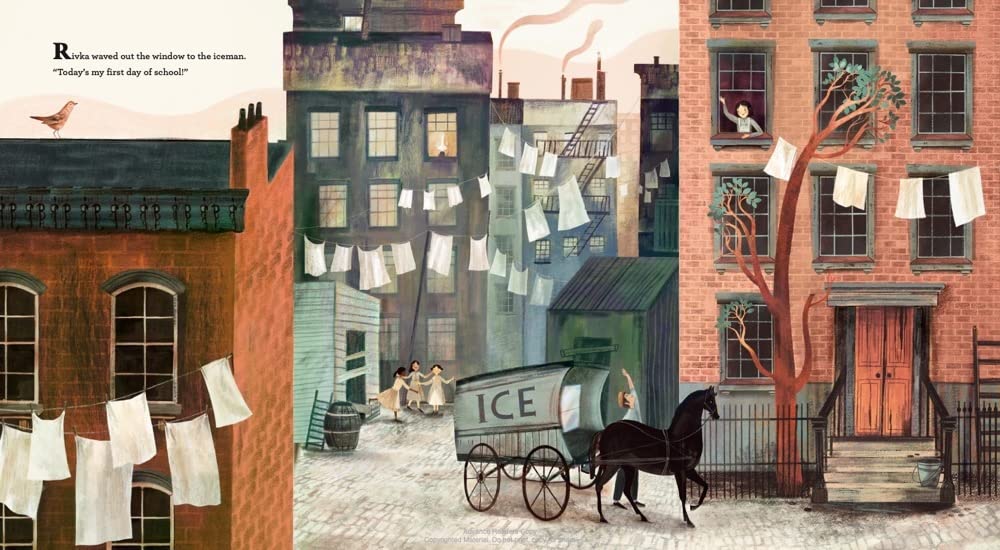
I loved the combination of the emotional narrative and the realistic and sweet illustrations. It, like Booklist states, is unexpectedly moving because Rivka’s story travels from the pages right into the reader’s heart.

Teaching Tools for Navigation & Discussion Questions: Utilize this author-provided curriculum guide for teaching tools and discussion questions!

Flagged Spreads: 
Read This If You Love: Historical fiction picture books, Picture books about the love of learning

Recommended For: 

classroomlibrarybuttonsmall 

Signature

**Thank you to Barbara at Blue Slip Media for providing a copy for review!!**
It’s Monday! What Are You Reading? #IMWAYR 7/17/23

Share

It’s Monday! What Are You Reading?
Sharing Picture Books, Early Readers, Middle Grade Books, and Young Adult Books for All Ages!

It’s Monday! What Are You Reading? is a weekly blog hop co-hosted by Unleashing Readers and Teach Mentor Texts which focuses on sharing books marketed for children and young adults. It offers opportunities to share and recommend books with each other.

The original IMWAYR, with an adult literature focus, was started by Sheila at Book Journeys and is now hosted by Kathryn at The Book Date.

We encourage you to write your own post sharing what you’re reading, link up below, leave a comment, and support other IMWAYR bloggers by visiting and commenting on at least three of the other linked blogs.

Happy reading!

Bold_line

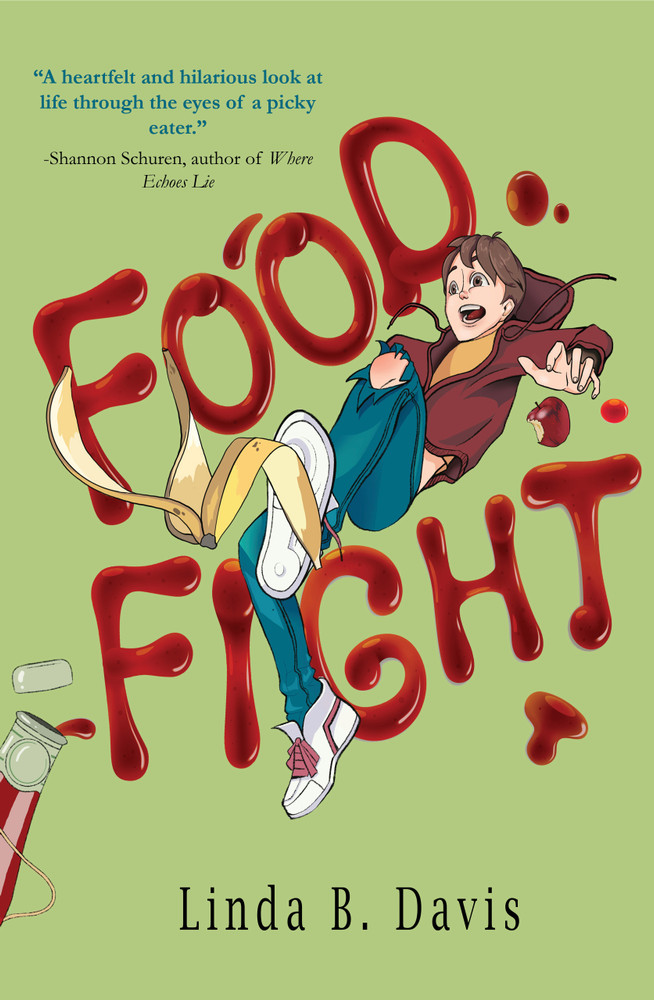
Sunday: Author Guest Post: “Middle Graders are Unpredictable–and the Characters we Create for Them Should be, too!” by Linda B. Davis, Author of Food Fight

Bold_line

Kellee

It’s my week off, but I will see you next week! To see what I’ve been reading, check out my read bookshelf on Goodreads.

Ricki

Picture Books


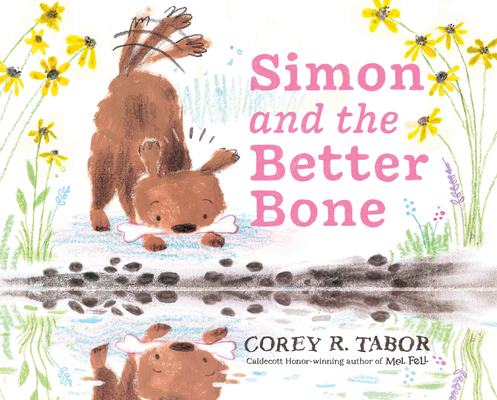
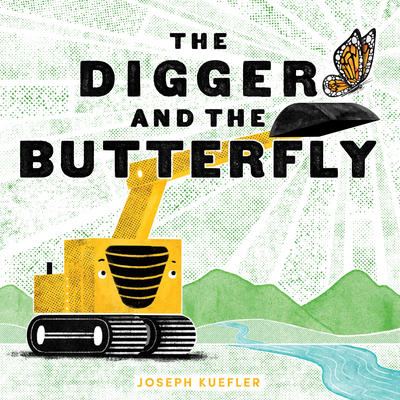
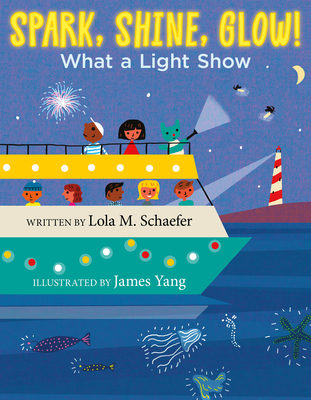
My kids and I were excited to read Simon and the Better Bone by Corey R. Tabor. It’s a cute pup story about a dog who mistakes his reflection for another dog. We also really enjoyed The Digger and the Butterfly by Joseph Kuefler. This is a sweet story for vehicle lovers, especially, but I think everyone will enjoy its charm. We also enjoyed Spark, Shine, Glow!: What a Light Show by Lola M. Shaefer, Illustrated by James Yang. This one is great for teaching STEM concepts in the classroom!

Middle Grade

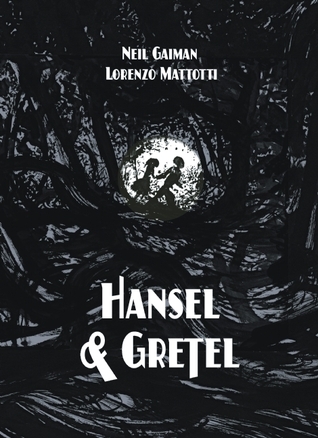
I am a sucker for Hansel and Gretel stories, so I wasn’t surprised that I really enjoyed Neil Gaiman and Lorenzo Mattotti’s version. I liked that Gaiman drew from Mattotti’s existing artwork. This one is dark, but it was nice to read an extended version of the story that felt true, in many ways, to the original.

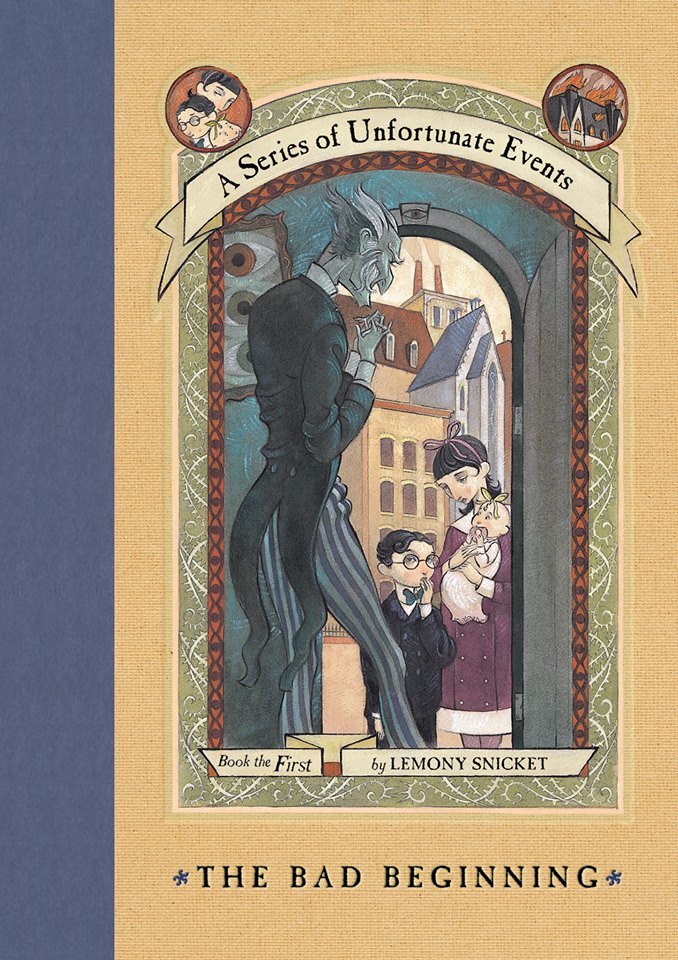
My three kids have been sucked into Lemony Snicket’s A Series of Unfortunate Events, and they loved The Bad Beginning. We had to (immediately) check out book two, of course.

Adult

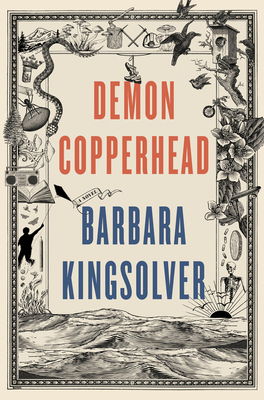
I loved Barbara Kingsolver’s Demon Copperhead. It’s very well-written, and the characters felt so real to me. I was really sad when this book ended because I didn’t want to let the characters go.

Bold_line

Ricki

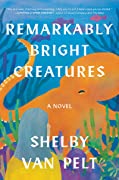
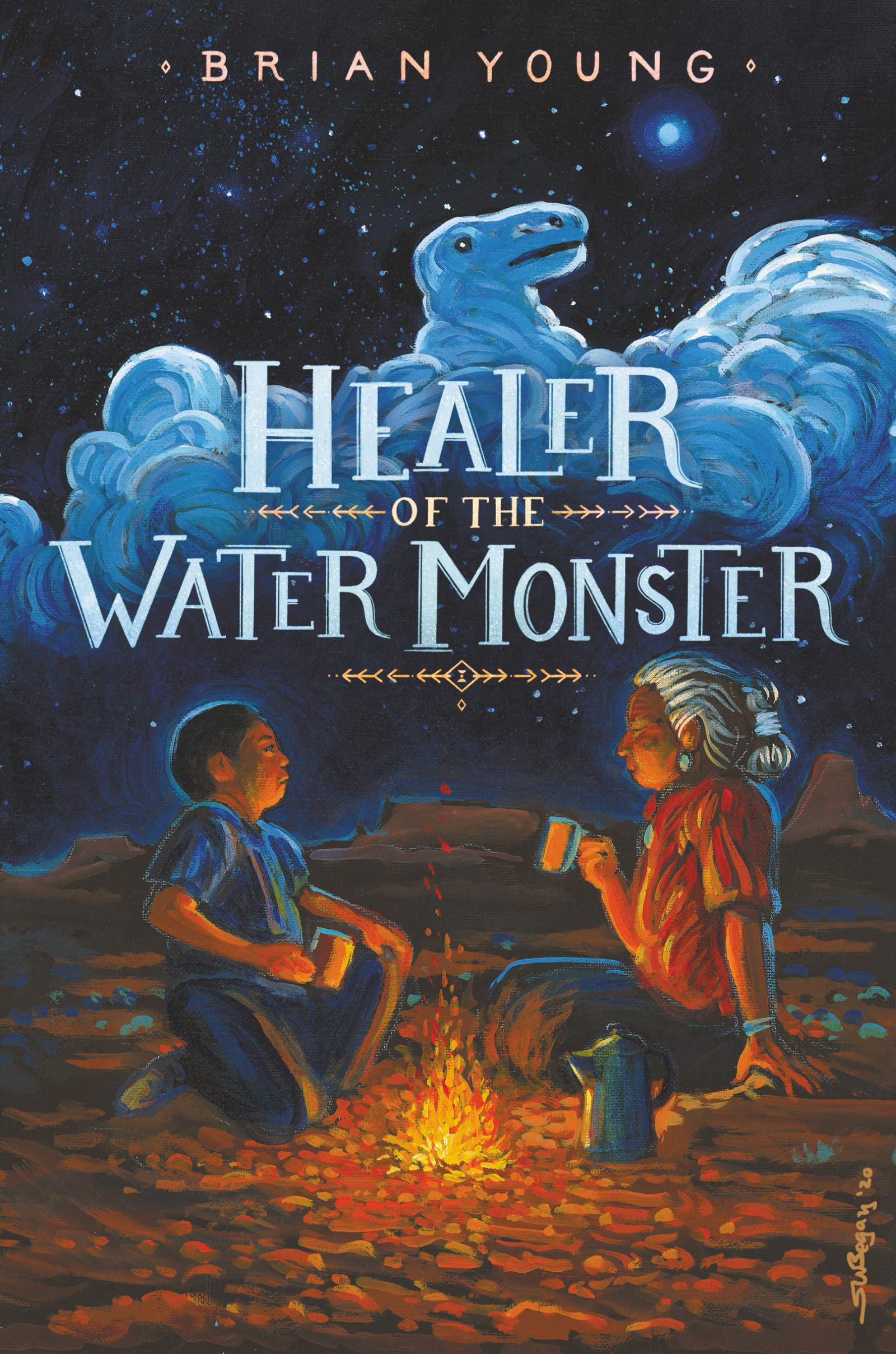
I am listening to Remarkably Bright Creatures by Shelby Van Pelt and rereading Healer of the Water Monster by Brian Young for a manuscript that I’m writing!

Bold_line

Tuesday: Rivka’s Presents, by Laurie Wallmark, Illustrated by Adelina Lirius

Friday: Students’ Voices: Book Recommendations from Kellee’s Students

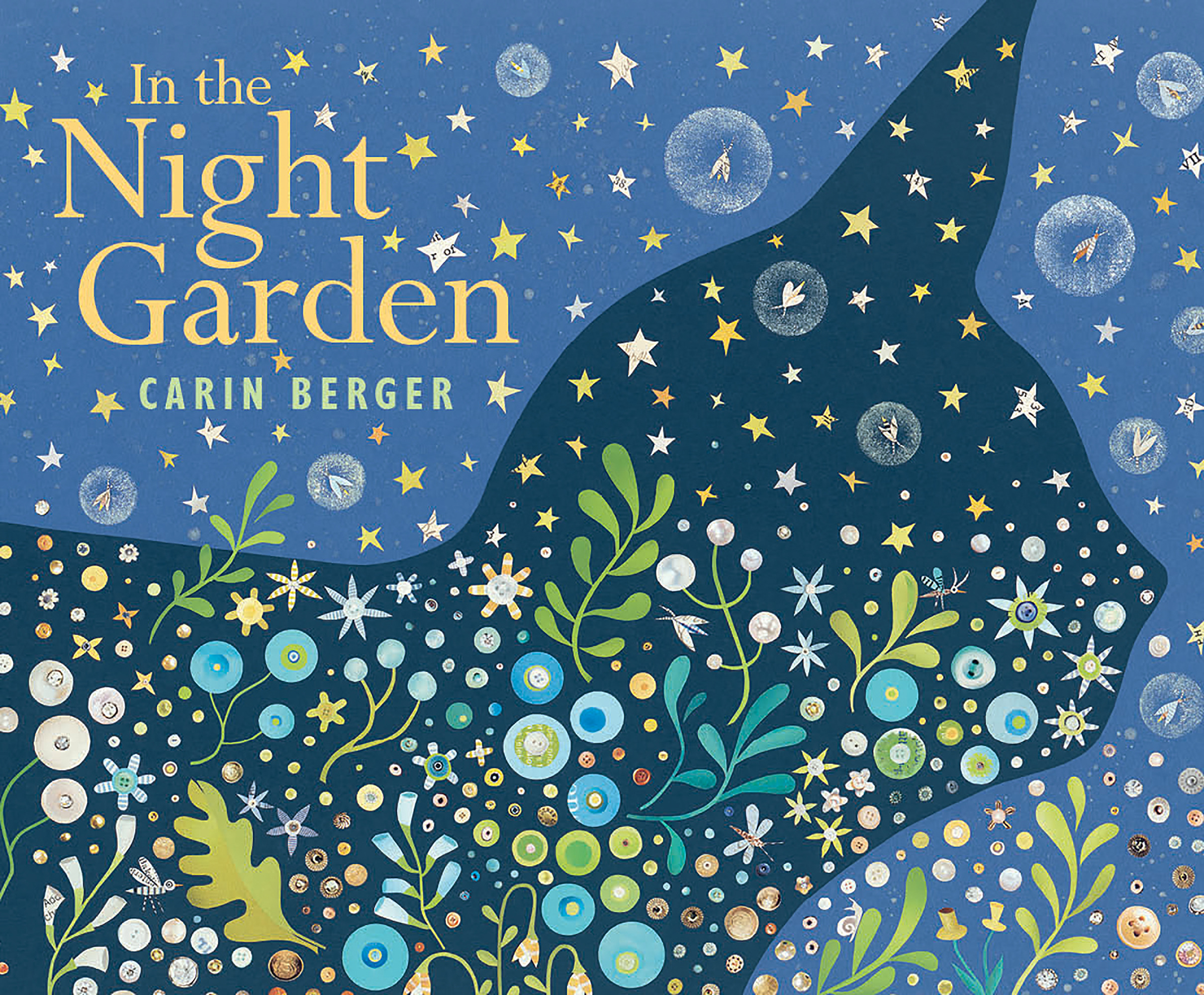
Sunday: Author Guest Post: “Unpacking the Layers of Meaning Hidden within a Picture Book” by Carin Berger, Author of In the Night Garden

Bold_line

Link up below and go check out what everyone else is reading. Please support other bloggers by viewing and commenting on at least 3 other blogs. If you tweet about your Monday post, tag the tweet with #IMWAYR!

 Signature andRickiSig

Author Guest Post: “Middle Graders are Unpredictable–and the Characters we Create for Them Should be, too!” by Linda B. Davis, Author of Food Fight

Share

“Middle Graders are Unpredictable–and the Characters we Create for Them Should be, too!”

As adults, we understand that an individual’s personality cannot be defined with one word. People are complicated and inconsistent—that’s what makes us interesting. Our neighbor yells at the kids who play on his lawn but later gushes over puppies and kittens. A happy-go-lucky waitress cries in the walk-in refrigerator where no one will notice. Kids can sometimes have difficulties recognizing and understanding these inconsistencies in themselves and others.

Recent research has shown that helping children become more aware of their own multifaceted identities and the ability to see themselves from multiple angles can promote flexible thinking and improve problem solving (Gaither, et al). Their findings suggest that learning to see ourselves from many perspectives helps to reduce rigid thinking, which can potentially promote open-mindedness and inclusiveness in a diverse society.

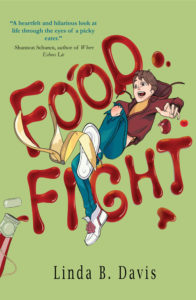
A quick glance at my debut middle grade novel, Food Fight, might suggest that several characters risk being reduced to stereotypes—a quirky loner, a social-climber, a pushy father, and a bully and the kid he is targeting. However, my intention was to create nuanced characters who behave inconsistently and a main character whose conflicting feelings and observations about himself, his parents, and his peers cause him great distress.

Food Fight is the story of eleven-year-old Ben Snyder who is starting middle school. Things go sideways for him right away because his extreme picky eating, which no one has been too concerned with in the past, is suddenly drawing a lot of attention—from his old friends, his weird lab partner, the girl he’s crushing on, and a bully. Before he knows it, Ben finds himself in social free fall, sliding toward the bottom of the middle school food chain. And if that’s not bad enough, he’s facing an upcoming class trip featuring three days and two nights of authentic colonial living—and authentic colonial food that Ben cannot eat.

In preparation for the trip, Ben sees a therapist who suggests that Ben may actually have an eating disorder called ARFID (Avoidant/Restrictive Food Intake Disorder). ARFID, a relatively new diagnosis, is often characterized as extreme picky eating, but the reality is actually quite serious and can cause significant medical, social, and self-esteem issues. It is described as a lack of interest in eating and/or a complete avoidance of eating particular foods based on sensory characteristics including texture, smell, and color. ARFID is often associated with other sensory disturbances, fears of choking or vomiting, and neurodivergence (although neurotypical kids and adults may also have ARFID).

People living with this condition generally say that most foods don’t seem like something they could even put in their mouth, let alone eat, which results in very restrictive diets limited to foods that feel “safe”—often processed or fast foods, which taste the same every time. And although the clinical definitions are descriptive and accurate, they often do not adequately convey the sheer psychological terror involved with ARFID—some call it a food phobia. People with ARFID do not limit themselves to foods they choose to eat—but to the only foods they can eat.

Although ARFID is a relatively rare condition, estimated to affect between three and five percent of kids, the types of obstacles it presents are universal in the world of middle graders as they confront the age-old question of How do I fit in? The bodies and minds of early adolescents are developing more rapidly than during any other stage of human development except between birth and age two. Even without significant medical or mental health issues, middle schoolers are navigating momentous social and academic challenges as well as shifting power dynamics in relationships with peers and parents—and their feelings and strategies for coping are nuanced and evolving, too.

It would be tempting to portray Ben’s bully as unilaterally bad, but he’s not. Other kids actually find him hilarious, and Ben watches on with surprise as the bully walks away from an opportunity to take revenge on another boy. Ben’s quirky lab partner carries herself with an arrogance that pushes others away, but she is loyal to Ben in ways that his own best friends are not. Ben’s father uses friendly language to shame him about his eating. Ben’s best buddy is intent on building up his own popularity but in the process has forgotten how to be a friend. And Ben himself, who could be easily portrayed as a great kid facing unfair circumstances, makes several bad decisions including lying, breaking rules, and responding to an accusation impulsively.

In a 2019 interview, Mayra Cruz, principal of a public school in Washington, DC, described middle schoolers as “consistently inconsistent” (Wong, 2019). It seems fitting that the characters in the fiction they read should be, too.

  1. Sarah E. Gaither, Samantha P. Fan, Katherine D. Kinzler. Thinking about multiple identities boosts children’s flexible thinking. Developmental Science, 2019: DOI:10.111/desc.12871
  2. Wong, A. Why is Middle School So Hard for So Many People? The Atlantic, October 7, 2019.

Published June 27th, 2023 by Fitzroy Books/Regal House

About the Book: Food Fight is the story of an overnight class trip that becomes a survival mission for an eleven-year-old boy who is learning that his super picky eating is actually an eating disorder called ARFID (Avoidant/Restrictive Food Intake Disorder).

Smart and athletic, Ben Snyder is ready to start middle school. But his super picky eating, which has never been a big deal before, is about to take him down. Suddenly everybody’s on his case about what he’s eating and what he’s not—his old friends, his new friends, his weird lab partner, the girl he’s crushing on, and a bully—and Ben finds himself in a social free fall, sliding toward the bottom of the middle school food chain.

Even worse, there’s an upcoming three-day class trip to a colonial farm. Knowing there’s no way he can handle the gag-worthy menu, Ben plans for the trip like a survival mission. Armed with new information about his eating habits, he sets out with three tactical goals: impress the girl, outsmart the bully, and avoid every single meal. But when things go sideways and epic hunger threatens to push him over the edge, Ben must decide how far he will go to fit in and if he has the courage to stand out.

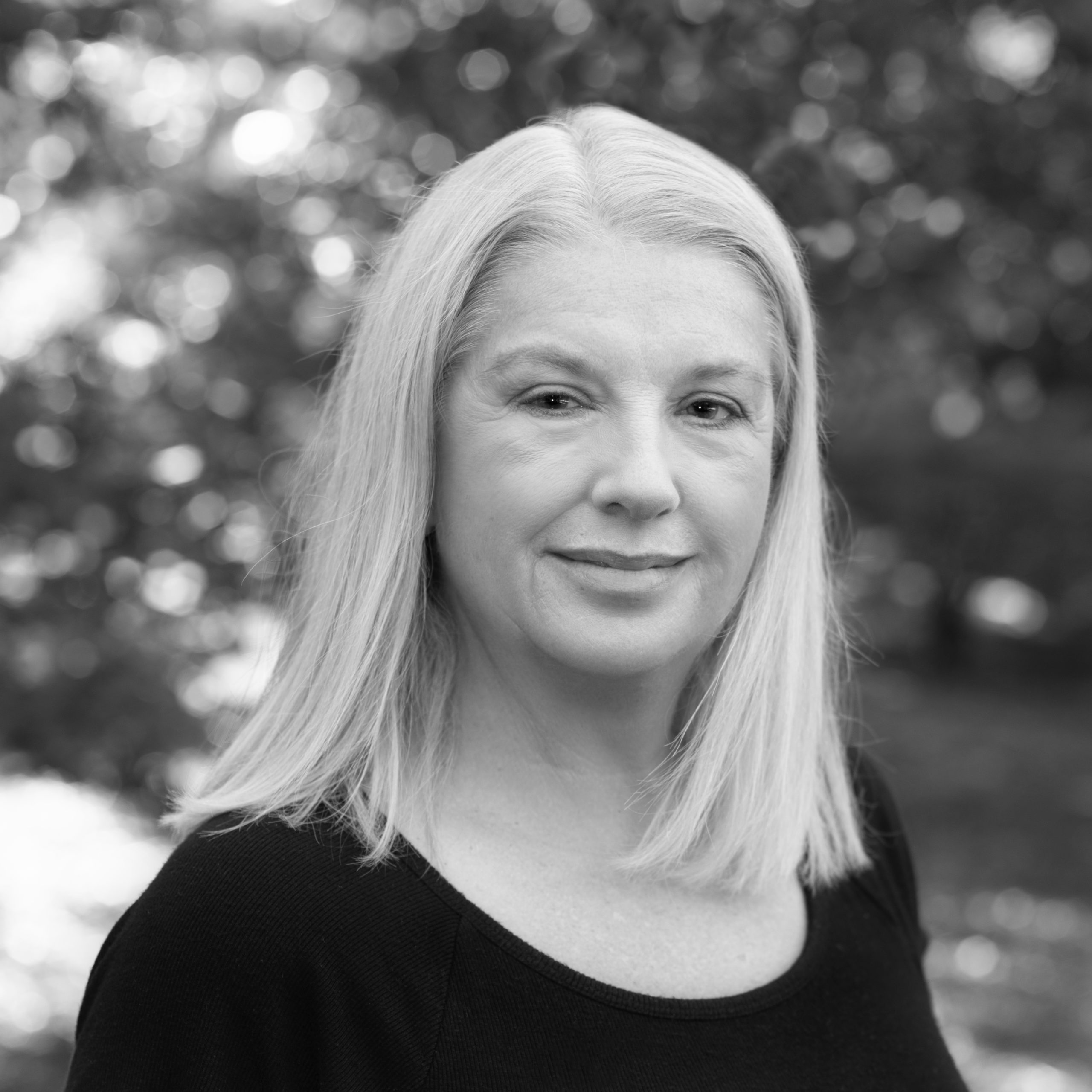
About the Author: Linda B. Davis has always been curious about why we do the things we do. As a social worker in a community mental health setting, Linda became passionate about the need for accurate and accessible mental health information in children’s literature. She is a member of SCBWI and active in the Chicago writing community. She enjoys traveling, gardening, and buying more books than she can possibly read. Food Fight is her first novel.

Thank you, Linda, for honoring the complexity of middle graders!

It’s Monday! What Are You Reading? #IMWAYR 7/10/23

Share

It’s Monday! What Are You Reading?
Sharing Picture Books, Early Readers, Middle Grade Books, and Young Adult Books for All Ages!

It’s Monday! What Are You Reading? is a weekly blog hop co-hosted by Unleashing Readers and Teach Mentor Texts which focuses on sharing books marketed for children and young adults. It offers opportunities to share and recommend books with each other.

The original IMWAYR, with an adult literature focus, was started by Sheila at Book Journeys and is now hosted by Kathryn at The Book Date.

We encourage you to write your own post sharing what you’re reading, link up below, leave a comment, and support other IMWAYR bloggers by visiting and commenting on at least three of the other linked blogs.

Happy reading!

Bold_line

We took some time off from blogging for a summer vacation, but we are back this week with some posts!

Bold_line

Sunday: Author Guest Post: “Middle Graders are Unpredictable–and the Characters we Create for Them Should be, too!” by Linda B. Davis, Author of Food Fight

Bold_line

Link up below and go check out what everyone else is reading. Please support other bloggers by viewing and commenting on at least 3 other blogs. If you tweet about your Monday post, tag the tweet with #IMWAYR!

 Signature andRickiSig

It’s Monday! What Are You Reading? #IMWAYR 7/3/23

Share

It’s Monday! What Are You Reading?
Sharing Picture Books, Early Readers, Middle Grade Books, and Young Adult Books for All Ages!

It’s Monday! What Are You Reading? is a weekly blog hop co-hosted by Unleashing Readers and Teach Mentor Texts which focuses on sharing books marketed for children and young adults. It offers opportunities to share and recommend books with each other.

The original IMWAYR, with an adult literature focus, was started by Sheila at Book Journeys and is now hosted by Kathryn at The Book Date.

We encourage you to write your own post sharing what you’re reading, link up below, leave a comment, and support other IMWAYR bloggers by visiting and commenting on at least three of the other linked blogs.

Happy reading!

Bold_line

Tuesday: Blog Tour with Review and Educators’ Guide: Conjure Island by Eden Royce

Friday: Student Voices: “AI: The Flaw in Sci-Fi Books” by Derrick T., 8th Grade

**Click on any picture/link to view the post**

Bold_line

We’re taking our summer vacation from the blog this week and next! See you on July 13th with our next review 🙂

Bold_line

Link up below and go check out what everyone else is reading. Please support other bloggers by viewing and commenting on at least 3 other blogs. If you tweet about your Monday post, tag the tweet with #IMWAYR!

 Signature andRickiSig

Student Voices: “AI: The Flaw in Sci-Fi Books” by Derrick T., 8th grade

Share

“AI: The Flaw in Sci-Fi Books, How AI Can Solve Most Problems Presented in Sci-Fi Books and Why It Isn’t Utilized by Derrick T., 2022-23 8th grader

AI, also known as Artificial Intelligence, is rapidly developing as our grasp of technology expands. Due to the ever increasing complexity of AI, all books that reference technology in the future without an intellectual apocalypse should have a prevalent AI component.

One main point of the Sci-fi genre is to examine potential futuristic outcomes of current situations. Unless our society has a rapid decline in technological progress, any accurate future will have AI. Let’s take a look at sci-fi series that have advanced enough technology that they should have fairly advanced AI but don’t, and how they could use that AI to solve some of their problems. Note that some of these may contain light spoilers.

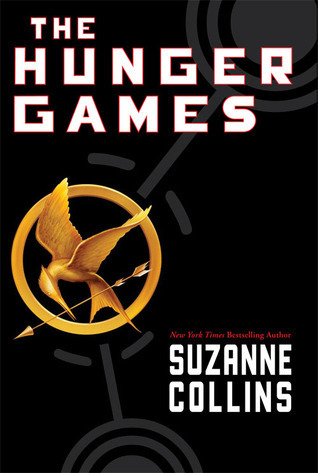
Hunger Games by Suzanne Collins

While most dystopia series would have an out for including AI, the series Hunger Games would not. Even though the government falls, technology doesn’t, so this series should have AI. In the Hunger Games world the capitol should have AI and that should have a better way to control than to suppress since all examples of oppression have eventually led to rebellion.

It’s also possible that District 3 would have AI since they are a technology developing district. Officially they are more of a production district than a research district, but we aren’t given much insight into the research process. But in the event they had AI they could use it to tactically weaken the Capitol to the point of its collapse.

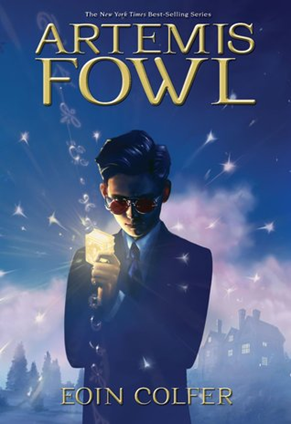
Artemis Fowl by Eoin Colfer

While this series is typically categorized as fantasy, it does have many sci-fi elements, and since Fairy technology is described as being over 50 years ahead of humanity, meaning it would have AI, I am adding it to this list. The main problem in the first series is that fairies cannot enter Fowl Manor, so they take risky actions to free Holly. An AI could clearly identify the weakness in Artemis’s strategy, like remotely accessed machines, and exploited them, meaning he would be mind wiped and the rest of the series could not have happened.

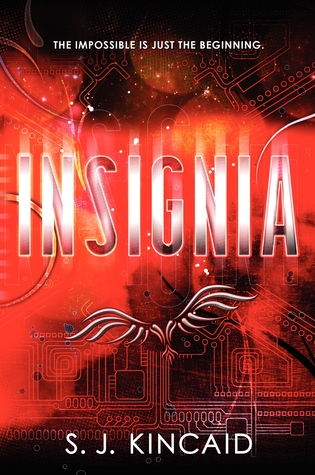
Insignia by S. J. Kincaid

This series has a more obvious weakness when it comes to AI. The reason for the neural processors is to control space robots faster in the war. If the problem is the speed, why would you not cut humans out of the picture entirely and just have AI control the robots and fight the battles in space?

In the examples above, AI is not used for a variety of reasons. First of all, these series were written before this recent expansion of AI, with the most recent being written in 2012, so these authors didn’t know nearly as much about AI as we do now. Secondly, it is very difficult to write about AI without two major problems: robots and AI generally lack character development, and it is very difficult to create a reason why an AI with access to the sum of human knowledge can’t solve a problem a human can, meaning it is very hard to mix AI and human characters.

It is possible though, so let’s look to an example of a series that does this very well:

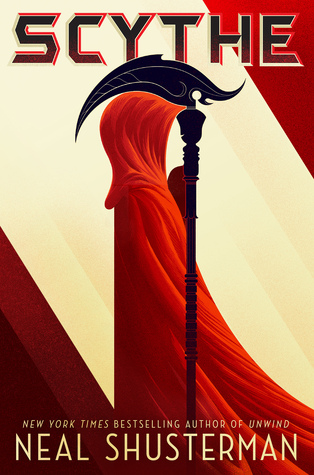
Scythe by Neal Shusterman

Scythe is one of my favorite series for it’s use of AI. The Thunderhead (the AI in Scythe) is a perfect way to get out of the problems with AI. The AI itself has character development, and there are very clear reasons why it cannot get involved or act on the problems in the book (the separation of Scythe and State). In addition, the final solution has two reasons why the AI couldn’t have thought of it (I won’t list for spoiler reasons).

In conclusion, AI in both sci-fi literature and real life is continuing to move towards the future, so even as technology makes this post outdated, humanity and our ideas of the future are advancing towards a brighter era.

Thank you so much to Derrick for sharing his analysis of science fiction!

Blog Tour with Review and Educators’ Guide: Conjure Island by Eden Royce

Share

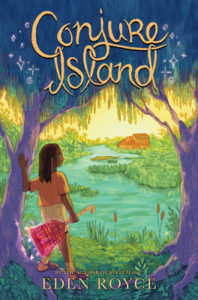
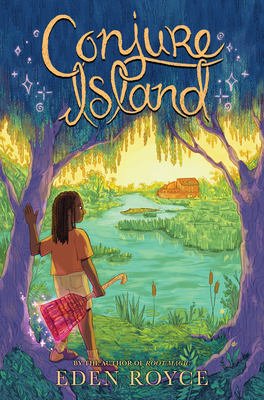
Conjure Island
Author: Eden Royce
Published June 27th, 2023 by Walden Pond Press

Summary: If you ask Delphinia Baker, she’d tell you she has all the family she needs. Sure, her mom passed away when she was young, her dad is often away on deployment, and she’s had to move so much that she’s never had close friends. But even though Del has never had anyone she can call her people, she has always had her grandmother—and for Del and Gramma, best friends since forever, that’s enough. Besides, having no roots just makes it that much easier when you have to move again.

All of that changes, though, when Gramma falls ill and Del is sent to stay with her great-grandmother. Del has never even heard of Nana Rose, and she has no interest in spending the summer with a stranger on an unbearably hot island off the South Carolina coast. And when Nana Rose starts talking about the school she runs dedicated to their family’s traditions—something called “conjure magic”—Del knows she’s in for a weird, awkward summer.

That is, until the magic turns out to be real.

Soon, Del is surrounded by teachers who call themselves witches, kids with strange abilities, creatures and ghosts who can speak to her. She has a hundred questions, but one more than any other: Why didn’t Gramma ever tell her about her family, the island, this magic? As Del sets out to find answers and to find her place in a world she never knew existed, she also discovers a shadowy presence on the island—and comes to believe that it all might be connected.

Eden Royce, the acclaimed author of Root Magic, returns to the folklore of Gullah Geechee culture to weave an enchanting tale of magic, mystery, and belonging.

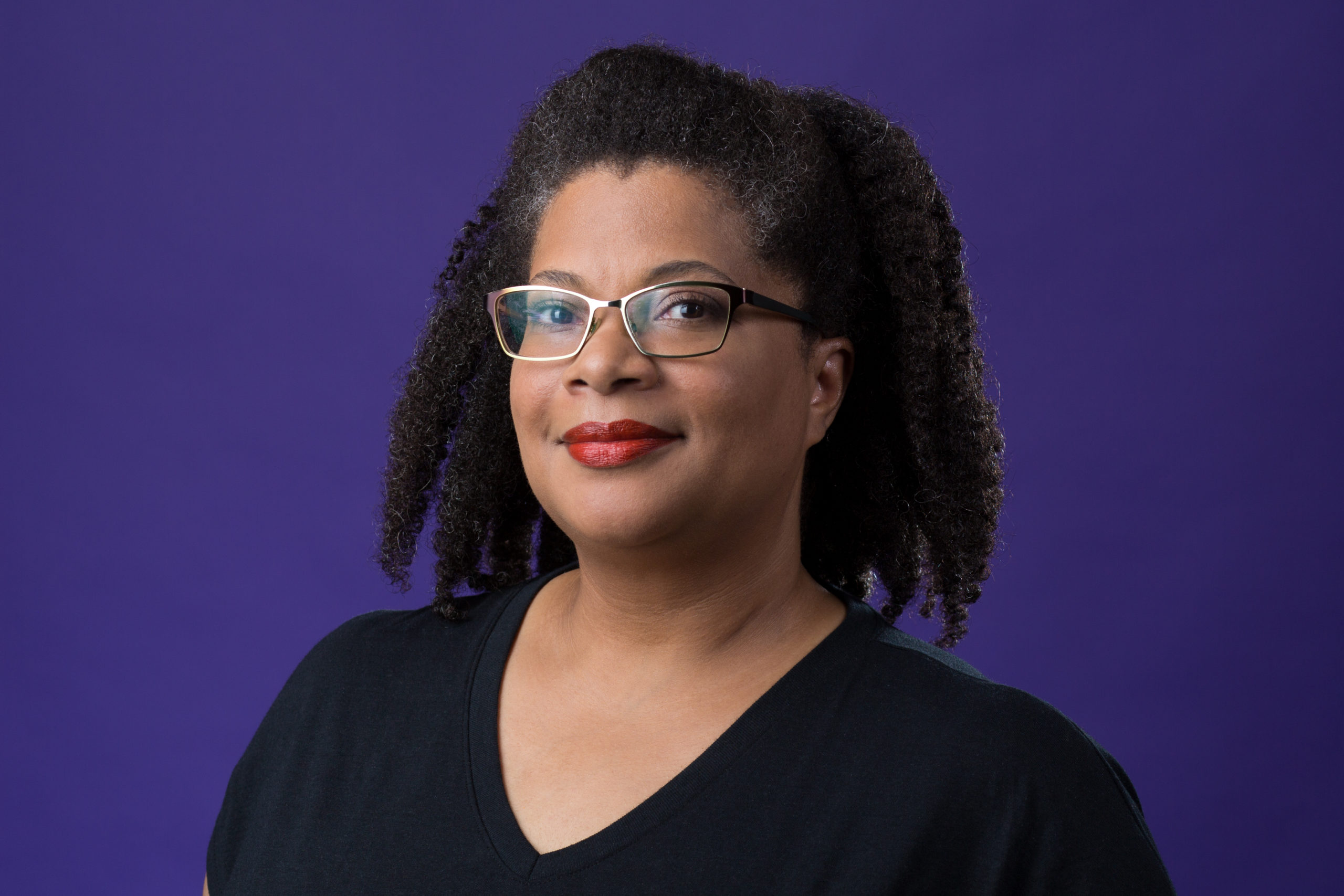
About the Author: Eden Royce is a writer from Charleston, SC, now living in the Garden of England. She is a Shirley Jackson Award finalist for her short fiction for adults. Her debut novel, Root Magic, was a Walter Dean Myers Award Honoree, an ALA Notable Children’s Book, a Mythopoeic Fantasy Award winner, and a Nebula Award Finalist for outstanding children’s literature. Find her online at edenroyce.com.

Photo Credit: Tim Hensel

Review: I just loved this book. Everything about it: the characters, the academy, the magic, the history.

First, Del is a ball of light. Royce does a phenomenal job making Del a whole and complete person who feels all of the feels and just embodies all of the emotions of a person of her age.

Second, our main secondary characters are just such great support and are fleshed out so well. Every character is full of heart and flaws and spirit (sometimes they ARE a spirit).

Third, the academy and the magic. Royce sure knows how to build a world and pull the reader into it. This academy is first full of magic but is also full of history and culture and community. And the conjure Royce introduced is very detailed and unique to other magics found in books.

And these are just three things I loved within the book; I could keep going. Fantasy readers, specifically magical school fans, are going to adore this new book (series???).

Teachers’ Tools for Navigation & Discussion Questions: 

Flagged Passages: One of the triplets spoke up. “If we can’t do things the same ways they did back then, why bother learning about them?”

“Good question, Taye,” the sorcell replied. How could he tell them apart? Del wondered. “Three reasons. First, if you don’t learn the origins of magic, you will strip away our people’s influence. Our people created this magic, and we should remember that. Those who are only interested in conjure because they think it’s new or fun or cool will learn only the piece of it they like. Remember, this is an old magic born of community, and of the need to protect themselves, educate our people, and survive in a harsh world.”

“Hey, that’s the motto!” said a boy on the other side of Fino, whose name she hadn’t caught at breakfast.

“So it is, Jerome,” Sorcell Harus said. “That is why we display it so prominently. Second: We aren’t perfect. Learning ancient ways doesn’t just mean learning about our ancestors’ successes–it also means learning about their mistakes. Which will help you avoid repeating them. We all want to avoid that, don’t we?”

Murmurs of agreement from the class, including Del.

“And third, learning your history helps you learn about yourself…” (Chapter 11)

Read This If You Love: The Marvellers by Dhonielle Clayton, Nic Blake and the Remarkables by Angie Thomas, How to Heal a Gryphon by Meg Cannistra, Amari and the Night Brothers by B.B. Alston

Recommended For: 

classroomlibrarybuttonsmall 

Make sure to visit the rest of the blog tour!

June 27 Nerdy Book Club @nerdybookclub
June 27 Unleashing Readers @unleashreaders
June 27 Helping Kids Rise @helpingkidsrise
June 28 Charlotte’s Library @charlotteslibrary
June 28  StoryMamas @storymamas
June 29  LitCoachLou @litcoachlou
June 29  A Library Mama @librarymama
June 29  Teachers Who Read @teachers_read

Signature

**Thank you to Walden Pond Press for providing a copy for review!!**