It’s Monday! What Are You Reading? #IMWAYR 12/14/15

Share

IMWAYR 2015 logo

It’s Monday! What Are You Reading? From Picture Books to YA!

It’s Monday! What are you Reading? is a meme started by Sheila at Book Journeys and now hosted by Kathryn at The Book Date. It is a great way to recap what you read and/or reviewed the previous week and to plan out your reading and reviews for the upcoming week. It’s also a great chance to see what others are reading right now…you just might discover the next “must-read” book!

Kellee and Jen, of Teach Mentor Texts, decided to give It’s Monday! What Are You Reading? a kidlit focus. If you read and review books in children’s literature – picture books, chapter books, middle grade novels, young adult novels, anything in the world of kidlit – join us! We love this meme and think you will, too.

We encourage everyone who participates to support the blogging community by visiting at least three of the other book bloggers that link up and leave comments for them.

Last Week’s Posts
top ten tuesday x-default Ricki and Henry 1-2 years carnival of cats dala horse

Tuesday: Ten New-To-Me Authors I Read For The First Time In 2015

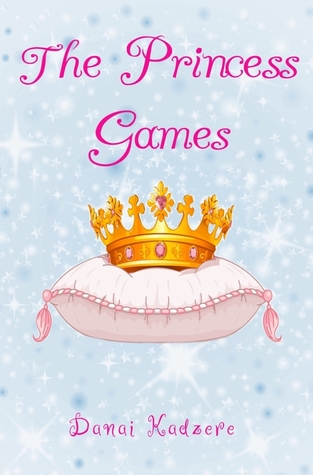
Wednesday: The Princess Games by Danai Kadzere

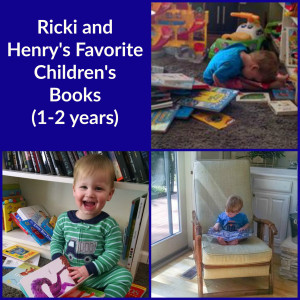
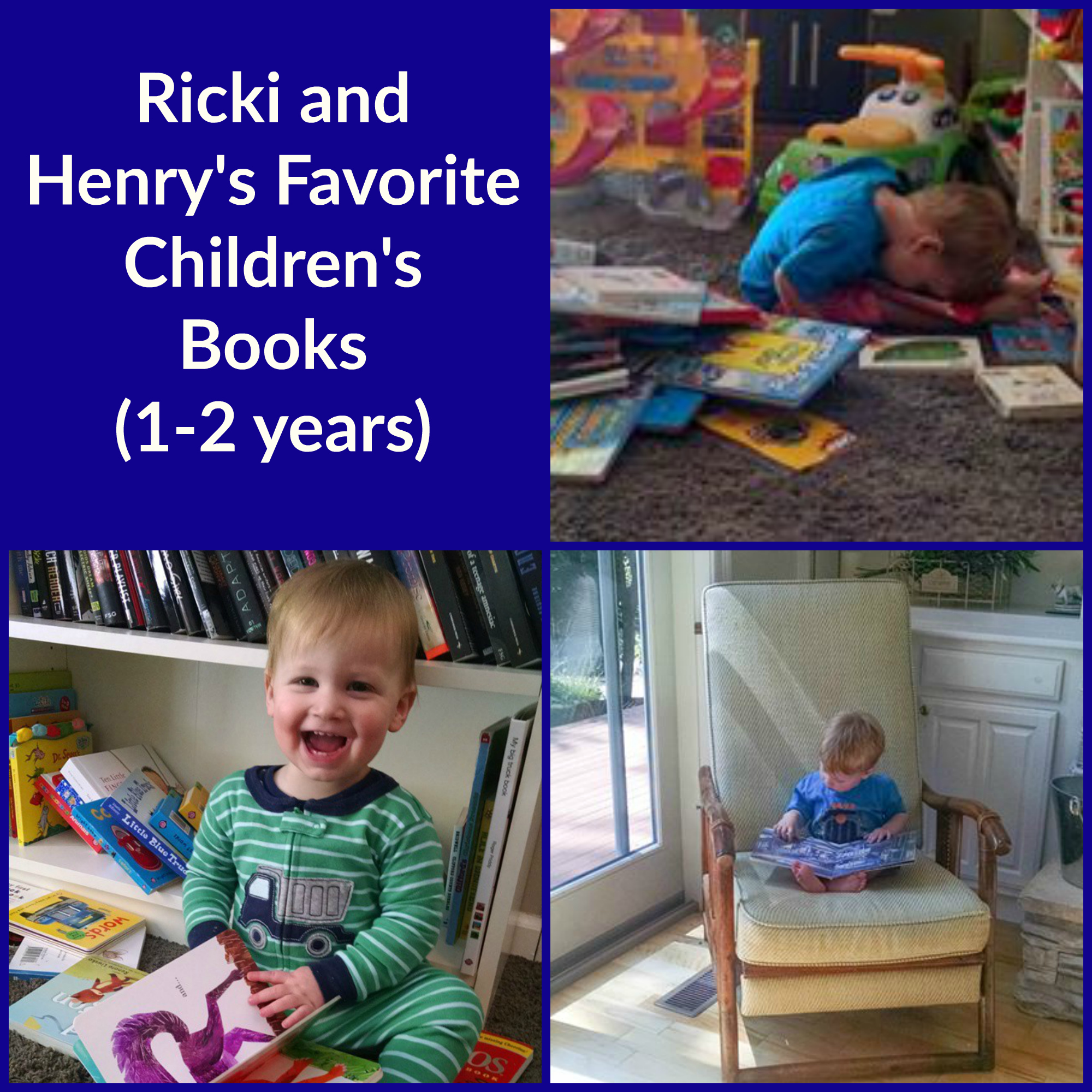
Thursday: Ricki and Henry’s Favorite Children’s Books (1-2 years)

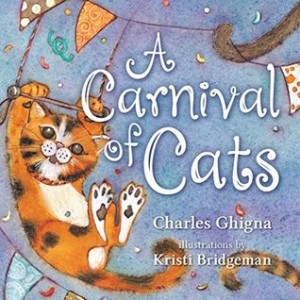
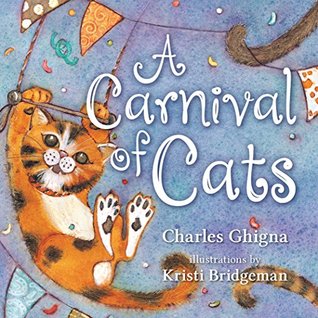
Friday: A Carnival of Cats by Charles Ghign

 Last Week’s Journeys

Kellee: This week I finished two very different books! First, I finished How It Went Down by Kekla Magoon which was such a tough yet important and well done read. I think this is one of those books that everyone needs to read. I cannot wait to book talk it to my 8th grade class because I think that many of them will want to read Tariq’s story. Also, being so close to where the Trayvon Martin murder happened makes the story even more relevant. Then, a complete switch in type of novel, I read Timmy Failure: Mistakes Were Made by Stephan Pastis based on the recommendation of Josh Funk. Man! Timmy Failure is such a silly book! I can see why my 7th grade student loves them so much, and now that I’ve read it, I cannot wait to share it because I think my Diary of a Wimpy Kid gang will really love Timmy.

Ricki: I read and absolutely loved Not If I See You First by Eric Lindstrom. The story is about a girl who is blind and a runner. How do you run if you are blind? I feel like I learned so much for this book about the physical and mental strength of this young girl. Frankly, I can’t quite find the words to express how much it taught me about life. The narrator is feisty, and I appreciated her candor about her disability. I highly recommend it. 

This Week’s Expeditions

Kellee:  I’d planned on reading an Andrew Smith novel this week, but I got sick and needed something a bit lighter, so I started Camp Utopia and the Forgiveness Diet by Jenny Ruden, and it is seems like it is going to be a fun YA novel. I then plan on reading Alistair Grim’s Odditorium by Gregory Funaro then The Honest Truth by Dan Gemeinhart with Michele Knott.

Ricki: I have two hours left of The Martian by Andy Weir. I will definitely finish it this week. I am also about halfway through Simon vs. the Homo Sapiens Agenda by Becky Albertalli, and I am really enjoying it.

Upcoming Week’s Posts

Text Set Button

Tuesday: Introduction to Text Sets for Teachers Series

Wednesday: Text Sets for Teachers: Growing Pains: Looking at the Subject of Coming of Age

Thursday: Text Sets for Teachers: What is a Hero?: Exploring the Concept of a Hero

Friday: Text Sets for Teachers: Prejudice: Is It Something We Can Control?

Sunday: Text Sets for Teachers: The Power of Words: Witnessing the Impact of Words

 So, what are you reading?

Link up below and go check out what everyone else is reading. Please support other bloggers by viewing and commenting on at least 3 other blogs. If you tweet about your Monday post, tag the tweet with #IMWAYR!

 Signature andRickiSig

Author Guest Post!: “Where Are You From? Honing Research And Evaluation Skills With A Family Tree Project” by Lissa Johnston, Author of The Dala Horse

Share

“Where Are You From? Honing Research And Evaluation Skills With A Family Tree Project”

by Lissa Johnston

It’s human nature to be curious about each other. In our caveman days, the ability to detect whether someone was similar to you or very different from you (friend or foe?) was an important survival skill. These survival instincts remain with us today, but we go about evaluating ourselves a little differently. We still observe and make judgments about our fellow humans based on previous experience. As mankind has evolved, we have added the wonderful gift of language – now we can also ask questions! Among adults we see this in the tried-and-true conversation starter,‘what do you do’? With kids, that question doesn’t work as well because most of them ‘do’ the same thing – they’re students. More (and better!) questions are required. A similar question that works well in this process of discovery is not, ‘what do you do?’, but rather: ‘where are you from?’

You may think this is a simplistic question, yielding little in the way of learning opportunities. Everyone knows where they are from, you might be thinking. What’s so special about that? I would argue this one simple question can be more enlightening than it seems, for at least two reasons. One: not everyone, especially not children, are aware of where they are ‘from’. Secondly, when I ask ‘where are you from?’, I hope to encourage you to dig into your family tree and tell me where you are really FROM.

The cool thing about this seemingly nosy inquiry is that it works equally well when turned upon one’s self. One of the main sources of inspiration for my latest book, The Dala Horse, was discovering one branch of my family tree was Norwegian. As a Native Texan growing up in a big city, it was something of a surprise to discover I had Scandinavian roots. The closest I had ever come to anything Norwegian was when the Cowboys played the Vikings, and that wasn’t very often.

Occasionally my younger school-age cousins will reach out to me with questions about our family tree for a class project. I am so thrilled that family tree projects are becoming commonplace in the classroom. It’s the perfect learning opportunity. It combines history, math, sociology, geography, and the golden ingredient: it’s all about the student!

The beauty of a family tree project is that it easily incorporated Into your existing reading plan. There’s no need to add or adjust the reading schedule unless you just want to. Once you start looking at your current assigned reading projects through family tree glasses, opportunities for tying into a family tree project abound. The connection is pretty obvious with social studies, history, or historical fiction books. But if you dig a little deeper, it can also be made with more mainstream books. Most have characters with a variety of ethnic backgrounds. If not, they may take place in locales that vary from yours. Either is a great jumping off point with this simple and adaptable question: ‘[character] in [book] is from [location]. Where are you from?’ And if your current assigned reading is somewhat homogenous, ask the students to write their own version of the story, putting it in a different locale or time period that has some connection to their own family tree.

Some additional ideas for incorporating a family tree project into your lesson plans:

  • Have students work up a family tree project going as far back as they can. It’s okay if it’s only two or three generations. Question marks in the family tree are okay. That happens to professional genealogists all the time!
  • Pre-select a 20 year time period (1900-1920; 1960-1980). Have the students create a fictional biography about one of the family members who was born within that time period. Extra credit if the story correlates with the age that person would have been within that era. For example, if teacher has selected the era 1940-1960, and Uncle Kenneth was born in 1941, his bio should focus on what he would have been doing from age 0-19. Hint: best to keep this within the last 100 years to make family tree research a little easier.
  • Create some tickets, each with different eras written on them. Number of tickets should equal or exceed number of students in class. For example if you have 30 students, create 35 or so tickets. Divide total number of tickets into 3-4 different eras. Write the eras on the tickets and have students draw out of a jar for what era they will be writing about, again featuring a member of their family tree who lived within that era. This helps spread the research around so that everyone is not looking for the same handful of books on a narrow slice of shelving in your library. You can have them work together in groups, or as individuals. The groups can be organized so that each group is working on the same era so that you have a horizontal storyline. Or, group composition can be completely random so that you might end up with a more vertical storyline for the project within that group: one from 1920-1940; 1940-1960; 1960-1980; and so forth.
  • Students select a person from their family tree. Match something about this person with a similar topic from your school library and write a review of this book. Be sure to include the connection with your family/why you chose it. For example, perhaps Granny Louise grew up on a dairy farm. Select a book about farms, or cows, or the state or city where she lived.
  • Occasionally some students will have some difficulty tracing their family tree back very far. To avoid this issue, make the entire project about fictional or non-fictional characters that THEY get to choose. Create an imaginary family tree for that person going back three generations (self, parents, grandparents). Although the characters will be fictional, their significant life events (birth, marriage, school, death), geography, occupation, etc. must line up more or less correctly with the fictional character. So for example a fictional family tree based on Abraham Lincoln would have a very different set of facts than, say, a fictional family tree of LeBron James.
  • I did mention math, up there, didn’t I? So I better include a few math suggestions. Compile a list of the various ethnic identities in your class based on what the students have uncovered going back to their grandparents’ generation. Which group is the largest? Smallest? How would you calculate these two numbers into percentages? Extra points for determining how your class’s stats line up with similar statistics locally and/or nationwide. Extra points for discovering what other parts of the country have similar groups. In other words, if the smallest percentage represented in your class is of Italian ancestry, where are the largest concentrations of Italian immigrants in the US?
  • Place all ethnic groups represented by your students in a jar. Draw three. Have students research whether there are any businesses such as shops or restaurants in your area that share a common heritage with these three.
  • Reverse that project. Have the class compile a list of several shops and restaurants in your town. Have them research the ethnic groups they represent.
  • Family tree programs and software are very popular now. If your students are old enough, you may lead them in researching family tree records online. In order to avoid any privacy concerns you can easily keep it very general and just look at for example census records for your town going back however far. A fun activity with census records is looking at people’s professions. If accessing these programs is not possible, allow family interviews instead.
  • One of the activities I suggest in the book is a good example of demonstrating how cultural traditions persist through time. Cultural traditions of Norwegians in Texas might seem an obscure subset, until you start brainstorming how many of our traditions we follow and enjoy share today had their roots in other ethnic groups. Challenge students to list the various ethnicities represented in the classroom. Pair these with traditions familiar to many. For example, St. Patrick’s Day is an Irish tradition. Mardi Gras = French. Kwanzaa = African American. I mentioned the Minnesota Vikings earlier. Sports teams often have ethnic cultural connections and are very familiar with many students.
  • Popular songs, artists, even instruments are a great resource for cultural variety. What are the origins of the guitar? Drums? What type of music is traditional in Poland, or India?
  • I’ve saved my favorite activity for last. After completing their family tree research, each student must find something in their research that connects them with at least one other student. For example, perhaps student 1 had a grandfather who was in the Navy during World War II, and student 2 had an ancestor who emigrated to the United States after World War II. Be lenient with the connections. This is a great activity for class-wide brainstorming. A spider diagram on a white board or any display that could be left up for a few days would be ideal for this. The project is complete when each student’s name is represented and linked to someone else’s in the spider diagram.

My wish for students is that they experience the eye-opening discovery that even though some of us may look very much alike on the outside, we may be very different on the inside. And of course, the opposite is true! Sometimes the people who look the most different from us on the outside are the ones with whom we find we have the most in common. There may not be many of you reading this now who have Norwegian ancestors who settled in Texas, like I do. But I bet there are plenty of you whose ancestors came here from somewhere else – also like me!


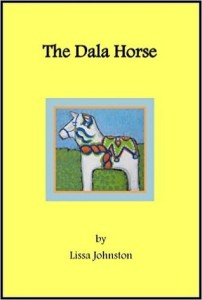
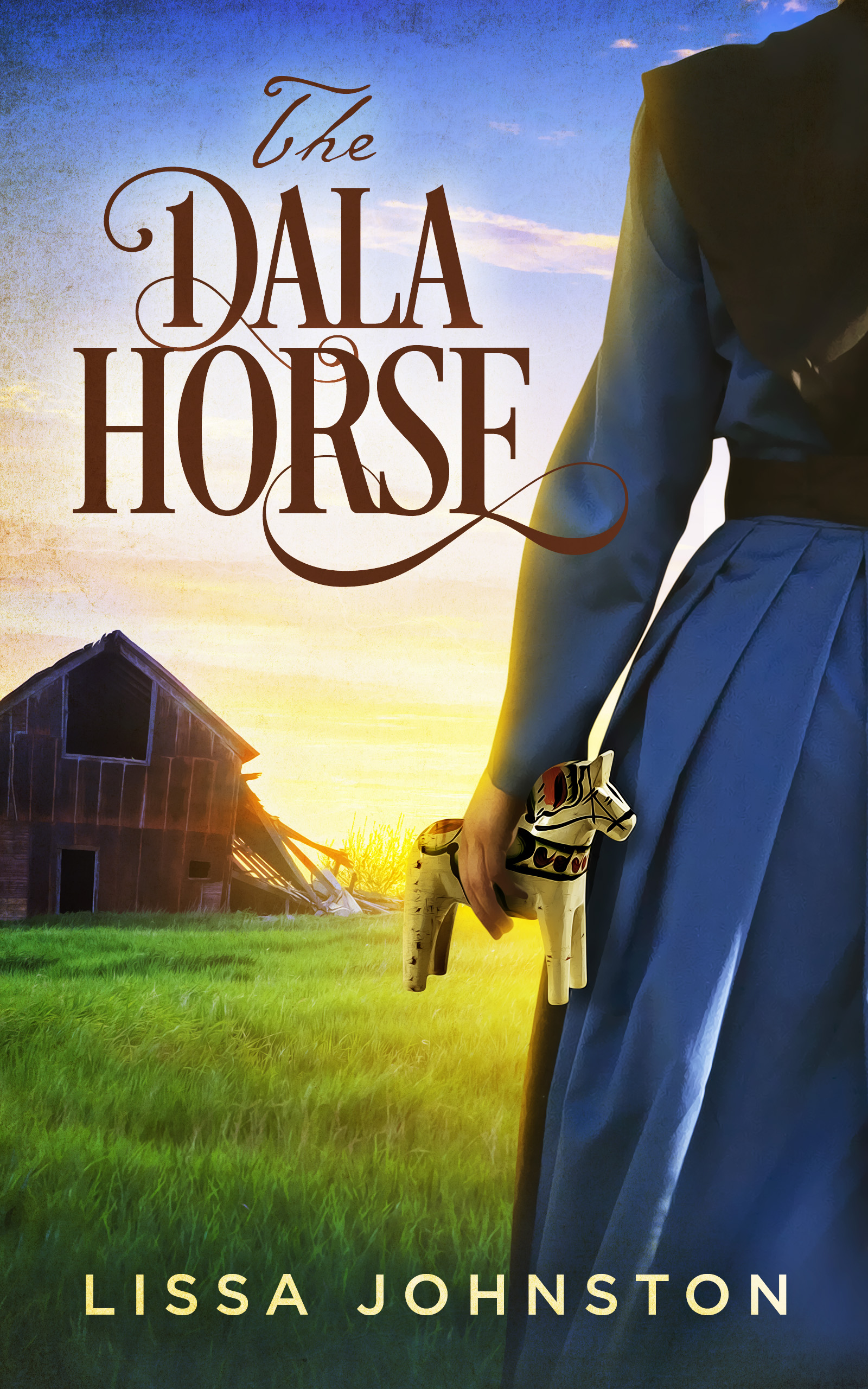
About The Dala Horse

10-year-old Kaya Olson lives in a small Norwegian immigrant settlement in
post-Civil War Texas. When her mother is killed in a stage coach robbery,
Kaya feels responsible. Can she uncover the secrets her family is keeping
to solve the mystery surrounding her mother’s death?

Thank you to Lissa for these great research and evaluation skills!

RickiSigandKellee Signature


A Carnival of Cats by Charles Ghigna

Share

carnival of cats

A Carnival of Cats
Author: Charles Ghigna
Illustrator: Kristi Bridgeman
Published September 1st, 2015 by Orca Book Publishers

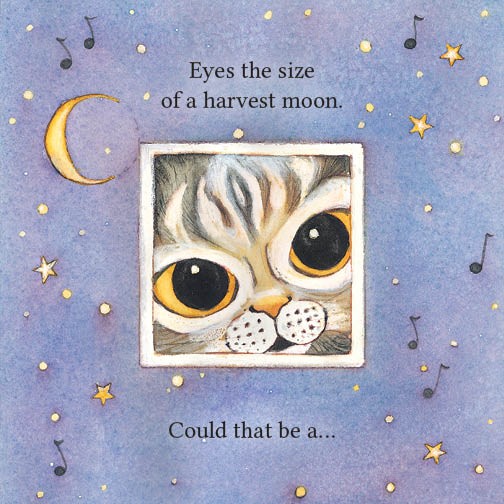
Summary: There’s a purrrfect little carnival coming to town, filled with adorable cats of all different kinds! In this hint-and-reveal board book, babies, toddlers and cat-lovers alike will enjoy discovering (and guessing) what breed of cat is hiding on the next page. With playful rhyming text from award-winning author Charles Ghigna, aka Father Goose(R), and beautiful illustrations by celebrated artist Kristi Bridgeman, this exuberant board book will have everyone guessing what cat is that!

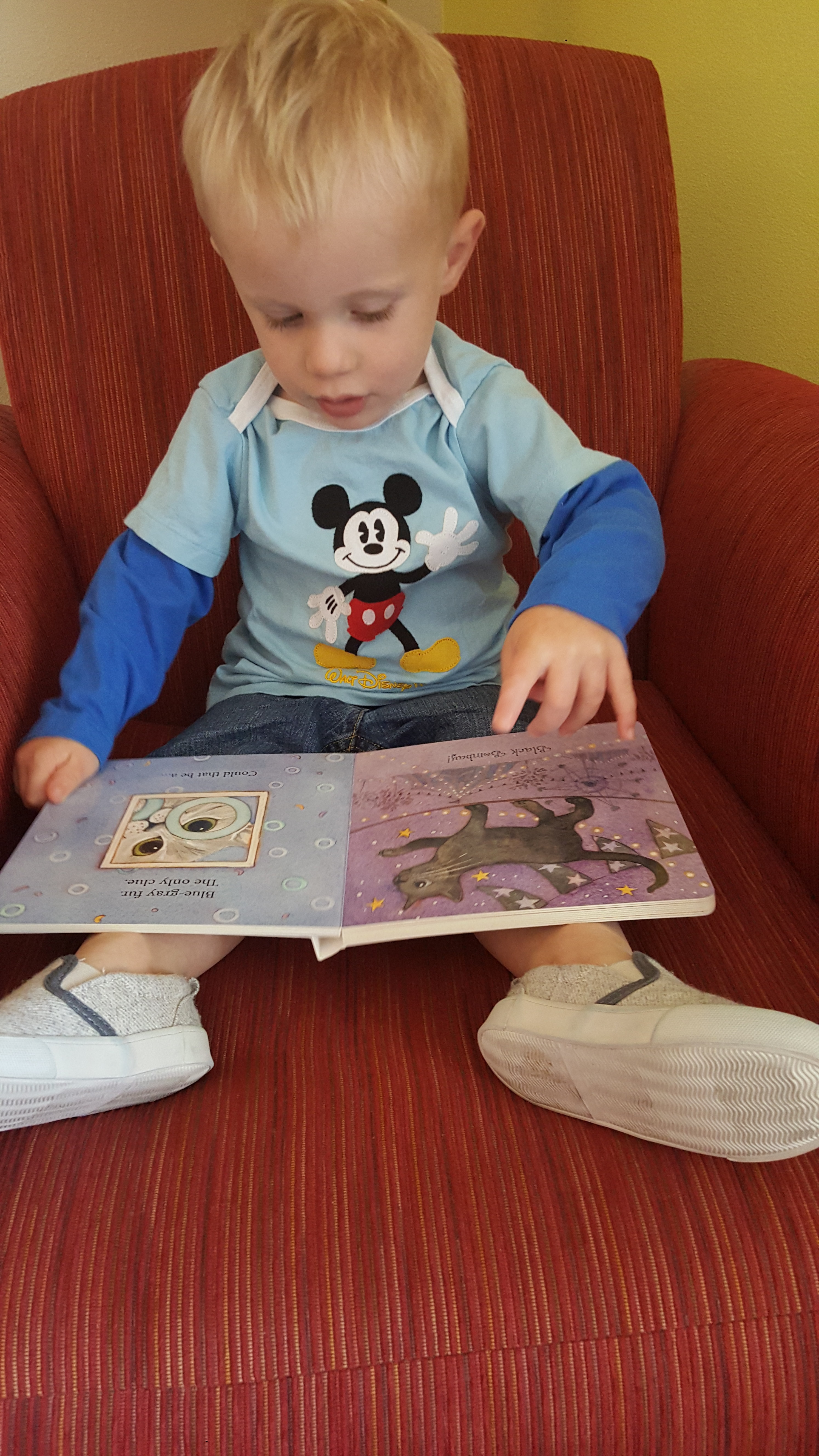
Kellee’s Review: Trent really loves animals, but he especially loves kitties since we have two of them, so when I heard about this book, I knew it would be one that Trent would really enjoy. And I was right!

20151127_101857

We had a great time looking at all the different types of cats, learning their names, and discussing the traits of each type of cat. Trent was also very enthusiastic about the balloons in the carnival. The book also rhymes, so there is a great rhythm while reading which adds to the musicality of being at a carnival of cats.

Ricki’s Review: Ever since we received this book, Henry has wanted to read it every night. My son is a cat guy. When I asked him which relative he wanted to come to his birthday party the most, he said, “Kitty.” You can only imagine his excitement when he received this book. Each page features different appearances, names, and behaviors of cats. I was surprised at how much I learned! We’ve been practicing the different types of cats, so he will be better able to identify his feline friends. I’d highly recommend this board book. It is quite fun to read, and every night, I look forward to reading it.

Teachers’ Tools for Navigation: This book will be a wonderful read aloud in an early childhood classroom. There are opportunities for comparing and contrasting, rhyming, and cross-curricular elements by talking about different breeds of cats.

Discussion Questions: What are the differences between the different types of cats? Which cat has _____/is _____?

We Flagged: 

carnival of cats pic 1 carnival of cats pic 2

Read This If You Love: Cats

Recommended For: 

readaloudbuttonsmall

Kellee Signature andRickiSig

**Thank you to Katie at Orca for providing copies for review!!**

Ricki and Henry’s Favorite Children’s Books (1-2 Years)

Share

Ricki and Henry 1-2 years

I make an attempt to pick out the top ten picture books that Henry and I read together. These posts feature his (my husbands, and my) favorite picture books that we’ve read. This is incredibly difficult because we read so many fantastic books. But I understand, as a mom with a limited budget, that other parents may appreciate a list. We usually plow through library books and buy our favorites. Each of the books listed below is worthy of purchasing! With the holidays near, I recommend each of these. I am excluding my favorite books from our first top ten list (birth to six months) and our second top ten list (six to twelve months). As I described in the first post, Henry, his dad, and I read books together every night, and we are excited to share these great books with all of you! They are listed in alphabetical order.

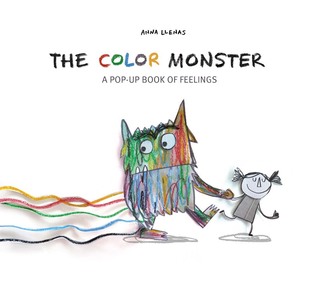
1. The Color Monster: A Pop-Up Book of Feelings by Anna Llenas

Monster Color Monster

This beautiful pop-up book is fascinating. I’ve always found pop-up books to be entertaining, but this one takes pop-up books to a completely different level.

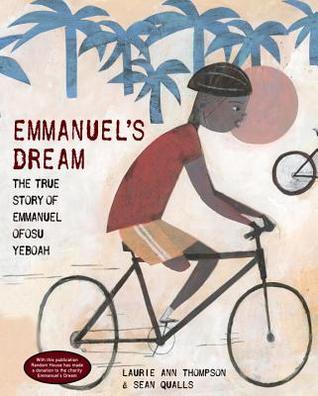
2. Emmanuel’s Dream: The True Story of Emmanual Ofosu Yeboah by Laurie Ann Thompson

emmanuel

This is an inspirational nonfiction picture book. I loved learning about Emmanuel Ofosu Yeboah and loved the themes.

3. Lady Pancake & Sir French Toast by Josh Funk

lady pancake and Sir

This book is not only fun, but it is funny! My son and I really enjoy reading this one together, and I love that it gives me opportunities to promote foods. This helps me combat the picky eating—an excellent bonus to a well-written text.

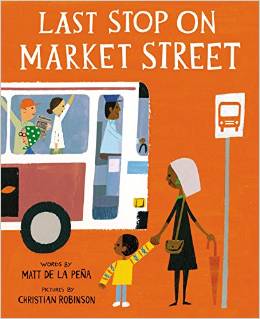
4. Last Stop on Market Street by Matt de la Peña

last stop on market street

I love everything written by Matt de la Peña, and this book is no exception. Henry pulls this book off of the bookshelf every day, and it makes my heart happy. This one is a crowd favorite in our household.

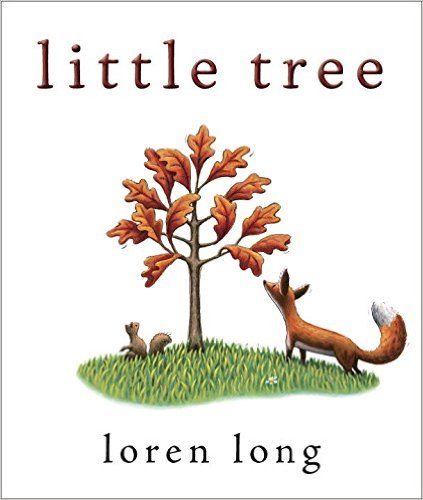
5. Little Tree by Loren Long

little tree

This quiet book holds a special place in my heart. The drawings and text are simple, yet the story fills the room.

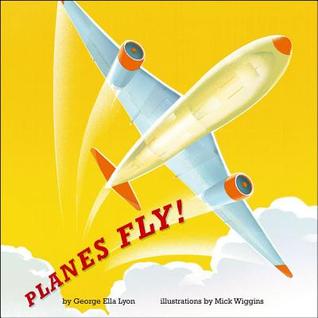
6. Planes Fly by George Ella Lyon

planes fly

My son would be very upset if I didn’t include this book on the list. We read it every night, and he is obsessed with the planes.

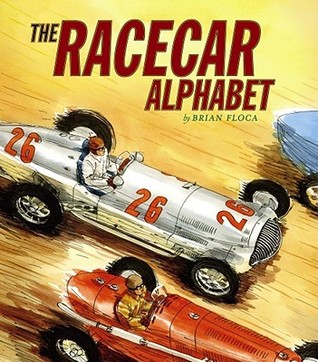
7. The Racecar Alphabet by Brian Floca

Racecar Alphabet

We tell Henry he can read two books each night (otherwise, it turns into twelve–and don’t worry, he gets about thirty books during the day). Sometimes, he requests this one twice. He loves it, and so do my husband and I, so it is a win-win.

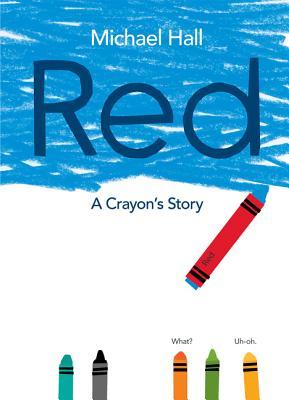
8. Red: A Crayon’s Story by Michael Hall

red a crayon's story

I read this book in the bookstore. Everyone was raving about it, and I wanted to see what it was all about. I had to buy it. It is that good. Not only does it allow me to practice colors with Henry, but we talk about empathy and feeling confident in who we are—regardless of societal expectations. Of course, we talk about this in age appropriate terms. 🙂

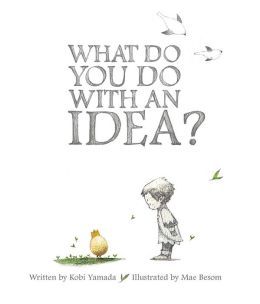
9. What Do You Do With an Idea? by Kobi Yamada

idea

After I read this book, not only did I buy it, but I bought it for my sister. I absolutely love the way this book inspires me to be creative. It is a great book to teach symbolism.

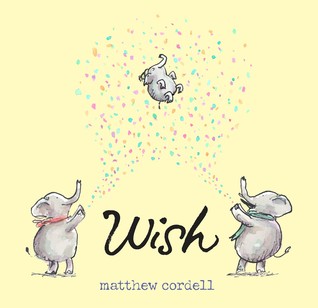
10. Wish by Matthew Cordell

wish

This is a book written for parents (and obviously, it is very kid-friendly, too!). It made me cry. These two elephants wish and wish for a baby.

What are your favorite children’s books? Henry and I would love to reserve them from the library! Please share!

RickiSig

The Princess Games by Danai Kadzere

Share

x-default

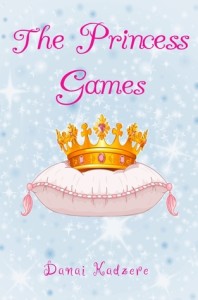
The Princess Games
Author: Danai Kadzere
Published July 27th, 2015 by Lands Atlantic Publishing

Summary: King Winkle and Queen Periwinkle have a problem. They need a princess, and they need her fast. With the upcoming peace-keeping marriage between Prince Linus of Branninia and the princess of the fair Kingdom of Hoggenbottom, it’s a bit risky to admit they don’t have a princess.

Instead, they decide to host The Princess Games. Soon enough, the fairest maidens of the land are gathered in front of the castle, fairy-godmothers in tow! With a goofy king, an obsessive compulsive advisor, and a fairy godmother whose spells do whatever they want, these games are about to get interesting.

Even if Emma and her clumsy Fairy Louise can manage to do well in the competition, she’ll have to get past the expert spells of Fairy Faye and the beauty of Laralyn, who is intent on pleasing her ambitious mother at any cost.

My Review: What a fun fractured fairy tale! I love the humor! It really does include some laugh-out-loud moments. The book actually reminds me a bit of Princess Academy by Shannon Hale, but The Princess Games is more light-hearted.

I think what makes this book work the best is the different voices throughout. Each chapter changes point of view which gives a different insight to the games as they are going on. This helps with characterization especially because each character has such a distinctive voice.

One of my only criticisms is that I actually wish it was a bit longer! I would have loved to have some of the scenes be longer than they were and to have really gotten to know some of the secondary characters.

Teachers’ Tools for Navigation: I think this book is a wonderful example of voice. I would have students look at chapters written from different character’s points of view and have them look for how the author crafted their sections to build the character’s voice. When you look, you can find different vocabulary choices, different sentence patterns, different focuses, and different sense of humor.

Discussion Questions: Which princess do you think the royal couple will choose?; Why does Faye and Laralyn not like Emma and Louise?; How would the tone and voice have been different if the book had been written in first person?; What is the theme of the novel?

We Flagged: “Emma rued that last scone, stuffed with clotted cream and spiced rosehip jam, as the carriage bumped aong the uneven country road. ‘Ohhhhh,’ she groaned, clutching her stomach.

Fairy Faye looked at Laralyn, deigning to acknowledge Emma only to say, ‘And that, Laralyn, is why princesses eat daintily. Particularly on long journeys.'” (p. 45)

Book Trailer: 

Read This If You Loved: Princess Academy by Shannon Hale, The League of Princes series by Christopher Healy, Upon a Marigold series by Jean Ferris

Recommended For: 

classroomlibrarybuttonsmall

Kellee Signature

**Thank you to Danai for providing a copy for review!!**

Top Ten Tuesday: New-To-Me Authors I Read in 2015

Share

top ten tuesday

Top Ten Tuesday is an original feature/weekly meme created at The Broke and the Bookish. The feature was created because The Broke and Bookish are particularly fond of lists (as are we!). Each week a new Top Ten list topic is given and bloggers can participate.

 Today’s Topic: New-To-Me Authors from 2015

I cannot believe that I waited so long to read these authors! So many of them have already become favorites.

Check out our New-To-Us Authors list from 2013 and 2014 as well!

Kellee

1. Kwame Alexander

The Crossover moved onto my list of favorite books of all time. After I saw Kwame Alexander at ALAN last year, I had to read it, and I was so glad to see that it won the Newbery! I love that the book is a novel-in-verse with a black male protagonist, about basketball, and is just so real. I cannot wait to read more by him.

2. Kristin Levine

Lions of Little Rock also became a favorite book this year after I read it. I immediately picked up Paper Cowboy as well because I just adore how Kristin Levine is able to intertwine history and story.

3. Jason Reynolds

I don’t know what took me so long to pick up a Jason Reynolds book, but like Kwame Alexander, I had to pick up one of his books after I saw him at ALAN last year.

4. Tim Federle

If you have been reading the blog throughout this year, you know how much I love Federle’s Nate books. The audios are great, the characters are on point, and they are just so funny!

5. Eric Colossal

Rutabaga was one of my favorite graphic novels this year, and I cannot wait to read more in the series as well as other books by Eric Colossal.

6. Caroline Carlson

Like Federle’s Nate books, The Very Nearly Honorable League of Pirates is a series I raved about this year. Another phenomenal audiobook of a hilarious and adventurous series.

7. Kim Baker

Pickle by Kim Baker is such a perfect middle grade book because it reflects true middle school behavior and is funny.

8. Heidi Schulz

I love that Heidi chose to do a Peter Pan sequel (kind of) with a strong female protagonist because females are just so stereotypical in the original story. The new stories are anything but because Hook’s daughter has now taken charge, and she kicks butt!

9. Dana Simpson

I read both Heavenly Nostril graphic novels this year, and I fell in love with Pheobe and her unicorn. I cannot wait to read more in the series.

10. Claudia Mills

I think I am the last person to jump onto the Claudia Mills bandwagon, but I am on there now. She has a way with voice!

Which new-to-you authors did you read and enjoy in 2015?

Signature

It’s Monday! What Are You Reading? #IMWAYR 12/7/15

Share

IMWAYR 2015 logo

It’s Monday! What Are You Reading? From Picture Books to YA!

It’s Monday! What are you Reading? is a meme started by Sheila at Book Journeys and now hosted by Kathryn at The Book Date. It is a great way to recap what you read and/or reviewed the previous week and to plan out your reading and reviews for the upcoming week. It’s also a great chance to see what others are reading right now…you just might discover the next “must-read” book!

Kellee and Jen, of Teach Mentor Texts, decided to give It’s Monday! What Are You Reading? a kidlit focus. If you read and review books in children’s literature – picture books, chapter books, middle grade novels, young adult novels, anything in the world of kidlit – join us! We love this meme and think you will, too.

We encourage everyone who participates to support the blogging community by visiting at least three of the other book bloggers that link up and leave comments for them.

Last Week’s Posts
top ten tuesday Viva2015big Ricki's NCTE:ALAN Reflection cover

Tuesday: Ten ALAN  Books Ricki is Excited About

Wednesday: Ten ALAN Book Kellee is Excited About

Thursday: Ricki’s NCTE/ALAN Reflection

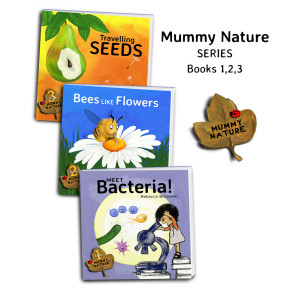
Sunday: Author Guest Post!: “Nurturing Nature in the Classroom” by Rebecca Bielawski, Author of the Mummy Nature series

**Click on any picture/link to view the post**

 Last Week’s Journeys

Kellee: Since I had that really great week of reading during Thanksgiving Break, I realized how much I had missed reading often, so I have been trying to fit it into my days more often than I had over the last few months, and I am so enjoying it! I also realized that I read so much more when my book is on my phone. This allows me to read anywhere I am and also read in bed even if my husband is asleep!

This week I read Read Between the Lines by Jo Knowles (finally!). Now, if any of you know Jo, she is one of the nicest people I have ever met, so it blows my mind every time I read one of her books that are filled to the brim with such dark truths about being a teenager. This book was no exception. And it revolves around flipping the bird. Jo Knowles is brilliant.

I also read two highly recommended nonfiction picture books: Tricky Vic by Greg Pizzoli and Trombone Shorty by Troy Andrews. I loved them both! I hope to write official reviews on both of them before my library ebooks expire, so I can share them with you all. They are very different, but both so good.

Ricki: I feel horridly behind on life. I spent all of my energy preparing my son’s birthday party yesterday, and I have not finished any books! Some weeks, I feel like I can manage everything, and other weeks, I have to put mommyhood first. The end of the semester is at the end of this week, so my pleasure reading fell by the wayside. I have been a very absent blogger. Kellee is going to be mad at me for writing this, but I AM SORRY!

This Week’s Expeditions

Kellee: I am currently reading How It Went Down by Kekla Magoon, and it has just sucked me in. I’d be reading right now instead of blogging, but my phone is dead from me reading it too much. After How It Went Down, I plan on reading another book from my #mustread list, The Summer I Saved the World…in 65 Days by Michele Weber Hurwitz then either Knockout Games by G. Neri, The Honest Truth by Dan Gemeinhard, or The Alex Crow by Andrew Smith–any votes?

Ricki: Next week, I hope to have two books complete: The Martian by Andy Weir and Not If I See You First by Eric Lindstrom. I have a lot to say about both, but I am going to wait until I finish them before I comment.

Upcoming Week’s Posts

top ten tuesday x-default Ricki and Henry 1-2 years carnival of cats dala horse

Tuesday: Ten New-To-Me Authors I Read For The First Time In 2015

Wednesday: The Princess Games by Danai Kadzere

Thursday: Ricki and Henry’s Favorite Children’s Books (1-2 years)

Friday: A Carnival of Cats by Charles Ghigna

Sunday: Author Guest Post!: “Where Are You From? Honing Research And Evaluation Skills With A Family Tree Project” by Lissa Johnston, Author of The Dala Horse

 So, what are you reading?

Link up below and go check out what everyone else is reading. Please support other bloggers by viewing and commenting on at least 3 other blogs. If you tweet about your Monday post, tag the tweet with #IMWAYR!

 Signature andRickiSig