Teaching Tuesday: Online Tools Recommended for Digital Teaching

Share

Most school districts have moved completely to digital learning for the remainder of the 2019-2020 school year, so I wanted to share some of mine, and my colleagues’, favorite online tools since we’ve been 1:1 for quite a few years now. 


https://www.gimkit.com/

Gimkit is a gamification system created by a high school student. He loved the games in class but his teachers didn’t use them very often, so he interviewed his teachers to find out what would help them want to use a gaming system in their classrooms, and VOILA! He created Gimkit based on their suggestions. I love Gimkit and so do my students. 


https://www.canva.com/
https://www.canva.com/create/storyboards/

I use Canva in my personal life and in my classroom. Canva allows you to create posters, flyers, infographics, etc. In my classroom, I’ve had students create book recommendation flyers and infographics. A new feature that Canva has that I cannot wait to try out is Story Boards! This tool would allow for a sequenced creation for so many different classes. 

https://edpuzzle.com/
YouTube: What is Edpuzzle?

EDPuzzle allows educators to make interactive videos. The videos can be filmed or an external video can be used. Then throughout the video, you can add check ins, quizzes, etc. for students to complete. Also, you receive a report of who has and has not completed the video and data of how they did on the check ins. 


https://www.screencastify.com/
YouTube: Screencastify Overview

Screencastify allows you to record your screen with audio or video of yourself. 

https://quizizz.com/

Quizizz allows educators to create a quiz or pick from an already created quiz for many different subjects. The quizzes are student-paced yet still a gamification system. 


https://nearpod.com/
YouTube: What is Nearpod?

Nearpod takes a PowerPoint and moves it to the next level! Create or upload a presentation and add many different options such as videos, quizzes, images, drawing boards, web content, activities, etc. 

https://quizlet.com/

Quizlet is a study tool that allows educators and students create study guides and flashcards. With each set, there are study games like matching, tests, and educators can even assign a game called Quizlet Live. 

https://info.flipgrid.com/
YouTube: Getting Started with Flipgrid

Flipgrid is a website where videos are the discussions and assignments. Teachers create grids to allow for video discussions. The grids have topics and students create videos to reply to the topic.


https://www.peardeck.com/googleslides
YouTube: How Pear Deck Works

Pear Deck makes any Google Slide or PowerPoint presentation interactive and allows students to see the presentation on their own device. AND it pairs directly with Google Drive. 

https://www.sutori.com/
YouTube: Sutori in Under a Minute

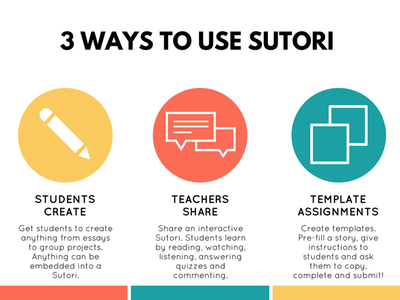
Sutori has so many uses! Students can create timelines or stories collaboratively or individually, teachers can created to share as a lesson, or teachers can create assignment templates for students to complete. This is the tool that my students used to create their interactive timeline about the fight for equal rights in America. 


https://padlet.com/
YouTube: Introduction to Padlet

Padlet is like an interactive bulletin board! It has multiple ways it can be set up and can include likes or responses if the moderator wants it to. Padlet is what my class used to discuss focus questions when they were reading the same book as another class in a different state

Any other digital tools you find super useful you want to share?
And good luck for the rest of the year! 

Signature


It’s Monday! What Are You Reading? #IMWAYR 4/20/20

Share

It’s Monday! What Are You Reading?
Sharing Picture Books, Early Readers, Middle Grade Books, and Young Adult Books for All Ages!

It’s Monday! What Are You Reading? is a weekly blog hop co-hosted by Unleashing Readers and Teach Mentor Texts which focuses on sharing books marketed for children and young adults. It offers opportunities to share and recommend books with each other.

The original IMWAYR, with an adult literature focus, was started by Sheila at Book Journeys and is now hosted by Kathryn at The Book Date.

We encourage you to write your own post sharing what you’re reading, link up below, leave a comment, and support other IMWAYR bloggers by visiting and commenting on at least three of the other linked blogs.

Happy reading!

Bold_line

Updated Often: The Big List of Online Learning Resources for COVID-19 and Quarantine

Tuesday: Ricki’s Reflection: Drawbacks of Homeschooling for My Child

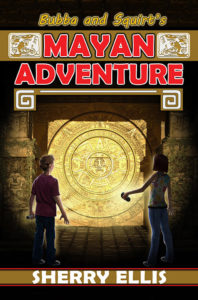
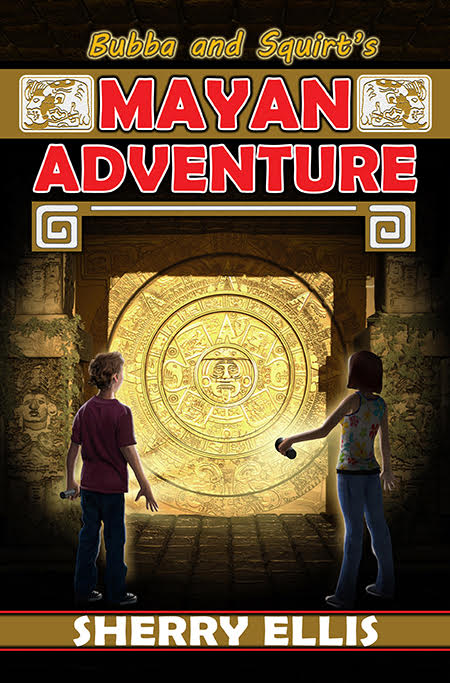
Sunday: Author Guest Post: “Ways to get Middle-Grade Students Excited About Reading” by Sherry Ellis, Author of Bubba and Squirt’s Mayan Adventure

**Click on any picture/link to view the post**

Bold_line

Kellee

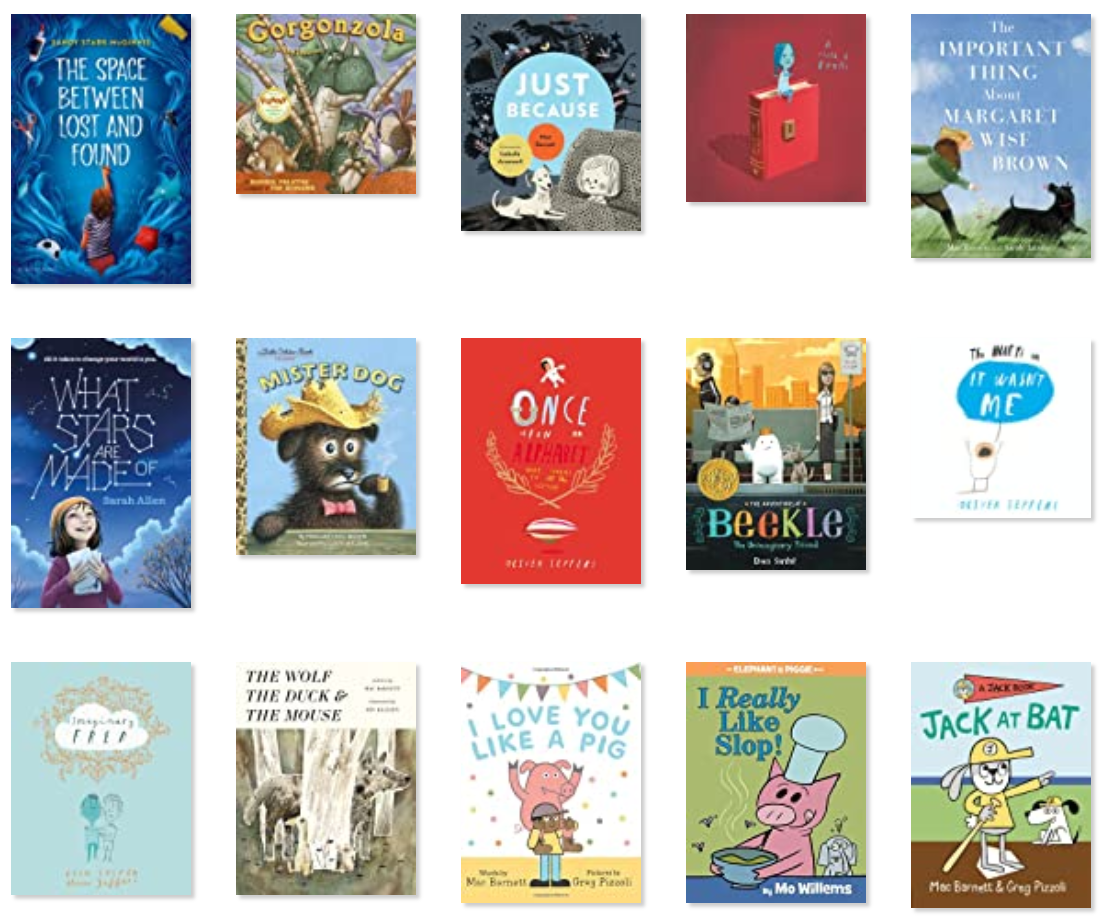
  • Another week of reading primarily Mac Barnett, Oliver Jeffers, Mo Willems, and Greg Pizzoli. This week, we had Beekle thrown in because Dan Santat visited Mo Willems’s lunch doodles on the one we watched last week, and we love Beekle. Also, Mac Barnett read Mister Dog by Margaret Wise Brown after reading his book about her. Lastly, we also got to attend a virtual story time by our library, and they read Gorgonzola.
    • Reading Once Upon an Alphabet by Oliver Jeffers again reminded me how much I love it. If you have not read it, I highly recommend it!
  • What Stars Are Made Of by Sarah Allen: “Twelve-year-old Libby Monroe is great at science, being optimistic, and talking to her famous, accomplished friends (okay, maybe that last one is only in her head). She’s not great at playing piano, sitting still, or figuring out how to say the right thing at the right time in real life. Libby was born with Turner Syndrome, and that makes some things hard. But she has lots of people who love her, and that makes her pretty lucky.”
  • The Space Between Lost and Found by Sandy Stark-McGinnis: “Cassie’s always looked up to her mom, a vivacious woman with big ideas and a mischievous smile. Together they planned to check off every item on a big-dream bucket list, no matter how far the adventure would take them. But then Mom was diagnosed with early-onset Alzheimer’s disease, and everything changed. Now, Cassie tries to keep Mom happy, and to understand some of Dad’s restrictive new rules. She tries to focus on math lessons and struggles to come up with art ideas that used to just burst off her pen. When Mom’s memories started to fade, so did Cassie’s inspiration. And even worse, she’s accidentally pushed away Bailey, the one friend who could make it all okay.”

To learn more about any of these books, check out my 2020 Goodreads Challenge page  or my read bookshelf on Goodreads.

Ricki

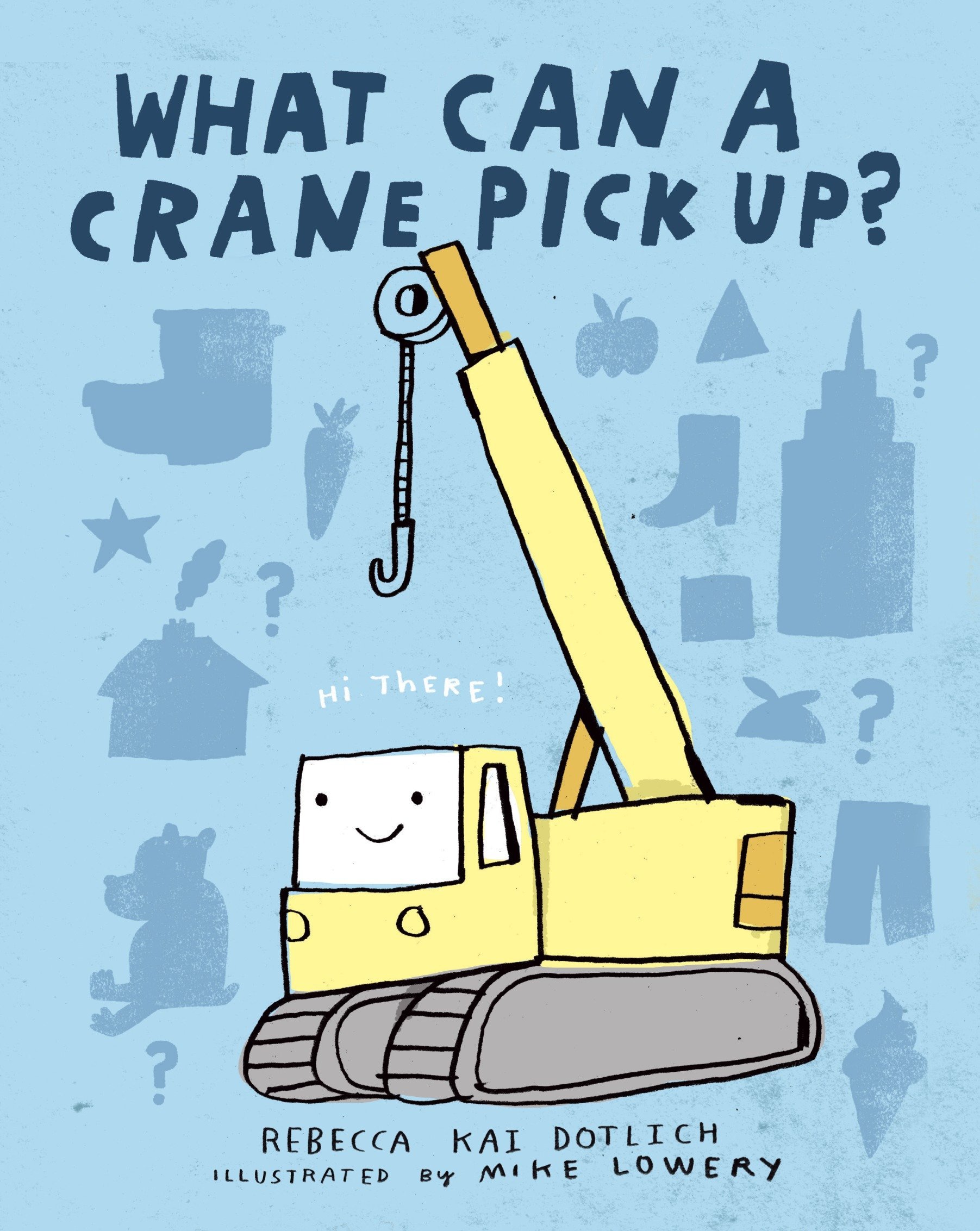
My middle son is still quite fond of board books even though he is three. I think it is because he likes pocket-sized things. We read this book, What Can a Crane Pick Up? by Rebecca Kai Dotlich for the first time this week, and I was quite fond of it. I can see why it received a starred review. It is the perfect balance of silly and informational.

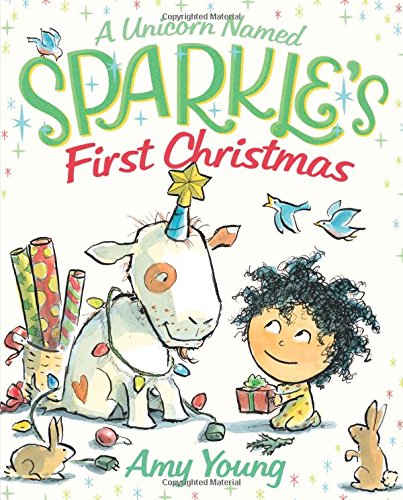
This was another board book I found to be quite charming. A Unicorn Named Sparkle’s First Christmas by Amy Young teaches kids that gifts and material things are less significant than love. I liked the message a lot.

These two were the titles my kids and I enjoyed most this week. 🙂

Bold_line

Kellee

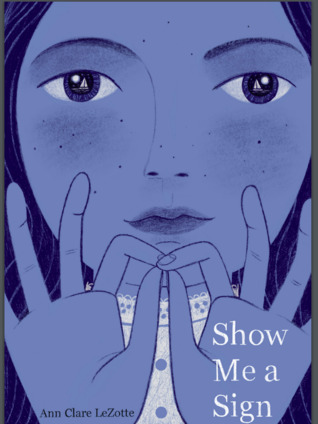
  • Reading: Show Me a Sign by Ann Clare LeZotte
  • Listening: Abby in Oz by Sarah Mlynowski
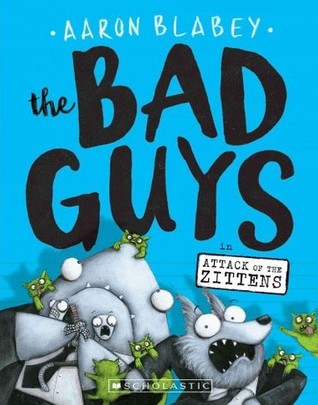
  • Reading with Trent: The Bad Guys: Attack of the Zittens by Aaron Blabey (Chapters 4-6 this week)
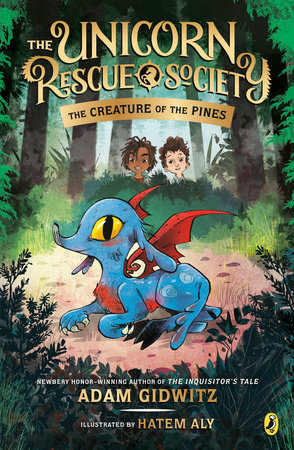
  • Listening with Trent: Unicorn Rescue Society: The Creature of the Pines by Adam Gidwitz (Chapters 5-10 this week)
  • And we’ll continue to go to Mac Barnett’s Mac’s Book Club Show Book Club, Oliver Jeffer’s Stuck at Home Book Club, and Greg Pizzoli’s Standby Book Club.
  • Also, on Tuesday we’ll be joining Kobi Yamada, author of the What Do You Do With…? as he does a reading through a live Zoom call on Tuesday, April 21 at 1 p.m. PST/ 4 p.m. EST.  https://www.eventbrite.com/e/live-reading-of-what-do-you-do-with-an-idea-with-author-kobi-yamada-tickets-101653079096

Ricki

  • Virtual Book Club #1 (6yo child): The Bad Guys: Attack of the Zittens by Aaron Blabey (Chapters 4-6 this week).
  • Virtual Book Club #2 (6yo child): Unicorn Rescue Society: The Creature of the Pines by Adam Gidwitz (Chapters 5-10 this week).
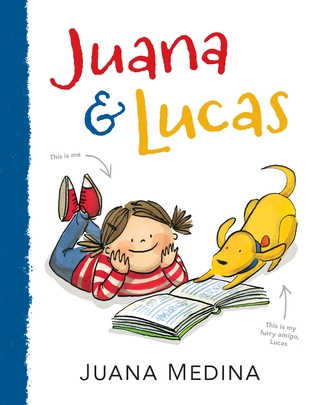
  • Virtual Book Club #3 (3yo child): Juana and Lucas by Juana Medina (Chapter 6 this week).
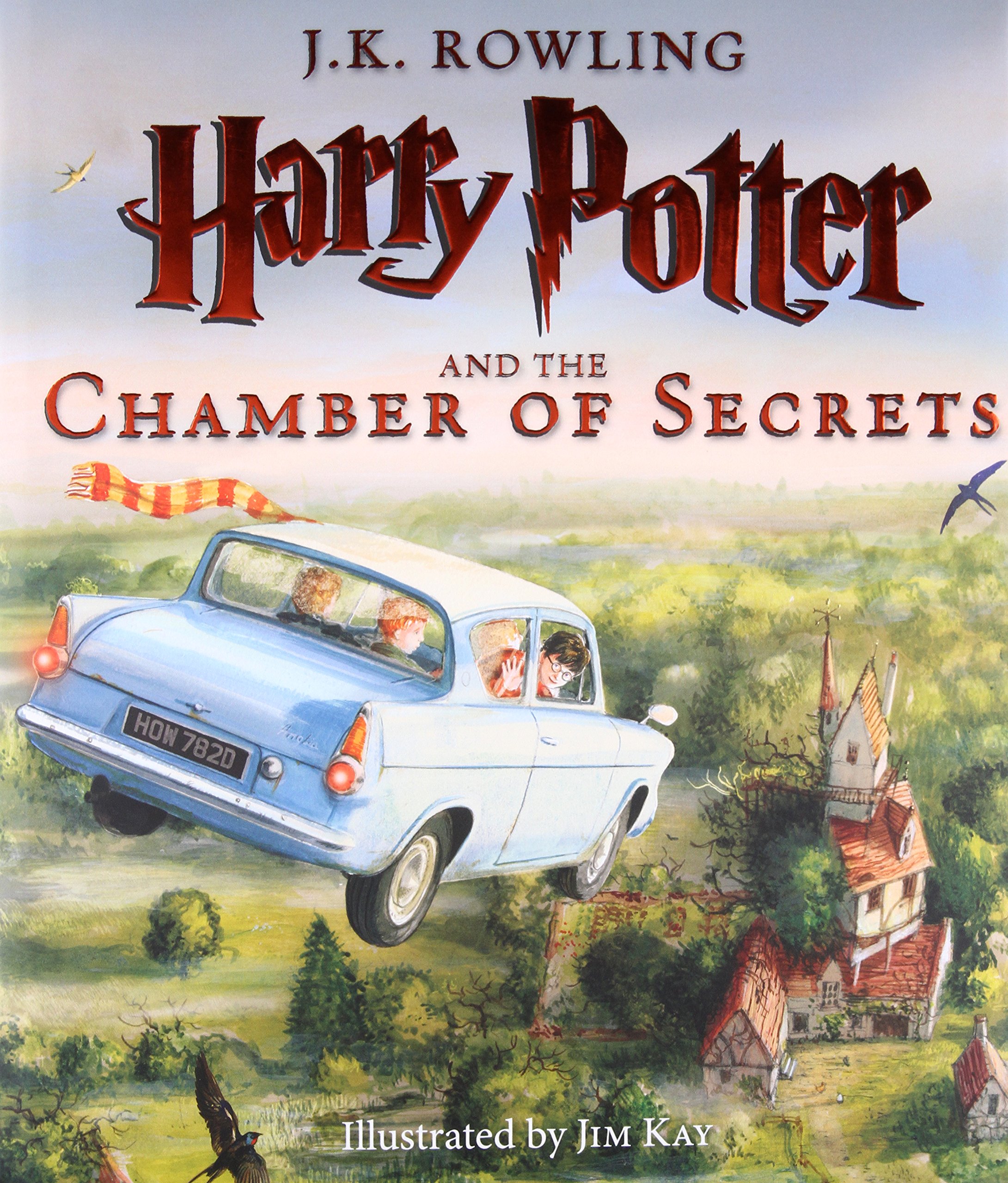
  • Illustrated Harry Potter Book 2 with 6yo
  • Goodnight Moon for the 483rd time with 11mo
  • Patron Saints of Nothing by Randy Ribay (all for me!)

Bold_line

Tuesday: Online Tools Recommended for Digital Teaching

Thursday: Everywhere Book Fest

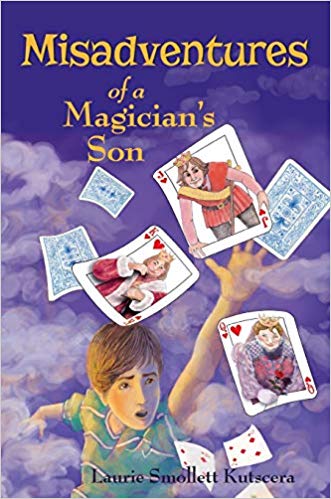
Sunday: Author Guest Post: “Anatomy of a Middle Grade Manuscript” by Laurie Smollett Kutscera

Bold_line

Link up below and go check out what everyone else is reading. Please support other bloggers by viewing and commenting on at least 3 other blogs. If you tweet about your Monday post, tag the tweet with #IMWAYR!

 Signature andRickiSig

Author Guest Post: “Ways to get Middle-Grade Students Excited About Reading” by Sherry Ellis, Author of Bubba and Squirt’s Mayan Adventure

Share

“Ways to get Middle-Grade Students Excited About Reading” 

When kids are young, they are excited about books. Many even want to be authors when they grow up. I always chuckle during school visits when I ask the question, “Who wants to be an author when you grow up?” Inevitably, every hand goes up in the kindergarten and first grade groups. As the grade number goes up, the hand numbers go down. Middle-schoolers rarely have ambitions to become an author. Sometimes that also means they don’t enjoy reading. How can we get these kids excited about reading? Here are some tips teachers can use in their classrooms to get them motivated.

  1. Plan lessons around your favorite books and topics. If you’re excited about the book, that enthusiasm will show and may infect your students – in a good way!
  2. Show students you’re reading, too. Post a picture of your current read on a board each week and encourage kids to ask about it.
  3. Maintain a classroom library. I see this in classrooms for the little kids all the time, but not so much in classrooms for older kids. Fill it with a wide variety of popular novels – books that would appeal to both boys and girls.
  4. Encourage independent reading by providing time to read. Have students set individual goals and reward students for reaching them. Don’t attach a grade to it though. Students may get turned off by that.
  5. Watch movies of the books after reading them and compare the differences.
  6. Use audio books. Okay, so that’s not exactly reading, but it could get reluctant readers interested in books.
  7. Implement classroom book clubs in which students get to choose what they want to read from a list of books and then get grouped with others who want to read the same thing. Give them some ideas for topics they can discuss that are related to the books. Encourage them to come up with their own.
  8. Adopt an author. If students are excited about an author’s book, visit that author’s website and find out if that author can do a school visit or Skype visit. You can also see if that author has done any videos or webcasts that can be shown in the classroom.

With a little ingenuity, teachers can make reading fun, interesting, and engaging. And who knows? Maybe if a lot of teachers do this, the number of hands of middle-schoolers who want to be authors will go up!

Expected Publication September 15th, 2020 by Dancing Lemur Press

About the Book: An ancient Mayan civilization!

That’s what Bubba and Squirt find when they travel through the mysterious vortex for another wild adventure. There they meet archeologists who are unearthing priceless artifacts.

But someone is stealing them. And an encounter with the Tate Duende awakens magic within Bubba. Throw in the mysterious Alux and a new discovery and things get sticky.

Will Bubba and Squirt solve the mystery, or will they be stuck forever in the jungles of Belize?

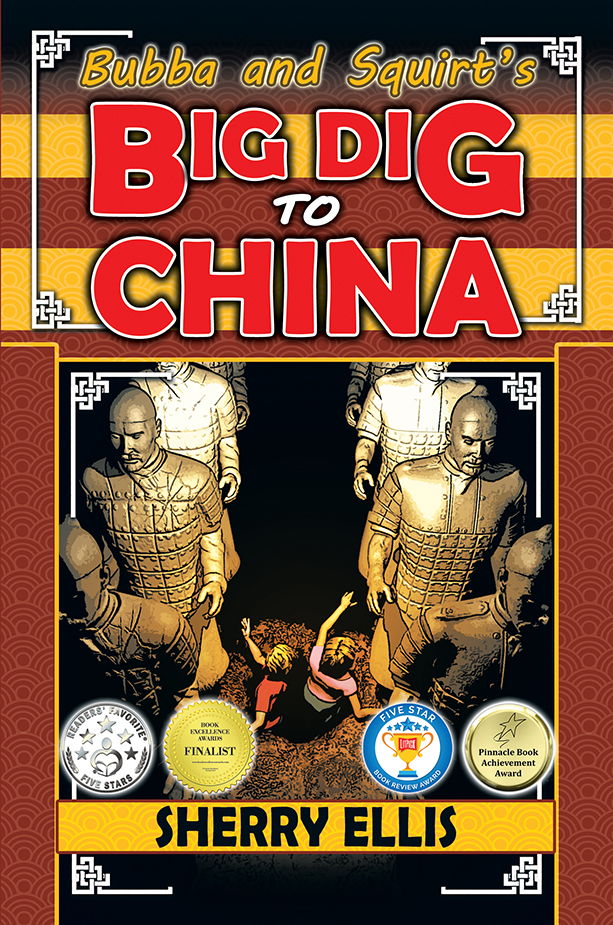
And check out the sequel: Big Dig to China

About the Author: Sherry Ellis is an award-winning author and professional musician who plays and teaches the violin, viola, and piano. When she is not writing or engaged in musical activities, she can be found doing household chores, hiking, or exploring the world. Ellis lives in Atlanta, Georgia.

https://www.sherryellis.org/
https://www.bubbaandsquirt.org/
https://www.facebook.com/sherryellisbooksandmusic/?ref=aymt_homepage_panel
https://twitter.com/513sherrye

Thank you, Sherry, for this post to help educators excite readers!

Ricki’s Reflection: Drawbacks of Homeschooling for My Child

Share

I don’t believe in homeschooling for my children. That’s not to say that I don’t believe it is appropriate for other people’s children, but it isn’t right for mine. Does my child advance academically when I have one-on-one time? Yes! Homeschooling has been beneficial in several ways. I’m finally teaching my son to slow down and take care in his writing. I am able to give him individualized attention. Yet there is some things that are missing for me, and I feel a great sense of loss that he is going to be missing three months of his kindergarten year in a public school. I’ll admit that I am mourning this loss for him.

Shared Experience with Same-Age Peers

I am not a person who believes in worksheets. I constantly think about how we can learn from nature and the world without traditional assignments. And we do these lessons together. Yet in the early primary years, I see the value of some worksheet-like/activity book assignments. Students are able to practice writing and learn skills that help them with more advanced work. I am able to pull out a journal and ask my son to write because I know that he has the basic concepts of writing down. We are completing the worksheets that his (amazing) teacher has provided, and they are helping him. But there is something lost in the experience when it is just him and me (and his brothers). He isn’t able to sit beside his peers who he has grown to love and watch them complete the work, too. Instead, he sits at our kitchen table and dutifully completes the work next to me. Yet he lacks the life that he has that I’ve seen when I volunteer in the classroom. He isn’t beside his friends—in it together.

Group Work

I can put my son with his brother and ask them to complete a group mission/project, yet it is his brother. There is a certain dynamic between brothers that is not the same as putting my son with a peer he doesn’t know well. He isn’t able to negotiate group roles in the same way that he would with a peer of the same age and who is less familiar. He isn’t about to talk to someone at his age and ability level who can work towards a solution. Instead, my choices are: a) allow him to work independently with minimal assistance to build up his ability/confidence (this is not group work, though), b) work with him and try to be similar to a peer (disingenuous, and he knows it), c) allow him to work with his brother (different age and dynamic as a peer). We’ve been participating in a virtual book club which captures this need in some ways, but there is something that is lost that just can’t quite be replicated in the homeschooling experience.

Varied Work and Varied Passions

There are things that I value in education. For instance, I love to have students make predictions when they read. I feel that this builds their capacity to engage in creative writing of their own. Another first grade teacher might have students make predictions but might value a different skill that is entirely different. In another example, I’ve worked hard with my son to learn place value and addition. His kindergarten teacher has been teaching the kids to count by 2s, 5s, 7s, etc. This is such a great skill that will help them with multiplication, yet I never thought too hard about how often I should be doing it with him until he came home with a lot of work that engaged in this concept. I love the fact that my son will have dozens of different teachers who all value different things. Instead of him learning what I, his mom (who happens to be an educator) value, he will get a smattering of values. He might learn from a teacher’s love of art history or engage in a critical reading of body image or learn to create advertisements or learn euphemisms. And as long as the teacher brings passion and energy to the teaching of the material (as teachers do), I am thrilled that he will learn from so many others and not just me.

The Magic of a Classroom

I’ve visited over a hundred different classrooms as a teacher educator. Every classroom has been different, and they’ve all had a touch of magic specific to that teacher. The ways in which kids move around a room independently of their parents and develop an identity outside of their families—that just can’t be matched in another setting. I can bring my son to his sports activities, art class, etc. and drop him off and can operate in that space for an hour or so. Yet there is nothing like a sustained space in which my son can grow in ways independent of me. The buzz of a school just invigorates me, and I hope that it will do the same for my child.

Mom as Teacher

I cannot count how many times that a parent told me, as the English teacher, “My son would never have done that for me.” I feel that there is value to having a sustained figure who is not me who teaches my son. I can do everything in my power to support him in that work at home, yet I have to be honest with myself that my child will learn best from others.

Social Interactions

I don’t care how many dozens of activities that my son did before he entered kindergarten. There was nothing quite the same as the lessons he’s learned socially in this first year of elementary school. He’s learned what it means not to be picked for something. He’s learned what it means to have friends choose others for partners. He’s learned the excitement of being chosen by a child to eat lunch with their parents. He’s learned to negotiate relationships with children who are mean or cruel. Without school and being around the same kids in a classroom for long periods of time, I don’t know if he would gain this. He has neighbors that he plays with daily, yet something is different in the 8-hour day of school.

Do I think homeschooling is bad for all kids? Absolutely not. I know some parents who homeschool will read this post and disagree with me, and that is okay! That is why we all can choose to educate our children. There is value in homeschooling—I can individualize instruction and we can move through work at his speed. I am a person who has a lot of opinions as a teacher educator, and I certainly have ideas of how I’d like my son to learn and be taught (and I am aware that he will not always have a teacher who matches those ideals). Yet the benefits of homeschooling simply don’t outweigh the loss that I feel my son experiences when he is not in a public school classroom.

It’s Monday! What Are You Reading? #IMWAYR 4/13/20

Share

It’s Monday! What Are You Reading?
Sharing Picture Books, Early Readers, Middle Grade Books, and Young Adult Books for All Ages!

It’s Monday! What Are You Reading? is a weekly blog hop co-hosted by Unleashing Readers and Teach Mentor Texts which focuses on sharing books marketed for children and young adults. It offers opportunities to share and recommend books with each other.

The original IMWAYR, with an adult literature focus, was started by Sheila at Book Journeys and is now hosted by Kathryn at The Book Date.

We encourage you to write your own post sharing what you’re reading, link up below, leave a comment, and support other IMWAYR bloggers by visiting and commenting on at least three of the other linked blogs.

Happy reading!

Bold_line


Updated Often: The Big List of Online Learning Resources for COVID-19 and Quarantine

Tuesday: Tag Your Dreams: Poems of Play and Persistence by Jacqueline Jules, Illustrated by Iris Deppe

Thursday: It’s Okay To….

Sunday: Author Guest Post: “Handling Conflict in Middle Grade Novels” by Ben Gartner, Author of The Eye of Ra

**Click on any picture/link to view the post**

Bold_line

Kellee

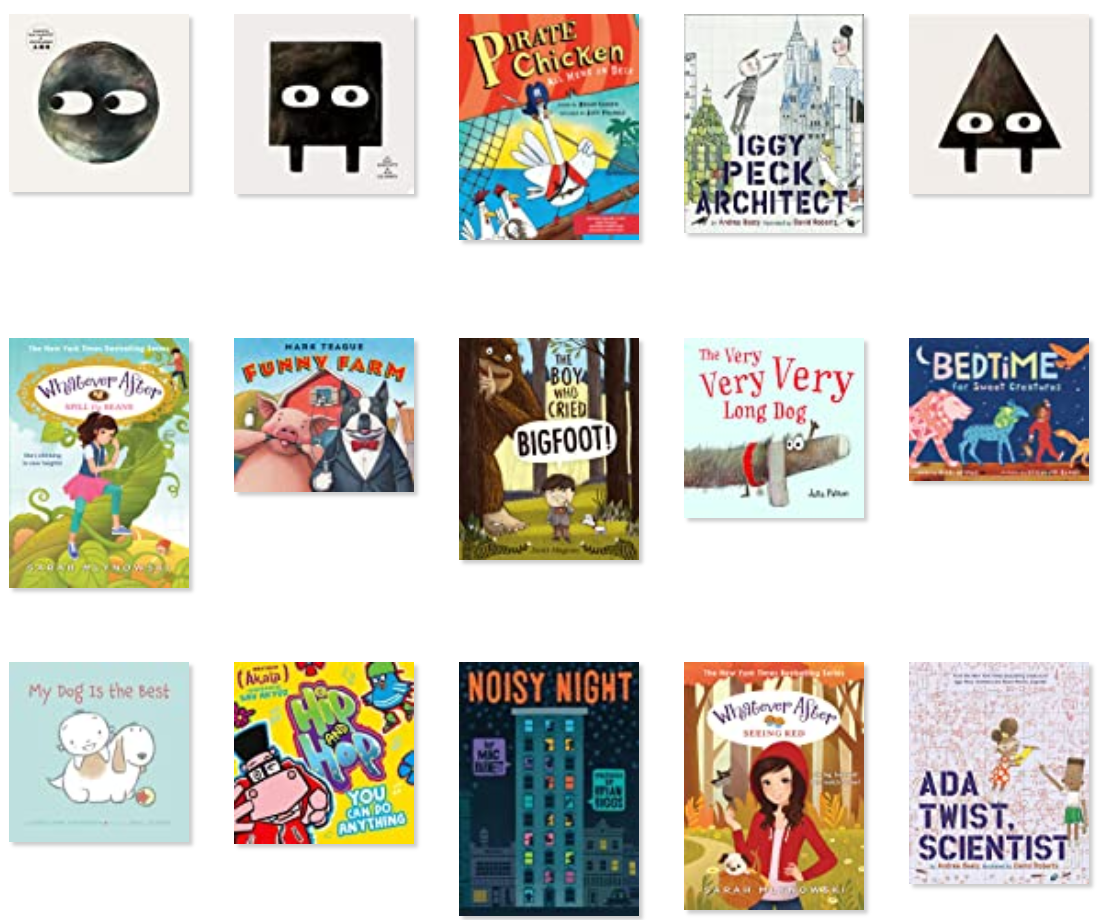
  • Whatever After series: The newest book in the series came out last Tuesday, so I had to catch up! I love this series–it is so much fun, smart the way the fairy tales are twisted, and just a lovely read.
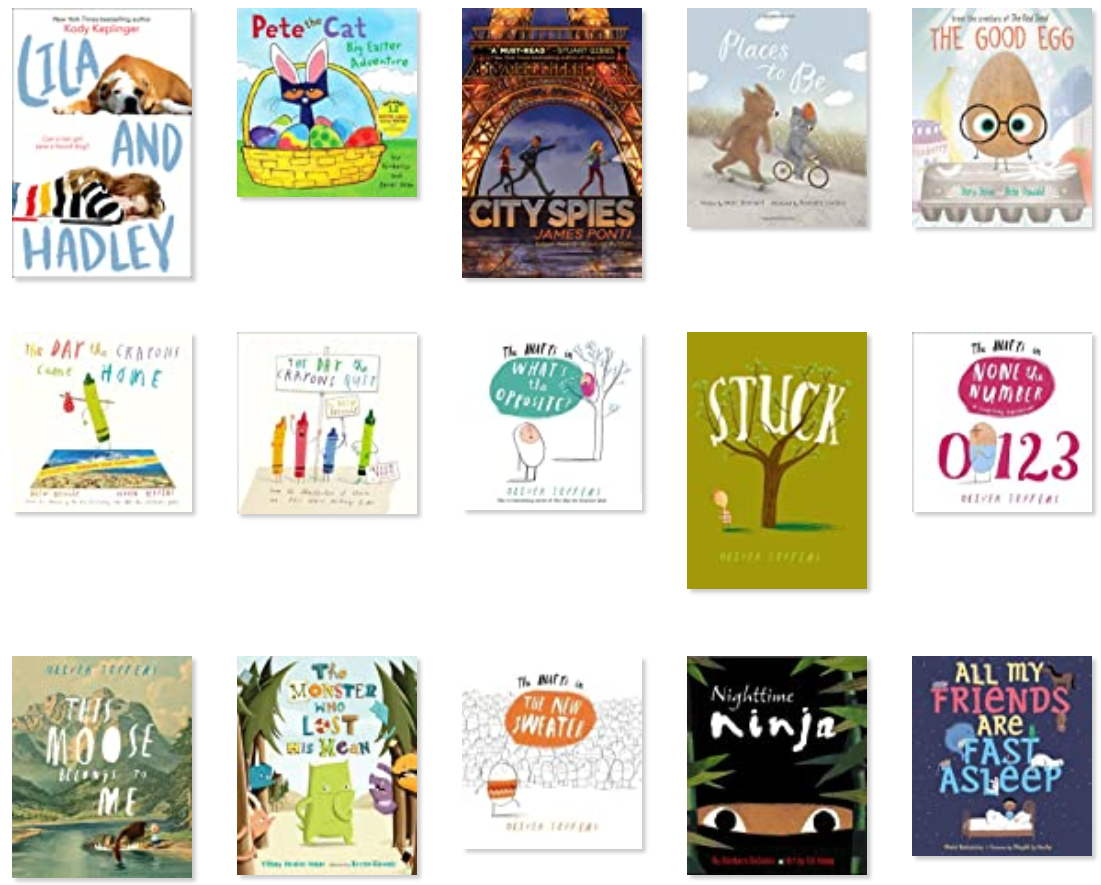
  • City Spies by James Ponti: As a huge fan of middle grade spy books, this is one I am going to definitely add to my recommendation list for those who love Alex Rider and other adventure books like that. Ponti did a great job developing an amazing team of teens that you connect to and root for!
  • Lila and Hadley by Kody Keplinger: “Hadley is angry about a lot of things: Her mom going to jail. Having to move to another state to live with her older sister, Beth, even though they haven’t spoken in five years. Leaving her friends and her school behind. And going blind. But then Hadley meets Lila.”
  • With Trent:
    • We’re reading the Questioneers books by Andrea Beaty for one of our virtual book clubs with a colleagues daughter. The books have so much to talk about!
    • Mac Barnett is a constant right now because of Mac’s Book Club Show Book Club. Trent will not allow us to miss one.
    • We sadly had gotten behind on Oliver Jeffers’s read alouds, so we did some binge watching/reading!
    • We are also going through our picture books to read some Trent never has before. We read quite a few fun ones this week. Trent’s favorites were:
      • The Monster Who Lost His Mean by Tiffany Strelitz Haber
      • Pirate Chicken: All Hens on Deck by Brian Yanish
      • Funny Farm by Mark Teague
      • My Dog is the Best by Laurie Ann Thompson

To learn more about any of these books, check out my 2020 Goodreads Challenge page  or my read bookshelf on Goodreads.

Ricki

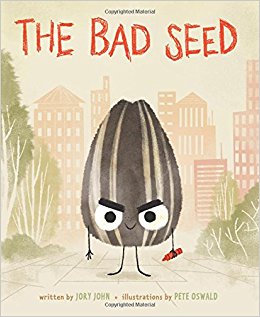
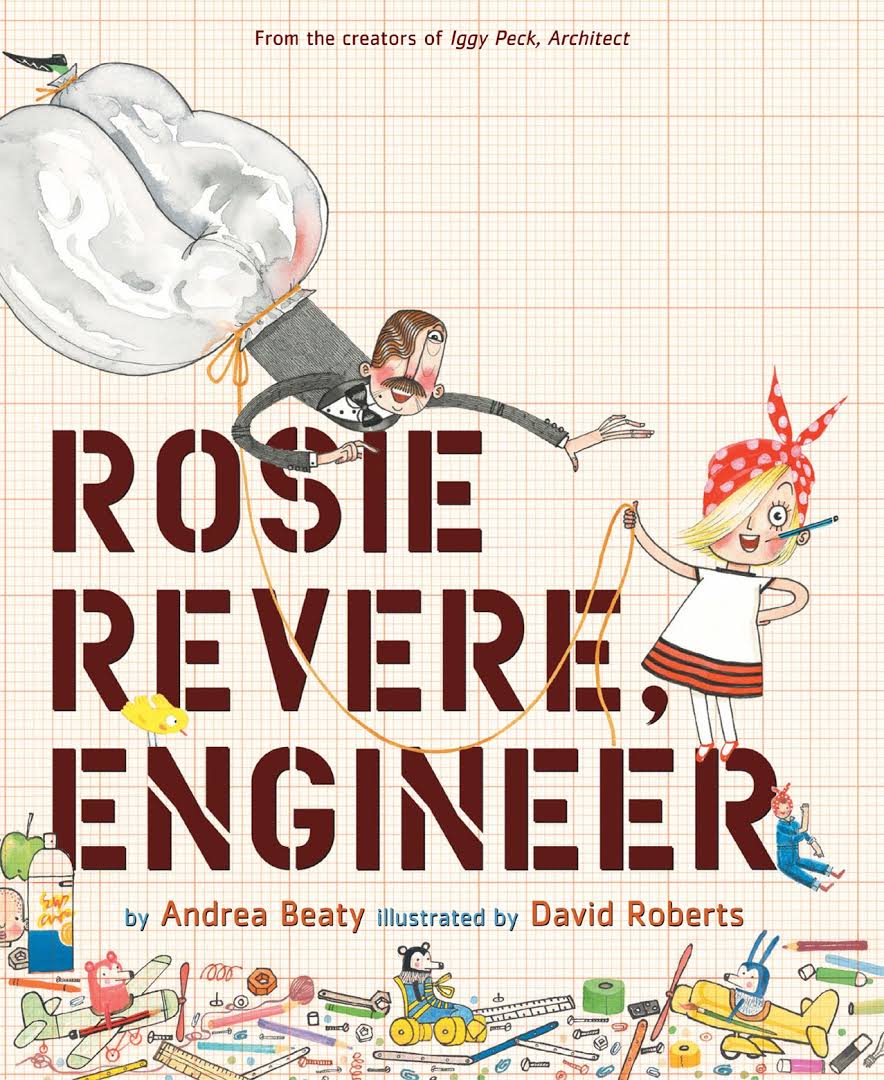
This week, I read a lot of phonics worksheets that my oldest son received as homework from school, but I don’t think those count? He also did a dozen worksheets each for The Bad Seed and Rosie Revere, Engineer. I love both of these books, so I enjoyed reliving them. He also finished Sideways Stories at Wayside School by Louis Sachar for his virtual book club. My middle son and I continue to read Juana & Lucas for his virtual book club (not finished with it yet). And my youngest son is really excited about closing any book we open, so he listens but tries to close the book every time I open the pages.

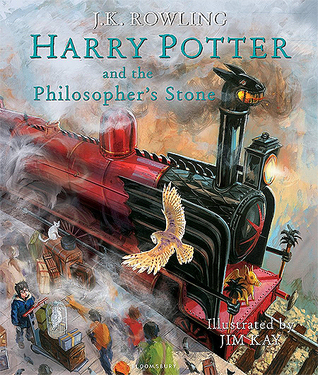
We officially closed the cover of the first illustrated Harry Potter book yesterday. I didn’t enjoy the series when I read it myself a decade ago, but I can officially say that I loved reading it with my kids.

As for me? I am kind of disappointed to say that I have not read any young adult books this week for myself. I have been really focused on working on my book for NCTE, so I’ve been doing a lot of writing. I miss reading a lot, but with the stay-at-home stuff, I don’t have many work hours, so I am compacting my 5-day work week into nights and weekends.

But tomorrow, I am going to try to teach my oldest son how to do stop animation. We are going to write a story together and put it into stop animation. I am hoping it goes well. Fingers crossed!

Bold_line

Kellee

  • Reading: What Stars Are Made Of by Sarah Allen
  • Listening: Abby in Oz by Sarah Mlynowski
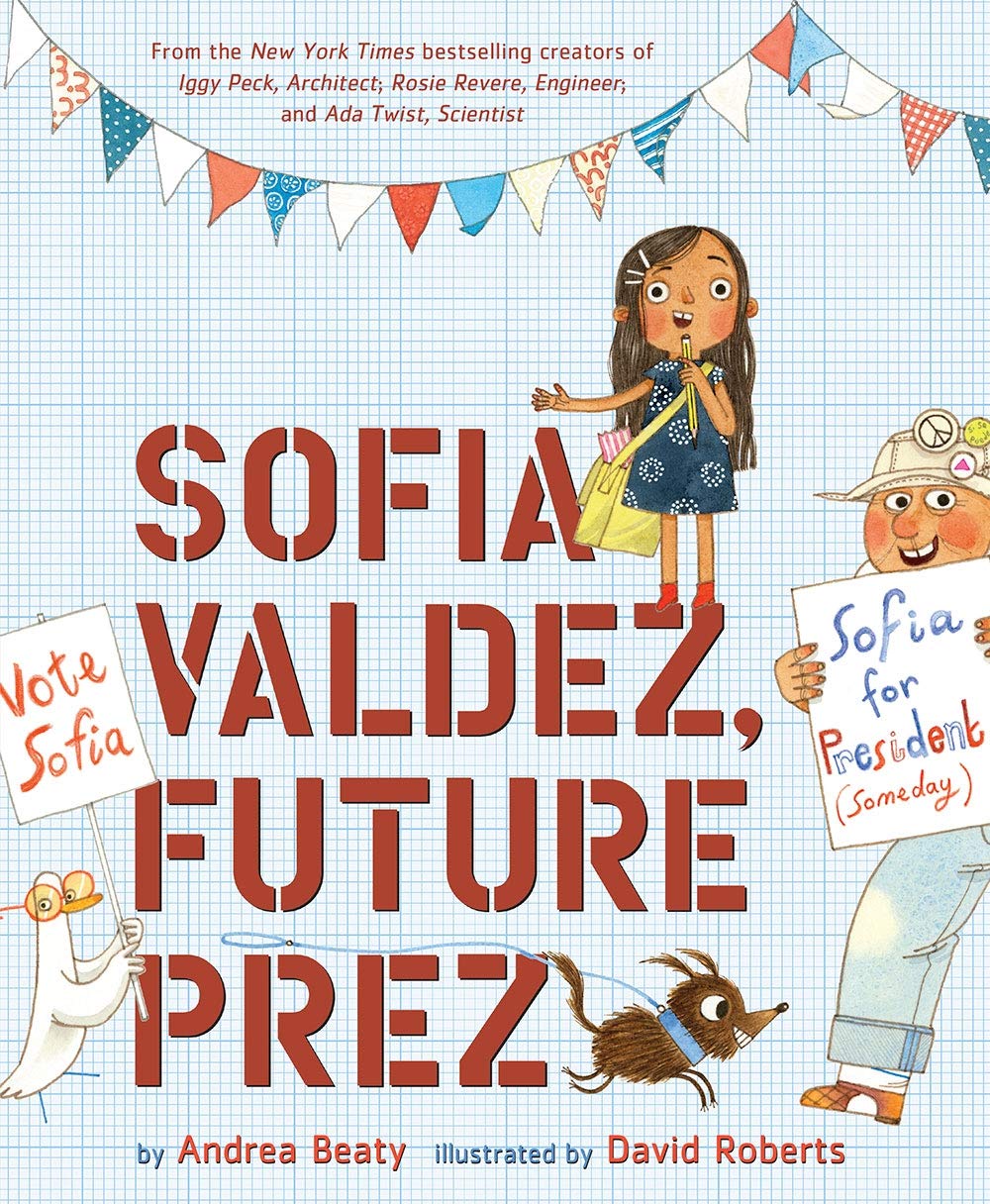
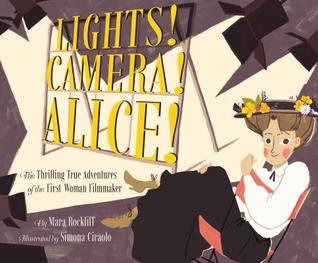
  • Reading with Trent: The Bad Guys: Attack of the Zittens by Aaron Blabey (Chapters 1-3 this week for virtual book club); Sofia Valdez, Future Prez by Andrea Beaty; & Lights! Camera! Alice! by Mara Rockliff
  • Listening with Trent: Unicorn Rescue Society: The Creature in the Pines by Adam Gidwitz (Chapters 1-4 this week for virtual book club)

Ricki

Henry and Trent are in two virtual book clubs together, so we will also be reading part of The Bad Guys: Attack of the Zittens by Aaron Blabey and Unicorn Rescue Society: The Creature in the Pines by Adam Gidwitz (see the photos Kellee posted above).

My middle son and I are still reading Juana & Lucas for his virtual book club. It’s fantastic.

My kids and I will also be starting Harry Potter and the Chamber of Secrets. Yahoo!

I am hoping I’ll be able to read something for myself, too. Stay well, everyone. <3

Bold_line

Tuesday: Ricki’s Reflection: Drawbacks of Homeschooling for My Child

Sunday: Author Guest Post: “Ways to get Middle-Grade Students Excited About Reading” by Sherry Ellis, Author of Bubba and Squirt’s Mayan Adventure

Bold_line

Link up below and go check out what everyone else is reading. Please support other bloggers by viewing and commenting on at least 3 other blogs. If you tweet about your Monday post, tag the tweet with #IMWAYR!

 Signature andRickiSig

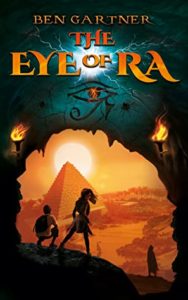
Author Guest Post: “Handling Conflict in Middle Grade Novels” by Ben Gartner, Author of The Eye of Ra

Share

“Handling Conflict in Middle Grade Novels”

On a school visit I did for The Eye of Ra (my middle grade time travel adventure novel), part of the reading included an argument between the two sibling main characters. In that reading, there was also reference to a first kiss (that elicited giggles) and the reveal of the tomb robber’s identity (that elicited gasps). Afterward, the students all wrote down on index cards something they enjoyed about the book and something they wondered about. Their feedback was awesome, but one of the cards stuck out to me in a unique way. A child had written that she really liked the scene where the two siblings have a fight. Of all the cards, and of all the important events that happened in that particular chunk of the book, this card made me contemplate where that child might have been in her mind’s eye in that moment during the reading. Had she had a fight with her brother that morning? Or her best friend? For whatever reason, that particular tiff struck a chord for that kid.

I love that index card and have it in my office because it reminds me that the emotional impact of our stories, the bond that can be established with a young reader (or any reader!), is such an important responsibility. How we handle and portray conflict must be realistic, but the most effective tension is nuanced. I try to avoid the over-the-top name-calling or blatant meanness for the sake of meanness. I give my kids the benefit of the doubt. Kids are smart; readers are smart.

Similarly, I recently received a comment from a reviewer who said he loved that The Eye of Ra “doesn’t have any objectionable content” (among other nicer things, ha!). And while I definitely appreciate and agree with this sentiment, it got me thinking about what that actually means. Objectionable content. There is danger, there is conflict, there is tension and frustration, but I try to handle those situations in a way that gets to the heart of the emotional matter without settling for “easy” triggering content such as bad words or name-calling. I mean, the world is full of conflict, there’s no denying that. And I’m not proposing we hide difficult topics from our children.

Let me give an example: I don’t claim to be a perfect parent or human, but in our house words like “stupid” and “shut up” are not a part of our typical vernacular. They’re disrespectful and they reflect more poorly on the person who mutters them than the person at whom they’re directed as an insult (again, I’m not innocent and careful to throw rocks in my glass house). Both of those words appear in The Eye of Ra, only a couple times, but they’re presented in a way that, at least for my family, is realistic in the context of the scene and the hot emotions, not just randomly for the sake of eliciting a response from the reader. They’re not flippantly lobbed around as casual words used every day and instead are treated as the stop words they are. Here are a couple of excerpts to demonstrate the point:

How could he have been so—so—stupid! Yes, he used that word.

And another:

“Shut up, Sarah!” As soon as he said it, he knew it was bad.

The latter demonstrates John showing empathy toward his sister. Upper elementary is when children first start to really develop a sense of empathy. This goes hand-in-hand with when they start to develop better skills at conflict resolution. Conflict happens. Kids fight. People fight. When we do, we might say things we don’t mean and we can become less mature and less respectful than we normally conduct ourselves. We need not hide that reality from children. Humans make mistakes. But those mistakes should be seen as opportunities for learning. And presenting conflict in a middle grade novel is a beautiful opportunity to showcase empathy and model effective conflict resolution techniques. Of course, I try to do so in a subtle way so the readers don’t feel they’re getting a lecture. I wrap it up in a “show not tell” approach where the character’s actions demonstrate the important human qualities of empathy and our ability to resolve conflicts.

In my book, John and Sarah argue and they do fight. They’re frustrated at their situation and they blow up and take it out on each other and say things they don’t mean. But it’s more of a reveal about their own emotional states than it is them trying to do harm to the other. When these characters lash out, there’s something going on under the surface that they don’t yet know how to express that is boiling over, and that drives the plot forward. Without declaring it loudly, our MG readers are capable of understanding that, along with tough topics like fighting and abstract concepts like empathy. And some exciting action and adventure certainly helps in getting the reader to step into the skin of, and empathize with, the characters!

If you wish to learn more about me, visit me here:

https://bengartner.com/
https://twitter.com/BGartnerWriting
https://facebook.com/BenGartnerAuthor/
https://instagram.com/bgartnerwriting/

Published February 1st, 2020 by Crescent Vista Press

About the Book: Exploring a mysterious cave in the mountains behind their house, John and his sister Sarah are shocked to discover they’ve time traveled to ancient Egypt!

Now they must work together to find a way back home from an ancient civilization of golden desert sand and a towering new pyramid, without parents to save them. The adventures abound—cobras, scorpions, a tomb robber, and more! The two kids have to trust each other, make friends who can help, and survive the challenges thrown at them . . . or be stuck in ancient Egypt forever.

For readers graduating from the Magic Treehouse series and ready for intense action, dive into this middle grade novel rich with meticulous historical detail.

Thank you, Ben! This book will be an awesome ladder between Magic Treehouse and Percy Jackson!

It’s Okay To…

Share

Exit the Editor

We are in a global pandemic—more people are dying daily than on 9/11. This means, we are teaching, and kids are learning, in a time of crisis.

We’ve been observing my fellow educators (teachers and parents alike) during this pandemic, and we have noticed that so many feel the pressure to continue as normal as much as possible; however, as more areas are deemed uninhabitable and unsafe, more adults lose jobs, and more kids are questioning their needs related to Maslow’s Hierarchy, we call for us to stop what our normal was because our normal is misguided for this situation. (We won’t even get started on the misguided aspects of our “normal” education system in general right now…)

To all educator adults (teachers, administrators, librarians, and parents/guardians):

It’s okay to…

  • not get to every assignment you had planned for the school year.
  • not follow the scope and sequence you originally had planned.
  • just have well-being conversations with kids instead of talking about content.
  • accept late work.
  • pause that absent policy you valued.
  • give less work.
  • listen to excuses right now—they’re probably reasons.
  • let students guide instruction.
  • allow students a chance to just chat with each other.
  • have kids’ screen time be at an all time high.
  • focus less on standards (we have grave concerns with how standards are implemented in schools anyways!).
  • give choice in learning.
  • not master online teaching (because this is not online teaching at its best).
  • seek other’s advice and use their ideas (with their permission).
  • focus on depth and spend the next several months working on one intensive project (that uses the outdoors, if possible).
  • be forgiving of ourselves and each other in general.
  • be honest with our students/kids about our own fears (at an age-appropriate level).
  • show mistakes and learning curves.
  • have some fun with your kids because they may be drowning in fear and anxiety.
  • not get this right; no one will get this perfectly right.
  • take a break if you or your family needs the break. 
  • cry.
  • teach with empathy and grace. https://medium.com/@gross_75366/crisis-teaching-with-empathy-and-grace-891850a635a8 
  • [Insert what we are missing in the comments. We know we are missing a lot here.]

Actually, all of this is more than just okay,

Be patient with the kids in your lives and, more importantly, be patient with yourselves. 

and