Author Guest Post: “How to Incorporate a Picture Book in the Classroom” by Brooke Van Sickle, Author of Pirates Stuck at “C”

Share

“How to Incorporate a Picture Book in the Classroom”

As a teacher, I LOVE to read new picture books to my students, but sometimes it’s hard. Especially when I’m trying to connect them back to the curriculum (particularly the Common Core standards that we have in the states.) So I’ve discovered some easy tricks to incorporate a picture book into the classroom.

How to Incorporate Picture Books into Your Curriculum:

The Internet has helped immensely in creating new lesson plans. Particularly in thanks to Pinterest. Once I find a picture book I love (and know the students will too), I will try to use it in the classroom.

First, I Research the Author’s or Publisher’s Website for a Teacher’s Guide.

Most authors have a website to get to know them better and use it as a listing for the books they’ve published. But some also have free resources for teachers and parents to use alongside their books. So this is where I start.

If I can’t find a resource on the website, then I’ll do a quick Google or Pinterest search.

If None Exist, then Create your Own Guide.

The easy, already-done-for-you way is always preferred, but we can’t always be so lucky. In the case of not being able to find any teacher resources online, you can always create your own lesson plan that works with your curriculum.

The steps to create your own lesson plan based on children’s books:

Step 1 – Look for Teaching Elements.

A lot of picture books are designed with a lesson in mind (even when they’re just funny or adorable.) I’ll look for those to pull into a current lesson topic I know we’re going to cover. Like a counting book, a specific person of interest, or emotion we’re discussing.

If the book doesn’t have a specific teaching element, then I will revert to common core standards that I know need to be resolved for that grade level. Like recognizing phonemes and understanding the basic parts of the story structure, (characters, setting, etc.)

Step 2 – Look for Worksheets that connect to the Element.

Even if a book doesn’t have a worksheet created for it, there are still TONS available online. Especially on Pinterest.

Worksheets like building-a-story, character development, letter recognization, etc. work great in a pinch when I’m in need of something to use alongside a story.

Step 3 – Get Creative.

Now that I’m a published author, I create teacher’s guides for my books. And I always try to make sure the book can be used for all subjects (including science, social studies, music, etc.). Which means I’ve had to learn to be creative.

In these situations, I will come up with a fun activity that will connect back to the book but also work in the classroom setting. Like with my upcoming book, PIRATES STUCK AT “C”, I have a worksheet where the students can tell me what they would hope for if they found a chest of treasure.

This is geared for Pre-K to Kindergarten to help with their writing skills, but it could also be used in an art class since the other half is drawing their treasure ideas. My goal is for the students to have fun while learning.

If you’re in need of a picture book that already comes with a teacher’s guide, my new book PIRATES STUCK AT “C” that comes out this month! I’ll be sure to send you the guide for free. Just email your order number to me at brooke@journeytokidlit.com.

Happy reading!

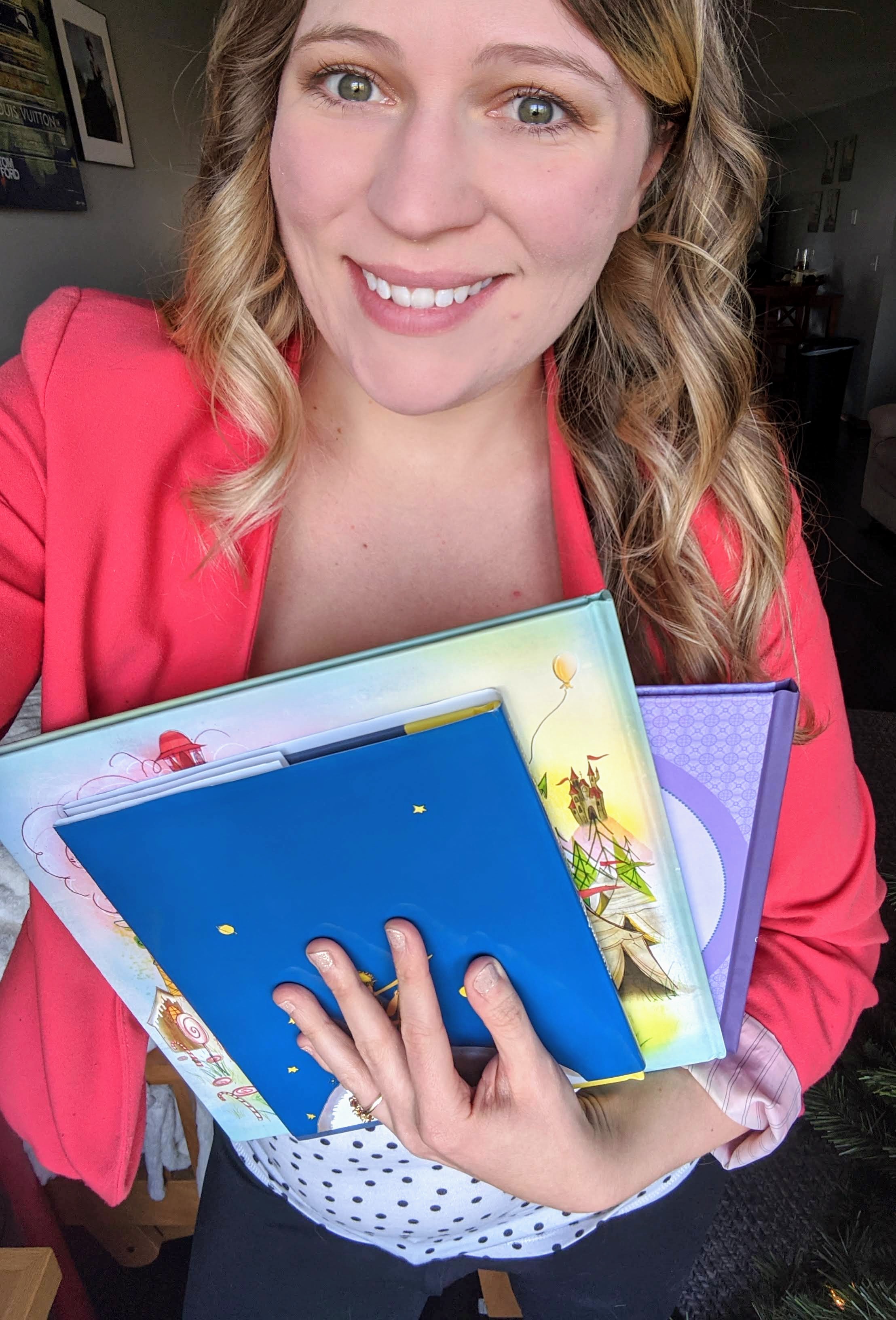
Guest Post by Brooke Van Sickle: Brooke Van Sickle is a member of the Society of Children’s Book Writers & Illustrators (SCBWI) and  Regional Webmaster for the Iowa-SCBWI region. She’s also a member of the Independent Book Publishers Association (IBPA) and Midwest Independent Publishers Association (MiPa).
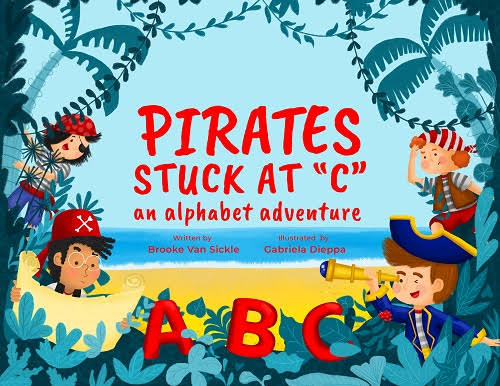
 

PIRATES STUCK AT “C”, published by BiblioKid Publishing, is Brooke Van Sickle’s debut picture book. She also has 2 more books expected in 2020. When not writing her own books, Brooke teaches other aspiring writers how to write and publish kids’ books at www.journeytokidlit.com.

Learn more about her on her website www.brookevansickle.com and connect with her on social @journeytokidlit.

Picture books are definitely so important in the classroom–thank you, Brooke, for helping us guide the use of them!

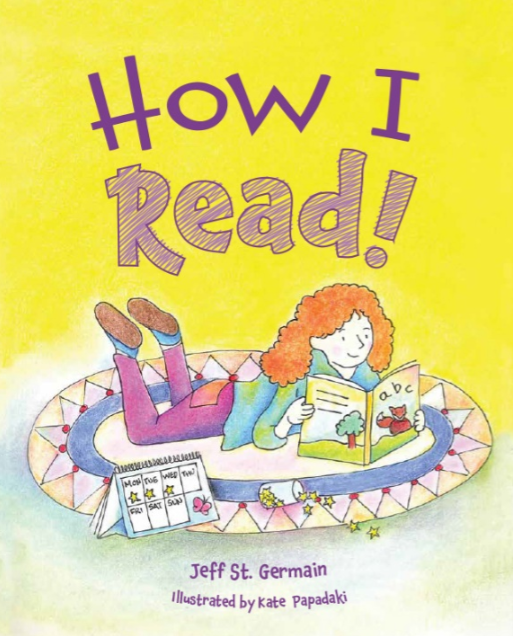
Author Guest Post: “Literacy Infrastructure: Strategies to Develop Pre and Early Readers into Avid Active Readers” by Jeff St. Germain, Author of How I Read

Share

“Literacy Infrastructure: Strategies to Develop Pre and Early Readers into Avid Active Readers”

Converting reluctant readers to avid readers is more of a challenge than to prevent children from becoming reluctant readers.  I have read many awesome strategies to convert these reluctant readers but as a passionate literacy advocate,I focus on laying the “ literacy infrastructure” with the objective of developing pre and early readers into avid active readers.

Infrastructure’s 2nd definition by Marriam-Webster’s dictionary:”the underlying foundation or basic framework as of a system or organization”.

Literacy infrastructure: Think of every experience that builds a child’s language skills, exposes them to genres and models ways on how to process incoming information, as a child’s literacy infrastructure

Language skills are developed through the process of “word experiences” and the “word-experience” is the fundamental skill relied on so that children can learn to read.  In the article Early Catastrophe by Betty Hart and Todd Ridley (date), it confirms that children that have 13 million or less word experiences are less likely to become proficient readers and unlikely to earn a high school diploma and most of these children are raised in underserved homes.  While children that have 25 million or more “word experiences” are  highly likely to be proficient readers, earn a high school diploma  and qualify to enter in a higher education program.

Expose pre and early reading age children to as many genres as possible and you will greatly increase their chances that they will develop a desire to learn to read.  There has to be at least one genre that your child will enjoy reading, and the best time for a child to discover this is before the age at which they should be prepared to learn the phonetic reading skills.

Modeling the act of reading to children is very important! Do you read to a child or with a child? Knowing that children’s minds are like sponges and that they mimic the people around them, they can subconsciously develop active reading skills from the way literature is read to them or with them. Because of the method in which you read with your child, you are modeling a way or ways in how to process and manage new information that is presented within the literature that both of you are consuming.   The steps that we take to manage the information presented by the author are regarded as “active reading skills”, which are formally taught in the middle school years, but I posit that these skills can begin to develop in the pre reading years while children are being read with.

Active reading skills are helpful to obtain the lesson as well as to increase the entertainment of the piece of work a person is reading.

My series: How I Read, How I Play, and How I Eat are written in the same style with the same main objectives, to develop language skills through word experiences and to recognize that the world we live in is quite diverse. These books have no main characters,and if you think about it, you, the readers are the main characters.  I wrote these books under the premise of sitting in a room with four or five pre reading age kids and asking them the question,”how do you read (eat or play)?”  I then wrote down some plausible answers that these children might have come up with; for the sake of fun. I  ad-libbed and rhymed some of the plausible answers and like magic the text of my books was completed.

For the most fulfilling experience when you read my books, discuss the assumed silly replies that I wrote down. Share your own (being silly is optional) and request your child to share theirs. Your discussion will not only lead to a volume of quality word experiences but it could also be quite enlightening such that you better understand what, why, and where and how your child likes to read, eat, and play. They are very important activities at this age! Any information that you can apply that increases the quality and volume of positive experiences related to reading, eating and playing is useful to you as the primary educator and nurturer.

The plan for the sequel: How I Help, How I Learn and How I Respect is for me to obtain real replies from brilliant young minds and creatively write them into books.  For this series, I would expect to donate the majority of the proceeds to the benefit of supporting children’s literacy.

My  501c3, Timely Active Literacy Skills Development (TALSD) has not yet been established, and my goal is to complete that project 2020. All children could use a unified network of literacy tools and resources while the underserved children need programs to assure that they access these tools and resources on a regular basis. The vision that I have will provide all kids with the opportunity to enter kindergarten with the quality of literacy infrastructure necessary to develop as proficient readers through the third grade so that they are able to read to learn there after.

To learn more, visit https://howtoreadbooks.com/

About the Book: How I Read celebrates the mystical yet plausible answers from our beloved pre-readers to the question, How do you read? Follow along to discover the whimsical, creative, and sometimes unexpected responses of children from all walks of life.

About the Author: As a dad, an uncle, and a friend of pre-reading age children, Jeffry St. Germain loves to read and converse with them. He enjoys using a play on words for the sake of igniting thoughts and smiles. In a nutshell, this defines the writing style of How I Read.

Thank you so much for this guest post–what a fun away to approach early literacy!

Author Guest Post: “Making Crazy Contraptions” by Laura Perdew, Author of Crazy Contraptions: Build Rube Goldberg Machines that Swoop, Spin, Stack, and Swivel with Engineering Activities for Kids

Share

“Crazy Contraptions: Build Rube Goldberg Machines that Swoop, Spin, Stack, and Swivel

Collect your catapults, toy cars, pulleys, ramps, marbles, balls, and dominoes. You’ll probably also want string, tape, hot glue, cardboard, TP rolls, and miscellaneous recycling. Now, what should you do with this odd assortment of materials? Build Rube Goldberg machines, of course!

Rube Goldberg machines are crazy contraptions that perform very simple tasks through an exceedingly complicated and usually humorous chain reaction. The man behind the machines was Rube Goldberg. He was an engineer turned cartoonist in the mid-1900s. He is famous for his cartoons that featured the crazy contraptions he invented (check out the image gallery at https://www.rubegoldberg.com/image-gallery-licensing/). His “inventions” include a self-operating napkin, a painless tooth extractor, and even an elaborate method to keep the baby covered at night. People loved Goldberg’s cartoons and couldn’t wait to see what he would come up with next. Yet even though people loved his inventions and Goldberg was an engineer, he never built a single one of his contraptions.

Instead, the idea to build crazy contraptions was initiated by college students in 1949. Since that time, building contraptions has become wildly popular. Rube Goldberg, Inc. even holds an annual Rube Goldberg Machine Contest which challenges students to create their own crazy contraptions that perform a designated task (https://www.rubegoldberg.com/learn-about-the-contests/). Creating contraptions is also a great hands-on project in the classroom to teach basic physics concepts (energy, force, motion, and work) and to introduce the six simple machines to kids. And it’s FUN!

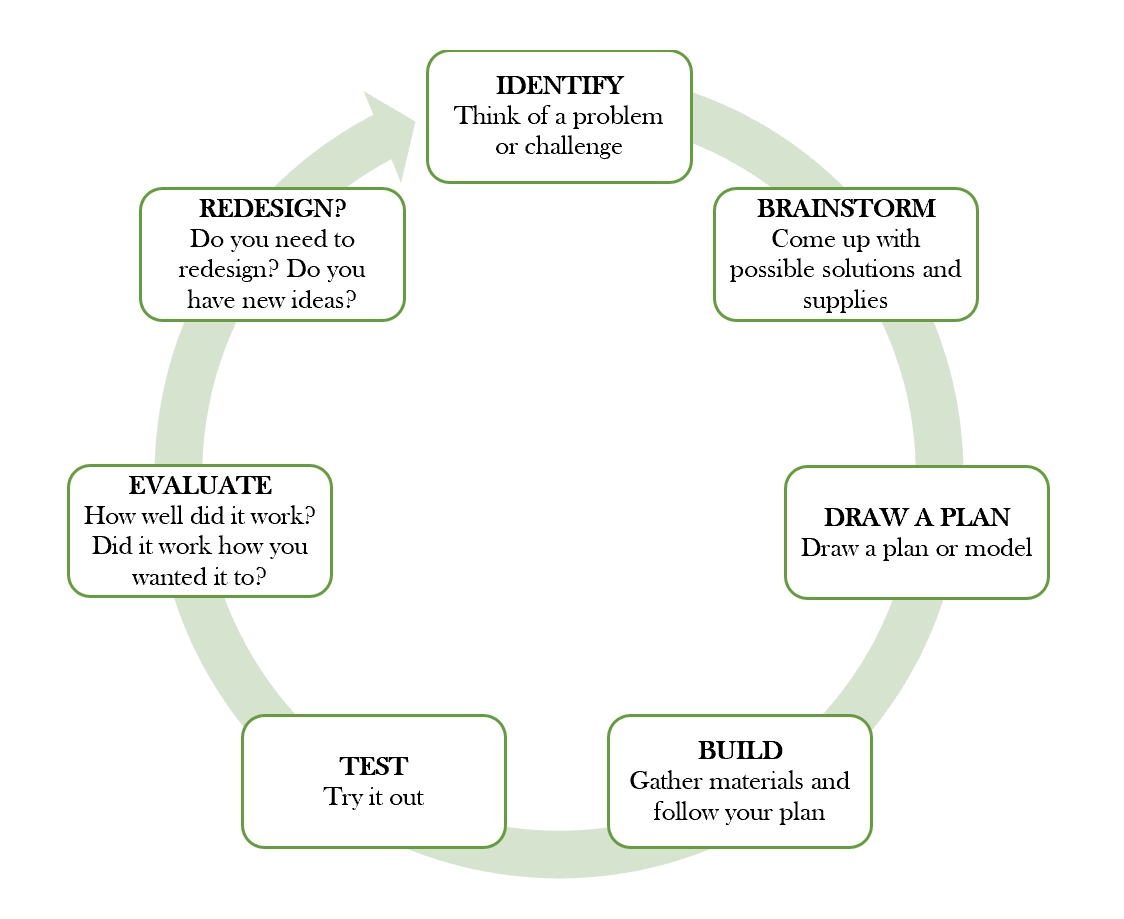
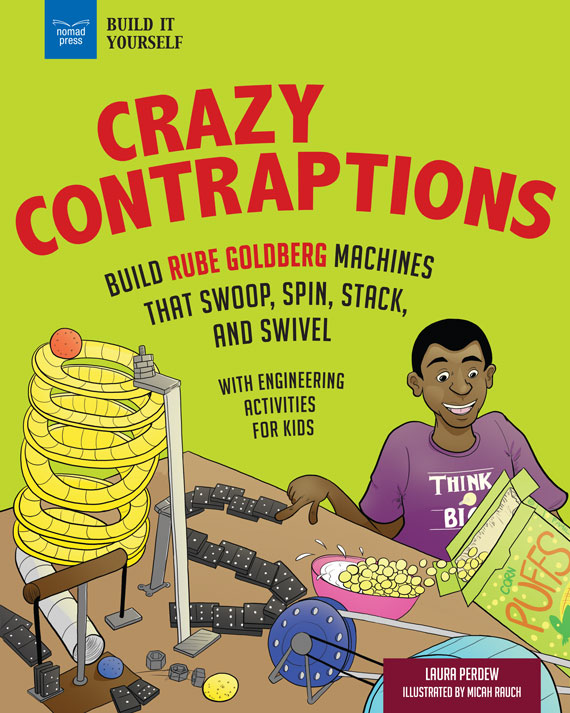
CRAZY CONTRAPTIONS: Build Rube Goldberg Machines that Swoop, Spin, Stack, and Swivel teaches all of these concepts. It also encourages contraption makers to use the engineering design process – brainstorming, planning, building, testing, evaluating, and redesigning (if necessary). The book starts out with easy challenges using one simple machine. As the book progresses, though, readers are challenged to build increasingly complex contraptions using more and more simple machines. Warning! This book does not include step-by-step instructions to build each contraption. Instead, it presents these challenges in a way that allows readers to use their own creativity and materials they may have on hand. So, go collect that odd assortment of material and start building!

Activity

Introduce students to Rube Goldberg contraptions by watching this music video by OK Go: https://www.youtube.com/watch?v=qybUFnY7Y8w or visiting the Rube Goldberg image gallery.

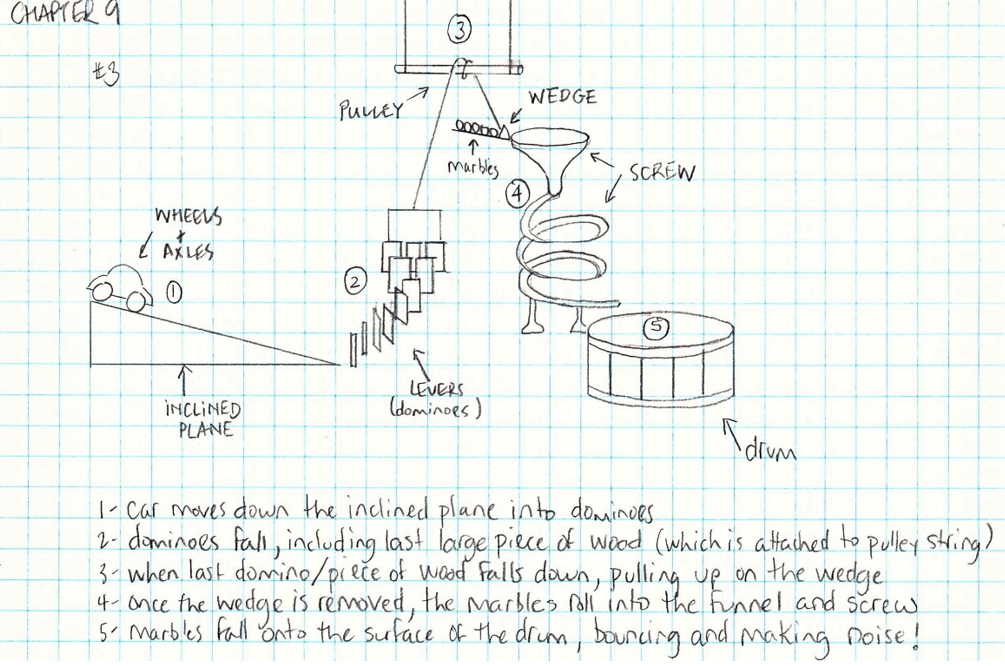
The challenge here is to have students create a crazy contraption that uses all six simple machines to bang on a drum using engineering design process:

Identify: The challenge, as stated above, is to build a crazy contraption that uses all six simple machines to bang on a drum.

Brainstorm: What materials will students use for each of the six simple machines in the contraption? Here are a few ideas…

Inclined plane – books, toy car tracks, piece of cardboard, piece of paper

Levers – dominoes, catapults, rulers, popsicle sticks, pencils

Wheels and axles – toy cars or trains, a homemade car, screwdriver

Pulleys – a pulley, empty thread or wire spools, pushpins

Wedges – make your own, popsicle sticks, string

Screws – jars and lids, marble runs, funnels, tubing

Don’t forget the drum and whatever will bang on it to make the noise!

Consider how all those parts might work together to create the contraption.

Draw a plan: Break out the graph paper, pencils, and rulers. When I wrote the book, this is what my design looked like:

Build: Put it all together! Hint – do the dominoes last!

Test: After building, adding, tweaking, taping, and creating, start the chain reaction.

Evaluate: More often than not, the first few tests of crazy contraptions fail. But that’s okay! The question to ask is, “Why?” This question and its answer help young engineers create contraptions that DO work.

Redesign: Using what your students know about why the contraption did or did not work, they may want to redesign it. Or, they may want to make it louder. Or add other noisemakers.

Crazy Contraptions: Build Rube Goldberg Machines That Swoop, Spin, Spack, and Swivel with Engineering Activities for Kids
Author: Laura Perdew
Illustrator: Micah Rauch
Published October 8th, 2019 by Nomad Press

About the Book:An exciting book about the chain reaction world of Rube Goldberg for middle schoolers, including 25 engineering design projects that get middle schoolers applying the laws of physics to their own inventions as they learn the scientific principles behind the actions and reactions they create.

Why use a simple hand motion to wipe your mouth when you can build a machine to do it for you? Toppling dominoes, rolling marbles, racing balloon cars, springing catapults, and whizzing zip-lines are all elements used to build Rube Goldberg machines in Crazy Contraptions: Build Machines that Swoop, Spin, Stack, and Swivel with Engineering Activities for Kids. The book introduces kids ages 9-12 (and beyond!) to the wacky machines designed by Goldberg, which were based on complicated chain reactions used to accomplish very simple, sometimes ridiculous, tasks.

-Through contraptions, the book discusses the basics of physics, including force, motion, and work. Each chapter introduces one of the six simple machines and how they can be used in Rube Goldberg contraptions–inclined planes, levers, wheels and axles, wedges, screws, and pulleys.

– Kids are challenged to design, build, and evaluate dozens of increasingly complex contraptions that do things like unscrew a lid, turn the page of a book, and pop a balloon.

– Projects use materials already in most homes–reimagining and repurposing everyday items, as well as mining the recycling!

– Contraption hints, essential questions, short sidebars, and links to online primary resources help readers learn the basics of force, work, motion, and simple machines, while exploring their creativity as they design and build their own crazy contraptions.

About the Build It Engineering set and Nomad Press

Crazy Contraptionsis part of a set of two Build It Engineering books that explore the engineering technology behind our daily lives. The other titles in this series isBots! Robotic Engineering with Makerspace Activities for Kids.

Nomad Press books in the Build It series integrate content with participation. Combining content with inquiry-based projects stimulates learning and makes it active and alive. Nomad’s unique approach simultaneously grounds kids in factual knowledge while allowing them the space to be curious, creative, and critical thinkers.

About the Author:Laura Perdew is an author, writing consultant, and former middle school teacher. She has written more than 15 books for the education market on a wide range of subjects, including the animal rights movement, the history of the toilet, eating local, and the Great Pacific Garbage Patch. She is a long-time member of the Society of Children’s Book Authors and Illustrators. Laura lives in Boulder, Colorado.

Thank you so much for this guest post–love the STREAM focus!

Q&A with Author Ginny Rorby

Share

Ginny Rorby is the author 6 MG/YA novels: How to Speak Dolphin, Lost in the River of Grass, 2013 winner of the Sunshine State Young Readers Award, Hurt Go Happy, 2008 winner of the Schneider Family Book Award, The Outside of a Horse, Dolphin Sky, and Freeing Finch (2019). Ginny is a past director of the Mendocino Coast Writers’ Conference and its current president. She can be reached at Ginnyrorby@mcn.org and at www.ginnyrorby.org.

Today we are lucky to have her on Unleashing Readers to answer some questions.

All of your books combine human and animals into stories that build empathy for both. Why do you combine both instead of focusing on just one or the other? 

To me, our treatment of each other extends to our treatment of animals. I think we are losing our appreciation of the natural world and its systems. We only care about what we learn to care about. If I can help young readers connect with even a fictional animal of another species, they will be richer for it, a better person and, hopefully, grow up tuned into the needs of all beings.

When planning a book, what do you usually have first: a topic, a character, a story, or something else? How do you get from that to a final book? 

Almost without exception, the animal character comes first. Dolphin Sky came from the tragic conditions of three captive dolphins at roadside “attraction” in Florida. Hurt Go Happy was based on the equally tragic story of Lucy, a sign language using chimpanzee. The Outside of a Horse was the result of two newscasts, one on the slaughter of horses (100,000 annually) and a second about the horses used to pull the caissons at Arlington National Cemetery helping Iraq war veterans deal with PTSD. Lost in the River of Grass is an exception: it is based on the true story of my husband sinking his airboat and having to walk out of the Everglades, but it also shows the main character’s initial fear of the wildlife she and Andy encounter and her growing appreciation of the beauty of a natural place. How to Speak Dolphin was purposed to me by Scholastic. Even though it was about a sister with an autistic little brother, the fate of the dolphin became my first consideration. Once I’ve been driven to distraction by the plight of an animal, I try to create a character with issues compatible the story, which is always about how healing a relationship with an animal can be.

Many of your books focus on very tough topics such as abuse of children or animals. Why do you feel that this topic is so important to write about? 

I’ve always believed the abuse of animals and children is linked. A person capable of abusing a dog or cat, or any animal, is surely capable of abusing vulnerable humans. To write about it is to expose it. To expose it may empower a child to seek a safe adult, or to speak up if they know a friend who is being abused. Beyond that, my goal is to have young people look deeper into the plight of animals. When they go (heaven forbid) to SeaWorld, I want them to hate seeing a whale in captivity, or a dolphin forced to jump through a hoop for our amusement. When I was 6 or 7, my mother took me to a circus in Orlando. One of the elephants being herded past in a parade of animals, toppled over and died. To this day, I’ve never been to a circus. Thankfully, six decades later, the outcry over forcing elephants to perform, has finally resulted in change. And we seem to be slowly coming to our senses about whales and dolphins in captivity. There are still thousands of animals in confined situations compelled to perform for our amusement, or caged in labs being experimented on. The emails I get from young readers show me I’m getting my message across. I can’t ask for more than that.

Tell us about your newest book and how it came to be. 

Freeing Finch, my most recent, had two beginnings. I wrote the first iteration about an abandoned dog and an abandoned (at least in her own mind) child. It didn’t quite hit the mark. Two years ago, our local orthopedic surgeon and acquaintance with whom I’d aligned over attempts by our local hospital to close Labor and Delivery, came out as trans, had confirmation surgery at age 70, (Kate’s surgery ) and changed her name to Kathryn. I was stunned but supportive. I have many gay friends but had never met anyone transgender (that I knew of). I sent Kate a congratulatory email and received back a note of gratitude. I then mustered my courage and said I’d like to learn more. She recommended I read Becoming Nicole. By then, Katie Couric had visited Kate and Linda, her wife, of 47 years, to interview and include them in a special she was doing on transgenderism. A year later, Kate and Linda were featured in Katie Couric’s National Geographic special, the Gender Revolution.

Before I rewrote Freeing Finch, I had no dog in the fight. I’m straight, cisgender, widowed, childless, white, and a lapsed Episcopalian. I grew up in Central Florida during the civil rights era but was too young and self-centered to truly notice what was happening. We certainly weren’t in the thick of it. My saving grace has turned out to be that I detest injustice.

Since Kate’s focus has been to educate the uninformed, I continued to pepper her with questions, read many of the available books, interviewed transgender acquaintances, and watched Jazz Jennings grow up on YouTube.

I remembered the book I’d written years before about an abandoned dog and a young girl whose mother died, leaving her to be raised by her recently remarried step-father. The abandonment theme reminded me of the stories I was reading about families turning their backs on gender-questioning children.

It’s the 21st century. Gender is a rainbow spectrum. Let’s educate ourselves and move on.

Thank you so much, Ginny, for sharing your writing process and inspirations!

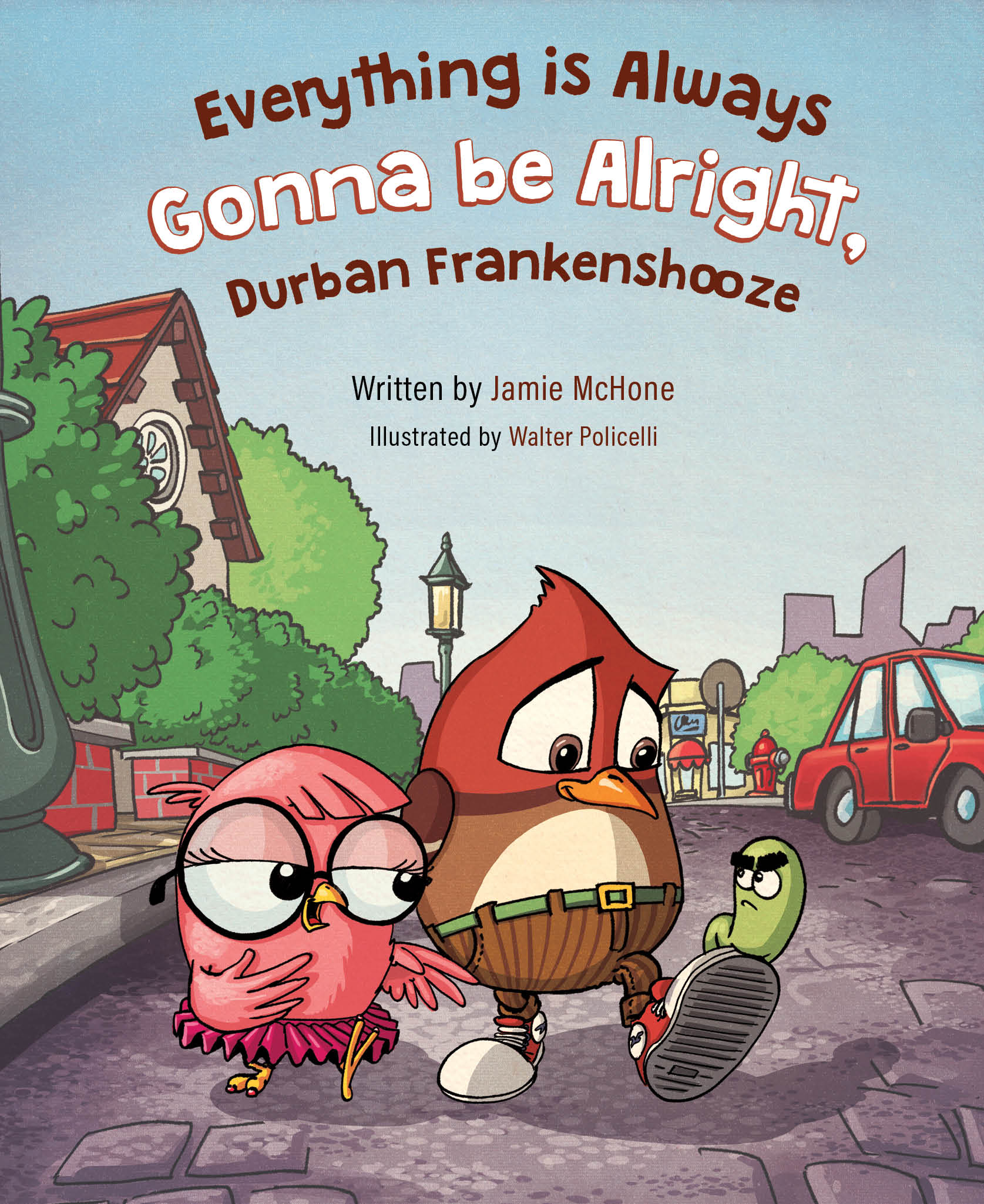
Author Guest Post: “Little Readers Produce Big Readers” by Jamie McHone, Author of Everything is Always Gonna Be Alright, Durban Frankenshooze

Share

“Little Readers Produce Big Readers”

Little readers produce big readers. We need both. My favorite thing to do as a child was to curl up with a good book. I still recall my favorites. I still remember the characters I loved. I am an avid reader today, and I believe it is because I had the opportunity and the freedom to immerse my imagination into the world of words. Little thinkers produce big thinkers. We need both. I believe what the little mind absorbs sets them up for what the big mind can absorb and that they are capable of absorbing much. I believe curiosity is the key to critical thinking, which is why I tried to leave plenty of room for inquisitions in the book. Little critical thinkers produce big critical thinkers. We need both. My intent in throwing a big word at a little reader was to make them stop and question what it means, thereby building a larger vocabulary and a desire to build upon it. And let us just face it, in today’s atmosphere, there are many pertinent issues to be faced head-on and discussed among parents and children. Some issues in the book are a bit ‘in your face,’ and others are more subdued. Again, hopefully, to persuade conversations to generate and build on. It has been my experience that children have a tremendous sense of humor and can appreciate the sometimes randomness of the book. That was my intent, anyway. Hope you enjoy!   — Jamie

About the Book: Durban is a Durban bird with giant sneakers and wings so small he can’t fly. He’s tired of being made fun of by all the other flying birds, so he sets off on a journey to find out who he really is. Along the way, he meets Maudry, a smart and sassy female bird, and Wainwright, a grumpy worm with a short temper. Together, the unusual trio goes through thick and thin to discover what it really means to be yourself.

About the Author: Jamie McHone is from southwest Virginia and currently resides in Blacksburg, Virginia with her husband and Rottweilers. This is her first children’s book.

Thank you so much for this guest post–we agree! Early childhood literacy is such a key to lifelong success!

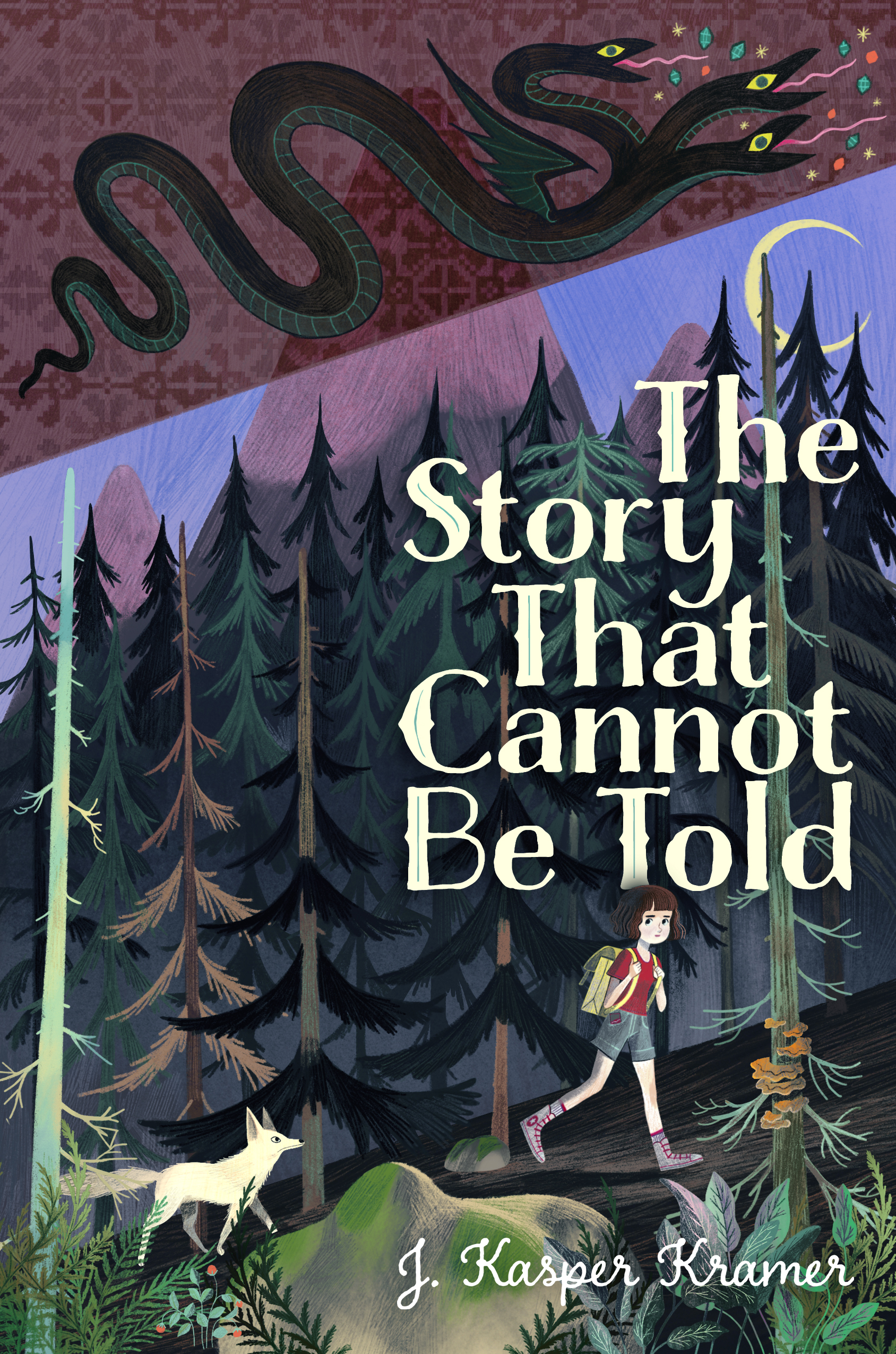
Author Guest Post: “Why We Need International Books in the Classroom” by J. Kasper Kramer, Author of The Story That Cannot Be Told

Share

“Why We Need International Books in the Classroom”

After finishing college, my husband and I packed two suitcases each, sold everything else that we owned, and bought plane tickets to Japan. Our plan was to teach English for a year or two and then move back to Tennessee, but we wound up loving life abroad so much that we lived outside Tokyo for almost five years.

For much of my time in Japan, I worked at an international elementary school, where I taught children from all over the world. My classroom was made up of students from Sri Lanka and Denmark and Korea, Canada and Sudan and Poland. Along with a typical American curriculum (math, P.E., language arts, etc.), I was responsible for making sure my class of 15-20 ESL students learned how to speak and read and write and listen in English—a second (or third) language for almost all of them.

It was a challenge, of course, not only to communicate, but to create an environment where everyone felt comfortable celebrating their differences. Unfortunately, sometimes the American textbooks themselves complicated this problem. (Think of how often things like currency and sports and apparel are referenced just in simple math worksheets.) Finding educational resources that represented the diversity of the students in my classroom—even just a fragment of it—was difficult.

Because of this, more often than not, I turned to literature to address the diversity gap in my classroom’s curriculum.

For my students in Japan, bringing books with an international setting or international characters into the classroom helped to make everyone feel more welcome. Though we were a mix of varied beliefs and colors, traditions and clothing and languages, the books we read helped us learn about each other, which in turn created a more respectful and joyful environment.

But this sort of magic isn’t reserved for an international classroom.

Now, back in the U.S., I teach college English in my home state, and I have my students read texts written by diverse authors from all over the world. Though I occasionally teach a special course composed of all international students, the majority of my classes are largely composed of white Americans who’ve never left the country. (As of 2018, over 75% of the students at my university were white and less than 2% came from outside the U.S.)

In my international classrooms in Japan, the diverse books that I brought to our shelves provided ways for my students to see themselves and their peers in the stories we read. Now, for many of my students, however, such texts require that they learn about cultures with which they’re completely unfamiliar. This forces them to see the world through perspectives they’ve never encountered and, ultimately, open both their minds and their hearts.

Bringing writing with international settings and characters into the classroom, especially writing by diverse authors, is beneficial at any grade level and to any group of students. It teaches readers of all ages that the world is bigger than what’s outside the window—and that people are still people, wherever you go.

The Story That Cannot Be Told
Author: J. Kasper Kramer
Published October 8th, 2019 by Atheneum Books for Young Readers

About the Book: A powerful middle grade debut that weaves together folklore and history to tell the story of a girl finding her voice and the strength to use it during the final months of the Communist regime in Romania in 1989.

Ileana has always collected stories. Some are about the past, before the leader of her country tore down her home to make room for his golden palace; back when families had enough food, and the hot water worked on more than just Saturday nights. Others are folktales like the one she was named for, which her father used to tell her at bedtime. But some stories can get you in trouble, like the dangerous one criticizing Romania’s Communist government that Uncle Andrei published—right before he went missing.

Fearing for her safety, Ileana’s parents send her to live with the grandparents she’s never met, far from the prying eyes and ears of the secret police and their spies, who could be any of the neighbors. But danger is never far away. Now, to save her family and the village she’s come to love, Ileana will have to tell the most important story of her life.

About the Author: J. Kasper Kramer is an author and English professor in Chattanooga, Tennessee. Her debut novel, The Story That Cannot Be Told from Simon & Schuster/Atheneum, published on October 8th. You can find her online at www.jkasperkramer.com and on Twitter @JKasperKramer.

Thank you so much for this guest post looking at how perspective and a worldly view shape outlook!

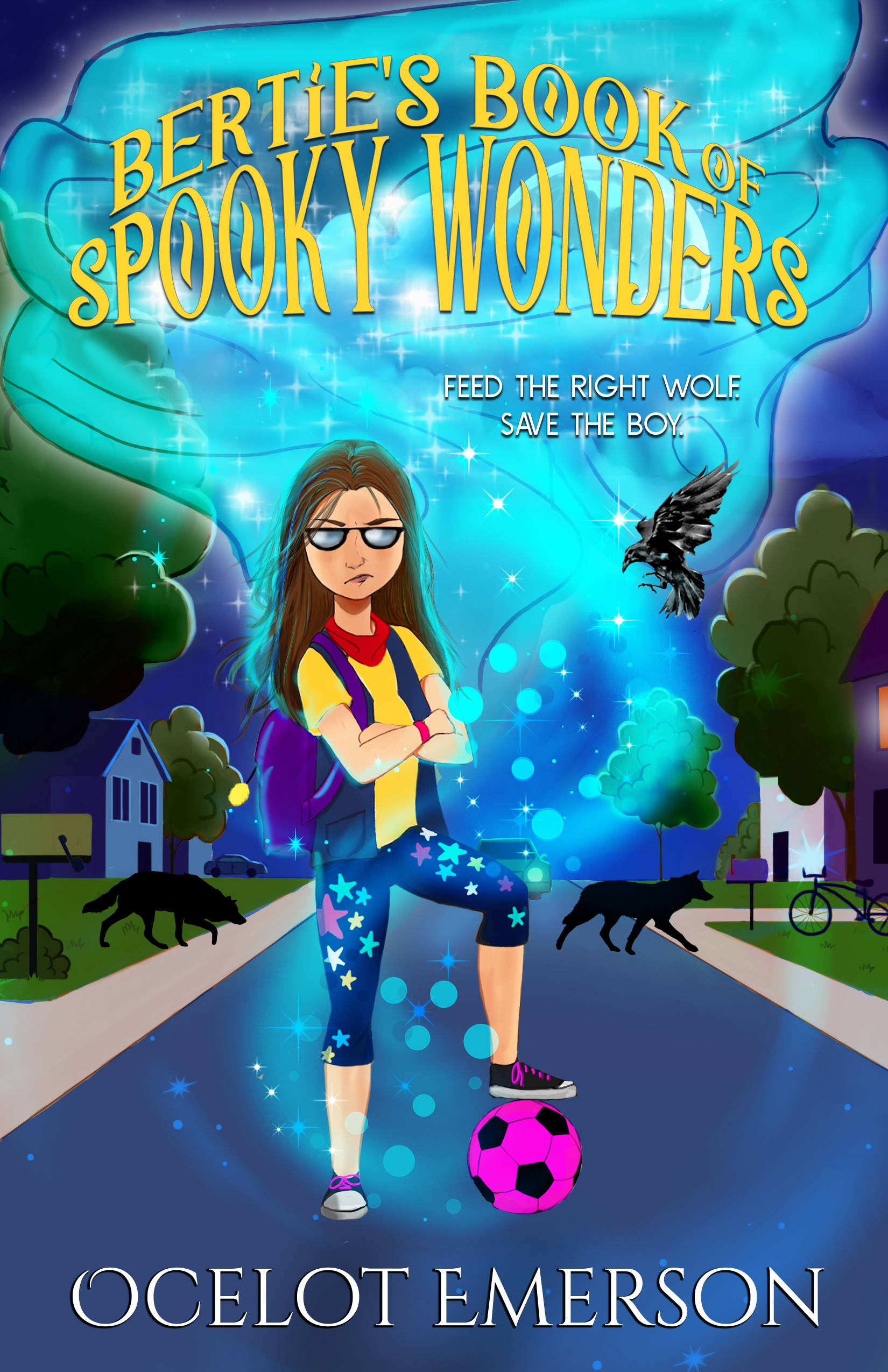
Author Guest Post: “Obstacle or Opportunity or Both” by Ocelot Emerson, Author of Bertie’s Book of Spooky Wonders

Share

“Obstacle or Opportunity or Both”

“No pressure, no diamonds” – Thomas Carlyle

It’s simple: every single person you will meet today is facing at least one major obstacle. Especially the ridiculously beautiful person staring back at you in the mirror. Take a look — so many big old obstacles smack in front of us. Daring us. Mocking us. Blocking us from achieving great stuff. Stupid obstacles!

Though we know they’re there, most of us pretend they’re not.

We do our best to avoid facing them. We procrastinate. We rationalize. We think maybe if we don’t look at our obstacles, they might just go away on their own.

Guess what? They don’t go away. Never. And, deep inside, we already know they won’t go away.

The far more likely scenario is they’ll get bigger, noisier, fiercer, and freakier.

Here’s the good news in all this. Every obstacle or problem we face holds a secret. Hidden deep within the dread is an opportunity for greatness.

The big idea is to never let a good obstacle go to waste. Use it or lose it. Now if you believe amateur internet linguists (hint: do NOT believe them) the Chinese symbol for obstacle can also mean opportunity (100% refuted by actual professional linguists, but you get the idea — sounds really Zen, doesn’t it?).

Once again, my friends, it’s really simple. The obstacles that stand in our way can either hold us down or elevate us to greater heights. You get to choose which one to go for. You probably don’t think you get to choose, but you do.

No joke. You really-really do get to choose.

Bertie Blount, the twelve-year-old protagonist of BERTIE’S BOOK OF SPOOKY WONDERS, with help from a terrifying ghost and a pair of hexed sunglasses that allow her to see a better version of herself, eventually chooses greatness. Bertie rose above her tragic circumstances, and her own terrible choices. And, in doing so, she becomes the better version of herself. How cool is that?

It’s funny, but when kids and adults read BERTIE’S BOOK OF SPOOKY WONDERS, they compare themselves to Bertie. Could I do what Bertie did in that situation? Could I persevere how she did? Could I achieve what Bertie did despite all the crazy dangers, and endless ridicule from everyone around me?

The answer is yes. And no. The applicable answer for you depends upon your willingness to face whatever obstacles stand in your way. Whether it’s a problem with your family, or your school, or your sports team. Or a problem with a friend or enemy. Or perhaps it’s an adult struggling with an addiction, or divorce, or health. Or wanting to be a better parent, wife, or husband.

Or perhaps it’s someone who feels like they have a hole in their soul because they know there’s got to be a better way to get through the day. So many people are wearing these cruel shoes, and those shoes hurt worse with every step. We’re talking life blisters, folks. They are living in conflict with their better natures.

Through Bertie’s commitment to thinking differently, her sense of compassion, and her hunger to make things right no matter what, she shows us there is a better way to get through even the absolute most horrific days.

Bertie Blount is fantastically flawed. She’s a girl who is beyond lost. Nothing in her life makes sense to her anymore. But being lost is universal. We all lose our way. And not just with the big picture stuff either. Most of us get lost on a daily or even an hourly basis. That’s what makes Bertie’s story so captivating, and so enriching to the soul, even if it’s partly on a subconscious level. We understand Bertie’s struggles, because on many levels they’re our struggles as well.

As much as Bertie gets lost, she carries on and somehow finds her way out of the dark and scary woods, again and again. Her obstacles didn’t hold her down, they elevated her. And that helps us readers know that we can do the same.

The pragmatic side of the novel is that we don’t find our way by avoiding our obstacles. We have face them, the same way Bertie faces them (usually kicking and screaming). The same way anyone who ever achieved anything great faced their problems. And, as history shows us in countless examples, the obstacles we overcome make us better people than we were before. It’s simple, but not easy. It’s a choice. And it will be the best choice you could ever make.

That’s the hidden diamond in all this. If you choose to make better choices, you go through the day in a happier and more engaged way. If you repeatedly make the best possible choices you don’t need a pair of supernatural sunglasses to become the better version of yourself.

But, hey, if you happen to come across a pair — why not put them on, right?

Bertie’s Book of Spooky Wonders
Author: Ocelot Emerson
Publication Date: October 15th, 2019 by Tantrum Books

About the Book: Twelve-year-old Bertie Blount is great at causing trouble. When she’s forced to leave behind her dad and friends in North Carolina so her mom can marry the most boring optometrist in the world, Bertie has a chance at a fresh start.

But when Bertie arrives in Pennsylvania, she doesn’t just bring trouble; she brings disaster. In a moment of anger, Bertie unwittingly triggers an accident that puts her future stepbrother in a coma.

Broken and desperate to make things right, Bertie prays for a miracle. Instead, the universe gives her a pair of supernatural sunglasses, a wise-cracking doppleganger, and a terrifying ghost that sends Bertie on a dangerous mission to find the one thing that just might save her stepbrother’s life.

About the Author: Ocelot Emerson is the freakish result of a mad scientist’s experiment gone horribly wrong. Born half magnificent cat, half malicious human, Ocie escaped from the secret International Prison For Wayward Creatures, and into a deep dark woods, only to be captured by a pack of ravenous ghost wolves. In a stroke of good fortune, the Great Spirit Wolves set aside their natural disdain for all things feline and accepted the cat person into their pack, where they taught Ocie how to hunt and tell bizarre yet heartwarming tales. Bertie’s Book of Spooky Wonders is Ocelot’s first novel aimed at feral and phenomenally gifted children.

Thank you so much for this guest post about the beauty in time and patience and focus!