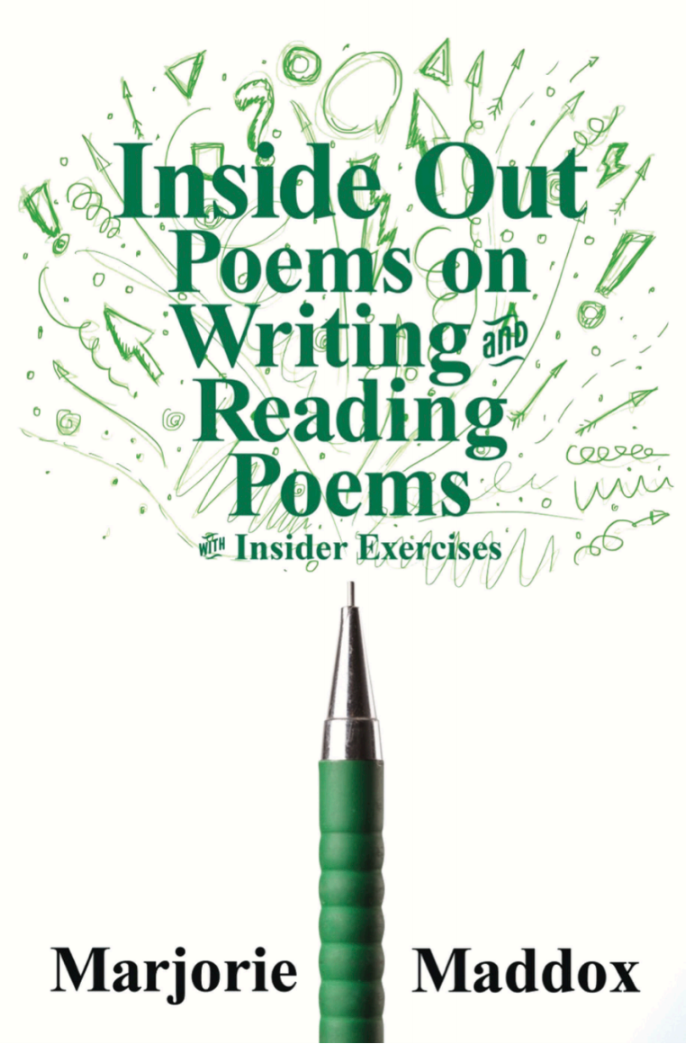
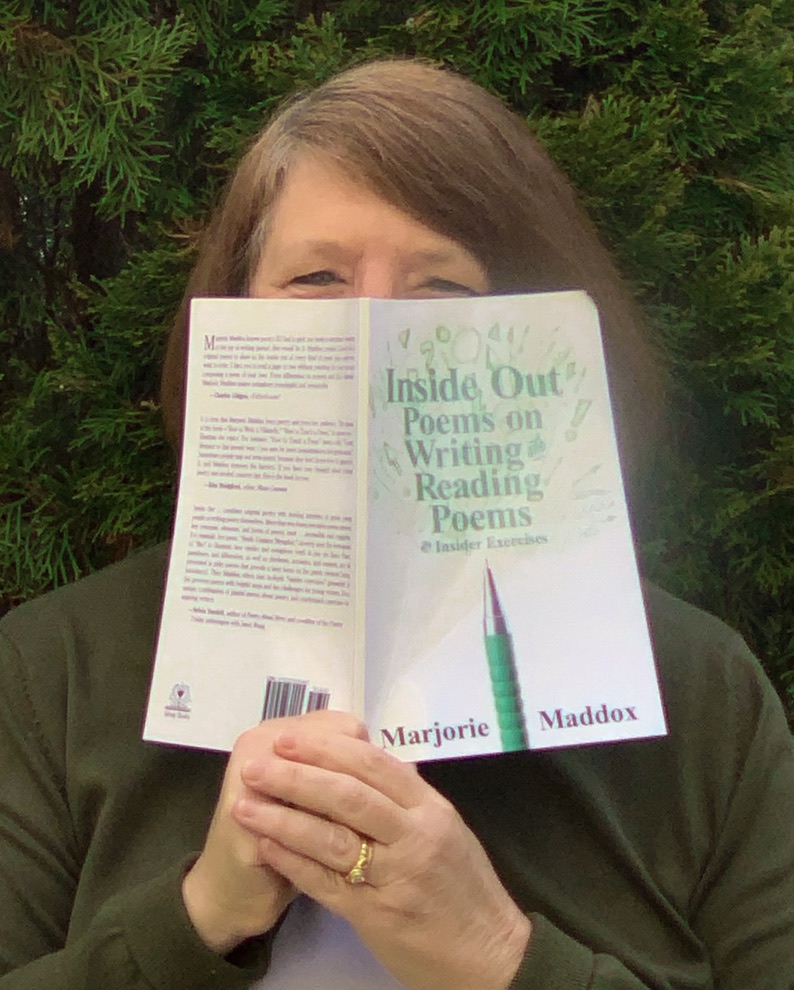
Author Guest Post: “Opening the Door” by Marjorie Maddox, Author of Inside Out: Poems on Writing and Reading Poems with Insider Exercises

Share

“Opening the Door: How Stepping Inside the Poem Can Help Your Students—Even Those Who Hate Writing— Read, Understand, Create, and Enjoy Poetry”

Let’s face it: Some students LOVE poetry. It’s their secret passion, guarded closely. They scribble it in notebooks. They sneak-read it between classes.

For others, it’s a public proclamation. They sing poetry, dance it, prance with it around the classroom while reciting it. They raise their hands and volunteer their favorite authors.

However, for many students, well, there’s not so much love. For them, poetry resides in a decrepit, old, locked house AND someone has thrown away the key. No way are they even walking up the front path.

If any of this sounds familiar, read on. Based on my thirty years of teaching poetry at the primary, secondary, and university levels, Inside Out: Poems on Writing and Reading Poems with Insider Exercises brings together the eye-rollers, the proud enthusiasts, and the quiet creators. How? By inviting them all inside the poem.

First, unlock the door, then throw away the keys: Not the keys to fun and understanding (we’ll keep those), but the keys that say here’s a list of jargon to memorize, or here are the only subjects that poetry can be about, or here are been-there-done-that worksheets, or here’s a book with dry, lengthy explanations of those terms and exercises.

I’ll bet that most of you have already done just that. But now what?

Why not first approach poems with, well, an approachable poem?  Poems, of course, are not the enemy, but some students feel that way. Here’s a helpful—and fun—way for students to “get to know” a poem.

Befriending a Poem

Invite him home for dinner,
but don’t insist on rhyme;

he may be as tired and as overworked
as his distant cousin Cliché.

Best to offer intriguing conversation
that’s light on analysis.

Allow for silences and spontaneity.
Most importantly, like any good friend,

be faithful and patient;
remember to listen.

Sometimes he’s shy
and just needs a little time and coaxing.

Much of what he has to say
lies between the lines.

Students can choose a poem they’d like to get to know, then take that poem somewhere they themselves like being (the mall? a skateboard park? a soccer field? a cabin? a concert?). Next, interact. Try having them start with one of these titles: “Inviting a Poem to My House,” “A Poem Texts Me and Says,” “Talking Back to a Poem.” You try it, too!

Next, open the door—wide!  Getting to know (and write) a poem is a hands-on experience. I like to start with Inside Out poems “How to See a Poem,” “How to Hear a Poem,” “How to Taste a Poem,” “How to Smell a Poem,” and “How to Touch a Poem.” Students then write their own versions. What fragrance does a poem have? What color is a favorite poem? What does a poem taste like?

How to Smell a Poem

First, inhale deeply and equally.
Your nose, noble and brave,
knows how to adjust to each form
of aroma. Still, when you dive
into scent and swim about
until you’re wet with the whiff
of each syllabic drop,
try not to sneeze when the breeze of ballads
becomes the breath inside your lungs.
Be forewarned: the incense of words intoxicates.
There’s a peppermint odor to odes
and no lemons, no melon emanates from palindromes.
As for lack of predictability, free verse is the worst:
who knows what stench will attack the old olfactory,
what fragrance will rejuvenate your young but numb nostrils?
That’s the adventure to savor in this flavor extravaganza.
Keep following the trail of scent to sniff out the meaning.

These initial interactions then “open the door,” not only to sensory details, but also to such poetic tools as couplets, personification, alliteration, similes and metaphors, line breaks, paradox, and the like. But wait, I said no boring definitions, right? Sure, Inside Out includes a glossary, but wouldn’t it be a lot more enjoyable to experience these poetic tricks through poems that model them? Here’s what I mean:

Couplet

Poetic twins all dressed in rhyme
stroll side-by-side in two straight lines.

In Inside Out, the poems are the definitions. Learn how to write a villanelle by reading the poem “How to Write a Villanelle.” Relax and cast your line with the poem “Fishing for Sestinas.” English and Italian sonnets, clerihews, dramatic monologues, triolets—and more—they’re all here for the meeting. Allow them to introduce themselves.

Come on in! It’s no secret that many of us learn best by doing. It’s one thing to admire a house (or a poem) from the outside. It’s another to open the door and strut on in, blast the music a bit, settle into a comfy chair, or completely rearrange the furniture. No sitting on the sidelines (or outside and across the street) with poetry. That’s why Inside Out also includes nine Insider Exercises based on the previous poems.

Here are some teasers:

After reading the poem “Getting Ready with Iambic,” have your students try their hand at writing one line in iambic pentameter. Start a silly competition. Here’s a line to get you started: Do not forget to wash the bathtub out!

Ask your students to write similes for eating spaghetti, watching a scary movie, or hitting a home run. What about that noise a cat makes when she’s really happy? Describe that using a simile or metaphor. Need help? See the poem “Simile explains Metaphor.”

After reading the poem “Tug of War between Concrete and Abstract,” have everyone write down one abstract word (something that you cannot see, hear, smell, taste, or touch—like joy, democracy, freedom, anger). Put the words into a bag. Have each student pick a word and, without telling anyone what the word is, write a poem describing that word. What animal is it? What does it sound like? What is it, well, like? The catch? When writing their poems, students cannot use the abstract word they picked from the bag. Next, have them then read their poems aloud. See if anyone can guess the abstract word. No peeking allowed!

Ready for some more ideas? Me, too! All of these exercises can be adapted easily for remote learning. Leave the door open (virtually or otherwise) and invite your students and friends inside the poem. I’ll get the popcorn—and some extra paper and pencils. Stay as long as you like. After all, it’s fun in here, and I’m already enjoying your company.
Published March 31st, 2020

Marjorie Maddox knows poetry. If I had to pick one book to introduce students to the joy of writing poems, this would be it. Maddox creates a book full of original poems to show us the inside out of every kind of poem you could ever want to write. I dare you to read a page or two without reaching for your pen and composing a poem of your own. From alliteration to sonnets and the villanelle, Marjorie Maddox makes metaphors meaningful and memorable.
—Charles Ghigna – FatherGoose®

It is clear that Marjorie Maddox loves poetry and loves her audience. The poems of the book—“How to Write a Villanelle,” “How to Touch a Poem,” to name two—illustrate the topics. For instance, “How to Touch a Poem” starts with “Forget distance or that anemic wave / you save for mere acquaintances and great aunts.” Sometimes people may not write poetry because they don’t know how to approach it, and Maddox removes the barriers. If you have ever thought about writing poetry and needed concrete tips, this is the book for you.
—Kim Bridgford, editor, Mezzo Cammin

Inside Out … combines original poetry with inviting activities to guide young people in writing poetry themselves. More than two dozen inventive poems present key concepts, elements, and forms of poetry, each … accessible and engaging. For example, her poem, “Simile Explains Metaphor,” cleverly uses the teen-speak of “like” to illustrate how similes and metaphors work in just six lines. Puns, paradoxes, and alliteration, as well as clerihews, acrostics, and sonnets are all presented in pithy poems that provide a laser focus on the poetic element being introduced. Then Maddox offers nine in-depth “insider exercises” grounded in the previous poems with helpful steps and fun challenges for young writers. It’s a unique combination of playful poems about poetry and crackerjack exercises for aspiring writers.
— Sylvia Vardell, author of Poetry Aloud Here! and co-editor of the Poetry Friday anthologies with Janet Wong
About the Author: Winner of America Magazine’s 2019 Foley Poetry Prize and Professor of English and Creative Writing at Lock Haven University, Marjorie Maddox has published 11 collections of poetry—including Transplant, Transport, Transubstantiation (Yellowglen Prize); True, False, None of the Above (Illumination Book Award Medalist); Local News from Someplace Else; Perpendicular As I (Sandstone Book Award)—the short story collection What She Was Saying (Fomite); four children’s and YA books—including  Inside Out: Poems on Writing and Readiing Poems with Insider Exercises and A Crossing of Zebras: Animal Packs in Poetry, Rules of the Game: Baseball Poems , I’m Feeling Blue, Too!, Common Wealth: Contemporary Poets on Pennsylvania (co-editor); Presence (assistant editor); and 600+ stories, essays, and poems in journals and anthologies. She is the great grandniece of Branch Rickey, the general manager of the Brooklyn Dodgers who helped break the color barrier by signing Jackie Robinson to Major League Baseball. The chair of the jury of judges for the 2020 Lee Bennett Hopkins Poetry Book Award, she gives readings and workshops around the country. For more information, please see www.marjoriemaddox.com

Thank you, Marjorie! Poetry is often tough in classrooms, so this is such an in with all students! 

Author Guest Post: “Engaging Your Reluctant Readers” by Sarah S. Reida, Author of All Sales Final

Share

“Engaging Your Reluctant Readers”

Some kids don’t read anything beyond what is required, and even the best Harry Potter book can’t beat the movie in their opinion. That’s unfortunate for a bookworm parent, but it’s also not the worst thing. Those kids are probably much better than we were at science and math.

As a new(ish) parent, I’m finding that some kids are natural readers. Some are not. While we should always encourage kids to read, the reality is that some are never going to find curling up with a book a fine way to spent a Saturday afternoon. Still, there are ways you can trick–er, engage a reluctant reader by making reading an actual experience. Here are five suggestions:

#1 Attend an event

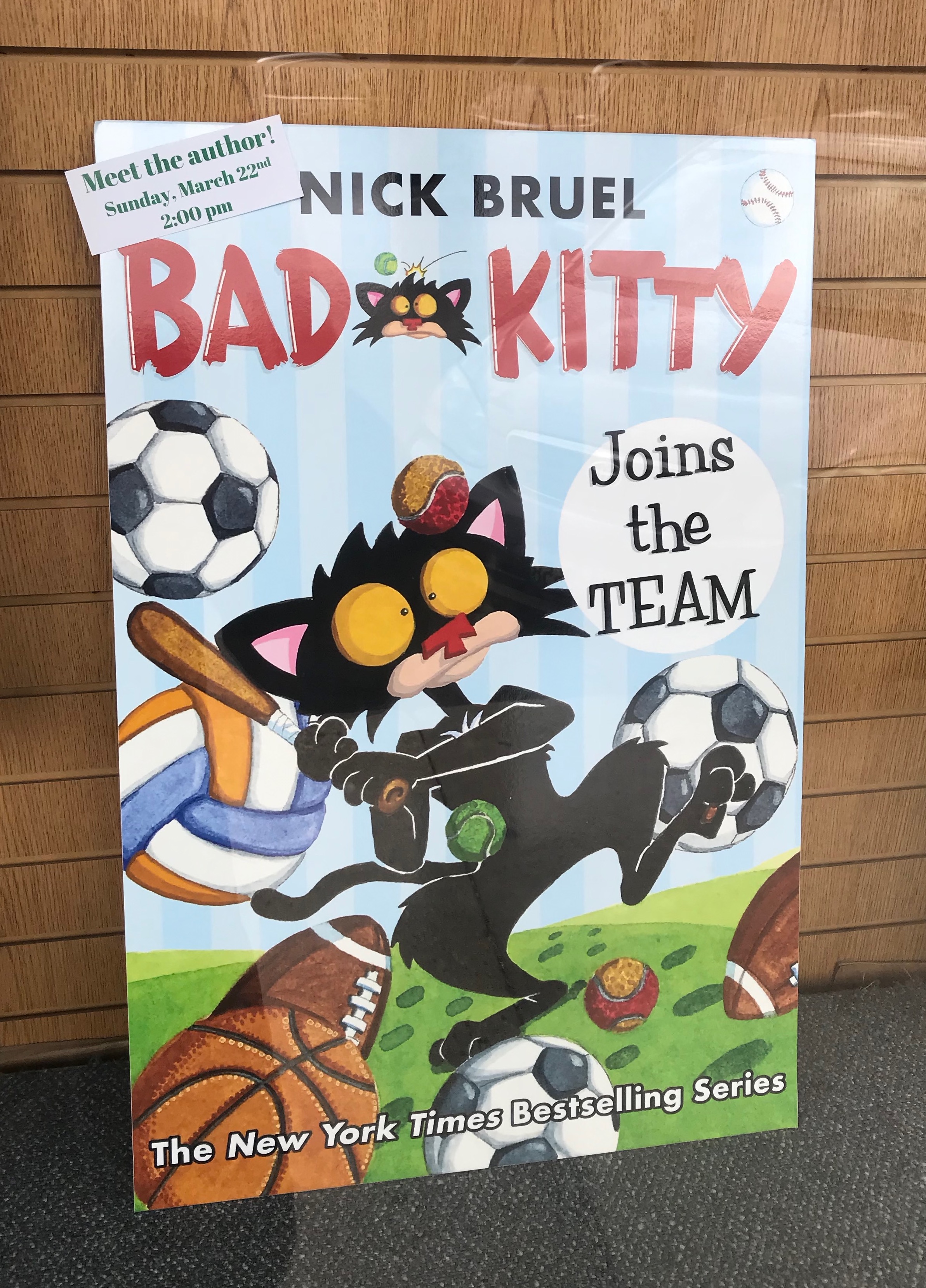
I have a three-year-old. Even though books don’t hold her attention, she still has her favorites, and the Bad Kitty alphabet book is one of them. Nick Bruehl was supposed to come to our local bookstore (Anderson’s of Naperville), but cancelled due to COVID-19. I know Brooke would have loved to have met Nick (who is very pleasant; I met him at a conference once), and she would have been thrilled to see the actual author sign her copy. Many authors attend events, have book signings, have contests, etc. If a kid attends an event and has a good time, that good time is linked to books. Also, if they personally like an author because that author was kind to them, they may bother to read that particular author’s books in the future. (I can say that seeing the actual writer pen his name to her book would have blown Brooke’s mind).

#2 Form a very exclusive book club

Read a book at the same time as your child. Let them pick the book, and when you’re both done, let them pick a lunch place to talk about the book. Maybe you can make them think about something in the book they haven’t considered, or vice-versa. If you’re reading the book with them, they’ll feel like it’s less of a chore.

#3 Create a book project

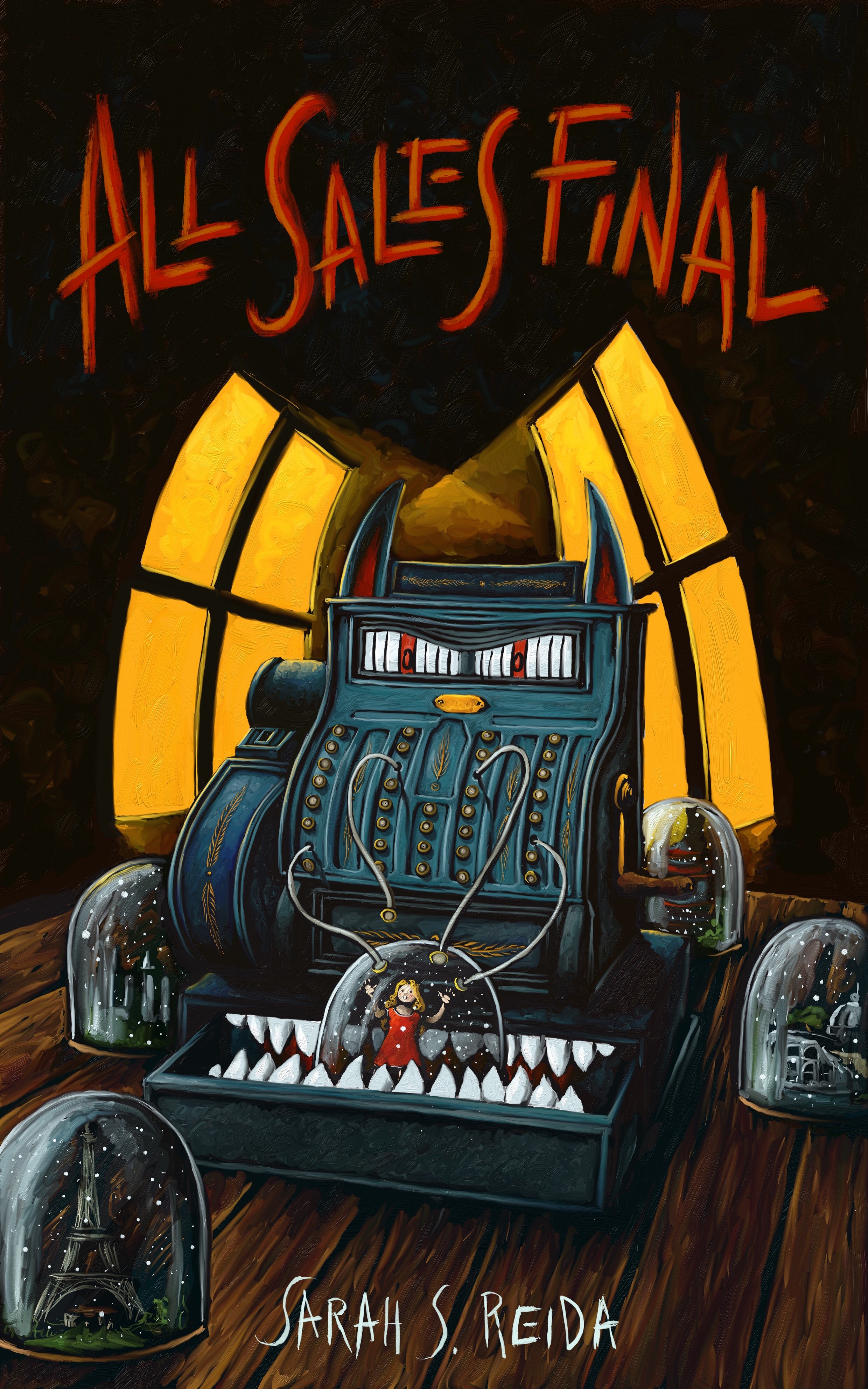
You can’t do this with all books, but for some, you can create an associated non-reading project. For instance, with Charlie and the Chocolate Factory, you could create your own golden tickets. With Escape from Mr. Lemoncello’s Library, you could devise a scavenger hunt. In All Sales Final, its nefarious owner Ruth keeps a collection of snow globes, each symbolizing a town where the shop has been. A child could make a snow globe, selecting items that best represent their town (though, of course, that snow globe would be a decorative piece and not used for the same purpose as Ruth). For Mrs. Frisby and the Rats of Nimh, a shoebox may be used for the mouse’s habitat.

#4 Book versus movie

Plenty of good books have been made into movies. After reading a novel with your child, Friday night movie night can feature the film version. In the morning and over pancakes, discuss the differences between the two, and why any deviations were an improvement or not.

#5 Join the celebration

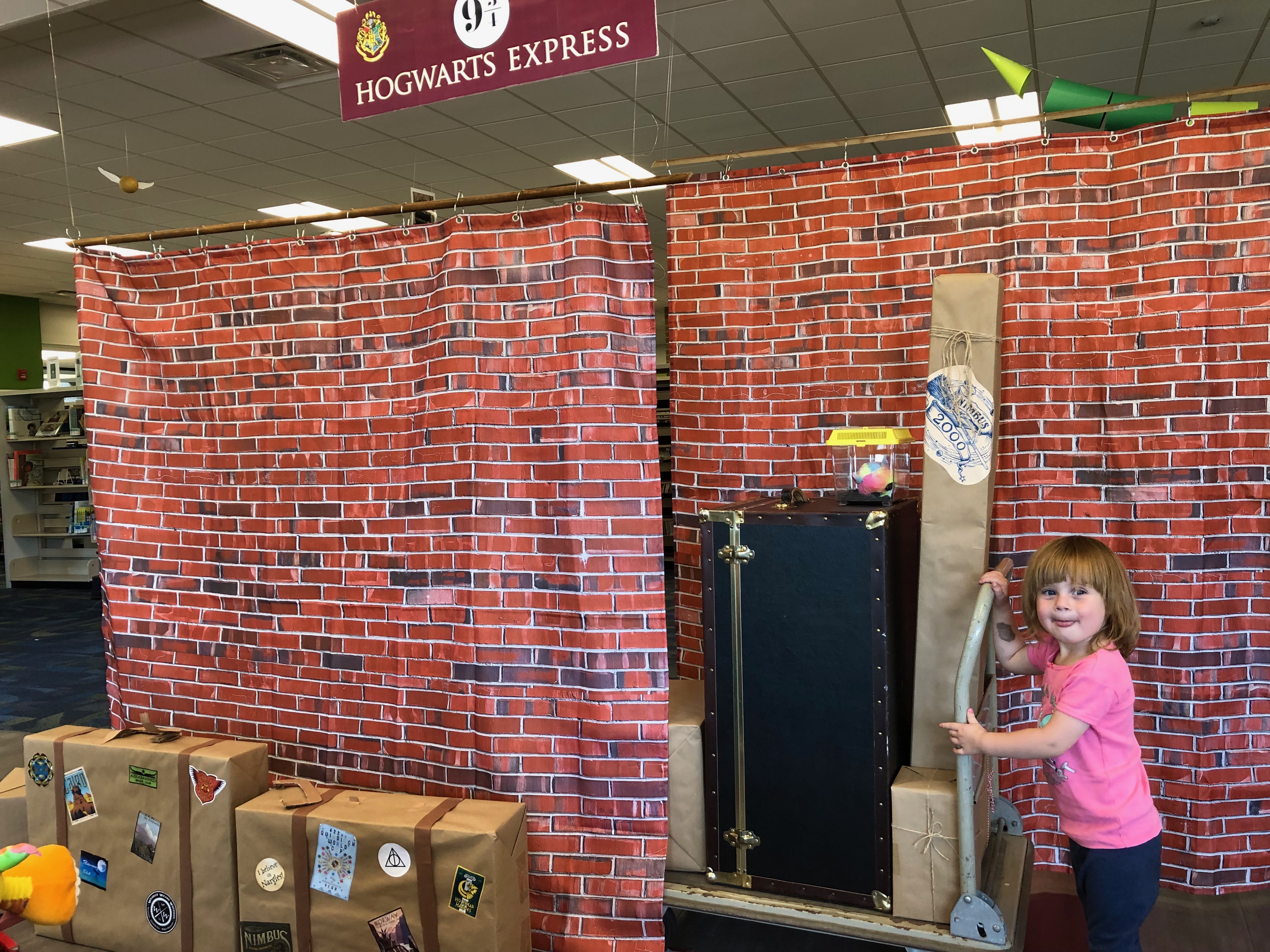
Each year, our local library celebrates the Harry Potter series with an all-day event that takes over the entire library, to include an actual Quidditch game, the Honeydukes Express food trolley, book-themed arts and crafts, a scavenger hunt, and dozens of other activities (which have expanded over the years). You can even take the Hogwarts Express via Platform 9 ¾, as my little Brooke is doing below:

Some books are so awesome they have droves of fans who celebrate them. If your kid gets excited, it could result in them dabbling with similar books they might never have read.

Not every kid is a reader, but every kid likes to be entertained and to feel special. There are plenty of reading-related projects that can serve these ends, and perhaps even make a kid discover a new author or realize that reading isn’t such a chore, after all.

In All Sales Final, my second middle grade novel, only eleven-year-old Anna can save her town from the dark magic of a secondhand shop that opens on Main Street. In its starred review, Kirkus Reviews referred to it as “. . . [a] delightful, safe read with insidious dark edges . . . An enchanting fantasy for middle-grade readers who like a touch of magic in their fiction.”

About the Book:What price would you pay for everything you’ve ever wanted?

11-year-old Anna has always wanted to be extraordinary, but she feels as ordinary as her sleepy Midwestern town of Longford. Then a secondhand shop opens in Longford – a shop full of magic that only Anna can see. When the shop’s owner, Ruth, offers Anna a job not just anyone can perform, Anna feels that her dream is finally coming true. Proudly, she spreads the news of the shop, charming others into visiting and helping match each person to the perfect item.

Then Anna sees what Ruth’s bargains take away from her customers. Ruth’s magic is darker than she let on, and so is the life she’s offered Anna. Even worse, if Anna doesn’t stop Ruth, Longford will be doomed. But what chance does one ordinary girl have against someone like Ruth?

Thank you, Sarah, for some fun ways to engage our readers who may not be engaged yet!

Author Guest Post: “Studying the Past, Writing the Future: Some Thoughts on the Study of History” by Todd Hasak-Lowy, Author of We Are Power: How Nonviolent Activism Changes the World

Share

“Studying the Past, Writing the Future: Some Thoughts on the Study of History” 

Before I even finished co-writing Roses and Radicals: The Epic Story of How American Women Won the Right to Vote (Viking, 2018), I knew I wanted to write another book like it.  By “like it” mean:

A book of history for younger readers.

  • A book that tells the story of incredible, genuinely heroic, and underappreciated people.
  • A book that, despite its younger audience, still captures the nuance, complexity, and, above all, rich profundity of some important chapter from the past.

It took me many months, many long walks, and many conversations with many people before I stumbled upon the subject of nonviolence.  As had been the case with suffrage a few years before, I knew next to nothing about this topic, but as I began reading my way into it, I could tell that it would make for a great book.

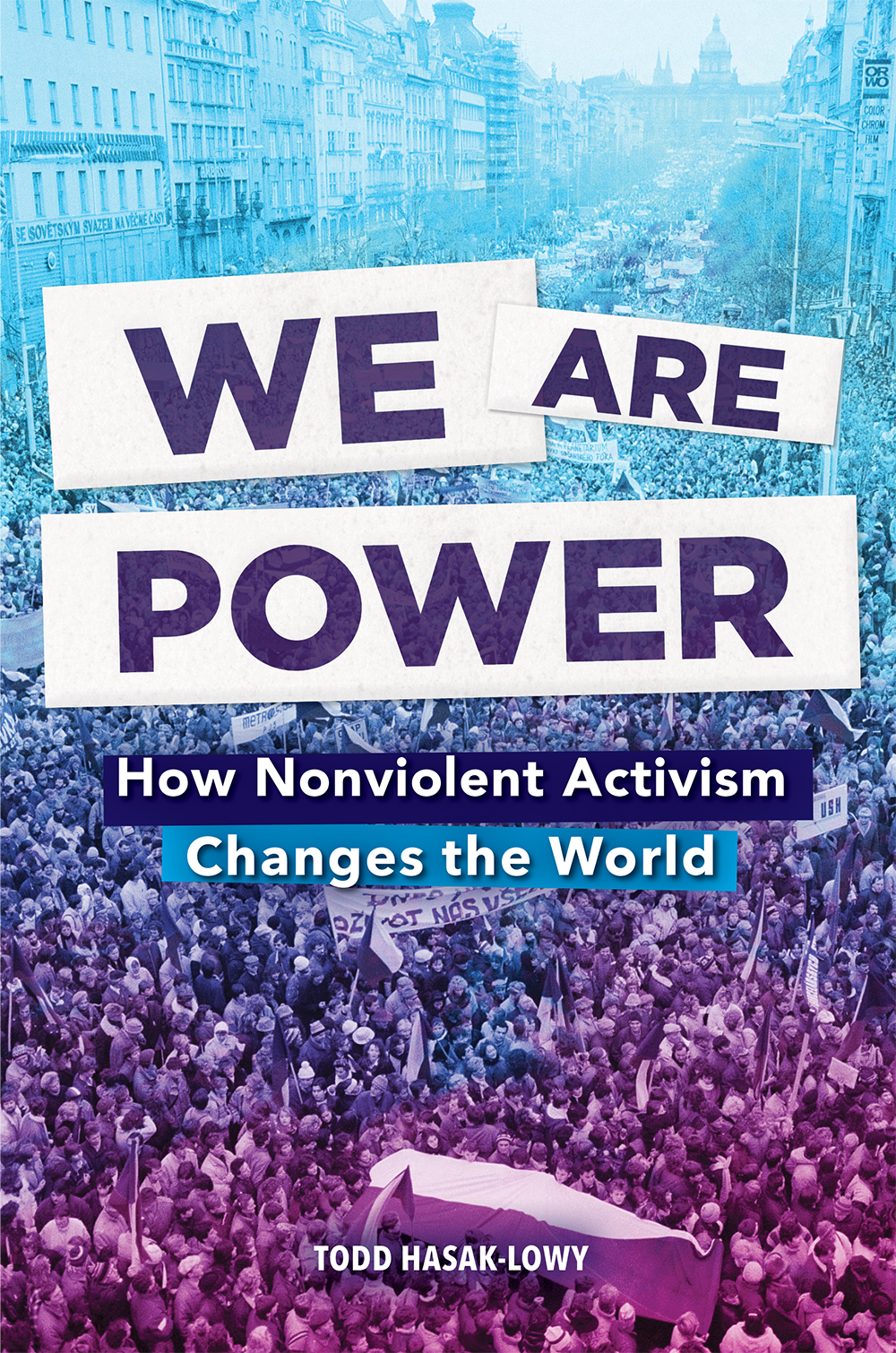
There was a more specific link connecting the two projects as well: Alice Paul, who led the American women’s suffrage movement during the final decade of its long struggle.  I had grown utterly fascinated with the intense, truly radical, and somewhat mysterious Paul while working on Roses and Radicals.  As I began reading about nonviolence I came to understand that she herself was a nonviolent activist, even though only a tiny fraction of the scholarship about Paul views her work in this context.  So the writing of my book, We Are Power: How Nonviolent Activism Changes the World, would begin by retelling her story, yet again, but this time in order to establish her rightful place alongside Gandhi, MLK, and Cesar Chavez.

But as I did this, I learned that We Are Power would be crucially different than Roses and Radicals.  For one thing, it would tell more stories—and would thus require considerably more research.  More important, however, these stories would be tied together not by a common set of characters, a single movement, or a shared setting, but by the strategy of nonviolent activism itself.

In this regard, We Are Power is not only a book of history, but a book of political theory, or, more precisely, a book about a half-dozen instances of this political theory being put into dramatic, inspiring practice.  The book, as narrative, would be propelled by characters and conflicts, but the spine holding it all together would be the theory itself: the way nonviolence rethinks the very nature of political power and social change.

Unfortunately, I found this theoretical material, all on its own, dense, abstract, and, when read separately from the history, extremely dry and perhaps even boring.  I knew that the parts of my book dedicated directly to this theory would have to be brief or I’d lose my readers.  And yet, these parts, I learned as I wrote my various chapters, were in a sense the very point of the book.  As they were interwoven into the various narratives I was constructing, they often found their place in and around the climaxes to each story.

The historical events were, I realized, the occasion to present the timeless truths at the center of nonviolent activism.  This would explain why the title to my book of history—We Are Power: How Nonviolent Activism Changes the World—contains not one but two present tense verbs.  It also explains why the book is able to pivot, in its conclusion, from past movements to a present struggle—the fight against climate change—that is very much ongoing.

Ultimately, We Are Power isn’t a book of history, or only a book of history.  It’s a book about power and the way those who don’t appear to have power can claim it, in order to change the world in which they live.  The truth about power at the center of this book is timeless.

I don’t have a lesson, per se, to offer teachers here, but instead a rather large bit of advice I encourage teachers to keep in mind when working on history with their students: studying the past is worthwhile not because there’s value in knowing, all by itself, what happened in earlier times, but because understanding history helps us see our present more clearly.  This great, meta-historical truth needn’t receive a lot of attention in lessons, but it should be there, I believe, as an often-silent motivation for the entire enterprise.

Our responsibility to study the past is inseparable from our responsibility to apply what we learn to our actions in the present.  When we teach young people history, we’re giving them a crucial tool in becoming informed citizens capable of transforming our present into a better future, and I can think of no lesson more important than that.

Published April 7th, 2020 by Abrams Books for Young Readers

About the Book: Author Todd Hasak-Lowy’s We Are Power is a stirring introduction to nonviolent activism, from American women’s suffrage to civil rights to the global climate change movement.

What is nonviolent resistance? How does it work? In an age when armies are stronger than ever before, when guns seem to be everywhere, how can people confront their adversaries without resorting to violence themselves? Featuring leaders Gandhi, Alice Paul, Martin Luther King Jr., Cesar Chavez, Václav Havel, and Greta Thunberg, We Are Power brings to life the incredible movements that use nonviolent activism to change the world.

By answering the question “Why nonviolence?” and challenging the notion of who makes history and how, author Todd Hasak-Lowy shows the ways key movements have succeeded again and again in all sorts of places, using a variety of methods and against overwhelming odds. Breaking down nonviolent resistance into digestible lessons for next generation of activists, this book is an inspiring call to action, a reminder that true power ultimately rests in our hands.

We Are Power also includes an overview of other movements from the last one hundred years, a bibliography, and an index.

★ “Hasak-Lowy’s writing gives life to both the people and issues involved, taking time to explain historical backgrounds and the ways the lessons from one movement affected future ones.” — Booklist, STARRED REVIEW

★ “Highly recommended for its outstanding treatment of the history of social justice. A good resource for student activists.” — School Library Journal, STARRED REVIEW

★ “There has never been a time when a book is more relevant than this one.” — School Library Connection, STARRED REVIEW

“A striking and very timely conclusion highlights teenage Greta Thunberg’s bold challenge to fight global climate change.” — Publishers Weekly

“This excellent, timely overview will open eyes and deserves a wide readership.”— Kirkus

About the Author: Todd Hasak-Lowy is the author of several books for young readers, including the novels 33 Minutes and Me Being Me Is Exactly as Insane as You Being You. He is a professor in the department of liberal arts at the School of the Art Institute of Chicago and has a PhD from University of California, Berkeley. He lives in Evanston, Illinois, with his wife and two daughters. Visit his website at toddhasaklowy.com.

https://www.toddhasaklowy.com/
https://twitter.com/nonviolence11
https://www.instagram.com/wearepower_book/
https://www.facebook.com/todd.hasaklowy.1
https://www.abramsbooks.com/product/we-are-power_9781419741111/

Thank you, Todd, for this look at how history helps write the future: good and bad!

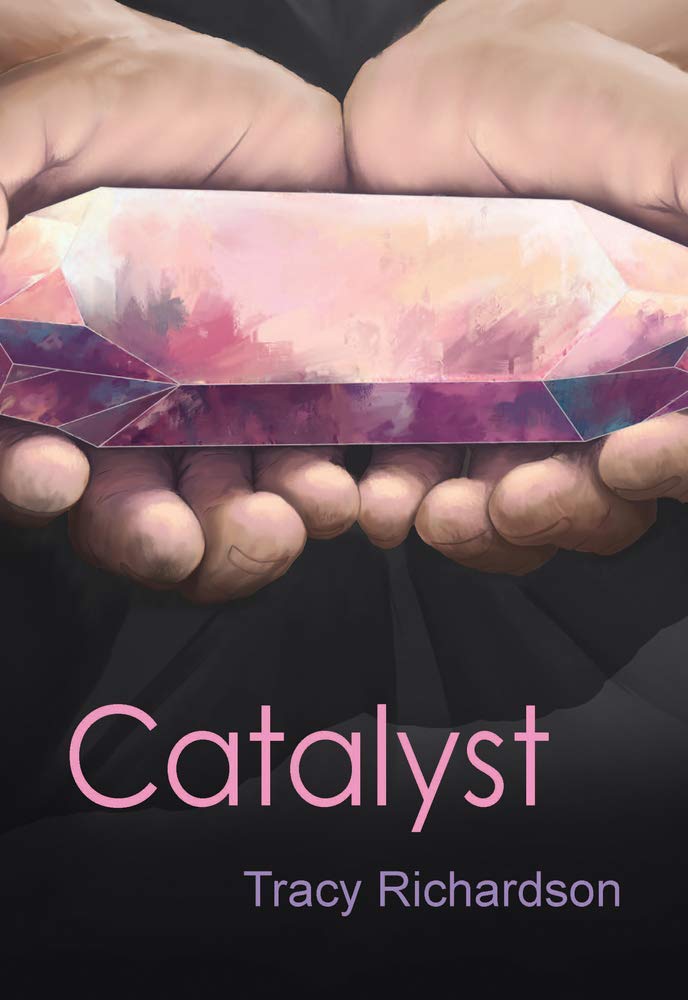
Author Guest Post: “What Kids Can Do to Help the Environment and Why Does It Matter?” by Tracy Richardson, Author of The Field and Catalyst

Share

“What Kids Can Do to Help the Environment and Why Does It Matter?”

I’m a science geek. I know it’s not everyone’s cup of tea, but it’s mine. I loved high school biology and have a Bachelor of Science degree in Biology. I think Bill Nye the Science Guy is cool – I mean who doesn’t? And now I follow Neal DeGrasse Tyson, who’s kind-of like everyone’s friendly astrophysicist, if that’s even a thing!

As part of my science geekiness I’m fascinated by the natural world around us. To me, there’s a magic and beauty to the world that science helps explain. My science background helps me to see how we’re all connected by an elegant design. This has led to my passion for the environment and it’s why I include environmental themes in my young adult novels.

Scientists have been warning us about the dangers of climate change for years. Science is a discipline. Researchers test their hypotheses again and again and revise their conclusions. It’s not an opinion. It’s based on the facts as we currently know them. To say that climate change isn’t real is to deny these facts.

There are so many people who are raising the alarm and young people are especially engaged. It’s their future we’re talking about. The future of the Earth that we live on. There is no second planet.

So, what exactly is Climate Change? What is causing it? Here’s the dictionary definition:

“a change in global or regional climate patterns, in particular a change apparent from the mid to late 20th century onwards and attributed largely to the increased levels of atmospheric carbon dioxide produced by the use of fossil fuels.”

Climate change refers to dramatic changes in global climate conditions, including weather phenomena, temperature, and sea levels. It’s caused by an over-abundance of greenhouse gases, mostly from fossil fuel emissions around the world.

It’s the carbon dioxide HUMANS are putting into the atmosphere by burning fossil fuels. What are fossil fuels? They are the non-renewable energy sources we take from the Earth. Coal, oil and natural gas.

Burning fossil fuel produces carbon dioxide which warms the planet. Accessing these fossil fuels also harms the planet. Fracking for natural gas, which is the environmental theme in my novel, Catalyst, pumps harmful chemicals into the Earth to extract the natural gas which poisons aquifers and has been proven to cause increased seismic activity – earthquakes – in fracked areas.

Climate change adversely impacts the delicate balance of Earth’s ecosystems. Global warming has been linked to dying coral reefs, dangerous new weather patterns such as stronger and more frequent hurricanes, droughts and fires, and the extinction of plant and animal species. Teens have probably seen pictures of emaciated polar bears in the Artic. Loss of the ice covering means they can’t swim far distances to hunt for seals. There is no where for them to get out of the water to rest and wait for seals. Polar Bears are one of many animals that are endangered.

The biggest impact that humans will see might be the rising ocean levels that are already threatening costal cities. Venice is under water for many more days than at any time in the past. Miami is already taking action to address rising sea levels by raising its roads and installing pumps to deal with increased flooding.

So, what can teens do to stop Climate Change? Reducing our Carbon Footprint is one thing we can do. What is a Carbon Footprint? Here’s the dictionary definition:

“the amount of carbon dioxide and other carbon compounds emitted due to the consumption of fossil fuels by a particular person, group, etc.”

So, what does that mean exactly? It essentially refers to our personal contribution to the carbon emissions that cause Climate Change. Here are some ways that each of us can have an impact:

  1. Plant Trees – Trees consume carbon dioxide and emit oxygen
  2. Change your mode of transportation – Bike to school or a friend’s house, carpool, take the bus or the train instead of driving or flying. Teen Climate Activist Greta Thunberg has chosen not to fly to reduce her carbon footprint.
  3. Eat a plant-based diet or have one ‘vegetarian day’ a week.
  4. Reduce household water waste – install efficient shower heads and toilets. Turn off the faucet when doing dishes or brushing your teeth.
  5. Upcycle and repurpose clothing and household items instead of buying new or discarding them.
  6. Reduce the amount of plastic packaging in the products you buy.
  7. Use cloth re-usable shopping bags.
  8. Eat locally produced food to reduce the ‘Food Miles’ it takes for your food to travel to you.
  9. Encourage your parents to tell their legislators to act on Climate Change legislation.
  10. Join environmental groups like the Sierra Club, the Natural Resources Defense Council or the World Wildlife Fund.
  11. Join the environmental club at your school or start one!

I’m sure you can tell I’m a bit passionate about this! I do feel like the tide is turning toward action on addressing environmental issues. We have so little time, but if we all do our part, we can have an impact.

Discussion Questions:

  1. What are natural resources? Can you name two or three examples?
  2. What’s a non-renewable energy source? What is a renewable one?
  3. What is a “Carbon Footprint”?
  4. What is Climate Change?
  5. What do you already know about Climate Change? How is it impacting the planet?
  6. What small steps can you and your siblings or classmates take today to help the environment?

Expected Publication: June 2nd, 2020 by Brown Books Publishing Group

About the Book: Marcie is spending her summer working on the archeological dig that her mother runs: Angel Mounds, a site of an ancient indigenous civilization. Soon after she arrives, she meet some intriguing individuals, and becomes wrapped up in a supernaturally-charged mission to save the planet from the destruction man has brought upon itself.

Marcie Horton has a sixth sense. Not in the “I see dead people” way, but . . . well, maybe a little. She feels a sort of knowing about certain things that can’t be explained-an intuition that goes beyond the normal. Then there was that one summer four years ago, when she connected with a long-departed spirit . . . But nothing that incredible has happened to Marcie since.

This summer, Marcie is spending time working at Angel Mounds, the archeological dig her mother heads, along with her brother, Eric, and his girlfriend, Renee. The dig is the site of an ancient indigenous civilization, and things immediately shift into the paranormal when Marcie and her teammates meet Lorraine and Zeke. The two mysterious dig assistants reveal their abilities to access the Universal Energy Field with their minds-something Marcie knows only vaguely that her brother has also had experience with. Marcie learns how our planet will disintegrate if action is not taken, and she and her team must decide if they are brave enough to help Lorraine and Zeke in their plan to save Mother Earth, her resources, and her history. It looks like the summer just got a lot more interesting.

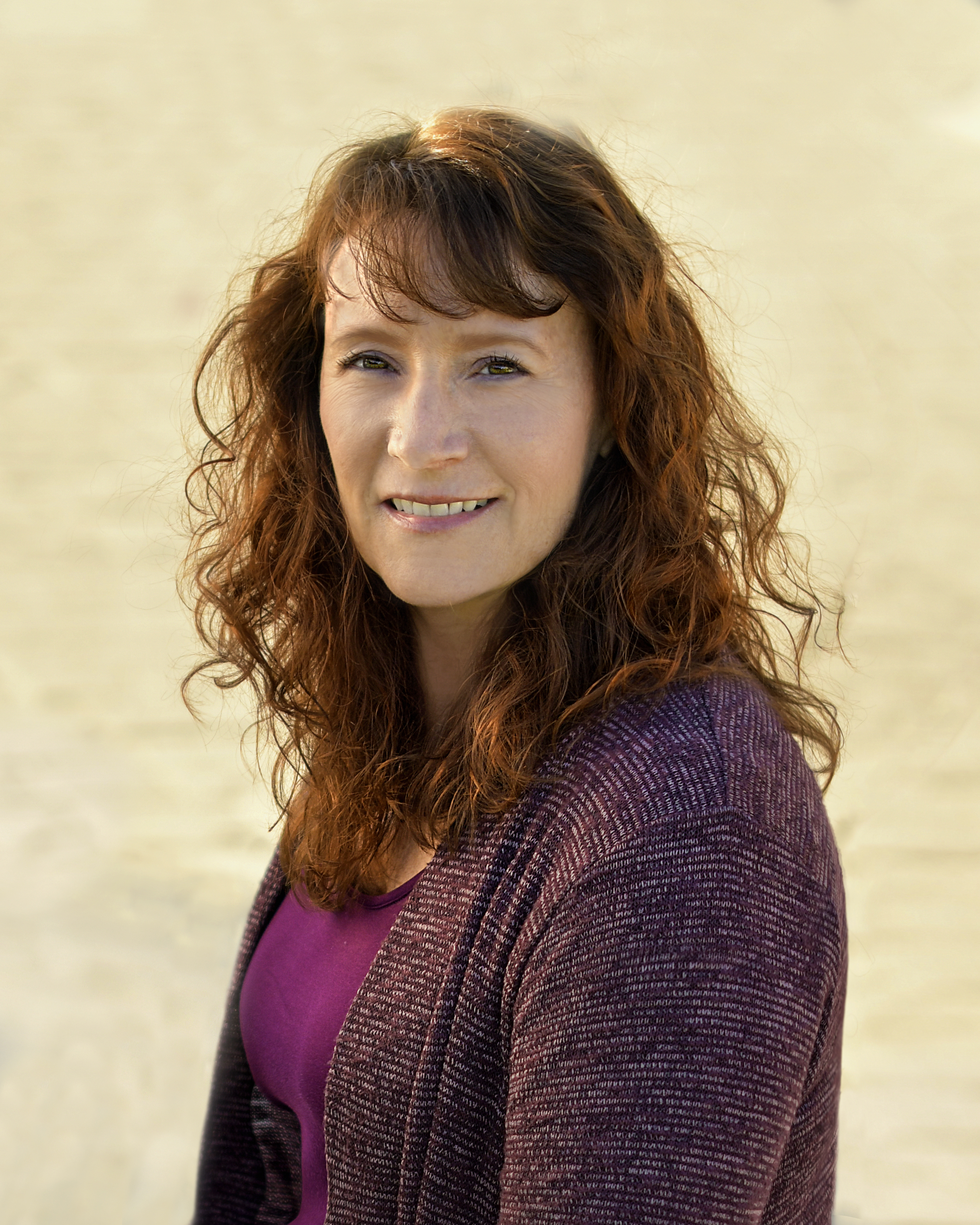
About the Author: TRACY RICHARDSON wasn’t always a writer, but she was always a reader. Her favorite book growing up was A Wrinkle in Time by Madeleine L’Engle. In a weird way that book has even shaped her life through odd synchronicities. She has a degree in biology like Mrs. Murry, and, without realizing it, she named her children Alex and Katie after Meg’s parents. Tracy uses her science background in her writing through her emphasis on environmental issues, metaphysics, and science fiction. Tracy’s upcoming novel, “Catalyst” (Brown Books Publishing, June 2, 2020) is the second installment in the Catalysts series. To learn more about Tracy’s life and work, visit:

Thank you, Tracy, for tying science and your books together–bringing science knowledge to your readers!

Author Guest Post: “Anatomy of a Middle Grade Manuscript” by Laurie Smollett Kutscera

Share

“Anatomy of a Middle Grade Manuscript”

Lightning Strikes!

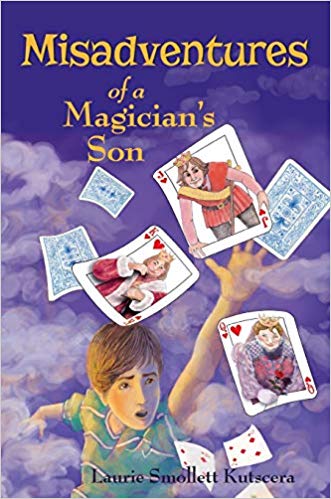
Inspiration has a funny way of creeping up on you when you least expect it. If you’re a writer, you’ve probably experienced that moment when you’re involved is some unrelated task and your suddenly overwhelmed by an idea with nothing to write on! I was sitting in a movie theatre watching the opening credits of a film- where these playing cards filled the screen. I was hypnotized by the faces of the King and Queen of Hearts. I felt them calling me. The next morning, I opened my laptop and began writing a story about a boy who discovers an animated deck of cards in his father’s old desk.

Best Laid Plans

I hadn’t planned on writing a middle grade book. I started out writing what I thought was a picture book. I even worked on a number of illustrations. But once the first draft was completed, a dear friend, who was a librarian at a middle school read it and suggested I consider revising for a middle grade audience. I knew very little about the genre and was grateful for her guidance. She suggested I read what has become one of my all-time favorite books: THE INCREDIBLE JOURNEY OF EDWARD TULANE, by Kate DiCamillo.

Read, Read, Read!

I immediately began reading as many books in the genre as I could get my hands on—Kate DiCamillo, Neil Gaiman, Richard Peck, Jennifer L. Holm. I was moved by their heartfelt novels—each one so beautifully crafted. The more I read, the more I began to understand the age group. Their thirst for humor, adventure and authenticity, freed me to become more expressive in my own writing. And, so it began—I would craft a middle grade novel from my picture book draft.

Research

When I began writing MISADVENTURES OF A MAGICIAN’S SON, I knew right away certain aspects of my main character Alex would be similar to mine. He questions everything and can get lost in his own thoughts. We both lost a parent at a young age and both of us were bullied. I felt comfortable tapping into my own journey as an awkward 12-year-old to build his world. But Alex, who reluctantly follows in his father’s footsteps, is also a talented magician. On the subject of magic tricks, I knew very little, and needed to do some serious research.

While the internet offered helpful information, I felt strongly that I needed a one-on-one experience. Enter Joel, a young magician I spent quite a bit of time with. Pen in hand, I asked countless questions while he enthusiastically shuffled his cards, did flourishes and made them fly from one hand to the other. He described each maneuver while I scribbled notes and took plenty of photographs. I also shot video that I watched over and over which helped me translate the card tricks onto the written page.

As the novel progressed, I visited Joel on several occasions loaded with more and more questions. “Could Alex do this? What about a trick like this?” After a while, I realized what I was doing was basically asking permission. Joel helped me realize, when it came to magic, anything was possible!  This was a huge turning point for me. I had permission to take the story where it wanted to go.

Pulling It All Together

I had just completed a writing workshop at Media Bistro in NYC when I discovered they also offered a YA/MG writing-critique workshop. I immediately signed up! Led by a remarkable agent/author Kate McKean, the group of eight was filled with talented writers, screenwriters, playwrights and me! This was the real deal and quite honestly, I was a bit intimidated. But they were all so supportive and the feedback was spot-on. I learned how to build tension, flesh out characters and move the story forward. It still remains one of the best experiences I’ve ever unknowingly put myself into!

Edit, Edit, Edit.

By the time the critique workshop had come to an end, I had received written feedback from each member of the group on my entire manuscript–chapter by chapter–which I organized in separate folders. With the understanding that I needed to get the word count up around 35,000-40,000, I began another draft.

I found this stage to be the most cathartic. Deleting blocks of text for a concise sentence. Elaborating on an emotional moment. Heightening suspense by using short quick sentences. I was molding and reshaping the story like clay on armature.

Step Away.

This is some of the best advice I can share. After a few months of focusing on another project, I came back and was able to review what I had written with a fresh perspective.

Edit some more!

After another round of edits, a few minor changes were made and I was ready for submission.

MISADVENTURES OF A MAGICIAN’S SON became a personal adventure from picture book to middle grade novel that will be released by Blue Whale Press on April 1st 2020.

About the Book: Misadventures of a Magician’s Son tells the story of 12-year-old Alexander Finn’s personal journey dealing with the death of his father, a celebrated magician, and the extraordinary gift he left behind. Uprooted from his childhood home for the seemingly hokey town of Orchard, Maine, Alex refuses to unpack and wants nothing to do with his new surroundings. But when he discovers an unusual deck of animated cards tucked in the back of his father’s old desk, things begin to unravel and Alex’s true adventure begins.

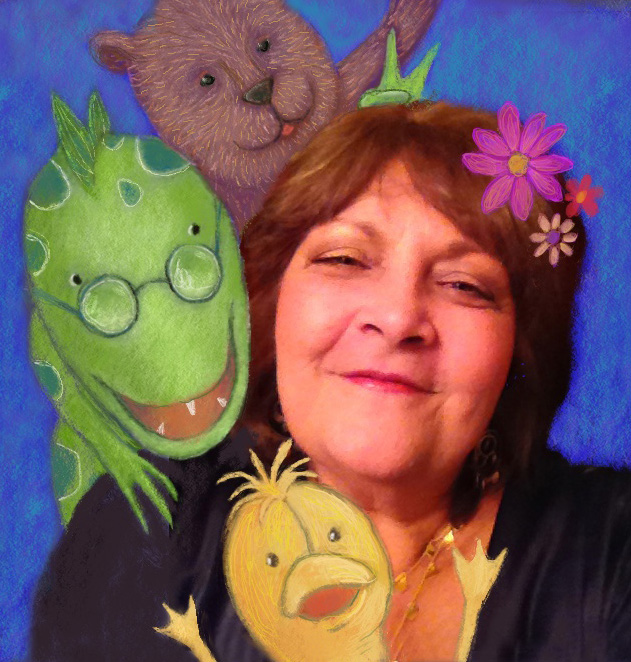
About the Author: Author/illustrator, Laurie Smollett Kutscera grew up in NYC’s Greenwich Village. She studied fine art and children’s book illustration at Queens College with Caldecott medalist Marvin Bileck. She is a published children’s book illustrator, an award-winning graphic designer and toy designer.

Her passion for writing began 14 years ago while cruising the eastern seaboard from Nantucket to the Virgin Islands. She is an active member of the SCBWI, 12×12 Picture Book Challenge and StoryStorm.

Laurie lives on the north shore of Long Island with her husband Nick and rescue doggie, Cody. She and her husband own and operate an 85ft classic yacht for charter in NYC and Long Island Sound.

www.LSKillustration.com
https://www.facebook.com/laurie.kutscera
twitter:@lkutscera

Thank you, Laurie, for taking us through your process in the creation of your novel!

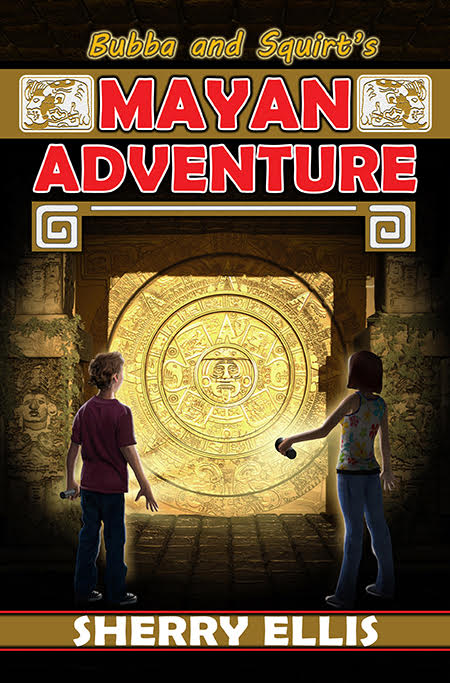
Author Guest Post: “Ways to get Middle-Grade Students Excited About Reading” by Sherry Ellis, Author of Bubba and Squirt’s Mayan Adventure

Share

“Ways to get Middle-Grade Students Excited About Reading” 

When kids are young, they are excited about books. Many even want to be authors when they grow up. I always chuckle during school visits when I ask the question, “Who wants to be an author when you grow up?” Inevitably, every hand goes up in the kindergarten and first grade groups. As the grade number goes up, the hand numbers go down. Middle-schoolers rarely have ambitions to become an author. Sometimes that also means they don’t enjoy reading. How can we get these kids excited about reading? Here are some tips teachers can use in their classrooms to get them motivated.

  1. Plan lessons around your favorite books and topics. If you’re excited about the book, that enthusiasm will show and may infect your students – in a good way!
  2. Show students you’re reading, too. Post a picture of your current read on a board each week and encourage kids to ask about it.
  3. Maintain a classroom library. I see this in classrooms for the little kids all the time, but not so much in classrooms for older kids. Fill it with a wide variety of popular novels – books that would appeal to both boys and girls.
  4. Encourage independent reading by providing time to read. Have students set individual goals and reward students for reaching them. Don’t attach a grade to it though. Students may get turned off by that.
  5. Watch movies of the books after reading them and compare the differences.
  6. Use audio books. Okay, so that’s not exactly reading, but it could get reluctant readers interested in books.
  7. Implement classroom book clubs in which students get to choose what they want to read from a list of books and then get grouped with others who want to read the same thing. Give them some ideas for topics they can discuss that are related to the books. Encourage them to come up with their own.
  8. Adopt an author. If students are excited about an author’s book, visit that author’s website and find out if that author can do a school visit or Skype visit. You can also see if that author has done any videos or webcasts that can be shown in the classroom.

With a little ingenuity, teachers can make reading fun, interesting, and engaging. And who knows? Maybe if a lot of teachers do this, the number of hands of middle-schoolers who want to be authors will go up!

Expected Publication September 15th, 2020 by Dancing Lemur Press

About the Book: An ancient Mayan civilization!

That’s what Bubba and Squirt find when they travel through the mysterious vortex for another wild adventure. There they meet archeologists who are unearthing priceless artifacts.

But someone is stealing them. And an encounter with the Tate Duende awakens magic within Bubba. Throw in the mysterious Alux and a new discovery and things get sticky.

Will Bubba and Squirt solve the mystery, or will they be stuck forever in the jungles of Belize?

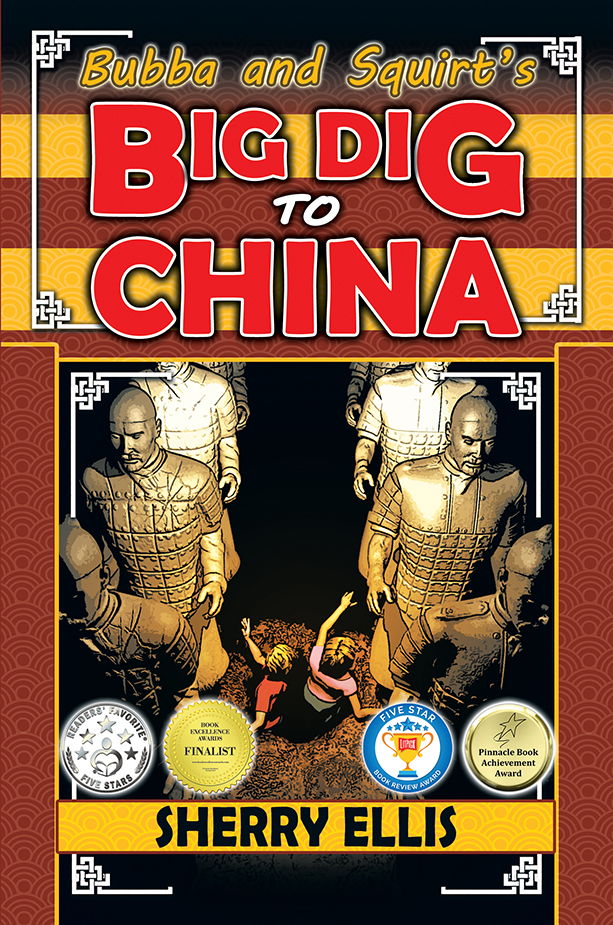
And check out the sequel: Big Dig to China

About the Author: Sherry Ellis is an award-winning author and professional musician who plays and teaches the violin, viola, and piano. When she is not writing or engaged in musical activities, she can be found doing household chores, hiking, or exploring the world. Ellis lives in Atlanta, Georgia.

https://www.sherryellis.org/
https://www.bubbaandsquirt.org/
https://www.facebook.com/sherryellisbooksandmusic/?ref=aymt_homepage_panel
https://twitter.com/513sherrye

Thank you, Sherry, for this post to help educators excite readers!

Author Guest Post: “Handling Conflict in Middle Grade Novels” by Ben Gartner, Author of The Eye of Ra

Share

“Handling Conflict in Middle Grade Novels”

On a school visit I did for The Eye of Ra (my middle grade time travel adventure novel), part of the reading included an argument between the two sibling main characters. In that reading, there was also reference to a first kiss (that elicited giggles) and the reveal of the tomb robber’s identity (that elicited gasps). Afterward, the students all wrote down on index cards something they enjoyed about the book and something they wondered about. Their feedback was awesome, but one of the cards stuck out to me in a unique way. A child had written that she really liked the scene where the two siblings have a fight. Of all the cards, and of all the important events that happened in that particular chunk of the book, this card made me contemplate where that child might have been in her mind’s eye in that moment during the reading. Had she had a fight with her brother that morning? Or her best friend? For whatever reason, that particular tiff struck a chord for that kid.

I love that index card and have it in my office because it reminds me that the emotional impact of our stories, the bond that can be established with a young reader (or any reader!), is such an important responsibility. How we handle and portray conflict must be realistic, but the most effective tension is nuanced. I try to avoid the over-the-top name-calling or blatant meanness for the sake of meanness. I give my kids the benefit of the doubt. Kids are smart; readers are smart.

Similarly, I recently received a comment from a reviewer who said he loved that The Eye of Ra “doesn’t have any objectionable content” (among other nicer things, ha!). And while I definitely appreciate and agree with this sentiment, it got me thinking about what that actually means. Objectionable content. There is danger, there is conflict, there is tension and frustration, but I try to handle those situations in a way that gets to the heart of the emotional matter without settling for “easy” triggering content such as bad words or name-calling. I mean, the world is full of conflict, there’s no denying that. And I’m not proposing we hide difficult topics from our children.

Let me give an example: I don’t claim to be a perfect parent or human, but in our house words like “stupid” and “shut up” are not a part of our typical vernacular. They’re disrespectful and they reflect more poorly on the person who mutters them than the person at whom they’re directed as an insult (again, I’m not innocent and careful to throw rocks in my glass house). Both of those words appear in The Eye of Ra, only a couple times, but they’re presented in a way that, at least for my family, is realistic in the context of the scene and the hot emotions, not just randomly for the sake of eliciting a response from the reader. They’re not flippantly lobbed around as casual words used every day and instead are treated as the stop words they are. Here are a couple of excerpts to demonstrate the point:

How could he have been so—so—stupid! Yes, he used that word.

And another:

“Shut up, Sarah!” As soon as he said it, he knew it was bad.

The latter demonstrates John showing empathy toward his sister. Upper elementary is when children first start to really develop a sense of empathy. This goes hand-in-hand with when they start to develop better skills at conflict resolution. Conflict happens. Kids fight. People fight. When we do, we might say things we don’t mean and we can become less mature and less respectful than we normally conduct ourselves. We need not hide that reality from children. Humans make mistakes. But those mistakes should be seen as opportunities for learning. And presenting conflict in a middle grade novel is a beautiful opportunity to showcase empathy and model effective conflict resolution techniques. Of course, I try to do so in a subtle way so the readers don’t feel they’re getting a lecture. I wrap it up in a “show not tell” approach where the character’s actions demonstrate the important human qualities of empathy and our ability to resolve conflicts.

In my book, John and Sarah argue and they do fight. They’re frustrated at their situation and they blow up and take it out on each other and say things they don’t mean. But it’s more of a reveal about their own emotional states than it is them trying to do harm to the other. When these characters lash out, there’s something going on under the surface that they don’t yet know how to express that is boiling over, and that drives the plot forward. Without declaring it loudly, our MG readers are capable of understanding that, along with tough topics like fighting and abstract concepts like empathy. And some exciting action and adventure certainly helps in getting the reader to step into the skin of, and empathize with, the characters!

If you wish to learn more about me, visit me here:

https://bengartner.com/
https://twitter.com/BGartnerWriting
https://facebook.com/BenGartnerAuthor/
https://instagram.com/bgartnerwriting/

Published February 1st, 2020 by Crescent Vista Press

About the Book: Exploring a mysterious cave in the mountains behind their house, John and his sister Sarah are shocked to discover they’ve time traveled to ancient Egypt!

Now they must work together to find a way back home from an ancient civilization of golden desert sand and a towering new pyramid, without parents to save them. The adventures abound—cobras, scorpions, a tomb robber, and more! The two kids have to trust each other, make friends who can help, and survive the challenges thrown at them . . . or be stuck in ancient Egypt forever.

For readers graduating from the Magic Treehouse series and ready for intense action, dive into this middle grade novel rich with meticulous historical detail.

Thank you, Ben! This book will be an awesome ladder between Magic Treehouse and Percy Jackson!