Student Voices: “Reading During High School” by Emily Peraza, High School Senior

Share

I asked Emily to write this post because I know so many of my students who were voracious readers during their time with me in middle school, but often they leave and lose reading in their lives for a while; however, Emily has been able to find time during her busy schedule to read, so I wanted her to share some secrets to hopefully help out other high schoolers/students who may need some support.

“Reading During High School”
by Emily Peraza, rising senior in high school, Kellee’s student from 2015-2018

I think we can all agree high school is a rather dynamic experience, and the main takeaway from now going onto my senior year is that time management is essential. As someone who is a rising senior but also concurrently on her sophomore year of college at Valencia, I get the worst of both worlds; the cliques and stress of high school classes (4, to be exact), as well as the stress of 4 college classes but sans the dorms, friends, and general blossoming in your post-high school years. It is rough at times and I have a hard time staying in the reality when deadlines approach and pressure folds in. So, I resort to escaping into the world of literature! It also catches me into its loving and accepting arms, and teleports me somewhere that mythology papers, district meetings, and council calls cannot affect me.

One of my fatal flaws is that I despise being idle and not expanding my horizons, so sometimes I will push away reading because it can “distract me” from real life. But lately, I have been procrastinating my work by reading something I like, or researching the new SSYRA books I swore by in middle school. 🙂 My grandma, who also loves reading – we usually trade books – purchased me the sequel to a book I read in middle school called, The Mark of the Dragonfly. The sequel is named The Quest to the Uncharted Lands, and I still love this series. All of my extracurriculars have books or audiobooks I can indulge in when the stress caves in. Let me share some examples!!

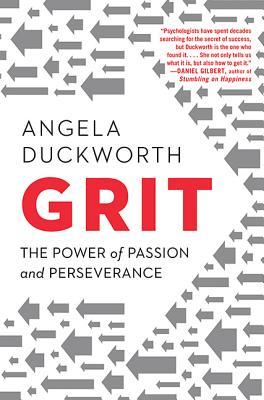
Student Government Association – As a student government member, leading is something very important to me, and I can always improve my ways. Nobody is perfect, and I can always be smarter, kinder, and a better example. Books on and written by my role models, such as Angela Duckworth’s Grit keeps me motivated and allows me to see my potential.

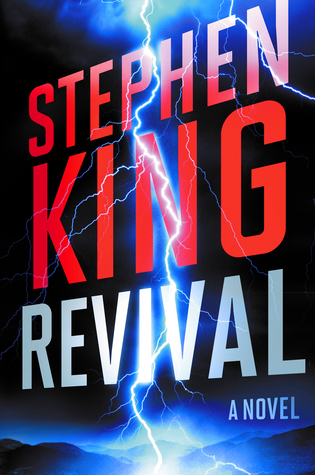
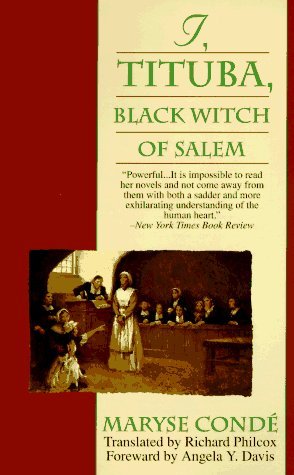
As a student going into her fourth year in learning the French language, an AP French student, and a member of the French National Honor Society, audiobooks in French have helped me LOADS. From fantasy translated, or books originally in French, my pronunciation and accent has improved so much. My favorites are 100 French Conversations and Short Stories, Stephen King’s Revival en Français, and Moi, Tituba Sorcière… narrated by Audrey Fleurot. These have helped me grow as a student, especially being remote all year.

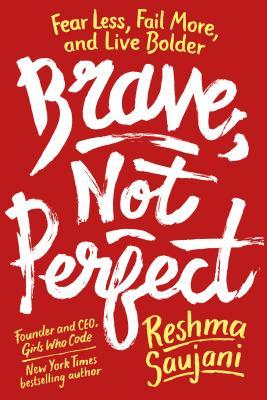
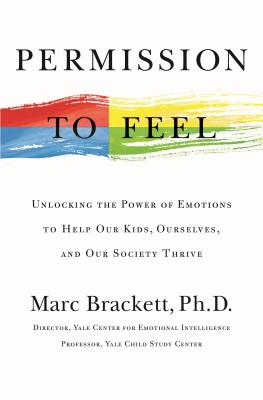
My internship through Character Lab has also sent me some very uplifting and books that make me think and reflect. They have sent me Reshma Saujani and Dr. Marc Brackett’s books, Brave Not Perfect and Permission to Feel, respectively. These books taught me to garner my emotions to propel me in a growth mindset, and really allowed me to explore my feelings and engage in a reflection within myself. I think many people play it safe and allow their perfectionism to hold them back. This unanimous fear of failure has bridled us and many students, including myself, have lost our sense of being and confidence because of the idea that we need to be perfect. But Ms. Saujani’s book has made me realize that I need to put my feet in the water and put myself out there. Please take a look at these wonderful books!

Other than reading about other clubs and sports, I like to fit in non-curricular books into my free time as well. Whether this be (in a normal year) on the bus, before practice, in the morning outside the band room, or even during water breaks. I am able to slip in a little bit everywhere! This keeps my mind sharp and it makes tasks much more bearable. I picked up a job at a hotel to help the housekeepers with the increased travel lately, so I put in my headphones and either watch some anime series or listen to an audiobook. During lunch, I’d rather read a physical book or an e-book because I have the luxury of holding something to keep my mind from wandering. 

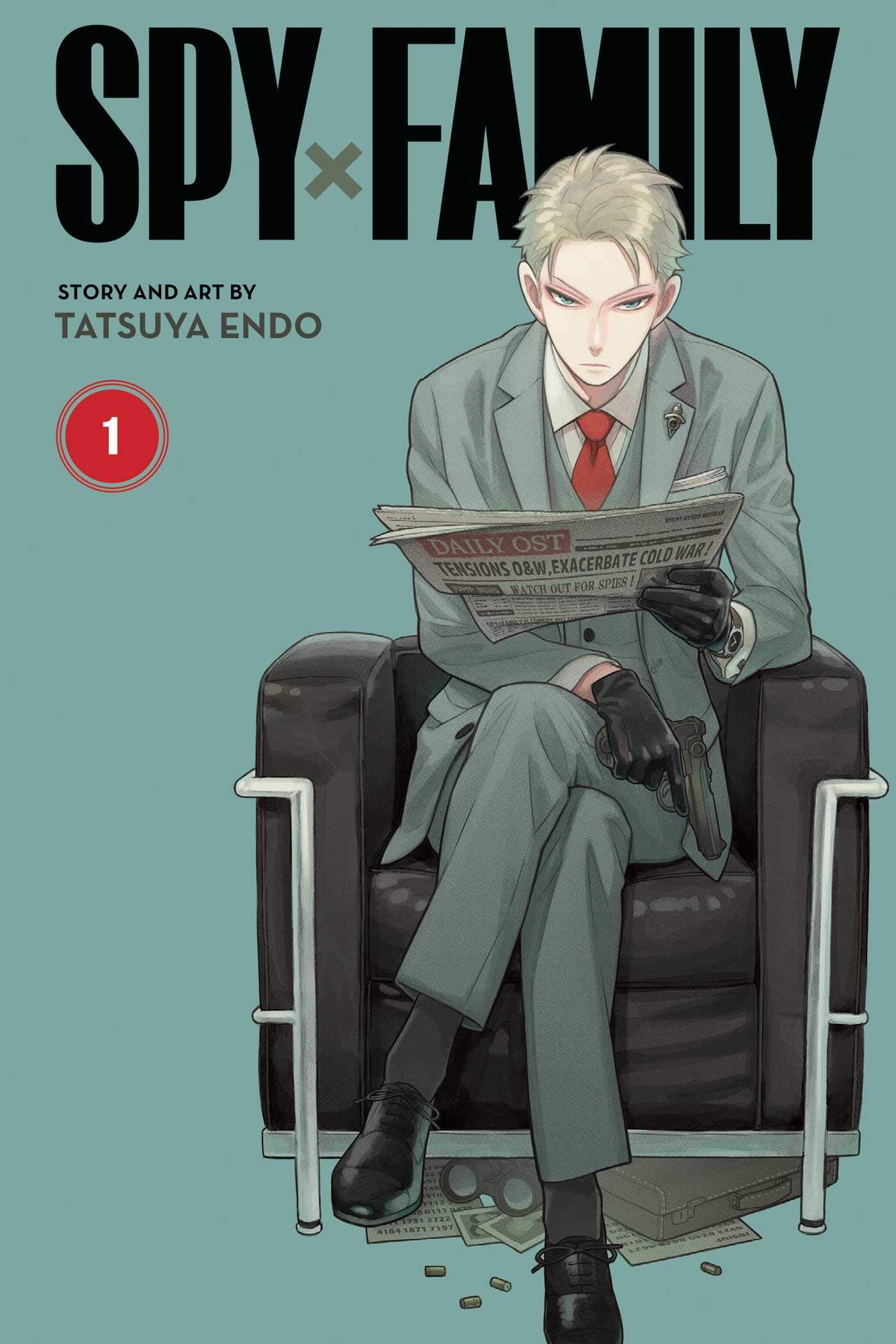
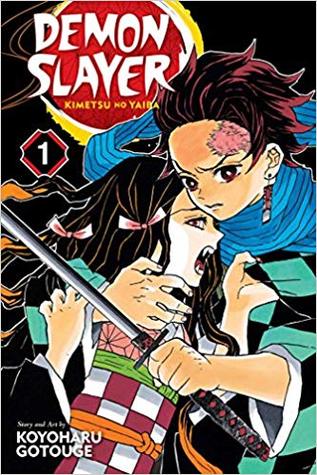
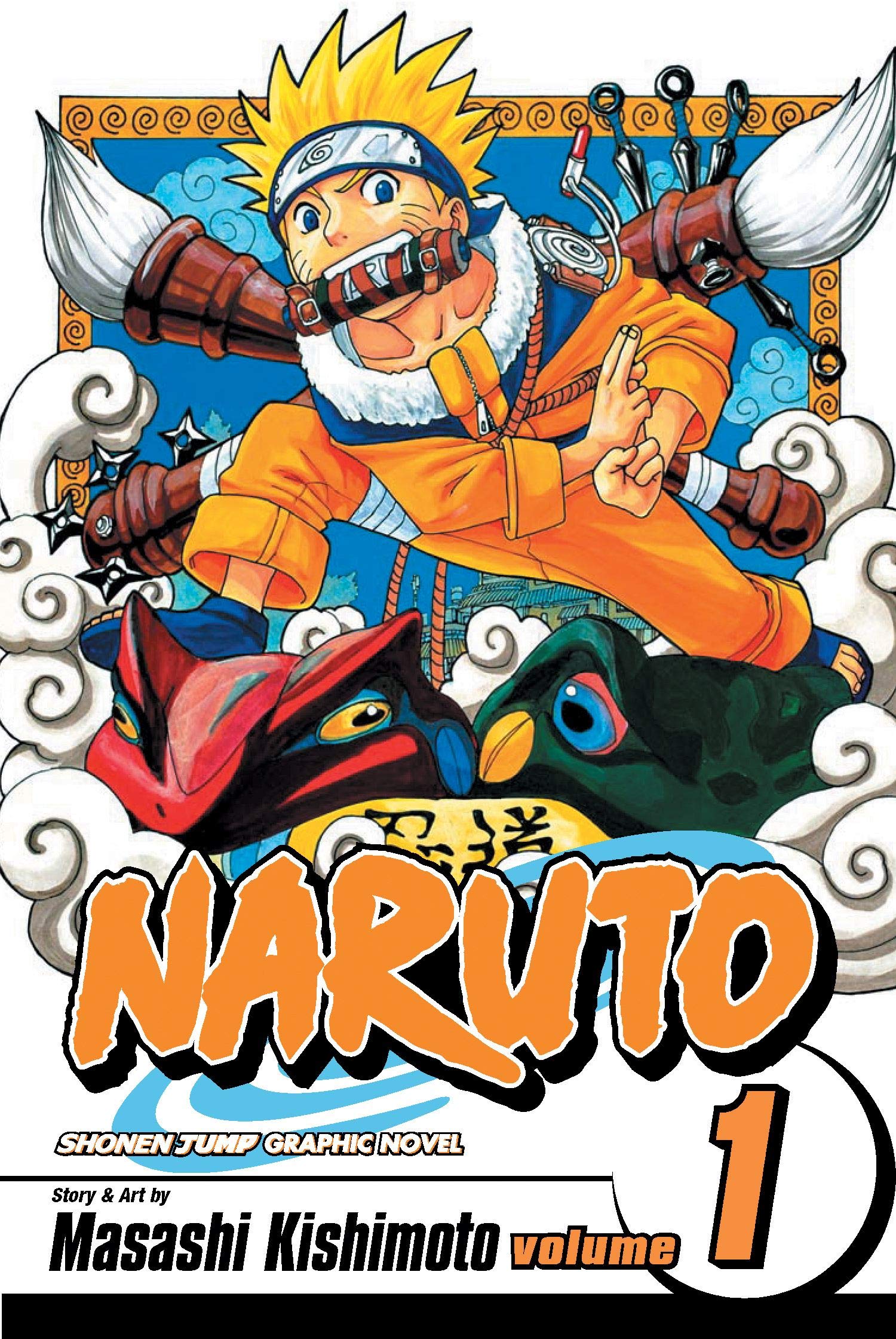
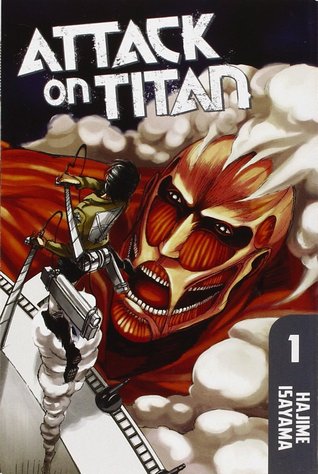
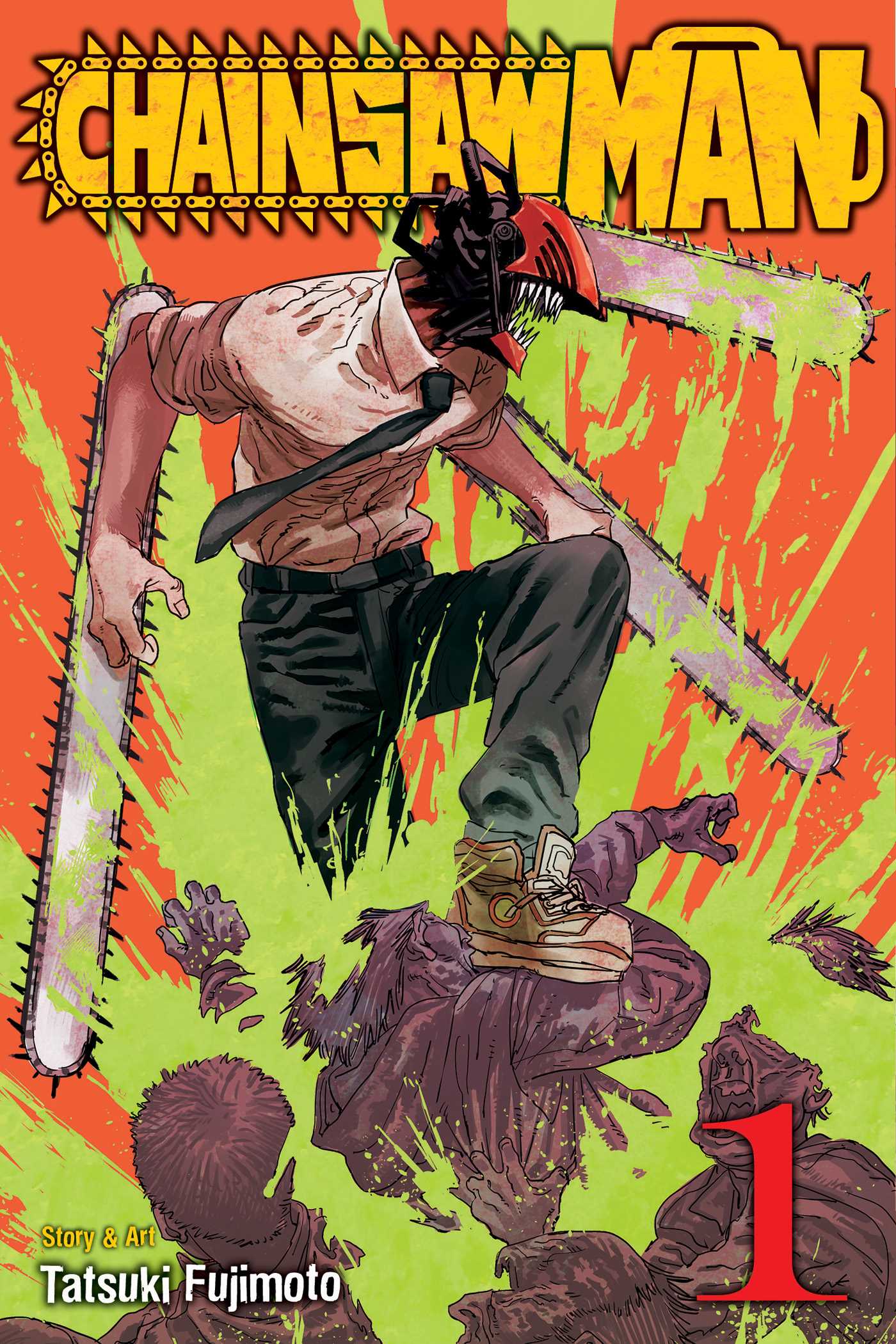
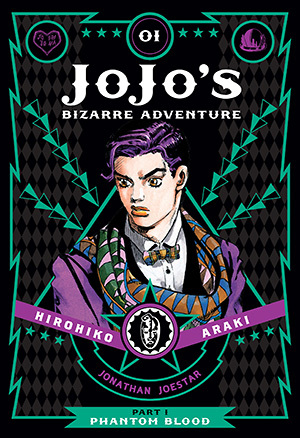
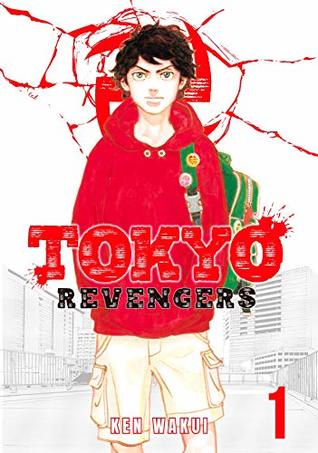
I have even picked up a hobby of reading manga, which is so nice when my brain is fried from school or other activities. I read the entirety of Attack on Titan, which I HIGHLY recommend. It sucks you in and the dystopian setting with intricate call backs and a very intertwining plot has me reeling from the lack of plot holes and how history seems to be connected exactly with the future. Chainsaw Man has become one of my favorites, with its hilarious main character, Denji, and the heartbreaking story of his life. Some more of my go-to mangas are JoJo’s Bizarre Adventure, Tokyo Revengers, Demon Slayer, and Blue Lock. There are series for sports lovers, romance people, or someone who just loves a crazy fictional universe.


In order to support my quest for amazing books, I visit my local branch library (which also has audiobooks, books, movies, For Dummies series, manga, and music). I am a regular there and usually take my work to the back after checking out a few books. They also have very interesting classes, so log onto your library website to see if you can learn something new! I use Archive of Our Own on web to access short stories or poems made by people my age and like me, Wattpad for ebooks and published works by fantastic authors, pdfs found online for my classes or for personal reading time, MangaFox for online manga, as well as Audible for ebooks. 

Thank you so much for reading, and I’m so happy to share how I fit reading in! I cannot admit I am a perfect reader; I lost my spark getting into high school for a little while juggling Student Government, rigorous classes, and a sport. So please, I advise you to take it slow and don’t burn out. It is okay to take a break and discover new genres or mediums for enjoying literature! Enjoy your summers and expand your horizons. 🙂

Thank you so much, Emily, for your awesome advice!!

Student Voices: “10 Books with Muslim Representation” by Basma Heda, Senior in College

Share

“10 Books with Muslim Representation”
by Basma Heda, senior in college, Kellee’s Student from 2012-2018, and Bookstagram Reviewer @BookishBasma (#23 on Buzzfeed’s “24 Bookstagrammers You Need to Follow if Reading is Your Jam 5/6/21)! 

Everyone deserves to see themselves in a story. Especially when it comes to Muslims, a group that’s often villainized and misrepresented in the media, readers deserve to see themselves as the hero, as the person falling in love, as the person just living life. In addition to being a massive bookworm and the owner of 200+ books, I’m also a hijab-wearing Muslim woman, and I didn’t see myself on a page until the year 2020. The first time it happened, I cried a minimum of six times during the book, and then an additional 15 minutes after I finished (it was at 1am). I was seeing myself on a page for the first time in my life, and I want to spread that feeling. Here’s ten books with Muslim representation for all ages. 

Middle Grade

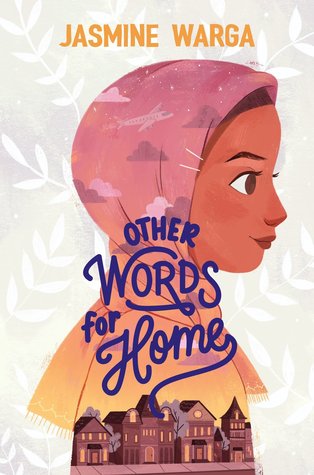
Other Words For Home by Jasmine Warga

Written in verse, Other Words For Home follows Jude who leaves her hometown in Syria due to the conflict and comes to America with her mom, leaving behind her brother and her father. Thrust into a new world and armed only with the English she’s learned from her favorite movies, Jude learns to navigate a society that makes it abundantly clear she’s not welcome. It’s a coming of age story that tackles Islamophobia, the struggles of being an immigrant, and a child who just wants to belong. This was an absolutely beautiful story that made me cry multiple times, and I want to shout about it from the rooftops. 

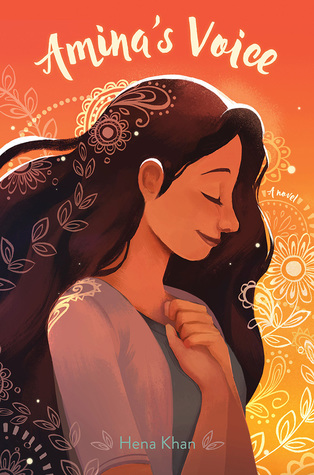
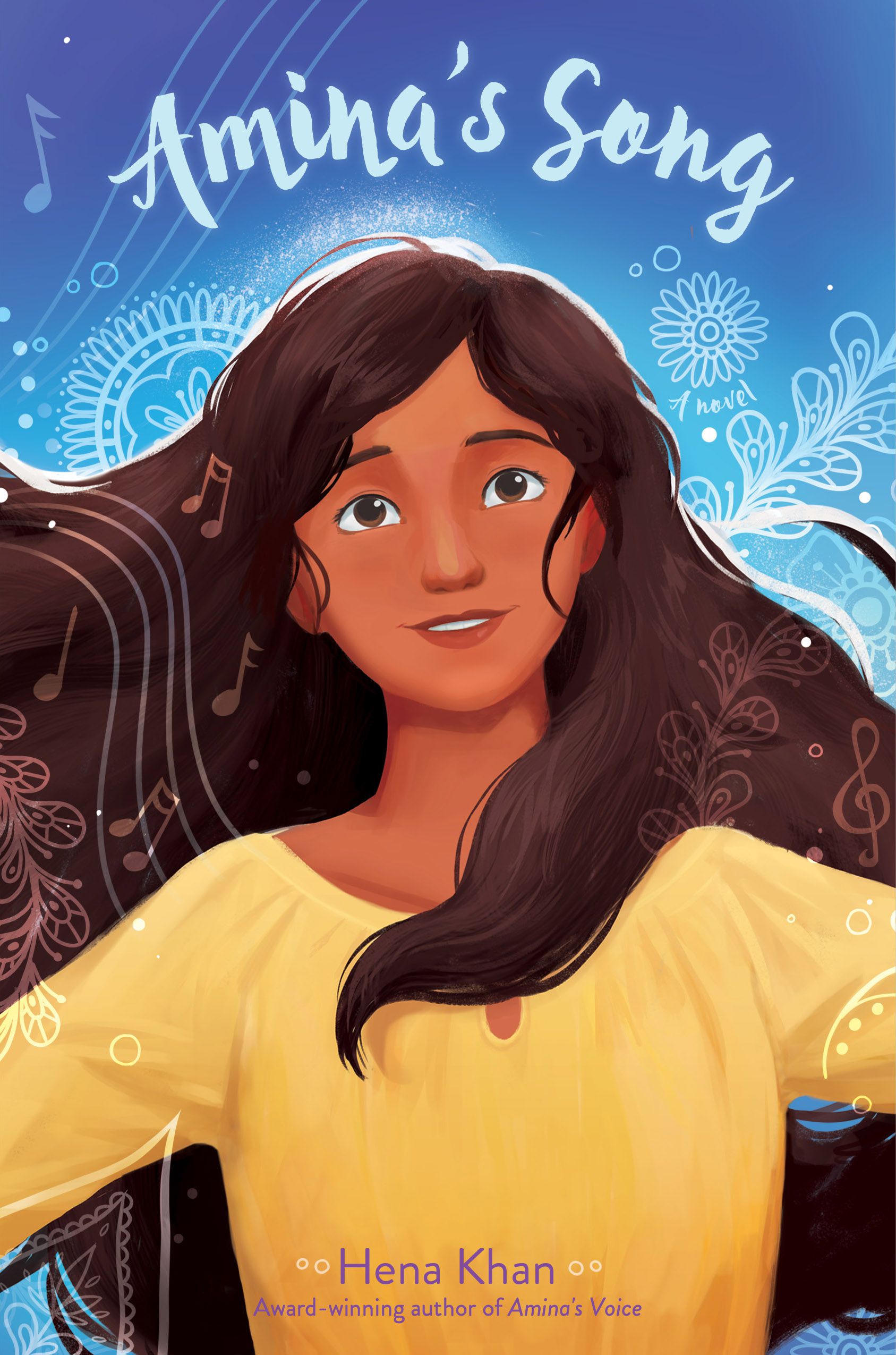
Amina’s Voice & Amina’s Song by Hena Khan

This is a duology follow Amina, a Pakistani-American Muslim girl who loves to sing. In addition to navigating middle school and all its ups and downs, Amina experiences quite a bit of Islamophobia. Her mosque is vandalized and she struggles with her identity as a Pakastani American throughout the series. Even with all these obstacles, Amina continues to grow and find her confidence, and it was wonderful to see! This was an adorable series that’s perfect for any middle grade (or really any age) student!

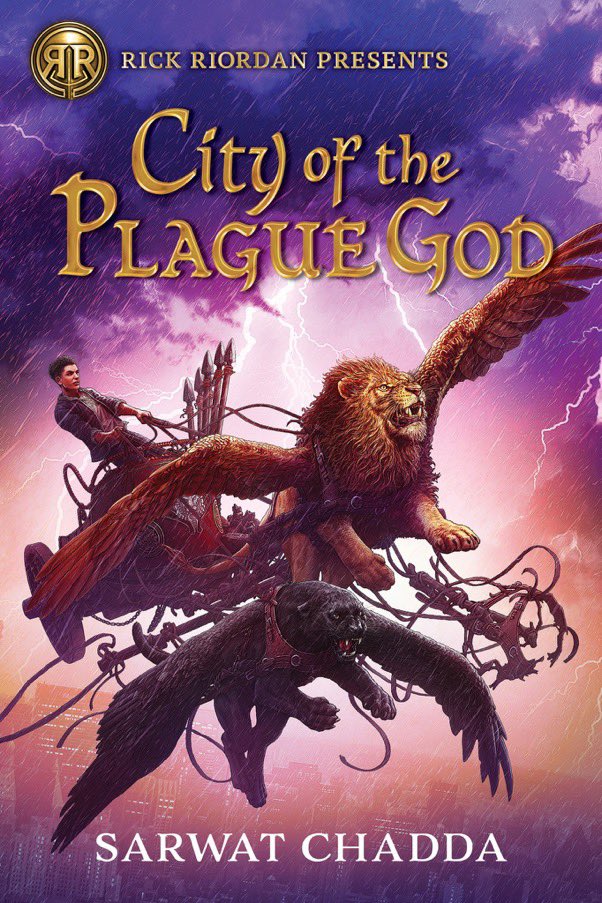
City of the Plague God by Sarwat Chadda

A part of the Rick Riordan imprint, this book is about Mesopotamian mythology in the modern world with, get this, a MUSLIM main character. The story follows Sik, a witty and determined thirteen year old who’s trying to survive middle school and the grief of losing his brother when he’s suddenly thrust into the world of Mesopotamian mythology. Suddenly Sik is responsible to save not just his parents, but all of Manhattan. Joined by Belet (a fierce warrior and the adopted daughter of Ishtar, the goddess of love and war) and a retired hero named Gilgamesh, Sik faces demons and a fast spreading plague in his rush to save the city. I was originally nervous on how mythology would work with a monotheistic religion, but it was done with grace and respect and I loved every second of it. A must read for any mythology fan!

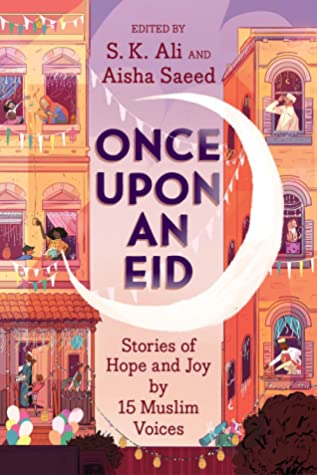
Once Upon An Eid edited by S.K. Ali and Aisha Saeed

Written by multiple authors, this book is a collection of short stories written about the Muslim holiday Eid! The stories are so heartwarming and really showcase a variety of cultures and backgrounds coming together for a joyous holiday. One of my comfort books!

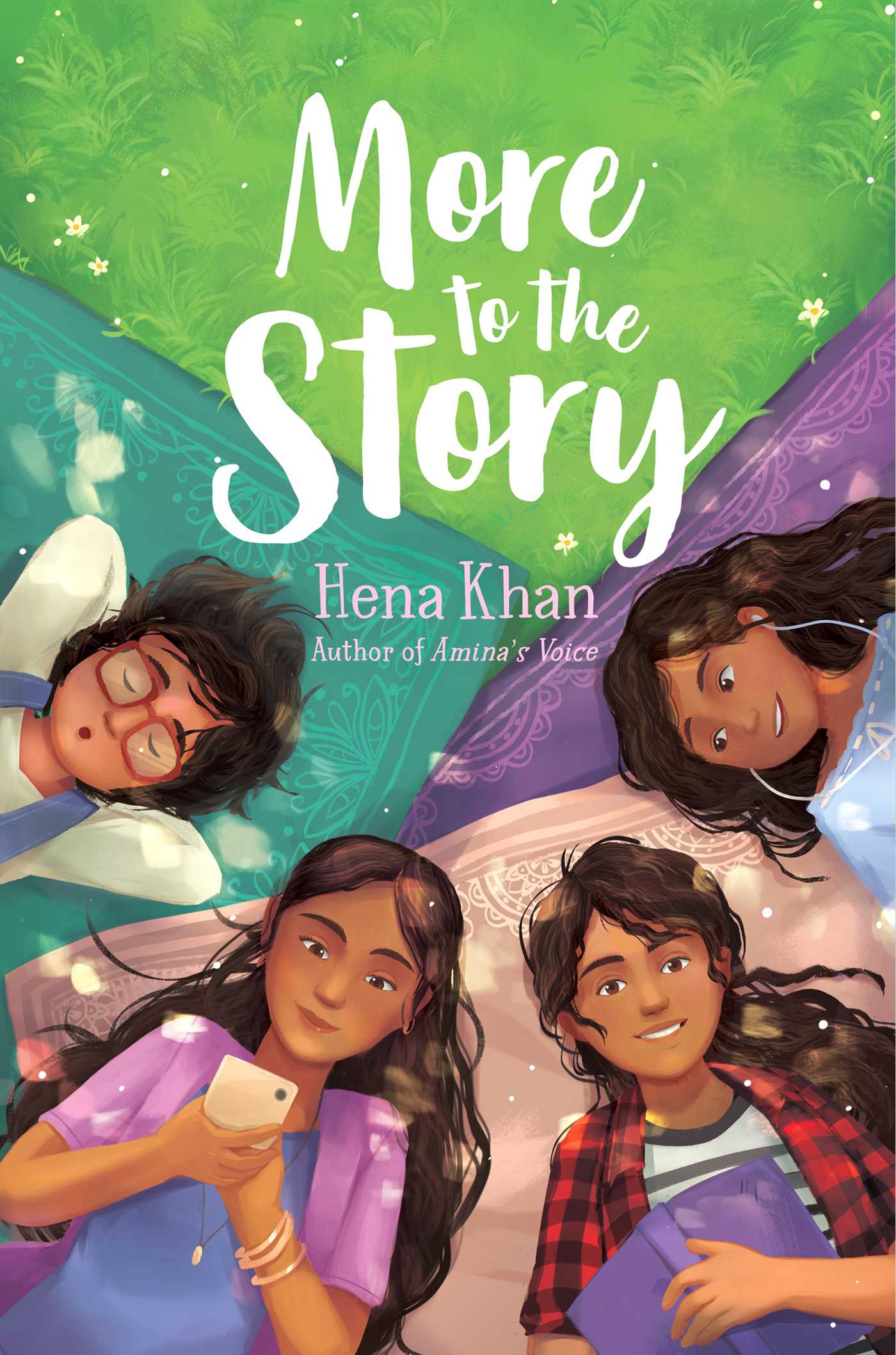
More to the Story by Hena Khan

A modern, Muslim retelling of Little Women, this was the cutest book! Our main character, Jameela, is an aspiring journalist who’s biggest challenge is her strict editor-in-chief. In between the school paper, the new boy at school, and solving problems in between her siblings, Jameela is pretty busy. However, when her father has to take a job overseas and her youngest sister gets sick, Jameela’s world is turned upside down. This is a tear-jerker of a story with the most wholesome moments.  

Young Adult

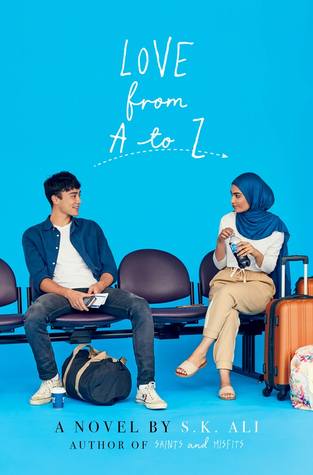
Love From A to Z by S.K. Ali

Remember at the beginning how I mentioned that there was a book that made me cry because it was the first time I saw myself? It’s this one. Love from A to Z is one of those books I feel like everyone needs to read. The hijabi main character, Zayneb, is an outspoken and strong woman, and there is so much of myself that I see in her. While this book is a cute romantic contemporary, it’s also a story of struggling with Islamophobia. Zayneb experiences multiple Islamophobic encounters, with her professors, going to the pool, and just trying to live her life. I remember reading this book for the first time, and I felt so SEEN and so validated. It was a reminder that I wasn’t alone in my struggles, that a hijabi like me could have a story without becoming the villain or the person needing “liberating”. Seeing Zayneb double down on her identity and refuse to budge was so empowering, and seeing myself represented on the page like that meant more to me than words could convey.

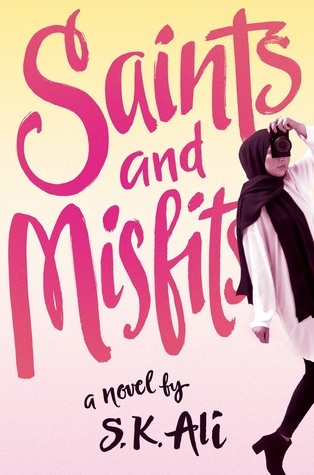
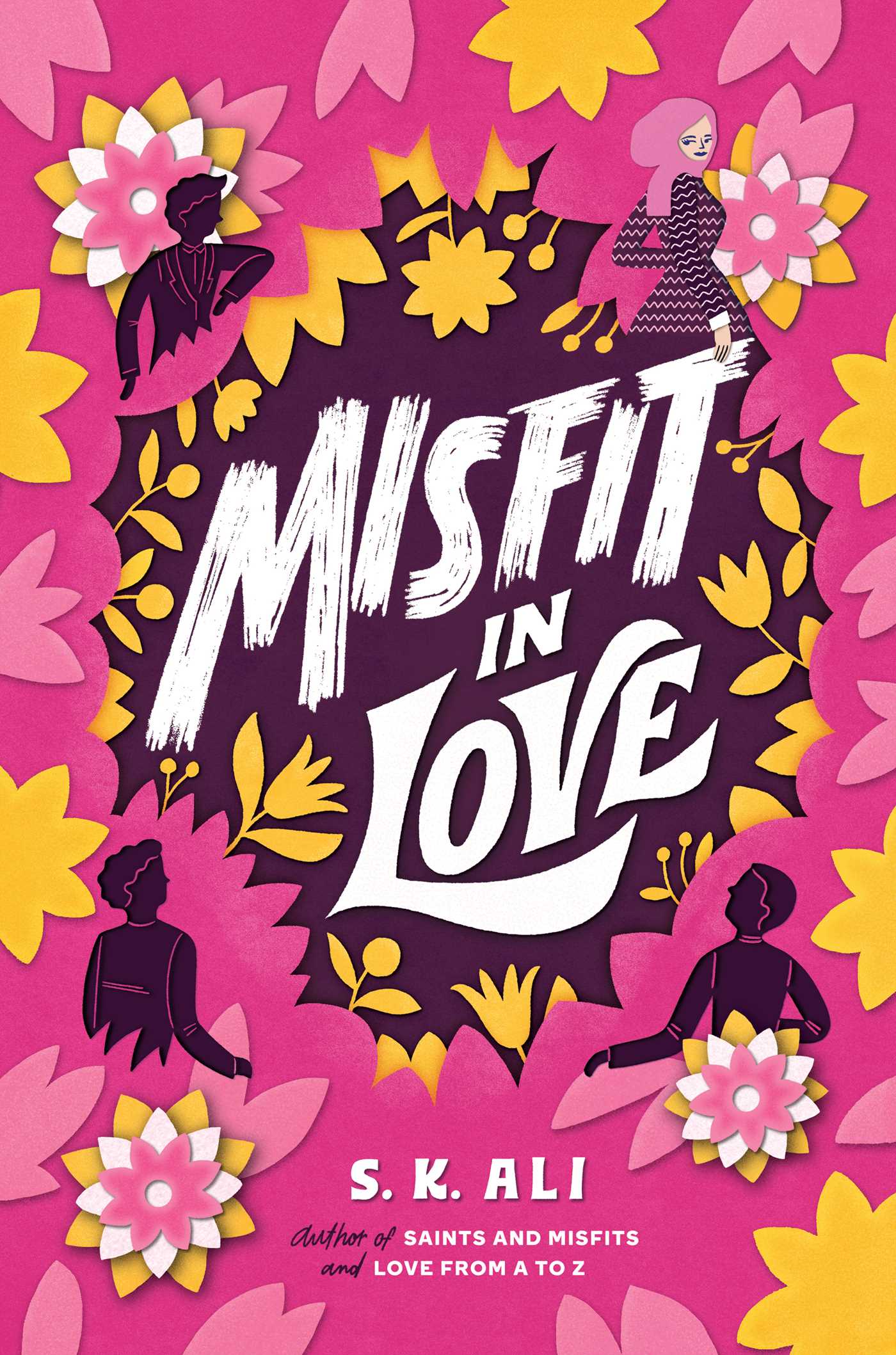
Saints & Misfits and Misfit in Love by S.K. Ali

These two books follow Janna Yusuf, an Arab-Indian American hijabi, who’s stubborn, outspoken, and a tad boy-crazy. While the books follow the same characters, they are vastly different in theme. 

Saints & Misfits: This is not a cute, fluffy contemporary. The main character, Janna is sexually assaulted by someone well respected in the Muslim community, and the book follows her journey in trying to cope and her struggle in wondering if anyone will believe her. The character development Janna goes through blew me away, and I was crying by the end. My heart still aches just thinking about it and it’s a book that will be staying with me for a while.

Misfit in Love: This book picks up two years later, in the midst of wedding preparations for Janna’s brother. Everybody knows what a drama fest weddings can turn into, and that’s exactly what happens here. In addition to last minute wedding changes, Janna is dealing with drama of her own, as she attempts to understand her feelings about the love square (yes, you heard that right) that seems to be closing in.

Both books have fantastic Muslim rep (although I have some minor issues with the portrayal of hijab in the first book) and I highly recommend both books. 

Adult (note: clean, safe for teens)

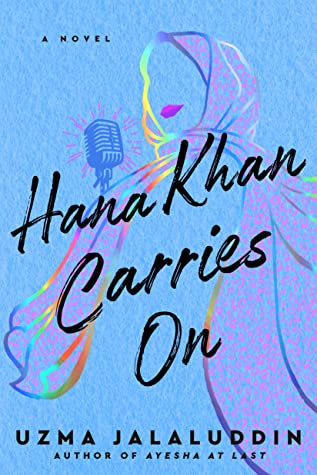
Hana Khan Carries On by Uzma Jalaluddin

A retelling of You’ve Got Mail, this book was a whirlwind of drama, love, gut-wrenching pain, and forgiveness. Hana is a brilliant MC and her perspective was such a great place to read from. Good Muslim representation in all forms of media is often an uphill battle, and we see Hana fighting that battle at her job at the radio station, when they want to run stories on Muslim communities that would actually be harmful. In addition to the fight for proper rep, Hana also deals with quite a bit of Islamophobia. The sensitive subject was written so well and I absolutely bawled. The romance was angsty, adorable, and basically everything I wanted from a halal Muslim enemies-to-lovers.

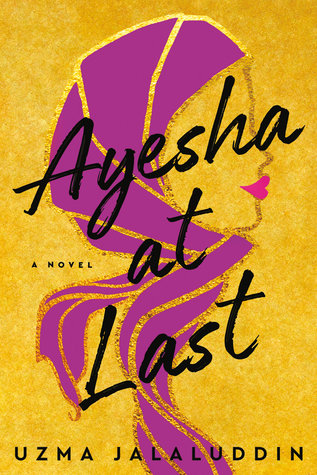
Ayesha At Last by Uzma Jalaluddin

A contemporary Muslim retelling of Pride & Prejudice, this story blew me away. The romance was absolutely adorable, and I am in LOVE with our main characters. I see a lot of myself in Ayesha, and Khalid was just so awkward, I couldn’t handle the cuteness! Similarly to Pride & Prejudice, I could not STAND Khalid’s mom (think Mrs. Bennett but so much worse). In addition to the romance, the story also touched on the intricacies of the Muslim community and the importance of our relationships with each other, and how we grow from them. Seeing how our characters navigated their faith and desires in a world that doesn’t always agree with it added so much to the story.

Thank you so much, Basma, for your recommendations!!
(And everyone else: Make sure to go follow Basma on Instagram! You won’t be disappointed!)

Student Voices: “BookTok” by Angelina Dong, Rising 10th Grader

Share

“BookTok”
by Angelina Dong, Rising 10th Grader & Kellee’s Student 2017-2020

Welcome to BookTok, a virtually available community of passionate readers that is always at your service, with good books to recommend especially when you’re in a slump. #BookTok was created on the well-known platform, TikTok. At first glance it might seem like a collection of your average videos that you’ll swipe and never see again; however, to readers and authors, it has become an interesting and essential way to communicate. Many authors were able to get recognition for their work because creators on the platform give their honest reviews which naturally attracts their followers.

One example of an author on TikTok is Victoria Aveyard. Even though she is well-known for writing the Red Queen series, she is able to share her experience writing the books and help young writers with her content. John Green, the #1 best selling author for The Fault In Our Stars, likes to share what new books he is working on and occasionally collaborates with his brother Hank Green. He has a new book out called The Anthropocene Reviewed. The author of We Hunt the Flame, Hafsah Faizal, is also on TikTok. She likes to share her journey and perseverance towards becoming a writer. She can be seen as an inspiration to young writers and readers who hope to pursue their own career path in literature.

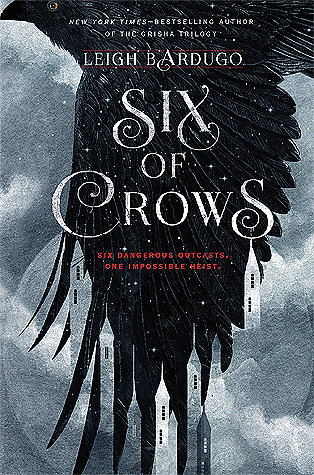
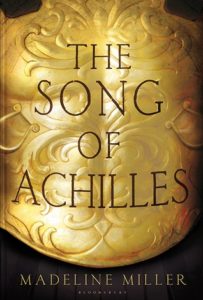
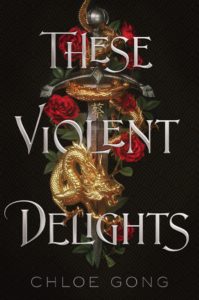
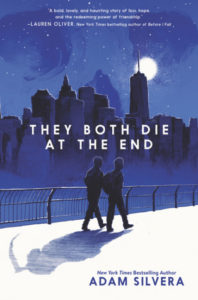
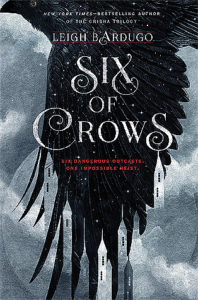
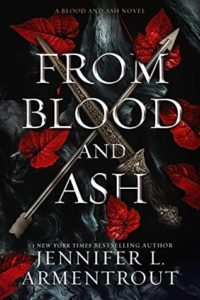
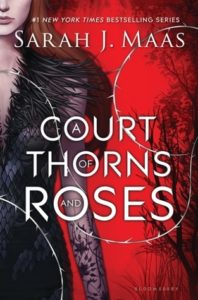
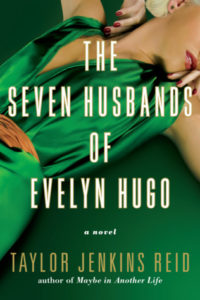
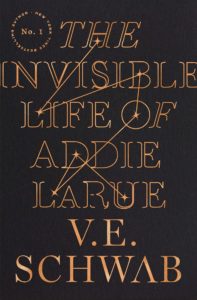
Books recommended from BookTok have become such a topic that bookstores, such as Barnes and Nobles, have created a table just to display them. Some books you might see on that table are: The Song of Achilles, These Violent Delights, They Both Die At The End, Six of Crows, From Blood and Ash, Dance of Thieves, A Court of Thorn and Roses, The Seven Husbands of Evelyn Hugo, and the Invisible Life of Addie LaRue. These are only some of the recommended books you’ll find trending on Book Tok!

The book community on Tiktok has certainly grown since it was first started, amassing over 11.2 billion views. If you want to find more books you can also hop over to Goodreads and search BookTok for more recommendations!

Here are some BookTok pages/videos that I’ve enjoyed:

Thank you so much, Angelina, for introducing us to BookTok and sharing some favorite recommendations!

Student Voices: “Shadow and Bone: Readers vs. Non-Readers” by Amy Calvo, Rising 10th Grader

Share

“Shadow & Bone: Readers vs. Non-Readers”
by Amy Calvo, Rising 10th Grader & Kellee’s Student 2017-2020

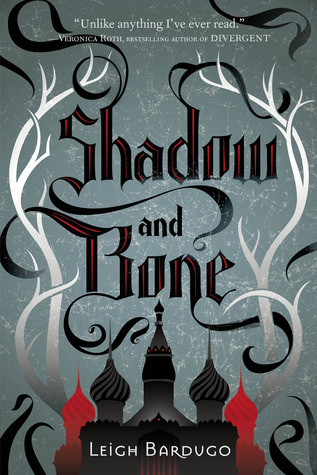
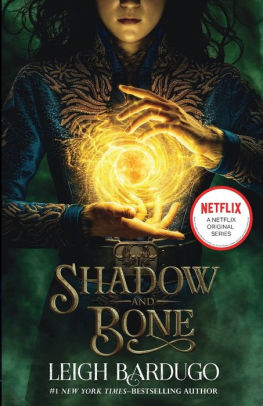
Shadow and Bone, a popular young adult trilogy by Leigh Bardugo, was recently adapted by Netflix into its own 8-episode series. Netflix decided to mix  Six of Crows, the best-selling duology of Bardugo’s, into the plot line.. It wasn’t only fans of the original trilogy and duology excited for the upcoming television series, many people outside of the book world were eager to see the show after the trailer was released on February 26th, 2021. When the show came out a month later, there were many mixed reviews. The show has remained in Netflix’s Top Ten with a 7.5 out of 10 stars from IMDB and a 86% from Rotten Tomatoes. But there was a question many critics prompted: would the show be as enjoyable for non-readers? Would the adaptation fall short in the eyes of fans of the original series? 

We sat down with Paola Mendez, a fan of the show who has never read the books and got her insight on the question. 

“I am very satisfied with the show,” Mendez said. “It was fun, action-packed, and emotional.” 

She touches on different aspects of the show that impacted her: the characters, the fantasy version of racism displayed in the show, etc. Although Mendez admits the magic system became muddled and confusing, her enjoyment far outweighed the cons. When asked if she would consider reading the original Shadow and Bone trilogy, she explains: 

“I’ve heard many people say the show is better than the books [so] I’m a bit scared that the books wouldn’t live up to the show I’ve come to love.” 

To answer the question if readers or non-readers preferred the show better, we asked Duda Guedes and Estela Rivera to add perspective. Both of the young girls enjoyed the trilogy and duology and were excited to speak on the adaptation. When asked what fell short in the adaption, both agreed that Kaz Brekker, one of the many ruthless characters, was made “too soft”. But their opinions varied on how satisfying the show actually was as a whole. 

“I am satisfied with the show,” Guedes answered. “I feel like they managed to blend new elements…and make something that feels really familiar but is still a new adventure.” 

Rivera on the other hand admits that although she was satisfied to a certain extent, many of the differences from the page to the screen didn’t work for her. She uses character changes, abandoned plot points, and more to explain her quails with the series. 

“I feel since I have been a huge fan of the books, the fact that a lot of things were adapted differently didn’t resonate with me at all,” Rivera ends with. 

All in all, through the differing opinions, it seems readers and non-readers liked the show for what it was. Even through the changes or confusion, they all agreed the show adapted as well as it could. 

“It’s similar to getting a new book in the same universe,” Duda Guedes said. “The differences [are what] keep you on the edge of your seat.” 

Have you read or seen Shadow and Bone? Where do you fall in this discussion?

Thank you so much, Amy, for sharing your article with us and looking into how the show was received by readers versus non-readers of the series!

Author Guest Post: “7 Ways to Get Your Child Who Reads Less Frequently to Read More” by Paul Lonardo, Author of The Goblin Pitcher

Share

“7 Ways to Get Your Child Who Reads Less Frequently to Read More”

1.  LEAD BY EXAMPLE

If your children see you reading, they will be more inclined to read themselves, especially if they see that you are genuinely engrossed in a book and will to share your experience by talking about what you are reading and expressing to them what it is about the story or subject that fascinates you. By explaining what you like about a particular story, whether it is the mood, the setting, or an interesting plotline or character, in essence you are encouraging them to pick up a book without having to force them to read. Plenty of studies have shown that forcing students to read something that they have little interest in is likely to result in students not reading books at all. The enthusiasm that you show for a book alone could spark a child’s interest, if not in the same book you’re reading, then perhaps in a different one. But it is not a bad idea to read books yourself that are written for the age of your child. You might even be pleasantly surprised how well-written and entertaining many young adult, middle grade, and even children’s book are for any age reader.

2. THE BROCCOLI PRINCIPLE

Similar to foods children don’t like to eat, like broccoli, or whatever vegetable it might be, the best way to get them to eat it is by giving them small portions. It makes sense. You can’t put a plateful of broccoli in front of them and expect that they are going to eat all of it. Whatever they eat will be better than nothing, so give them a small portion to start off. Even a little bit will benefit them. Take the same approach with reading. Set aside some time every day for reading. Keep in mind, it doesn’t have to be a significant amount of time. However long it might be, five minutes, ten, fifteen, it is better than nothing. It’s a starting place, and it can only grow from there. You may be surprised what even this minimal effort will accomplish over time. Maybe it’s just a chapter at night, but after a few weeks, or a month, if a book really takes root with your child’s imagination, they may want to read multiple chapters each day to find out what will happen next, and before you know it, fifteen minutes a day could quickly extend to twenty minutes, twenty-five, or more on certain days. And that is something you have to look at as a victory.

3. CHOSE BOOKS WITH A SUBJECT MATTER THAT INTERESTS THEM

This may be obvious, but it’s really important. Everybody has an interest or two, and you know your child better than anyone. Find out what they are into. Whether it is a nature, animals or magic, plots in stories involve a wide variety of subjects and interests. It doesn’t even have to be fiction. A nonfiction book that become an enjoyable experience achieves the goal you are seeking, which in this case is getting your child to go from not reading at all to reading something on a regular basis.

When my son was younger, it was a challenge to get him to read anything that wasn’t required. For me, as a writer, this was a real dilemma. Like any parent in this situation, I had to find ways to get him to read more. I knew the two things he liked more than anything was baseball and creepy stories, anything in the Goosebumps and Scooby-Doo vein. My new novel, THE GOBLIN PITCHER, is a kids’ book that I wrote with him in mind. Hopefully, it will be of interest to other finicky readers.

4. VISIT LIBRARIES AND BOOKSTORES

Visit as many as you can, chain and independents alike. Finding topics that your child is interested will be a cinch if you show them that there are ample books on whatever subjects that matter most to them. Seeing shelf after shelf spreading out in all directions might just be a source of inspiration, showing your child how books are revered, old and new titles alike. Watch them explore and see what sections they gravitate to. The library/bookstore experience is made easier these days with the children-friendly themes and attractions you are likely to find inside as well as outside, where there is often a playground. For the parents, coffee is usually available because it could turn into a long afternoon. But it is well worth it if your child finds a hidden treasure to take home.

5.  START SMALL

Lengthy books can be intimidating and a turn off for young people who do not read a lot. Start with chapter books or short novels. It doesn’t matter if they read one long book or a couple of shorter works. It tends to be easier to draw beginning readers into narratives of shorter stories. Everything happens faster, and there are few if any subplots to detract from the main action, which was why they chose the book to begin with.

When I began writing, I eased into it by writing short stories. This is not something all writers do, of course, but for me it was easier than jumping into writing a full-length book my first time out. Graphic novels are a great way to introduce young readers to books. They are illustrated, but there are story lines and plots to follow just as there are in traditional novels.

6. BASED ON A NOVEL
Take your child to the movies. Yes, that’s right, the movies. Whether in the theater or at home, on Netflix, or whatever platform you prefer. Pick a movie that your child likes and has seen before, or one you know they will enjoy. The only thing you must do is make sure the movie was based on a book, the more popular the better, and preferably one that can be enjoyed at any age, such as The Wizard of Oz, Cloudy with a Chance of Meatballs, Willy Wonk and the Chocolate Factory, or Lemony Snicket’s A Series Of Unfortunate Events. There is bound to be a movie or two they have seen that they did not know had been a book first. If your child liked to film, it might just be enough to get them to seek out the original source to learn even more about the characters and storylines that did not make it into the film.

7. READ, READ AGAIN

It’s okay to read the same book twice, or even multiple times. If a child enjoys a book, there’s nothing wrong with them reading it as many times as they want. It’s all about reading and enjoyment. In rereading the story, they are liable to discover things about their favorite characters and the story that they did not know before, and they might end up seeking out another book by the author. And today, with so many books that are part of a series, odds are there are other adventures with the same characters that they can follow.

These are my humble suggestions to get young people interesting in books. You might have some other ways, but whatever it takes to ease children onto that road to discovery and fascination, you will be initiating an experience that they will enjoy for a lifetime.
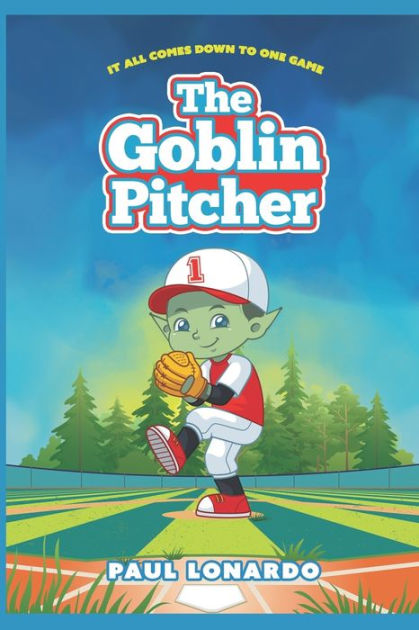
The Goblin Pitcher
Author: Paul Lonardo
Published April 11, 2021 by PL Publishing

About the Book: The one thing eleven-year-old Jake Lupo loves more than anything else is baseball. However, despite his father being a professional pitcher, Jake’s fear of failing has kept him from competing against children his own age. When his father, who has recovered from a serious arm injury, is invited to pitch for an independent team, Jake and his parents move to Pine Barrows, a far flung forested mountain outpost. Jake is excited about his father’s chance at a comeback, but he soon learns that he is not the only one in Pine Barrows who loves baseball. Goblins love to play baseball, too, and Pine Barrows happens to be chock full of them. Then Jake discovers that the region is occupied by two factions of warring goblins.

Seeking to take control of the goblin kingdom, the leader of the evil goblins kidnaps Jake’s mother and bans baseball, a game which itself is a natural source of power for the goblins.

It turns out that Jake has a secret kinship with the legendary beings, and he is the only one who can save them, their kingdom and his mother. However, Jake must believe in himself and play a winner-take-all game against the best goblin players in Pine Barrows.
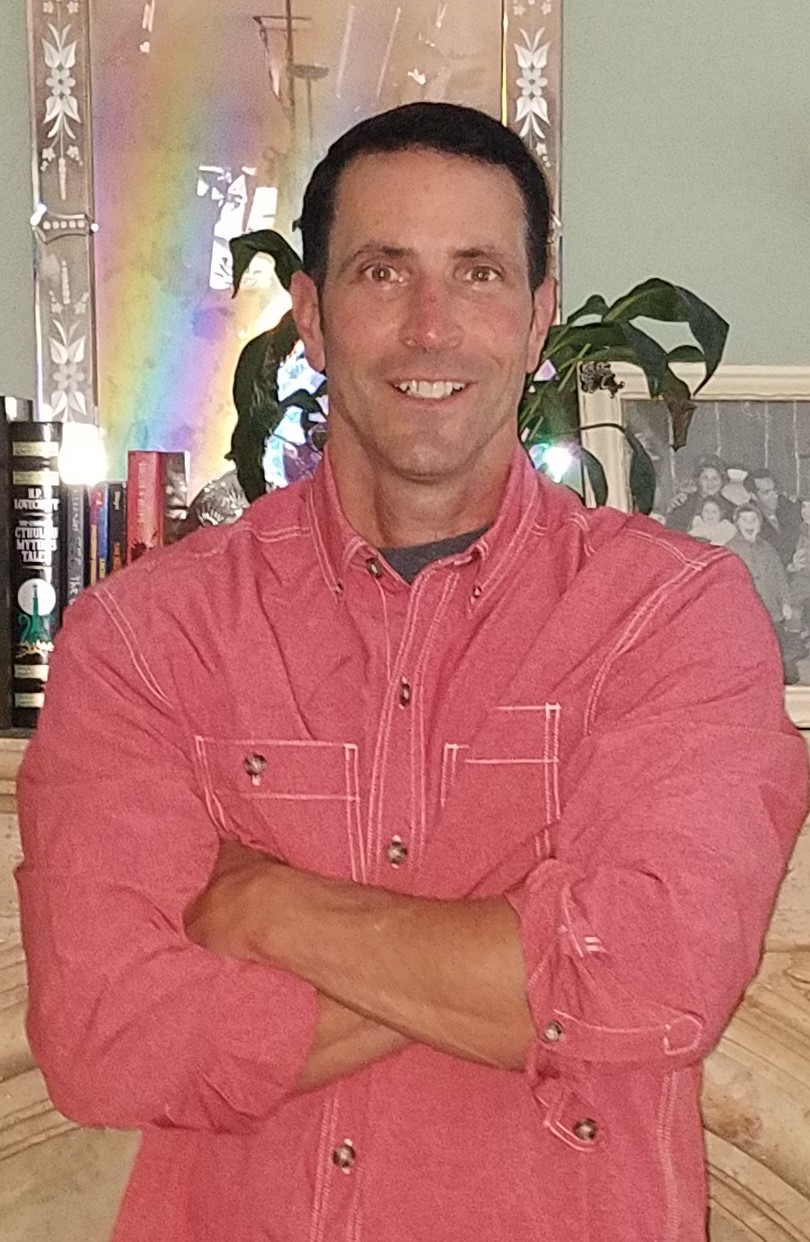
About the Author: While this is my first book for young people, I have authored both fiction and nonfiction books in a variety of genres, from true crime to romance. As a freelance writer, I often collaborate with people to help them write and publish their biographies, memoirs, or to tell of a particularly compelling personal experience.

I studied filmmaking / screenwriting at Columbia College – Hollywood. I earned an A.S. (Mortuary Science) from Mount Ida College and a B.A. (English) from the University of Rhode Island.

I live in Lincoln, RI with my wife and son.

Thank you, Paul, for sharing strategies to encourage kids to read more!

Author Guest Post: “I Write About the Real World and Real Feelings… by Using Magic” by Corey Ann Haydu, Author of Hand-Me-Down Magic Series

Share

“I Write About the Real World and Real Feelings… by Using Magic”

I like to say that I write about myself without writing about myself, that I try to understand my feelings by writing about someone else’s very similar feelings.

And I use magic to do it.

I have never owned a second hand shop filled with cuckoo clocks and birdcages and patchwork purses and chandelier earrings. I have never participated in an end of the school year parade, and, regrettably, I didn’t have a cousin who lived in the apartment downstairs from me when I was growing up. And most of all, as much as I wish I could, I have never witnessed magic. At least not the kind that shows up in my books. Not the magic passed down through generations, not the kind of magic that the best friend cousins of my HAND-ME-DOWN MAGIC series encounter in book after book.

But. I did have a best friend growing up, and we did it get into fights. I did have family that I sometimes felt part of and sometimes felt confused about my place in. I did feel jealous when a friend had something I wanted, and I did feel scared when things didn’t feel entirely in my control. Some of those things—fighting with a friend, feeling jealous or scared or left out or uncertain about who you are—are a little bit scary. Uncomfortable. Hard to talk about, and harder still to write a whole book or series of books about. When I am feeling those hard and scary and uncomfortable feelings, for myself or for my characters, I know it’s time for magic.

When something feels hard to look at straight on, I introduce a bit of magic to help make it easier to understand. Because there’s a lot about the world I don’t understand! There’s a lot about my characters’ worlds that I don’t understand right away. I don’t know when I first start writing why a particular bag in a particular shop window could make someone feel like they would become the best version of themselves if only they had it over their shoulder. And I don’t know why someone else’s happiness can sometimes feel like a personal slight. Or why it is hard to share in that happiness sometimes. I don’t even really know how to solve those problems, or any of the strange and awkward and tricky and uncomfortable problems that arise simply from being a person in the world interacting with other people. But I do know that many of us think we aren’t supposed to talk about those messier parts of our hearts and friendships and lives. And I do know that if I add magic, the conversation becomes easier.

I don’t try to hide the truth in my books—that doesn’t feel fair to anyone—me or my readers or the characters I spend so much time writing and falling in love with. But I try to make the truth easier to understand, easier to look at straight on, easier to manage. Magic helps manage hard truths—big ones, sure, but small ones too, little moments where your heart hurts or you are blushing and wish you weren’t, or your best friend is making you mad or sad or uncomfortable and you don’t know why. Look! Look at me! Magic says in those hard moments in my books,  I’m here too! Maybe I can help? Maybe I can explain it? Or maybe I just make things a little lighter, a little prettier, a little more interesting than regular old life is.
Sometimes, I use magic to make a feeling bigger: what if Alma feels a little left out of her family life, not just because she hasn’t lived in the same home as them ever before, but also because the rest of them have a belief in magic that she just can’t seem to muster?

It’s an added layer to bulk up the feelings I want to discuss. A way to turn up the volume on the circumstances, so make sure they come through loud and clear.

Sometimes, I use magic to make the feeling easier: Someone I loved did something mean to me: maybe it was because of magic?

Mostly I use magic to make things easier to talk about: Life is confusing and big and hard to understand and not in our control and that is scary. But Del doesn’t want to say all of that. Or even think it. Del is scared of a crystal ball telling fortunes that come true in tricky ways. Let’s talk about that, and maybe it will show us some other things along the way.

Magic is sneaky. Maybe when we talk about Del’s fear of her crystal ball, we can start talking about other things that happen unexpectedly or other times we think something bad might be our fault. Magic lets a conversation evolve naturally, instead of going right to the center of things. Magic is a beautiful and fun and silly and shiny way in to the scary things.

It is easier to talk about the world—a world which is sometimes very challenging and uncomfortable and sometimes even a bit sad and lonely, especially lately—when there is a mix of the familiar and the mysterious. A mix of real life and magic. A combination of the things we understand and the things we never fully will. Magic, when done well, is the bridge between those two things.

Using a bit of magic to talk about the real world reminds me of an old fashioned radio dial. Magic can turn things up or down, it can cut through the static, it can help you search for the story you want to hear, it is a tool in the toolbox of a writer, and a reader, and a person in the world, when you are a bit lost and bit frightened and a bit unsure. I am those things pretty often. That’s why I use magic so much!

The truth is—I’m a writer and a reader and a parent and a person in the world, and I’m just as flummoxed as everyone else, about why things are the way they are or feel the way they feel. Magic helps me make sense of it all too, it gives me a little space and perspective, a new angle at which to look at my character’s circumstances. Which in turn helps me make sense of my own. I believe it can help make sense of things for young readers, too. Magic can bring order to the mess and can put a magnifying glass to the tiny tricky details. It can amplify what we need to look at more closely, a quiet what feels too scary to approach head on.

We all want to reach young people, we all want a way in. For me, magic is the way.

Maybe it can be for you too.

Hand-Me-Down Magic: Perfect Patchwork Purse
Author: Corey Ann Haydu
Illustrator: Luisa Uribe
Published May 4, 2021 by Katherine Tegen Books

About the Book: Family magic saves the day for best-friend-cousins Del and Alma in the third Hand-Me-Down Magic book! With adorable illustrations and short, easy-to-read chapters, this series is perfect for fans of Ivy & Bean and Dory Fantasmagory.

Almaknew it the first time she saw it: The patchwork purse in the window of the Curious Cousins Secondhand Shoppe was magical. Special. Perfect. But when her friend Cassie spots the purse and buys it, what could Alma do but agree that the purse really did look just right on Cassie?

Del decides it’s up to her to bring some homespun magic back into Alma’s life, and she’s got just the plan to do it. After all, she is the EXPERT on magic!

All she needs is some glitter and lots and lots of glue . . . because she knows magic can always come from the most unexpected places, but most importantly, that best-friend-cousins never let each other down.

About the Author: Corey Ann Haydu is the author of EventownThe Someday Suitcase, and Rules for Stealing Stars and four acclaimed books for teens. She grew up in the Boston area, earned her MFA at the New School, and now lives in Brooklyn, New York, with her dog Oscar. Find out more at www.coreyannhaydu.com.

Thank you, Corey, for sharing how you use magic to tackle what is real!

Author Guest Post: “Using Similes and Metaphors to Spark Conversations about the Power of Empathy” by Michelle Schaub, Author of Kindness is a Kite String

Share

Using Similes and Metaphors to Spark Conversations about the Power of Empathy

One of the most important things we can do as parents and educators is encourage kids to be kind.  Not only does fostering a culture of kindness and empathy create a positive learning environment, but it also improves kids’ sense of well-being and agency. Besides, spreading kindness makes the world a little brighter. And who doesn’t want that?

How can you cultivate kindness, both in the classroom and at home?

One simple way to develop this much needed virtue is by sharing books that model kind behavior. My picture book, Kindness is a Kite String, does just that. The book starts with the words, “Kindness is like sunshine, it starts the day off right” and shows a child hugging his mom. This starts a wave of kindness that ripples through the community, connect diverse groups of people. As readers follow the story, they gather ideas for ways they can lift others with kindness.

Building Connections with Similes and Metaphors

Each action in Kindness is a Kite String is described using a simile or metaphor. For example, “Kindness is an open door to welcome others through,” and “Kindness runs like dominoes. Reach out and tip a tile.” As a writer and teacher, I know that similes and metaphors are powerful tools. They unlock readers’ imaginations and inspire mental pictures. Similes and metaphors build connections that promote understanding. They help kids comprehend something unfamiliar or abstract (like kindness) by comparing it to something they know well (like sunshine or an open door). In this way, similes and metaphors go hand in hand with kindness. When you act with kindness, you also bridge the gap between something familiar (yourself) and something that might seem new or different (others).

Kindness is a Kite String packs a double educational punch. Not only does the book help spark conversations about empathy, but it also provides models of similes and metaphors in action. That’s good news, considering knowledge of figurative language, including similes and metaphors, is part of the ELA Common Core Standards starting in grade three. However, this concept is often introduced with even younger kids.

Kindness is…

How can you use Kindness is a Kite String to reinforce the concept of similes and metaphors?

One way is by creating a collective “kindness poem.” I have found writing collective poems to be a very effective and engaging strategy to use with students. In a collective poem, each child contributes a line according to a provided prompt or rule. Collective poetry is a great warm-up writing activity because it invites all students to participate without the pressure of having to compose an entire poem from the get-go. It’s also an effective way to explore different perspectives on a topic, like kindness.

After reading KINDNESS IS A KITE STRING with your class, take some time to define and review similes and metaphors. The Authors Note at the back of the book will help you do this. Then provide the provide the prompts, “Kindness is  like…”(for similes)  and/or “Kindness is… (for metaphors.) If you’re working with students in person, you can write this prompt on the board. If you’re working with students remotely, try posting the prompt with an online program like Padlet or Flipgrid.  Ask students to think of something that they enjoy doing or something makes them happy. Ask them how this activity or object might relate to kindness. After modeling some possible responses, invite each student to contribute their own simile or metaphor to complete the prompt. String the student responses together and you’ll have a kindness poem to display in your classroom or home.

Here’s an example of a kindness poem I started with second and third graders:

Kindness is
a cuddly kitten-
it makes you feel warm and cozy.

Kindness is like
a trampoline
bouncing happiness from one person to another.

Kindness is
Lego bricks
because kind deeds build on one another.

Kindness is like
a bowl of popcorn
because it’s meant to be shared.

Not only will your kindness poem remind kids to act with kindness, but it will also serve as great student-created examples of similes and metaphors.

Continue the Kindness Chain

There are many other ways Kindness is a Kite String can spark conversations about the power of empathy. The front of the book includes prompts to use before, during, and after reading. For example, one prompt says: “The last line of the book is ‘When you catch it, pass it on.’ Ask your child what kindness they have caught. What can they do to pass it on?” A free Readers Guide, downloadable from my website,  also accompanies the book. It includes activities like a printable Kindness certificates and a kindness journal for kids to log their empathetic actions.

You can continue to reinforce kindness by exploring other recent picture books with themes of empathy, including Evie’s Field Day, by Claire Noland, Be Kind, by Pat Zietlow Miller, The Big Umbrella, by Amy June Bates, and Scribble Stones, by Diane Alber.

I hope I’ve inspired you with some new ways to promote kindness with kids.  After all, as I say at the end of Kindness is a Kite String, “kindness is contagious. When you catch it… pass it on!”

Kindness is a Kite String: The Uplifting Power of Empathy
Author: Michelle Schaub
Illustrator: Claire LaForte
Published April 1st, 2021 by Cardinal Rule Press

About the Book: Cultivating kindness is easy when you try. Spread a little kindness and watch empathy ripple through the community… spreading happiness like sunshine, connecting diverse groups like a footbridge and lifting hope like a kite string.

How can YOU lift others with kindness?

This compelling book illustrates simple, yet impactful ways, to spread kindness and brighten the lives of others. Through poetry, the inspiring words uplift young readers, planting seeds of empathy, kindness and community support.

The best book for positively teaching kindness.

Kindness is a Kite by Michelle Schaub carries the key message of kindness as well as how to teach similes and metaphors supported by the many advocates of positive parenting solutions. It’ll sit comfortably on your shelf alongside other books that focus on the power of kindness.

This book comes with a free Reader’s Guide for children. The guide is available for free download from the publisher website. Lesson plans, activities and discussion questions to allow parents, teachers and caregivers to explore the topic further and deepen comprehension.

READER’S GUIDE

COLORING PAGES

READ-ALOUD

SEE INSIDE THE BOOK

About the Author: Michelle Schaub is an award-winning children’s author and language arts teacher. Her previous books include Dream Big, Little Scientists, Finding Treasure: A Collection of Collections, and Fresh-Picked Poetry: A Day at the Farmers’ Market. Her poems appear in several anthologies, including Great Morning! Poems for School Leaders to Read Aloud. Michelle speaks at conferences on the power of poetry to boost literacy. Michelle lives near Chicago, where she loves finding creative ways to cultivate kindness.

Thank you, Michelle, for writing this book for kids. Kindness and empathy are what is going to change this world–thank you for opening up the conversation more!