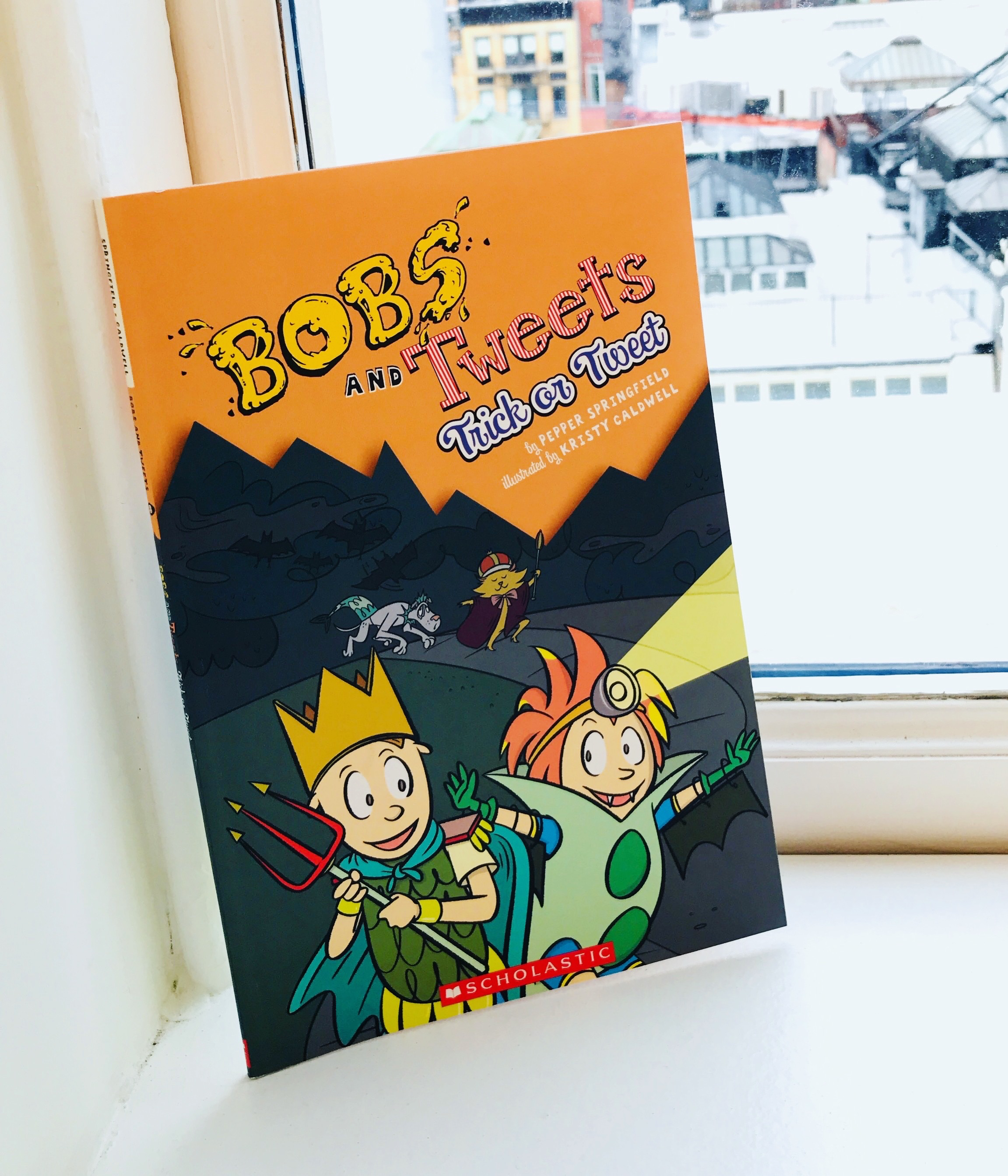
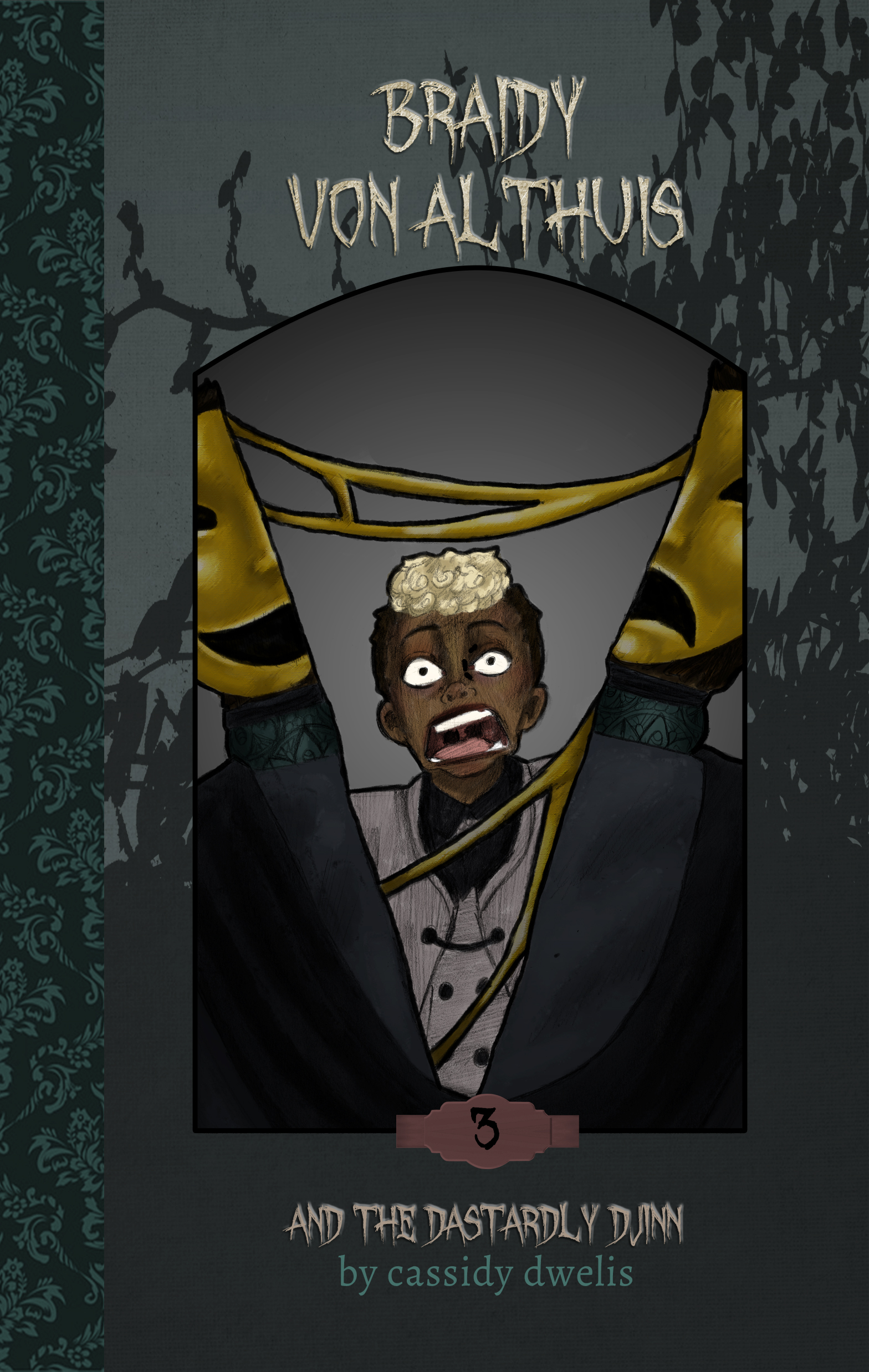
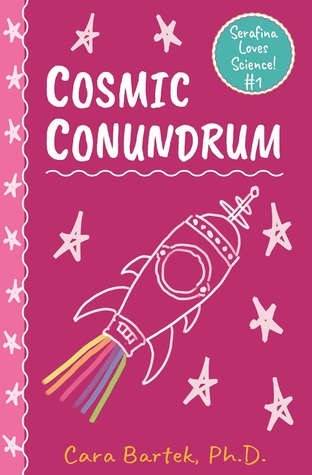
Student Voices: Top Ten Author Lists by Two of Kellee’s 2017-18 Middle School Students

Share

Our Top Ten Favorite Authors by Duda V. and Angelina D. (6th grade)

Rick Riordan
Rick Riordan is the author of many series like Percy Jackson and Heroes of Olympus. He is in the process of writing The Trials of Apollo series as well. His writing brings mythology to the modern world with hilarity. With twisting plots and schemes and a lot of hair-raising action, it leaves readers begging for more.

J.K. Rowling
J.K. Rowling is the author of the ever popular Harry Potter series which is most definitely well-known with theme parks, movies, games, and its own official website, her books are without a doubt well-loved and appreciated. Popularity however is not the reason we put her on our list. She has created a world intertwined with ours, full of magic we can only dream about. Not only have we watched the characters grow, but we have grown with them.

Caroline Carlson
Caroline Carlson is the author of the hilarious series The Very Nearly Honorable League of Pirates. It centers around a girl who wants to become a pirate but her parents don’t want her to. Caroline has created a fantasy world where piracy is normal yet still illegal. The series includes three books, each one demonstrating a sense of bravery and adventure as well as hilariousness that I’m sure will make you laugh your head off!

Chris Colfer
Chris Colfer is the author of the bestselling series The Land of Stories. It’s a fictional series about the adventure of two twins, Alex and Connor. Chris Colfer has written six books in the series, and they all take place in a world that Chris Colfer has created around fairy tales like Little Red Riding Hood and Sleeping Beauty. Chris Colfer books are amazing!

Ally Carter
Ally Carter is the author of several series including Embassy Row, Heist Society, and Gallagher Girls. Her books are thrilling and have a unique take on the classic good guy/bad guy scheme with the bad guys being more an antagonist than a villain. Even with all the adventurous moment, she still finds time to add sweet moments.

Lemony Snicket
Lemony Snicket is the author of the Series of Unfortunate Events, thirteen books with witty definitions and a plot that has readers on the edge of their seats. However, we did want to add that we don’t agree with his recent comments. We just think that his series is amazing.

Neal Shusterman
Neal Shusterman is an amazing author who has written many series including the Unwind Dystology and the Dark Fusion series. He also wrote Scythe which is about Citra and Rowan and the challenges they have to overcome. Neal Shusterman is a New York Time Bestselling author, winner of the National Book Award for Young People’s Literature, Golden Kite Award for Fiction, and more. Many of his books are fascinating because of his unique writing style.

Dan Gemeinhart
Dan Gemeinhart is the author of multiple books including Scar Island, Some Kind of Courage, and The Honest Truth. His writing is heartfelt and gripping. He uses a perfect mix of emotions and plot guaranteed to have readers anxious for the next page.

Gordon Korman
Gordon Korman is the author of multiple series including Masterminds, Swindle, Hypnotists, and so many more series and stand alone books. He is also part of the 39 Clues series. His work is action packed and full of gripping moments. His books are always real page-turners.

Arthur Conan Doyle
Arthur Conan Doyle is the author of The Adventures of Sherlock Holmes which is a collection of short stories. The stories are about the fictional detective Sherlock Holmes who goes to solve cases that are usually murder cases. The book was originally published in 1892 and has been turned into movies and TV shows.

Top Ten Amazing Authors You May Not Know But Should by Duda V. and Angelina D. (6th grade)

David Liss
David LIss is the author of Randoms, a 2017-18 Sunshine State Young Reader book. SSYRA books are chosen in Florida and recommended for kids and often show up in schools. Despite not being really well known, he should be. If you enjoy thriling sci-fi novels, his books are for you. And don’t worry, it is just the first of an epic series.

Sayantani Dasugupta
Sayantani Dasgupta is an Indian American author who has written The Demon Slayers, Bengali Folk Tales, and The Serpent’s Secret. She is a physician-scholar in addition to a writer. The Serpent’s Secret is about Kiranmala, a regular sixth grader until her twelfth birthday. Sayantani Dasgupta is an amazing author who can make you feel like you are in the book yourself.

Joseph Bruchac
Joseph Bruchac is the amazing author of Wolf Mark as well as so many others. With a twisting plot and well-written details, it is every bit as good as expected, as are his other books. There are no words to describe it!

Adam Rex
Adam Rex is the author of The True Meaning of Smekday, the book Home was based on. Despite this fact, many people do not know that. If you have ever watched a movie based on a book, you know that they never get the details right (but it is a bit fun to see the changes). Adam Rex’s writing is funny and well-thought out and planned.

Julia Keller
Julia Keller is an American novelist that has written many adult books and her newest is for young adults, The Dark Intercept which is the first book in a series. The Dark Intercept is a personal favorite; it is an amazing book about two worlds, Old and New Earth, and the mysteries about New Earth, the world that Violet Crowley’s father has created. Julia Keller has won awards including a Pulitzer Prize, and she is an amazing author that writes science fiction, adventure, crime, and many more.

Lynne Jonell
Lynne Jonell is the author of Emmy and the Incredible Shrinking Rat and other titles. Her writing is fun and mysterious and it increases with the plot. What starts as a seemingly realistic fiction book is soon easily classified as pure fantasy.

Firoozeh Dumas
Firoozeh Dumas is the author of It Ain’t So Awful, Falafal, which was a 2017-18 Sunshine State Young Reader Award book. Firoozeh Dumas has also written many other books including Funny in Farsi and Laughing without an AccentAin’t So Awful, Falafel is a funny book about Zomorod (aka Cindy) that just moved to Newport Beach. Firoozeh has been nominated for many awards including the Turber Prize for American Humor. Her books are hilarious because of her unique style of writing.

Soman Chainani
Soman Chainani is known for his series The School for Good and Evil. The story revolves around best friends, Agatha and Sophie, who face challenges and overcome them. The series consists of four books (right now), and I appreciate it for its sense of magic, friendship, and love. Soman has created a world full of fantasy with fairy tales including Cinderella and King Arthur. This series isn’t too well known but after you read the first one, you can’t stop reading because of the magic it brings.

Suzanne Nelson
Suzanne Nelson is an author that writes heart-taking, loveable, and amazing books. She has written many different books including Macaroons at Midnight and Cake Pop Crush. Both of these books feature delicious recipes in the end as well. Suzanne Nelson has been able to create books that can make you understand that love can be a beautiful thing because her books are mostly about love and sweetness. Suzanne Nelson is an author that is just as amazing as any author you already know and love.

J.J. Howard
J.J. Howard is an author that writes books that have challenges and love between two characters including her book Pug and Kisses which features an adorable pug. The books are amazing realistic fiction stories because it displays real life trouble, mostly love problems, which can be overcome with happy endings. J.J. Howard is an amazing author who writes books that will bring a smile to your face.

Thank you to my wonderful students, Duda and Angelina, for sharing your favorite authors!

Author Guest Post!: “The Uh…. Game” by Mark Morrison, Author of TwoSpells

Share

TwoSpells
Author: Mark Morrison
Published February 21st, 2018

About the Book: TwoSpells is a magical tale about a set of teenage twins, Sarah and Jon, who find out that they’re heirs to an ancient, magical realm containing an enchanted library that can transport a reader to anywhere or anytime the author has written into the story. They soon realize that moving through multidimensional worlds isn’t the safest or wisest of choices.

They’re immediately pulled into an inter-dimensional war erupting between goodness inherent within her kind and new evil forces flowing from parallel universes now looking to claim the library’s unique magical enchantment as their own portal to besieging and conquering their world and all realms outside their own.

Along the way, the twins meet astonishing and fascinating characters of a wide variety of species, both Regulars and Irregulars, who can do amazing things. Some are good and some are of unspeakably horrific creations bent on one thing: destroying the two strange intruders who have entered and disrupted their sacred two-dimensional domain.

Sarah and Jon have left behind their much simpler life as Regulars and embrace their new positions as successors to a very special kingdom designed for their kind only, the Irregulars.


Excerpt: Chapter 12

THE FRONT DOOR LAY FLATTENED, hinges bent and twisted and the sliding bolt-lock contorted. The door jam was broken and splintered.

“What is this?” Grandpa roared, waving his walking stick at the mountainous intruders. “Which one of ya’ is gonna pay for all this?”

The dust settled and the two ominous figures stood just outside the doorway, the bright moon blazing behind them. Tattooed across their pale blue foreheads were the numbers thirty-seven and thirty-eight. Each was stuffed into a suit two sizes too small and busting at the seams, barely able to contain their hulking, muscular bodies. Black, wraparound sunglasses hid their eyes from view and Sarah could tell that something strange lay behind them. One muttered into a small microphone curled toward his lips and the other stared straight ahead.

Grandpa rolled up behind them. “Collectors!”

“Collectors?” Sarah whispered to Jon. He shrugged.

“You know why here,” Thirty-seven grunted, flipping one side of his jacket open and exposing a peculiar gold badge attached to his belt. It was a cluster of mechanical gears embedded with astrological symbols and a mechanical winged dragon clinging to a peculiar orbs.

“We do not!” Grandma shouted, leaning on her walker.

“Overdue book,” the other one boomed, holding out a six fingered hand.

“I don’t know what you’re talkin’ about ya’ thug,” Grandma said, rolling her walker closer. “Who’s gonna fix me door?”

The Collectors muttered something in another language to one another.

“We haven’t even been ta’ the bloody library in years,” Grandpa argued. “Ya’ have that written in your records?”

Thirty-seven moved closer, his hand out again. “Special text overdue.”

Sarah and Jon eased backward a little. The tone of its voice sounded threatening.

About the Author: Mark was born number seven of eight children in a small town in Ohio. His family moved to Florida where he grew up, met an incredible women, got married and raised four fantastic children, three boys and a girl. Many years later an empty nest left him to his true calling, storytelling. His first remarkable story is about a heroin whose courage and unrestrained personality, like his daughters, breathes passion and fervor into this adrenaline packed fantastical story.

Author Guest Post: 

“The Uh… Game”

Hello Everyone,

I’m Mark Morrison. I’m originally from a teeny-tiny town in Ohio called Salem. My father used to say that it was the armpit of the country. Peeuuw! I have seven brothers and sisters, a slew of nieces and nephews and a couple dozen great nieces and nephews. I now live in Florida with my loving wife, four children and two beautiful grand-babes. It’s hot down here, but it’s just a sticky, obnoxiously wet heat. Hahaha.

My father used to say that I was an uneducated genius. I’m not exactly sure what he meant by that. I suppose he thought that because I spent most of my time in school more involved in sports and art classes than mathematics, history or science. I did, however, sneak in several elective credits as a librarian’s assistant. That was a whole lot of fun and I was able to read a ton of awesome books.

As a boy I grew up reading things like The Hardy Boys and Nancy Drew mysteries, and classics, like Huckleberry Finn and Charlotte’s Web. I topped those off with some outstanding comic books and MAD magazines. But as I got older my taste changed. I was really into Isaac Asimov, George Orwell and Edgar Allen Poe. And I watched a lot of television as well. Star Trek, Dark Shadows, The Twilight Zone, Dr. Who, Andy Griffith, Mary Tyler Moore, the Brady Bunch and Gilligan’s Island rounded out some dull afternoons when I didn’t have a book in hand.

As most folks with large families know, board games are an inexpensive way to entertain ourselves. We’d always get a batch of new board games at Christmas along with a new pair of socks and underwear. On one particular low budget Christmas, my father introduced us to a game he claimed he’d invented called, “Uh!”

Our family would gather in the living room and Dad would elect one of us to start the game. The starter would have to create a totally fictitious story out of thin air using heavy inflection and hand gestures to embolden the story. After a sentence or two they’d pause mid-sentence and let the next player take over from there. This continued around the room until someone hesitated or said “uh” while trying to think of an idea. That player was out and the game continued until only one person was left. The stories were extremely creative and often incredibly strange, because each player was attempting to make the next in line chuckle and fumble. It was an awesome game of improvisation and I credit my love of storytelling, and wild hand gesturing while I speak, to that silly game.

Picture this scenario: A teacher in a room full of school children chooses an order to play a really fun and improvisational game. The teacher determines the first to play, a child in the front row seat was chosen and starts a story with a simple partial idea like this, “Once upon a time there was a young giraffe by the name of George who woke up one morning and realized he had lost his spots and…”

The child next in order adds to it, “Cried because he felt naked and embarrassed that all the other giraffes still had their beautiful spots and he didn’t. He searched the plains where he lived for hours on end, even searched the nearby forest with no luck at all. His spots had seemed to have just disappeared in the night. He decided somebody must have…

The next in order has to add to that, “Stolen his spots while he slept. Being the tallest creature in the neighborhood so continued his search further from home. He scanned the new surroundings until he saw what he thought were his missing spots on a creature perched on a tree limb in the distance. The creature was called a…

The next in order continues, “Leopard. George was furious that someone would take his precious spots. He ran to the tiny leopard and cried out….uhhhhh…”

That child slipped up and paused, therefore they’re eliminated and the game continues on from there to the next player rounding the room over and over until every child is eliminated except one.

The stories can turn into some very bizarre abstract worlds full of nonsensical ideas but hilarious sometimes. My family would have a ball for hours and hours playing UH! And for free. It was a fantastic way to teach us how to think fast and improvise. I lend that game to my ability to pretty much create a story out of any idea thrown at me in an instant.

Thanks for listening!

And thank you, Mark, for sharing your story!

Author Guest Post!: “Tween to Teen–The Case of the Missing Category” by Elizabeth Foster, author of Esme’s Wish

Share

Esme’s Wish
Author: Elizabeth Foster
Published October 30th, 2017 by Odyssey Books

About the Book: When fifteen-year-old Esme Silver objects at her father’s wedding, her protest is dismissed as the action of a stubborn, selfish teenager. Everyone else has accepted the loss of Esme’s mother, Ariane – so why can’t she?

But Esme is suspicious. She is sure that others are covering up the real reason for her mother’s disappearance – that ‘lost at sea’ is code for something more terrible, something she has a right to know.

After Esme is accidentally swept into the enchanted world of Aeolia, the truth begins to unfold. With her newfound friends, Daniel and Lillian, Esme retraces her mother’s steps in the glittering canal city of Esperance, untangling the threads of Ariane’s double life. But the more Esme discovers about Ariane, the more she questions whether she really knew her at all.

Praise: 

“I loved Esme’s determination and I loved the unbreakable bond between mother and child. Esme’s Wish overflows with creativity, imagination and originality.” – Kait’s Bookshelf.

“A fresh new fantasy, of an enchanting world.” – Wendy Orr, author of Nim’s Island and Dragonfly Song

About the Author: Elizabeth Foster read avidly as a child, but only discovered the joys of writing some years ago when reading to her own children reminded her how much she missed getting lost in other worlds. Once she started writing, she never looked back. She’s at her happiest when immersed in stories, plotting new conflicts and adventures for her characters.  Elizabeth lives in Sydney, Australia, where she can often be found scribbling in cafés, indulging her love of both words and coffee. Find her on facebook @elizabethfosterauthor or on Instagram @elizabethfoster_ Find out more about Esme’s Wish, including teachers’ notes, on her website www.elizabethfoster.com.au.

Author Guest Post: 

“Tweens to teens – the case of the missing category”

There has never been a better time to be a bookworm. Reading is in, geek is chic, and publishers are pumping out YA blockbuster after YA blockbuster. However, some eager young readers have been left in the dust.

Over the past few months, librarians and teachers have lamented to me a lack of titles appropriate for 10 to 14-year-olds. YA is skewing older and older – over half of YA readers are adults, according to several polls – and middle grade (MG) novels are strictly aimed at readers 8-12. So what about those readers who slip between the cracks? A recent Publishing & Weekly article pointed out that the 10-14 category used to exist, but does no longer. I believe this is a huge disservice to the ‘tween’ set: those who want something meatier than a chapter book, but aren’t ready for the violence, sex, and edgy themes of older YA.

Unfortunately, it can be very difficult for authors to find a publisher for titles aimed at this age group, because such novels don’t fit so neatly on the ‘YA’ and ‘MG’ shelves in a bookstore. I recently went through this struggle myself when seeking publication for my debut novel, Esme’s Wish.

Esme’s Wish, a fantasy/mystery for 10 to 14-year-olds, is the first in a trilogy, and edges into darker material as the protagonist ages – so it didn’t feel right to market the series as MG. But it is quite different from the older YA fare. There is no romance, at least in the first book, and minimal violence.

Esme Silver, the novel’s protagonist, still has some catching-up to do developmentally, due to the loss of her mother at the age of eight. After years of being vilified by her community, she’s still learning about friendship, loyalty, and trust. She still loves and longs for her missing mother. YA protagonists have typically already navigated the pains of separating from their parents, but how does one accomplish such a monumental developmental task when that figure is missing from one’s life?

Ultimately, I am glad I stayed true to my intentions. Teen girls up to the age of 14 or 15 have read the novel and loved it, particularly enjoying the focus on friendship and family, as well as the world-building and mystery aspects. The story has had a positive response from preteens, too. In fact, I just received an email from a primary school librarian telling me that one of her book club readers included it in her top ten (just below Wonder!) To help things along, I have decided to market the Esme series as ‘MG-to-YA’, after seeing books similar to mine tagged this way on Goodreads. Hopefully this will catch on, and help better delineate this category for publishers, authors and readers.

I remember my own kids at the cusp of adolescence – excited about the challenges of adulthood but stepping ahead with trepidation, one step forward, one step back. At the grand age of eleven or twelve, they were already reminiscing about their ‘childhood’ with fondness and nostalgia. More fiction for this rather forgotten age group can help ease the passage we, as adults, have already been through ourselves – and survived!

Esme’s Wish was published by Odyssey Books in late 2017. Its sequel, Esme’s Gift, is due out in early 2019.

Thank you, Elizabeth, for your post and sharing Esme with us!


Author Guest Post with Teaching Tools!: “Lessons of Past Wars” by Barbara Diggs, Author of The Vietnam War

Share

The Vietnam War
Barbara Diggs
Published May 1st, 2018 by Nomad Press

Summary: More than 58,000 American troops and personnel died in the humid jungles and muddy rivers of Vietnam during the 20-year conflict. But why? What were they fighting for? And how could the world’s most powerful military be defeated by a small, poverty-stricken country?

In The Vietnam War, kids ages 12 to 15 explore the global conditions and history that gave rise to the Vietnam War, the reasons why the United States became increasingly embroiled in the conflict, and the varied causes of its shocking defeat. The Vietnam War also pays close attention to the development of a massive antiwar movement and counterculture that divided the country into “hawks” and “doves.” As middle schoolers learn about how the fear of the spread of communism spurred the United States to enter a war that was erupting on the other side of the world, they find themselves immersed in the mood and mindset of the Vietnam Era.

About the Author: Barbara Diggs is a non-fiction writer who has written a range of historical articles for children. Her work has been featured in Learning Through History MagazineHistory Magazine, and Renaissance, among others. A graduate of Stanford Law School, Barbara practiced law in New York for several years before becoming a professional writer. She and her family currently split their time between Paris, France, and Washington DC.

Author Guest Post: 

“Lessons of Past Wars”

For a kid, the Vietnam War might seem like it happened a long time ago. That was way back in the last century! But even if the war itself seems far off, understanding the lessons of the Vietnam war–and events of the era–is key to understanding current events.

In the 1950s, the communist country of North Vietnam was trying to bring South Vietnam under unified rule. The United States stepped in to support South Vietnam. The American government was worried that if communism was allowed to spread unchecked, it could eventually reach its own shores and threaten America’s free, democratic way of life. The United States was also concerned that the Soviet Union, a communist country and the United States’s ideological enemy, supported North Vietnam.

The war lasted for nearly 20 years and more than 58,000 American soldiers died. As the war dragged on, American youth formed a massive antiwar protest movement that defined a generation, created a deep rift in the nation, and profoundly impacted both the course of the war and American culture. To complicate matters further, political and military leaders proved themselves to be less than truthful about several crucial aspects of the conflict, leading to a widespread erosion of the public’s trust in the government.

Though long ago, this history is still relevant today. In my book, readers will recognize echoes of the Vietnam War era in the political protests, marches and movements of today, and will explore the different ways in which the youth of that generation made their voices heard. They’ll also learn to identify propaganda, analyze the role the media plays in influencing public opinion, and consider the balance between national security and the public’s right to information…all still hugely relevant topics today.

Not least of all, kids will look at the realities of war and recognize our shared humanity.

This war was the most bitter of conflicts. The loss of life and suffering that occurred on all sides was terrible. And yet today, the United States and Vietnam have a friendly relationship, despite Vietnam having a communist government. This perspective is something that’s especially important to learn and remember in these polarizing times: today’s enemy might be tomorrow’s friend.

Teachers’ Tools for Navigation: 

War still rages around the world, and the lessons we return to again and again only get more and more important. Here are a few activities featuring the Vietnam War that can serve as a jumping-off point for developing the critical-thinking skills kids will need as future leaders!

DEAR HOME

The Vietnam War was a terrifying, life-changing experience for the soldiers who fought there. The estimated average age of a soldier was 22 years old, and 61 percent of those who died were under 21. Many soldiers in Vietnam wrote to their families as often as possible and loved receiving letters in return. Being able to write home and receive letters helped them stay connected to the outside world and document their experiences.

Read some letters and excerpts of letters written by soldiers in Vietnam.

Paul O’Connell

Steve Flaherty

Charles Miller

After you read or listen to them, consider the following questions.

  • What were the reasons some of these men went to Vietnam?
  • What are some of the different tones and emotions expressed in the letters?
  • What surprises you about the letters?
  • How did the letter writers’ experiences differ? How were they similar?

Imagine that you are a combat soldier in Vietnam. Write a letter or email home discussing your experiences. What would you want to talk about? What would you want to know about back home?

To investigate more, imagine that you are a South Vietnamese peasant during the war who was evacuated because of the Vietcong threat. Write a letter to a relative outside of Vietnam describing what wartime life is like. How do you feel about the Vietcong? How might you feel about the United States? What are your fears?

MUSIC OF THE VIETNAM ERA

As the Vietnam War escalated, folksingers began expressing their condemnation of the war through music. These songs expressed the emotions and frustrations that many were feeling, and promoted a sense of unity in a highly divisive time. Singers such as Bob Dylan (1941– ), Phil Ochs (1940–1976), Joan Baez (1941– ), Arlo Guthrie (1947– ), and Barry McGuire (1935– ) were among the leading artists of the era. They became legends for their Vietnam era music and lyrics.

Search for Vietnam protest songs and listen to examples of anti-war music from this time.

  • Consider the following questions.
  • What are some of the different messages the songs tried to convey?
  • What different emotions did each song appeal to?
  • In what ways might these songs have influenced youth behavior?
  • Can you name any modern songs that relate to today’s political or social issues? What topics do they cover?

Write your own song or poem that expresses feelings and opinions about a current political or social concern.

  • What point of view will you write from?
  • What images will you use to get your point across?
  • How will you use rhythm to convey meaning or emotion?

To investigate more, imagine that you live during the Vietnam era and want to show your support for the war. Create a slogan to put on a placard or banner. Who would be your intended audience? What message would you want to deliver? If you were against the war, what would you come up with?

BLOWING THE WHISTLE

Daniel Ellsberg, the man who leaked the top-secret Pentagon Papers to newspapers, was the first major whistle-blower of the modern era. A whistle-blower is defined as a person who informs on a person or organization believed to be engaging in immoral, unethical, or illegal behavior. Whistle-blowers are usually protected by federal law, so they can report unethical actions without fear of getting into trouble. But such laws generally don’t protect those who reveal classified government information. Ellsberg did so knowing he could be jailed for life. Some Americans regarded him as a hero, while others viewed him as a traitor.

Learn more about Ellsberg’s motivations by reading the transcript of his interview with Walter Cronkite, which was held shortly after the release of the Pentagon Papers.

  • In what ways can whistle-blowing be beneficial to society?
  • In what ways can whistle-blowing be detrimental to society?
  • Do you think Ellsberg was a hero or a traitor? Explain.
  • Are there any circumstances where you might view a whistle-blower as the opposite of the
  • answer you provided above? Describe.

You can learn more about recent government whistle-blowers by researching Edward Snowden and Chelsea Manning. Create a two-column, seven-row chart that compares and contrasts one whistle-blower with Daniel Ellsberg. Use the following questions as a guide.

  • How were the circumstances of each whistle-blower similar?
  • What were key differences in their situations?
  • What motivated each of them?
  • How did each of them reveal classified information?
  • What consequences did they suffer?
  • How were they perceived by the public?
  • Do you view one of them more favorably than the other? Why?

To investigate more, imagine that you have learned of an immoral, unethical, or illegal act that a person in authority, such as a teacher or club leader, is committing. Map out three different ways you could respond to the situation. Consider whom you might tell, evidence you might need, the potential consequences you might face, and the possible consequences of doing nothing. Of the three, which response would you be most likely to take?

Find more resources in the free classroom teaching guide!

Thank you so much, Barbara and Nomad Press!

Author Guest Post with Teaching Tools!: “How can we tell we’re living in a global village?” by Carla Mooney, Author of Globalization: Why We Care About Faraway Events

Share

Globalization: Why We Care About Faraway Events
Carla Mooney
Published May 1st, 2018 by Nomad Press

Summary: Have you noticed that our planet is becoming increasingly connected?

In Globalization: Why We Care About Faraway Events, kids ages 12 to 15 focus on the definition of globalization and discover how technology drives globalization, which affects economies, political systems, human rights, and cultures around the world. The book also explores the future of globalization and discusses issues the global community might face in coming years.

  • Readers hear news stories about globalization on a daily basis.
  • Investigating previous events in the world’s history can help students understand the causes and effects of current events.
  • Uses links to online primary sources to imbue readers with a curiosity about the topic and engage in further, independent inquiry.

About the Author: Carla Mooney has written more than 70 books for children and young adults. Her work has appeared in many magazines including HighlightsFaces, and Learning Through History. Carla lives in Pittsburgh, Pennsylvania.

Author Guest Post: 

“How can we tell we’re living in a global village?”

Where was your phone manufactured? How many different countries did you send digital waves to when you checked your social media feeds this afternoon? What nations did you read about in the paper over your morning cup of coffee?

It’s pretty easy to recognize that globalization is a driving force in our daily lives. Everything we do has consequences, both our actions as individuals and our actions as nations. It can be a little tougher to get kids to recognize what this means!

For example, consider the withdrawal of the United States from the Iran nuclear deal, which kids have probably heard about on the news. What kind of repercussions might this have in the life of an eighth grader? Well, as sanctions are potentially put back in place, global relationships will change, which means the way we trade will change, which might make things such airplane tickets more expensive for the average consumer. A 13-year-old will certainly notice if their family has to skip a summer vacation because the cost of flying is prohibitively expensive. They’ll also notice if digital devices go down in price, because their parents might be more inclined to purchase the most recent version of their phone!

Globalization is a complex topic that can help kids recognize the interconnected workings of our world. While your students’ lives might not be super changed as a result of things like the Iran nuclear deal or the trade negotiations with China, at some level, these issues affect all of us, and exploring these connections can be a lesson rich in discovery.

This is what was in my mind as I wrote Globalization: Why We Care About Faraway Events. As you might imagine, research for this book was a deep dive into the innumerable ways countries are connected, from trade policies to political partnerships to environmental agreements. It’s a very tangled web! But the more kids know about these connections, the better equipped they’ll be to make the kinds of decisions they’ll be faced with as tomorrow’s leaders.

Teachers’ Tools for Navigation: 

To get them started, here are three activities from the book.

SHOW THE CONNECTIONS

Globalization is the great connector, bringing together people, ideas, and more from all around the world. You can learn about these connections simply by studying something from your everyday life.

Pick three items that you use on a daily basis. They could be music you listen to, a T-shirt you wear, the bed you sleep in, the toothpaste you use, or the apple you eat.

For each item, think about the following.

  • Is your item affected by globalization?
  • Where is it made or grown?
  • Where is it shipped to?
  • How is it transported?
  • What laws affect it?
  • Who benefits from it and why?
  • Who suffers from it and why?

Create a map on poster board or in PowerPoint to illustrate the global connections you have found for each object. Present the map and findings to your class.

How are the journey and connections for each item similar? How are they different?

To investigate more, pick a country to research. Write an essay on how globalization has impacted the country, both positively and negatively.

WINNERS OR LOSERS?

Global trade has many benefits. It lowers the price of goods, increases wages, and fuels economic growth. Yet the global economy has both winners and losers.

To further understand this issue, you can explore the following articles or research some additional information on your own.

“More Wealth, More Jobs, but Not for Everyone: What Fuels the Backlash on Trade”

“The Toughest Questions About Global Trade”

Based on what you learn, consider the effects of global trade on individuals, companies, and governments. For example, think about the effect of global trade on a multinational toy corporation, an American factory worker, a Chinese factory worker, an Indian software engineer, an American chief executive officer, a local toy retailer, the United States government, and the Chinese government.

Who are the winners and losers? Create a chart that shows the effects of global trade on the different groups.

Do you think that increasing global trade will have a positive, negative, or neutral effect on the world overall? What about for the United States? Do you believe that the United States should enter into more free-trade agreements? Or do you believe that trade protectionism is a better strategy? Explain your position.

To investigate more, consider that as globalization changes the economy, local workers and businesses can be hurt by disappearing sales and jobs. What policies can the government put in place to support workers and businesses hurt by globalization?

VANISHING CULTURES

Many indigenous cultures are facing a battle between traditional ways of life and globalization. As older generations die out, many of the culture’s traditions are dying with them.

Use the internet and other sources to research a specific indigenous culture. You might choose the Maasai of Africa, the Wanniyala-Aetto of Sri Lanka, the Yanomami of South America, or another group of your choosing. Once you have chosen a group to investigate, consider the following.

  • Where does the group traditionally live? What are the climate and environment like?
  • What is their traditional lifestyle? How do they eat and gather food?
  • What tools do they use to get and prepare food?
  • What ceremonies, celebrations, or festivals do they observe?
  • What role does the extended family play?
  • What types of jobs do people typically hold? How do they get around?
  • How are traditions passed from one generation to the next?

Next, research how globalization has impacted these indigenous people and their culture. What changes have occurred in their environment, society, and political systems? What has caused these changes? How have these changes affected the group’s culture, beliefs, and traditions? Prepare a presentation to share what you have learned with your class.

To investigate more, imagine that you were going to live with this group for a week. What items from your culture would you bring with you? Why are these items important to you? How would they help you to live with this indigenous group? What would people from this group think about the items you have brought? Write a diary entry to describe your visit.

Find more resources in the free classroom teaching guide!

Thank you so much, Carla and Nomad Press!

Teaching Rescued by Eliot Schrefer in a Middle School Reading Classroom

Share

Rescued
Ape Quartet #3
Author: Eliot Schrefer
Published April 26th, 2016 by Scholastic Press

Summary: They grew up together. Now they have to escape together.

Raja has been raised in captivity. Not behind the bars of a zoo, but within the confines of an American home. He was stolen when he was young to be someone’s pet. Now he’s grown up and is about to be sent away again, to a place from which there will be no return.

John grew up with Raja. The orangutan was his friend, his brother. But when John’s parents split up and he moved across the country, he left Raja behind. Now Raja is in danger.

There’s one last chance to save Raja—a chance that will force John to confront his fractured family and the captivity he’s imposed on himself all of these years.

About the Author: Eliot Schrefer is a New York Times-bestselling author, and has twice been a finalist for the National Book Award. In naming him an Editor’s Choice, the New York Times has called his work “dazzling… big-hearted.” He is also the author of two novels for adults and four other novels for children and young adults. His books have been named to the NPR “best of the year” list, the ALA best fiction list for young adults, and the Chicago Public Library’s “Best of the Best.” His work has also been selected to the Amelia Bloomer List, recognizing best feminist books for young readers, and he has been a finalist for the Walden Award and won the Green Earth Book Award and Sigurd Olson Nature Writing Award. He lives in New York City, where he reviews books for USAToday.

ReviewI think out of the three Ape Quartet books published so far, this is the one that is going to hit closest to home for many. It will make many readers uncomfortable and want to make a change. First, it takes place in the United States unlike Africa like the first two. Second, it really digs into an issue that is still very much prominent here–animal injustice.

I find Schrefer’s writing to be so beautiful yet so easy to read. He can pull you into his stories and makes you feel for not only his human characters but also his animal characters. He does such a tremendous amount of research for all of his books and with this one it brings the injustice of Raja alive.

I am a sucker for ape books. I find apes to be the most fascinating animals, and orangutans may be my favorite because they have these amazing eyes that just show me that they are so intelligent and deep thinkers. They are also introverts; I think I just relate to them in that way. This book brings orangutans to life through Raja.

As evident from Schrefer’s status as a two-time National Book Award finalist, his books can be used as a mentor text for just about any aspect of writing that you are looking for: characterization, imagery, voice, conflict, etc. Read any of his books, and you can pull out so much to discuss and use within the classroom. Additionally, there are some amazing ape books, including Schrefer’s other Ape Quartet books, that would make for an amazing lit circle opportunity or text set.

Review originally posted here on May 13, 2016.

Teachers’ Tools for Navigation: Last year, our whole-class novel unit was done using Hurt Go Happy and included a trip to Center for Great Apes. This year, I had a completely different type of novel planned, but my students begged to read more about apes (and visit CFGA again). After looking at all of the available ape books, I decided that Rescued was perfect for the standards I wanted to teach and also included orangutans instead of chimps, and orangutans are the other great ape at CFGA. After setting up a Donors Choose and getting funded (THANK YOU ALL DONORS!), Eliot Schrefer also so kindly contacted me and offered to send even more copies of Rescued to my students–wow! So much kindness! Now that we had a plethora of copies, I wanted to share the love, so I contacted my South Carolina middle school teacher friend, Jennie Smith, to see if she wanted to read Rescued with us and collaborate some how. I was so happy that she said yes!

The Unit

Because I do love whole-class novels, but I also don’t like how a whole-class novel can also ruin a book with too much time spent on one book with way too many assignments during the unit. To try to fight this, I planned the unit quite simply:

  • Each week the students were given a focus question on Monday that they could think about all week then answer on Friday.
    • These focus questions are how we collaborated with Mrs. Smith’s class as well. My 1st and 2nd period posted their answers on Padlet and Mrs. Smith’s students would also post. The kids would then respond to each other.
    • Focus questions:
      • 1. What’s a big idea that’s emerging that’s worth talking about?
      • 2. Is there a passage that struck you as important in developing a character or a conflict in the reading so far? Share the passage and explain.
      • 3. What incident up to this point has had the most impact on the plot? How so? What did the characters’ response to this incident teach you about them?
      • 4. There are many who argue that Great Apes are human-like, including the lawyer who will take apes as plaintiffs to demand rights. What are some examples in this section of Raja showing how close to humans he truly is?
      • 5. How did the characters (specifically John’s mom, John’s dad, John, and Raja) change throughout the book? What other narrative elements helped shape their final persona? Find a piece of dialogue and a specific incident in the book that is evidence for your analysis of the character.
    • The idea of focus questions was something I got from a talk by Kelly Gallagher and Penny Kittle at NCTE 2017.
  • Because of one of the standards the unit was focusing on, we also looked at narrative elements, specifically dialogue, setting, and conflicts. Here is my scale for the unit:
  • Throughout the unit, I would also stop to have students think about certain text-dependent questions. I tried not to do this too often to not slow down the narrative; however, I loved seeing my students’ thinking. We would then discuss these questions, but I like allowing my students to write answers first before discussing because it allows them to get their thinking organized. (I shared some of these text-dependent questions and an example of a student’s answers below.)

The Field Trip

Once again I was lucky enough to bring my students to the CFGAs. All students were able to attend this year, and they were so kind to donate to the Center goodies for the Apes–it always fills my heart to see the empathy in their hearts!

I have gone to the Center for Great Apes for years, and sadly this is the first year it rained. Luckily, we were able to get in a 90-minute tour to see the amazing animals who inspired Schrefer’s novel. To see more about the Center, the apes they’ve saved, and the amazing work they do, please visit http://www.centerforgreatapes.org/.

Author Virtual Visit

After reading Rescued, I was so happy to be able to give my (and Jennie’s) students an opportunity to interview Eliot Schrefer about the book. Each student wrote down at least one question they had for Eliot then in groups, the students chose their favorites, then based on these choices, we broke it down to 5 per class equaling fifteen interview questions altogether:

  • Why did you start writing about apes in the first place? And how did you decide on the order of publication for the Ape Quartet? 
  • Do you like writing realistic fiction like Rescued or fantasy like Mez’s Magic better?
  • Will you continue to write about apes now that you are done with the Ape Quartet? 
  • While the titles of your other books, Endangered, Threatened, and Captured, inspire a feeling of fear, the title Rescued inspires hope. Did this change in connotation of your title mark your different opinion about orangutans?
  • Were you ever stuck in between two decisions while writing the book? When? 
  • Who do you think the antagonist of the book is?
  • How did you come up with the whole “Raja bites off John’s finger” scenario? 
  • How did you come up with the concept of Friendlyland? 
  • How did you come up with the character traits for each character (Ex. Gary being a bad father)? Did you base them off people you know or knew? 
  • Can you tell us more about the corruption happening in Indonesia which allows palm oil companies to be able to keep burning down forests even though it is illegal? 
  • Do you feel that apes should be treated like human beings and given the same rights such as due process, land, etc. like the lawyer in the book? 
  • Was it hard for you to decide what would happen to Raja at the end of the book or did you know that you wanted Raja to be released into the wild instead of being kept at the sanctuary?
  • Do you have a favorite sanctuary or zoo you’ve visited? Have you visited the CFGA?
  • You used the word “merantau” which means “hitting a dead end and leaving one life to live another elsewhere” which pretty much sums up the theme of the book. Where did you come across this word? 
  • What writing tips can you give to students who want to be a writer?

We then did a Google Hangout with Mrs. Smith’s class and Eliot Schrefer on May 25th after school:

Some of my favorite answers/quotes from the visit were:

  • Realistic fiction allows for a shifting antagonist.
  • Wanted to help people realize that orangutans aren’t stuffed animals come to life.
  • I don’t have characters first. I have stories first then make the best characters for that story.
  • Apes should not be kept against their will.
  • I used the idea of merantau to develop the plot.
  • Advice: For any artistic pursuit, I encourage you to think of the long range range view. It is risky to put all expectations of self in one basket. Focus on the joy you feel when doing the art. Remember what brings you joy! And do research, take advice, and read.

Discussion Questions: These were the first five of the text-dependent questions I asked during our reading of Rescued as well as an example of a student response (color coded for RATE. R=restate, A=answer, T=text evidence, E=elaborate/explain).

  • What can you infer about John and Raja’s relationship based on the first section?
  • Why does John feel like he needs to go see Raja before he leaves?
  • In the Q&A, the author says he “realized that a captive ape’s situation was similar to the plight of a kid during a divorce, getting swept along by the needs of powerful parents, at risk for being seen for what he represents instead of as a child with his own needs” (p. 251). How are John’s and Raja’s situations similar after the divorce? How are they different?
  • Do you agree with the choice John and his dad are making? Why or why not?
  • Why do you believe the author is beginning each part with a memory of Raja’s?
  • How did the author foreshadow this scene (on pg. 99) earlier in the book?

Flagged Passages: “My telltale heart, the one I’d left behind.” (p. 38)

Read This If You Love: Eliot Schrefer novels: Endangered and ThreatenedHurt Go Happy by Ginny RorbyHalf Brother by Kenneth Oppel, The One and Only Ivan by Katherine Applegate, Ivan: The Remarkable True Story of the Shopping Mall Gorilla by Katherine ApplegatePrimates by Jim Ottaviani

Recommended For: 

classroomlibrarybuttonsmall  

Signature

Author Guest Post with Teaching Tools!: “Talking to Kids about World War II” by Diane C. Taylor, Author of World War II: From the Rise of the Nazi Party to the Dropping of the Atomic Bomb

Share

World War II: From the Rise of the Nazi Party to the Dropping of the Atomic Bomb
Diane C. Taylor
Published May 1st, 2018 by Nomad Press

Summary: Why did the world find itself immersed in another global conflict only two decades after World War I?

World War II: From the Rise of the Nazi Party to the Dropping of the Atomic Bomb introduces kids ages 12 to 15 to the political, military, and cultural forces that shook the globe from 1939 to 1945 and beyond. Middle school students examine the events leading up to, during, and after WWII and the repercussions of these events on populations around the world, from Germany’s invasion of Poland to the resulting domino fall of events that engaged several countries and caused the deaths of 60 million people, including 40 million civilians. They also see how the dark side of Hitler’s ideology was always present, eventually resulting in the Holocaust, the systematic murder of 11 million people, including 6 million Jews and other populations.

About the Author: Diane C. Taylor is a freelance writer whose published works include both fiction and nonfiction. She has written educational material for a nonprofit arts program in Dallas, Texas, and has been an English instructor for students in middle school, high school, and college. Diane lives in Bowling Green, Kentucky.

Author Guest Post: 

“Talking to Kids About World War II”

No event of the twentieth century was as big or as bad as World War II. For six years, from 1939 to 1945, a conflict that started when Germany invaded Poland quickly encompassed all four corners of the globe. No one—neither countries nor individuals—sat out this conflict. The political and economic reverberations of the war were simply too widespread to be ignored.

Like it or not, there was no such thing as being a disinterested party to World War II.

I think the same can be said as it pertains to teaching this subject to children. World War II fundamentally changed the world, and it’s not done affecting us even today. Conflict between Israel and Palestine. Tensions within the European Union. The role of the United Nations. The challenge of caring for displaced persons. The nuclear arms race. Just listen to the news and you’ll hear about scores of international issues that trace their origins back to the Second World War.

If all the world is a stage, then World War II is the de facto backdrop of the ongoing drama. This is why teaching about World War II and the Holocaust is a crucial part of raising future generations who can solve problems that were created before these kids were even born.

But how do you explain something as monstrous—and as monstrously complex—as World War II to a 12-year-old child?

That was the foremost question on my mind the entire time I was writing World War II: From the Rise of Hitler to the Dropping of the Atomic Bomb. To my immense relief, I discovered that World War II can be dismantled and reassembled into a coherent narrative that a young reader can understand. If you take one piece of the story at a time, and strip it down to its barest essentials, you can put it all back together in a way that makes sense of the mass insanity that was the Second World War.

By working to ensure our kids know the history and consequences of the greatest conflict in human history, we can do our best to avoid future wars on the same scale.

Teachers’ Tools for Navigation: 

Hands-on activities are another great way to make the experiences of World War II feel relevant and important to teenagers. Try one of these!

Prevent Starvation

Throughout World War II, starvation was a constant concern. Food was scarce everywhere. As a result, people frequently planted vegetable gardens in any available outdoor space.

Form a group with friends or classmates and take a walk around your neighborhood. Your goal is to figure out where you can grow food.

  • How much land is available? Do homes have front or back yards? Are there parks or medians that you can use?
  • Is the available terrain easy to garden? Is it hilly or flat? Heavily or sparsely wooded? Do you have access to water?
  • Does the soil lend itself to gardening? How can you tell?

Draw up a map of where you will plant your gardens and indicate what you will grow. Can you calculate how much food you will produce or how many people will you be able to feed?

To investigate more, find out as much as you can about where you food comes from right now. Is much of it grown locally, or is it transported from far away? If the food distribution system in your area were disrupted, what products would stop showing up in the grocery store?

The President Speaks

On December 8, 1941, Americans tuned their radios to hear President Roosevelt declare war against Japan. You can listen to that address at this website.

Or try searching these words together: Roosevelt, congress, war.

In an era before television, this is most likely how you would have experienced this historic event.

Discuss your reaction to FDR’s speech among your classmates or friends, or write a journal entry.

  • What is the atmosphere surrounding this speech?
  • Did you learn anything new by listening to this broadcast?
  • What is your impression of President Roosevelt?

Would you have chosen to take the United States to war, or would you have followed the lead of Rep. Jeanette Rankin, who voted against the war? Compose and deliver a brief speech of your own, outlining your reasons for either going to war or staying out of the fight. Assume your audience is made up of friends or classmates.

To investigate more, click here to listen or watch speeches that other presidents of the United States have given. Contrast and compare one of those speeches to the one you listened to from President Roosevelt. How do they differ in style, language, and substance? How are they similar?

Find more resources in the free classroom teaching guide!

Thank you so much, Diane and Nomad Press!