Author Guest Post: “Inspiring Students to Write about their own Complex Identities” by Marcella Pixley, Author of Neshama

Share

Inspiring Students to Write about their own Complex Identities

In my eighth-grade classroom, I have stopped referring to the idea of “identity” in the singular and whenever possible, I have begun to speak of our “identities” in the plural to help students think about themselves as being made up of many different interconnected facets, like the tiny, sparkling edges of a diamond that gleam when you turn them to the light. In our novels in verse project, I use Neshama, my forthcoming novel in verse, as a mentor text to help students explore their own complex identities and create their own powerful poetry about what it means to be human.

I begin by giving students a list of identity markers and asking them to reflect upon which aspects of these identities are most important to them and to the people they love. We take notes in the margins and write in our journals and talk in pairs, and share around the circle and finally, when we are ready, we create a fictional character based on the identity markers that feel the most important to explore. The character they create for their own novels in verse becomes a safe way to explore some aspect of themselves that feels important.

Ability
Accent
Appearance
Beliefs
Body Image
Confidence
Creativity
Culture
Family
Friendship
Food Security
Gender
Health
Hopes
Immigration
Insecurities
Interests
Language
Memories
Mental Health
Nationality
Neighborhood
Neurodiversity
Parents
Passion
Personality
Phobias
Politics
Popularity
Race
Religion
Sexuality
Social Class
Social Style
Strength
Struggles
Trauma
Vocabulary

The next step is for students to interview their characters, allowing the writer to talk to themselves before writing. In this exercise, they learn more about who their characters are and what they need most. I use a series of questions based on Uta Hagen’s method-acting technique. These questions are designed to help actors create three-dimensional human beings on the stage, and they are perfect for writers because they allow us to begin our stories with a deep, complex, and realistic character that already reflects some aspect of the writer’s own identity. At the end of their interview, the writer is ready to bring their character to the page.

What aspects of your character’s identity are most important?
Which aspects do they struggle with?
In what ways do your different identities intersect?
What do they need to learn about themselves in order to be happy and whole?
What does your character want and what will they do to achieve their dreams?
What is getting in your character’s way?
What stops them from getting what they want?
What are your character’s weaknesses or flaws?
In what ways are they fearful or inhibited?
How do these aspects of your character’s personality get in their way?
What are your character’s strengths?
In what ways are they brave and resilient?
How will these aspects of your character’s psychology develop through the story

After the interview, the student is ready to create the first poem in their own project. In this first scene, their character will struggle with some aspect of their identity that sets them apart. I show them a poem from Neshama as an exemplar that demonstrates a scene where Anna’s identity is called into question. I tell the students that this scene does not have to take place in the very beginning of their novel. It just has to be a moment when the character is struggling with their identity and this struggle provides a catalyst for the story to deepen. Now we have a character who has a problem and the story must bring the character deeper into the conflict before they are able to heal.

Once you have created your character, and you have chosen an aspect of human identity for them to grappling with, it is time to begin writing. Please write a short scene where your character realizes that they are different from other kids in some way. Pick any one prompt from the menu below or combine prompts as an inspiration for this first scene.

  • Your character is being teased because of some aspect of their identity that makes them special.
  • Your character looks in the mirror and all they can see is what sets them apart.
  • Your character tries to hide some aspect of who they are in order to fit in.
  • Your character recalls a moment in preschool or kindergarten when they first realized they were not like the other kids.
  • Your character gets in trouble at home or at school because of who they are.
  • Your character looks out the window and describes the landscape, but everything they see is clouded by how they feel and what they have been going through.
  • Your character writes in a journal or composes letter to a grandparent or an imaginary friend telling them what they have been going through.
  • Your character looks at a photograph and recalls a time in their life where they felt different.
  • Your character looks at an object that is somehow a symbol for who they are.

 Example from Neshama: 

Parade
I spend the morning
sitting on a bench
in front
of Principal Moroni’s
office.
The kids march by,
snickering.
One boy calls me creepy
Another pretends
to be a ghost
He moans
and wiggles his fingers.

The popular girls
walk arm in arm
on their way
to the bathroom
They flip their hair
and laugh.
When Eden sees me
she stops to stare,
takes a deep breath
through her tiny nose
and makes a face
like she smells
something rotten.

Come along girls,
she says,
there’s nothing here
but trash.

We repeat this process several more times, so that students can have the experience of rising action. The character must move deeper and deeper into their struggle in order to face the world that does not respect them. I read them more poems from Neshama and ask them to push their own character to the breaking point, creating poems where the character’s identities are questioned, attacked, violated, disrespected or invalidated by the other characters in their story. In each of these poems, I use Neshama as a mentor text so that we have a common anchor for discussion. We talk about the pain that comes from writing these poems and discuss how the purpose of this painful process is to lead their character (and ultimately ourselves) to a more enlightened place where we can celebrate the very parts of ourselves that seem most different from others.

Parent Conference
As I mentioned earlier,
I am concerned about Anna,
says Ms. Garland,
sliding my journal
across the desk.
She doesn’t seem
to have any friends,
she pinched a classmate
and said a ghost did it.
She is frightening people,
Pretending to play
with children who died.
It is very disturbing.
We would like Anna to learn
to talk about topics
that don’t scare other kids.

Mom takes the journal
and hands it to me
Anna has always had
a vivid imagination,
she says in a voice
that sounds like an apology.
Her grandmother
is very special to her.
she gave Anna
this journal as a gift.
Dad scoffs,
swipes the beautiful journal
from my arms
the leather binding
tooled with vines and flowers
a garden of invisible ghosts
blossoming inside.

In the final poem, I ask my students to finally bring their character to a place where they can heal from their trauma. The purpose of this last poem is to demonstrate to ourselves and our readers that there is the possibility of redemption and it is possible to live in a world where all the parts of who we are can be celebrated, respected, and protected. This final poem is a triumphant expression of the very aspects of identity we called into question in the beginning of this project. In the end of the story, the character has learned that the parts of themselves that feel the most different are also the most beautiful. These aspects of create the most important stories. These are the stories that will help writers feel empowered to express themselves and for readers to know, maybe for the first time, that they are not alone. In this way, the writing process can be an act of defiance and celebration. As writers, we can create stories of redemption and beauty that heal this broken world that so badly needs more examples of bravery and humanity.

Morning Song
The sky opens its curtains
little by little.
We hold Bubbie’s arms,
me on one side,
Daddy on the other
Mom and Evie trailing behind
and we walk with her
easy now, slow and steady,
up the hill to the house,
where Mom, sighing
puts a kettle on the stove,
and drapes a faded quilt
around Bubbie’s shoulders.

Evie climbs into Bubbie’s lap
and closes her eyes.
Outside the window, the sky
unfurls from ink to silver,
each pine tree more defined
as the morning spreads
its pink brush
across the shivering page.
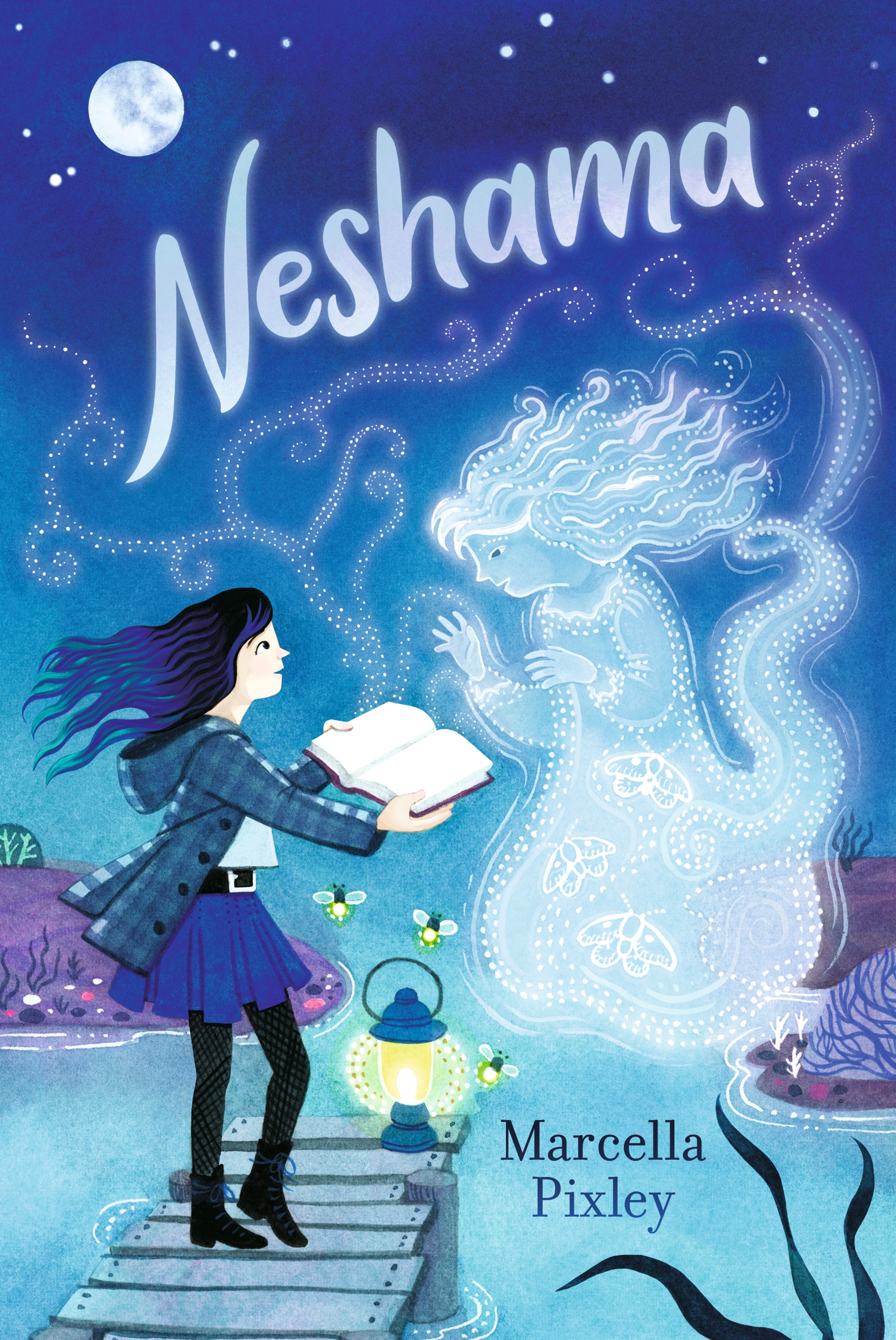
Published May 13, 2025 by Candlewick

About the Book: Neshama is a haunting story about eleven-year-old Anna Fleischman who has the ability to communicate with the spirits of her ancestors. The problem is, no one believes her. Kids at school tease her and the adults are worried about her strange behavior. Everyone, that is, except Bubbe, who has always treasured Anna’s shayna neshama, her beautiful soul. But when Anna visits Bubbe in her house by the sea, and a restless ghost steps out of the shadows to ask for help, Anna will have to learn how to take matters into her own hands before it is too late. This is a story about family secrets, forgiveness, and the courage it takes to embrace your own complex identity. 

About the Author: Marcella Pixley is the award winning author of  four acclaimed young adult novels: FreakWithout TessReady To Fall, and Trowbridge Road, which was a Junior Library Guild Selection. Trowbridge Road was also long listed for the National Book Award and was a finalist in the Massachusetts Book Award and the Golden Dome Award. It was named a best book of 2020 by Shelf Awareness, Reading Group Choices and Mighty Girls. Neshama, Marcella’s upcoming ghost story in verse comes out from Candlewick Press on May 13th. It was recently named a Junior Library Guild Selection for 2025.

Thank you, Marcella, for sharing this writing exercise!

It’s Monday! What Are You Reading? #IMWAYR 5/11/25

Share

It’s Monday! What Are You Reading?
For readers of all ages

It’s Monday! What Are You Reading? is a weekly blog hop we host which focuses on sharing what we’re reading. This Kid Lit version of IMWAYR focuses primarily on books marketed for kids and teens, but books for readers of all ages are shared. We love this community and how it offers opportunities to share and recommend books with each other.

The original IMWAYR, with an adult literature focus, was started by Sheila at Book Journeys and is now hosted by Kathryn at The Book Date. The Kid Lit IMWAYR was co-created by Kellee & Jen at Teach Mentor Texts.

We encourage you to write your own post sharing what you’re reading, link up below, leave a comment, and support other IMWAYR bloggers by visiting and commenting on at least three of the other linked blogs.

Happy reading!

Bold_line

Tuesday: Isle of Ever by Jen Calonita

Sunday: Author’s Guest Post: “The Whole Family: Story’s Ability to Connect Young Readers to Second Culture Heritage” by Mima Tipper, Author of Kat’s Greek Summer

**Click on any picture/link to view the post**

Bold_line

Kellee

I am off this week! You can always learn more about any of the books I’ve been reading by checking out my read bookshelf on Goodreads.

Ricki

I read all adult books the last few weeks. I’ve been reading a lot of thrillers and romances to take my mind off the news.

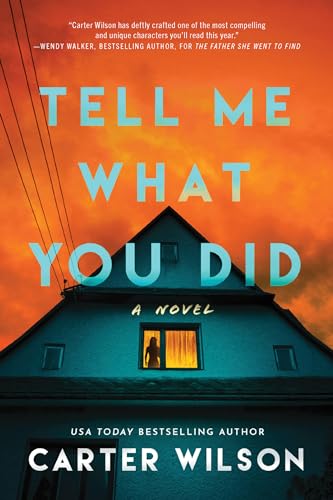
I enjoyed Carter Wilson’s thriller Tell Me What You Did. It tells the story of a woman who is a podcast host. Her show is designed so people can call in and admit to crimes. But then her mom’s killer calls in…

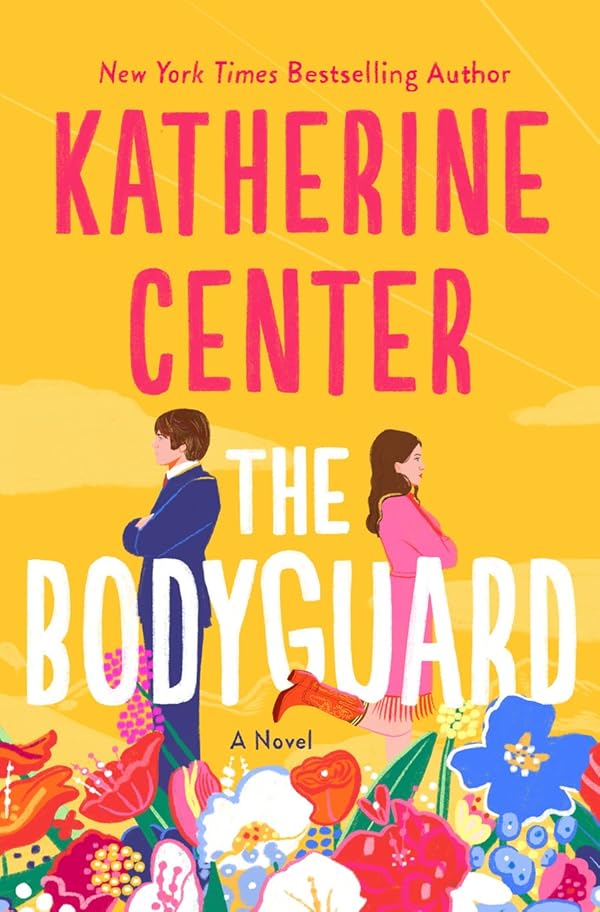
I always enjoy the Katherine Center’s sweet stories. I also love a woman bodyguard! The main character in The Bodyguard is fierce!

Emily Henry is a gift, and this book (Great Big Beautiful Life) was a very enjoyable listen.

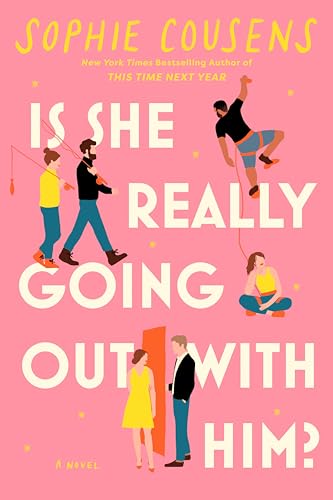
I enjoyed listening to Sophie Cousens’ Is She Really Going Out with Him? I didn’t love the title of the book, but the story was wonderful!

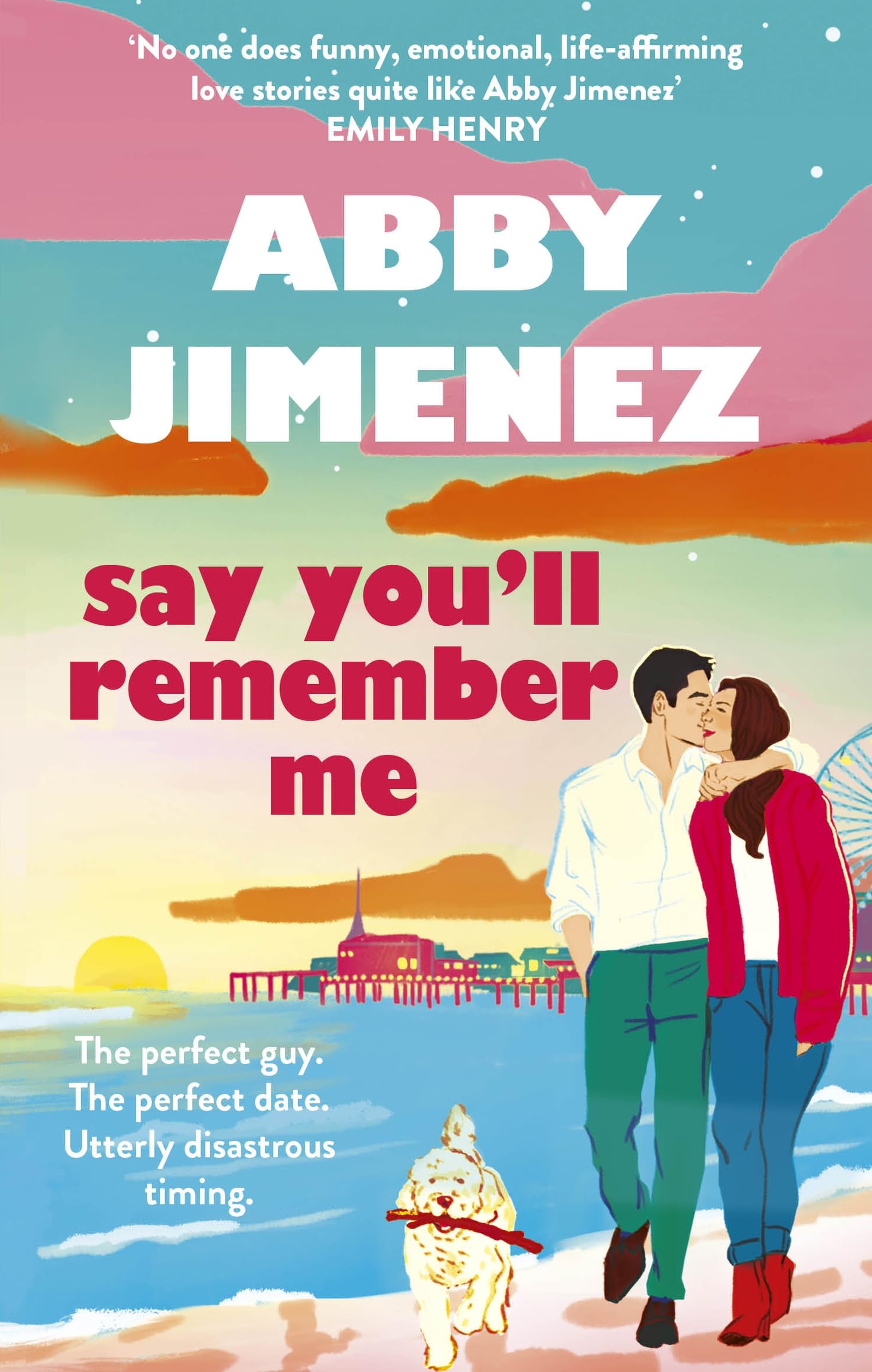
Abby Jimenez’s Say You’ll Remember Me offers a painful look at the impacts of dementia on a loved one’s family and friends.

Bold_line

Ricki

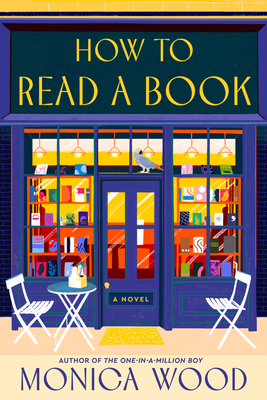
I am excited to read Monica Wood’s How to Read a Book. I’ve heard good things about it!

Bold_line

Sunday: Author Guest Post: “Inspiring Students to Write about their own Complex Identities” by Marcella Pixley, Author of Neshama

Bold_line

Link up below and go check out what everyone else is reading. Please support other bloggers by viewing and commenting on at least 3 other blogs. If you tweet about your Monday post, tag the tweet with #IMWAYR!

 Signature andRickiSig

Author Guest Post: “The Whole Family: Story’s Ability to Connect Young Readers to Second Culture Heritage” by Mima Tipper, Author of Kat’s Greek Summer

Share

“The Whole Family: Story’s Ability to Connect Young Readers to Second Culture Heritage”

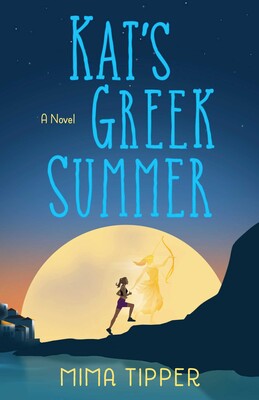
When I started writing my YA novel Kat’s Greek Summer, the idea was to write a story loosely based on summers I spent as a young teen in a tiny Greek fishing village visiting the Greek side of my family. What surfaced immediately in my process was a blaze of memories full of sun-soaked locales and colorful Greeks. Strangely though, as soon as I put a “character” into those memories, other memories surfaced—ones that were not so sun-soaked or all that colorful. My 14 yro character began asking questions about her experiences and her family that had my adult/writer mind asking questions about my own murky connection to my Greek heritage. Questions that my younger self didn’t have the foresight, or maybe the courage, to ask.

As I asked myself these questions, my writer-self wondered about kids and teens coming from a similar background: not one of tangible trauma or overt and brutal racism, but one where mixed heritage was invisible and perhaps ignored. How that invisibility could result in a lack of connection to the larger family, and maybe even a deep-seated sense of confusion, isolation and shame about that larger family. Children, young teens especially, have a strong need to belong, to be part of the group, so when that sense of belonging is challenged, isolation, shame and hiding are a likely byproduct. Growing up half American half Greek, I often found myself in that liminal space of not belonging in either of my family worlds, and feelings of isolation, shame and hiding were certainly a big part of my childhood.

A little background: my mother is a full-blooded—born and raised in Athens—Greek who married an American, and moved with him to America to live and raise a family. In the early days of their marriage, they didn’t spend much time in Greece or with the Greek side of the family. My dad didn’t speak Greek and none of my mother’s family spoke English. Travel was expensive and Greece was a long, long way from our Connecticut home. My mom spoke fluent English and became an American citizen, quickly diving deeply into her life as an American.

After my parents divorced, she did seek Greek community where we lived in Connecticut, but by then the dye was cast for pre-teen me. I didn’t speak Greek and we didn’t live anywhere close to a Greek-American neighborhood. Sure, we went to the Greek church, only it was about 30 minutes from our house and none of my school friends went to that church because none of them were Greek. I spent Sunday after Sunday sitting in a pew not understanding a word the priest said. And there lies one of the main disconnects.

Even though my mom started taking me to Greece during the summer holidays to spend time with my yiayiá and some other relatives, by then I was old enough to feel the full weight of how different I was from my Greek cousins, and how I didn’t belong. I never got a feel for the Greek language—the different alphabet didn’t help—and looks-wise I took after my dad’s mostly Dutch heritage. When we went to Greece no one really looked like me. The food was different, the smells were different, and all around me was a cacophony of Greek conversation that I didn’t understand. Everything was foreign to me and none of the grownups, my mom included, thought to take time to make anything understandable to me. Sure, I had a bunch of fun/happy times with my Greek relatives, but mostly I was along for a ride where, I suppose, somehow, I was expected to “fit in with the Greeks” by osmosis. Long story short, I didn’t.

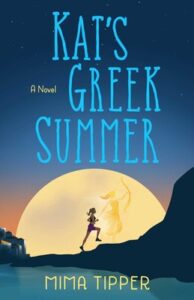
Cut to many years later as Kat’s Greek Summer percolated in my brain. Here’s a brief description of the book: soon to be high school freshman Kat Baker is all about training for the cross-country team this summer. Then her Greek mom knocks her off-course by dragging her to Greece. To meet the family. How can a girl train in ninety-billion degrees? And with a sharp-eyed yiayiá watching her every move? Determined to keep her running dream alive, Kat embarks on a risk-filled odyssey, discovering that self-truth is at the heart of dreams, first love—even family—and that it is up to her to speak up and claim the heritage that is uniquely hers.

Though the basic premise of my book tells a lot of my own story, fictionalizing my youth helped me explore the sense of disconnection and confusion about my identity that I experienced as a child and teen, much of which was the result of perceived differences born from a tenuous connection to my mother’s Greek heritage. Writing Kat’s Greek Summer helped me face long-held childhood feelings of shame and hiding about my family, because Kat, my main character, was different enough from childhood-me to ask the questions and make the observations that I never had the courage to ask or make. Her fictional experiences and conversations with her mother, her yiayiá and other Greeks brought adult-me a lot of deep reflection and self-forgiveness. From there sprang a sense of pride about my mixed heritage. Pride I wished I’d had, and been encouraged to develop, as a teen.

I think young readers in particular need to have access to stories about unclear or second heritage and uncertain identity because I believe that—darker, more tangible issues of race and mixed heritage aside—there are many young readers who feel isolated, disconnected and confused about their mixed families, and have no clearcut tools to address their isolation and confusion. That’s where fictional characters become essential, because they are able to spark thoughts, empathy, questions and feelings that may help the reader interrogate their own story. And do so in a way that may ignite genuine conversation with family members that could result ultimately in a stronger sense of family connection and pride, as well as an ability to make healthy decisions around exploring self and family identity.

Published May 13th, 2025 by SparkPress

About the Book: Almost-freshman Kat Baker has big plans to train all summer long so she can become the running goddess of her high school. But when she learns her summer will instead be spent exploring her roots in a rustic Greek village, Kat’s sure her popularity plan is toast. In Greece, punishing heat and cultural clashes force Kat to launch a risky and covert training strategy to keep her running-star dreams alive. During her late-night runs, Kat is swept into encounters with Theofilus Zafirakis, a dreamy but off-limits Greek boy. Soon, Kat’s secret odyssey spirals out of control, putting one of her cousins in danger. In the end, it takes the unexpected meddling of an entire Greek village for her to discover that the key to belonging anywhere is belonging first to herself.

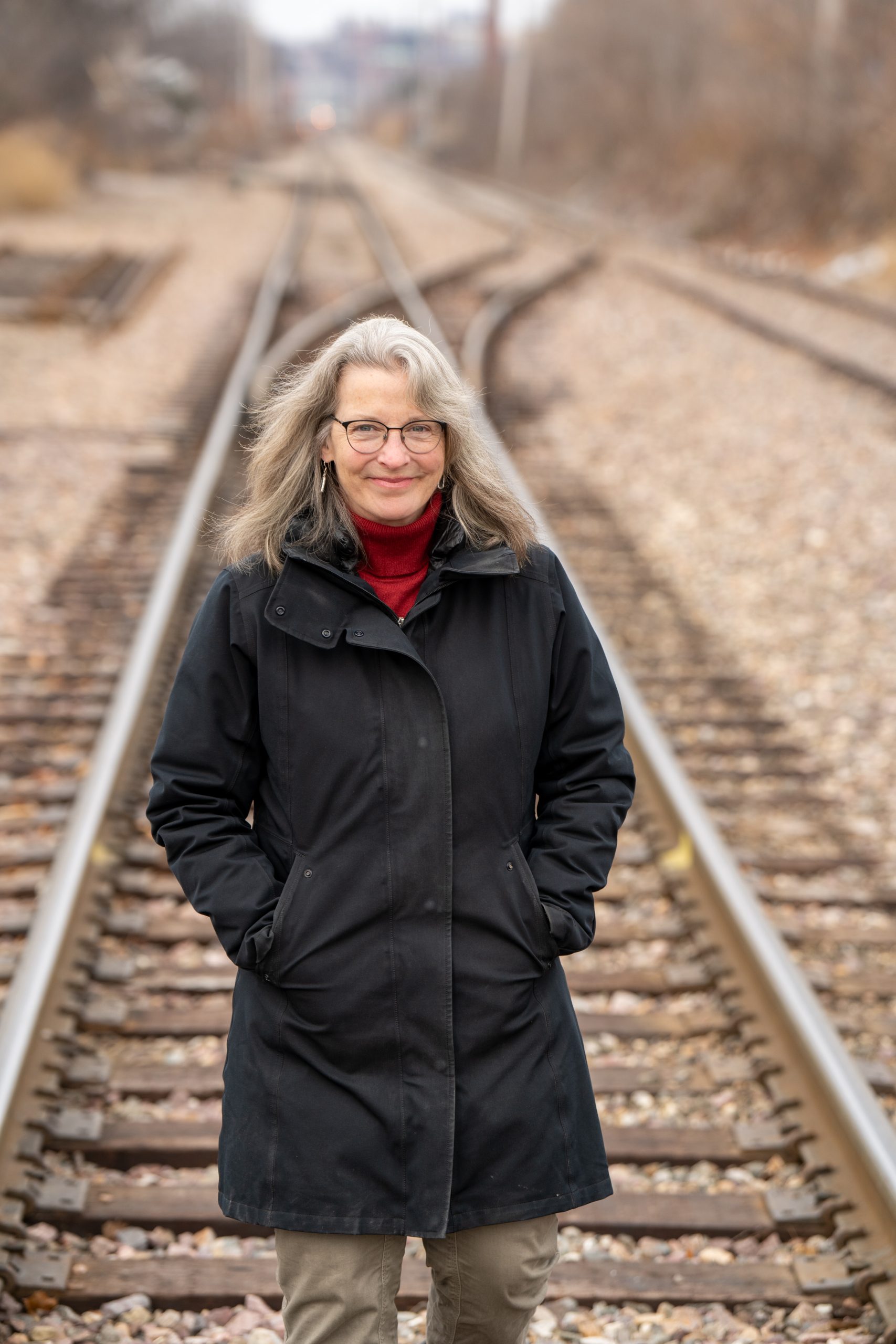
About the Author: Half-Greek, half-American, Mima Tipper and her writing reflect her heritage—a little bit old-country, a little bit rock and roll: one foot wandering through the dreamy realms of myths and faerie tales, the other running on the solid ground of fast-paced, contemporary story. She earned her MFA in Writing for Children and Young Adults from Vermont College of Fine Arts, and has published YA fiction in Hunger Mountain and Sucker Literary magazine. Her YA short story “A Cut-out Face” received an honorable mention from Hunger Mountain’s Katherine Paterson Prize, her work-in-progress “Chasing a Blue So Wild” was a top ten finalist in Voyage YA’s first chapter contest, and her work-in-progress “Channeling Marilyn” came in second place for Paranormal Romance in the Chesapeake Romance Writer’s annual Rudy contest. “Kat’s Greek Summer” will be her first published novel. Beyond devoting most of her time to writing, Mima volunteers at her local library and is committed to promoting literacy. Mima lives in Vermont with her family. Learn more at: www.mimatipper.com.

Thank you, Mima, for sharing how your book connects to your life!

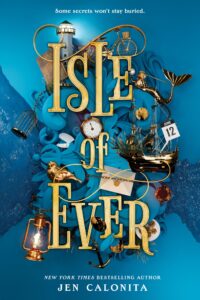
Isle of Ever by Jen Calonita

Share

Isle of Ever
Author: Jen Calonita
Published March 25, 2025 by Sourcebooks Young Readers

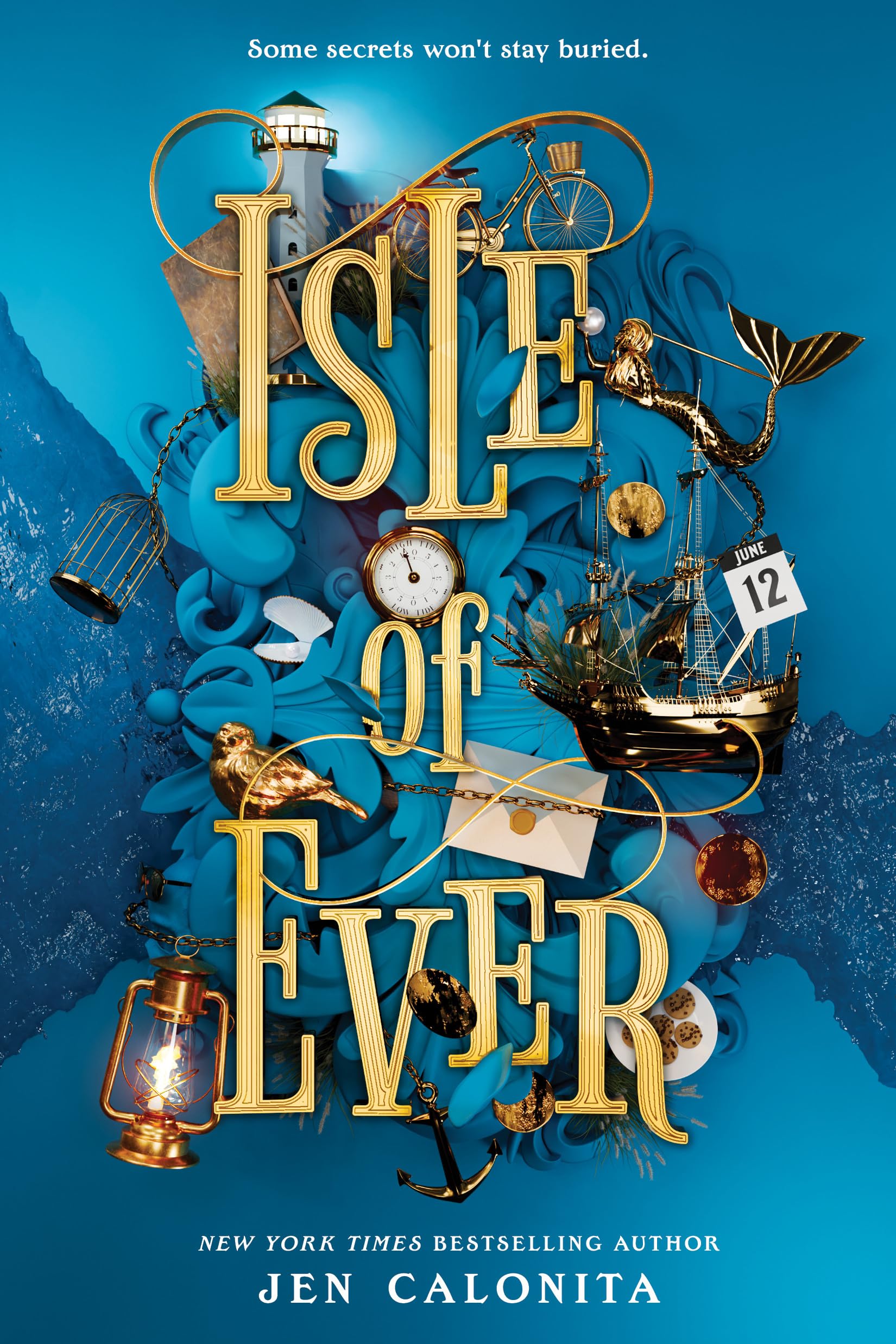
Summary: Bestselling and beloved author Jen Calonita delivers the first in a brand new series featuring a girl who will inherit a mysterious fortune if she can break a centuries-old curse!
Days after her twelfth birthday, Everly “Benny” Benedict learns she’s the heir to a fortune! But to collect the inheritance, she first has to play—and win—a game. Following clues that her ancestor left, Benny must locate a small island that vanished long ago, according to legend.
She has only two weeks to play the game and find the island. If she’s successful, she’ll break a two-hundred-year-old curse. If she fails, the fortune will be forfeited. And if she’s not careful, she’ll cross paths with someone else who is after the island’s secrets, and who will stop at nothing to get them. Because, as it turns out, there’s far more than a fortune at stake.

Isle of Ever will keep you guessing till the last page, then begging for a sequel immediately.” ― Melissa de la Cruz, #1 New York Times Bestselling author of The Isle of the Lost

“This book has everything…I couldn’t put it down!” ― Stuart Gibbs, New York Times bestselling author of the Spy School series

“Calonita leaves us breathless as Benny races to save the day and her family. Young readers will love it!” ― James Ponti, New York Times Bestselling Author of City Spies

The Isle of Ever is a gripping game and grand adventure. I loved it!” — Chris Grabenstein, #1 New York Times bestselling author of the Mr. Lemoncello’s Library series

About the Author: Jen Calonita is the author of the Secrets of My Hollywood Life series and other books like Sleepaway Girls and I’m with the Band. Fairy Tale Reform School and Royal Academy Rebels are her first two middle-grade series. She rules Long Island, New York, with her husband, Mike; princes, Tyler and Dylan; and their two Chihuahuas, Captain Jack Sparrow and Ben Kenobi. The only castle she’d ever want to live in is Cinderella’s at Walt Disney World. She’d love for you to visit her at jencalonitaonline.com and on Twitter @jencalonita.

Review: Isle of Ever takes the idea of a game to win an inheritance and moves to the next level–adding in a fascinating fantastical element that brings in history as well. This genre-bending aspect of this book makes it truly a stand out in this type of book.

I also loved the cast of characters. Everyone was so interesting and played their perfect part in the story. Benny, specifically, is a character that all readers will connect with because she truly just wants to do right by her mom who has struggled and tried the best for her. It is a lot of pressure for her, but it adds suspense to the read because you are rooting for her the whole time!

Publisher-Provided Educators’ Guide:

Book Trailer:

Read This If You Love: The Very Nearly Honorable League of Pirates series by Caroline Carlson, Lola Reyes is Not Worried by Cindy L. Rodriguez, The Mystery of Locked Rooms by Lindsay Currie, The Liars Society by Alyson Gerber, Conjure Island by Eden Royce

Recommended For: 

classroomlibrarybuttonsmall 

Signature

**Thank you to Sourcebooks for providing a copy of the book for review!**

It’s Monday! What Are You Reading? #IMWAYR 5/5/25

Share

It’s Monday! What Are You Reading?
For readers of all ages

It’s Monday! What Are You Reading? is a weekly blog hop we host which focuses on sharing what we’re reading. This Kid Lit version of IMWAYR focuses primarily on books marketed for kids and teens, but books for readers of all ages are shared. We love this community and how it offers opportunities to share and recommend books with each other.

The original IMWAYR, with an adult literature focus, was started by Sheila at Book Journeys and is now hosted by Kathryn at The Book Date. The Kid Lit IMWAYR was co-created by Kellee & Jen at Teach Mentor Texts.

We encourage you to write your own post sharing what you’re reading, link up below, leave a comment, and support other IMWAYR bloggers by visiting and commenting on at least three of the other linked blogs.

Happy reading!

Bold_line

Sunday: Author Guest Post: “Bringing History to Life” by k.m. Huber, Author of Call of the Owl Woman

**Click on any picture/link to view the post**

Bold_line

Kellee

Middle Grade


Young Adult

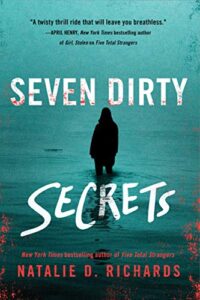
  • Seven Dirty Secrets by Natalie D. Richard: This was a scavenger hunt book like no other; it was literally life or death! I did not want to stop listening to this because I had to know how all the clues added up and who was behind everything, and I truly didn’t see it coming!

And you can always learn more about any of the books I’ve been reading by checking out my read bookshelf on Goodreads.

Ricki

This is my week off; I’ll be back next Monday.

Bold_line

Kellee


Bold_line

Tuesday: Isle of Ever by Jen Calonita

Sunday: Author’s Guest Post: “The Whole Family: Story’s Ability to Connect Young Readers to Second Culture Heritage” by Mima Tipper, Author of Kat’s Greek Summer

Bold_line

Link up below and go check out what everyone else is reading. Please support other bloggers by viewing and commenting on at least 3 other blogs. If you tweet about your Monday post, tag the tweet with #IMWAYR!

 Signature andRickiSig

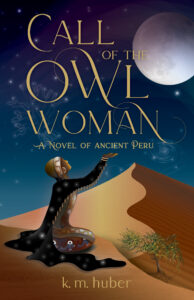
Author Guest Post: “Bringing History to Life” by k.m. Huber, Author of Call of the Owl Woman

Share

“Bringing History to Life: Call of the Owl Woman–A Novel of Ancient Nasca”

To better navigate a world where differences abound and yet everything is ultimately connected, we need tools like empathy, understanding, and respect for other beings. As a former teacher who has lived in many countries, and as the mother of bicultural children, I am often struck by how many students are unfamiliar with the world outside their own neighborhoods, let alone outside their country. Those who tend to have greater awareness of the wider world have either lived in other places, or are avid readers. But even as an avid reader myself, I’m the first to admit how little I knew about South America before I met my Peruvian husband. When we moved to his homeland, I discovered things that would change my life.

More than a decade later, after my extended family celebrated a three-generation reunion in South Dakota, my then 13-year-old daughter and I embarked on an epic mother-daughter road trip to Atlanta via the Great Lakes. Along the way, she asked me to write something that she and her friends would want to read—preferably a novel that that would include a little romance, bring to life some history from her native Peru, and would include characters from different cultures trying to get to know each other despite language barriers. I accepted her challenge and we proceeded to outline what the book could look like.

We decided that the heroine should come from the earth-honoring Nasca culture that had thrived on the arid southern coast of Peru for almost a thousand years, long before the Inca empire was established. The Nasca people did not have written language, but we were both fascinated by the vast array of stunning ceramics, textiles and mysterious landscape art, as well as their ingenious water systems and evidence of the largest adobe ceremonial center in the world. We added another character who would arrive as a wounded exile from the Moche culture, much further north and chose to set the story in the sixth century, the period shortly before the Nasca people would completely disappear. We wanted to learn about what happened, and imagine how young people at that time might have faced the prospect of environmental and cultural collapse.

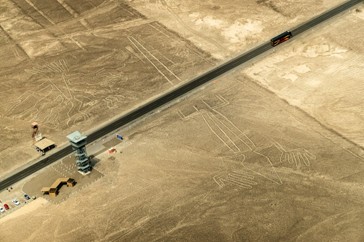
By PsamatheM - Own work, CC BY-SA 4.0, https://commons.wikimedia.org/w/index.php?curid=92300677

We spent a summer working together at an archaeological site in Lima before she dove back into school while I dove into research. The questions I started with were: 1) What lead to the demise of the Nasca culture?  2) How and why did they create the giant lines and animal shapes that can only be seen from the air? 3) How would an earth-honoring culture interpret the environmental crises that plagued the region? and 4) what lessons can we apply to our current environmental challenges?

Since there is no evidence of written language in ancient Peru, to recreate a plausible setting and story, I started by reading everything I could get my hands on and visiting area museums. I interviewed archaeologists, anthropologists, archaeoastronomers, archaeobotanists, geologists, hydrologists and local historians. I immersed myself in the landscape and climbed the dune-covered mountain sacred to the Nasca, spending a night there under a full moon. I visited thousand-year-old guarango trees and explored hidden valleys. I walked the Nazca lines in my head, etched replicas across wide stretches of beach, and doodled my own.  I kept adding more questions.

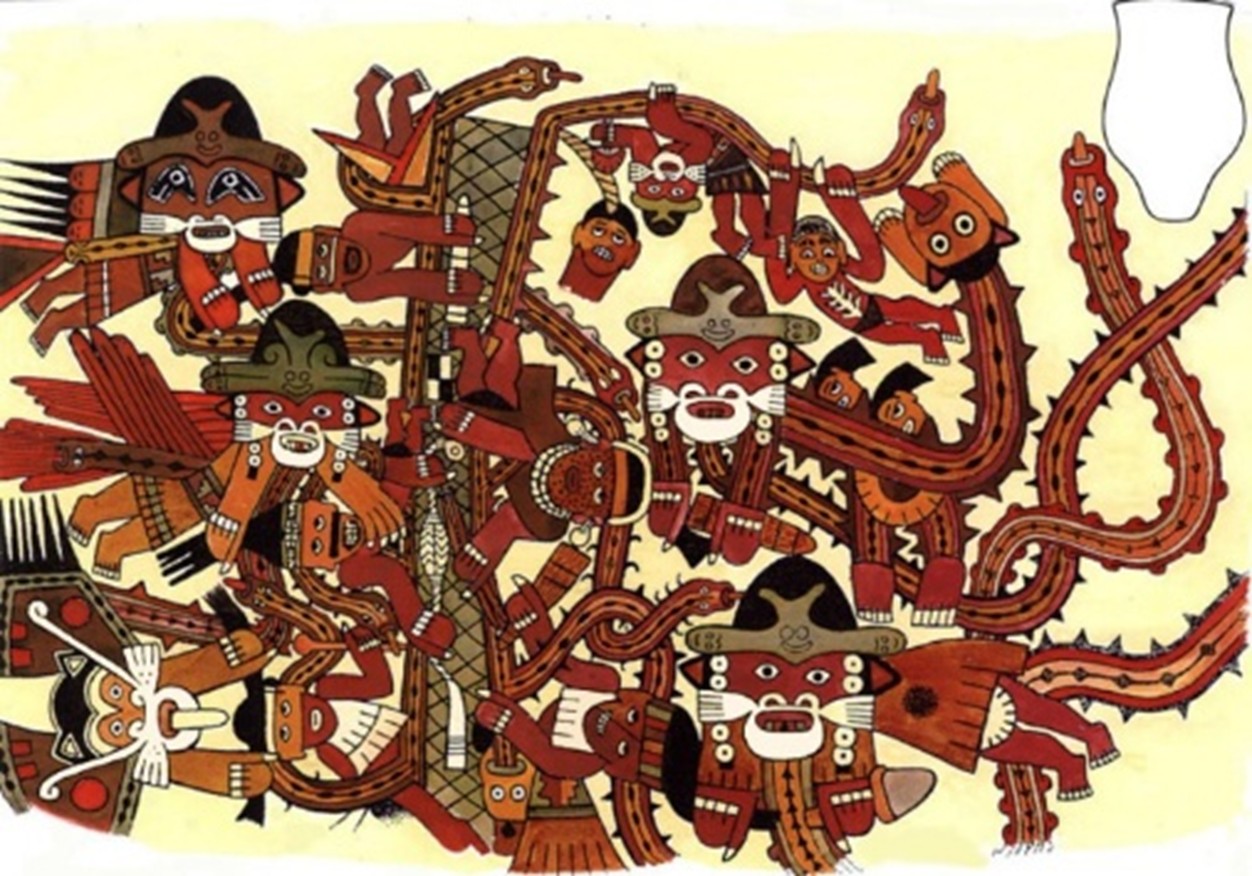
Nasca pottery is known for its rich colors and imaginative designs. Above is the art from a ceramic vase depicting a tangle of flying anthropomorphic supernatural beings  wearing headdresses and nose ornaments, carrying severed heads, knives, slings for weapons, and sprouting cactus-like snakes. The  rich mythological world of the Nasca was very much part of their living landscape, and ceremonial offerings were an integral part of their community.

How did the Nasca manage to harness the underground waters that turned their desert valleys into productive fields? Why were there so many severed heads in their art and in their ritual offerings? What was the meaning behind the orcas (killer whales) and cacti that are so common in their ceramics? Of all the many theories about the Nazca Lines which was closest to the truth of how they were actually used?

The process led me down some unexpected paths. Researching orcas, the ocean’s top predator, opened up a new world of understanding about the intelligence and social aspects of the species and also raised questions about interspecies communication.  Investigating the role of the San Pedro cactus in Nasca art linked it to the earlier Chavin culture, but also led me to explore contemporary cultures where healers still use the cactus ceremonially for “visionary medicine” and consider plants to be teachers of wisdom and guides for healing.

The novel project became much more than a novel. The discovery that there were once great forests in the desert valleys led me to make a documentary with Peruvian filmmaker Delia Ackerman to raise awareness about deforestation and the critical role of the guarango tree. Known by some as the Tree of Life, by others as the King of the Desert, or as the One Tree that unites the three worlds—the heavens above, the world below, and the place we inhabit in between—the guarango also provides food, shelter and fuel, as well as drawing water to the surface from deep underground sources. And in the process of learning about contemporary earth-honoring communities in Peru, from the highest mountains to the deepest jungles, I reconnected to my own gratitude for the planet we call home and renewed my commitment to honoring the earth.

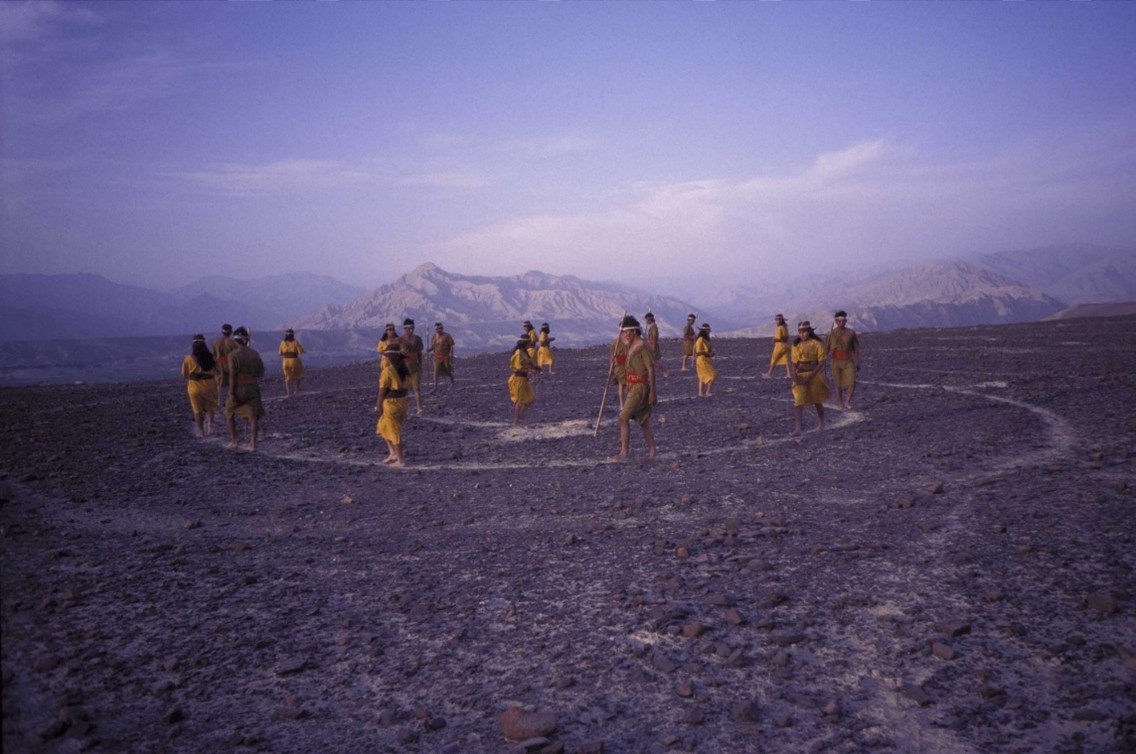
Many of the lines created on the desert plains were paths for ritual walking. Pictured above is a spiral reproduced in 1997 near Palpa, part of the Nazca region, by the students of Jose Lancho Rojas, one of Nazca’s best known historians.

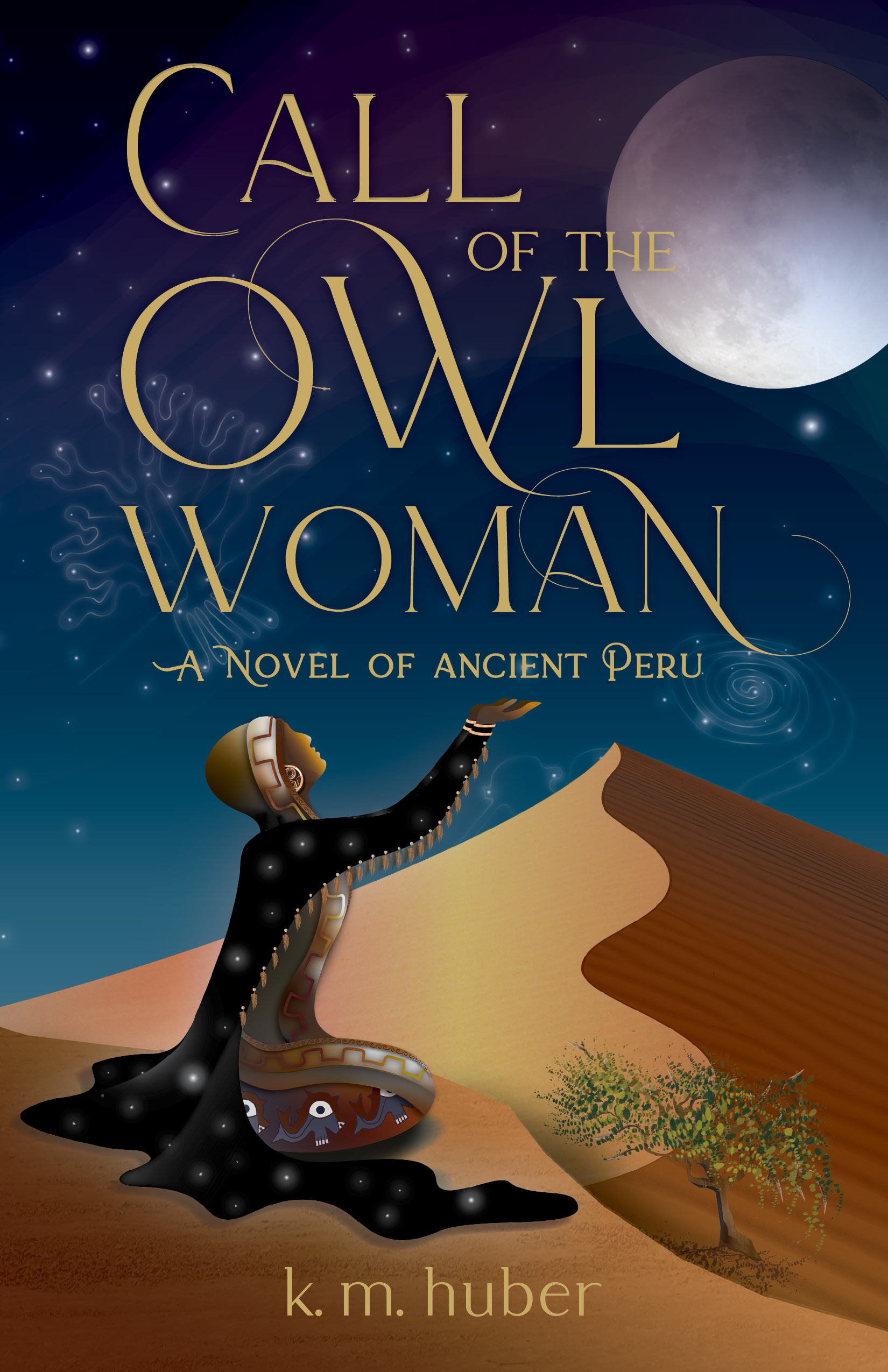
The resulting novel became Call of the Owl Woman – A Novel of Ancient Peru, the story of 15-year-old Patya whose journey from healing to heroine includes wrestling with what is expected of her versus what inspires her. Her beloved grandmother, a renowned healer, has just died and a powerful, corrupt priest is undermining her father’s role as the region’s Water-Guardian. After the priest’s secret attempt to sacrifice her little brother to sharks is foiled by an orca and a Moche sailor, Patya dares to challenge his interpretation of “the will of the gods” and becomes a target as well.

Publishing May 13th, 2025

About the Book: In sixth-century Peru, the Nasca people have flourished for centuries, their faith and ingenuity keeping the desert valleys green in a land where water is scarce. But a prolonged drought now fuels dangerous unrest. Cunning sorcerers and brutal priests vie for control, and Water Guardians like Patya’s father, who refuse to favor the powerful, are under attack.

Devastated by her grandmother’s sudden death, fifteen-year-old Patya retreats into dance and music. She does not want to become a healer like the long lineage of women in her family before her. Even her grandmother had hinted she was born for something else. But, in the wake of a deadly earthquake, Patya must not only help the healers, she must do things she never thought possible. As she begins to conquer her self-doubts and trust her own sense of justice, she will also have to outwit men of power to keep her little brother from being sacrificed by religious extremists at the coming solstice.

As Patya begins to realize and grow into her own power, she also discovers her grandmother’s secret legacy and prepares to step into an unexpected destiny.

“This book is so rich! The story is so compelling I couldn’t put it down. I loved the visceral sensation of movement in the words, felt myself floating, swooping, transforming, transmuting as I read them! It also offers a way know the Nasca and the rhythms of ceremony in Andean pre-history, both its gifts and misuses.”—Bonnie Glass-Coffin, Professor of Anthropology, Utah State University, author of The Gift of Life: Female Spirituality and Healing in Northern Peru

About the Author: k.m. huber grew up in the Pacific Northwest climbing trees, wandering in the mountains, wondering about the world, and writing poems. Unforeseen winds carried her to a new life in New York City, chance introduced her to her future husband, and before long another wind blew them together to the stark desert coast of his homeland, Peru. There, she fell under the enchantment of mystical inland Andean peaks, magical valleys, timeless tales and colorful traditions. 

While living in Lima, she dove into research about the Nasca, interviewed experts, walked its landscapes, climbed sacred hills, met some thousand-year-old guarango trees, and collaborated on a documentary about deforestation.

Huber’s writing can be found in Vice-Versa, Earth Island Journal, Post Road, Rougarou, The McGuffin, and Latin America Press, among others. Her fiction includes Patya y los Misterios de Nasca (La Nave, Peru 2023). She currently resides in Maryville, Tennessee with her husband and dog, still zooms with her Lima writer’s group, and enjoys being close to mountains again.

Thank you, k.m., for your post about your inspiration!

It’s Monday! What Are You Reading? #IMWAYR 4/28/25

Share

It’s Monday! What Are You Reading?
For readers of all ages

It’s Monday! What Are You Reading? is a weekly blog hop we host which focuses on sharing what we’re reading. This Kid Lit version of IMWAYR focuses primarily on books marketed for kids and teens, but books for readers of all ages are shared. We love this community and how it offers opportunities to share and recommend books with each other.

The original IMWAYR, with an adult literature focus, was started by Sheila at Book Journeys and is now hosted by Kathryn at The Book Date. The Kid Lit IMWAYR was co-created by Kellee & Jen at Teach Mentor Texts.

We encourage you to write your own post sharing what you’re reading, link up below, leave a comment, and support other IMWAYR bloggers by visiting and commenting on at least three of the other linked blogs.

Happy reading!

Bold_line


Tuesday: Student Voices: What Kellee’s Middle Schoolers are Reading, Loving, and Promoting

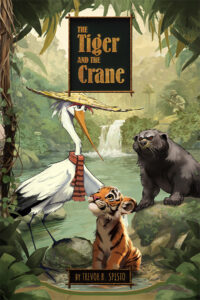
Sunday: Author Guest Post: “The Power of Story: Inspired by the Classroom” by Trevor B. Spisto, Author of The Tiger and the Crane

**Click on any picture/link to view the post**

Bold_line

Kellee

This is my week off; I will see you next week! You can always learn more about any of the books I’ve been reading by checking out my read bookshelf on Goodreads.

Ricki

My head is spinning with the semester ending, so I have to miss this week. I will see you in two weeks!

Bold_line

Sunday: Author Guest Post: “Bringing History to Life” by k.m. Huber, Author of Call of the Owl Woman

Bold_line

Link up below and go check out what everyone else is reading. Please support other bloggers by viewing and commenting on at least 3 other blogs. If you tweet about your Monday post, tag the tweet with #IMWAYR!

 Signature andRickiSig