
“What Post-Apocalyptic Fiction Can Teach Us About Humanity, Resilience, and Critical Thinking”
Post-apocalyptic fiction often gets dismissed as “just survival stories,” but in fact, stories like The Tyranny
of Tomorrow and Dawn in Ruins offer rich opportunities for deep classroom discussion and learning.
Whether students are in middle school, high school, or a reading group, these narratives invite readers
to explore crucial skills: ethical thinking, empathy, resilience, and critical analysis.
1. Exploring What It Means to Be Human
At the heart of these novels is the question: What does it mean to be human when the structures of
society fall apart? In the ruins of Sydney, young protagonists must make choices that test their values
and force them to consider the humanity in themselves and others — even when “others” are different or
damaged.
In the classroom, teachers can use post-apocalyptic scenes as prompts for discussions or essays on
compassion, judgment, and identity:
● When is survival instinct, and when is it moral compromise?
● How do characters define who is worthy of help?
These questions help students connect literature to empathy and ethical reasoning.
2. Resilience as a Skill, Not Just a Theme
Resilience isn’t something characters just “have.” It’s something they develop particularly through loss,
failure, connection, and re-engagement with their world. Students read about how Madeline in The
Tyranny of Tomorrow pushes through grief and fear to protect those she loves — and they see resilience
modeled in action.
Classroom activity idea: Resilience Journals
After reading a chapter, students write about a time they faced difficulty and identify the traits that helped
them persevere. This connects the text to students’ own lives, encouraging self-reflection and growth.
3. Critical Thinking Through World-Building Analysis
Post-apocalyptic worlds require readers to question “Why this world?” and “What caused this collapse?”
In Dawn in Ruins, the mystery of the virus and its effects on characters like Jude pushes readers to think
beyond plot into cause/effect, systems, and unintended consequences.
Teachers can ask:
● How does the author build tension through setting?
● What real-world issues echo in the fictional collapse?
This develops analytical skills crucial for literature and other subjects like science or social studies.
4. Empathy Through Others’ Perspectives
Stories about survival inevitably involve diverse types of people reacting in different ways. Through
character comparisons and point-of-view exercises students can deepen their empathy and
understanding of motivation.
Classroom discussion prompt:
How might you respond differently than Annie, Jude, or Michael in a crisis? What does your answer reveal about your values?
Post-apocalyptic fiction isn’t just about the end of the world; it’s about the survival of ideas, hope, and
connection. When teachers bring texts like The Tyranny of Tomorrow and Dawn in Ruins into their
curriculum, they give students a space to consider ethics, resilience, and critical thinking in a way that is
both imaginative and deeply relevant to real life.
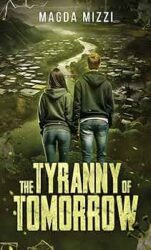
About the Book: In the heart of Sydney’s Western Suburbs, a devastating virus has unleashed a wave of unprecedented violence, leaving the town in chaos.
As the government struggles to regain control, the contagion spreads with alarming speed, triggering a global crisis. Amid the turmoil, Madeline, a quiet teenage girl, and Michael, the boy who captures her heart, are unexpectedly thrust together.
Now they must navigate the treacherous landscape, racing against time to secure a safe haven for their families and friends. Faced with the relentless onslaught of the virus, they’ll have to rely on their wits, courage, and the unbreakable bonds they forge in this high-stakes race for survival. `
The Tyranny of Tomorrow’ is a fast-paced and thrilling first instalment in a gripping series that explores the resilience of youth, the imposition of responsibility and the meaning of humanity in the face of an unravelling world.
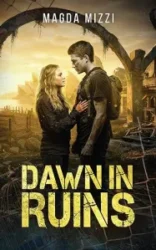
About the Book: The world ended in silence. The fight for what’s left will not.
Ten months after the collapse, teenager Annie’s world has shattered, and with it, everything she once believed about monsters. They don’t always lurk in shadows. Sometimes they wear uniforms. Sometimes they wear the faces of those you love.
In the ruins of Sydney, Annie finds an unlikely ally in Jude—a half-infected boy marked by virus and twisted science. His strange, dangerous abilities make him both a threat and their best hope. But the line between abomination and saviour is thinner than either imagined.
Haunted by what was done to him, Jude carries scars deeper than flesh. Meanwhile, Annie’s younger brother, Lucas, remains a prisoner, infected and altered. If she doesn’t reach him soon, Lucas will face the same fate that nearly destroyed Jude—experiments that don’t just scar flesh but twist what it means to be human.
As secrets unravel and the origin of the virus comes to light, Jude learns a devastating truth: his connection to the outbreak is deeper, darker, and far more personal than he ever imagined.
Together, Annie and Jude race through a city where every shadow hides a threat. When they are torn apart, survival becomes more than a mission—it becomes a promise: to endure, to protect, and to bring each other back from whatever hell awaits.
From the shattered edges of the Fractured Reality universe comes a story of desperate hope and fierce loyalty—because in a world this ruined, some things are lost forever. But some are worth risking everything to save.
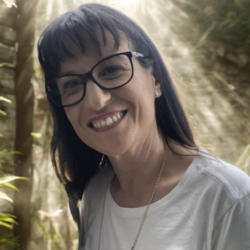
About the Author: .Magda Mizzi spins tales of shattered worlds and fierce survivors. A lifelong fan of post-apocalyptic fiction, she sets her stories in the haunting beauty of Western Sydney’s riverbanks and the rugged Blue Mountains—landscapes she grew up exploring.
When she’s not teaching English or encouraging young writers, she’s crafting her next dystopian twist.
Thank you, Magda, for this insight into how post-apocalyptic stories can help lead our students to critical thinking!

1 thought on “Author Guest Post: “What Post-Apocalyptic Fiction Can Teach Us about Humanity, Resilience, and Critical Thinking” by Magda Mizzi, Author of Tyranny of Tomorrow and Dawn in Ruins”