Camp Candlewick

Share

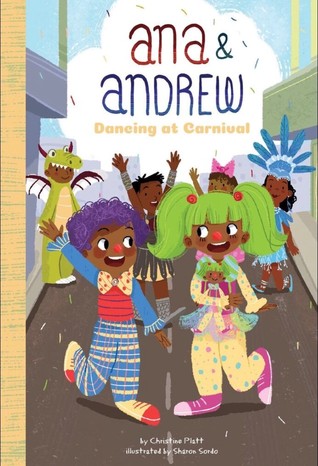
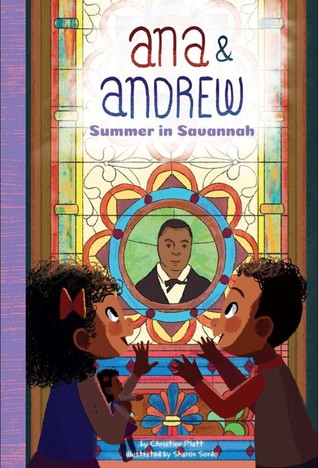
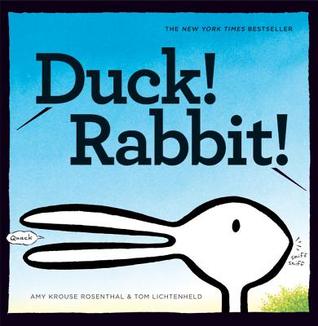
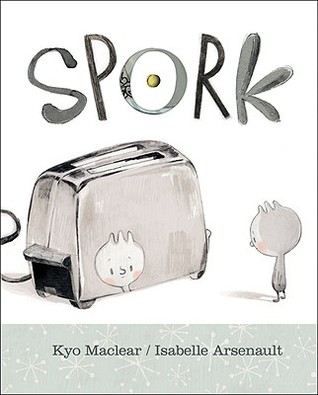
We’re excited to share Camp Candlewick, a new online reading program! Over the course of twelve weeks, young people of all ages will be encouraged to take part in shared reads, activities, and virtual events with prominent creators.

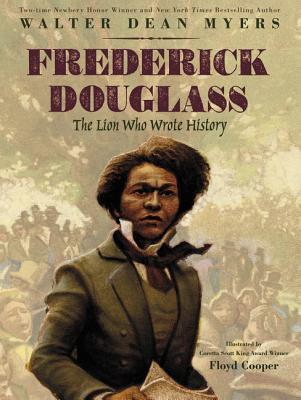
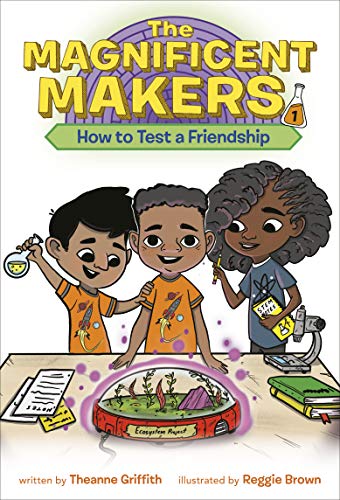
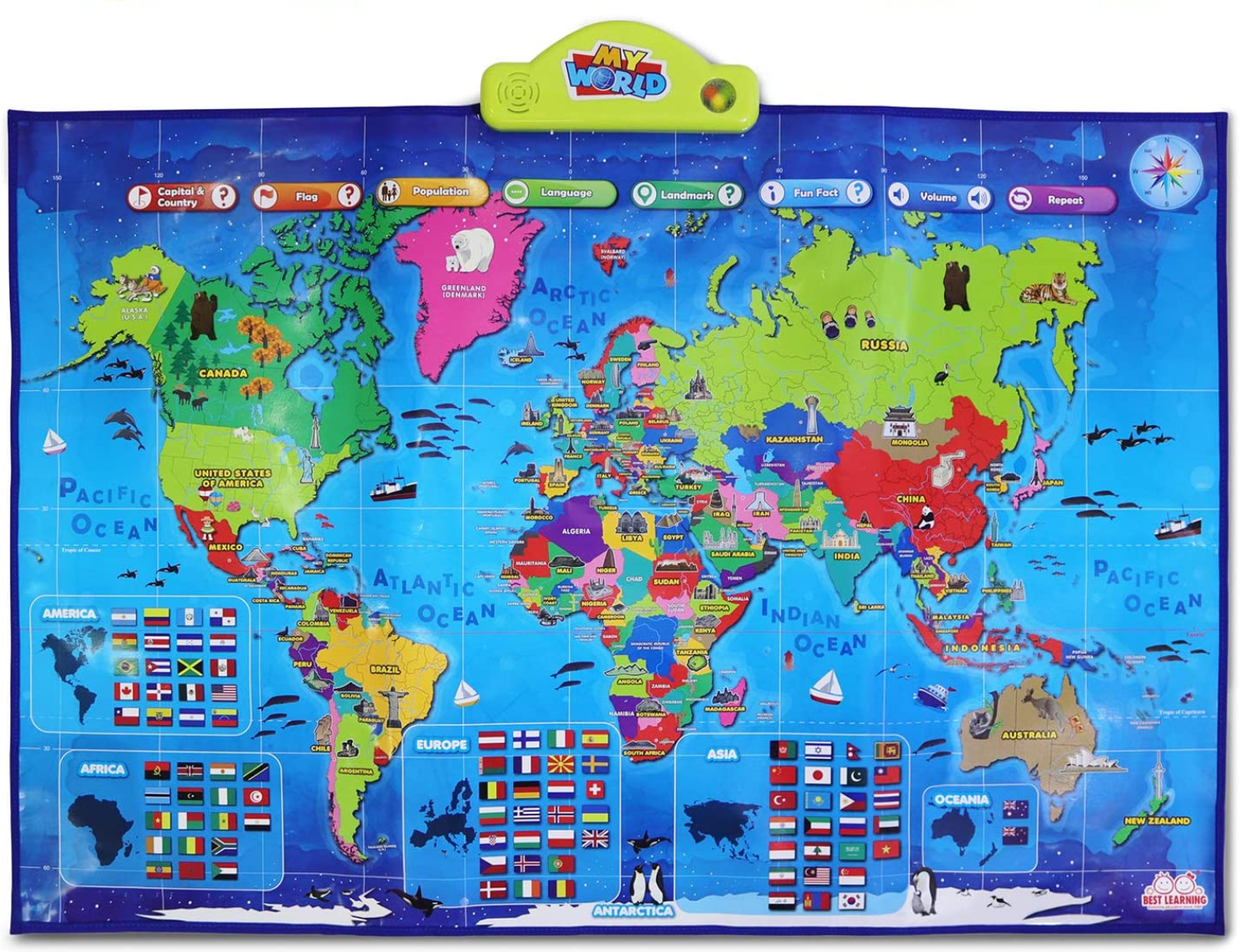
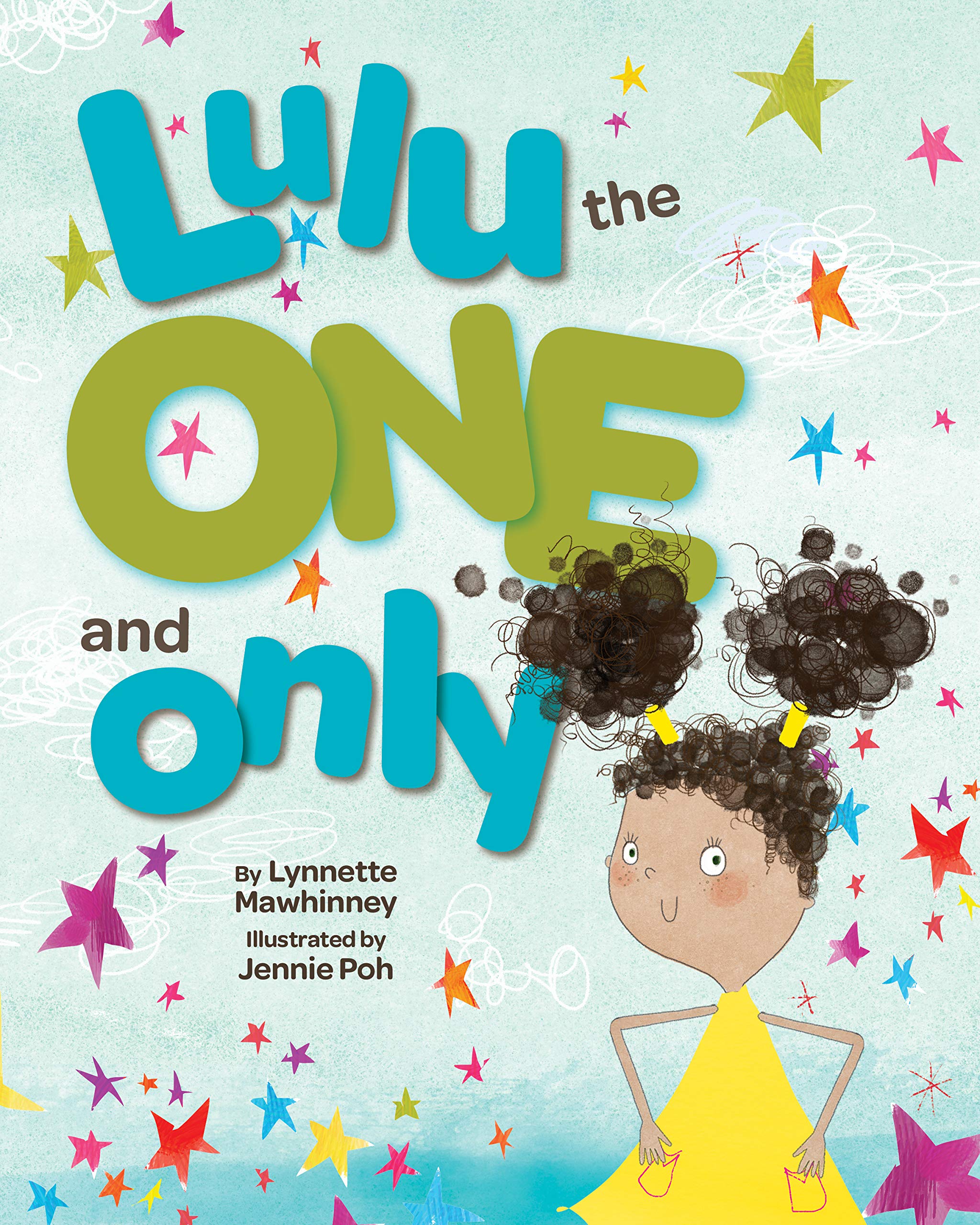
Via website content (at https://stayhome.candlewick.com/) and email newsletters as well as robust support resources on sites such as Pinterest, “campers” will be alerted to reading suggestions, prompts, and activities for the “cabins” appropriate for their age.

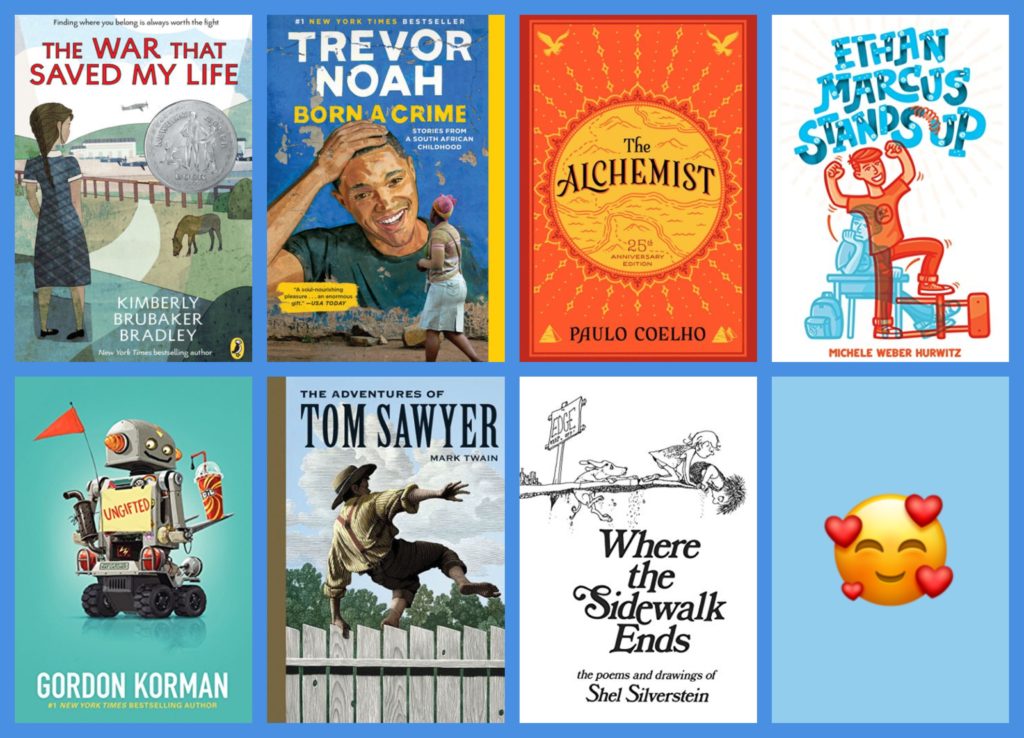
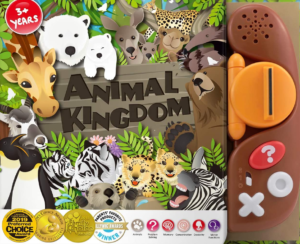
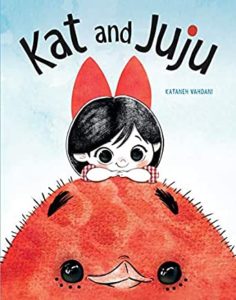
Here are the four cabins! Each are hyperlinked to take you to the cabin’s Pinterest board:

From the press release: The idea for the summer camp grew out of the success of the publisher’s Stay Home with Candlewick Press initiative, which has provided resources and support to families during the transition to remote learning. “We realized that families might feel even more in need of diversion over the summer, when the school year has ended and many camps will be closed,” said Kathleen Rourke, executive director of educational library sales and marketing at Candlewick.

“Preventing the loss of skills is more critical than ever this year,” Rourke said. “We hope that these 12 weeks of activities will provide connection and enrichment when young readers need it most.”

We look forward to our sons taking part in Camp Candlewick as well as sharing the opportunity with our students!

LyricPop: A New Picture Book Series from Akashic Books with Don’t Stop, Good Vibrations,We’re Not Gonna Take It, and African

Share

Don’t Stop, song lyrics by Christine McVie, illustrations by Nusha Ashjaee
Good Vibrations, song lyrics by Mike Love and Brian Wilson, illustrations by Paul Hoppe
We’re Not Gonna Take It, song lyrics by Dee Snider, illustrations by Margaret McCartney
African, song lyrics by Peter Tosh, illustrations by Rachel MossAuthor:

Published June 2, 2020 by Akashic Books

LyricPop Summary: LyricPop presents your favorite song lyrics by renowned songwriters as illustrated picture books, instilling a love of music and song among young readers.

“LyricPop represents two things I’m passionate about—music, and books for children,” said Johnny Temple, publisher of Akashic Books. “As both a musician and a publisher, I hope LyricPop will inspire parents, grandparents, and others to read (and even sing!) these books aloud with the children in their lives.”

After these four initial books are released, October 6th We Got the Beat, Respect, and Move the Crowd will be published. Then March 2, 2021 will bring us (Sittin’ On) The Dock of the Bay, Humble and Kind, and These Boots are Made for Walkin’.

Don’t Stop Summary: Don’t Stop is a beautifully illustrated picture book based on Christine McVie of Fleetwood Mac’s enduring anthem to optimism and patience. The song was one of the singles on Fleetwood Mac’s megahit album Rumours, which spent thirty-one weeks at number one on the Billboard charts and went on to sell over forty million copies worldwide.

With lyrics by Christine McVie and illustrations by Nusha Ashjaee, this touching picture book imagines a rabbit willing her hibernating friends out of a long and dark winter and into joyous spring. Don’t Stop is a great opportunity for fans of Christine McVie and Fleetwood Mac to introduce their favorite band to their young children, and for parents looking to share a bright message in song.

• Debuting in 1977, this song is one of the most identifiable of that decade
• A classic rock radio staple
• A top-five single in the US, and one of the band’s most enduring hits
• Written by band keyboardist and vocalist Christine McVie
• Sung as duet between Christine McVie and guitarist Lindsey Buckingham
• Appears on the Grammy-winning album Rumours, which as of 2019 is the RIAA-certified tenth all-time best-selling album in the US
• It was the theme song for Bill Clinton’s 1992 presidential campaign

Good Vibrations Summary: Good Vibrations is a lively picture book based on Mike Love and Brian Wilson’s number one hit about absorbing positive energy from the people around them. Often praised as one of the most important compositions in rock, the Beach Boys’ original version of this song was their third number one Billboard hit. With lyrics by Brian Wilson and Mike Love, and illustrations by Paul Hoppe, this picture book follows a girl and her dog as they make their way down to the beach, sharing good vibrations all along the way. Parents and children alike can share and enjoy one of rock’s greatest hits through the colorful pages of Good Vibrations.

• Released in 1966, this is one of the defining and iconic songs of the era
• The recording involved the then-revolutionary process of tape-splicing, cutting up and editing pieces of the master tape together
• The musicians used in the recording of the song included members of the Wrecking Crew, the legendary set of Los Angeles session studio players
• Beach Boys publicist Derek Taylor described the song as a “pocket symphony” (Derek was the former press officer for the Beatles and the Beach Boys, and worked with the Byrds and the Mamas & the Papas, among others)
• The unusual sound featured in the song’s chorus was produced by an electrotheremin
• The song was a transatlantic number one, reaching the top spot in both the US and the UK
• The song was the last US number one the Beach Boys achieved in the 1960s
• Inducted into both the GRAMMY and Rock & Roll Halls of Fame
• Rolling Stone ranked the song at number six on its 2010 list of the 500 Greatest Songs of All Time
• In 2001, the RIAA and the National Endowment for the Arts published their Songs of the Century list, with “Good Vibrations” at number 24
• The song is part of the Rock & Roll Hall of Fame’s permanent exhibition, 500 Songs That Shaped Rock and Roll

We’re Not Gonna Take It Summary: We’re Not Gonna Take It is a playful picture book echoing 1980s hair band Twisted Sister’s most popular antiestablishment anthem. As part of their triple-platinum album Stay Hungry, “We’re Not Gonna Take It” spent fifteen weeks on the Billboard Hot 100 chart, reaching number twenty-one. With lyrics by Dee Snider and illustrations by Margaret McCartney, this picture book follows three toddlers on a mission to defy their parents, whether it be lunchtime, bath  time, or bedtime. We’re Not Gonna Take It is a story both parents and children can relate to, and a song they can enjoy together.

• Released in 1984, “We’re Not Gonna Take It” is a signature rock anthem of the 1980s
• The song was a Hot 100 top forty hit and reached the top ten on the Billboard Mainstream Rock chart
• The album it appeared on, Stay Hungry, was the band’s breakthrough and a US top twenty hit
• Its anthemic quality has propelled the song to become a US pop culture touchstone
• The song has an iconic music video

African Summary: African is a children’s book featuring lyrics by Peter Tosh and illustrations by Jamaican artist Rachel Moss. The song “African” by Peter Tosh was originally released in 1977 on his second solo record, Equal Rights. He wrote the song during a time of civil unrest in Jamaica as a reminder to all black people that they were part of the same community.
The album is considered one of the most influential reggae works of all time.

• A key song from the classic 1970s era of reggae
• Peter Tosh was one of the founding members of the iconic reggae group the Wailers

Review: All four of these classic songs are ones that as soon as you hear the title you start humming the melody or reciting the lyrics and LyricPop books is a great way to introduce these to a new generation of kids. All four are very different songs and illustrations which shows the extension of this new picture book series.

Teachers’ Tools for Navigation: In the classroom, I would have so much fun with these. I would love to group my students in four different groups (or more if it is after more LyricPop books have come out), have them listen to the songs these books are based on, and create their own picture book. Then, after they do so, they can read the LyricPop books and compare and contrast. This would be a great way to discuss interpretation, figurative language, illustrator choices, etc.

There’s another option too: Have students read the lyrics first without listening to the song and create a book. Then, after listening to the song, ask how they would change their book.

When done with the songs from LyricPop, students could then pick their own songs and make their own books!

Discussion Questions: 

  • Why do you think the illustrator interpreted the lyrics the way they did?
  • Do you think of the lyrics the same or different?
  • What is the main theme of the song?
  • (Before hearing the song) How do you imagine the song is going to sound?
  • (After hearing the song) Does the book fit the sound of the song?

Flagged Passages: 

Read This If You Love: Music

Recommended For: 

classroomlibrarybuttonsmall 

Signature

**Thank you to Akashic Books for providing copies for review**

It’s Monday! What Are You Reading? #IMWAYR 6/1/20

Share

It’s Monday! What Are You Reading?
Sharing Picture Books, Early Readers, Middle Grade Books, and Young Adult Books for All Ages!

It’s Monday! What Are You Reading? is a weekly blog hop co-hosted by Unleashing Readers and Teach Mentor Texts which focuses on sharing books marketed for children and young adults. It offers opportunities to share and recommend books with each other.

The original IMWAYR, with an adult literature focus, was started by Sheila at Book Journeys and is now hosted by Kathryn at The Book Date.

We encourage you to write your own post sharing what you’re reading, link up below, leave a comment, and support other IMWAYR bloggers by visiting and commenting on at least three of the other linked blogs.

Happy reading!

Bold_line

Tuesday: The Refuge by Sandra le Guen, Illustrated by Stéphane Nicolet

Thursday: Yoga Animals: A Wild Introduction to Kid-Friendly Poses by Paige Towler

**Click on any picture/link to view the post**

Bold_line

Kellee

School’s out for the summer! 🙂 Hope you all are having a good end of the school year, and happy summer to those already out!

  • The Brave by James Bird: “This middle-grade novel The Brave is about a boy with an OCD issue and his move to a reservation to live with his biological mother.Collin can’t help himself—he has a unique condition that finds him counting every letter spoken to him. It’s a quirk that makes him a prime target for bullies, and a continual frustration to the adults around him, including his father.When Collin asked to leave yet another school, his dad decides to send him to live in Minnesota with the mother he’s never met. She is Ojibwe, and lives on a reservation. Collin arrives in Duluth with his loyal dog, Seven, and quickly finds his mom and his new home to be warm, welcoming, and accepting of his condition.Collin’s quirk is matched by that of his neighbor, Orenda, girl who lives mostly in her treehouse and believes she is turning into a butterfly. With Orenda’s help, Collin works hard to overcome his challenges. His real test comes when he must step up for his new friend and trust his new family.”
  • With Trent:
    • On Mac Barnett’s IG Book Club Show Book Club: A few rereadings of his picture books and two new-to-us books: There’s a Party at Mona’s Tonight by Harry Allard and Kuma-Kuma Chan, The Little Bear by Kazue Takahashi — two very different books! Kuma-Kuma Chan was beautiful and quiet, Mona was loud and silly.
      • Starting this week, Mac Barnett is moving to a weekly book club, and we are so sad! It has been our picture book reading (we’ve been reading chapter books together), and we are going to miss it!

To learn more about any of these books, check out my 2020 Goodreads Challenge page  or my read bookshelf on Goodreads.

Ricki

I will return next week, I promise! I spent the week working on a chapter for my book!

Bold_line

Kellee

  • Reading: The Grace Year by Kim Liggett
  • Listening (slowly but surely since I am not driving often…): Tornado Brain by Cat Patrick
  • Reading with Trent (for one book club): Rosie Revere and the Raucous Riveters by Andrea Beaty
  • Reading with Trent (for another book club): Mac B. Kid Spy: Mac Undercover by Mac Barnett

Bold_line


Tuesday: LyricPop: A New Picture Book Series from Akashic Books with Don’t Stop, song lyrics by Christine McVie, illustrations by Nusha Ashjaee; Good Vibrations, song lyrics by Mike Love and Brian Wilson, illustrations by Paul Hoppe; We’re Not Gonna Take It, song lyrics by Dee Snider, illustrations by Margaret McCartney;  African, song lyrics by Peter Tosh, illustrations by Rachel Moss

Thursday: Camp Candlewick

Sunday:  Author Guest Post: “Why Reread?” by Dorothy A. Winsor, Author of The Wysman

Bold_line

Link up below and go check out what everyone else is reading. Please support other bloggers by viewing and commenting on at least 3 other blogs. If you tweet about your Monday post, tag the tweet with #IMWAYR!

 Signature andRickiSig

Yoga Animals: A Wild Introduction to Kid-Friendly Poses by Paige Towler

Share

Yoga Animals: A Wild Introduction to Kid-Friendly Poses
Author: Paige Towler
Foreword Author: Tara Stiles
Published May 19th, 2020 by National Geographic Kids

Summary: Adorable animal photos and lyrical text guide kids step-by-step through easy animal-inspired yoga poses.

Roar like a lion! Arch like a kitten! Stretch like a cobra! Did you know that many yoga poses were inspired by animals? Let these creatures inspire your young ones to get moving, practice mindfulness, or calm down after a long day. Simple step-by-step instructions explain the kid-friendly moves. Kids will get a kick out of the accompanying photos of animals that mimic each pose, and the sweet poem is sure to delight.

The foreword by Tara Stiles, founder of Strala Yoga, reminds us that we’re never too young to start enjoying the health benefits of yoga and mindfulness. Animal Yoga is the perfect intro to this ancient practice–great for engaging (and quieting!) a class, reading aloud one-on-one, or helping restless little ones fall asleep at bedtime or naptime.

Review: Trent and I love doing Yoga together. We have family yoga mats, and he’s done mommy & me yoga with me though is favorite is Cosmic Yoga on You Tube. I wanted to make yoga part of Trent’s life because not only is it a wonderful form of exercise that he and I can do together, but it is also beneficial for mindset. Yoga Animals is a wonderful introduction to both aspects. I like that it makes the yoga poses accessible for so many ages. For example, it could be for a mom to do with a very young child as an introduction. Or older kids who may have done yoga in the past can use it independently. Here is Trent practicing his poses:

The book structure is also fun. The majority includes the animal photos with a connection to the yoga pose then a photo of the pose with instructions. In the back it goes more in depth about the pose and the animal taking the information to a whole other level.

Teachers’ Tools for Navigation: As the push for a healthy mindset has become more front and center recently as we realize that the current educational system is adding extra stress on kids, this book is a perfect addition to a classroom to have brain breaks. During the brain breaks, a new yoga pose can be introduced and the animal can be talked about as well. Then past yoga poses can be practiced as well.

Discussion Questions: 

  • What other animals have yoga poses?
  • How is the ____ pose like a ____ animal?
  • How does yoga help you physically and mentally?
  • Come up with your own stretch that resembles an animal.

Flagged Passages: 

Also, go to https://kids.nationalgeographic.com/explore/books/yoga-animals/ to see videos of Tara Stiles sharing poses from the book.

Read This If You Love: Yoga, Animals, Brain Breaks

Recommended For: 

classroomlibrarybuttonsmall

Signature

**Thank you to Karen at Media Masters Publicity for providing a copy for review!!**

The Refuge by Sandra Le Guen, Illustrated by Stéphane Nicolet

Share

The Refuge
Author: Sandra Le Guen
Translator: Daniel Hahn
Illustrator:  Stéphane Nicolet
Published June 1, 2020 by Amazon Crossing Kids

Summary: “There’s a new girl at school. She never stops looking up at the sky! She likes the stars and comets.”

Jeannette tells her mom about her new classmate, who also loves astronomy but seems sad. She realizes it’s not easy to move to a new place. So the next day, at recess, Jeannette asks Iliana to play.

At first, it’s a little hard to communicate because Iliana is learning a new language. The girls have to use their hands and their drawings. But they keep trying, and, soon, Iliana tells Jeannette about her difficult journey as a refugee who had to leave her country. Then their families meet, and Iliana’s parents share their story too. The girls’ friendship blooms, as limitless as the sky and their imaginations.

Originally published in France and brought to life with wonderfully expressive artwork, this is a book about sharing stories and finding refuge in friendship, family, and a new home.

Kellee’s Review: This book is beautiful. It shows pure empathy for a young girl, and her family, who needs all love in the scary new situation she is in. Their journey was harrowing and being in a new place where they do not speak the language must be completely overwhelming; however, this was something they felt no choice in doing because of the horrors of war back at their home. But sadly, refugees have been villainized–once again fear winning over empathy. However, The Refuge puts a narrative to the journey that many children and families face just to stay safe. And it is such a well-crafted narrative with beautiful illustrations–just an overall excellent book. A must read for ALL ages. 

Ricki’s Review: Magnificent. This book is truly and utterly magnificent. I am quite hopeful it will win some of the major literary awards. Whew! The writing depicts the myriad emotions that Iliana might have experienced on her journey, and Jeannette has such deep empathy for her classmate. The illustrations take the book to the next level. I would purchase a spread of this book and frame it for the wall in my office—the illustrations are that captivating. We share some of the illustrations below. There’s one illustration in which Iliana is carrying a giant boat on her back, and a star hangs from a string on the front. Two small children walk up the top of the steep boat. The words match the illustrations, and yet the illustrations have deeper, metaphoric meaning. This would be a terrific book to study at the high school and college level. It would sustain several classes of discussion. I plan to purchase a copy to use in my Teaching Reading class. If you haven’t read this book, I recommend it highly.

Teachers’ Tools for Navigation: Metaphor is powerfully used in this text (both in the writing and illustrations). This would be a magnificent text to use as a mentor text for the instruction of metaphor. Students might select a written metaphor to illustrate and an illustrated metaphor to write in words to consider the flexibility and power of the use of metaphor. Then, they might craft their own metaphors related to the story.

Discussion Questions: 

  • Choose one illustration that you like. What is the surface level meaning? What is the deeper meaning attached to the image?
  • How does Jeannette demonstrate empathy for Iliana?
  • What did you learn about refugees?
  • Why do you believe the author titled the book The Refuge instead of Refugee?
  • How do the illustrations and writing work together?
  • What creative techniques does the author use?
  • What creative techniques does the illustrator use?

Flagged Passages: 

Read This If You Love: The Arrival by Shaun Tan, Refugee by Alan Gratz, Dreamers by Yuyi Morales, The Name Jar by Yangsook Choi, Each Kindness by Jacqueline Woodson

Recommended For: 

classroomlibrarybuttonsmall 

Signatureand

**Thank you, Barbara at Blue Slip Media, for providing copies for review!**

It’s Monday! What Are You Reading? #IMWAYR 5/25/20

Share

It’s Monday! What Are You Reading?
Sharing Picture Books, Early Readers, Middle Grade Books, and Young Adult Books for All Ages!

It’s Monday! What Are You Reading? is a weekly blog hop co-hosted by Unleashing Readers and Teach Mentor Texts which focuses on sharing books marketed for children and young adults. It offers opportunities to share and recommend books with each other.

The original IMWAYR, with an adult literature focus, was started by Sheila at Book Journeys and is now hosted by Kathryn at The Book Date.

We encourage you to write your own post sharing what you’re reading, link up below, leave a comment, and support other IMWAYR bloggers by visiting and commenting on at least three of the other linked blogs.

Happy reading!

Bold_line

Tuesday: The 2020 Amelia Elizabeth Walden Award Winner and Finalists

Thursday: Blog Tour with Author Q&A: Legends from Mom’s Closet by Sasha Olsen

Sunday: Author Guest Post: “Opening the Door: How Stepping Inside the Poem can Help Your Students — even those who hate writing — Read, Understand, Create, and Enjoy Poetry” by Marjorie Maddox, Author of Inside Out: Poems on Writing & Reading Poems

**Click on any picture/link to view the post**

Bold_line

Kellee

  • Sara and the Search for Normal by Wesley King: “Sara wants one thing: to be normal. What she has instead are multiple diagnoses from Dr. Ring. Sara’s constant battle with False Alarm—what she calls panic attacks—and other episodes cause her to isolate herself. She rarely speaks, especially not at school, and so she doesn’t have any friends. But when she starts group therapy she meets someone new. Talkative and outgoing Erin doesn’t believe in “normal,” and Sara finds herself in unfamiliar territory: at the movies, at a birthday party, and with someone to tell about her crush—in short, with a friend. But there’s more to Erin than her cheerful exterior, and Sara begins to wonder if helping Erin will mean sacrificing their friendship.”
  • Once Upon a Space-Time by Jeffrey Brown: In the future we learn we are not alone and everything changes. The alien technology changes our world and so much is now possible. Our main characters are kids at an institute just for space exploration, but they are the misfits of the school. But that doesn’t stop them! Told in Brown’s funny fashion, this sci-fi graphic novel is going to be a huge hit with students!
  • Turtle Boy by M. Evan Wolkenstein: “Seventh grade is not going well for Will Levine. Kids at school bully him because of his funny-looking chin. His science teacher finds out about the turtles he spent his summer collecting from the marsh behind school and orders him to release them back into the wild. And for his bar mitzvah community service project, he has to go to the hospital to visit RJ, an older boy struggling with an incurable disease. Unfortunately, Will hates hospitals.”
  • Lumberjanes Vol. 5 & 6: I love so much about this series–the mix of a normal teen idenity story mixed with great friends and major craziness in a forest and mythology = some awesome graphic novels.
  • Yoga Animals and The Refuge will both be reviewed this week — don’t miss them!
  • With Trent:
    • The Water Protectors by Carole Lindstrom: What a beautiful book! And so important–it is one that I would share with students ASAP. The conversation I had with my 6-year-old alone shows the impact the book has.
    • We continue to watch Mac Barnett’s Book Club Show Book Club each day. Since he made it through all of his own picture books, he is sharing some of his favorites, and we both are enjoying them! I particularly like that they are, so far, all lesser known to me books:
      • This week: The Three Robbers by Tomi Ungerer, The Quiet Noisy Book by Margaret Wise Brown, Shortcut by Donald Crews, and It’s a Secret by John Burningham.
      • This week Mac also finally got the one book we missed the first time around: The Skunk. So that means that Trent has now read all of Mac Barnett’s picture books.

To learn more about any of these books, check out my 2020 Goodreads Challenge page  or my read bookshelf on Goodreads.

Ricki

It is my first time hanging out with my husband all week (where we are both not working at night), so I think I am going to pause and share next week if that is okay with you all 🙂

Bold_line

Kellee

  • Currently Reading: The Brave by James Bird
  • Currently Listening (and it is taking so long since I’m not driving anywhere!): Tornado Brain by Cat Patrick
  • Reading with Trent for one of his book clubs: Rosie Revere and the Raucous Riveters by Andrea Beaty
  • Reading with Trent for one of his book clubs (following along while watching Mac Barnett’s Book Club Show Chapter Books After Dark): Mac B. Kid Spy: Mac Undercover by Mac Barnett
  • Trent reads each Monday with Henry: Elephant and Piggie books by Mac Barnett

Bold_line

Tuesday: The Refuge by Sandra le Guen, Illustrated by Stéphane Nicolet

Thursday: Yoga Animals: A Wild Introduction to Kid-Friendly Poses by Paige Towler

Bold_line

Link up below and go check out what everyone else is reading. Please support other bloggers by viewing and commenting on at least 3 other blogs. If you tweet about your Monday post, tag the tweet with #IMWAYR!

 Signature andRickiSig

Author Guest Post: “Opening the Door” by Marjorie Maddox, Author of Inside Out: Poems on Writing and Reading Poems with Insider Exercises

Share

“Opening the Door: How Stepping Inside the Poem Can Help Your Students—Even Those Who Hate Writing— Read, Understand, Create, and Enjoy Poetry”

Let’s face it: Some students LOVE poetry. It’s their secret passion, guarded closely. They scribble it in notebooks. They sneak-read it between classes.

For others, it’s a public proclamation. They sing poetry, dance it, prance with it around the classroom while reciting it. They raise their hands and volunteer their favorite authors.

However, for many students, well, there’s not so much love. For them, poetry resides in a decrepit, old, locked house AND someone has thrown away the key. No way are they even walking up the front path.

If any of this sounds familiar, read on. Based on my thirty years of teaching poetry at the primary, secondary, and university levels, Inside Out: Poems on Writing and Reading Poems with Insider Exercises brings together the eye-rollers, the proud enthusiasts, and the quiet creators. How? By inviting them all inside the poem.

First, unlock the door, then throw away the keys: Not the keys to fun and understanding (we’ll keep those), but the keys that say here’s a list of jargon to memorize, or here are the only subjects that poetry can be about, or here are been-there-done-that worksheets, or here’s a book with dry, lengthy explanations of those terms and exercises.

I’ll bet that most of you have already done just that. But now what?

Why not first approach poems with, well, an approachable poem?  Poems, of course, are not the enemy, but some students feel that way. Here’s a helpful—and fun—way for students to “get to know” a poem.

Befriending a Poem

Invite him home for dinner,
but don’t insist on rhyme;

he may be as tired and as overworked
as his distant cousin Cliché.

Best to offer intriguing conversation
that’s light on analysis.

Allow for silences and spontaneity.
Most importantly, like any good friend,

be faithful and patient;
remember to listen.

Sometimes he’s shy
and just needs a little time and coaxing.

Much of what he has to say
lies between the lines.

Students can choose a poem they’d like to get to know, then take that poem somewhere they themselves like being (the mall? a skateboard park? a soccer field? a cabin? a concert?). Next, interact. Try having them start with one of these titles: “Inviting a Poem to My House,” “A Poem Texts Me and Says,” “Talking Back to a Poem.” You try it, too!

Next, open the door—wide!  Getting to know (and write) a poem is a hands-on experience. I like to start with Inside Out poems “How to See a Poem,” “How to Hear a Poem,” “How to Taste a Poem,” “How to Smell a Poem,” and “How to Touch a Poem.” Students then write their own versions. What fragrance does a poem have? What color is a favorite poem? What does a poem taste like?

How to Smell a Poem

First, inhale deeply and equally.
Your nose, noble and brave,
knows how to adjust to each form
of aroma. Still, when you dive
into scent and swim about
until you’re wet with the whiff
of each syllabic drop,
try not to sneeze when the breeze of ballads
becomes the breath inside your lungs.
Be forewarned: the incense of words intoxicates.
There’s a peppermint odor to odes
and no lemons, no melon emanates from palindromes.
As for lack of predictability, free verse is the worst:
who knows what stench will attack the old olfactory,
what fragrance will rejuvenate your young but numb nostrils?
That’s the adventure to savor in this flavor extravaganza.
Keep following the trail of scent to sniff out the meaning.

These initial interactions then “open the door,” not only to sensory details, but also to such poetic tools as couplets, personification, alliteration, similes and metaphors, line breaks, paradox, and the like. But wait, I said no boring definitions, right? Sure, Inside Out includes a glossary, but wouldn’t it be a lot more enjoyable to experience these poetic tricks through poems that model them? Here’s what I mean:

Couplet

Poetic twins all dressed in rhyme
stroll side-by-side in two straight lines.

In Inside Out, the poems are the definitions. Learn how to write a villanelle by reading the poem “How to Write a Villanelle.” Relax and cast your line with the poem “Fishing for Sestinas.” English and Italian sonnets, clerihews, dramatic monologues, triolets—and more—they’re all here for the meeting. Allow them to introduce themselves.

Come on in! It’s no secret that many of us learn best by doing. It’s one thing to admire a house (or a poem) from the outside. It’s another to open the door and strut on in, blast the music a bit, settle into a comfy chair, or completely rearrange the furniture. No sitting on the sidelines (or outside and across the street) with poetry. That’s why Inside Out also includes nine Insider Exercises based on the previous poems.

Here are some teasers:

After reading the poem “Getting Ready with Iambic,” have your students try their hand at writing one line in iambic pentameter. Start a silly competition. Here’s a line to get you started: Do not forget to wash the bathtub out!

Ask your students to write similes for eating spaghetti, watching a scary movie, or hitting a home run. What about that noise a cat makes when she’s really happy? Describe that using a simile or metaphor. Need help? See the poem “Simile explains Metaphor.”

After reading the poem “Tug of War between Concrete and Abstract,” have everyone write down one abstract word (something that you cannot see, hear, smell, taste, or touch—like joy, democracy, freedom, anger). Put the words into a bag. Have each student pick a word and, without telling anyone what the word is, write a poem describing that word. What animal is it? What does it sound like? What is it, well, like? The catch? When writing their poems, students cannot use the abstract word they picked from the bag. Next, have them then read their poems aloud. See if anyone can guess the abstract word. No peeking allowed!

Ready for some more ideas? Me, too! All of these exercises can be adapted easily for remote learning. Leave the door open (virtually or otherwise) and invite your students and friends inside the poem. I’ll get the popcorn—and some extra paper and pencils. Stay as long as you like. After all, it’s fun in here, and I’m already enjoying your company.

Published March 31st, 2020

Marjorie Maddox knows poetry. If I had to pick one book to introduce students to the joy of writing poems, this would be it. Maddox creates a book full of original poems to show us the inside out of every kind of poem you could ever want to write. I dare you to read a page or two without reaching for your pen and composing a poem of your own. From alliteration to sonnets and the villanelle, Marjorie Maddox makes metaphors meaningful and memorable.
—Charles Ghigna – FatherGoose®

It is clear that Marjorie Maddox loves poetry and loves her audience. The poems of the book—“How to Write a Villanelle,” “How to Touch a Poem,” to name two—illustrate the topics. For instance, “How to Touch a Poem” starts with “Forget distance or that anemic wave / you save for mere acquaintances and great aunts.” Sometimes people may not write poetry because they don’t know how to approach it, and Maddox removes the barriers. If you have ever thought about writing poetry and needed concrete tips, this is the book for you.
—Kim Bridgford, editor, Mezzo Cammin

Inside Out … combines original poetry with inviting activities to guide young people in writing poetry themselves. More than two dozen inventive poems present key concepts, elements, and forms of poetry, each … accessible and engaging. For example, her poem, “Simile Explains Metaphor,” cleverly uses the teen-speak of “like” to illustrate how similes and metaphors work in just six lines. Puns, paradoxes, and alliteration, as well as clerihews, acrostics, and sonnets are all presented in pithy poems that provide a laser focus on the poetic element being introduced. Then Maddox offers nine in-depth “insider exercises” grounded in the previous poems with helpful steps and fun challenges for young writers. It’s a unique combination of playful poems about poetry and crackerjack exercises for aspiring writers.
— Sylvia Vardell, author of Poetry Aloud Here! and co-editor of the Poetry Friday anthologies with Janet Wong

About the Author: Winner of America Magazine’s 2019 Foley Poetry Prize and Professor of English and Creative Writing at Lock Haven University, Marjorie Maddox has published 11 collections of poetry—including Transplant, Transport, Transubstantiation (Yellowglen Prize); True, False, None of the Above (Illumination Book Award Medalist); Local News from Someplace Else; Perpendicular As I (Sandstone Book Award)—the short story collection What She Was Saying (Fomite); four children’s and YA books—including  Inside Out: Poems on Writing and Readiing Poems with Insider Exercises and A Crossing of Zebras: Animal Packs in Poetry, Rules of the Game: Baseball Poems , I’m Feeling Blue, Too!, Common Wealth: Contemporary Poets on Pennsylvania (co-editor); Presence (assistant editor); and 600+ stories, essays, and poems in journals and anthologies. She is the great grandniece of Branch Rickey, the general manager of the Brooklyn Dodgers who helped break the color barrier by signing Jackie Robinson to Major League Baseball. The chair of the jury of judges for the 2020 Lee Bennett Hopkins Poetry Book Award, she gives readings and workshops around the country. For more information, please see www.marjoriemaddox.com

Thank you, Marjorie! Poetry is often tough in classrooms, so this is such an in with all students!